Play & discovery
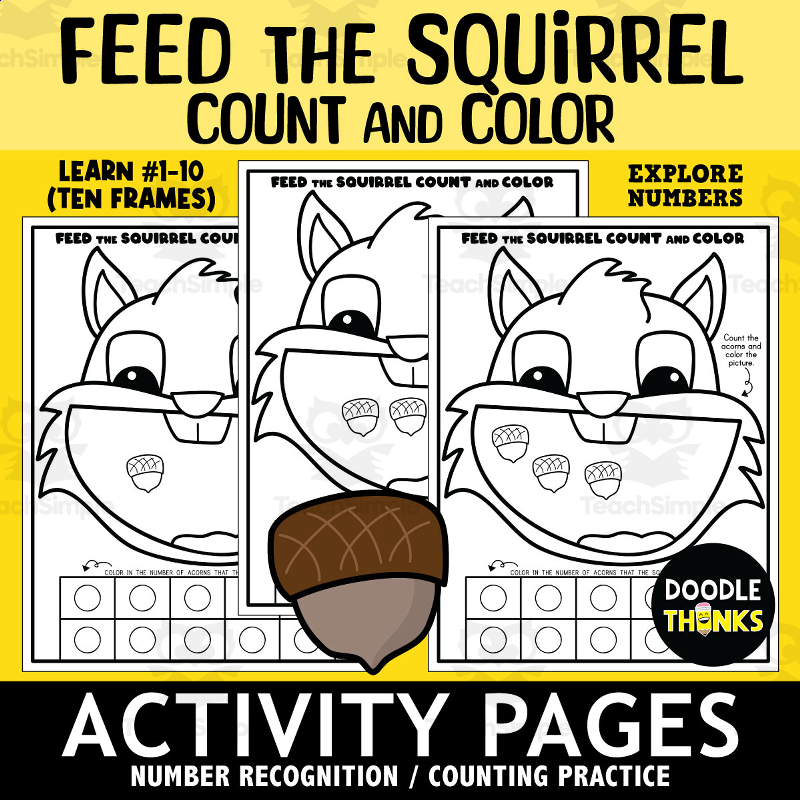
Feed the Squirrel Count and Color Ten Frames Activity Printables
Early counting and coloring practice where students count a number of acorns and color a squirrel picture accordingly.


Classroom resources
Browse by lesson focus
Choose the topic or kind of practice you need.
Showing 1705–1728 of 4321 resources

 Show filters
Early counting and coloring practice where students count a number of acorns and color a squirrel picture accordingly.
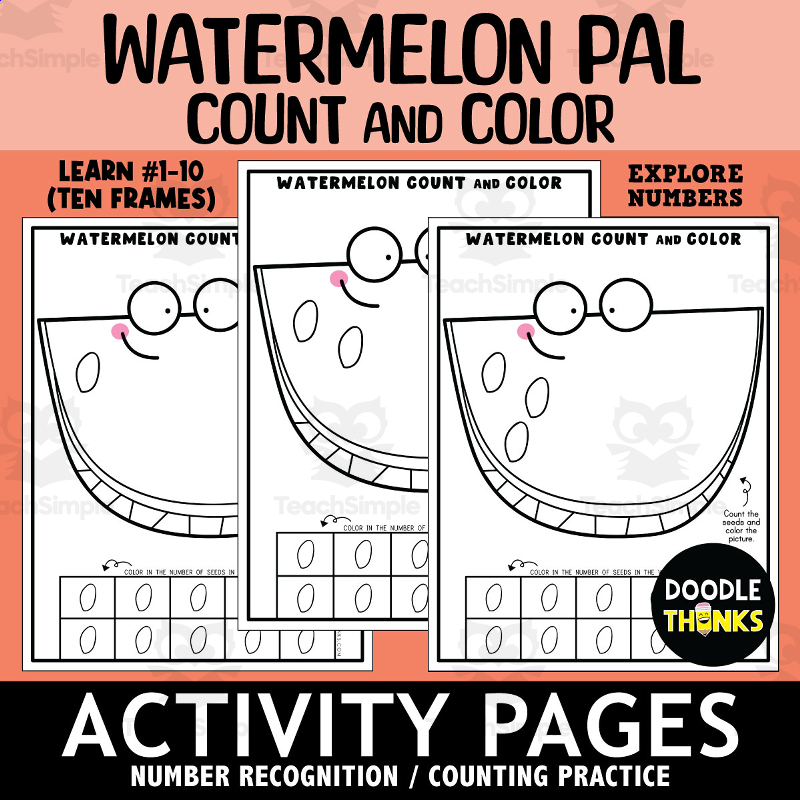
Practices counting and number recognition 1-10 by having students count and color the correct number of watermelon seeds on each page.
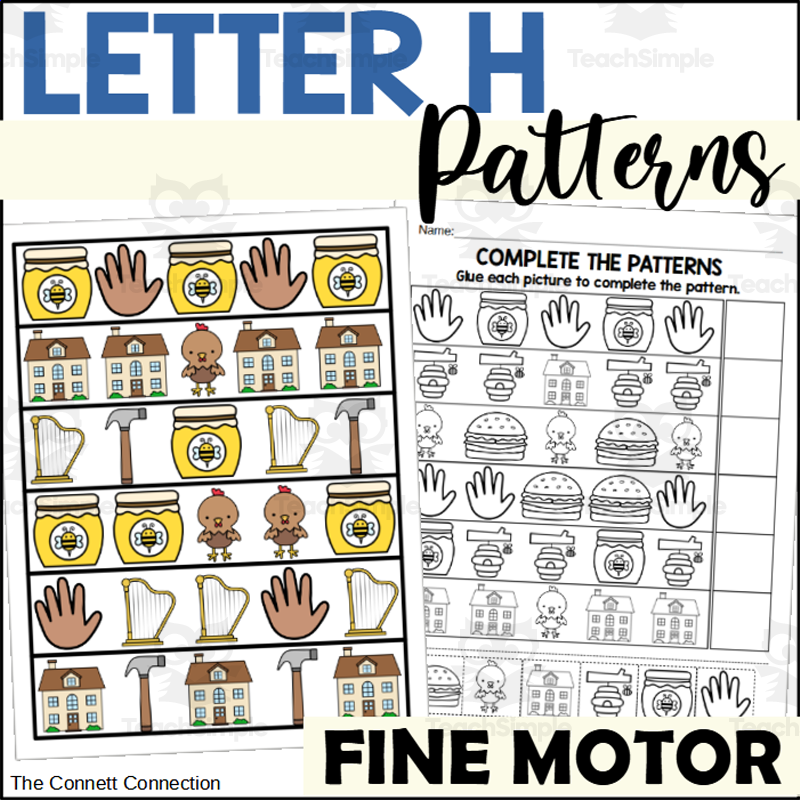
Product Description: Letter H Patterns The Letter H Patterns is an invaluable teaching resource meticulously designed to enhance preschool and kindergarten students' proficiency in recognizing, completing and extending simple patterns. The unique feature of this product is the incorporation of the most common sound of letter H into…
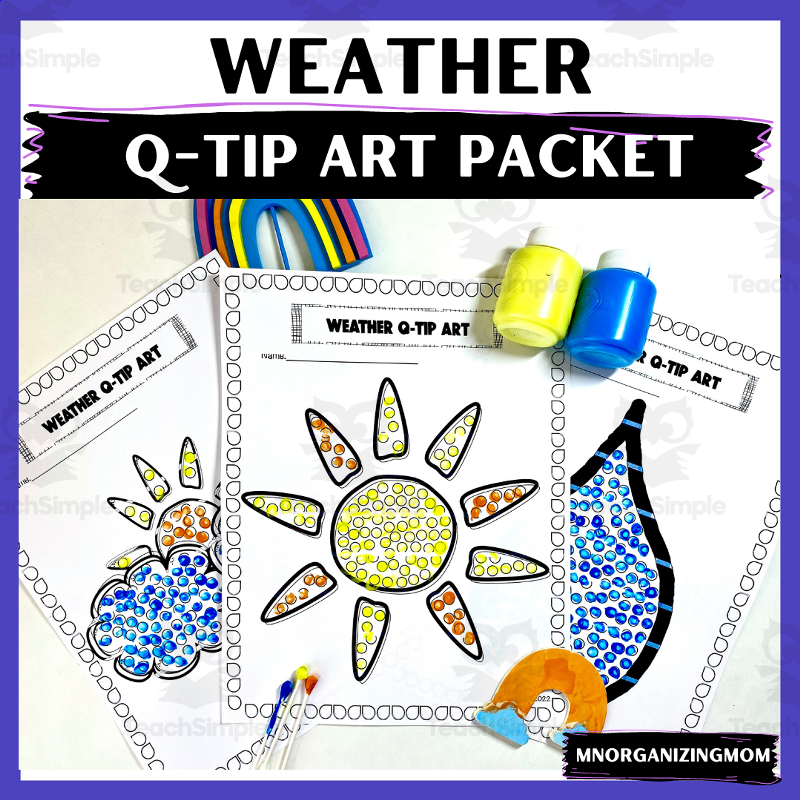
A no-prep fine motor art activity packet using weather-themed images for students to decorate with Q-tips (dot painting).
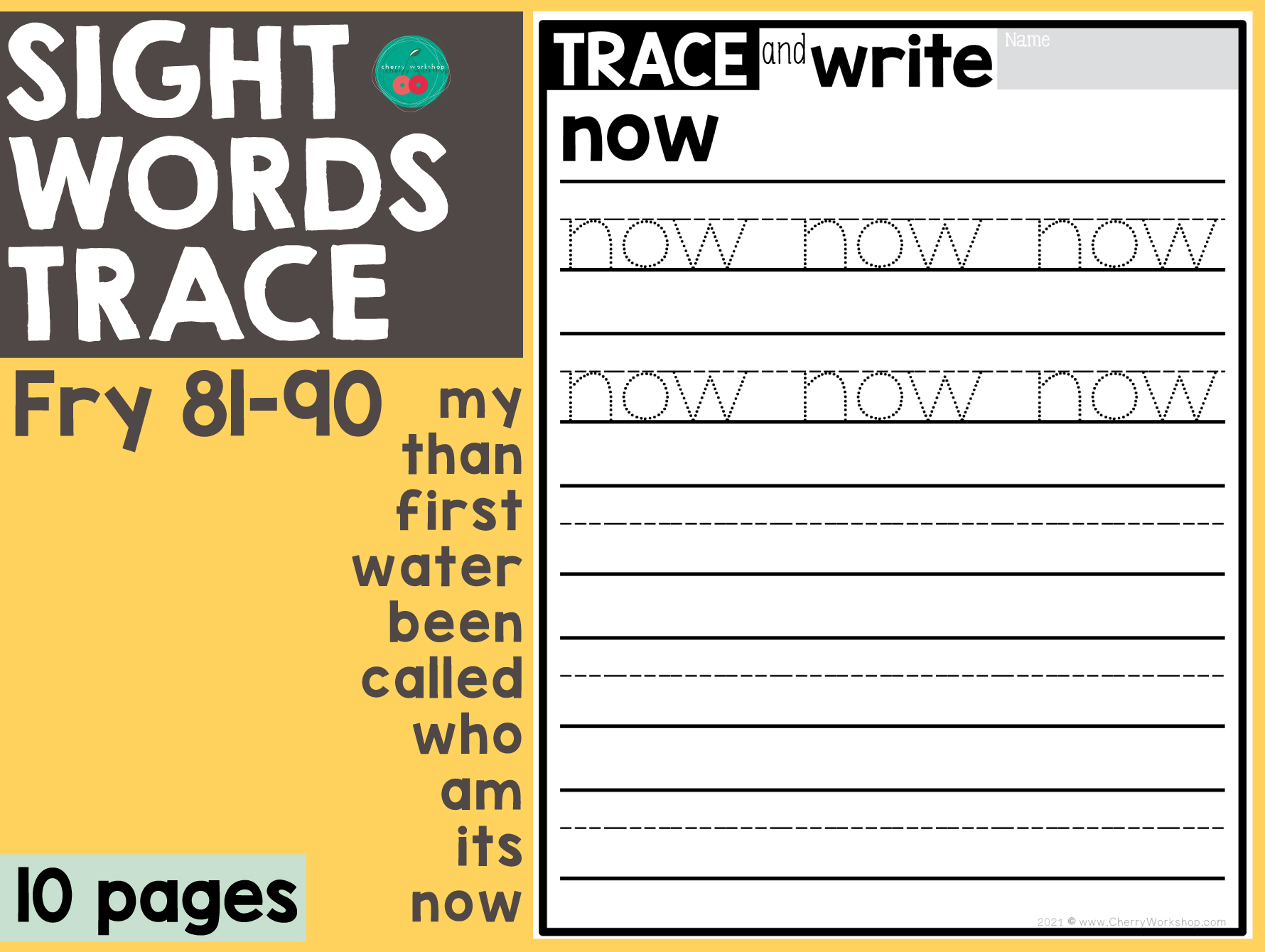
Sight Words Trace 81-90 Helps Students Master Early Reading and Writing Skills This 10-page pack focuses on high-frequency Fry sight words 81-90. Young learners trace the words then practice writing them on their own to build muscle memory. These printable worksheets help kindergarten, first grade, and struggling second grade students…
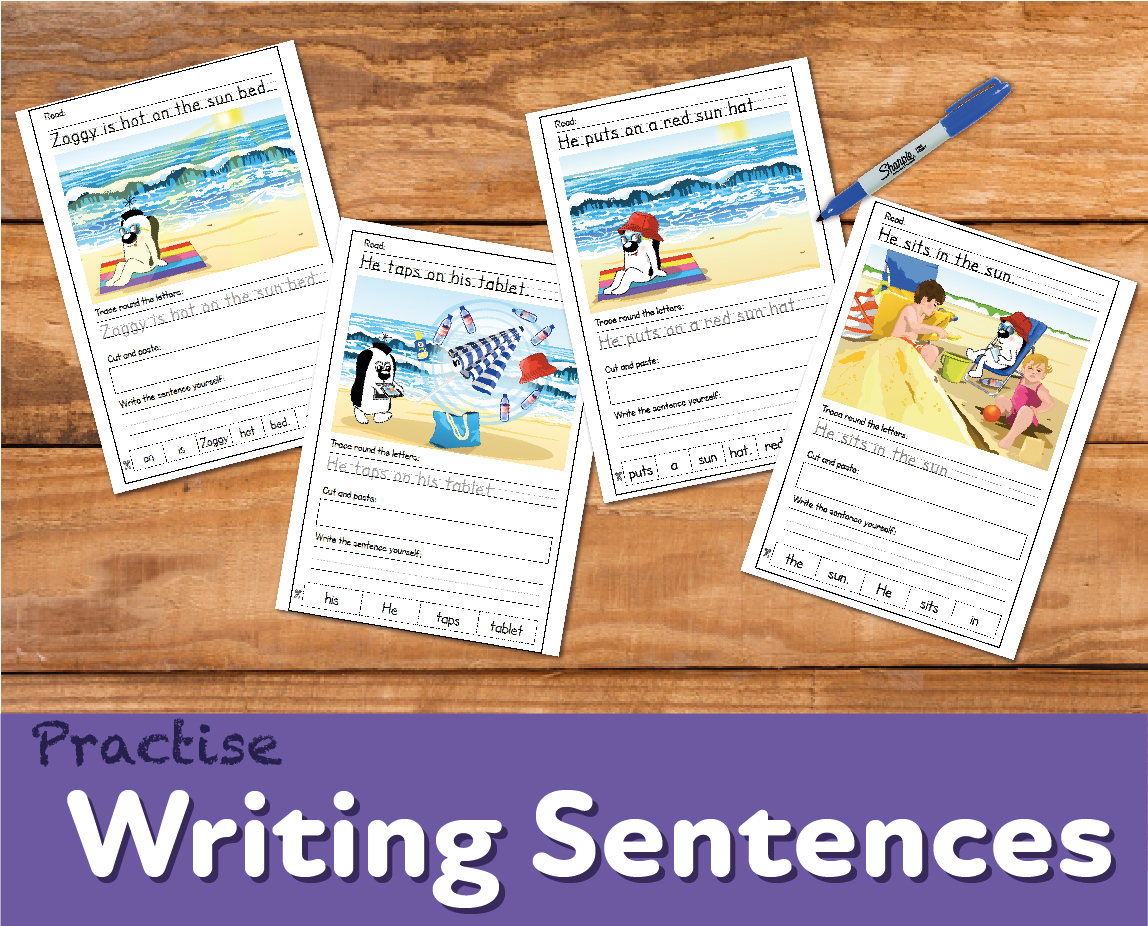
Give young children practice reading, tracing, reassembling, and independently writing simple sentences, built around a decodable mini-story about a character named Zoggy.
A print-and-go beginning-of-year morning work packet for Kindergarten covering letter recognition, beginning letter sounds, sight words, and counting, one letter of the alphabet per page.
Sight word handwriting practice ('Rainbow Roll and Write') for the high-frequency words taught in the Reading Street curriculum Unit 1 (6 weekly word sets).
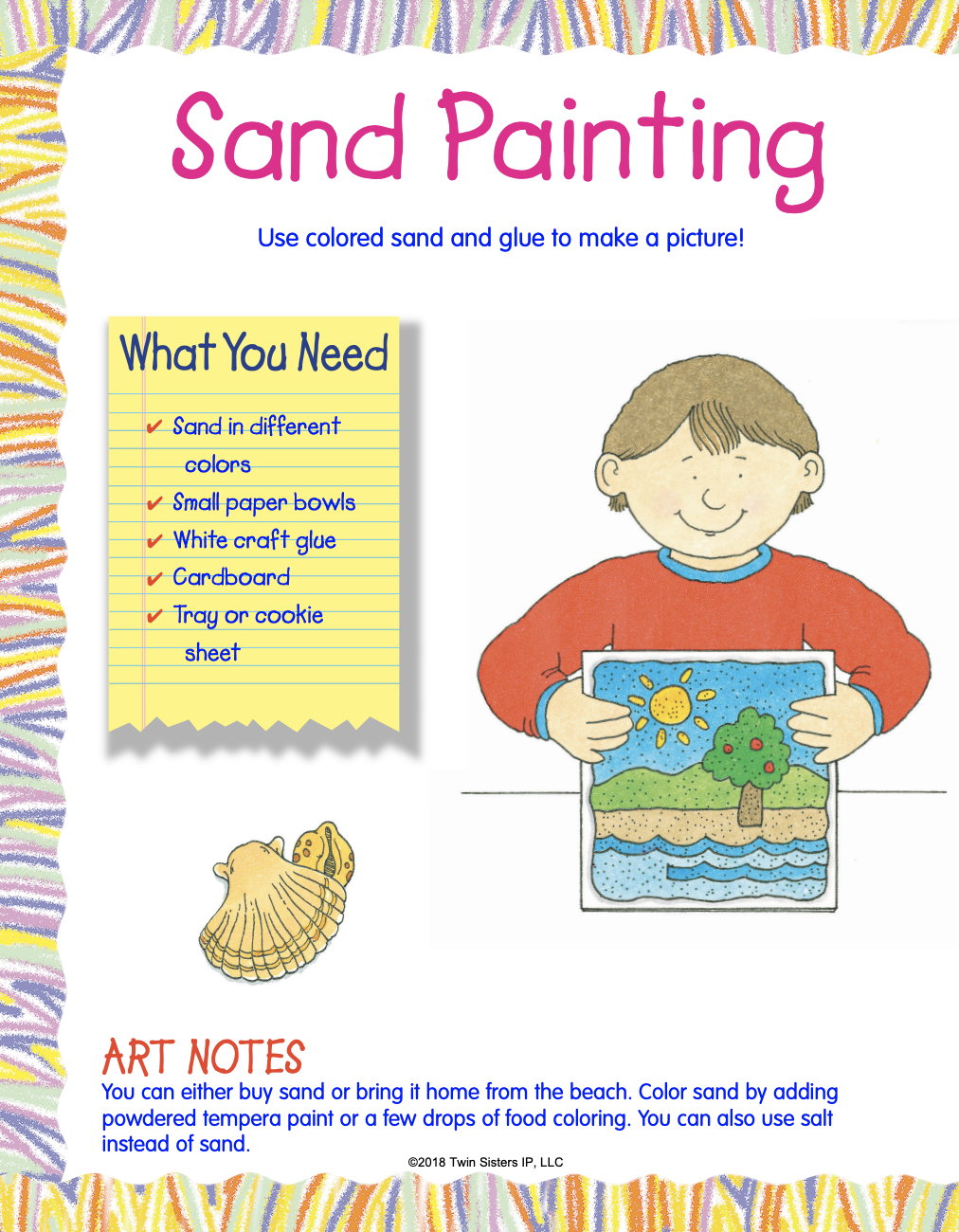
Guide young children through hands-on arts and crafts projects (sand painting, paper-strip sculpture, treasure box) with step-by-step instructions and related extension ideas.
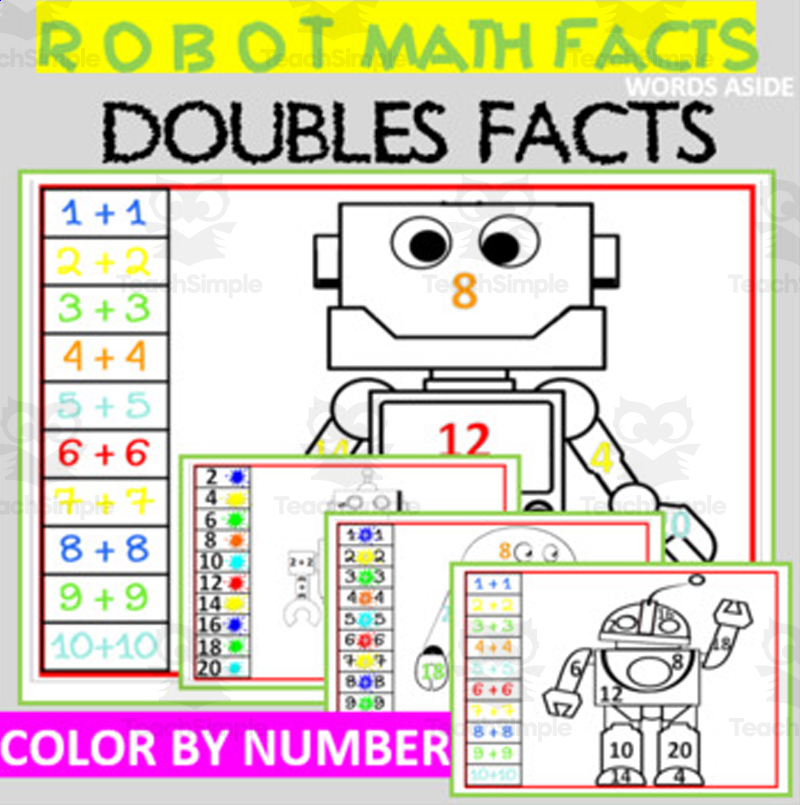
Practice addition doubles facts (e.g. 1+1 through 10+10) through a robot-themed color-by-number activity to build mental math fluency.
A single-page open-ended drawing/writing prompt asking students to think of and depict pink-colored fictional characters.
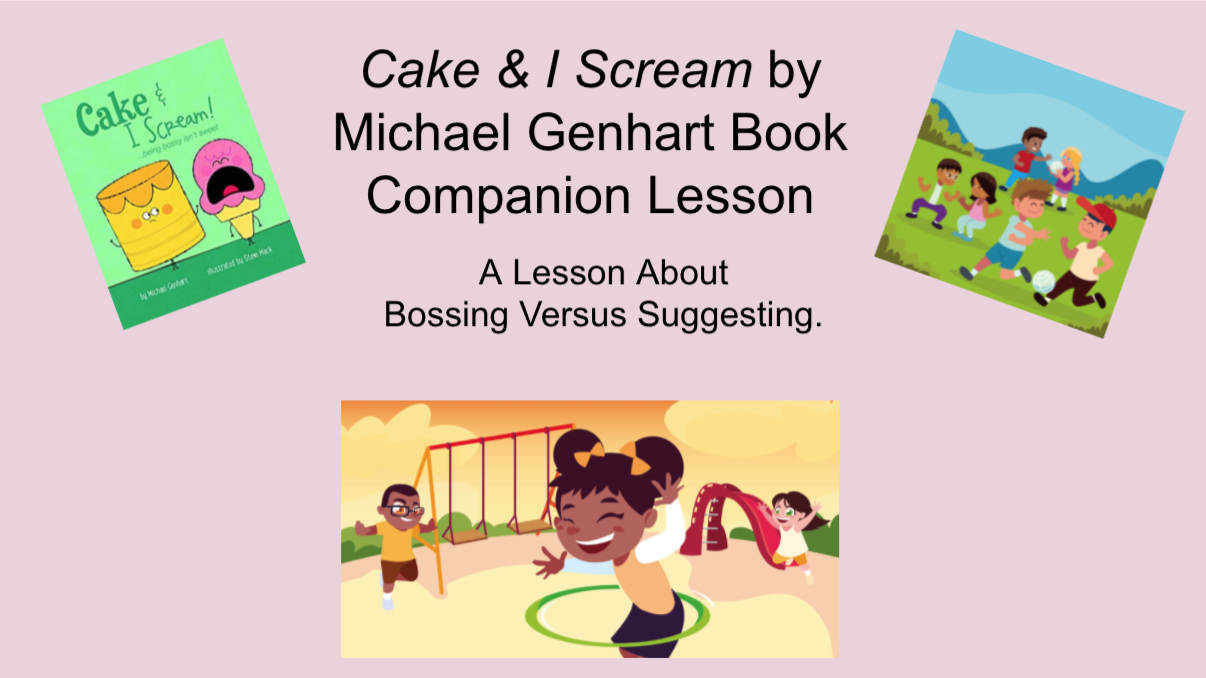
Social-emotional learning (SEL) book-companion lesson teaching the difference between 'bossing' and 'suggesting', built around the picture book 'Cake & I Scream' by Michael Genhart.
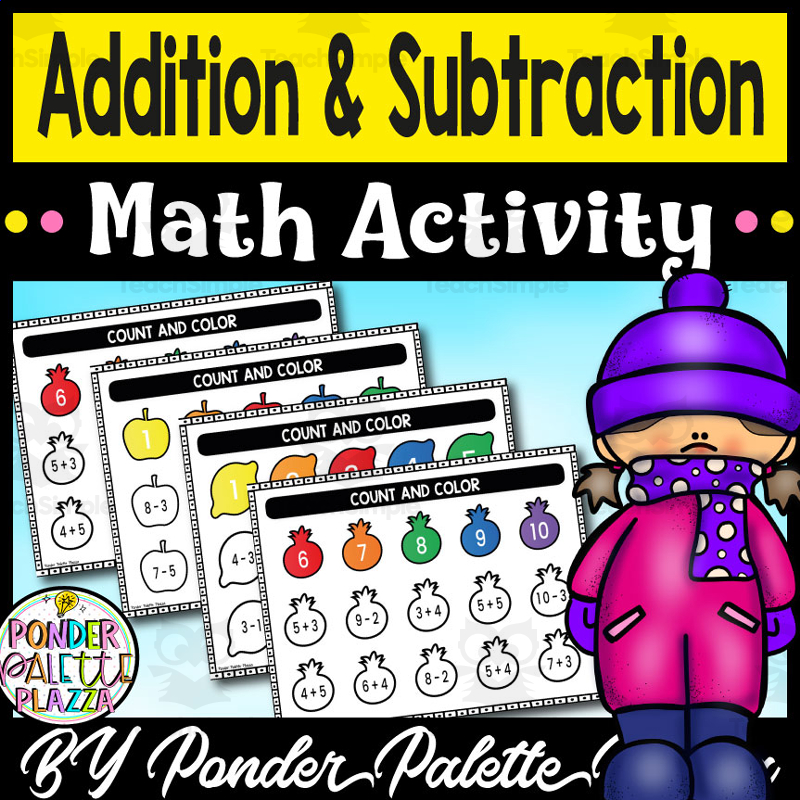
Turn math time into playtime with this Addition and Subtraction: Count and Color activity! Designed to engage even the most math-resistant students, this resource combines basic arithmetic with creativity. It’s the magical fusion of problem-solving and coloring that makes equations as fun as picking crayons out of the box (without the…
Teach students to recognize and correctly use 100 common homophone pairs/sets through definitions, example sentences, and practice exercises.

Build CVC decoding and sentence-to-picture matching skills for emergent readers.
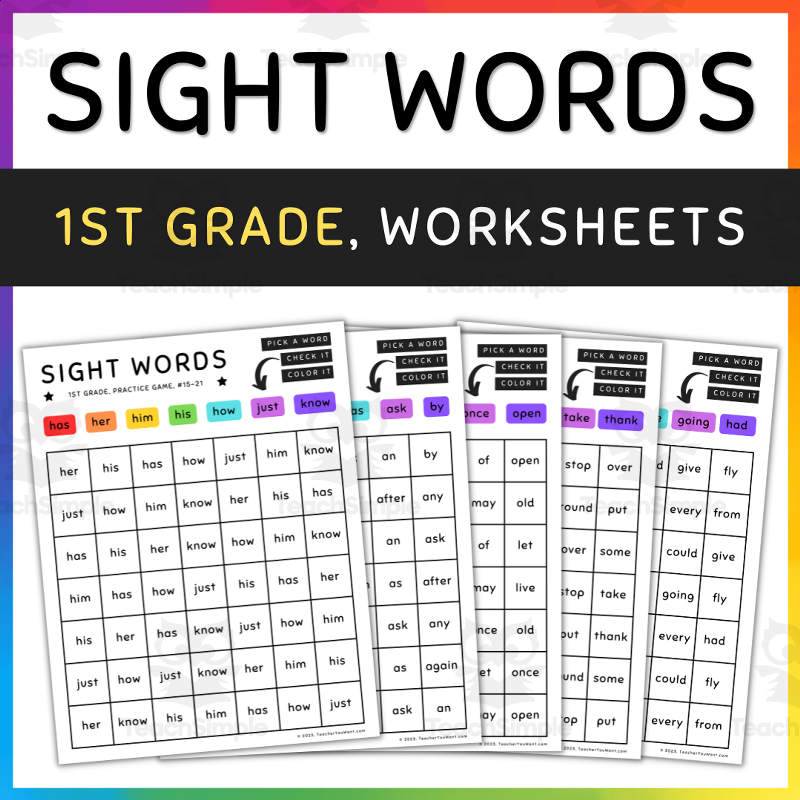
Sight word recognition practice game using a word-search-style color-by-word grid, covering the 41 first-grade Dolch sight words in 6 groups of 7 words each.
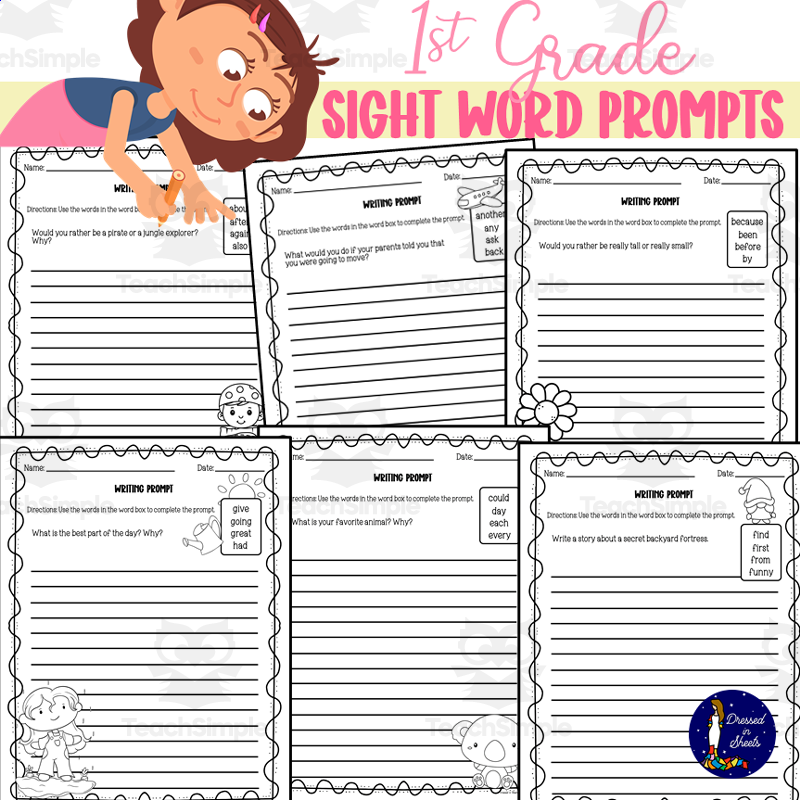
Combine sight word review with short creative writing practice for first graders
 Free download
A social-emotional learning activity helping young students recognize emotions from facial expressions in photographs of real people.
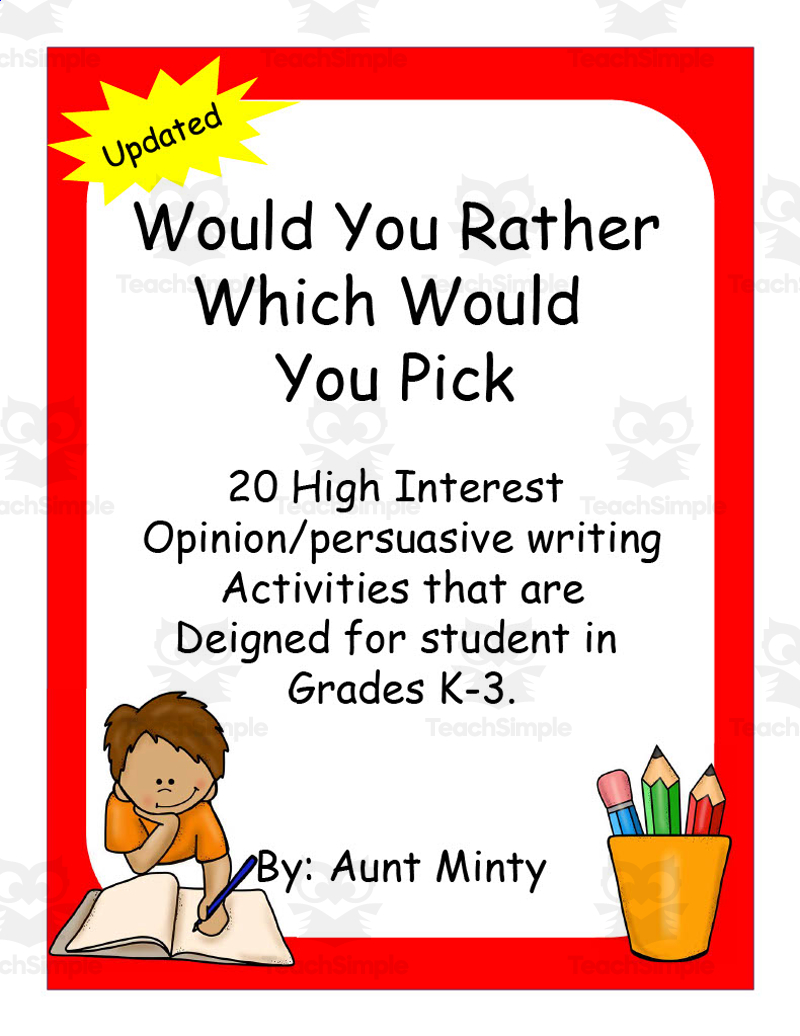
A set of opinion/persuasive writing activities that use 'Would You Rather' prompts to teach the writing process (prewriting, drafting, editing, final copy) and Common Core opinion-writing standards.
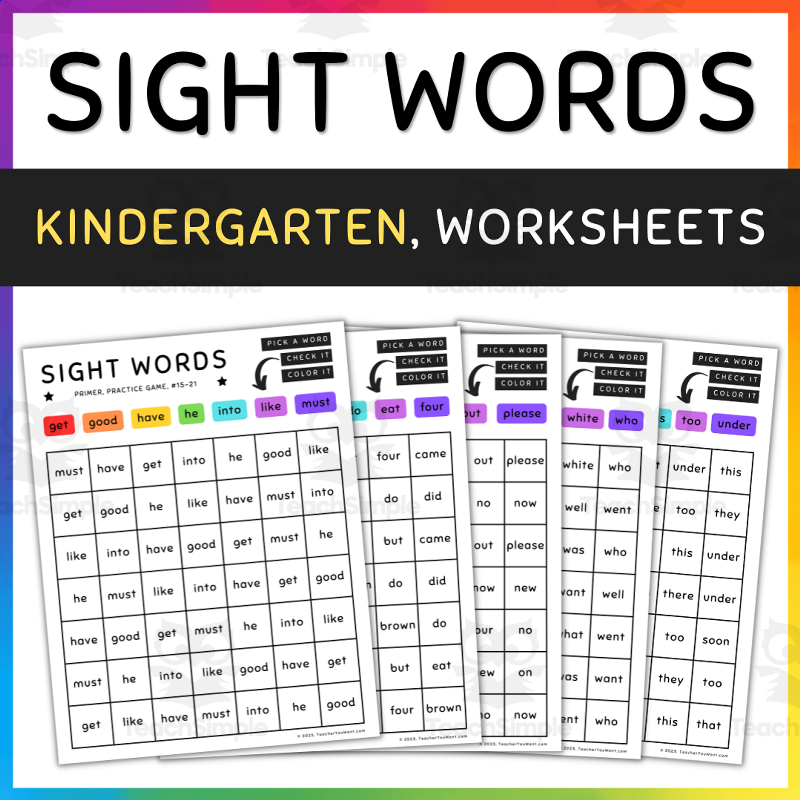
Practice recognizing Dolch primer sight words through a 'pick a word, check it, color it' repeated-word grid activity.
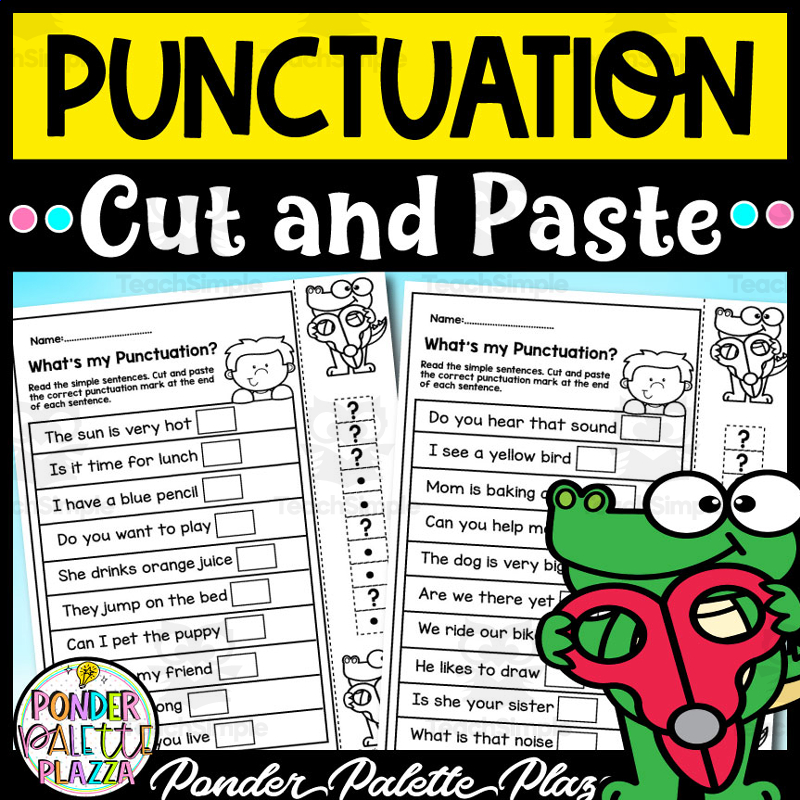
Practice identifying and applying end punctuation (period, question mark, exclamation mark) through a cut-and-paste matching activity.
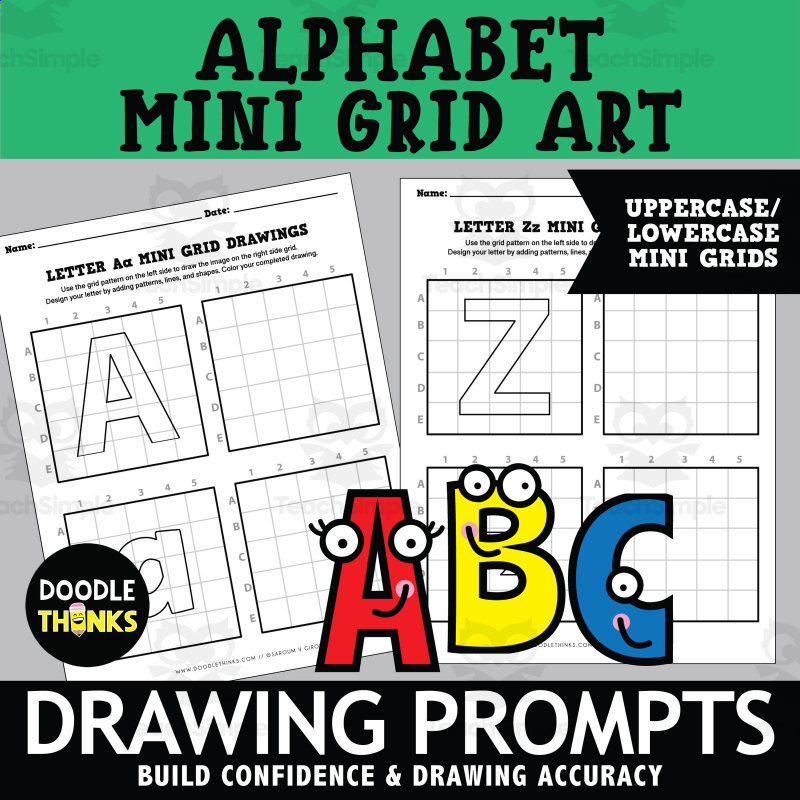
Build drawing accuracy and creative confidence using grid-copying art prompts themed around each letter of the alphabet.
A two-part personal-narrative writing journal (combining 'True Life Stories' and 'Me and My World') that prompts students to write and illustrate short personal stories using story starters, brainstorming questions, and vocabulary space.
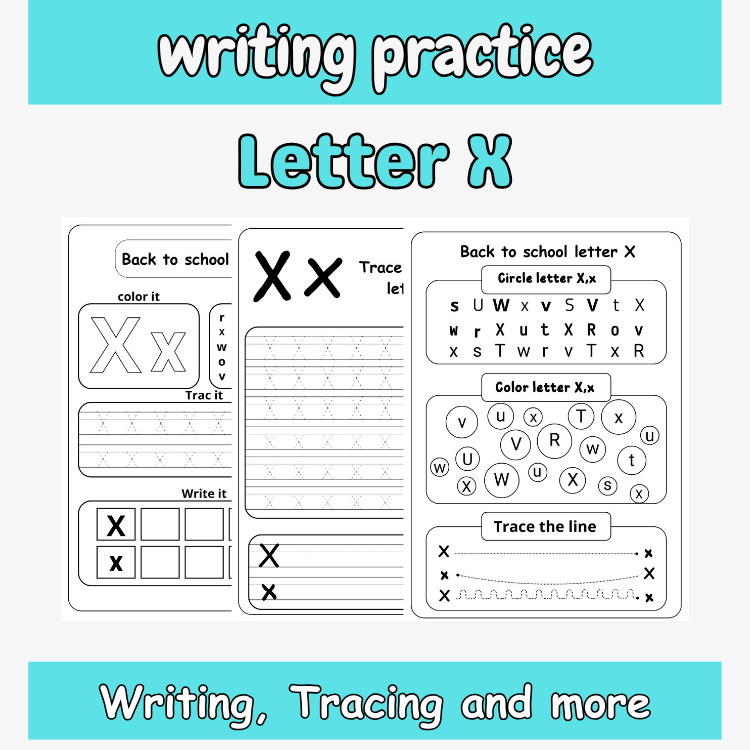
Practice recognizing, tracing, and writing the letter X/x (framed as a 'back to school' activity).