 Free download
 Play & discovery
Identify and Count 2D Shapes
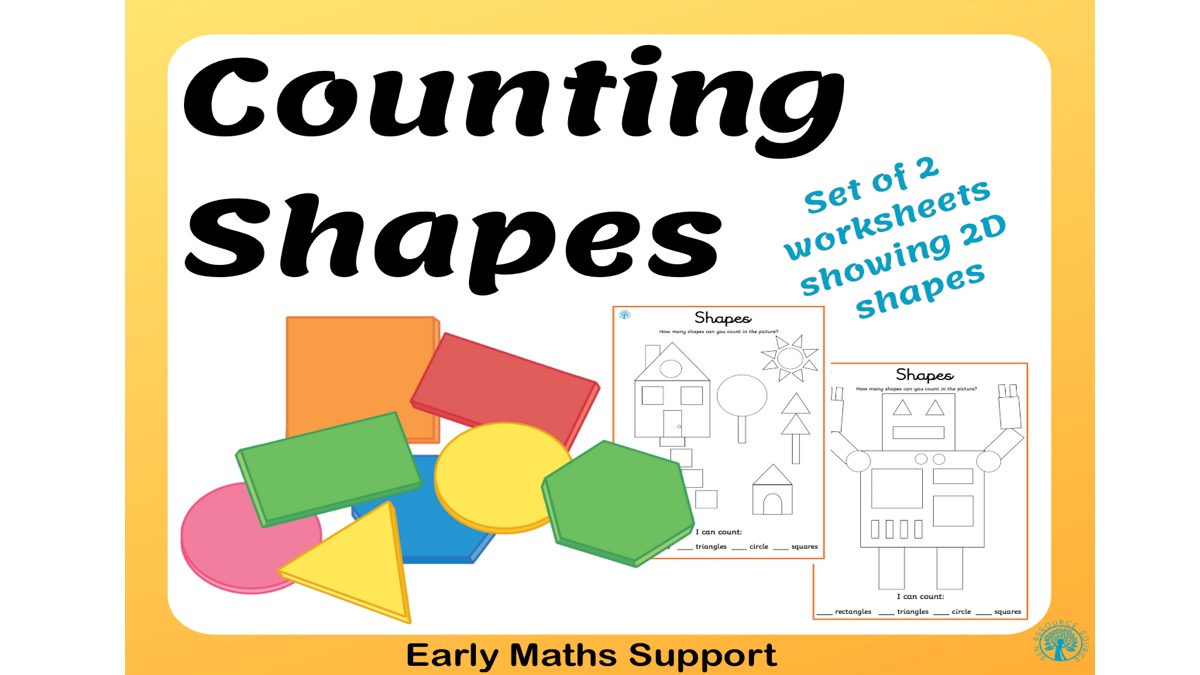
Practice identifying and counting basic 2D shapes (circles, squares, rectangles, triangles) hidden within a picture.




Classroom resources
Browse by lesson focus
Choose the topic or kind of practice you need.
Showing 1153–1176 of 2462 resources

 Show filters Free download
 Practice identifying and counting basic 2D shapes (circles, squares, rectangles, triangles) hidden within a picture.
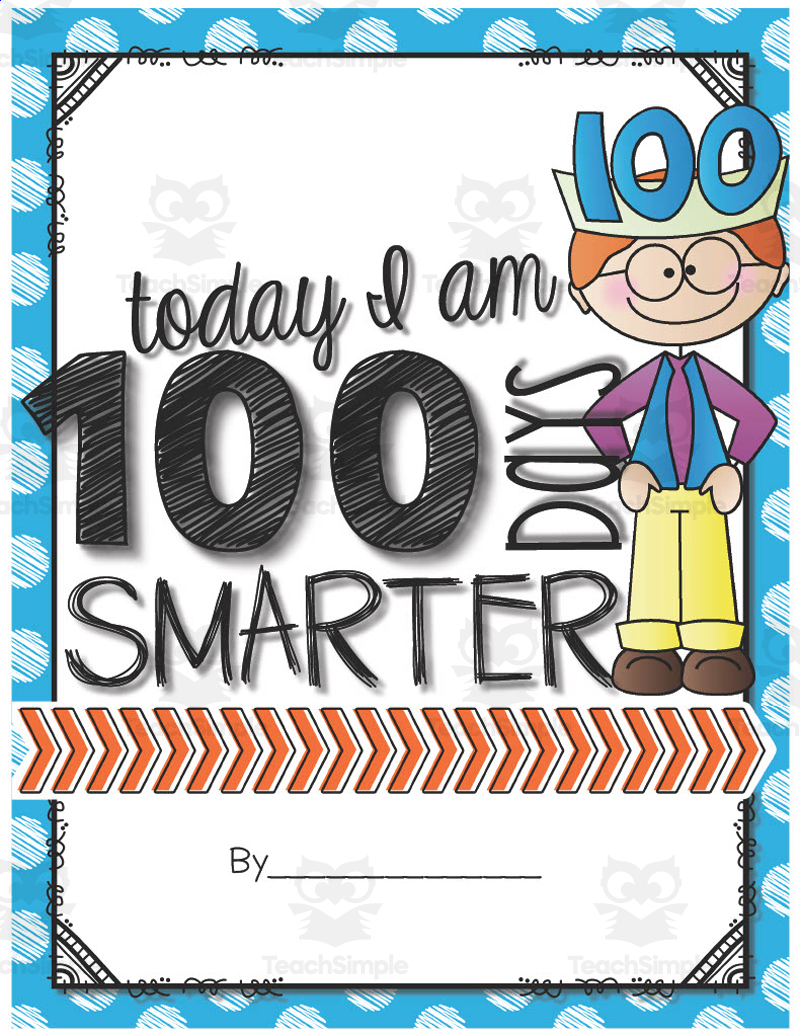
A set of 100th-day-of-school printables combining math fact practice (addition/subtraction facts to 100) with reflective '100 Things I...' list-writing prompts and a cut-and-count activity.
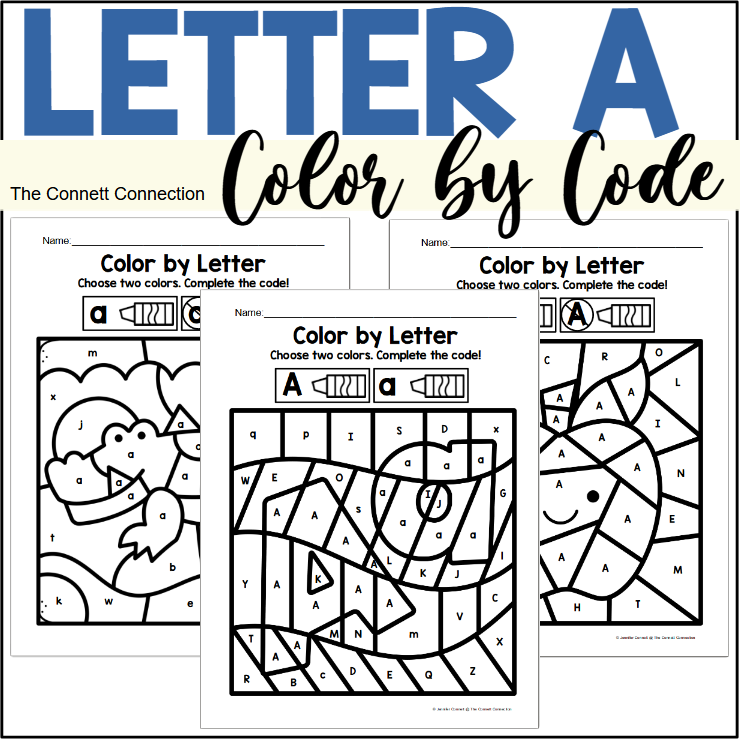
Practice letter A recognition through a color-by-code activity where students find and color occurrences of the letter A among distractor letters.
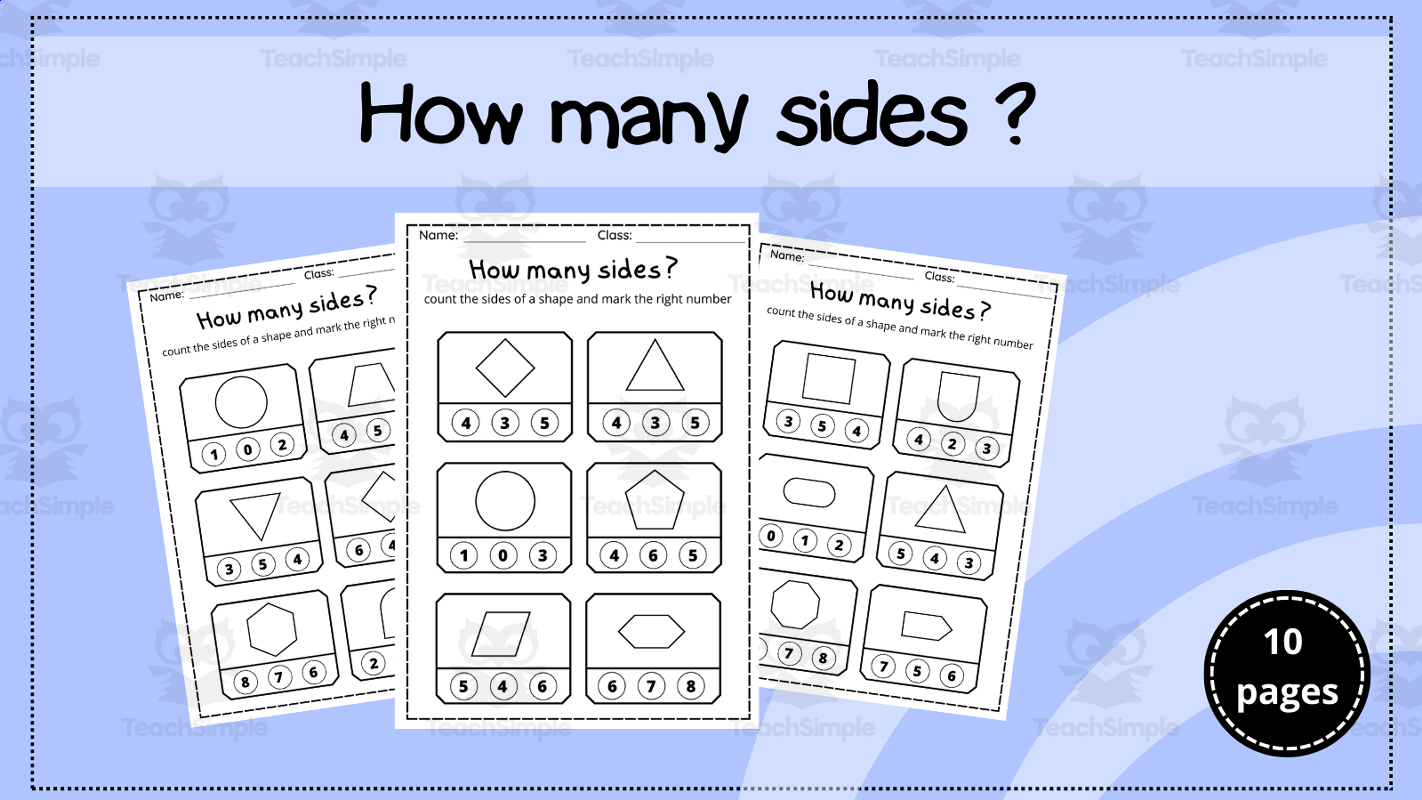
Practice counting the number of sides on shapes.

Practices identifying words containing a specific short vowel sound (a, e, i, o, u) in the middle of the word.

A phonics activity packet focused on short a and short e vowel sounds, using CVC words, aligned to Common Core RF.K.2 and RF.1.2 standards.
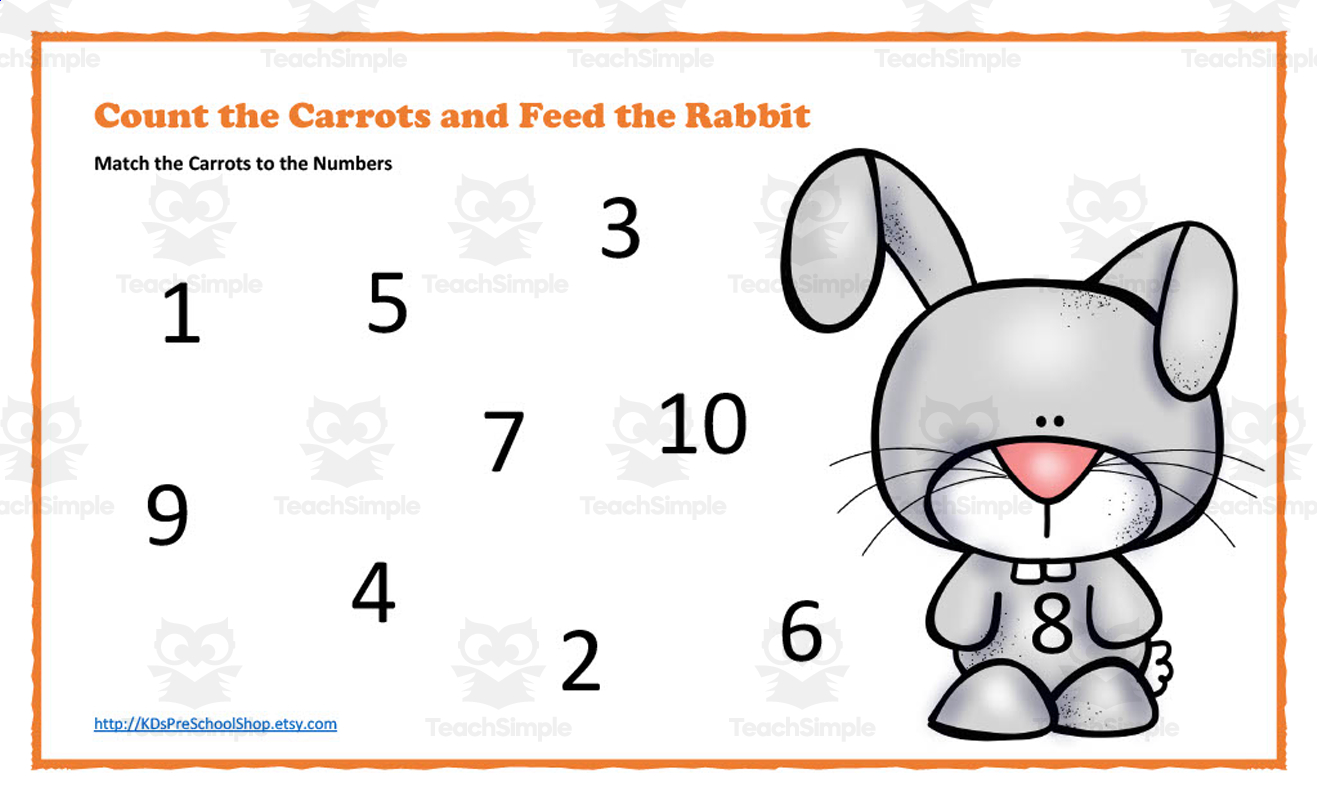
Provides number-matching practice pairing carrot quantities to numerals, rabbit themed.
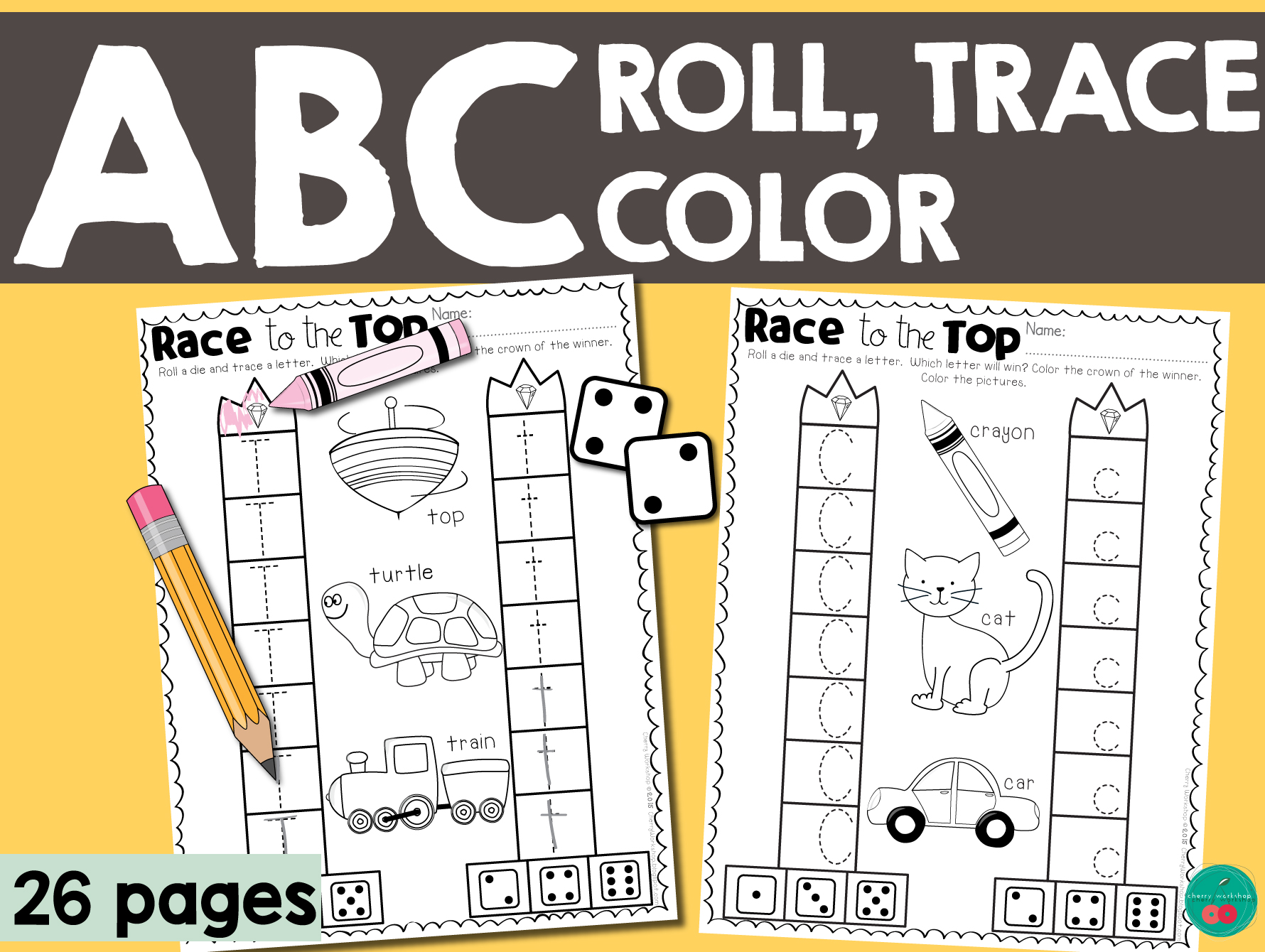
A dice-based letter-tracing race game where students trace letters and color related pictures.

A no-prep addition-facts practice craft where students solve sums, color-code a plant picture (flower/cactus) accordingly, then cut and fan-fold it into a two-image agamograph.
Math center activities that help young learners practice decomposing the number ten into two addends (number bonds), aligned to standard K.OA.A.3.
A 3-page print-and-go literacy packet covering syllable counting, beginning sounds, and a short creative writing prompt, using a safari-animal theme.
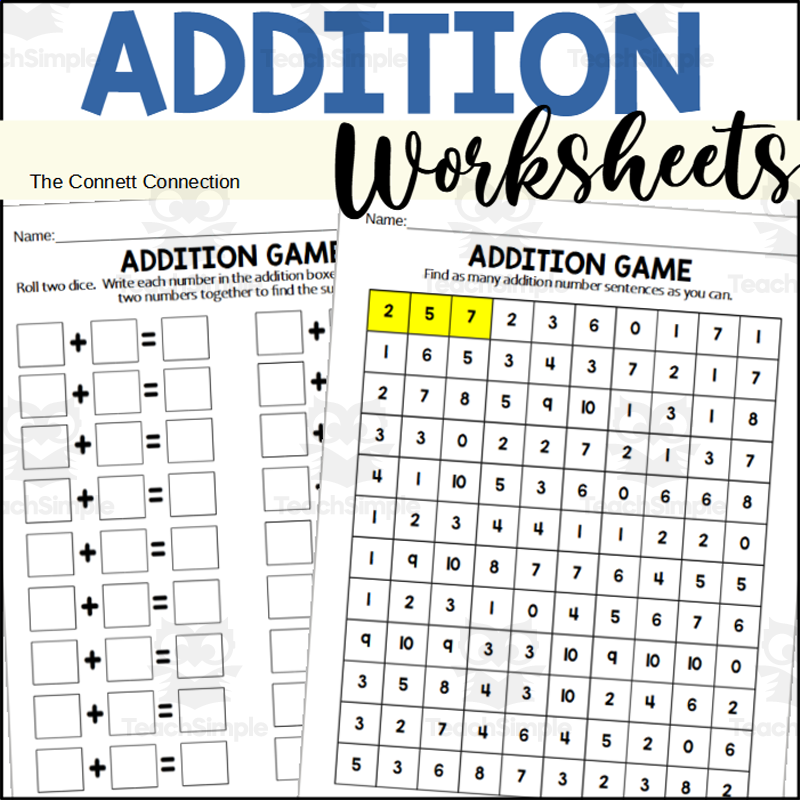
Provide printable addition games for practicing addition facts through a dice-roll activity and a number-search activity.
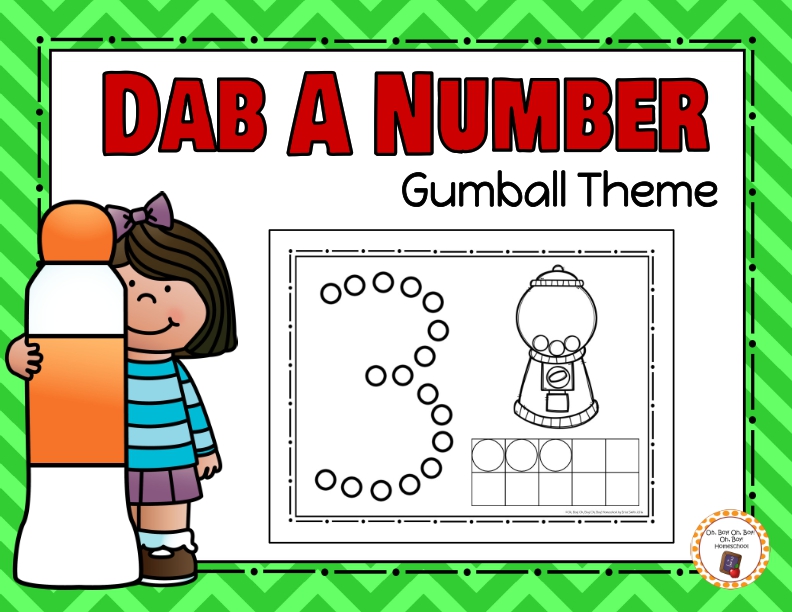
Low-prep number recognition and counting packet using a bingo dabber/dot marker, gumball theme, for numbers 0-10.

This is a Color by Number: Monster Addition Doubles Fact Set 3. There are 8 worksheets to choose from. These can be printed and used for homework, early finishers and so much more.

Introducing Letter N Coloring Pages, a phonics resource for early learners. This teaching tool features letter N coloring sheets to help preschoolers and kindergartners learn letter recognition, beginning sounds, and develop fine motor skills. The differentiated worksheets include a cover page, a single large N picture page, and a multiple N pictures…

Eight tracing pages split the numbers 1-10 into a 1-5 set and a 6-10 set, with each set repeated across four picture contexts: drawing apples on a tree, drawing dots on a die, drawing spots on a ladybird, and drawing a line to the matching number of fingers. Every page follows the same format — large numerals to trace followed by a hands-on quantity task — so students practice numeral formation and one-to-one counting correspondence together rather than as separate skills. The repetition across four picture themes for each number range is meant to reinforce the same counting skill in slightly different visual contexts rather than introduce new content on each page. For students who need more explicit stroke-by-stroke guidance before combining number formation with counting, number writing practice isolates the pencil path for each numeral.
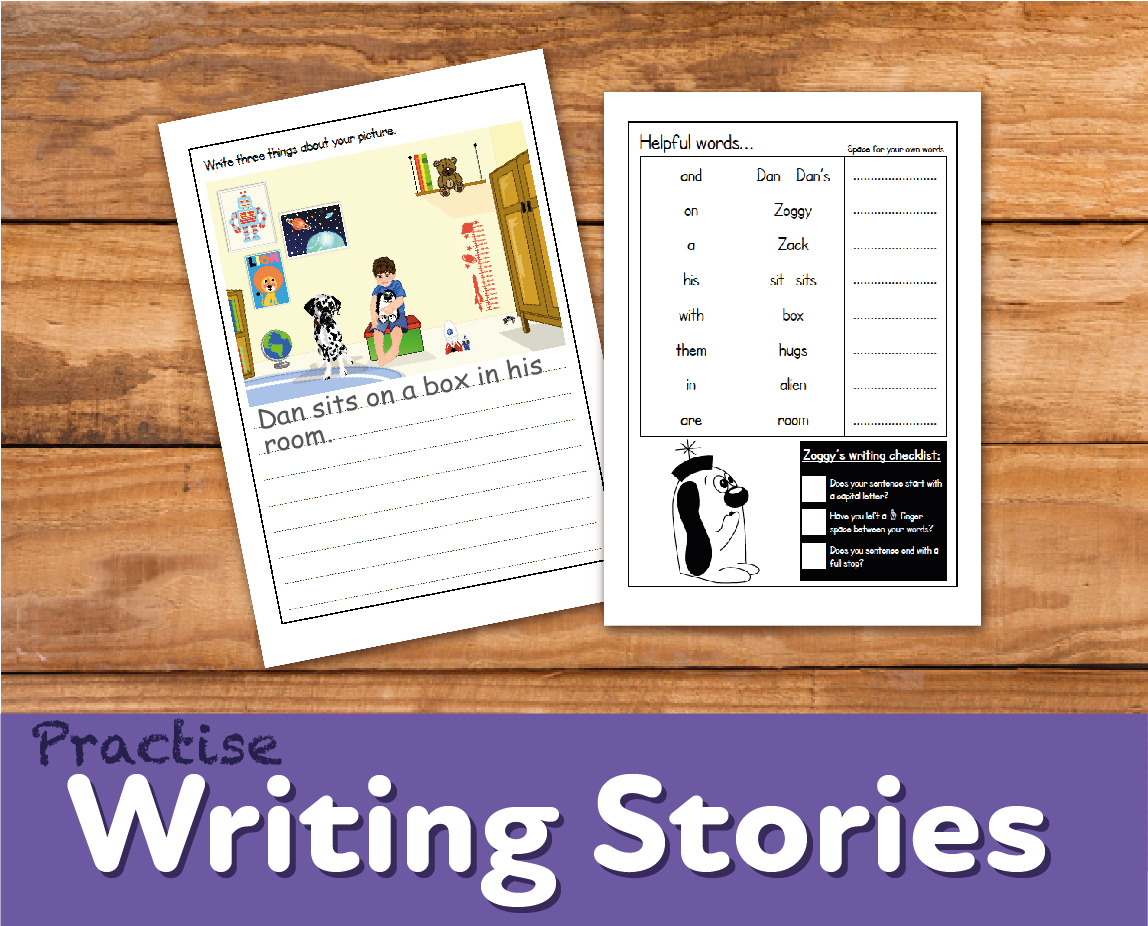
Guides students to write sentences about a picture (a boy, Dan, in his room with a box and an alien-like character), using a word bank and a self-check writing checklist for basic sentence conventions.
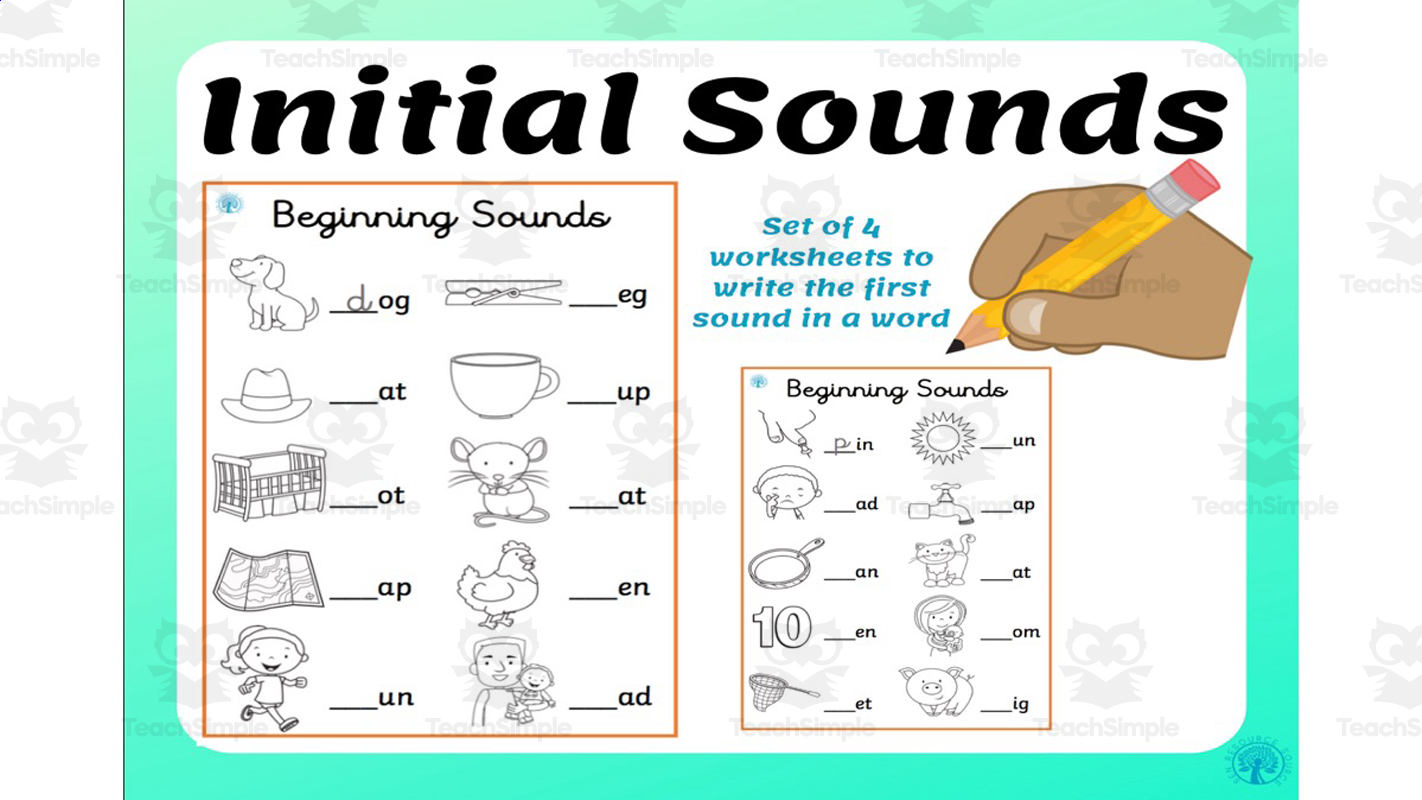
Practice identifying and writing the initial (beginning) consonant sound of a pictured/target word.
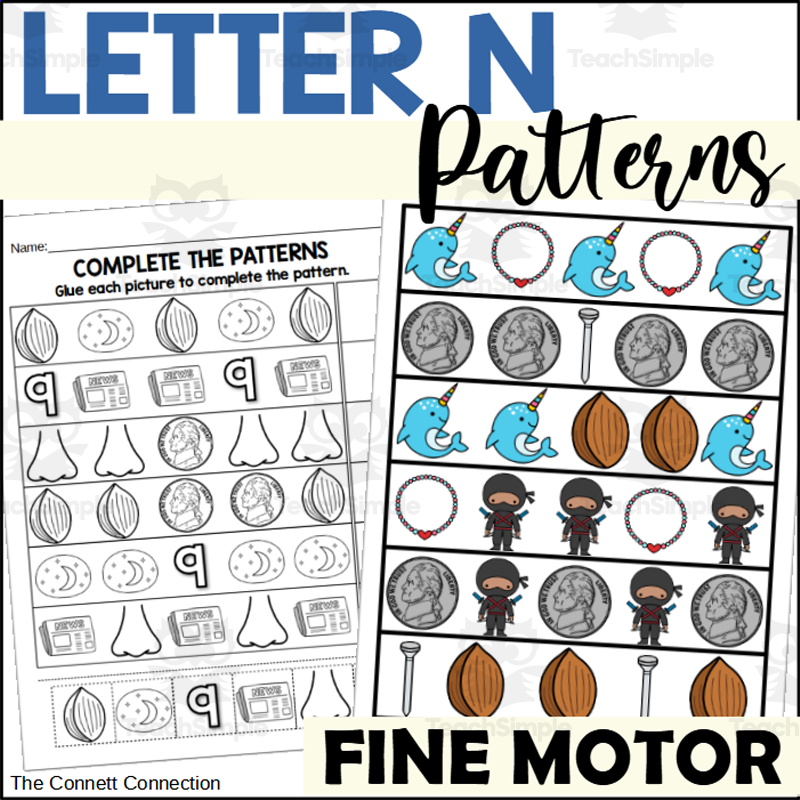
Practice patterning skills alongside letter-N beginning-sound picture recognition.
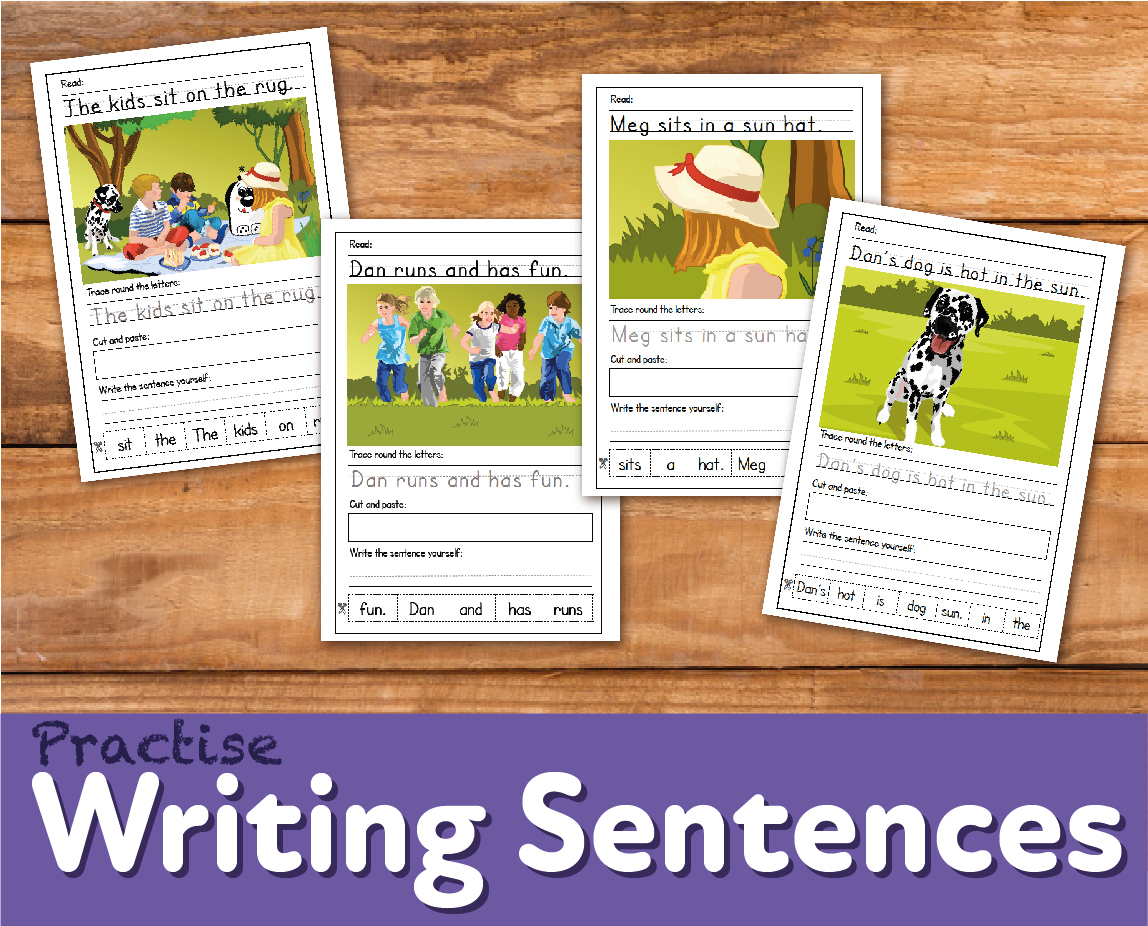
Sentence-writing practice for young learners built around a repeating character (Zoggy), pairing reading, tracing, cut-and-paste word ordering, and independent writing of the same sentence.
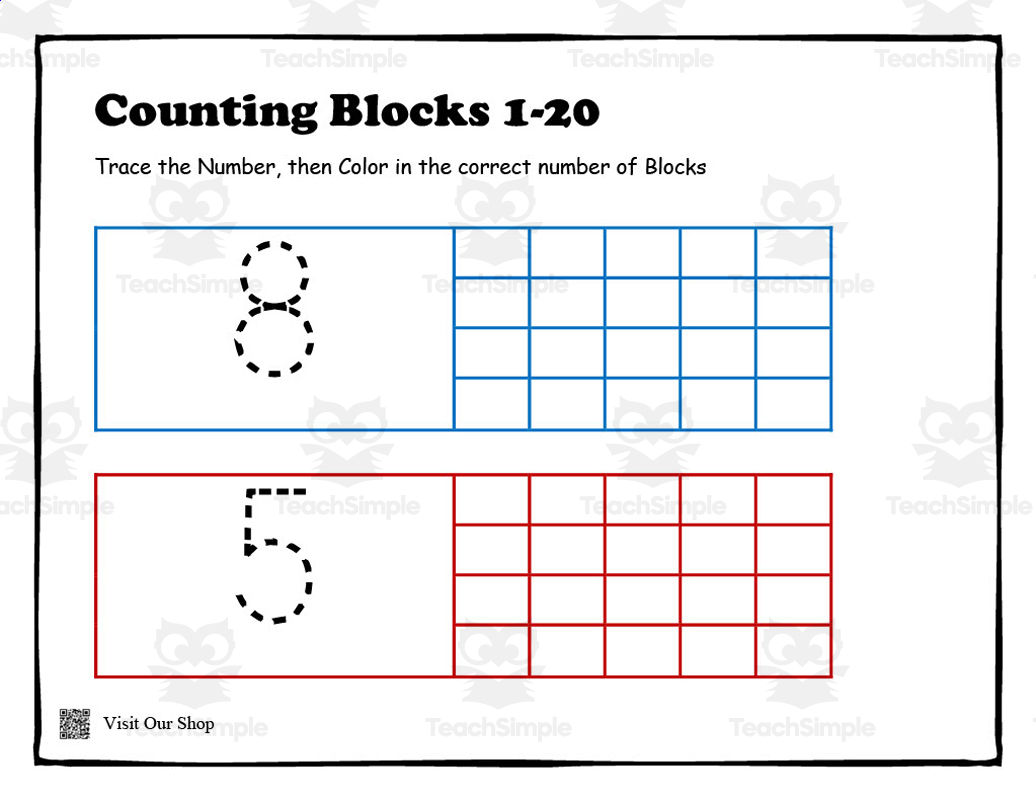
Number tracing and counting practice: students trace a printed number then color the matching number of blocks.

Each of six pages presents two picture-addition problems. Students count the animals in two rows and write the missing total after the equals sign in the printed equation. The 12 sums range from 7 to 16.
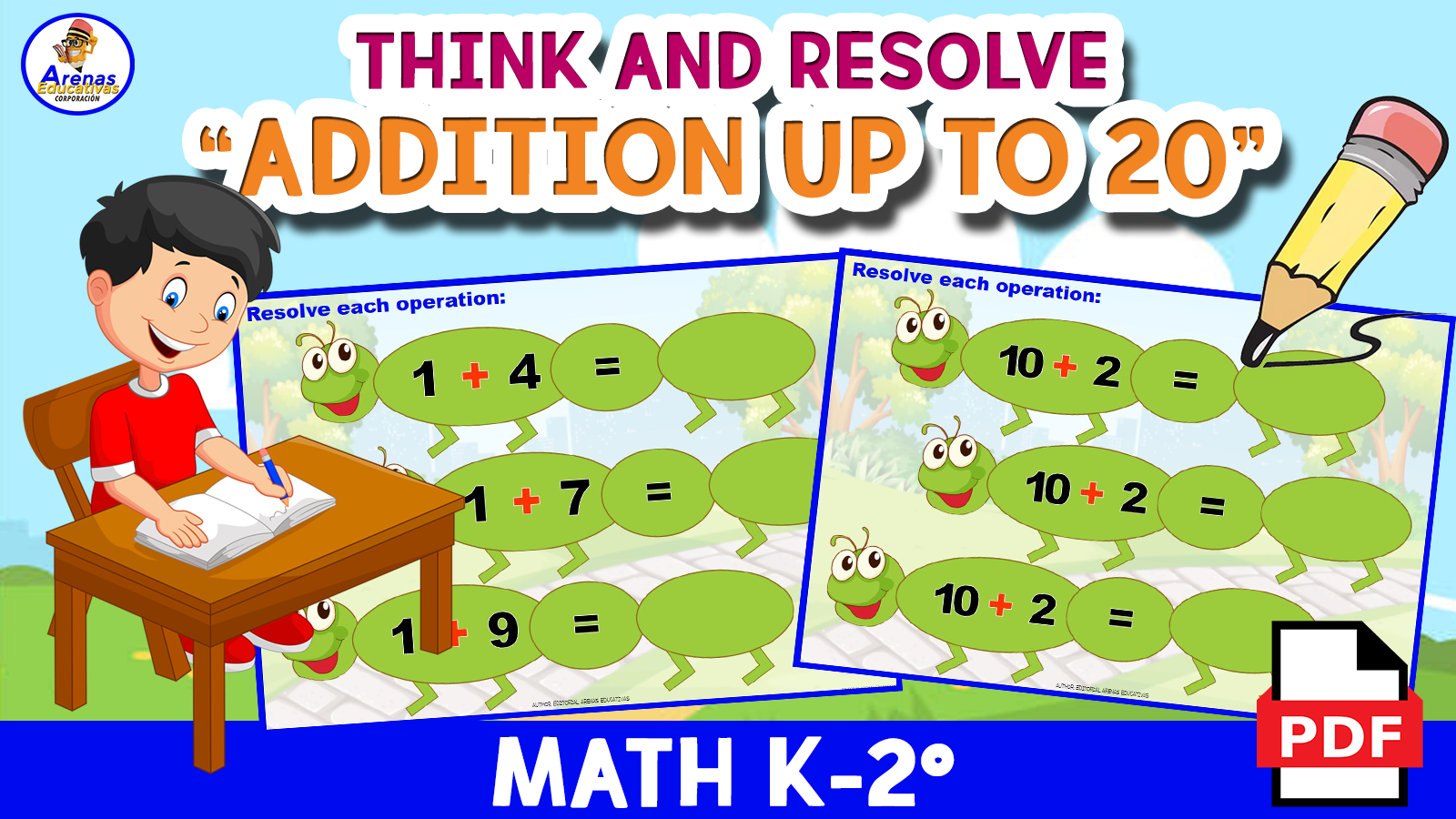 Free download
 Brief introduction: Performing mathematical operations is important for children, especially when it comes to learning to add, because it is a basic activity in daily life. For this reason, today we have prepared this educational worksheet so that students can practice addition in a didactic way, with numbers from 1 to 10, with results…
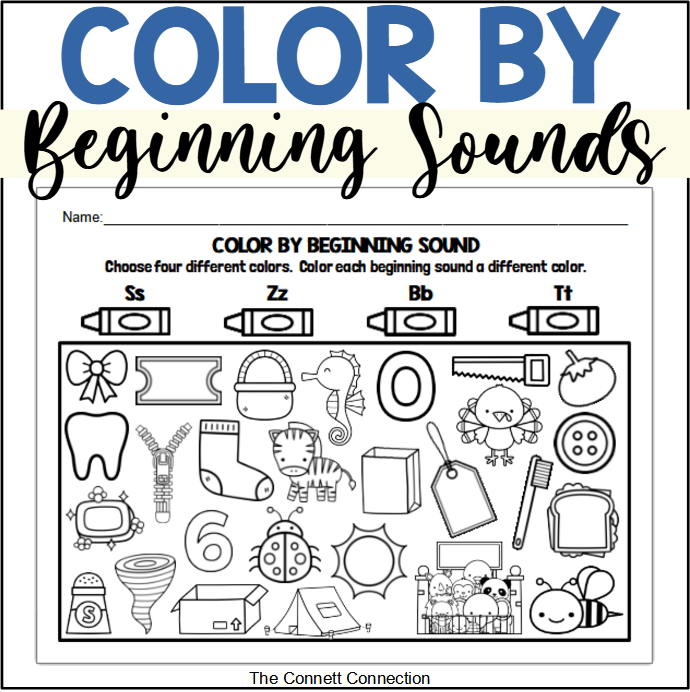
Phonics practice set for recognizing letter beginning sounds through a color-by-letter coloring activity.