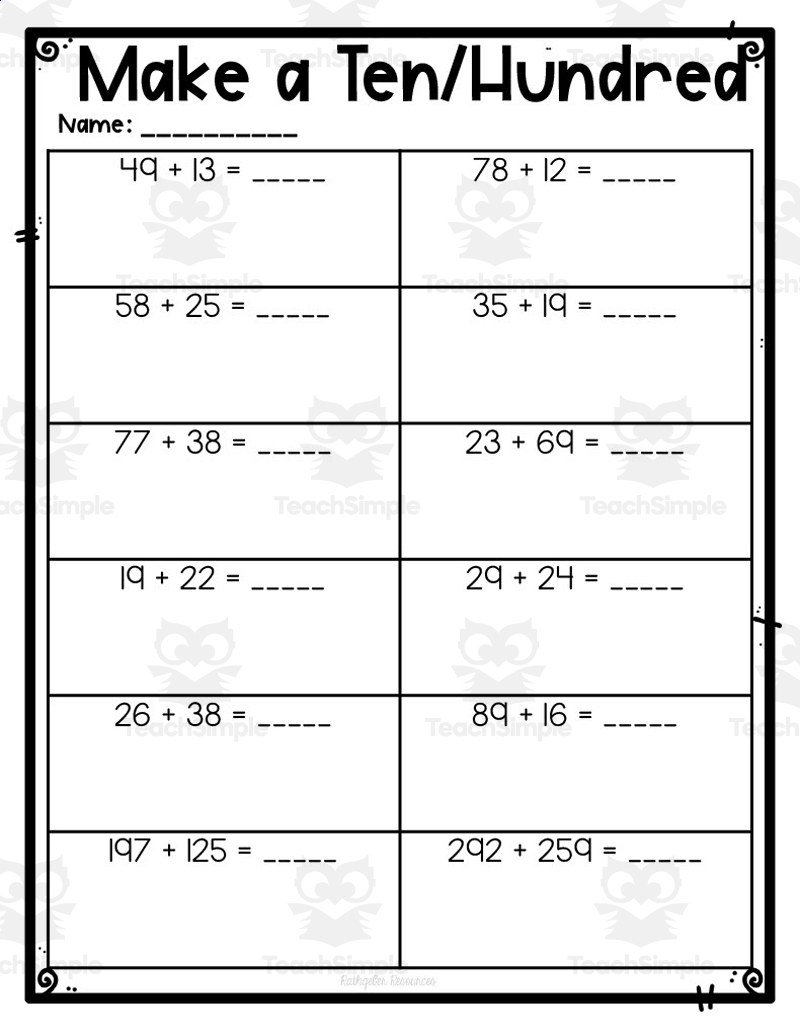
Make A Ten/Hundred Worksheet
A math worksheet practicing the 'make a ten/make a hundred' mental addition strategy, where students adjust two addends to round one to the nearest ten or hundred before adding.
5,618 resources
Explore sub-categories
19 sub-categories · 5,618 resources
A math worksheet practicing the 'make a ten/make a hundred' mental addition strategy, where students adjust two addends to round one to the nearest ten or hundred before adding.
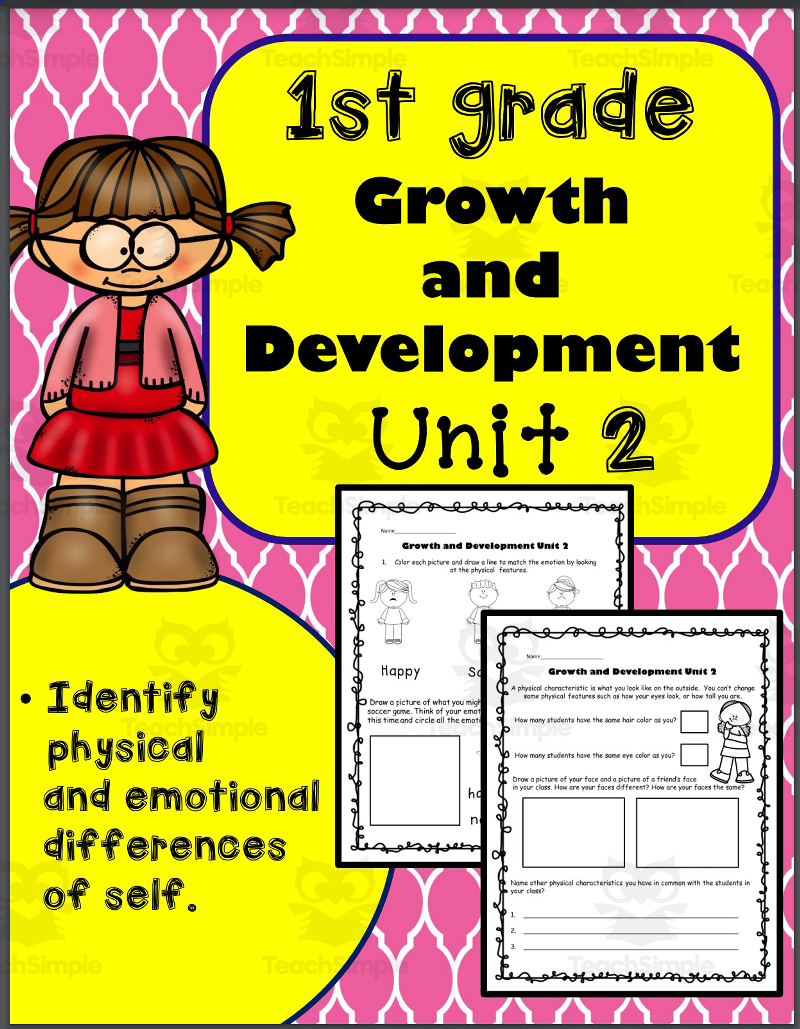
Color pictures and draw a line to match emotions to physical features; draw a picture of an emotional/physical reaction to scoring a soccer goal and circle applicable emotions; draw pictures depicting a time they felt nervous and a time they felt angry, then discuss as a class; compare physical characteristics (hair color, eye color,…
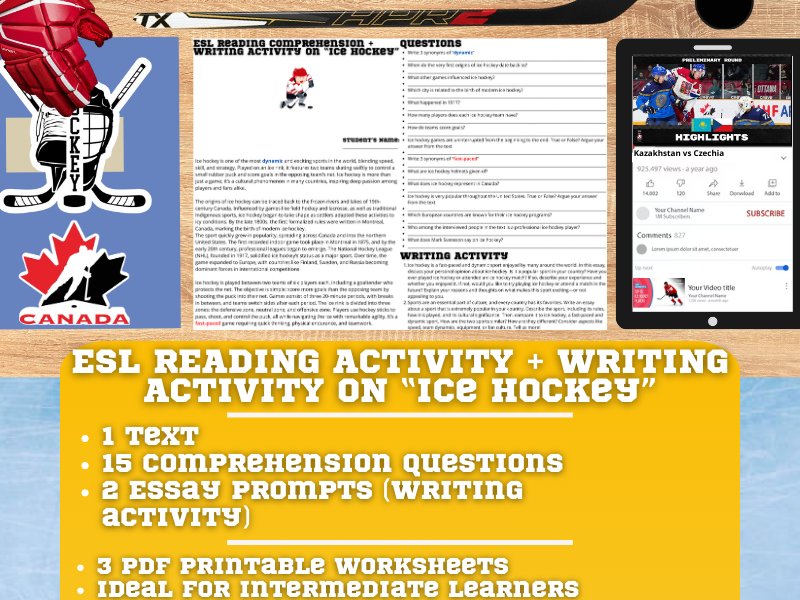
Students read a multi-paragraph informational/feature-style passage about ice hockey, answer short-answer and true/false comprehension questions citing the text, work through vocabulary-in-context items (defining or giving synonyms for words used in the passage), and then write one or more opinion, reflective, or narrative essays…
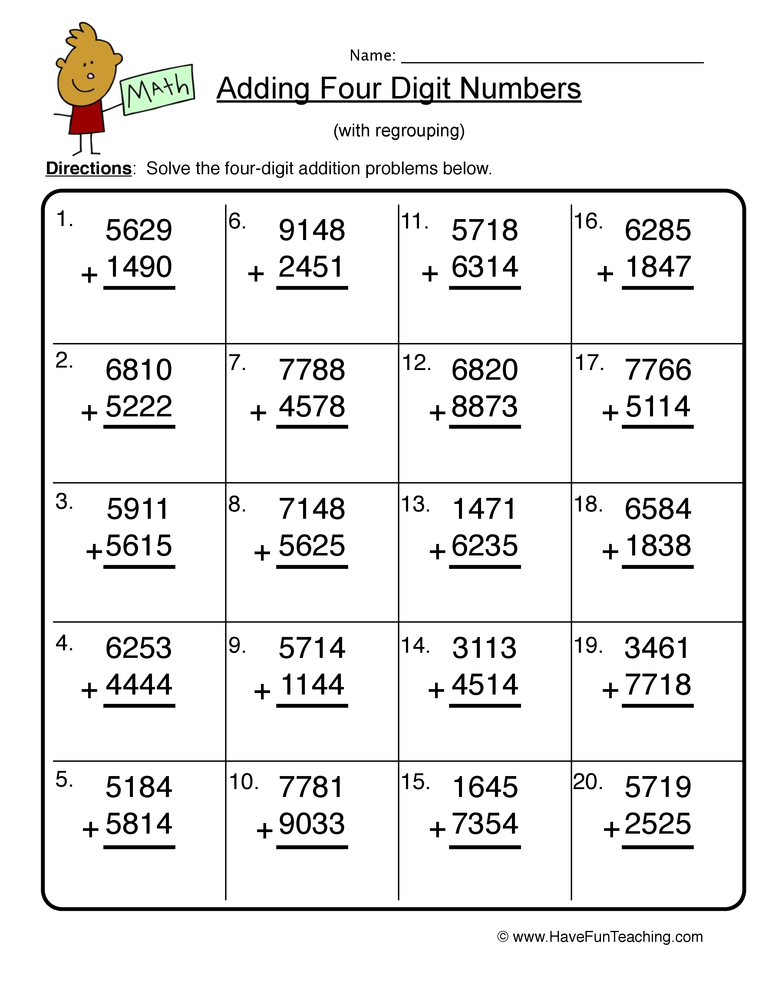
A word-problem worksheet where students add multi-digit numbers and round the sums to the nearest hundred.
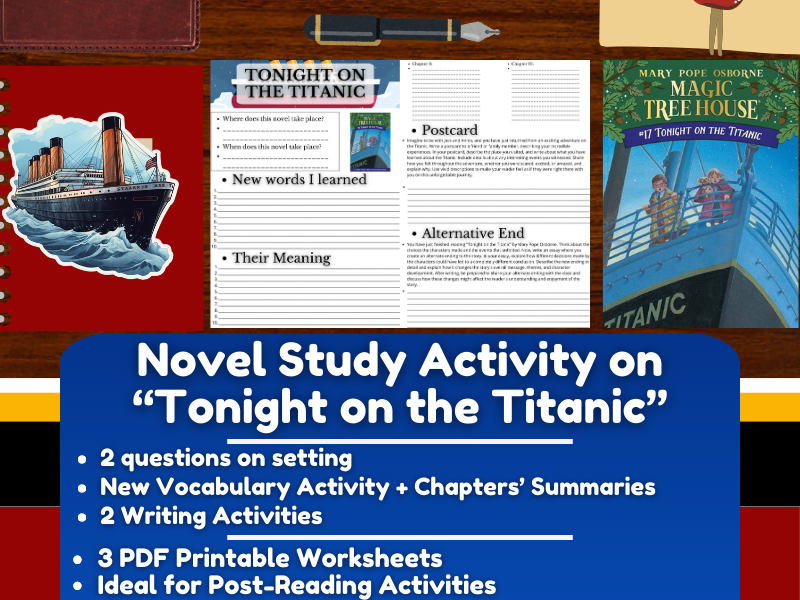
Post-reading novel study worksheet set for "Tonight on the Titanic", a Magic Tree House book by Mary Pope Osborne, used to check comprehension and prompt creative writing after finishing the book.
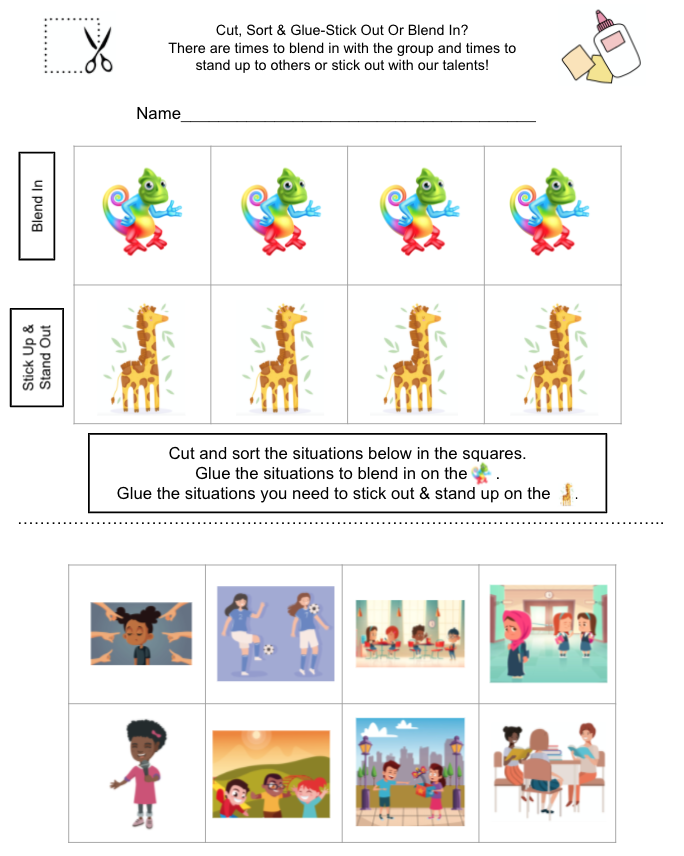
A one-page cut-sort-and-glue worksheet that has students sort short scenario phrases or pictures into two contrasting categories (blend in vs. stick up & stand out) as social-emotional-learning (SEL) practice.
Students read a multi-paragraph nonfiction-style passage, answer short-answer and true/false comprehension questions that require justifying the answer from the text, complete word-meaning or synonym tasks, and write one to three personal-opinion or comparison essays responding to prompts about the topic.
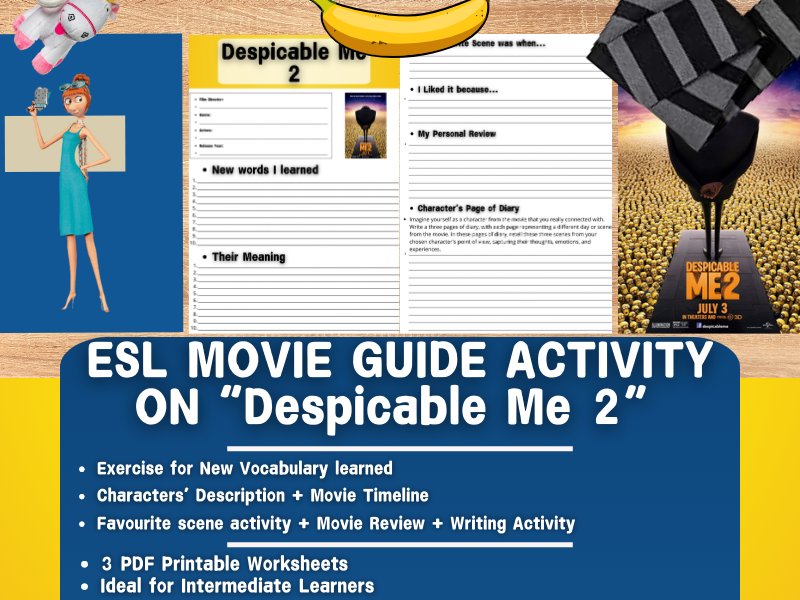
ESL post-viewing movie guide worksheet for "Despicable Me 2", giving students structured prompts to record basic film information and practice creative writing from a character's perspective.
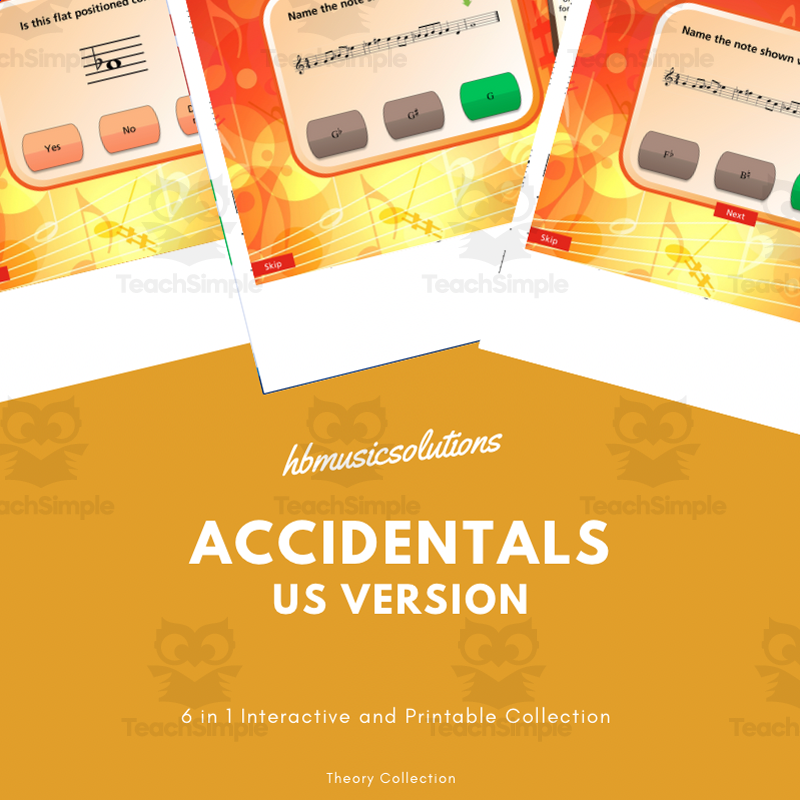
A two-page product landing/index page (section 10 of 17) for a Grade 1 music theory e-learning pack (ABRSM syllabus), covering accidentals (sharps, flats, and naturals): recognising, positioning and naming correctly the accidentals sharp, flat and natural, with a help section on each slide and a quiz section testing all…
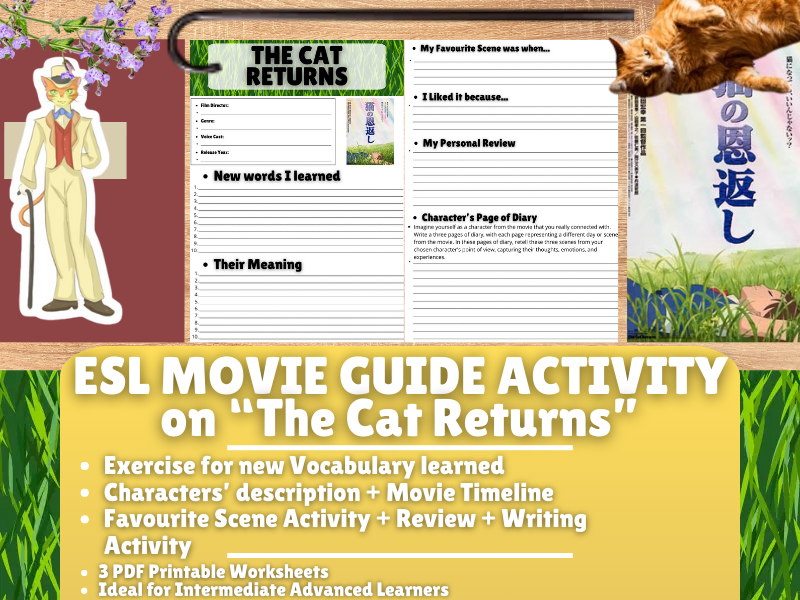
A post-viewing ESL/EFL movie-guide worksheet for the film "The Cat Returns" that gives English language learners guided practice recording basic film facts, building new vocabulary from the film, describing named characters, and completing open-ended reflective/diary writing about it.
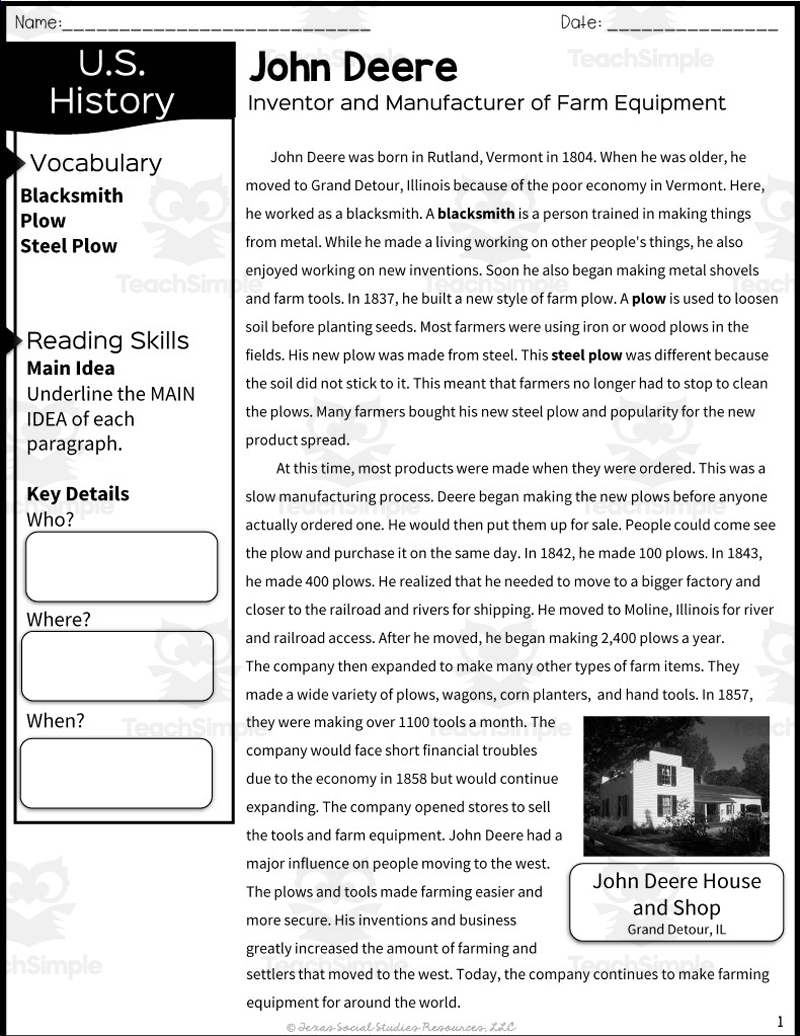
Read an informative passage about John Deere, then complete multiple-choice questions, a vocabulary matching activity, and graphic organizers (facts organizer, timeline-style layout) based on the passage.
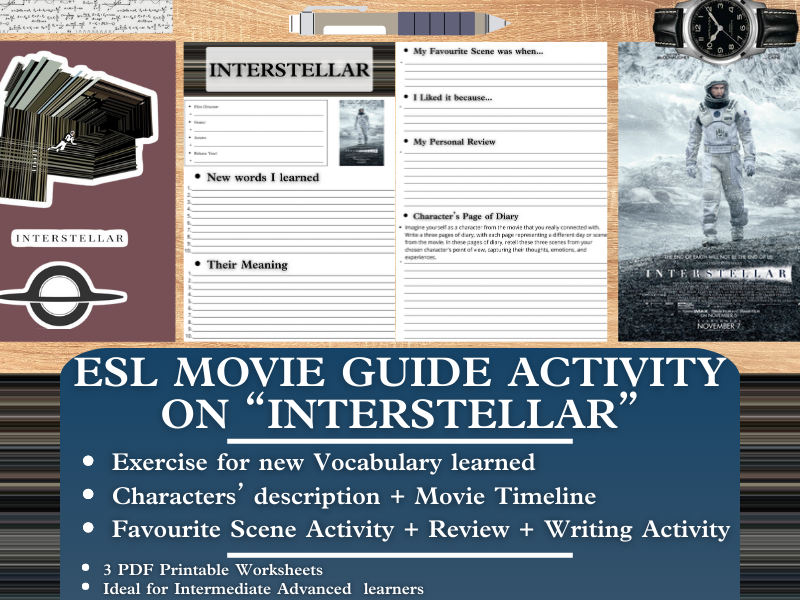
Extend a viewing of Interstellar with activities that connect new vocabulary, personal responses, and narrative writing. Students record film details and word meanings, then reflect on a favorite scene and the movie as a whole. The diary task asks students to retell three scenes from a chosen character’s perspective. Discuss the character’s thoughts and feelings first, then use those ideas to support the written response.
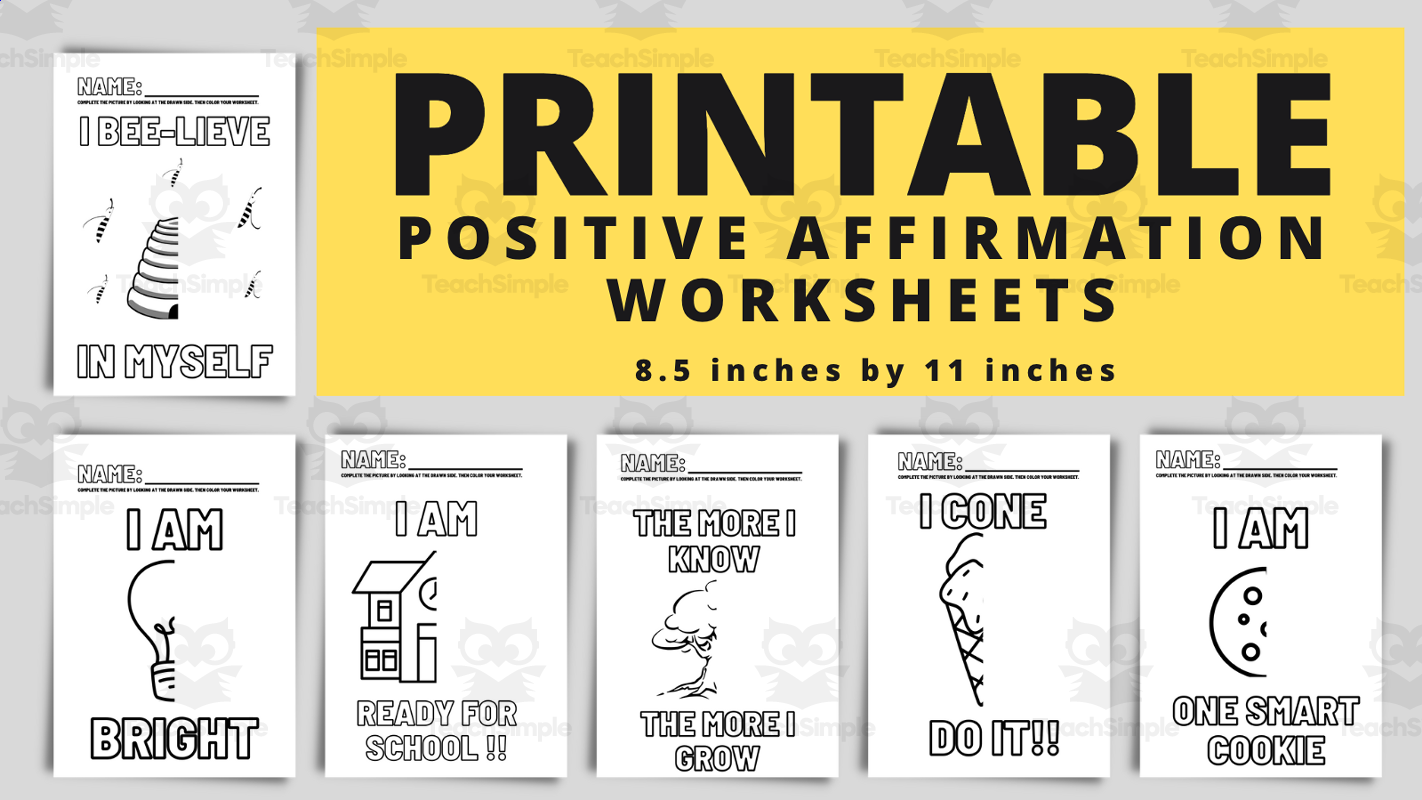
Complete the picture by copying/mirroring the drawn side, then color the worksheet (each page reveals an affirmation such as 'I am ready for school', 'I bee-lieve in myself', 'I am one smart cookie', 'I cone do it!', 'The more I know, the more I grow', 'I am bright').
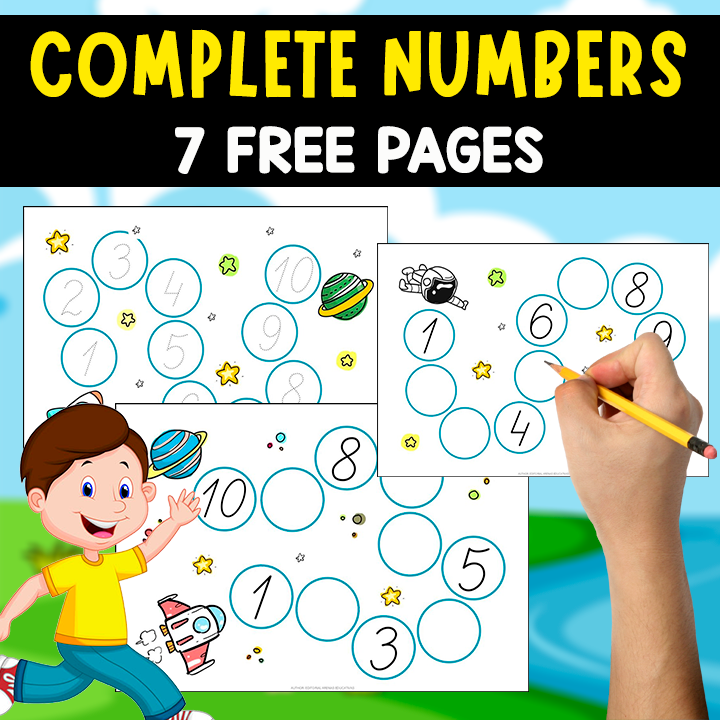
Fill in missing numbers to complete a printed number sequence.
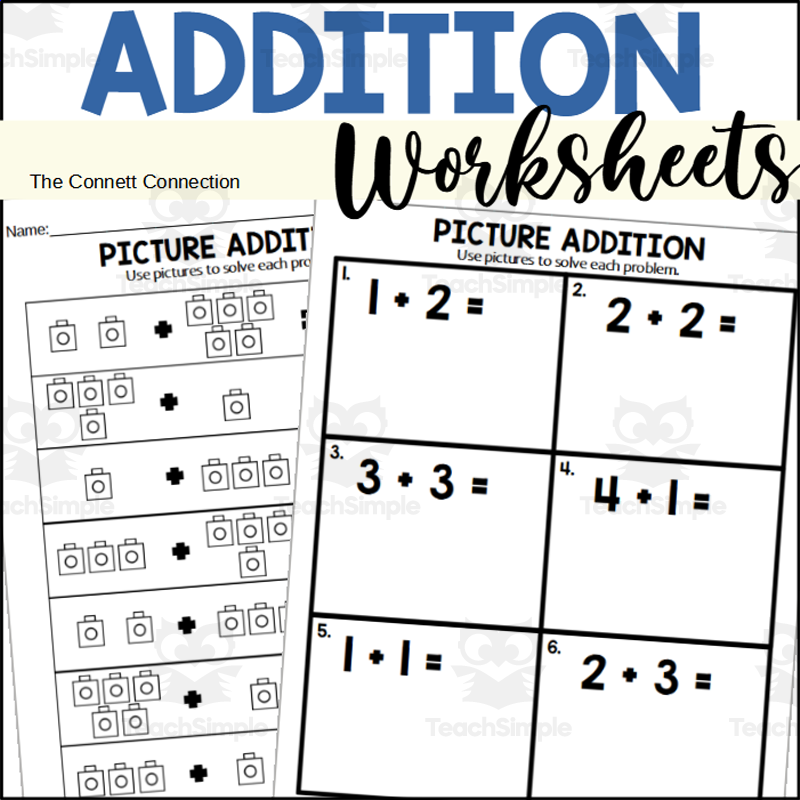
Practice addition fact fluency with these Addition Worksheets with Drawing Objects that allow students to draw pictures to add within 10. These worksheets allow kindergartners and first graders to solve addition equations by either counting or drawing pictures. Activities Included These Addition Worksheets with Drawing Objects…
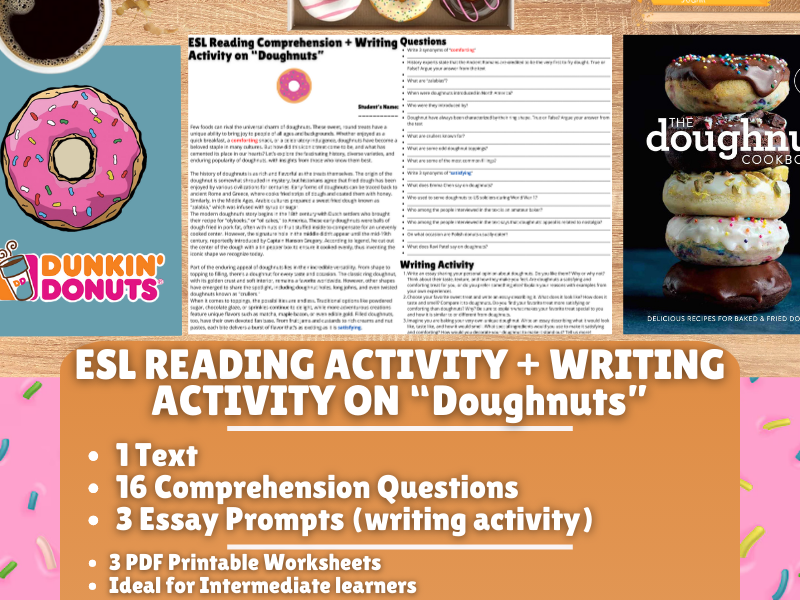
An ESL/EFL reading-comprehension and writing worksheet built around a nonfiction passage on the history and cultural popularity of doughnuts, including quoted commentary from people interviewed about the treat (e.g. Polish donut traditions).
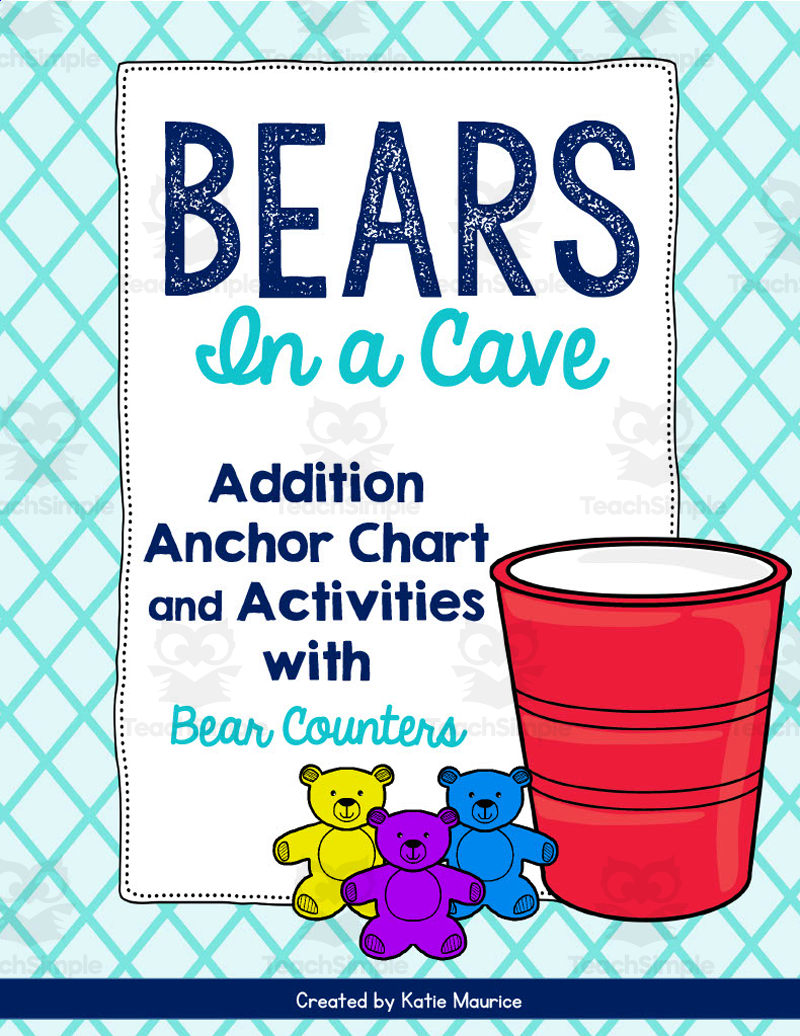
Teach basic addition (sums to 10) using bear counters and a cup/'cave' model, supported by an anchor chart introducing key vocabulary (plus, sum).
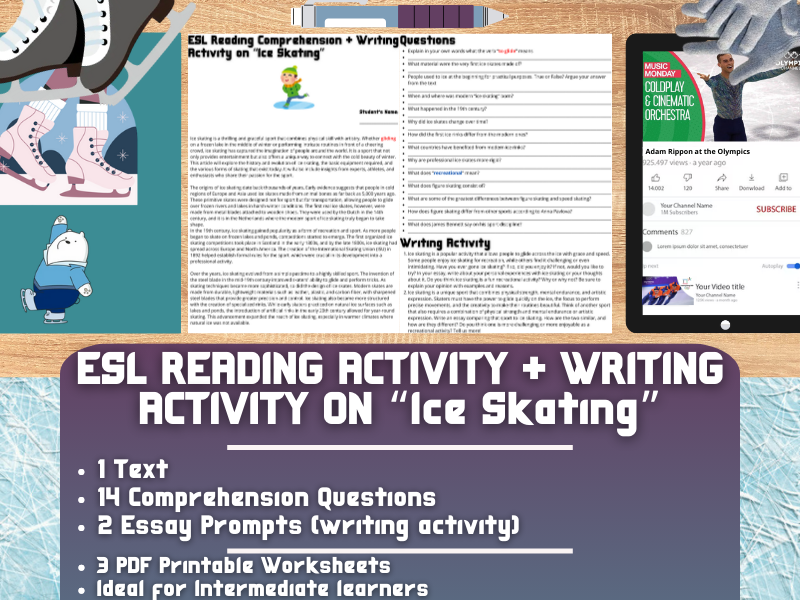
Students read a multi-paragraph informational/feature-style passage about ice skating, answer short-answer and true/false comprehension questions citing the text, work through vocabulary-in-context items (defining or giving synonyms for words used in the passage), and then write one or more opinion, reflective, or narrative essays…
Practice rounding to the nearest ten thousand as the size of the starting number increases. Twenty prompts move from five-digit values to numbers in the millions. Keeping the target place clearly marked can help students apply the same place-value reasoning throughout the set.
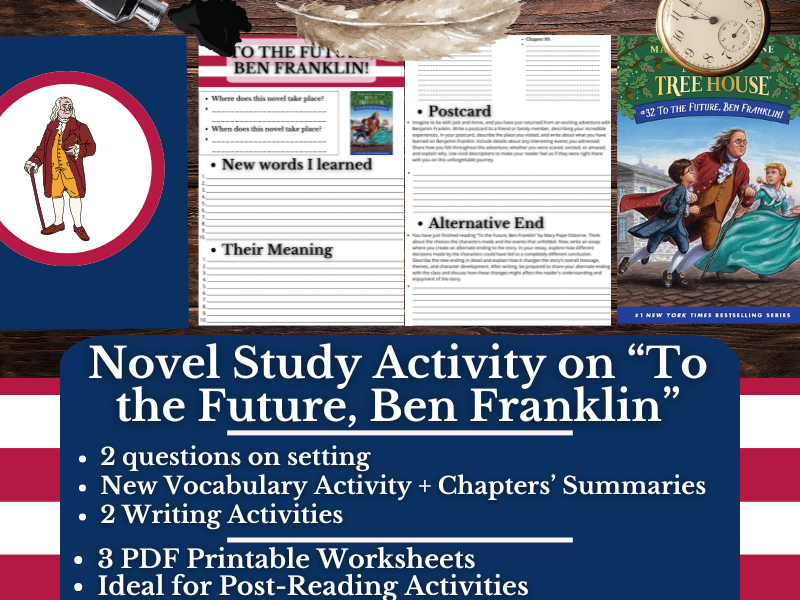
Post-reading novel study worksheet set for "To the Future, Ben Franklin", a Magic Tree House book by Mary Pope Osborne, used to check comprehension and prompt creative writing after finishing the book.
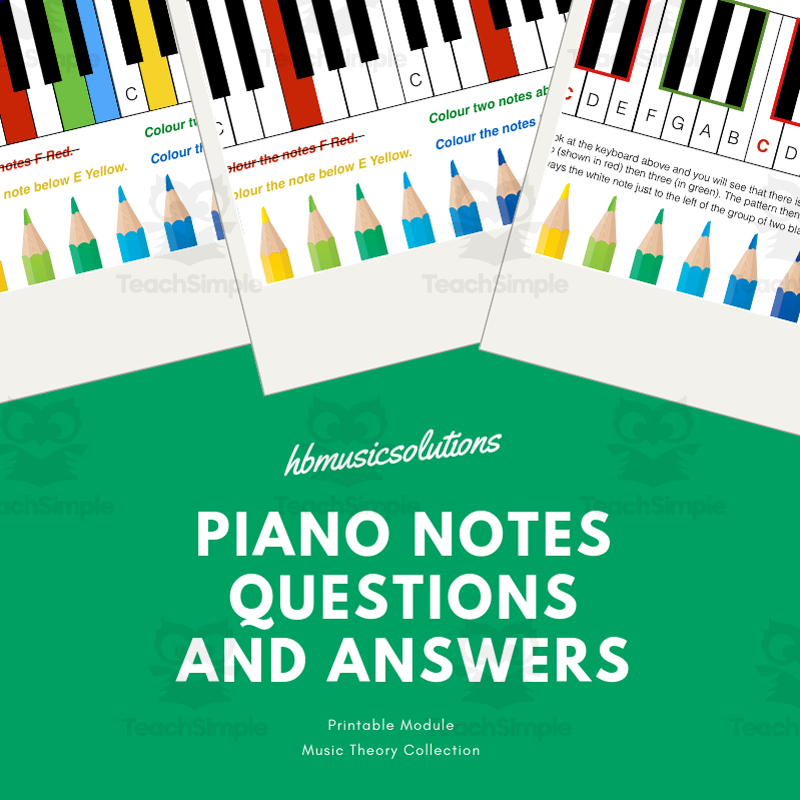
Read the tutorial explaining the black-key grouping pattern (2 then 3 black keys) and alphabetical note naming; complete 3 'Questions' worksheets by coloring specific named notes (e.g., 'Colour the notes D Red') on a blank keyboard diagram; check work against 3 matching 'Answers' pages.
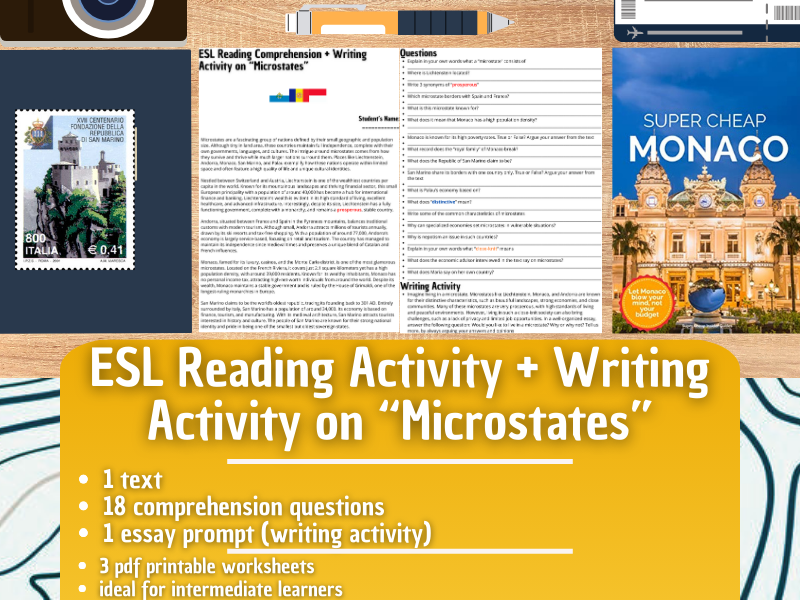
Read a multi-paragraph informational passage about microstates (Liechtenstein, Andorra, Monaco, San Marino, Palau) (including quoted commentary from named experts/fans), answer short-answer and true-or-false comprehension questions citing the text, write synonyms for target vocabulary words, then complete one or more longer English…
The child reads the story aloud, sounding out each word phonetically; the parent/teacher then calls out target spelling words from the story for the child to write down in a separate spelling workbook.