
Letters & early reading
Q-tip Painting: sight words pre primer
Practice recognizing and writing a set of Dolch sight words using one-word-per-page practice cards.


Classroom resources
Browse by lesson focus
Choose the topic or kind of practice you need.
Showing 745–768 of 4233 resources

 Show filters
Practice recognizing and writing a set of Dolch sight words using one-word-per-page practice cards.

A short gross motor game in which students pick a colored feather and perform the paired movement task.

Practice reading simple sentences tied to the letter G's initial /g/ sound.

A memory/matching card game to reinforce back-to-school vocabulary.

This game is great for helping students learn to use number sense. With this game, students work with a partner to draw two cards and say the two-digit number the cards create. This is a fun and interactive way for students to learn about numbers.
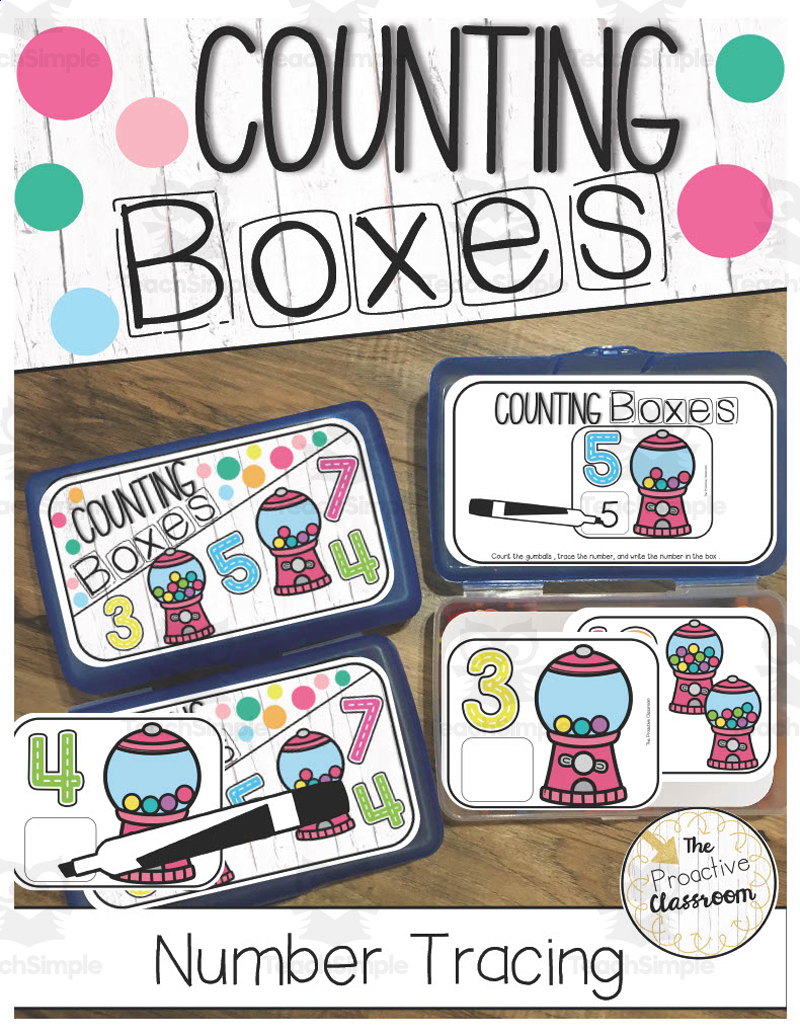
Practice counting and number identification to 20 using a gumball/number tracing-themed hands-on math center.

Help students distinguish and identify the beginning consonant and vowel sounds of words through a matching/concentration game and companion worksheets.
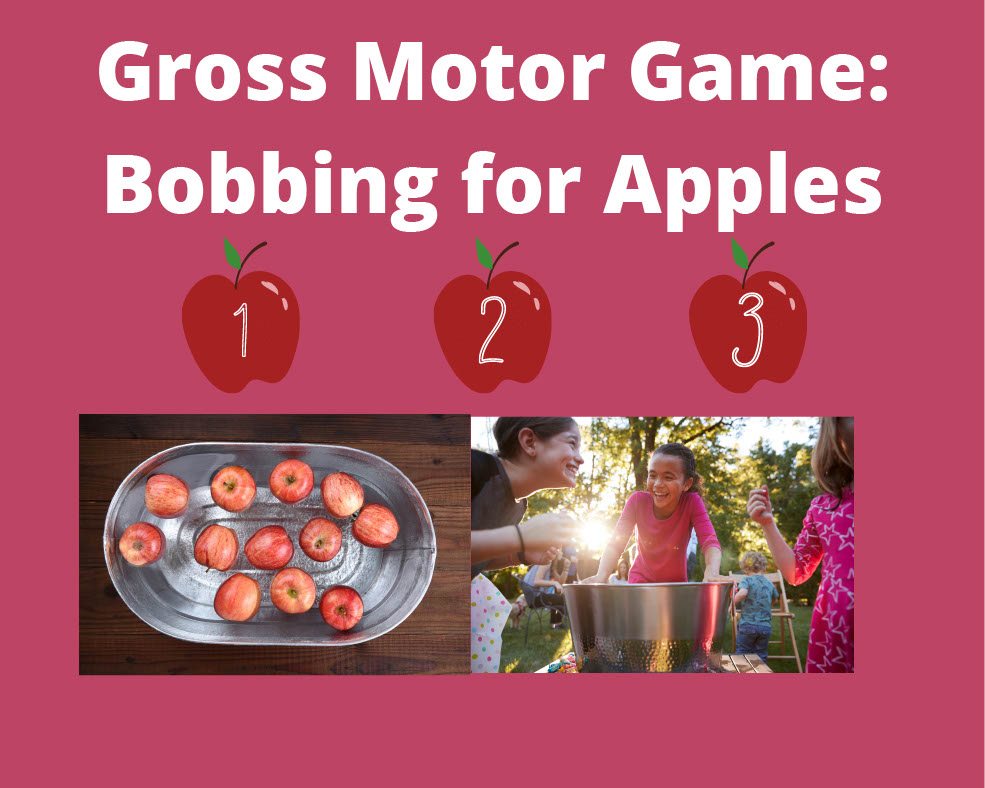
A numbered apple-picking gross motor game where each apple corresponds to a specific movement task.
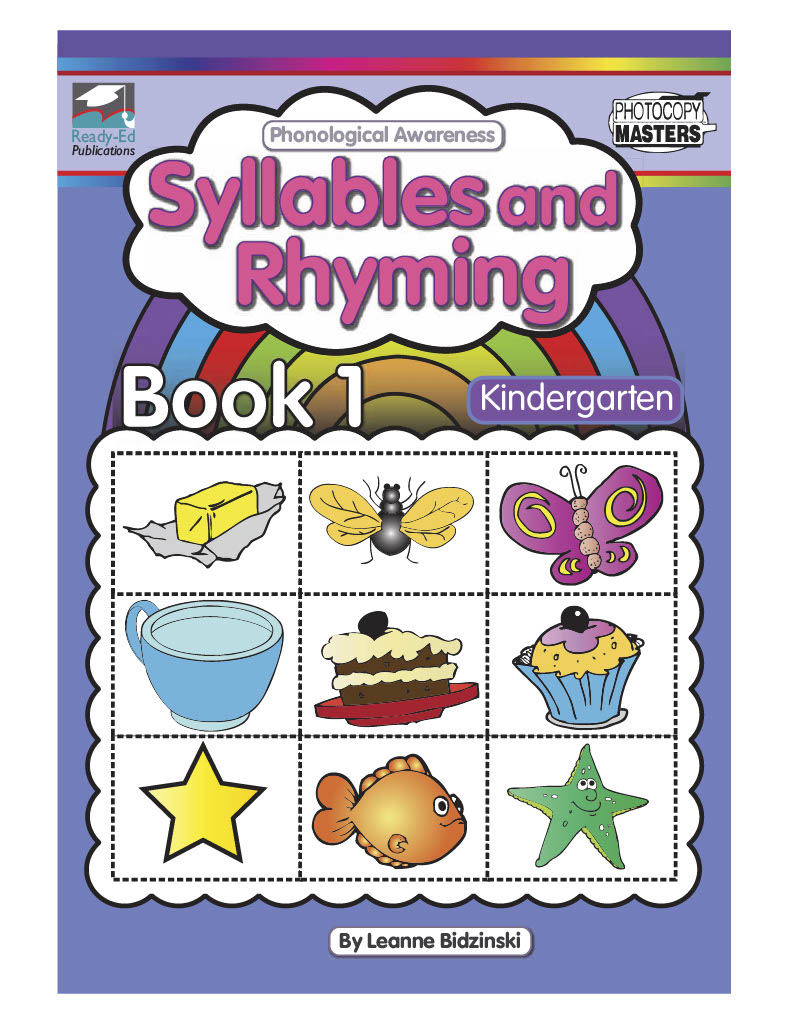
A kindergarten-level phonological awareness workbook teaching compound words, syllable counting, and rhyming through picture-based activities and board games, to build a foundation for early literacy.
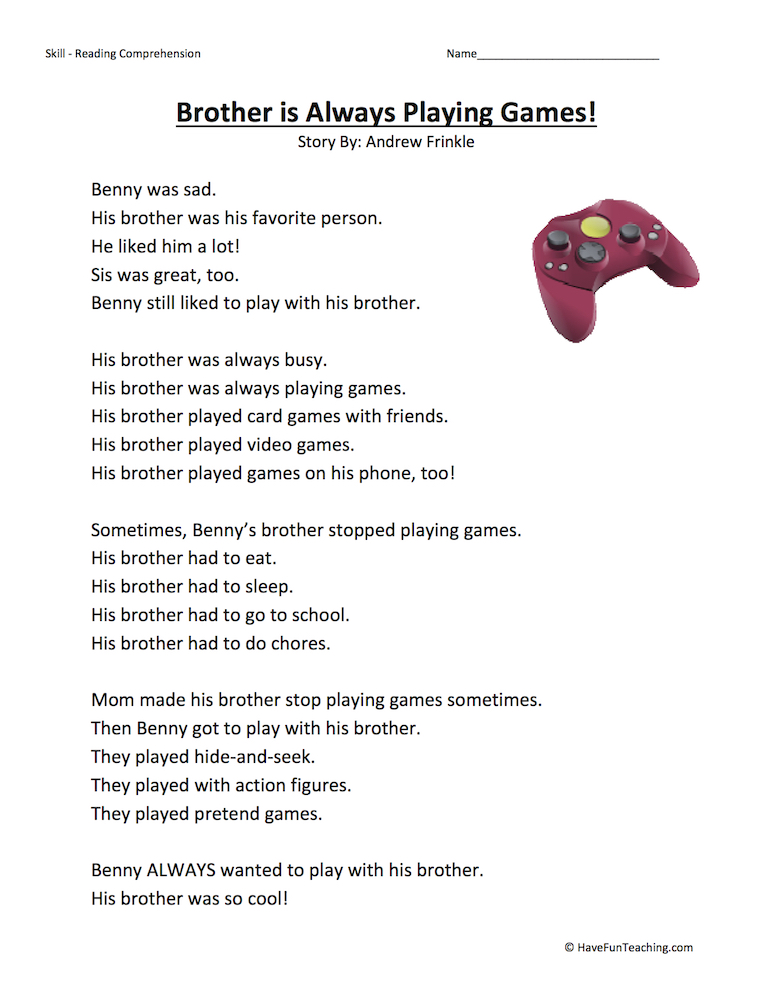
This resource is great for helping your students build their reading comprehension skills. The worksheet is about two brothers, one of whom always wants to play games .
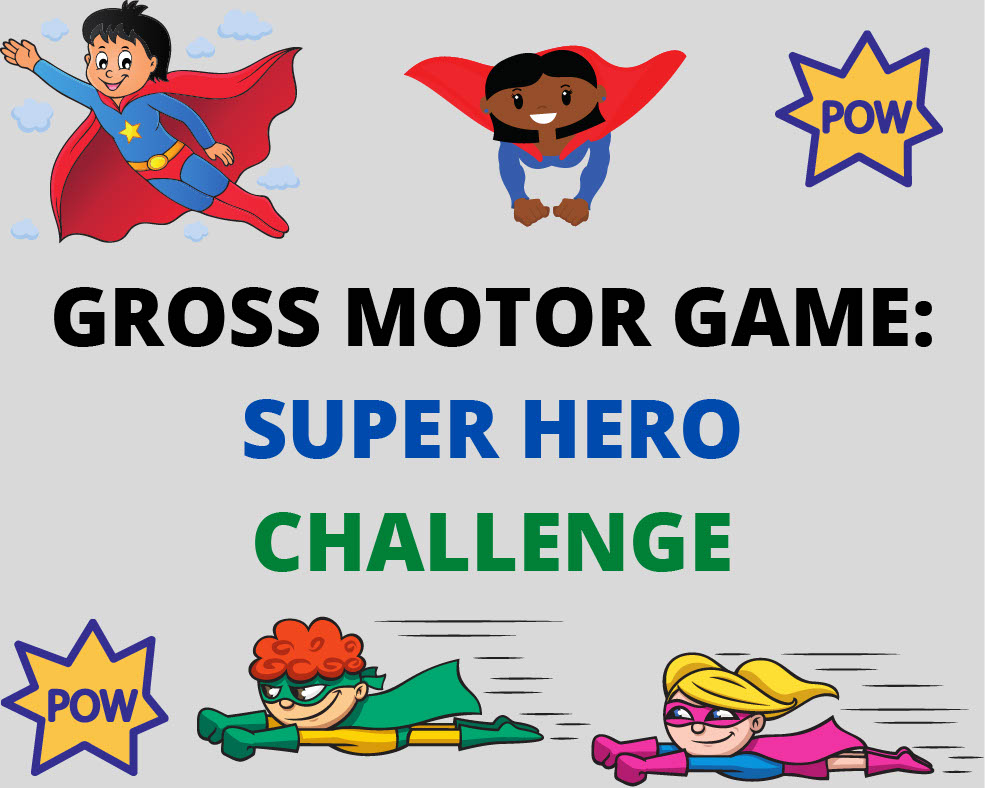
A superhero-themed gross motor game with 10 numbered challenges, each pairing a short scenario with a physical movement task.
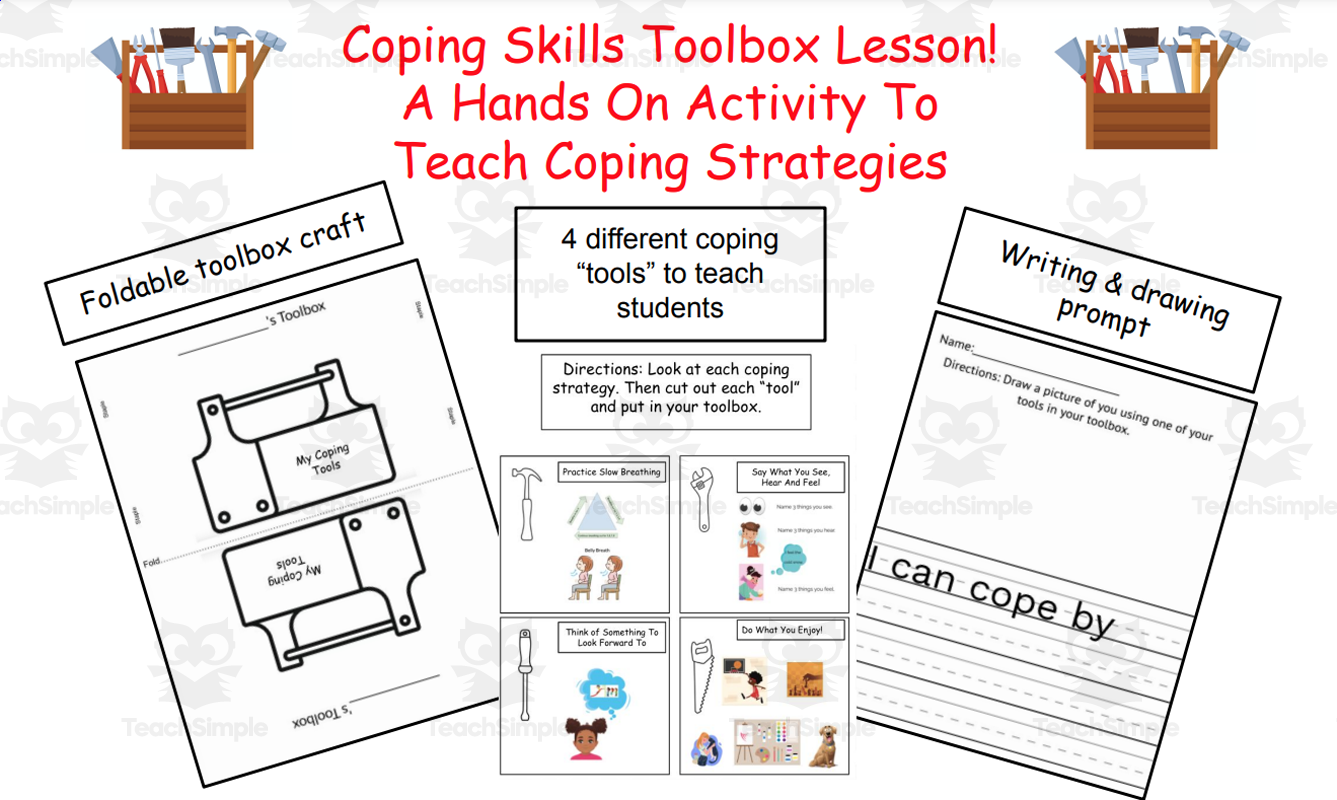
Help students make a personal set of coping reminders through a guided lesson and paper toolbox. Four illustrated strategy cards go inside the assembled template, followed by a writing-and-drawing response about using one tool. The directions include an optional breathing-video step to support introducing that strategy.
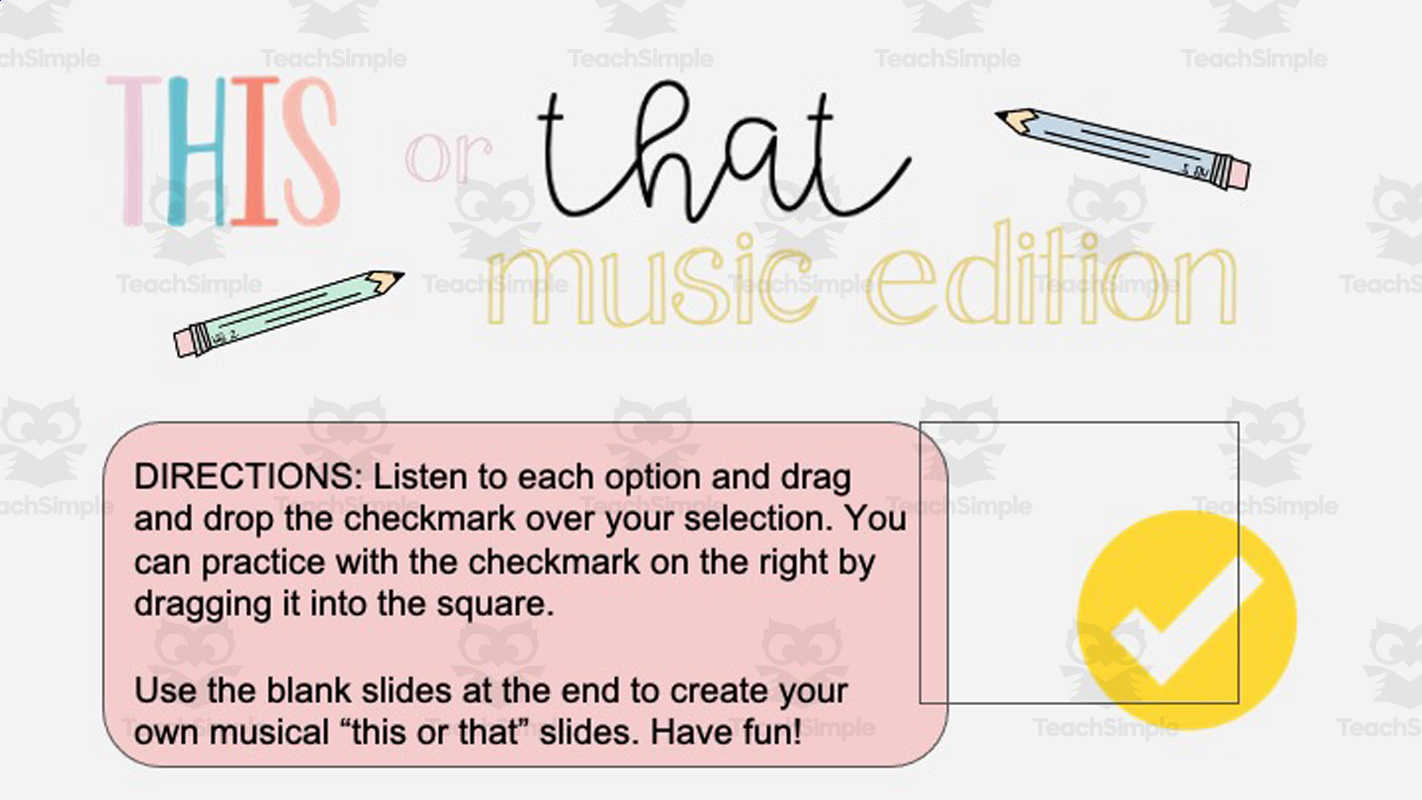
Students listen to paired musical options, choose a preference, and move a checkmark to show their selection. The examples range from vocal performances to instruments, giving you several starting points for discussion. Duplicate an existing layout to add your own pair and ask students to explain what they noticed while listening.
The slide deck presents eleven pairs of music and performance choices, from becoming a rock star or jazz musician to choosing between dance styles. Use the options to invite a quick vote, then ask students to explain an answer or respond to a classmate. Most prompts use familiar activities, with a few terms or dance references you may want to introduce first.
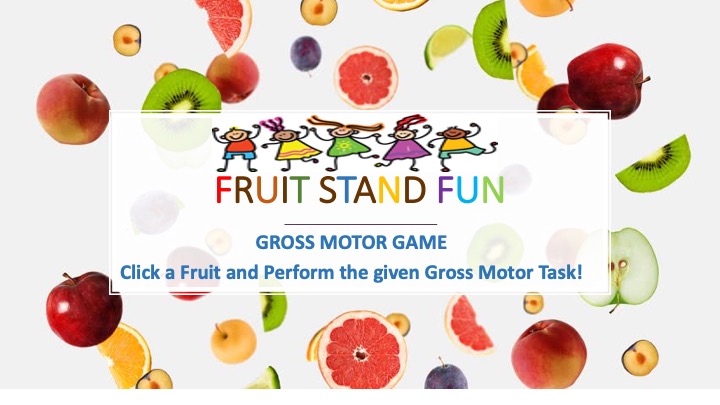
A gross motor movement game in which students pick a fruit and perform the physical task shown for it.

This resource is a music game for the Polar Express. On each slide, students will work to find the correct musical pattern as they ride the train to the North Pole on Christmas Eve.
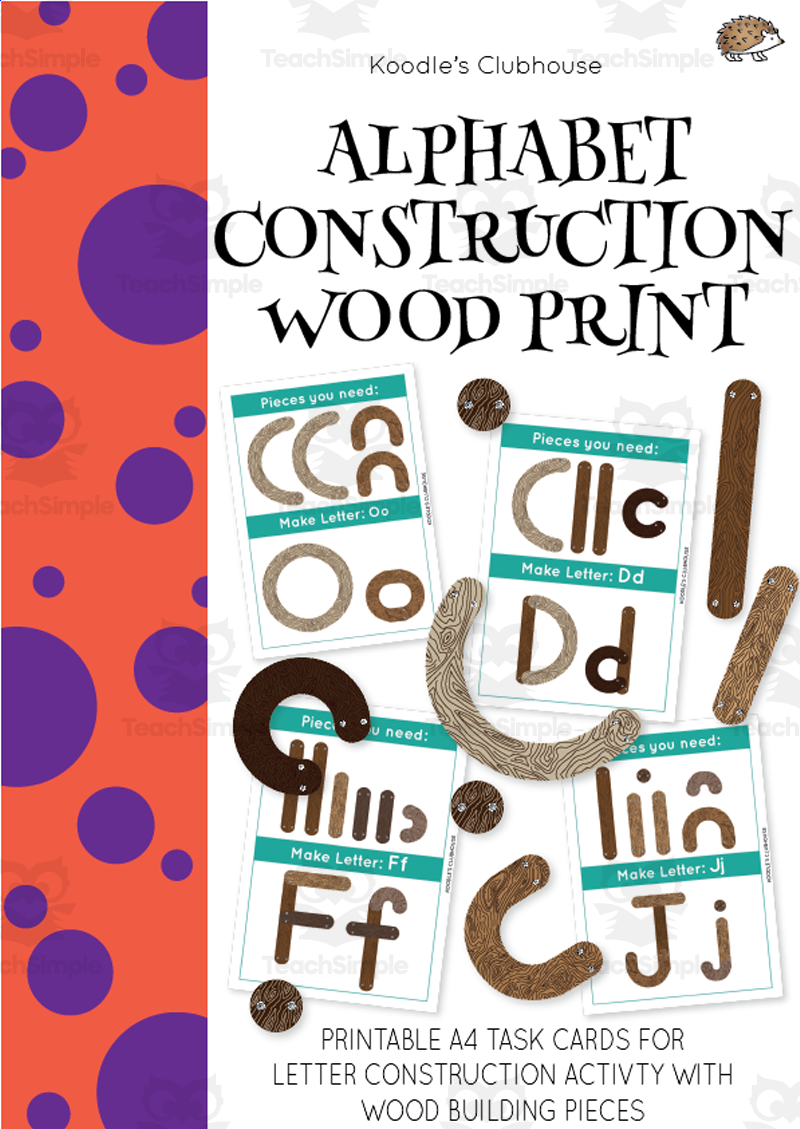
A hands-on letter-construction activity where students build each letter shape using wood-styled printable building pieces, for phonics and letter recognition practice.

This Reading Simple Sentences Activity Board Game is perfect for students who are working on reading accuracy and fluency skills. By reading the sentences one word at a time, they will be able to build these skills quickly and effectively.
 Free download
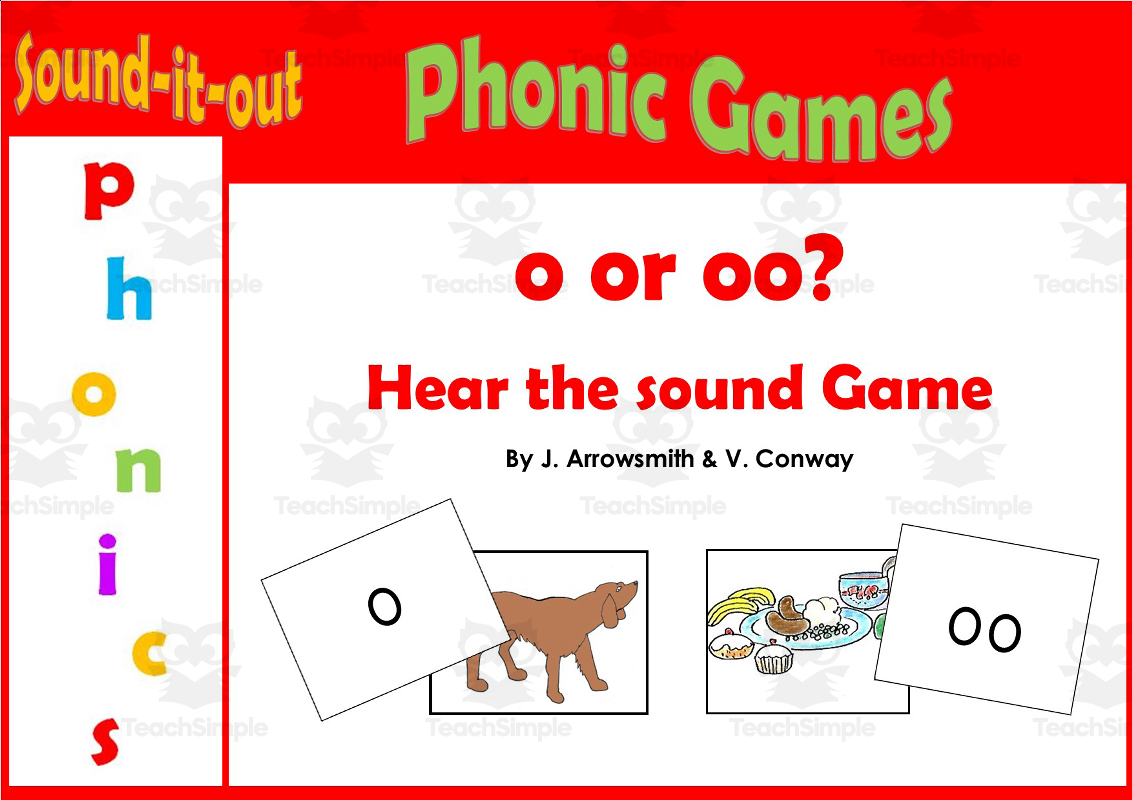
An oral listening game (no reading/text required) to help a child distinguish the 'o' sound from the 'oo' sound in spoken words, aimed at children with auditory processing difficulties.

This resource is a monkey vacation music game. The monkey is going on vacation, but he must gather his friends first. On each slide, students will select the correct music note to gather another friend for the trip.

ESL speaking/board game to prompt discussion about jobs and careers.

Bingo Board Games for Kindergarten is a 100+ page resource full of bingo games for your little learners! Such a wide range of reading and math skills are covered!
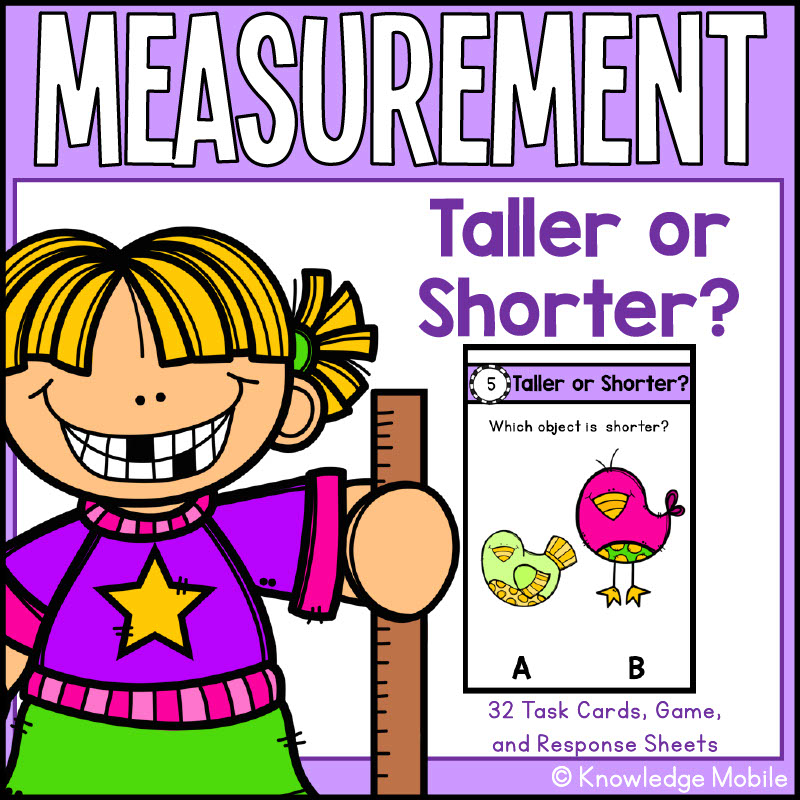
Help students master identifying which of two objects is taller or shorter through direct comparison, aligned to standard K.MD.1 (describing measurable attributes of objects).

A dice-rolling addition game/worksheet where students add rolled numbers together with a goal of reaching 100 first.