
Scatter Plots: Line of Best Fit (NOTES & PRACTICE)
Guided notes and practice teaching students to identify, calculate, and interpret a line of best fit for scatter plots, meeting CCSS.MATH.CONTENT.8.SP.A.2/A.3.
Answers included


12,840 resources
Explore sub-categories
14 sub-categories · 12,840 resources
Guided notes and practice teaching students to identify, calculate, and interpret a line of best fit for scatter plots, meeting CCSS.MATH.CONTENT.8.SP.A.2/A.3.
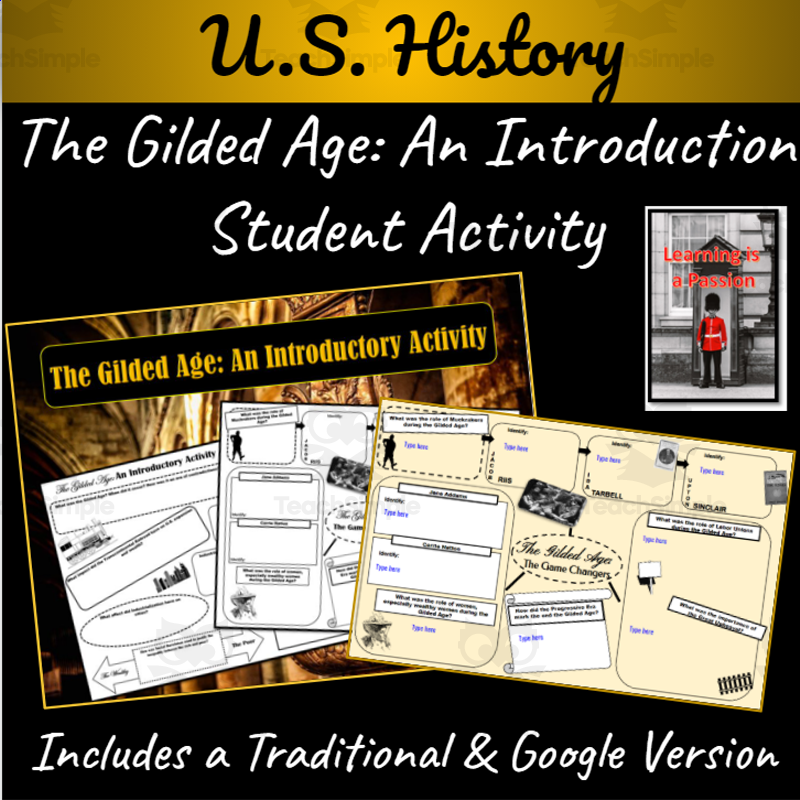
Introduce students to the Gilded Age and Progressive Era in U.S. history through a graphic-organizer activity paired with a linked video/article resource.
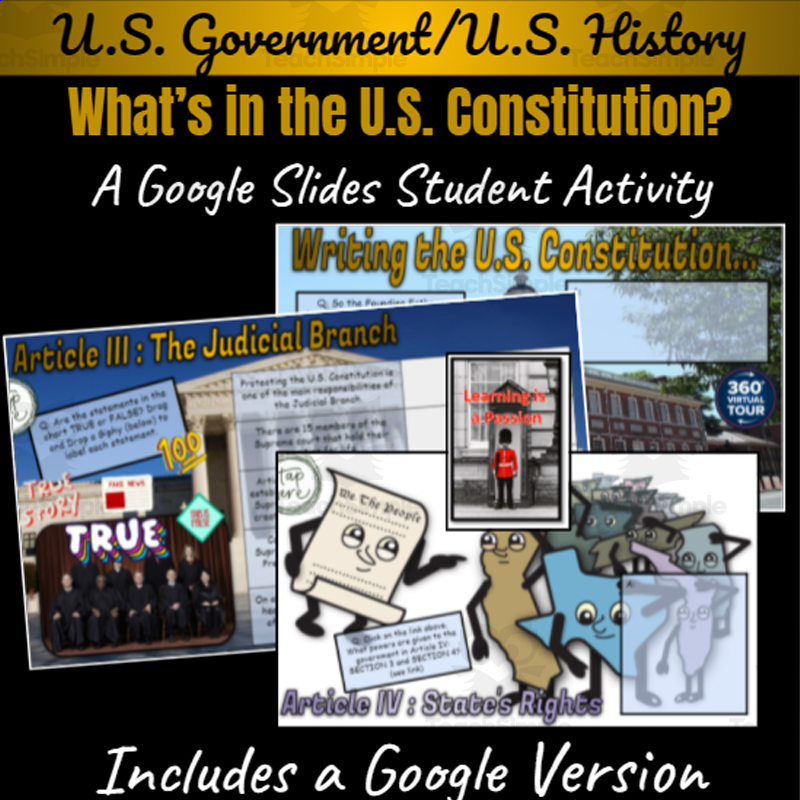
A brief Google Slides activity introducing students to the contents of the U.S. Constitution (Articles 1-7 and the Amendments) via linked resources, followed by comprehension questions and a True/False drag-and-drop activity.

Provide extra practice identifying, writing, and counting the numbers 1 through 5 as a first part of a two-part series (numbers 6-10 sold separately).
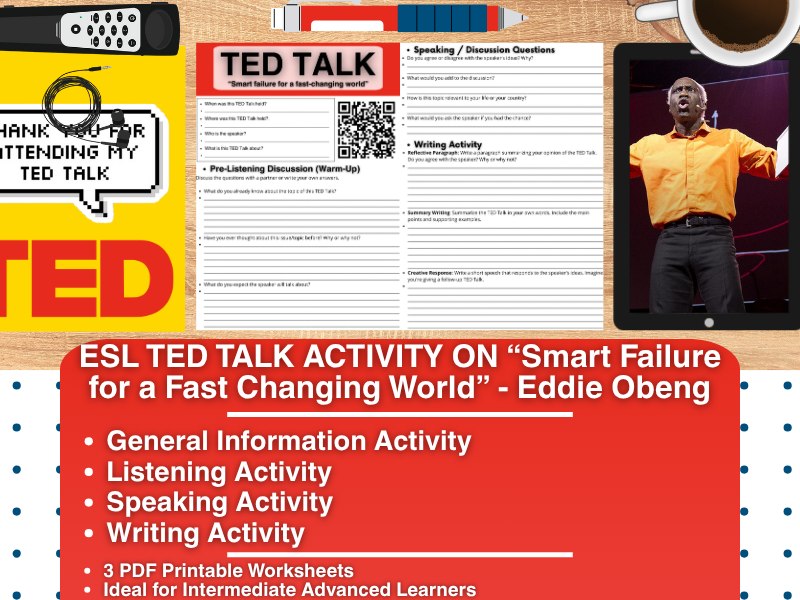
ESL/ELA worksheet activity built around the TED Talk "Smart Failure for a Fast Changing World", used to build listening comprehension, vocabulary, and writing skills.
 Free download
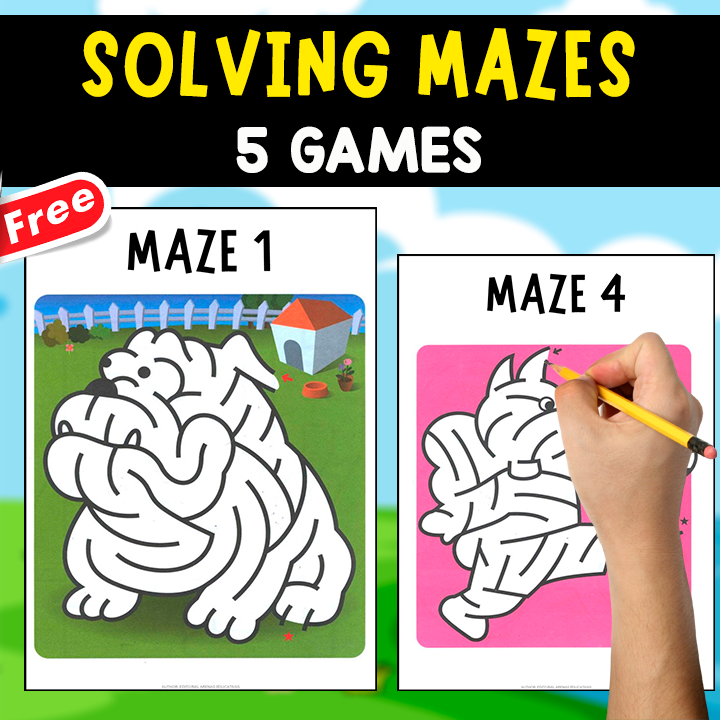
Provides five printable maze puzzles for children to trace/solve as a fine-motor and problem-solving activity.

Guided notes and practice packet applying the Pythagorean Theorem to right triangles, real-world problems, and 3D figures, aligned to CCSS.MATH.CONTENT.8.G.B.7.
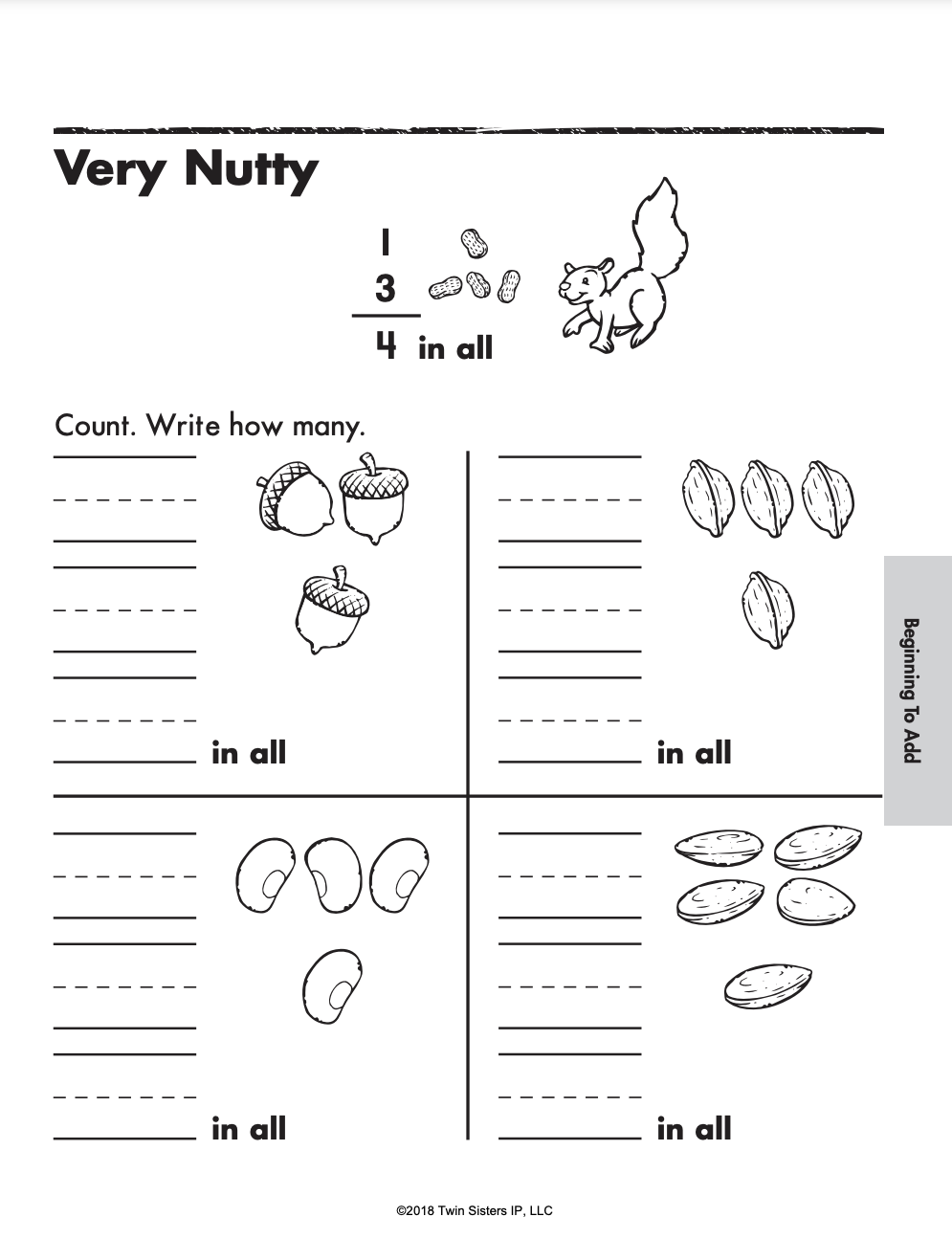
A kindergarten workbook that gives practice adding two small groups of objects and writing the total.
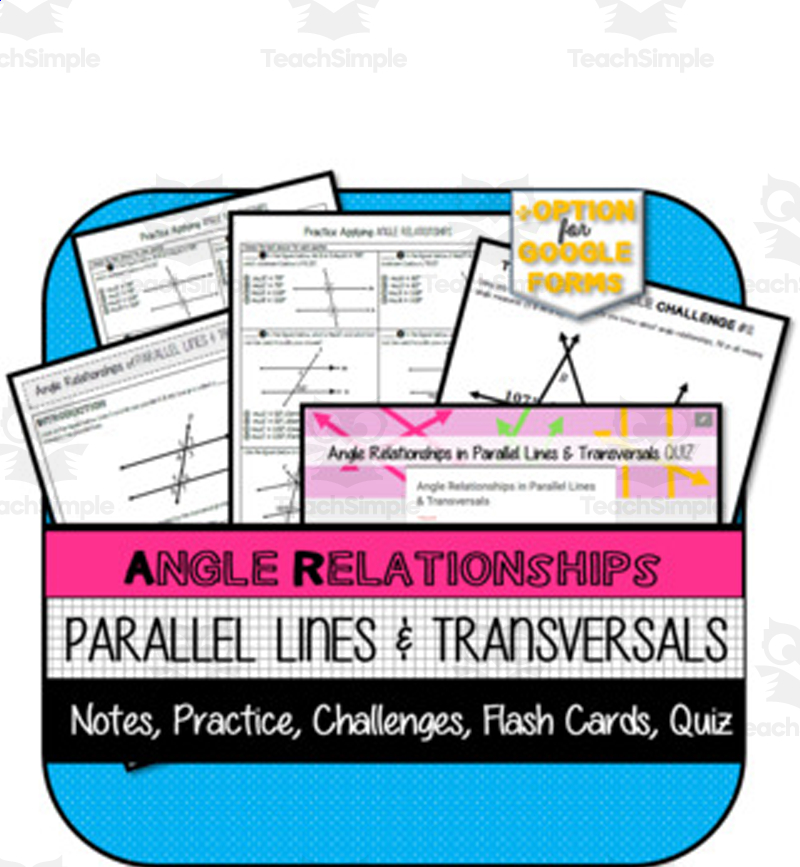
Teach and assess angle relationships formed when parallel lines are cut by a transversal, partially addressing CCSS.MATH.CONTENT.8.G.A.5.
 Free download
CATCHING NUMBERS 1-10 | FREE GAME THANK YOU FOR BEING PART OF EDITORIAL ARENAS EDUCATIVAS We are an educational corporation that is dedicated to the development of fabulous resources for mathematics, literacy, as well as resources for teaching Spanish and brain exercises. A. MAIN INFORMATION: 1. Product name: You can use this…
Leveled reading-skills practice workbook (vocabulary development, study skills, and content-area comprehension) covering phonics/word structure, vocabulary, study skills, comprehension, and oral/silent reading.
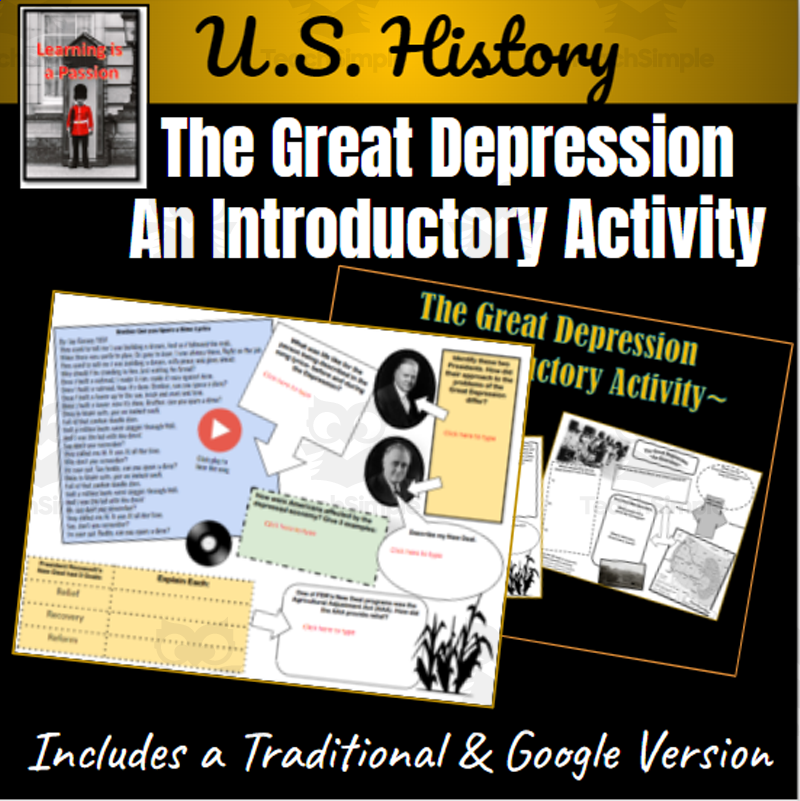
Introduce students to the causes, events, and effects of the Great Depression and New Deal through a graphic-organizer activity with a linked online reference resource.
 Free download
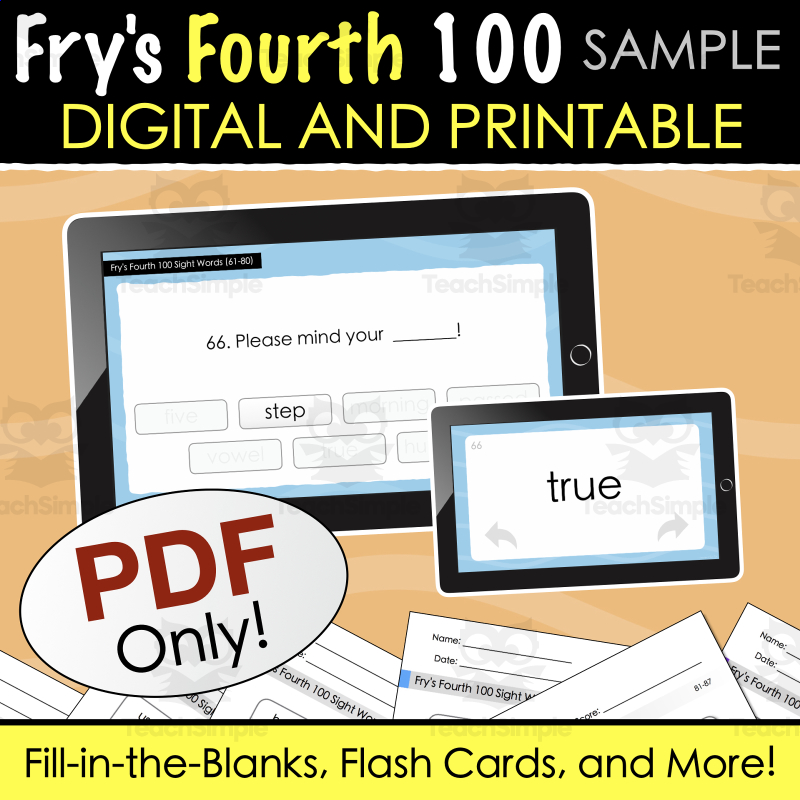
Practice and check recognition/spelling of Fry's Fourth 100 Sight Words (words 1-20 of this free sample) through fill-in-the-blank sentences, digital self-check slides, and flash-card style word drill.
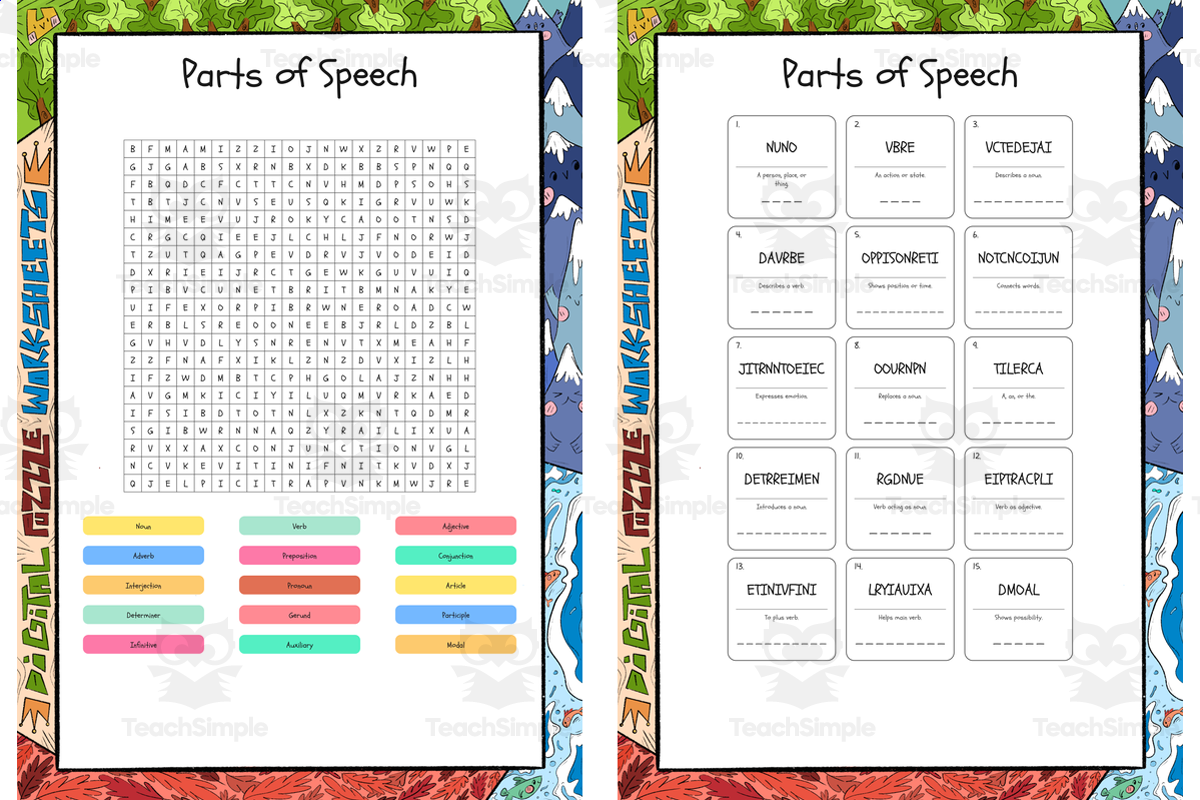
Practices identifying and defining parts-of-speech terminology (noun, verb, adjective, adverb, preposition, conjunction, interjection, pronoun, article, determiner, gerund, participle, infinitive, auxiliary, modal) through three puzzle formats.

A document-based-questions activity teaching students to compare conflicting British and colonial primary-source accounts of the Boston Massacre (March 5, 1770).
Speech-language articulation practice for the F sound (/f/), using back-to-school themed picture-cue words and sentences for a no-print, click-through digital drill.
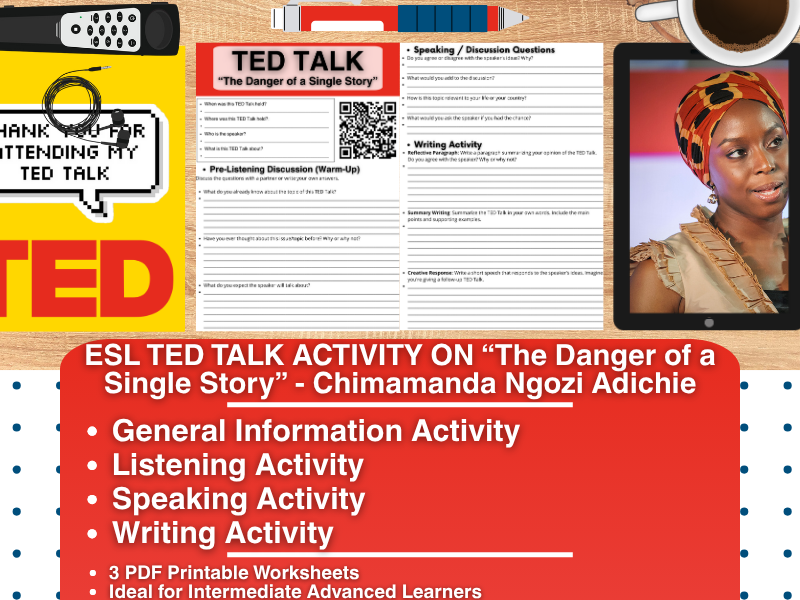
ESL/ELA worksheet activity built around the TED Talk "The Danger of a Single Story", used to build listening comprehension, vocabulary, and writing skills.
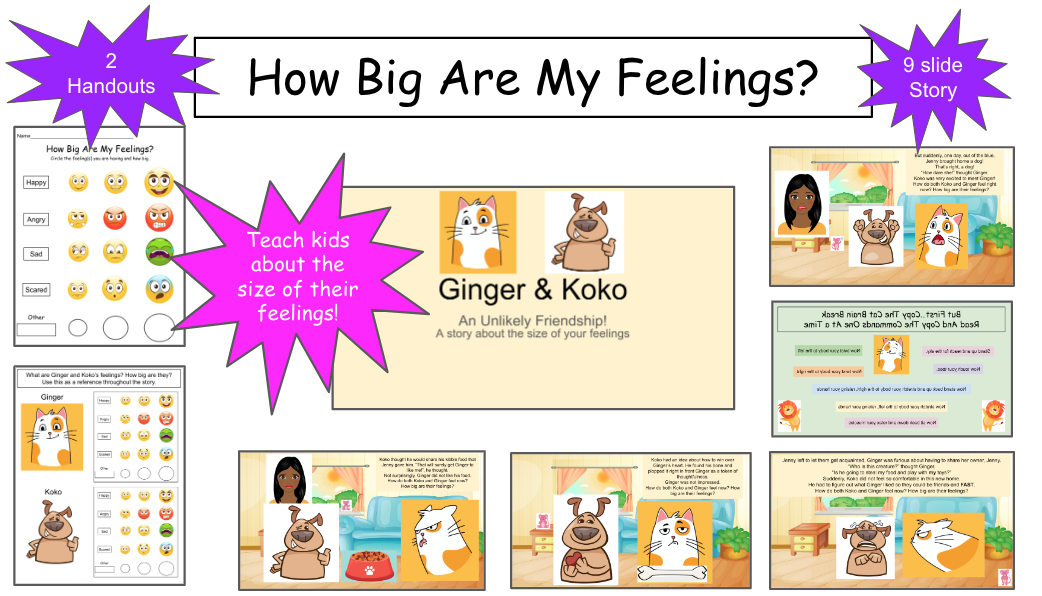
An SEL (social-emotional learning) lesson teaching young students to identify feelings and recognize that feelings come in different sizes/intensities, built around a Google Slides story with two dog/cat characters.
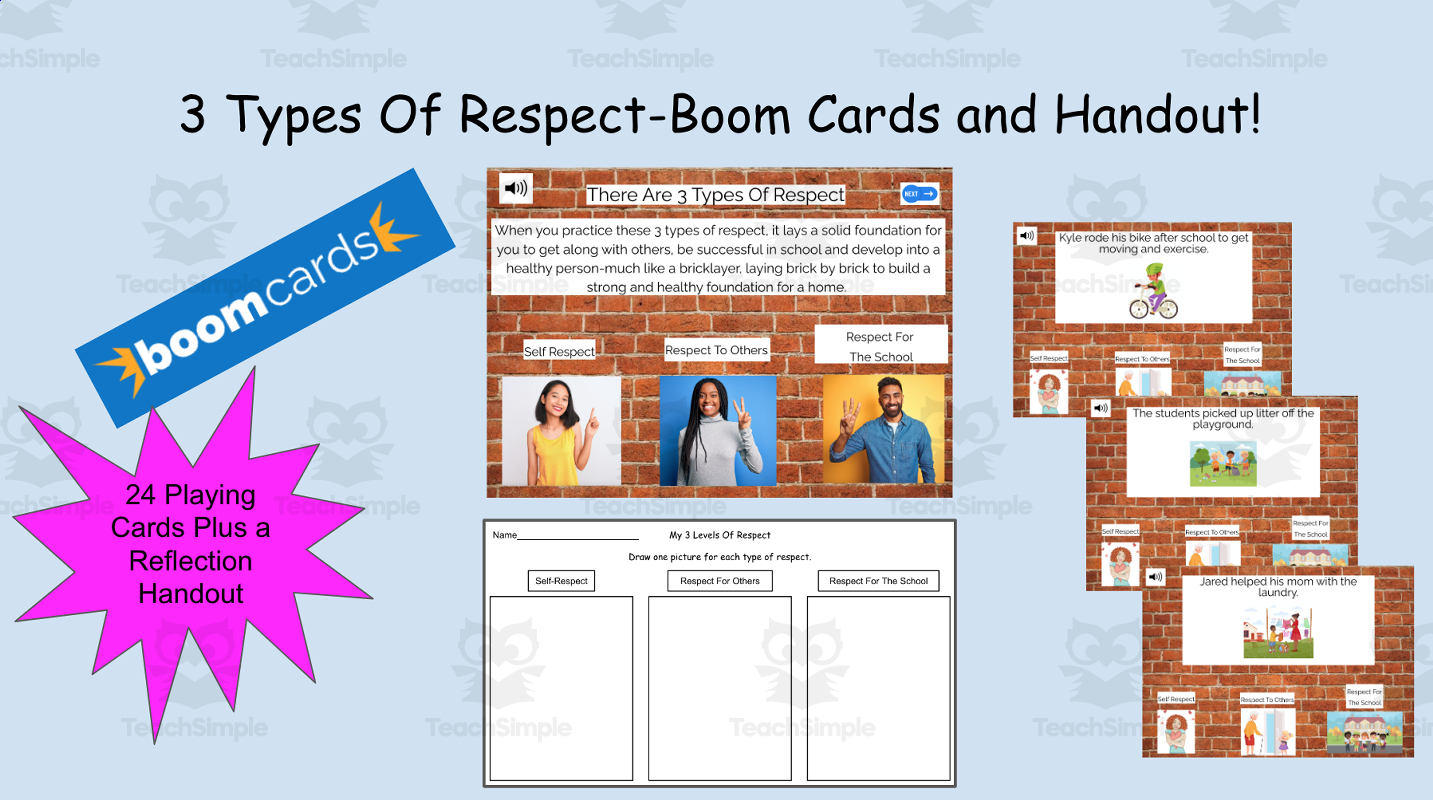
SEL lesson teaching three types of respect (self-respect, respect for others, respect for the school) via an interactive Boom Cards deck plus a printable handout.
A micro-learning slide deck teaching the figurative-language expression 'talk is cheap' through a video-style reading passage, comprehension checks, and a quick write.
Two 9-problem practice worksheets (with answer keys) for converting repeating decimals to fractions, aligned to standard 8.NS.1.
Teach and build number sense around the number 18 ('Eighteen') through a mix of hands-on manipulatives and printable practice pages covering recognition, formation, and counting.

A multiple-choice practice worksheet (with an optional linked digital Google Forms version) for interpreting slope and y-intercept from graphs and tables and comparing properties of two linear functions, aligned to CCSS.MATH.CONTENT.8.F.A.2 and 8.F.B.4.
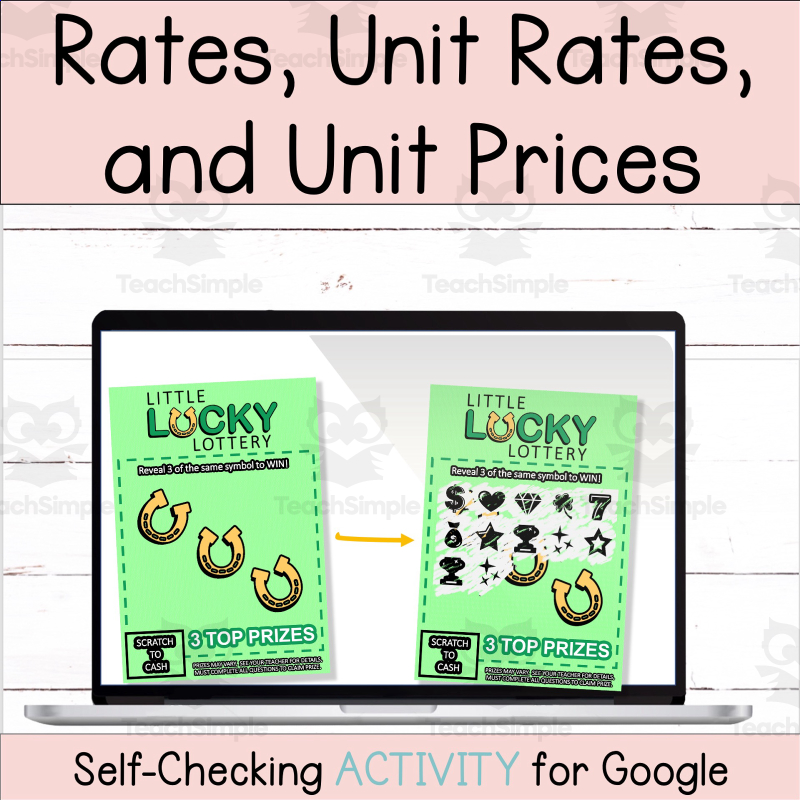
Product Title: Rate, Unit Rate, and Unit Price Digital Self-Checking Activity Designed for educators in public schools or homeschooling environments, the Rate, Unit Rate, and Unit Price Digital Self-Checking Activity is an exciting resource that promotes student engagement while learning math. Ideal for sixth and seventh graders…