Breathing & calming
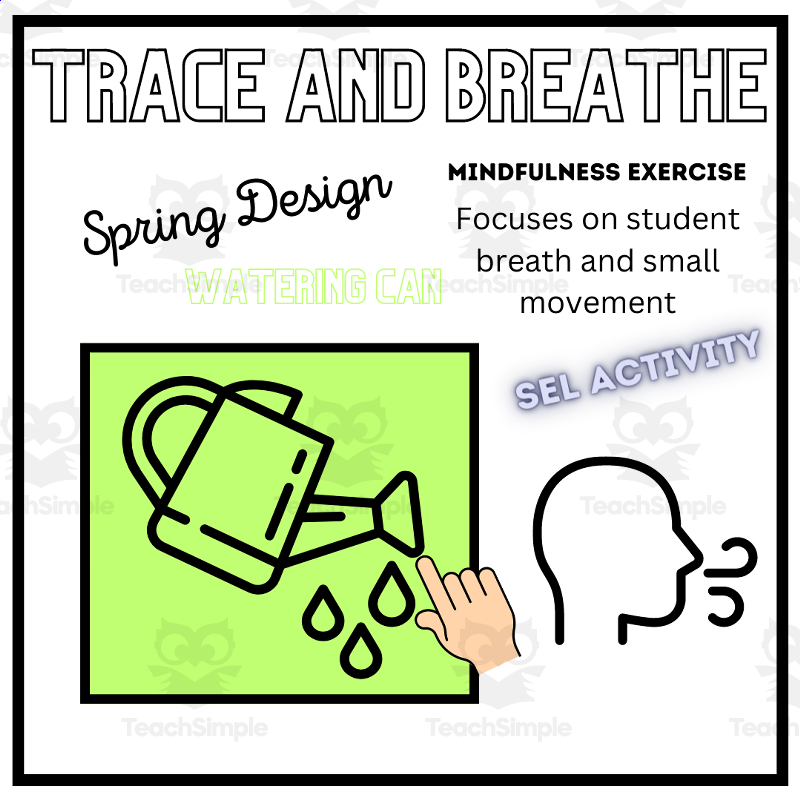
SEL: WATERING CAN Mindfulness Breathing Calming Activity
Trace the watering can picture with a finger while breathing in and out slowly, repeating the steps.




Classroom resources
Browse by lesson focus
Choose the topic or kind of practice you need.
Showing 25–48 of 86 resources

 Show filters
 Trace the watering can picture with a finger while breathing in and out slowly, repeating the steps.
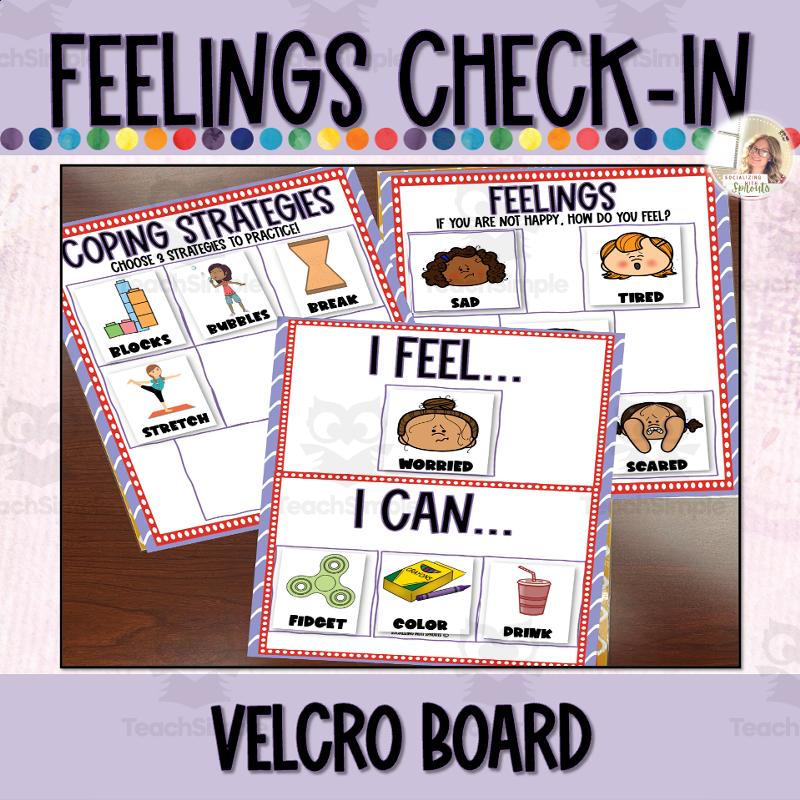
Choose a feeling card (SAD, tired, worried, scared, mad) that matches how they feel; choose 3 coping strategies to practice from a set of strategy cards.

Players draw/read a situation card describing a common trigger, then place a coping-skill card from their hand that matches (some cards ask for a 'bad' way to cope); matching correctly lets the player keep the situation card. Player with the most situation cards wins.
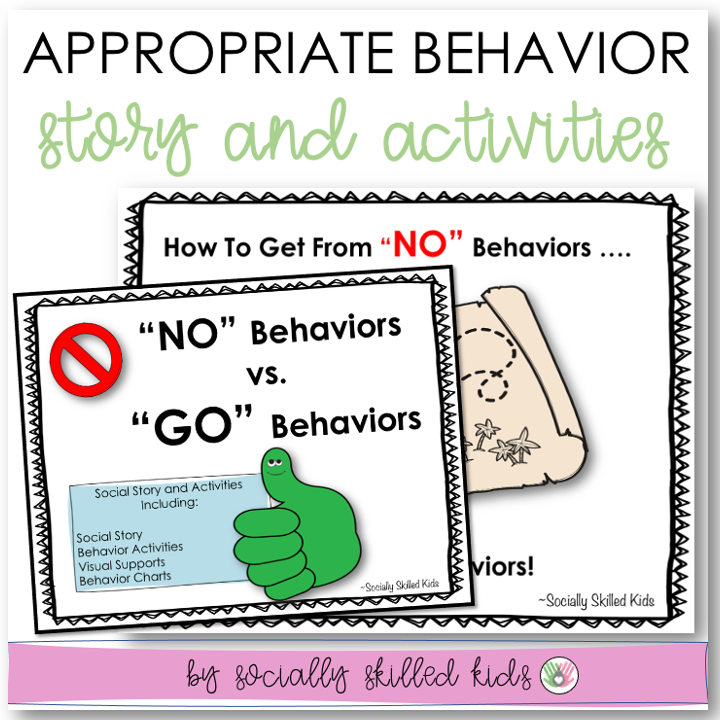
Read or follow along with an illustrated social story contrasting NO behaviors (hit, kick, spit, grab, tantrum, etc.) with GO behaviors (ask for help, take a break, use kind words, calm down, etc.); sort/match picture or word cards from NO to GO behaviors using a Velcro board; fill in a blank NO-vs-GO chart by writing or drawing; use…
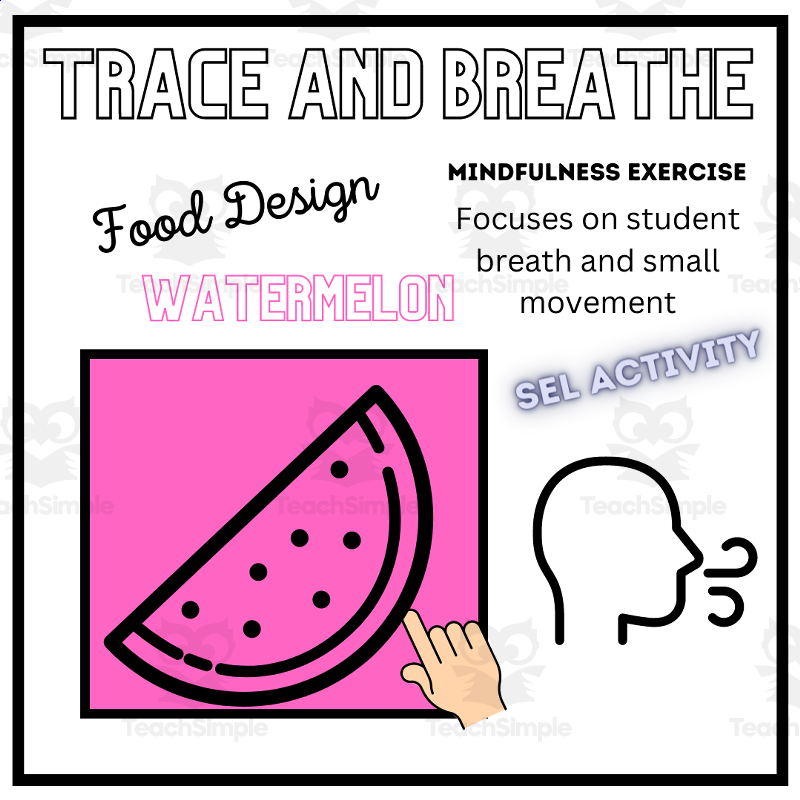
Trace the watermelon picture with a finger while breathing in and out slowly, repeating the steps.
Teaches students (SEL/character education) techniques for managing stress, worry, and events outside their control, using a read-aloud story ('The Worry Box'), a companion song/poem, a poster, and a class activity of writing/drawing worries to place in a decorated 'Worry Box.'
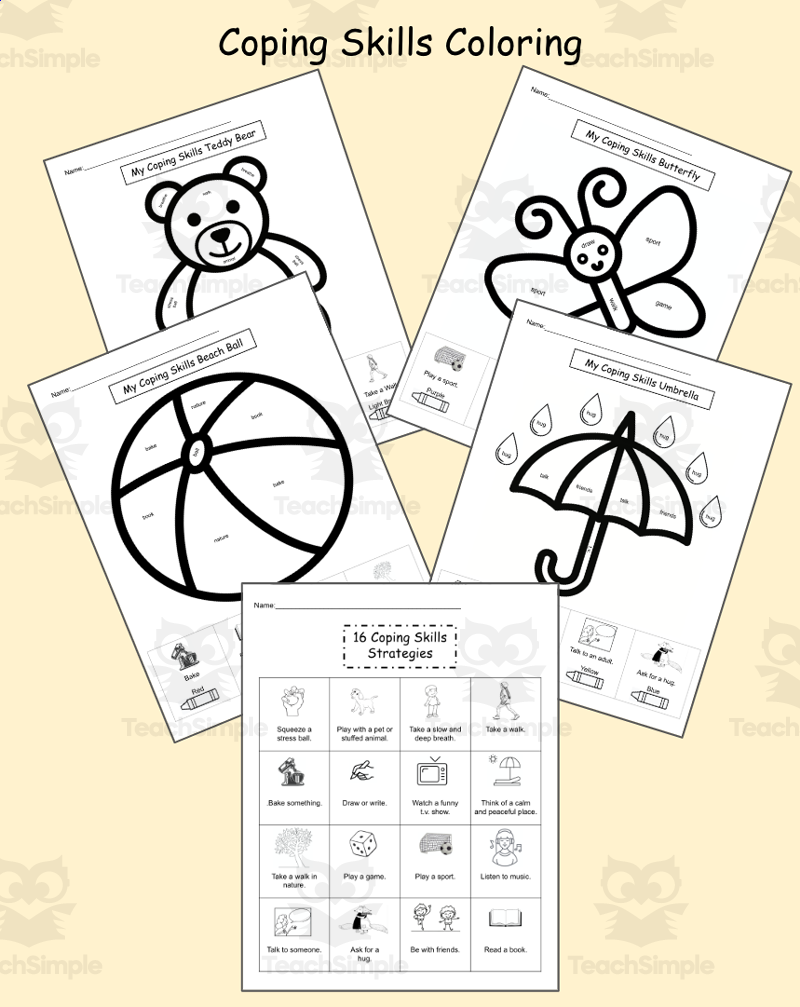
Four shape-outline coloring pages — a teddy bear, a butterfly, an umbrella, and a beach ball — each spell out four coping strategies in words that trace the outline of the shape, and students color each section using the color assigned to that strategy (for example, the teddy bear's stress-ball section is colored dark brown, its breathing section pink). A fifth page, titled ‘16 Coping Skills Strategies,’ lists all sixteen strategies used across the four shapes as a single grid, functioning as a stand-alone reference chart independent of the coloring pages. Strategies range from physical actions like taking a walk or squeezing a stress ball to social ones like talking to an adult or asking for a hug, giving students a visual menu of self-regulation options rather than a single fixed routine. Each page opens with a blank name line, suggesting the set is meant to be completed and kept by an individual student.
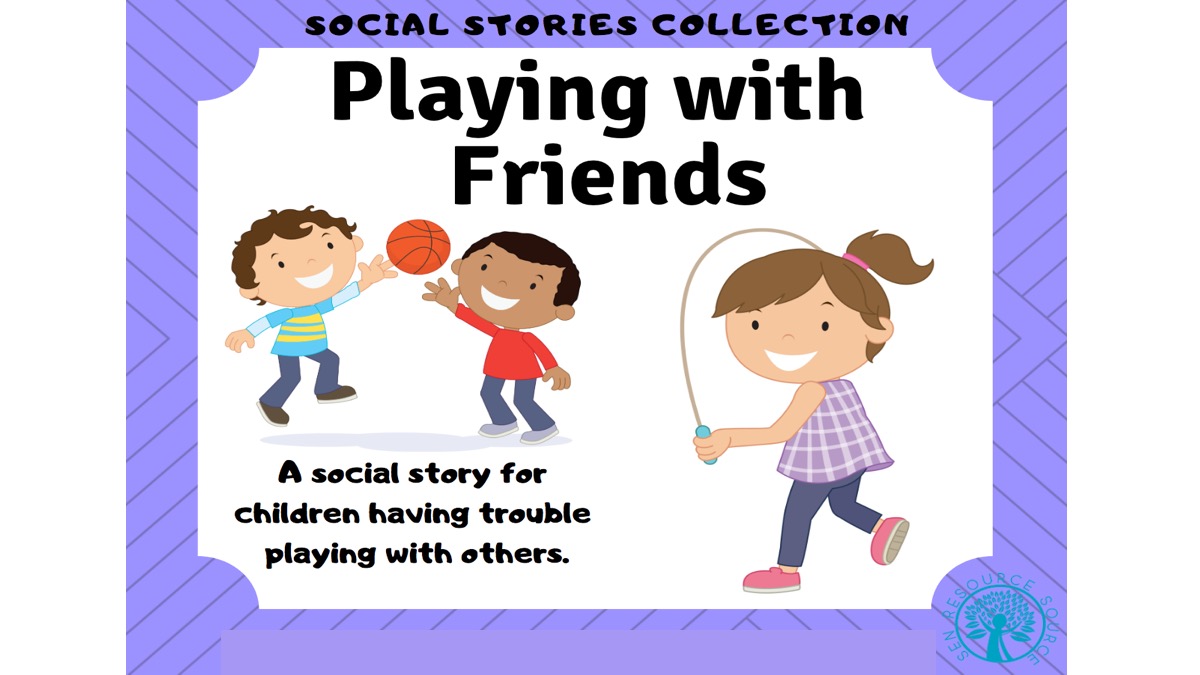
Read (or be read) the story, which models perspective-taking and offers coping choices (talk to an adult, find a different friend, or play alone) when a friend does not want to play the same game.

Fill in their own name, draw pictures of themselves and things they love, answer questions about what makes them happy and angry, identify their favorite coping tools, draw themselves using a coping tool, and reflect in writing on how using coping skills makes them and others feel; used with a companion discussion guide in whole-class,…

Read an illustrated story about a dinosaur character (Dino) who 'ROARS' when he has big feelings, then complete matching/cut-and-paste worksheets identifying emotions from facial expressions and scenarios, and write short empathy reflections about a time they felt a given emotion.

practice the 5-finger-breathing technique when directed to a labeled calm-down space (e.g., Take a Break, Cozy Corner)

Read (or be read) the first-person narrative describing each step of a dentist visit (waiting room, exam chair, light, tools, x-rays, cleaning) and practice the coping strategies offered at each step (taking deep breaths, covering ears or wearing headphones, closing eyes).
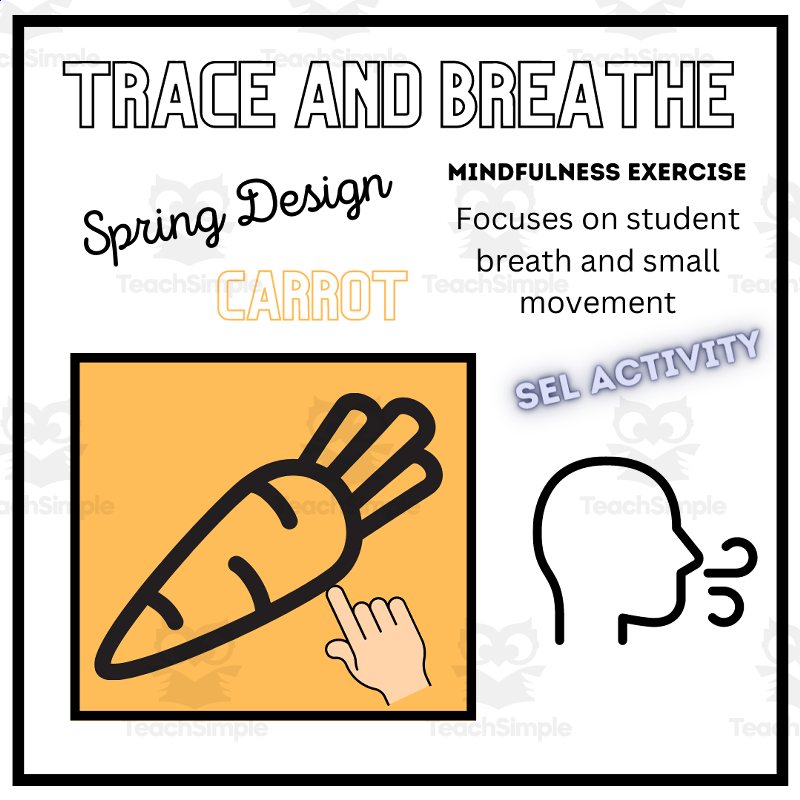
Take a deep breath in, trace the picture with a finger while breathing out, pause, and repeat.

Fold and staple a printable first-aid-kit template, cut out and color individual 'contents' cards representing friendship-repair strategies (apologize, listen to your friend, use kind words, calm down, wash away anger and forgive, plus a blank 'create your own' card), and place them inside the assembled kit.
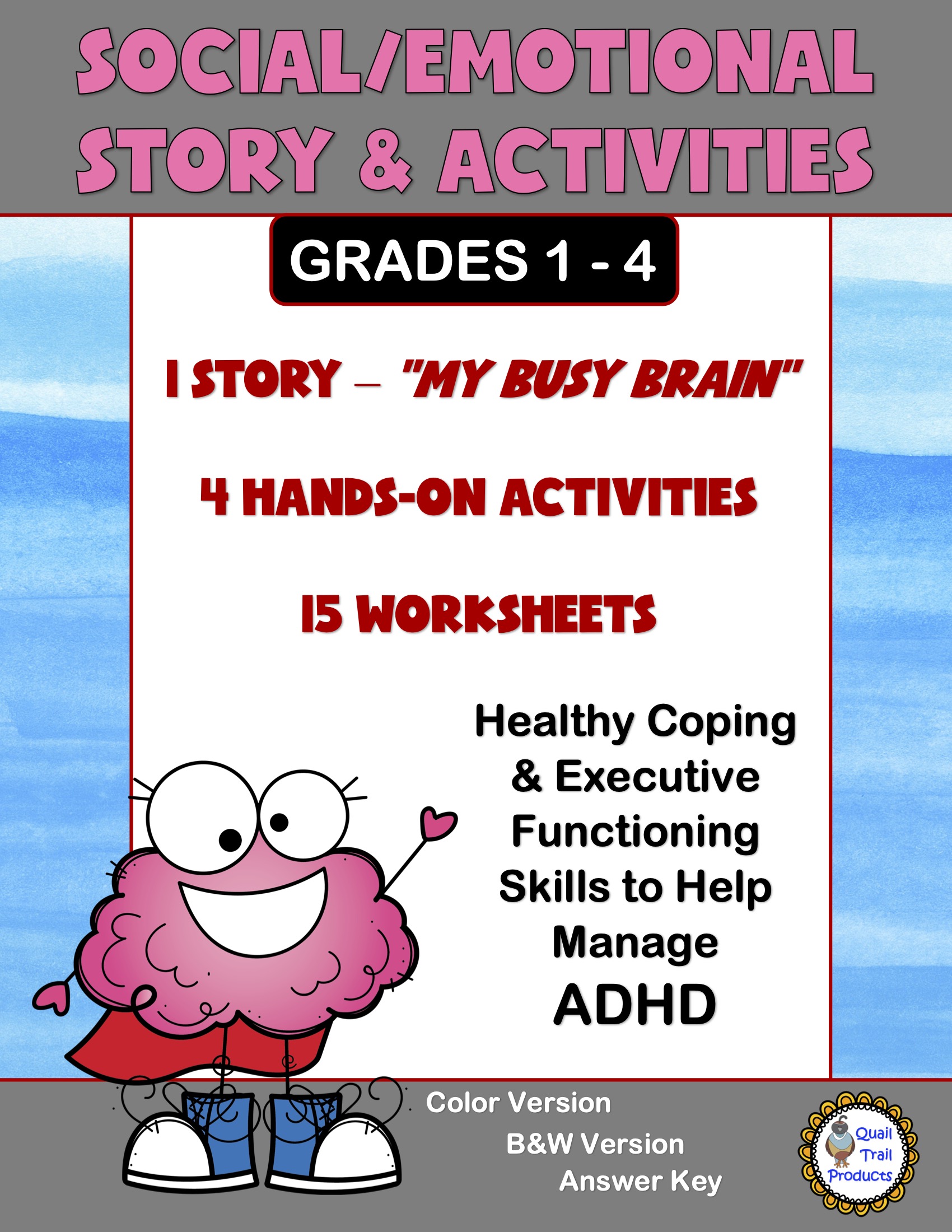
Follow along with/read the story; identify emotions from scenarios by drawing lines to matching faces; write about what emotion they would feel in given situations; sort/sequence tasks; match times to clocks; color favorite coping/movement activities; complete a word search of coping-related vocabulary; and (for adults) build simple…
 Free download
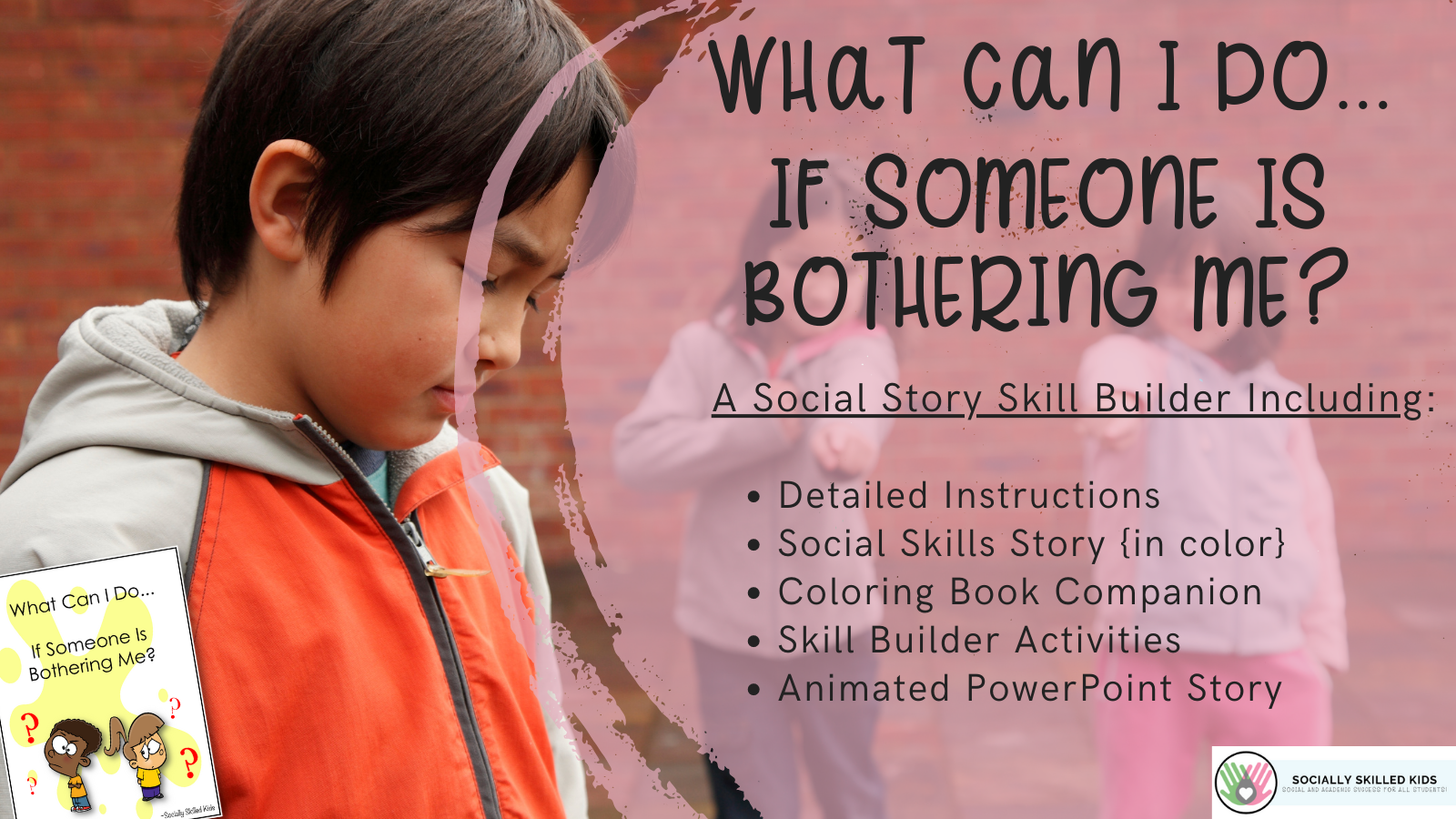
 Students watch/read an animated slideshow presenting 'can do' vs 'can not do' responses to being bothered, then practice the strategies (e.g. asking the person to stop, moving away, asking an adult, ignoring, coping strategies) via discussion questions and role play, and complete related activity pages.
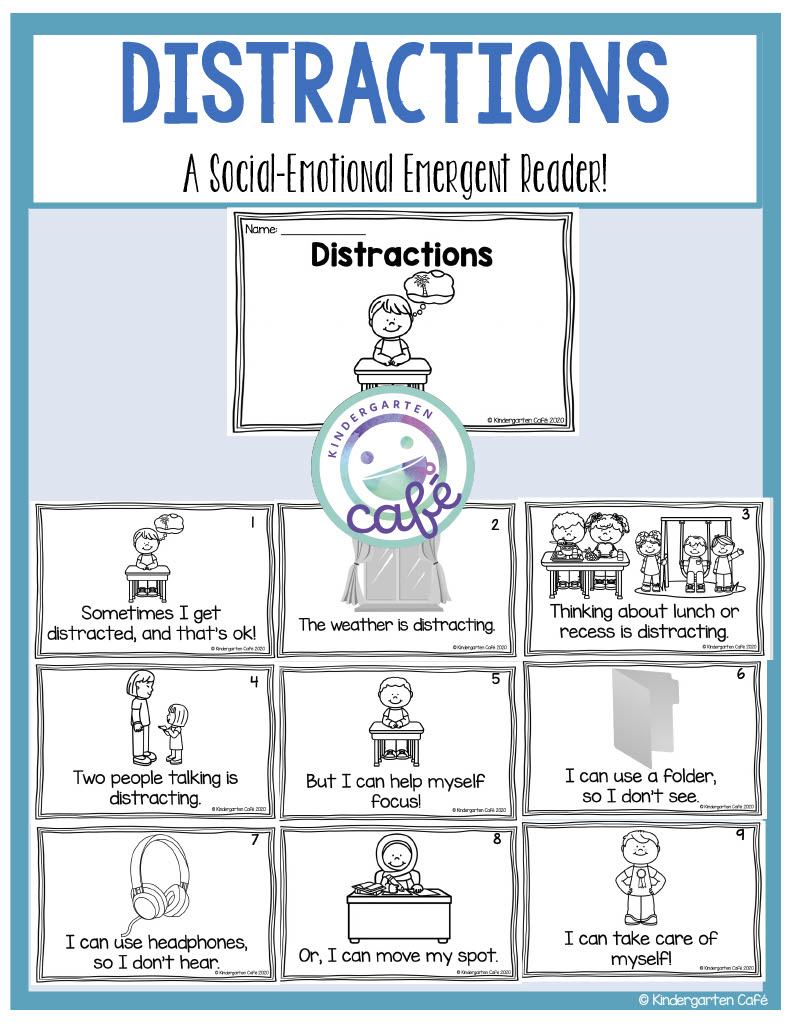
Write their name on the cover, read/practice the repeated emergent-reader text (repetition of the word 'distracting'/'distraction'), and color the black-and-white pictures on each page.

Introduces a self-regulation (SEL) analogy comparing a student's emotional state to a car engine; the scanned page directs the user to an external Google Slides deck for the actual lesson content.
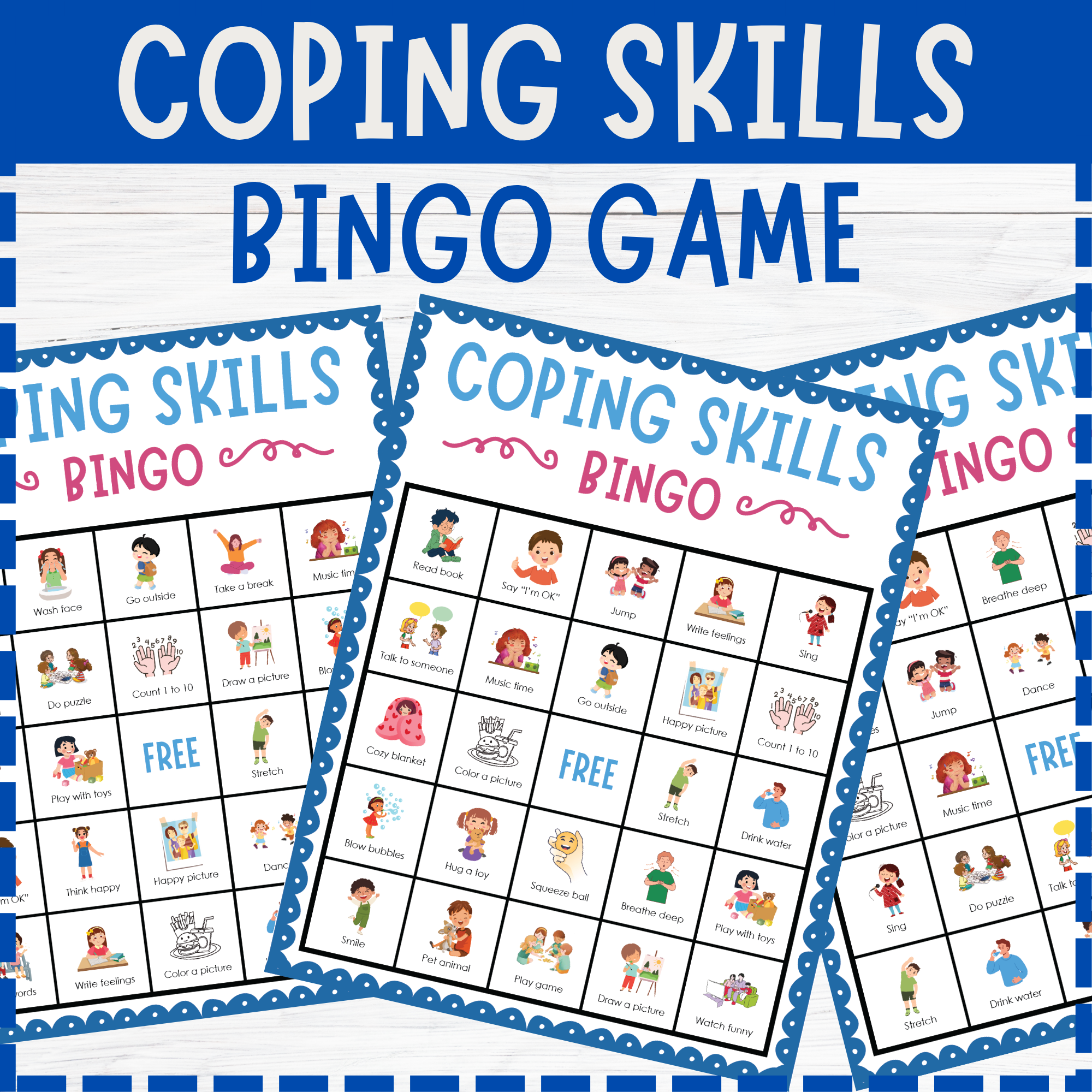
Dozens of uniquely arranged coping-skills bingo cards pair a 5-by-5 grid of self-regulation strategies -- breathe deep, count 1 to 10, hug a toy, squeeze ball, talk to someone, take a break -- with a matching set of calling cards a teacher reads aloud to run the game, plus a free-space center square on every card. An included how-to-use guide walks teachers through preparing and laminating materials, distributing a card and chips to each player, explaining horizontal, vertical, and diagonal winning patterns, and calling out items one at a time from the shuffled calling cards. A separate bingo-marker page supplies a printable chip or token sheet to cover called squares as they come up. The activity doubles as a bingo game and a mindfulness/SEL vocabulary review, since students must recognize and recall each coping strategy by name as it's called.
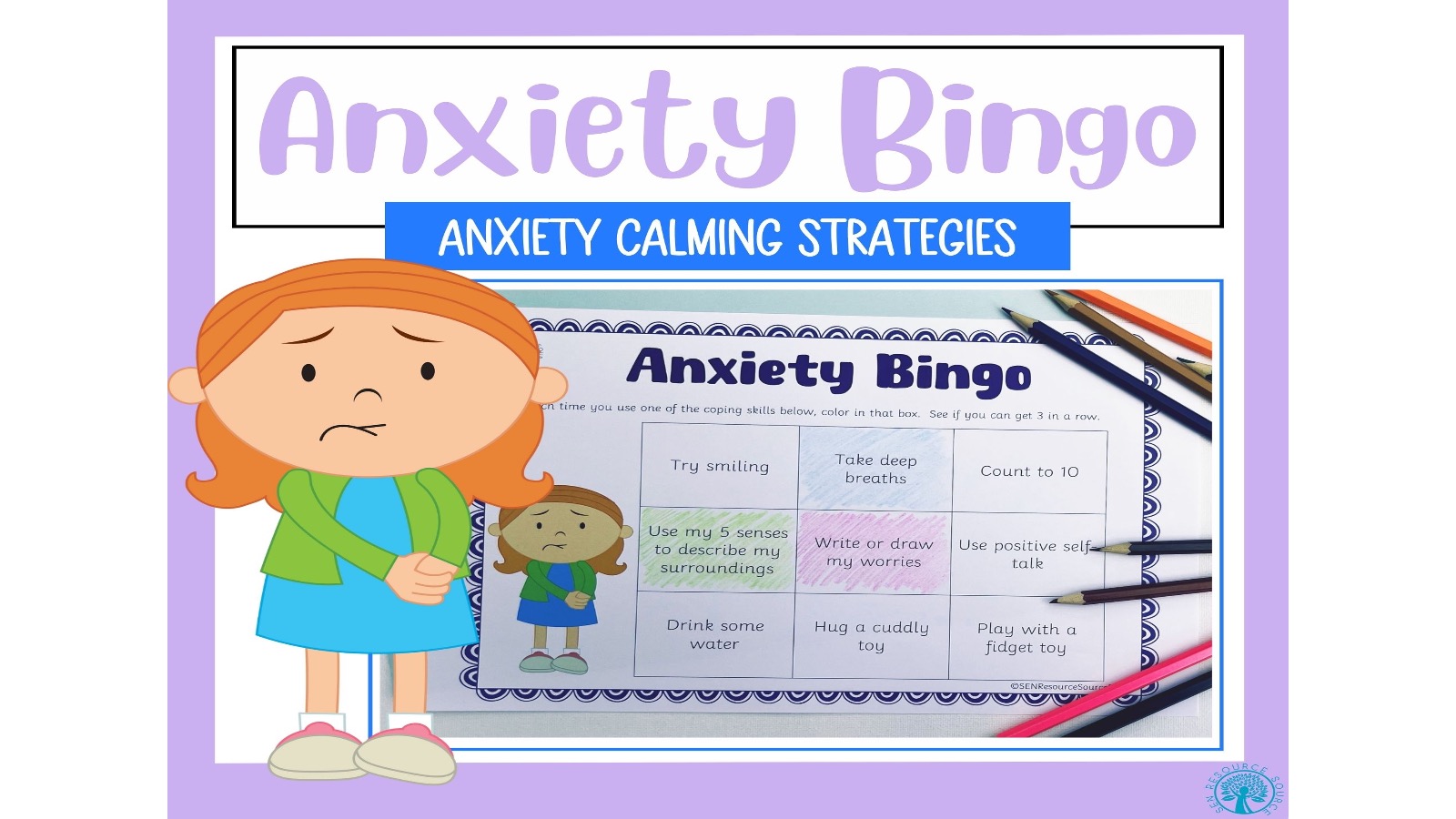
Color in a bingo box each time the student uses one of the listed coping skills (e.g., take deep breaths, count to 10, hug a cuddly toy) and try to get three in a row; a blank version lets students write in their own coping skills before playing.
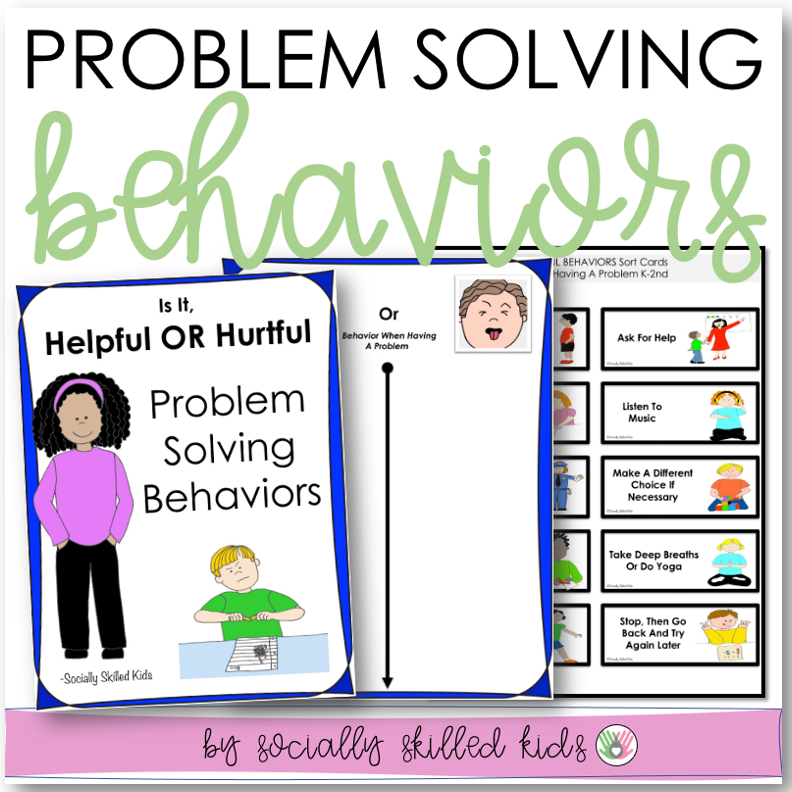
Students follow an animated social story ('I Can Use Helpful Strategies... When Having A Problem' for K-2, and a parallel 'Using Helpful Strategies' story for grades 3-5) that walks through recognizing a problem, staying calm, and identifying/practicing helpful coping strategies; accompanying printable bundles and an editable PowerPoint…
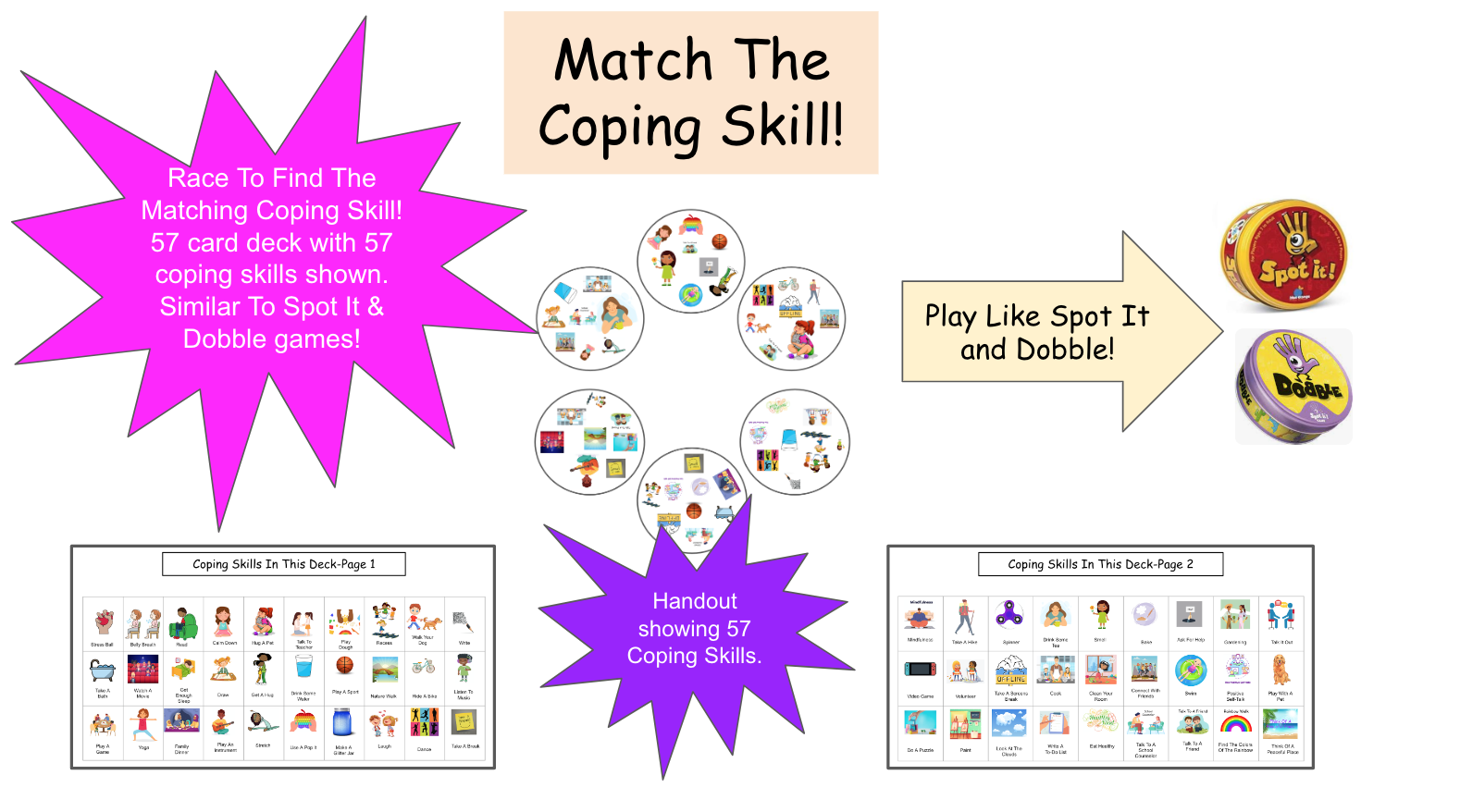
Print, laminate, and cut out circular cards from a 57-card deck; players race to find the matching coping skill between their card and the center card, take the matched card, and try to accumulate the most cards; a companion handout lists all 57 coping skills for pre-teaching.
 Free download
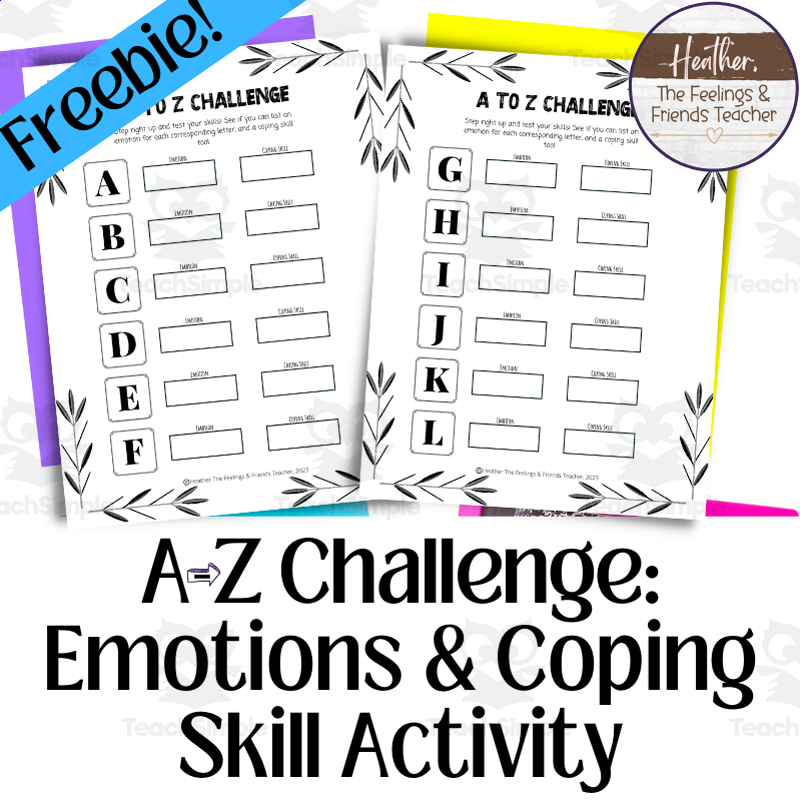
 For each letter A through Z, write/name one emotion and one coping skill that starts with (or corresponds to) that letter.

For each of 8 feelings (happy, sad, mad, scared, loved, excited, worried, shy), record what their face and body look/feel like and what triggers that feeling; complete 3 coping-skill exercises (a star-tracing gratitude/breathing activity, balloon breathing, bee breathing) and a grounding exercise (list 3 things seen/touched/heard) plus…