Forces, energy & materials
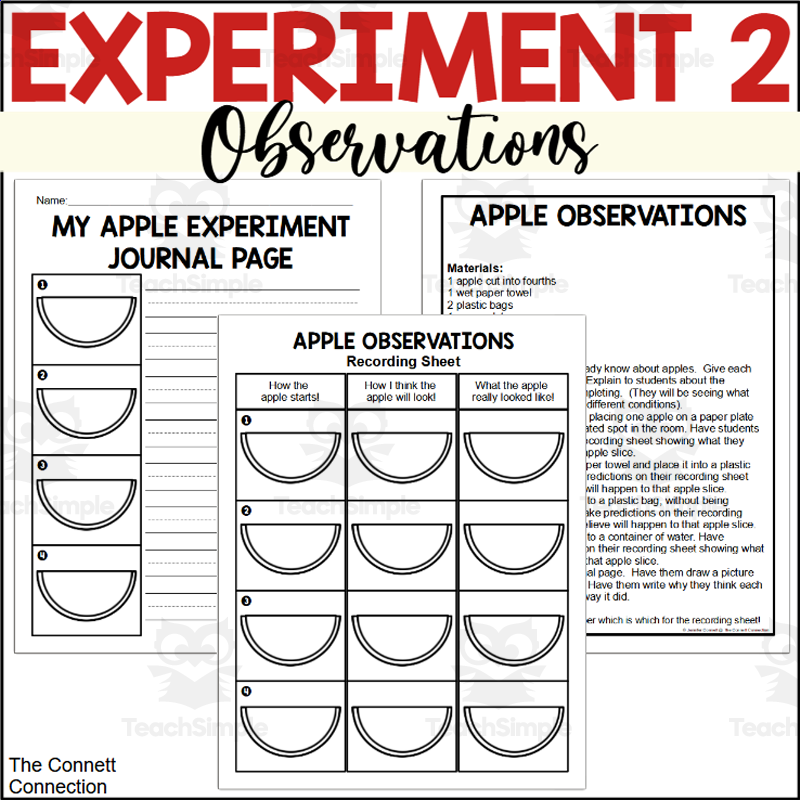
Apple Science Experiment - Observing Apples
Guide students through a hands-on apple observation science experiment where they predict and record what happens to apple slices stored under different conditions.


Classroom resources
Browse by lesson focus
Choose the topic or kind of practice you need.
Showing 25–48 of 166 resources

 Show filters
Guide students through a hands-on apple observation science experiment where they predict and record what happens to apple slices stored under different conditions.

A multi-station physics lab activity teaching projectile motion (initial velocity, launch angle) through hands-on measurement, research, reading, and knowledge-check stations built around a catapult/paper-football theme.
A 9-station physics lab activity on light refraction (Snell's Law) for a self-directed 30-45 minute lesson: a reading passage, station cards, a lab passport/answer booklet, a video-response worksheet, a knowledge-check quiz, and bonus word scramble/word search.

Run a 9-station rotation lab teaching acid-base neutralization chemistry through varied hands-on, research, reading, video, and assessment formats.
A 9-station chemistry lab-rotation activity teaching the mole and Avogadro's number, molar mass, and stoichiometry calculations for middle/high school chemistry.

Put scientific-method ideas into practice by comparing how much water different paper towels absorb. Students plan a controlled comparison, record measurements, calculate averages and use a graph to support their conclusion. Student notes and matched completed slides introduce variables and hypotheses beforehand, while an extension sheet suggests changing the liquid or measuring absorption time for a later investigation.

An inquiry-based lab experiment ("Eco-bottle Lab") that has students design and run a controlled experiment testing how a human-caused factor (e.g., fertilizer, pesticide, road salt, acid rain, oil) affects a terrestrial/aquatic ecosystem, then write a formal lab report.
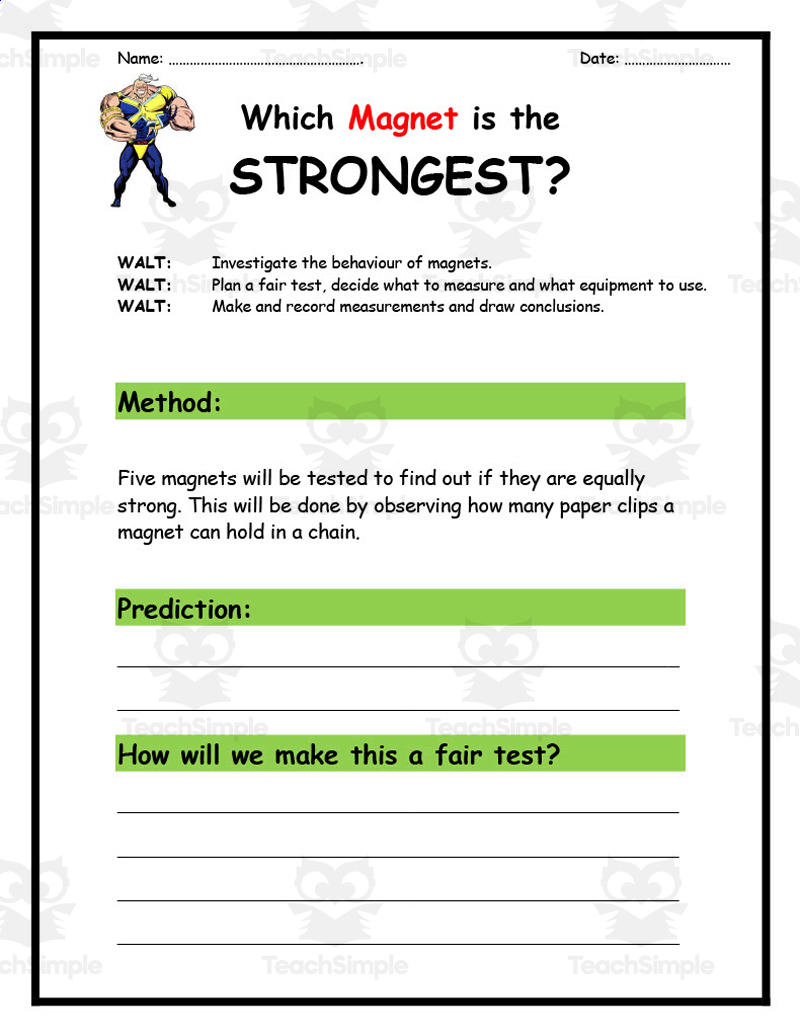
Simple science investigation worksheet where students test and compare the strength of five types of magnets.
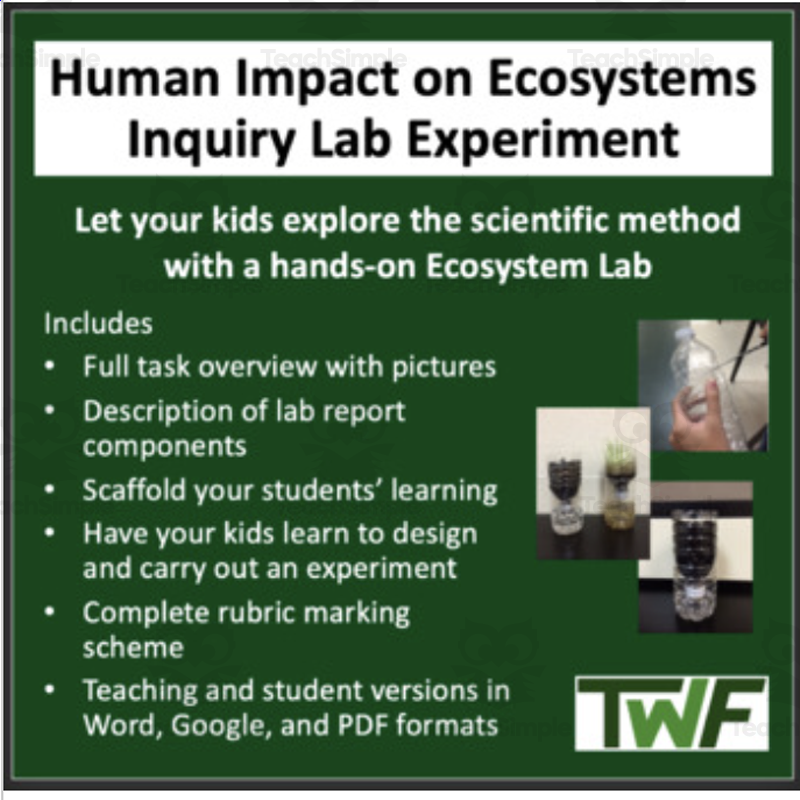
A guided-inquiry lab in which students design and run an experiment testing how a human-caused factor affects a small ecosystem, then write a formal lab report.

A 9-station hands-on lab rotation teaching density and buoyancy concepts (mass, volume, density calculation, buoyant force, and why objects float or sink) for grades 7-10 science classrooms.

Provide a multi-resource bundle teaching the scientific method (the eight steps: questioning, controlling variables, hypothesis, planning, performing, observing, analyzing, discussing) through slide-based lessons and hands-on lab/project activities.

Soda Pop Preferences - Scientific Method Lesson Included This engaging activity introduces students to the scientific method through an experiment involving their favorite soda pops. Students will form a hypothesis about which soda flavor they think will be most popular among their classmates.
Problem-based learning (PBL) activity where students design and run an experiment (dropping a ball onto a target) to practice the scientific method, data analysis (mean, mode, standard deviation), and evidence-based argument writing.
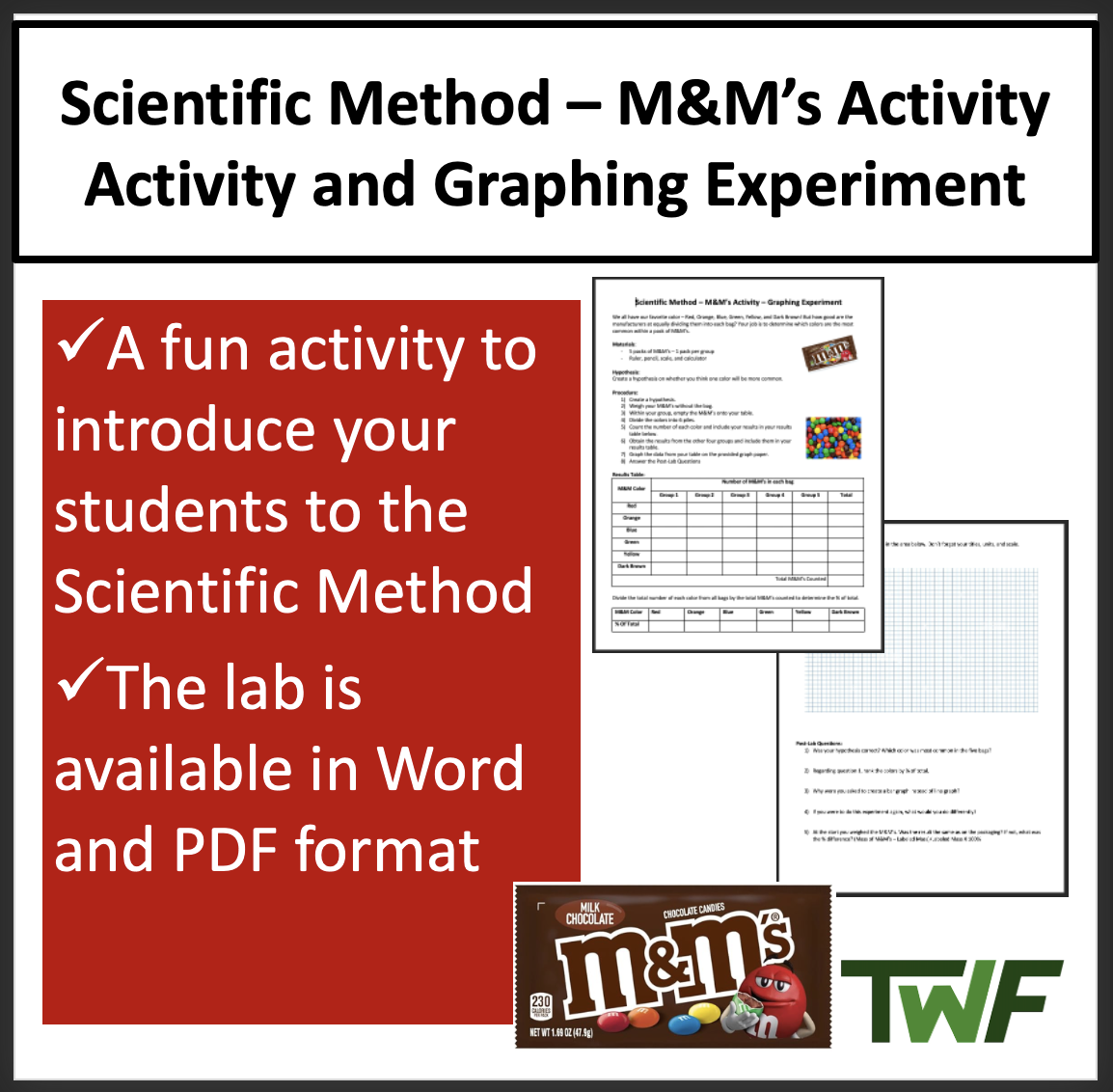
The M&M activity connects a color-count investigation with graphing and a results write-up. A companion lesson introduces the scientific-method steps through student slides and a completed teacher version. Provide the sample materials and model recording data before groups compare their findings.
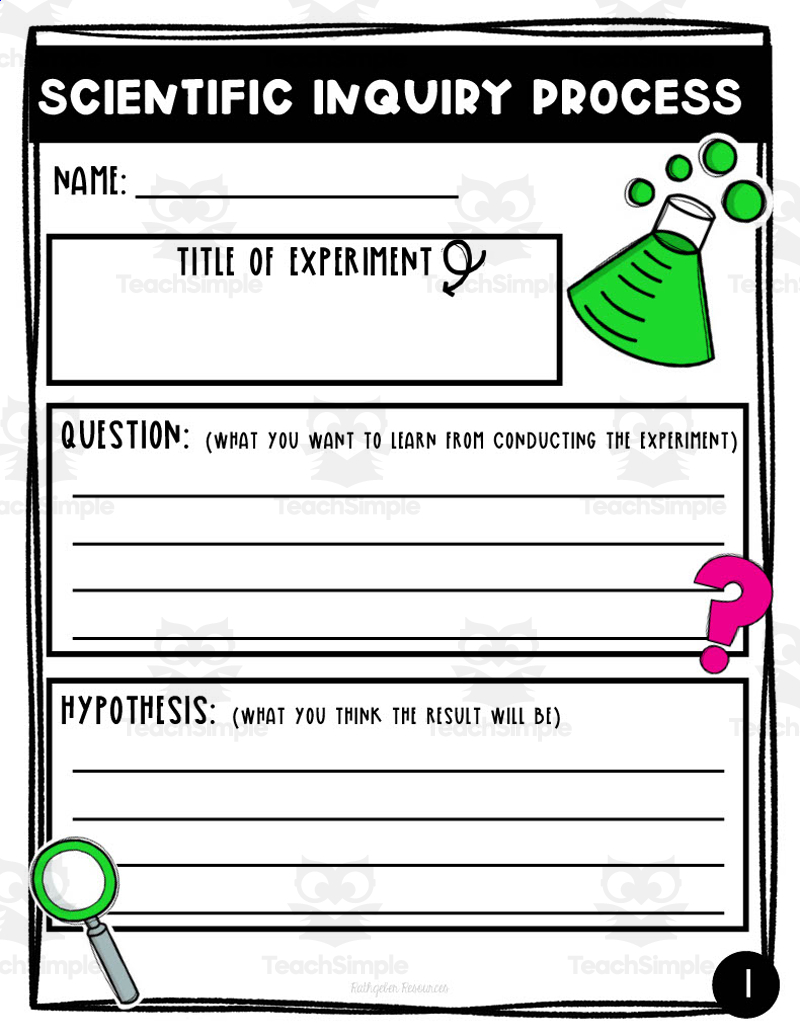
A generic, reusable graphic-organizer template guiding students through the steps of writing up any science experiment (question, hypothesis, materials, procedure, data, conclusion).
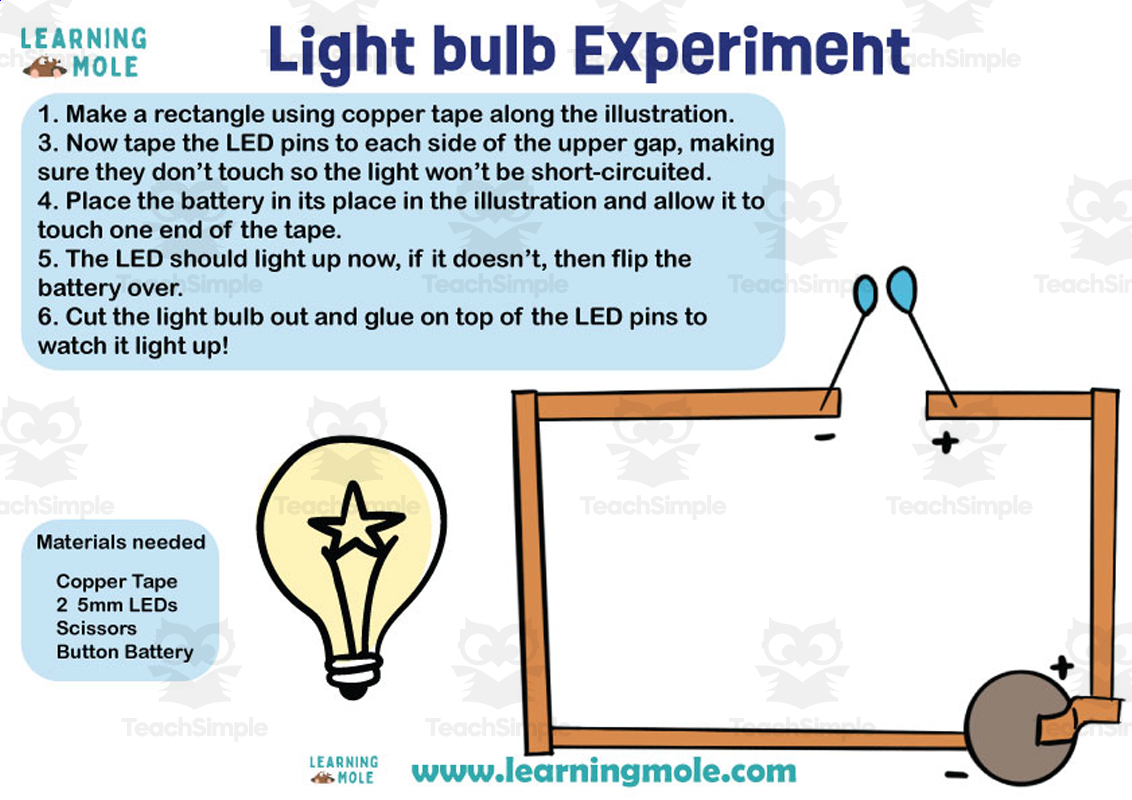
Guide students through a hands-on STEM circuit-building experiment: lighting an LED using copper tape and a button battery.

A multi-topic activity packet teaching force and motion concepts (force, motion, friction, and related math) for elementary science.
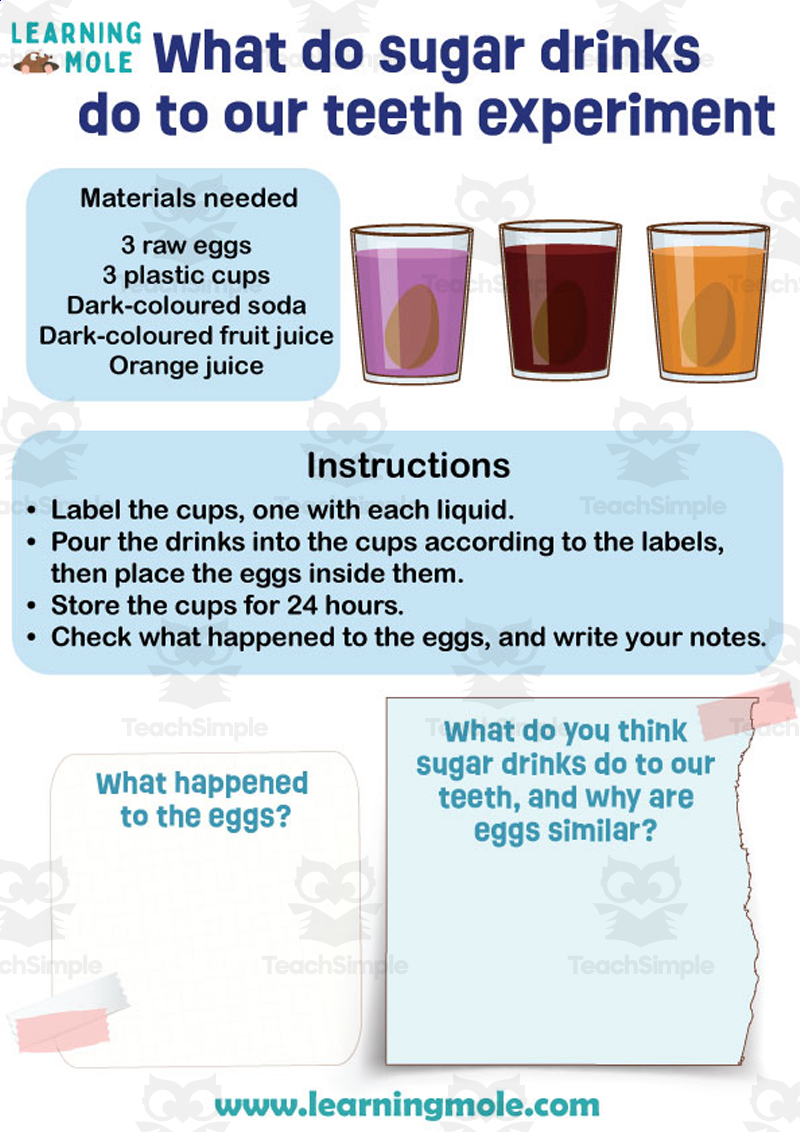
Run a simple hands-on experiment showing the effect of sugary/acidic drinks on tooth-like material (eggshell) to teach about dental health.
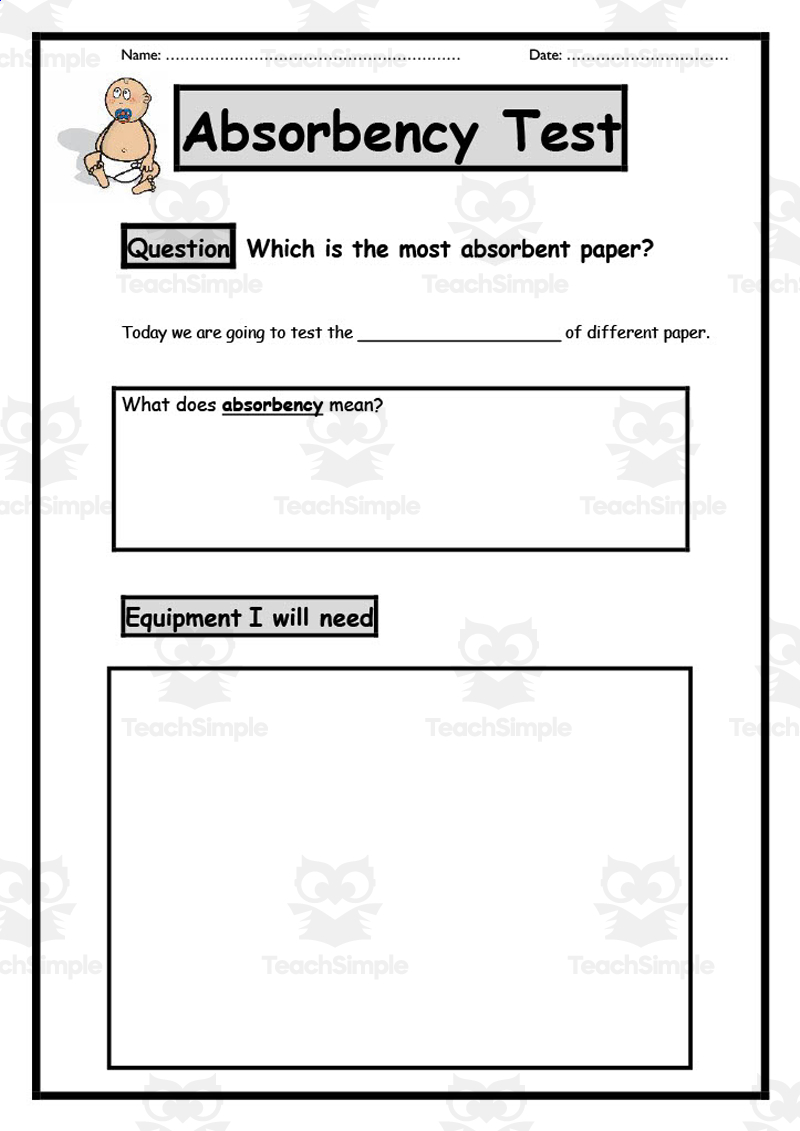
Guide students through a hands-on science experiment testing the absorbency of different types of paper, recording predictions, method, results, and a conclusion.

This Water Cycle Experiment Worksheet is a great resource for students to use to conduct their own experiment on the water cycle. By doing this experiment, students will have a better understanding of how the water cycle works. This worksheet is a great tool for teachers to use in their classrooms.
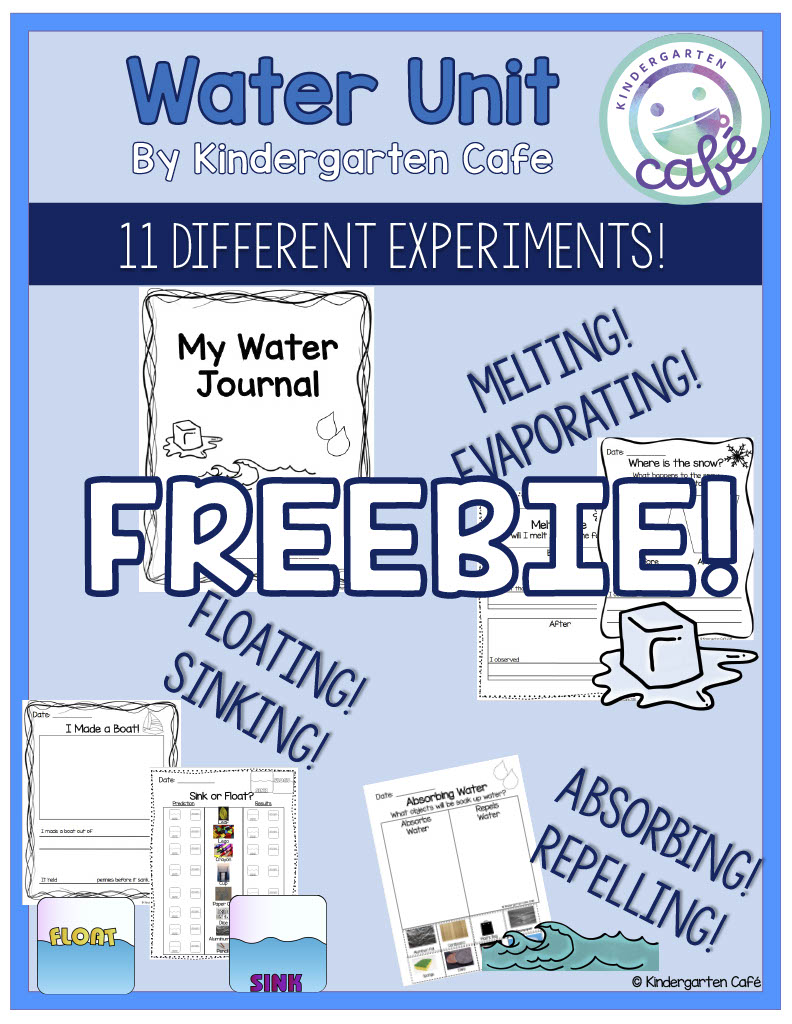 Free download
Record what happens to ice left on a table using a simple observation journal. Children draw the ice before and after the observation period and complete an I observed response. Discuss what they notice rather than supplying the conclusion first. The page provides a way to compare two observations during a water or changing-materials lesson.

Teach the concept of induced magnetism and magnetic poles through a hands-on paper clip chain experiment.

Teach students about capillary action and its role in the water cycle through notes, a hands-on experiment, and a slideshow presentation.
Explores the psychology of social media and phone use - covering usage statistics and negative effects such as anxiety, loneliness, FOMO, addiction, and attention/academic impacts - and guides students through a personal screen-time tracking experiment.