Classroom routines & displays
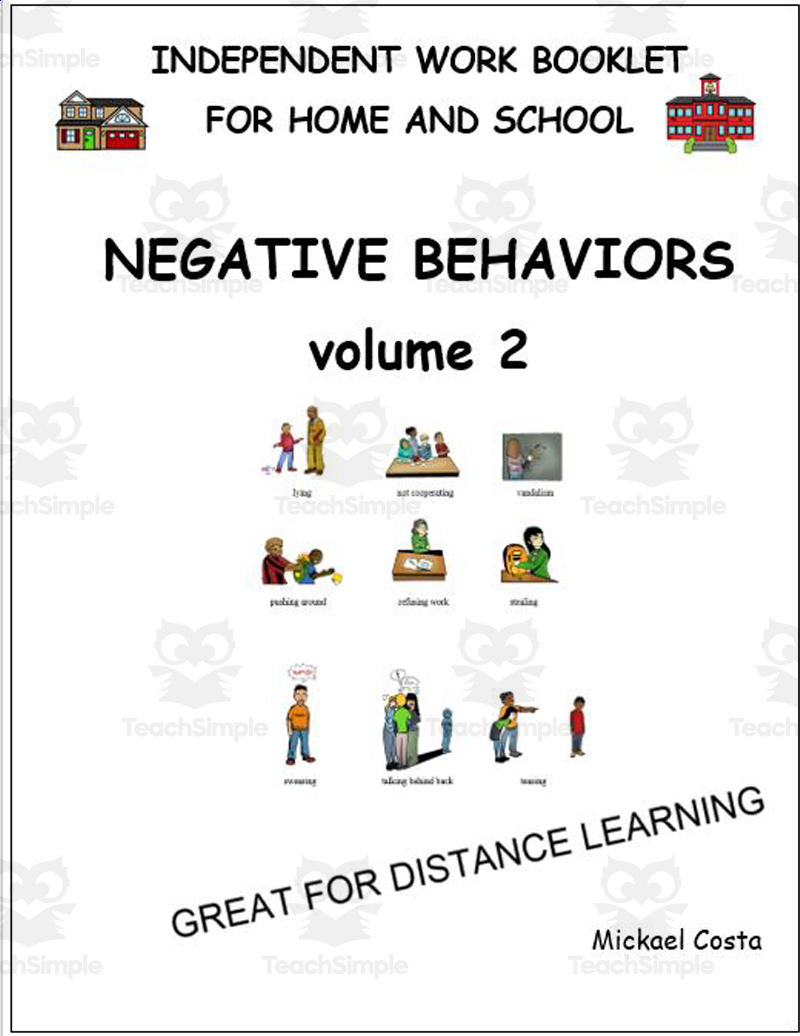
Literacy worksheets : Negative behaviors vol 2
Build vocabulary and literacy skills (reading, writing, and word-study) around the topic of negative behaviors, volume 2 through a self-guided independent-work booklet.




Classroom resources
Browse by lesson focus
Choose the topic or kind of practice you need.
Showing 25–48 of 700 resources

 Show filters
 Build vocabulary and literacy skills (reading, writing, and word-study) around the topic of negative behaviors, volume 2 through a self-guided independent-work booklet.

Students listen to two song options per slide, drag and drop a checkmark onto their preferred selection, and then view a video of the performer.
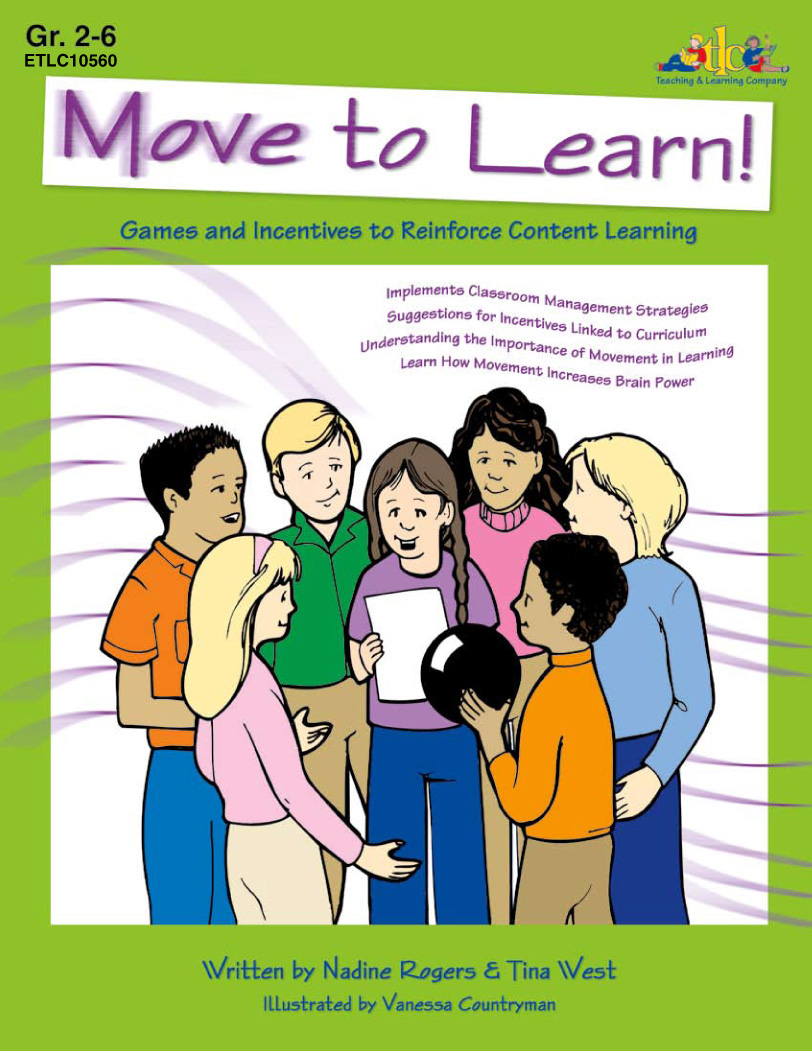
Participate in physical movement games (e.g. Word Chase, Eraser Tag, Math Whizzer, Question Quest, Poetry in Motion, Definition Search, Making Time, Musical Circles) that combine movement with review of curriculum content.

A 2-4 player dice game where students multiply two rolled numbers (1-6) and claim board squares by that product, practicing 1-6 multiplication facts.

Are you wanting a counseling game that will spice up your coping skills lessons in your counseling sessions? This Coping Skills Bingo Game is intended for keeping engagement high in your sessions while also teaching your students all about different coping skills! This coping skills activity is the perfect counseling…
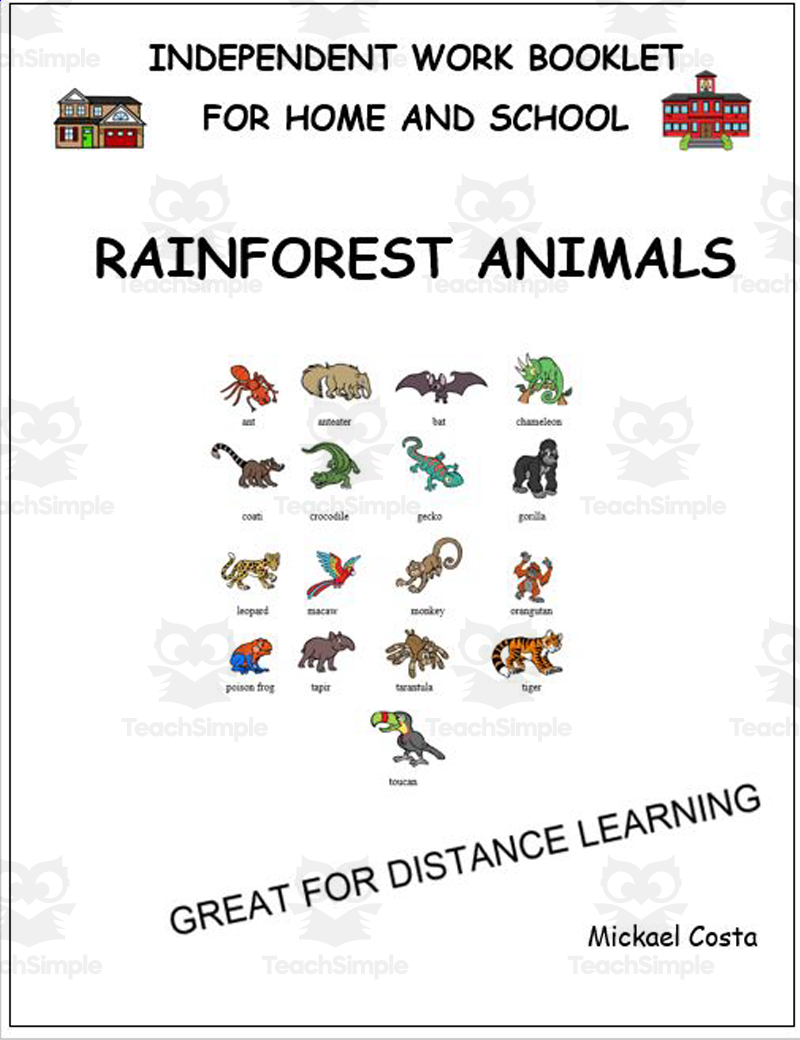
Build vocabulary and literacy skills (reading, writing, and word-study) around the topic of rainforest animals through a self-guided independent-work booklet.

Reinforce vocabulary, reading comprehension, and creative-writing skills using a second set of story-setting terms (jail, forest, desert, haunted house, railway bridge, ocean, party, space) that students can use when writing narratives.
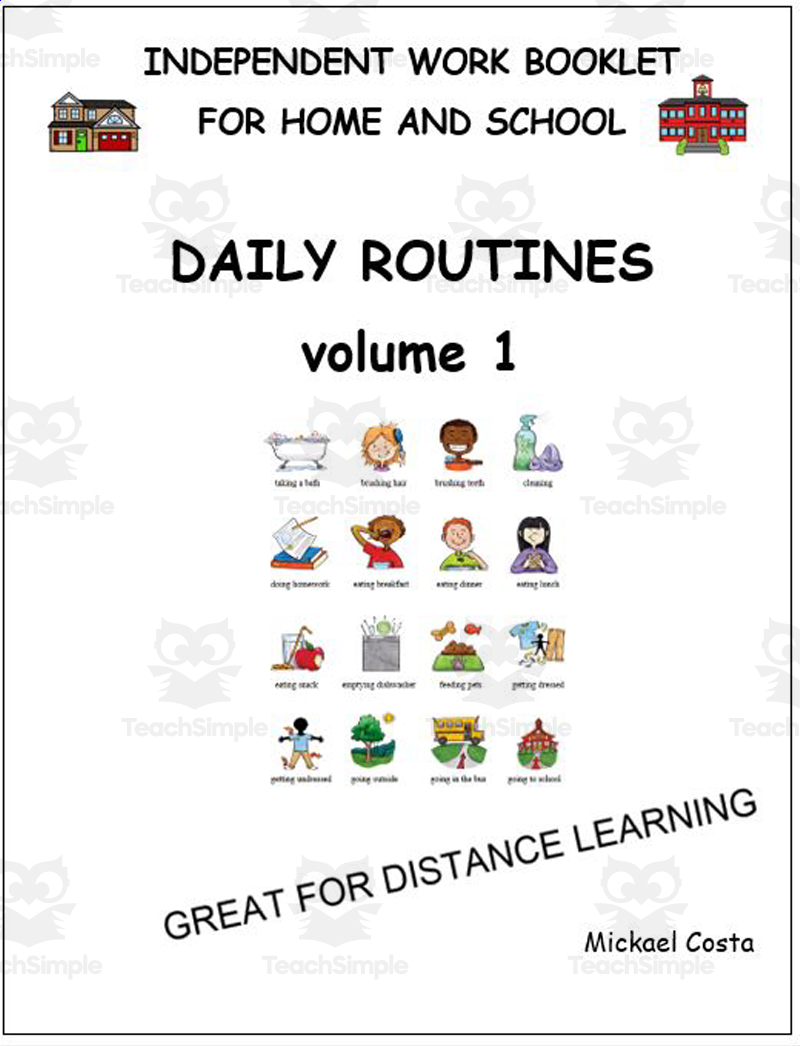
Students learn the topic's vocabulary words, label pictures with the words, write sentences and a story using the words, play bingo, build their own word search, write anagrams and riddles, research the topic online, create comic strips, compare items in a Venn diagram, and reflect on what they learned.

Players draw/read a situation card describing a common trigger, then place a coping-skill card from their hand that matches (some cards ask for a 'bad' way to cope); matching correctly lets the player keep the situation card. Player with the most situation cards wins.
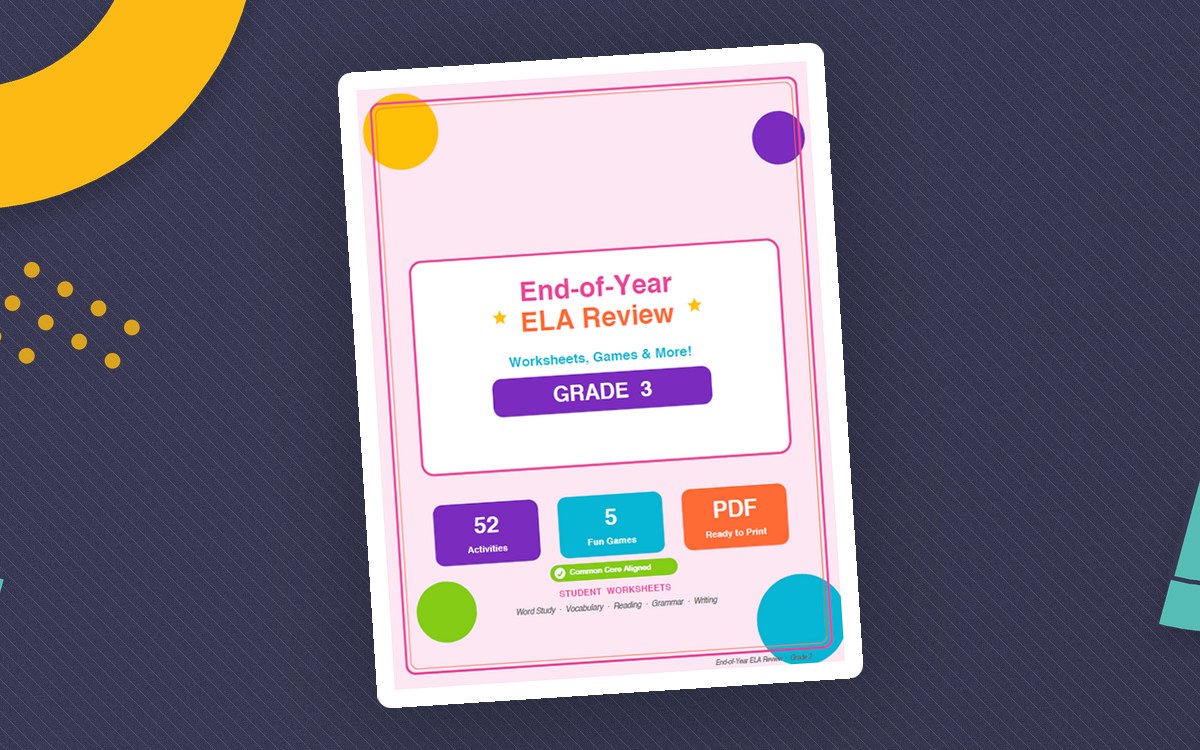
Fifty-two numbered ELA activities and five printable review games cover word study, vocabulary, reading comprehension, grammar, and writing for a third-grade end-of-year review. The activities move from prefix and suffix matching and syllable-splitting through context-clue vocabulary work, two reading passages — 'The Inventor's Workshop' and an informational piece on honeybees — sentence-type labeling, and paragraph writing with transition words. A separate answer key gives sample solutions for all 52 activities plus game notes, and a teacher's guide lays out whole-class, small-group, center, homework, and early-finisher uses with suggested pacing. The games packet adds five print-and-play formats built around review vocabulary: Bingo, Memory, a roll-and-race board, a spinner, and 4-in-a-Row.
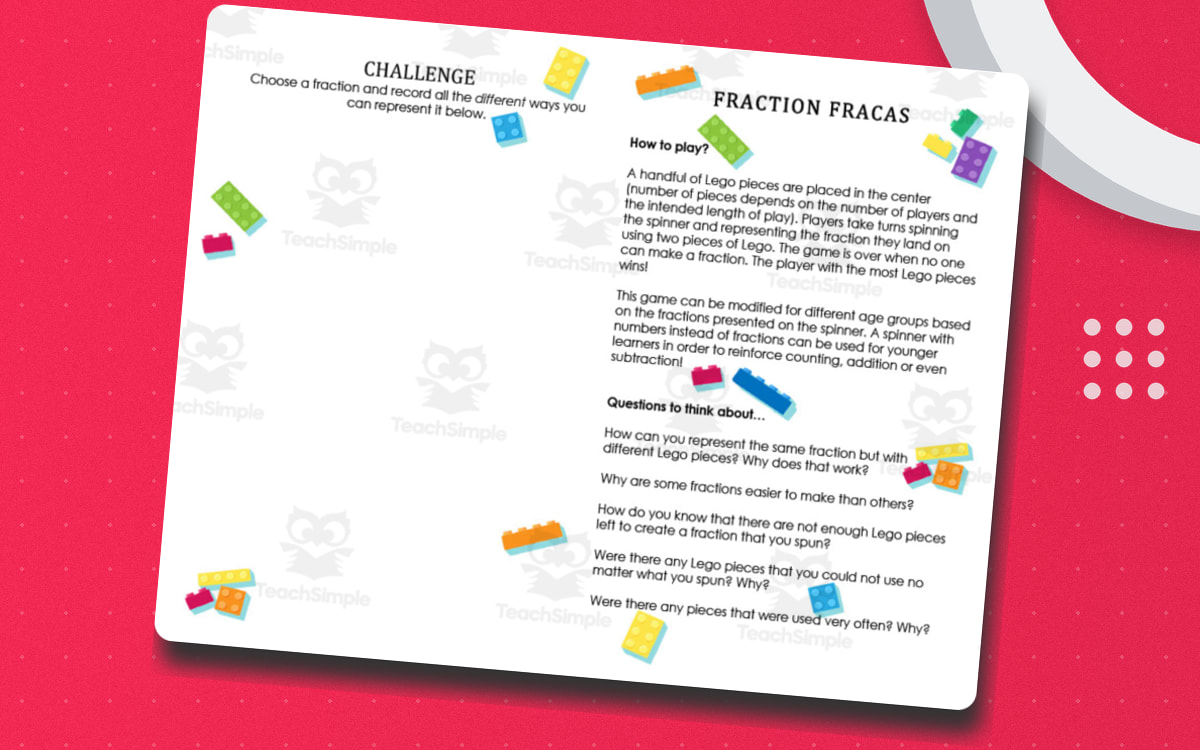
If you are a teacher who is searching for some fun math activities to incorporate with your students, I have just the resource for you. This is a Lego Fractions Game that your students will love! This game was designed for upper elementary students. What is included? This is a 2-page printable PDF. The first page…

Complete tasks on an assigned bingo card following one of several bingo win patterns (Lines, T's, U's, or Squares, requiring 5/9/13/16 completed answers respectively), then record answers on a provided answer worksheet.
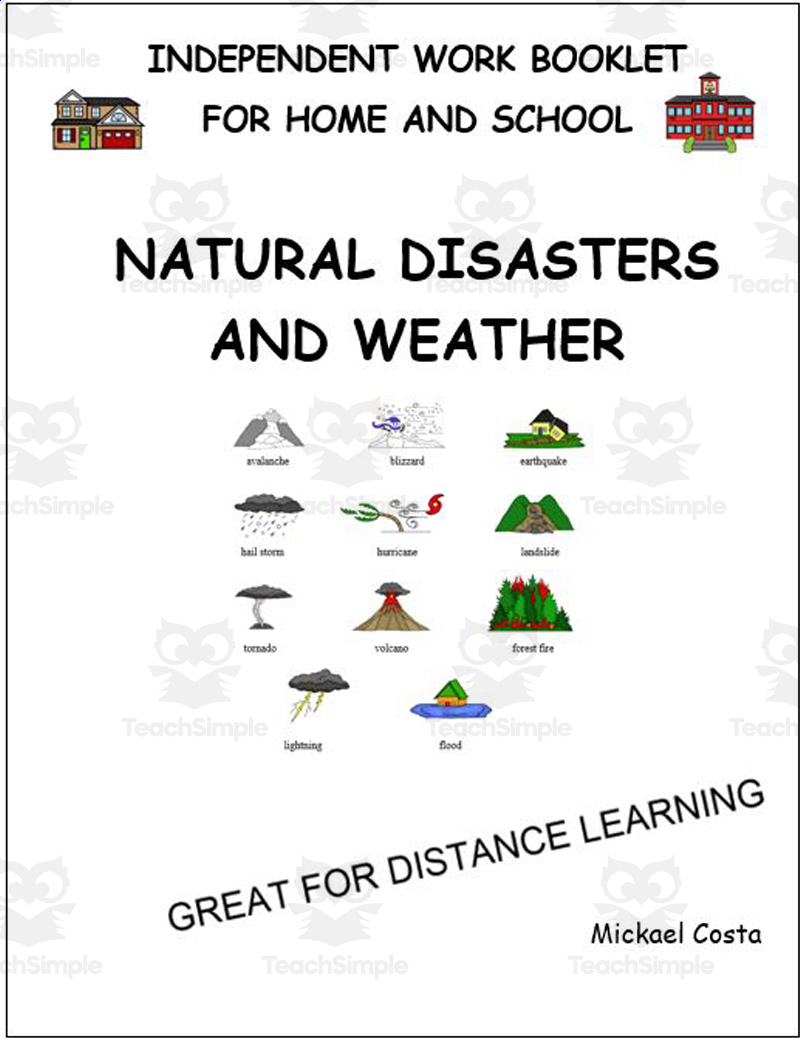
Build vocabulary and literacy skills (reading, writing, and word-study) around the topic of natural disasters and weather through a self-guided independent-work booklet.
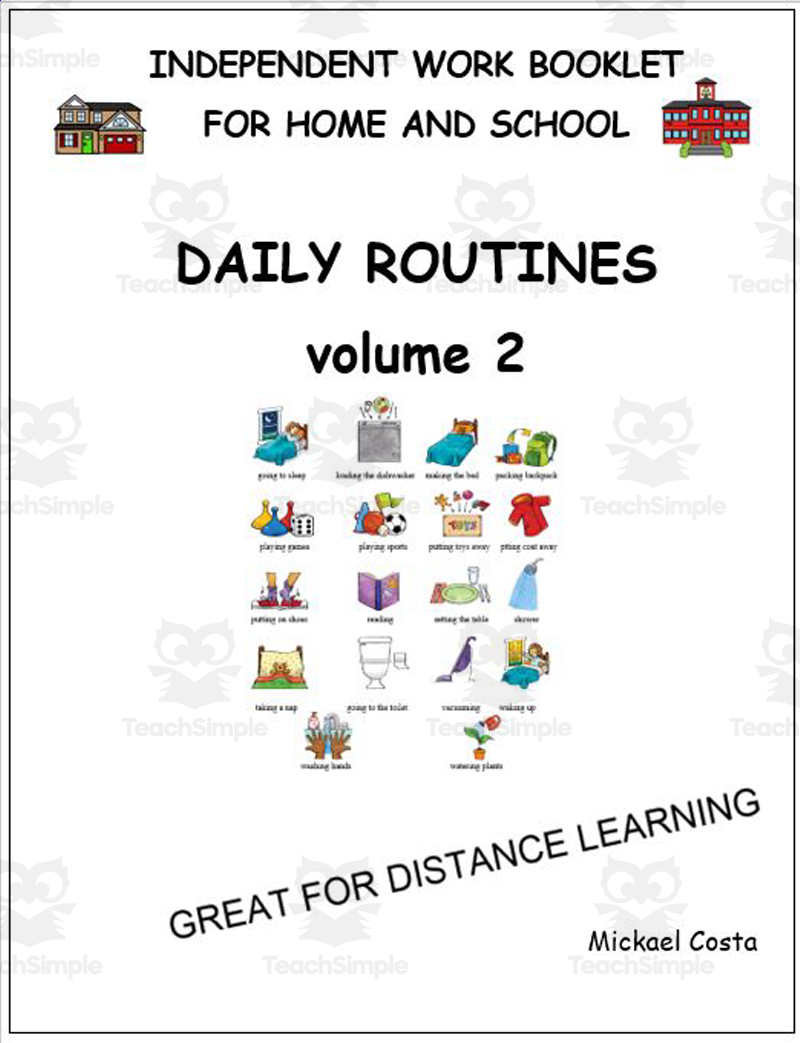
Students learn the topic's vocabulary words, label pictures with the words, write sentences and a story using the words, play bingo, build their own word search, write anagrams and riddles, research the topic online, create comic strips, compare items in a Venn diagram, and reflect on what they learned.
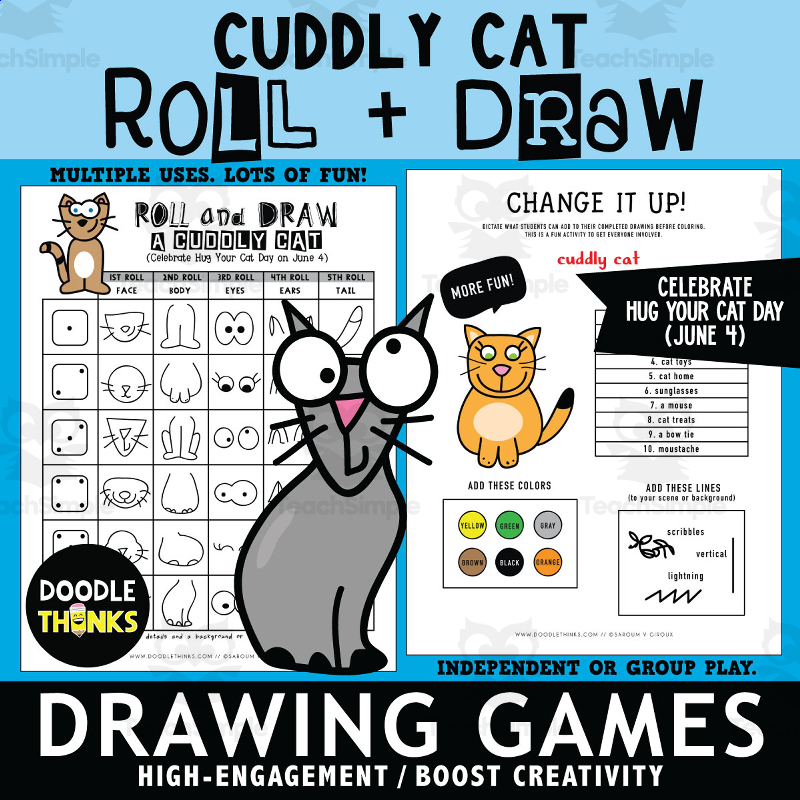
Roll a die five times to determine which face, body, eyes, ears, and tail to draw for a cuddly cat; optionally use a 'Change It Up' dictation worksheet to add extra elements, colors, and line styles to the scene; and use a second 'Cat Treats' roll-and-draw sheet to add a canned-tuna or catnip image based on a die roll.
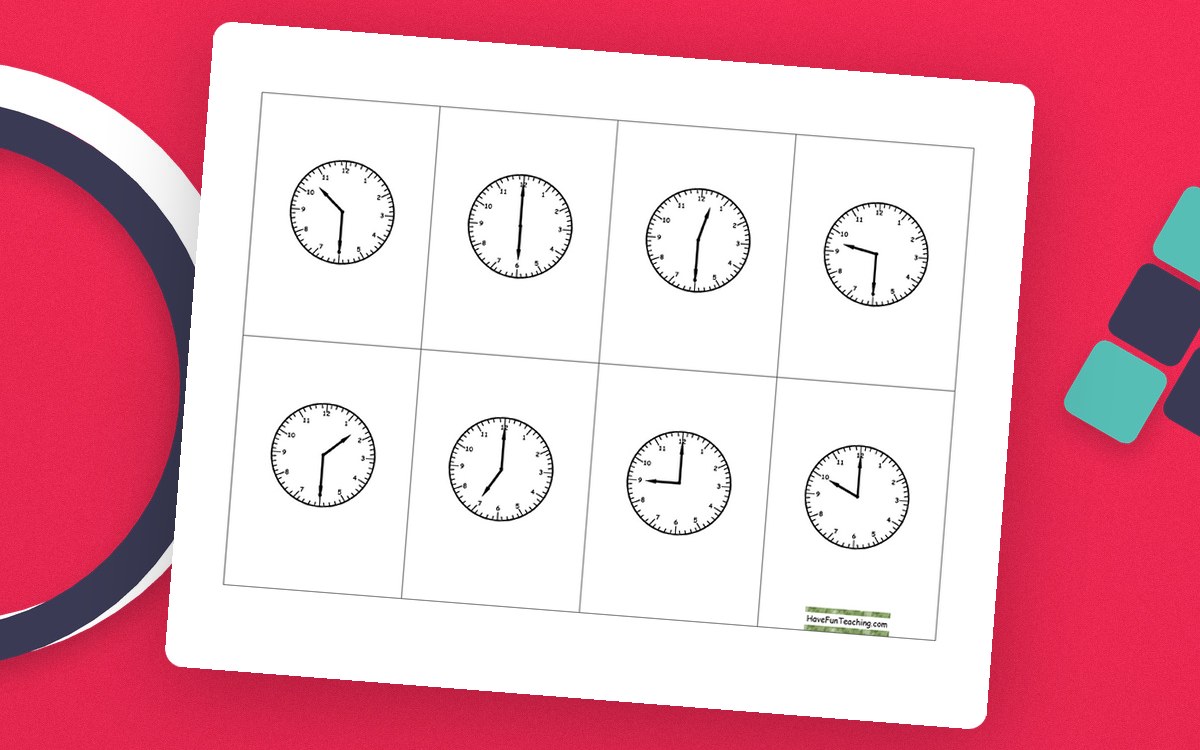
The bingo format gives students repeated practice matching hour and half-hour times with analog clocks. Before play, model how the minute hand at six represents thirty minutes past the hour and how the hour hand sits between numbers. Pause after a call to let students explain a match.
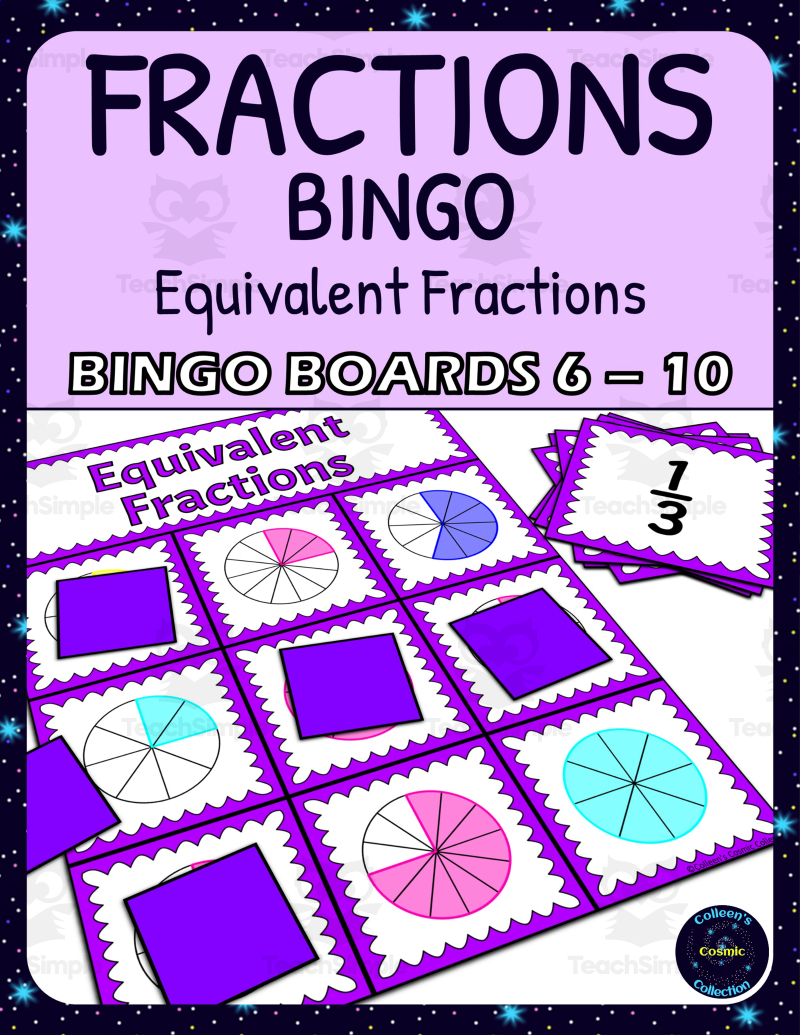
Equivalent Fractions Bingo engages students in finding equivalent fractions in a fun, competitive game. This multiplication resource includes 4 sets of calling cards with fractions represented as circles, squares, strips, and symbols. Also included are 5 bingo boards in color and black and white. To play, students…
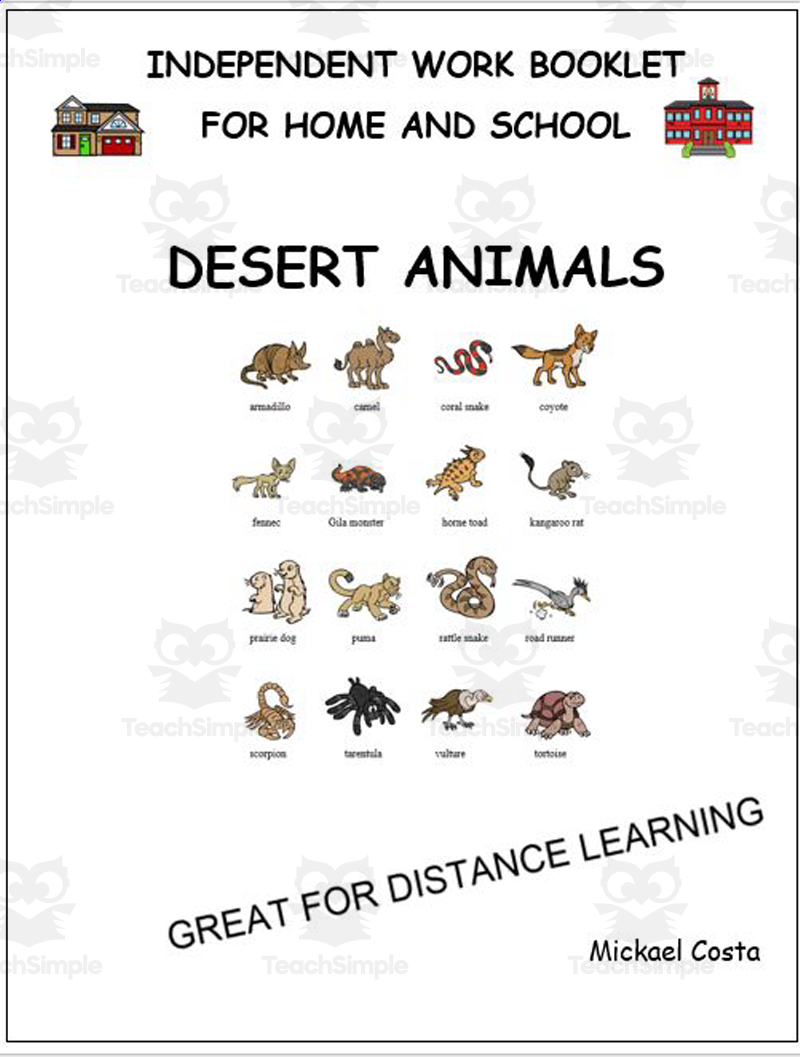
Build vocabulary and literacy skills around desert animals through a set of independent print worksheets (vocabulary study, sentence/story writing, word games, research, and creative response tasks).
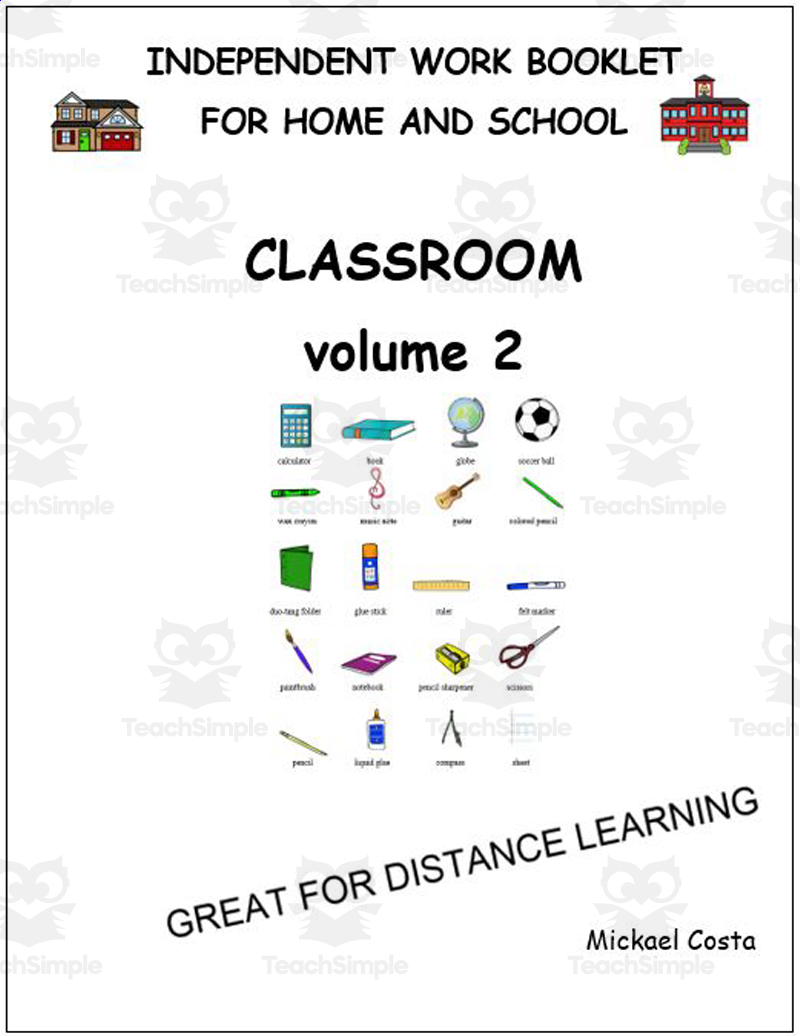
Students label pictures with vocabulary words, complete a bingo sheet and a word search, write sentences and a story, make personal connections to the topic, play a guessing game, create anagrams and riddles, research the topic online, identify a favorite word, write a short reflection, produce two levels of comic strips, study…
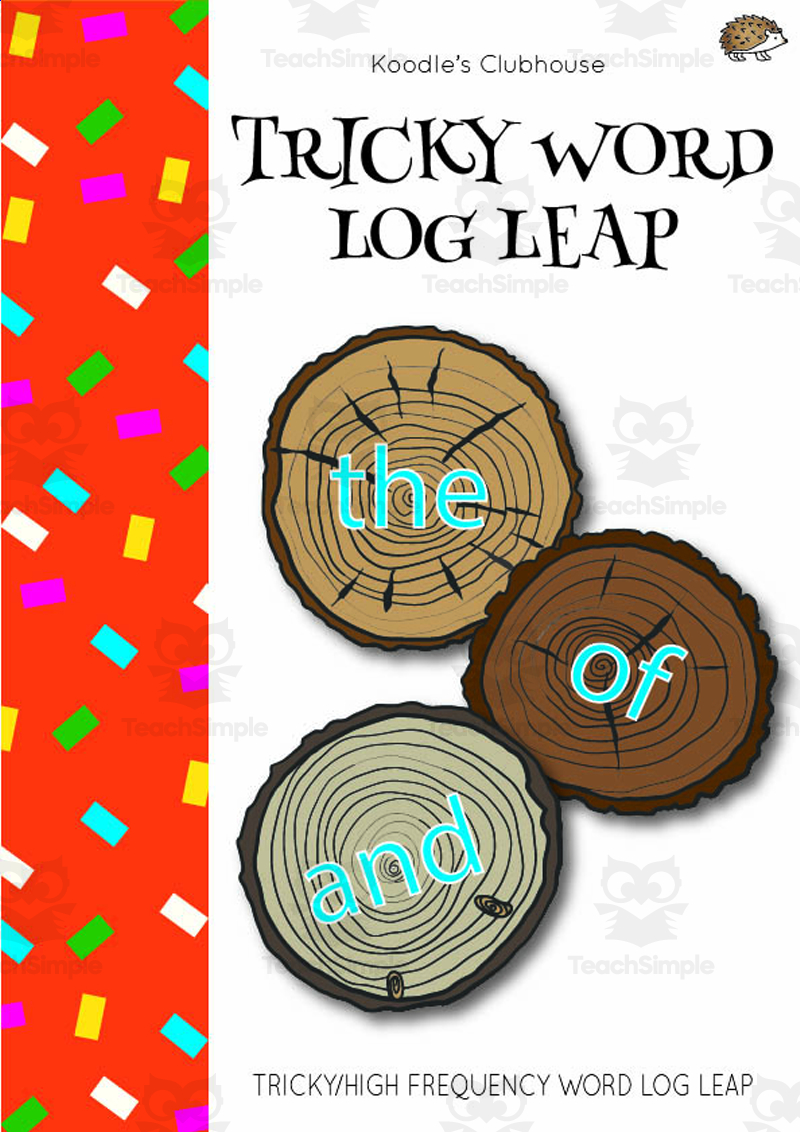
Step or leap from log to log (laminated printouts placed on the floor), reading the high-frequency word printed on each log aloud as they go, to practice sight-word recognition and recall.
 Free download
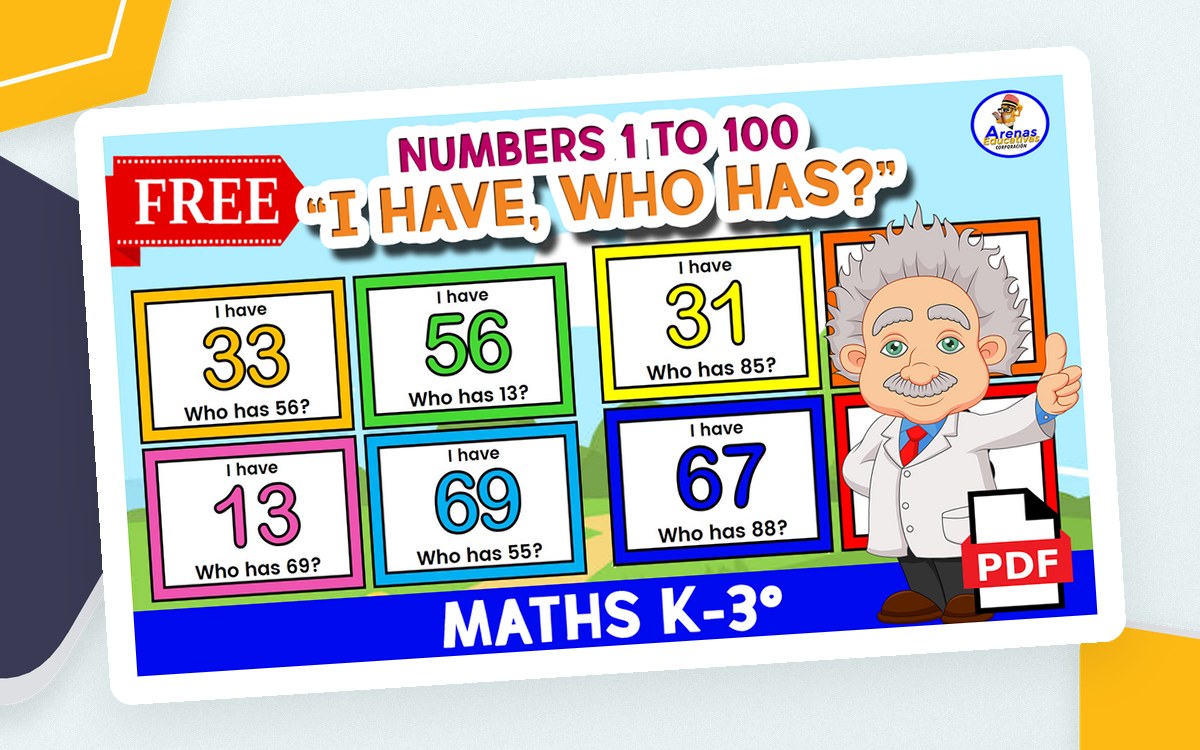
 Keep the number chain moving by listening carefully. A player reads a card’s “I have” number and “Who has?” prompt; the player holding the requested number responds next. The prompts move around the 1-to-100 range, so students need to recognize the number they hear rather than simply count on. Four cards fit on each of the 25 card sheets. Distribute the printed cards across the group, giving players more than one card when needed.
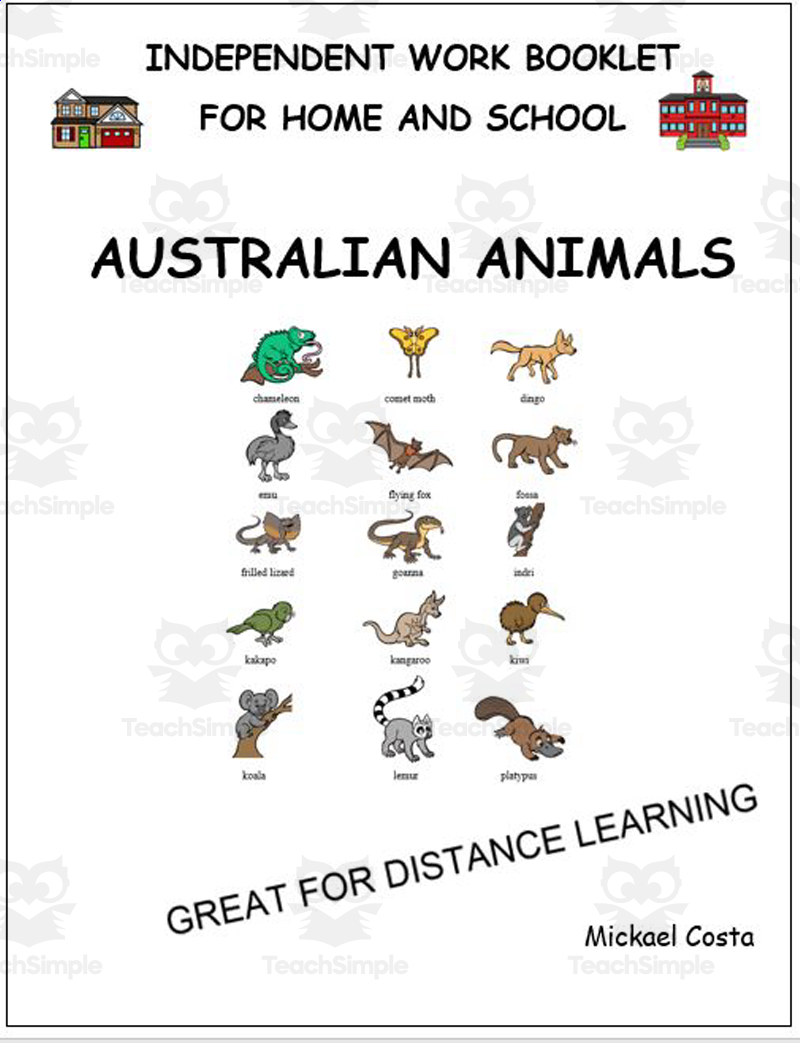
An independent-work literacy booklet that builds vocabulary and literacy skills (reading, writing, and comprehension) around the topic of Oceania/Australian animals, for use at home or school.
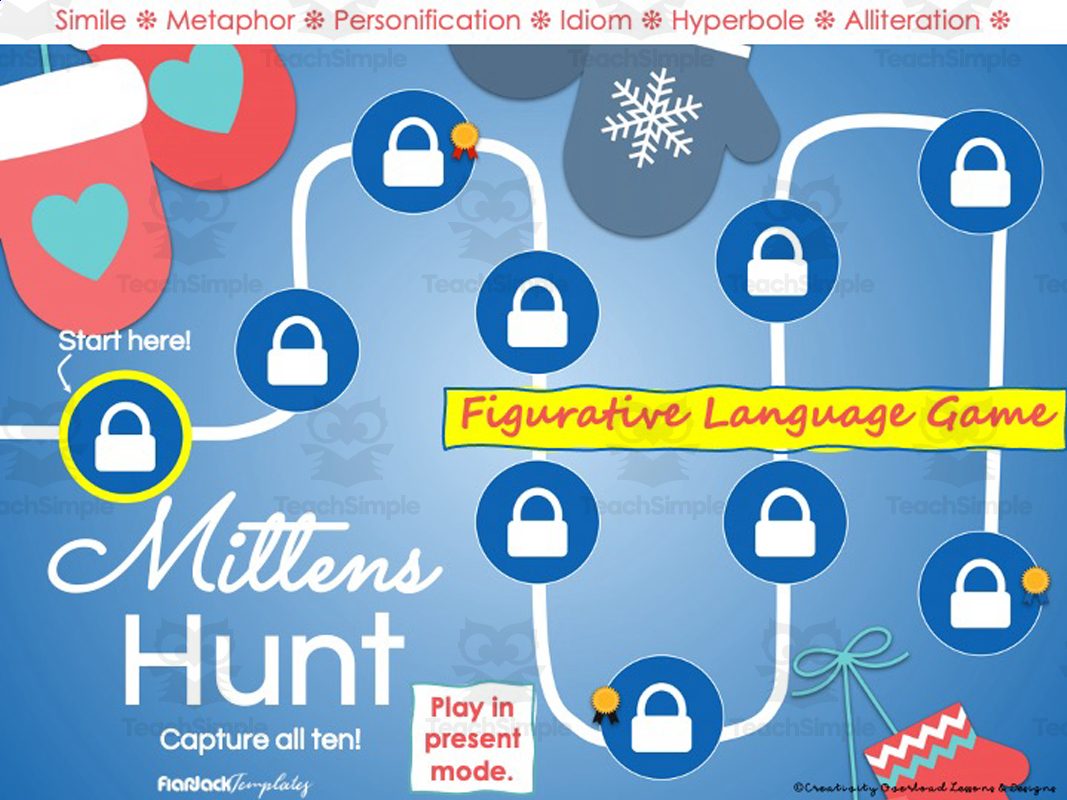
Introduce, review, or assess six types of figurative language (simile, metaphor, personification, idiom, hyperbole, alliteration) through a self-checking, branching 'Mitten Hunt' digital game (PowerPoint-based, with an accompanying teacher guide referencing a Google Slides version).
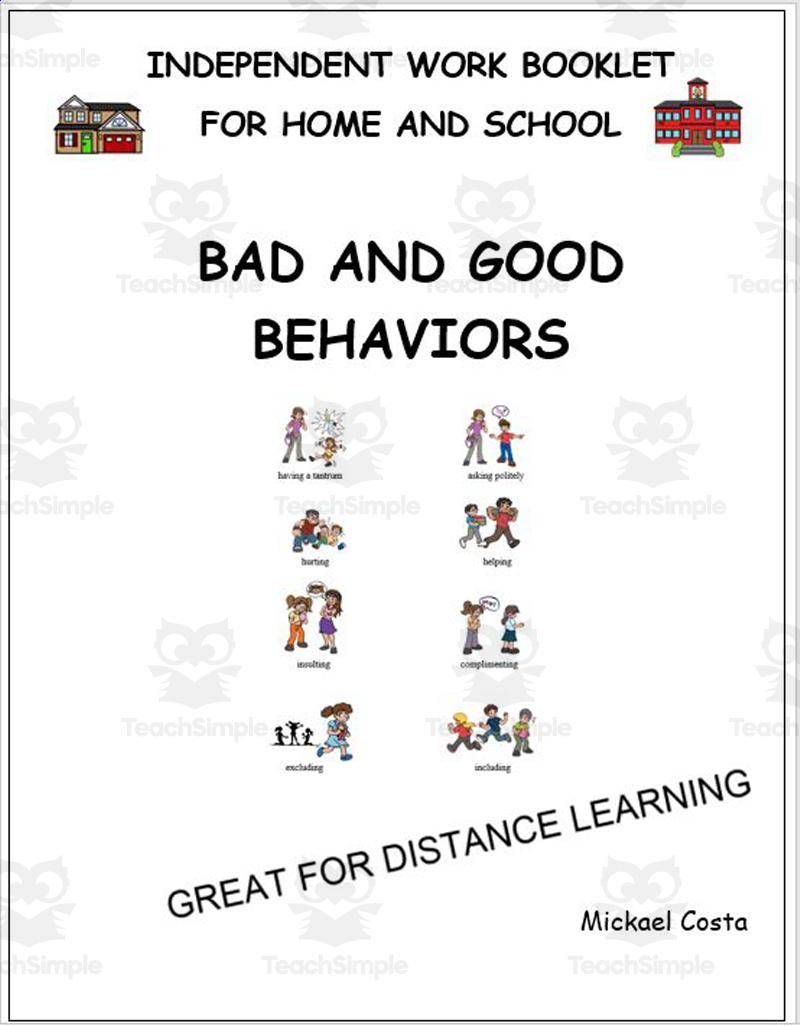
Students label pictures with vocabulary words, complete a bingo sheet and a word search, write sentences and a story, make personal connections to the topic, play a guessing game, create anagrams and riddles, research the topic online, identify a favorite word, write a short reflection, produce two levels of comic strips, study…