 Free download
 Math
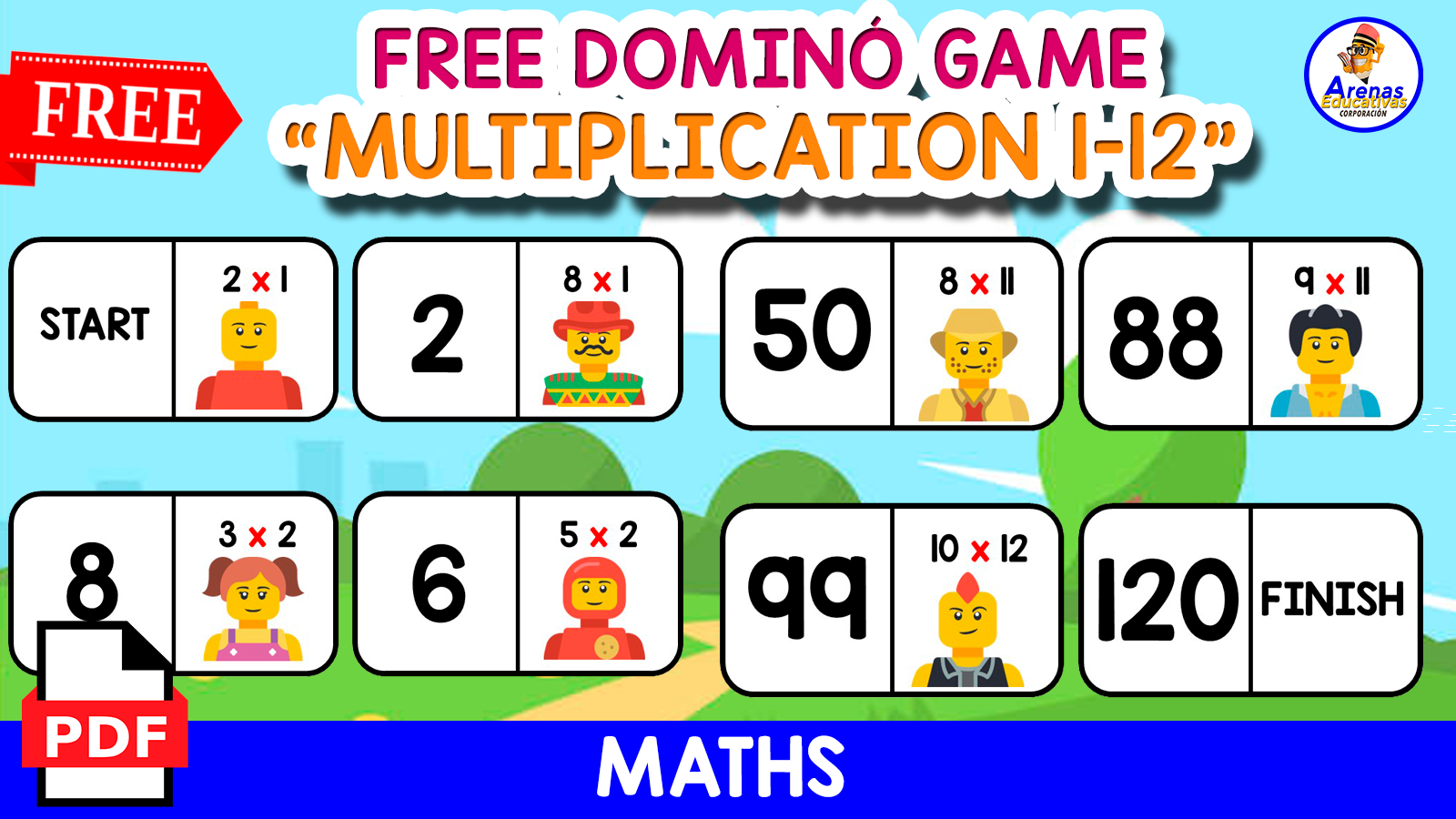
DOMINÓ GAME OF MULTIPLICATION
Domino-style matching game for practicing multiplication facts (times tables 1 through 12).




Classroom resources
Browse by lesson focus
Choose the topic or kind of practice you need.
Showing 265–288 of 469 resources

 Show filters Free download
 Domino-style matching game for practicing multiplication facts (times tables 1 through 12).
Students label pictures with vocabulary words, complete a bingo sheet and a word search, write sentences and a story, make personal connections to the topic, play a guessing game, create anagrams and riddles, research the topic online, identify a favorite word, write a short reflection, produce two levels of comic strips, study…
Students label pictures with vocabulary words, complete a bingo sheet and a word search, write sentences and a story, make personal connections to the topic, play a guessing game, create anagrams and riddles, research the topic online, identify a favorite word, write a short reflection, produce two levels of comic strips, study…
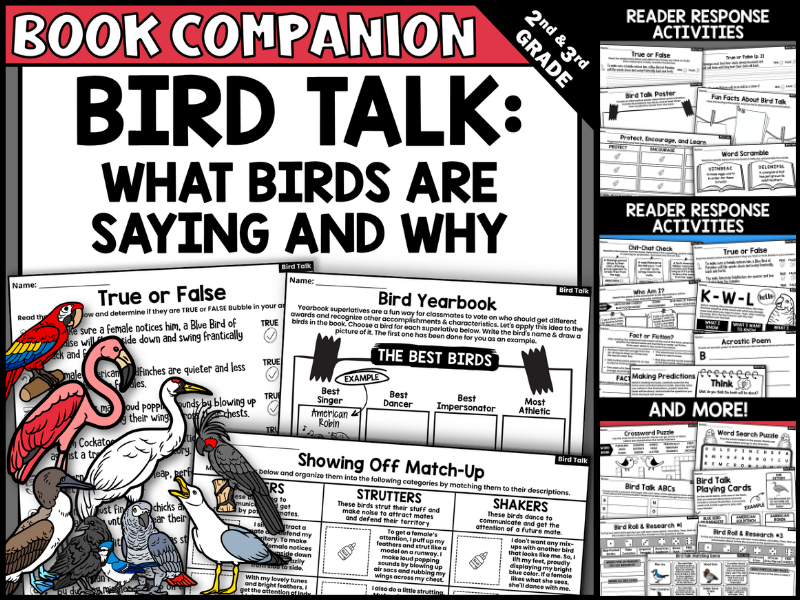
Supplemental read-aloud companion activities for the picture book 'Bird Talk: What Birds Are Saying and Why' by Lita Judge, targeting reading comprehension and vocabulary.
A 32-card 'I have, who has' class game for practicing multiplication facts.
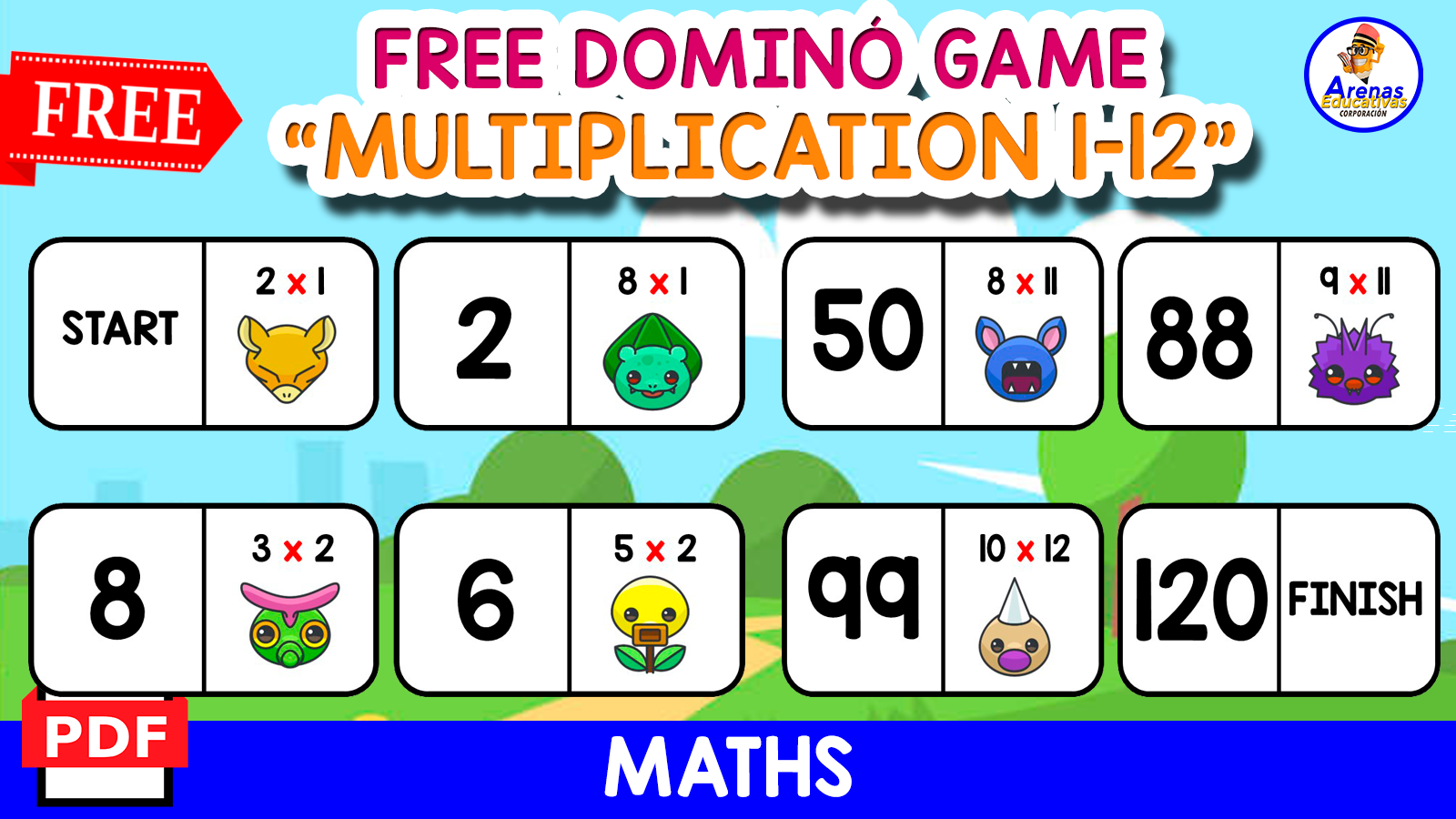 Free download
 Domino-style matching game for practicing multiplication facts (times tables 1 through 12).
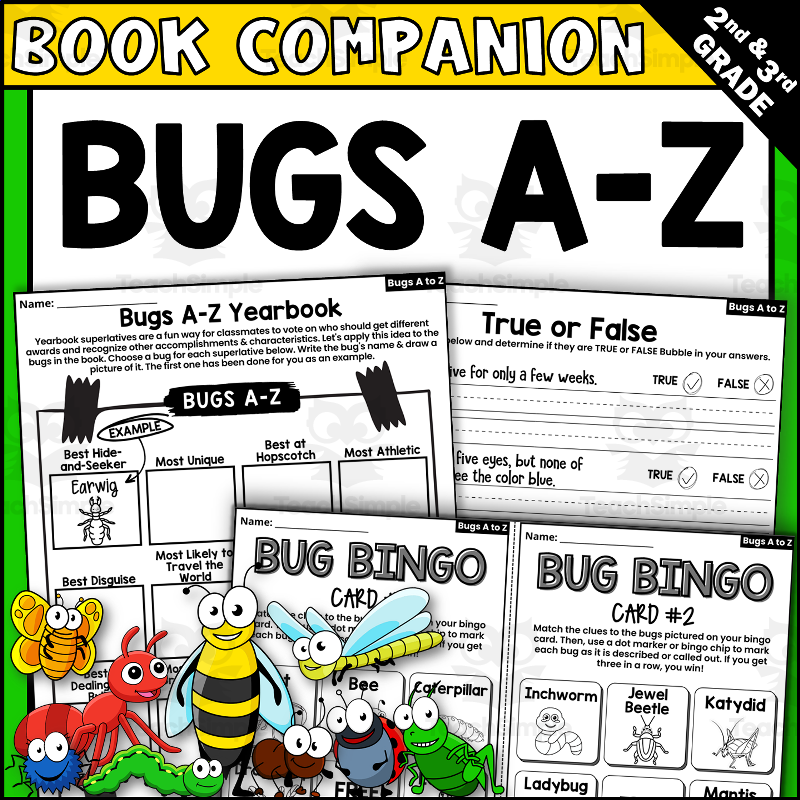
A supplemental book-companion resource for the picture book 'Bugs A to Z' by Caroline Lawton, offering 21 print-and-go reading activities plus a bingo game.
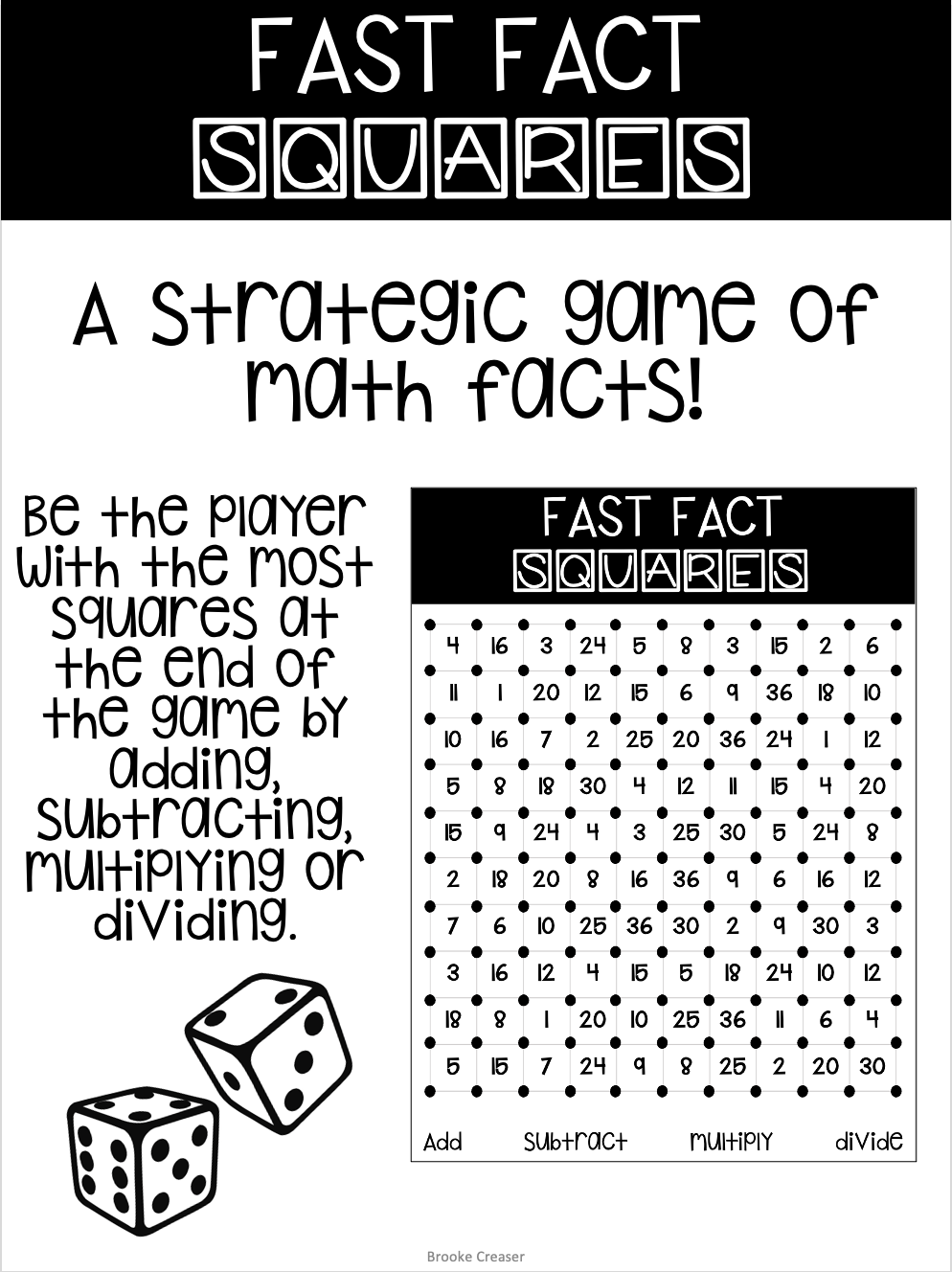
Provide a strategic dots-and-boxes style game for practicing addition, subtraction, multiplication, and division math-fact fluency
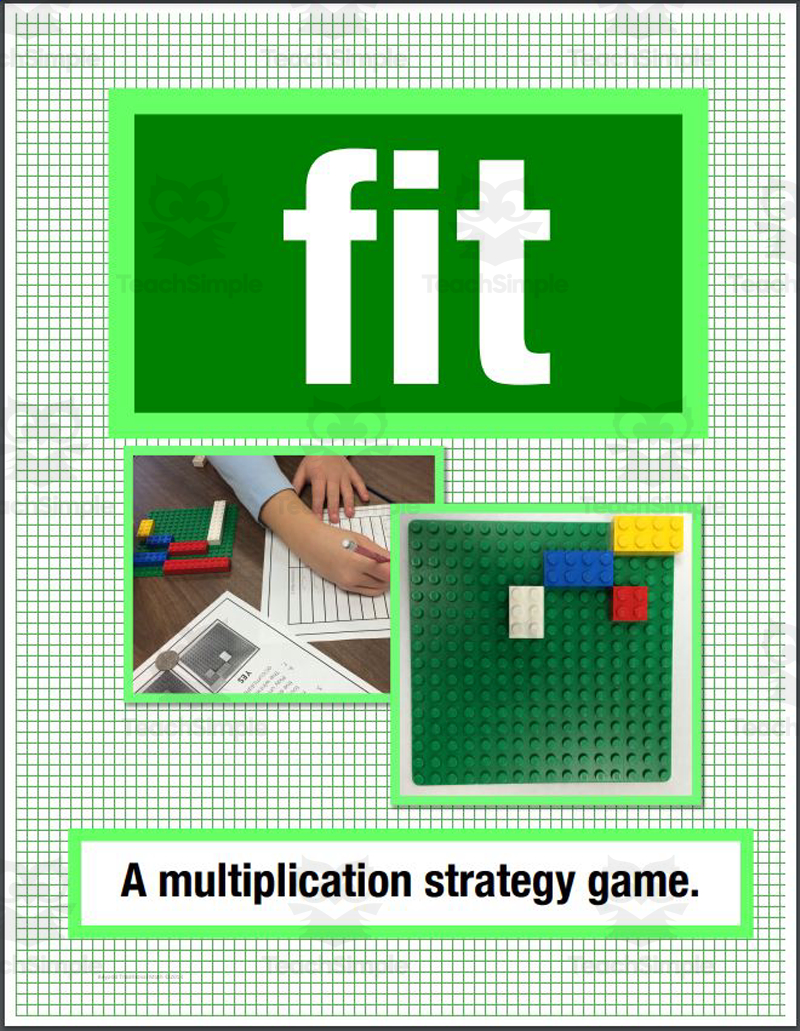
Teach multiplication as repeated array-building through a hands-on strategy game using physical array pieces on a grid board.
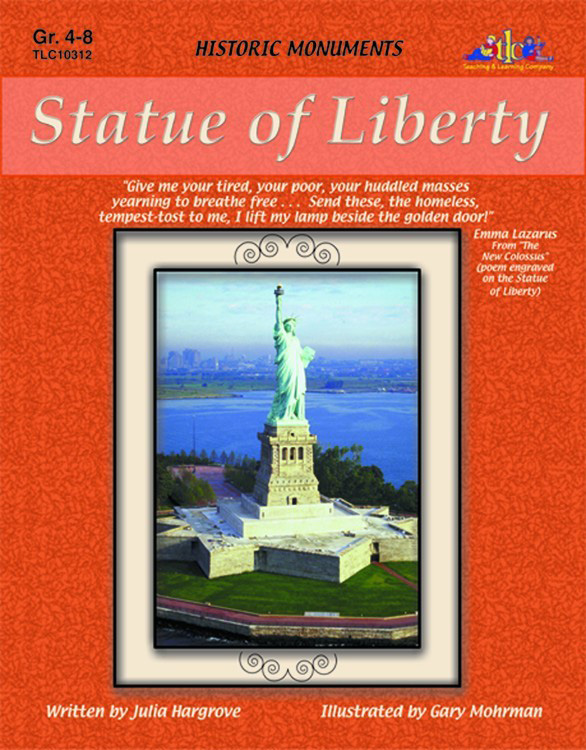
Teach the history of the Statue of Liberty and connect it to broader themes of immigration and American identity through readings, activities, and research projects.
 Free download
 Practice multiplication facts using a domino-style matching game where each tile's answer connects to the next problem.
For each state, read a map and fun-facts page (state firsts, biggest/smallest/highest/lowest, nicknames, trivia), then complete 2-3 additional activity pages per state such as bingo games (e.g. Alabama Bingo), tic-tac-toe games (e.g. Florida Tic-Tac-Toe), question games (e.g. Louisiana Question Game), letter-unscramble puzzles…
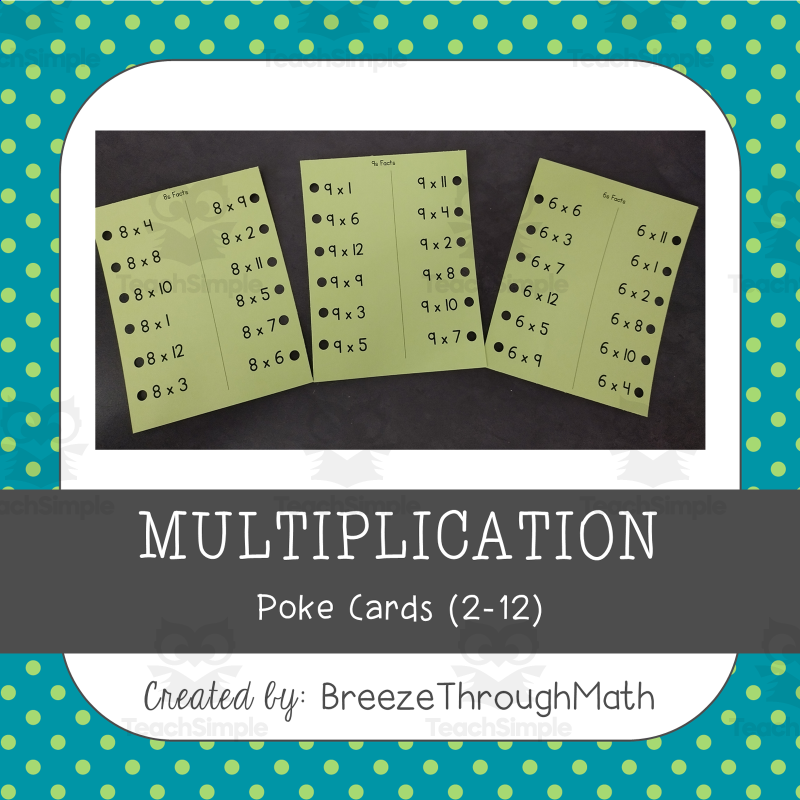
Give students a partner-based fluency drill game for multiplication facts 2 through 12 using a 'poke card' format in place of traditional flash cards.

Provide a Jeopardy-style review game for 4th grade place value concepts, for use before an assessment or as a filler activity.
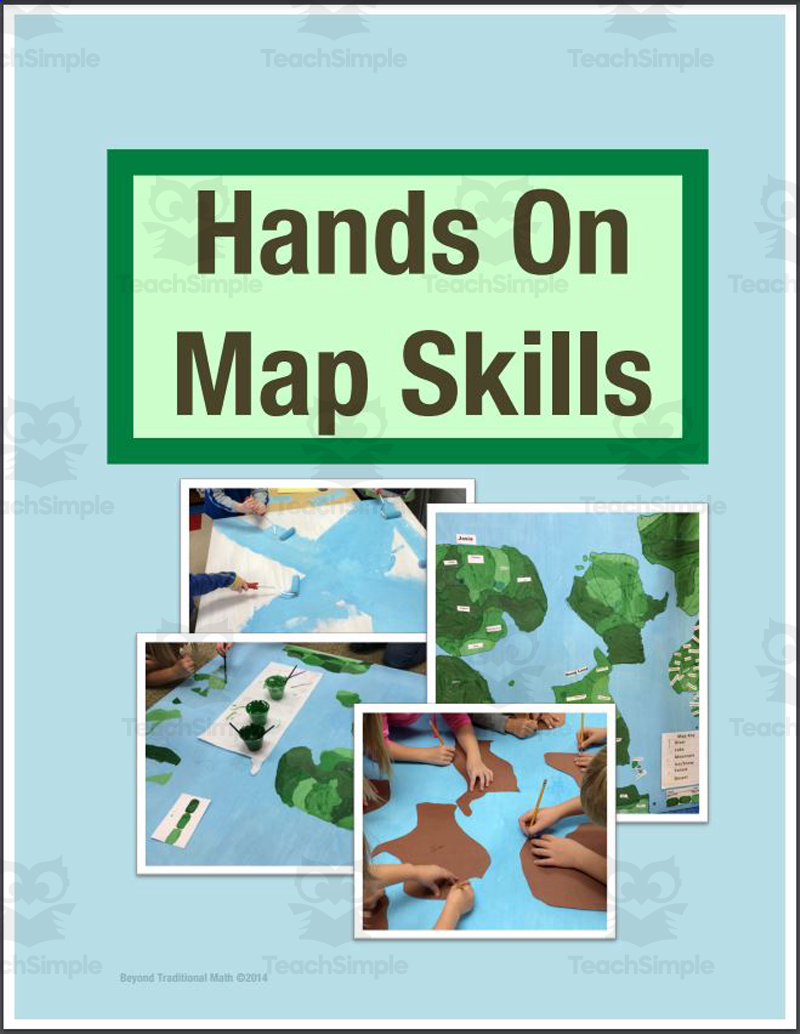
Take a continents/oceans pre-test and correct it as a class; play a matching game ('Slap that Continent'); explore local/regional/state maps and locate their own community on maps; complete a 'Zooming Into My Community' handout; match map-feature vocabulary to definitions; design and build an individual paper community map and…
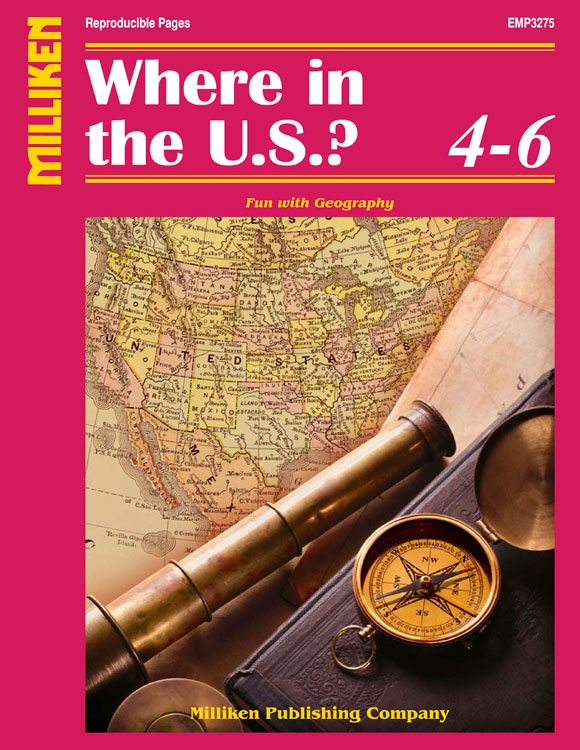
Complete a series of geography puzzles and worksheets (word searches, scrambles, matching, map labeling, analogies, and review pages) identifying U.S. states, capitals, major cities, bodies of water, and other geographic features, using resources such as an atlas or encyclopedia as needed.
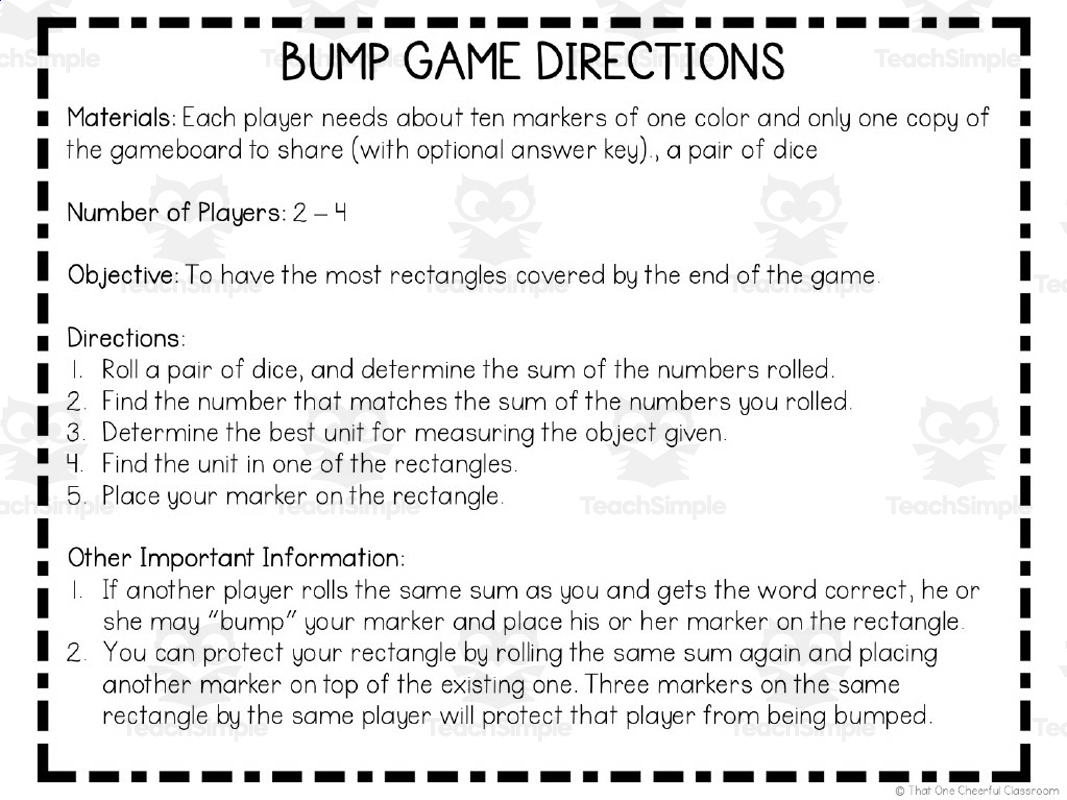
A dice-based board game pair (Liquid Volume Bump Game and Mass Bump Game) that has students choose the best unit of measurement for a given real-world object/quantity.
Students fill in numbers 1-16 in random order on a 4x4 bingo board; the teacher reads out math clues (from the provided clue sets) one at a time, and students mark the answer number on their board, aiming for a bingo.
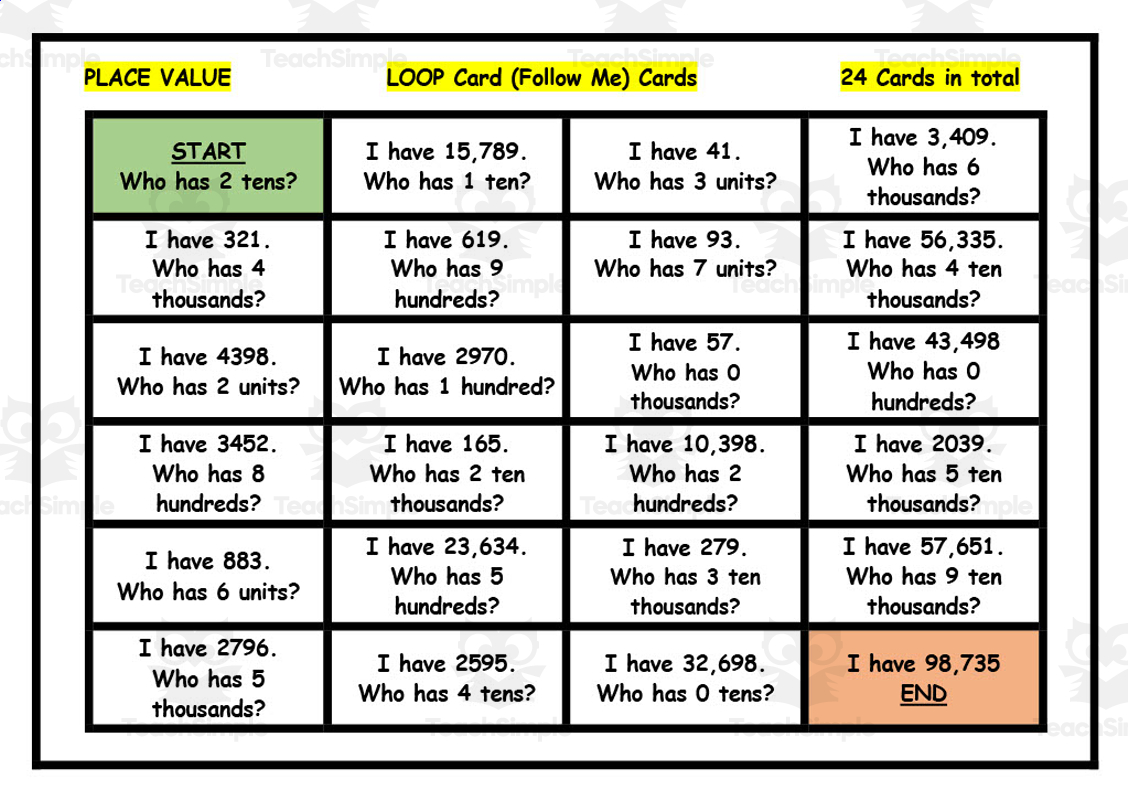
Each student holds a card stating a number and asking a place-value question about the next card (e.g., "I have 15,789. Who has 1 ten?"); students must identify the digit at the named place value on their own card and read their card aloud in turn, continuing the chain from START to END.
Students read a one-page non-fiction passage about Mardi Gras (reprinted multiple times with the current year's Mardi Gras date, 2017-2023), complete a pre-reading prediction chart, fill in a main-idea-and-details chart while reading, answer a multiple-choice/short-answer quick-check quiz, use word cards to learn vocabulary…
Complete a vocabulary definitions chart, make a prediction before reading, fill in chapter-summary blanks (three differentiated support levels), answer discussion/comprehension questions, write a recipe for someone special, and complete a compound-words worksheet and matching board game.
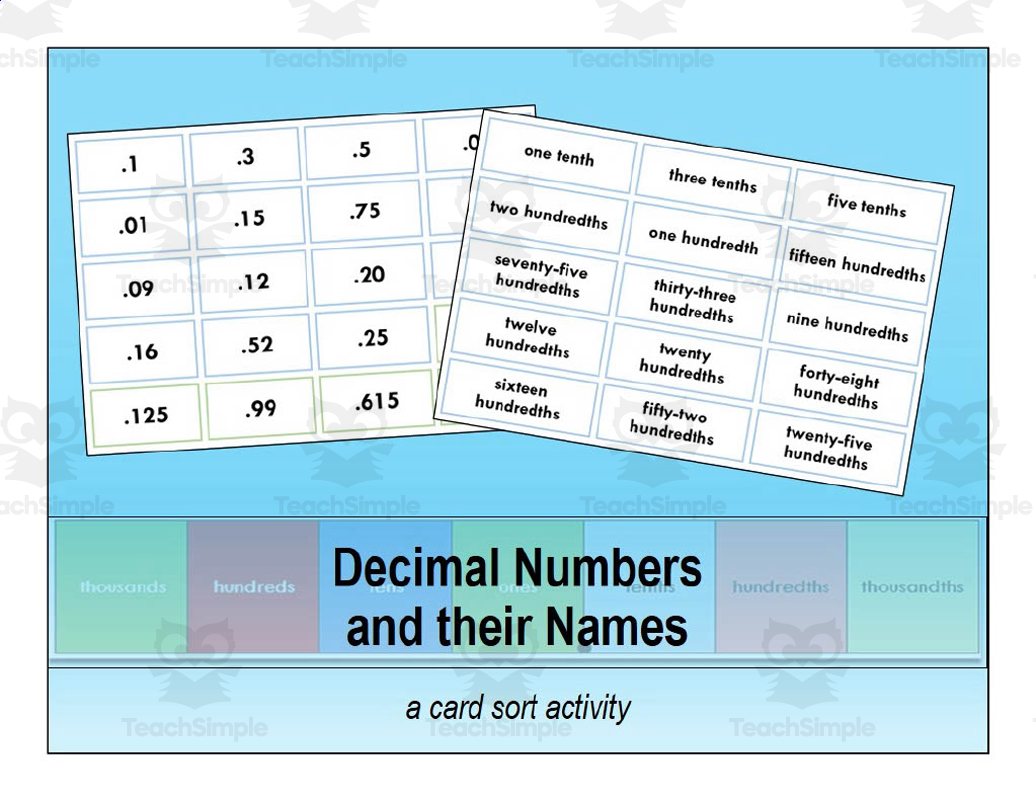
Sort decimal-number cards under the matching place-value-name column header (or play a memory-matching game pairing number cards with name cards), then check work against the included answer key and optionally record results on a recording sheet; students can also create their own number/name pairs using blank cards.
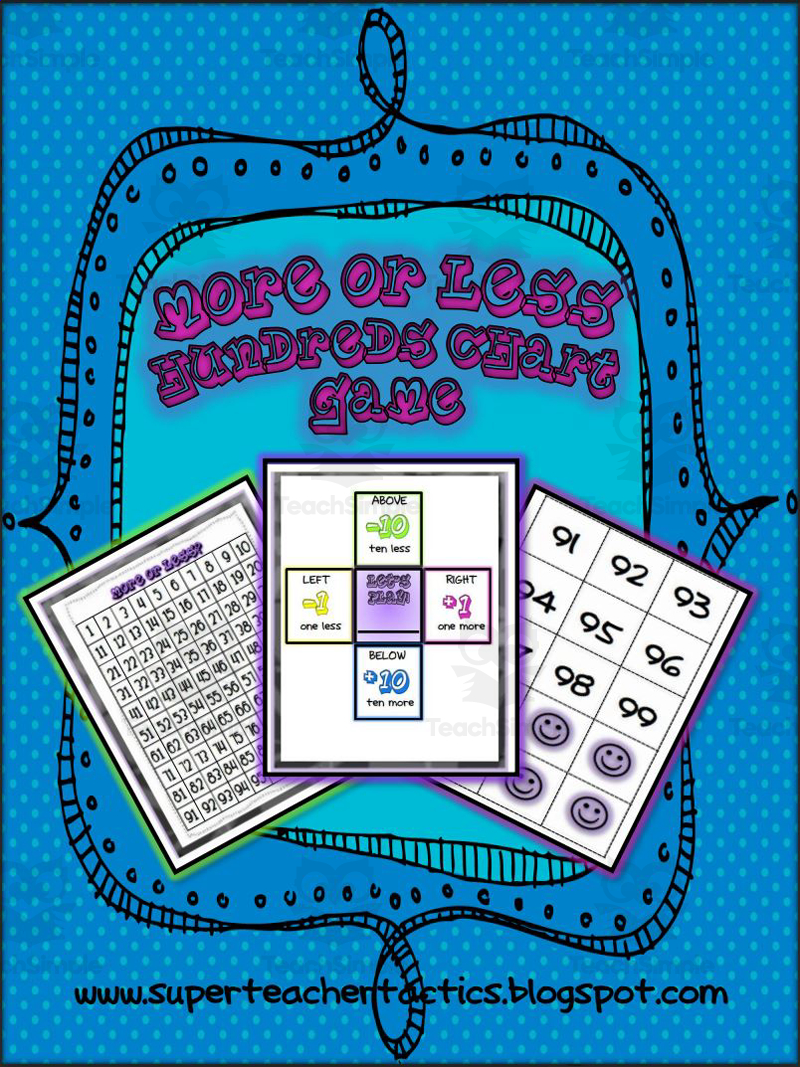
A place-value math game using a hundreds chart to practice the concepts of 'more/less' and 'ten more/ten less' than a given number, for grades 1-4.
Fantasy-narrative escape-room lesson (Lesson 3 of 4) teaching multiplication and division through a guided puzzle adventure involving a trickster dragon.