Character Development Digital Game
Open a shared Google Slides link, review 4 steps for citing evidence, apply those steps to an embedded text to answer questions, and build a paragraph; the game is described as self-checking.
Classroom resources
Browse by lesson focus
Choose the topic or kind of practice you need.
Open a shared Google Slides link, review 4 steps for citing evidence, apply those steps to an embedded text to answer questions, and build a paragraph; the game is described as self-checking.
In pairs or small teams, students secretly place six markers ('bases') on six different provinces on their own map, then take turns naming an province and asking whether the opposing team has a base there, recording hits (√) and misses (x) on a score sheet across up to five rounds plus a tournament bracket (semi-finals/finals).
Study metabolism vocabulary terms and definitions (e.g., molecule, oxygen, energy, glucose, starch, proteins, amino acids, carbon dioxide) in the context of a scenario about why a character (Elisa) feels tired, then answer multiple-choice review questions by clicking a letter; correct answers are revealed and…
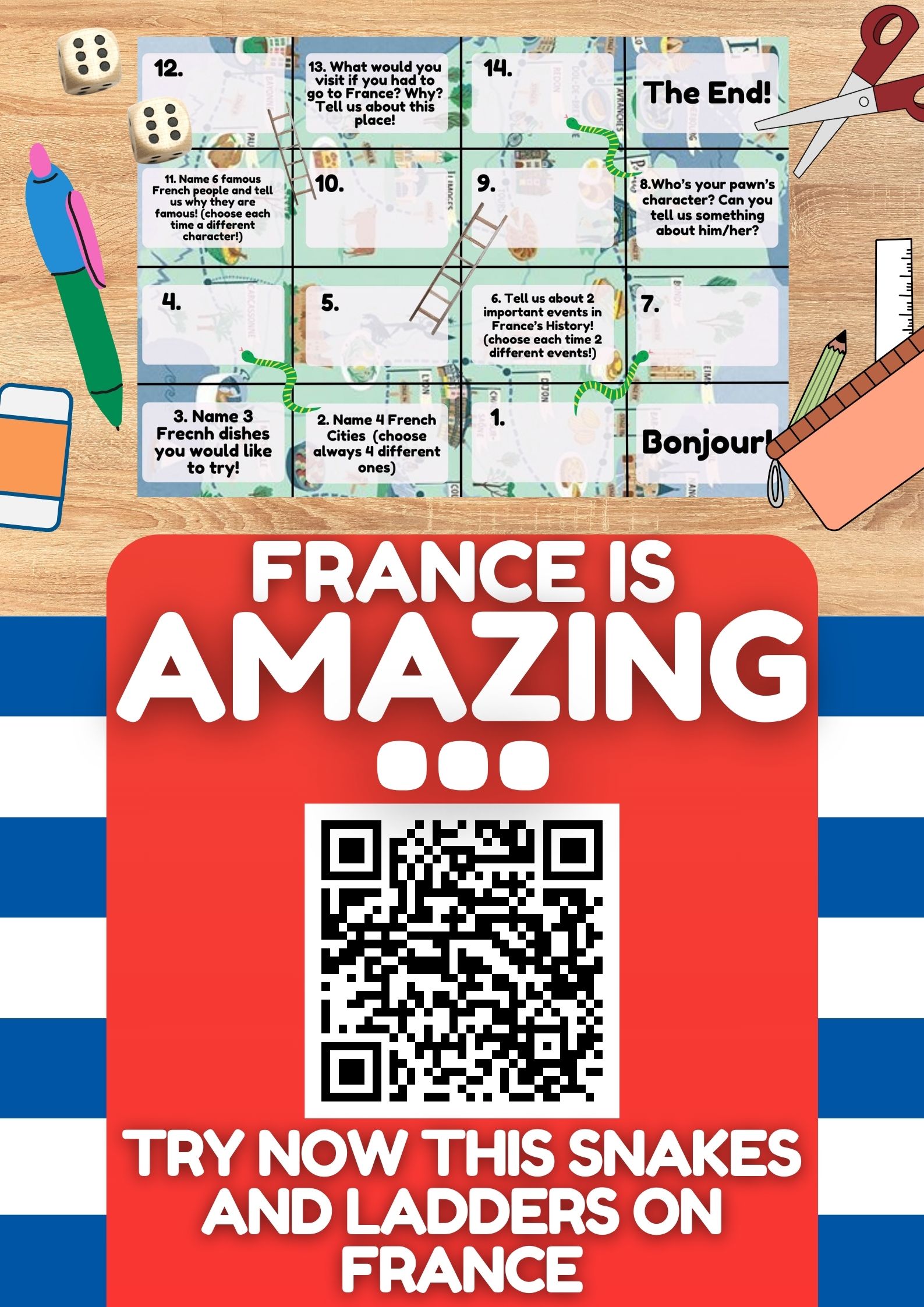
Students play a board game, moving a pawn along numbered squares; landing on a square prompts a task such as naming cities, dishes, or famous people of France, describing a historical event, or answering a reflection question about visiting France.
A comprehensive 5th-6th grade novel study/assessment unit for the book Flush by Carl Hiaasen, with a worksheet, vocabulary page, and quiz for every chapter plus a summative test.
In pairs or small teams, students secretly place six markers ('bases') on six different states on their own map, then take turns naming an state and asking whether the opposing team has a base there, recording hits (√) and misses (x) on a score sheet across up to five rounds plus a tournament bracket (semi-finals/finals).
A media literacy simulation teaching concepts like media bias, framing, sound bites, and chyron bias, applied through a press secretary/news anchor roleplay game.
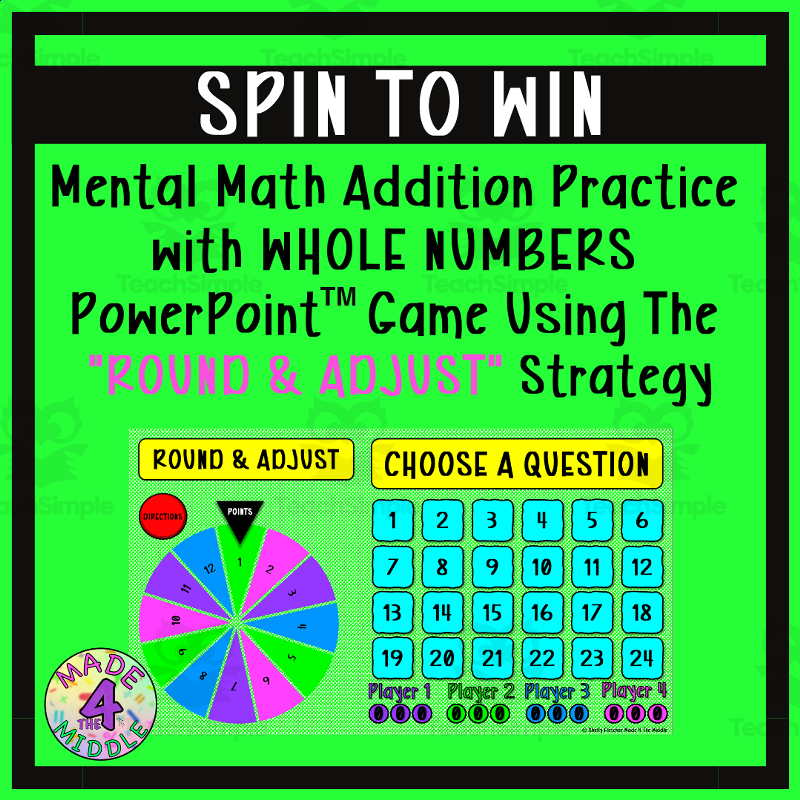
Spin To Win - Round & Adjust Whole Number Addition Mental Math Game Do you incorporate daily Number Talks into your math lessons? Seeking an exciting and low-maintenance method to bolster students' mental math abilities? Try this self-checking Spin To Win - Round & Adjust Whole Number Addition Mental Math Game…
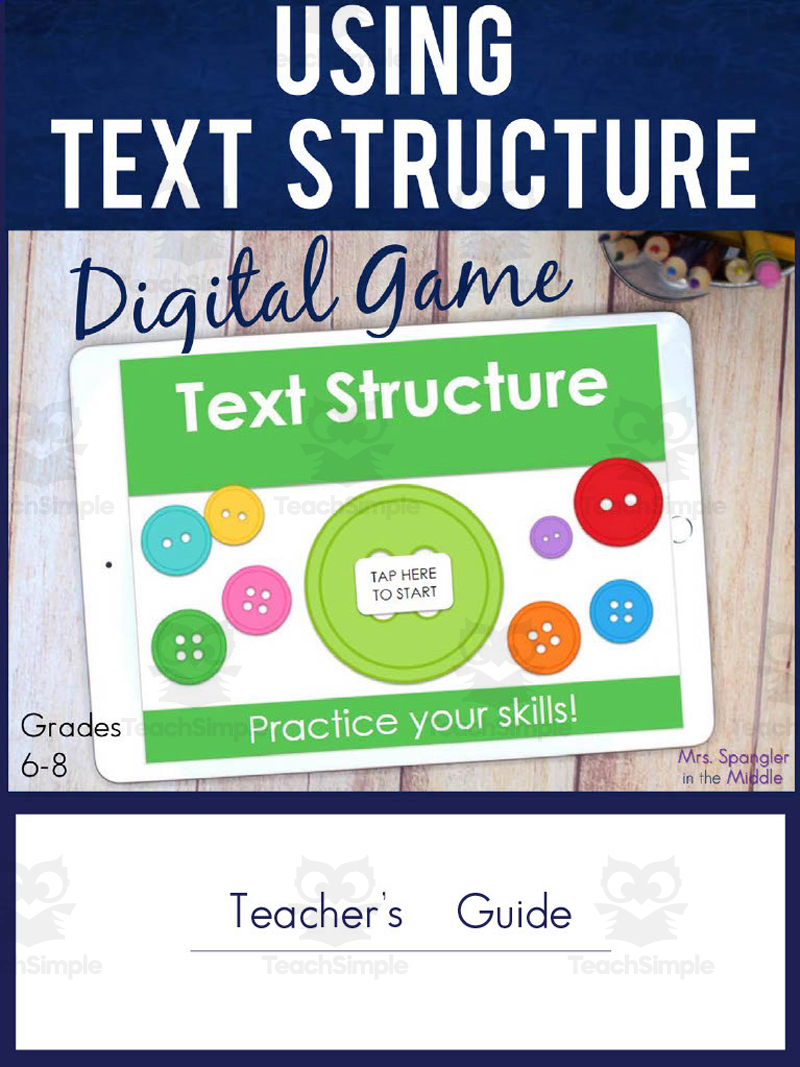
Open a shared Google Slides link, review 4 steps for citing evidence, apply them to an embedded text to answer questions, and build a paragraph using knowledge of text structure to analyze the text.
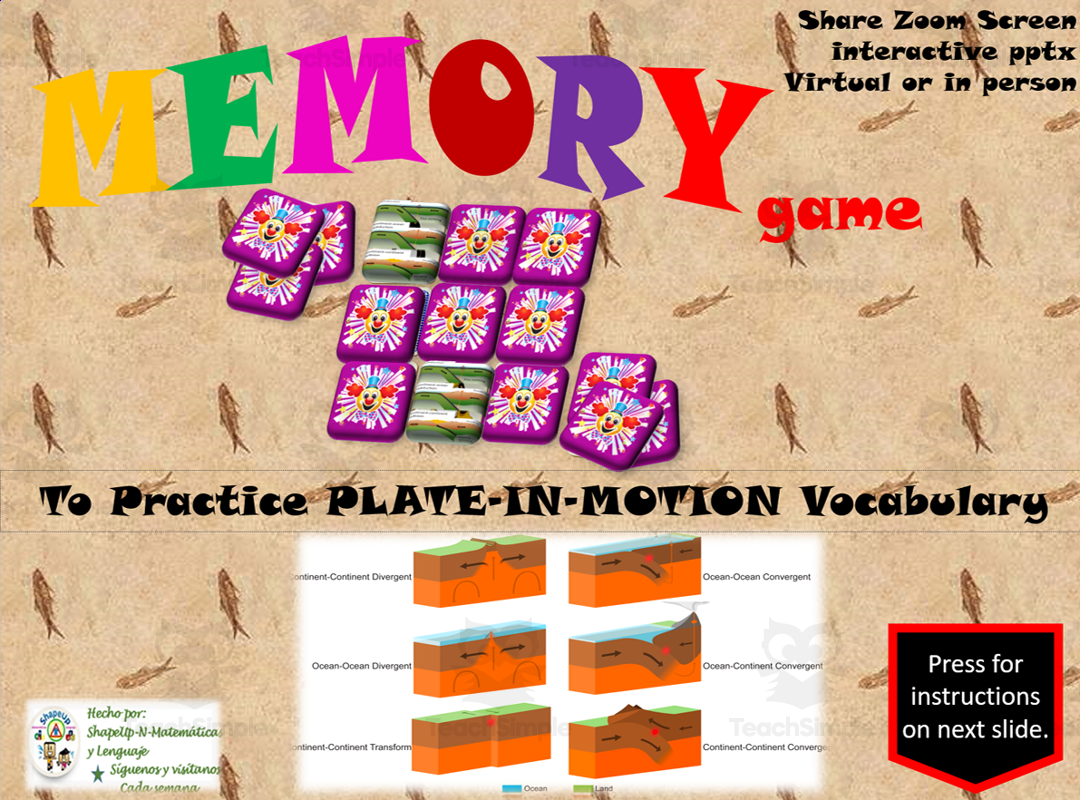
Students review key-concept slides about Earth's outer layer and plate movement, then play a memory game by clicking coordinate squares to flip picture/text cards and match vocabulary terms (mid-ocean ridge, outer layer, geyser, landform, earthquake, eruption, and others) to their definitions; unmatched pairs are…
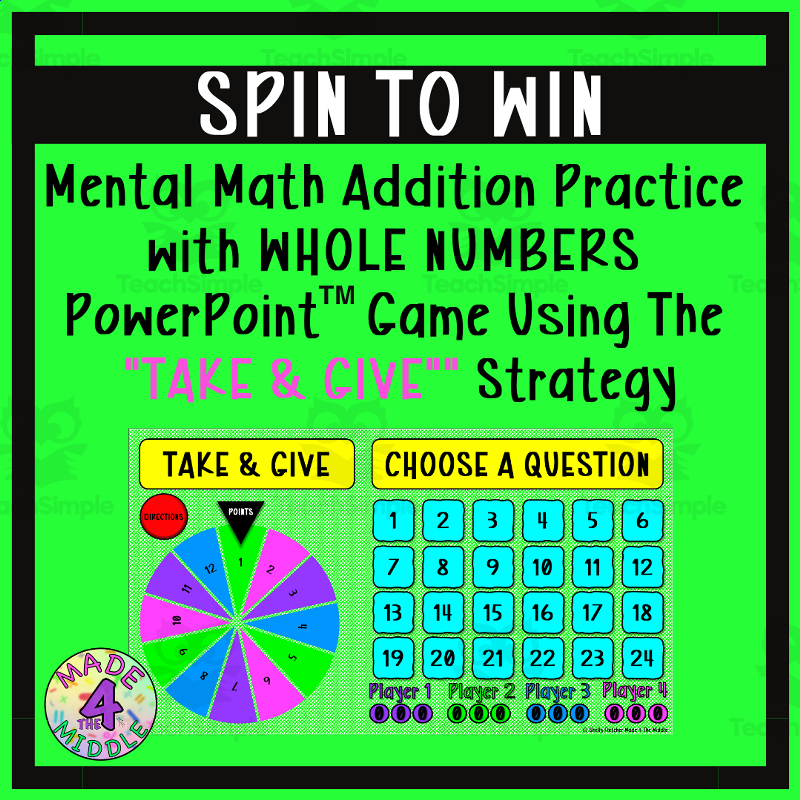
With this Spin To Win - Take & Give Whole Number Addition Mental Math Game your students will have a chance to practice with no extra work from your part! This is a self-checking game which allows students to play and also check on their knowledge. This Spin To Win - Take & Give Whole Number Addition Mental Math Game…
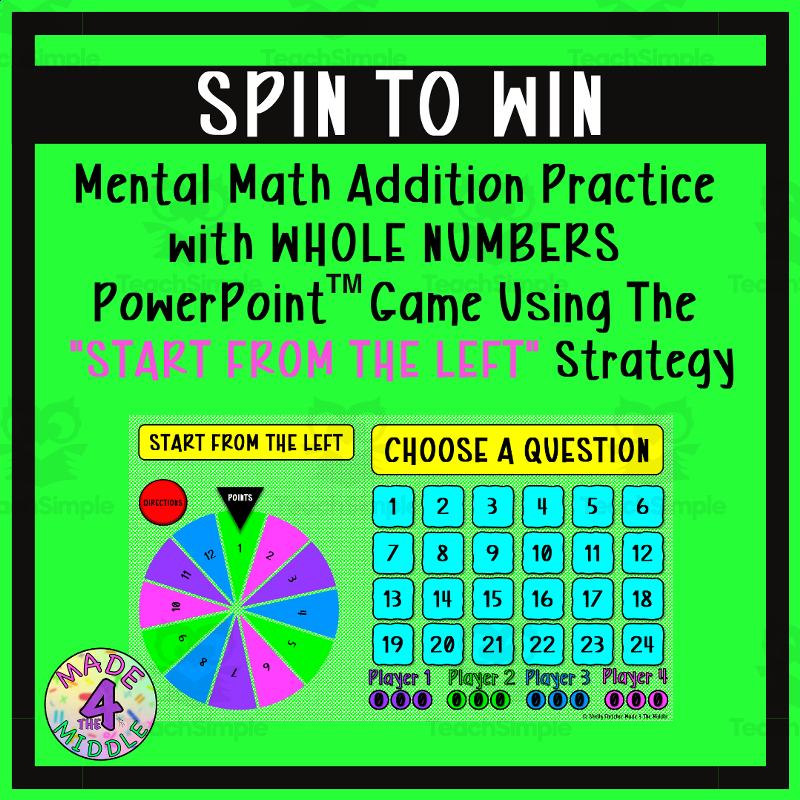
Spin To Win Start From The Left Whole Number Addition Mental Math Game Searching for dynamic and interactive methods to enhance your students' mental math capabilities with zero setup on your end? Offer your students more opportunities to master the 'Start From The Left' Mental Math Addition Strategy through this…
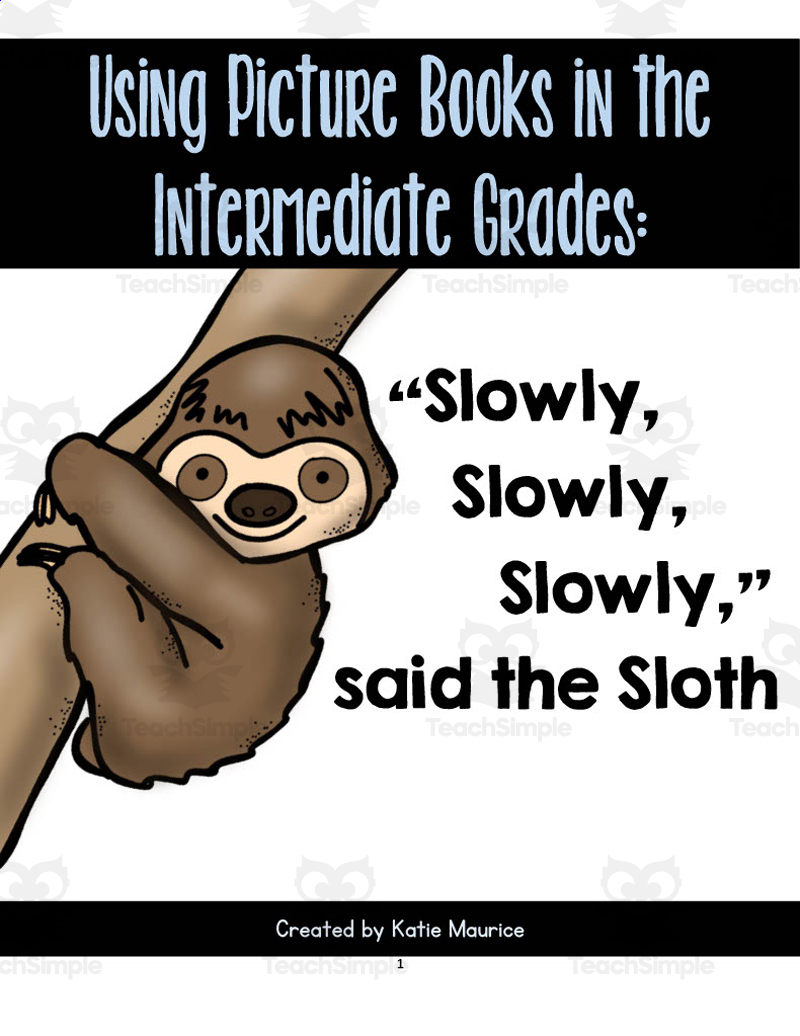
A literature-based teaching unit built around the picture book "Slowly, Slowly, Slowly," said the Sloth, combining a Jane Goodall biography study with vocabulary, comprehension, and craft activities.
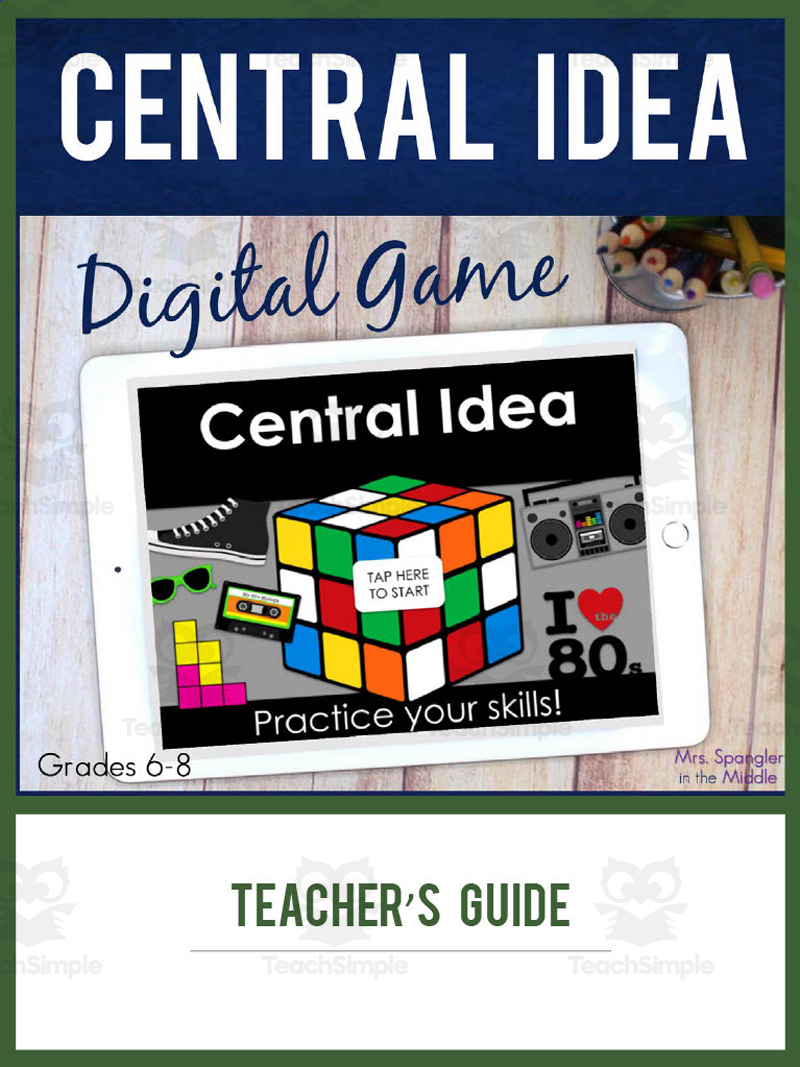
Students follow a shared Google Slides link, work through 4 self-checking game parts using an embedded text, answer questions, and build a paragraph using the central idea.
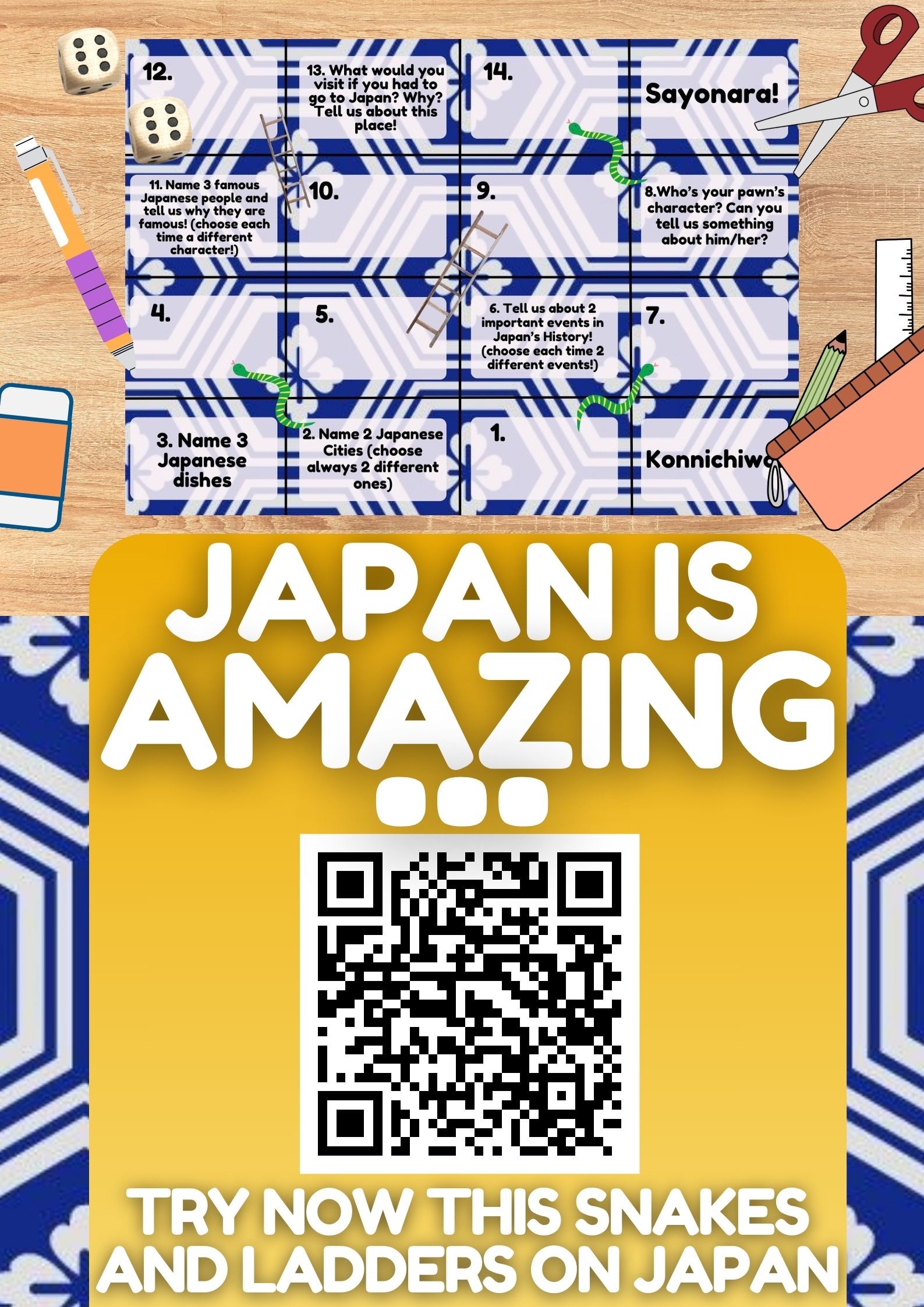
Students play a board game, moving a pawn along numbered squares; landing on a square prompts a task such as naming cities, dishes, or famous people of Japan, describing a historical event, or answering a reflection question about visiting Japan.
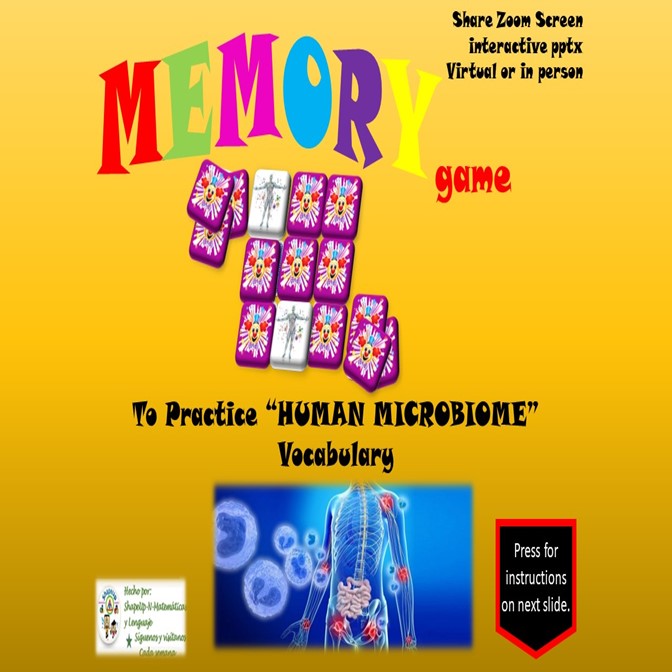
Interactive PowerPoint memory-matching game to practice grade 7 human-microbiome vocabulary.
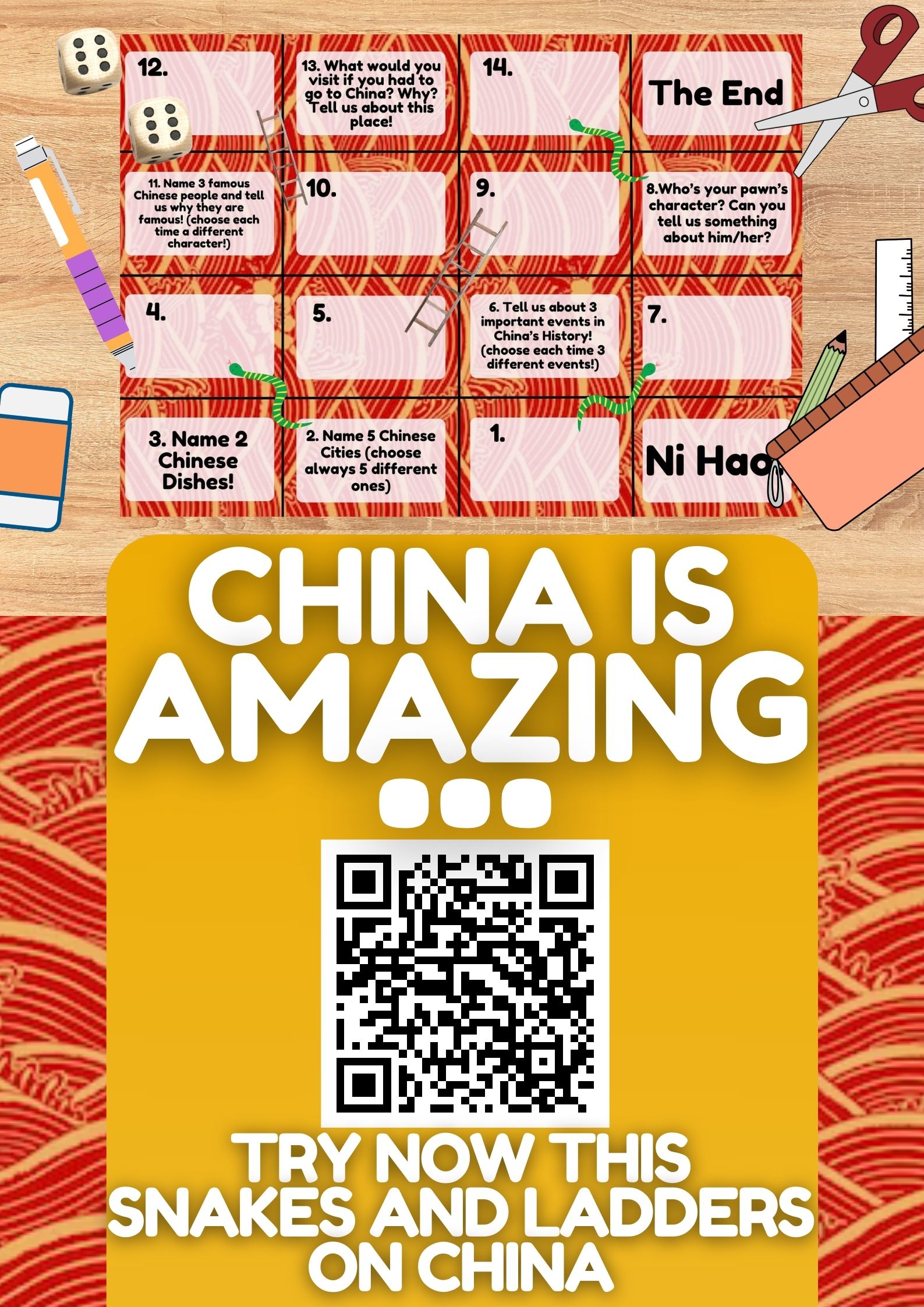
Students play a board game, moving a pawn along numbered squares; landing on a square prompts a task such as naming cities, dishes, or famous people of China, describing a historical event, or answering a reflection question about visiting China.
A Jeopardy-style digital review game (Google Slides/PowerPoint) for reviewing essay-writing skills and vocabulary, usable in whole group, small group, in-person, or distance learning.
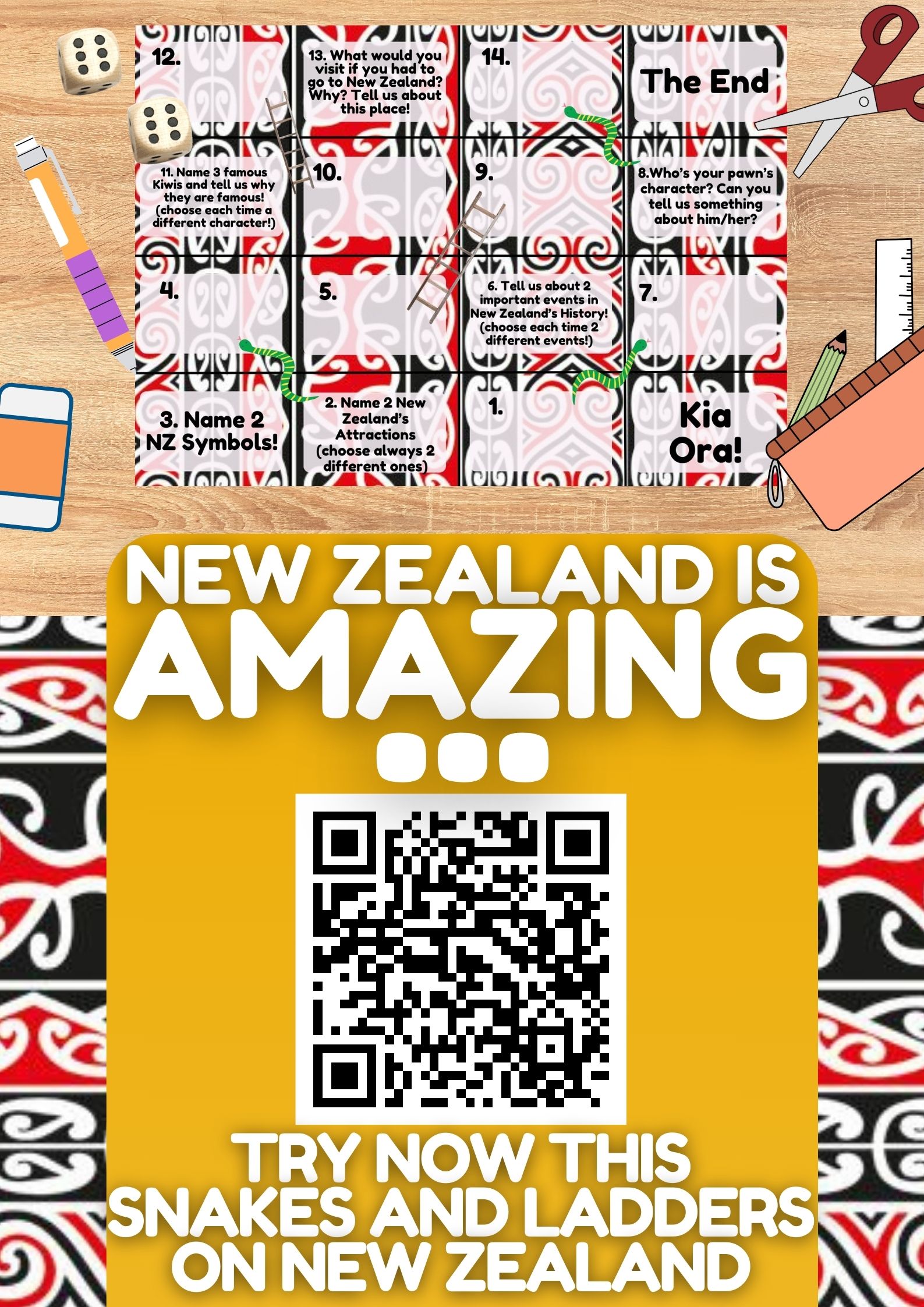
Students play a board game, moving a pawn along numbered squares; landing on a square prompts a task such as naming cities, dishes, or famous people of New Zealand, describing a historical event, or answering a reflection question about visiting New Zealand.
The teacher reads aloud a definition from a 33-term calling card; students mark the matching vocabulary term (e.g., Chemical Change, Endothermic Reaction, Reactant, Solution) on one of 30 unique bingo cards, aiming for five in a row (horizontal, vertical, or diagonal); when a student calls 'BINGO' they read their…
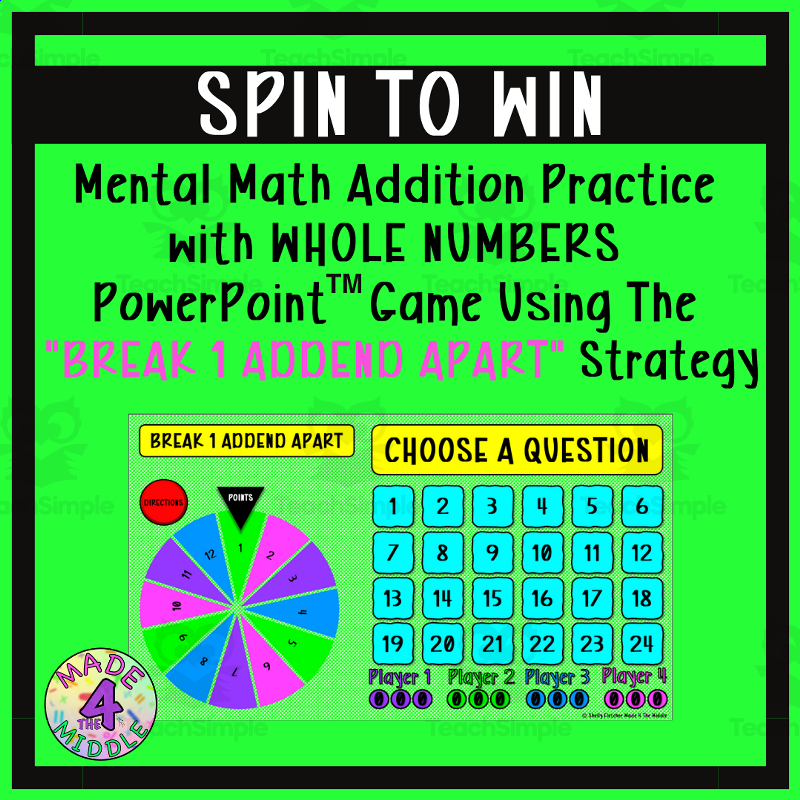
Do you integrate daily Number Talks into your math lessons? In search of a dynamic, zero-prep way to refine your students' mental math prowess? Introduce them to the Spin To Win - Break 1 Addend Apart Whole Number Mental Math Game through this interactive game. This PowerPoint-based game is suitable for up to four…
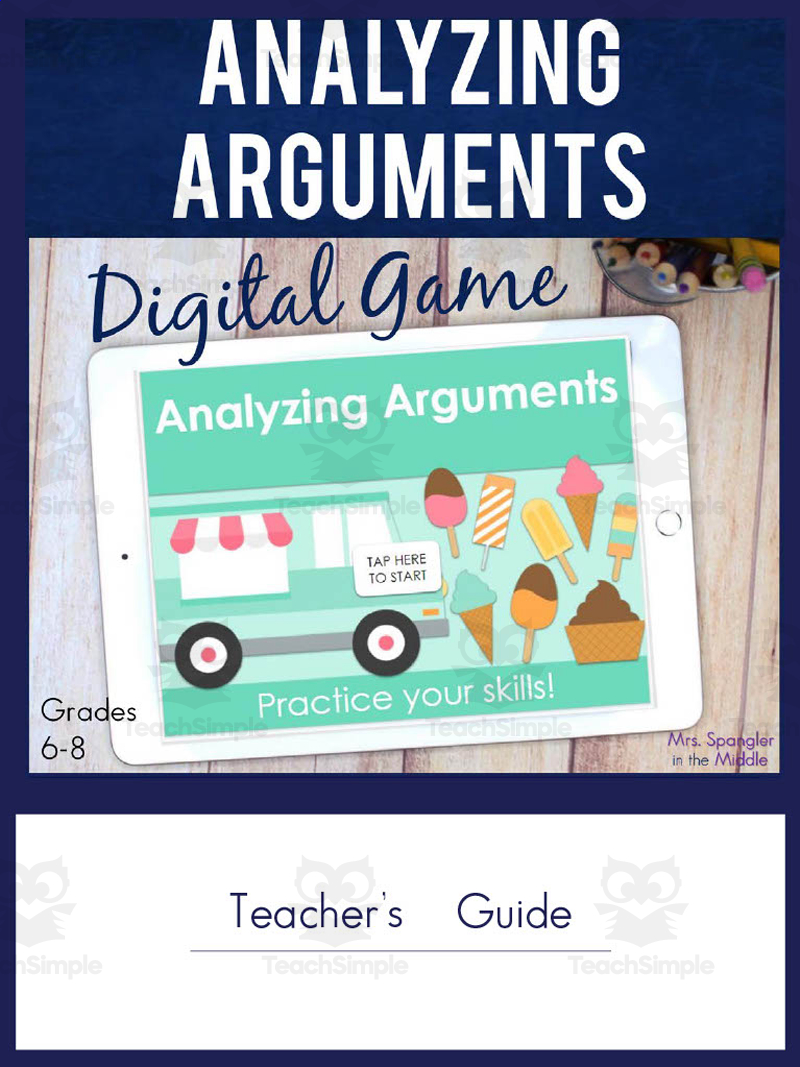
Review 4 steps for citing evidence, apply those steps to an embedded text within the digital game to answer self-checking questions, and build a paragraph using knowledge of text structure to analyze arguments.
Students review key-concept slides about how rocks form and transform, then play a memory game by clicking coordinate squares to flip cards and match vocabulary terms (rock formation, rock materials, metamorphic rock, mineral, sediment, sedimentary rock) to their definitions; unmatched pairs are flipped back to try…
Flip a two-color counter or coin to determine whether to place a zero or roll a 10-sided die for a digit, place each generated digit into a place-value column on a graphic organizer to try to build the biggest or smallest number, then as a class order the resulting numbers, round them, read them aloud, and/or convert them to…