 Free download
 Science & discovery
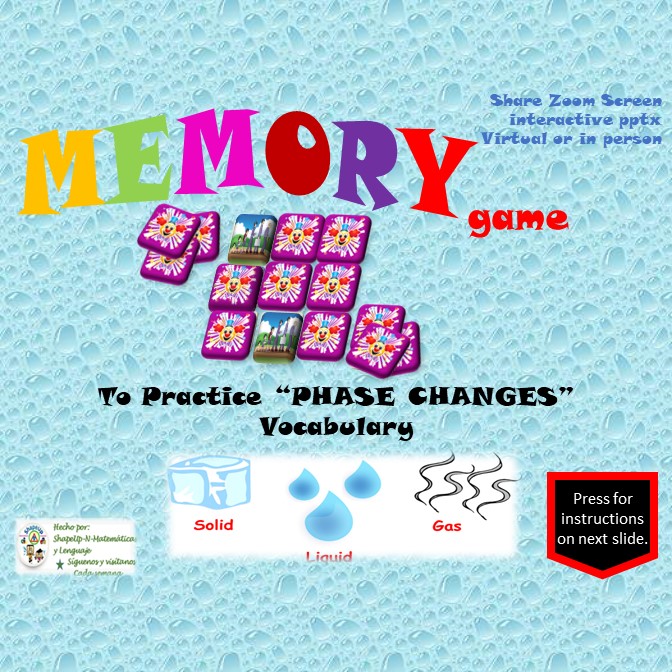
Free Science Phase Changes Vocabulary Interactive Memory Game
Review vocabulary term/definition cards, then click coordinate squares to flip pairs of cards and find matches; unmatched pairs flip back over.




Classroom resources
Browse by lesson focus
Choose the topic or kind of practice you need.
Showing 25–48 of 154 resources

 Show filters Free download
 Review vocabulary term/definition cards, then click coordinate squares to flip pairs of cards and find matches; unmatched pairs flip back over.
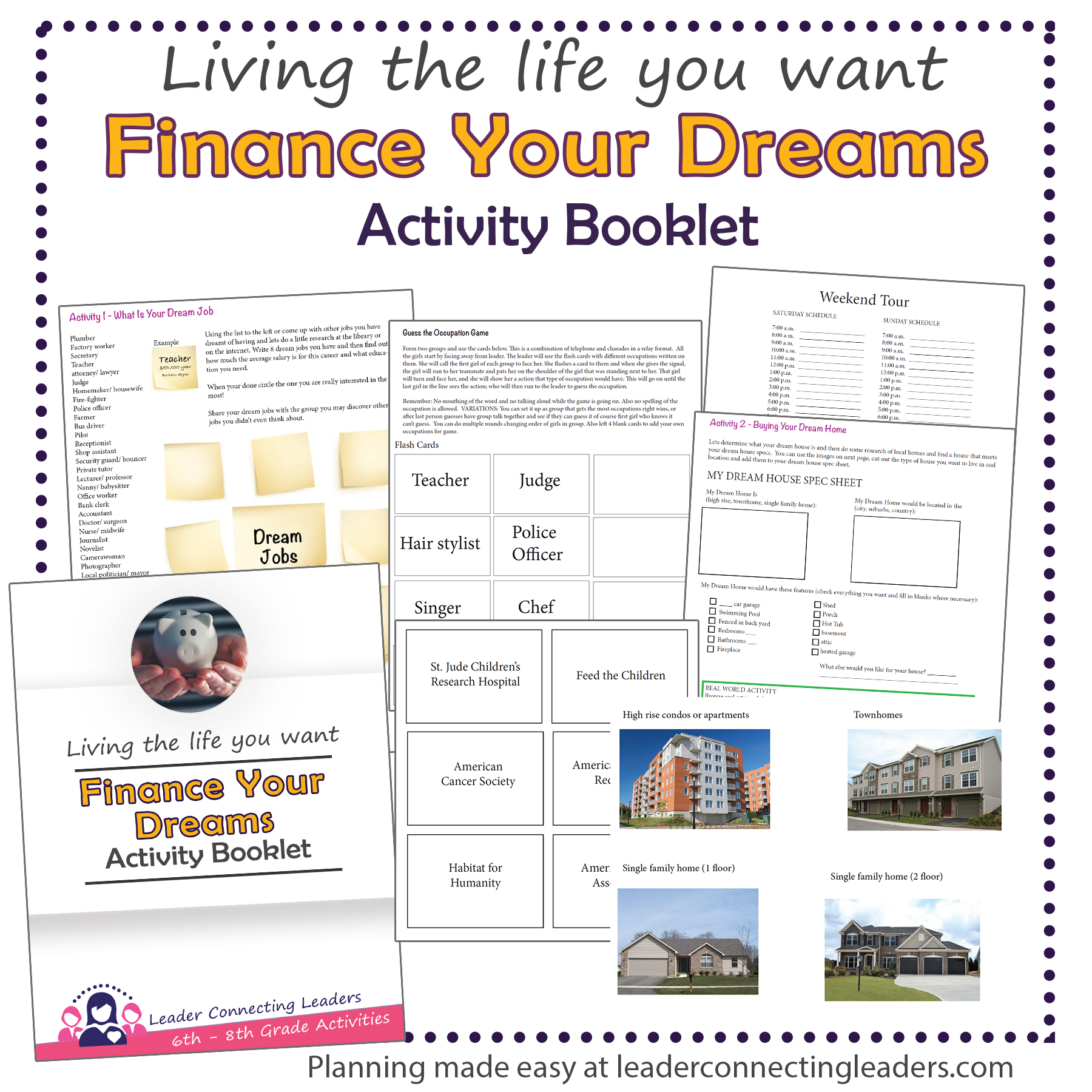
Choose/research 8 potential 'dream jobs' from a provided list (or their own ideas), look up average salaries and required education, then play a relay-style charades game ('Guess the Occupation') using occupation flash cards.
Complete phonogram review sheets requiring phonetic reading and syllable-division marking (e.g. 'a…a…at…satʹis•fy'), play Silent E matching games and homophone matching games, and read phonics poems.
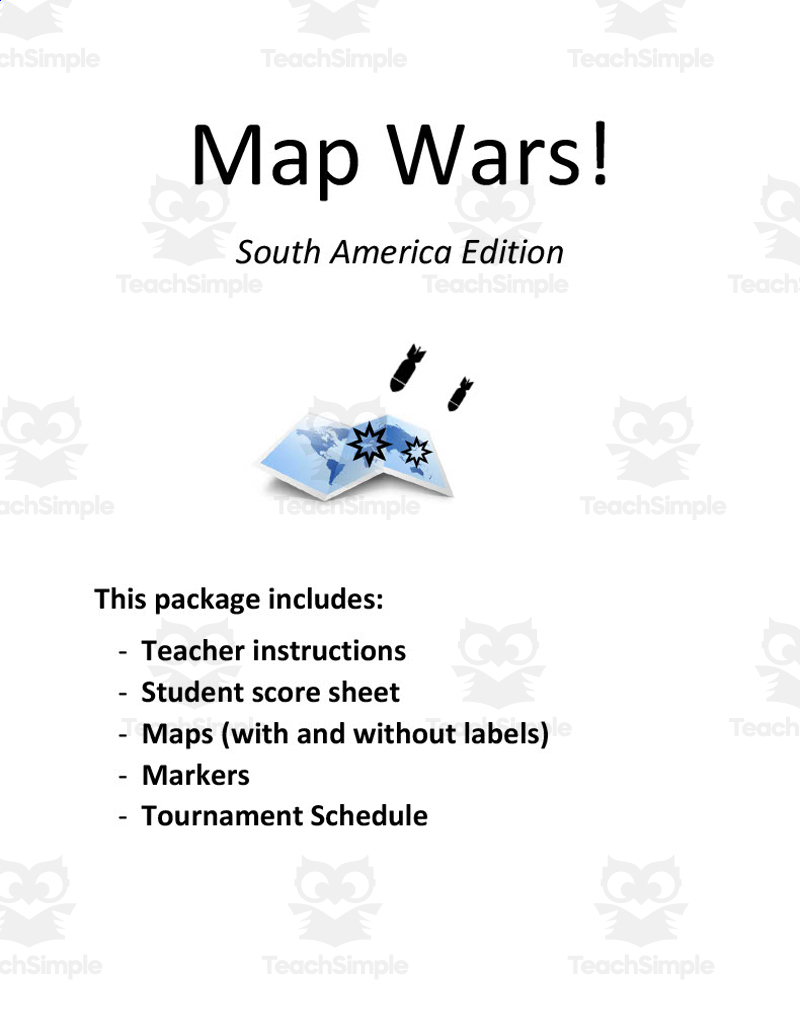
In pairs or small teams, students secretly place six markers ('bases') on six different countries on their own map, then take turns naming an country and asking whether the opposing team has a base there, recording hits (√) and misses (x) on a score sheet across up to five rounds plus a tournament bracket (semi-finals/finals).

Answer 44 task-card questions about setting, characters, plot, and theme (using higher-order verbs such as infer, analyze, justify, evaluate); play a Jeopardy-style points game individually or in teams using the PowerPoint/Google Slides game board, or play the ZAP/SCOOT/SCATTER task-card variants.
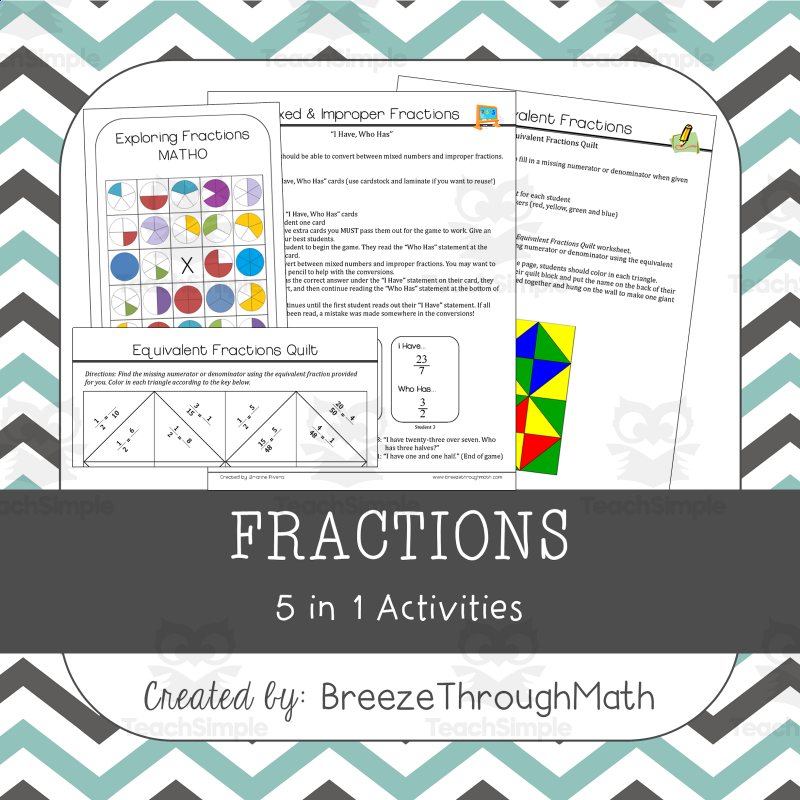
roll number cubes and cover matching fraction squares on a MATHO board (fraction bingo); fill in a missing numerator or denominator to complete equivalent fractions and color a quilt block accordingly
Open the assigned Google Slides link, review the 4 steps for citing evidence, watch an embedded video and read an embedded text, answer self-checking questions, and build a paragraph using the strategy.
 Free download
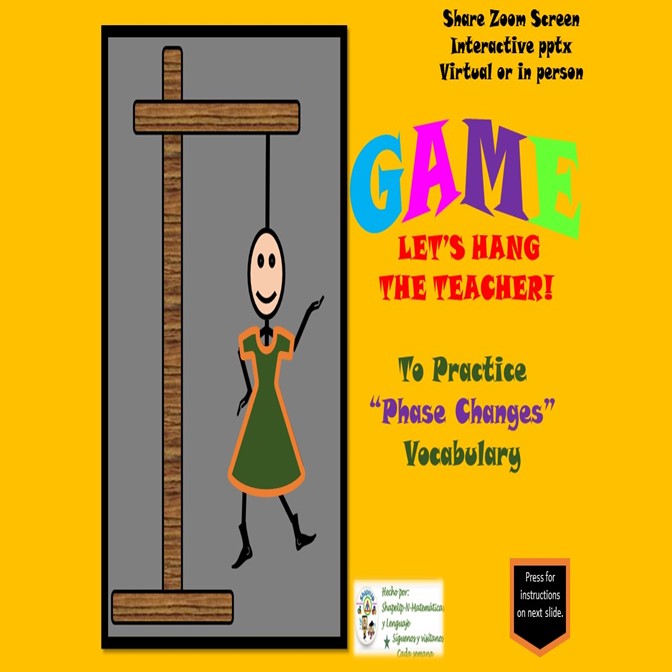
 Review vocabulary term/definition cards, then guess letters by clicking on-screen letter squares to reveal a hidden word; incorrect guesses add a body part until the word is guessed or the figure is complete.
Students make their own 4x4 bingo board, fill in random pre-given answers, solve problems shown one at a time on the projected slides, show their work on paper, and mark matching answers until someone gets bingo.
Quiz-Quiz-Trade Game for Identifying Positive and Negative Integers and Decimals This math game helps students practice plotting integers and decimals on a number line. It includes 36 ready-to-use game cards with quiz questions on one side and answers on the reverse.
Students hold cards and take turns reading a definition/question ('Who has...') and answering with the matching term ('I have...'), passing play around the class or group until the deck loops back to the starting card.
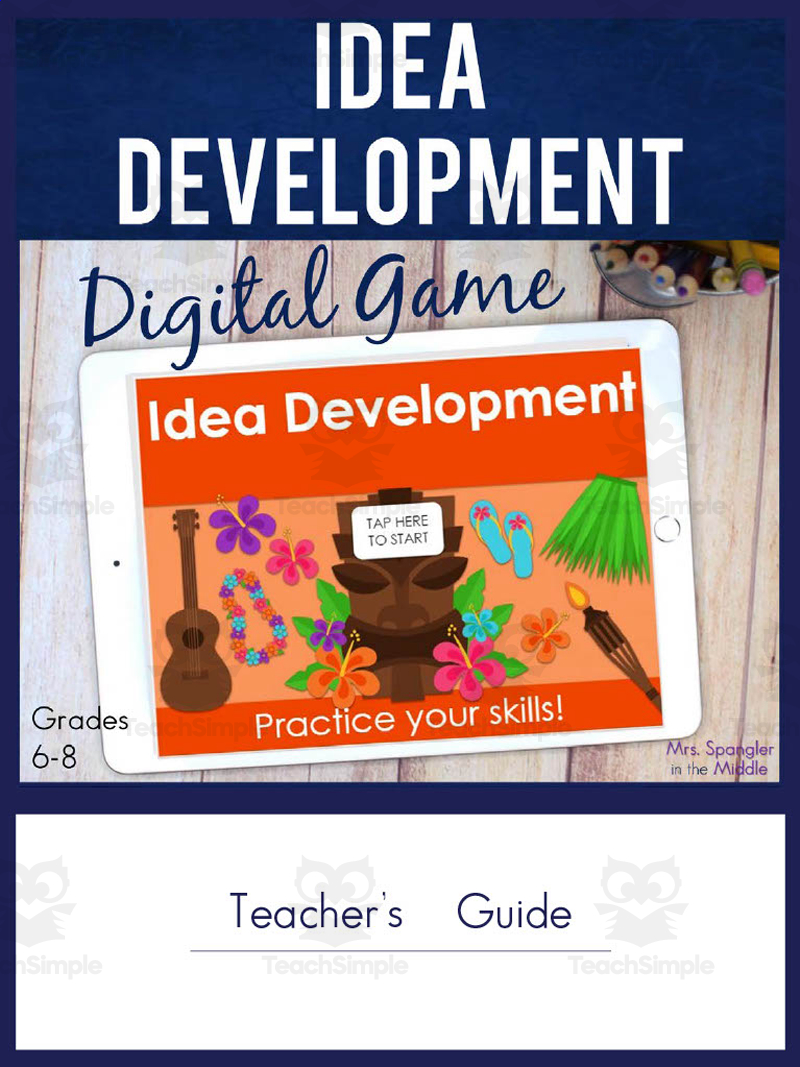
Open the linked Google Slides game, work through embedded text and self-checking questions using the 4 steps of citing evidence, and use that knowledge to build a paragraph on character development.
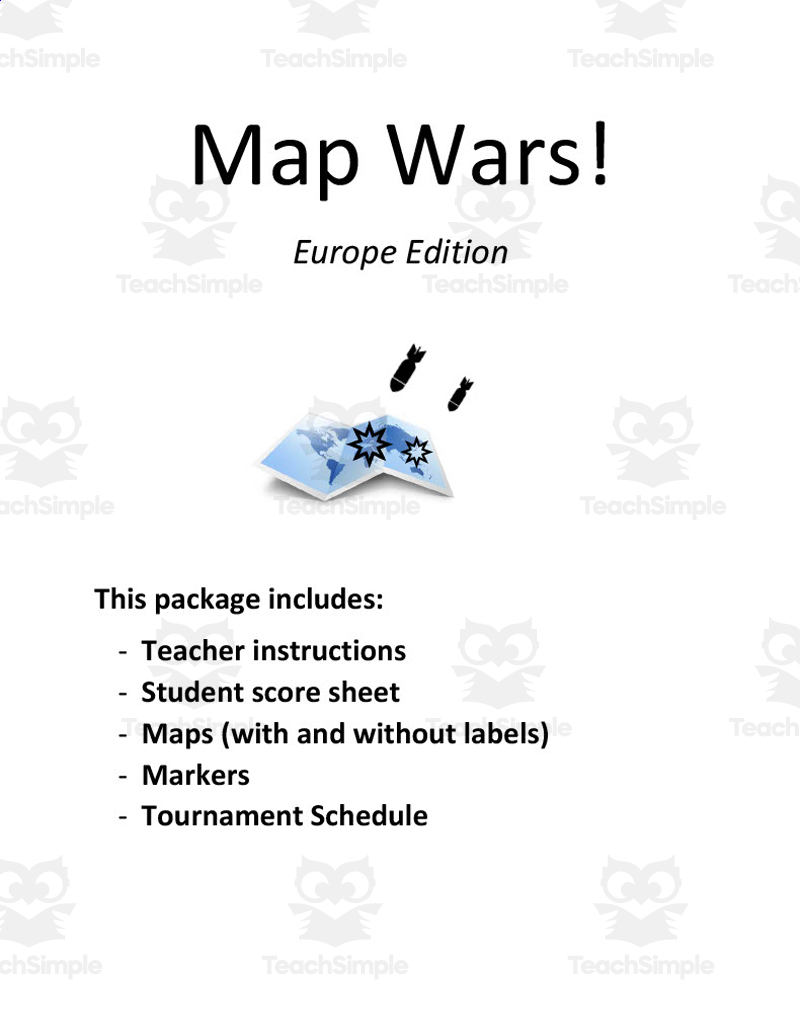
In pairs or small teams, students secretly place six markers ('bases') on six different countries on their own map, then take turns naming an country and asking whether the opposing team has a base there, recording hits (√) and misses (x) on a score sheet across up to five rounds plus a tournament bracket (semi-finals/finals).
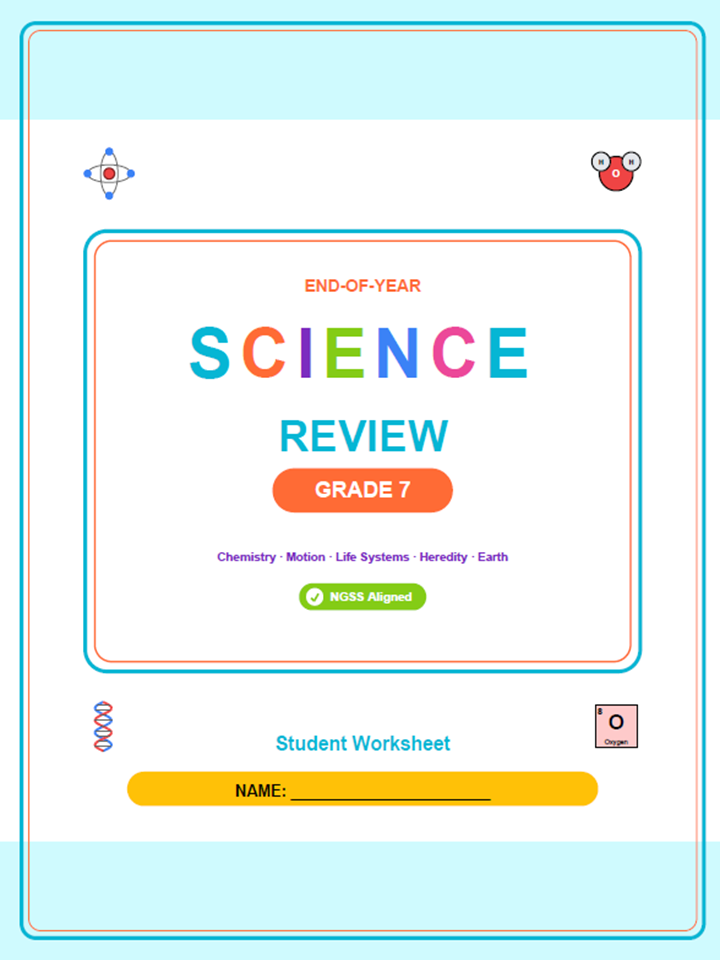
Answer fill-in-the-blank and multiple-choice questions across science topics: identify parts of the periodic table, classify elements/compounds/mixtures, balance chemical reactions and identify signs of reaction, apply conservation of mass, classify substances as acid/neutral/base by pH, calculate speed from distance…
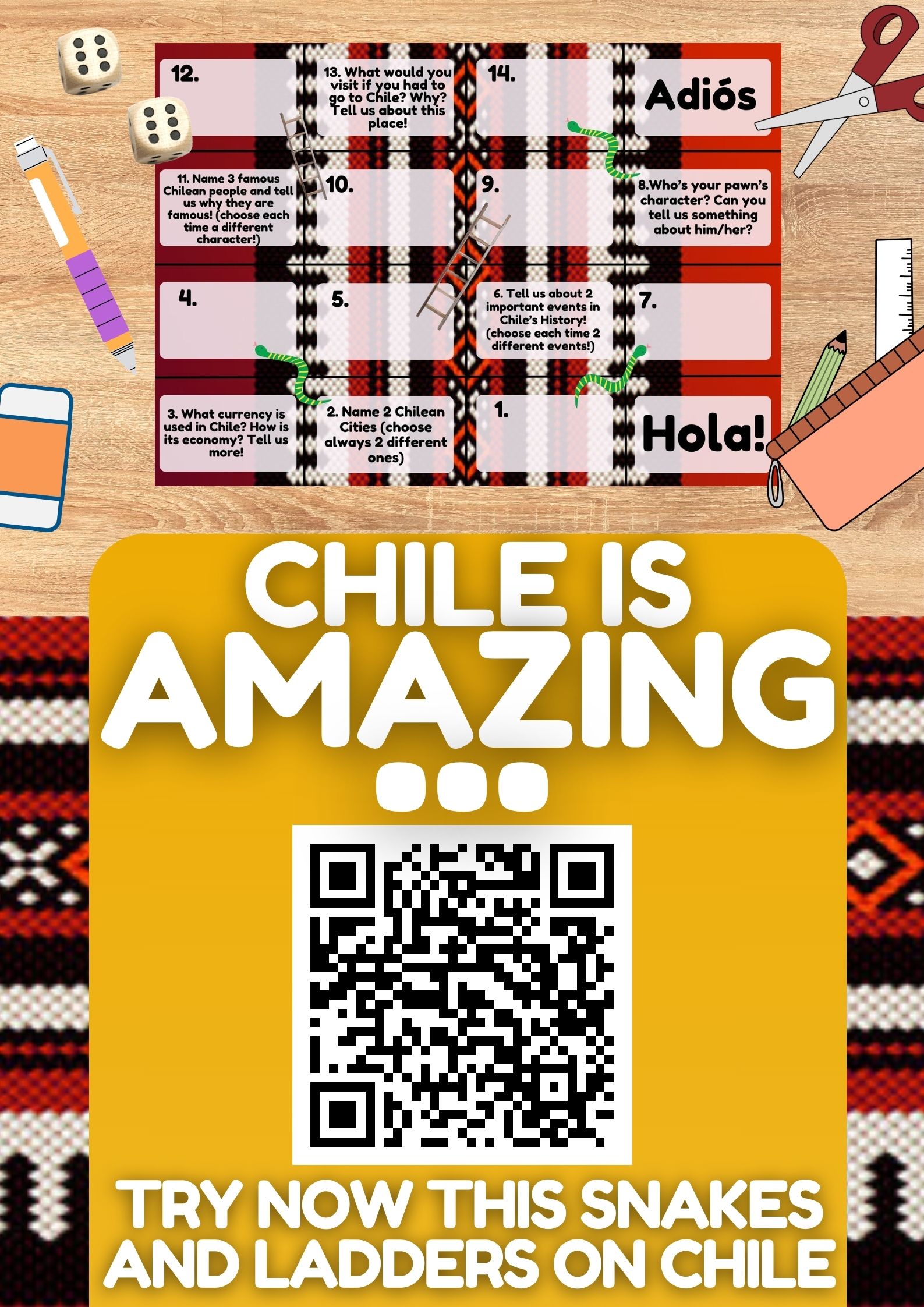
Play the printed Snakes and Ladders board game, answering the question printed on each numbered square when landed on (e.g., name a famous Chilean person, describe two important historical events, identify the currency and describe the economy, describe a place worth visiting in Chile).
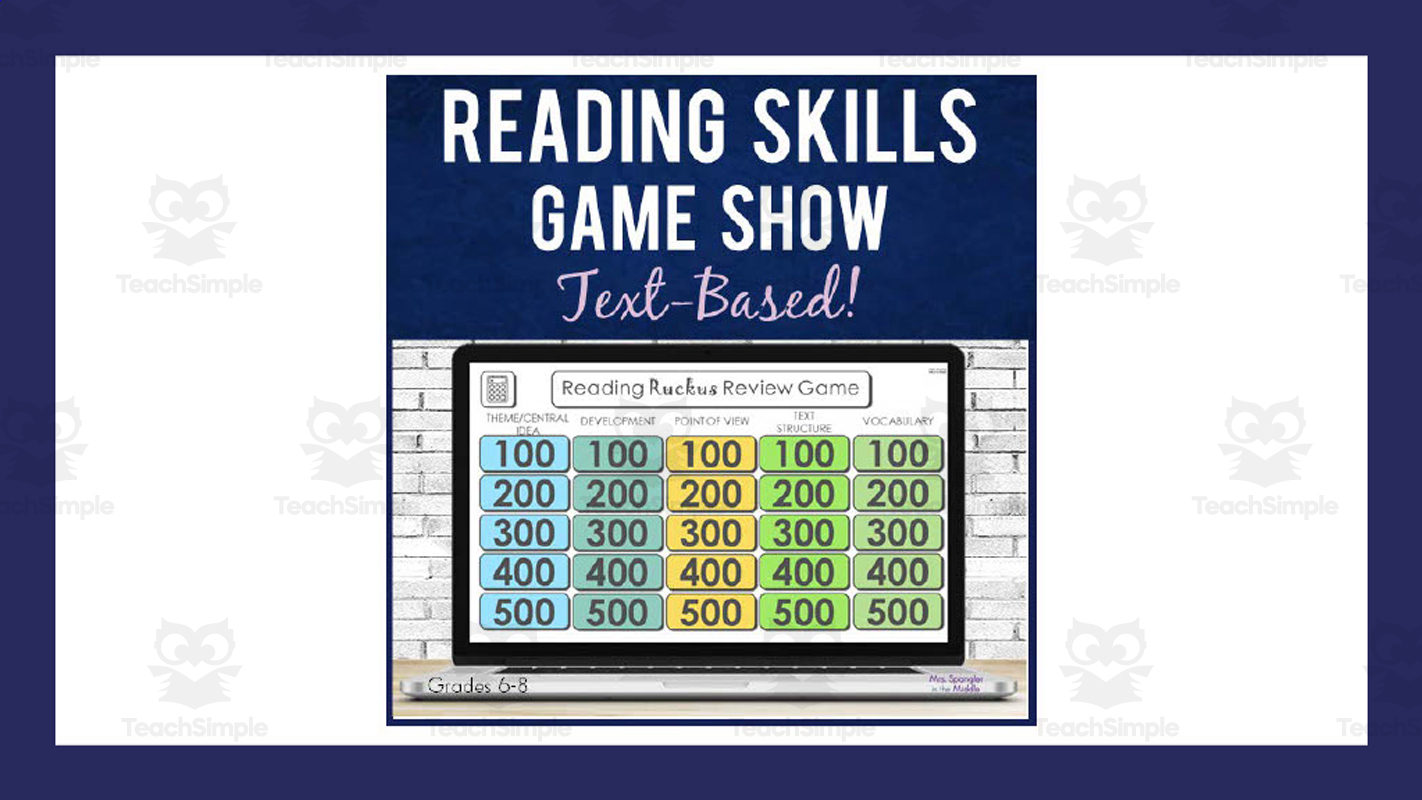
A Jeopardy-style review game (digital PowerPoint/Google Slides board plus a companion nonfiction reading passage) for reviewing reading skills: theme/central idea, development, point of view, text structure, and vocabulary.
In pairs or small teams, students secretly place six markers ('bases') on six different provinces on their own map, then take turns naming an province and asking whether the opposing team has a base there, recording hits (√) and misses (x) on a score sheet across up to five rounds plus a tournament bracket (semi-finals/finals).
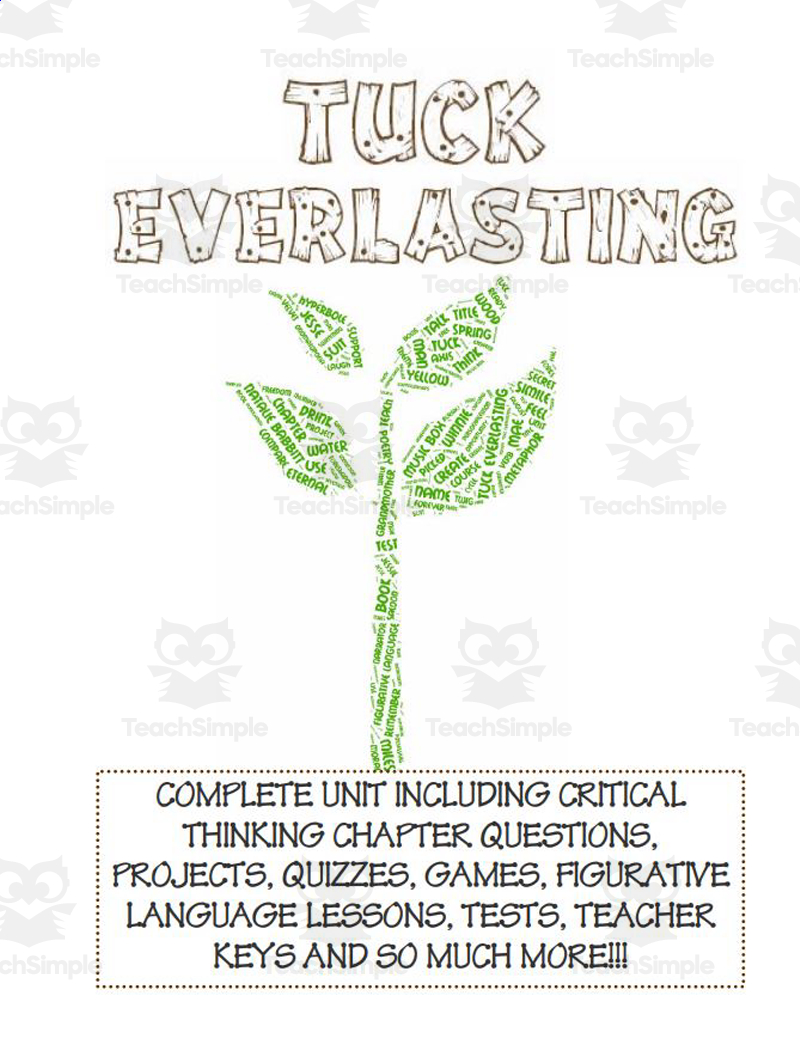
A full print-and-teach novel unit for 'Tuck Everlasting' (Natalie Babbitt), combining pre-reading discussion, chapter comprehension questions, figurative language instruction, projects, quizzes, a review game, and tests, aligned to Common Core.
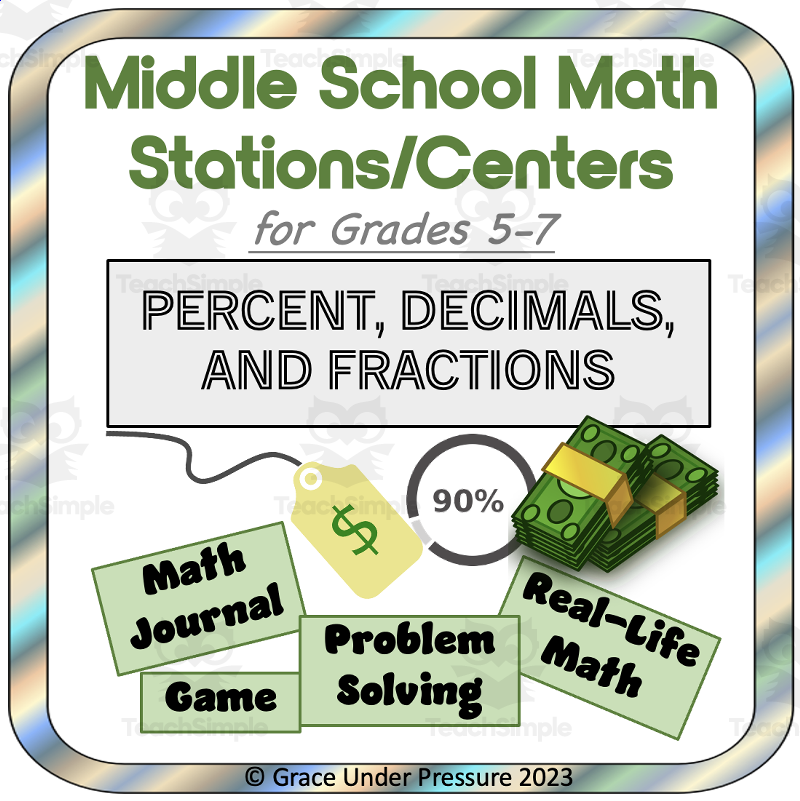
Students solve percent word problems (commission, profit percent, raises, discount comparisons), play a shopping/sales-tax dice game, design and calculate percentages of a floor plan's rooms, fill in a fraction/decimal/percent conversion table, and compare two percentages in a real-life pizza-preference scenario.
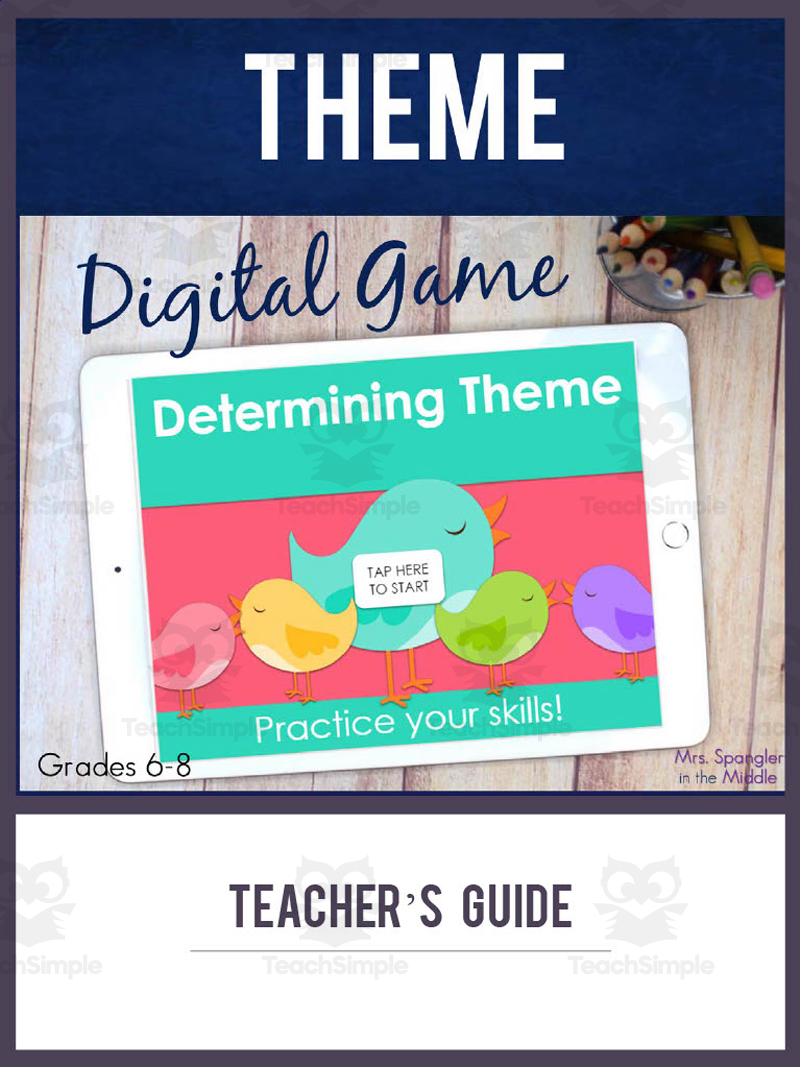
Open a shared Google Slides link, review 4 steps for finding central idea and supporting details, apply those steps to an embedded text to answer questions across 4 self-checking game parts, and build a paragraph using the theme identified.
 Free download
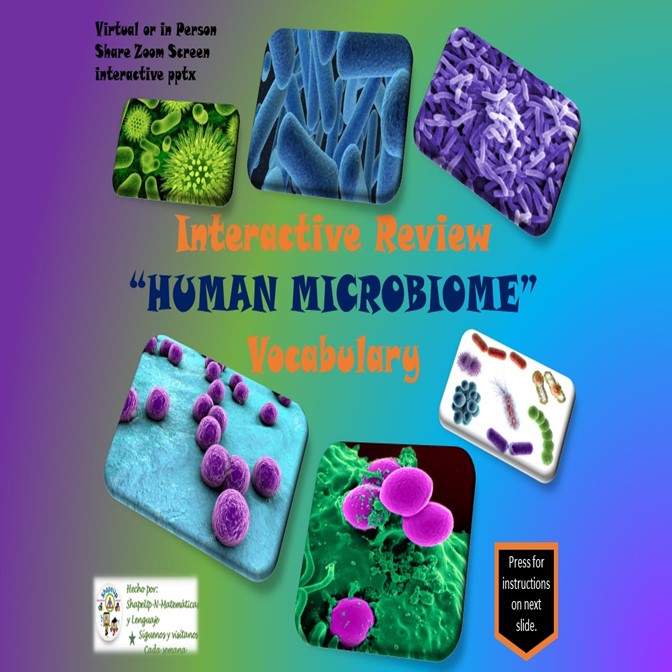
 Study microbiome vocabulary terms and definitions, then answer multiple-choice review questions by clicking a letter; correct answers are revealed and incorrect answers prompt retrying.
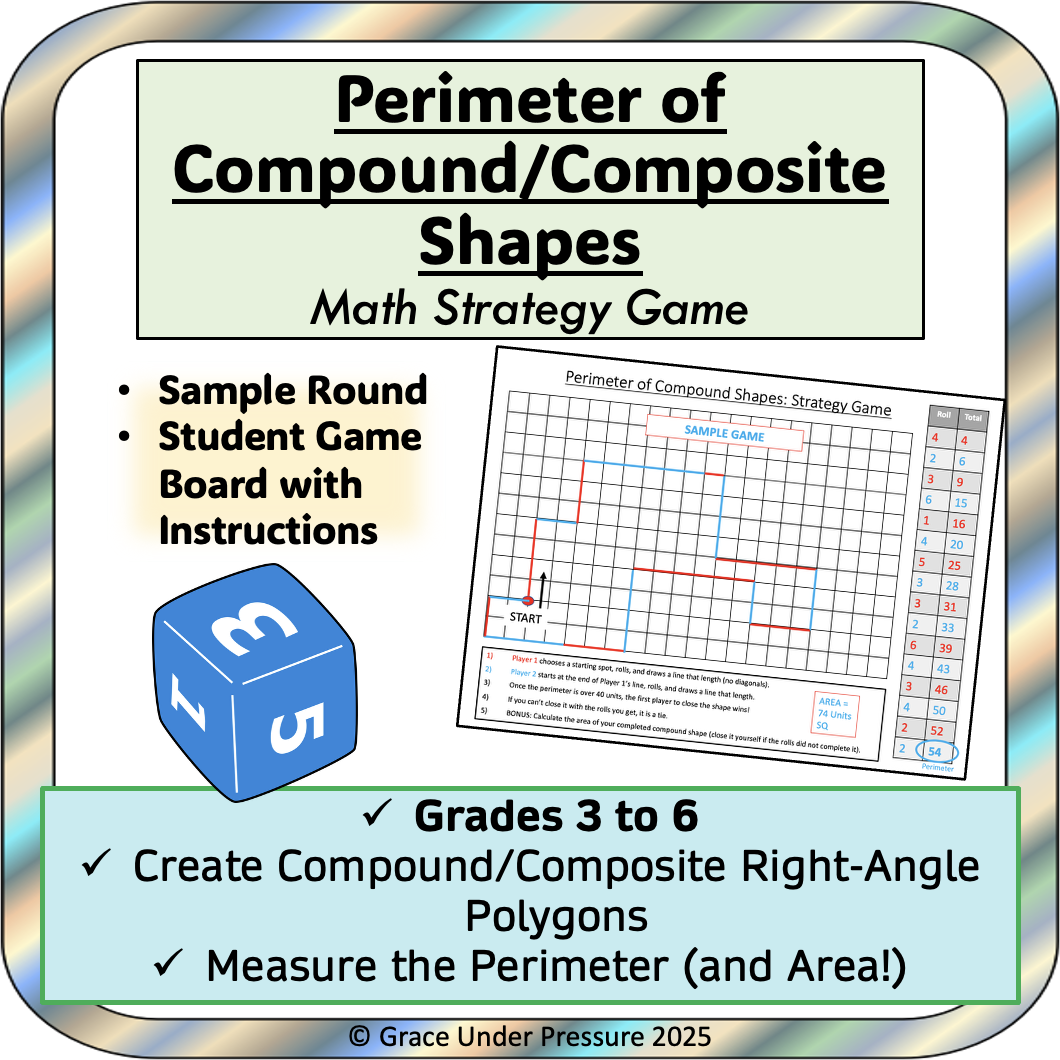
In pairs, students take turns rolling a die and drawing line segments to jointly build a complex shape; once the perimeter exceeds 40 units, the first player to close the shape wins (or it's a tie); as a bonus, students calculate the area of the completed shape.

Students first complete a vocabulary handout defining bank account terms (ATM, deposit, debit card, withdraw, cheque, balance, fee) and a 'What Can Help and Hurt Your Bank Account Balance?' sorting activity, then play a board game in groups of 2-4 using a die and counters, rolling and moving around a board with dollar-amount…
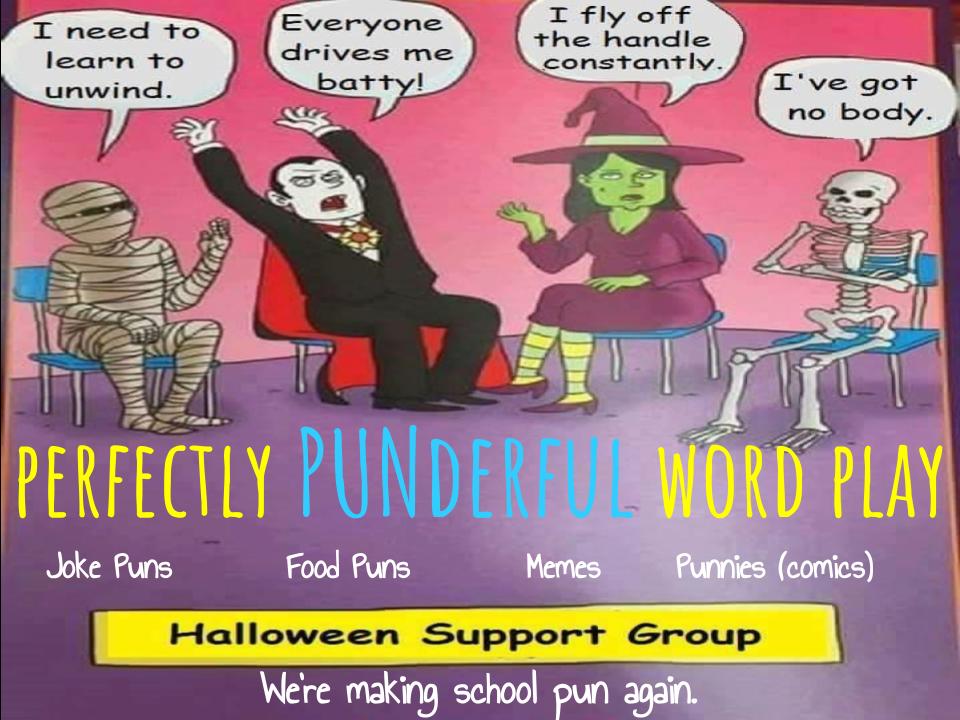
A slide deck teaching the concept of puns/wordplay through examples (joke puns, food puns, punnies/comics) and a creative-writing assignment applying puns.