Reading & language
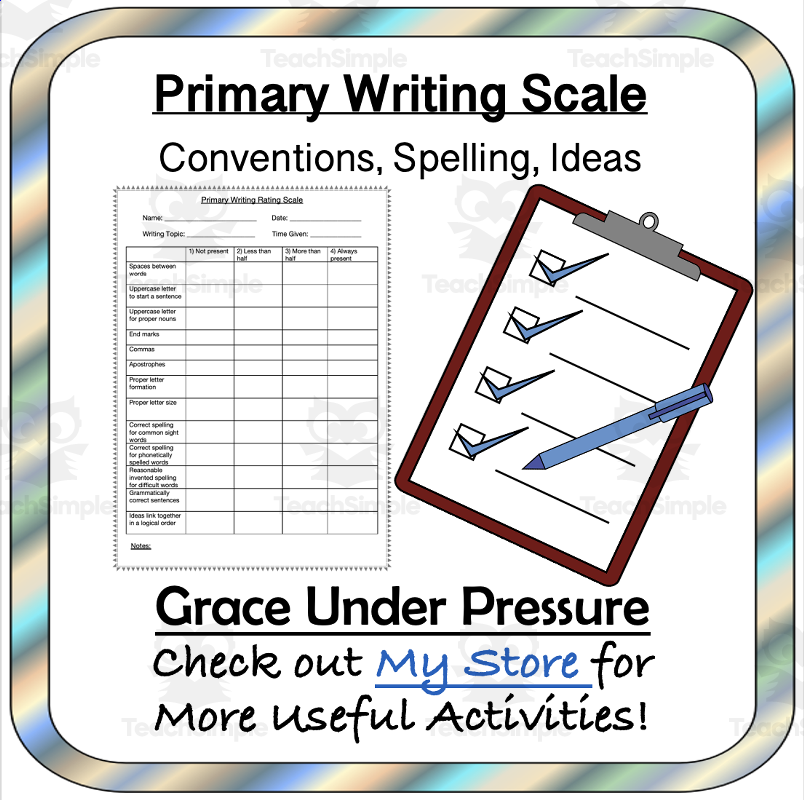
Primary Writing Rating Scale: Checklist Assessment for Grammar, Spelling, Ideas
Provide a reusable rubric/checklist for teachers to assess primary-grade student writing across mechanics, spelling, and idea organization.


Classroom resources
Browse by lesson focus
Choose the topic or kind of practice you need.
Showing 193–216 of 1067 resources

 Show filters
Provide a reusable rubric/checklist for teachers to assess primary-grade student writing across mechanics, spelling, and idea organization.
Division Dash is an engaging Quiz -Quiz-Trade game that helps 3rd-6th grade students interpret the meaning of whole number division. This resource includes 36 ready-to-use cards with division number sentences and explanations.

A Jeopardy-style SEL quiz show that teaches students to distinguish healthy friendship behavior from unhealthy 'frenemy' behavior across true/false questions, act-it-out scenarios, and perspective-taking prompts.

Complete the blank review vocabulary checklists with students, using the key to model clear transformation descriptions. Then assess how students draw, label and explain the changes on the test.
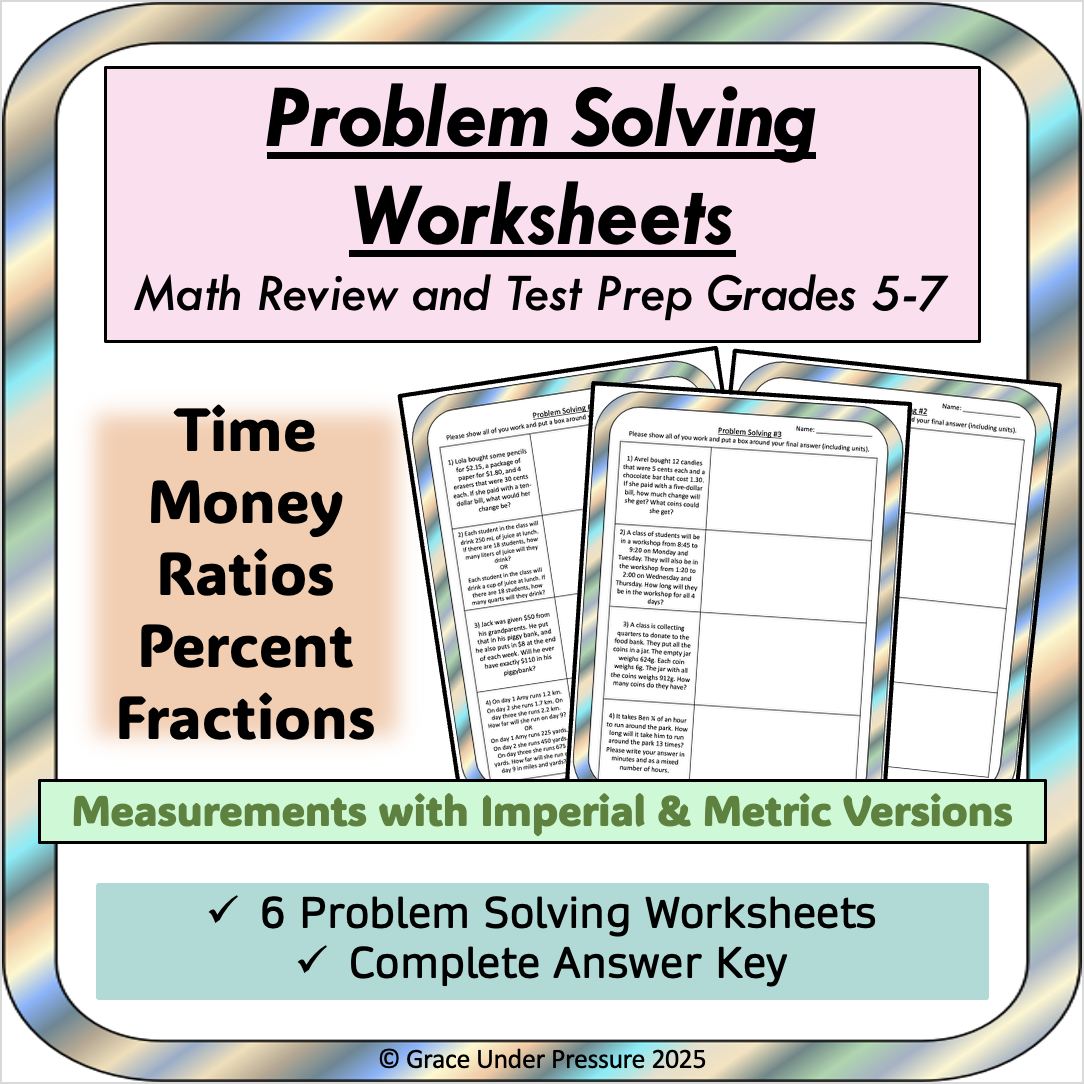
A set of double-sided word-problem worksheets giving grade 5-7 students practice solving real-world math problems across multiple topics, with answer keys, as test-prep/problem-solving practice.
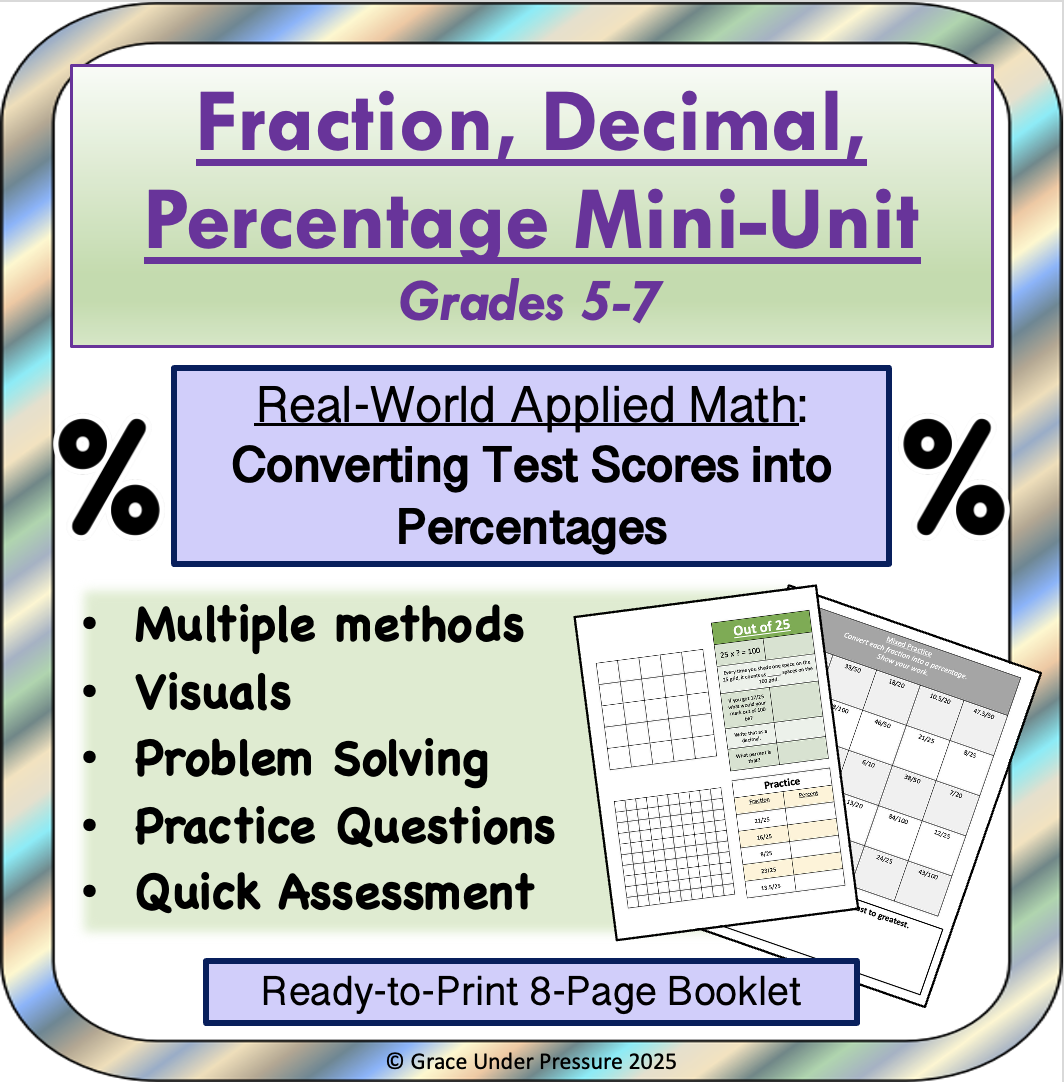
A booklet teaching students to convert test/assignment scores (fractions) into percentages and decimals using multiple methods (equivalent fractions to a denominator of 100, and long division).
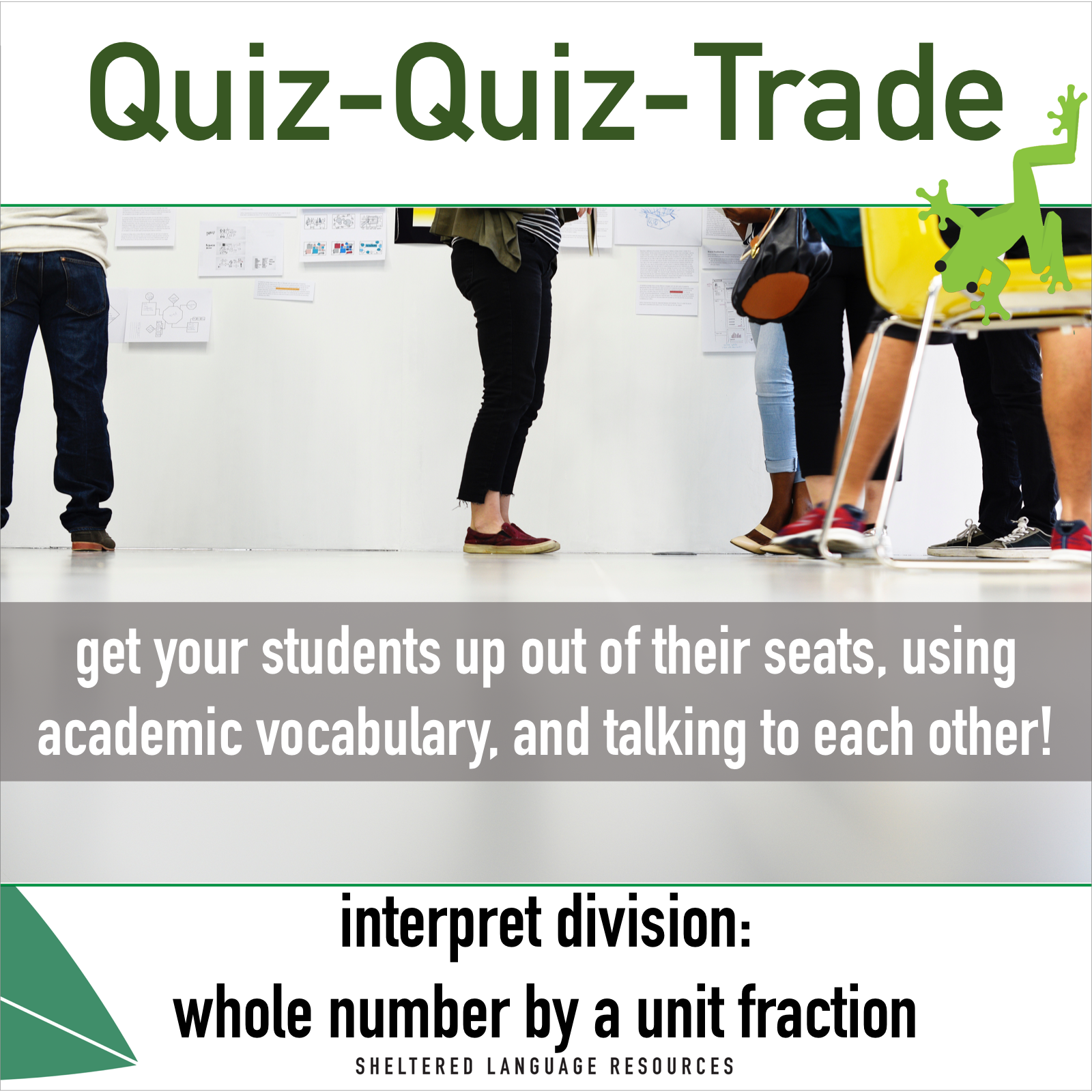
A Quiz-Quiz-Trade partner card game combining academic vocabulary instruction ('sheltered language' strategy for ELL students) with math practice interpreting division of a whole number by a unit fraction, aligned to CCSS 5.NF.B.7.B.
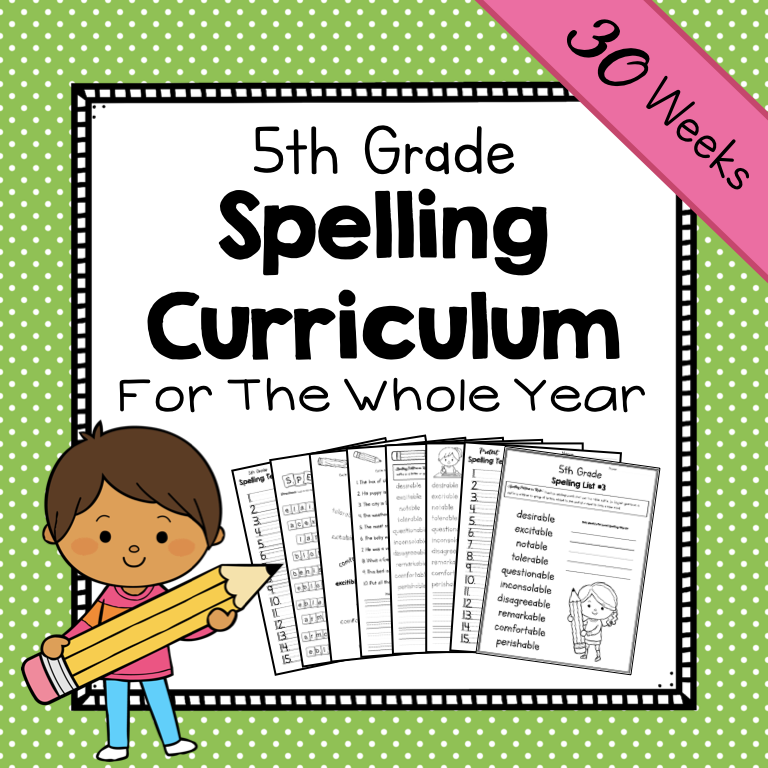
Provide a full-year weekly spelling curriculum for Grade 5 that teaches spelling patterns and rules (prefixes, suffixes, vowel variations, syllable breaks) through word lists, practice pages, and tests.
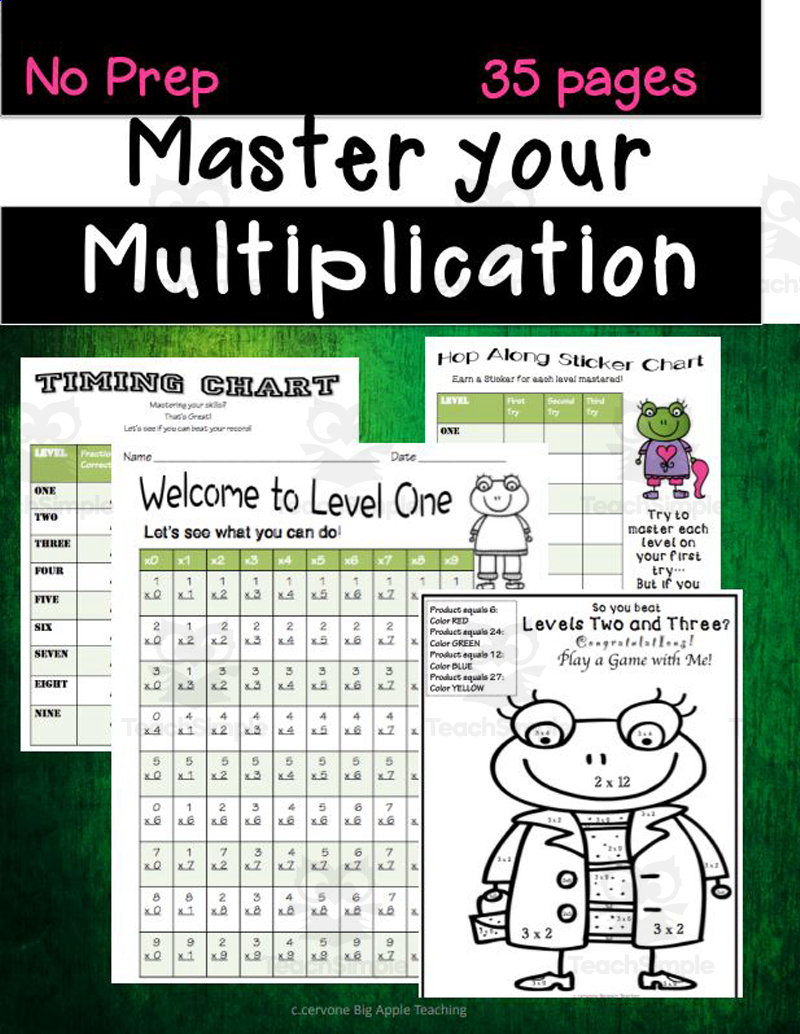
A leveled, no-prep multiplication-fact fluency program combining timed practice/assessment quizzes with a reward-tracking system across progressive levels.
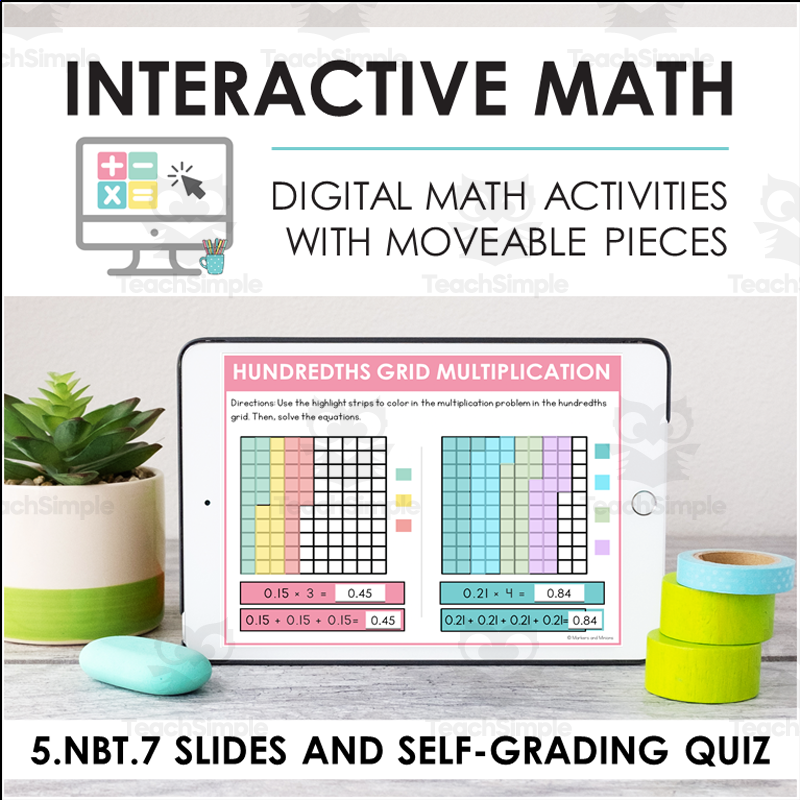
Interactive Decimal Operations for 5th Grade Math This engaging 5th grade math resource teaches students how to add, subtract, multiply, and divide decimals. The interactive slides represent decimal concepts visually, allowing students to actively practice decimal operations by sorting, dragging, and dropping images. This hands-on approach builds…
A social-emotional learning (SEL) game-show style PowerPoint teaching and practicing conflict-resolution skills through scenario-based questions.

Quiz-Quiz-Trade peer-tutoring game that has students practice recalling the capital city of each U.S. state using a fill-in-the-blank sentence frame.

A chapter slice from a larger essay-writing workbook, covering prewriting and graphic-organizer strategies as part of a five-step writing model, with a critical-thinking (Bloom's Taxonomy) skills chart and an assessment rubric for evaluating student writing.
Give Grade 4 students realistic practice with the Florida B.E.S.T. Writing Assessment (text-based expository and argumentative prompts) before test day.

Digital practice resource for CCSS math standard 5.NF.4 (Apply Understandings of Multiplication and Division), delivered as interactive drag-and-drop/fill-in slides plus a linked self-grading Google Form quiz.
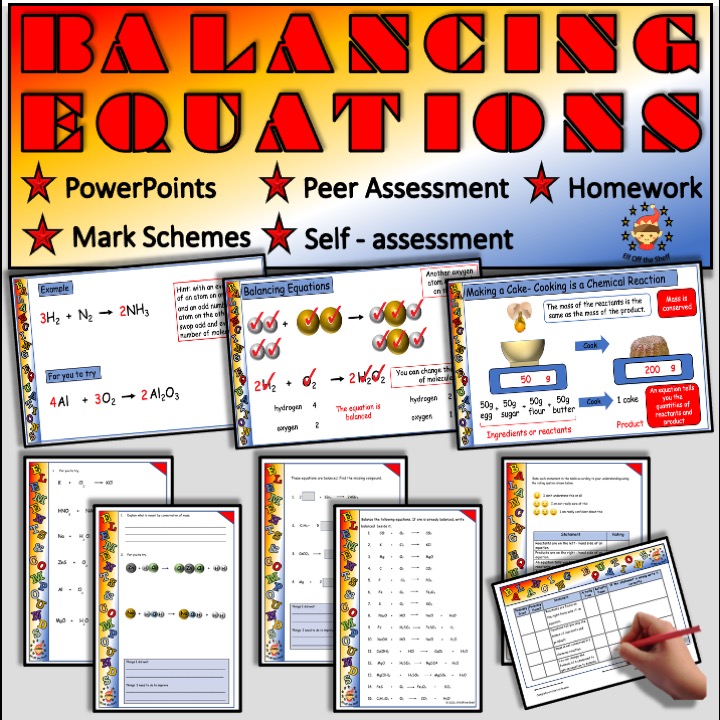
A middle/high school chemistry resource teaching how to balance chemical equations, using an animated PowerPoint with worked examples, plus supporting worksheets, an anticipation guide, a pupil progress checklist, and an answers/mark-scheme PowerPoint for self or peer assessment.

Provides a reading comprehension and activity set on the human reproductive system, including fertilization and development.

Give Grade 6 students realistic practice with the Florida B.E.S.T. Writing Assessment (text-based expository and argumentative prompts) before test day.
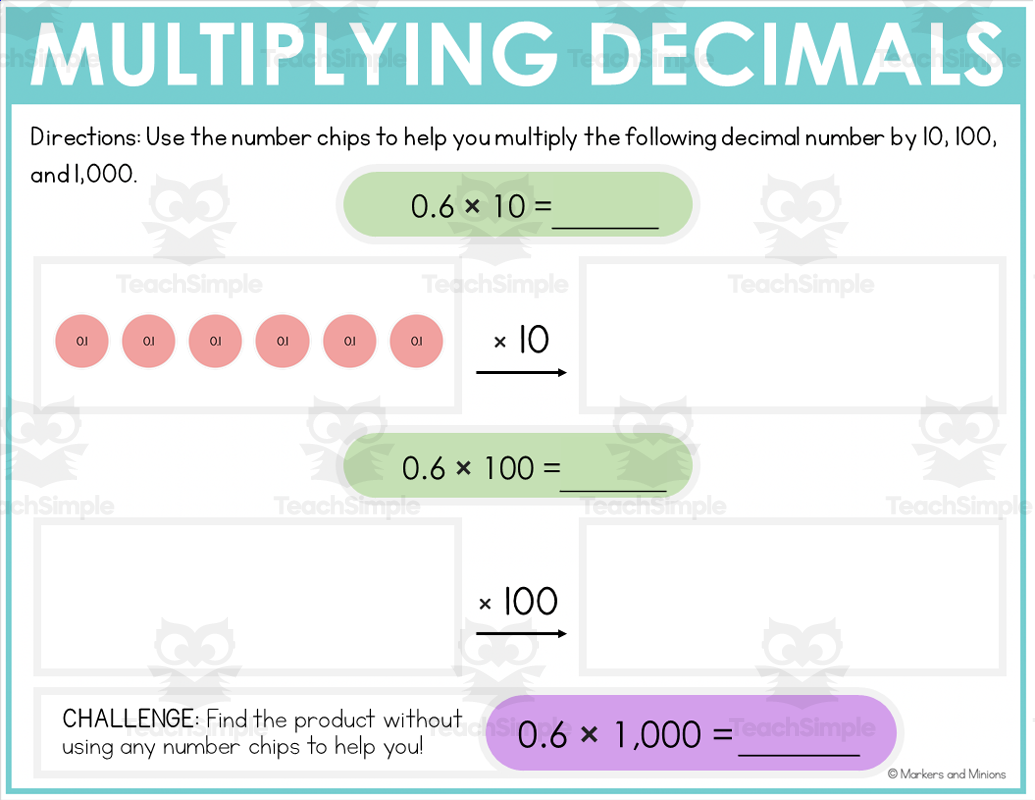
Digital practice resource for CCSS math standard 5.NBT.2 (Understand the Place Value System), delivered as interactive drag-and-drop/fill-in slides plus a linked self-grading Google Form quiz.
Reproducible chapter excerpt ("Chapter Slice") from the workbook "How to Write a Paragraph" (CCP1100), covering the sub-topic "Things to Watch for When You Revise" (page 34 of the full 64-page workbook, per that workbook's table of contents) for teaching the paragraph-writing process.

Three writing rubric sets — narrative , informative, and opinion — each pair a student-facing checklist describing what an 'excellent' response looks like across four or five traits with a five-point teacher grading guideline spelling out the difference between an 'Excellent' and a 'Needs Improvement' response, trait by trait. Each set includes scorecards with rating and comment spaces in bordered and unbordered layouts. Check and adapt the narrative and opinion scorecard headings to match the respective rubric before grading. All three rubrics use a consistent 1-5 scale (Excellent, Good, Satisfactory, Needs Improvement, Inadequate) but trait definitions and counts differ across the three genres.
A requirements sheet, peer/self-editing checklist, and scoring rubric for a 5-paragraph MLA-style research essay profiling a historical figure important to American football.
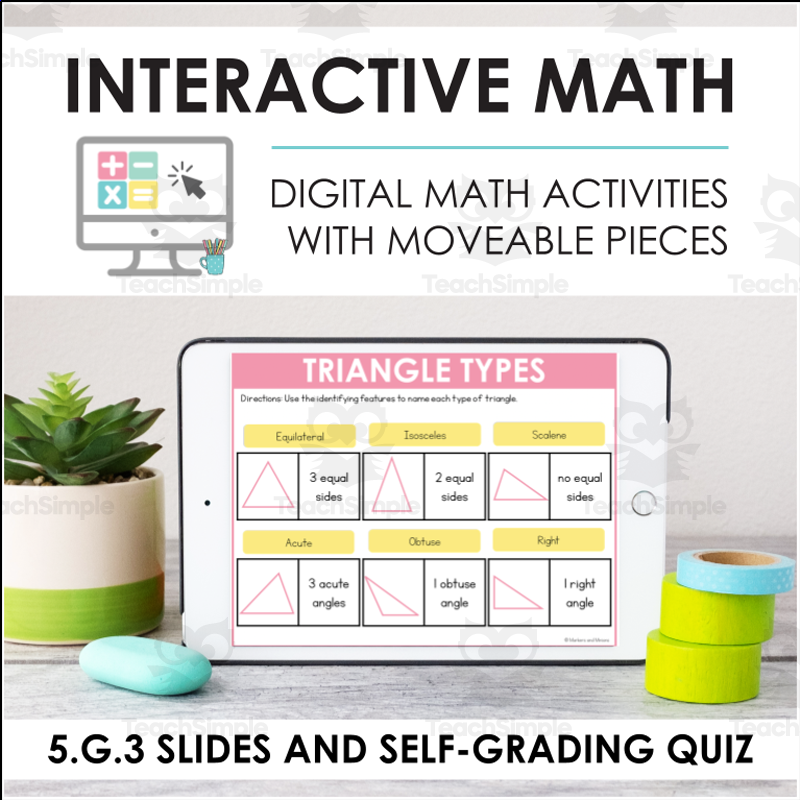
Digital practice resource for CCSS math standard 5.G.3 (Classifying 2D Figures), delivered as interactive drag-and-drop/fill-in slides plus a linked self-grading Google Form quiz.
 Free download
Vocabulary practice and assessment set covering the 'Words to Know' from week 1 of each of units 1-6 in the McGraw-Hill Reading Wonders Grade 5 curriculum.