3,931 products added recently
Page 2 - Assessments by Subject
Access a variety of assessments designed for specific subject areas, ensuring that you evaluate the skills and knowledge most pertinent to your curriculum. This collection includes tools for art, ELA, math, science, social studies, and more. Provide meaningful feedback by utilizing subject-focused assessments.
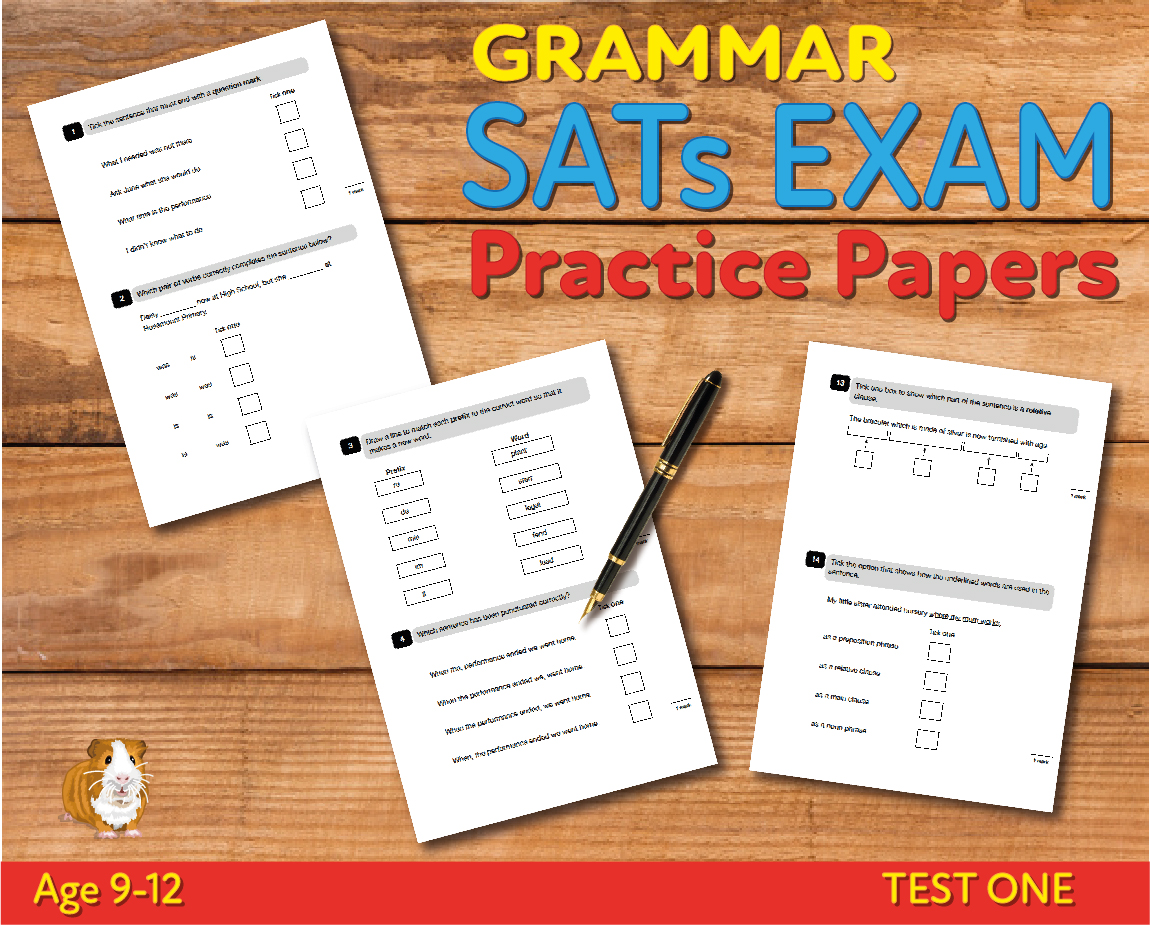
Nouns Supplementary Materials Grades 3-4 (PDF)
ELA, Language Development, ESL, Grammar, Common Core, Resources for Teachers, Grade 3, 4, Worksheets & Printables, Worksheets, Quizzes and Tests, Teacher Tools, Tests, Assessments, Lesson Plans, Activities
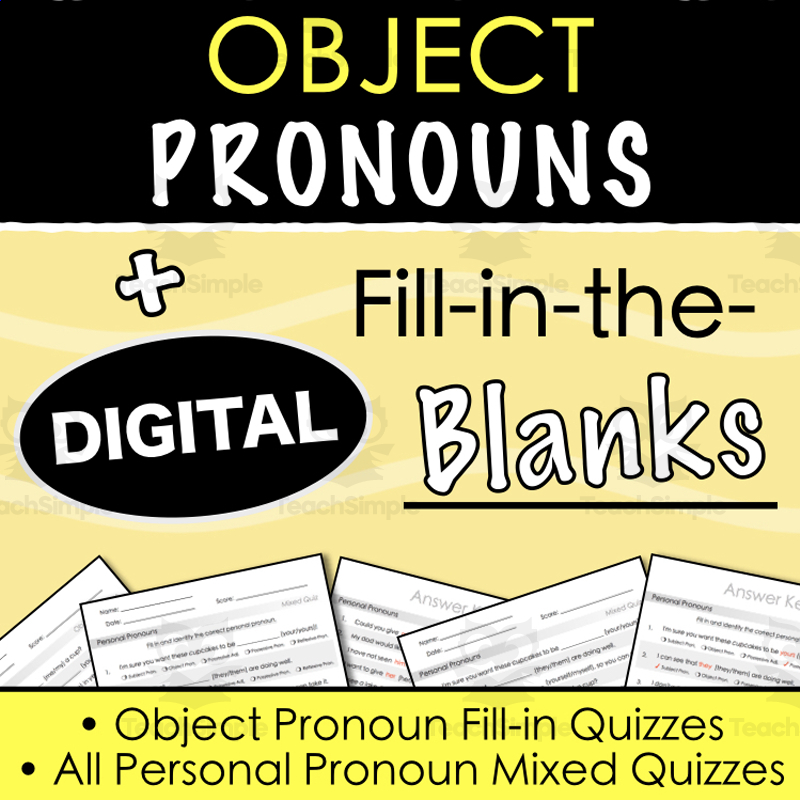
Nouns Supplementary Materials Note: This download DOES NOT include the tests themselves. You can still make use of these materials without them but they are recommended. Download in a format of your choice in the "Links" section below. Outline Ice Breaker (5-10 minutes) Engaging, interactive activity to introduce the lesson’s theme. Examples: Matching games, sentence races, charades, or storytelling challenges. Guided Practice (10-15 minutes) Teacher-led exercises to reinforce the concept. Examples: Sorting sentences by tense, sentence transformations, or fill-in-the-gap exercises. Group or Partner Task (15 minutes) Collaborative activity to practice the lesson’s focus in a fun and engaging way. Examples: Role-play, storytelling, sentence-building games, or small-group discussions. Independent Worksheet (15 minutes) Individual written activity to solidify understanding. Examples: Sentence corrections, verb conjugation drills, or tense identification exercises. Exit Task (5 minutes) Quick reflective activity to assess understanding before students leave. Examples: Writing a sentence using the target concept, identifying a tense, or explaining a rule. Links: Includes: Abstract Nouns Concrete Nouns Compound Nouns Collective Nouns Irregular Plural Nouns Google Docs Google Forms Google Slides PDF PPT Word FULL CATALOG OF DOWNLOAD LINKS HERE Grade 3/4 Links: Adjectives Google Docs Google Forms Google Slides PDF PPT Word Free Supplementary Materials Pack Adverbs Google Docs Google Forms Google Slides PDF PPT Word Free Supplementary Materials Pack Conjunctions Google Docs Google Forms Google Slides PDF PPT Word Free Supplementary Materials Pack Nouns Google Docs Google Forms Google Slides PDF PPT Word Free Supplementary Materials Pack Pronouns Google Docs Google Forms Google Slides PDF PPT Word Free Supplementary Materials Pack Verbs Google Docs Google Forms Google Slides PDF PPT Word Free Supplementary Materials Pack Sentence Structure Google Docs Google Forms Google Slides PDF PPT Word Free Supplementary Materials Pack Present Tense Google Docs Google Forms Google Slides PDF PPT Word Free Supplementary Materials Pack Past Tense Google Docs Google Forms Google Slides PDF PPT Word Free Supplementary Materials Pack Future Tense Google Docs Google Forms Google Slides PDF PPT Word Free Supplementary Materials Pack Context Clues Google Docs Google Forms Google Slides PDF PPT Word Free Supplementary Materials Pack Defining Words Google Docs Google Forms Google Slides PDF PPT Word Free Supplementary Materials Pack Fill the Blanks Google Docs Google Forms Google Slides PDF PPT Word Free Supplementary Materials Pack Homophones Google Docs Google Forms Google Slides PDF PPT Word Free Supplementary Materials Pack Synonyms Google Docs Google Forms Google Slides PDF PPT Word Free Supplementary Materials Pack ELA Review Questions Overview Questions have three answer choices. There are a handful of pictures on each test for aesthetic purposes, as well as a review sheet covering most of the topics covered in the product. Introduction or Example Sheet Each topic will include an introduction or example sheet to go through first with your students. Full Answer Keys Full answer keys and sample responses are provided so no matter how busy you are, you know you're covered! In the Supplementary Pack Interactive Ice Breakers: Fun, hands-on activities that get students thinking about adjectives right from the start. Guided Practice: Teacher-led exercises that reinforce the day’s lesson, ensuring students can confidently identify and use adjectives. Group and Partner Tasks: Collaborative activities that allow students to work together to solve problems, categorize adjectives, and create descriptive sentences. Independent Worksheets: Structured worksheets that provide individual practice and help solidify understanding of key concepts. Exit Tasks: Quick, reflective activities at the end of each lesson that assess understanding and encourage students to apply what they’ve learned. For similar downloads and other frees, do check out Cored Group on TeachSimple.
Author Cored Education
Tags Elementary, Answers, Ccss, Common Core, Grammar, Tests, Test Prep, Grade 3, Grade 4, Lesson Plan
Reading Comprehension Passages Fiction Set 1 - Nature (PDF)
ELA, Reading, Reading Comprehension, Common Core, ESL, Language Development, Spelling, Vocabulary, Writing, Resources for Teachers, Grade 2, 3, Worksheets & Printables, Worksheets, Writing Prompts, Assessments, Teacher Tools, Quizzes, Quizzes and Tests, Centers, Activities
Reading Comprehension Passages Fiction Set 1 Overview Fascinating reading comprehension passages, each with an array of activities included. Stories are written for the modern classroom and topics are designed to promote enthusiasm from each student. Each lesson contains a mixed questions section to check understanding, a vocabulary or spelling activity to help remember key language introduced, and a writing exercise. Full answer keys are provided. For a more detailed overview, check the section under the links at the bottom of this description. Passages Include 1.Bring on the Snow: Kellie wants to make it snow. How does she try? 2.Walk through the Woods: A walk in the woods turns into a huge adventure. 3.Nature Photographer: Donna get some amazing snaps in this story. 4.Nature's Beautiful Colors: Rusty enjoys finding out about the colors in nature. 5.Flower Fun: Learn about flower names and colors in this fun lesson. 6.Picking Cherries: Ross spends his day picking cherries but is it worth it? Additional File: Nature Photographer: Drawing Nature Printable PDF Version This is the PDF uneditable version. This download is available in GOOGLE Docs, GOOGLE Forms, GOOGLE Slides. PDF, PPT, WORD. FULL CATALOG OF DOWNLOAD LINKS HERE Grade 2/3 Links Fiction Set 1 - Nature Google Docs Google Forms Google Slides PDF PPT Word Guided Reading Materials Fiction Set 2 - Animals Google Docs Google Forms Google Slides PDF PPT Word Guided Reading Materials Fiction Set 3 - Food Google Docs Google Forms Google Slides PDF PPT Word Guided Reading Materials Fiction Set 4 - School Google Docs Google Forms Google Slides PDF PPT Word Guided Reading Materials Fiction Set 5 - Friends Google Docs Google Forms Google Slides PDF PPT Word Guided Reading Materials Fiction Set 6 - Family Google Docs Google Forms Google Slides PDF PPT Word Guided Reading Materials Fiction Set 7 - Sports Google Docs Google Forms Google Slides PDF PPT Word Guided Reading Materials Nonfiction Set 1 - Technology Google Docs Google Forms Google Slides PDF PPT Word Guided Reading Materials Nonfiction Set 2 - Nutrition Google Docs Google Forms Google Slides PDF PPT Word Guided Reading Materials Nonfiction Set 3 - Animals Google Docs Google Forms Google Slides PDF PPT Word Guided Reading Materials Reading Passages Overview Each passage is especially written for Grade 2-3 students, including key vocabulary required for this age group. Topics are varied and are accompanied by colorful graphics. Topics are meant to educate, yet entertain the modern student. These passages are perfect for the modern classroom. Whereas textbooks can become outdated in no time, any changes to technology or the world will result in updates to this product. Mixed Questions The mixed questions section of each lesson includes a variation of fivecomprehension, vocabulary and math questions. In addition, key reading strategies are frequently covered including cause & effect, summarizing, compare & contrast and making conclusions. Three of the questions will be MCQs and two will require a written response of some kind. Full answers and example responses appear at the end of the lesson. Spelling & Vocab Each reading passage contains a variety of words and phrases designed for Grade 2-3 students. Spelling and vocab activities provide the opportunity to build fluency with these words. As it can become quite mundane doing the same activities over and over, each lesson in a set will contain a different spelling and vocab activity . Writing Prompts Writing prompts are designed to continue the theme or lessons learned in the story. Students are persuaded to write in a variety of ways and each prompt includes several cues to help. As with the spelling/vocab section, writing prompts will vary. This includes research pieces, reading responses, poetry and creative writing prompts. Full Answer Keys Full answer keys and sample responses are provided so no matter how busy you are, you know you're covered! Mixed question answers provide evidence from the text, math questions contain the relevant workings. Answers are designed for use by the teacher, but also suitable as a handout to the student. Additional File One lesson will have an additional file. This is something fun to extend the lesson with. For similar downloads and other frees, do check out Cored Group on TeachSimple.
Author Cored Education
Rating
Tags Elementary, Reading, Comprehension, Vocabulary, Common Core, Speling, Writing, Passages, Reading Centers, Reading Comprehension Assessments
3rd Grade Math Assessment | Beginning of Year Diagnostic
Math, Grade 3, Assessments, Teacher Tools, Worksheets & Printables
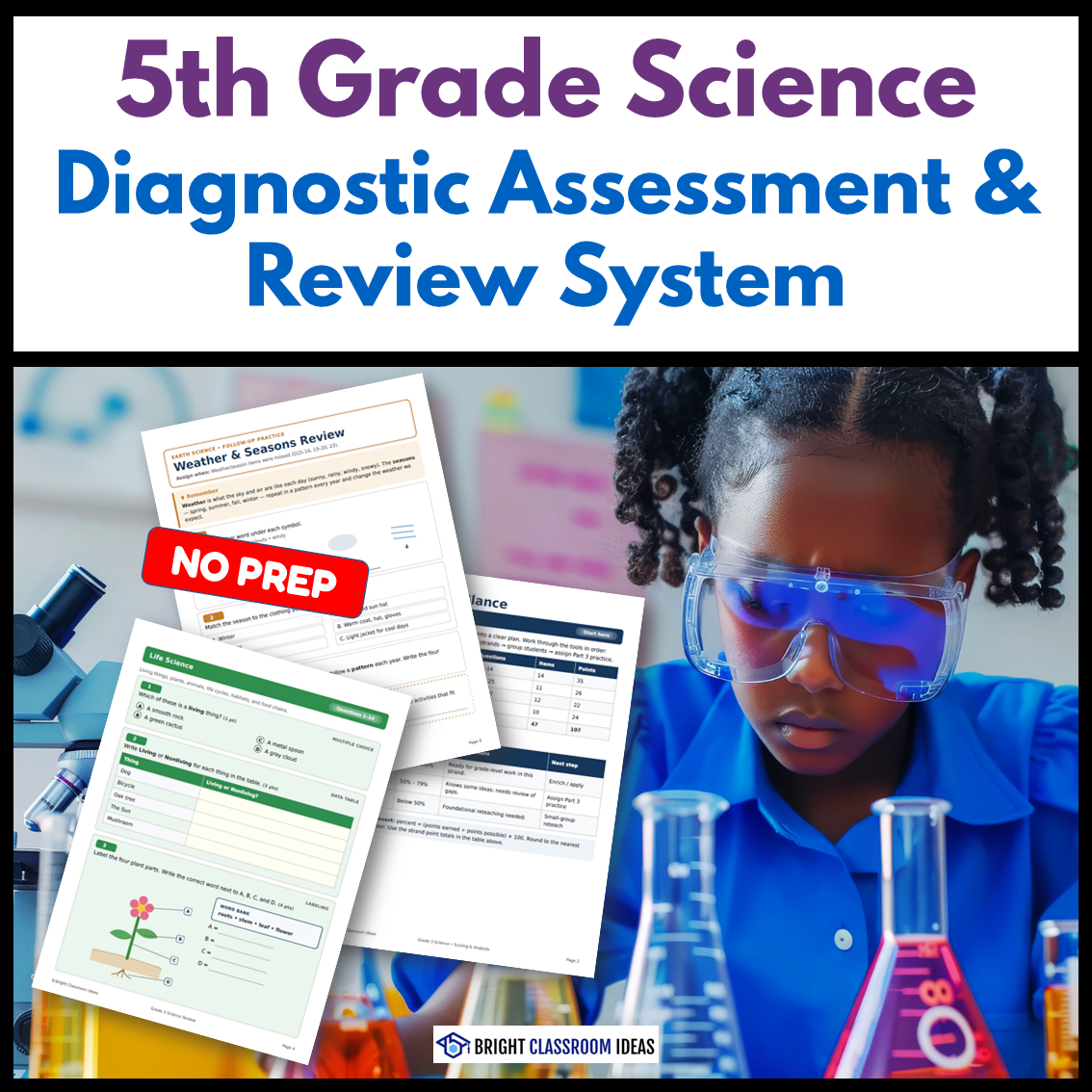
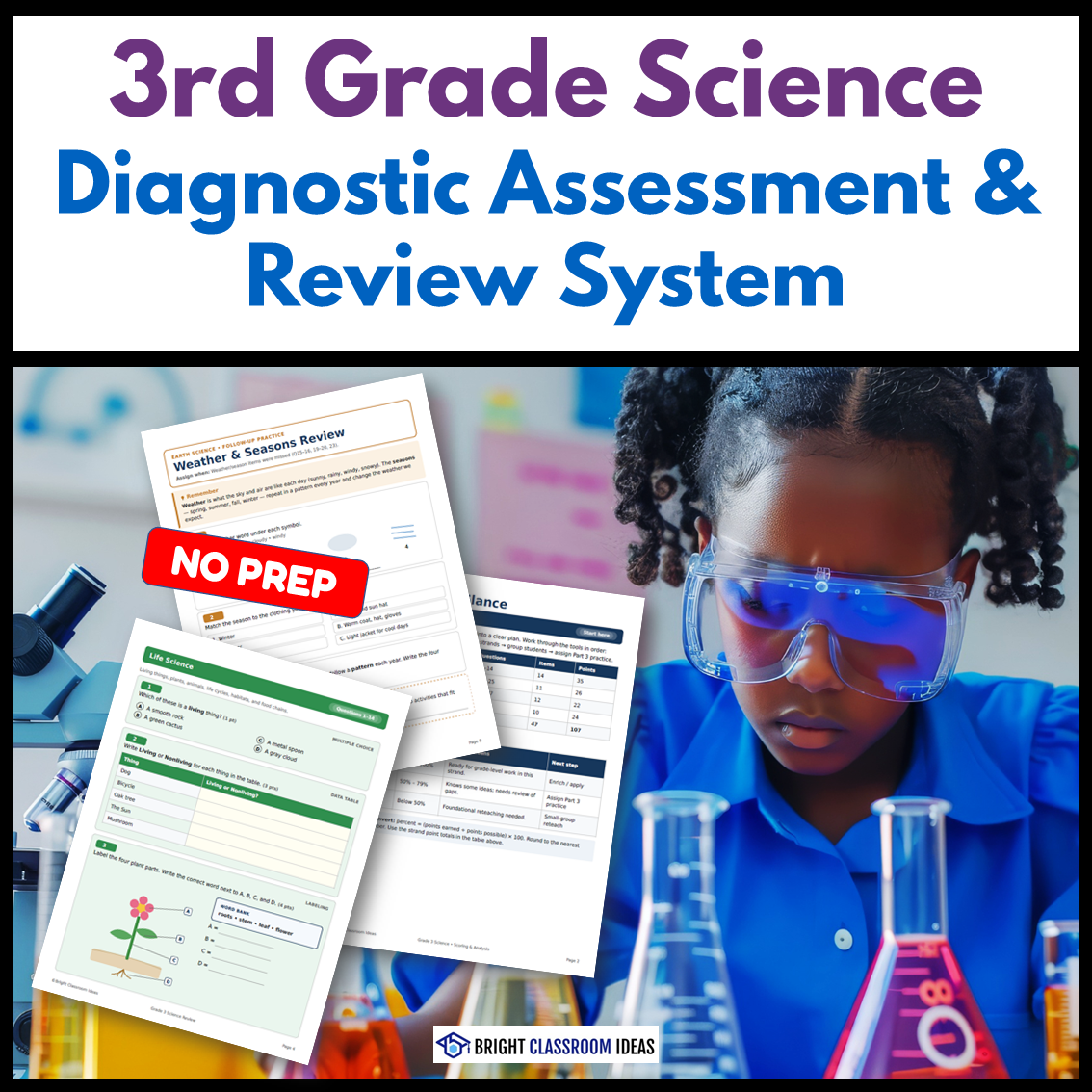
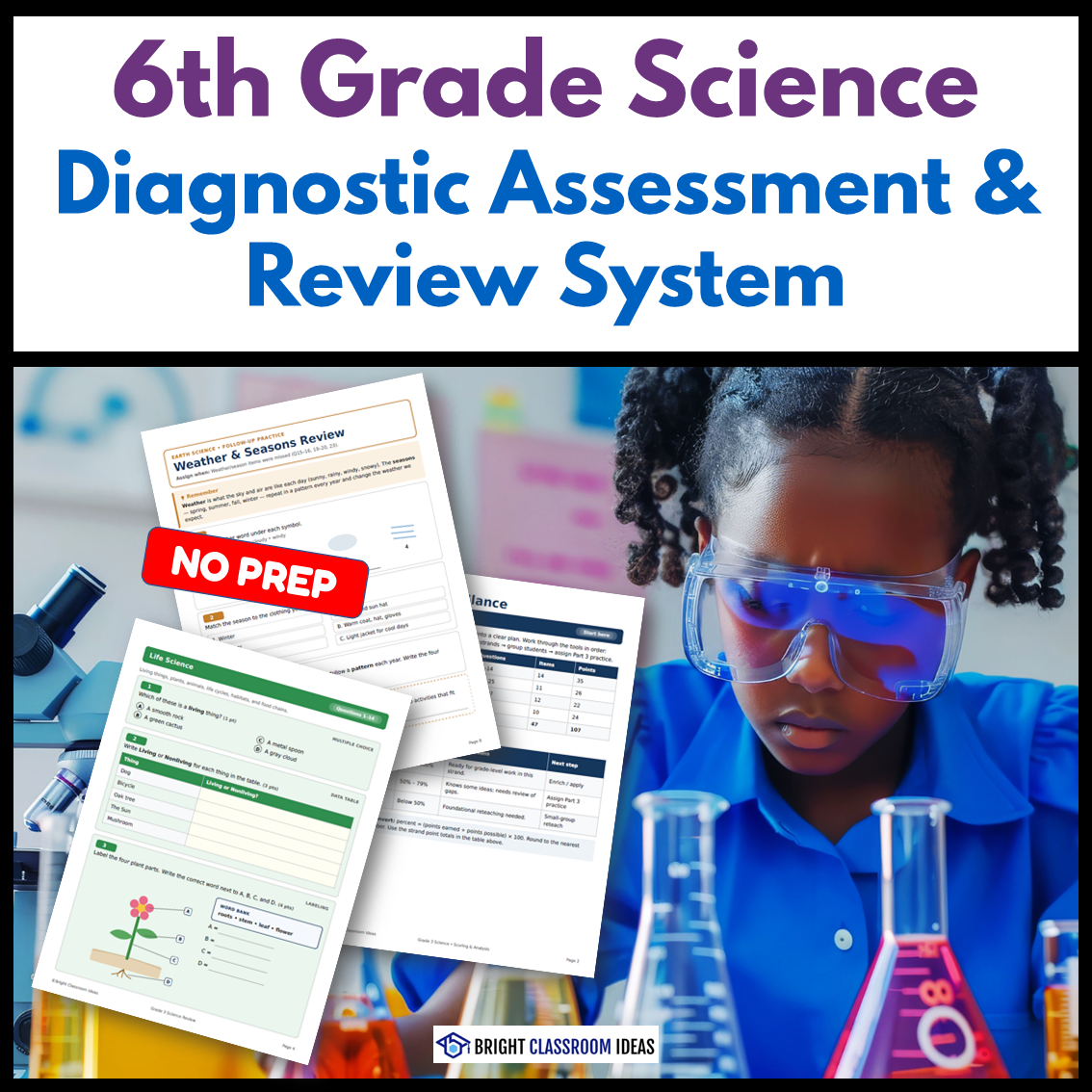
Start third grade with clearer data and a focused plan using this Grade 3 beginning of year math assessment . This visual third grade math diagnostic identifies strengths, skill gaps, and readiness across 14 essential strands—then connects results directly to targeted follow-up practice. With 39 questions covering place value, operations, multiplication and division foundations, fractions, graphs, and more, this resource helps you move from assess → analyze → group → reteach . What’s Included This third grade math assessment bundle provides a complete beginning-of-year diagnostic system: ✅ 39-question Student Math Assessment ✅ 14 essential math skill strands ✅ Clear, visual student-friendly layout ✅ Complete answer key for all 39 questions ✅ Teacher “what to look for” notes ✅ Common-error and misconception guidance ✅ 39-point scoring system ✅ Secure, Developing, and Emerging score bands ✅ One-page quick-grading answer grid ✅ Step-by-step administration guide ✅ Individual student scoring sheet ✅ Whole-class tracking grid ✅ Small-group planning guidance ✅ Standards alignment ✅ Reteaching roadmap ✅ 14 targeted follow-up practice pages ✅ Fresh practice problems different from assessment items ✅ Teacher answer strip for every practice page The answer key includes correct responses plus brief teacher notes designed to turn student errors into useful instructional information. How It Works in the Classroom Use this Grade 3 beginning of year math assessment during the first week or two of school to see which second-grade skills students bring into third grade. There is no time limit, and the assessment can be split into two shorter sittings. Students can show their thinking through regrouping marks, arrays, jottings, and number lines. Use this resource for: ⭐ Beginning-of-year math assessment ⭐ Back-to-school math diagnostic ⭐ Third grade math pre-assessment ⭐ Second-grade skills review ⭐ Small-group planning ⭐ Math intervention ⭐ Skill-based differentiation ⭐ Targeted reteaching ⭐ Independent follow-up practice ⭐ Student support planning After scoring, transfer results to the individual student sheet and whole-class tracking grid. The grid organizes performance across all 14 strands, helping you quickly spot shared needs and form skill-based groups. Then print only the follow-up practice pages each student or group needs. Part 4 includes one focused worksheet for every assessed strand, with fresh problems rather than repeated assessment questions. Standards & Learning Goals This third grade math diagnostic assessment checks readiness across 14 essential strands: 🔢 Place value to 1,000 ⚖️ Comparing three-digit numbers ➕ Multi-digit addition ➖ Multi-digit subtraction 📖 Word problems ✖️ Foundations of multiplication ➗ Foundations of division 💰 Money and change 🕒 Telling time and elapsed time 📏 Measurement 📊 Bar graphs ⭐ Picture graphs 🔷 2D and 3D shapes 🍕 Fractions as equal parts Students work with base-ten blocks, expanded form, digit value, comparing and ordering numbers, regrouping, one-step and two-step word problems, arrays, equal groups, repeated addition, equal sharing, money, change, analog clocks, elapsed time, rulers, scaled graphs, shape attributes, and fractions of wholes and sets. The included standards map provides illustrative Grade 2–3 Common Core references, including: 2.NBT.A.1 2.NBT.A.4 2.NBT.B.7 3.NBT.A.1–2 2.OA.A.1 2.OA.C.4 3.OA.A.1–2 3.OA.D.8 2.MD.A.1 2.MD.C.7–8 2.MD.D.10 3.MD.A.1 3.MD.B.3–4 2.G.A.1 2.G.A.3 3.G.A.1 3.NF.A.1 Because a beginning-of-year Grade 3 diagnostic naturally checks end-of-second-grade mastery and readiness for third-grade content, the alignment intentionally spans both grade levels. Why Teachers Love It ✨ See more than a total score. Results are broken down by skill strand for clearer instructional decisions. ✨ Save valuable planning time. The answer key, quick-grading grid, scoring sheet, and class tracker simplify your assessment workflow. ✨ Build purposeful small groups. Group students by shared needs instead of relying only on overall scores. ✨ Spot important misconceptions. Teacher notes help identify place-value confusion, regrouping errors, operation mistakes, and misunderstandings about equal groups. ✨ Check multiplication and division understanding early. Questions use arrays, repeated addition, sharing, and grouping—not only memorized facts. ✨ Differentiate without hunting for extra worksheets. Print the specific follow-up page each student or group needs. ✨ Use a truly actionable class tracker. The whole-class grid on page 4 displays all 14 strands side by side, making clusters of shared needs easier to identify for small-group planning. ✨ Move directly from assessment to reteaching. Practice pages cover place value, comparing, regrouping, word problems, multiplication, division, money, time, measurement, graphs, shapes, and fractions. Start the year knowing what your students understand and what they need next. Download this Grade 3 beginning of year math assessment to assess readiness, identify learning gaps, form targeted small groups, and provide focused follow-up practice from one coordinated resource. Perfect for teachers searching for a third grade math pre-assessment , back-to-school math diagnostic, Grade 3 readiness assessment, second-grade skills review, math intervention tool, or beginning-of-year math assessment with built-in scoring and reteaching support.
Author Bright Classroom Ideas Marketplace
Rating
Tags Math, Assessment, Practice, Back-to-school, Diagnostic
Reading Passages on Properties of Objects and Materials (Fillable PDF)
ELA, Reading, Reading Comprehension, Science, Physics, Common Core, ESL, Language Development, Vocabulary, Chemistry, Grade 2, 3, 4, Tests, Quizzes and Tests, Teacher Tools, Assessments, Worksheets, Worksheets & Printables, Centers, Activities
Reading Passages on Properties of Objects and Materials for Physical Science Snapshot Genre: Nonfiction Subject: Physical Science Primary Topic: Physical properties, matter, and changes of phase Estimated Guided Reading Level (A–Z): M What This Book Teaches Best It teaches how physical properties such as color, hardness, texture, size, shape, smell, melting point, and boiling point help identify substances. It explains how tools measure physical properties, including temperature, weight, length, and volume. It introduces classification by grouping matter into solids, liquids, gases, metals, and nonmetals. It explains states of matter and how atoms move differently in solids, liquids, and gases. It describes phase changes including melting, freezing, vaporization, and condensation. Learning Goals Students will identify observable physical properties used to describe materials. Students will explain how scientists use tools to measure temperature, length, weight, and volume. Students will classify examples of matter by state and by material type. Students will describe how atoms behave in solids, liquids, and gases. Students will explain how heat can cause melting, freezing, vaporization, and condensation. What's inside? Passage 1: Observable Physical Properties of Objects & Materials Passage 2: Measuring Physical Properties Passage 3: Classification of Matter Passage 4: States of Matter Passage 5: Change of Phase FILLABLE PDF VERSION Worksheet-style pages, but with type-in answer boxes so students can complete and save their work digitally. Other versions are available in the links list below or in the full catalog. FULL CATALOG OF DOWNLOAD LINKS HERE Grade 3/4 Links: Physical Science Part 1 - Properties of Objects and Materials Google Docs/Slides/Forms PDF PPT Word Free Supplementary Pack Accompanying Videos Physical Science Part 2 - Position and Motion of Objects Google Docs/Slides/Forms PDF PPT Word Free Supplementary Pack Accompanying Videos Physical Science Part 3 - Light, Heat, Electricity, Magnetism Google Docs/Slides/Forms PDF PPT Word Free Supplementary Pack Accompanying Videos Life Science Part 1 - Characteristics of Organisms Google Docs/Slides/Forms PDF PPT Word Free Supplementary Pack Accompanying Videos Life Science Part 2 - Life Cycles of Organisms Google Docs/Slides/Forms PDF PPT Word Free Supplementary Pack Accompanying Videos Life Science Part 3 - Organisms and Environments Google Docs/Slides/Forms PDF PPT Word Free Supplementary Pack Accompanying Videos Earth Science Part 1 - Properties of Earth Materials Google Docs/Slides/Forms PDF PPT Word Free Supplementary Pack Accompanying Videos Earth Science Part 2 - Changes in the Earth and Sky Google Docs/Slides/Forms PDF PPT Word Free Supplementary Pack Accompanying Videos Earth Science Part 3 - Objects in the Sky Google Docs/Slides/Forms PDF PPT Word Free Supplementary Pack Accompanying Videos For similar products and other frees, do check out Cored Group on TeachSimple .
Author Cored Education
Rating
Tags Science, Elementary, Reading, Comprehension, Physics, Physical Science, Reading Centers, Reading Comprehension Assessments, Science Assessments, Vocabulary Assessments
Entrepreneurship Basics – Business Plan Outline Worksheets
Math, Money, Resources for Teachers, Classroom Management, Community Building, Economics, Social Studies, Business, Life Studies, Finance, Homeschool Curriculum, Homeschool Templates, Grade 9, 10, 11, 12, Worksheets & Printables, Workbooks, Worksheets, Word Searches, Teacher Tools, Assessments, Lesson Plans, Quizzes and Tests, Quizzes, Tests
Looking for ways to turn your students into successful entrepreneur and not just someone who learns about entrepreneurship? This four-week entrepreneurship unit is full and does not require any prep time, but will give you everything that you need to take your Ninth to Twelfth grade students through the complete stages of creating a professional, investor-ready business plan. Most of these lessons are inspired by television programs such as "Shark Tank." The project-based teaching approach encourages students to go beyond just theory to be more involved with critical thinking, financial literacy, and strategic planning to fully realize their opportunity to create a new business. Since we have worked hard to develop a professional and academic tone, students will be ready to continue in their education with college level courses or to start their career in business. What's Included in This Comprehensive Resource? 32-pages of essential material and 7 modules on: Module 1: Foundational Content & Theory (10 Pages) includes 4 chapters breaking down large quantities of complex business information into smaller parts; taught through theoretical framework, real-world business case studies, and self-reflective prompts. Chapter Titles: - Anatomy of a Value Proposition - Market Analysis and Target Demographics (TAM, SAM, SOM) - Operational Mechanics of Revenue Model - Executive Summary and Pitch Module 2: The Student Workbook (11 Pages) is composed of 10 worksheets laid out sequentially to build the business plan. After the students have studied foundation content and developed new understanding of business concepts/foundational content, the students can use each module/workbook page as a way to apply the theory to their new business idea. The student workbooks will cover the following topics: - Executive Summary & Vision Casting - Identification of Problem and Value Proposition - Market Research and Target Audience Profile - Competitive Analysis and Differentiation - Product & Service Offering & Pricing Models - Marketing Strategy & Sales Channel - Operational Plans, Logistics, - Management Team & Strategic Partnerships - Financial Projections & Startup Costs - Risk Management & Contingency Planning Complete Teacher Resources (Phase 3 - 11 Pages): You've bought yourself the ultimate tool for easy implementation and grading! 3 Projectable Visual Aids: 3 clean projectable visuals explaining Business Plan Architecture, SWOT Analysis and the Break-Even Graph. Answer Key: Comprehensive answer key with example responses for each of the worksheets to support your grading. 4 Week Pacing Guide: Step-by-step implementation of the semester broken down into weeks, with detailed teacher strategies, classroom activities (such as the "60 Second Elevator Pitch"), and scaffolding suggestions. Differentiated Instruction: Detailed protocols on supporting your struggling learners and your advanced/gifted learners. Summative Assessment Rubric: A complete and detailed rubric for grading the final business plan and pitch so that you can save yourself hours of preparation time. This isn't just a pile of worksheets; it's a complete integrated curriculum to ignite the entrepreneurial spirit in your students. Download it now and give your students the skills they need to be successful! Keywords: Entrepreneurship, Business Plan, High School Business, CTE, Project-Based Learning, Shark Tank Project, Financial Literacy, Market Research, Student Workbook, Teacher Guide, Rubric, Differentiated Instruction, No Prep, DECA, FBLA. Why Do Parents/Schools Appreciate It? Real World Skill Development; The curriculum focuses not only on theoretical knowledge but also emphasizes developing real-world skills that students will use throughout their future career paths (Financial, Critical Thinking and Problem Solving, Professional Communication). Students will also develop hands-on skills through the completion of projects and activities within the curriculum. Engagement And Project Based Learning; Rather than memorizing words and definitions, students will create projects that allow them to connect theory to practice. The "Shark Tank" format allows students to be creative and take responsibility for their own learning. All-Inclusive And Easy To Use; The curriculum includes: lesson plans, worksheets, visual aids, answer keys, pacing guides and rubrics. This saves teachers an enormous amount of time when they begin implementing the curriculum. Preparation For Future College And Career Paths; The use of professional terminology and the curriculum content aligns with the expectations of colleges and universities, and prepares students for their future career path. All Learning Styles Are Accommodated; All students have a chance to get engaged in learning activities using differentiated strategies that provide support for all learners (struggling and advanced) to be engaged in meaningful learning and challenged at their appropriate level. The target audience for the Student Classes is Urban youth (ages 11-21) who are predominantly from lower-income households, and may possess limited life experience with regards to words. These individuals also have a higher likelihood of becoming entrepreneurs as a result of participating in activities that support entrepreneurship, such as an Entrepreneurship Program, or other business education opportunities. This presents a great opportunity for students enrolled in high school and post-secondary to gain knowledge about entrepreneurship as well as develop the skills necessary to become successful entrepreneurs through exposure, exposure to real-world applications and experiences, and actively participating in entrepreneurial-related programs. Our ultimate goal is to create a pathway for students to learn and implement their own ideas in order to become successful entrepreneurs; therefore, we believe there is a need for these target audiences. Creating and expanding these audiences will provide access to unique learning experiences, real-life situations and provide valuable business and entrepreneurship information to them (which can positively impact the economic condition of the community). Use of this Resource/Copyright: This book was published by Syed Hammad Rizvi. As an individual user and single classroom only, you do not have permission to change or distribute any portion of this Resource or sell any part for profit. In general, you cannot put this resource on the Internet so that others could find and download it for free. If you would want your colleagues to use this resource, you must buy extra licenses for them through Teachsimple. Thank you for following these Terms of Use. Thank you for using this resource created by Syed Hammad Rizvi
Author Creative Book Store
Rating
Tags Businessplanproject, Entrepreneurshipproject, Sharktankproject, Studententrepreneur, Highschoolbusiness, Businesscurriculum, Ctebusiness, Noprepbusiness, Decaproject, Fblaproject
UK/Aus English Verbs Practice Questions - Year 6-7 (PPT)
ELA, Language Development, ESL, Grammar, Common Core, Resources for Teachers, Grade 5, 6, 7, Quizzes and Tests, Teacher Tools, Tests, Assessments, Activities, Presentations, Quizzes
THIS IS THE UK/AUS ENGLISH SPELLING VERSION. CHECK THE CATALOG FOR THE ORIGINAL AMERICAN ENGLISH VERSION. Verbs Grammar Practice MCQS ELA MCQS Overview: In this series of lessons, students will embark on an engaging journey to explore the grammar skills that make our language vibrant and expressive. These lessons are crafted to help students identify, comprehend, and effectively apply language arts skills in both writing and speech. This UK/Aus English version is especially useful for schools, teachers, and families working with British-based spelling and language conventions. It is a helpful option for classrooms using UK curriculum expectations, international programmes influenced by British English, or any setting where learners need to practise the correct capitalisation and punctuation forms for that version of English. Verbs Overview: Action Verbs Helping Verbs Linking Verbs Additional Verbs Practice PPT Version This is the PPT editable and interactive version. There is a fillable answer sheet at the end. This download is available in GOOGLE Docs, GOOGLE Forms, GOOGLE Slides. PDF, PPT, WORD, check the links below for more details. FULL CATALOG OF DOWNLOAD LINKS HERE ELA Review Questions Overview Each review test includes three answer choices for every question, which helps keep things simple and manageable for students. The layout is clear and easy to follow, so students can focus on the questions instead of figuring out what to do. A few pictures are included on each test to make the pages feel a little more inviting and less overwhelming. A review sheet is also included, giving students a chance to go back over many of the main skills covered in the resource. Introduction or Example Sheet Each topic comes with an introduction or example sheet to look at before students begin. This gives students a clear starting point and helps them feel more prepared. It also lets them see what to expect before moving into the main work. For many students, it is a helpful way to quickly refresh the key ideas before they start practicing on their own. Full Answer Keys Full answer keys are included to make marking and checking work faster and easier. Sample responses are also provided where needed, especially for open-ended tasks. This can be a real time-saver on busy days and makes the resource more practical to use. Everything is there to help make planning, teaching, and checking student work feel a little more straightforward. For More Like This For similar downloads and other frees, do check out Cored Group on TeachSimple.
Author Cored Education
Rating
Tags Elementary, Answers, Ccss, Common Core, Grammar, Tests, Test Prep, Assessment, Grade 5, Grade 6
Chess Reading Comprehension Passage - Cored Ed Encyclopedia
ELA, Language Development, Reading Comprehension, Reading, Pre-Reading, Science, Social Studies, Geography, History, Technology, Grade 2, 3, 4, 5, Worksheets & Printables, Worksheets, Teacher Tools, Centers, Activities, Writing Prompts, Assessments, Quizzes and Tests, Quizzes, Lesson Plans
This chess reading comprehension with lesson plan includes: Visualization (on the front cover) Start your lesson by taking a minute to think and share something about the topic. Read the script aloud (slowly), perhaps prepare some music or sound effects. Student close their eyes and let their imaginations wander. Students open their eyes, read the question aloud and give them a few minutes to complete. Ask a few students to share or keep answers until the end to compare with what they learn in the passage. COMPANION VIDEO NOW AVAILABLE (EMBEDDED AFTER PREVIEW PICTURES IN PRODUCT DESCRIPTION) Quick pause—thousands of Cored Education products are included with your TeachSimple membership. Download links and encyclopedia index available here. Pre-Reading Trivia Students will write down one thing they already know about the subject and then read five more facts and discuss. These facts are fun, and the students will enjoy learning about the subject before reading more. Give 1 minute for students to write what they already know (no pressure—best guess is fine). Read the five facts together. After each fact, do ask a student for their opinion, was it surprising? Set a purpose by asking students to highlight/underline one fact they want to learn more about during the reading. Reading Passage The text is a high-interest reading passage with set paragraphs, roughly three to four paragraphs long. It contains a variety of themes about the topic, anywhere from history to technology. The passage is between 250 and 350 words in length. First, ask students to look at the headings and see what they’ll learn about today. What do they know about the topic/heading? First read options: Teacher read-aloud (best for support). Partner reading (paragraph by paragraph). While reading, students underline important details, and vocabulary words they think may come up in the questions section. Mixed Questions The first question page contains four multiple-choice questions, each with a choice of four answers, and three written response questions that require a sentence or two from the student. Students complete the mcqs first independently, then review quickly as a class. For the 3 written responses, try to get students giving the answer with some form of evidence: “I think ___ because the text says ___.” If students get stuck, send them back to check the passage. Vocabulary Questions Practice seven key words from the text in this section across two activities. First section is scrambled words where students will unscramble three words given a clue for each. The second section is a word to meaning matching activity. Before starting, have some students read out words they underlined in the passage. Ask students to say the word and read aloud the sentence(s) around each word. Ask students to do scrambled words and the matching exercise in pairs then go through answers as a class. For the scrambled spelling task, get four pairs to come up to the board and write the words for extra practice with the other student reading out the clue. For the matching task, prompt students to give full sentences: “I matched ___ with ___ because ___.” Creative Writing In this question, the student will be required to write a five to eight sentence paragraph on a question related to the topic. Before starting, ask students write down 3 key ideas they are going to include in their piece. Ask students for ideas to share around the class to help those struggling. Pro writing expectations: 5–8 sentences At least 2 facts or details from the passage At least 2 vocabulary words from the previous page Students read their paragraphs while classmates listen for facts and vocabulary words. Extension Activities This page is optional for fast finishers or to take home. There are several activities, each one requiring a different skill. Do some, do none, do all, completely optional - but you will feel reassured knowing every possibility is planned for. Includes summary writting question and additional facts. Answer Key There are answers for the multiple-choice questions, written response questions have sample answers, vocabulary answers and if there is a summary question then a sample summary will be provided as well. Lesson Plan Included Customized lesson plan for this lesson is included. Lesson Snapshot Title: Chess Genre: Nonfiction (informational passage with headings) Subject: Reading (Informational Text) / Social Studies (history & culture) Primary Topic: How chess works and how it changed over time Estimated Guided Reading Level (A–Z): Q What This Lesson Teaches Best Introduces key basics of the game (64 squares, 16 pieces, and the goal of checkmate). Traces chess’s spread across places and cultures (India → Persia → Muslim world → Europe). Explains how rules changed over time (the queen and bishop gaining powerful moves in the late 1400s). Uses a chronological, heading-based structure to show history in clear sections (early origins, Europe, tournaments, computers). Connects chess to modern competition and technology (international tournaments, FIDE, computers like Deep Blue). Learning Goals Students will describe the chessboard and starting pieces using details from the passage. Students will explain what “checkmate” means in the passage. Students will identify where the passage says chess traveled and what it was called in different places. Students will describe the late-1400s rule change mentioned and how it affected games. Students will summarize how chess moved into public life and became an international sport. Students will explain one way computers affected chess, based on the passage. Key Vocabulary From the Text checkmate — the king is trapped with no safe move. ancestor — something that came earlier than something else. chaturanga — an early India game linked to chess. tournament — a contest with many games. calculating — working things out by thinking ahead. FULL CATALOG OF DOWNLOAD LINKS AND ENCYCLOPEDIA INDEX HERE
Author Cored Education
Rating
Tags Vocabulary, Reading Comprehension, Reading Passages, Lesson Plans, Ela Lesson Plans, Reading Comprehension Lesson Plans, Pre-reading, Geography, Social Studies Lesson Plans, History
The Emperor’s New Clothes Lapbook Project ELA Grades 3 4 5
ELA, Language Development, ESL, Reading Comprehension, Reading, Strategies, Literature, Literary Devices, Children’s Literature, Grade 3, 4, 5, Centers, Activities, Crafts, Projects, Assessments, Teacher Tools, Graphic Organizers, Templates
Start the parade through the classic tale of The Emperor’s New Clotheswith this The Emperor’s New ClothesLapbook Project! Perfect for reading classes, ELA activities, reading centers, reading comprehension supplemental tool, reading project, subplan and so much more! What’s Inside: 3 The Emperor’s New ClothesLapbook Leveled Reading Passages (Easy, Average, Hard) 6 The Emperor’s New ClothesLapbook Customizable Lapbook Covers 2 The Emperor’s New ClothesLapbook Name Page Formats (for solo or group project) 1 The Emperor’s New ClothesLapbook Inner Overlap Template 3 The Emperor’s New ClothesLapbook Story Summary Pages 2 The Emperor’s New ClothesLapbook Moral Message Pages 2 The Emperor’s New ClothesLapbook Event Pockets 6 The Emperor’s New ClothesLapbook Story Sequence Cards 3 The Emperor’s New ClothesLapbook Sets of Sequence Cards (graded by difficulty – 6 per set) 6 The Emperor’s New ClothesLapbook Retelling Cards 1 The Emperor’s New ClothesLapbook Character Traits Fold 1 The Emperor’s New ClothesLapbook Setting Fold to 1 The Emperor’s New ClothesLapbook Extra Info Fold 1 The Emperor’s New ClothesLapbook Story Review Page 1 The Emperor’s New ClothesLapbook Personal Reflection Fold
Author It's Teacher L
Rating
Tags The Emperor's New Clothes, Reading Comprehension, Fairy Tale, ELA Project, Reading Centers
Diving Reading Comprehension Passage - Cored Ed Encyclopedia
ELA, Language Development, Resources for Teachers, Reading Comprehension, Reading, Pre-Reading, Writing, Sports, P.E. & Health, Strategies, Grade 2, 3, 4, 5, Worksheets & Printables, Worksheets, Teacher Tools, Centers, Activities, Writing Prompts, Assessments, Tests, Quizzes and Tests, Quizzes
This diving reading comprehension contains the following: Pre-Reading Trivia Students will write down one thing they already know about the subject and then read five more facts and discuss. These facts are fun, and the students will enjoy learning about the subject before reading more. Reading Passage The text is a high-interest reading passage with set paragraphs, roughly three to four paragraphs long. It contains a variety of themes about the topic, anywhere from history to technology. The passage is between 250 and 350 words in length. Mixed Questions The first question page contains four multiple-choice questions, each with a choice of four answers, and three written response questions that require a sentence or two from the student. Creative Writing In this question, the student will be required to write a five to eight sentence paragraph on a question related to the topic. Extension Activities This page is optional for fast finishers. If there are five to ten minutes left at the end of the lesson, the student can choose one of three activities, each one requiring a different skill. Answer Key There are answers for the multiple-choice questions and three written response questions have sample answers. FULL CATALOG OF DOWNLOAD LINKS AND ENCYCLOPEDIA INDEX HERE Cored Ed Encyclopedia Overview The Cored Ed Encyclopedia is a weekly series of lessons that you can pick up and use right away. These short readings fit into whatever time you have available. Each one includes a warm-up, a reading, and a set of questions, but it’s flexible — you can do just the reading, the full lesson, or skip the writing section if you need to. Each lesson focuses on a single topic so students don’t get lost. The writing is clear but never childish, making it perfect for grades two through five. Topics range from animals and science to history, inventions, and everyday things. No matter the level of the student, everyone should take away at least one new idea or fact from each lesson. The materials are easy to print, easy to explain, and require no setup. They work well for whole-class teaching, partner work, or independent study.
Author Cored Education
Rating
Tags Vocabulary, Spelling, Reading Comprehension, Reading Passages, Cored Encyclopedia, Facts, Reading, Creative Writing, Diving, Sports
High School Amphibians Reading Passage Bundle
ELA, Reading, Reading Comprehension, Science, Life Sciences, Animals, Biology, Resources for Teachers, High School, Homeschool Resources, Teacher Tools, Assessments, Worksheets & Printables, Writing Prompts, Quizzes and Tests, Rubrics, Lesson Plans
As a homeschool mom of a high schooler and a passionate resource creator, I know firsthand how challenging it can be to find engaging, rigorous science materials that truly captivate older learners. That exact struggle inspired me to design this comprehensive, High School Amphibians Reading Passage Bundle resource focused entirely on the fascinating biology of amphibians. Whether you are guiding your teenager through independent study or building a robust weekly science unit, this High School Amphibians Reading Passage Bundle resource transforms complex ecological concepts into clear, digestible learning milestones. Furthermore, my goal was to save you countless hours of planning by bundling an information-rich reading passage, extensive critical thinking prompts, note-taking sheets, academic vocabulary tools, and a complete assessment framework into one cohesive bundle. INCLUDED IN THIS RESOURCE: Comprehensive text covering amphibian biology and evolution. Analytical questions with paragraph-format answer keys. Forty terms with parts of speech, definitions, and quizzes. Detailed grading structures, scales, and complex rubrics. TOPICS COVERED: Gas exchange via permeable skin barriers. Thyroxine-driven developmental transformations. Predator-prey dynamics in global food webs. Chytrid fungi and anthropogenic extinction threats. Investing in this carefully curated High School Amphibians Reading Passage Bundle will elevate your high school science curriculum while bringing excitement back into your daily homeschool routine. By combining rigorous academic content with practical, time-saving printables and transparent rubrics, you can foster a genuine appreciation for evolutionary biology without the stress of heavy lesson planning. Truly, this resource bridges the gap between high-level scientific inquiry and accessible home education, ensuring both you and your teenager achieve academic success. Grab your copy today and watch your high schooler transform into a confident, scientifically literate steward of the natural world. If you and your students/homeschoolers enjoyed this resource, please leave a review. Thank you for your support! Tina - Big Easy Homeschooling Mom
Author Homeschool with Big Easy Homeschooling Mom
Rating
Tags Biology Lesson
AI for Kids: Understanding Artificial Intelligence Book
Science, Technology, Computer Science, Engineering, Special Resources, Life Skills, Special Education Needs (SEN), STEM, Research, Resources for Teachers, Grade 6, 7, 8, 9, 10, 11, 12, Projects, Activities, Teacher Tools, Assessments, Lesson Plans, Presentations, Literacy Readers, Quizzes and Tests, Quizzes, Tests
Uncover the amazing world of Artificial Intelligence with AI for Kids by Syed Hammad Rizvi – the best easy to read and conceptual book about what AI is for kids! This 315 page long book has no coding requirement; instead, it presents many complicated ideas such as; machine learning, algorithms, deep learning, data patterns, ethical AI & bias, quantum computing, autonomous vehicles, robotics, and The Future of AI (including the singularity and AGI) in an interesting and fun way by using many familiar analogies that can be easily understood (i.e. Lego sorting, riding a bike, master cooks). AI for Kids is perfect for kids who want to learn how Siri, Netflix recommendations, facial recognition, and ChatGPT actually work without any programming or technical knowledge! There are 151 short chapters filled with real-life examples appropriate for children, and the information in these chapters empowers children. The book can be used as a tool to create interest in STEM subjects, or as an educational resource to be used at home, school, in after-school STEM clubs, or at night before bed to build AI literacy and inspire future generations of innovators, ethicists, and thinkers! Keywords: AI, kids, artificial intelligence, machine learning simply explained, neural networks beginners, ethical AI & the future of AI, no coding AI, STEM children 8-14. Here's what Parents & Schools find appealing about this Read: - No technical overwhelm – just follow AI concepts with relatable analogies to make it easy to understand & fun for kids. - Covers every aspect of AI within 151 bite-sized chapters (history, how AI learns, applications in health care, gaming & robotics, ethics, bias, jobs of the future) – this one book replaces the need for many resources. - Build early critical thinking skills and digital citizenship skills by getting children thinking critically about AI choices, identifying biased information, and preparing children for careers related to AI. - Very versatile for classroom/homeschooling use – short chapters, discussion prompts, & real-life examples are well-suited to be used as part of lessons/projects or for independent reading. - Future-proof & aspirational – encourages children to believe they can influence AI positively, while dreaming of careers such as “AI Ethicist" or "Human-AI Team Coordinator." Target Audience (Based on Complete Analysis of Book): The title and content are explicitly created for kids, with simple formats (analogies, short chapters), questions and real-life examples being used throughout all 151 chapters (from basics at Chapter 1 to complex concepts such as singularity, quantum AI, bias, ethics and future impact in the other chapters). The content continually uses easy-to-understand language to help engage kids, even through some of the most trying sections (example of AGI: like a true thinker who could write novels and create music; bias, using the analogy of a warped photograph; and food science using the analogy of a digital chef). While the book does not provide any required ages/grades, the depth of material (differentiating between narrow/general AI, explaining XAI, discussing the predictive policing debate, interdisciplinary teams, and impact on society) and no requirement of coding make it appropriate for children age 8-14 (grades 3-8 / upper elementary and middle school). Younger children (grades 3-5) will enjoy the fun stories and introduction of subject matter, while older children (grades 6-8) will understand the ethical aspects of these technologies and their potential future career opportunities as well as understand how these technologies apply to the real world and benefit society through further learning. This book would be a good resource for homeschoolers, teachers, gifted programs and any student who has an interest in technology. It will be too basic for high school students but will provide a solid foundation and valuable supplemental material. Copyright Terms: This book is protected by copyright as established by Syed Hammad Rizvi. This material is intended for individual use and for use in a single classroom. You cannot modify, distribute, or sell this material. In other words, you can’t post this material online where it has the potential of being found & downloaded by others. If you would like to share this material with teachers, please purchase an additional license from Teachsimple. Thank you for your cooperation with these copyright terms! This product is gratefully provided by Syed Hammad Rizvi.
Author Creative Book Store
Rating
Tags ArtificialIntelligence, STEM, STEMeducation, KidsSTEM, HomeschoolSTEM, TeacherResources, NeuralNetworksForKids, ChatGPTforKids, AIethicsForKids, FutureOfAI
Foundation End-of-Term Mathematics Review Pack | Australian Curriculum
Math, Kindergarten, Assessments, Teacher Tools, Lesson Plans, Worksheets & Printables
Foundation End-of-Term Mathematics Review Workbook Pack | Australian Curriculum Help your youngest learners build confidence and celebrate everything they have learned with this comprehensive Foundation End-of-Term Math Review Workbook . Designed specifically for Foundation, Prep, and Kindergarten students, this engaging resource reviews essential early math skills through hands-on activities, counting practice, number recognition, shapes, patterns, simple addition and subtraction, measurement, and data activities. Perfect for end-of-year review, assessment, intervention, or home learning support. What's Included 40-page Foundation Math Review Workbook Complete Teacher's Guide Full Answer Key 12 review sections Counting activities to 10 and 20 Number recognition and number writing practice Ordering and comparing numbers Simple addition activities Simple subtraction activities Pattern recognition and creation tasks Shape identification and sorting activities Measurement and comparison activities Position and location practice Sorting and picture graph activities Family note Student certificate Progress tracking chart Skills Covered Number & Algebra Counting to 10 Counting to 20 Number Recognition & Writing Ordering & Comparing Numbers Simple Addition Simple Subtraction Patterns Measurement & Space Shapes Shapes Around Us Measurement: Compare & Order Position & Place Statistics Sorting & Picture Graphs How It Works in the Classroom This Kindergarten Math Review Workbook uses short, engaging activities designed specifically for young learners. Students count, trace, color, match, draw, sort, and talk through mathematical concepts using large visuals and minimal text. Activities encourage hands-on learning and help children demonstrate their understanding in developmentally appropriate ways. Perfect for: End-of-year review Foundation and Kindergarten classrooms Small group instruction Math centers Independent practice Homework Summer review Early intervention Home-school support Assessment evidence collection The teacher guide recommends short, playful learning sessions and provides pacing suggestions that support student success while keeping learning fun and engaging. Standards & Learning Goals Aligned to the Australian Curriculum v9.0 Mathematics and supporting: AC9MFN01 AC9MFN02 AC9MFN03 AC9MFN04 AC9MFN05 AC9MFA01 AC9MFSP01 AC9MFSP02 AC9MFM01 AC9MFM02 AC9MFST01 Students will practice: Counting and comparing collections Number recognition and sequencing One more and one less Early addition and subtraction Pattern recognition Shape identification Measurement language Positional vocabulary Sorting and classifying objects Reading simple picture graphs This resource provides meaningful opportunities for students to demonstrate mastery of Foundation mathematics outcomes through hands-on activities and mathematical discussion. Why Teachers Love It ⭐ Developmentally appropriate for Foundation and Kindergarten students ⭐ Large visuals and minimal text support early learners ⭐ Ready-to-print workbook, answer key, and teacher guide included ⭐ Covers the major Foundation mathematics strands ⭐ Supports assessment and progress monitoring ⭐ Encourages hands-on learning and mathematical conversation ⭐ Excellent for review, intervention, and home practice ⭐ Easy-prep resource that saves valuable planning time ⭐ Includes student certificate and progress tracker for motivation ⭐ Supports confidence building before Year 1 transition If you're looking for a playful, comprehensive Foundation Math Review Workbook that helps students strengthen essential early math skills while building confidence for Year 1, this resource is ready to support your classroom. Download today and give your students meaningful review activities that make learning fun and engaging.
Author Bright Classroom Ideas Marketplace
Rating
Tags Math, Winter, Review, End-of-term, Lesson, Worksheet
Basketball Reading Comprehension Passage - Cored Ed Encyclopedia
ELA, Language Development, Resources for Teachers, Reading Comprehension, Reading, Pre-Reading, Creative Writing, Writing, Sports, P.E. & Health, Grade 2, 3, 4, 5, Worksheets & Printables, Worksheets, Teacher Tools, Centers, Activities, Writing Prompts, Assessments, Tests, Quizzes and Tests, Quizzes
This basketball reading comprehension contains the following: Pre-Reading Trivia Students will write down one thing they already know about the subject and then read five more facts and discuss. These facts are fun, and the students will enjoy learning about the subject before reading more. Reading Passage The text is a high-interest reading passage with set paragraphs, roughly three to four paragraphs long. It contains a variety of themes about the topic, anywhere from history to technology. The passage is between 250 and 350 words in length. Mixed Questions The first question page contains four multiple-choice questions, each with a choice of four answers, and three written response questions that require a sentence or two from the student. Creative Writing In this question, the student will be required to write a five to eight sentence paragraph on a question related to the topic. Extension Activities This page is optional for fast finishers. If there are five to ten minutes left at the end of the lesson, the student can choose one of three activities, each one requiring a different skill. Answer Key There are answers for the multiple-choice questions and three written response questions have sample answers. FULL CATALOG OF DOWNLOAD LINKS AND ENCYCLOPEDIA INDEX HERE Cored Ed Encyclopedia Overview The Cored Ed Encyclopedia is a weekly series of lessons that you can pick up and use right away. These short readings fit into whatever time you have available. Each one includes a warm-up, a reading, and a set of questions, but it’s flexible — you can do just the reading, the full lesson, or skip the writing section if you need to. Each lesson focuses on a single topic so students don’t get lost. The writing is clear but never childish, making it perfect for grades two through five. Topics range from animals and science to history, inventions, and everyday things. No matter the level of the student, everyone should take away at least one new idea or fact from each lesson. The materials are easy to print, easy to explain, and require no setup. They work well for whole-class teaching, partner work, or independent study.
Author Cored Education
Rating
Tags Vocabulary, Spelling, Reading Comprehension, Reading Passages, Cored Encyclopedia, Facts, Reading, Creative Writing, Basketball, Sports
Blue Light Blocking & Circadian Rhythm Trackers
Science, Physics, Chemistry, STEM, Resources for Teachers, Classroom Management, Community Building, Earth and Environmental Sciences, Research, P.E. & Health, Homeschool Curriculum, Homeschool Templates, Grade 8, 9, 10, 11, 12, Worksheets & Printables, Workbooks, Worksheets, Word Searches, Teacher Tools, Lesson Plans, Quizzes and Tests, Quizzes, Tests, Assessments
Are your students tired? Do they struggle with morning fatigue, yet stay glued to their screens late into the night? It's the paradox of modern adolescence. This comprehensive, project-based learning (PBL) module transforms their struggle into a powerful scientific investigation. Turn Students into Scientists with This Hands-On Health Project! Instead of just telling students that "screens are bad for sleep," this resource empowers them to prove it to themselves. "The Screen Time & Sleep Experiment" is a rigorous, 4-week unit that guides students through an N-of-1 trial—a personal experiment where they are both the researcher and the subject! Students will learn the deep neurobiology behind sleep (melatonin, suprachiasmatic nucleus, ipRGCs) and then apply it by tracking their own data. They will use detailed logs to correlate evening screen time with critical metrics like Sleep Onset Latency (SOL) and Morning Energy Levels . This isn't just a worksheet; it's a journey of self-discovery that builds critical life skills. What's Included in This 36-Page Turnkey Resource? Part 1: The Empirical Approach to Sleep Hygiene (11 Pages): A detailed, student-facing guide explaining the science of circadian rhythms, melatonin suppression, photic vs. cognitive arousal, and intervention strategies. Part 2: Student Workbook (16 Pages): Features 10 detailed worksheets that guide students through every phase of their experiment—from establishing a baseline to tracking interventions (software filters, blue-light glasses), analyzing data, and creating a sustainable personal sleep protocol. Part 3: Visuals & Teacher Resources (9 Pages): Everything you need to facilitate the project with confidence. This section includes: High-resolution conceptual diagrams (flowcharts, scatter plots). A comprehensive, fill-in-the-blank Answer Key. A detailed Teacher Implementation Guide with a 4-week pacing plan, advice on navigating subjective data, and strategies for ensuring student privacy. Why This Project is a Game-Changer for Your Classroom: Relevant & Engaging: Tackles a real-world issue that directly impacts every student's daily life, health, and academic performance. Promotes Scientific Literacy: Students practice the scientific method, collect and analyze quantitative data, identify confounding variables, and distinguish correlation from causation. Cross-Curricular: Perfect for Health, Biology, AP Psychology, Human Anatomy & Physiology, and even Statistics classes. Builds Digital Citizenship & SEL: Encourages self-regulation, mindfulness about technology use, and empowers students to take control of their own well-being. Give your students the "aha!" moment they need to understand the invisible mechanics of their own biology. Equip them with the knowledge and skills to navigate the digital age in a healthy, productive way. Download this print-and-go resource today! Keywords: Sleep Hygiene, Screen Time, Blue Light, Circadian Rhythm, Health, High School, Biology, AP Psychology, Project-Based Learning (PBL), Data Tracking, Scientific Method, Melatonin, Digital Citizenship, Health and Wellness, Student Experiment, Lab Report. Why Parents/Schools Love It: Turns a Problem into a Project: It addresses the universal struggle over teen screen time not with lectures, but with an empowering, student-led scientific investigation. Fosters Self-Responsibility: By using their own data, students see the direct consequences of their habits, leading to intrinsic motivation for change that is far more effective than parental nagging. Teaches Critical 21st-Century Skills: This goes beyond biology; it teaches data literacy, critical thinking, self-regulation, and how to create a healthy work-life-tech balance. It’s a Complete, Turnkey Solution: The resource is a comprehensive package with a student guide, workbook, and a full teacher implementation guide, making it easy for any educator to run a high-quality, impactful project. Target Audience: Student Classes : Based on the explicit mention of "Grade 11 Health students" and the academic rigor of the content, target: Primary Target: High School Health and Wellness Classes (Grades 10-12) . This is a perfect fit. Secondary Targets: Biology / AP Biology: Excellent for units on the human endocrine system, nervous system, or homeostasis. AP Psychology: Perfect for units on sleep, consciousness, and sensation. Human Anatomy & Physiology: Fits into studies of the nervous and endocrine systems. Statistics: The data collection and analysis component makes it a fantastic real-world project. Copyright/Terms of Use: This Book was copyrighted by Syed Hammad Rizvi. This resource is for personal and single classroom use only. You may not alter, redistribute, or sell any part of this resource. In other words, you may not put it on the Internet where it could be publicly found and downloaded. If you want to share this resource with colleagues, please purchase additional licenses from Teachsimple. Thank you for respecting these terms of use. This product is happily brought to you by Syed Hammad Rizvi
Author Creative Book Store
Rating
Tags ScreenTime, SleepHygiene, ProjectBasedLearning, PBL, HighSchoolHealth, HighSchoolBiology, Health Education, ScienceTeacher, DigitalCitizenship, StudentWellness
Science Reading Passages on Physical and Chemical Properties (Word)
ELA, Reading, Reading Comprehension, Science, Physics, Common Core, ESL, Language Development, Vocabulary, Chemistry, Grade 5, 6, 7, Worksheets & Printables, Worksheets, Teacher Tools, Assessments, Tests, Quizzes and Tests
Reading Passages on Physical and Chemical Properties for Physical Science (Biology) Physical and Chemical Properties: Reading Passages Physical Science - Stimulate renewed enthusiasm and curiosity in the realm of science with these vibrant science reading comprehension lessons. Bursting with vivid colors and engaging topics, these resources are designed to captivate and motivate your students, urging them to delve deeper into their scientific explorations. And the best part? As an educator, you can be at ease and confident in the effectiveness of these lessons, knowing that a significant portion of the groundwork and preparation has been meticulously taken care of for you, making the teaching process smoother and more enjoyable. What's inside? Physical & Chemical Properties Reading Passage1: Measuring Matter: Mass, Volume, and Density Reading Passage2: Physical and Chemical Properties of Matter Reading Passage 3: Physical and Chemical Changes in Matter Reading Passage4: Atoms, Elements, and Compounds Reading Passage5: Chemicals: Helpful and Harmful Product Info: 40 pages Teaching Duration: 2 Weeks Science Reading Comprehension Outline: Introducing a comprehensive resource tailored for 5th and 6th graders, this product offers enriching reading passages supplemented with illustrative pictures and graphs to clarify key concepts. Aligned with the Common Core State Standards (CCSS), it offers a hassle-free approach to teaching, given that the bulk of the preparation is already done for you. The passages present a diverse set of questions – from multiple choice to data analysis and fill-in-the-blanks. This ensures a rich blend of high-interest content and fundamental curriculum -based science themes. With its versatility, you can seamlessly integrate these lessons into various classroom settings, whether it's whole class discussions, morning exercises, independent desk tasks, small group engagements, contingency plans for substitute teachers, regular homework assignments, or even themed activities for holidays. FULL CATALOG OF DOWNLOAD LINKS HERE Grade 5/6 Links: Physical Science Part 1 - Physical and Chemical Properties Google Docs/Slides/Forms PDF PPT Word Free Supplementary Pack Accompanying Videos Physical Science Part 2 - Motion and Energy Google Docs/Slides/Forms PDF PPT Word Free Supplementary Pack Accompanying Videos Physical Science Part 3 - Electricity and Magnets Google Docs/Slides/Forms PDF PPT Word Free Supplementary Pack Accompanying Videos Life Science Part 1 - Cells, Reproduction and Genetics Google Docs/Slides/Forms PDF PPT Word Free Supplementary Pack Accompanying Videos Life Science Part 2 - Human Body Systems Google Docs/Slides/Forms PDF PPT Word Free Supplementary Pack Accompanying Videos Life Science Part 3 - Plant Parts and Ecosystems Google Docs/Slides/Forms PDF PPT Word Free Supplementary Pack Accompanying Videos Earth Science Part 1 - Plate Tectonics and Rock Cycle Google Docs/Slides/Forms PDF PPT Word Free Supplementary Pack Accompanying Videos Earth Science Part 2 - Ocean Exploration and Natural Resources Google Docs/Slides/Forms PDF PPT Word Free Supplementary Pack Accompanying Videos Earth Science Part 3 - Weather and Solar System Google Docs/Slides/Forms PDF PPT Word Free Supplementary Pack Accompanying Videos For similar products and other frees, do check out Cored Group on TeachSimple .
Author Cored Education
Rating
Tags Science, Elementary, Reading, Comprehension, Vocabulary, Physics, Physical Science, Common Core, Word, Editable
2nd Grade Morning Work | 180 Days of Daily Spiral Review | Math & ELA
ELA, Math, Grade 2, Assessments, Teacher Tools, Lesson Plans, Worksheets & Printables
Grade 2 Morning Work | 180 Days of Daily Spiral Review | Math & Reading Bell Ringers | Print & Go Make mornings meaningful with this Grade 2 Morning Work resource featuring 180 days of daily spiral review for math and reading! Designed to build strong academic routines while reinforcing essential second grade skills, this no-prep resource helps students review previously taught concepts through engaging daily practice. Every day includes reading, language, math, critical thinking, and social-emotional learning activities, making it the perfect way to start the school day with confidence and consistency. What's Included 180 days of printable morning work Two-page daily format (360 student pages) Daily Reading & Language activities: Prefixes & suffixes Grammar Reading comprehension passages with questions Vocabulary word of the day Writing prompts Reading challenges SEL morning check-ins Fun facts Daily Math & Thinking activities: Addition Subtraction Money Telling time Measurement Graphs Fractions Math challenges Brain teasers Jokes Growth mindset quotes Would You Rather prompts Teacher Guide 36-week Pacing Guide Skills Checklist for assessment Editable Morning Work Schedule (Word & PDF) Complete Answer Key for all 180 days How It Works in the Classroom This Grade 2 Morning Work resource is designed for a predictable 15-minute daily routine but is flexible enough for a variety of classroom needs. Perfect for: Morning work Bell ringers Daily spiral review Independent practice Homework Early finisher activities Math and reading centers Small group warm-ups RTI and intervention Test review Emergency sub plans The consistent daily format helps students build independence while giving teachers valuable time to greet students, monitor learning, conference individually, or work with small groups. Standards & Learning Goals This resource reinforces a broad range of Grade 2 skills throughout the school year, including: Reading & Language Arts Prefixes and suffixes Grammar and conventions Reading comprehension Vocabulary development Writing Reading fluency Academic language Critical thinking Math Addition and subtraction Money Telling time Measurement Graphs and data Fractions Multi-step problem solving Students also strengthen: Reading stamina Daily writing skills Social-emotional learning Growth mindset Independent work habits Consistent review of previously taught skills through spiral practice Why Teachers Love It ❤️ Zero prep—simply print and teach ❤️ Covers an entire 180-day school year ❤️ Daily spiral review helps improve long-term retention ❤️ Reading and math are combined in one easy-to-use resource ❤️ Includes engaging passages, real-world math, and higher-order thinking ❤️ Difficulty increases throughout the year to match student growth ❤️ Includes editable planning tools, pacing guides, and assessment checklists ❤️ Great for classrooms, homeschool, intervention, and substitute teachers Perfect For Grade 2 Classrooms Homeschool RTI & MTSS Morning Work Bell Ringers Spiral Review Independent Practice Early Finishers Homework Literacy Centers Math Review Test Prep If you're looking for a Grade 2 Morning Work resource that combines engaging reading practice with meaningful math review, this comprehensive 180-day spiral review is an easy, no-prep solution that supports student success from the first day of school through the last. Download today and create a consistent morning routine that saves planning time while keeping students engaged every single day!
Author Bright Classroom Ideas Marketplace
Rating
Tags Ela, Math, Morning Work, Spiral, Review, Daily, Yearlong, Full Year
Gig Economy Taxes & 1099 Forms
Math, Money, Statistics, Resources for Teachers, Classroom Management, Community Building, STEM, Special Resources, Life Skills, Social Emotional Learning (SEL), Grade 6, 7, 8, 9, 10, 11, 12, Worksheets & Printables, Workbooks, Worksheets, Word Searches, Teacher Tools, Assessments, Lesson Plans, Quizzes and Tests, Quizzes, Tests
Are your students babysitting, driving for DoorDash, selling on Etsy, or freelancing online? They're not just earning money—they're running a business. Prepare them for the real world of independent work with this comprehensive, no-prep unit on Gig Economy Taxes and the 1099-NEC form. This resource is expertly designed to bridge the gap between abstract economic theory and the immediate financial realities facing today's teens. Move beyond basic budgeting and empower your students with the critical knowledge to avoid the dreaded "tax shock" that derails so many young entrepreneurs. This is a must-have for any Personal Finance, Economics, Business, Entrepreneurship, or Career & Technical Education (CTE) class. WHAT'S INCLUDED IN THIS 44-PAGE RESOURCE: Part 1: In-Depth Textbook (10 Pages): A clearly written guide that deconstructs complex topics into understandable concepts. Chapters Cover: The Anatomy of a 1099 Contractor, Demystifying the Self-Employment Tax, The Mechanics of Personal Withholding, and Strategic Deductions. Real-World Case Studies: Follow "Maya the Digital Freelancer" and "Leo the Neighborhood Landscaper" to see the concepts in action. Part 2: Student Workbook (10 Rigorous Worksheets): A complete set of independent practice worksheets that build from foundational knowledge to complex synthesis. Worksheets Cover: W-2 vs. 1099 Paradigm, Anatomy of the 1099-NEC Form, Calculating Self-Employment Tax, Estimated Quarterly Taxes, Strategic Deductions, Budgeting, The Penalty Trap, State Tax Variables, Record-Keeping, and a final Capstone Scenario synthesizing all skills. Part 3: Teacher & Visual Resources: Everything you need to teach with confidence. High-Contrast Visual Aids: Three professional diagrams perfect for classroom projection (Self-Employment Tax Breakdown, W-2 vs. 1099 Flowchart, Quarterly Tax Timeline). Comprehensive Answer Key: Detailed, step-by-step answers for all 10 worksheets, including calculation breakdowns for easy grading. Full Teacher Implementation Guide: A complete 4-day pacing guide, discussion prompts, student engagement strategies, and extension activities to bring the lessons to life. Empower your students to become financially savvy business owners. This isn't just a lesson on taxes; it's a lesson on survival and success in the modern workforce. Download today and equip your students for their financial future! Keywords: Financial Literacy, Gig Economy, Taxes, 1099, Self Employment Tax, Independent Contractor, Personal Finance, CTE, Economics, High School Math, Business, Entrepreneurship, Worksheets, Lesson Plan, No Prep, Project Based Learning, Real World Math. Why Parents/Schools Love It: Prepares Students for the Modern Workforce: This curriculum directly addresses the rise of freelance and gig work, providing essential, real-world skills that traditional textbooks often miss. Prevents Costly Future Mistakes: By teaching students how to manage their tax obligations now , it protects them from the shock of a huge, unexpected tax bill, penalties, and financial distress down the road. Completely Turnkey & No-Prep: It's a comprehensive, ready-to-teach unit. The detailed textbook, worksheets, visuals, and answer keys save teachers hours of research and preparation time. Fosters a CEO Mindset: The resource shifts students from a passive "employee" mentality to an active "business owner" mindset, promoting responsibility, discipline, and advanced financial planning. Builds Critical Thinking, Not Just Memorization: Through case studies, scenario analysis, and critical thinking prompts, students learn to apply complex rules to real-life situations. Target Audience (Student Classes) : Based on the content's complexity, language, and explicit examples (11th and 12th graders), target: High School (Grades 10-12) Early College (Freshman/Sophomore Level) This resource is a perfect fit for the following courses: Personal Finance Economics Business & Entrepreneurship Career & Technical Education (CTE) Life Skills / Career Readiness Applied Mathematics / Real-World Math Copyright/Terms of Use: This Book was copyrighted by Syed Hammad Rizvi. This resource is for personal and single classroom use only. You may not alter, redistribute, or sell any part of this resource. In other words, you may not put it on the Internet where it could be publicly found and downloaded. If you want to share this resource with colleagues, please purchase additional licenses from Teachsimple. Thank you for respecting these terms of use. This product is happily brought to you by Syed Hammad Rizvi
Author Creative Book Store
Rating
Tags GigEconomy, 1099, 1099NEC, SelfEmploymentTax, IndependentContractor, FreelanceTaxes, TaxLiteracy, TaxTipsForStudents, SideHustleTaxes, StudentEntrepreneur
Walkie-Talkies Reading Comprehension Passage - Cored Ed Encyclopedia
ELA, Language Development, Reading Comprehension, Reading, Pre-Reading, Science, Social Studies, History, Technology, Physics, Grade 2, 3, 4, 5, Worksheets & Printables, Worksheets, Teacher Tools, Centers, Activities, Writing Prompts, Assessments, Quizzes and Tests, Quizzes, Lesson Plans
This walkie-talkies reading comprehension with lesson plan includes: Visualization (on the front cover) Start your lesson by taking a minute to think and share something about the topic. Read the script aloud (slowly), perhaps prepare some music or sound effects. Student close their eyes and let their imaginations wander. Students open their eyes, read the question aloud and give them a few minutes to complete. Ask a few students to share or keep answers until the end to compare with what they learn in the passage. Quick pause—thousands of Cored Education products are included with your TeachSimple membership. Download links and encyclopedia index available here. Pre-Reading Trivia Students will write down one thing they already know about the subject and then read five more facts and discuss. These facts are fun, and the students will enjoy learning about the subject before reading more. Give 1 minute for students to write what they already know (no pressure—best guess is fine). Read the five facts together. After each fact, do ask a student for their opinion, was it surprising? Set a purpose by asking students to highlight/underline one fact they want to learn more about during the reading. Reading Passage The text is a high-interest reading passage with set paragraphs, roughly three to four paragraphs long. It contains a variety of themes about the topic, anywhere from history to technology. The passage is between 250 and 350 words in length. First, ask students to look at the headings and see what they’ll learn about today. What do they know about the topic/heading? First read options: Teacher read-aloud (best for support). Partner reading (paragraph by paragraph). While reading, students underline important details, and vocabulary words they think may come up in the questions section. Mixed Questions The first question page contains four multiple-choice questions, each with a choice of four answers, and three written response questions that require a sentence or two from the student. Students complete the mcqs first independently, then review quickly as a class. For the 3 written responses, try to get students giving the answer with some form of evidence: “I think ___ because the text says ___.” If students get stuck, send them back to check the passage. Vocabulary Questions Practice seven key words from the text in this section across two activities. First section is scrambled words where students will unscramble three words given a clue for each. The second section is a word to meaning matching activity. Before starting, have some students read out words they underlined in the passage. Ask students to say the word and read aloud the sentence(s) around each word. Ask students to do scrambled words and the matching exercise in pairs then go through answers as a class. For the scrambled spelling task, get four pairs to come up to the board and write the words for extra practice with the other student reading out the clue. For the matching task, prompt students to give full sentences: “I matched ___ with ___ because ___.” Creative Writing In this question, the student will be required to write a five to eight sentence paragraph on a question related to the topic. Before starting, ask students write down 3 key ideas they are going to include in their piece. Ask students for ideas to share around the class to help those struggling. Pro writing expectations: 5–8 sentences At least 2 facts or details from the passage At least 2 vocabulary words from the previous page Students read their paragraphs while classmates listen for facts and vocabulary words. Extension Activities This page is optional for fast finishers or to take home. There are several activities, each one requiring a different skill. Do some, do none, do all, completely optional - but you will feel reassured knowing every possibility is planned for. Includes summary writting question. Answer Key There are answers for the multiple-choice questions, written response questions have sample answers, vocabulary answers and if there is a summary question then a sample summary will be provided as well. Lesson Plan Included Customized lesson plan for this lesson is included. Lesson Snapshot Title: Walkie-Talkies Genre: Nonfiction (informational text) Subject: Science & Technology (Informational Reading) Primary Topic: How walkie-talkies work, history, and clear communication Estimated Guided Reading Level (A–Z): P What This Lesson Teaches Best Explains how a walkie-talkie works as a handheld two-way radio that switches from listening to sending when the talk button is pressed. Builds understanding of shared communication rules , including that only one radio can transmit at a time and messages stay “short and clear.” Introduces a simple history of portable radios , from early military use (including a “packset” and the Motorola SCR-300) to later helpers on job sites. Highlights how word choice matters when people share the air, connecting clear/kind words to teamwork and getting things done. Uses comparisons and descriptive language (e.g., “scratchy,” “like a distant whisper,” “lighter than a deck of cards”) to help readers picture sound and size. Learning Goals Students will describe what a walkie-talkie is and what it can do (send and receive messages). Students will explain what happens when the talk button is pressed and why the radio listens most of the time. Students will identify at least two ways early walkie-talkies differed from many walkie-talkies today. Students will describe why teams keep messages short and clear when using walkie-talkies. Students will use evidence from the text to explain what “over” means in walkie-talkie talk. Key Vocabulary From the Text antenna — the part that sticks up to help signals travel. channel — a shared path where people hear the same messages. portable — easy to carry from place to place. transmit — send a message through the air. rugged — strong and built to last. FULL CATALOG OF DOWNLOAD LINKS AND ENCYCLOPEDIA INDEX HERE
Author Cored Education
Rating
Tags Vocabulary, Reading Comprehension, Reading Passages, Lesson Plans, Ela Lesson Plans, Reading Comprehension Lesson Plans, Pre-reading, Science Lesson Plans, History Lesson Plans, Technology
Back to School ELA Review for 1st Grade | 20 Daily Lessons
ELA, Grade 1, Assessments, Teacher Tools, Worksheets & Printables, Lesson Plans
Make the first month of school easier with this 1st grade back to school ELA review designed to revisit essential kindergarten reading, grammar, phonics, vocabulary, and writing skills. With 20 structured daily lessons plus 16 print-and-play literacy games, this resource helps students rebuild confidence, strengthen routines, and prepare for first grade learning. Each daily lesson follows a predictable four-part rhythm— Read & Think, Language & Grammar, Word Work, and Write About It —so students know what to expect while skills gradually spiral and build. What’s Included This first grade ELA review includes a complete back-to-school literacy system: ✅ 20 daily ELA review lessons ✅ Short fiction, nonfiction, and poetry passages ✅ Reading comprehension questions ✅ Grammar and language review ✅ Phonics and word work practice ✅ Vocabulary activities ✅ Daily writing prompts ✅ Primary-ruled writing lines with dashed midlines ✅ 16 print-and-play literacy games and activities ✅ Partner and small-group games ✅ Literacy center activities ✅ Complete answer key for all 20 days ✅ Teacher guide ✅ 20-day pacing overview ✅ Four-week planning guide ✅ Differentiation ideas ✅ Game preparation directions ✅ Game-to-skill quick-reference map ✅ Class progress record sheet ✅ Family letter for home-school connection ✅ Reading Star Award and student reflection The student workbook contains 20 daily lessons plus 16 print-and-play games , with daily practice in reading, grammar, word work, and writing. The complete answer key organizes responses by day and section for fast checking, while allowing reasonable student wording for open-ended writing and reflection tasks. How It Works in the Classroom Use this 1st grade back to school ELA review as a gentle first-month routine, literacy warm-up, morning work option, whole-group review, intervention support, or independent practice. Each day follows the same student-friendly structure: 📖 Read & Think — Read a short passage and answer three comprehension questions ✏️ Language & Grammar — Review one focused kindergarten language skill 🔤 Word Work — Practice phonics, sight words, vocabulary, or word patterns 📝 Write About It — Complete a short writing task connected to the day’s learning A full lesson is designed to take about 15–25 minutes , with earlier lessons providing lighter review and later lessons combining skills. Use the resource for: ⭐ Back-to-school ELA review ⭐ First grade morning work ⭐ Literacy warm-ups ⭐ Kindergarten skills review ⭐ First month of school activities ⭐ Reading comprehension practice ⭐ Grammar review ⭐ Phonics and word work ⭐ Literacy centers ⭐ Partner practice ⭐ Small groups ⭐ Early finishers ⭐ Intervention and reteaching ⭐ Homework or home practice The included 20-Day Pacing at a Glance chart on page 6 of the Teacher Guide shows how reading, language, and word-work skills spiral from beginning sounds and letter recognition into comprehension, editing, vocabulary, and final review. For a four-week routine, teachers can assign workbook lessons Monday through Thursday and use Friday for games, literacy centers, catch-up, or review. Standards & Learning Goals This first grade literacy review revisits five major strands of kindergarten learning: 📚 Reading Comprehension — main idea, details, characters, setting, sequence, retell, prediction, compare and contrast, cause and effect, story lesson, nonfiction facts, and nonfiction labels ✏️ Grammar & Language — uppercase and lowercase letters, capital letters, periods, question marks, exclamation marks, complete sentences, nouns, verbs, plural nouns, word order, capitalizing names and the word I , and editing 🔤 Phonics & Word Work — beginning sounds, ending sounds, short vowels, CVC words, rhyming, word families, sight words, and syllables 💬 Vocabulary — naming words, synonyms, antonyms, describing words, categories, multiple-meaning words, sequence words, and word building 📝 Writing — labeling, sentence writing, short responses, personal writing, retelling, connected writing, and reflection Across the 20 days, students move from foundational skills such as beginning sounds, ending sounds, uppercase and lowercase letters, rhyming, and CVC words into comprehension skills such as main idea, characters, setting, sequence, retell, prediction, comparing, story lessons, nonfiction facts, cause and effect, and making connections. Later lessons also strengthen sentence construction, editing, plural nouns, adjectives, word order, multiple-meaning words, synonyms, antonyms, and mixed ELA review. Why Teachers Love It ✨ One predictable routine every day. Students repeatedly use the same four-part lesson structure, helping build independence and reduce transition time. ✨ Review multiple ELA skills without overwhelming students. Reading, grammar, word work, and writing are combined in manageable daily lessons. ✨ Get 20 days of ready-to-use practice. The pacing is already organized for a full month of back-to-school ELA review. ✨ Use both fiction and nonfiction. Students read short fiction passages, nonfiction selections, and poetry while practicing varied comprehension skills. ✨ Differentiate for a wide range of readers. The Teacher Guide includes specific suggestions for below-level students, on-level learners, above-level students, and multilingual learners. ✨ Add hands-on practice with 16 literacy games. Activities include: Noun & Verb Sort Capital & Lowercase Match Rhyme Match Roll-a-Word Family Sight Word BINGO Sight Word Roll & Read Beginning Sounds Sort Same & Opposite Match Reading Road Race Main Idea Baskets End Mark Sort Sentence Building Tiles Fix-It Cards Sequence Cards Sight Word Four-in-a-Row Syllable Sort The Game → Skill Quick Map on page 9 of the Teacher Guide makes it easy to match each activity to a targeted literacy skill, from phonemic awareness and CVC word families to punctuation, editing, sentence structure, main idea, and sight-word fluency. ✨ Prep once and reuse the games. Print game pages on cardstock, laminate boards and cards, and store each activity in a labeled bag for repeated center use. ✨ Monitor progress without adding another assessment. Daily pages can double as quick formative checks, and the Class Record Sheet on page 10 of the Teacher Guide provides space to track four weeks of progress and note skills to revisit. ✨ Save time checking work. The included answer key provides organized answers for all 20 lessons. ✨ Support home-school connection. A ready-to-send family letter explains the daily review and offers simple ways caregivers can support reading and language skills at home. Give your students a confident, structured start to first grade with this 1st grade back to school ELA review . Download it to review kindergarten skills, establish a predictable literacy routine, strengthen reading and writing confidence, and keep students engaged with 20 daily lessons plus 16 print-and-play games. Perfect for teachers searching for first grade morning work , kindergarten skills review, beginning of year ELA activities, 1st grade literacy centers, reading comprehension practice, grammar review, phonics activities, sight word games, first month of school activities, or a complete back-to-school literacy review.
Author Bright Classroom Ideas Marketplace
Rating
Tags Back To School, Assessment, Ela, Reading, Writing, Grammar
Flour Reading Comprehension Passage - Cored Ed Encyclopedia
ELA, Reading Comprehension, Reading, Science, Technology, Language Development, Social Studies, History, Pre-Reading, Life Sciences, Grade 2, 3, 4, 5, Worksheets & Printables, Worksheets, Teacher Tools, Centers, Activities, Writing Prompts, Assessments, Quizzes and Tests, Quizzes, Lesson Plans
This flour reading comprehension with lesson plan includes: Visualization (on the front cover) Start your lesson by taking a minute to think and share something about the topic. Read the script aloud (slowly), perhaps prepare some music or sound effects. Student close their eyes and let their imaginations wander. Students open their eyes, read the question aloud and give them a few minutes to complete. Ask a few students to share or keep answers until the end to compare with what they learn in the passage. Quick pause—thousands of Cored Education products are included with your TeachSimple membership. Download links and encyclopedia index available here. Pre-Reading Trivia Students will write down one thing they already know about the subject and then read five more facts and discuss. These facts are fun, and the students will enjoy learning about the subject before reading more. Give 1 minute for students to write what they already know (no pressure—best guess is fine). Read the five facts together. After each fact, do ask a student for their opinion, was it surprising? Set a purpose by asking students to highlight/underline one fact they want to learn more about during the reading. Reading Passage The text is a high-interest reading passage with set paragraphs, roughly three to four paragraphs long. It contains a variety of themes about the topic, anywhere from history to technology. The passage is between 250 and 350 words in length. First, ask students to look at the headings and see what they’ll learn about today. What do they know about the topic/heading? First read options: Teacher read-aloud (best for support). Partner reading (paragraph by paragraph). While reading, students underline important details, and vocabulary words they think may come up in the questions section. Mixed Questions The first question page contains four multiple-choice questions, each with a choice of four answers, and three written response questions that require a sentence or two from the student. Students complete the mcqs first independently, then review quickly as a class. For the 3 written responses, try to get students giving the answer with some form of evidence: “I think ___ because the text says ___.” If students get stuck, send them back to check the passage. Vocabulary Questions Practice seven key words from the text in this section across two activities. First section is scrambled words where students will unscramble three words given a clue for each. The second section is a word to meaning matching activity. Before starting, have some students read out words they underlined in the passage. Ask students to say the word and read aloud the sentence(s) around each word. Ask students to do scrambled words and the matching exercise in pairs then go through answers as a class. For the scrambled spelling task, get four pairs to come up to the board and write the words for extra practice with the other student reading out the clue. For the matching task, prompt students to give full sentences: “I matched ___ with ___ because ___.” Creative Writing In this question, the student will be required to write a five to eight sentence paragraph on a question related to the topic. Before starting, ask students write down 3 key ideas they are going to include in their piece. Ask students for ideas to share around the class to help those struggling. Pro writing expectations: 5–8 sentences At least 2 facts or details from the passage At least 2 vocabulary words from the previous page Students read their paragraphs while classmates listen for facts and vocabulary words. Extension Activities This page is optional for fast finishers or to take home. There are several activities, each one requiring a different skill. Do some, do none, do all, completely optional - but you will feel reassured knowing every possibility is planned for. Includes summary writting question and additional facts. Answer Key There are answers for the multiple-choice questions, written response questions have sample answers, vocabulary answers and if there is a summary question then a sample summary will be provided as well. Lesson Plan Included Customized lesson plan for this lesson is included. Lesson Snapshot Title: Flour Genre: Nonfiction (Informational Text) Subject: Science (Food Science) / Reading (Informational Text) Primary Topic: How flour is made from seeds and grains Estimated Guided Reading Level (A–Z): P What This Lesson Teaches Best Explains what flour is made from: flour begins as a seed , and people grind grains (and other plants) into powder used for many foods. Teaches the three main parts inside a grain seed — bran , germ , and endosperm —and what each part is like. Describes how milling changed over time, from heavy stones to steel rollers and lots of sifting to make very fine flour. Builds understanding of why white flour became popular (it kept longer) and what “enriched” flour means in this text. Connects ingredient science to baking by explaining how wheat proteins can form gluten , helping dough rise and hold bubbles of air. Learning Goals Students will explain how flour begins as a seed and becomes powder through grinding. Students will identify the three main parts of a grain seed: bran, germ, and endosperm. Students will describe how modern mills use rollers and sifting to make fine flour. Students will explain why white flour kept longer, based on what the text says about oils. Students will describe what “enriched” flour means in the passage and why it mattered. Students will explain how gluten helps dough rise and hold bubbles of air. Key Vocabulary From the Text bran — the outer part of a grain seed. germ — the tiny part that could sprout. endosperm — the starchy part that feeds the seed. enriched — flour with certain vitamins and iron added back. gluten — stretchy net that helps dough rise and hold air. FULL CATALOG OF DOWNLOAD LINKS AND ENCYCLOPEDIA INDEX HERE
Author Cored Education
Rating
Tags Vocabulary, Reading Comprehension, Reading Passages, Lesson Plans, Ela Lesson Plans, Reading Comprehension Lesson Plans, Pre-reading, Science Lesson Plans, History, Technology
Future Tense Supplementary Materials Grades 3-4 (PDF)
ELA, Language Development, ESL, Grammar, Common Core, Resources for Teachers, Grade 3, 4, Worksheets & Printables, Worksheets, Quizzes and Tests, Teacher Tools, Tests, Assessments, Lesson Plans, Activities
Future Tense Supplementary Materials Note: This download DOES NOT include the tests themselves. You can still make use of these materials without them but they are recommended. Download in a format of your choice in the "Links" section below. Outline Ice Breaker (5-10 minutes) Engaging, interactive activity to introduce the lesson’s theme. Examples: Matching games, sentence races, charades, or storytelling challenges. Guided Practice (10-15 minutes) Teacher-led exercises to reinforce the concept. Examples: Sorting sentences by tense, sentence transformations, or fill-in-the-gap exercises. Group or Partner Task (15 minutes) Collaborative activity to practice the lesson’s focus in a fun and engaging way. Examples: Role-play, storytelling, sentence-building games, or small-group discussions. Independent Worksheet (15 minutes) Individual written activity to solidify understanding. Examples: Sentence corrections, verb conjugation drills, or tense identification exercises. Exit Task (5 minutes) Quick reflective activity to assess understanding before students leave. Examples: Writing a sentence using the target concept, identifying a tense, or explaining a rule. Links: Includes: Future Simple Future Continuous Future Perfect Mistake Finding Google Docs Google Forms Google Slides PDF PPT Word FULL CATALOG OF DOWNLOAD LINKS HERE Grade 3/4 Links: Adjectives Google Docs Google Forms Google Slides PDF PPT Word Free Supplementary Materials Pack Adverbs Google Docs Google Forms Google Slides PDF PPT Word Free Supplementary Materials Pack Conjunctions Google Docs Google Forms Google Slides PDF PPT Word Free Supplementary Materials Pack Nouns Google Docs Google Forms Google Slides PDF PPT Word Free Supplementary Materials Pack Pronouns Google Docs Google Forms Google Slides PDF PPT Word Free Supplementary Materials Pack Verbs Google Docs Google Forms Google Slides PDF PPT Word Free Supplementary Materials Pack Sentence Structure Google Docs Google Forms Google Slides PDF PPT Word Free Supplementary Materials Pack Present Tense Google Docs Google Forms Google Slides PDF PPT Word Free Supplementary Materials Pack Past Tense Google Docs Google Forms Google Slides PDF PPT Word Free Supplementary Materials Pack Future Tense Google Docs Google Forms Google Slides PDF PPT Word Free Supplementary Materials Pack Context Clues Google Docs Google Forms Google Slides PDF PPT Word Free Supplementary Materials Pack Defining Words Google Docs Google Forms Google Slides PDF PPT Word Free Supplementary Materials Pack Fill the Blanks Google Docs Google Forms Google Slides PDF PPT Word Free Supplementary Materials Pack Homophones Google Docs Google Forms Google Slides PDF PPT Word Free Supplementary Materials Pack Synonyms Google Docs Google Forms Google Slides PDF PPT Word Free Supplementary Materials Pack ELA Review Questions Overview Questions have three answer choices. There are a handful of pictures on each test for aesthetic purposes, as well as a review sheet covering most of the topics covered in the product. Introduction or Example Sheet Each topic will include an introduction or example sheet to go through first with your students. Full Answer Keys Full answer keys and sample responses are provided so no matter how busy you are, you know you're covered! In the Supplementary Pack Interactive Ice Breakers: Fun, hands-on activities that get students thinking about adjectives right from the start. Guided Practice: Teacher-led exercises that reinforce the day’s lesson, ensuring students can confidently identify and use adjectives. Group and Partner Tasks: Collaborative activities that allow students to work together to solve problems, categorize adjectives, and create descriptive sentences. Independent Worksheets: Structured worksheets that provide individual practice and help solidify understanding of key concepts. Exit Tasks: Quick, reflective activities at the end of each lesson that assess understanding and encourage students to apply what they’ve learned. For similar downloads and other frees, do check out Cored Group on TeachSimple.
Author Cored Education
Tags Elementary, Answers, Ccss, Common Core, Grammar, Tests, Test Prep, Grade 3, Grade 4, Lesson Plan
Social Studies Reading Passages: Language, Culture, Meaning (Word)
ELA, Reading, Reading Comprehension, Strategies, Resources for Teachers, Social Studies, Geography, Sociology, Grade 6, 7, 8, 9, Writing Prompts, Worksheets & Printables, Centers, Activities, Teacher Tools, Assessments, Quizzes and Tests, Quizzes, Tests
Social Studies Reading Comprehension Passages: Language, Culture, Meaning (Word) This resource introduces a collection of Social Studies reading comprehension passages about Language, Culture, and Meaning. The passages are carefully designed to bridge the gap between social studies and literacy through strengthening reading comprehension and sparking knowledge curiosity in middle school students. Each passage blends English Language Arts skills with accurate social studies content. Ideal for interdisciplinary learning in ELA and Social Studies. Suitable for Grade 9 review, too! What Is Included in this Collection? There are three informational passages (with full answer keys): Living Words: How Languages Change and Disappear The Language of Color in Chinese Culture Do Our Words Shape Our Minds For Each Passage, students will have multiple tasks to complete as follow: 5 multiple-choice questions targeting main idea, key details, inference, vocabulary in context, and use of evidence 5 vocabulary matching items with clear, student-friendly definitions 5 text-based questions that require citing specific lines or facts 1 summary prompt that asks students to condense central ideas accurately Available Formats for this Resource Fillable PDF Word Docs Google Docs FULL CATALOG OF DOWNLOADING LINKS HERE For more Social Studies Reading Passages, check the following Links: Ancient Civilizations PDF Fillable PDF Word Docs Google Docs Early Empires and Trade Networks PDF Fillable PDF Word Docs Google Docs The Founding of the United States PDF Fillable PDF Word Docs Google Docs Language, Culture, and Meaning PDF Fillable PDF Word Docs Google Docs Psychology and Society PDF Fillable PDF Word Docs Google Docs Global Festivals and Traditions PDF Fillable PDF Word Docs Google Docs Extreme Environments and People PDF Fillable PDF Word Docs Google Docs Food, Culture, and Preservation PDF Fillable PDF Word Docs Google Docs Global Food Customs PDF Fillable PDF Word Docs Google Docs Media, Communication, and Popular Culture PDF Fillable PDF Word Docs Google Docs Human Impact on the Environment PDF Fillable PDF Word Docs Google Docs Civic Action and Social Change PDF Fillable PDF Word Docs Google Docs Fashion, Society, and Power PDF Fillable PDF Word Docs Google Docs People, Places, and Unusual Histories PDF Fillable PDF Word Docs Google Docs Product Details Length: 13 pages total Grades: 6–8, also suitable for Grade 9 review Use cases: close reading, stations, homework, intervention, test prep, and sub plans Why Teachers Choose This Set Authentic social studies content paired with rigorous literacy practice Consistent task structure across all passages for easier planning and smoother student routines Clear, age-appropriate writing that builds confidence without oversimplifying Use this set to reinforce ELA skills in social studies, to add literacy to your lessons, and to support independent work. The passages strengthen main idea, evidence use, vocabulary in context, inference, cause and effect, and summary writing. With ready-to-use assessments and complete answer keys, you can provide focused practice that is simple to run and fast to review.
Author Middle & High School - CORED Education
Rating
Tags Middle School, Reading Comprehension, Reading Strategies, ELA, Centers, Reading Passage, Assessments, Vocabulary, Social Studies
Candy Reading Comprehension 1 Lesson Sample Powerpoints
ELA, Language Development, Resources for Teachers, Vocabulary, Spelling, Reading Comprehension, Reading, Common Core, Grade 2, 3, 4, 5, Teacher Tools, Centers, Activities, Assessments, Tests, Quizzes and Tests, Presentations, Quizzes
THIS IS A ONE LESSON FREE SAMPLE OF THE FOLLOWING PRODUCT: Themed Reading Comprehension Passages Series - Candy This reading comprehension series is built for grades 2 to 5 and keeps things simple, clear, and easy to use. Every title follows a fun, kid-friendly theme and comes with two passage levels, one written for grades 2 to 3 and a more challenging version for grades 4 to 5. Students then work through a mix of follow-up pages that check understanding in different ways: multiple-choice questions, short written responses, scrambled words, a quick summary, and a theme-based word problem. Answer keys are included, so prep stays minimal. Each resource also comes in nine classroom-friendly formats, so you can choose what fits your setup: print or digital, editable or ready to go, and even self-grading options. Because the layout stays consistent, it is easy to plug into whole-class lessons, small groups, literacy centers, morning work, fast finisher tubs, sub plans, or home learning. It is a straightforward way to build comprehension, practice reading skills in context, and strengthen written responses without adding extra steps for you. Candy Lesson List Note: This product has titles different to those in the rest of the themed series. 1. Candy Types 2. Candy Flavors 3. Candy Shapes and Colors 4. Candy Ingredients 5. Candy Fun Facts PPT VERSION Editable slides with all the Presentable PDF convenience, so you can customize text, images, and pacing for your class. Other versions are available in the links list below or in the full catalog. How to Use These Lessons Perfect for: Morning work or early-finisher bins Guided reading blocks or comprehension warmups Literacy centers or small-group rotations Holiday/seasonal review lessons Independent stations, sub plans, or take-home enrichment More Candy Themed Products CROSSWORDS WORDSEARCHES MAZES FULL CATALOG OF DOWNLOAD LINKS HERE Themed Reading Links Addition Animals Around the Home Birthday FORMATS: -FORMAL ASSESSMENT VERSION -PRESENTABLE PDF -PPT -SLIDES - PDF -FILLABLE PDF -WORD -FORMS -DOCS SUPPLEMENTARY MATERIALS (COMING SOON): -VISUAL READING PASSAGE VIDEO -GUIDED LEARNING VIDEO -LESSON PLANS Candy FORMATS: -FORMAL ASSESSMENT VERSION -PRESENTABLE PDF -PPT -SLIDES -PDF -FILLABLE PDF -WORD -FORMS -DOCS SUPPLEMENTARY MATERIALS (COMING SOON): -VISUAL READING PASSAGE VIDEO -GUIDED LEARNING VIDEO -LESSON PLANS Christmas Cinco de Mayo Clothes Colors Days and Months Division Earth Day Easter Easy Mazes Fall Father's Day Food Geography (Set 1) Geography (Set 2) Geography (Set 3) Graduation Health History (Set 1) History (Set 2) History (Set 3) Human Body Kindness Life Skills Mother's Day Multiplication Science (Set 1) Science (Set 2) Science (Set 3) Shapes Social Skills Spring Sports St. Patrick's Day Subtraction Summer Thanksgiving Transport Valentine's Day Winter Free One Lesson Themes Chinese New Year Lunar New Year Halloween Pink Shirt Day Independence Day Juneteenth President's Day Groundhog Day Readings in Depth Structure Each resource is built around a focused sub-theme within the broader topic. Students read two leveled passages (Grades 2–3 and Grades 4–5), then move through a short, consistent sequence of activities that checks understanding and keeps momentum: multiple-choice, brief written responses, a scrambled-words review, a compact summary task, and a light theme-linked word problem. The flow is predictable for students, but varied enough to feel fresh across topics. Each completed resource includes: Two differentiated reading passages (lower and upper level) A multiple-choice comprehension page Short written-response questions A scrambled-words or quick vocabulary check A brief summary activity A simple, theme-connected word problem Answer keys for fast marking and easy self-checking Nine classroom-friendly formats, including print, editable, digital, and self-grading options Themes Included These readings span a wide range of age-appropriate, high-interest topics, such as: Seasons and celebrations Real-world science and nature Community, character, and life skills Everyday high-frequency themes students already enjoy Each title connects to familiar experiences while strengthening comprehension, vocabulary in context, and clear written expression. Easy extensions (optional): Read twice: first for gist, second to highlight key details Write two “right there” questions and swap with a partner Create a 3-bullet fact list or mini mind map Turn the summary into a 3-sentence retell using sequence words Add one extra math question connected to the topic Compare the two levels: what details appear in both? Differentiation tips: Pre-teach 2–3 key words with quick examples Offer sentence starters for written responses Use partner reading: one reads aloud, one tracks evidence Allow highlighting or underlining before answering questions Provide a shorter chunking option for students who need breaks Encourage confident readers to justify answers with a quoted detail For similar downloads and other frees, do check out Cored Group on TeachSimple.
Author Cored Education
Rating
Tags Vocabulary, Spelling, Candy, Candy Activities, Writing Prompts, Word Problems, Reading Comprehension, Candy Reading, Candy Passages, Reading Passages
Candy Reading Comprehension Passages and Questions Word
ELA, Language Development, Resources for Teachers, Vocabulary, Spelling, Reading Comprehension, Reading, Early Math, Math, Common Core, Grade 2, 3, 4, 5, Worksheets & Printables, Worksheets, Teacher Tools, Centers, Activities, Assessments, Tests, Quizzes and Tests, Word Problems, Writing Prompts
Themed Reading Comprehension Passages Series - Candy This reading comprehension series is built for grades 2 to 5 and keeps things simple, clear, and easy to use. Every title follows a fun, kid-friendly theme and comes with two passage levels, one written for grades 2 to 3 and a more challenging version for grades 4 to 5. Students then work through a mix of follow-up pages that check understanding in different ways: multiple-choice questions, short written responses, scrambled words, a quick summary, and a theme-based word problem. Answer keys are included, so prep stays minimal. Each resource also comes in nine classroom-friendly formats, so you can choose what fits your setup: print or digital, editable or ready to go, and even self-grading options. Because the layout stays consistent, it is easy to plug into whole-class lessons, small groups, literacy centers, morning work, fast finisher tubs, sub plans, or home learning. It is a straightforward way to build comprehension, practice reading skills in context, and strengthen written responses without adding extra steps for you. Candy Lesson List Note: This product has titles different to those in the rest of the themed series. 1. Candy Types 2. Candy Flavors 3. Candy Shapes and Colors 4. Candy Ingredients 5. Candy Fun Facts WORD VERSION Fully editable worksheet-style pages, so you can tweak text, add instructions, and adapt for your class. Other versions are available in the links list below or in the full catalog. How to Use These Lessons Perfect for: Morning work or early-finisher bins Guided reading blocks or comprehension warmups Literacy centers or small-group rotations Holiday/seasonal review lessons Independent stations, sub plans, or take-home enrichment More Candy Themed Products CROSSWORDS WORDSEARCHES MAZES FULL CATALOG OF DOWNLOAD LINKS HERE Themed Reading Links Addition Animals Around the Home Birthday FORMATS: -FORMAL ASSESSMENT VERSION -PRESENTABLE PDF -PPT -SLIDES - PDF -FILLABLE PDF -WORD -FORMS -DOCS SUPPLEMENTARY MATERIALS (COMING SOON): -VISUAL READING PASSAGE VIDEO -GUIDED LEARNING VIDEO -LESSON PLANS Candy FORMATS: -FORMAL ASSESSMENT VERSION -PRESENTABLE PDF -PPT -SLIDES -PDF -FILLABLE PDF -WORD -FORMS -DOCS SUPPLEMENTARY MATERIALS (COMING SOON): -VISUAL READING PASSAGE VIDEO -GUIDED LEARNING VIDEO -LESSON PLANS Christmas Cinco de Mayo Clothes Colors Days and Months Division Earth Day Easter Easy Mazes Fall Father's Day Food Geography (Set 1) Geography (Set 2) Geography (Set 3) Graduation Health History (Set 1) History (Set 2) History (Set 3) Human Body Kindness Life Skills Mother's Day Multiplication Science (Set 1) Science (Set 2) Science (Set 3) Shapes Social Skills Spring Sports St. Patrick's Day Subtraction Summer Thanksgiving Transport Valentine's Day Winter Free One Lesson Themes Chinese New Year Lunar New Year Halloween Pink Shirt Day Independence Day Juneteenth President's Day Groundhog Day Readings in Depth Structure Each resource is built around a focused sub-theme within the broader topic. Students read two leveled passages (Grades 2–3 and Grades 4–5), then move through a short, consistent sequence of activities that checks understanding and keeps momentum: multiple-choice, brief written responses, a scrambled-words review, a compact summary task, and a light theme-linked word problem. The flow is predictable for students, but varied enough to feel fresh across topics. Each completed resource includes: Two differentiated reading passages (lower and upper level) A multiple-choice comprehension page Short written-response questions A scrambled-words or quick vocabulary check A brief summary activity A simple, theme-connected word problem Answer keys for fast marking and easy self-checking Nine classroom-friendly formats, including print, editable, digital, and self-grading options Themes Included These readings span a wide range of age-appropriate, high-interest topics, such as: Seasons and celebrations Real-world science and nature Community, character, and life skills Everyday high-frequency themes students already enjoy Each title connects to familiar experiences while strengthening comprehension, vocabulary in context, and clear written expression. Easy extensions (optional): Read twice: first for gist, second to highlight key details Write two “right there” questions and swap with a partner Create a 3-bullet fact list or mini mind map Turn the summary into a 3-sentence retell using sequence words Add one extra math question connected to the topic Compare the two levels: what details appear in both? Differentiation tips: Pre-teach 2–3 key words with quick examples Offer sentence starters for written responses Use partner reading: one reads aloud, one tracks evidence Allow highlighting or underlining before answering questions Provide a shorter chunking option for students who need breaks Encourage confident readers to justify answers with a quoted detail For similar downloads and other frees, do check out Cored Group on TeachSimple.
Author Cored Education
Rating
Tags Vocabulary, Spelling, Candy, Candy Activities, Writing Prompts, Word Problems, Reading Comprehension, Candy Reading, Candy Passages, Reading Passages