WWII: Germany + Japan Reading Packet
A close-reading and writing activity teaching students to describe German aggression in Europe and Japanese aggression in Asia leading up to World War II, built around an 800-Lexile informational passage.
Classroom resources
Browse by lesson focus
Choose the topic or kind of practice you need.
A close-reading and writing activity teaching students to describe German aggression in Europe and Japanese aggression in Asia leading up to World War II, built around an 800-Lexile informational passage.
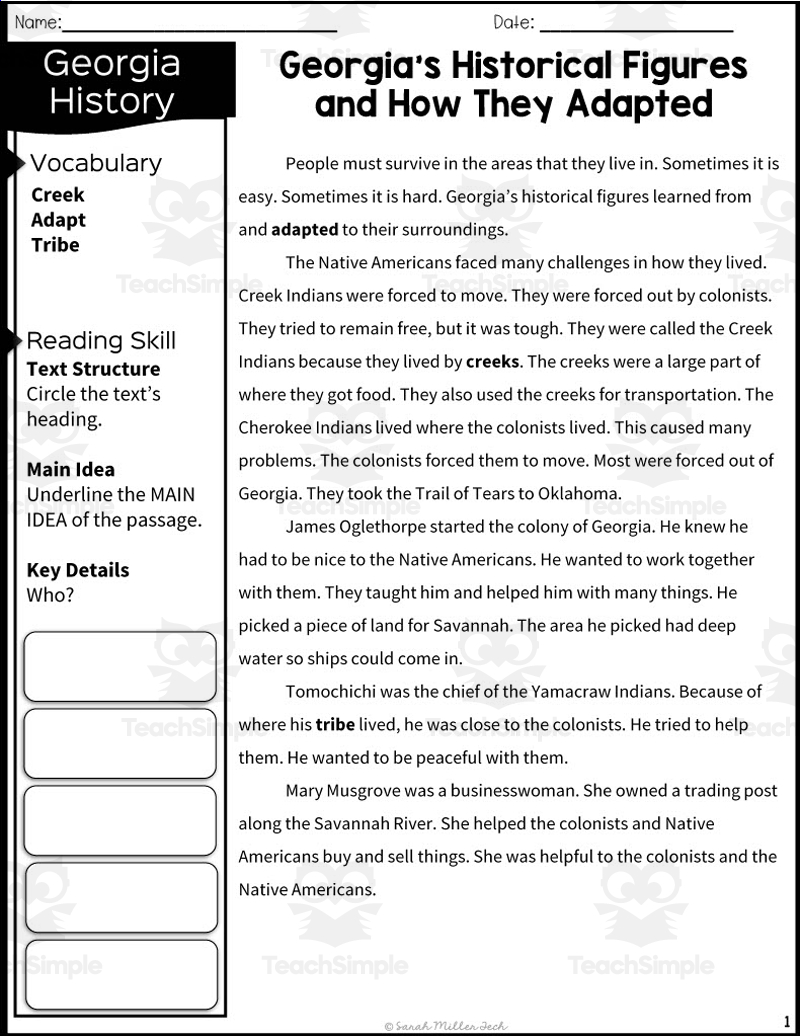
A no-prep social-studies reading packet teaching grade-2 students how historical figures connected to Georgia adapted to their environments (Georgia standard SS2G2b, per file name), covering Creek Indians, Cherokee Indians, James Oglethorpe, Tomochichi, and Mary Musgrove.
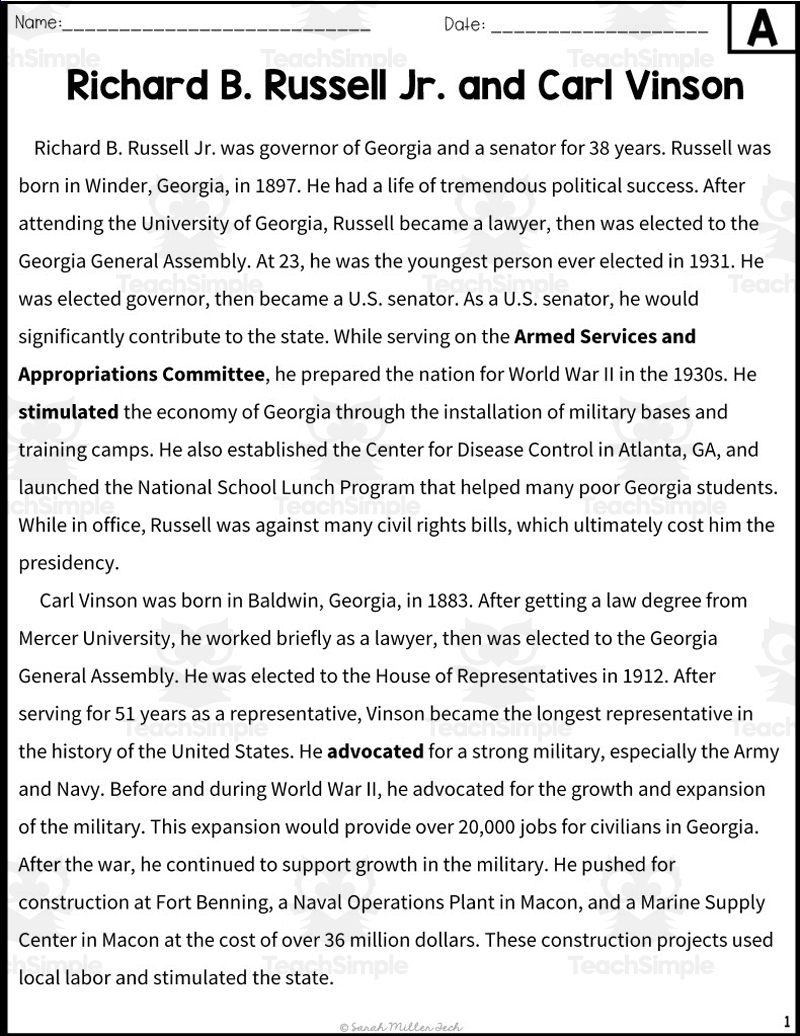
A differentiated, no-prep reading packet teaching Georgia history content about Richard B. Russell Jr. and Carl Vinson's economic contributions to Georgia, using two versions of the same passage (on-level and below-level) with matching reading-skills worksheets.
A social studies reading packet on the history of slavery in Latin America, covering European colonization, the decline of indigenous populations, and the Transatlantic Slave Trade, for use as a print-and-go classroom resource.
A social studies biography reading packet teaching 2nd graders about Martin Luther King, Jr. and the Civil Rights Movement, aligned to a Georgia history standard (SS2H1d).
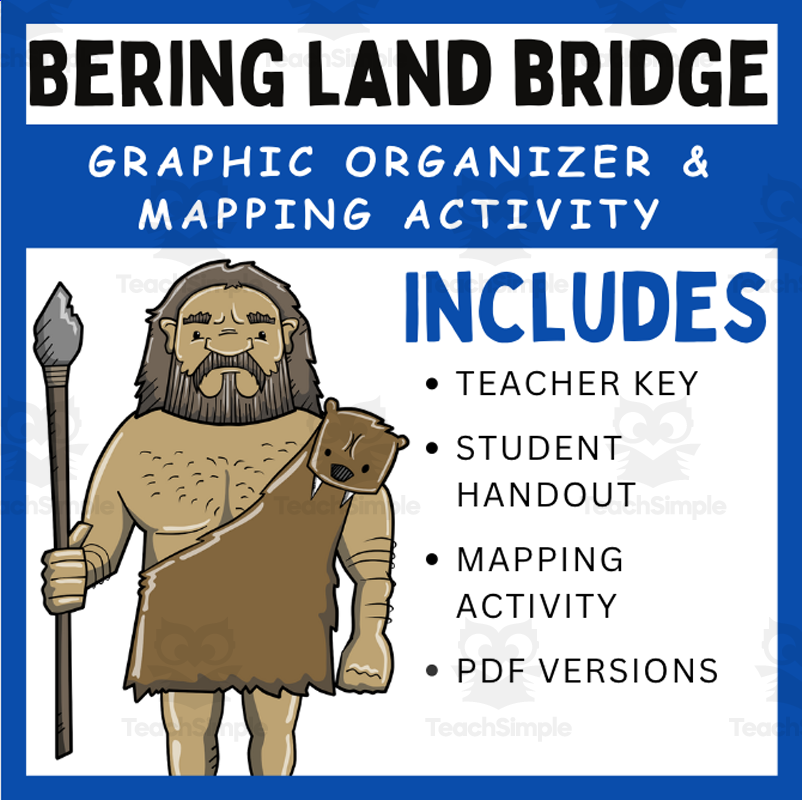
A social studies resource teaching the Bering Land Bridge theory of early human migration to the Americas through an introductory reading, a cause-and-effect graphic organizer, and a mapping activity.
The D-Day Invasion: Graphic Organizer Functioning as a beneficial teaching tool for educators, the D-Day Invasion: Graphic Organizer focuses on one of World War II's pivotal events.
This is a Declaration of Independence Handout that focuses on where Thomas Jefferson got his ideas. There is a graphic organizer with 4 enlightenment thinkers and then an excerpt from the Declaration.
The Great Society program was a set of domestic policies and initiatives introduced by President Lyndon B. Johnson in the 1960s. It aimed to address various social issues and create a more equitable society in the United States.
Use the relief, recovery and reform sections to organize research on responses to the Great Depression. A two-page reference accompanies a two-page partly completed student organizer. Review the reference before use: its fifteen entries include the later FAA, and the AAA and FHA names need correction. Students can check the supplied examples against reliable historical sources before completing the remaining spaces.
A step-by-step opinion writing unit using 'Would You Rather' President's Day prompts, paired with a set of research graphic organizers about American presidents (biography, timeline, comparison)
Teach students about Progressive Era "muckraker" journalists (Lincoln Steffens, Jacob Riis, Ida Tarbell, Upton Sinclair) and the reforms their investigative writing helped bring about.
Reaganomics: Graphic Organizer A valuable teaching resource, this comprehensive tool simplifies the complex subject of Reagan's economic policies. It is designed for students from grades 8 to 11.
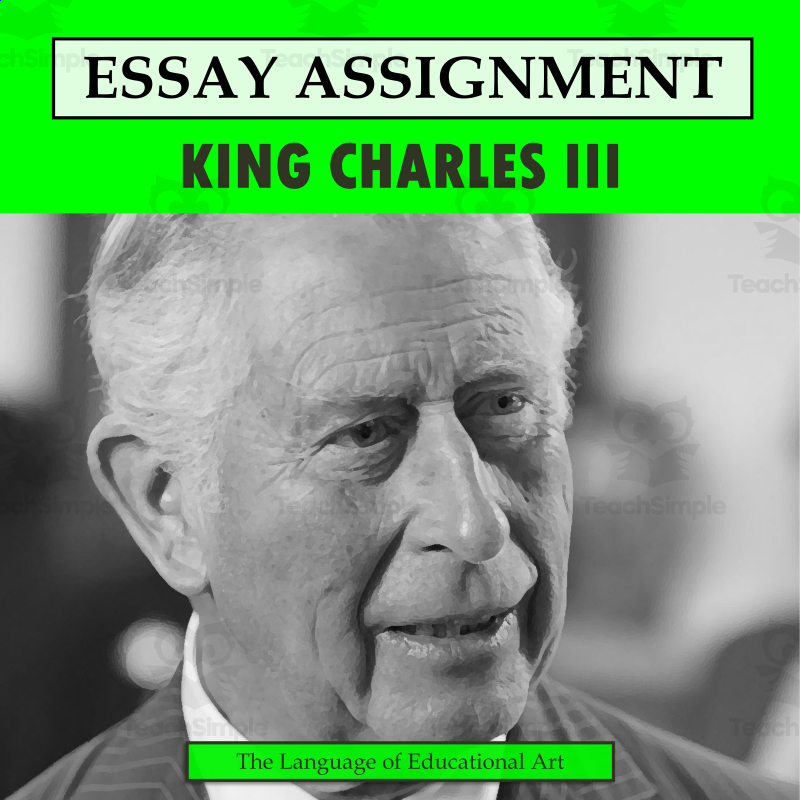
Guides students through independent biographical research on King Charles III and the writing of a 5-paragraph research essay, using a graphic-organizer worksheet, a peer/self writing-tips checklist, and a scored essay rubric.
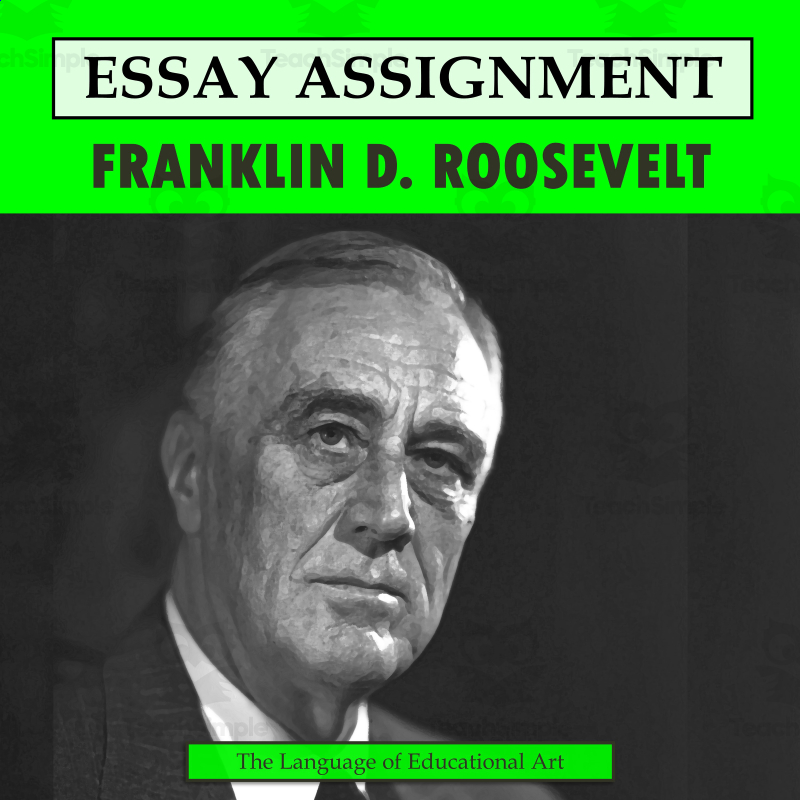
Few U.S. presidents have had as large an impact as Franklin Delano Roosevelt. This resource provides your students with the opportunity to independently learn about and synthesize the life of the president who led the Allies through World…
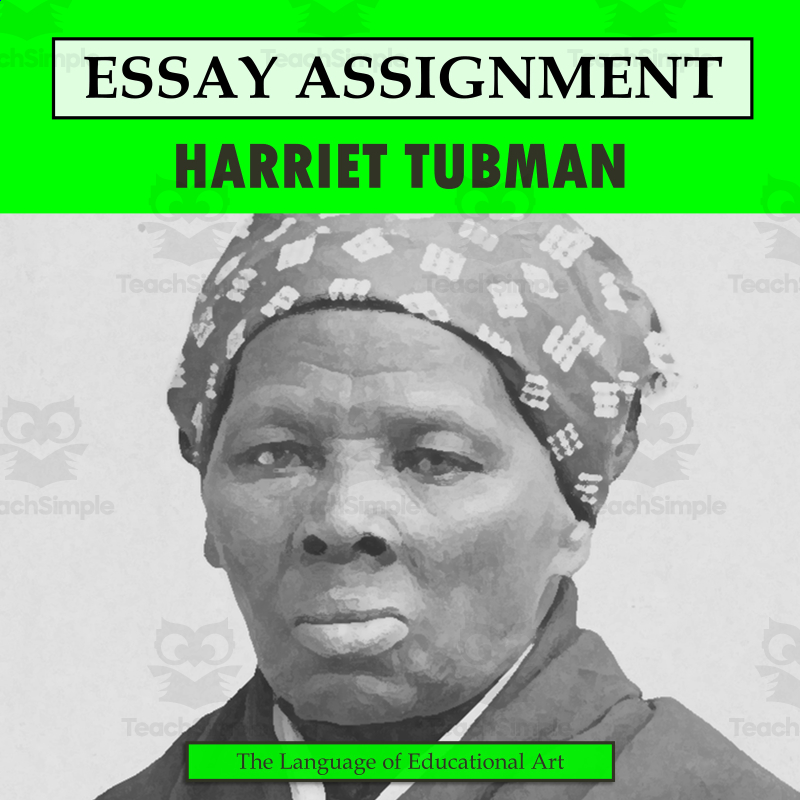
Harriet Tubman was one of the most important figures of the Underground Railroad and Civil War era of the United States . This resource provides your students with the opportunity to independently learn about and synthesize the life of…
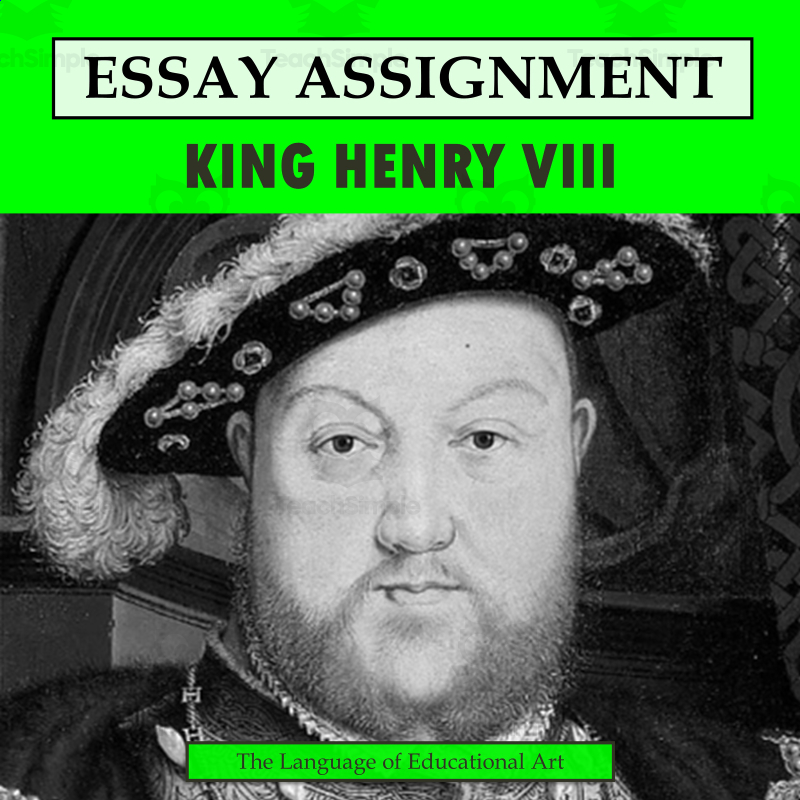
Henry VIII, who ruled England from 1509 to 1547, was one of the most controversial and impactful leaders in world history. This resource provides your students with the opportunity to independently learn about and summarize the life and…
Guide students through independently researching the life and influence of Theodore Roosevelt, using a scored rubric and biographical organizer to produce a 5-paragraph research essay.
Use parallel questions to examine similarities and differences between the Roman Republic and the U.S. government. The chart asks students to compare leadership, lawmaking bodies, courts, legal codes and participation, with a completed version for reference. Pair the blank chart with selected historical and civic sources, then discuss where a shared heading simplifies important differences between the systems.
This two-page organizer presents economic and political causes of Shays’ Rebellion alongside its consequences. The student page supplies two causes and two effects, leaving three spaces in each row for notes; the teacher key fills all five spaces in each row. Use the supplied entries to introduce the topic, then add details from the class reading and compare them with the expanded teacher chart.
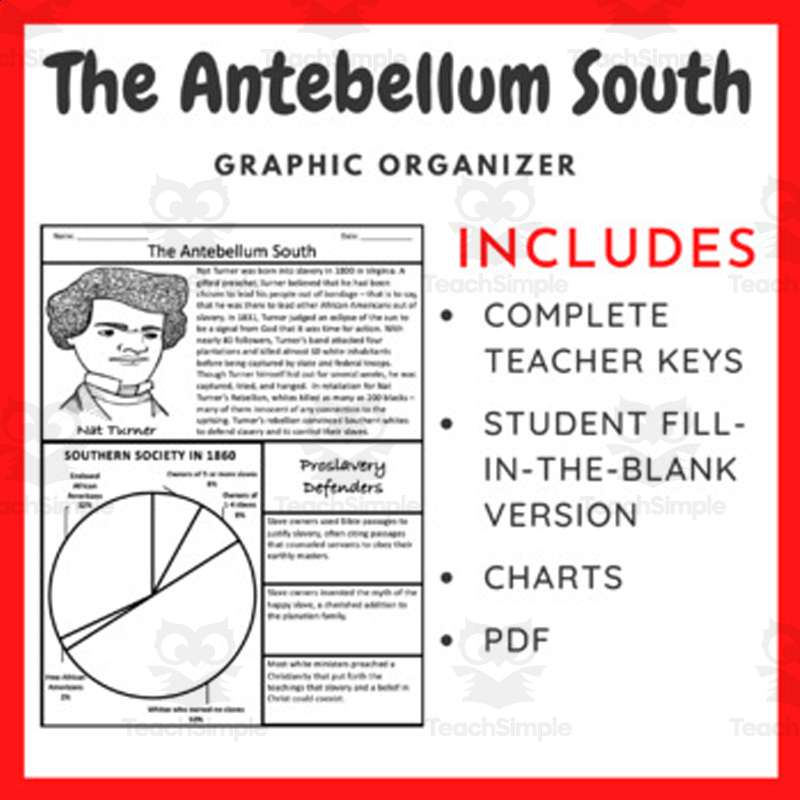
The Antebellum South: Graphic Organizer The Antebellum South: Graphic Organizer is a vital teaching resource designed to aid educators in imparting students with an intuitive understanding of the complex societal, economic, and cultural…
Introduce the exchange routes before students complete the chart. Discuss how the movement of diseases differed in impact from the transfer of foods and livestock.
Students read the background sections, answer questions, and use the comparison organizer to examine different responses to religious revival. The later material asks them to consider social effects and connections with changing ideas about authority. Use the pages for a guided history discussion or pair reading followed by a class comparison.
The Korean War 1950-1953: Graphic Organizer This top-tier, educationally charged resource goes beyond just delivering the what and when of events. Rather it provides students a vivid understanding of how history unfolded.