3,887 products added recently
Page 11 - Science Lesson Plans
Bring science to life with lesson plans that cover biology, chemistry, physics, and more. These resources offer experiments and interactive lessons to stimulate curiosity. Implement them to foster a deep understanding of scientific principles and a passion for discovery.
Global Warming REDUCTION: Industry - FLASH-PC
Science, Earth and Environmental Sciences, Environmental Science, Common Core, Grade 5, 6, 7, 8, Teacher Tools, Lesson Plans
Global Warming REDUCTION: Industry - FLASH-PC A comprehensive teaching resource for middle school students to understand the influence of the industry sector on global warming reduction. This program is tailored to fit into fifth to eighth-grade science classrooms, adhering strictly to Common Core State Standards and Bloom's Taxonomy model. The material can be easily adapted for full group teaching or fine-tuned for small groups, ensuring the accommodation of diverse learning styles and pace. It's also a useful tool for homeschooling parents who aim at providing comprehensive education in line with national standards. Holistic Lesson Plan The lesson plan incorporates a range of thought-provoking pre and post-reading questions, helping students develop critical thinking abilities while improving their reading comprehension skills. It prompts learners not only to gather textual data but also encourages reflective thinking about concepts learned relating to industrial strategies in reducing global warming. Innovative Resource Package The uniqueness of this product lies in its compelling materials – readable areas, vocabulary flashcards , printable resources – all aimed at promoting thorough understanding among learners. Special features like video clips and audios give exposure into various media enhancing learning experiences both visual and auditory scholars extensively. Digital yet flexible Despite fundamentally being digital (since it’s PC software), its adaptability is amazing - serving perfectly as both an everyday instructive guide during lessons or as insightful source data for subsequent assignments fostering self-research habits among learners through homework tasks. To sum it up, Global Warming REDUCTION: Industry - FLASH-PC isn't just another ordinary piece of educational software. Instead, it fosters an innovative pathway for progressive environmental knowledge enhancement while instilling a sense of empathy towards global issues like global warming.
Author Classroom Complete Press
Tags Software (PC)
High School Science and Symbolism of Apples Reading Passage and Q & A
ELA, Reading, Reading Comprehension, Writing, Resources for Teachers, Research, Science, Biology, Life Sciences, High School, Homeschool Resources, Teacher Tools, Assessments, Lesson Plans, Literacy Readers, Worksheets & Printables, Writing Prompts
As a homeschool mom with a 9th grade daughter, I have learned that the best lessons come from resources that challenge students/homeschoolers both academically and personally. The Science and Symbolism of Apples Reading Passage, Q & A, and Note-Taking Sheets does exactly that. This unique resource explores the apple not just as a fruit, but as a symbol woven throughout history, literature, science, and culture. With rich reading material, 20 higher-level thinking questions with a guided answer key, and structured note-taking sheets, this set is designed to spark deep discussions and strengthen critical thinking. It is the kind of resource that invites your teen to look beyond the obvious and see how one simple fruit connects to science, history, mythology, and even technology. INCLUDED IN THIS RESOURCE: A detailed, multi-paragraph reading passage on the science and symbolism of apples 20 thought-provoking, higher-order questions A guided answer key with in-depth explanations 5 structured note-taking sheets for active reading TOPICS COVERED: The biology and genetics of apples The apple in mythology, literature, and religion The role of apples in ecology, trade, and global connections Nutrition, health, and ethical debates around biotechnology The Science and Symbolism of Apples Reading Passage, Q & A, and Note-Taking Sheets is more than just a one-time lesson. It is a springboard for critical conversations about science, history, and culture. If you are looking for something that goes beyond worksheets and helps your teen think in layered, meaningful ways, this resource will be a wonderful addition to your homeschool. If you and your students/homeschoolers enjoyed this resource, please leave a review. Thank you for your support! Tina – Big Easy Homeschooling Mom
Author Homeschool with Big Easy Homeschooling Mom
Rating
Tags Apple Lesson Plan, Symbolism Of Apples In Literature And Science Homeschool, Science And Literature Resource, , Apples Reading Passage, Apple Nutrition And Science, Homeschool Literature And Science Crossover Resource, Reading Comprehension With Symbolism Analysis Homeschool, , Teaching Symbolism Through Science In Homeschool, Homeschool Curriculum, Cultural And Scientific Symbolism Of Apples Homeschool
What is a Bird? | Animated Birds Video Lesson
Science, Life Sciences, Animals, Not Grade Specific, Lesson Plans, Teacher Tools
What is a Bird? | Animated Birds Video Lesson This resource presents an engaging and streamlined approach to teaching about avian life with lively animation. Catering to public school teachers and homeschoolers alike, it fosters active learning, persuaded from the traditional textbook. Active Learning with Fascinating Animation Rather than passive reading or listening, this 14-minute video lesson stimulates learners' imagination by painting stories of various bird species worldwide. The animation prompts their curiosity - What is a bird? Consequently enhancing education engagement in contrast to standard resources. Versatile Resource Devoid of Grade-Specific Limitations An ideal introduction tool, stimulating interest at the start of your class session. A convenient review device, helping strengthen student comprehension at closure. Promoting Group Interaction or Independent Study Suitable for group discussions post-video session within classroom environments or larger gatherings such as science clubs or seminars. This resource can be assigned as homework for remote access, allowing independent study and information assimilation from home—additionally making out-of-school hours engaging compared to traditional text resources. 'What is a Bird? | Animated Birds Video Lesson': A scientific educative endeavor combining enthralling visual aids that makes learning exhilarating! This product comes as an MP4 file content that's ready-to-use right after acquiring for its implementation without requiring any supplemental components. A invaluable addition indeed into your suite of teaching tools!
Author Educational Voice
Tags Bird Anatomy, Avian Behavior, Zoological Concepts, Interactive Learning, Animated Lesson
I WONDER - How Long Have Crocodiles Existed | Animated Video Lesson
STEM, Biology, Life Sciences, Science, Animals, Grade 1, 2, 3, 4, 5, 6, 7, 8, Lesson Plans, Teacher Tools
Video Introduction Animal kingdoms are full of fascinating wonders to learn. This video is designed for the students to learn more about animals in different countries. I WONDER - How Long Have Crocodiles Existed | Animated Video Lesson Do you like animals? what is your favorite one? Do you own a pet? If yes, tell us more about it, like what its name? And what do you like most about it? What are the animal kingdoms? Can you write down the characteristics of each animal class like mammals, birds, reptiles, amphibian, fish and mollusks. Do you know that some animals can sing, can you name any of them? What is the largest and the smallest mammal in the world? What is the largest and the smallest bird in the world? What is the largest and the smallest fish in the world? I WONDER - How Long Have Crocodiles Existed | Animated Video Lesson The video is perfect for encouraging the researching skills for the students, while learning more about these fantastic animals. I WONDER - How Long Have Crocodiles Existed | Animated Video Lesson This friendly designed video is suitable for students at school, homeschooling, and as a group activity. Format Available in MP4 format.
Author Educational Voice
Tags How Long Have Crocodiles Existed, How Long Have Crocodiles Existed Video, Crocodile, Crocodiles, Crocodiles Facts, Crocodiles Facts For Kids, Crocodiles Video, Crocodiles Video For Kids
I WONDER - Why Are Sloths So Slow | Animated Video Lesson
Animals, Life Sciences, Science, STEM, Grade 1, 2, 3, 4, 5, 6, 7, 8, Lesson Plans, Teacher Tools
Video Introduction Animal kingdoms are full of fascinating wonders to learn. This video is designed for the students to learn more about animals in different countries. I WONDER - Why Are Sloths So Slow | Animated Video Lesson Do you like animals? what is your favorite one? Do you own a pet? If yes, tell us more about it, like what its name? And what do you like most about it? What are the animal kingdoms? Can you write down the characteristics of each animal class like mammals, birds, reptiles, amphibian, fish and mollusks. Do you know that some animals can sing, can you name any of them? What is the largest and the smallest mammal in the world? What is the largest and the smallest bird in the world? What is the largest and the smallest fish in the world? I WONDER - Why Are Sloths So Slow | Animated Video Lesson The video is perfect for encouraging the researching skills for the students, while learning more about these fantastic animals. I WONDER - Why Are Sloths So Slow | Animated Video Lesson This friendly designed video is suitable for students at school, homeschooling, and as a group activity. Format Available in MP4 format.
Author Educational Voice
Tags Why Are Sloths So Slow, Why Are Sloths So Slow Video, Sloths, Sloth, Sloths Facts, Sloths Facts For Kids, Sloths Video, Sloths Video For Kids, Sloths Are So Slow, Sloths Are So Slow Facts
I WONDER - What Is The Biggest Animal In The World | Animated Video
STEM, Animals, Life Sciences, Science, Biology, Grade 1, 2, 3, 4, 5, 6, 7, 8, Lesson Plans, Teacher Tools
Video Introduction Animal kingdoms are full of fascinating wonders to learn. This video is designed for the students to learn more about animals in different countries. I WONDER - What Is The Biggest Animal In The World | Animated Video Lesson Do you like animals? what is your favorite one? Do you own a pet? If yes, tell us more about it, like what its name? And what do you like most about it? What are the animal kingdoms? Can you write down the characteristics of each animal class like mammals, birds, reptiles, amphibian, fish and mollusks. Do you know that some animals can sing, can you name any of them? What is the largest and the smallest mammal in the world? What is the largest and the smallest bird in the world? What is the largest and the smallest fish in the world? I WONDER - What Is The Biggest Animal In The World | Animated Video Lesson The video is perfect for encouraging the researching skills for the students, while learning more about these fantastic animals. I WONDER - What Is The Biggest Animal In The World | Animated Video Lesson This friendly designed video is suitable for students at school, homeschooling, and as a group activity. Format Available in MP4 format.
Author Educational Voice
Tags What Is The Biggest Animal In The World, What Is The Biggest Animal In The World Video, The Biggest Animal In The World, The Biggest Animal In The World Facts, The Biggest Animal In The World Video, The Biggest Animal In The World Video For Kids
Cells: What Cells Do
Science, Life Sciences, Biology, Common Core, Grade 5, 6, 7, 8, Teacher Tools, Lesson Plans
Cells: What Cells Do A comprehensive teaching resource and a chapter slice from the full lesson plan on "Cells". This resource has been specifically crafted for fifth to eighth-grade educators, providing deep insights into the fundamental blocks of life - cells. Areas of Focus: The characteristics and functionalities of plant and animal cells. Understanding both single-celled and multi-cellular organisms. A detailed study about human cell reproduction processes. Key concepts like diffusion and osmosis, which are fundamental for understanding Biology. This teaching material uses simple vocabulary, enabling students struggling with complex terminologies to understand intricate aspects of biology more adequately. It includes engaging student activities that encourage curiosity while helping students deepen their cellular biology grasp. Few Included Resources: Ready-to-use reading passages: Learners can independently develop their comprehension skills or engage in problem-solving tasks during small group tasks. Multicolored mini posters: A creative tool to summarize key information about cells; ideal for revising post-learning sessions effectively across a classroom setting. This educational resource is fully aligned with widely accepted guidelines such as the Common Core State Standards while incorporating Bloom's Taxonomy and STEM initiatives comprehensively ensuring high-quality content delivery at every implementation step. Conveniently stored in PDF file format, Cells: What Cells Do ensures portability no matter where your teaching journey takes you! It provides an empowering tool designed to nurture budding biologists in any classroom setting.
Author Classroom Complete Press
Tags PDF
I WONDER - When Did The Microraptor Exist | Animated Video Lesson
History: Ancient, History, Social Studies, History: World, Animals, Life Sciences, Science, Grade 4, 5, 6, 7, 8, 9, 10, Lesson Plans, Teacher Tools
Video Introduction An amazing video designed for the students to learn more about dinosaurs in different countries. I WONDER - When Did The Microraptor Exist | Animated Video Lesson Do you like dinosaurs? what is your favorite one? Do you own a pet? If yes, tell us more about it, like what its name? And what do you like most about it? Do you think that your pet has been evolved from a dinosaur? Can you write down the characteristics of your favourite dinosaur like it's shape, their rivals, where did it use to live and what was their favourite food? What is the largest and the smallest dinosaur that ever found? Why is the T-rex is so famous? Have you ever read any interesting facts about it? Can you name any of the carnivores or herbivores dinosaurs? I WONDER - When Did The Microraptor Exist | Animated Video Lesson The video is perfect for encouraging the researching skills for the students, while learning more about dinosaurs. I WONDER - When Did The Microraptor Exist | Animated Video Lesson This friendly designed video is suitable for students at school, homeschooling, and as a group activity. Format Available in MP4 format.
Author Educational Voice
Rating
Tags When Did The Microraptor Exist, When Did The Microraptor Exist Video, Microraptor, Microraptor Facts, Microraptor Facts For Kids, Microraptor Video, Microraptor Video For Kids, Dinosaurs
Reading Comprehension for Science Articles – Critical Analysis
Science, Basic Science, Inventors, Theories, Chemistry, Earth and Environmental Sciences, Earth Sciences, Environmental Science, Life Sciences, Nature & Plants, Grade 6, 7, 8, 9, 10, 11, 12, Worksheets & Printables, Workbooks, Worksheets, Word Searches, Teacher Tools, Assessments, Lesson Plans, Quizzes and Tests, Quizzes, Tests
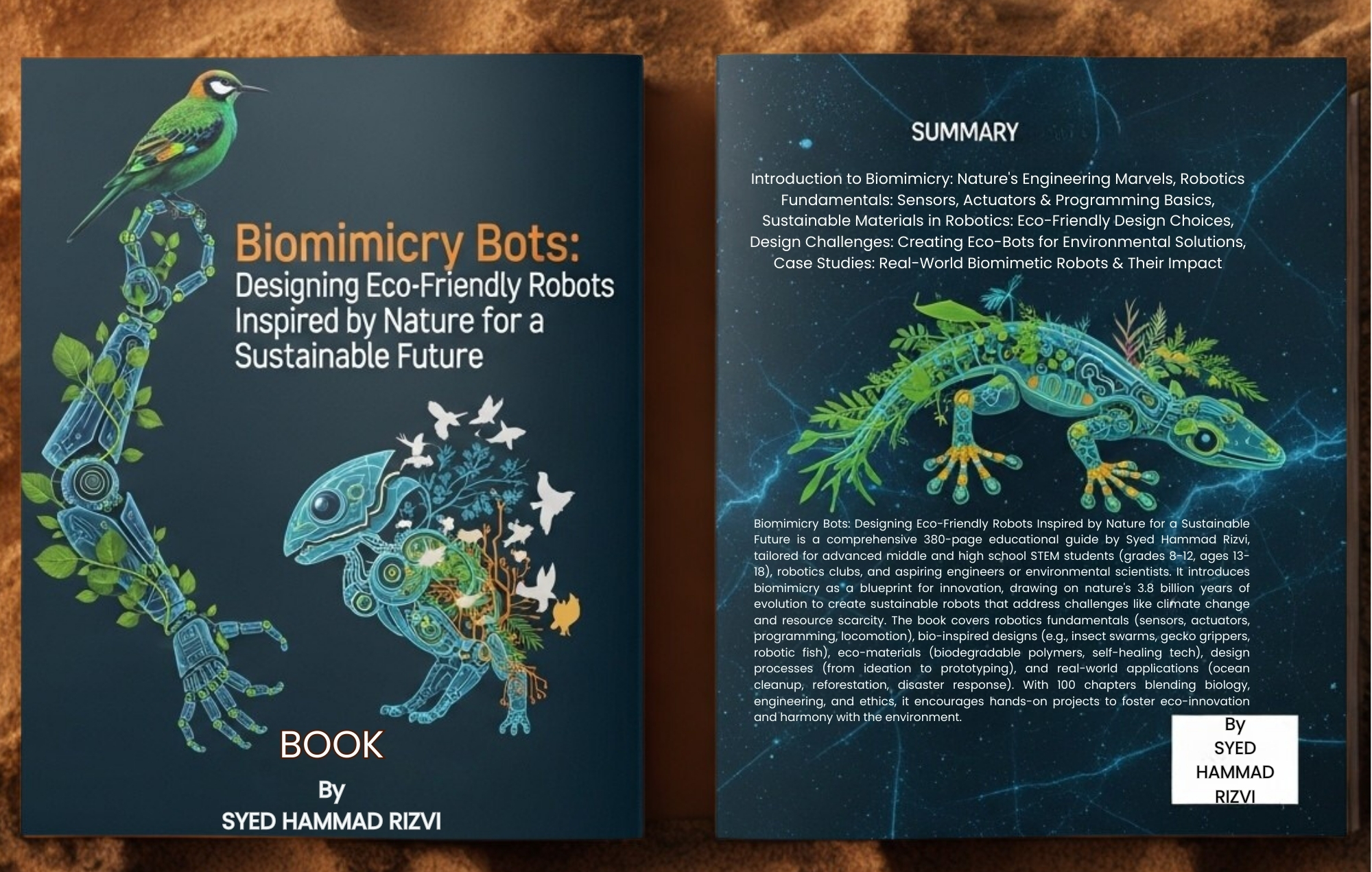
This comprehensive literature unit on scientific article analysis will turn your students from being passive readers into critical thinkers! True scientific literacy—being able to evaluate evidence critically—has become the most important skill of our time due to the overwhelming amount of information and misinformation in today’s society. This unit is a complete, no-prep 5-day lesson plan that will help students in middle and high school understand how to break down scientific articles. With this unit’s help, students will learn how to look at methodological procedures; how to find biases; how to tell the difference between correlation and causation; and how to develop evidence-based arguments—all of which are necessary for success in AP classes, as well as in college! This unit is appropriate for the following classes: Biology, Chemistry, Environmental Science, Physics and as a cross-curricular project with ELA. This resource also correlates with the NGSS Science and Engineering Practices (Engaging in Argument Based on Evidence) and other Common Core Literacy standards. Included in this unit: 1. Educator & Student Master Guide (47 pgs) : Part 1 consists of an in-depth detailed core instructional guide for teachers on Scientific Reading Theory. Core principles and concepts included: IMRAD (scientific structure) ; Hierarchy of Evidence ; Identifying Fallacies Part 2 consists of constructing 10 scaffolded, grade level appropriate worksheets using High-Interest/Relevant scientific reading materials. Examples include: Anatomy of an Abstract Isolation of Variable and Control Critique Methodology Interpret Data & Statistical Literacy Correlation vs. Causation Identify Bias/Conflict of Interest Synthesize Competing Hypotheses Peer Review Simulation Part 3 consists of teacher support systems: 3 Visual Professional Anchor Charts/Posters (anatomy of a scientific argument, source credibility matrix, interrogating empirical graphics) Comprehensive Answer Key (all 10 worksheets) 5-Day Implementation/Teaching Plan: step-by-step plan to facilitate complete unit implementation successfully Will enable your students to read as scientists, question as reporters, and think as researchers; providing the necessary tools to assist in developing their confidence/skepticism towards the scientific world. How Parents and Schools Appreciate It: Teaches Skills for the 21st Century: Instead of teaching through rote memorization, this unit prepares students to learn to think critically. Students learn to use the problem-solving skills needed for success in college and their future career paths. Teaches Digital and Media Literacy: In this age of "fake news" and false claims, the unit provides students with tools to evaluate the credibility of scientific information they see online, including news headlines and social media posts. Prepares Students for Academic Challenge: The analytical skills that students develop (being able to analyze dense texts, understand research design, and base their opinion on credible evidence) give students a solid head-start into AP science classes and university studies. Comprehensive Teaching Tools for Teachers: The unit is a complete unit, and includes everything that teachers need to implement student learning. Each teacher will find all of the information and teaching materials necessary, along with a comprehensive teacher guide, ready-to-publish worksheets, visual aids, and answer key; which will save every teacher dozens of hours on the preparation and planning of each lesson. Audience: The Target Audience includes: Primary: Grades 8-12 Science (On Level); High School AP or Honors Biology; Chemistry; Environmental Science; Physics Secondary: Gifted or Advanced (Grades 6-7-Science), as the concepts may be difficult for Sixth-grade students who are not Advanced or Gifted; nevertheless, students classified as Advanced will do well. Cross-Curricular: High School ELA/ELA or Media Literacy planer interested in adding analysis of non-fictional/informational text to their plan. Copyright/Terms of Use: This Book is the property of Syed Hammad Rizvi, and it is provided as a resource for you to use in a personal and single classroom only. You cannot alter, redistribute or sell any part of this resource. Thereby, any part of this resource cannot be placed on the Internet where all can access (e.g., downloaded). If you would like to share this resource with colleagues, please purchase additional licenses from Teachsimple. Thank you for abiding by these terms. Syed Hammad Rizvi, thank you for bringing you (with a smile) this product.
Author Creative Book Store
Rating
Tags STEM, ScienceEducation, Education, Teaching, EdTech, STEMeducation, TeacherLife, Homeschool, BackToSchool, ScientificLiteracy
Plant Adaptations Interactive Google Slides Unit
Science, Earth and Environmental Sciences, Earth Sciences, Environmental Science, Geology, Space, Life Sciences, Animals, Nature & Plants, Biology, Grade 3, 4, 5, 9, 10, 11, 12, Experiments, Activities, Labs, Projects, Assessments, Teacher Tools, Diagrams, Lesson Plans, Outlines, Presentations
Find the best 4th Grade Plant Adaptations Interactive Google Slides Unit – a complete no-prep digital science resource that is perfectly correlated to NGSS 4-LS1-1! This teacher edition is a game-changer for teaching plant biology as an interactive adventure for students! With this resource, students will enjoy a hands-on approach to learning about plant adaptations as they explore interactive slides featuring desert succulents/cacti, rainforest drip tips/epiphytes, water plants floating leaves/stretching stems, structural vs. behavioral adaptations, roots, stem/leaf adaptations, defense structures, carnivorous plants Venus flytrap/pitcher plant, seed dispersal, mystery plant analysis, and a final knowledge check with answer keys! Students will actively engage in classifying adaptations, creating their own extremophiles, analyzing scenarios using Claim Evidence Reasoning, and connecting science to ELA, math, engineering, and technology using cross-curricular activities. It includes a teacher guide, standard alignment, steps to integrate into Google Classroom, instructional tips, interactive slide ideas, image credits, and ideas for self-grading. It can be used in a variety of learning environments, such as in-class learning, distance learning, homeschooling, etc. It saves automatically in Google Slides. Keywords: plant adaptation 4th grade, NGSS 4-LS1-1, Google Slides, interactive science unit, desert rainforest aquatic plants, carnivorous plants, seed dispersal activities, digital science resource, structure and function NGSS, no prep plant biology. Why Parents/Schools Love It : NGSS-Aligned & Standards-Ready: No planning required – lesson plans, objectives, and assessments are provided and align perfectly with 4th grade requirements. Truly Interactive & Engaging: Drag and drop sorting, CER plant mysteries, and biome builders ensure all students (including reluctant ones) are actively engaged and motivated to learn for hours. Cross-Curricular Powerhouse: Perfectly blends ELA (informative writing, vocabulary), math (data analysis, volume calculation), and engineering (biomimicry design challenges). Google Classroom Perfection: One-click “make a copy for each student,” auto-saving, and self-grading features save teachers 10+ hours per unit. Differentiation Built-In: Visual aids, scaffolding, and differentiation in activity levels and types meet the needs of diverse learners and challenge advanced students. Target Student Classes : This lesson is designed for 4th grade science (ages 9-10), specifically targeting the 4-LS1-1 standard for Structure and Function in plants/animals, as well as the cross cutting concepts of Systems and System Models + the Science and Engineering Practices of Engaging in Argument from Evidence. This lesson is suitable as the main resource for: Standard 4th grade life science curriculum for 4th grade students in public/private schools Homeschool 4th grade science curriculum (allows for fast or slow pacing for gifted or remedial students) Advanced 3rd grade science for 3rd grade students or 5th grade review for 5th grade students Special education or ESL students (visual learning tool of drag and drop CERs) Not recommended as the main resource for middle school students (6th+). Copyright/Terms of Use: This Book is copyrighted by Syed Hammad Rizvi. This is for your personal and single classroom use only. You may not change, reproduce, redistribute, or sell this in any way. This means you may not put it on the Internet in a way that it can be located and downloaded by others. If you wish to share this resource with others, please consider purchasing additional licenses from Teachsimple. Thank you for respecting these copyright laws! This product is happily brought to you by Syed Hammad Rizvi
Author Creative Book Store
Rating
Tags PlantAdaptations, 4thGradeScience, NGSS4LS11, GoogleSlidesScience, InteractiveScience, ScienceTeachers, ElementaryScience, NGSSScience, PlantAdaptationsUnit, DigitalScienceResource
Acceleration Due to Gravity - Lesson Bundle
Science, Physics, Grade 7, 8, 9, Teacher Tools, Lesson Plans
Acceleration due to Gravity - SENIOR PHYSICS - This physics lesson package discusses the details behind the acceleration due to gravity, the impact of air resistance, the influence of mass on acceleration, as well as terminal speed. It is geared towards students who are in high school physics, either junior or senior years. This package includes the lesson (student and teacher versions of the presentation), an auto-graded Exit Ticket, two videos into the presentation, and a student lesson handout as a document. The presentation is fun and applicable with many opportunities for inquiry-based learning and discussion. Included in the lesson package is: The teacher version of the presentation The student version of the presentation TWO embedded videos An auto-graded Exit Ticket and a separate quiz with an answer key Student lesson handout ------------------------------------------------- Google and Distance Learning Ready This lesson includes both Office and Google formats for ALL resources. The presentation is in PowerPoint and Google Slides while all documents contain Word and Google Doc versions. Your resource is perfect for distance learning and integrates seamlessly with Google Classroom as I've included a link that will automatically create a copy of the resources and put them directly into your Google Drive with one click. Download--> Open --> Click --> Assign to your students Having both options allows you to use either without worrying about formatting issues as all the work has already been done for you. It safeguards you in case your department or school decides to go Google 100% and allows you as well as your students to access everything no matter where you are or what kind of equipment is being used. The student version of the presentation contains multiple blanks that need to be filled in throughout the lesson. These blanks are conveniently underlined and bolded on the teacher copy. I have found this to be the most effective means of keeping my students engaged and active without having them write everything out. This also leaves more time for discussion and activities. Also, please visit my blog Teach With Fergy for my thoughts on teaching, learning, and everything in between.
Author Teach With Fergy
Tags Acceleration, Gravity, Science Problems, Physical Science, Word Problems, Gravity Lesson
I WONDER - What Are The Advantages Of Being A Nocturnal Animal
STEM, Biology, Life Sciences, Science, Animals, Grade 3, 4, 5, 6, 7, 8, 9, Lesson Plans, Teacher Tools
Video Introduction Animal kingdoms are full of fascinating wonders to learn. This video is designed for the students to learn more about animals in different countries. I WONDER - What Are The Advantages Of Being A Nocturnal Animal | Animated Video Lesson Do you like animals? what is your favorite one? Do you own a pet? If yes, tell us more about it, like what its name? And what do you like most about it? What are the animal kingdoms? Can you write down the characteristics of each animal class like mammals, birds, reptiles, amphibian, fish and mollusks. Do you know that some animals can sing, can you name any of them? What is the largest and the smallest mammal in the world? What is the largest and the smallest bird in the world? What is the largest and the smallest fish in the world? I WONDER - What Are The Advantages Of Being A Nocturnal Animal | Animated Video Lesson The video is perfect for encouraging the researching skills for the students, while learning more about these fantastic animals. I WONDER - What Are The Advantages Of Being A Nocturnal Animal | Animated Video Lesson This friendly designed video is suitable for students at school, homeschooling, and as a group activity. Format Available in MP4 format.
Author Educational Voice
Tags What Are The Advantages Of Being A Nocturnal Animal, What Are The Advantages Of Being A Nocturnal Animal Video, Nocturnal Animal, Nocturnal Animals, Nocturnal Animal Facts, Nocturnal Animal Video
I WONDER - What Are The Different Types Of Teeth | Animated Video
Human Body, Life Sciences, Science, Biology, Grade 3, 4, 5, 6, 7, 8, 9, Lesson Plans, Teacher Tools
Video Overview The human body is full of fascinating wonders to learn. This video is created to help the students recognize the anatomy and the job of the human body. I WONDER - What Are The Different Types Of Teeth | Animated Video Lesson Every part and organ in our human body is vital so let's see how important they are. Have you ever imagined how we look like if we didn't have a skeleton? Did you know that because we have our amazing muscles we can stand! Do you know how many teeth do we have? Have you ever wondered about the food journey inside our body? Can you name all the glands in our body? Why do we have skin? Our nervous system is really good at sending signals. Can you tell us more about it? Are you really good at Mathematics, painting, or any other thing? You should really thank your brain about it! The famous five senses are really doing a great work? Can you explain how every sense works? I WONDER - What Are The Different Types Of Teeth | Animated Video Lesson The video is perfect for encouraging the researching skills for the students, while learning more about our fantastic human body. I WONDER - What Are The Different Types Of Teeth | Animated Video Lesson This friendly designed video is suitable for students at school, homeschooling, and as a group activity. Format Available in MP4 format.
Author Educational Voice
Tags Different Types Of Teeth, What Are The Different Types Of Teeth, What Are The Different Types Of Teeth Video, Different Types Of Teeth Video, Different Types Of Teeth Facts, Different Types Of Teeth Facts For Kids
Free Science - Geology on Mars Interactive Vocabulary Activity
Science, Earth and Environmental Sciences, Space, Grade 8, Teacher Tools, Lesson Plans
Free Science - Geology on Mars Interactive Vocabulary Activity Engage eighth grade students by learning, practicing, and reviewing geology vocabulary related to Mars. This interactive PowerPoint allows the whole class or small groups to read definitions, share ideas, and reinforce concepts. The 34 vibrant slides showcase Mars terrain images and landscape features. Educators can facilitate class discussions about Martian characteristics and importance. Students will gain familiarity with key terms before diving deeper into the relationships between them. The multiple choice review activity builds confidence as students use process of elimination to reveal correct answers. Visual aids and repetition cement knowledge while keeping young minds engaged. See more interdisciplinary products from ShapeUp-N-Matematicas y Lenguaje like math, language arts, science centros, and multi-grade Spanish immersion.
Author ShapeUp-N-Matematicas y Lenguaje
Tags GEOLOGY, GEOLOGY VOCABULARY, SCIENCE VOCABULARY, SMALL OR WHOLE GROUP , INTERACTIVE MULTIPLE CHOICE ACTIVITY, SCIENCE REVIEW, MARS, MARS VOCABULARY
I WONDER - Why Are Our Fingertips So Sensitive | Animated Video Lesson
Biology, Life Sciences, Science, Human Body, STEM, Grade 2, 3, 4, 5, 6, 7, 8, Lesson Plans, Teacher Tools
Video Overview The human body is full of fascinating wonders to learn. This video is created to help the students recognize the anatomy and the job of the human body. I WONDER - Why Are Our Fingertips So Sensitive | Animated Video Lesson Every part and organ in our human body is vital so let's see how important they are. Have you ever imagined how we look like if we didn't have a skeleton? Did you know that because we have our amazing muscles we can stand! Do you know how many teeth do we have? Have you ever wondered about the food journey inside our body? Can you name all the glands in our body? Why do we have skin? Our nervous system is really good at sending signals. Can you tell us more about it? Are you really good at Mathematics, painting, or any other thing? You should really thank your brain about it! The famous five senses are really doing a great work? Can you explain how every sense works? I WONDER - Why Are Our Fingertips So Sensitive | Animated Video Lesson The video is perfect for encouraging the researching skills for the students, while learning more about our fantastic human body. I WONDER - Why Are Our Fingertips So Sensitive | Animated Video Lesson This friendly designed video is suitable for students at school, homeschooling, and as a group activity. Format Available in MP4 format.
Author Educational Voice
Tags Why Are Our Fingertips So Sensitive, Why Are Our Fingertips So Sensitive Video, Fingertips, Fingertip, Fingertips Facts, Fingertips Facts For Kids, Fingertips Video, Fingertips Video For Kids
AI Literacy & Safe ChatGPT Use
Science, Technology, Computer Science, Engineering, Resources for Teachers, Community Building, Classroom Management, Special Resources, Special Education Needs (SEN), STEM, Grade 6, 7, 8, 9, 10, 11, 12, Worksheets & Printables, Workbooks, Worksheets, Word Searches, Writing Prompts, Teacher Tools, Quizzes and Tests, Quizzes, Tests, Lesson Plans
The Ultimate AI & ChatGPT Literacy Unit: A Complete No-Prep Resource for Middle School Are you looking for a comprehensive, no-prep solution to teach AI literacy and digital citizenship? As tools like ChatGPT become a part of our students' lives, educators and parents are facing a new frontier. This complete 36-page unit is the bridge you need, transforming anxiety about AI into an opportunity for critical thinking, academic integrity, and online safety. This isn't just a "how-to" guide; it's a "how-to-think" curriculum. Designed for Grades 5-8 , this resource tackles the complex issues of algorithmic literacy head-on, aligning school requirements for academic rigor with parental demands for digital safety. It empowers students to become critical architects of their digital world, not just passive consumers. What's Included in This 36-Page Turnkey Unit? PART 1: In-Depth Guide (For Teachers & Parents): Four detailed chapters covering the core concepts: The Mechanics of Algorithmic Language (How AI really works) Academic Integrity & Critical Thinking (Brainstorming vs. Cheating) Privacy, Data, and Digital Safety (Protecting Personal Information) Formulating Effective Prompts (Making AI a useful tool) PART 2: Student Workbook (Printable & Digital): 10 engaging, thought-provoking worksheets that challenge students to apply their knowledge. Topics include: Fact or Fiction: The Art of Verification Protecting Your Digital Footprint (PII Safety) The Brainstorming Boundary (Academic Honesty Scenarios) Spotting Algorithmic Bias Emotional Boundaries: Chatbots Are Not People Crafting the Perfect Prompt PART 3: Teacher Resources & Visuals: Everything you need to implement the unit with confidence. Pedagogical Visuals: Three powerful, printable diagrams (Venn, Flowchart, T-Chart) to anchor student understanding of key concepts like Cognitive Scaffolding vs. Outsourcing. Comprehensive Answer Key: Detailed answers and rationale for all 10 worksheets. Teacher Implementation Guide: Actionable steps for proactive parent communication and classroom strategies for grades 5-8, helping you manage this new paradigm shift effectively. Equip your students with the essential 21st-century skills they need to navigate the future. This resource saves you hours of planning and provides a robust, thoughtful framework for one of the most important topics in modern education. Keywords: AI Literacy, ChatGPT in the Classroom, Digital Citizenship, Media Literacy, Middle School, Grades 5-8, Academic Integrity, Critical Thinking, Online Safety, Parent Guide, No-Prep, Printable Worksheets, Digital Activities, Prompt Engineering, 21st Century Skills. Why Parents & Schools Love It: Bridges the Home-School Gap: This curriculum directly addresses the core concerns of both educators (academic integrity, critical thinking) and parents (online safety, data privacy) with its "Dual-Ecosystem" model, creating a unified and consistent message for students. Promotes Critical Thinking, Not Just Use: Instead of just teaching students how to use ChatGPT, it teaches them to question it, verify its outputs, and understand its limitations. It builds essential "human-centric critical analysis" skills for an automated world. Built-in Safety & Ethics Framework: The unit is packed with concrete protocols for protecting personal information (PII), establishing emotional boundaries with technology, and navigating ethical dilemmas, giving parents and teachers peace of mind. Comprehensive & Ready-to-Use: It is a complete, "turnkey" solution. With in-depth guides, 10 student worksheets, printable visual aids, a full answer key, and an implementation guide, it saves educators immense time and effort in lesson planning. Target Student Audience : Based on a complete analysis of the vocabulary, concepts (e.g., cognitive friction, PII, algorithmic bias), and case studies, target: Primary Target: Middle School Students (Grades 5-8) . The document explicitly mentions this range multiple times. The content complexity is perfectly suited for this developmental stage where students are transitioning from concrete to abstract thought. Secondary Target: Early High School (Grade 9) . This unit would serve as an excellent foundational resource for 9th graders who have not yet had formal instruction on AI literacy. Copyright/Terms of Use: This Book was copyrighted by Syed Hammad Rizvi. This resource is for personal and single classroom use only. You may not alter, redistribute, or sell any part of this resource. In other words, you may not put it on the Internet where it could be publicly found and downloaded. If you want to share this resource with colleagues, please purchase additional licenses from Teachsimple. Thank you for respecting these terms of use. This product is happily brought to you by Syed Hammad Rizvi
Author Creative Book Store
Rating
Tags MediaLiteracy, DigitalLiteracy, AcademicIntegrity, CriticalThinking, OnlineSafety, PromptEngineering, AIforStudents, FactChecking, DataPrivacy, BlendedLearning
Senses, Nervous & Respiratory Systems - Digital Lesson Plan Gr. 5-8 - FLASH-PC
Science, Life Sciences, Human Body, Grade 3, 4, 5, 6, 7, 8, Teacher Tools, Lesson Plans
The Senses, Nervous & Respiratory Systems - Digital Lesson Plan for Grades 5-8 (FLASH-PC) is an informative and interactive resource that demystifies the complexities of the human body. This teaching tool explores our vital nervous and respiratory systems as well as our intriguing senses in a thorough yet easily digestible style. Covering a total of 80 screen-pages, this digital lesson plan delves into the intricate workings of the nervous system. Students can follow along an exciting journey through its various components, igniting curiosity while cementing fundamental scientific knowledge in a fun and engaging way. As they venture further into exploring our five unique senses, this resource breaks down each organ responsible — imparting knowledge that fuels understanding about these fascinating mechanisms that connect us to our world. The subsequent section takes students on an enlightening trip around the respiratory system, imbuing young learners with insights into how we breathe and sustain life every day—elements often taken for granted. Interactive Elements Reading passages before-and-after-you-read activities to reinforce comprehension Test prep support aids teachers in assessing student understanding efficiently Variety of learning methods such as memory match games, crossword puzzles and word searches The inclusion of video & audio features enhancing comprehension To add variety to learning methods within your educational ensemble—whether with individual pupils or classroom-wide instructions—the resource also offers memory match games, crossword puzzles and word searches to challenge mental acuity while making learning enjoyable. Video & audio features enhance understanding by delivering information in varying formats catering for different learning styles.The whole package complies with State Standards rules and carefully aligns written content according to Bloom's Taxonomy guidelines for optimal educational outputs across Grade 3-8 Science classrooms. Available only as software compatible with PC, this handy digital lesson plan integrates seamlessly into most classroom settings—as part of your regular curriculum or extracurricular activity —it can swiftly transition from group discussions sessions to independent study or even assigned as stimulating homework exercises. Embrace a modern, interactive and comprehensive approach to teaching Science with the Senses, Nervous & Respiratory Systems - Digital Lesson Plan for Grades 5-8 (FLASH-PC).
Author Classroom Complete Press
Tags Software (PC)
I WONDER - How Much Water Does It Take To Grow Cotton | Animated Video
Environmental Science, Earth and Environmental Sciences, Science, Earth Sciences, Nature & Plants, Life Sciences, Grade 6, 7, 8, 9, 10, 11, 12, Lesson Plans, Teacher Tools
Video Introduction An amazing video designed for the students to learn more about STEM. I WONDER - How Much Water Does It Take To Grow Cotton | Animated Video Lesson Do you like STEM subjects? what is your favorite one? Have you ever tried to plant a seed? If yes, tell us more about it. Or have you ever tried to invent something? If yes, tell us more about it. And how do you think it will help us? Have you ever seen a microorganism under a microscope? What was it? And how it looked like? Mathematics is a marvelous subject. Let' sharpen our brains and solve some equations. Do you like timetable tricks? What is your favorite one? Do you know how to code? Have you ever created an app or a game before? If yes, how was it like? I WONDER - How Much Water Does It Take To Grow Cotton | Animated Video Lesson The video is perfect for encouraging the researching skills for the students, while learning more about this fantastic topic. I WONDER - How Much Water Does It Take To Grow Cotton | Animated Video Lesson This friendly designed video is suitable for students at school, homeschooling, and as a group activity. Format Available in MP4 format.
Author Educational Voice
Tags How Much Water Does It Take To Grow Cotton, How Much Water Does It Take To Grow Cotton Video, Cotton, Cotton Facts, Cotton Facts For Kids, Cotton Video, Cotton Video For Kids, Plants
I WONDER - Do Muscles Help You Stand | Animated Video Lesson
Human Body, Life Sciences, Science, Biology, STEM, Grade 4, 5, 6, 7, 8, 9, 10, Lesson Plans, Teacher Tools
Video Overview The human body is full of fascinating wonders to learn. This video is created to help the students recognize the anatomy and the job of the human body. I WONDER - Do Muscles Help You Stand | Animated Video Lesson Every part and organ in our human body is vital so let's see how important they are. Have you ever imagined how we look like if we didn't have a skeleton? Did you know that because we have our amazing muscles we can stand! Do you know how many teeth do we have? Have you ever wondered about the food journey inside our body? Can you name all the glands in our body? Why do we have skin? Our nervous system is really good at sending signals. Can you tell us more about it? Are you really good at Mathematics, painting, or any other thing? You should really thank your brain about it! The famous five senses are really doing a great work? Can you explain how every sense works? I WONDER - Do Muscles Help You Stand | Animated Video Lesson The video is perfect for encouraging the researching skills for the students, while learning more about our fantastic human body. I WONDER - Do Muscles Help You Stand | Animated Video Lesson This friendly designed video is suitable for students at school, homeschooling, and as a group activity. Format Available in MP4 format.
Author Educational Voice
Tags Do Muscles Help You Stand, Do Muscles Help You Stand Video, Muscles, Muscle, Muscles Fact, Muscles Fact For Kids, Muscles Video, Muscles Video For Kids, Muscle Facts, Muscle Facts For Kids
Galaxies & The Universe: Galaxies - FLASH-PC
Science, Earth and Environmental Sciences, Space, Common Core, Grade 5, 6, 7, 8, Teacher Tools, Lesson Plans
Galaxies & The Universe: Galaxies - FLASH-PC Galaxies & The Universe: Galaxies - FLASH-PC is a comprehensive teaching resource which is meticulously designed to augment students' understanding of galaxies in the overarching context of the universe. This remarkable tool, intended for grades 5 through 8, embraces Barak Rosenshine's Principles of Instruction, making it an efficacious solution for public school teachers and homeschooling parents alike. Description: This interactive educational solution delves into the heart of its subject matter by presenting curriculum-based content in riveting reading passages. Students are urged to explore the content intuitively before they sink their teeth into thought-provoking pre and post-reading questions. By enabling this active participation style of learning, students are empowered to grapple with concepts at their own pace enhancing comprehension along the way. Beyond mere text-based materials, "Galaxies & The Universe: Galaxies - FLASH-PC", incorporates cutting -edge multimedia components like video and audio materials poised to cater to diverse learner needs. Moreover, interactive exercises not only simplify Astronomy learning but also make it a delightful experience. Versatility: Printable materials supplement digital resources which furnish educators with flexible delivery options; these can be utilized in a classroom setting or assigned as homework tasks based on individual student requirements. Vocabulary Flashcards: These nifty additions reinforce key terms from lessons fostering practice in recalling pivotal astronomical terminology integral for comprehending intricate science concepts. Suitability: The product is ingeniously crafted for science education focusing on astronomy subclasses; Furnishing lesson plans geared towards bridging gaps between educator aims and learner assimilation in an engaging manner! Adhering to the Common Core State Standards (CCSS), it complies with Bloom’s Taxonomy principles fortifying that lesson objectives synchronise seamlessly with national education standards. User-Friendly: The product is bundled as user-friendly PC software offering a simple yet meaningful learning experience from installation through daily usage. In Summary: "Galaxies & The Universe: Galaxies - FLASH-PC" provides educators a multifaceted approach toward teaching galaxies’ exploration revolving around delivering interactive, engaging and standard compliant content.
Author Classroom Complete Press
Tags Software (PC)
Walkie-Talkies Reading Comprehension Passage - Cored Ed Encyclopedia
ELA, Language Development, Reading Comprehension, Reading, Pre-Reading, Science, Social Studies, History, Technology, Physics, Grade 2, 3, 4, 5, Worksheets & Printables, Worksheets, Teacher Tools, Centers, Activities, Writing Prompts, Assessments, Quizzes and Tests, Quizzes, Lesson Plans
This walkie-talkies reading comprehension with lesson plan includes: Visualization (on the front cover) Start your lesson by taking a minute to think and share something about the topic. Read the script aloud (slowly), perhaps prepare some music or sound effects. Student close their eyes and let their imaginations wander. Students open their eyes, read the question aloud and give them a few minutes to complete. Ask a few students to share or keep answers until the end to compare with what they learn in the passage. Quick pause—thousands of Cored Education products are included with your TeachSimple membership. Download links and encyclopedia index available here. Pre-Reading Trivia Students will write down one thing they already know about the subject and then read five more facts and discuss. These facts are fun, and the students will enjoy learning about the subject before reading more. Give 1 minute for students to write what they already know (no pressure—best guess is fine). Read the five facts together. After each fact, do ask a student for their opinion, was it surprising? Set a purpose by asking students to highlight/underline one fact they want to learn more about during the reading. Reading Passage The text is a high-interest reading passage with set paragraphs, roughly three to four paragraphs long. It contains a variety of themes about the topic, anywhere from history to technology. The passage is between 250 and 350 words in length. First, ask students to look at the headings and see what they’ll learn about today. What do they know about the topic/heading? First read options: Teacher read-aloud (best for support). Partner reading (paragraph by paragraph). While reading, students underline important details, and vocabulary words they think may come up in the questions section. Mixed Questions The first question page contains four multiple-choice questions, each with a choice of four answers, and three written response questions that require a sentence or two from the student. Students complete the mcqs first independently, then review quickly as a class. For the 3 written responses, try to get students giving the answer with some form of evidence: “I think ___ because the text says ___.” If students get stuck, send them back to check the passage. Vocabulary Questions Practice seven key words from the text in this section across two activities. First section is scrambled words where students will unscramble three words given a clue for each. The second section is a word to meaning matching activity. Before starting, have some students read out words they underlined in the passage. Ask students to say the word and read aloud the sentence(s) around each word. Ask students to do scrambled words and the matching exercise in pairs then go through answers as a class. For the scrambled spelling task, get four pairs to come up to the board and write the words for extra practice with the other student reading out the clue. For the matching task, prompt students to give full sentences: “I matched ___ with ___ because ___.” Creative Writing In this question, the student will be required to write a five to eight sentence paragraph on a question related to the topic. Before starting, ask students write down 3 key ideas they are going to include in their piece. Ask students for ideas to share around the class to help those struggling. Pro writing expectations: 5–8 sentences At least 2 facts or details from the passage At least 2 vocabulary words from the previous page Students read their paragraphs while classmates listen for facts and vocabulary words. Extension Activities This page is optional for fast finishers or to take home. There are several activities, each one requiring a different skill. Do some, do none, do all, completely optional - but you will feel reassured knowing every possibility is planned for. Includes summary writting question. Answer Key There are answers for the multiple-choice questions, written response questions have sample answers, vocabulary answers and if there is a summary question then a sample summary will be provided as well. Lesson Plan Included Customized lesson plan for this lesson is included. Lesson Snapshot Title: Walkie-Talkies Genre: Nonfiction (informational text) Subject: Science & Technology (Informational Reading) Primary Topic: How walkie-talkies work, history, and clear communication Estimated Guided Reading Level (A–Z): P What This Lesson Teaches Best Explains how a walkie-talkie works as a handheld two-way radio that switches from listening to sending when the talk button is pressed. Builds understanding of shared communication rules , including that only one radio can transmit at a time and messages stay “short and clear.” Introduces a simple history of portable radios , from early military use (including a “packset” and the Motorola SCR-300) to later helpers on job sites. Highlights how word choice matters when people share the air, connecting clear/kind words to teamwork and getting things done. Uses comparisons and descriptive language (e.g., “scratchy,” “like a distant whisper,” “lighter than a deck of cards”) to help readers picture sound and size. Learning Goals Students will describe what a walkie-talkie is and what it can do (send and receive messages). Students will explain what happens when the talk button is pressed and why the radio listens most of the time. Students will identify at least two ways early walkie-talkies differed from many walkie-talkies today. Students will describe why teams keep messages short and clear when using walkie-talkies. Students will use evidence from the text to explain what “over” means in walkie-talkie talk. Key Vocabulary From the Text antenna — the part that sticks up to help signals travel. channel — a shared path where people hear the same messages. portable — easy to carry from place to place. transmit — send a message through the air. rugged — strong and built to last. FULL CATALOG OF DOWNLOAD LINKS AND ENCYCLOPEDIA INDEX HERE
Author Cored Education
Rating
Tags Vocabulary, Reading Comprehension, Reading Passages, Lesson Plans, Ela Lesson Plans, Reading Comprehension Lesson Plans, Pre-reading, Science Lesson Plans, History Lesson Plans, Technology
I WONDER - How Long Can Hippos Hold Their Breath | Animated Video
STEM, Biology, Life Sciences, Science, Animals, Grade 1, 2, 3, 4, 5, 6, 7, 8, Lesson Plans, Teacher Tools
Video Introduction Animal kingdoms are full of fascinating wonders to learn. This video is designed for the students to learn more about animals in different countries. I WONDER - How Long Can Hippos Hold Their Breath | Animated Video Lesson Do you like animals? what is your favorite one? Do you own a pet? If yes, tell us more about it, like what its name? And what do you like most about it? What are the animal kingdoms? Can you write down the characteristics of each animal class like mammals, birds, reptiles, amphibian, fish and mollusks. Do you know that some animals can sing, can you name any of them? What is the largest and the smallest mammal in the world? What is the largest and the smallest bird in the world? What is the largest and the smallest fish in the world? I WONDER - How Long Can Hippos Hold Their Breath | Animated Video Lesson The video is perfect for encouraging the researching skills for the students, while learning more about these fantastic animals. I WONDER - How Long Can Hippos Hold Their Breath | Animated Video Lesson This friendly designed video is suitable for students at school, homeschooling, and as a group activity. Format Available in MP4 format.
Author Educational Voice
Tags How Long Can Hippos Hold Their Breath, How Long Can Hippos Hold Their Breath Video, Hippos, Hippo, Hippos Facts, Hippos Facts For Kids, Hippos Video, Hippos Video For Kids, Hippo Video
Kindergarten Full Curriculum PowerPoint Bundle | 36 Weeks of Editable
ELA, Math, Science, Social Studies, Special Resources, P.E. & Health, Kindergarten, Lesson Plans, Teacher Tools, Graphic Organizers, Literacy Readers
🌟 Kindergarten Full Curriculum PowerPoint Bundle | 36 Weeks of Editable Lessons Make your kindergarten planning stress-free with this complete, editable PowerPoint curriculum covering all core subjects for the entire school year! With 1,202 slides across 4 PowerPoint files , you’ll have every week planned out—no prep required. ✨ What’s Included 4 editable PowerPoint files (full-year coverage) 36 weeks of lessons aligned to Kindergarten learning goals 1,202 total slides – fully customizable Weekly topics include: Language & Literacy Mathematics Science Social Studies Arts Physical Education Social & Emotional Development End-of-year capstone project with: Step-by-step project directions Student presentation & exhibition guide Certificate of Achievement 💡 How It Works in the Classroom Use these editable slides for: Whole group or small group instruction Digital lessons or print-and-go teaching Centers, morning meetings, or weekly planning Homeschool or classroom curriculum pacing Each week provides complete, structured lessons designed to support growth across multiple learning domains while keeping your students engaged and curious. 🎯 Standards & Learning Goals This comprehensive kindergarten curriculum supports key early learning standards including: Foundational literacy and numeracy Inquiry-based science and social studies Creative arts and physical development Social-emotional growth and collaboration skills ❤️ Why Teachers Love It ✅ Covers every subject in one place ✅ Saves hours of lesson prep ✅ Fully editable and customizable ✅ Promotes active, well-rounded learning ✅ Perfect for new teachers, homeschoolers, or full-year pacing guides Transform your kindergarten classroom with a full year of ready-to-use lessons—download your complete editable curriculum today!
Author Bright Classroom Ideas Marketplace
Rating
Tags Kindergarten, Curriculum, Lesson, Plan, Math, Ela, Science, Social, Project, Worksheet
I WONDER - How Was The Frisbee Invented | Animated Video Lesson
History, Social Studies, History: Europe, Inventors, Basic Science, Science, History: British, History: World, Grade 4, 5, 6, 7, 8, 9, 10, Lesson Plans, Teacher Tools
Video Introduction An amazing video designed for the students to learn more about history. I WONDER - How Was The Frisbee Invented | Animated Video Lesson Do you like history? Which topic do you really enjoy about history? Have you ever read an interesting fact about the Vikings? If yes, can you mention them? What do you like most about the Victorian era? Can you name all the Tudors? Have you ever wondered how people used to live in ancient Japan and ancient China? Do you know any interesting facts about ancient Egyptians and the Pharaohs? Have you ever visited South America? What do you know about Incas and Aztecs? Celtic culture was really one of a kind, can you name any of the places that Celts used to live in? Imagine yourself living during the ancient Roman empire, how your life will look like? Ancient Greece was an amazing place to live in. What do you know about ancient Greek life? I WONDER - How Was The Frisbee Invented | Animated Video Lesson The video is perfect for encouraging the researching skills for the students, while learning more about history. I WONDER - How Was The Frisbee Invented | Animated Video Lesson This friendly designed video is suitable for students at school, homeschooling, and as a group activity. Format Available in MP4 format.
Author Educational Voice
Tags How Was The Frisbee Invented, How Was The Frisbee Invented Video, The Frisbee History, History Of The Frisbee, History Of The Frisbee Facts, History Of The Frisbee Video, History Of The Frisbee Video For Kids