resources by type
resources by grade
resources by subject
other resources

3,885 products added recently

Page 4 - Science Lesson Plans

Bring science to life with lesson plans that cover biology, chemistry, physics, and more. These resources offer experiments and interactive lessons to stimulate curiosity. Implement them to foster a deep understanding of scientific principles and a passion for discovery.

Relevant
alt down
Any Time
alt down
filter by
alt down
All File Types
alt down
filter nav Show filters
Sort by: Relevant
CLEAR
resources by type
Activities
down arrow
Classroom Decor
down arrow
Teacher Tools
up arrow
Anchor Charts
Assessments
Charts
DBQ's
Diagrams
Graphic Organizers
Lesson Plans
Literacy Readers
Outlines
Presentations
Quizzes and Tests
down arrow
Rubrics
Templates
Worksheets & Printables
down arrow
resources by grade
Early Learning
down arrow
Pre-K
down arrow
Elementary
down arrow
Middle School
down arrow
High School
down arrow
Adult Education
Not Grade Specific
resources by subject
Creative Arts
down arrow
ELA
down arrow
Holiday & Seasonal
down arrow
Life Studies
down arrow
Math
down arrow
P.E. & Health
down arrow
Social Studies
down arrow
Special Resources
down arrow
Science
up arrow
Basic Science
down arrow
Chemistry
Earth and Environmental Sciences
down arrow
Life Sciences
down arrow
Physics
Technology
down arrow
Foreign Languages
down arrow
Resources for Teachers
down arrow
other resources
Common Core
Homeschool Resources
down arrow
Montessori
Research
STEM
Global Warming CAUSES: Greenhouse Gases: Nitrous Oxide - FLASH-MAC

Global Warming CAUSES: Greenhouse Gases: Nitrous Oxide - FLASH-MAC
Science, Earth and Environmental Sciences, Environmental Science, Common Core, Grade 5, 6, 7, 8, Teacher Tools, Lesson Plans

Global Warming CAUSES: Greenhouse Gases: Nitrous Oxide - FLASH-MAC The Global Warming CAUSES teaching resource, focusing on Greenhouse Gases and specifically Nitrous Oxide, offers enriching and engaging educational material for students in grades 5 through 8. This comprehensive resource delivers insights into environmental science within the framework of science subjects. Taking a deep dive into the root causes behind global warming, it centres around one of the pivotal greenhouse gases - nitrous oxide. It aids in fostering a fundamental understanding of this critical subject among young minds as part of their essential science curriculum . Educational Resources: This informative chapter mini equips educators with curriculum -based content in diverse formats like reading passages that have questions for students to ponder before and after they read. These reading tasks can create lively group discussions or serve as comprehension exercises for individual learners. To boost learning retention and allow learners to interact with concepts more dynamically, various interactive activities are incorporated into this package. The provided material encourages users discover new concepts at their own pace either individually or collaboratively thereby enhancing their knowledge retention capacity multiple folds. For vocabulary development regarding this key topic, flash cards are also made available helping visualize complex terms easily making them perfect for classroom study or homework assignment alike. In addition to printables that provide tactile reinforcement of lessons learned digitally; multimedia resources such as video content and audio undertones further make it more comprehensive by bringing auditory learners onboard ensuring learning is holistic yet easy & fun-filled! Educational Standards: Upholding the highest education standards, all content aligns seamlessly with the Common Core State Standards equipping educators with quality educational tools ensuring no compromises on student's learning outcomes. The depth level has been carefully curated according to Bloom’s Taxonomy thus creating an integrated learning resource that supports deep pan-curricular connections. A must-have tool designed meticulously considering how today's digital native students learn best – a tool where conventional academic rigour meets modern delivery methods! Be it science classes in traditional classrooms, virtual classrooms, or homeschooling setups, the FLASH-MAC resources equips educators with quality content enabling them to nurture next-generation leaders. Please note that this teaching resource requires a Mac software file type for efficient operation. Note: Only one product file is contained within this purchase.

Author Classroom Complete Press

Tags Software (Mac)

All About Black Holes | Five Facts Video Lesson

All About Black Holes | Five Facts Video Lesson
Science, Earth and Environmental Sciences, Space, Not Grade Specific, Lesson Plans, Teacher Tools

This animated video lesson will give you five facts all about black holes. Students will love this engaging and interactive video. This video serves as a great introduction or review video for your learners. This is a 2-minute video lesson.

Author Educational Voice

Tags Black Holes, Universe, Outer Space, Astronomy, Science Video

Prompt Engineering Game Kits: Seasonal & Holiday Challenge for Future

Prompt Engineering Game Kits: Seasonal & Holiday Challenge for Future
Life Studies, Business, Technology, Science, Computer Science, STEM, Special Resources, Life Skills, Social Emotional Learning (SEL), Social Skills, Homeschool Curriculum, Homeschool Templates, Grade 9, 10, 11, 12, Worksheets & Printables, Parts of and Anatomy of, Workbooks, Worksheets, Word Searches, Writing Prompts, Teacher Tools, Assessments, Lesson Plans, Presentations

Take your classroom to the next level with the most powerful AI tool for education: "AI Prompt Engineering Game Kits: Seasonal & Holiday Challenges for Future-Ready Classrooms!" – a 43-page printable PDF toolkit with an interactive digital companion to bring generative AI to Grades 6-12 classrooms. This professionally developed digital tool makes prompt engineering accessible to all, transforming it from an esoteric idea into an artistic skill for budding students. From basic principles involving role assignment, task definition, context delivery, constraints, to output format, to more expert strategies involving chain-of-thought prompts, few-shot prompts, deconstructing complex prompts, to constraint prompts, this tool is an unrivaled aid for educators. Organized in three levels: Phase 1: Core Content & Theory (encompassing topics of foundation, advanced procedures, ethics in AI, bias reduction, challenge development); Phase 2: Student Workbook (consisting of gamified tasks); and Phase 3: Visuals & Teacher Resources (incorporating keys, implementation handouts, graphics), this resource set equips teachers with strategies for encouraging AI teamwork through interactive challenges related to seasons/holidays. Some of these challenges encompass: creating biographies for Thanksgiving, making scavenger hunt riddles for Halloween, conceptualizing a Winter Solstice poetic sequence or an Enchanted Ice Garden Festival, celebrating the Lunar New Year. Why Parents/Schools Love It: Future-Proof Skills Development: Provides the skills that students need to have as AI system designers and as responsible digital citizens, helping them succeed in an AI-enhanced future. Engaging Learning: Thematic challenges based on seasonal activities like Halloween puzzles and Thanksgiving tales make abstract concepts like AI fun and applicative for students. Ethical Emphasis and Safety: Weaves together information on bias in AI systems,accuracy,privacy,and responsible integration to assist in creating an excellent moral foundation for appropriate technology use in a safe and suitable environment for Easy Implementation and Differentiation: Also includes teacher keys, visuals, and frameworks, making easy integration possible without prep, and providing support for all levels of learners. Established Pedagogic Effectiveness: Founded upon the tenets of constructivism, project learning, and design, it moves the evaluation point from outcome to process and teamwork. Target Classes/Students : The resource explicitly targets students in Grades 6 through 12, based on a complete analysis of the PDF, its theoretical underpinnings, methodological framework, chapter breakdowns, student workbook challenges, teacher resources, and implementation guide. It also differentiates by age group to optimize engagement: Grades 6-8: Outlines structured, foundational challenges to build basic understanding of prompt engineering, with simpler tasks such as brainstorming themes or generating short narratives, emphasizing engagement through familiar holiday contexts and guided iteration. Grades 9-12: High School Students - Assigns more open-ended and complex problems to higher-order techniques, including ethical dilemmas, bias analysis, and sophisticated outputs, such as multi-stage event planning or nuanced creative writing, in order to afford the opportunity for deepened critical thinking and real-world application. This targeting allows for appropriate rigor at each age group, where younger students receive concrete and gamified activities, while older students take the work into the realms of ethical and interdisciplinary extensions. Copyright/Terms of Use : This Book is copyrighted by Syed Hammad Rizvi. This material is for a single classroom use only. It may not be copied or altered in any way. In other words, it may not be placed on the Internet where it will be generally accessible for download. If you are interested in sharing the resource with other colleagues, you can purchase additional licenses through TpT. Thank you for honoring the terms of use. "This product is happily brought to you by Syed Hammad Rizvi"

Author Creative Book Store

Rating

Tags AIPromptEngineering, AIinEducation, PromptEngineeringGuide, EducationalAI, ClassroomAIActivities, FutureReadyClassrooms, SeasonalAIChallenges, HolidayAIProjects, EthicalAI, DigitalCitizenship

Waste: The Global View: Oils Spills Gr. 5-8

Waste: The Global View: Oils Spills Gr. 5-8
Science, Earth and Environmental Sciences, Environmental Science, Grade 5, 6, 7, 8, Teacher Tools, Lesson Plans

Waste: The Global View: Oil Spills Gr. 5-8 - A Comprehensive Teaching Resource Description: A comprehensive teaching resource tailored to grade-level students with content that aligns with State Standards and Bloom's Taxonomy. This resource covers a broad spectrum of environmental science topics related to waste management. About the Product: Centered around understanding the type of waste emanating from events like natural disasters, oil spills, agriculture, and mining. Gives insights on significant subjects such as Hurricane Katrina and the Indian Ocean tsunami to instances like the Exxon Valdez oil spill and even dealing with space junk. Discusses complex topics like agricultural pesticides' implications or radioactive waste from nuclear power plants in a simplified language appropriate for students in grades 5-8. Inclusive of Engaging Student Activities: Educators will find engaging student activities for before and after reading that help reaffirm these concepts further. Includes quizzes for testing understanding Crossword puzzles for reinforcing vocabulary retention Word searches promoting engagement in new word learning along with mini color posters lending visual aid towards learning processes Easy-to-Use Lesson Plan Format : This product comes in an easy-to-use PDF file format which allows educators whether they're teaching small groups at public schools or home-schooling lessons, to effectively teach essential environmental science subjects on 'Waste Management’ using real-life contexts. It can be equally used either as reading homework or for whole class instruction. Invaluable Resource: The 'Waste: The Global View: Oils Spills Gr. 5-8' is an invaluable resource that bridges the critical education gap about environmental science and provides creative ways to engage learners effectively.

Author Classroom Complete Press

Tags PDF

Guided Reading Level M - Air Pollution (with Lesson Plan)

Guided Reading Level M - Air Pollution (with Lesson Plan)
ELA, Resources for Teachers, Reading Comprehension, Reading, Science, Technology, Physics, Life Sciences, Earth and Environmental Sciences, Environmental Science, Grade 2, 3, 4, Worksheets & Printables, Worksheets, Teacher Tools, Centers, Activities, Literacy Readers, Quizzes, Quizzes and Tests, Assessments, Lesson Plans

This Guided Reading Book - Understanding Air Pollution (Level M) with lesson plan includes: Guided Reading Color Label (front cover x1) This is a quick way to match the book’s demands to what students can generally handle.. The overall goal is to use the level/color to pick books for several smaller groups. To qualify for a certain level, a student is expected to read a book from that level with about 90–94% accuracy. If a student is consistently accurate and understands, move up a level. If the student is struggling at that level, drop down and add more support. Each student will improve at completely different rates, but it is generally one of the best ways to check progress across the class. DOWNLOAD THE CATALOG TO VIEW ALL GUIDED READING BOOKS AVAILABLE (SORTED LEVELS A-Z) Pre-Reading Question (x1) Teacher asks the prompt aloud, can be while showing the cover or first page. Students share what they already know, or make educated guesses from the cover. Prompt them to use the target vocabulary. Write some of their responses on the board to look back at during the reading. Vocabulary Words (x5) Introduce the five words, best doing it one at a time. Start by saying it, while students repeat and then see if anyone knows what it means before reading further. Read through the meaning and try to briefly connect each word to a picture or gesture so it’s meaningful. Ask students to flip through the book pages and point to where they see each of the vocabulary words. While reading the book pause upon coming across one of the vocab words or read the sentence twice to make sure students understand the word has appeared. Optional: Ask students to raise hands whenever they see/hear one of the new words. Guided Reading Pages (x10) Check the book snapshot (below) for: primary topic - do you need to prep extra reading or intro materials on this? what is taught best - decide on 1-2 bullets to focus on, use the prompt or words provided here for best results. learning goals - what you are checking for students to be able to do after the session, elicit answers using prompts or words provided. key vocabulary (see section above). questions overview - so you know what is coming up and if you need to prep extra materials to assist understanding. Run the lesson You may have already looked at a few of the pages together, but you can show them some of the pictures again first to set meaning. Depending on how much time you have and how familiar your students are with guided reading class, you may want to read the book aloud first with the group first. Students whisper or partner read, while you listen in. If time, do it as a group, one student reading a page each. Use the guided page’s prompts to coach: “Check the picture / does it make sense?” “Point under the words / try the first sound” “Reread the sentence smoothly”. Try to focus more on one student per session (rotating every time), so you can work out if they are ready to move up or need to move down a level. Comprehension Questions (back cover x3) This is your way to check that students didn’t just say the words, but actually understood the text. First, let students answer by pointing to the page/picture and saying a short sentence. After any answer, follow with: “Show me where you found that in the text.” In bigger groups, have partners answer first (10–20 seconds), then call on 2–3 students to share. Differentiation tips: Emerging speakers/struggling readers: oral + pointing On-level: oral in a full sentence Higher: one written sentence or draw + label Book Snapshot Title: Understanding Air Pollution Genre: Nonfiction (informational science text) Subject: Science (Earth & Environmental Science) Primary Topic: What air pollution is and how it happens Estimated Guided Reading Level (A–Z): M What This Book Teaches Best Introduces the atmosphere as an “invisible blanket” of air around Earth that living things need. Explains what clean air is mostly made of (nitrogen and oxygen) and why transparent air matters for sunlight and plant growth. Defines air pollution and shows that it can be visible (dust, soot) or hidden (invisible gases). Describes major sources of air pollution from transportation and from factories/power plants that burn fuels. Connects air pollution to real effects, including smog , health problems from particulate matter, and damage to plants through acid rain. Learning Goals Describe what the atmosphere is and why it is important for living things. Identify what clean air is mostly made of and describe characteristics of clean air from the text. Explain what air pollution is and name examples of pollutants described in the book. Describe how transportation and factories/power plants contribute to air pollution. Explain what smog is and how it forms, using details from the text. Describe one way technology can reduce air pollution based on the book’s examples. Key Vocabulary From the Text atmosphere — blanket of air around Earth. nitrogen — a gas that makes up much of clean air. oxygen — a gas living things need to survive. particulate — made of tiny pieces or specks. turbines — machines with blades that spin to make electricity. Discussion Prompts Pre-reading question: What are some things you think can make the air around us less clean? Comprehension questions: What two gases is clean air mostly made of? Comprehension questions: What is smog, according to the text? Comprehension questions: How do wind turbines and solar panels help reduce air pollution in the book? Printing Tips 1. Best Printing Method (Recommended) “Booklet” Printing (Best if Available) If your printer or PDF viewer supports Booklet Printing , use this. Settings to use: Print mode: Booklet Paper size: Letter or A4 (either works) Orientation: Landscape Print on both sides: Yes Flip on: Short edge Scaling: Fit to printable area Booklet subset: First test: Front sides only Then: Back sides only This will automatically: Pair pages correctly Put the cover on the outside Align everything for folding After printing, fold in half and staple along the spine . 2. If “Booklet” Printing Is NOT Available You can still print this correctly with manual duplex printing . Step-by-step: Open the PDF. Choose Print . Set: Orientation: Landscape Pages per sheet: 1 Print on both sides: Yes Flip on: Short edge Print all pages . Because each PDF page already contains two facing book pages, the result will still fold cleanly into a book. Thousands of Cored Education products are included with your TeachSimple membership. Download links and encyclopedia index available here.

Author Cored Education

Rating

Tags Reading Comprehension, Reading Passages, Reading, Guided Reading, Guided Reading Lesson Plan, Guided Reading Activity, Pre-reading, Science Lesson Plans, Earth Science, Physics

Natural Selection & Animal Adaptations Worksheets 4th 5th 6th 7th Gr

Natural Selection & Animal Adaptations Worksheets 4th 5th 6th 7th Gr
Science, Life Sciences, Animals, Grade 4, 5, 6, 7, Worksheets & Printables, Worksheets, Teacher Tools, Lesson Plans

This engaging and fun animal adaptations elementary or middle school science lesson with research project will help students in 4th, 5th, 6th, or 7th grade learn all about natural selection, surprising animal adaptations, and the foundational ideas of evolution at an age-appropriate level. It could be a useful addition to your animal adaptations unit or a biodiversity unit in an elementary or middle school science class! How to Use : Print 4 pages of worksheets for each student. First, teach using the Natural Selection Handout. This clearly explains an example of natural selection and defintes the key vocabulary: evolution, adaptations & natural selection. Next, you can either assign or allow your students to choose a plant, animal, or fungus to research. Students will draw a diagram of their choice and find and elaborate about five adaptations the organism has. They will use the Adaptations Worksheet for this. Then, teach your students about Surprising or Unique Animal Adaptations : slow speed, sharing food, small size, no sight & being cold-blooded instead of warm-blooded. For each surprising adaptation, they will find an example organism and explain how the surprising adaptation actually helps it survive. This can be completed in pairs or small groups. Suggested websites are provided so the research is done for you! Make sure to have a class discussion and highlight that many of the surprising or unique adaptations help animals as they require less food or energy to survive. Finally, each student will choose their favorite surprising animal adaptation they researched. They will complete the last worksheet: My Surprising Animal Adaptation . They will draw a picture & explain their surprising adaptation. These finished worksheets could make a wonderful bulletin board display. Grades to Use With: This science activity is designed for your students in 4th, 5th, 6th, or 7th grade when they are learning about biodiversity, natural selection, and animal adaptations. It is written using a simple reading level and it includes clear instructions. Your students will love researching to find unique organisms and explaining them to the rest of the class! What's Included: 5-Page PDF: Ready to Print and Use! Teacher Instructions with Website Links Natural Selection Handout Adaptations Research & Worksheet Surprising or Unique Animal Adaptations Research & Worksheet My Surprising Animal Adaptation Worksheet

Author Grace Under Pressure

Rating

Tags Natural Selection, Natural Selection Worksheets, Adaptations, Animal Adaptations, Animal Adaptations Worksheets, Elementary Science, Biodiversity, Organisms, 5th Grade Science

Galaxies & The Universe - Digital Lesson Plan Gr. 5-8 - FLASH-PC

Galaxies & The Universe - Digital Lesson Plan Gr. 5-8 - FLASH-PC
Science, Earth and Environmental Sciences, Space, Grade 5, 6, 7, 8, Teacher Tools, Lesson Plans

Galaxies & The Universe Digital Lesson Plan for Grades 5-8, FLASH-PC FLASH-PC is a dynamic teaching resource designed to spark interest in the fascinating study of space. This comprehensive lesson plan covers broad and detailed concepts about galaxies and the universe. In this 80 screen-page digital lesson plan, students explore topics on: Milky Way Galaxy Black Holes & Gravity Nebulae, Sources of Light and Speed of Light. Not stopping there, they then progress onto more comprehensive astronomical topics like Pulsars and Quasars, known as the furthest objects in space. Educational Tools Included: This resource provides reading passages as well as interactive activities. These include: Preliminary and final comprehension tests to boost learning retention. A memory match game - a fun approach to reinforce astrophysics vocabulary. Crossword puzzles for knowledge reinforcement. Word search exercises that engage learners at different stages. You can also tailor material to specific classroom needs with customized printables; homeschoolers might find this especially useful. Bilingual Text-to-Speech Feature: Additional support comes through bilingual Text-to-Speech functionality,catering specifically to ESL learners or those who aim at developing their Spanish language skills while learning astronomical science concepts—an inclusive approach rarely seen in most ed-tech resources today. Comprehension Quiz: Educators can utilize the Comprehension Quiz within each section—serving as an effective comprehension tool consistent with Bloom's Taxonomy. STANDARDS: This astronomy-themed package aligns with state standards, ensuring comprehensive coverage from Grade 5 to Grade 8. It also adheres to Bloom's Taxonomy. Application: This tool can be used for group activities or assigned as homework. The "Galaxies & The Universe Digital Lesson Plan" stands out as not only a vital teaching resource for Science education—specifically in the Astronomy subfield—but also a key instrument for exploring the cosmic marvel of space itself!

Author Classroom Complete Press

Tags Software (PC)

Global Warming: Causes - Digital Lesson Plan Gr. 5-8 - FLASH-MAC

Global Warming: Causes - Digital Lesson Plan Gr. 5-8 - FLASH-MAC
Science, Earth and Environmental Sciences, Environmental Science, Grade 3, 4, 5, 6, 7, 8, Teacher Tools, Lesson Plans

Global Warming: Causes - Digital Lesson Plan Gr. 5-8 - FLASH-MAC The Global Warming: Causes - Digital Lesson Plan Gr. 5-8 is a comprehensive teaching resource aimed at enhancing the learning experiences of students from grades 3 through to grade 8. Subject Focus: Environmental Science Global warming and its diverse causes This lesson plan includes a robust and interactive guide with: An 80 screen-page digital guide. A unique feature, i.e.,"Multimedia support", that includes accompanying audio and video material which adds new dimensions to your student's learning experience. Main Topics Explored: The Earth's atmospheric structure. Different types of greenhouse gases. Natural causes leading towards global warming events. Huamn-induced causes leading towards global warming events. This resource is packed with engaging activities such as reading passages, 'before and after you read' prompts for active engagement, crosswords, word searches along with test prep materials. This tool can be adapted according to educational needs making it perfect not only in whole-class teaching but also small study groups or perhaps individual homework assignments! Pedagogical instruction Goals All content within this unit adheres strictly State Standards coupled with Bloom's Taxonomy framework guaranteeing insightful delivery pedagogical instruction goals get achieved successfully every time! Use this innovative tool to get pupils involved actively while dissecting convoluted topics making them simple yet intriguing. With Global Warming: Causes - Digital Lesson Plan Gr. 5-8 - FLASH-MAC update your toolkit an invigoratingly interactive effective teaching solution fostering curiosity amongst learners while making environmental science effortlessly comprehensible.

Author Classroom Complete Press

Tags Software (Mac)

3-in-1 Science Made Simple: Ready-to-Use Lesson, Worksheets & Posters

3-in-1 Science Made Simple: Ready-to-Use Lesson, Worksheets & Posters
Science, Basic Science, Physics, Grade 1, 2, 3, 4, Worksheets & Printables, Lesson Plans, Teacher Tools, Presentations, Templates, Quizzes and Tests, Classroom Decor

🌿 Science Mega Bundle: Bacteria vs Viruses, Magnet & Sounds Make your science lessons easier and stress-free with this 3-in-1 Science Concepts Bundle! Designed for busy teachers and homeschool parents, this all-in-one resource helps you confidently teach key science concepts without spending hours planning. Each topic includes: ✔ Editable PowerPoint Lesson with Assessment ✔ Editable Lesson Plan ✔ Worksheets (no prep) with Answer Key ✔ Classroom Posters Best For: Grade 1–4, Homeschooling, Tutoring How to Use: Use as full lessons or small activities for classroom, online, or independent learning. Use slides for teaching, worksheets for practice, and posters for classroom display. Differentiate tasks based on learner ability. Perfect For: Grade 1–4, Homeschooling, Tutoring Aligned with early primary science learning on living things and environments. Format: PDF, PNG, Editable PowerPoint, and lesson plans. Number of Pages: 50+ resources total. Tags #ScienceBundle #PrimaryScience #Magnets #Sounds #Bacteria #Viruses 📥 Instant Download after purchase.

Author Pinay Digitals

Rating

Tags #PrimaryScience, #ScienceMegaBundle, #TeachingResources, #DigitalTeachingTools, #NoPrepResources, #ScienceWorksheets, #ElementaryScience, #TeacherCreatedResources, #HomeschoolScience

Energy: Other Forms of Potential Energy

Energy: Other Forms of Potential Energy
Science, Physics, Common Core, Grade 5, 6, 7, 8, Teacher Tools, Lesson Plans

Energy: Other Forms of Potential Energy This invaluable teaching resource is designed to demystify the concept of energy and its many forms. Specifically tailored for grades 5-8, it aims to simplify this typically complex subject. About: The product focuses on "Other Forms of Potential Energy" from the complete lesson plan 'Energy'. The chapter enlightens students about various kinds of energy like Mechanical, Thermal, Sound waves, as well as Light energy. It goes beyond traditional definitions such as 'the ability to do work', fostering a deeper understanding about the various facets of energy. Presentation and Implementation: The tool uses simplified language and vocabulary, making it ideal for lower grade levels or remedial students. This includes reading passages coupled with student activities designed to enhance retention and enable practical application of theoretical knowledge. Fully adaptable in implementation ; whether for large groups where learners can collectively explore ideas, small group discussions targeted at individual comprehension or personal exploration through homework activities. Included are color mini posters that stimulate visual learning while adding vibrancy to any study space. All content aligns with Common Core State Standards (CCSS) catering effectively not just public school teachers but homeschoolers alike. Benefits: A comprehensive packet in PDF format making distribution easy whether physically or digitally. Academic instructions formulated with techniques derived from Bloom's Taxonomy and STEM initiatives guarantees high pedagogical reliability. In Summary: If you want your student(s) either solidifying their foundational knowledge on potential energy or delving into how energy moves & changes – Energy: Other Forms of Potential Energy serves as a comprehensive guide enriching scientific literacy.

Author Classroom Complete Press

Tags PDF

Galaxies & The Universe: Nebulae - FLASH-PC

Galaxies & The Universe: Nebulae - FLASH-PC
Science, Earth and Environmental Sciences, Space, Common Core, Grade 5, 6, 7, 8, Teacher Tools, Lesson Plans

Galaxies & The Universe: Nebulae - FLASH-PC Galaxies & The Universe: Nebulae - FLASH-PC is an all-in-one instructional tool dedicated to facilitating comprehension of nebulae within galaxies and the universe for students in grades 5 through 8. This pedagogical asset features comprehensive content that correlates with both the Common Core State Standards and Bloom's Taxonomy. In-depth Learning Resources: Engaging reading passages: Comes with pre-and post-reading questions designed to bolster understanding. Educator-friendly print materials and interactive activities: These resources maintain learner engagement and promote active participation during lessons, adaptable for a wide range of teaching scenarios—classroom or remote learning alike. Add-ons for Enhanced Learning: Vocabulary flashcards :Focused on promoting language acquisition relevant to the unit's topic, making them perfect for independent study or teamwork. Multimedia aids included in the software package: Specially developed to cater to diverse learning styles while enhancing student knowledge around astronomy topics. A single click engages this robust world brimming with opportunities for deepened understanding. This versatile tool was developed by science educators specifically tailored to address essential educational needs associated with astronomy studies, thereby deeming it suitable supplementation when dealing with themes centered around galaxies and celestial bodies. This instructional solution can easily be adapted according various teaching strategies. Whether it's served as primary content for group instruction or selectively employed during small group exercises, its flexible application makes it a boon across varied schooling environments—including homeschooling setups seeking thorough yet accessible science-centric lesson plans.

Author Classroom Complete Press

Tags Software (PC)

Weather & Extreme Events Prediction Worksheets

Weather & Extreme Events Prediction Worksheets
Resources for Teachers, Basic Science, Science, Inventors, Theories, Earth and Environmental Sciences, Earth Sciences, Environmental Science, Nature & Plants, Life Sciences, Grade 5, 6, 7, 8, 9, 10, 11, Workbooks, Worksheets & Printables, Worksheets, Word Searches, Teacher Tools, Lesson Plans, Quizzes and Tests, Quizzes, Tests, Assessments

Using this Complete Weather and Extreme Events Prediction Unit, you can convert your students from passive observers of weather to skilled analytical forecasters! Are you sick of units that merely scratch the surface of the science of weather? This 30-page, ready-to-go unit challenges students in middle and high school to delve into deeper levels of meteorological investigation, such as thermodynamics and tornado development. The assessment in this unit is not just a bank of worksheets - it is a complete pedagogical system that promotes critical thought, data analysis, and an in-depth understanding of the atmospheric forces at work around us. The unit is broken down into three phases, which makes it simple to implement over a two-week time frame or as separate lessons/activities. The purpose of this unit is to prepare students to effectively educate others about severe weather. 30 page unit will be broken down into two phases. Phase 1 - Core Content & Theory - 10 Pages - This includes four chapters that represent the foundation of the unit. These chapters will help to explain to students complex topics in simple terms with real-life examples (i.e., 1900 Galveston Hurricane and the 1993 Superstorm). Chapter 1 - The Engine of the Sky (Air Masses & Thermodynamics) Chapter 2 - The Structure of Storms (Cyclogenesis & Frontal Boundaries) Chapter 3 - The Mechanics of Fury (Tornadoes & Hurricanes) Chapter 4 - The Meteorologists Toolkit (Data, Models, & Human Intuition) -This phase will contain real-life examples of each of these chapters. Phase 2 - Student Workbook - 11 Pages - The student workbook contains 10 worksheets with a variety of question types (e.g. Fill-in-the-blank, Data Analysis, Scenario Analysis, & Short Response) that will test the student's knowledge of the topics discussed in phase 1. Some possible topics that the student workbook could cover are: - Instruments used to measure weather and how to read a Synoptic Map. - How thunderstorms develop and how tornadoes develop. - Tropical Cyclones and Flash Floods - How blizzards develop, heat waves develop, droughts develop, and how to model a weather event using predictive modeling software. Phase 3: Visuals and Teacher's Resources (91 pages): The ultimate resource for teachers to help save time and increase lesson effectiveness. Professional Quality Visuals: 3 professionally designed and scalable diagrams/charts covering key concepts (Atmospheric Variables, Forecast Process, and Storm Intensification), which can be used to project or print. Detailed Answer Key: All the answers for each workbook question, including explanations for scenario-based problems. Teacher Implementation Guide: A complete blueprint for success, including a detailed pedagogical rationale, a suggested 2-week pacing guide, and differentiated instruction strategies for input of both developing and advanced learners. This resource is well-suited for: Grades 7 to 10 - Earth Science Advanced/Honors Middle School Science Electives in Meteorology or Environmental Science Homeschool Co-ops and STEM Clubs Emergency Sub Plans (No Preparation Needed!). Mastering the Process of Weather Predicting and Learning how meteorologists complete their work. Download for More Information. Keywords: Weather Units, Meteorology, Extreme Weather, Earth Science, Middle School Science, High School Science, NGSS, Worksheets, Activities, Tornados, Hurricanes, Weather Prediction, STEM, Print & Go, No Prep, Sub Plans, Cyclogenesis, Climates, Teacher Resources. There are Many Reasons Why Schools/Parents Enjoy Using This Innovation: Teaches Students to Analyze the Real World: In addition to teaching students about types of clouds, this program develops their analytical abilities through collecting and analysing data; using models for interpretation; and understanding the inter-relationships between the factors that cause changes within the Earth system. Ready to Use and Saves Time: The entire unit takes two weeks to complete and is complete with a teacher’s resource guide, a pacing schedule and an answer key. This makes preparing for instruction very easy. Connects Science with Human Influence: The case studies from amazing weather events (the Joplin tornado, the Galveston hurricane) provide relevance to this type of science and illustrate how vital it is to be able to predict weather (saving lives). Allows for Differentiation for All Students: The lesson plans in the teacher resource guide have been designed with differentiated strategies to enable every child to be successful (both developing learners and advanced learners). Professionally Designed Visuals that are Easy to Understand: Each lesson in this unit is supported by visually appealing drawings and charts (professional looking) that will help make concepts such as pressure gradients and forecasting workflows tangible and concrete for all students. Student Class Targeting : Identify students based on evidence from the teacher guide or complexity of material: 1) Primary Target Group: 7th and 8th Grade Middle Schoolers taking Earth or Integrated Sciences courses. This material is high-level material and meets the systemic thinking capacity of these high schoolers. 2) Secondary Target Group: 9th and 10th Grade High School students taking introductory Earth or Environmental Science classes. This material could be used as a great “building block” or as an in-depth “review” for students who will take advanced classes their junior year. 3) Niche Target Group: Need for 6th Grade students with advanced/gifted potential for a challenging “niche” curriculum AND Home School Families with students interested in deep investigations of Meteorology The original author of this Book - Syed Hammad Rizvi - has placed restrictions on how you can use it. The Book is for your own personal use only or for use by only one classroom teacher (single use per purchase). You cannot modify, redistribute, or sell any portion of this Book to anyone else or put it on the Internet for anyone else to access. If you'd like to share this Book with other educators and/or teachers, please purchase more than one copy (i.e., additional licenses) through Teachsimple. Thank you for your cooperation with this copyright and use policy!

Author Creative Book Store

Rating

Tags ScienceTeacher, WeatherForecastingUnit, Iteachscience, Weather, Meteorology, ExtremeWeather, EarthScience, AtmosphericScience, WeatherPrediction, WeatherForecasting

Earth, Sun and Stars

Earth, Sun and Stars
Science, Earth and Environmental Sciences, Space, Grade 1, 2, 3, Teacher Tools, Lesson Plans

Earth, Sun, and Stars Educational Resource As an invaluable teaching resource, the Earth, Sun, and Stars product provides educators with a structured approach to introducing the captivating subject of Astronomy in their curriculum. The product features focused units of information about various topics in astronomy. These are designed to captivate students from grades 1 to 3 while enhancing their understanding of this thrilling area of science. In contrast with many other teaching resources that require significant teacher preparation before implementation, Earth, Sun and Stars is ready for immediate use in the classroom. The tool is designed thoughtfully to save precious lesson planning time without compromising an engaging learning experience for students. Creative Learning Techniques This resource strikes a balance between understanding scientific concepts and engaging children's creativity. It includes activities such as: Coloring exercises, Cutting and pasting tasks, Sequencing exercises, Gaming activities; All these serve as excellent means for teaching scientific principles. Puzzles are also included for comprehensive learning. Pedagogical Support Materials The package also incorporates extension activities within the teacher guide along with pertinent background information necessary to answer students' queries about astronomical phenomena under study quickly - giving teachers a more inclusive knowledge base than conventional textbook approaches alone would permit. Inclusive Lesson Plans & Accessibility The inclusion of practical lesson plans adds value by structuring content into cohesive storylines suitable for both group work and individual tasks derived from either classroom or homework contexts. The convenient PDF format addresses potential accessibility issues. Both public school teachers and homeschoolers can access and implement the resource immediately without any delay. Final Thoughts In summary, Earth Sun And Stars is a didactic tool thoughtfully crafted by Ed Ortleb – former president of The National Science Teachers Association(FNSTA). He has integrated his vast knowledge into creating a user-friendly yet comprehensive collection of worksheets. These offer young learners an enriched comprehension of the scientific cycle involving earth sun stars.

Author Classroom Complete Press

Tags PDF

Cells, Skeletal & Muscular Systems - Digital Lesson Plan Gr. 5-8 | MAC Software

Cells, Skeletal & Muscular Systems - Digital Lesson Plan Gr. 5-8 | MAC Software
Science, Life Sciences, Human Body, Grade 3, 4, 5, 6, 7, 8, Teacher Tools, Lesson Plans

Cells, Skeletal & Muscular Systems - Digital Lesson Plan Gr. 5-8 | MAC Software An impactful and interactive teaching resource for students from grades 5 to 8, focusing on the biology of human body exploring cells, skeletal systems, and muscular systems. The Learning Journey: Begins by examining the structure and functions of cells. Progresses to learn how cells form tissues, organs, and organ systems. Culminates in a comprehensive study of both skeletal and muscular systems. Inspiring Classroom Engagement: This software incorporates pre-and post-reading activities such as Crossword Puzzles, Memory Match Games, Word Search Tasks, Suits Multi-Modal Learning Styles: The product features accompanying learning aids like audio-video supports which help in understanding complex biological concepts while catering multi-modal learners smoothly effectively. center '> Aligns with Set Standards : The lesson plan adheres to state educational standards ensuring a well-rounded coverage per grade level expectations without any additional effort for curriculum alignment. Bloom's Taxonomy Inspired Content :"); Influenced by Bloom's Taxonomy all content is designed to promote high-order cognitive capabilities leading beyond just fact recollection. Tailored for MAC Users : Easily downloadable as zip file exclusively designed user-friendly for MAC users. Incorporate this very vital educational resource, into your teaching plan and uplift the quality of pedagogy one lesson at a time! <br/

Author Classroom Complete Press

Tags Digital Lesson Plan, Science Lesson Plan, Skeletal Systems, Anatomy Lesson, Science Passage

Sailing Reading Comprehension Passage - Cored Ed Encyclopedia

Sailing Reading Comprehension Passage - Cored Ed Encyclopedia
ELA, Language Development, Reading Comprehension, Reading, Pre-Reading, Science, Writing, Engineering, Technology, Physics, Grade 2, 3, 4, 5, Worksheets & Printables, Worksheets, Teacher Tools, Centers, Activities, Writing Prompts, Assessments, Quizzes and Tests, Quizzes, Lesson Plans

This sailing reading comprehension includes: Visualization (on the front cover) Start your lesson by taking a minute to think and share something about the topic. Read the script aloud (slowly), perhaps prepare some music or sound effects. Student close their eyes and let their imaginations wander. Students open their eyes, read the question aloud and give them a few minutes to complete. Ask a few students to share or keep answers until the end to compare with what they learn in the passage. Quick pause—thousands of Cored Education products are included with your TeachSimple membership. Download links and encyclopedia index available here. Pre-Reading Trivia Students will write down one thing they already know about the subject and then read five more facts and discuss. These facts are fun, and the students will enjoy learning about the subject before reading more. Give 1 minute for students to write what they already know (no pressure—best guess is fine). Read the five facts together. After each fact, do ask a student for their opinion, was it surprising? Set a purpose by asking students to highlight/underline one fact they want to learn more about during the reading. Reading Passage The text is a high-interest reading passage with set paragraphs, roughly three to four paragraphs long. It contains a variety of themes about the topic, anywhere from history to technology. The passage is between 250 and 350 words in length. First, ask students to look at the headings and see what they’ll learn about today. What do they know about the topic/heading? First read options: Teacher read-aloud (best for support). Partner reading (paragraph by paragraph). While reading, students underline important details, and vocabulary words they think may come up in the questions section. Mixed Questions The first question page contains four multiple-choice questions, each with a choice of four answers, and three written response questions that require a sentence or two from the student. Students complete the mcqs first independently, then review quickly as a class. For the 3 written responses, try to get students giving the answer with some form of evidence: “I think ___ because the text says ___.” If students get stuck, send them back to check the passage. Vocabulary Questions Practice seven key words from the text in this section across two activities. First section is scrambled words where students will unscramble three words given a clue for each. The second section is a word to meaning matching activity. Before starting, have some students read out words they underlined in the passage. Ask students to say the word and read aloud the sentence(s) around each word. Ask students to do scrambled words and the matching exercise in pairs then go through answers as a class. For the scrambled spelling task, get four pairs to come up to the board and write the words for extra practice with the other student reading out the clue. For the matching task, prompt students to give full sentences: “I matched ___ with ___ because ___.” Creative Writing In this question, the student will be required to write a five to eight sentence paragraph on a question related to the topic. Before starting, ask students write down 3 key ideas they are going to include in their piece. Ask students for ideas to share around the class to help those struggling. Pro writing expectations: 5–8 sentences At least 2 facts or details from the passage At least 2 vocabulary words from the previous page Students read their paragraphs while classmates listen for facts and vocabulary words. Extension Activities This page is optional for fast finishers or to take home. There are several activities, each one requiring a different skill. Do some, do none, do all, completely optional - but you will feel reassured knowing every possibility is planned for. Includes summary writting question. Answer Key There are answers for the multiple-choice questions, written response questions have sample answers, vocabulary answers and if there is a summary question then a sample summary will be provided as well. Lesson Plan Included Customized lesson plan for this lesson is included. Lesson Snapshot Title: Sailing Genre: Nonfiction (informational passage) Subject: Science (Forces &amp; motion) / Social Studies (history of travel) Primary Topic: How wind powers boats and changed travel Estimated Guided Reading Level (A–Z): R What This Lesson Teaches Best How wind pushing on a sail can move a boat without rowing (sail as a “wind catcher” and cloth billowing). How sailing helped people travel farther and move supplies, from early boats to tall ships, including examples from Egypt, the Roman world, and Austronesian sailors. Key sailing concepts that affect movement and direction, including “points of sail,” the “no-go zone,” and zigzagging turns called tacks. How boat parts help sailing work: the sail pulling forward and the keel and rudder helping resist sliding sideways. How technology changed sailing’s role (steam engines replacing sails for many working ships) and how wind is being used again on some cargo ships to save fuel. Learning Goals Explain how wind pressing on a sail can move a boat forward. Describe how sailing grew from river boats to ships that carried people, tools, and food across seas. Identify why sailors use tacks and what the “no-go zone” means in the passage. Describe how the keel and rudder help a sailboat resist sliding sideways. Explain how sailing changed in the late 1800s and how wind is being used again today. Key Vocabulary From the Text hull — the main body of a boat. keel — a strong part that helps stop sliding sideways. rudder — a part that helps steer the boat. tacks — zigzag turns used to move into wind. cargo — goods carried on a ship. FULL CATALOG OF DOWNLOAD LINKS AND ENCYCLOPEDIA INDEX HERE

Author Cored Education

Rating

Tags Vocabulary, Reading Comprehension, Reading Passages, Reading, Creative Writing, Reading Strategies, Writing Prompts, Lesson Plans, Sailing, Engineering

Dyslexia-Friendly Visual Phonics Decoding

Dyslexia-Friendly Visual Phonics Decoding
Classroom Management, Resources for Teachers, Community Building, Life Skills, Special Resources, Social Emotional Learning (SEL), Social Skills, Special Education Needs (SEN), Speech Therapy, Science, Kindergarten, Preschool, Grade 1, 2, 3, 4, 5, Worksheets & Printables, Workbooks, Worksheets, Word Searches, Teacher Tools, Lesson Plans, Quizzes and Tests, Quizzes, Tests, Assessments

If your students have difficulty with b/d reversals, visual crowding, or reading anxiety, phonics worksheets often do not work for kids who are neurodivergent because they create a cognitive overload situation. The Visual Phonics Decoding Program is a complete no-frills paradigm shift in reading interventions. Using the proprietary Visuo-Phonological Anchor Model (VPAM), this program creates a connection between auditory processing and the visual-spatial pathways, enabling students (first, second and third graders) to develop automaticity when decoding. The Visual Phonics Decoding packet also follows the principles of the Science of Reading and the cognitive principle of Orthographic Mapping and removes unnecessary visual distractions and replaces them with structured visual anchors. What’s Being Offered In Our 25 Page Complete PDF? Educator Theory and Implementation Manual: A deep dive into the Neurological Structure of Dyslexic Reading, Double-Deficit Hypothesis, and Orthographic Mapping with practical application chapters. Actual Case Studies with Practical Application: Profiles to show how to use these methods with Early Elementary School-Aged Children. Intervention Worksheet Series: Intervention worksheets have been developed utilizing Typographic Grounding, Chromatic Categorization and Spatial Bounding principles. Medial Short Vowels (CVC orthography), Consonant Digraphs (sh, ch, th, wh, ck), Initial Consonant Blends. Teacher Reference Materials/Visual Aids: Contains Visual Aids for Cognitive Orthographic Mapping Protocol and the anatomy of a Dyslexic Friendly Worksheet. Complete Answer Keys and Formative Assessment Protocols. Great For Special Education (SPED) Tier II and Tier III Reading Intervention, Home Schooling &amp; Orton Gillingham Compatible Teaching Methods. Help struggling readers to stop guessing and to have the confidence to code words correctly using decoding! Reasons that Parents/Schools Appreciate It: Elimination of Visual Clutter: Heavy bottom, sans serif fonts, and greater spacing are used strategically to help identify and prevent visual representation of b, d, p, q from being represented as flipping or floating through space. Working Memory Limitations are Bypassed: Students are able to visually lock into a vowel team or digraph without being overwhelmed by using the use of Chromatic Anchor System and bounding boxes. No Fluff &amp; No Distractions: All worksheets were specifically created to conserve as much of a dyslexic child's cognitive energy as possible. Therefore, no clip art, decorative art, or unnecessary instructions are contained to help conserve any cognitive energy from teaching a child to read. Creates Teacher and Parent Power: Also, all worksheets have a clear and complete "Educator Rationales" so parents and teachers can better understand the rationale and methodology for teaching their children. Gives Children the opportunity to Create True Orthographic Mapping: Children are prevented from memorizing and guessing from the visual image or picture, therefore, they are developing the skills to accurately map sounds to letters, which is the basis for long-term efficiency when it comes to reading. Target Audiences: Identify your target audience based on the curriculum's own Tiered Decoding Progression Model (pg. 22) and Introduction (pg. 1). Target Specifically: Grade Levels: 1st, 2nd, and 3rd. Audience: Students with a diagnosis of Dyslexia, students exhibiting signs of reading anxiety, children who are guessing at reading, children struggling with traditional written Phonics, as well as neurodivergent children from all backgrounds. Skills: Students needing support with CVC (consonant-vowel-consonant) words, students needing support with consonant digraphs (sh, ch, th) and students needing support with initial consonant blends. Buyers: Special Education Teachers, Reading Interventionists, Parents Home Schooling, General Education/Primary School Teachers. Terms of Use/Copyright: This Book is the copyright property of Syed Hammad Rizvi. You may only use this resource personally and within a single classroom. You are prohibited from altering, selling, or otherwise distributing any part of this resource. You may not post the entire resource or any part of it on the Internet for access or for download by the general public. If you would like to share this resource with your fellow teachers, you must purchase additional licenses through Teachsimple. Thank you for your support of these terms of use. Syed Hammad Rizvi would like to thank you for using this product.

Author Creative Book Store

Rating

Tags ScienceOfReading, SoR, StructuredLiteracy, OrthographicMapping, Phonics, PhonicsInstruction, PhonemicAwareness, Decoding, ReadingFluency, LiteracyMatters

Circulatory, Digestive & Reproductive Systems: Blood Gr. 5-8

Circulatory, Digestive & Reproductive Systems: Blood Gr. 5-8
Science, Life Sciences, Human Body, Grade 5, 6, 7, 8, Teacher Tools, Lesson Plans

Circulatory, Digestive & Reproductive Systems: Blood Gr. 5-8: A Comprehensive Teaching Resource Circulatory, Digestive & Reproductive Systems: Blood Gr. 5-8 is a valuable resource that demystifies complex scientific concepts into digestible information for middle school students. This material focuses on: Circulatory System Digestive System Excretory System and Reproductive System. An initial focus is set on understanding Blood constitution and its Circulation pathway through arteries and veins. Blood's Journey throughout our Bodies This resource encompasses state standards with Bloom's Taxonomy and STEM initiatives strategies to help students comprehend the crucial role of the heart in pumping blood throughout our bodies. Journey of Food through the Digestive Tract The journey of food from ingestion at the mouth to expulsion at the large intestine, along with how nutrients are absorbed in between, forms another key part of this module. In-depth Look at Important Organs Besides offering insight into organs like liver, lungs, kidneys etc., this resource also demonstrates how cells such as sperm or an egg develop into a baby - a crucial part for reproductive system classes. Air-time has been accorded to other critical organs like skin which play instrumental roles in expelling toxins from our system while further detailing digestion role play by intestines. Lessons Designed for Maximum Student Engagement The student engagement accentuates by including reading passages filled with engaging content. Practical activities allow for a hands-on learning experience. Test prep activities designed to measure knowledge absorption are included after each module study. Pictorial Lessons Included are visually pleasant posters with representations of the topics being studied. This addition deepens understanding levels and simplifies complex concepts through visuals. Lesson Application The versatility of this resource makes it applicable as classroom activities or homework assignments. Whether it's whole group lessons encouraging interactive discussions around these body systems or small group projects examining specific organs, this resource simplifies understanding and teaching important biological concepts in human body studies.

Author Classroom Complete Press

Tags PDF

Earth's Layers & Spheres – Science Unit Pack

Earth's Layers & Spheres – Science Unit Pack
Science, Earth and Environmental Sciences, Earth Sciences, Grade 1, 2, 3, 4, Lesson Plans, Teacher Tools

Leverage these engaging tools to craft a comprehensive unit addressing the Earth's four layers (crust, mantle, outer core, and inner core) while also elucidating the concept of the four Earth spheres (lithosphere, hydrosphere, biosphere, and atmosphere). How To Use This: Dive into this collection of resources crafted just for your classroom. Choose the ones that fit perfectly with your Earth's layers unit. Whether you go for the whole package or mix and match, it's all about what works for you. I've made sure there's something for everyone, giving you the flexibility to teach in a way that feels right for you. Your classroom, your rules! What You Get: Earth Science Lesson Plan Schedule Overview Project and Activity Recommendations for the Study of Earth's Layers Video Links Suggestions for Exploring Earth's Layers (Includes QR codes and URL addresses) Vocabulary and Spelling Word List for Earth's Layers 8 Vocabulary Word Strips: (Lithosphere, Hydrosphere, Biosphere, Atmosphere, Outer Core, Inner Core, Mantle, Crust) Article on "The Layers of the Earth" (Available in Two Reading Levels) Article on "The Deepest Hole Ever Dug" (Available in Two Reading Levels) 2 Posters that Define and Illustrate the Four Spheres 2 Posters Labeling the Four Layers of the Earth 1 Poster Featuring an Egg Analogy (Comparing Earth's Layers to an Egg) Photo Depicting an Imagined View of Earth's Layers Coloring and Labeling Worksheet for Earth's 4 Spheres 2 Worksheets for Coloring and Labeling Earth's 4 Layers Word Search Featuring Vocabulary and Keywords Craft Project: Earth Layers Project Template Craft Project: Earth Spheres Project Template 4 Writing Templates Exploring Earth's Layers (Includes 3 Early Writing Templates and 2 Beginner Writing Templates) Rules, Setup Instructions, and Printable Questions for the Review Game *Make sure to check out all the other earth science units I have created to create a cohesive earth science approach!

Author Simply Schoolgirl

Rating

Tags Earth Science, Earth's Layers, Sphere, Layer, Earth's Spheres, Lithosphere, Hydrosphere, Atmosphere, Biosphere, Mantle, Project Earth's Layers, All The Spheres Of The Earth, Four Spheres Of The Earth Diagram, 4 Spheres Of Earth Project, Layers Of Earth Science Project, All 4 Layers Of The Earth, Spheres Of The Earth Diagram, All Of The Layers Of The Earth, Earths 4 Layers, Layers Of The Earth Craft, All Earth Spheres, All Of The Earth's Layers, Earth's Layers Project, Order Of Earth's Layers, 4 Spheres Of The Earth Diagram, Levels Of The Earth, Earth's Spheres Project, All Of The Spheres Of The Earth, All About The Earth's Layers, Spheres Of The Earth Worksheet, List Earth's Four Spheres, Layers Of The Earth Activities, Earth Science Spheres, Earth's Spheres Diagram, All Earth's Layers, All Spheres Of The Earth, Unit Layers, All Of Earth's Spheres

Senses, Nervous & Respiratory Systems: The Sense of Sight Gr. 5-8

Senses, Nervous & Respiratory Systems: The Sense of Sight Gr. 5-8
Science, Life Sciences, Human Body, Grade 5, 6, 7, 8, Teacher Tools, Lesson Plans

Senses, Nervous & Respiratory Systems: The Sense of Sight Gr. 5-8 An engrossing teaching resource uniquely designed to boost understanding about the human body. Aimed specifically for grade 5 to grade 8 students. This resource provides a captivating journey into the world of our senses, nervous system and respiratory system. A Deep Dive Into Our Body's Operations: This resource helps in demystifying how fascinatingly our sense of sight operates with other processes within our bodies. It lays light on intricacies such as nerve cells distribution and lung operations. Design & Content: The content ensures lucidity in language and adopts innovative methodologies suitable for both teachers and students alike. The design is rooted in curriculum standards, strictly adhering to Bloom's Taxonomy and STEM initiatives. Gripping Reading Passages: Students get an opportunity to explore intriguing passages that delve further into topics such as functionality of spinal cord, nerves etc., making learning interactive rather than mundane. Respiratory System Exploration: An interesting exploration awaits where one can marvel at nature’s creations; illustrating the process of respiration! Accompanied by comprehension questions encouraging critical thinking along with hands-on activities enhancing tactile learning skills! *Bonus*: it also incorporates "mini color posters ", crosswords,and word searches designed specifically for test prep. Crafted in an easily accessible PDF file format, flexible enough to fit various classroom scenarios like whole group instruction or small group interaction or homework assignment empowering teachers! In conclusion, Take a dive into this amazing world of Senses, Nervous & Respiratory Systems with this impactful educational resource making knowledge acquisition both engaging and enjoyable!

Author Classroom Complete Press

Tags PDF

Space: The Final Frontier Gr. 4-6

Space: The Final Frontier Gr. 4-6
Science, Earth and Environmental Sciences, Space, Grade 4, 5, Teacher Tools, Lesson Plans

Space: The Final Frontier Gr. 4-6 Space: The Final Frontier Gr. 4-6 is a comprehensive teaching resource, designed to inspire and educate students about the universe beyond our planet. Suited for learners in grades 4 through 6, this offering explores the captivating world of space and fosters an understanding of complex topics such as galaxies, planets, solar systems, and gravity. The subjects tackled in this resource come under Science - Astronomy, specifically making it an enriching addition to your curriculum. The structure begins with lecture-style content melded with engaging assignments and activities oriented towards building up a solid foundation of knowledge about key space-related concepts. A Balanced Approach To Learning! This unit doesn't stick to just theory! It dives into fun-filled activities centered on aspects like: Space exploration techniques. The logarithms behind how rockets work. Making parachutes. Egg splat competitions! Brimming With Activities! The unit is equipped with a vast reproducible student Activity Handbook filled with relevant assignments guaranteed to bring out the inner astronaut in your students while sparking their interest in Earth Science. Crossword puzzles for vocabulary building are included too, A variety of reading passages on topical themes, Last but not least word searches intended at reinforcing memory recall functions among learners, Included Exam & Answer Keys The package also contains an exam that covers everything covered during the unit study along while providing teachers convenient access to answer keys helping maintain objectivity during assessments while saving precious time! Flexibility & Format Whether you're implementing this plan across a whole class or adapting it for smaller groups, or even individual study-time outside school hours, flexibility is at its core. The resource is available as a PDF download, which means integrating Space: The Final Frontier Gr. 4-6 into your science repertoire has never been easier! This robust yet hassle-free platform introduces practicality into lesson planning – serving as an exciting yet comprehensive launchpad propelling each student on their unique journey of discovery into the boundless realms of space.

Author Classroom Complete Press

Tags PDF

Circulatory, Digestive & Reproductive Systems: Blood Vessels Gr. 5-8

Circulatory, Digestive & Reproductive Systems: Blood Vessels Gr. 5-8
Science, Life Sciences, Human Body, Grade 5, 6, 7, 8, Teacher Tools, Lesson Plans

"Circulatory, Digestive & Reproductive Systems: Blood Vessels Gr. 5-8" A refreshing educational resource for Grade 5 to Grade 8 educators dealing with students of this age group, focusing specifically on the essential elements of four key body systems – circulatory, digestive and reproductive systems along with detailed understanding about blood vessels. Blood vessels:An extensive coverage on the role and significance of blood vessels in life sustenance and maintaining good health. Digestive system: A journey through food digestion process which explains how nutrients transform within our bodies. It also extends to elucidate the functioning kidneys in human bodies. Circulatory System: The concept goes beyond just explaining the circulatory mechanisms but also gives an insight into detoxification processes involving liver, lungs, skin. Reproductive System:Simplifies understanding around human reproduction as learners get acquainted with growth processes of sperm cells alongside development cycle of egg cells. This comprehensive package is equipped with student-focused activities designed for enhancing their critical thinking ability while aligning perfectly well with State Standards. It bases its approach on Bloom's Taxonomy principles, ensuring a rounded learning experience through efficient comprehension assessment tools - perfect for public school or homeschool educators seeking high-quality content delivery during academic instruction sessions! The standout feature product is its offering access to captivating color mini posters that make complex scientific concepts accessible via intelligibly crafted visual illustrations by expert educational content creators at TeachSimple®. In Conclusion Switch up your curriculum-based science instruction routine by leveraging TeachSimple's high-value learning moments created via this dynamic chapter slice focusing on blood vessels as part of a more comprehensive 'Circulatory System' centric suite!

Author Classroom Complete Press

Tags PDF

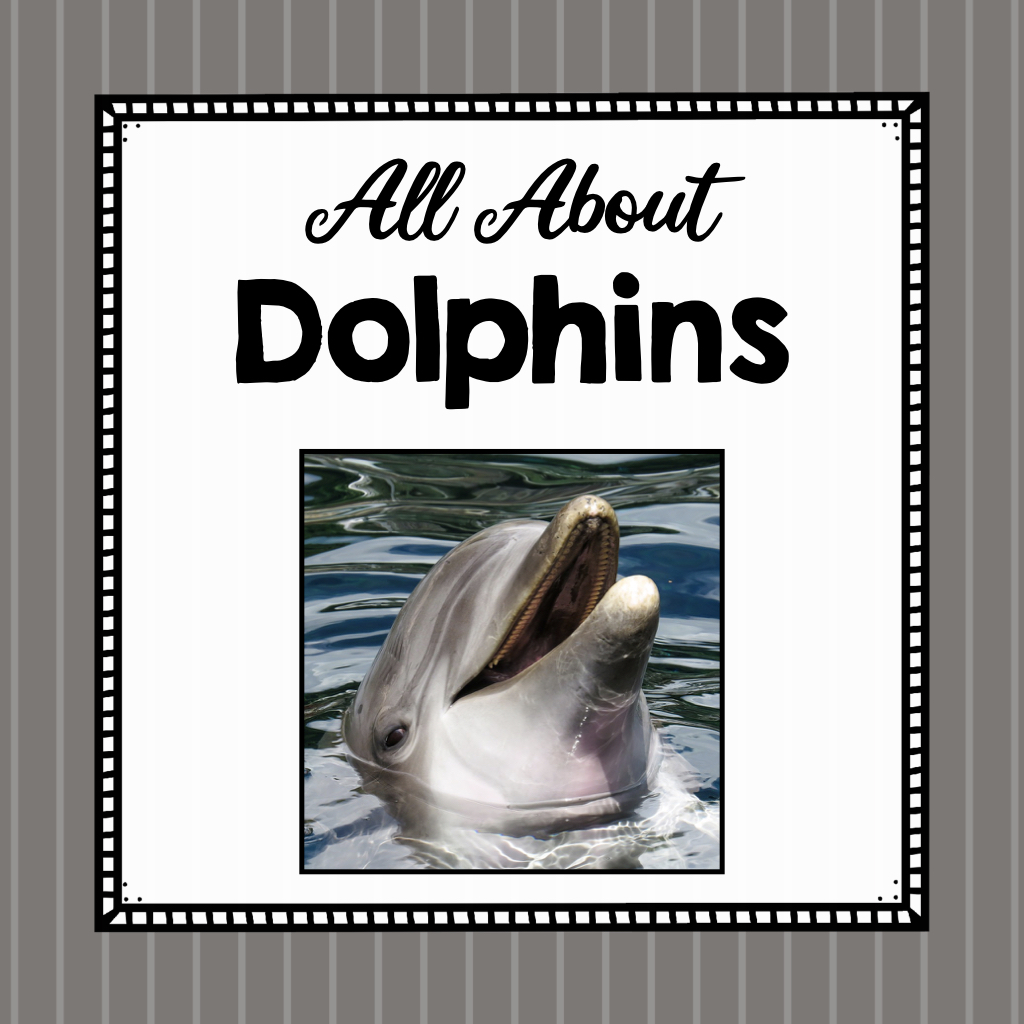
The World of Dolphins: Guided Reading Level Q with Lesson Plan

The World of Dolphins: Guided Reading Level Q with Lesson Plan
ELA, Resources for Teachers, Reading Comprehension, Reading, Science, Language Development, Life Sciences, Earth and Environmental Sciences, Pre-Reading, Vocabulary, Grade 3, 4, 5, Worksheets & Printables, Worksheets, Teacher Tools, Centers, Activities, Literacy Readers, Quizzes, Quizzes and Tests, Assessments, Lesson Plans

This The World of Dolphins (level q) guided reading book with lesson plan includes: Guided Reading Color Label (front cover x1) This is a quick way to match the book’s demands to what students can generally handle.. The overall goal is to use the level/color to pick books for several smaller groups. To qualify for a certain level, a student is expected to read a book from that level with about 90–94% accuracy. If a student is consistently accurate and understands, move up a level. If the student is struggling at that level, drop down and add more support. Each student will improve at completely different rates, but it is generally one of the best ways to check progress across the class. DOWNLOAD THE CATALOG TO VIEW ALL GUIDED READING BOOKS AVAILABLE (SORTED LEVELS A-Z) Pre-Reading Question (x1) Teacher asks the prompt aloud, can be while showing the cover or first page. Students share what they already know, or make educated guesses from the cover. Prompt them to use the target vocabulary. Write some of their responses on the board to look back at during the reading. Vocabulary Words (x5) Introduce the five words, best doing it one at a time. Start by saying it, while students repeat and then see if anyone knows what it means before reading further. Read through the meaning and try to briefly connect each word to a picture or gesture so it’s meaningful. Ask students to flip through the book pages and point to where they see each of the vocabulary words. While reading the book pause upon coming across one of the vocab words or read the sentence twice to make sure students understand the word has appeared. Optional: Ask students to raise hands whenever they see/hear one of the new words. Guided Reading Pages (x10) Check the book snapshot (below) for: primary topic - do you need to prep extra reading or intro materials on this? what is taught best - decide on 1-2 bullets to focus on, use the prompt or words provided here for best results. learning goals - what you are checking for students to be able to do after the session, elicit answers using prompts or words provided. key vocabulary (see section above). questions overview - so you know what is coming up and if you need to prep extra materials to assist understanding. Run the lesson You may have already looked at a few of the pages together, but you can show them some of the pictures again first to set meaning. Depending on how much time you have and how familiar your students are with guided reading class, you may want to read the book aloud first with the group first. Students whisper or partner read, while you listen in. If time, do it as a group, one student reading a page each. Use the guided page’s prompts to coach: “Check the picture / does it make sense?” “Point under the words / try the first sound” “Reread the sentence smoothly”. Try to focus more on one student per session (rotating every time), so you can work out if they are ready to move up or need to move down a level. Comprehension Questions (back cover x3) This is your way to check that students didn’t just say the words, but actually understood the text. First, let students answer by pointing to the page/picture and saying a short sentence. After any answer, follow with: “Show me where you found that in the text.” In bigger groups, have partners answer first (10–20 seconds), then call on 2–3 students to share. Differentiation tips: Emerging speakers/struggling readers: oral + pointing On-level: oral in a full sentence Higher: one written sentence or draw + label Book Snapshot Title: The World of Dolphins Genre: Nonfiction (informational) Subject: Life Science Primary Topic: Dolphin traits, behavior, and survival Estimated Guided Reading Level (A–Z): Q What This Book Teaches Best Explains dolphins as marine mammals (warm-blooded, nurse young with milk) and notes they are related to whales. Teaches how dolphins breathe : they cannot breathe underwater, must surface for oxygen, and use a blowhole to exhale and inhale quickly. Highlights dolphin social life in pods , including working together for food, protection from predators, and saving energy by swimming as a team. Describes dolphin communication and sensing , including clicks/squeaks/whistles, a unique “signature whistle,” and echolocation to find objects in dark or murky water. Connects dolphin survival to human impact , naming pollution, habitat loss, and accidental capture in fishing nets as threats. Learning Goals Students will explain why dolphins must come to the ocean’s surface to breathe and how a blowhole helps them do it. Students will describe how dolphins live in pods and list ways pod members help each other find food and stay safe. Students will explain how echolocation works in the text and what information dolphins learn from returning echoes. Students will identify what dolphins eat in the book and describe one hunting strategy pods use with schools of fish. Students will describe how mother dolphins care for calves and what the mother teaches the calf over time. Students will name threats to dolphins mentioned in the text and explain why protecting the ocean matters for their survival. Key Vocabulary From the Text blowhole — opening on top of a dolphin’s head for breathing. echolocation — finding things using sounds and listening for echoes. carnivores — animals that eat other animals for food. crustaceans — sea animals with hard shells, like crabs and shrimp. breaching — jumping up out of the water. Discussion Prompts Pre-reading question: What do you think dolphins need in order to survive in the ocean? Comprehension questions: Why does the text say dolphins have to come to the surface of the ocean? Comprehension questions: How does the text explain that echolocation helps dolphins in dark or murky water? Comprehension questions: What does the text say dolphins do in pods that helps them find food or stay safe? Printing Tips 1. Best Printing Method (Recommended) “Booklet” Printing (Best if Available) If your printer or PDF viewer supports Booklet Printing , use this. Settings to use: Print mode: Booklet Paper size: Letter or A4 (either works) Orientation: Landscape Print on both sides: Yes Flip on: Short edge Scaling: Fit to printable area Booklet subset: First test: Front sides only Then: Back sides only This will automatically: Pair pages correctly Put the cover on the outside Align everything for folding After printing, fold in half and staple along the spine . 2. If “Booklet” Printing Is NOT Available You can still print this correctly with manual duplex printing . Step-by-step: Open the PDF. Choose Print . Set: Orientation: Landscape Pages per sheet: 1 Print on both sides: Yes Flip on: Short edge Print all pages . Because each PDF page already contains two facing book pages, the result will still fold cleanly into a book. Thousands of Cored Education products are included with your TeachSimple membership. Download links and encyclopedia index available here.

Author Cored Education

Rating

Tags Reading Comprehension, Reading Passages, Reading, Guided Reading, Guided Reading Lesson Plan, Guided Reading Activity, Pre-reading, Science Lesson Plans, Life Science, Earth Science

Cellular Respiration:  Energy Extraction in Cells Reading Passage

Cellular Respiration: Energy Extraction in Cells Reading Passage
ELA, Reading, Writing, Research, Resources for Teachers, Science, Biology, Life Sciences, High School, Homeschool Resources, Teacher Tools, Assessments, Quizzes and Tests, Lesson Plans, Worksheets & Printables, Writing Prompts

Teaching cellular respiration can feel overwhelming, especially when you want your students/homeschoolers to truly understand how cells create energy, not just memorize steps. As a homeschool mom guiding my own ninth grader, I know how important it is to have resources that break down complex topics into manageable, engaging pieces. That is why I created this Cellular Respiration: Energy Extraction in Cells Reading Passage, Q &amp; A, and Note-Taking Sheets resource, complete with a detailed and complex reading passage, thought-provoking questions, and five versatile note-taking sheets. Designed for high school/homeschool biology, this resource helps students/homeschoolers grasp the big picture of cellular respiration while also encouraging critical thinking and independent learning. Whether you are teaching at home or in a classroom, you will find this resource to be a practical and effective addition to your curriculum. INCLUDED IN THIS RESOURCE: Multi-page, detailed Cellular Respiration Reading Passage 20 critical thinking passage questions A comprehensive answer key 5 flexible note-taking sheets for guided or independent study TOPICS COVERED: The three main stages: glycolysis, Krebs cycle, and electron transport chain Differences between aerobic respiration and fermentation The role of ATP, NADH, FADH₂, and key enzymes Real-world applications and connections to health and biotechnology This Cellular Respiration: Energy Extraction in Cells Reading Passage, Q &amp; A, and Note-Taking Sheets resource is a practical, engaging, and flexible tool for teaching one of biology’s most essential processes. Whether you are a homeschool parent like me or a classroom teacher, you will appreciate how this resource brings clarity and confidence to your lessons. It is designed to help students/homeschoolers not just learn, but truly understand how cells power life. If you and your students/homeschoolers enjoyed this resource, please leave a review. Thank you for your support! Tina - Big Easy Homeschooling Mo

Author Homeschool with Big Easy Homeschooling Mom

Rating

Tags Cellular Respiration Reading Passage For High School, Homeschool Biology Cellular Respiration Resource, Glycolysis Krebs Cycle Electron Transport Chain Explained, Critical Thinking Questions For Cellular Respiration, Electron Transport Chain, Advanced Biology Cellular Respiration Activities, Krebs Cycle, Glycolysis, AP Biology Resource, Homeschool Biology Resource

Space Travel & Technology: Blasting Off Gr. 5-8

Space Travel & Technology: Blasting Off Gr. 5-8
Science, Earth and Environmental Sciences, Space, Grade 5, 6, 7, 8, Teacher Tools, Lesson Plans

Space Travel & Technology: Blasting Off Gr. 5-8 An immersive teaching resource designed to transport students to the forefront of space exploration. This chapter slice , "Blasting Off," forms part of a larger lesson plan called "Space Travel & Technology," making it both versatile and integrable within a broader curriculum. Ideally suited to grades 5 through 8, this resource aligns with state standards, bringing Science and Astronomy principles alive using simplified language and vocabulary suitable for this age group. In-Depth Exploration The guide will turn your classroom into a shuttle en route to the International Space Station with your students playing key roles as crew members - scientists, engineers, astronauts! A Hands-On Experience This invaluable resource brings together exciting activities that can be modified for small groups or adapted for whole class instruction. Reading passages provide key insights into space travel while student activities integrated throughout encourage active engagement and knowledge application. There are test prep materials included that help reinforce gained knowledge while boosting test-taking confidence among learners. Included also are colorful mini posters that captivate attention while reinforcing topics learned — perfect for visual learners! Digital Learning Tool This PDF format product can also be assigned as homework ensuring learning continues even outside classroom walls. In essence, "Space Travel & Technology: Blasting Off Gr. 5-8" , is an inspiring bridge between today's classroom environment and tomorrow's vision of interstellar exploration. It champions educators' role in preparing future pioneers of space exploration by grounding theory with practical applications all within a learner-friendly framework.

Author Classroom Complete Press

Tags PDF