resources by type
resources by grade
resources by subject
other resources

3,877 products added recently

Page 6 - Science Lesson Plans

Bring science to life with lesson plans that cover biology, chemistry, physics, and more. These resources offer experiments and interactive lessons to stimulate curiosity. Implement them to foster a deep understanding of scientific principles and a passion for discovery.

Relevant
alt down
Any Time
alt down
filter by
alt down
All File Types
alt down
filter nav Show filters
Sort by: Relevant
CLEAR
resources by type
Activities
down arrow
Classroom Decor
down arrow
Teacher Tools
up arrow
Anchor Charts
Assessments
Charts
DBQ's
Diagrams
Graphic Organizers
Lesson Plans
Literacy Readers
Outlines
Presentations
Quizzes and Tests
down arrow
Rubrics
Templates
Worksheets & Printables
down arrow
resources by grade
Early Learning
down arrow
Pre-K
down arrow
Elementary
down arrow
Middle School
down arrow
High School
down arrow
Adult Education
Not Grade Specific
resources by subject
Creative Arts
down arrow
ELA
down arrow
Holiday & Seasonal
down arrow
Life Studies
down arrow
Math
down arrow
P.E. & Health
down arrow
Social Studies
down arrow
Special Resources
down arrow
Science
up arrow
Basic Science
down arrow
Chemistry
Earth and Environmental Sciences
down arrow
Life Sciences
down arrow
Physics
Technology
down arrow
Foreign Languages
down arrow
Resources for Teachers
down arrow
other resources
Common Core
Homeschool Resources
down arrow
Montessori
Research
STEM
Horse Chestnut Tree Life Cycle: Kindergarten Science Project

Horse Chestnut Tree Life Cycle: Kindergarten Science Project
Science, Life Sciences, Biology, Kindergarten, Preschool, Teacher Tools, Lesson Plans

Horse Chestnut Tree Life Cycle: Kindergarten Science Project Starting with a humble conker, take your class on a journey through the seasons to answer questions such as: What is a conker? Why have the leaves fallen off of the tree? Is the Horse Chestnut tree dead? Why does it have such large buds? Why are they sticky? Why does the tree have flowers? What are the bees doing in the flowers? Why does the tree make conkers? and many more! For ages 5-6, this pack gives you all the resources and information necessary to study the Horse Chestnut tree through the year, and thus teach many aspects of your Science curriculum using a tree that is common in many local areas. The Horse Chestnut Tree Life Cycle: Kindergarten Science Project pack includes: Teaching Notes Vocabulary related to the subject - print on the card. Suggested ideas: use them to make a game/trace the words/draw pictures. A Life cycle chart Life-cycle pictures to order - differentiated activities Pages with which to make a book about the Horse Chestnut tree Life cycle ordering exercises - differentiated activities Writing pages for descriptive writing Pictures to use for display/ordering/language work etc… Use for display etc.. Large pictures of the drawings for own use (subject to T’s and C’s, see page 2) More: This pack can be used alongside our Horse Chestnut Tree lifecycle PowerPoint Develop a sense of awe and wonder in your pupils as the beautiful photos take the viewer through the seasons to find out where a conker comes from. Or bought together in a pack: https://teachsimple.com/product/horse-chestnut-life-cycle-lesson-resource-pack-plus-powerpoint Find our Apple Lifecycle PowerPoint which can extend learning further to enable comparisons to be made. When can it be used: This pack can be used throughout the year, but especially in autumn when children's attention is drawn to conkers. What is included? 1 PDF with a total of 48 pages.

Author Lilibette's Resources

Rating

Tags Horse Chestnut Tree Life Cycle, Conker Lifecycle, Life Cycles, Trees, Seasons, Autumn, Horse Chestnut Tree, Conkers, Life Cycles K, Kindergarten Science Project

Nutrigenomics & DNA-Based Diet Planning

Nutrigenomics & DNA-Based Diet Planning
Science, Chemistry, Life Sciences, Biology, Human Body, Research, Resources for Teachers, Classroom Management, Community Building, STEM, Grade 6, 7, 8, 9, 10, 11, 12, Worksheets & Printables, Worksheets, Workbooks, Word Searches, Teacher Tools, Assessments, Lesson Plans, Quizzes and Tests, Quizzes, Tests

Unlock the future of personalized nutrition with this comprehensive, 42-page curriculum on Nutrigenomics and DNA-Based Diet Planning . Are your students or clients tired of one-size-fits-all health advice? This digital resource is the perfect tool to bridge the gap between complex genetic data and real-world, actionable meal planning. Designed for advanced learners, this unit moves beyond basic nutrition and dives into the cutting-edge science of how our unique genetic makeup dictates our response to foods. Students will learn to translate raw genetic data (SNPs) from common variants like MTHFR, APOE, TCF7L2, CYP1A2 (caffeine metabolism), and MCM6 (lactose intolerance) into highly personalized dietary protocols. This is not just a lecture—it's a complete, turnkey educational package perfect for AP Biology, IB Biology, university-level nutrition or genetics courses, and professional development for health coaches and dietitians. What's Included in This 42-Page All-in-One Resource: Part 1: Core Content & Theory (11 pages): A robust introduction to the molecular paradigm of nutrition, covering the genetics of macronutrient metabolism, enzymatic pathways (caffeine & lactose), and a hierarchical approach to building a DNA-based meal plan. Includes two detailed case studies (Elena & Marcus) that demonstrate how to synthesize multiple genetic factors into a cohesive plan. Part 2: Student Workbook (20 pages): Ten in-depth, high-level worksheets that guide students through an analytical process. They will map their own (or a case study's) genetic predispositions related to: Caffeine Metabolism (CYP1A2) Lactose Persistence (MCM6/LCT) Folate Metabolism (MTHFR) Lipid Transport & Saturated Fat (APOE/APOA2) Starch Digestion (AMY1) Vitamin D Receptor (VDR) Sodium Sensitivity (ACE/AGT) Histamine Degradation (DAO) And a final, integrated "Master Meal Plan" worksheet. Part 3: Visuals & Teacher Resources (11 pages): Includes high-resolution diagrams perfect for presentations and handouts, plus a complete Teacher Answer Key for the case study worksheets, providing detailed, expert-level answers and rationale. Learning Outcomes: Upon completion, students will be able to: Analyze and interpret key single nucleotide polymorphisms (SNPs) related to diet. Understand the biochemical impact of genetic variants on metabolism. Develop a prioritized, evidence-based dietary plan from genetic data. Critically evaluate how diet can be used to mitigate genetic risk and optimize health. Move from abstract theory to practical, real-world application. Keywords: Nutrigenomics, Personalized Nutrition, DNA Diet, Genetics, Biology Curriculum, AP Biology, IB Biology, University Nutrition, Dietetics, Health Coach Resource, SNP, MTHFR, APOE, CYP1A2, Caffeine Metabolism, Lactose Intolerance, Printable, Digital Workbook, Science, Project-Based Learning. Why Parents/Schools Love It: Bridges Theory and Real-World Application: This isn't just memorizing facts. It teaches students critical thinking by applying complex genetic science to a practical, everyday subject: food. Prepares Students for Future-Focused Careers: It provides a strong foundation in the rapidly growing fields of personalized medicine and wellness, giving students a significant advantage in college applications and future careers. Turnkey, Comprehensive Curriculum: It's an all-in-one resource with theory, worksheets, visuals, and a complete answer key, saving teachers valuable preparation time while providing a rigorous, high-quality lesson. Makes Science Personal and Engaging: By focusing on how DNA affects an individual's own body (or compelling case studies), it transforms an abstract topic into a deeply personal and engaging investigation. Target Audience (Student Classes) : Based on the advanced vocabulary ("phenotypic risk stratification," "cytochrome P450," "thermolabile enzyme") and the complexity of the tasks, target the following groups: University/College Students: This is the primary audience. It's perfectly suited for undergraduate and graduate courses in: Nutrition and Dietetics Human Biology and Kinesiology Genetics and Molecular Biology Naturopathic or Functional Medicine Programs Advanced High School Students: This is an excellent resource for accelerated programs, providing a significant competitive edge. AP Biology (especially for units on genetics and gene expression) IB Biology (Higher Level) Advanced Health Science Electives Professional Development: This workbook is a valuable upskilling tool for practicing or training: Health Coaches Nutritionists Personal Trainers with an interest in advanced nutrition. Copyright/Terms of Use: This Book was copyrighted by Syed Hammad Rizvi. This resource is for personal and single classroom use only. You may not alter, redistribute, or sell any part of this resource. In other words, you may not put it on the Internet where it could be publicly found and downloaded. If you want to share this resource with colleagues, please purchase additional licenses from Teachsimple. Thank you for respecting these terms of use. This product is happily brought to you by Syed Hammad Rizvi

Author Creative Book Store

Rating

Tags Nutrigenomics, PersonalizedNutrition, DNADiet, NutritionalGenomics, PrecisionNutrition, FunctionalNutrition, GeneticTesting, Biohacking, HealthScience, MolecularBiology

Free Science Human Microbiome Vocabulary Interactive Review
Free Download

Free Science Human Microbiome Vocabulary Interactive Review
Science, Life Sciences, Human Body, Basic Science, Grade 7, Teacher Tools, Lesson Plans

Human Microbiome Vocabulary Words to Review and Reinforce Definitions of the 7TH Grade Science curriculum . Students will learn and practice terms through definitions and characteristics. The engaging activity promotes collaboration and class discussion as students review terms definitions, and more with multiple visuals and learning formats like multiple choice questions, memory games, hang-man, and others. This versatile resource can be used for whole-group instruction, small-group practice, or independent work, just practice the words and then review them by choosing the correct one, it will self-correct you until you choose the correct answer Practice your Vocabulary with this Free Interactive Game Introduce young learners to a variety of visuals with this entertaining digital game. Students will see the names and images of different words and definitions; exercising visual memory and concentration. This self-checking activity can be played independently or as a whole class game projected on a smartboard. The vibrant slideshow stimulates engagement while building construction classification skills. students will build their knowledge of important terms and definitions while having fun playing games. This activity stimulates intelligence, builds concentration, reinforces letter recognition, improves spelling and pronunciation, and engagingly expands vocabulary. It's a perfect supplement for your lesson. Check our shop, material, and products for more interactive construction vocabulary reviews covering other topics like human microbiome, metabolism, and more grade levels in science and Spanish language arts. Download this versatile 32-slide PowerPoint today!

Author ShapeUp-N-Matematicas y Lenguaje

Tags SCIENCE, Human Microbiome, Bacteria, Infection, Microbiome , Microorganism, Cells, Antibiotic, Cell, Scientific Argument

Discover! Solar System

Discover! Solar System
Science, Earth and Environmental Sciences, Space, Grade 4, 5, 6, Teacher Tools, Lesson Plans

Discover! Solar System Teaching Resource The Discover! Solar System is an engaging resource designed to bring the wonders of our cosmic neighborhood into tangible focus. It's aimed at educators teaching Grade 4-6 and targets the subjects of Science, specifically Astronomy. The chief format for this material is lesson plans hosted in a single, easy-to-access PDF file. This teaching tool sets its sights on drifting through the solar system in such a way that feels both accessible and stimulating for young learners. The core focus points include elementary facts structured around our eight planets, not excluding Pluto’s status as a dwarf planet, the sun and moon dynamics along with their relationship to Earth's seasons and day/night cycles. That foundational information might be used as starting blocks to broach these topics within your lessons; making it suitable for whole group teaching sessions or smaller break out groups to encourage more focused discussions or debates around these captivating celestial themes. Future endeavors can utilize this resource as homework assignments or supplemental distance learning material too. By providing fun-filled activities aligned with worksheets containing questions – students will be encouraged not just to learn but also apply their newfound knowledge across different mediums. In turn, promoting critical thinking skills while fostering an amplified engagement with astronomy. You can also find answers associated within this file meant exclusively for teachers' use that allow real time monitoring of student progression throughout this module - simplifying grading while molding each lesson structure according to class performance levels over time. In summary - when it comes leveraging all-inclusive tools anchored in efficient learning procedures for memorable class experiences; Discover! Solar System serves such significant educational advancements by constructing thoughtfully laid out processes towards understanding rather intricate aspects about various aspects featured in our massive solar system space exploration has yet uncovered till date.

Author Classroom Complete Press

Tags PDF

Ice Skating Reading Comprehension Passage - Cored Ed Encyclopedia

Ice Skating Reading Comprehension Passage - Cored Ed Encyclopedia
ELA, Reading Comprehension, Reading, Language Development, History, Social Studies, Science, Physics, Sports, P.E. & Health, Grade 2, 3, 4, 5, Worksheets & Printables, Worksheets, Teacher Tools, Centers, Activities, Writing Prompts, Assessments, Quizzes and Tests, Quizzes, Lesson Plans

This Ice Skating reading comprehension with lesson plan includes: Visualization (on the front cover) Start your lesson by taking a minute to think and share something about the topic. Read the script aloud (slowly), perhaps prepare some music or sound effects. Student close their eyes and let their imaginations wander. Students open their eyes, read the question aloud and give them a few minutes to complete. Ask a few students to share or keep answers until the end to compare with what they learn in the passage. Quick pause—thousands of Cored Education products are included with your TeachSimple membership. Download links and encyclopedia index available here. Pre-Reading Trivia Students will write down one thing they already know about the subject and then read five more facts and discuss. These facts are fun, and the students will enjoy learning about the subject before reading more. Give 1 minute for students to write what they already know (no pressure—best guess is fine). Read the five facts together. After each fact, do ask a student for their opinion, was it surprising? Set a purpose by asking students to highlight/underline one fact they want to learn more about during the reading. Reading Passage The text is a high-interest reading passage with set paragraphs, roughly three to four paragraphs long. It contains a variety of themes about the topic, anywhere from history to technology. The passage is between 250 and 350 words in length. First, ask students to look at the headings and see what they’ll learn about today. What do they know about the topic/heading? First read options: Teacher read-aloud (best for support). Partner reading (paragraph by paragraph). While reading, students underline important details, and vocabulary words they think may come up in the questions section. Mixed Questions The first question page contains four multiple-choice questions, each with a choice of four answers, and three written response questions that require a sentence or two from the student. Students complete the mcqs first independently, then review quickly as a class. For the 3 written responses, try to get students giving the answer with some form of evidence: “I think ___ because the text says ___.” If students get stuck, send them back to check the passage. Vocabulary Questions Practice seven key words from the text in this section across two activities. First section is scrambled words where students will unscramble three words given a clue for each. The second section is a word to meaning matching activity. Before starting, have some students read out words they underlined in the passage. Ask students to say the word and read aloud the sentence(s) around each word. Ask students to do scrambled words and the matching exercise in pairs then go through answers as a class. For the scrambled spelling task, get four pairs to come up to the board and write the words for extra practice with the other student reading out the clue. For the matching task, prompt students to give full sentences: “I matched ___ with ___ because ___.” Creative Writing In this question, the student will be required to write a five to eight sentence paragraph on a question related to the topic. Before starting, ask students write down 3 key ideas they are going to include in their piece. Ask students for ideas to share around the class to help those struggling. Pro writing expectations: 5–8 sentences At least 2 facts or details from the passage At least 2 vocabulary words from the previous page Students read their paragraphs while classmates listen for facts and vocabulary words. Extension Activities This page is optional for fast finishers or to take home. There are several activities, each one requiring a different skill. Do some, do none, do all, completely optional - but you will feel reassured knowing every possibility is planned for. Includes summary writting question and additional facts. Answer Key There are answers for the multiple-choice questions, written response questions have sample answers, vocabulary answers and if there is a summary question then a sample summary will be provided as well. Lesson Plan Included Customized lesson plan for this lesson is included. Lesson Snapshot Title: Ice Skating Genre: Nonfiction (informational text) Subject: Reading (Informational Text) / Science Primary Topic: How ice skating began and why blades glide Estimated Guided Reading Level (A–Z): R What This Lesson Teaches Best Explains how ice skating was first used for winter travel long ago (frozen lakes and rivers as “the easiest way to travel”). Describes how skates changed over time (from animal bones to wood to metal blades) and why sharpened edges mattered for control. Shows how skating shifted from travel to organized sport, including races, rules, championships, and the Olympic stage. Introduces a simple science idea for why skates glide: a super-thin slippery surface layer where ice molecules are a little looser. Uses text features (section headings) to chunk information and support comprehension. Learning Goals Identify the main idea and key details about how ice skating began and changed over time. Describe the difference between early bone skates and later skates with sharpened metal edges. Explain how sharpened edges helped skaters push, steer, and move with control. Explain, using the text, why a skate blade can slide well on ice. Describe how skating became an organized sport with rules, championships, and worldwide attention. Key Vocabulary From the Text blades — thin metal parts of skates that touch the ice. edges — sharpened sides that help a skate grip ice. molecules — tiny pieces that make up ice. championships — contests to find winners in a sport. standards — agreed rules that keep things consistent. FULL CATALOG OF DOWNLOAD LINKS AND ENCYCLOPEDIA INDEX HERE

Author Cored Education

Rating

Tags Vocabulary, Reading Comprehension, Reading Passages, Lesson Plans, Ela Lesson Plans, Reading Comprehension Lesson Plans, Pre-reading, History, P.e. Lesson Plans, Sports

Space Travel & Technology: Living in Space Gr. 5-8

Space Travel & Technology: Living in Space Gr. 5-8
Science, Earth and Environmental Sciences, Space, Grade 5, 6, 7, 8, Teacher Tools, Lesson Plans

Space Travel & Technology: Living in Space Gr. 5-8 A dedicated teaching resource for grades 5 to 8 focused on the enthralling subject of space travel, technology and 'Living in Space'. Key Features: Enriches learning experiences and fosters imagination. Puts students into various roles such as scientists, engineers, astronauts and leaders. Suitable for remedial learners featuring simplified language and vocabulary. Notable content: Incorporates detailed reading passages designed to foster understanding about life beyond Earth. Includes a variety of student activities along with test preparation content aimed at enhancing comprehension and improving testing skills simultaneously. Note:This resource includes visually appealing color mini posters for effective whole-class use adding vibrancy into each session making it engagingly interactive. The Space Travel & Technology: Living in Space Gr. 5-8 curriculum is strictly aligned with State Standards meeting educational guidelines whilst adhering to Bloom's Taxonomy objectives. It seamlessly integrates STEM initiatives promoting practical exercises stimulating interest among young learners. Navigating this Resource: Experience an easy-to-navigate PDF file that brings convenience during classroom instructions or assigning homework while encouraging independent learning amongst your students. Use this comprehensive literature to enhance your lesson plan as you lift your students' knowledge and curiosity about the captivating universe of space travel technology.

Author Classroom Complete Press

Tags PDF

Life Among the Lemurs: Emergency Lesson Plan

Life Among the Lemurs: Emergency Lesson Plan
Science, Life Sciences, Animals, Grade 5, 6, Teacher Tools, Lesson Plans

Life Among the Lemurs: Emergency Lesson Plan Life Among the Lemurs: Emergency Lesson Plan is a teaching resource ideal for Grade 5 and Grade 6 educators. It mainly focuses on the subject area of Science, particularly Zoology,, and presents an engaging exploration into the fascinating world of our furry lemur friends. The material narrative involves a family trip to the zoo where Uncle Joe and his nephews learn about lemurs. This storytelling approach effectively conveys essential information while keeping young minds entertained. Beyond Storytelling - Fun Activities & Worksheets Besides storytelling, this resource provides fun activities that blend education and engagement. Emergencies or unexpected events need not disrupt learning; this package contains several ready-to-print pages: Thought-provoking worksheets that encourage learners to delve deeper into Zoology. Awareness-expanding extension activities taking students beyond textbook knowledge. Versatility for Any Scenario! 'Life Among the Lemurs: Emergency Lesson Plan' can serve as impromptu lessons during short periods, inadvertently supporting classroom learning seamlessly! Additionally, get your class prepped up with enriching pre-excursion case studies before their trips to local zoos or wildlife parks! In Summary..., 'Life Among the Lemurs: Emergency Lesson Plan' offers science insights via interactive storytelling clubbed with practical exercises solidifying foundational knowledge - even beyond immediate lesson planning.

Author Classroom Complete Press

Tags Science Article, Lemurs, Animal Habitats, Substitute Plans, Reading Passage

Life Cycle & Plant Science Observation Journals

Life Cycle & Plant Science Observation Journals
Science, Life Sciences, Nature & Plants, Earth Sciences, Earth and Environmental Sciences, Environmental Science, Geology, Research, Resources for Teachers, Classroom Management, Homeschool Curriculum, Grade 1, 2, 3, 4, 5, 6, Worksheets & Printables, Workbooks, Worksheets, Word Searches, Teacher Tools, Lesson Plans, Quizzes and Tests, Quizzes, Tests, Assessments

Turn your elementary science class into a dynamic botany lab with this complete and ready to use Plant Life Cycle and Science Observation Unit! This complete resource is specifically designed for students in the 2nd, 3rd, and 4th grades, and it provides everything you need to complete a challenging, experiential investigation of the plant kingdom, beyond traditional worksheets. Your students will be excited to move from being passive observers to being active scientists, as this entire unit is based on a constructionist learning model. By creating Plant Science Observation Journals, students will have the opportunity to measure, draw pictures, create hypotheses, and document their findings through each stage of the life cycle of the plant. The four major stages of development (germination, photosynthesis, pollination) will be fully addressed through hands-on experiences. THE 40-PAGE RESOURCE INCLUDES THE FOLLOWING ELEMENTS: PHASE 1: Teacher's Guide for Core Content & Theory - A deep-dive into the botanical theory and pedagogy behind the unit and includes interesting case studies, such as the Methuselah Palm (estimated to be 2000 years old), which will help teachers teach this unit confidently. PHASE 2: Student Workbook with 10 Activities - The student activities are organized sequentially to build upon previously learned materials. The following activities are included within the student workbook: Seed Anatomy and Germination Photosynthesis Factory Root Systems and Soil Science Transport Highway (Stems, Xylem, Phloem) Leaves and Transpiration Flower Anatomy Pollinators and Ecological Partnerships Seed Dispersal and Plant Adaptation and Survival Tactics Final Activity: The Botanist's Field Journal - Students will apply all they have learned about plants to a plant they will observe and describe using their Field Journal as a reference. Stage 3: Reference Material and Key Visuals Printable visual anchors – Clear diagrams with good contrast showing the life cycle of flowering plants, the process of photosynthesis and the anatomy of seeds. These would be great for display in the classroom or for student folders. 4-week teacher's guide to use the unit – This is a step by step overview of how to introduce this unit to your class and also includes Journaling Tips as well as Differentiation Strategies for English Language Learners and advanced students. Comprehensive Answer key – A complete answer to each of the activities included in the unit. This makes assessments simple and clear. This unit is suitable for public school teachers and parents teaching their children at home, as well as science curriculum developers who want a high-quality, exciting and standards-compliant (NGSS) science resource. KEYWORDS: Plant life cycle Plant science Botany Observation journal Photosynthesis Germination Pollination Seed dispersal STEM NGSS Elementary Science 2nd grade 3rd grade 4th grade Home school Science unit Printable worksheets Teacher guide Answer key. Why do teachers and parents love it?: This is not simply a series of worksheets but an entire 40-page curriculum unit with everything included. By using this curriculum unit, teachers and parents are able to save countless hours of research and preparation. The curriculum goes beyond basic memorization and gives students actual scientific skills that they will use their whole lives. Through the use of observation and measuring (i.e., the roots of the plant), making hypotheses, and journaling, students learn to think like scientists. The teacher guide includes specific strategies for helping both English language learners and advanced/gifted students, so the curriculum can be used in any classroom. The content is scientifically accurate and uses the proper terms (e.g., cotyledon, gravitropism), and the hands-on activities, real-world case studies, and clear diagrams will keep students engaged. Audience for the Classes: The classes are designed for students who are in Primary Grades 3-4. There are forty-two pages of instructional material in the PDF that detail content, vocabulary and an education guide for these grade levels. The worksheets are appropriate and the content will encourage student achievement and challenge their ability level. Students can also be successful completing the theoretical components at some level to improve their educational growth from their beginning point. The students who are in Grade 1 will be able to use this unit with more instruction from their teachers, also as a grade level review and will be able to compete with but at an acceptable level. The differentiation guide that is included in the PDF will enable the teacher to supports all the students to be successful. Copyright and Terms of Use: Copyright initiated by Syed Hammad Rizvi, meaning only the user can use this resource in a personal manner or in one classroom. No one may change, distribute, or sell to anyone (including on the Internet) any part of this resource. If you would like to share this resource with other educators, you can purchase additional licenses through Teachsimple. Thank you for abiding by these terms of use. This product is sincerely created by Syed Hammad Rizvi

Author Creative Book Store

Rating

Tags Science, STEM, Biology, Education, LifeScience, NatureStudy, PlantScience, Botany, PlantLifeCycle, LifeCycleOfAPlant

A Trip to the Zoo

A Trip to the Zoo
Science, Life Sciences, Animals, Preschool, Grade 1, 2, 3, Teacher Tools, Lesson Plans

A Trip to the Zoo: An Educational Treasure A Trip to the Zoo is an exceptional teaching resource designed specifically to invoke a sense of curiosity in young students from Kindergarten through Grade 3. It transports children into an explorative journey of animals, fostering learning about science and zoology themes. Promoting Reading and Engrossing Stories This resource is packed with carefully curated poems and non-fiction passages. The aim? To not just present facts but weave them into a story that nurtures love for reading among young learners. Beyond Just Reading - Interactive Learning The guide includes classroom activities for reinforcing themes learnt, promoting hands-on interaction with the subject material. It encourages creativity via art projects tied directly to the lessons learned. The unique feature? Classification skills. Students get hands-on experience understanding how classification works by categorizing different animals they encounter on their virtual tour. Fostering Active Discovery and Participation By entwining wildlife facts within poetry and prose narratives, students aren't just passive receivers—they become active discoverers! This approach promotes both meaningful participation & better information retention. Independent Research & Creation We empower our students towards self-motivated learning. They collate observations & findings together creating their own 'zoo book'. A crucial step towards nurturing lifelong learners! In conclusion – 'A Trip To The Zoo' blends seamlessly into any teaching setting (classroom full group settings or during small-group instructional time or even as homework). The best part? This ready-to-use pdf file makes teaching science & zoology subjects effortless while tapping into student's curiosity about wildlife.

Author Classroom Complete Press

Tags PDF

All About Elephants | Five Facts Video Lesson

All About Elephants | Five Facts Video Lesson
Science, Life Sciences, Animals, Not Grade Specific, Lesson Plans, Teacher Tools

This animated video lesson will give you five facts all about elephants. Students will love this engaging and interactive video. This video serves as a great introduction or review video for your learners. This is a 3-minute video lesson.

Author Educational Voice

Tags Elephants, Animal Habitats, Animal Communication, Habitats, Science Video

Kids Can Be Aware: Creative lessons for teaching kids about the environment

Kids Can Be Aware: Creative lessons for teaching kids about the environment
Creative Arts, Art, Science, Physics, Preschool, Kindergarten, Teacher Tools, Lesson Plans

Kids Can Be Aware: Creative Lessons for Teaching Kids about the Environment This exceptional educational resource is designed to spark curiosity and awareness in young children about the environment. The resource incorporates imaginative activities that seamlessly weave environmental themes into everyday learning. What's Inside? The PDF includes 64 printable pages, intricately designed to be part of lesson plans related to core subjects like Art, Music, and Physical Science. However, these sheets aren't entirely academic; they offer a blend of hands-on activities for enhanced creative learning. An exciting game of animal hide-and-seek in the classroom or transforming corners into various biomes makes learning fun! Natural materials from local surroundings bring real-world applications right into science or art lessons. Create remarkable group-based projects that mirror different habitats or educate on aspects of biodiversity conservation. Flexible Learning Resource P The 'Kids Can Be Aware' guide is adaptable for both small group sessions as well as whole class discussions. The innovative teaching approach can even extend to homework assignments where children can involve their parents in creating mini ecosystems at home! Note: This guide also cleverly couples snacking with engaging lessons – making each session deliciously unforgettable! A Transformative Approach Towards Holistic Learning If you're looking towards changing your conventional teaching methods by integrating explore beyond textbooks and worksheets - go for Kids Can Be Aware: Creative Lessons For Teaching Kids About The Environment! It helps nurture empathy and promotes responsibility towards the environment - vital traits missing from typical education systems. "In taking this straightforward, organic route towards environment learning – you get to leave classroom corners permanently resident with lifelong learners!"

Author Classroom Complete Press

Tags Creative Lessons, Art Lesson, Awareness, Teaching Awareness, Environment

Your Pearly Whites: A Cross-Curricular Unit on Teeth

Your Pearly Whites: A Cross-Curricular Unit on Teeth
Science, Life Sciences, Human Body, Grade 1, 2, Teacher Tools, Lesson Plans

Your Pearly Whites: A Cross-Curricular Unit on Teeth As a comprehensive lesson plan, this resource is designed to make teaching about teeth and oral hygiene interactive and engaging for your students. Suitable for educators in first or second grade classrooms, your copy will be delivered as a PDF file consisting of seven ready-to-print pages packed with valuable information and stimulating activities. An Informative, Stimulating Resource This carefully curated learning tool offers essential tooth-related facts through an informative nonfiction article. The educational content is presented in language that's easy to understand for young learners without compromising the depth of information. Multifaceted Learning Strategies The material incorporates cross-curricular learning strategies designed to cater diverse learning styles. The included worksheets offer students opportunities to exercise critical thinking skills while enhancing literacy through activities such as: Reading Comprehension checks Writing prompts Easily Integrated into Your Current Curriculum This lesson unit aligns with science-learning directives under the human body sub-topic - making it easy to seamlessly incorporate into your existing teaching approach. Versatility at Its Best! The resource can be used effortlessly during whole group lessons led directly by educators but also works well during small group learning sessions where engaging discussions can take place among the students. Worksheets could also be assigned as homework tasks, with parents stepping into supporting roles; therby extending their child's classroom-based lessons right into their homes. In conclusion, Your Pearly Whites: A Cross-Curricular Unit on Teeth is an indispensable teaching tool crafted by teachers for other educators who seek practical resources that keep student interest high, yet meet rigorous academic standards. This resource combines factual knowledge about teeth with cross-disciplinary learning tactics- infusing flexibility into your teaching methods while facilitating a deep and holistic understanding amongst learners.

Author Classroom Complete Press

Tags The Human Body, Science Lesson, Teeth Lesson, Syllables, Vocabulary

Cold Exposure & Sauna Recovery Logs

Cold Exposure & Sauna Recovery Logs
P.E. & Health, Health, Mental Health, Physical Education, Sports, Yoga, Mindfulness, Science, Life Sciences, Human Body, Grade 6, 7, 8, 9, 10, 11, 12, Worksheets & Printables, Workbooks, Worksheets, Word Searches, Teacher Tools, Lesson Plans, Quizzes and Tests, Quizzes, Tests, Assessments

Unlock Peak Performance with the Ultimate Athlete Recovery Workbook: A Sports Science Deep Dive into HRV & Contrast Therapy Are your student-athletes training hard but struggling with burnout, nagging injuries, or performance plateaus? The secret to unlocking their true potential isn't just more practice—it's smarter recovery. Introducing the Cold Exposure & Sauna Recovery Logs: HRV Tracking for Athletes , a comprehensive, data-driven curriculum designed to transform young athletes from passive participants into active scientists of their own physiology. This isn't just another workout log; it's a complete educational resource that bridges the gap between high school athletics, biology, and cutting-edge sports science. This 39-page digital PDF workbook empowers students to objectively measure their recovery using Heart Rate Variability (HRV) and understand the powerful effects of contrast therapy (sauna and cold plunge). They will learn to listen to their bodies, prevent overtraining, and strategically peak for competition. What's Inside This Complete, No-Prep Resource? Part 1: The Science of Recovery (Theory Section): A detailed yet accessible introduction to the core concepts, including: The Physiology of Contrast Therapy (Vasomotor Gymnastics, Endocrine Response) Decoding Heart Rate Variability (HRV) and the Autonomic Nervous System The Principle of Hormesis and the "Rebound Effect" Protocols for Accurate Data Collection with real-world case studies. Part 2: The Student Workbook (10 In-Depth Worksheets): Actionable, printable logs and analysis sheets that guide students through every step of the process. Worksheets include: Baseline Physiological Metrics & Autonomic Regulation The Contrast Therapy Protocol Log Acute HRV Response & Somatic Feedback Environmental Variables & Thermal Dynamics Longitudinal Tracking: The Weekly Micro-Cycle Subjective Perception vs. Objective Biometrics Sleep Architecture & Thermal Recovery Synergies Game-Day Readiness & CNS Priming Analyzing a "Red Day" (Maladaptation & Overtraining) Capstone Synthesis: Designing a Periodized Recovery Plan Part 3: Visuals & Teacher Resources: High-Quality Visual Aids: Clear, conceptual flowcharts and graphs illustrating the physiological mechanisms and tracking protocols. Complete Teacher & Coach Answer Key: Comprehensive model responses and grading notes for every single question, saving you valuable time and ensuring you can confidently guide your students. Who is this resource for? This is a perfect tool for High School Coaches, PE Teachers, Athletic Directors, and Science Teachers (Biology, Anatomy & Physiology, Health). It’s also an invaluable resource for parents of dedicated student-athletes who want to give their child a competitive edge in a safe, science-backed way. Stop guessing and start measuring. Empower your athletes with the knowledge to train smarter, recover faster, and perform better. Download this game-changing resource today! Keywords: Sports Science, Athlete Recovery, Heart Rate Variability, HRV, Contrast Therapy, Ice Bath, Sauna, PE Curriculum, Health, Biology, Anatomy, Physiology, Student Athlete, High School, Data Tracking, STEM for Athletes, Overtraining, Peak Performance, Wearable Technology, Digital Worksheet, Printable PDF, Sports Medicine. Why Parents/Schools Love It : Bridges Academics and Athletics: This resource masterfully integrates STEM concepts (biology, data analysis) with physical education, making science tangible and exciting for student-athletes. Prevents Injury & Burnout: By teaching athletes to use objective data (HRV), it moves them beyond "no pain, no gain" and empowers them to recognize signs of overtraining before injury or burnout occurs. Fosters Autonomy & Critical Thinking: It transforms students into proactive managers of their own health. They learn to analyze data, hypothesize, and create personalized plans, skills that last a lifetime. Provides a Competitive Edge: This is the same science used by professional athletes. Giving high schoolers access to these advanced recovery protocols offers them a significant, science-backed advantage over their competition. Comprehensive & Turnkey Solution: With detailed theory, 10 worksheets, visuals, and a full answer key, it is a complete, no-prep curriculum that saves teachers and coaches hours of research and preparation time. Target Student Audience : Based on the language, concepts (hormesis, RMSSD), and direct references ("tenth-grade student," "high school athletes"), target: Primary Target: High School Students (Grades 10-12) . Specific Courses: This is ideal for: Advanced Physical Education / Athletic Training Programs: For schools with elite sports teams. Sports Science or Kinesiology Electives. Advanced Biology or Human Anatomy & Physiology Classes: As a practical application unit connecting classroom concepts to real-world performance. Health Science Classes. Secondary Target: College Freshmen in introductory Kinesiology or Exercise Science courses. The material is robust enough for this level. Copyright/Terms of Use: This Book was copyrighted by Syed Hammad Rizvi. This resource is for personal and single classroom use only. You may not alter, redistribute, or sell any part of this resource. In other words, you may not put it on the Internet where it could be publicly found and downloaded. If you want to share this resource with colleagues, please purchase additional licenses from Teachsimple. Thank you for respecting these terms of use. This product is happily brought to you by Syed Hammad Rizvi

Author Creative Book Store

Rating

Tags SportsScience, AthleteRecovery, HRV, Recovery, Biohacking, Performance, Athletics, Training, Fitness, Health

Underwater Plants | Animated Plants Video Lesson

Underwater Plants | Animated Plants Video Lesson
Science, Life Sciences, Nature & Plants, Not Grade Specific, Lesson Plans, Teacher Tools

Underwater Plants Animated Video Lesson This 11-minute animated video lesson engages students while teaching them about underwater plants. The video serves as an introduction or review of botany concepts for a wide range of grade levels. Students will enjoy the interactive nature of the animation as they learn about the unique adaptations and features of underwater plants. Educators can use this video in various ways, such as showing it to the whole class to introduce a unit on plants or assigning it for students to watch independently at home before a quiz . The video is also ideal for small groups needing remediation on plant concepts. The video lesson touches on essential botany ideas like photosynthesis, adaptations, and plant structures in an easy-to-understand way suitable for elementary through high school. The unique perspective of focusing specifically on underwater plants exposes students to a topic they may be less familiar with compared to land plants.

Author Educational Voice

Tags Underwater, Plants, Ocean, Botany, Science Video

Dinosaur Dig: History - Hands On

Dinosaur Dig: History - Hands On
Science, Earth and Environmental Sciences, Grade 1, 2, 3, 4, Teacher Tools, Lesson Plans

Dinosaur Dig: History - Hands On A cutting-edge, tactile learning resource for Grade 1 through Grade 4. Primarily aimed at teaching in-depth science with a particular emphasis on archaeology. An exciting journey back to the prehistoric era unfolds within the pages of this kit. Through its 32 printable PDF pages, it provides an opportunity to engage with history in an interactive way like never before! Each page gives a new insight into dinosaur life - from what they looked like to where they lived. What's Included? Vibrant Charts Informative Timelines Engaging Stories Instructive Maps Easily Assembled Models for Hands-on Learning Experience This resource stands out because of its solid grounding in real-world paleontology. It brings scientific discovery right into the classrooms of grades 1-4. The kit also includes profiles of renowned dinosaur hunters who have significantly contributed to our understanding of these extraordinary creatures. Suitability: Dinosaur Dig: History - Hands On fits seamlessly into diverse lesson plans; whether being used for full class activities or small group work. It can even be assigned as inventive homework assignments that encourage independent thinking and creativity! In Conclusion: This teaching supplement is not merely about reciting facts; rather it inspires passion for learning! With content that is visually appealing and packed with information, this resource offers a deep dive into everything we know about dinosaurs through paleontology . This makes it an essential addition to any educator’s toolset for grades 1-4.

Author Classroom Complete Press

Tags Science Lesson, Dinosaur Dig, Hands-on Science, Dinosaur History, Prehistoric Life

Reducing Your Community's Carbon Footprint: Some Green Towns and Cities Gr. 5-8

Reducing Your Community's Carbon Footprint: Some Green Towns and Cities Gr. 5-8
Science, Earth and Environmental Sciences, Environmental Science, Grade 5, 6, 7, 8, Teacher Tools, Lesson Plans

Reducing Your Community's Carbon Footprint: Some Green Towns and Cities Gr. 5-8 An enlightening teaching resource designed to engage students in understanding the impact of their community's carbon footprint and global climate change. Target Audience - Grades 5 through 8 This material is perfect for both traditional classrooms and homeschool environments. Understanding Environmental Science: Cause and effects of global warming Green living practices The heat island effect caused by cities altering local climates Varying Topics included: The shift Cuba made transitioning its farming system to using no fossil fuels within a decade, providing valuable lessons about globally-adopted green practices. Additionally, it encourages students to apply learned concepts such as reducing the travel footprint of their communities through topical discussion prompts. Teaching Methods Flexibilty: The material can be adapted into diverse teaching methods whether one prefers small group activities or full class discussions, proving its versatility at home or in the classroom environment. It may even be assigned as homework focusing on environmental consciousness given its comprehensive content suitable for self-study. Incorporated Learning Initiatives: Bloom’s Taxonomy aligned content , STEAM initiatives adoption , Included tools like graphic organizers make learning hands-on , A carbon footprint calculator, . Crossword puzzles, word searches, comprehension quizzes along with answer keys contribute towards creating an immersive educational experience.. Inspiration Through Real-world Examples Students will learn about various green towns and cities around the world that have successfully reduced their carbon emissions, and promoted sustainable living. This may also fuel their enthusiasm to brainstorm similar changes within their own communities. Conclusion: Reducing Your Community's Carbon Footprint: Some Green Towns and Cities Gr. 5-8 is an engaging resource empowering students to make a difference while envisioning a greener future.

Author Classroom Complete Press

Tags PDF

Ocean Animal Research Writing Project on SEA TURTLES for K-2nd Grade

Ocean Animal Research Writing Project on SEA TURTLES for K-2nd Grade
Life Studies, ELA, Writing, Creative Writing, Reading, Science, Life Sciences, Animals, Research, Kindergarten, Grade 1, 2, Lesson Plans, Teacher Tools, Presentations, Worksheets & Printables, Worksheets, Writing Prompts

Sea Turtle Animal Research Writing Project for K-2. Engage your K-2 students in learning about sea turtles with this 19-page animal research writing project. Students will read age-appropriate information about sea turtles, examine real-life photos, color pictures, draw a sea turtle habitat, organize facts using writing organizers, and write an informational report on sea turtles. This unit is differentiated for various abilities and for ages K-2nd grade. This project promotes reading, creativity, and early research and writing skills. Use it for whole-class instruction, small groups, or individual assignments. With fun borders and opportunities for students to be creative while building knowledge, this packet offers multi-day engagement to learn about the amazing sea turtle! Here are even more informational resources on report writing for OCEAN ANIMALS. Click on the links below: Animal Research Writing Project on WHALES for K-2nd Grade Animal Research Writing Project on the OCTOPUS for K-2nd Grade Animal Research Writing Project on SEA TURTLES for K-2nd Grade Animal Research Writing Project on ORCAS for K-2nd Grade Animal Research Writing Project on the SHELLFISH for K-2nd Grade Animal Research Writing Project on DOLPHINS for K-2nd Grade Animal Research Writing Project on SEALS for K-2nd Grade Want to teach your students all about Zoo Animals? Check out all these interesting facts about these favorite zoo animals. With the same great photos, facts, habitat drawings, and more. It is a great way to help students to get interested in writing. For Zoo Animal reports, click on the following links below: Animal Research Writing Project on TIGERS for K-2nd Grade Animal Research Writing Project on MONKEYS for K-2nd Grade Animal Research Writing Project on PANDAS for K-2nd Grade Animal Research Writing Project on HIPPOS for K-2nd Grade Animal Research Writing Project on ELEPHANTS for K-2nd Grade Animal Research Writing Project on GIRAFFES for K-2nd Grade

Author K-5 Treasures

Tags Animal Research, Informational Writing, Writing Report, Report On Animals, 1st Grade Writing, 2nd Grade Writing, Ocean Animals, Sea Turtles, Report Of Sea Turtles, Ocean Animal Report

I WONDER - What Are The Different Modes In Minecraft | Animated Video

I WONDER - What Are The Different Modes In Minecraft | Animated Video
STEM, Computer Science, Technology, Science, Grade 6, 7, 8, 9, 10, 11, 12, Lesson Plans, Teacher Tools

Video Introduction An amazing video designed for the students to learn more about STEM. I WONDER - What Are The Different Modes In Minecraft | Animated Video Lesson Do you like STEM subjects? what is your favorite one? Have you ever tried to plant a seed? If yes, tell us more about it. Or have you ever tried to invent something? If yes, tell us more about it. And how do you think it will help us? Have you ever seen a microorganism under a microscope? What was it? And how it looked like? Mathematics is a marvelous subject. Let' sharpen our brains and solve some equations. Do you like timetable tricks? What is your favorite one? Do you know how to code? Have you ever created an app or a game before? If yes, how was it like? I WONDER - What Are The Different Modes In Minecraft | Animated Video Lesson The video is perfect for encouraging the researching skills for the students, while learning more about this fantastic topic. I WONDER - What Are The Different Modes In Minecraft | Animated Video Lesson This friendly designed video is suitable for students at school, homeschooling, and as a group activity. Format Available in MP4 format.

Author Educational Voice

Tags What Are The Different Modes In Minecraft, What Are The Different Modes In Minecraft Video, Different Modes In Minecraft, Different Modes In Minecraft Video, Different Modes In Minecraft Facts, Different Modes In Minecraft Video For Kids

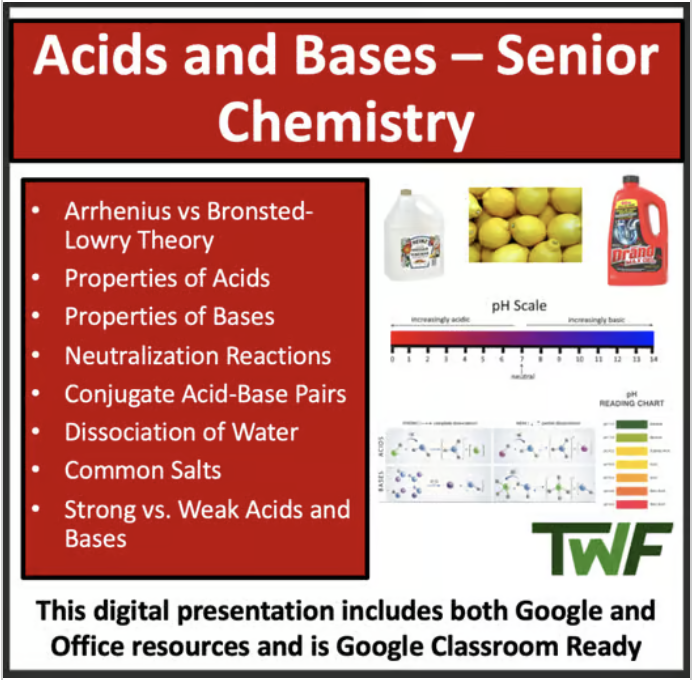
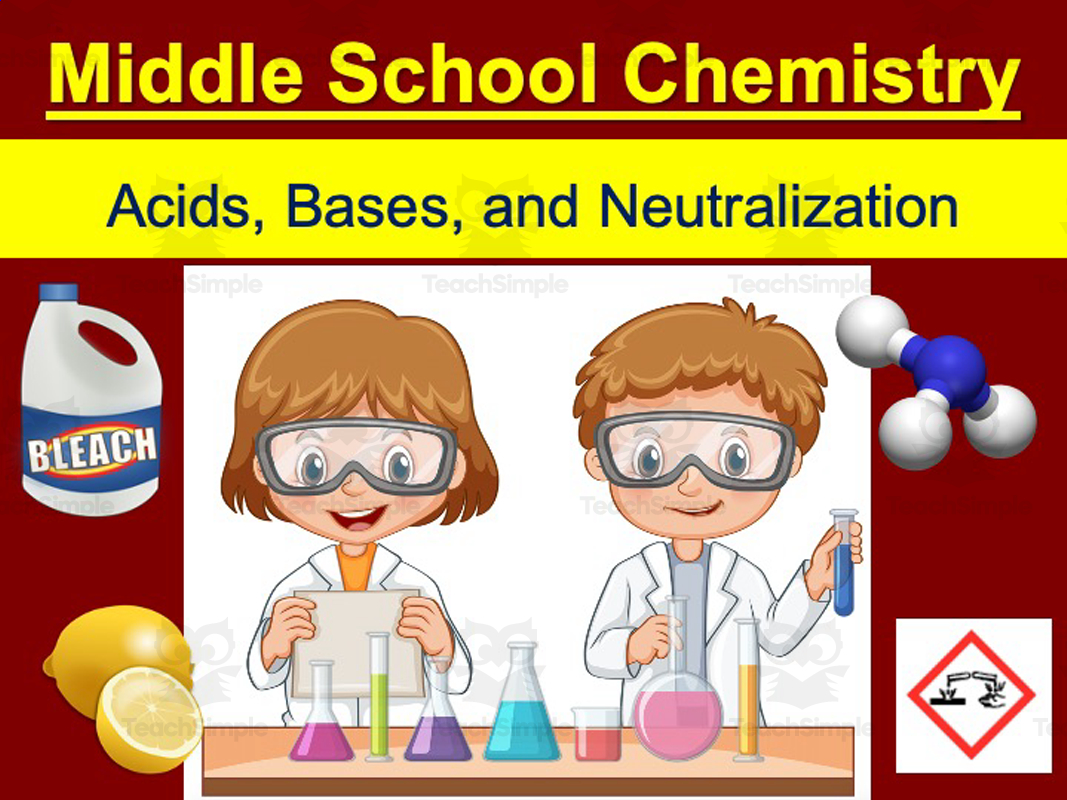
I WONDER - What Are Acid-base Reactions | Animated Video Lesson

I WONDER - What Are Acid-base Reactions | Animated Video Lesson
Chemistry, Science, Grade 6, 7, 8, 9, 10, 11, 12, Lesson Plans, Teacher Tools

Video Introduction An amazing video designed for the students to learn more about STEM. I WONDER - What Are Acid-base Reactions | Animated Video Lesson Do you like STEM subjects? what is your favorite one? Have you ever tried to plant a seed? If yes, tell us more about it. Or have you ever tried to invent something? If yes, tell us more about it. And how do you think it will help us? Have you ever seen a microorganism under a microscope? What was it? And how it looked like? Mathematics is a marvelous subject. Let' sharpen our brains and solve some equations. Do you like timetable tricks? What is your favorite one? Do you know how to code? Have you ever created an app or a game before? If yes, how was it like? I WONDER - What Are Acid-base Reactions | Animated Video Lesson The video is perfect for encouraging the researching skills for the students, while learning more about this fantastic topic. I WONDER - What Are Acid-base Reactions | Animated Video Lesson This friendly designed video is suitable for students at school, homeschooling, and as a group activity. Format Available in MP4 format.

Author Educational Voice

Tags What Are Acid-base Reactions, What Are Acid-base Reactions Video, Acid-base Reactions, Acid-base Reactions Facts, Acid-base Reactions Facts For Kids, Acid-base Reactions Video, Acid-base Reactions Video For Kids

I WONDER - How Are Enzymes Used In Daily Life | Animated Video Lesson

I WONDER - How Are Enzymes Used In Daily Life | Animated Video Lesson
Human Body, Life Sciences, Science, Biology, STEM, Grade 6, 7, 8, 9, 10, 11, 12, Lesson Plans, Teacher Tools

Video Overview The human body is full of fascinating wonders to learn. This video is created to help the students recognize the anatomy and the job of the human body. I WONDER - How Are Enzymes Used In Daily Life | Animated Video Lesson Every part and organ in our human body is vital so let's see how important they are. Have you ever imagined how we look like if we didn't have a skeleton? Did you know that because we have our amazing muscles we can stand! Do you know how many teeth do we have? Have you ever wondered about the food journey inside our body? Can you name all the glands in our body? Why do we have skin? Our nervous system is really good at sending signals. Can you tell us more about it? Are you really good at Mathematics, painting, or any other thing? You should really thank your brain about it! The famous five senses are really doing a great work? Can you explain how every sense works? I WONDER - How Are Enzymes Used In Daily Life | Animated Video Lesson The video is perfect for encouraging the researching skills for the students, while learning more about our fantastic human body. I WONDER - How Are Enzymes Used In Daily Life | Animated Video Lesson This friendly designed video is suitable for students at school, homeschooling, and as a group activity. Format Available in MP4 format.

Author Educational Voice

Tags How Are Enzymes Used In Daily Life, How Are Enzymes Used In Daily Life Video, Enzymes, Enzyme, Enzymes Facts, Enzymes Facts For Kids, Enzymes Video, Enzymes Video For Kids

I WONDER - Can Glass Be Recycled | Animated Video Lesson

I WONDER - Can Glass Be Recycled | Animated Video Lesson
Environmental Science, Earth and Environmental Sciences, Science, Earth Sciences, Grade 6, 7, 8, 9, 10, Lesson Plans, Teacher Tools

Video Introduction An amazing video designed for the students to learn more about STEM. I WONDER - Can Glass Be Recycled | Animated Video Lesson Do you like STEM subjects? what is your favorite one? Have you ever tried to plant a seed? If yes, tell us more about it. Or have you ever tried to invent something? If yes, tell us more about it. And how do you think it will help us? Have you ever seen a microorganism under a microscope? What was it? And how it looked like? Mathematics is a marvelous subject. Let' sharpen our brains and solve some equations. Do you like timetable tricks? What is your favorite one? Do you know how to code? Have you ever created an app or a game before? If yes, how was it like? I WONDER - Can Glass Be Recycled | Animated Video Lesson The video is perfect for encouraging the researching skills for the students, while learning more about this fantastic topic. I WONDER - Can Glass Be Recycled | Animated Video Lesson This friendly designed video is suitable for students at school, homeschooling, and as a group activity. Format Available in MP4 format.

Author Educational Voice

Tags Can Glass Be Recycled, Can Glass Be Recycled Video, Recycling Glass, Recycling Glass Facts, Recycling Glass Facts For Kids, Recycling Glass Video, Recycling Glass Video For Kids, Glass, Glass Facts

I WONDER - How Strong Are Chemical Bonds | Animated Video Lesson

I WONDER - How Strong Are Chemical Bonds | Animated Video Lesson
Chemistry, Science, STEM, Grade 6, 7, 8, 9, 10, 11, 12, Lesson Plans, Teacher Tools

Video Introduction An amazing video designed for the students to learn more about STEM. I WONDER - How Strong Are Chemical Bonds | Animated Video Lesson Do you like STEM subjects? what is your favorite one? Have you ever tried to plant a seed? If yes, tell us more about it. Or have you ever tried to invent something? If yes, tell us more about it. And how do you think it will help us? Have you ever seen a microorganism under a microscope? What was it? And how it looked like? Mathematics is a marvelous subject. Let' sharpen our brains and solve some equations. Do you like timetable tricks? What is your favorite one? Do you know how to code? Have you ever created an app or a game before? If yes, how was it like? I WONDER - How Strong Are Chemical Bonds | Animated Video Lesson The video is perfect for encouraging the researching skills for the students, while learning more about this fantastic topic. I WONDER - How Strong Are Chemical Bonds | Animated Video Lesson This friendly designed video is suitable for students at school, homeschooling, and as a group activity. Format Available in MP4 format.

Author Educational Voice

Tags How Strong Are Chemical Bonds, How Strong Are Chemical Bonds Video, Chemical Bonds, Chemical Bond, Chemical Bonds Facts, Chemical Bonds Facts For Kids, Chemical Bonds Video, Chemical Bonds Video For Kids

I WONDER - How Are Sound Effects Added To Movies | Animated Video

I WONDER - How Are Sound Effects Added To Movies | Animated Video
Physics, Science, STEM, Grade 4, 5, 6, 7, 8, 9, 10, Lesson Plans, Teacher Tools

Video Introduction An amazing video designed for the students to learn more about STEM. I WONDER - How Are Sound Effects Added To Movies | Animated Video Lesson Plants world is really fascinating! Do you know that some flowers eat insects? Some other plants like to grow on walls can you mention any? Do you know what is the difference between fungicide and pesticide? If yes, Can you tell us more about it? What is nuclear energy? Is it safe to use it? Do you think it is a clean energy? Have you ever read about potential energy? If yes, tell us what it is? Do you think that potential energy can be converted into another form of energy? How it happens? I WONDER - How Are Sound Effects Added To Movies | Animated Video Lesson The video is perfect for encouraging the researching skills for the students, while learning more about this fantastic topic. I WONDER - How Are Sound Effects Added To Movies | Animated Video Lesson This friendly designed video is suitable for students at school, homeschooling, and as a group activity. Format Available in MP4 format.

Author Educational Voice

Rating

Tags How Are Sound Effects Added To Movies, Sound Effects, Sound Effects Facts, Sound Effects Video, Sound Effects Video For Kids, Movies Sound Effects, Movies Sound Effects Facts, Movies Sound Effects Video For Kids

I WONDER - What Are Sedimentary Rocks | Animated Video Lesson

I WONDER - What Are Sedimentary Rocks | Animated Video Lesson
Earth Sciences, Earth and Environmental Sciences, Science, Grade 4, 5, 6, 7, 8, 9, 10, Lesson Plans, Teacher Tools

Video Introduction An amazing video designed for the students to learn more about famous places in different countries. I WONDER - What Are Sedimentary Rocks | Animated Video Lesson What do you know about this place? Do you know in which part of the world it is? Have you ever visited this place? If yes, can you tell us more about your adventure, and what do you like the most about this place? Do you like reading about Geography? What is your favorite country in the whole world? If you are going on a trip where it will be? Which country? What you are going to see there? Does this country has a famous place to visit? I WONDER - What Are Sedimentary Rocks | Animated Video Lesson The activity is perfect for encouraging the researching skills for the students, while learning more about this fantastic place. I WONDER - What Are Sedimentary Rocks | Animated Video Lesson This friendly designed video is suitable for students at school, homeschooling, and as a group activity. Format Available in MP4 format.

Author Educational Voice

Tags What Are Sedimentary Rocks, What Are Sedimentary Rocks Video, Sedimentary Rocks, Sedimentary Rock, Sedimentary Rocks Facts, Sedimentary Rocks Facts For Kids, Sedimentary Rocks Video, Sedimentary Rocks Video For Kids