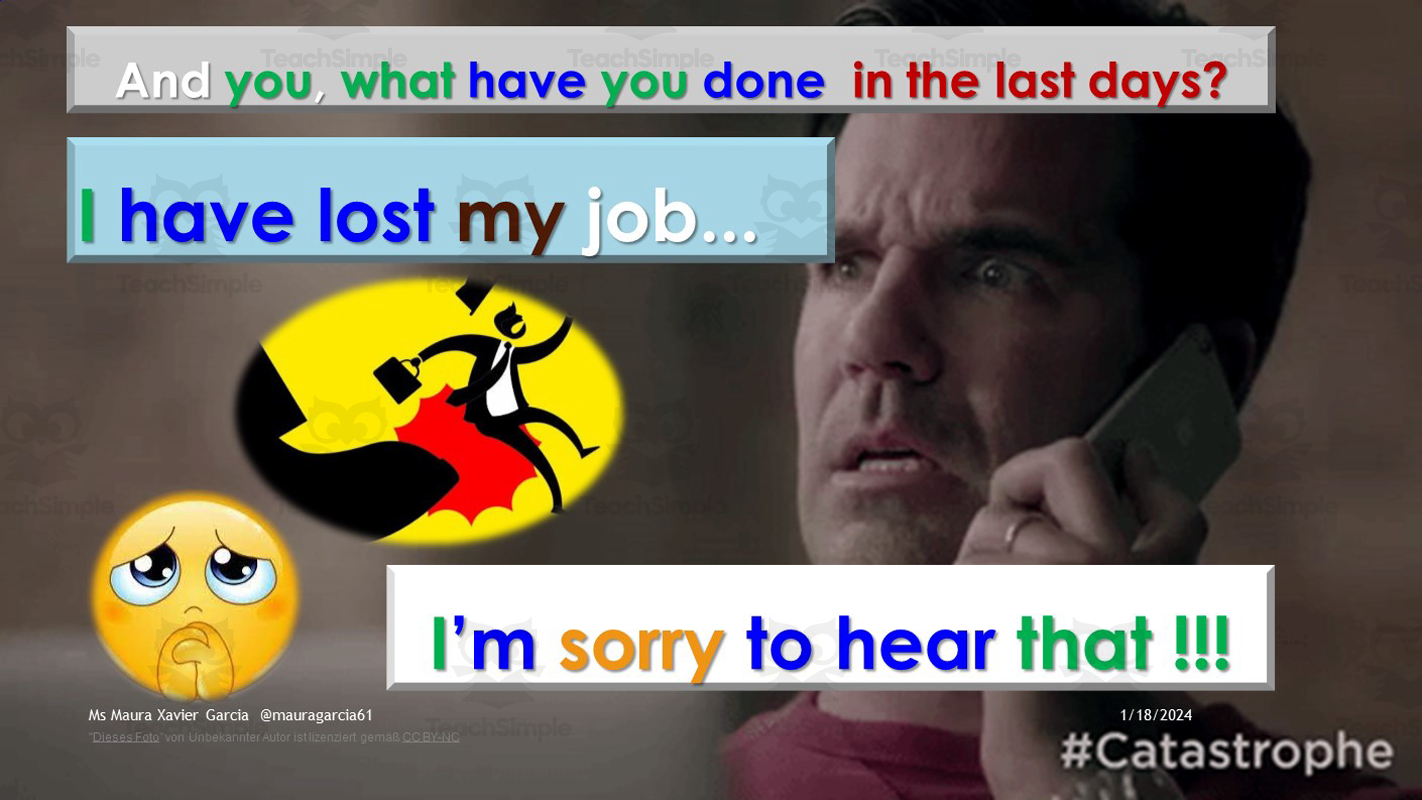
Conversation lesson: Catching up with a friend
An ESL/EFL conversation lesson practicing the present perfect (vs. simple past) through the communicative function of catching up with a friend and sharing/responding to good and bad news.




6,023 resources
Explore sub-categories
18 sub-categories · 6,023 resources
An ESL/EFL conversation lesson practicing the present perfect (vs. simple past) through the communicative function of catching up with a friend and sharing/responding to good and bad news.

Support language and literacy skills, including AAC/core-vocabulary use, through activities built around the book 'Cookie's Week' by Cindy Ward, with a days-of-the-week theme.
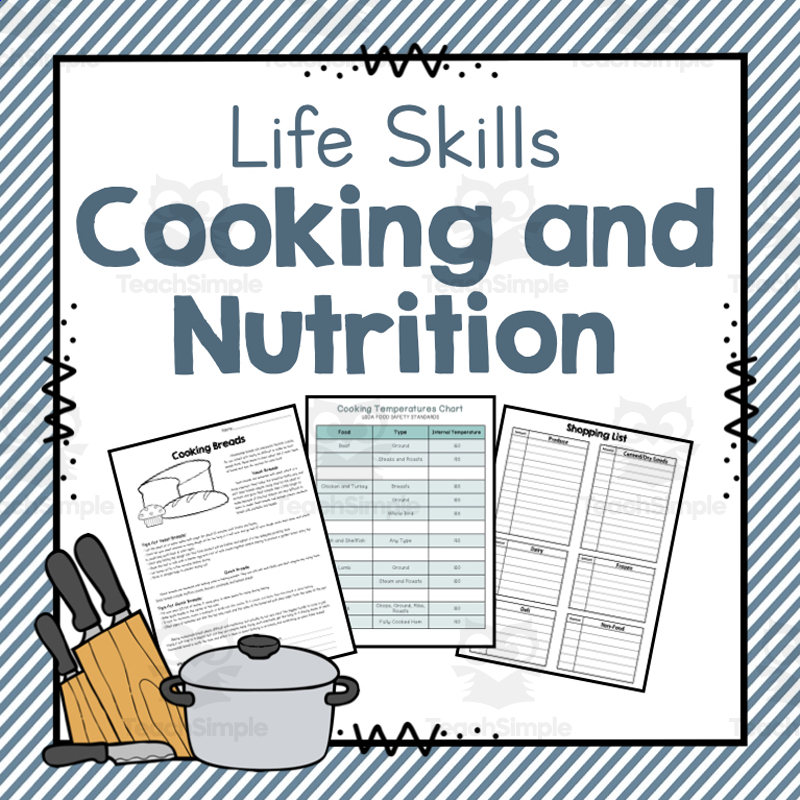
8 lessons for nutrition and cooking. Each lesson includes a page outline that can be used as a discussion guide or a handout for students. Some lessons have a template for lists, planning, or recipes.
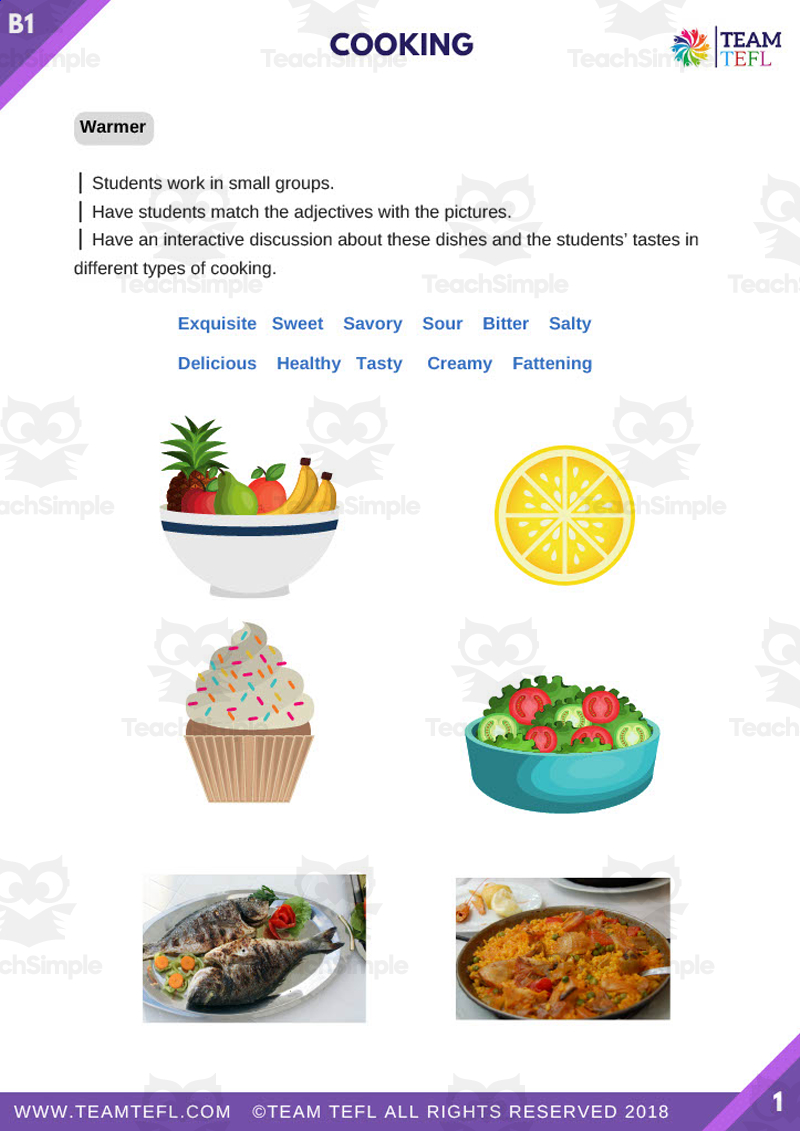
Intermediate (B1) ESL lesson plan teaching cooking vocabulary and grammar through a listening/reading dialogue and follow-up exercises.

Cool Runnings (1993): Complete Movie Guide Designed to engage middle-grade students, from grade 6 to 8, particularly those with interest in Physical Education and Health, this comprehensive teaching resource provides an excellent way for…
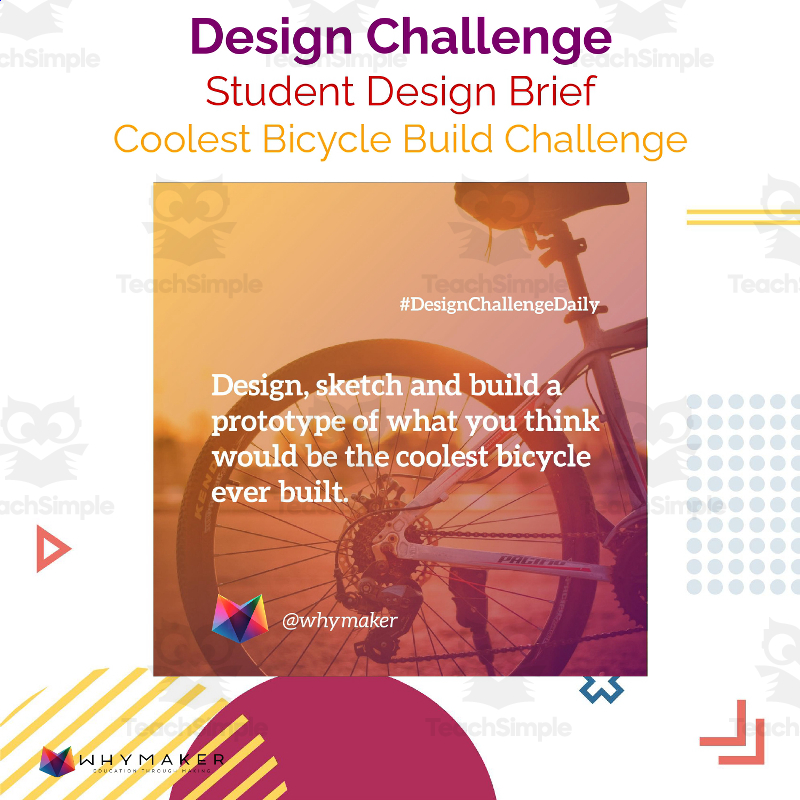
Coolest Bicycle Design Challenge: A Comprehensive Teaching Resource The Coolest Bicycle Design Challenge is a comprehensive teaching resource, adeptly crafted for the inventive minds of students.
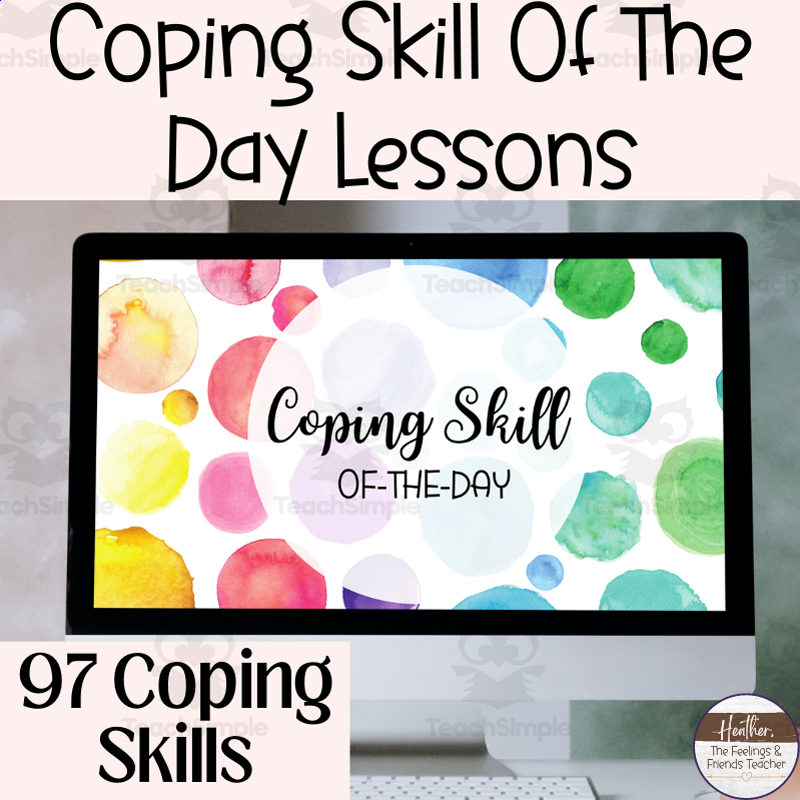
Provide a routine for introducing coping skills to students via a presentation, with a take-home 'Pocket of Peace' card system for skills students find effective.
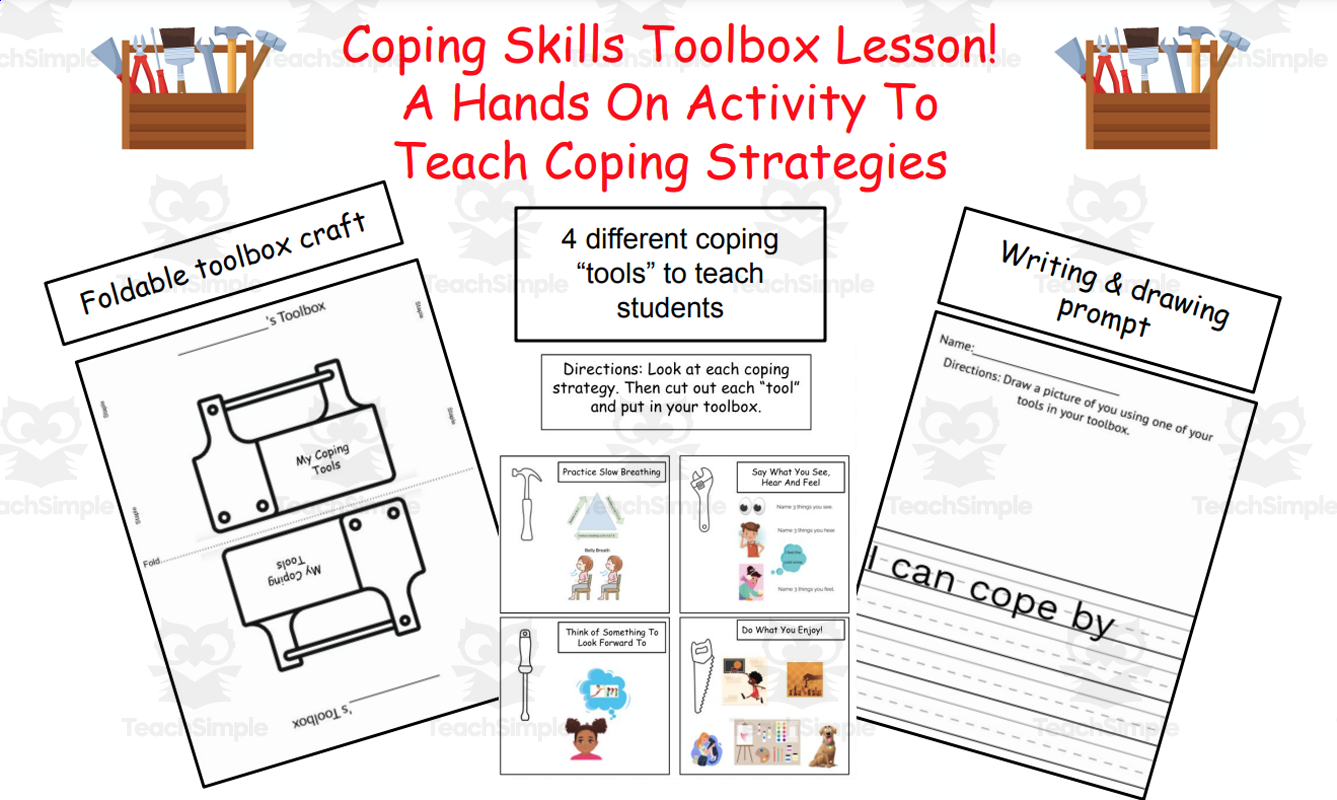
Help students make a personal set of coping reminders through a guided lesson and paper toolbox. Four illustrated strategy cards go inside the assembled template, followed by a writing-and-drawing response about using one tool. The directions include an optional breathing-video step to support introducing that strategy.
 Free download
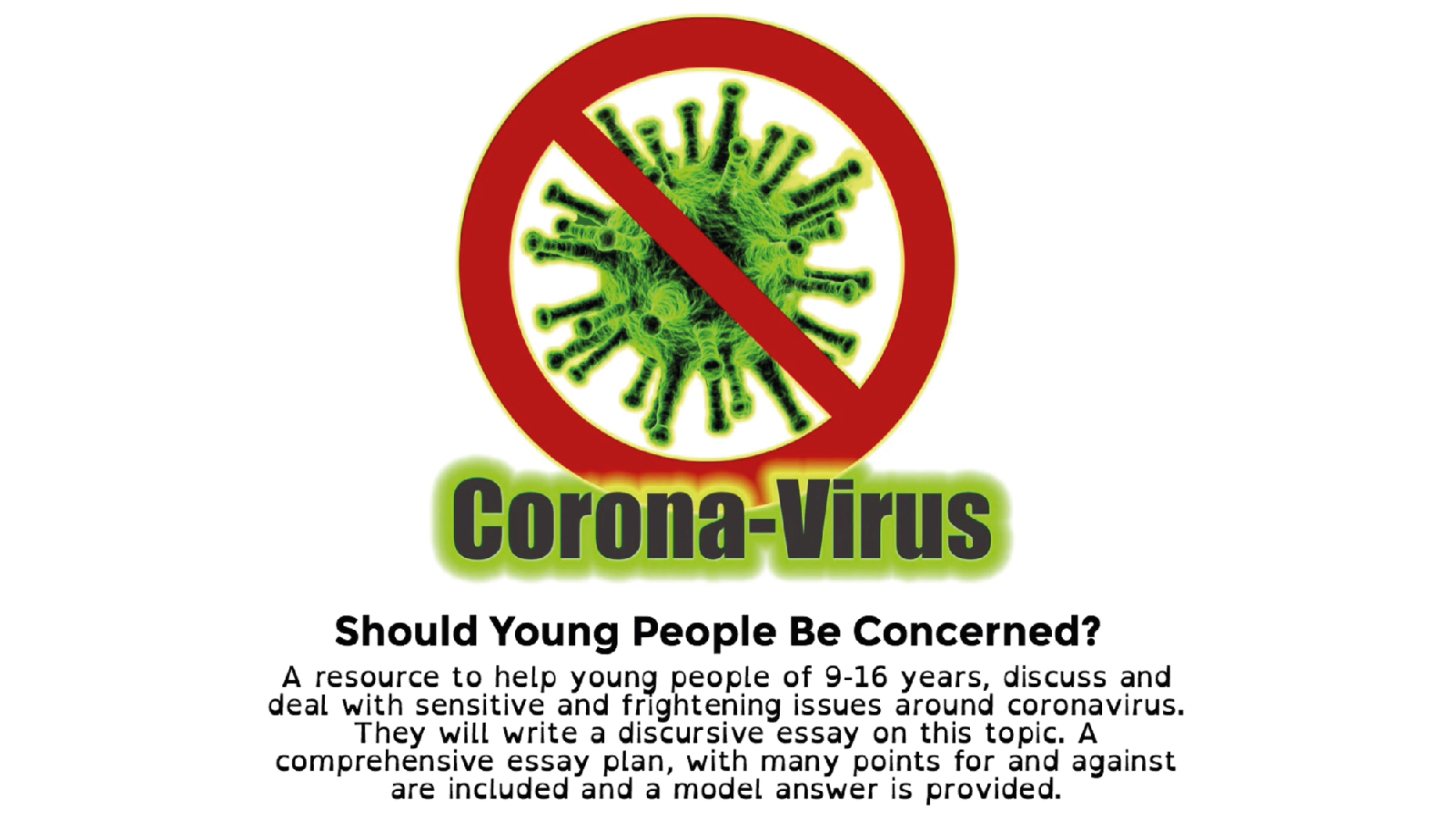
 Product Name: Coronavirus Discursive Argument: Should Kids Be Concerned About A Pandemic? This teaching resource is designed to enhance critical thinking skills among students aged 9 to 16, particularly in language arts instruction with an…
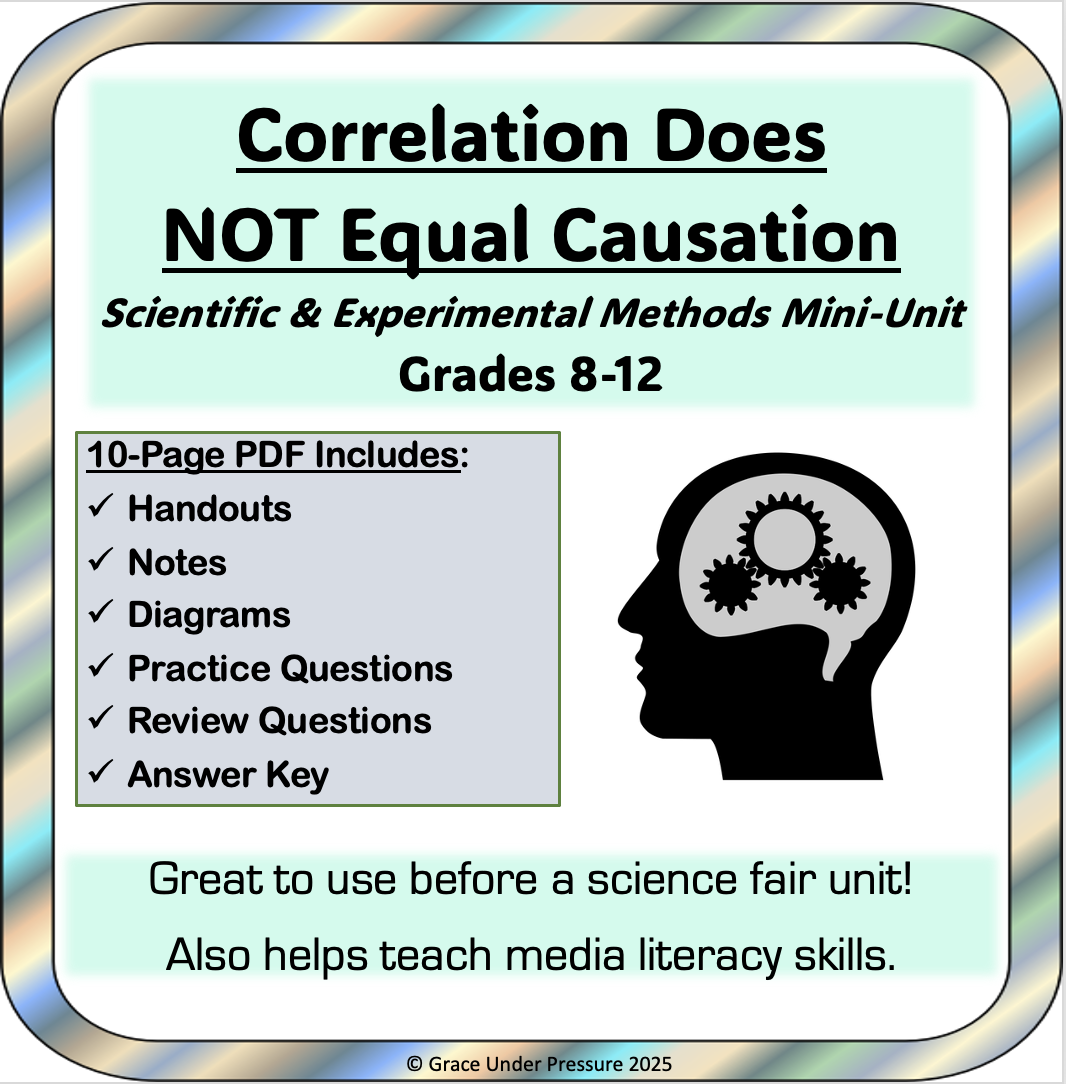
Correlation does not equal Causation: Scientific Method and Critical Thinking Lesson for Middle or High School Students This comprehensive lesson walks your students through all the vocabulary and concepts about correlation vs true…
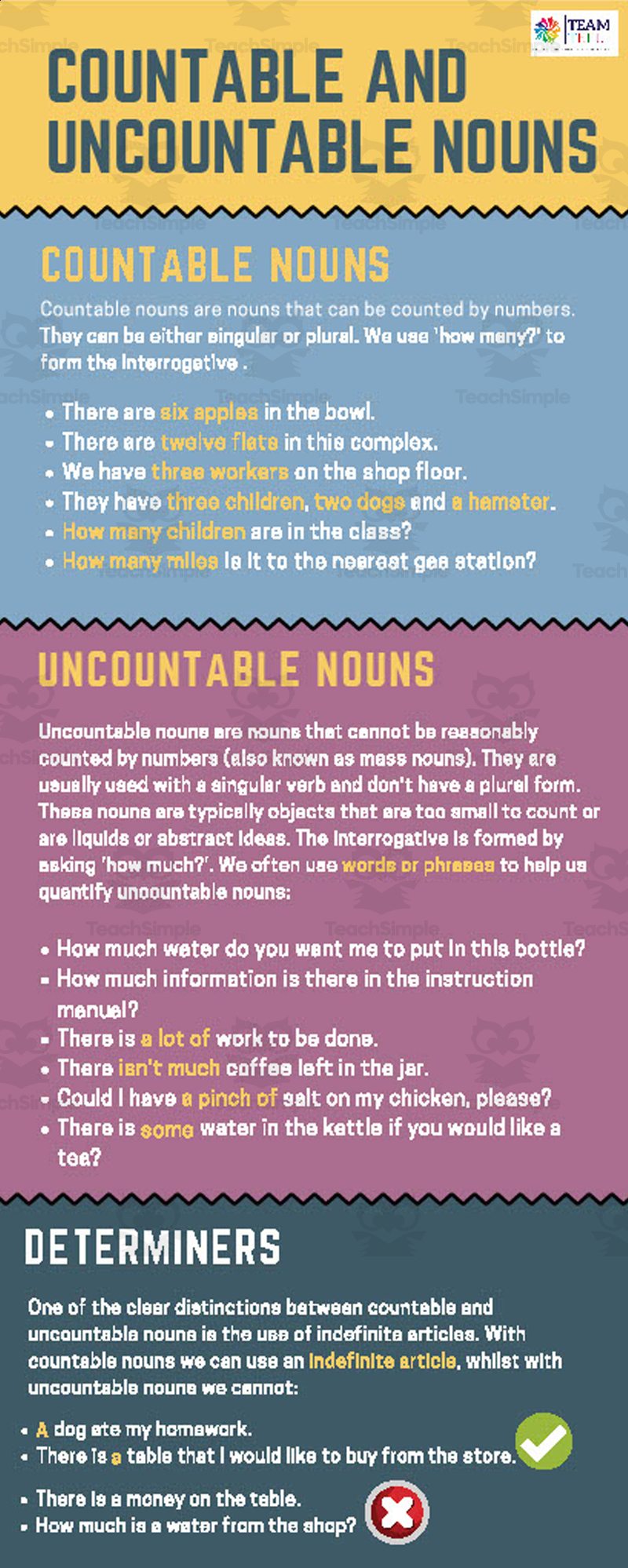
Teach the distinction between countable and uncountable nouns to pre-intermediate (CEFR A2) ESL/ELA students via flash cards, a lesson plan, and extra-study exercises.
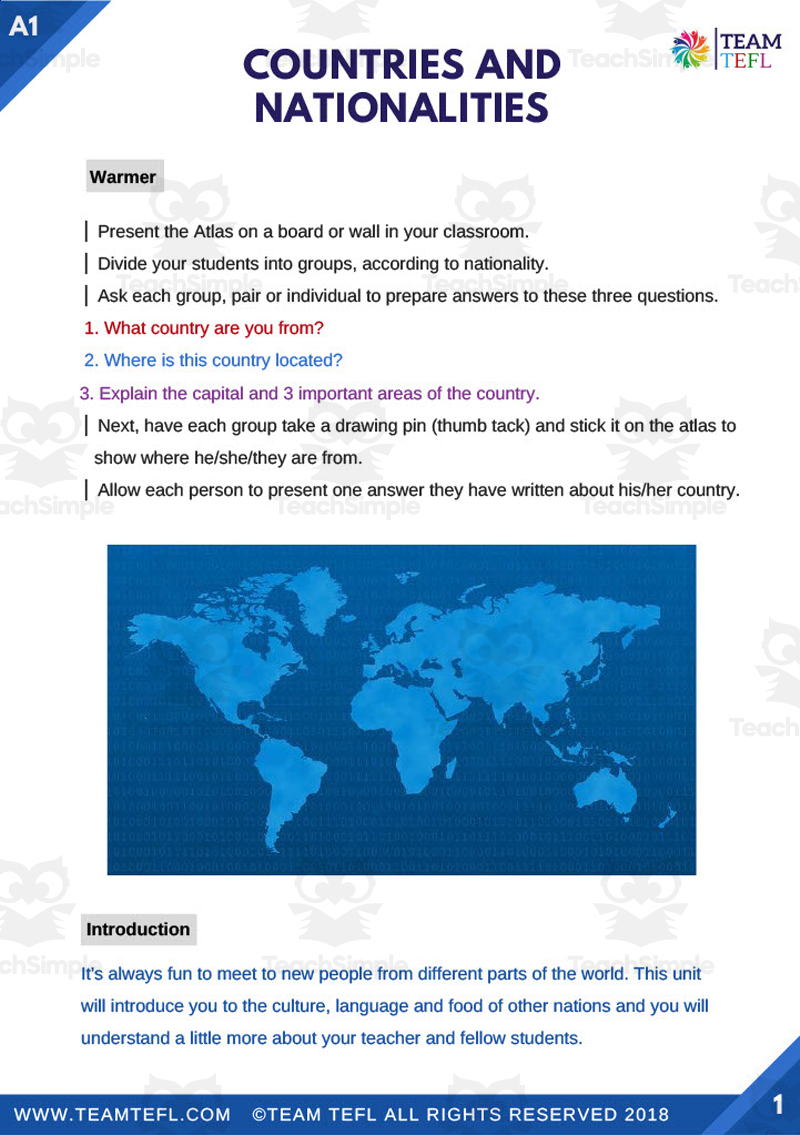
Teach beginner (CEFR A1) ESL/EFL vocabulary for countries and nationalities (e.g., France->French, Canada->Canadian) through flashcards, matching/true-false exercises, and a country-facts quiz.
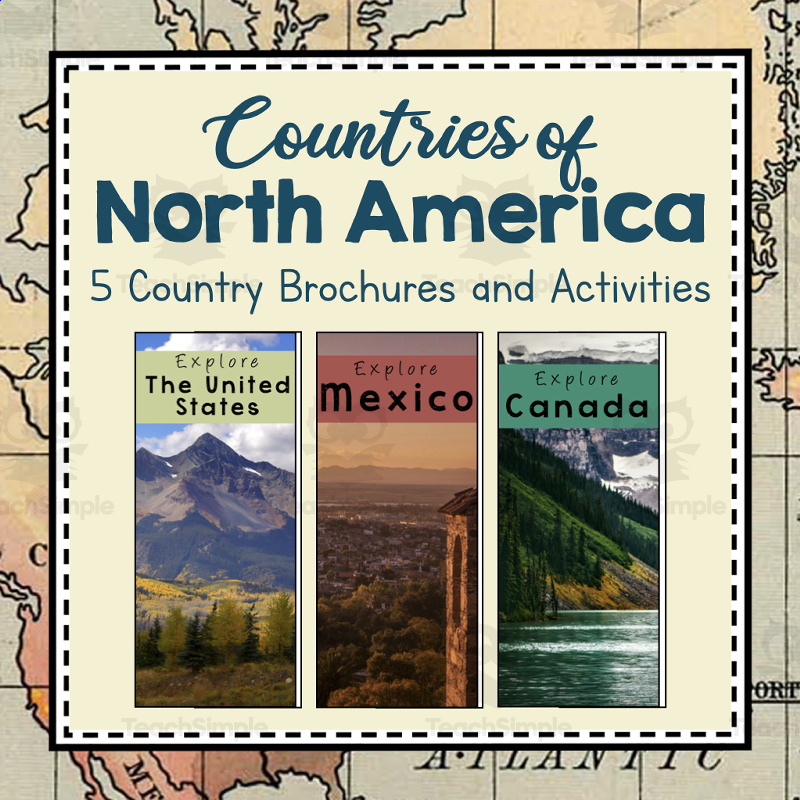
The Countries of North America | Continent of North America Unit Study | Geography Bundle The Countries of North America bundle is a comprehensive teaching resource that delves deep into the cultures, geographies, and landmarks of five…
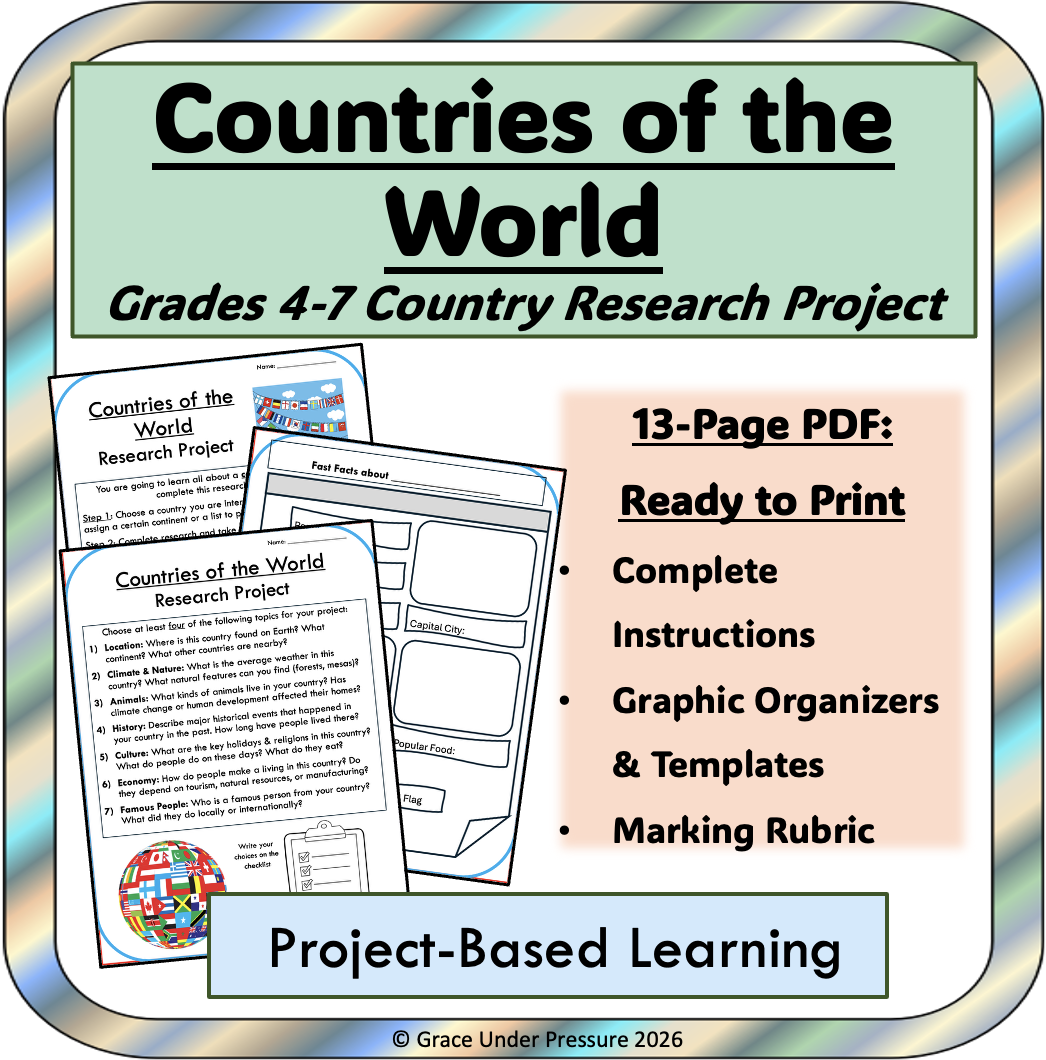
Organize a country project with a checklist, research prompts and note-taking pages that keep sources alongside students’ findings. Learners choose at least four of seven topics and develop at least four paragraphs, then add illustrated fast facts and five attractions. Writing templates and a rubric make expectations visible from the start, while optional pages allow students to extend their reports.

Guide students through writing a formal 5-paragraph reflective essay on their personal experience of the COVID-19 pandemic.
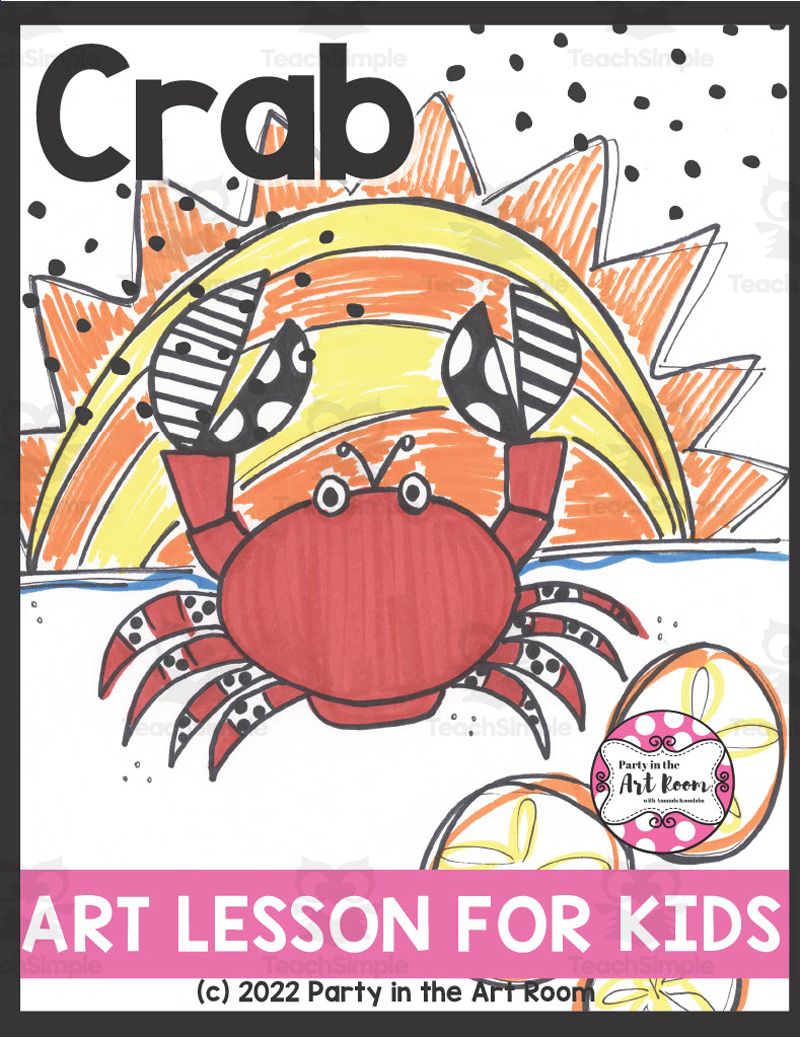
An art lesson using a dice-based drawing game to guide students through creating a crab illustration, paired with literacy and reflective writing tasks.
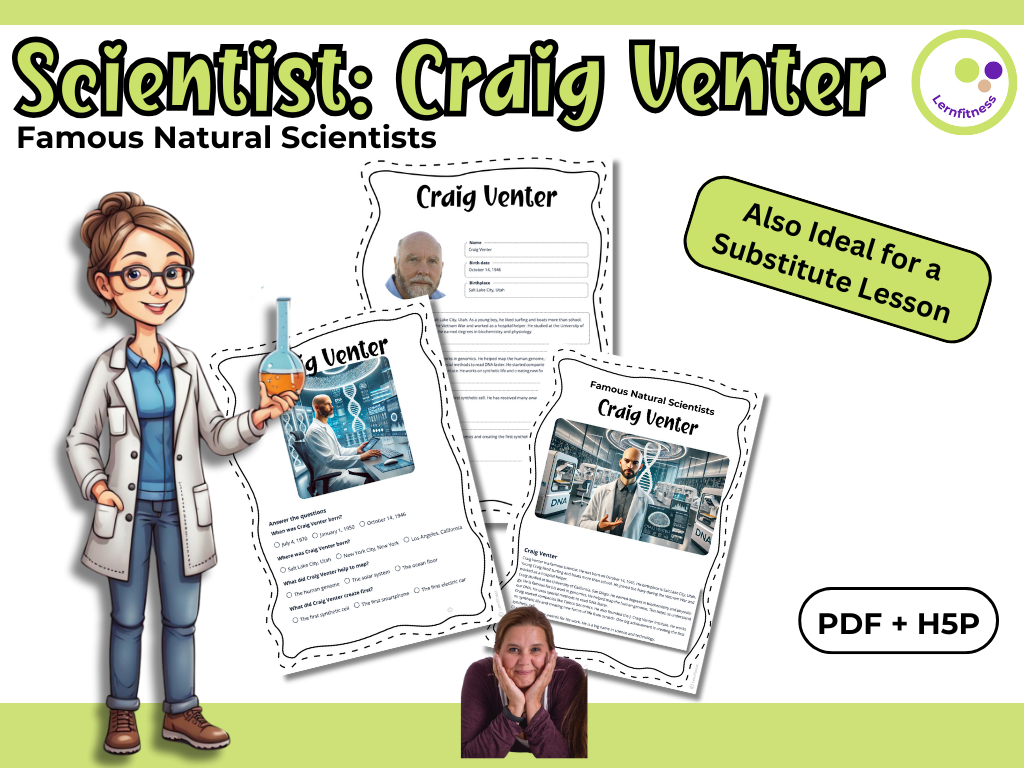
Scientist Craig Venter - Fact Sheet, Quiz & Interactive Version (PDF & H5P) Craig Venter – Sequencing the Human Genome and the Future of Synthetic Biology Fact Sheet, Quiz & Interactive Exercises (PDF + H5P) 🧬🧪 This 45-minute resource…
Crash Course Film Production: Episodes 1-5 A specialized educational resource crafted specifically for educators in art and music instruction with a specific focus on film production.

Memory and forgetting are explored through fifteen short-answer questions accompanying the Crash Course Psychology video, built around Bernice's eyewitness account of a theft to introduce implicit versus explicit memory, priming, and context- and state-dependent memory cues. Later questions connect the eyewitness story to everyday memory quirks, such as why the first items on a forgotten grocery list are often the ones we still recall (the primacy effect), and a closing prompt asks students to name as many memory-and-forgetting factors from the video as they can. A separate, fully worked teacher answer key gives a complete-sentence response for all 15 questions, including a note that responses to the open-ended final question will vary. Both documents are provided as editable Word files alongside matching PDFs.
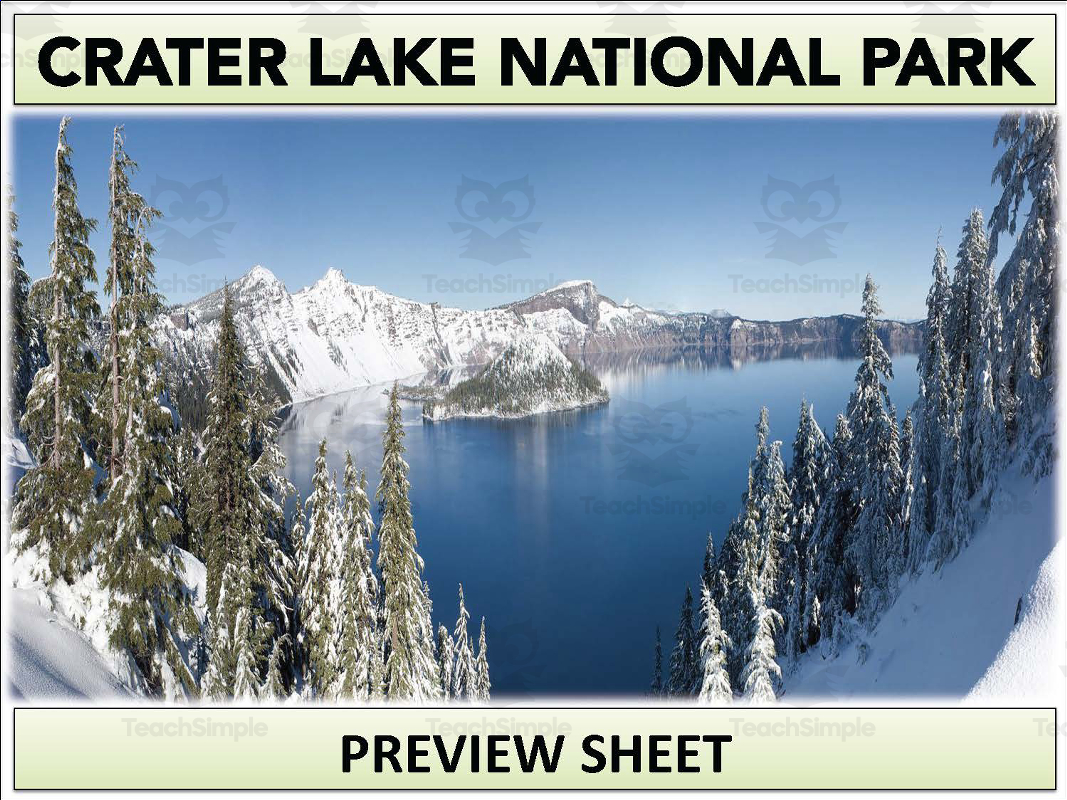
Crater Lake National Park Geography Unit provides middle school students with comprehensive resources to study this iconic landmark from start to finish.
A multi-part poetry unit combining a presentation on poetry concepts/types with an independent note-taking and poem-writing/sharing project for secondary ELA students.
Empower your students with the skills to analyze literature through engaging song analysis discussions, student activities, and presentations!
Local-election civics simulation in which students design a fictional candidate to run for mayor of "Genericbury"/"Genericburg," including background, campaign slogan, and stances on local issues, to explore what makes a candidate "electable" and how representatives respond to voters.
Creating and Managing a Writing Workshop: A Digital Guide for Dynamic Educators Creating and Managing a Writing Workshop is an innovative teaching resource catered to the needs of dynamic educators keen on refining their students' writing…