GCSE Poetry Lesson: ‘What Were They Like?’ by Denise Levertov
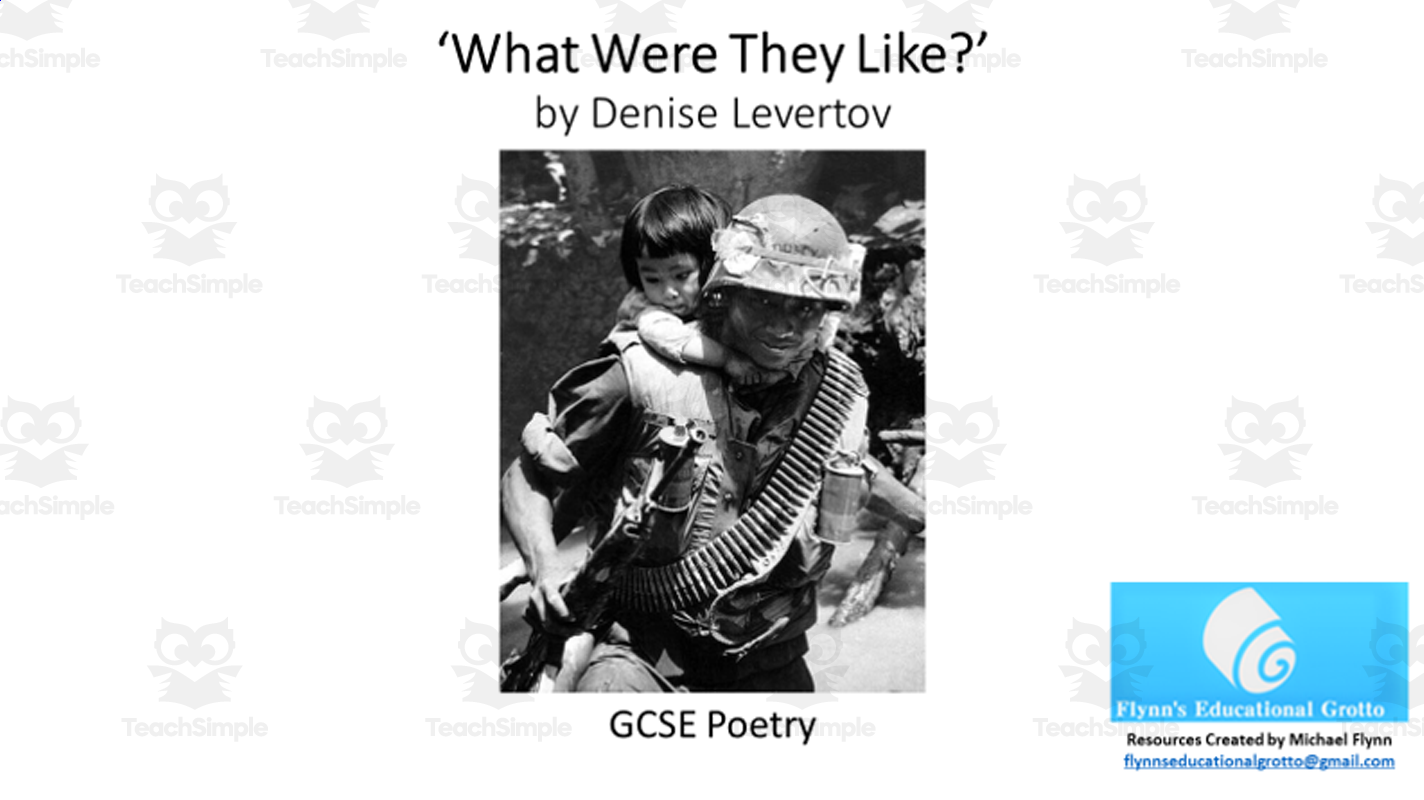
A GCSE English Literature poetry-analysis lesson presentation that guides students through close reading and critical analysis of 'What Were They Like?' by Denise Levertov.
Classroom resources
Browse by lesson focus
Choose the topic or kind of practice you need.
A GCSE English Literature poetry-analysis lesson presentation that guides students through close reading and critical analysis of 'What Were They Like?' by Denise Levertov.
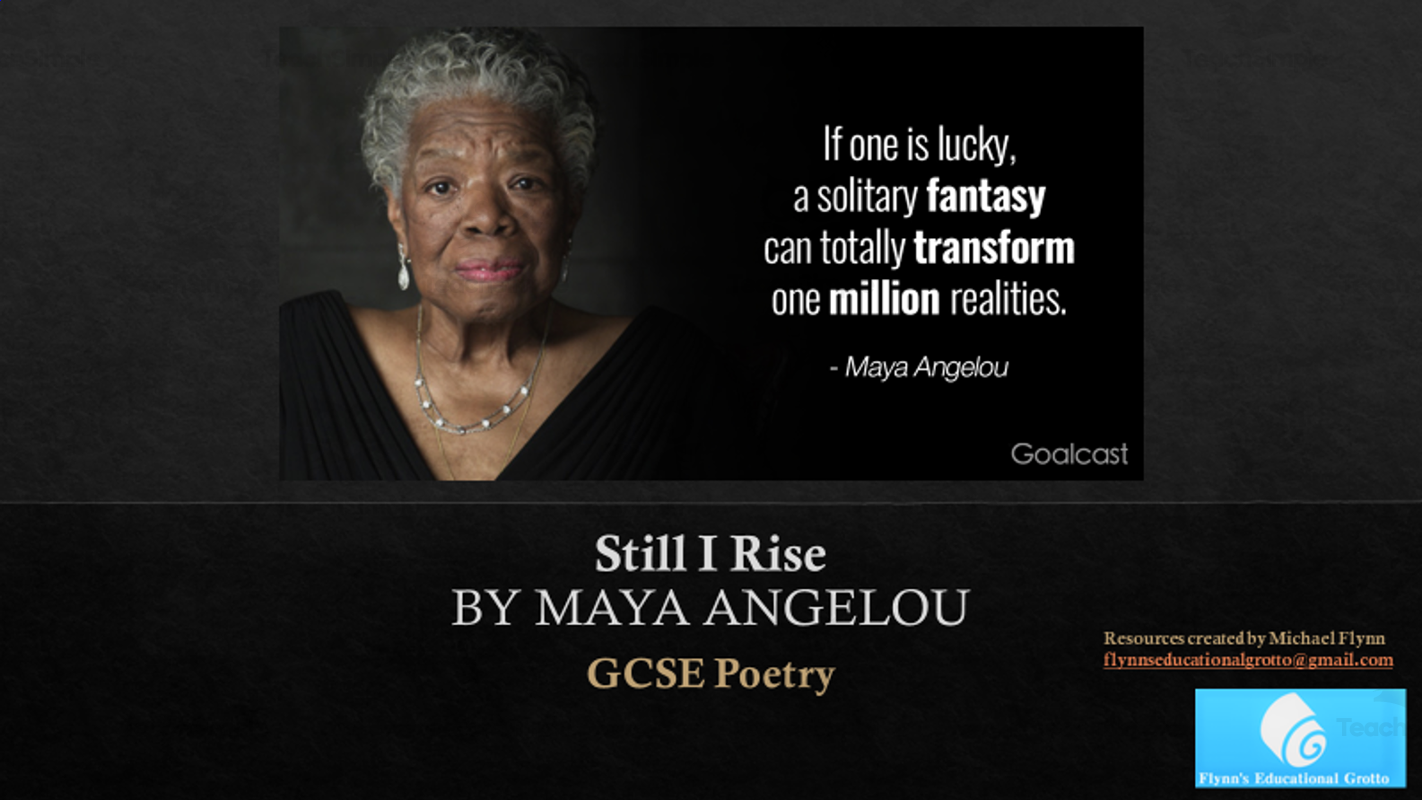
A GCSE English Literature poetry-analysis lesson presentation that guides students through close reading and critical analysis of 'Still I Rise' by Maya Angelou.
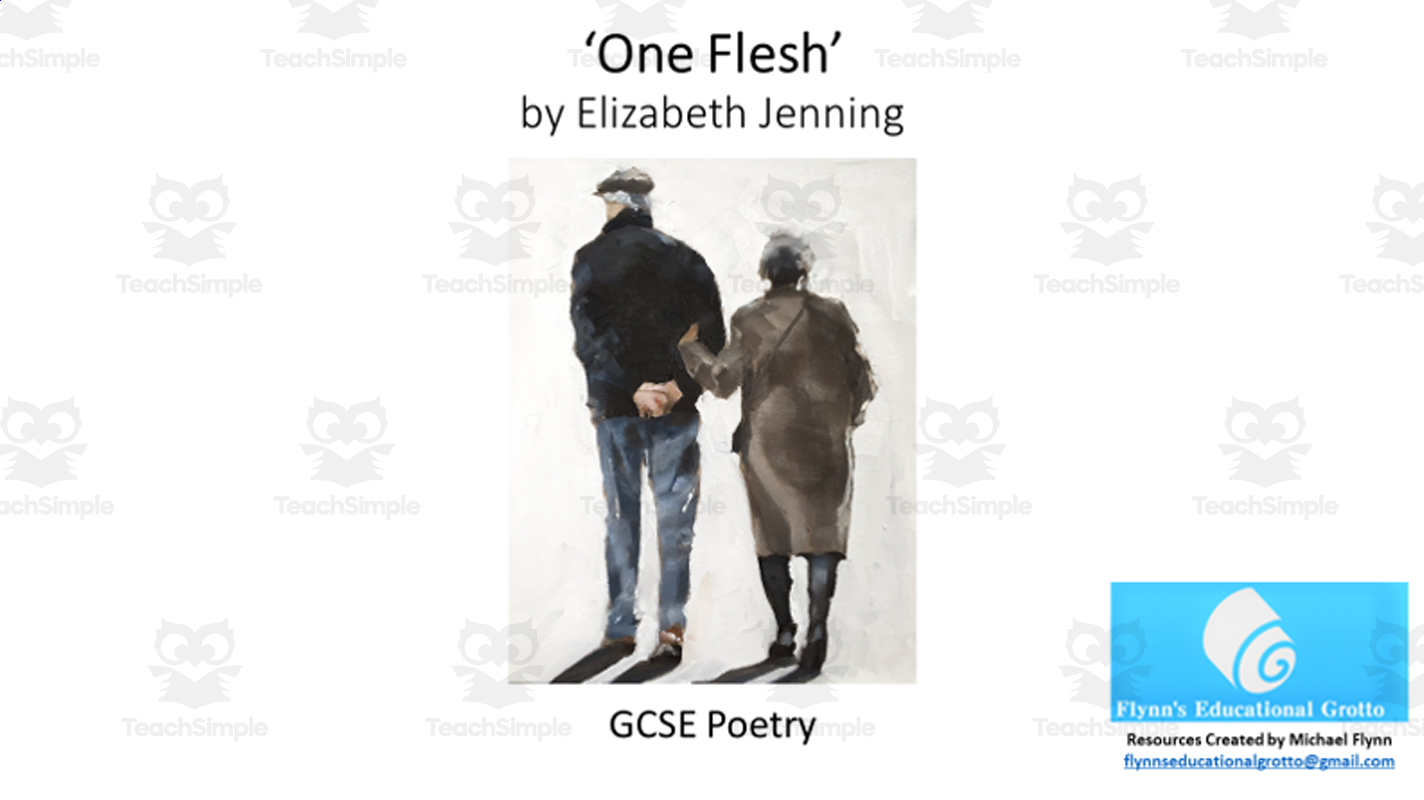
A GCSE English Literature poetry-analysis PowerPoint lesson guiding students through close reading of 'One Flesh' by Elizabeth Jennings, covering author/poet context, first reading and annotation, tone and language analysis, structure questions, and an academic PETAL-paragraph writing task. The lesson frames the poem around an aging married couple's…
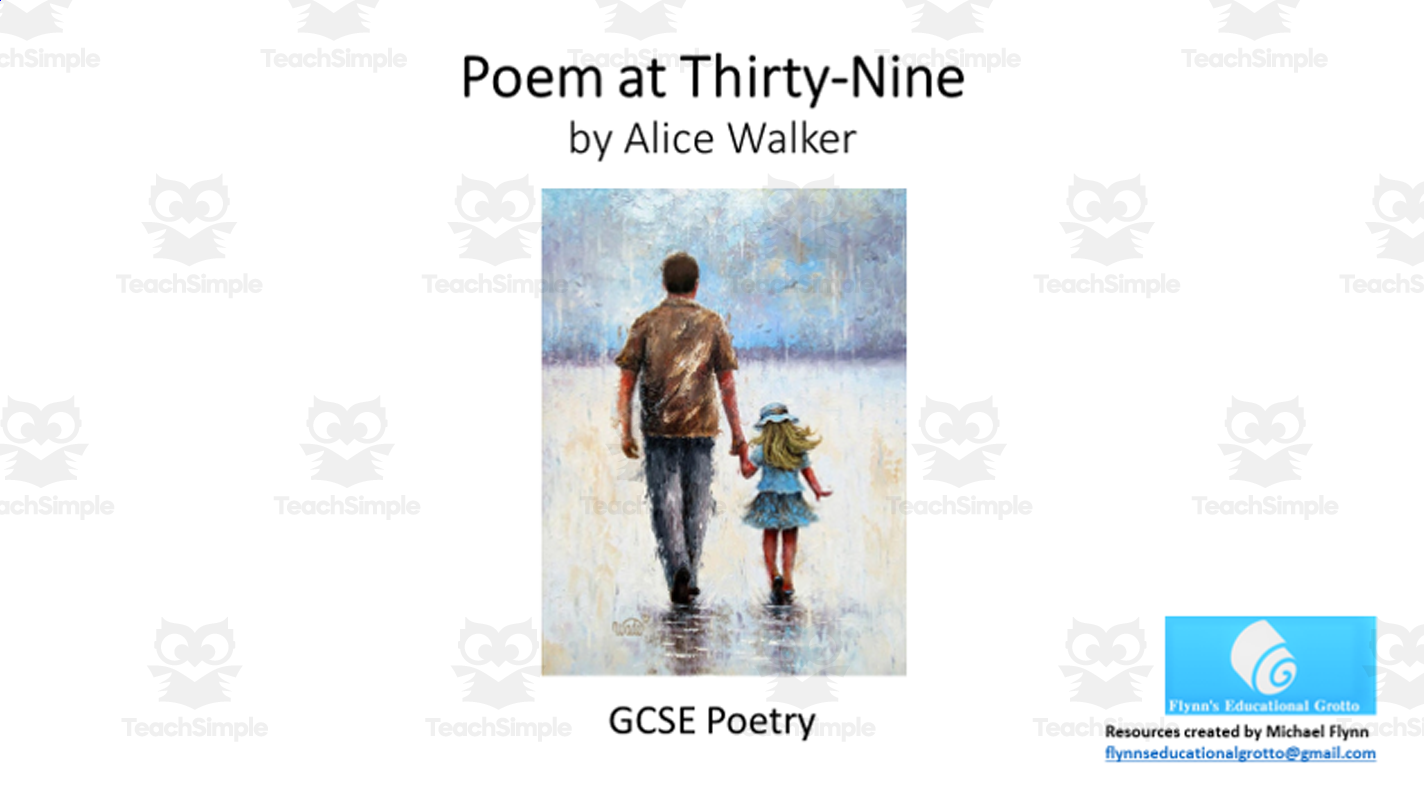
A GCSE English Literature poetry-analysis PowerPoint lesson guiding students through close reading of 'Poem at Thirty-Nine' by Alice Walker, covering author/poet context, first reading and annotation, tone and language analysis, structure questions, and an academic PETAL-paragraph writing task. The lesson frames the poem around a daughter reflecting on…
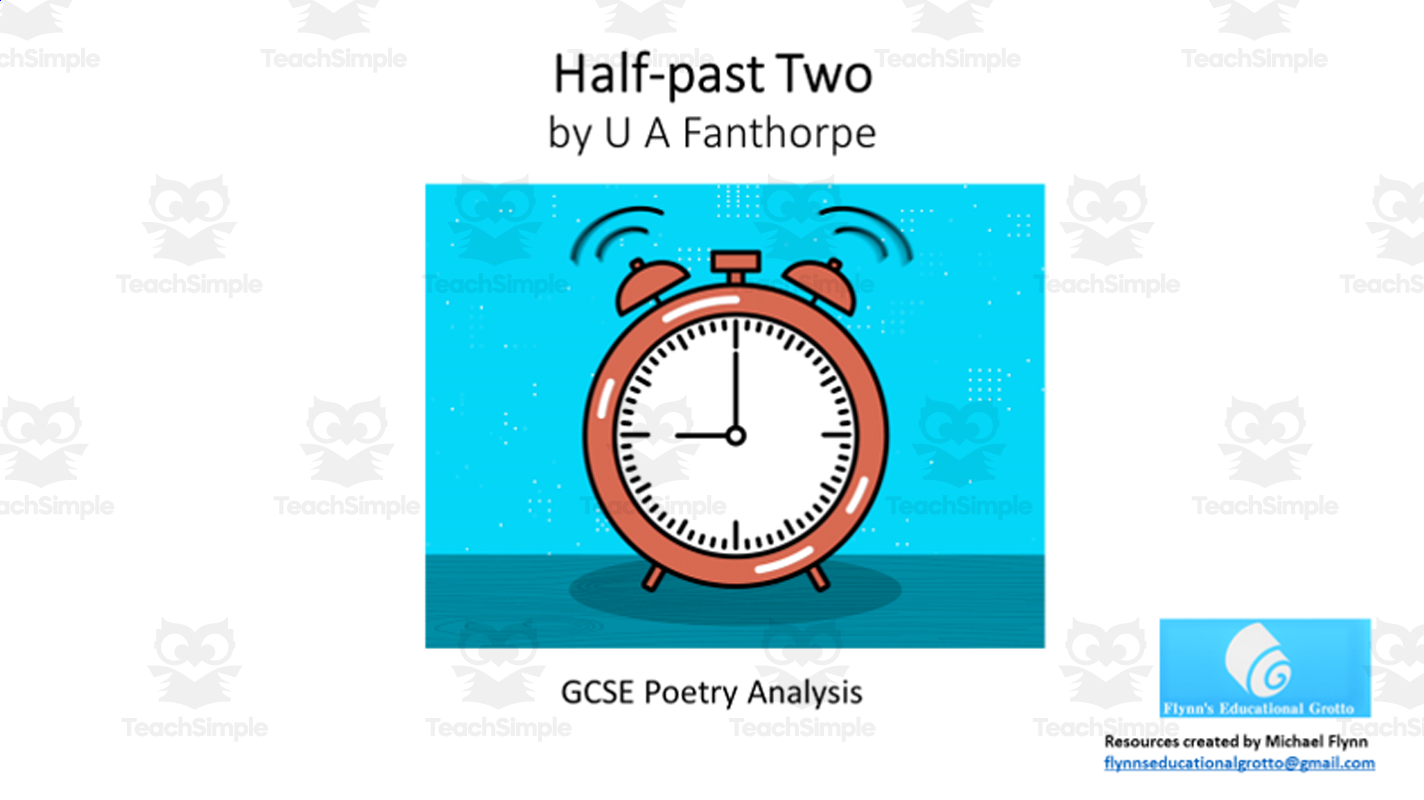
U.A. Fanthorpe's poem "Half-Past Two," about a child kept after school who does not yet understand clock time, is unpacked slide by slide in a GCSE-level English literature lesson built around close reading and analytical writing. The slideshow opens with learning intentions and a glossary of critical terms (narrator, third person, repetition, portmanteau, emotive language, personification, contraction, oxymoron), then supplies biographical context on Fanthorpe before presenting the full poem text twice for annotation. Stanza-by-stanza question sets walk students through content, language, and structure analysis, including the poem's invented compound words like "Gettinguptime" and "timeyouwereofftime," before a PETAL (Point, Evidence, Technique, Analysis, Link) paragraph frame and an extended-response homework task close out the lesson. A model "possible answer" in three bullet points on the poem's tone is included so students can compare their own analysis against a worked example. For another GCSE poem taught with the same PETAL paragraph framework, Vernon Scannell’s ‘Nettles’ offers stanza-by-stanza analysis practice on a different poem.
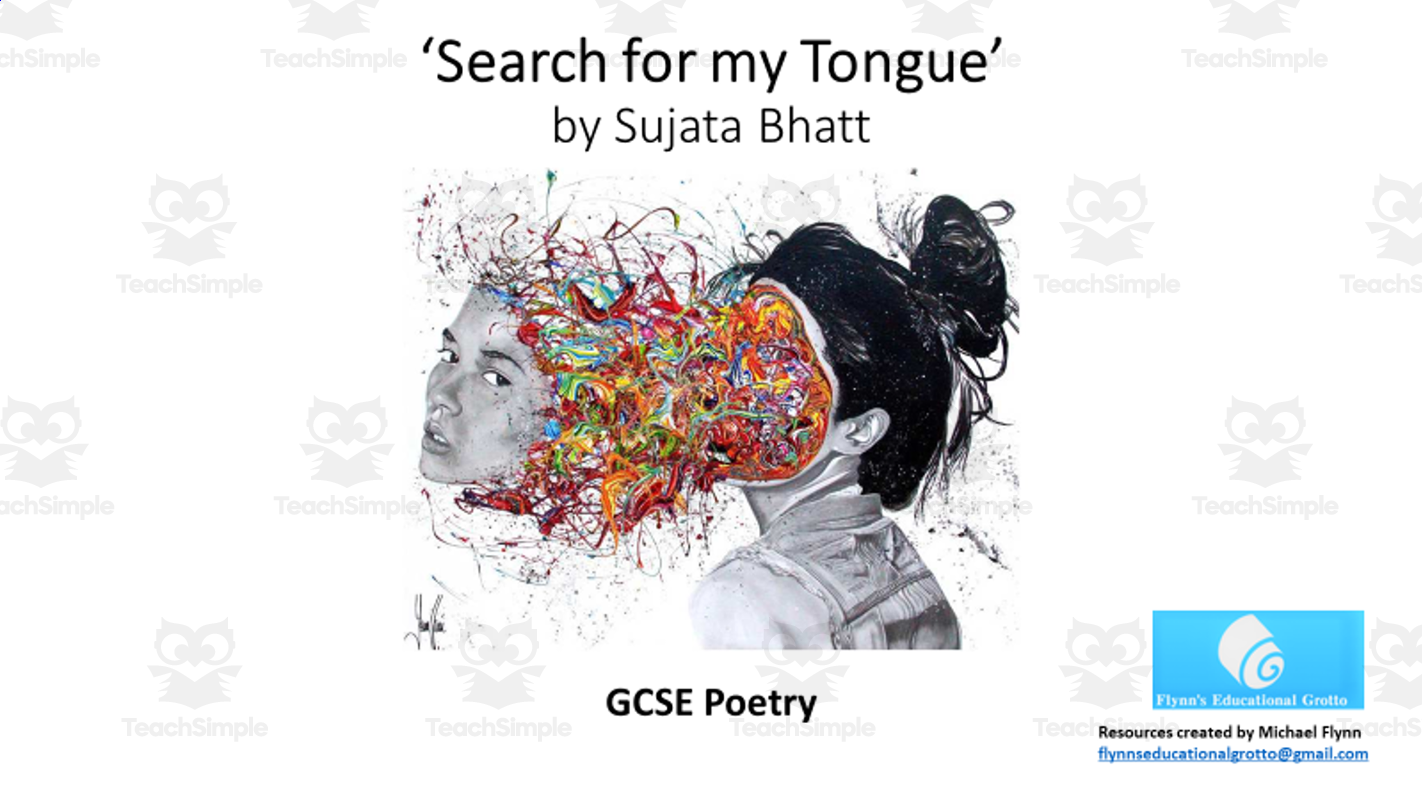
A GCSE English Literature poetry-analysis lesson presentation that guides students through close reading and critical analysis of 'Search for my Tongue' by Sujata Bhatt.
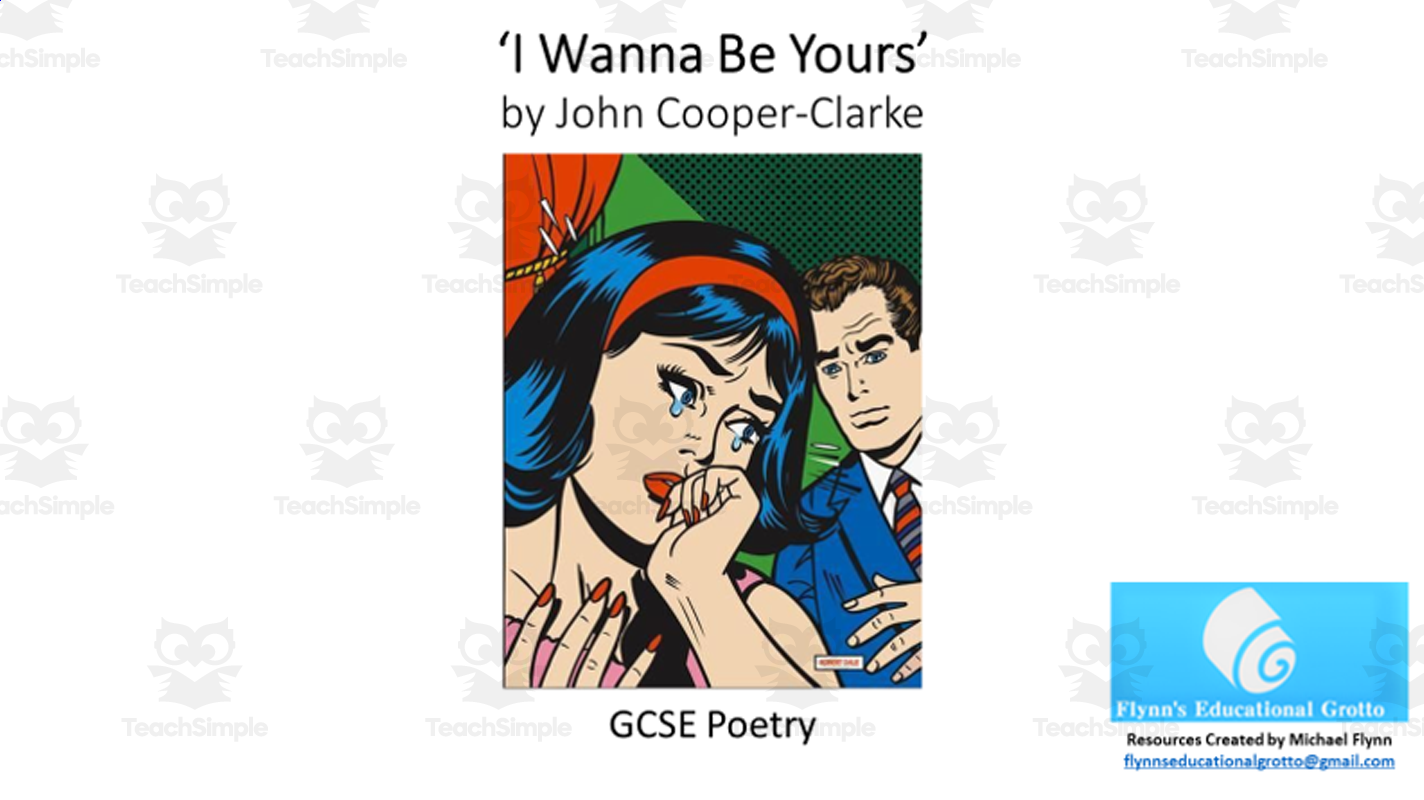
A GCSE English Literature poetry-analysis PowerPoint lesson guiding students through close reading of 'I Wanna Be Yours' by John Cooper Clarke, covering author/poet context, first reading and annotation, tone and language analysis, structure questions, and an academic PETAL-paragraph writing task. The lesson frames the poem around romantic devotion and…
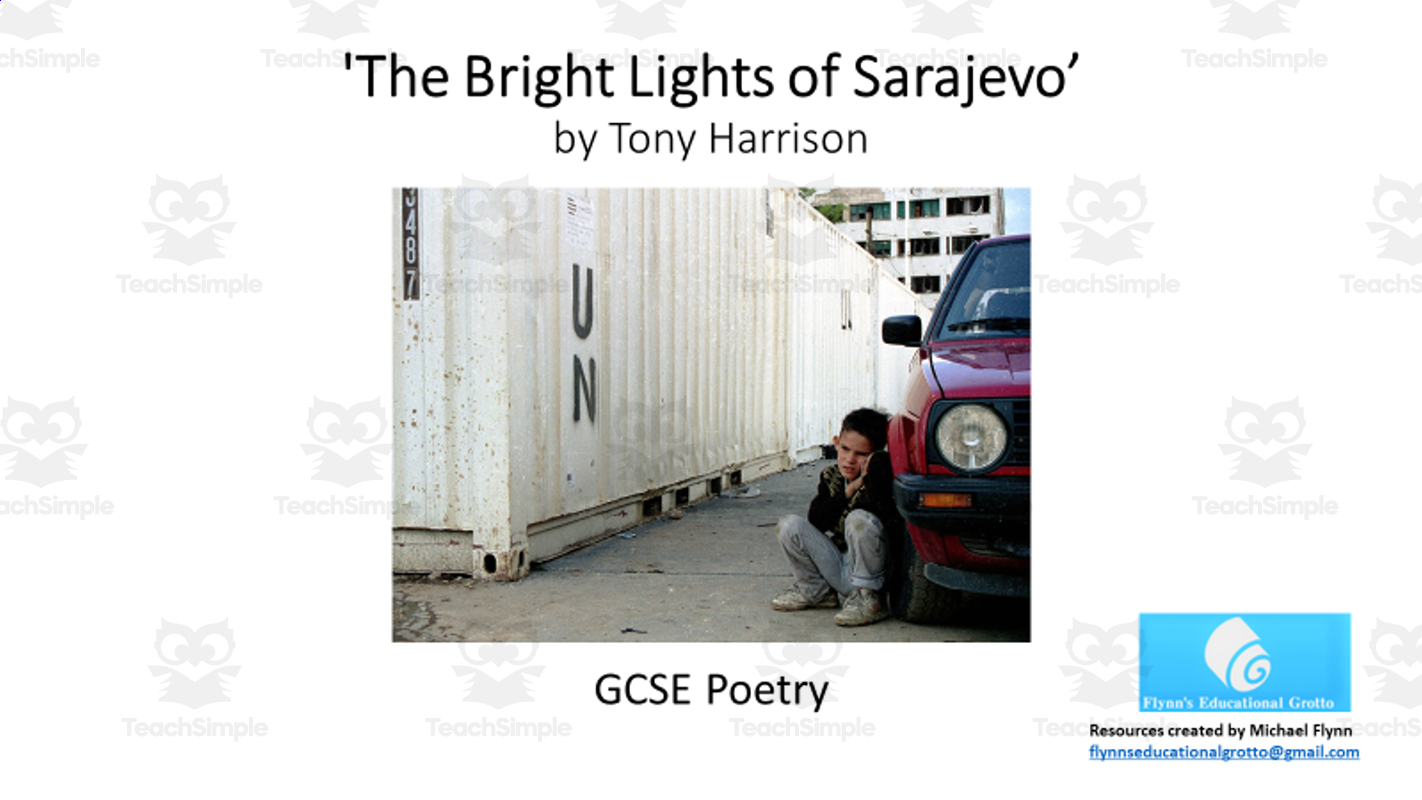
A GCSE English Literature poetry-analysis lesson presentation that guides students through close reading and critical analysis of 'The Bright Lights of Sarajevo' by Tony Harrison.
A GCSE English Literature poetry-analysis PowerPoint lesson guiding students through close reading of 'Poppies' by Jane Weir, covering author/poet context, first reading and annotation, tone and language analysis, structure questions, and an academic PETAL-paragraph writing task. The lesson frames the poem around a mother's grief for a son who has gone…
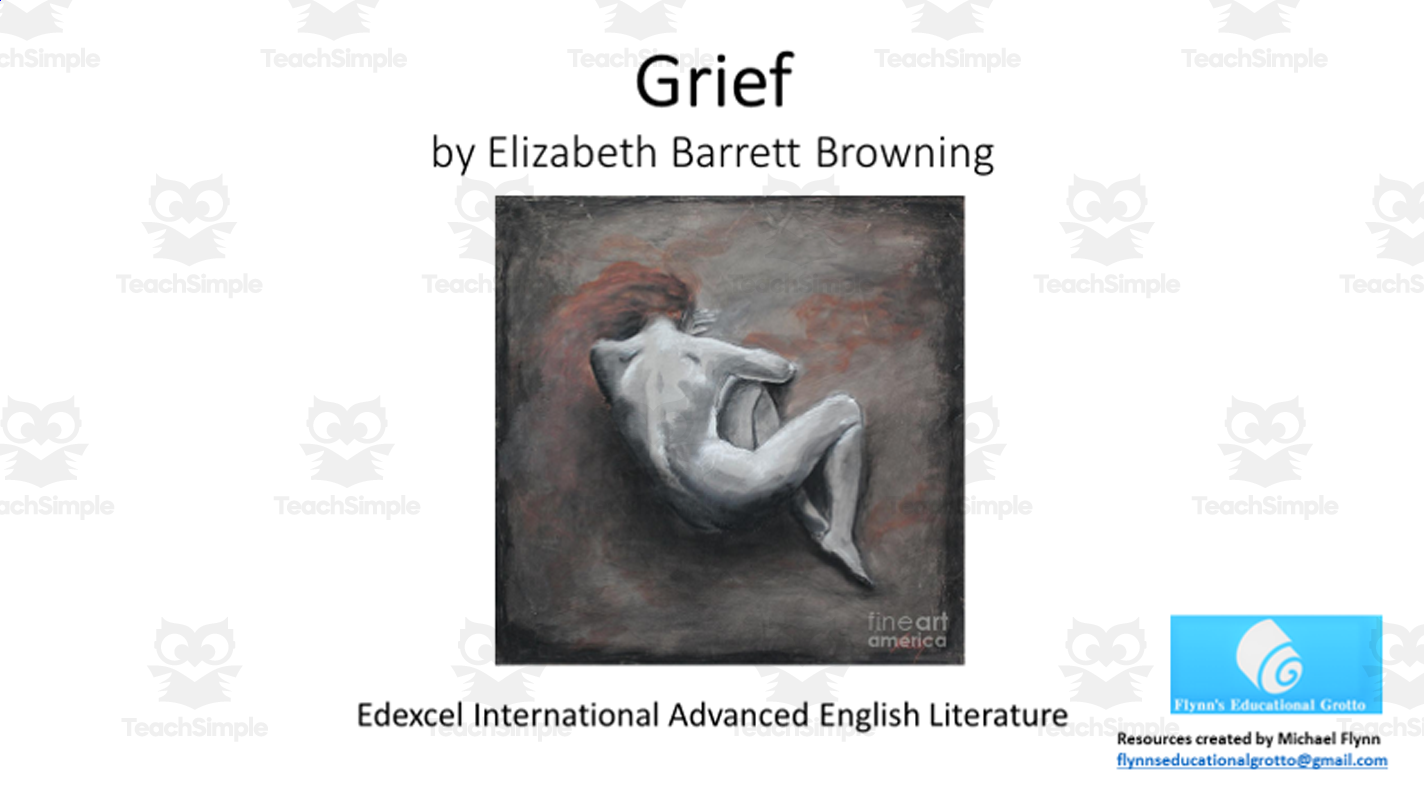
An A Level (Edexcel International Advanced English Literature) lesson analyzing the sonnet 'Grief' by Elizabeth Barrett Browning, covering the poet's biography and the poem's exploration of grief and bereavement.
A GCSE English Literature poetry-analysis lesson presentation that guides students through close reading and critical analysis of 'Winter Swans' by Owen Sheers.
GCSE Poetry Lesson on 'Remains' by Simon Armitage: For Veterans Overview: 'Remains', a poem written by Simon Armitage, provides the foundation for this comprehensive 23-slide PowerPoint lesson.
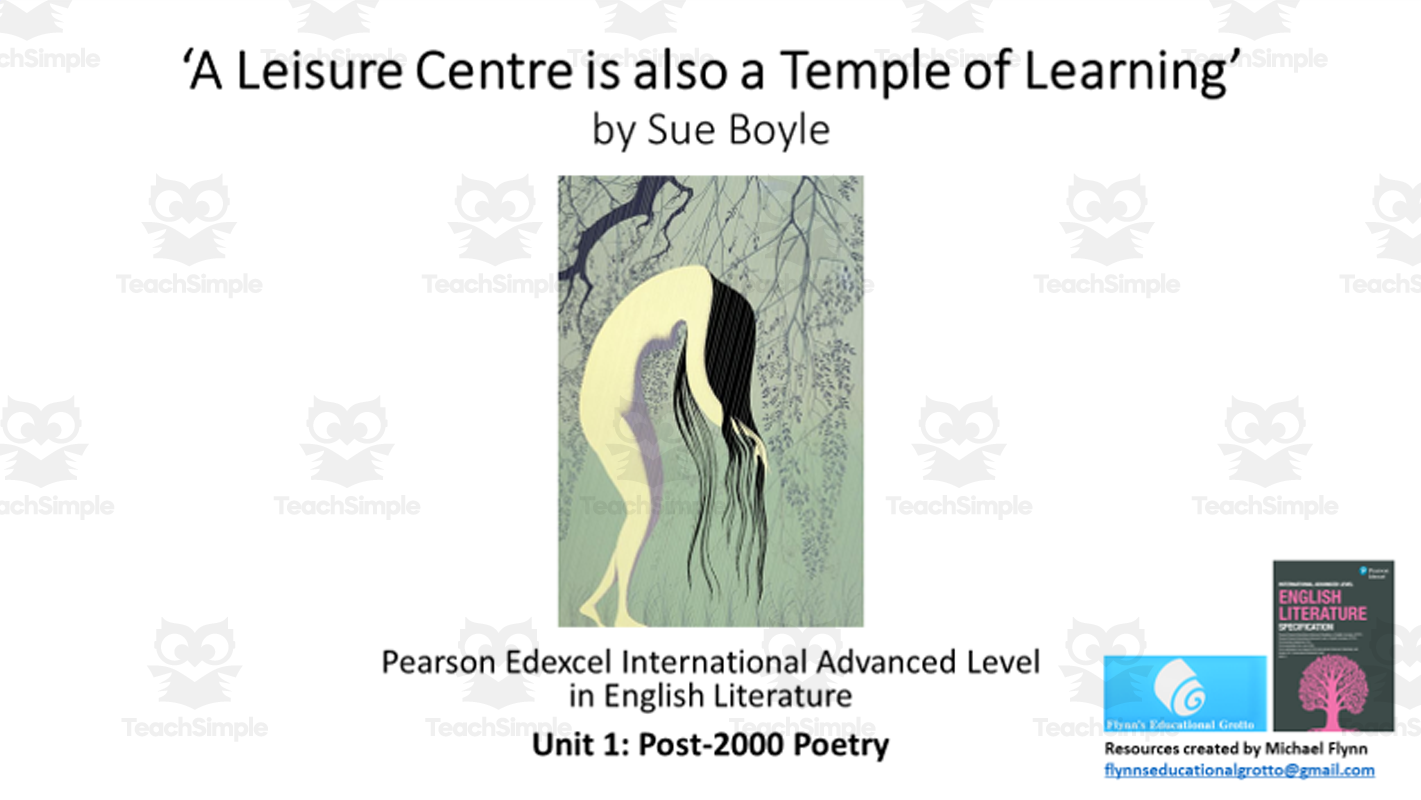
A UK Pearson Edexcel International A Level English Literature lesson (Unit 1: Post-2000 Poetry) analyzing Sue Boyle's poem 'A Leisure Centre is also a Temple of Learning,' focusing on meaning, form, language devices, and the theme of female beauty/aging.
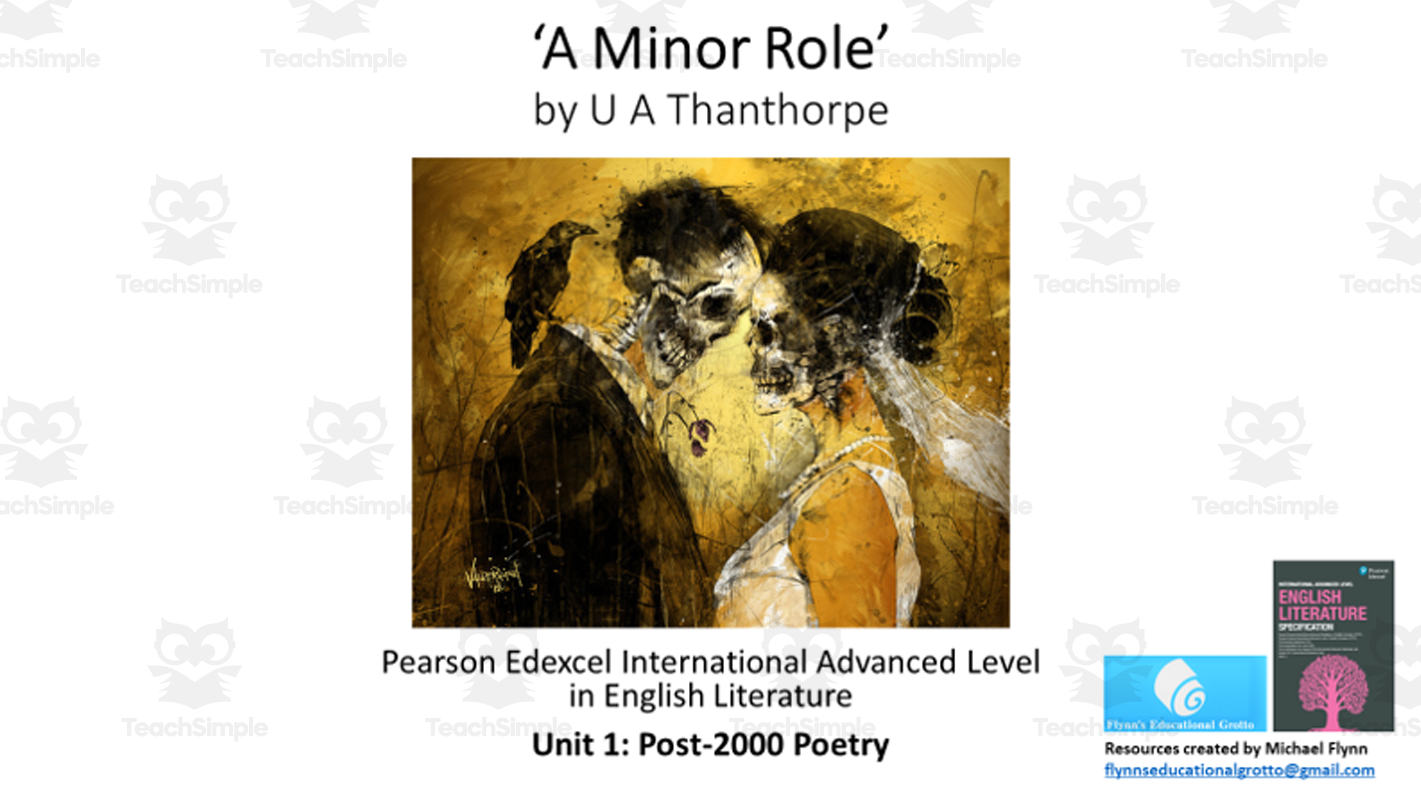
An A Level (Pearson Edexcel International Advanced Level, Post-2000 Poetry unit) English Literature lesson analyzing the poem 'A Minor Role' by U.A. Fanthorpe, focusing on meaning, form, and the device of euphemism, in the context of chronic illness and the roles society forces people to play.
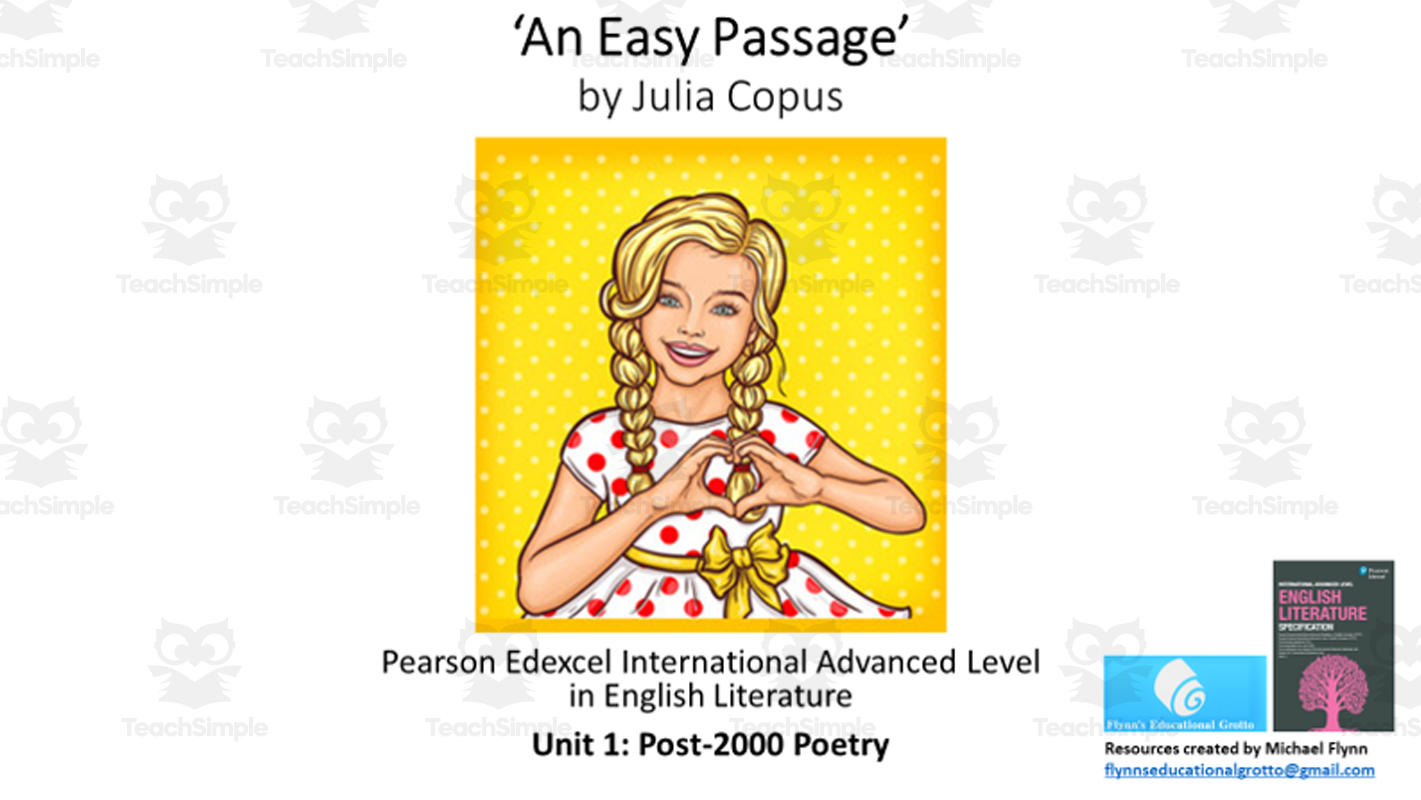
An A Level (Pearson Edexcel International Advanced Level, Post-2000 Poetry unit) English Literature lesson analyzing 'An Easy Passage' by Julia Copus, focusing on gender expectations and the transition from girlhood to womanhood.
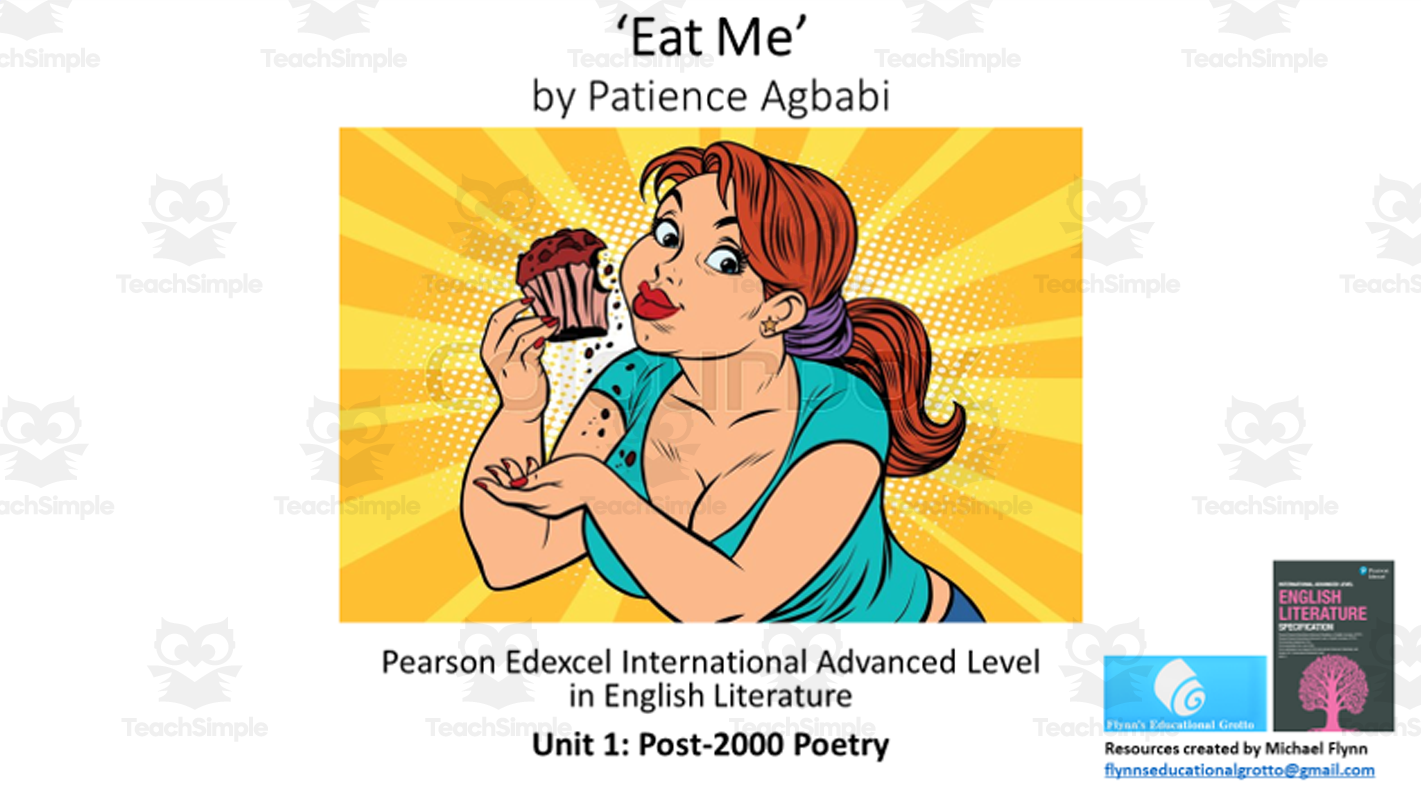
An A Level (Pearson Edexcel International Advanced Level, Post-2000 Poetry unit) English Literature lesson analyzing 'Eat Me' by Patience Agbabi, which addresses domestic/spousal abuse and gender power dynamics through the story of a husband who force-feeds his wife.
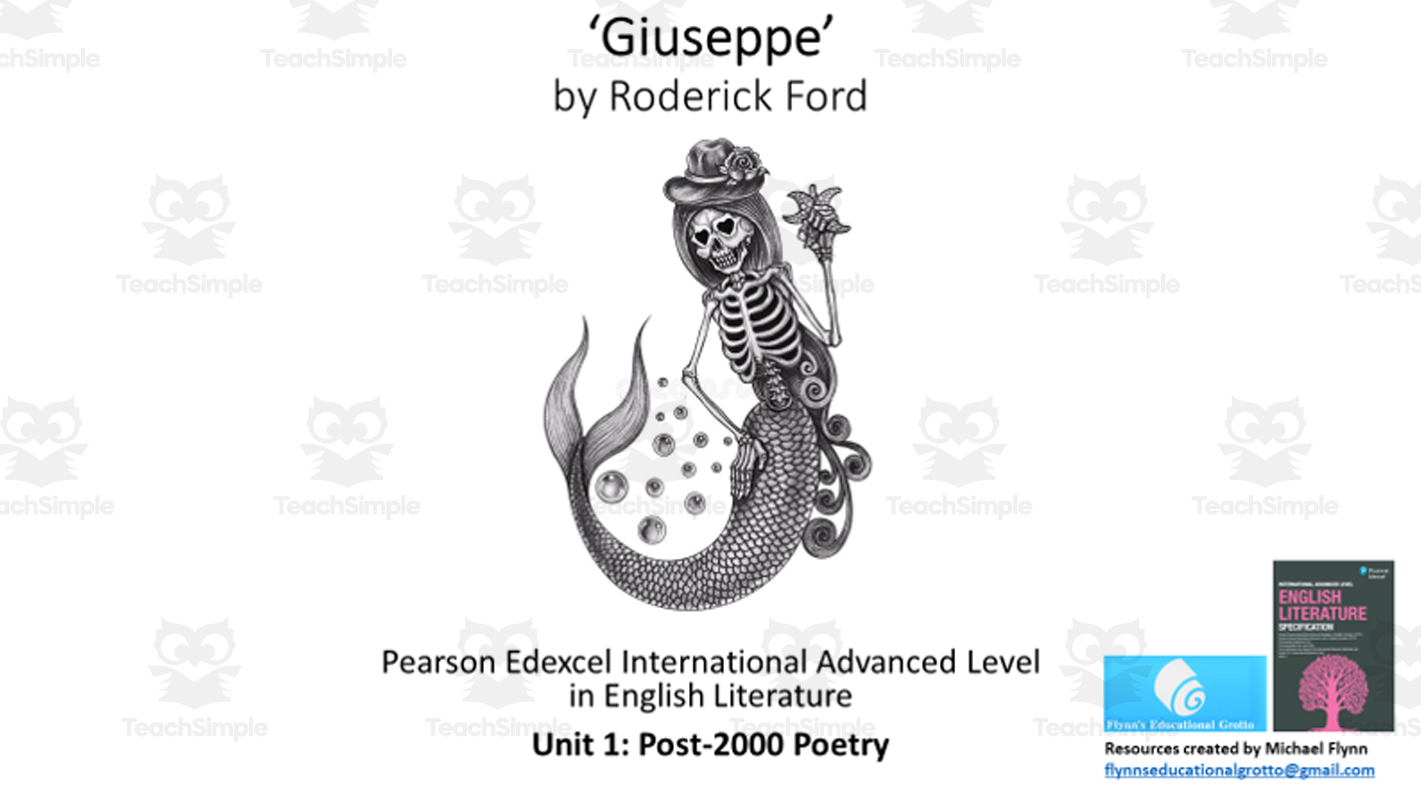
An A Level (Pearson Edexcel International Advanced Level, Post-2000 Poetry unit) English Literature lesson analyzing 'Giuseppe' by Roderick Ford, which uses a fairy-tale mermaid narrative set in WWII Sicily to explore human behavior under wartime pressure.
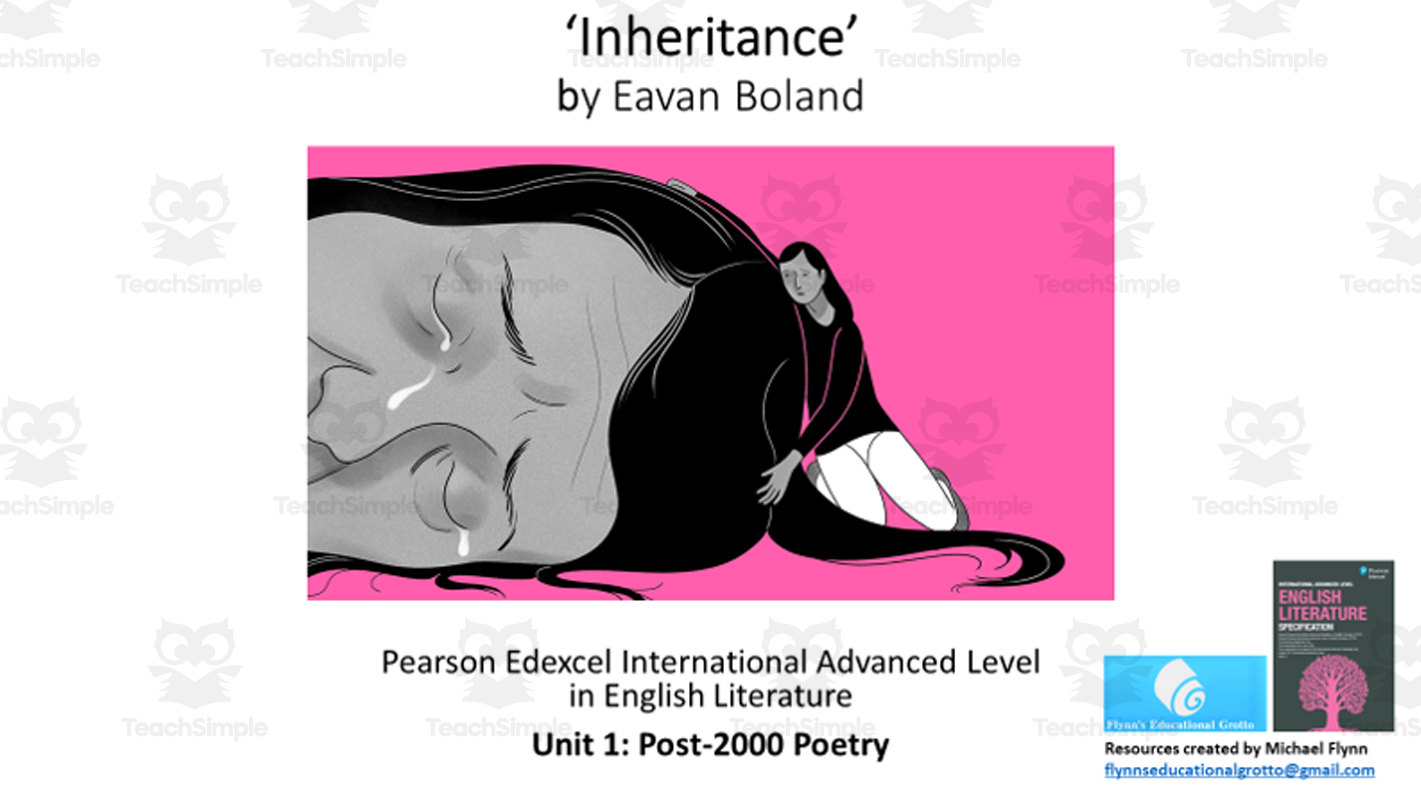
An A Level (Pearson Edexcel International Advanced Level, Post-2000 Poetry unit) English Literature lesson analyzing 'Inheritance' by Eavan Boland, exploring what parents pass down to children (materially and intangibly, e.g. motherhood).
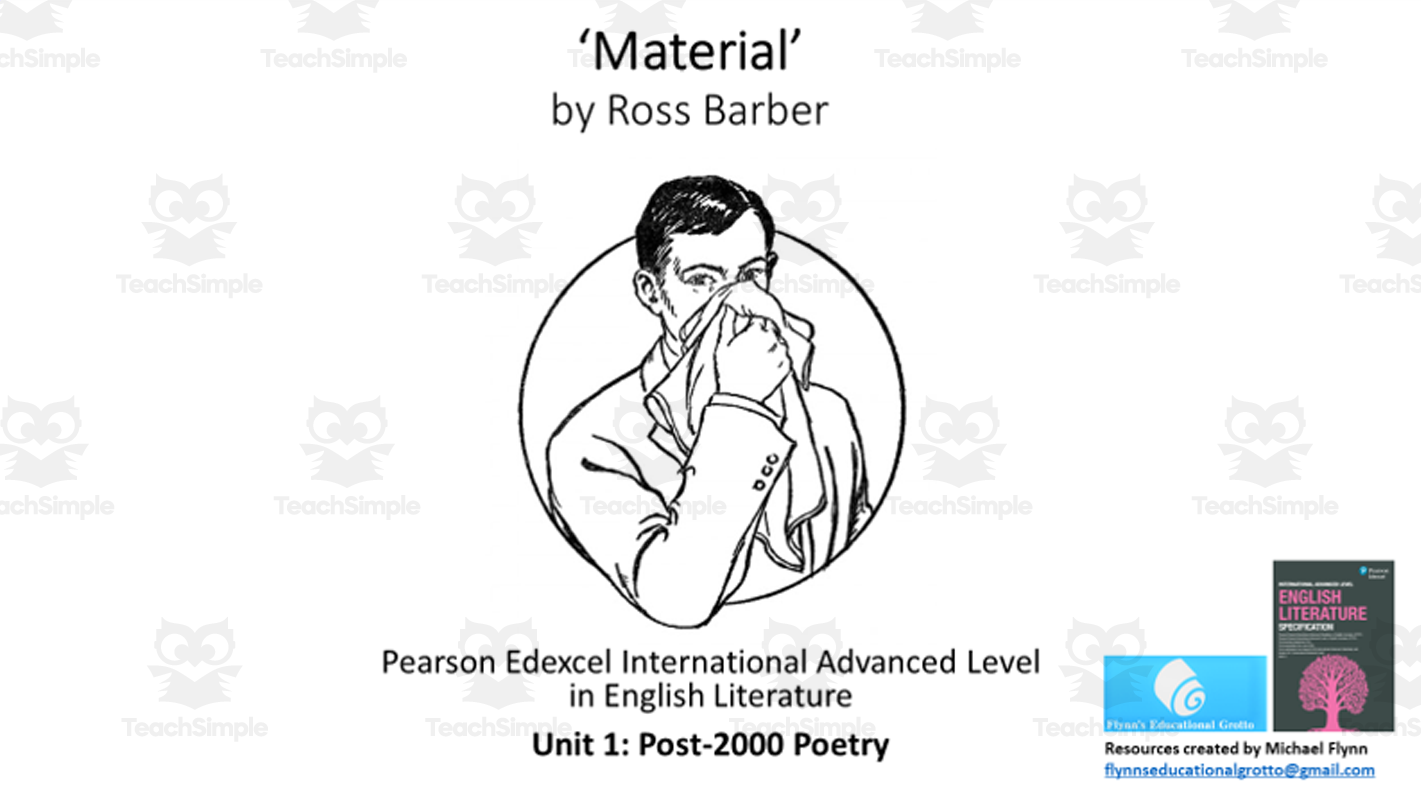
An A Level (Pearson Edexcel International Advanced Level, Post-2000 Poetry unit) English Literature lesson analyzing 'Material' by Ross Barber, a nostalgic poem centered on the symbolism of a mother's handkerchief and vanished mid-20th-century domestic life.
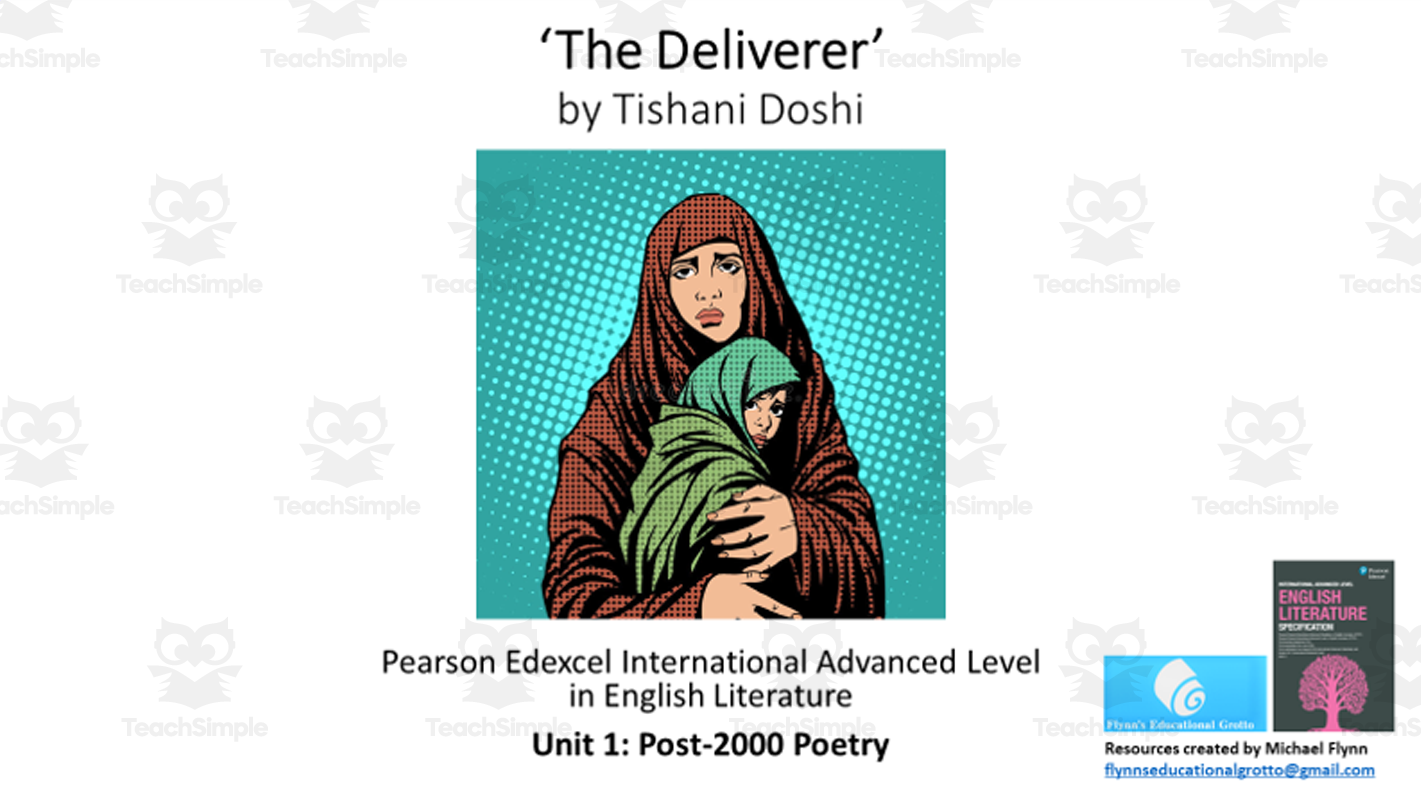
An A Level (Pearson Edexcel International Advanced Level, Post-2000 Poetry unit) English Literature lesson analyzing 'The Deliverer' by Tishani Doshi, addressing female devaluation, abandonment of children (especially girls and disabled children) in India, and international adoption.
Provide background information on Mary Shelley's novel Frankenstein (author biography, historical/Gothic context, creation story, themes, symbols, and characters) prior to reading or for review.
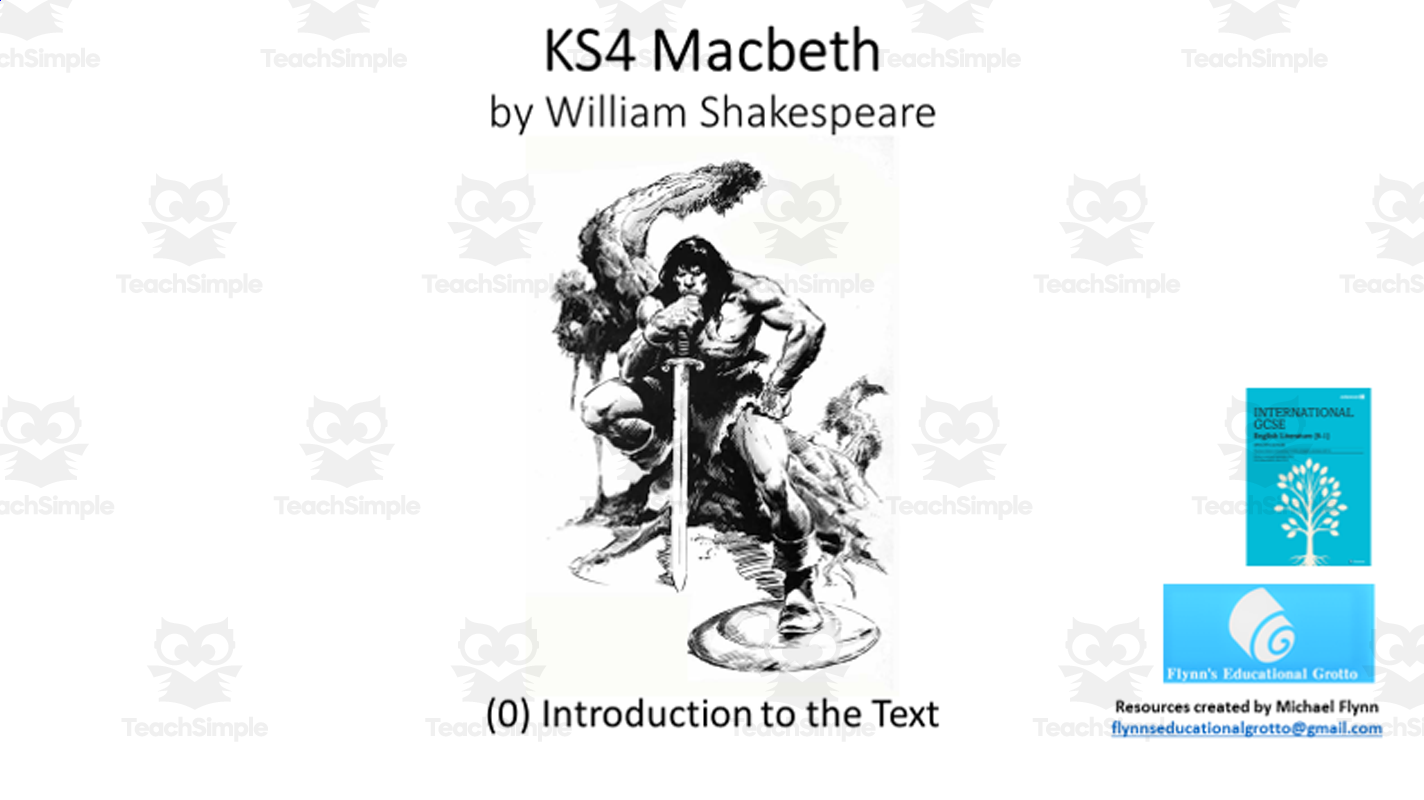
GCSE English Literature: (0) Macbeth – Introduction to the Text Embark on a literary journey through Shakespeare's classic tragedy with the GCSE English Literature: (0) Macbeth - Introduction to the Text teaching resource.
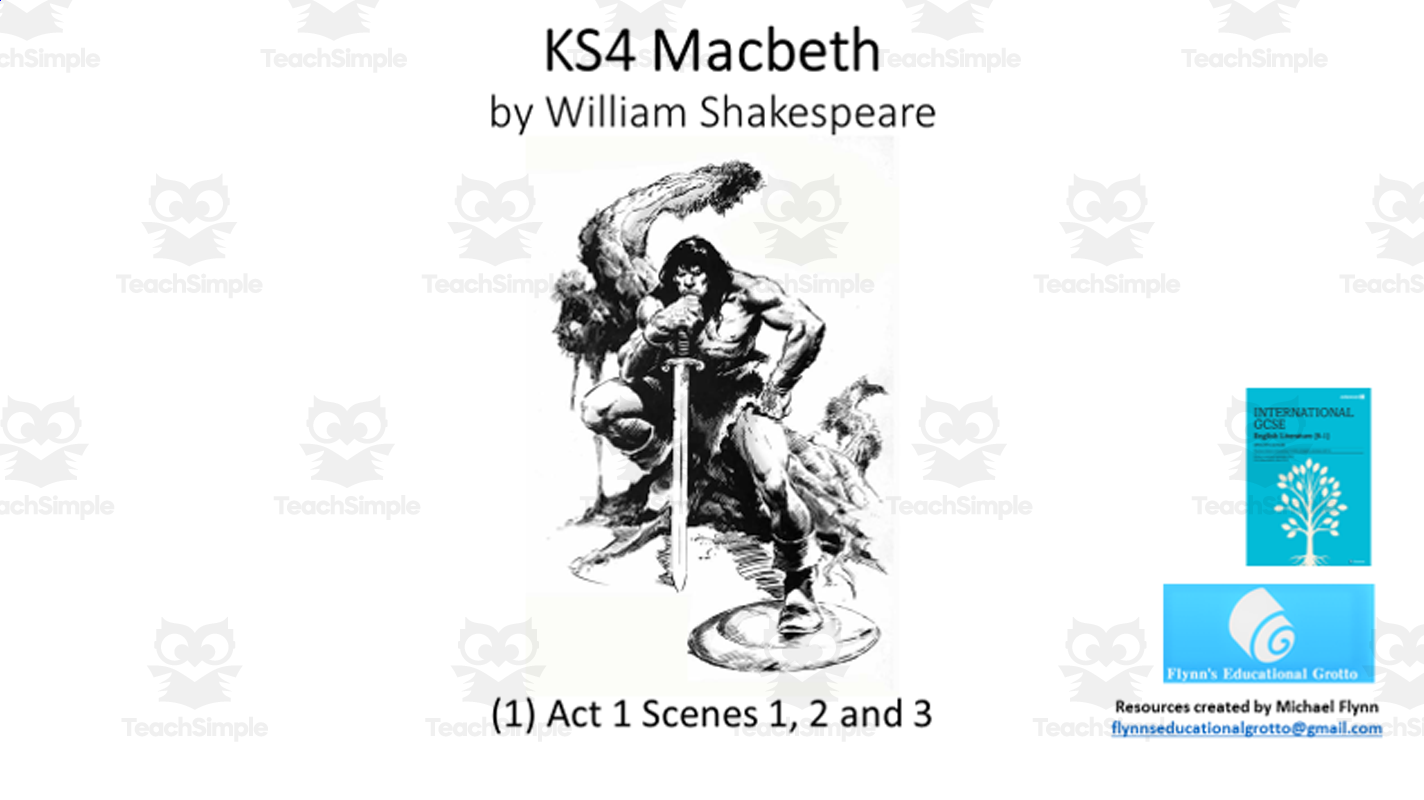
GCSE English Literature: Macbeth – Act 1 Scenes 1, 2 and 3 This PowerPoint lesson presents a comprehensive exploration of William Shakespeare's iconic work.
GCSE English Literature: (10) Macbeth - Act 5 Scenes 8, 9, 10, and 11 A teaching resource that is designed to assist educators in guiding their students through the final scenes of Shakespeare's 'Macbeth'.