Hydrosphere and Cryosphere - Lesson Bundle
A slide-based lesson covering the phases of Earth's water, the hydrosphere, the water cycle, the cryosphere, and the cryosphere's effects on climate and weather.
Classroom resources
Browse by lesson focus
Choose the topic or kind of practice you need.
A slide-based lesson covering the phases of Earth's water, the hydrosphere, the water cycle, the cryosphere, and the cryosphere's effects on climate and weather.
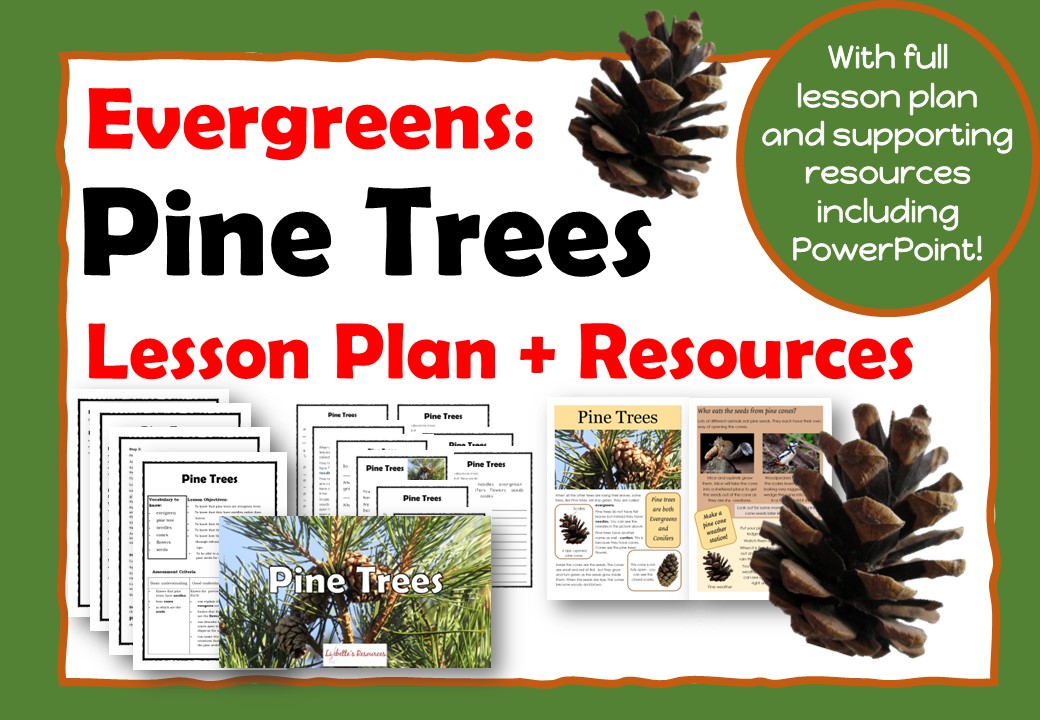
A multi-file thematic unit teaching that pine trees are evergreen conifers, using leveled reading-comprehension passages, a structured science lesson plan, and a vocabulary slideshow.
A digital slideshow ('micro-learning deck') teaching what a lunar eclipse is, how it forms, and related facts, combining a video lesson, an audio-supported reading passage, vocabulary, and comprehension activities.
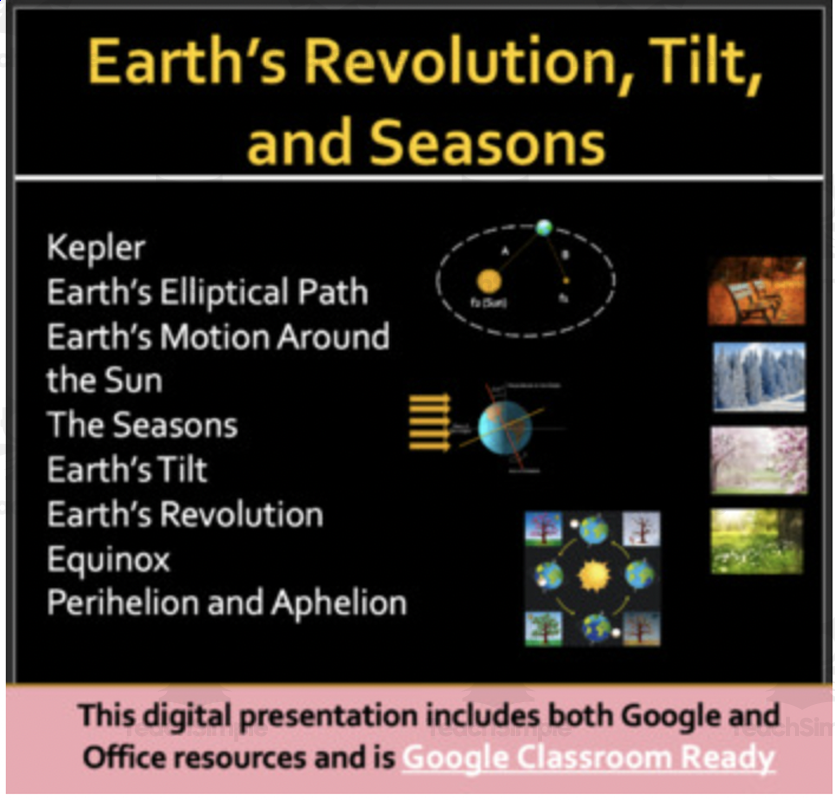
A slide-based lesson teaching why Earth has seasons, covering Kepler's elliptical orbit, Earth's tilt and revolution, equinoxes, and perihelion/aphelion for 9th-10th grade science students.
Put scientific-method ideas into practice by comparing how much water different paper towels absorb. Students plan a controlled comparison, record measurements, calculate averages and use a graph to support their conclusion. Student notes and matched completed slides introduce variables and hypotheses beforehand, while an extension sheet suggests changing the liquid or measuring absorption time for a later investigation.
An informational micro-lesson slideshow introducing spiders for middle/high school science classes.
Deliver an interactive digital slideshow lesson about dolphins combining a video, reading passage, close reading, and writing activities.
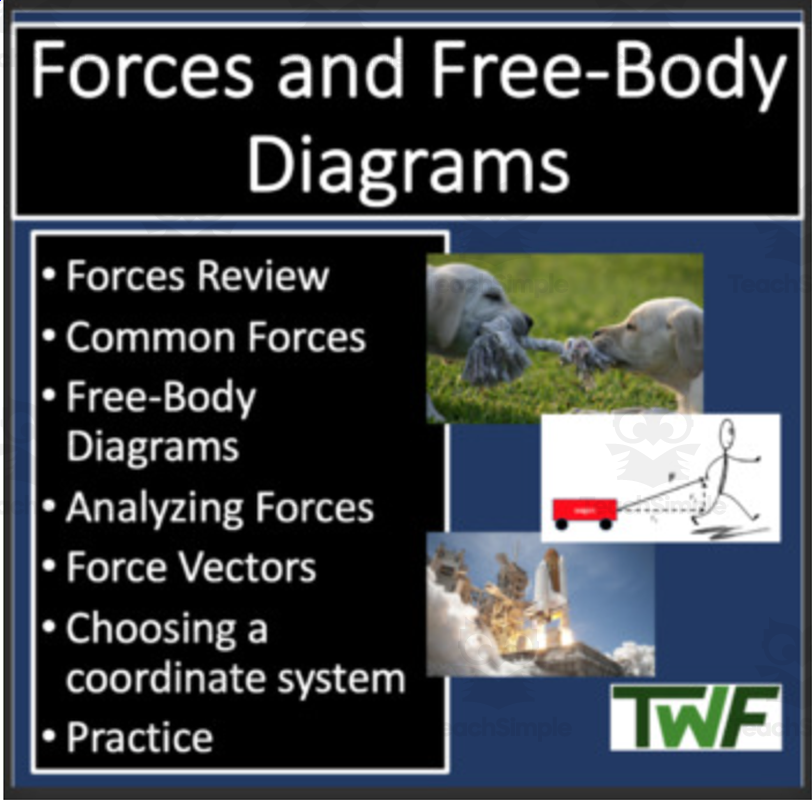
A high school physics lesson on forces and free-body diagrams (FBDs), covering common forces, drawing FBDs, resolving net force and force vectors using a chosen coordinate system.
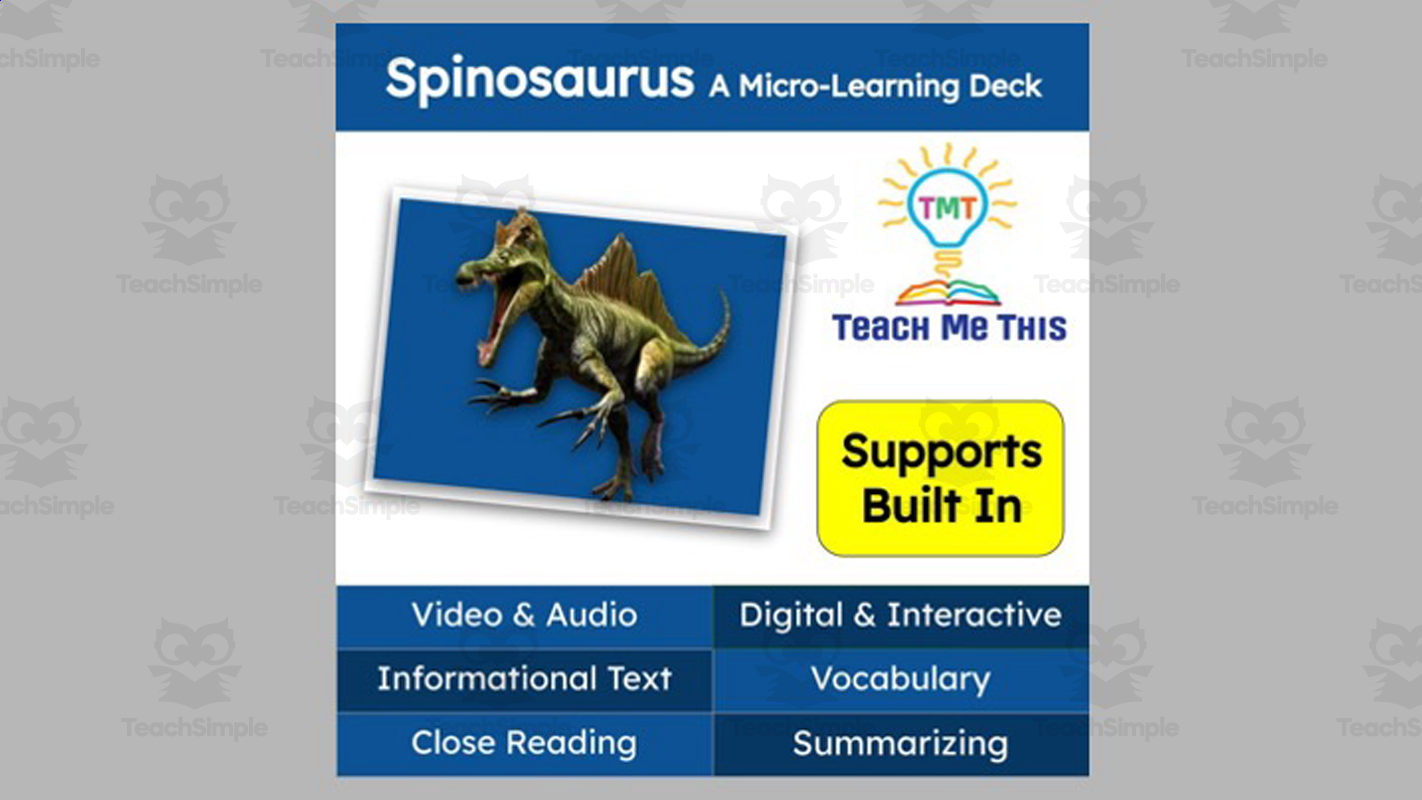
An informational micro-lesson slideshow introducing the Spinosaurus for middle/high school science classes.
Provide 20 days of short daily review activities (bell ringers/warm-ups/exit tickets) covering the digestive, circulatory, and respiratory body systems for a high school biology class.
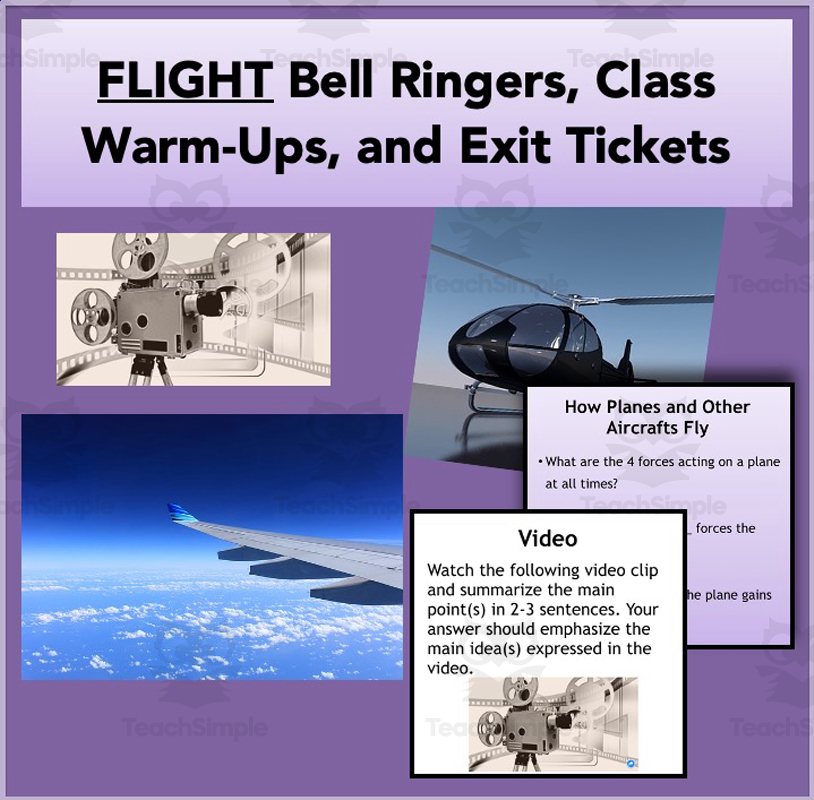
A set of bell-ringer/warm-up/exit-ticket questions on the physics of flight, meant to be given daily so students review and apply the previous lesson's content in a short routine at the start or end of class.
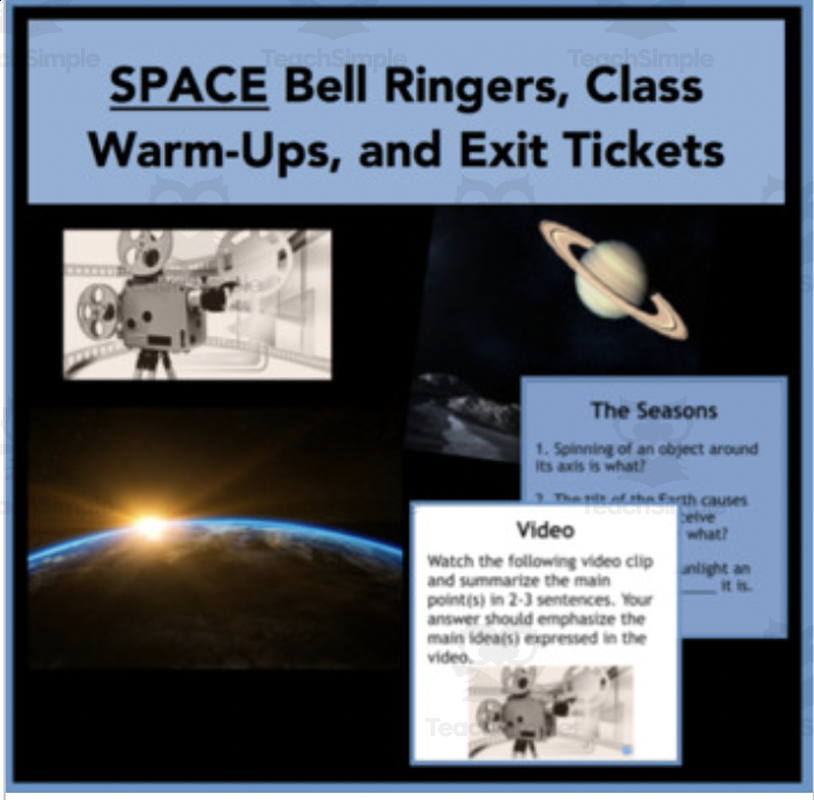
A recurring daily warm-up/exit-ticket system for a space/astronomy science unit, used to review prior lessons and build a review-and-focus classroom routine.
A slide-based lesson for senior (grade 10-12) earth and space science students teaching why Earth has seasons, covering Kepler's elliptical orbit, Earth's tilt and revolution, equinoxes, and perihelion/aphelion.
A no-prep, multimedia 'micro-learning' slide deck teaching students about African elephant biology, habitat, and behavior as part of an animal science unit.
Provide high school chemistry teachers (grades 10-12) with 20+ days of bell-ringer/warm-up/exit-ticket questions covering a solutions and solubility unit, for use in a flipped or traditional classroom.
A two-day middle school Earth science lesson teaching weathering (physical and chemical), erosion, and deposition processes.
Teach the water (hydrologic), carbon, nitrogen, and phosphorus biogeochemical cycles in ecosystems through a guided-notes slide presentation with linked videos.
An interactive micro-learning slide deck teaching students about seahorse biology (habitat, reproduction, and general facts) through a video, reading passage, vocabulary key words, and comprehension activities.
An interactive multimedia slide deck teaching students about beavers through a video lesson, a non-fiction reading passage, vocabulary instruction, and comprehension/writing activities.
A multi-file distance-learning/homeschool chemistry pack teaching mixtures, solutions, dissolving, suspensions, and saturated solutions via an animated PowerPoint, worksheets, and a photocopiable lesson.
A 9-presentation science unit teaching the properties, behavior, and real-world applications of fluids (liquids and gases) as part of a matter-and-energy course.
An interactive digital slide-deck science lesson (micro-learning format) teaching about Death Valley's extreme geography and climate through a video, a close-reading passage, vocabulary, and comprehension activities.
An interactive digital slide deck (micro-learning lesson) teaching the causes and effects of global warming through a narrative reading passage with embedded audio, close reading, and informal assessment activities.
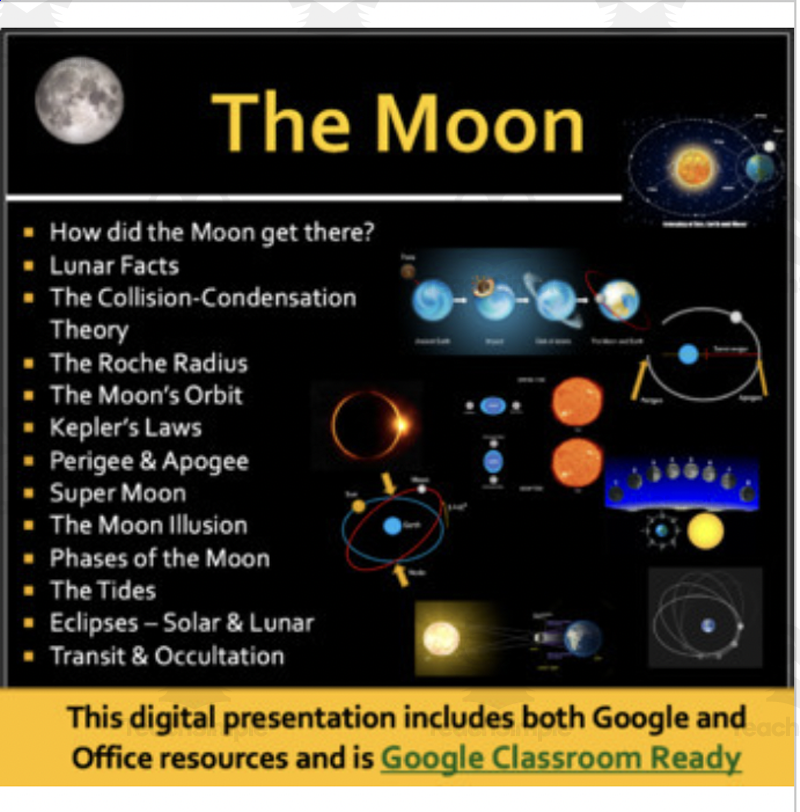
A three-day senior Earth and Space Science lesson on the Moon's origin (Collision-Condensation theory), orbital mechanics, phases, eclipses, and tidal influence, delivered via slide presentation with guided student notes.