
Science & social studies
Mental Health Vocabulary word search, scramble and crossword puzzle
Build student familiarity with mental health vocabulary terms and their definitions through three puzzle formats
Answers included


Classroom resources
Browse by lesson focus
Choose the topic or kind of practice you need.
Showing 1249–1272 of 3123 resources

 Show filters
Build student familiarity with mental health vocabulary terms and their definitions through three puzzle formats
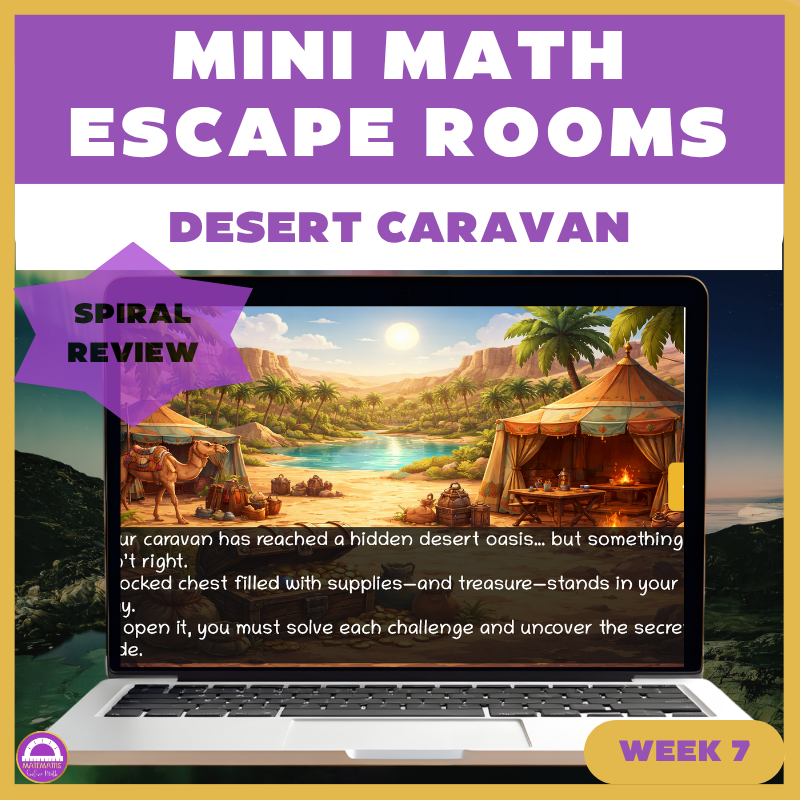
A full week (5 daily missions) of 8-10 minute spiral-review 'mini escape room' warm-ups for 6th grade math, themed as Desert Caravan.

A phonics activity that teaches syllable counting and syllable division using an original nonfiction song-lyric passage on the history of breaking (breakdancing) as the reading text.
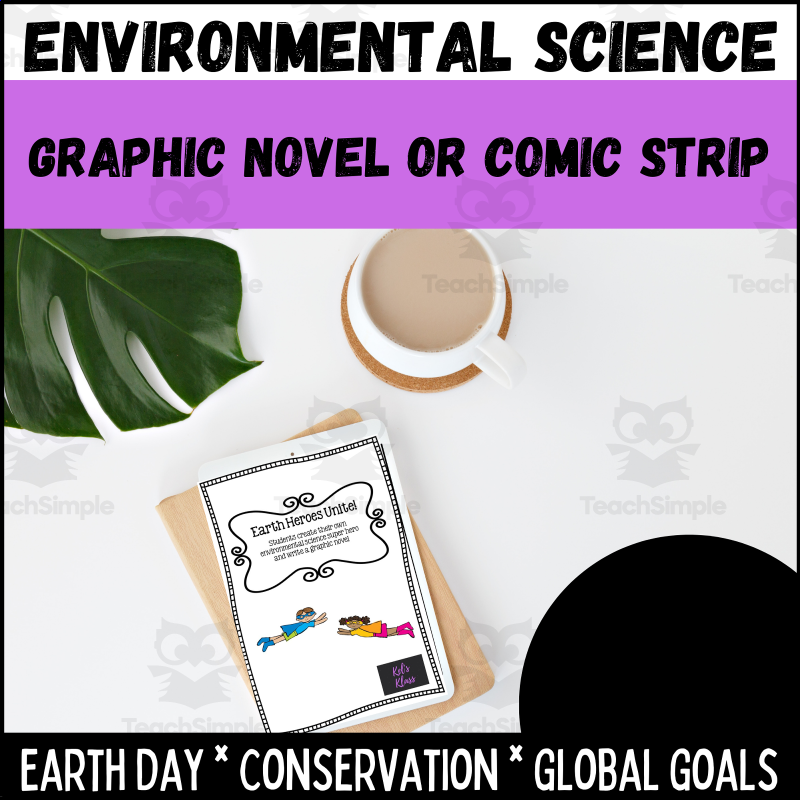
A research and creative-writing project in which students design an original superhero (or team) and write/illustrate a graphic novel/comic strip that teaches readers about an environmental issue and a possible solution.

A context clues reading activity that uses rap song lyrics recounting the real-world development history of Disney's Frozen movie (based on Hans Christian Andersen's 'The Snow Queen') as the reading passage for vocabulary practice.
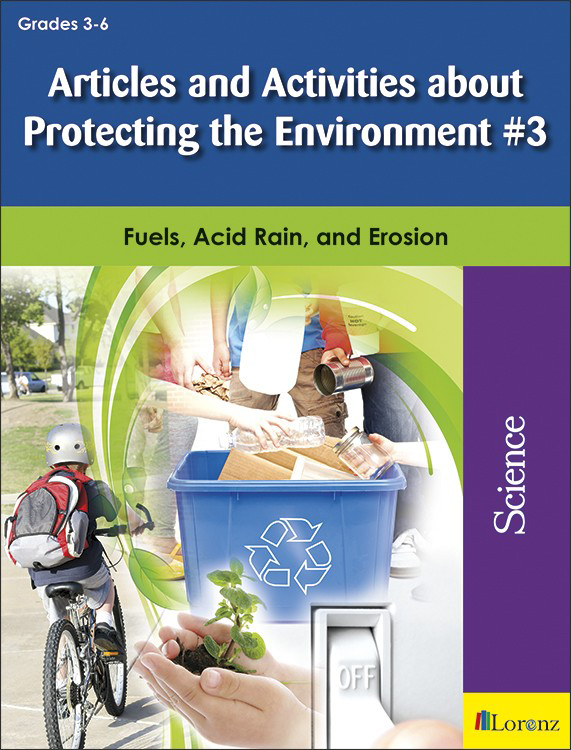
Three short informational articles with discussion and hands-on activities teaching students about alternative fuels/oil consumption, the Industrial Revolution and acid rain, and (per title) erosion.
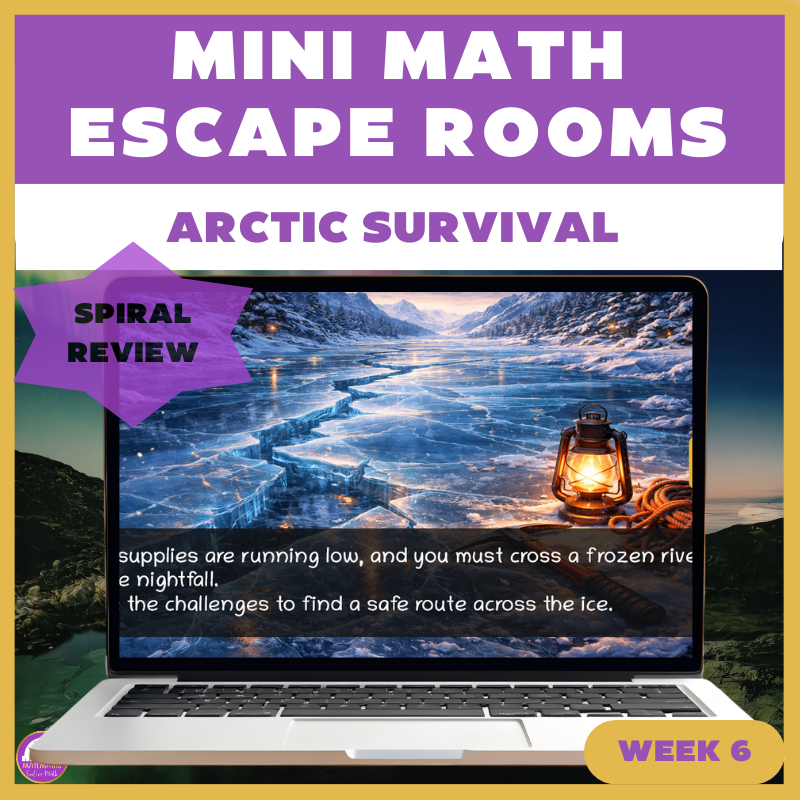
A full week (5 daily missions) of 8-10 minute spiral-review 'mini escape room' warm-ups for 6th grade math, themed as Arctic Survival.

Classroom Complete Press 'chapter slice' reading-comprehension unit on the 'Movement' theme of the Five Themes of Geography, applied to Europe, for grades 5-8.
A no-prep reading comprehension, writing, and social-emotional reflection companion packet for the picture book 'Jabari Jumps' by Gaia Cornwall.
A novel-study literature kit for Victoria Jamieson's graphic novel 'Roller Girl', supporting grade 5-6 reading comprehension instruction organized by Bloom's Taxonomy levels.

A Paris-themed printable/digital pixel-art-style activity for practicing one-step equations with positive and negative integers.
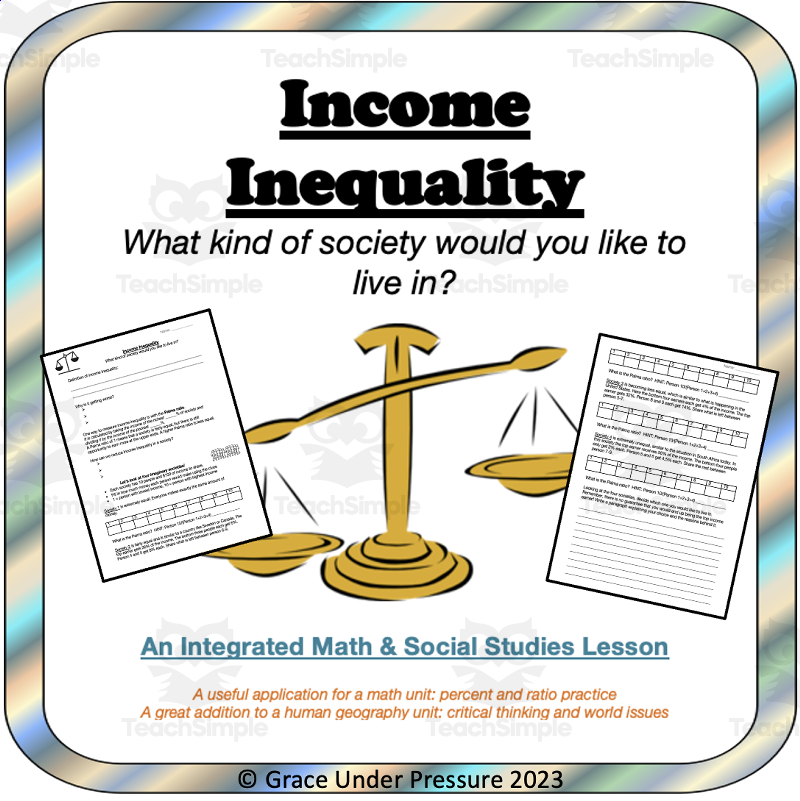
An integrated math and social studies lesson teaching students about income inequality using ratio/percent calculations and critical-thinking discussion.
Give grades 5-6 students a daily critical-thinking warm-up using standalone logic, math, and deduction puzzles to start the school day or transition between subjects.
A reading-comprehension chapter slice on why and how the United States entered World War I, with supporting vocabulary, comprehension quiz, puzzles and mini posters for grades 5-8.

A collection of kindness-themed activities designed to build empathy, social-emotional skills, and a positive classroom community through writing, crafts, and bingo-style games.
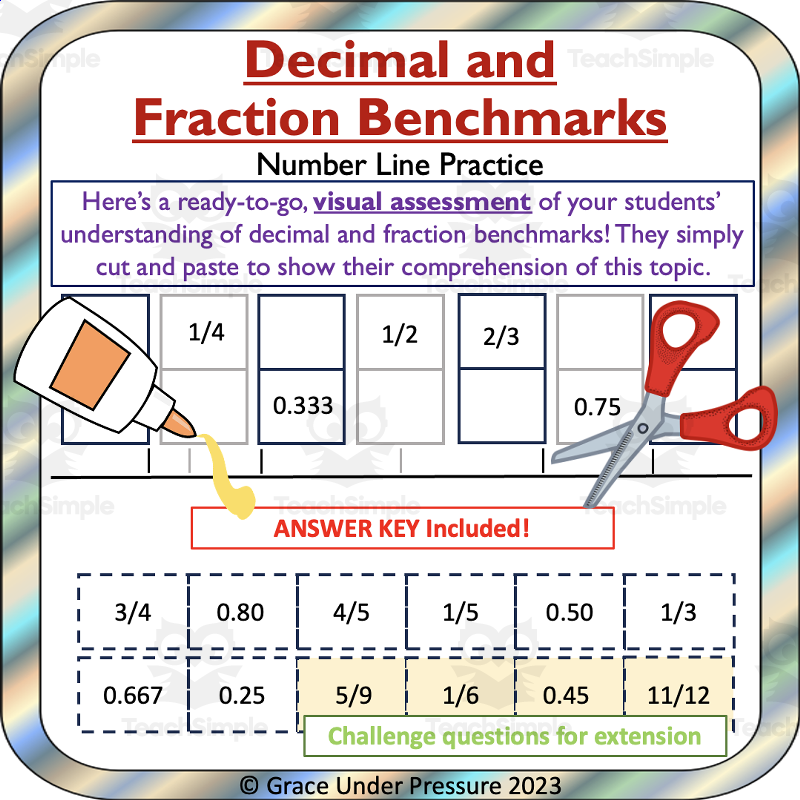
A visual, low-reading-demand cut-and-paste assessment of student understanding of decimal and fraction benchmarks on a 0-to-1 number line.

Provide four icebreaker/community-building activities to ease the transition back to school for middle school students at the start of the year
Classroom Complete Press 'chapter slice' reading-comprehension unit on the 'Regions' theme of the Five Themes of Geography, applied to Europe, for grades 5-8.
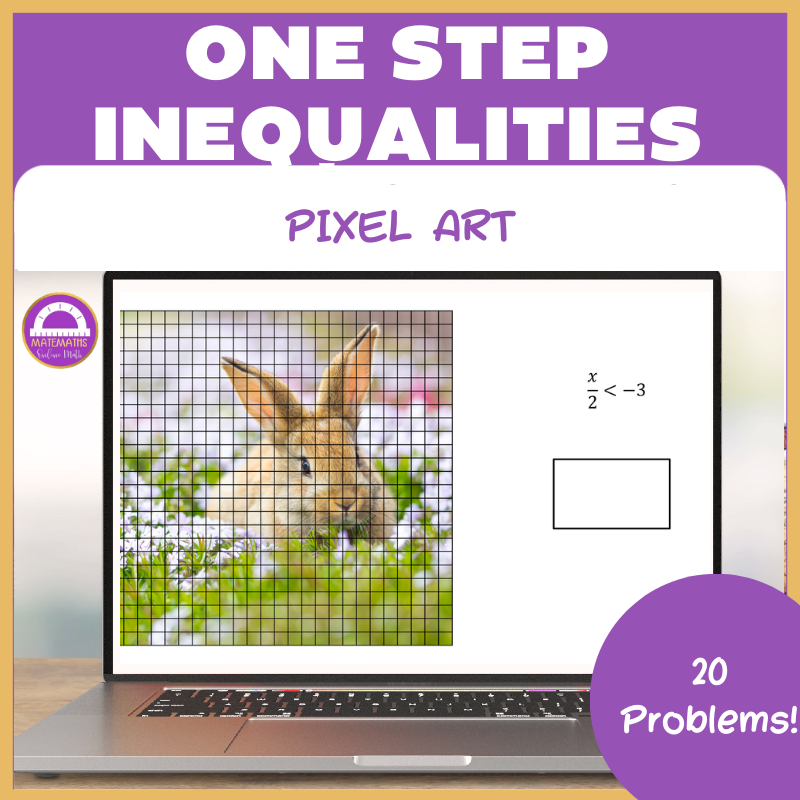
A self-checking printable/digital pixel-art-style activity for practicing solving one-step inequalities with positive and negative integers.
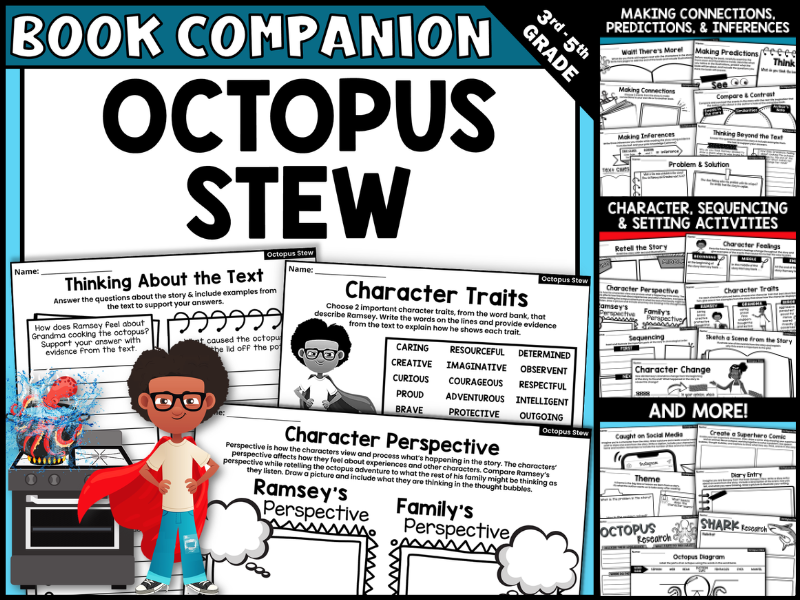
A print-and-go reading companion of activities to accompany the picture book "Octopus Stew" by Eric Velasquez, covering comprehension, story elements, character analysis, and extension writing/research tasks.
Give middle/high school students short, targeted creative writing exercises that isolate and practice five literary devices (Details, Diction, Imagery, Point of View, and Tone) one at a time, building creative writing skills incrementally.

A tall-tale literacy unit teaching students about the genre of tall tales and the legend of Annie Oakley, combining a read-aloud illustrated story, informational facts about the real historical figure, comprehension questions, and creative writing practice.
literature study kit built around the novel Wonder by R.J. Palacio, developing reading comprehension and critical-thinking skills mapped to Bloom's Taxonomy levels
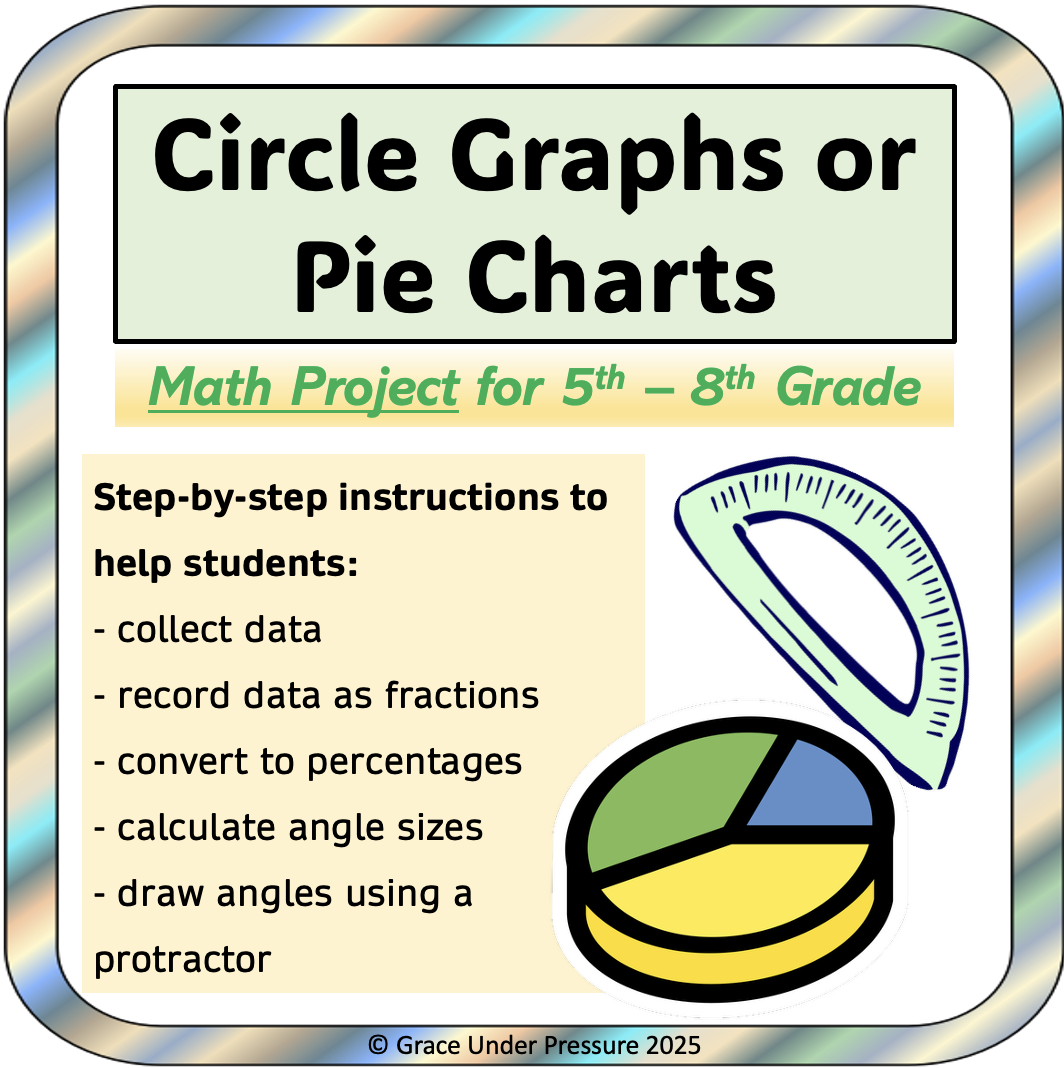
A six-answer survey question anchors this integrated math project, which has students poll exactly 25 people and tally the responses by hand. From there they convert each answer's tally into a fraction out of 25, an equivalent fraction out of 100, and a percent written as a decimal, following a worked example (4/25 = 16/100 = 16% = 0.16). The next step converts each decimal to a number of degrees by multiplying by 360, with a reminder that all six values must sum to 360 degrees before drawing begins. In the final step, students use a protractor aligned to the circle's center to plot each angle in turn, then add a title, color, and labels to complete their own hand-drawn circle graph.