resources by type
resources by grade
resources by subject
other resources

3,950 products added recently

Page 7 - Kindergarten Worksheets

Introduce your kindergarten students to the joys of learning with worksheets that focus on foundational skills. Covering topics like phonics, counting, and basic science, these resources make education exciting. Use them to support your young students' growth and enthusiasm.

Relevant
alt down
Any Time
alt down
filter by
alt down
All File Types
alt down
filter nav Show filters
Sort by: Relevant
CLEAR
resources by type
Activities
down arrow
Classroom Decor
down arrow
Teacher Tools
down arrow
Worksheets & Printables
up arrow
Drawing Templates & Outlines
Flashcards
Novel Studies
Parts of and Anatomy of
Task Cards
Word Problems
Writing Prompts
Worksheets
up arrow
Coloring Pages
Crosswords Puzzles
Dot To Dots
Mazes
Word Searches
Workbooks
resources by grade
Early Learning
down arrow
Pre-K
up arrow
Kindergarten
Preschool
Elementary
down arrow
Middle School
down arrow
High School
down arrow
Adult Education
Not Grade Specific
resources by subject
Creative Arts
down arrow
ELA
down arrow
Holiday & Seasonal
down arrow
Life Studies
down arrow
Math
down arrow
P.E. & Health
down arrow
Social Studies
down arrow
Special Resources
down arrow
Science
down arrow
Foreign Languages
down arrow
Resources for Teachers
down arrow
other resources
Common Core
Homeschool Resources
down arrow
Montessori
Research
STEM
Summer Sales: Learn The Phonic Sound ough and augh (rough, laugh)

Summer Sales: Learn The Phonic Sound ough and augh (rough, laugh)
ELA, Language Development, Phonics, Kindergarten, Preschool, Grade 1, 2, Worksheets & Printables, Worksheets

Summer Sales: Learn The Phonic Sound ough (as in rough) and augh (as in laugh) Learn To Read With Phonics Reading Packs are a quick and easy way to teach children to read in just six months. They are ideal for all ages (from 4 years plus), especially reluctant older readers of 7, 8, 9+, children with learning difficulties and children where English is a foreign language. The packs are designed to be used one to one or in small groups with a teacher and child or parent/guardian and child learning together. The packs consist of a structured course that build 44 phonic sounds into the text. As the children read the adventures of a loveable boy called Sam, they can have fun searching for hidden sounds. They will build up 44 sounds in total. This will enable them to read 80% of words in the English language, by breaking them down into sounds or syllables - pl ay ing. Children using phonics in this way progress fast. A series of stories, The Bouncing Castle and The Famous Cousin From The Country reinforce the complex middle sounds being learnt. By the end of the scheme, the child will be ready to progress to 'solo' reading books, such as Roald Dahl's 'Georges Marvellous Medicine' and 'Fantastic Mr Fox'. Many of the packs have cut out practice pages for matching words to pictures and phrases to pictures, to fix the sound words in the child's memory. The simple text and fun colour sketches, appeal to young readers and have helped the authors to teach many, many children to read. The reading packs may be used in any order, just pick the pack for the sound you require. However, when using the packs for a complete non reader we suggest you start with packs teaching initial sounds (word building with three or four letter words). Then move on to learning phonic sounds in this order: ch, sh, wh, th, oo, ee, ar, or, ur, ir, er, magic e, ea, oa, ai, ay, oi, oy, oa, short y (as in happy), long y (as in sky), soft c (as in mice), soft g (as in engine), ou, ow, au and aw. Next, move onto more complex sounds as in, tion, le, el, ough, gue, que, ine, ue, ie, ei, prefixes and suffixes. How To Use Each pack introduces a sound. 1) Learn the sound with the child/children 2) Read the sentences or stories several times, encouraging the child/children to talk about the pictures. 3) At the end of the sentences or story, there is a list of words and phrases, which the child can match to the pictures. Practise each sound several times, until the child is familiar with it.

Author Guinea Pig Education

Tags Phonics, Learn To Read, Phonics Activities, Phonics Sounds, Letters And Sounds, Ough Sound, Augh Sounds

Spring Teen Number Words

Spring Teen Number Words
Math, Numbers, Preschool, Kindergarten, Grade 1, 2, Worksheets & Printables, Worksheets

A Spring-themed counting worksheet that focuses on teen numbers. The students cut and paste the number words to match the number of drops.

Author Cherry Workshop

Tags Spring, Teen Numbers, Counting, Number Words, Numbers

Phonics And Spelling Practice: Initial Consonant Blends & Consonant Digraphs

Phonics And Spelling Practice: Initial Consonant Blends & Consonant Digraphs
ELA, Language Development, Phonics, Kindergarten, Preschool, Grade 1, 2, Worksheets & Printables, Worksheets

Phonics and Spelling Practice: Initial Consonant Blends & Consonant Digraphs An essential instructional resource ideal for young learners in their Early Learning stages through to Grade 2. This material primarily focuses on the development of initial reading and spelling skills in a fun and engaging manner. This resource comprises of 18 full-content pages, designed to capture the attention of budding language artists. The lessons revolve around the adventures of Zoggy, a creative character who employs computer skills to overcome challenges. Zoggy introduces learners to initial sounds, double consonant blends, and vowel digraphs. Versatility of the Material The resource can be used for whole group instruction Ideal for small group activities Suitable as homework assignments The material includes a notable feature - 'Mission Spelling Zero'. This is represented by various rainbow colors that symbolize the different levels students can advance through as they progress with their phonics skills. Included Worksheets Provide Added Value! The package comes with worksheets that stimulate practice beyond just listening and reading activities - it gets them highly involved! These materials aid learners write their first sentences while playing educational games which further cements knowledge acquisition. If you’re looking for an efficient resource for teaching language arts effectively, Phonics And Spelling Practice: Initial Consonant Blends & Consonant Digraphs is definitely an exceptional choice! It not only imparts knowledge but facilitates an enjoyable learning journey sure to boost student engagement – it’s worth having in every progressive educator’s toolkit!

Author Guinea Pig Education

Tags Phonics, Spelling, Initial Blends, Consonant Digraphs, Educational Games

Initial Sounds & Three Letter Words: Zoggy Has A Picnic

Initial Sounds & Three Letter Words: Zoggy Has A Picnic
ELA, Language Development, Phonics, Kindergarten, Preschool, Grade 1, Worksheets & Printables, Worksheets

Initial Sounds & Three Letter Words: Zoggy Has A Picnic An educational resource that is fun, effective, and tailored for early learners. It's perfect for a variety of group sizes - from whole classroom to small homeschooling groups, or even standalone homework assignments. This tool focuses on initial sounds and crafting three-letter words. Fits perfectly within the curriculum of Preschool through Grade 1 Language Arts students. Gives emphasis to Phonics education with an engaging narrative featuring our astute alien friend, Zoggy. The resource forms part of the 'Mission Spelling Zero' scheme and integrates flawlessly with Phonic Writing & Comprehension Practice worksheets giving extensive coverage to early reading and spelling syllabuses. Main points: The program includes seven color-coded levels which adds layers of complexity in a gradual manner. Hence ensuring that students aren’t overwhelmed. Zoggy’s stories introduces learners to double consonant blends and vowel digraphs while simultaneously holding their interest. A series of writing booklets augment phonics instruction by helping new readers perfect their handwriting skills while penning down their first sentences. Note: All materials are available as downloadable PDF worksheets making it apt for both digital learning spaces or traditional pen-and-paper methods. The resource is available online ensuring easy accessibility. This multi-faceted tool has found its place across various platforms such as full-size classroom teaching (both online/offline), one-on-one tutoring at home/distance, independent student assignments or even group studies among peers. Hence, adding to its credibility as a versatile asset in any teaching toolkit. In Summary: Initial Sounds & Three Letter Words: Zoggy Has A Picnic stands out as a remarkable teaching aid for early readers and spellers. Let this be the catalyst inspiring your young learners on their journey into language arts.

Author Guinea Pig Education

Tags Phonics, Initial Sounds, Three-letter Words, Literacy Skills, Educational Resource

Valentine's Day Short Vowel Sort

Valentine's Day Short Vowel Sort
ELA, Reading, Kindergarten, Preschool, Grade 1, Worksheets & Printables, Worksheets

A Valentine's Day-themed vowel worksheet to help your student with ready, vowel sounds, and phonics. The student says the words and colors the sounds that they hear.

Author Cherry Workshop

Tags Vowels, Short Vowel Sounds, Reading, Valentine's Day, Phonics, Vowel Sorts, Long And Short Vowel Sort, Long Vowel Short Vowel Sort

AR Phonic Worksheets for Early Years/Intervention

AR Phonic Worksheets for Early Years/Intervention
Special Resources, ELA, Special Education Needs (SEN), Language Development, Phonics, Reading, Spelling, Preschool, Kindergarten, Grade 1, Worksheets & Printables, Worksheets, Workbooks

This is a pack of 12 Phonic worksheets to teach the digraph AR, specially designed for those with special needs, including those with dyslexia or who may be suspected of being dyslexic, but will work equally well with young learners in Kindergarten/EYFS/Y1. They can be made into a fun workbook. These sheets are LETRS and UK GOV requirements aligned. These worksheets also align with most popular phonic programmes, including gRWI and Letters and Sounds. Who are the AR worksheets for? I have written them for pupils who struggle with processing information - especially sounds. This includes children who are DYSLEXIC or have ANY other kind of processing disorder. Such children may have failed with other methods of teaching phonics. Such pupils need activities that: ·are highly structured - one tiny step at a time building on the one before using only a limited number of words to start with and only using words that the child has already learnt to sound out, with no nasty surprises. ·Have only a little on each pageas these pupils tire easily. What makes these worksheets special? I have a powerful three-step process which I use with my special needs pupils, which is worked out over the course of the 12 worksheets: 1. See it!where we focus on becoming aware of the new sound in words. This involves first hearing the new sound in words and then seeing it in words (tracking). 2. Sound-it-out!Having learnt to see the new sound in words, we learn to sound out these words to read and write them. We begin by usingsound-it-out boxesfor reading and spelling which help the child to segment the word prior to blending the sounds together. Once the child can read and write individual words, we work on fluency by building familiarity with the common words in the new sound family. Once the child can sound the words out to read and spell confidently, we move on to recognising them/using them in longer reading and dictation passages, as soon as the child is able. I provide 2 reading passages with comprehension exercises and one dictation passage, with a page in the workbook dedicated to it, with room for a picture, which again cements understanding. 3. Write it! Incorporated into the above two steps, we constantly write the new sound. This adds a multi-sensory dimension to our work - we see with our eyes, we sound it with our mouth parts and voice, and then we move by writing. All three steps work together to help the child feel in control of his/her learning and to become a successful, confident learner. We finish each sound with a dictation which culminates our work before we remove on to the next sound. I try to give this a week after we finish the book, to act as revision. The dictation: Read this passage to your pupil, who should write it. Have the child read his/her work and check for errors. Make sure the writing is completely accurate before saying the child has finished, including full stops and capital letters correctly used. Flashcards are included with space to make more if appropriate. What is included in the pack: A front cover 12 Activities based on the 'Sound it out' principles. A dictation Flashcards

Author Lilibette's Resources

Tags Ar Worksheets, Ar Phonic Worksheets, Ar Digraph Worksheets, Special Needs Phonic Worksheets, Special Needs, Ar, Phonics, Ar Digraph, Home School

Word Search Puzzles Pack Assorted Topics Birthday, Picnic, Food, Birds

Word Search Puzzles Pack Assorted Topics Birthday, Picnic, Food, Birds
Vocabulary, Language Development, ELA, Kindergarten, Grade 1, 2, 3, 4, Word Searches, Worksheets, Worksheets & Printables

Word Search Puzzles Pack (Birthday, Picnic, Food etc.) 25 No-Prep Worksheets for Early Finishers Basket This packet includes 25 word search worksheets that you may use when students finish their work early. These puzzles work well for K-5 grade students and can be used in the classroom, at home, or during quiet independent time. Each word search has between 9 and 15 words . The words are based on familiar child-friendly topics, so students can work on them without much help. What’s in the packet? You’ll find 25 different word searches with themes such as: Fruits, Birthday, Animals, Toys, Food, Family, Birds, Colors, Baby Animals, 3-Letter Words, Clothes, Vegetables, Sight Words, Picnic, Bedroom, Wild Animals, Directions, Cooking, Shapes, 4-Letter Words, Baking, Numbers, Kitchen, Body Parts, and Garden. All pages are just print and go . There’s nothing to prep. How to use them? You may keep them in an early finishers' bin You can also use them during centers or morning work They work well for quiet time or transitions Parents can also use them at home or while traveling Sometimes you may let students race to finish. They can also be used as a calm independent activity. Why is this resource helpful? No prep at all Screen-free activity Easy for students to understand It's not grade-specific. So, students with different ability levels can use the same pages These word searches help students practice vocabulary and word recognition while staying focused and busy. They’re simple, flexible, and easy to use whenever you need a quick on the go activity.

Author FlashKart

Rating

Tags Puzzles, Word Searches, Food, Bird, Birthday, Picnic, Vocabulary, Early Finishers Basket, Esl, Efl

Guided Reading Level H - Who Cooks for the Community
Free Download

Guided Reading Level H - Who Cooks for the Community
ELA, Resources for Teachers, Reading Comprehension, Reading, Social Emotional Learning (SEL), Special Resources, Career, Life Studies, Social Studies, Economics, Kindergarten, Grade 1, 2, Worksheets & Printables, Worksheets, Teacher Tools, Centers, Activities, Literacy Readers, Quizzes, Quizzes and Tests, Assessments

This Guided Reading Book - Who Cooks for the Community (Level H) includes: Guided Reading Color Label (front cover x1) This is a quick way to match the book’s demands to what students can generally handle.. The overall goal is to use the level/color to pick books for several smaller groups. To qualify for a certain level, a student is expected to read a book from that level with about 90–94% accuracy. If a student is consistently accurate and understands, move up a level. If the student is struggling at that level, drop down and add more support. Each student will improve at completely different rates, but it is generally one of the best ways to check progress across the class. DOWNLOAD THE CATALOG TO VIEW ALL GUIDED READING BOOKS AVAILABLE (SORTED LEVELS A-Z) Pre-Reading Question (x1) Teacher asks the prompt aloud, can be while showing the cover or first page. Students share what they already know, or make educated guesses from the cover. Prompt them to use the target vocabulary. Write some of their responses on the board to look back at during the reading. Vocabulary Words (x5) Introduce the five words, best doing it one at a time. Start by saying it, while students repeat and then see if anyone knows what it means before reading further. Read through the meaning and try to briefly connect each word to a picture or gesture so it’s meaningful. Ask students to flip through the book pages and point to where they see each of the vocabulary words. While reading the book pause upon coming across one of the vocab words or read the sentence twice to make sure students understand the word has appeared. Optional: Ask students to raise hands whenever they see/hear one of the new words. Guided Reading Pages (x10) Check the book snapshot (below) for: primary topic - do you need to prep extra reading or intro materials on this? what is taught best - decide on 1-2 bullets to focus on, use the prompt or words provided here for best results. learning goals - what you are checking for students to be able to do after the session, elicit answers using prompts or words provided. key vocabulary (see section above). questions overview - so you know what is coming up and if you need to prep extra materials to assist understanding. Run the lesson You may have already looked at a few of the pages together, but you can show them some of the pictures again first to set meaning. Depending on how much time you have and how familiar your students are with guided reading class, you may want to read the book aloud first with the group first. Students whisper or partner read, while you listen in. If time, do it as a group, one student reading a page each. Use the guided page’s prompts to coach: “Check the picture / does it make sense?” “Point under the words / try the first sound” “Reread the sentence smoothly”. Try to focus more on one student per session (rotating every time), so you can work out if they are ready to move up or need to move down a level. Comprehension Questions (back cover x3) This is your way to check that students didn’t just say the words, but actually understood the text. First, let students answer by pointing to the page/picture and saying a short sentence. After any answer, follow with: “Show me where you found that in the text.” In bigger groups, have partners answer first (10–20 seconds), then call on 2–3 students to share. Differentiation tips: Emerging speakers/struggling readers: oral + pointing On-level: oral in a full sentence Higher: one written sentence or draw + label Book Snapshot Title: Who Cooks for the Community? Genre: Nonfiction (informational) Subject: Social Studies / Reading Primary Topic: Kitchen jobs that feed the community Estimated Guided Reading Level (A–Z): H What This Book Teaches Best How many different workers in a kitchen help make food for others in the community (restaurants, schools, hospitals). The roles and responsibilities of kitchen jobs (head chef, sous chef, line cooks, prep cook, pastry chef, bakers, pizza makers, dishwasher). How teamwork in kitchens helps people stay healthy by providing nutritious meals. Using text to learn job-specific actions and tools (checking supplies, chopping ingredients, measuring, mixing dough, cleaning pots and pans). Learning Goals Students will describe how kitchens help the community using details from the book. Students will identify at least three kitchen jobs named in the text and tell what each job does. Students will explain what the head chef decides and why that role is important. Students will describe how the prep cook helps the other cooks work faster, using text evidence. Students will explain why a clean kitchen is important for preparing food, based on the dishwasher page. Key Vocabulary From the Text sous — a helper chef who is second in charge. ingredients — foods used to make a meal or recipe. responsible — in charge of an important job. specialize — focus on doing one kind of work well. nutritious — good for your body; helps you stay healthy. Discussion Prompts Pre-reading question: Who do you think works in a kitchen, and what might they do? Comprehension questions: Where does the book say people visit kitchens to get the food they need? What does the head chef decide in the kitchen? Why does the book say the dishwasher is an important part of the kitchen team? Printing Tips 1. Best Printing Method (Recommended) “Booklet” Printing (Best if Available) If your printer or PDF viewer supports Booklet Printing , use this. Settings to use: Print mode: Booklet Paper size: Letter or A4 (either works) Orientation: Landscape Print on both sides: Yes Flip on: Short edge Scaling: Fit to printable area Booklet subset: First test: Front sides only Then: Back sides only This will automatically: Pair pages correctly Put the cover on the outside Align everything for folding After printing, fold in half and staple along the spine . 2. If “Booklet” Printing Is NOT Available You can still print this correctly with manual duplex printing . Step-by-step: Open the PDF. Choose Print . Set: Orientation: Landscape Pages per sheet: 1 Print on both sides: Yes Flip on: Short edge Print all pages . Because each PDF page already contains two facing book pages, the result will still fold cleanly into a book. Thousands of Cored Education products are included with your TeachSimple membership. Download links and encyclopedia index available here.

Author Cored Education

Rating

Tags Vocabulary, Reading Comprehension, Reading Passages, Leveled Reading, Nonfiction, Reading, Guided Reading, Social Studies, Chef, Careers

Sight Words Mat - Winter

Sight Words Mat - Winter
ELA, Reading, Kindergarten, Preschool, Grade 1, 2, Worksheets & Printables, Worksheets

Sight Words Mat, Winter edition: An unmatched teaching tool for educators teaching early learners from Preschool to Grade 2. This winter-themed mat focuses primarily on children's language arts skills and their reading ability by offering them a fun and effective way to practice sight words. This one-page PDF product can either be laminated for continual use or printed as disposable worksheets . The Sight Words Mat is versatile enough to facilitate vocabulary-based exercises in addition to sight word repetition. Required items : Sight Word cards: readily available or homemade ones will do too. A variety of letter tiles: magnetic letters, Scrabble pieces, or letter cubes - depending on availability. Adding an interactive element to the learning process are play dough supplies. Children get a hands-on chance to shape letters if stamps or cutters are available—this encourages tactile engagement alongside visual recognition. Dry-erase markers also come into play here—they not only allow fine motor skill development but also encourage creativity whilst strengthening language art skills. "Devised initially for sight word repetition exercises this tool can comfortably cater beyond its primary intention serving equally effective in vocabulary-building tasks." This includes whole class participation; small group activities; homework assignments etc. The Sight Words Winter Practice Mat offers multiple options and uses making it a truly durable learning instrument that stands ready for integration into your arsenal of teaching tools today!

Author Cherry Workshop

Tags Sight Words, Winter, Language Arts, Reading Practice, Vocabulary Building

Initial Sounds & Three Letter Words: Zoggy In The Sun

Initial Sounds & Three Letter Words: Zoggy In The Sun
ELA, Language Development, Phonics, Preschool, Kindergarten, Grade 1, Worksheets & Printables, Worksheets

Title: Initial Sounds & Three Letter Words: Zoggy In The Sun Step into the enchanting realm of 'Mission Spelling Zero' with a notable teaching aid named Initial Sounds & Three Letter Words: Zoggy In The Sun. Created to establish a sturdy foundation in initial sounds and three-letter words, this 21-page resource is perfect for early learning, kindergarten, preschool, and grade one levels. Apart from just acting as worksheets for individual practice or homework activities, these immersive materials are equally potent when used in group brainstorming sessions. They create an platform to fortify phonics sounds and enrich spelling skills systematically. An adorable character – Zoggy – comes from another planet and wields extraordinary computer skills sprinkled across the pages. This unique method of teaching breaks away from conventional phonics instruction methods through his fascinating escapades. Zoggy leads your learners on an active learning journey starting with exploring initial sounds embedded in his tales gradually progressing onto complex structures like double consonant blends and vowel digraphs data. In concurrence with each incremental progress your child scales up the levels of Mission Spelling Zero's rainbow structure scheme establishes formidable correlations between their reading ability and spelling accuracy. This bundle also offers supplementary exercises allowing children to apply their fresh phonics capabilities into constructing first sentences promising accelerated future progress. Note:The pdf aid places equal concentration on language arts along with phonics hence coming out as a comprehensive tool to boost learners’ literacy competencies where creativity integrates technicality. To sum it up... "Initial Sounds & Three Letter Words: Zoggy In The Sun" presents educators with unconventional experiences combining story-led teaching techniques with conventional worksheet exercises permitting clusters of young learners to foster solid spelling proficiency along with effective comprehension lifelines.

Author Guinea Pig Education

Tags Initial Sounds, Three-letter Words, Phonics Instruction, Spelling Proficiency, Active Learning

Kids Yoga Stories: Calming Coloring Pages for Kids - Yoga Poses

Kids Yoga Stories: Calming Coloring Pages for Kids - Yoga Poses
P.E. & Health, Yoga, Preschool, Kindergarten, Grade 1, Coloring Pages, Worksheets, Worksheets & Printables

Kids Yoga Stories: Calming Coloring Pages for Kids - Yoga Poses is a teaching resource that includes 20 coloring pages depicting various yoga poses suitable for young children. This resource can promote stress reduction and mindfulness in early childhood classrooms. Teachers can implement these engaging coloring sheets during morning work, indoor recess, or calming corners. The included parent-teacher guide provides recommendations for use. With simple yet detailed illustrations, these pages are easy for children ages 2+ to color. This resource allows educators to introduce children to beginner yoga poses and the benefits of mindful coloring activities. Use Kids Yoga Stories to bring relaxation, focus, and fun into early childhood and elementary classrooms.

Author Kids Yoga Stories

Tags Kids Yoga Stories, Calming Coloring, Coloring Pages, Yoga Poses Coloring, Kids Yoga Coloring

Spring Great Than Less Than

Spring Great Than Less Than
Math, Numbers, Preschool, Kindergarten, Grade 1, Worksheets & Printables, Worksheets

A fun and engaging Spring-themed activity to Introduce and practice less than, great than, and equal to for numbers 1-10. Math activity that includes: 15 cards with Spring pictures to compare; 1-10 number cards <, >, = cards 4 worksheets

Author Cherry Workshop

Tags Greater Than, Less Than, Math, Comparison, Spring

Sight Words Trace Fry 21-30 (set of 100)

Sight Words Trace Fry 21-30 (set of 100)
ELA, Reading, Kindergarten, Preschool, Grade 1, Worksheets & Printables, Worksheets

Sight Words Trace Fry 21-30 Teaching Resource focuses on building reading fluency. This 10-page packet helps early learners practice tracing and writing high-frequency Fry sight words through repetition. Students trace words like "again", "follow", and "large" then write the words independently to improve handwriting skills. These printable worksheets can be used for whole group instruction, small reading groups, independent practice, or homework. The writing practice integrates sight word recognition and penmanship development. With engaging tracing activities, this resource is an excellent addition to any early childhood reading curriculum for building accuracy and automaticity with Fry sight words 21-30.

Author Cherry Workshop

Tags Sight Words, Reading, Writing, Fry, Tracing

Patterns, Skip Counting, Ordinal Numbers

Patterns, Skip Counting, Ordinal Numbers
Math, Numbers, Preschool, Kindergarten, Grade 1, Worksheets & Printables, Worksheets

Patterns, Skip Counting, Ordinal Numbers: An Innovative Digital Education Resource This innovative digital educational resource is finely tuned to the learning needs of kindergarten, preschool and first grade students. Developed by education professionals, this tool perfectly complements established teaching methods while meeting relevant educational standards for this age bracket. Fully Loaded PDF Workbook This packed 13-page digital workbook allows teachers the added benefit of printing pages ad infinitum – a unique feature allowing the repetitious practice necessary for skills ingraining. Detailed coverage of vital mathematical concepts such as patterns, skip counting and ordinal numbers provides a robust basis for young maths enthusiasts. An Invaluable Teaching Guide With Fun Exercises Patterns, Skip Counting & Ordinal Numbers offers trainers and parents alike clear instructions for rich background knowledge on each concept; thus creating an aggregate teaching approach where everyone plays an active role in academic triumphs. Beyond being standard worksheets but designed like an enticing mix of exercises - these engaging materials offer practical activities that guide students into the sphere of patterns skip counting & ordinal numbers. The ideas are delivered through real-life situations encapsulated in complex mazes whose exit paths lead to structured learning experiences designed to stay affixed in memory. A Flexible Learning Solution That Fits All Devices The resources are conveniently supplied as PDF files that slot easily into any teacher's e-Library across all devices – from tablets to laptops; smartphones or desktop computers. An ultimate solution suitable not only for whole classroom instruction but also small group study or personal remote tutoring sessions at home - bringing flexibility at its best to modern educators. Kid-centric design with fun activities, Relevance to educational benchmarks, Flexibility with multiple device usability, Suitable for classroom or personalized tutoring In conclusion So, whether you're homeschooling your child or supplementing schoolwork with practice at home - Patterns, Skip Counting & Ordinal Numbers is a practical teaching resource that successfully marries pleasurable student involvement with results-oriented teaching.

Author Twin Sisters Digital Media

Tags Patterns, Skip Counting, Ordinal Numbers, Educational Resource, Digital Workbook

Grey Squirrels: Kindergarten Science Projects

Grey Squirrels: Kindergarten Science Projects
Science, Life Sciences, Biology, Kindergarten, Preschool, Grade 1, Teacher Tools, Lesson Plans, Activities, Projects, Worksheets & Printables, Worksheets

Squirrels: Kindergarten Science Projects Although the photos are of grey squirrels, the lesson notes can equally apply to red squirrels. The Squirrels' Kindergarten Science project is ideal for a mini topic. Use our Lesson notes to help you plan lessons. I like to help teachers use creatures that are commonly seen by children to explore the natural world, which is the building block of science. By using creatures with which children are familiar, we can cover much of the science curriculum in a way that the children will remember. Science lessons can be transformed as both pupils and teachers become engaged in the project, asking questions to stimulate further enquiry. Lesson objectives: Help your pupils to learn about squirrels to describe squirrels, learn about their anatomy a Learn about the squirrel's habitat Learn about the squirrel's behaviour To encourage pupils to compare squirrels with other animals they may have seen or studied. Contents: This kindergarten Science project has 33 pages of resources. It includes: Squirrel's information notes for so that teachers have the answers to hand and can feel knowledgeable about their subject without taking precious time to research for the lesson Lesson notes and ideas to help you plan 18 Differentiated worksheets/activities which will provide you with ample for all abilities The worksheets cover Parts of a squirrel Labelling a squirrel (characteristics) Diet Habitat Writing paper for recording Comprehension sheets And more! The Squirrel worksheets can be used with: See our S quirrel PowerPoint which can be used to introduce your science project, or use it to conclude your mini-series of lessons. What is included? One 35 page PDF Lots of supporting materials to help you teach a great kindergarten science project More: A good display is vital to capture children's interest and make the classroom a vibrant learning environment. Our resources help you to make such a display: Squirrels Photo pack

Author Lilibette's Resources

Rating

Tags Squirrel Worksheets, Grey Squirrels, Squirrels, Animals, Habitats, Autumn, Squirrels Project, Squirrels Unit Study, Kindergarten Science Projects, Nature

Learn The Initial Phonic Sounds 'j, y, z, qu, l' (3 years +)

Learn The Initial Phonic Sounds 'j, y, z, qu, l' (3 years +)
ELA, Language Development, Phonics, Preschool, Kindergarten, Worksheets & Printables, Worksheets

Learn The Initial Phonic Sounds 'j, y, z, qu, l' (3 years +) This resource is designed to appeal to children aged 3 and above. It supports early language arts learning by focusing on initial phonic sounds such as 'j', 'y', 'z', 'qu' and 'l'. This set of worksheets can be utilized during group lessons or in one-on-one sessions. Applicable for use in public schools or homeschooling environments. Step-by-step Approach: The content follows a progressive teaching pattern - Initial sound recognition -> Vowel sounds -> Assembling into words and sentences. Inculcates Engagement: Fun word games like snap and bingo are woven throughout the lesson material which increases student engagement making it an enjoyable experience for children. Creativity Booster: Encourages students to personalize their drawings using their own ideas. This enhances understanding whilst boosting creativity. Versatile: Developed with beginners in mind but provides an excellent review opportunity for all levels within early years education – From Kindergarten to Preschool. Covers 80% words found in English Language through phonics technique coupled with sight-reading skills explicitly lending towards the remaining 20%! The resource comes in PDF format. Irrespective of whether you're teaching remotely or face-to-face; you can integrate this engaging packet seamlessly into your curriculum planning while accelerating reading skill development effectively amongst your students. Tips for Optimal Use: To enhance proficiency overtime we suggest "repeating exercises multiple times", until students show familiarization with each new concept before progressing. We believe this technique will not only reinforce their learning further but also convert the academic challenge into a fun-filled reading journey!

Author Guinea Pig Education

Tags Phonics Education, Initial Phonic Sounds, Language Arts Learning, Word Games, Reading Skill Development

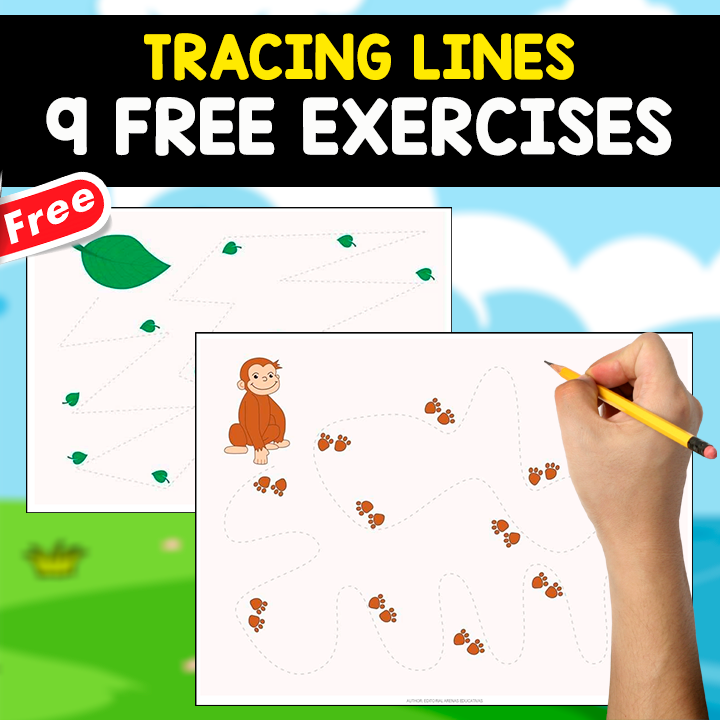
Sight Words Dot to Dot (5) Worksheet Activity For Morning Work

Sight Words Dot to Dot (5) Worksheet Activity For Morning Work
ELA, Creative Arts, Art, Language Development, Pre-Reading, Grammar, Reading, Spelling, Kindergarten, Preschool, Grade 1, Dot To Dots, Worksheets, Worksheets & Printables

Sight Words Dot to Dot Worksheet Activity (5) / Sight Words Practice / Morning Work / Sight Words Connect the Dots / Digital Resources: ⭐ Introducing our adorable Cute Sight Words Dot-to-Dot activity book, which has been particularly developed to fascinate young learners from preschool to third grade. This engaging workbook, jam-packed with educational pleasure, turns learning basic sight words into a thrilling journey. ⭐ Each page has endearing and loving pictures that urge youngsters to join the dots and uncover a hidden sight word. These Sight Words Dot to Dot Worksheets, which has over 50 puzzles, not only improves vocabulary but also fine motor skills and hand-eye coordination. ⭐ Our Cute Sight Words Dot-to-Dot book is an excellent tool for educators and parents alike, and is suitable for both home and classroom usage. Make learning fun with this charming activity book, where connecting each dot puts kids one step closer to reading achievement. Watch as your child's reading confidence grows while having fun! What you Will Get with this Sight Words Dot to Dot Worksheet: You will Get A zip File, there are a total of 10 Coloring Worksheets (10 Pages). For similar or other resources, visit my store.

Author Lapiiin Art Activities

Tags Sight Words, Sight Words Practice, Sight Words Worksheet, Sight Words Flash Cards, Digital Resources, Kindergarten, Morning Work, 1st Grades

Christmas Count By 2's

Christmas Count By 2's
Math, Numbers, Preschool, Kindergarten, Grade 1, Worksheets & Printables, Worksheets

A Christmas math worksheet that the student counts by 2s and fills in the missing numbers. They can also have fun coloring in the elf's boots!

Author Cherry Workshop

Tags Christmas, Count By 2, Math, Numbers

Kindergarten Health: Unit 3

Kindergarten Health: Unit 3
P.E. & Health, Life Studies, Health, Physical Education, Special Resources, Life Skills, Social Emotional Learning (SEL), Social Skills, Kindergarten, Lesson Plans, Teacher Tools, Worksheets & Printables, Worksheets

For Kindergarten Health there are seven standards that need to be taught to achieve healthy habits! Unit 1 Personal Health Unit 2 Growth and Development Unit 3 Nutrition and Physical Activity Unit 4 Substance Use and Abuse Unit 5 Injury/ Violence Prevention Control and Safety Unit 6 Prevention/Control of Disease Unit 7 Environmental Consumer Health These units can be taught out of order. They are only numbered for your convenience. Through using this Kindergarten Health: Unit 3, students will explore and learn to identify daily healthy habits. Students will cut, paste, and sort healthy and unhealthy foods. Also included is a fun engaging story about an unhealthy cat who learns how to be healthy by eating the appropriate food and getting exercise. There are a total of 12 pages included in this unit for Kindergarten Health. Included in this unit: * Students will sort healthy foods by their color. Teachers will help students understand that fruits and vegetables are colorful and healthy for their bodies. * Students will cut and sort healthy foods verses unhealthy foods by pasting them into the correct column. * Students will read individually or as a group a story about an unhealthy cat who learns how to be healthy. At the end of the story, students will identify and draw healthy foods and a physical healthy habit that is good for their bodies. There are seven units that cover all the health requirements for Kindergarten. Here are the links to other health units: Kindergarten Health: Unit 1 Personal Health Kindergarten Health: Unit 2 Growth and Development Kindergarten Health: Unit 3 Nutrition and Physical Activity Kindergarten Health: Unit 4 Substance Use and Abuse Kindergarten Health: Unit 5 Injury / Violence Prevention Control and Safety Kindergarten Health: Unit 6 Prevention / Control of Disease Kindergarten Health: Unit 7 Enviromental Consumer Health You can also teach your students about keeping yourself safe by studying about the Coronavirus, where and when it started and facts that plagued our world with this virus. Kindergarten Health: Covid 19 / Coronavirus Facts This unit meets Common Core Standards.

Author K-5 Treasures

Tags Health, Health Units, Personal Health, Health Worksheets, Kindergarten Health, Kids Health, Elementary Health, Worksheets On Health, Healthy Habits, Healthy Foods

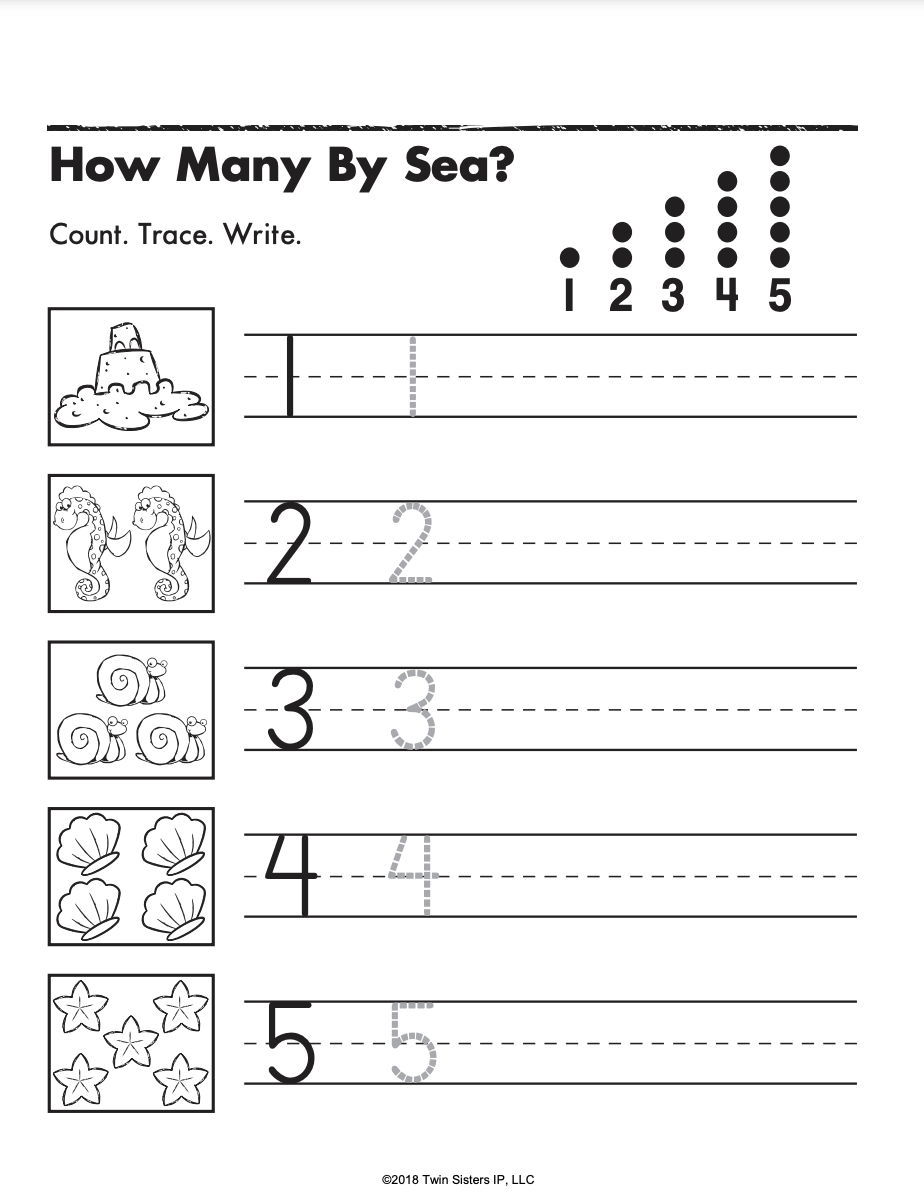
Number Quantity Custom Cards | Color Trace Dot BUNDLE

Number Quantity Custom Cards | Color Trace Dot BUNDLE
Special Resources, Creative Arts, Art, Special Education Needs (SEN), Speech Therapy, Math, Early Math, Numbers, Kindergarten, Preschool, Grade 1, Activities, Crafts, Worksheets & Printables, Flashcards, Worksheets

Number Quantity Custom Cards | Color Trace Dot BUNDLE An excellent teaching resource for educators in various settings including public schools and homeschooling. It provides an exciting way for students to learn and understand fundamental math concepts such as numeracy and basic place value skills. The multi-functional interactive flashcards featured in this bundle serve as task cards, ideal for small group activities or individual projects. The cards can easily transition into customized books or posters, showcasing the creative abilities of students while supporting their academic progress. Vibrant Learning Experience The Number Quantity Custom Cards add a spark of vibrancy to learning mathematics with numbers 1 to 10 corresponding quantities presented in three distinct sets: color, trace, and dot. This fun-filled approach facilitates clear concept understanding through a multisensory teaching technique that holistically engages learners. Unique themes: ranging from boats and dinosaurs to UFOs offer an engaging variety that caters to different interests. Decoration potential: imbues bulletin boards with academic charm bringing math creatively alive within your classroom environment. Beyond the Classroom Hours These flashcards are not only perfect for use during classroom hours but also make great homework assignments over weekends or school breaks crafting a continuity of learning while encouraging independence amongst Preschoolers, Kindergarten pupils, and 1st graders. Suitable In Various Learning Environments This teaching resource occupies a valuable space in Special Education Needs (SEN), Craft Lessons alongside early mathematics instruction adding enriching diversity within your educational tools reservoir ensuring you have suitable resources within easy reach whenever required. Creative Learning While Instilling Essential Numeracy Skills Promoting creativity while instilling essential numeracy skills amongst learners has never been more engaging than with these color trace dot bundles complete with each pack featuring A4-sized worksheets allowing seamless integration with other manipulatives like math cubes or play bricks further fostering concept mastery. Every PDF file is seamlessly digitally accessible providing portable convenience that eases lesson planning enabling educators deliver top-notch instruction effectively shaping well-rounded learners right from their foundational stages.

Author WORDS ASIDE

Tags Numeracy Skills, Multisensory Learning, Math Skills, Task Cards, Coloring, Tracing, Dot A Dot, Handwriting, Centers, Words Aside

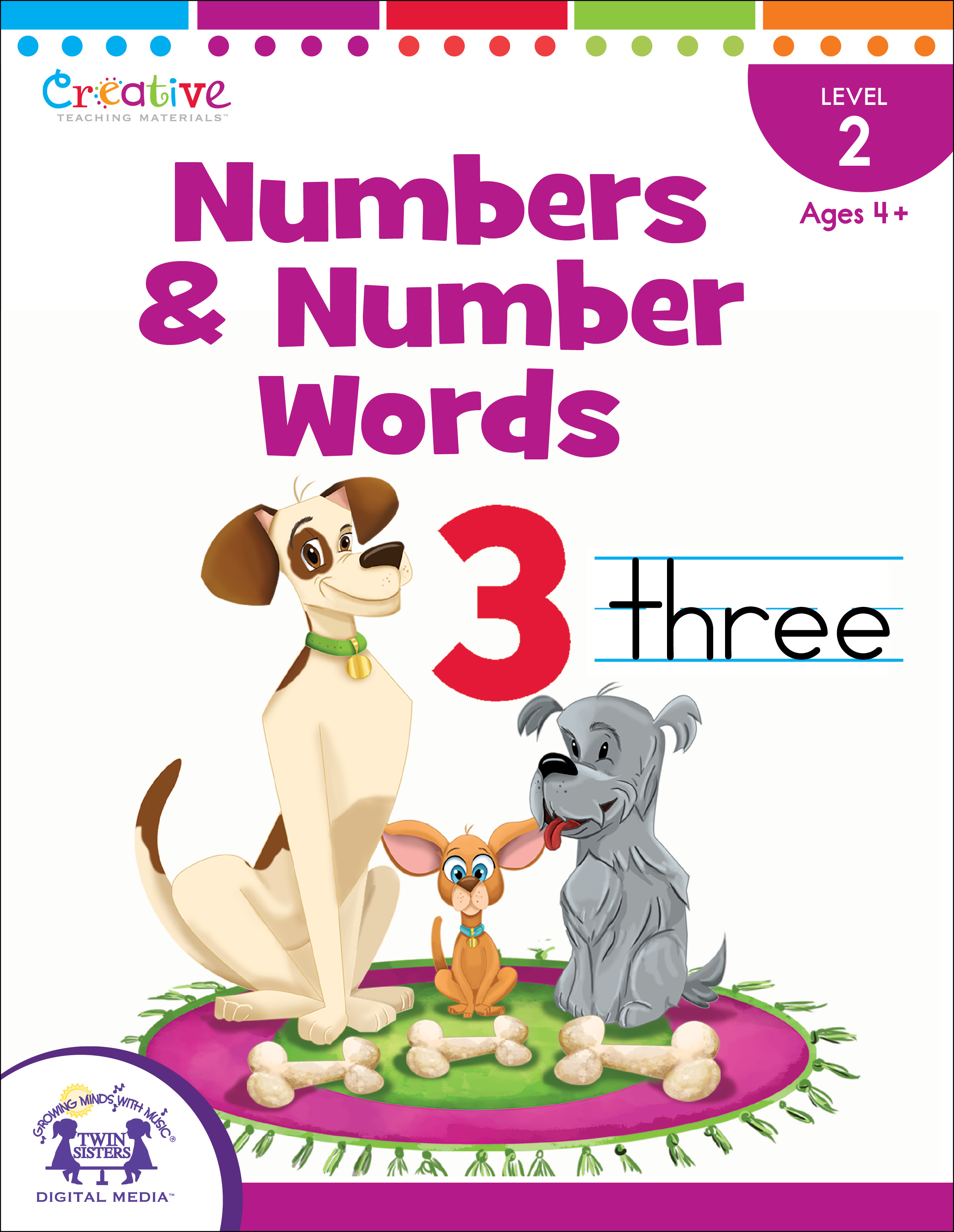
Introduces ch, sh, th, ee, oo.

Introduces ch, sh, th, ee, oo.
ELA, Language Development, Phonics, Preschool, Kindergarten, Grade 1, 2, Worksheets & Printables, Worksheets

Introducing ch, sh, th, ee, oo: An Innovative Teaching Resource This comprehensive teaching resource is designed to help children aged three and above learn initial consonant blends and confidently read sentences. Primarily recommended for language arts educators in kindergarten through second grade classrooms as well as homeschoolers. Unique Features An innovative methodology to teach 44 phonic sounds interactively. A narrative focused around Sam's adventures with enjoyable tasks to hunt for hidden sounds. This not only enhances a child's observation skills but also cements the sounds in their minds effectively. The inclusion of colorful stories such as 'The Bouncing Castle' and 'The Famous Cousin From The Country' that reinforce complex middle sounds introduced throughout the lessons. Upon completion of this course material , students pave their way towards reading independent books such as 'George’s Marvelous Medicine' or 'Fantastic Mr Fox'. Suitable For Small Group Or One-on-One Sessions The package includes practice pages with cut-outs that allow matching words to pictures and phrases—a highly effective method of ensuring sound words stick in young learners' memory. Vivid illustrations accompanying simple texts provide an engaging experience for learners while aiding educators. This resource allows systematically teaching phonics principles by focusing on specific sounds or syllables one at a time; they can even dictate the order based on individual student needs. User-friendly PDF Resource: A Three Step Approach: Introduction of new sound to children which expands into several readings across sentences & stories; Detailed discussion about related pictures along theme; Ending with lists of words & phrases matched alongside corresponding visuals. This approach strengthens word-picture association skills and is extremely adaptable among non-readers, beginners, older struggling readers or children with learning challenges and ESL students. Hence, it serves as an extensive addition to any language arts lesson plan with a phonics focus.

Author Guinea Pig Education

Tags Phonics, Reading, Sound Blends, Interactive Learning, Teaching Resource

Guided Reading Level H - How Animals Stay Warm (with Lesson Plan)

Guided Reading Level H - How Animals Stay Warm (with Lesson Plan)
ELA, Resources for Teachers, Reading Comprehension, Reading, Animals, Life Sciences, Science, Pre-Reading, Language Development, Vocabulary, Kindergarten, Grade 1, 2, Worksheets & Printables, Worksheets, Teacher Tools, Centers, Activities, Literacy Readers, Quizzes, Quizzes and Tests, Assessments

This Guided Reading Book - How Animals Stay Warm (Level H) with lesson plan includes: Guided Reading Color Label (front cover x1) This is a quick way to match the book’s demands to what students can generally handle.. The overall goal is to use the level/color to pick books for several smaller groups. To qualify for a certain level, a student is expected to read a book from that level with about 90–94% accuracy. If a student is consistently accurate and understands, move up a level. If the student is struggling at that level, drop down and add more support. Each student will improve at completely different rates, but it is generally one of the best ways to check progress across the class. DOWNLOAD THE CATALOG TO VIEW ALL GUIDED READING BOOKS AVAILABLE (SORTED LEVELS A-Z) Pre-Reading Question (x1) Teacher asks the prompt aloud, can be while showing the cover or first page. Students share what they already know, or make educated guesses from the cover. Prompt them to use the target vocabulary. Write some of their responses on the board to look back at during the reading. Vocabulary Words (x5) Introduce the five words, best doing it one at a time. Start by saying it, while students repeat and then see if anyone knows what it means before reading further. Read through the meaning and try to briefly connect each word to a picture or gesture so it’s meaningful. Ask students to flip through the book pages and point to where they see each of the vocabulary words. While reading the book pause upon coming across one of the vocab words or read the sentence twice to make sure students understand the word has appeared. Optional: Ask students to raise hands whenever they see/hear one of the new words. Guided Reading Pages (x10) Check the book snapshot (below) for: primary topic - do you need to prep extra reading or intro materials on this? what is taught best - decide on 1-2 bullets to focus on, use the prompt or words provided here for best results. learning goals - what you are checking for students to be able to do after the session, elicit answers using prompts or words provided. key vocabulary (see section above). questions overview - so you know what is coming up and if you need to prep extra materials to assist understanding. Run the lesson You may have already looked at a few of the pages together, but you can show them some of the pictures again first to set meaning. Depending on how much time you have and how familiar your students are with guided reading class, you may want to read the book aloud first with the group first. Students whisper or partner read, while you listen in. If time, do it as a group, one student reading a page each. Use the guided page’s prompts to coach: “Check the picture / does it make sense?” “Point under the words / try the first sound” “Reread the sentence smoothly”. Try to focus more on one student per session (rotating every time), so you can work out if they are ready to move up or need to move down a level. Comprehension Questions (back cover x3) This is your way to check that students didn’t just say the words, but actually understood the text. First, let students answer by pointing to the page/picture and saying a short sentence. After any answer, follow with: “Show me where you found that in the text.” In bigger groups, have partners answer first (10–20 seconds), then call on 2–3 students to share. Differentiation tips: Emerging speakers/struggling readers: oral + pointing On-level: oral in a full sentence Higher: one written sentence or draw + label Book Snapshot Title: How Animals Stay Warm Genre: Nonfiction (informational) Subject: Life Science Primary Topic: Animal ways to stay warm in cold places Estimated Guided Reading Level (A–Z): H What This Book Teaches Best Animals must stay warm to live in places with snow and ice. Body coverings can help animals stay warm (thick fur and feathers that trap heat). Some animals use body fat for warmth (blubber acts like a “warm blanket” and keeps cold water from reaching the body). Animals can use behaviors to stay warm (penguins huddle close and share body heat; some animals go underground; some sit in the sun). Learning Goals Explain why animals must stay warm to live in snow and ice. Describe how thick fur helps keep warm air near an animal’s skin. Describe how blubber helps animals stay warm, including in icy water. Describe how feathers help birds stay warm by trapping heat. Identify actions animals take to stay warm (huddling, going into a burrow, sitting in the sun). Key Vocabulary From the Text arctic — very cold, snowy place. blubber — thick fat under skin that helps keep warm. feathers — soft bird covering that helps trap heat. huddle — stand very close together in a group. burrow — a deep hole an animal digs to go underground. Discussion Prompts Pre-reading question: What are some ways animals might stay warm when it is very cold? Comprehension questions: Why must animals stay warm to live in snow and ice? Comprehension questions: How does blubber help a seal swim in the icy ocean? Comprehension questions: What do penguins do in a group to stay warm? Printing Tips 1. Best Printing Method (Recommended) “Booklet” Printing (Best if Available) If your printer or PDF viewer supports Booklet Printing , use this. Settings to use: Print mode: Booklet Paper size: Letter or A4 (either works) Orientation: Landscape Print on both sides: Yes Flip on: Short edge Scaling: Fit to printable area Booklet subset: First test: Front sides only Then: Back sides only This will automatically: Pair pages correctly Put the cover on the outside Align everything for folding After printing, fold in half and staple along the spine . 2. If “Booklet” Printing Is NOT Available You can still print this correctly with manual duplex printing . Step-by-step: Open the PDF. Choose Print . Set: Orientation: Landscape Pages per sheet: 1 Print on both sides: Yes Flip on: Short edge Print all pages . Because each PDF page already contains two facing book pages, the result will still fold cleanly into a book. Thousands of Cored Education products are included with your TeachSimple membership. Download links and encyclopedia index available here.

Author Cored Education

Rating

Tags Reading Comprehension, Reading Passages, Reading, Guided Reading, Guided Reading Lesson Plan, Guided Reading Activity, Pre-reading, Vocabulary, Animals, Life Science

1st grade Coronavirus / Covid-19 Facts

1st grade Coronavirus / Covid-19 Facts
P.E. & Health, Health, Special Resources, Life Skills, Social Emotional Learning (SEL), Social Skills, Kindergarten, Grade 1, Teacher Tools, Lesson Plans, Worksheets & Printables, Worksheets

First Grade Coronavirus Facts simplifies a complex topic for young learners. This informative lesson teaches essential information about COVID-19, including what it is, how it spreads, and how to stay safe. Presented in straightforward language, it covers the virus's origins and transmission. Students gain key understandings like hand washing, mask wearing, and social distancing. Educators can facilitate rich discussions to build health awareness. The material suits whole-group instruction or independent learning centers. This timely resource equips first grade classrooms with age-appropriate details about the coronavirus pandemic. Included are a total of 13 pages with lots of activities for young learners. There are seven units that cover all the health requirements for first grade. Here are the links to other health units: Health 1st Grade Unit 1: Personal Health by Teach Simple Health 1st Grade Unit 2: Growth and Development by Teach Simple Health 1st Grade Unit 3: Nutrition and Physical Activity by Teach Simple Health 1st Grade Unit 4: Substance Use and Abuse by Teach Simple Health 1st Grade Unit 5: Injury / Violence Prevention and Safety by Teach Simple Health 1st Grade Unit 6: Prevention / Control of Disease by Teach Simple Health 1st Grade Unit 7: Environmental / Consumer Health by Teach Simple You can also teach your students about keeping yourself safe by studying about the Coronavirus, where and when it started and facts that plagued our world with this virus. 1st grade Coronavirus / Covid-19 Facts by Teach Simple This unit meets Common Core Standards.

Author K-5 Treasures

Tags Coronavirus, Covid-19 Facts, Pandemic, Spread Of Virus, 1st Grade Health, First Grade Health, Health Resources , Health Worksheets, Worksheets On Health, Worksheets On Covid

CVC Word Families for Beginning Readers: Stamp it, Make it, Trace it, and Write it

CVC Word Families for Beginning Readers: Stamp it, Make it, Trace it, and Write it
ELA, Language Development, Pre-Reading, Phonics, Reading, Kindergarten, Grade 1, Teacher Tools, Centers, Activities, Lesson Plans, Worksheets, Worksheets & Printables

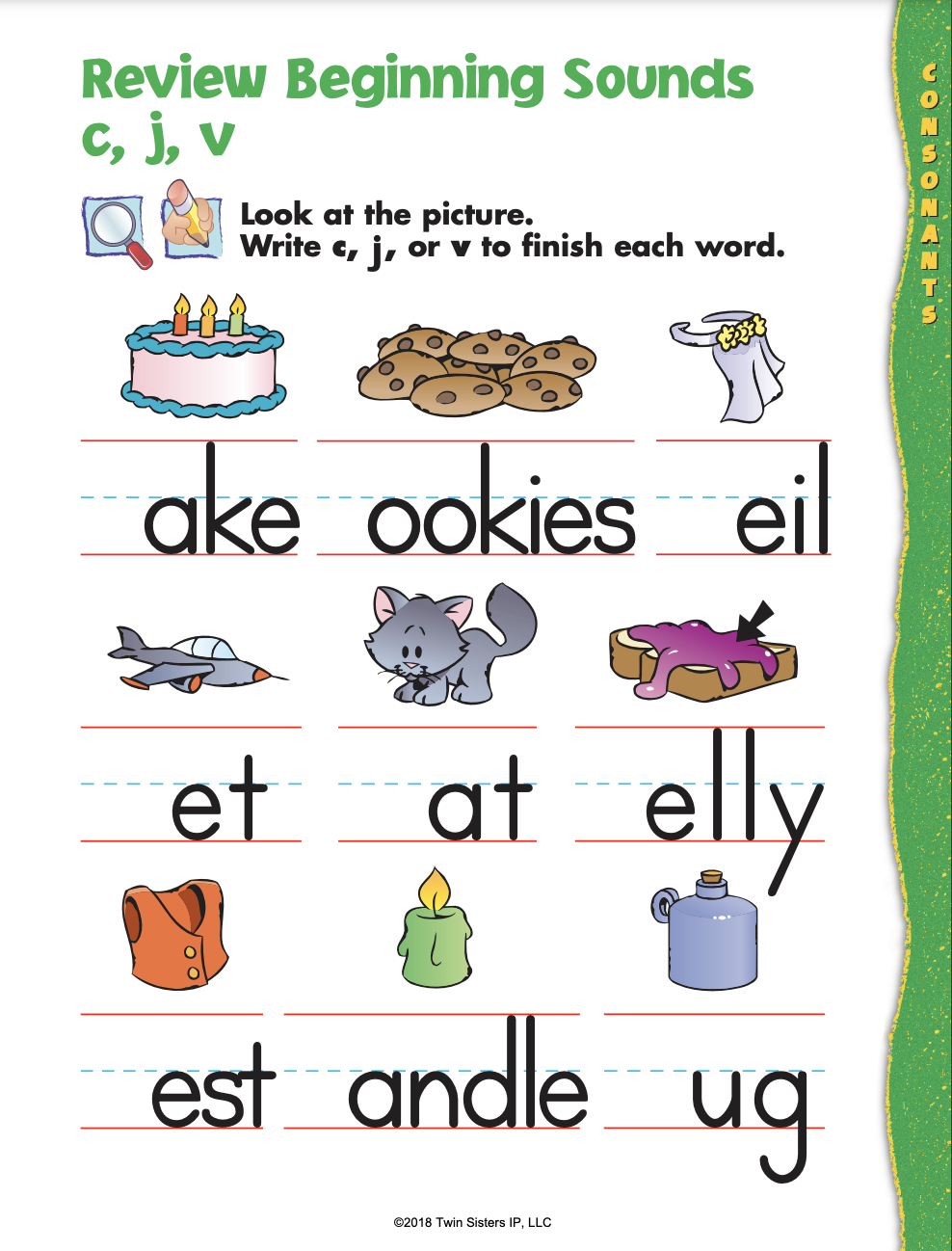
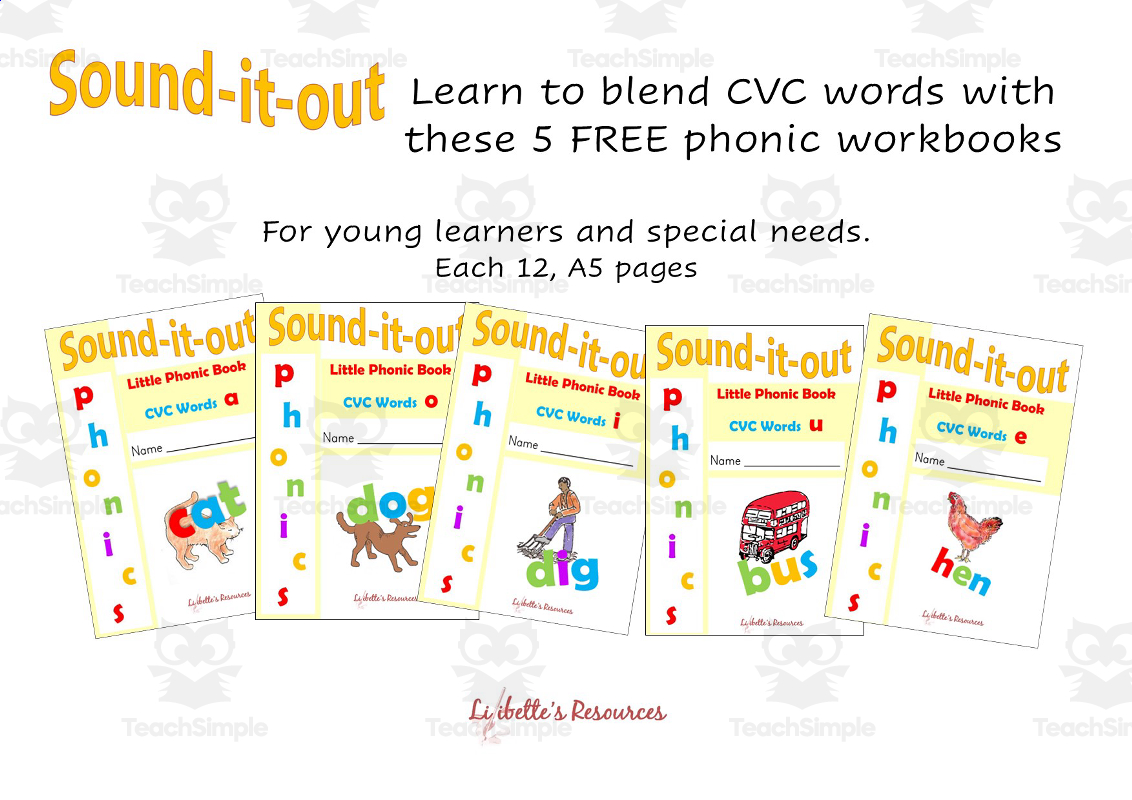
This CVC unit is engaging for students as they practice reading and learning the short vowel sounds while students cut and make the words, trace the words, write the words, and stamp out the words. Reading short vowel / rhyming words is an introduction to reading. Repetitive practice of reading these words is also another fundamental practice to help students read. In this unit, students will practice word families that have the same ending. Teach students that word families rhyme and only have a different beginning sound. For each word family, students will practice making, tracing, writing, or stamping six different words. Some of the words are proper nouns or names given to people or pets. There are also nonsensical words that are not real. The purpose of these words is to teach how to sound out words only within the same word family. File contains the following word family worksheets : ad, an, at, ed, en, et, in, ip, it, og, op, ot, ug, un, ut. It also includes all the letters needed to cut out for the "make it" worksheets . What's included for the word families: Short a at family (mat, fat, cat, sat, hat, and pat) an family (fan, ran, man, can, tan, and pan) ad family (mad, sad, bad, dad, had, and pad) Short e ed family (Ned, bed, Ted, red, ped, and ded) en family (ten, men, den, Ben, hen, and pen) et family (set, met, bet, let, get, and pet) Short i in family (bin, win, sin, fin, tin, and pin) ip family (hip, rip, tip, lip, zip, and sip) it family (bit, kit, fit, sit, hit, and pit) Short o og family (log, hog, dog, bog, fog, and jog) op family (hop, top, pop, cop, bop, and mop) ot family (lot, hot, rot, dot, pot, and got) Short u ug family (dug, rug, bug, hug, mug, and jug) un family (run, sun, nun, fun, pun, and bun) ut family (but, cut, nut, hut, rut, and gut) For a list of other phonics and grammar activities, click on the following links: CVC Word Families for Beginning Readers: Stamp it, Make it, Trace it, and Write it CVC Words | Short Vowel Phonics | Word Families for K- 2nd Grade Phonics for 1st and 2nd Grade: Help Students Learn Long A Words: AY, AI, A_E, EIGH, EY, and EA Phonics for 1st and 2nd Grade: Help Students Learn Long E Words: EE, EA, E_E, and Y Phonics for 1st and 2nd Grade: Help Students Learn Long I Words: I_E, IE, IGH, and Y Phonics for 1st and 2nd Grade: Help Students Learn Long O Words: O_E, OA, OW, OE, and OUGH Phonics for 1st and 2nd Grade: Help Students Learn Long U Words: U_E, EW, OO, UE, UI and OU Phonics / Digraphs for 1st and 2nd Grade: Beginning, Middle, and Ending Sounds Phonics / Digraphs for 1st -2nd: Ending Sounds: CK, NG, SH, TH, and NK Phonics / Digraphs for 1st and 2nd Grade: Beginning Sounds: SH, TH, WH and PH Phonics: R-Controlled Words for 1st and 2nd Grade and Early Readers

Author K-5 Treasures

Tags Word Families, Phonics, Beginning Reading, Rhyming Words, Short Vowel Words, Short Vowels, Reading Strategies, Word Family, Cvc Words, Cvc Activities