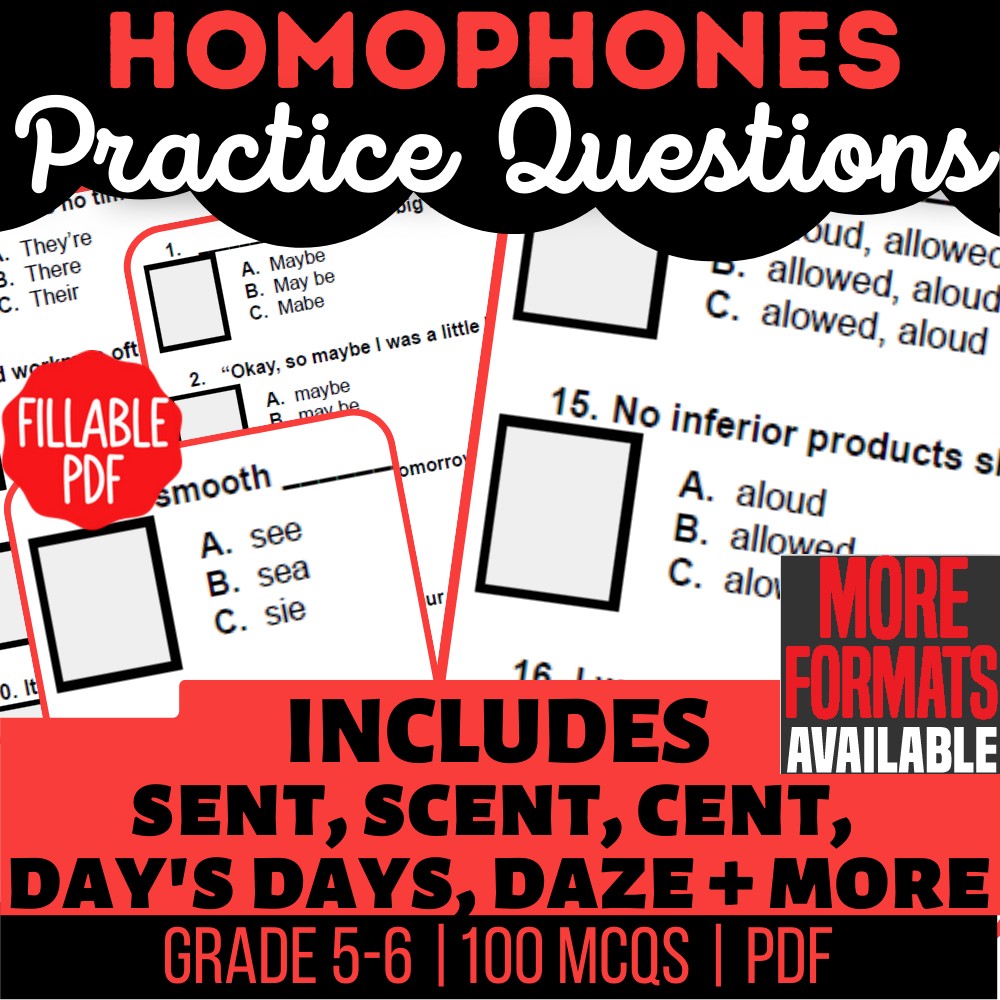
Homophones Practice Questions - Vocabulary Grade 5-6 Fillable
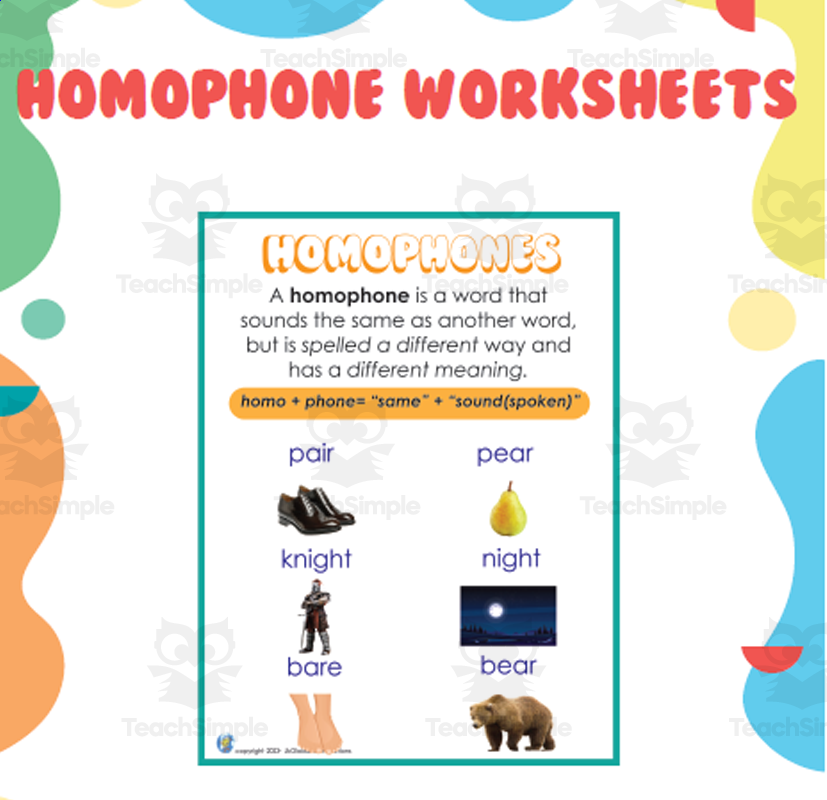
Give students practice identifying and choosing the correct homophone (words that sound alike but differ in spelling and meaning) to complete a sentence correctly.
Classroom resources
Browse by lesson focus
Choose the topic or kind of practice you need.
Give students practice identifying and choosing the correct homophone (words that sound alike but differ in spelling and meaning) to complete a sentence correctly.
Read a daily nonfiction passage on a personal-finance topic, learn vocabulary, answer comprehension questions, and complete writing prompts; take unit quizzes and a final exam.
A detective-themed mystery activity where students solve order-of-operations problems (including exponents and grouping symbols) to eliminate suspects, locations, and methods and identify 'whodunnit'.
Read informational and fictional passages; answer reading-response questions; define vocabulary; describe a pyramid using the five senses; compare a fiction and non-fiction text in a paired-texts activity; write an adventure story ('Pyramid Adventure') and plot outline; use vocabulary flash cards.
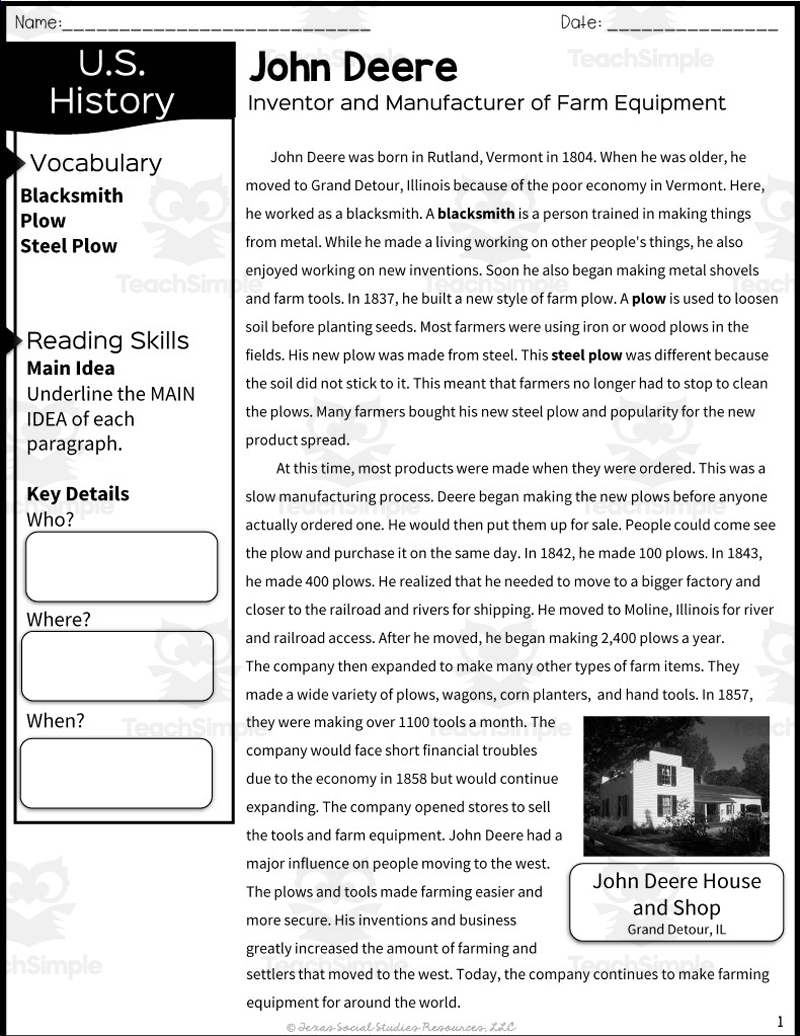
Read an informative passage about John Deere, then complete multiple-choice questions, a vocabulary matching activity, and graphic organizers (facts organizer, timeline-style layout) based on the passage.
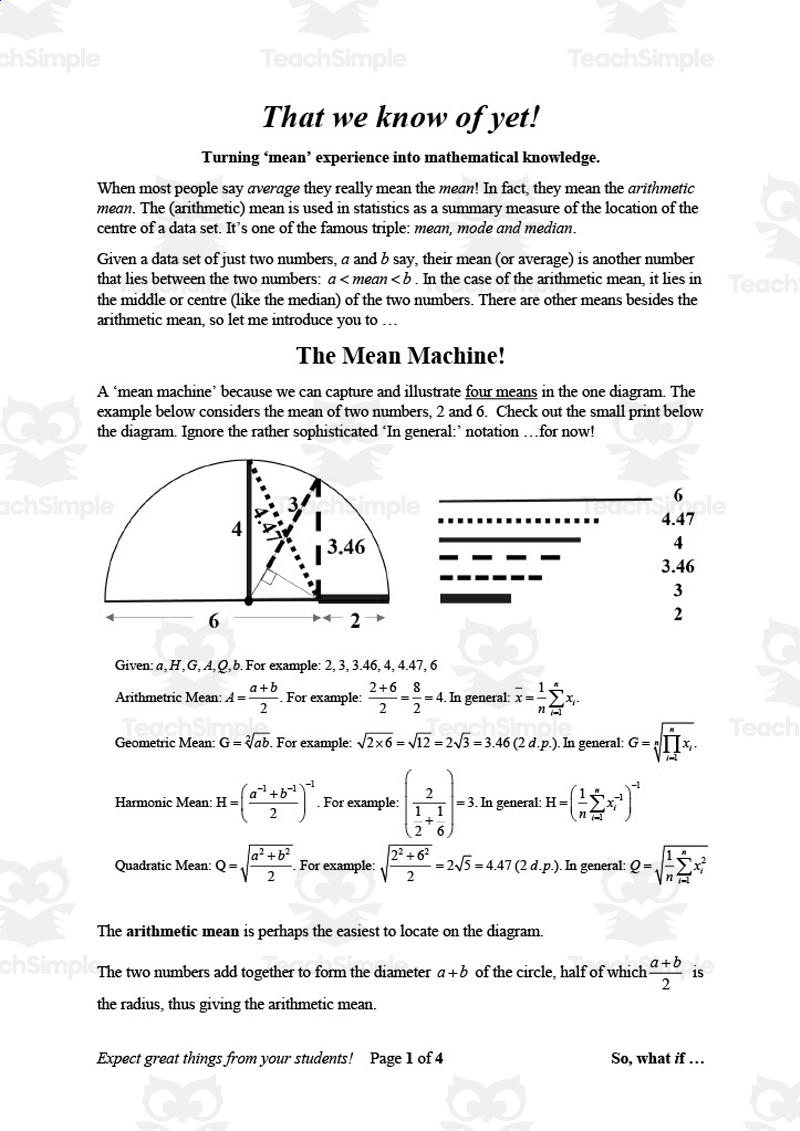
Explains and compares four statistical/mathematical means (arithmetic, geometric, harmonic, quadratic) using a combined geometric diagram, then applies the harmonic series to a 'book overhang' problem.
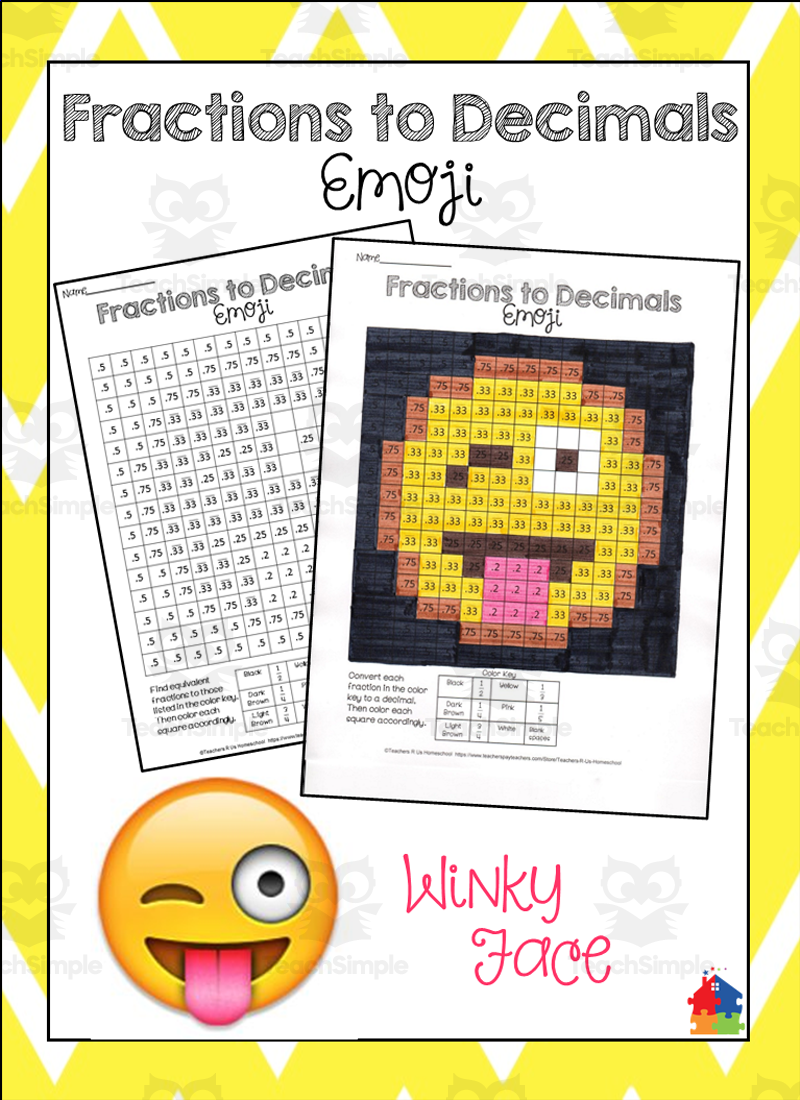
Convert fractions in a color key to their decimal equivalents, then use the fraction/decimal-to-color mapping to color a grid and reveal a winky-face emoji picture.
Analyze media examples (magazine, film, mobile device, computer/video) and answer discussion questions about whether content would be considered sexually explicit, what distinguishes consensual from nonconsensual portrayals in media, and how exploitative media affects views of relationships and body image, with…
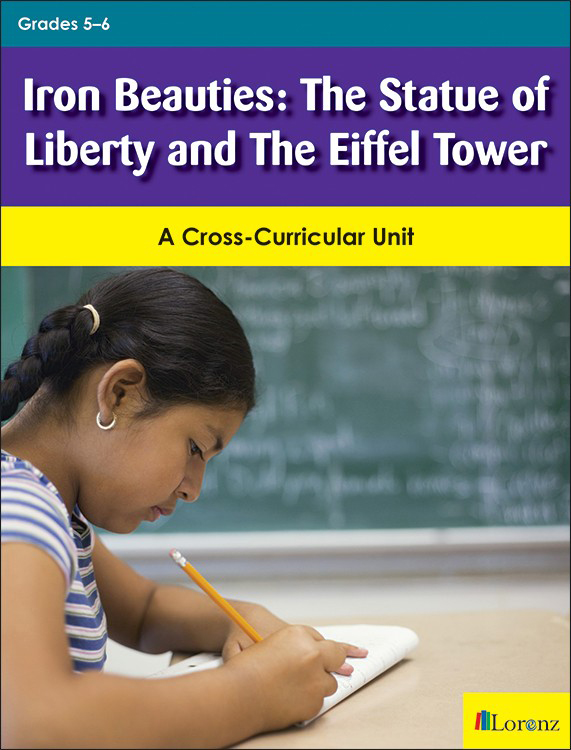
Cross-curricular non-fiction reading unit teaching students about the Statue of Liberty and the Eiffel Tower, both designed by Gustave Eiffel, combining reading comprehension with math word problems (engineering/measurement context).
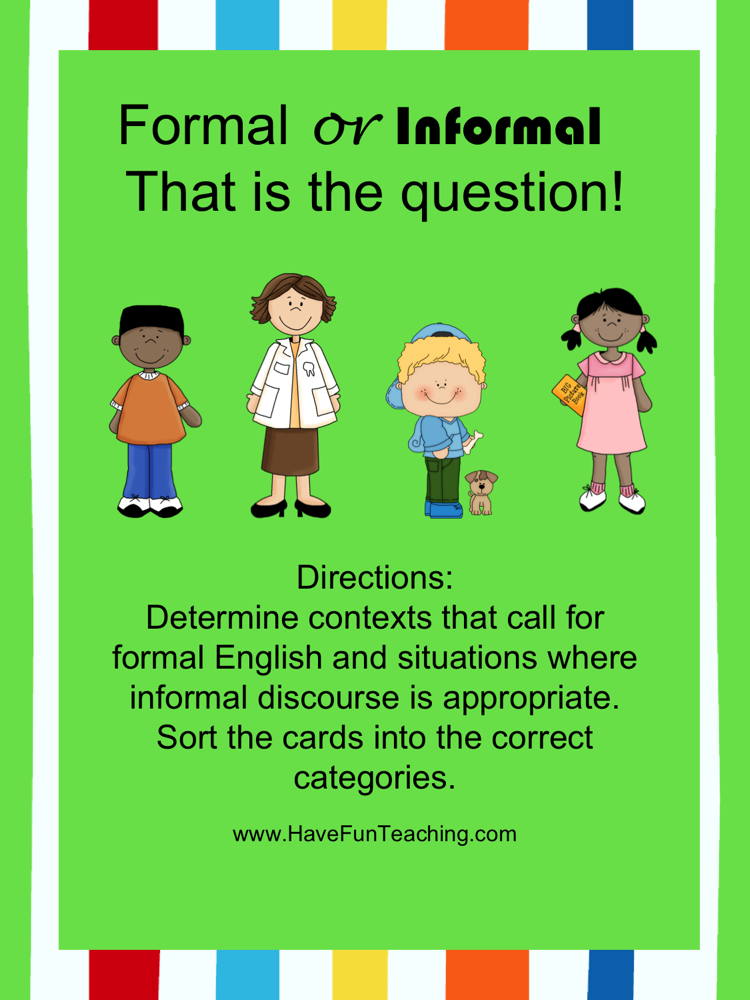
A card-sort activity helping students (especially ESL learners) determine whether given statements are formal or informal English, from HaveFunTeaching.com.
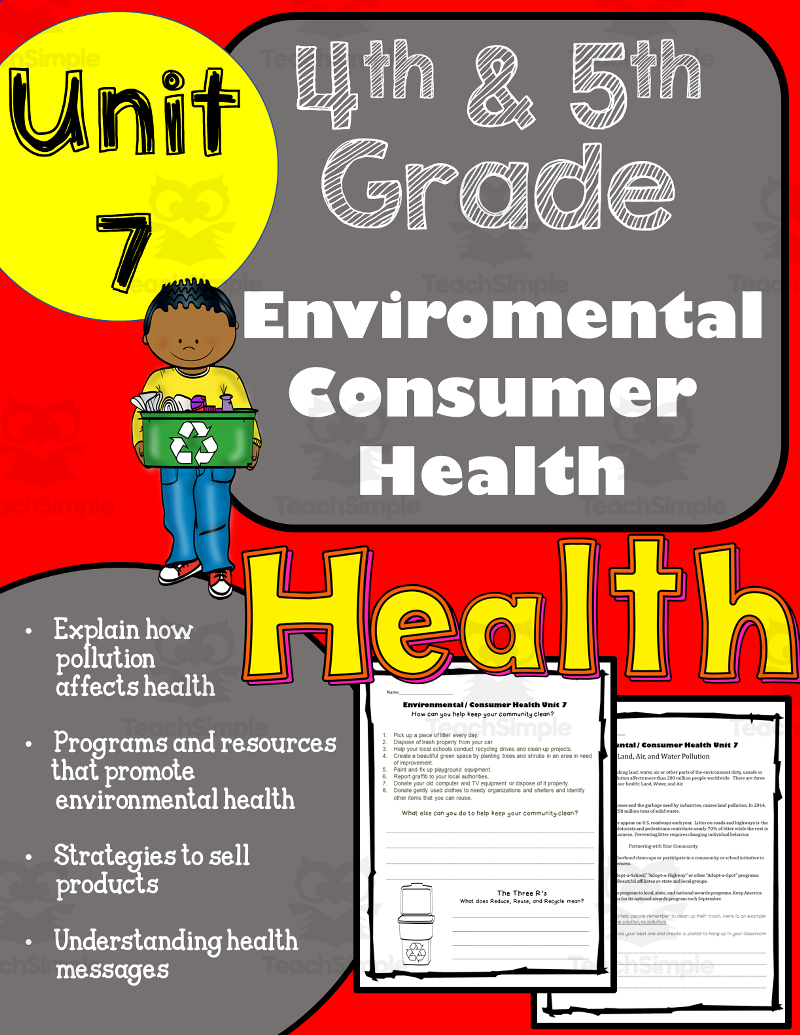
Read short informational passages on land, air, and water pollution; answer reflective short-answer and vocabulary questions; brainstorm and write anti-litter slogans and design a poster; research local waste/energy/water services; answer reflection questions on reduce/reuse/recycle and donating unwanted items.
Vocabulary and spelling practice distinguishing 30 common English homophone pairs using picture-based identification.
Review a vocabulary glossary with pronunciations, complete cloze/fill-in-the-blank practice sentences, identify each word's part of speech and write its definition, and write an original sentence using each vocabulary word; complete an illustration/response prompt page.
Students read multiple-choice questions asking them to choose the best synonym (page 1) or antonym (page 2) for an underlined word from a quoted song lyric, using the full 3-page song lyric passage (pages 3-5) as context/clues if needed.
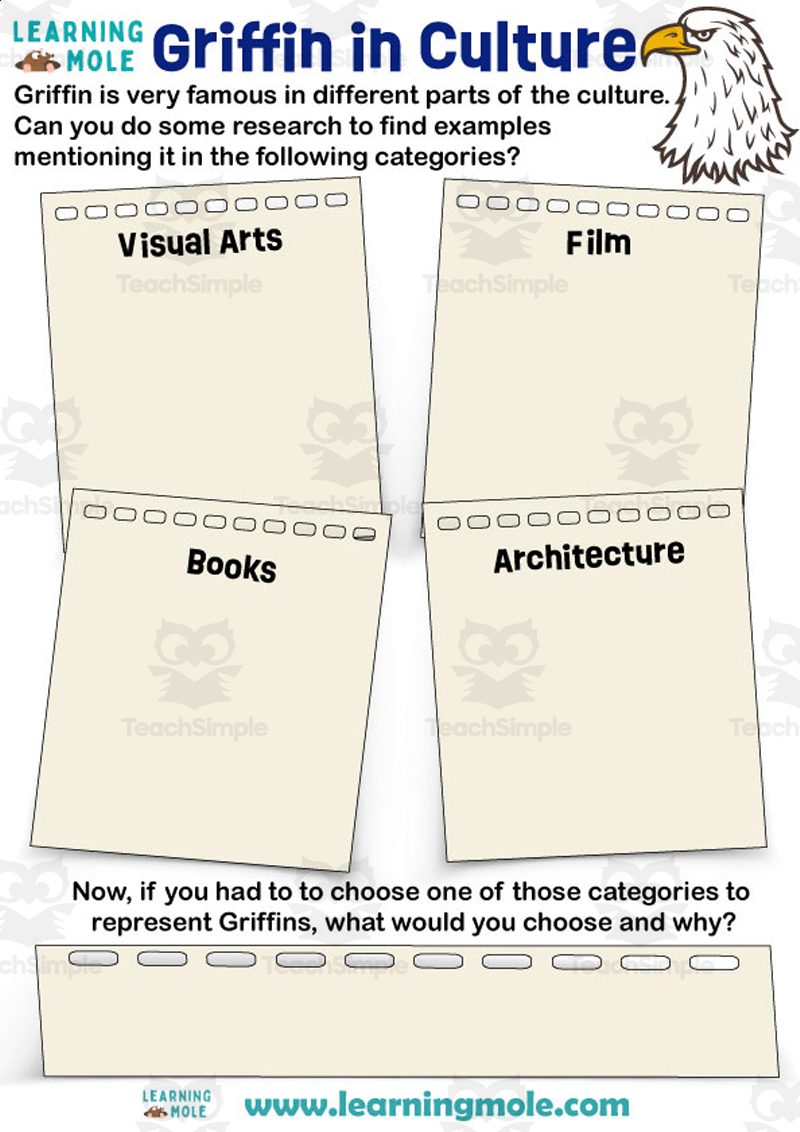
Research griffin appearances in visual arts, film, books, and architecture, record examples, then choose one category to represent griffins and justify the choice in writing.
Read a quotation from an Enlightenment philosopher and explain its meaning with a modern example; fill in a graphic organizer of Enlightenment thinkers' countries/books/ideas in their own words; read an excerpt of the Declaration of Independence and answer questions about its origin and philosophical influences; complete a chart…
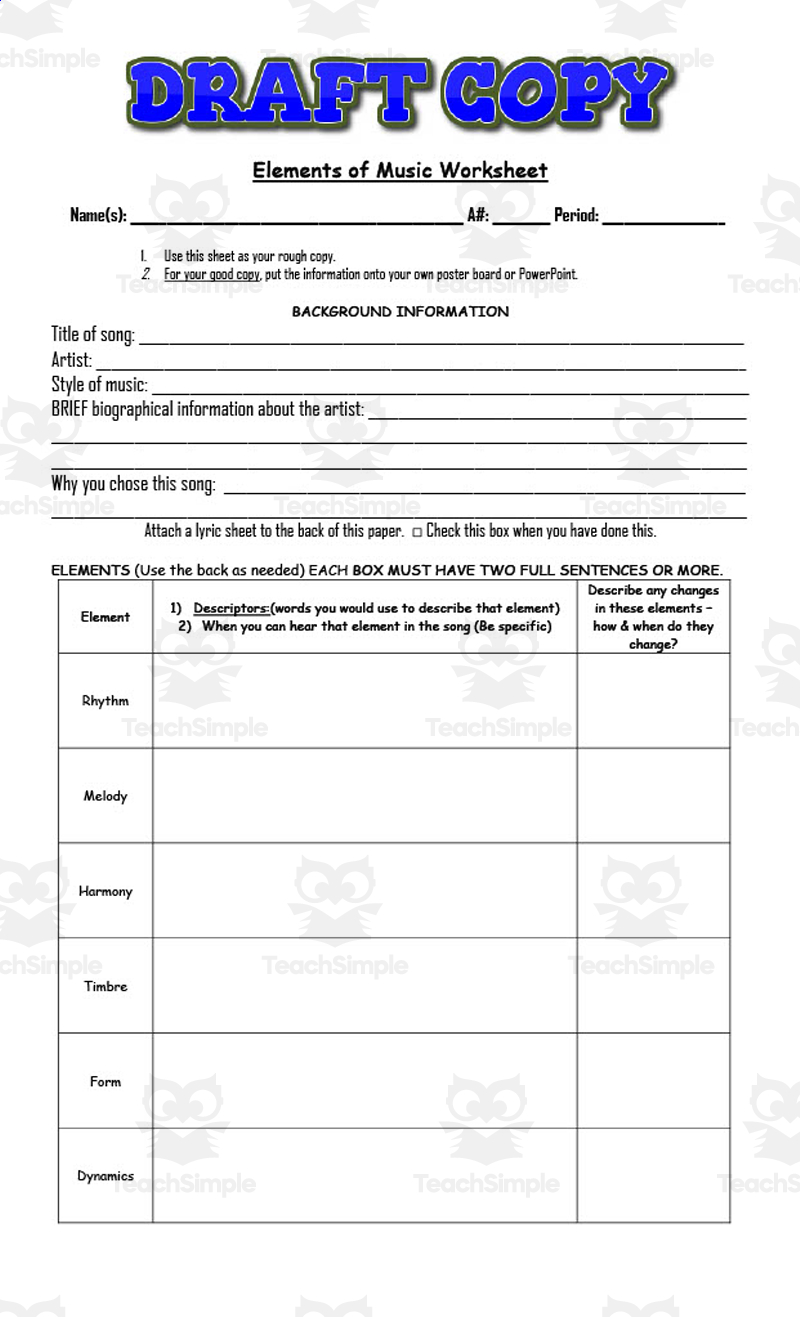
Choose an age-appropriate popular song, research background information about the song/artist, then describe how each of six elements of music (rhythm, melody, harmony, timbre, form, dynamics) is heard in the song and how each element changes over the course of the song, using two or more full sentences per element; present the final…
Review a vocabulary glossary with pronunciations, complete cloze/fill-in-the-blank practice sentences, identify each word's part of speech and write its definition, and write an original sentence using each vocabulary word; complete an illustration/response prompt page.
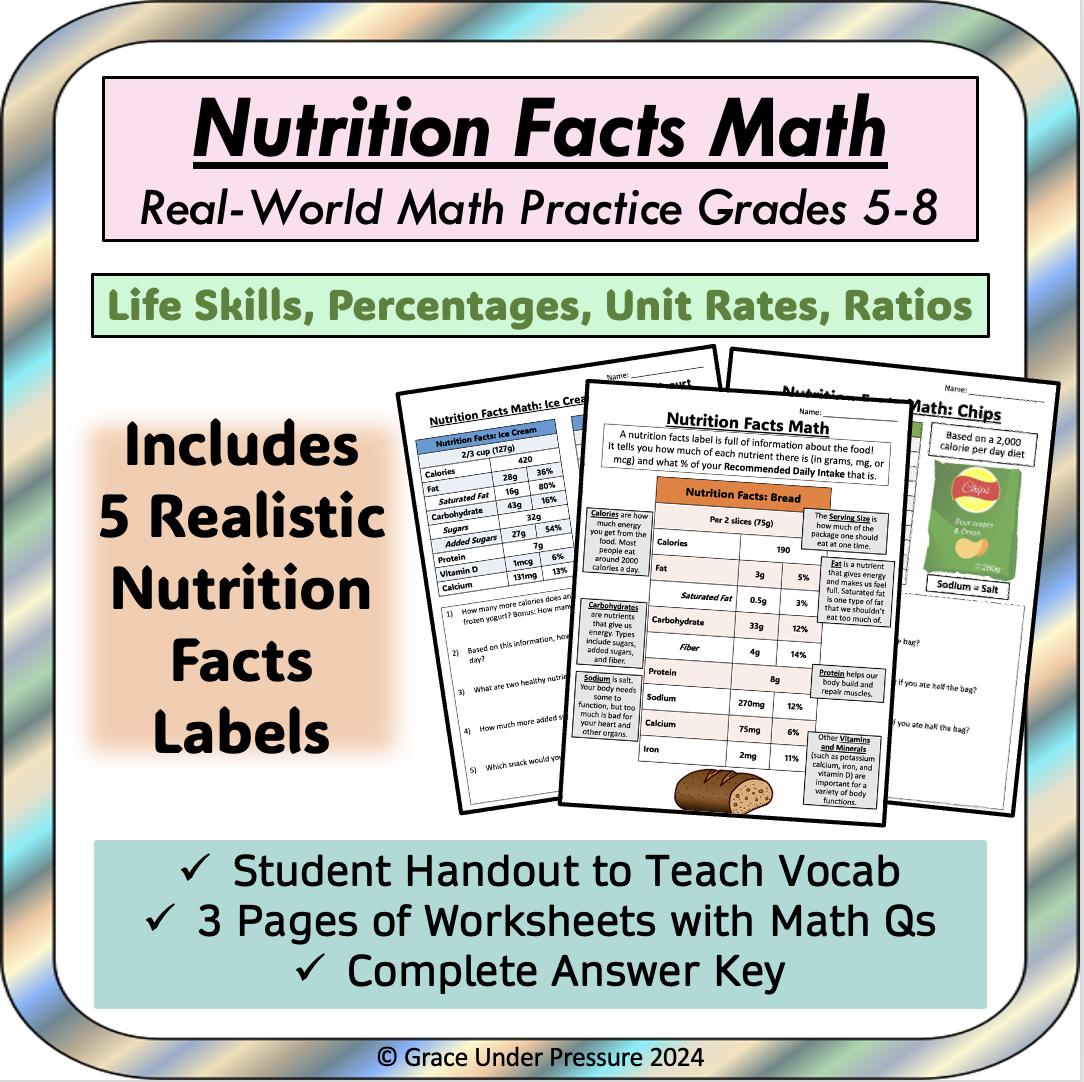
Teach students to read a nutrition facts label and apply percentage, ratio, and unit-rate math skills to real-world food choices.
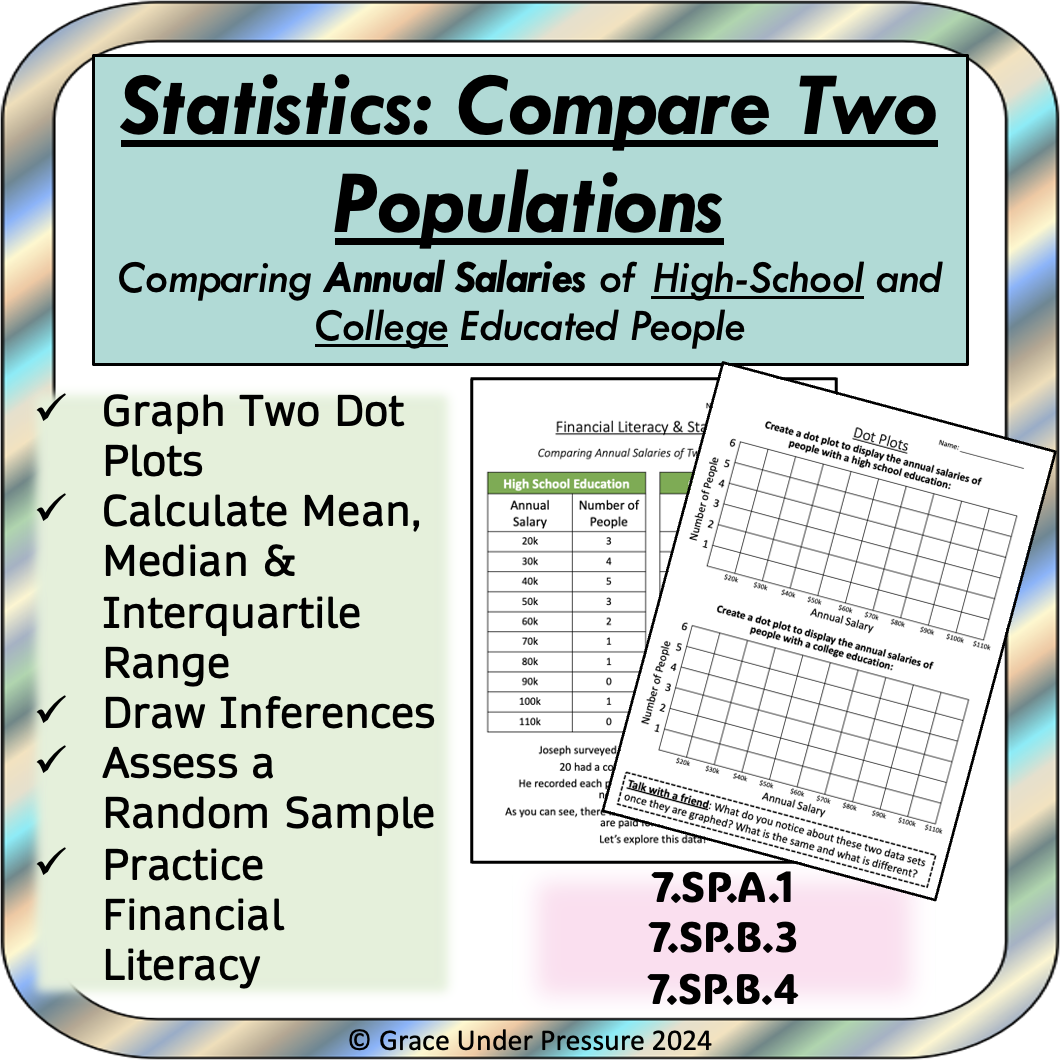
Apply statistics skills to a real-world financial literacy scenario comparing annual salaries of workers with and without a college degree.
Students color a light bulb to represent positive mental health and write speech bubbles imagining reasons the other light bulbs (representing anxiety and depression) may be struggling, read about depression/anxiety symptoms and coping strategies, doodle in stress-relief page borders, draw something to brighten a gloomy room, write ways…
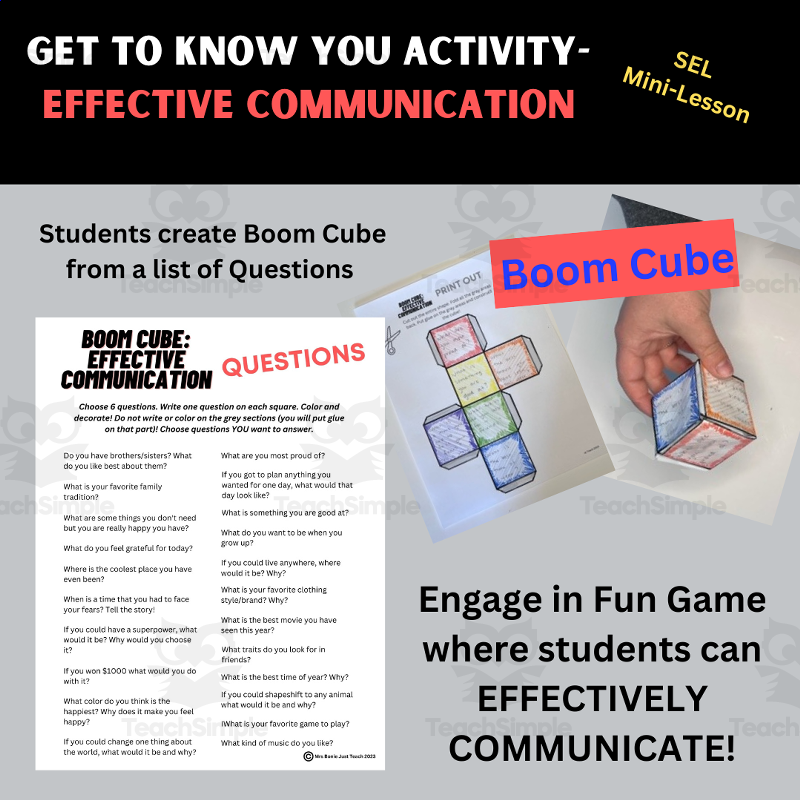
Build classroom community and social-emotional/communication skills at the start of the school year through a 'Boom Cube' get-to-know-you game.
Review a vocabulary glossary with pronunciations, complete cloze/fill-in-the-blank practice sentences, identify each word's part of speech and write its definition, and write an original sentence using each vocabulary word; complete an illustration/response prompt page.
Read the three-part song-lyric passage on the history of breaking, identify five key events, record them on a sequencing graphic organizer, write a chronological paragraph using sequence words, and build a timeline with dates for four more events.