Letters & early reading
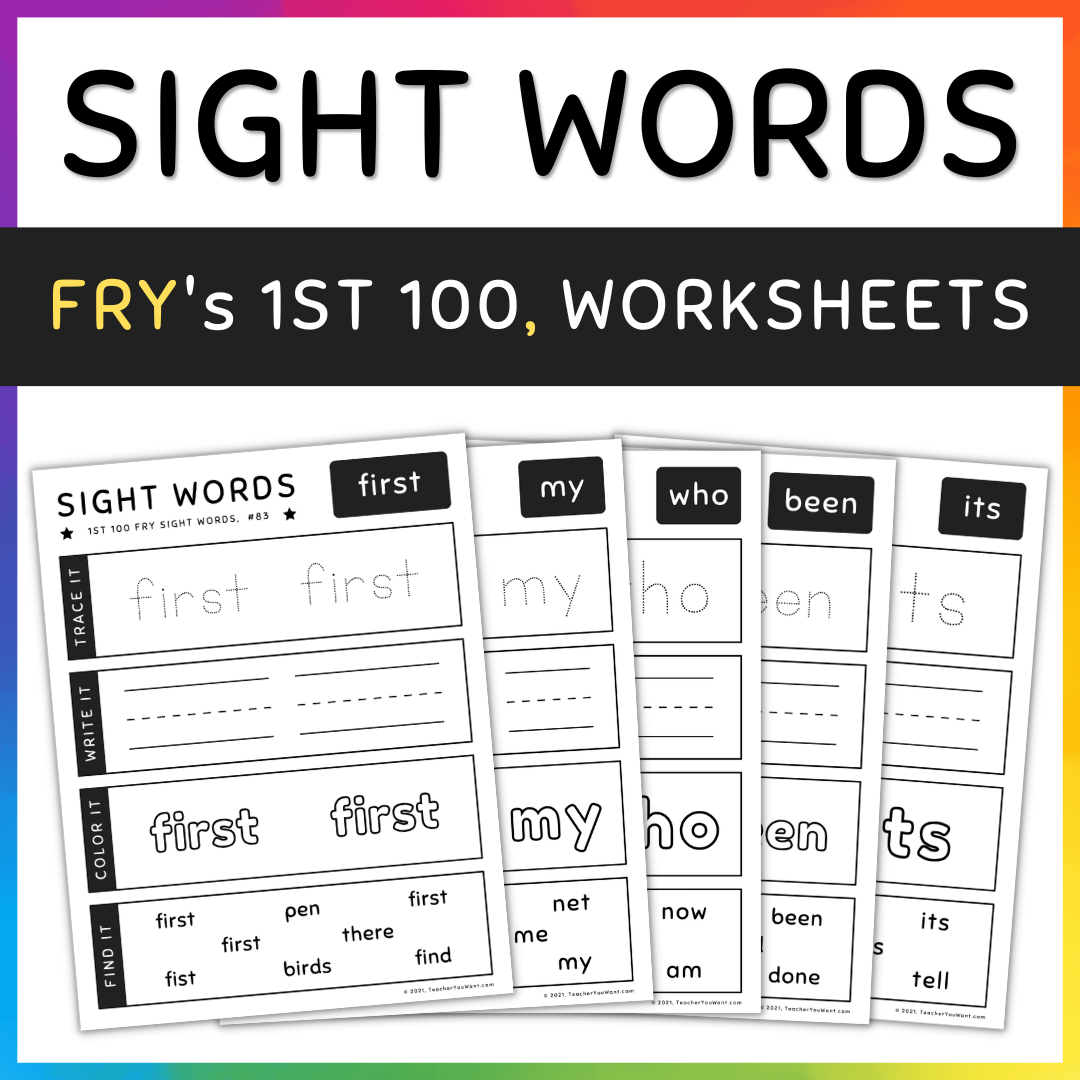
1st 100 Fry Sight Words Worksheets & Activities, #81-90, SET 5
Trace each sight word, write it three times, color a repeated version of the word, and find/circle the target word among distractor words.




5,618 resources
Explore sub-categories
19 sub-categories · 5,618 resources
Trace each sight word, write it three times, color a repeated version of the word, and find/circle the target word among distractor words.
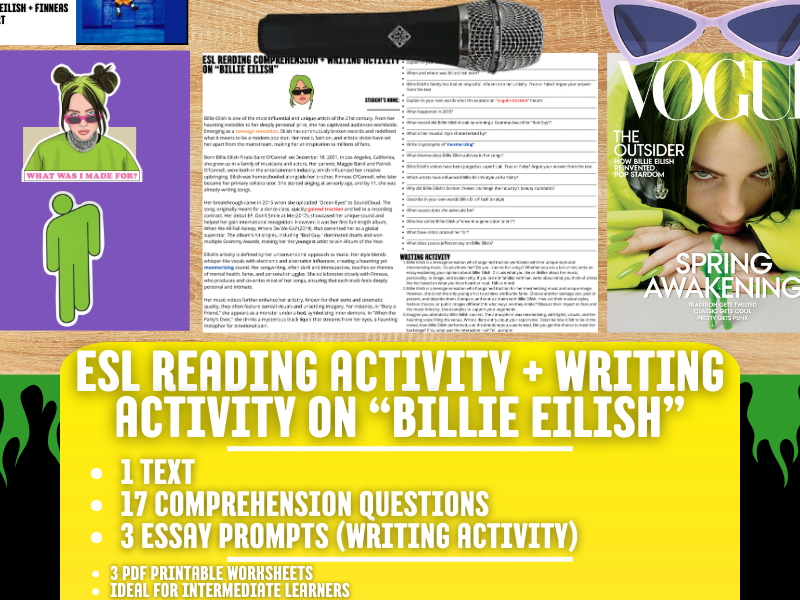
An ESL/EFL reading-comprehension and writing worksheet built around a biographical feature on musician Billie Eilish (career, songwriting/production with Finneas, artistic style, fashion, and advocacy, with quoted fan/critic voices), paired with comprehension/vocabulary questions and three essay/diary prompts (personal…
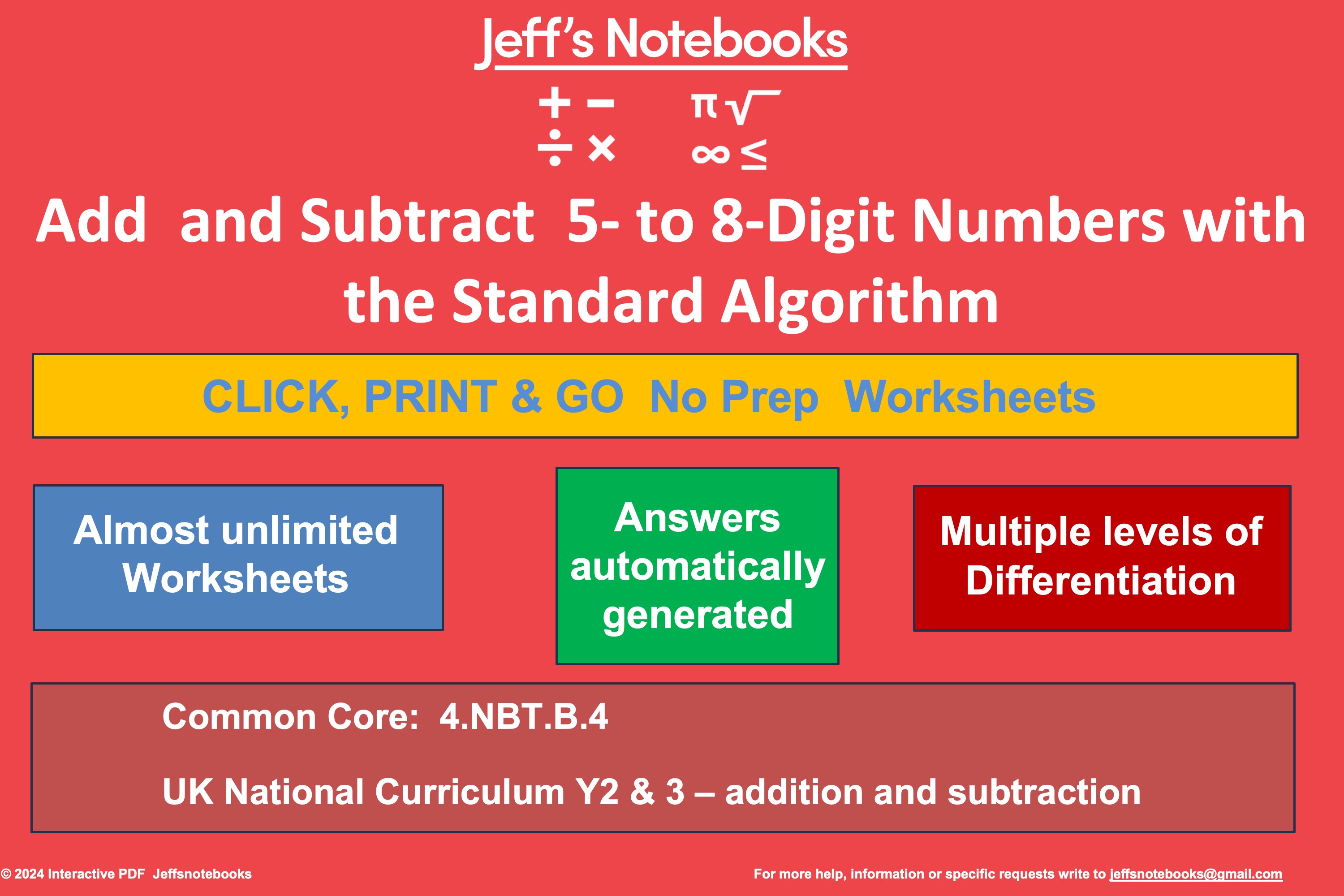
A large set of addition and subtraction worksheets for multi-digit numbers (5 to 8 digits) using the standard column algorithm, provided in three regional number-format variants (comma, space, and no separator) with matching answer keys.
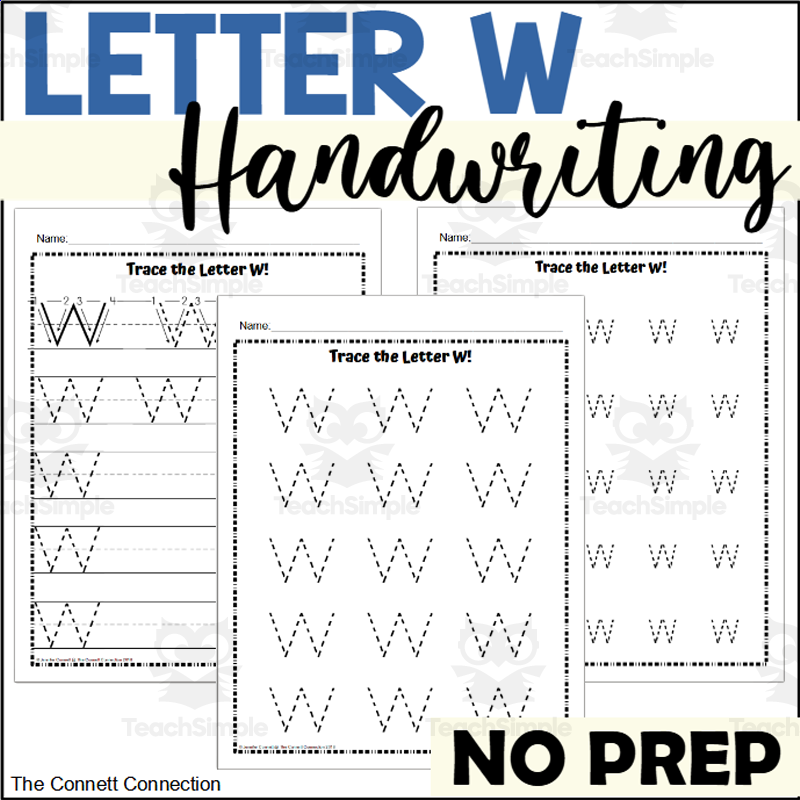
Trace rows of the letter W (capital and lowercase, in solid and dotted/dashed form) following 'Trace the Letter W!' prompts (per file text).
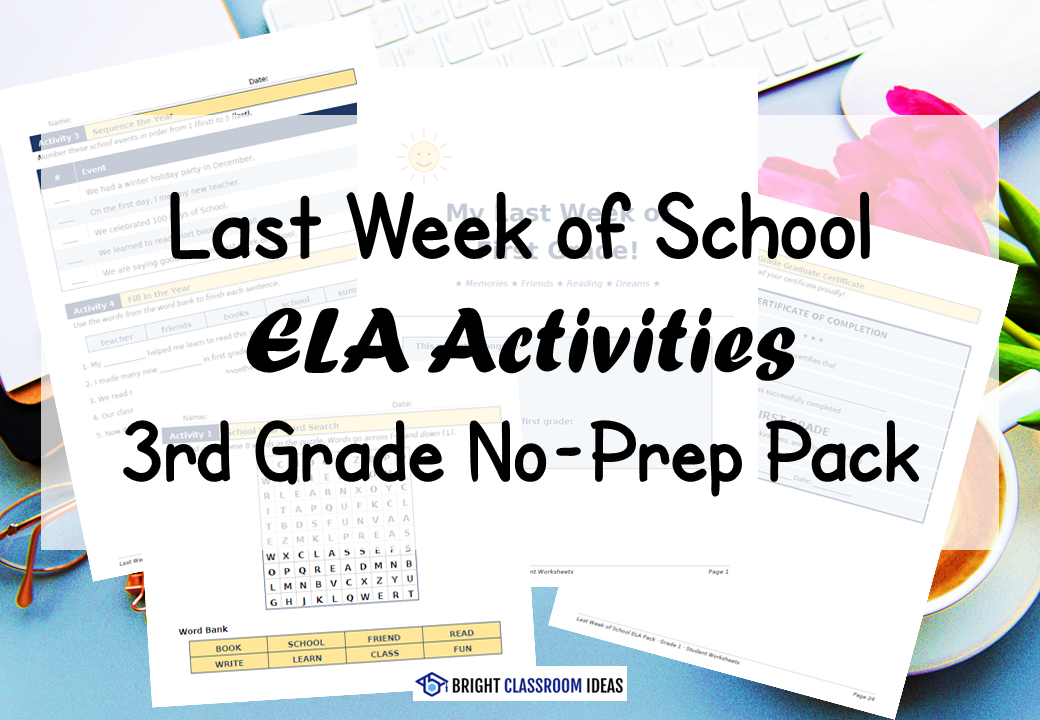
Complete 22 worksheet activities across 5 scripted 45-minute daily lessons: My Year in Review (reflective writing & sequencing); Friendship Letters (multi-paragraph letters); Summer Reading Adventure (comprehension & theme); Word Detectives (prefixes, antonyms, word meaning); Dreams for Fourth Grade (goal-setting &…
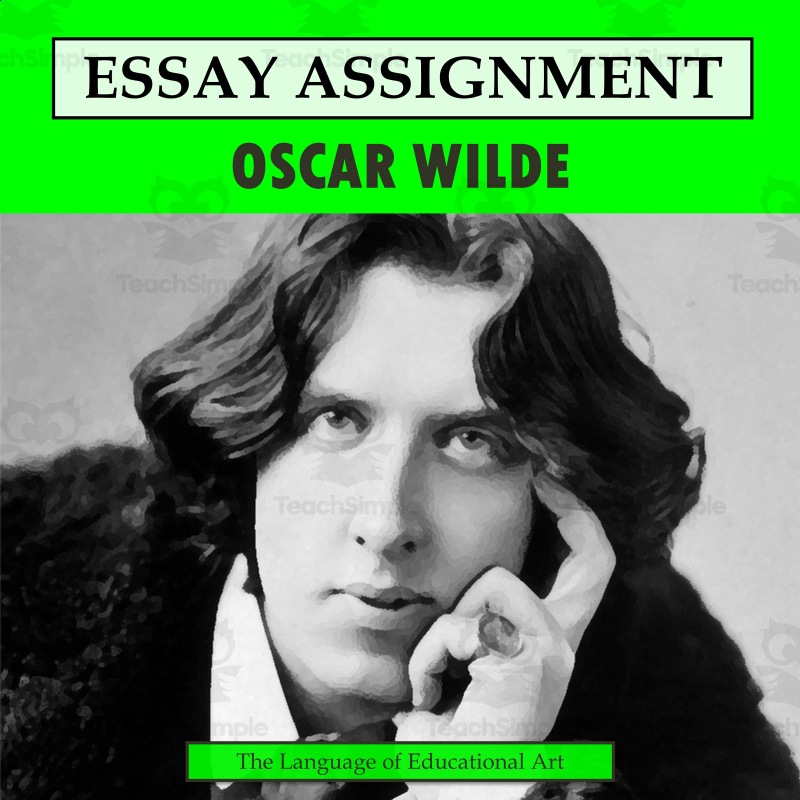
Students gather biographical facts about Oscar Wilde (birth, family, residences, achievements) on a research organizer worksheet, complete an illustration activity, then draft a 5-paragraph MLA-formatted essay (intro with thesis, early-life paragraph, achievements/legacy paragraphs, conclusion, works cited page), using a self/peer…
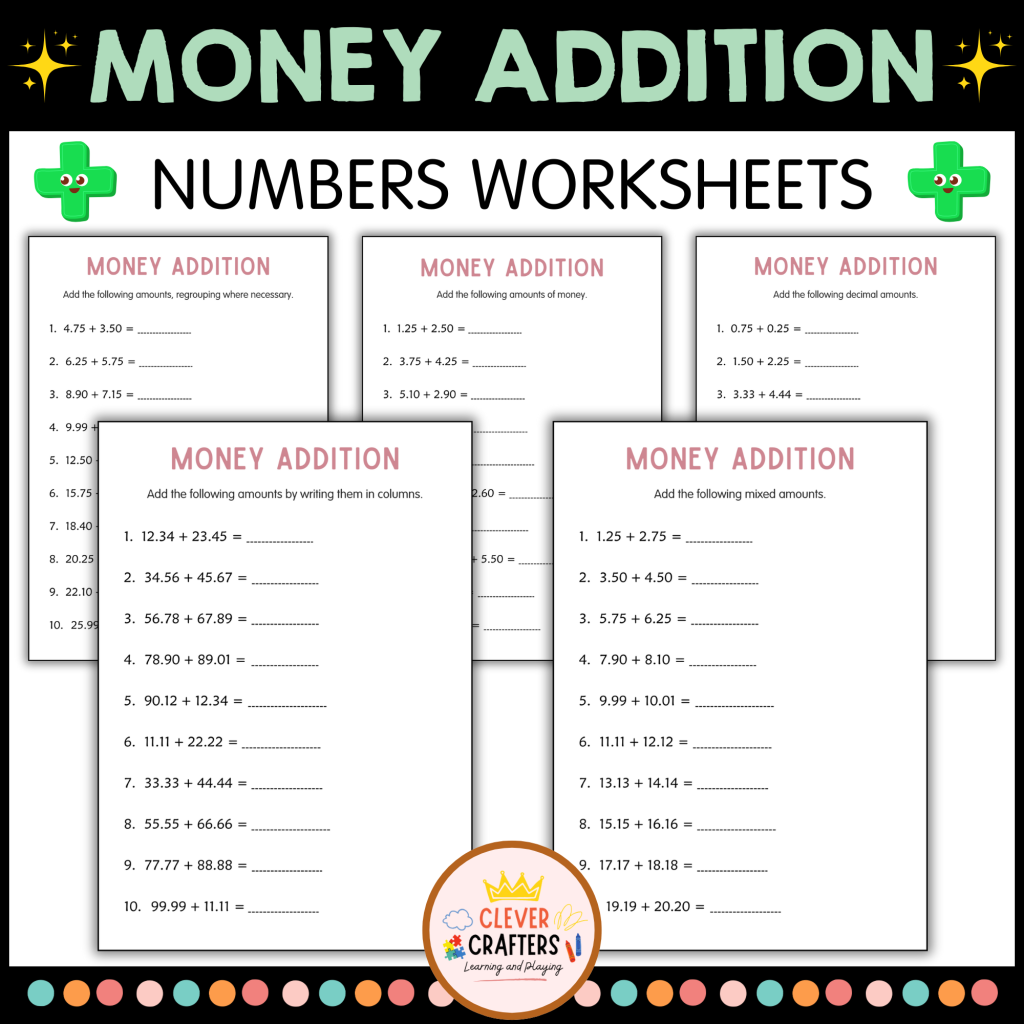
Introduction This worksheet pack helps students practise adding amounts of money through simple and practical exercises. Learners work with coins and money values while solving addition problems that reflect everyday situations. What’s Included: • Practice adding different money amounts • Activities that help students recognize and…
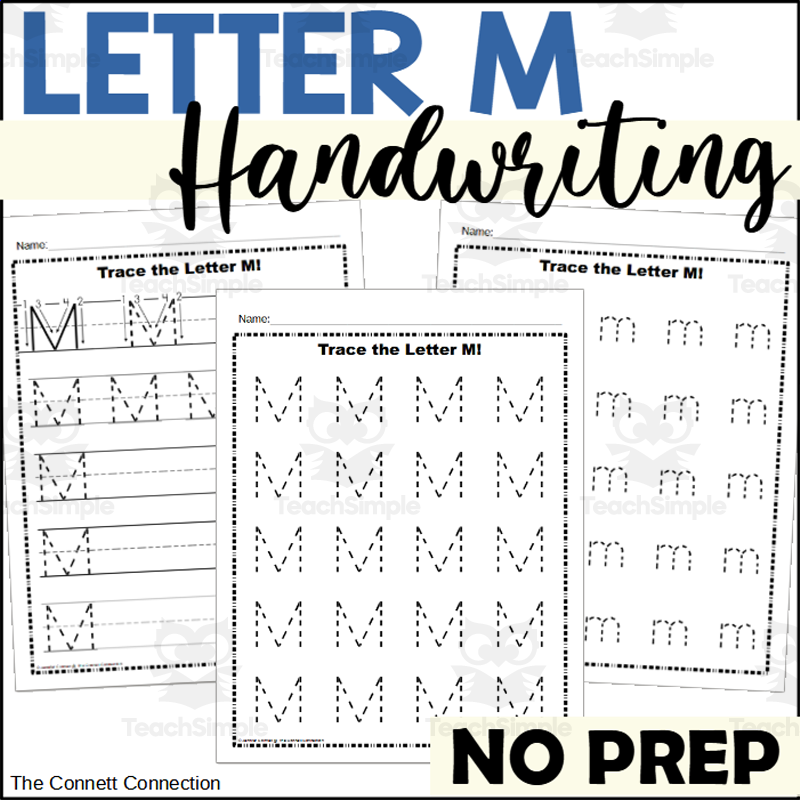
Students trace rows of capital and lowercase M in both solid-line and dashed-line formats, then practice using small 'Mm' tracing cards.

Two reference posters list the even numbers from 2 to 100, one in color and one in black and white. Students then fill missing values on five worksheets: a plain sequence and paths featuring a frog, bunny, plane and Rocky. The 14-page PDF includes a cover, use information, the two posters, five practice pages and five corresponding answer pages.

Dot-marker ('dab it') worksheets for letter B recognition: students use dot markers to color every occurrence of the letter B (uppercase and lowercase) among a grid of distractor letters.
 Free download
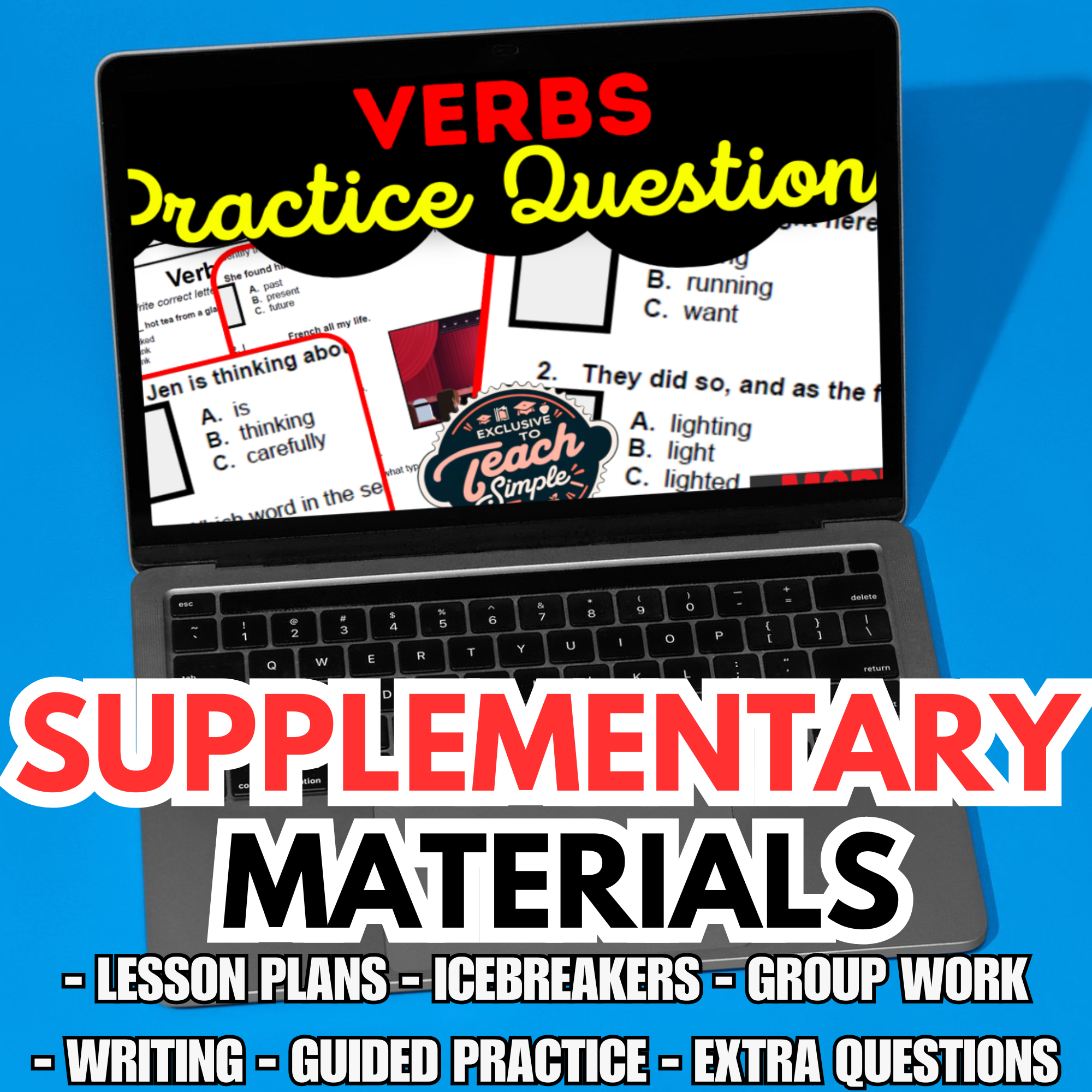
 Provide teachers with a multi-lesson supplementary pack of activities to teach verb types (action, linking, helping) and verb tense, meant to accompany (not replace) the separately sold verb quizzes.
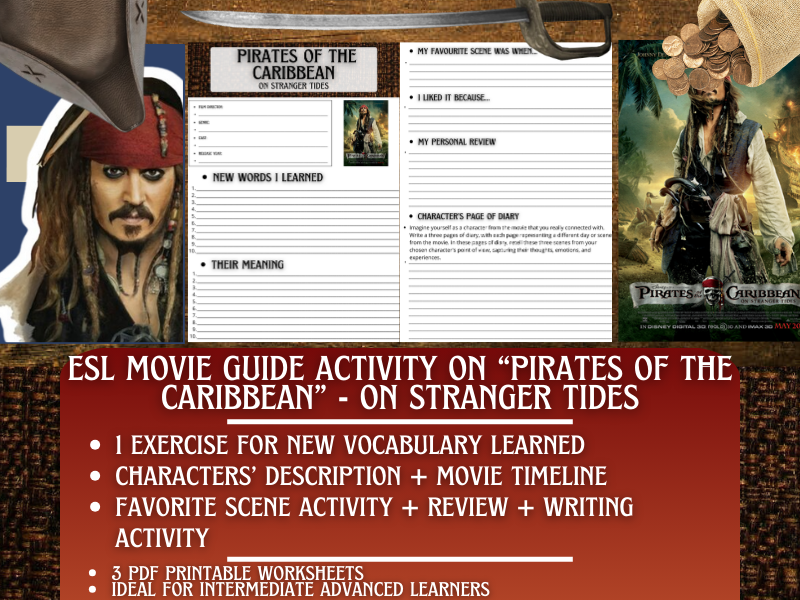
A post-viewing ESL/EFL movie-guide worksheet built around the film referenced in the title ("ESL Movie Guide - Pirates of the Caribbean: On Stranger Tides"), giving students structured prompts to record film details, build vocabulary, describe characters, and write a personal response/creative diary entry.
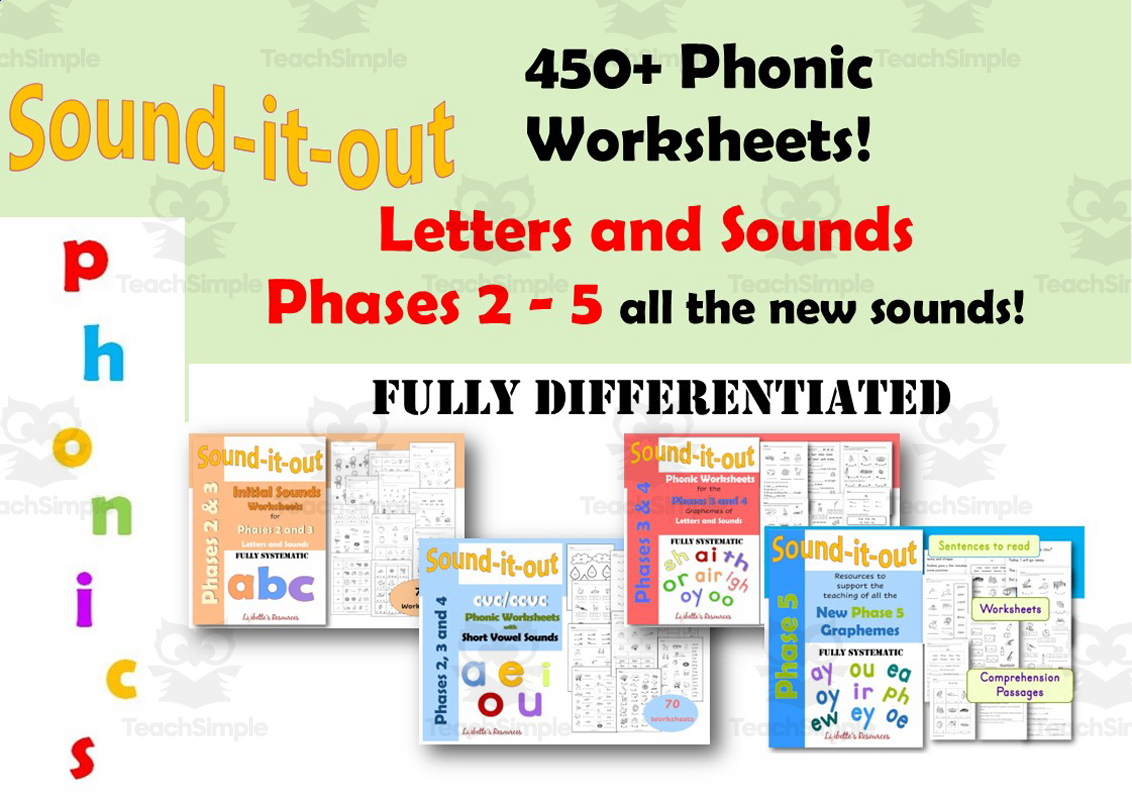
Complete worksheets practicing specific graphemes/phonemes (e.g. ck, ch, sh, th, ng, ai, ee, igh, oa, oo, ar, or, ur, ow, oi, ear, air, er), including word sums and puzzles; separate files practice beginning sounds and CVC/CVCC word decoding.
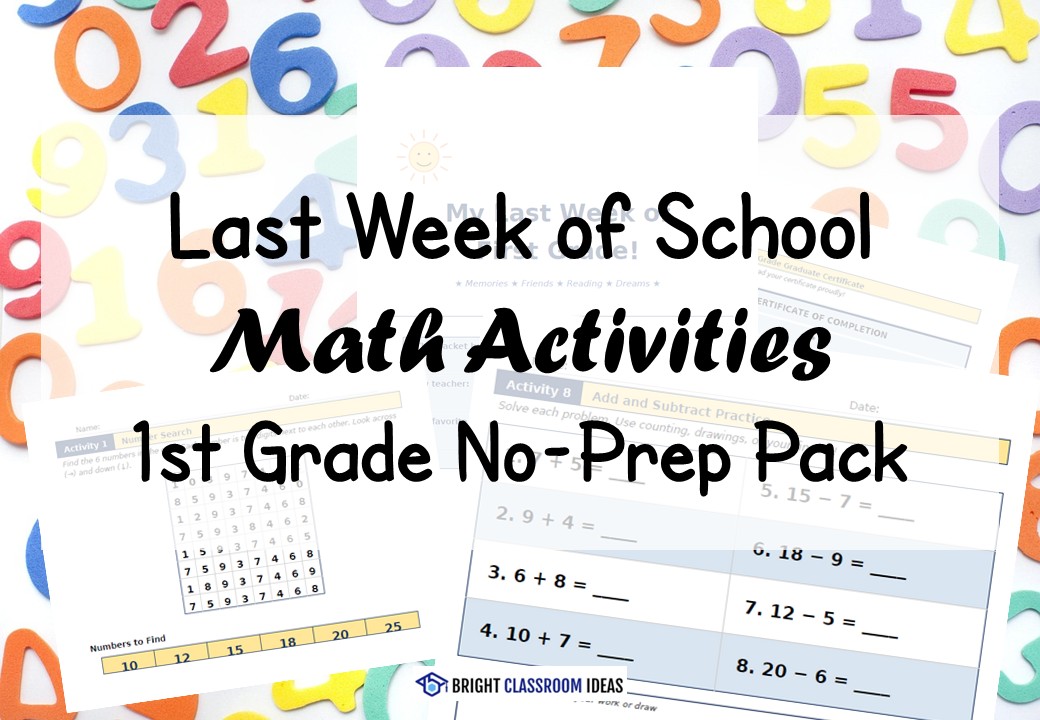
A no-prep, 5-day Grade 1 end-of-school-year math packet (teacher guide, student worksheets, and answer key as separate files) combining math skill review with reflective/celebratory last-week-of-school activities.
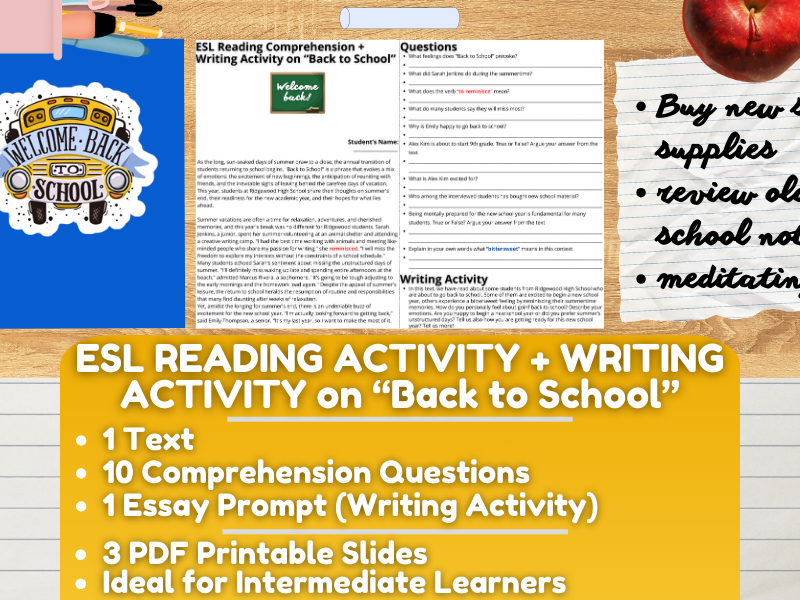
Read a nonfiction feature-style passage (with quoted interviewees), answer short-answer reading-comprehension questions, complete vocabulary-in-context items (define/explain a word or phrase, or write synonyms), answer true/false items that require arguing the answer from the text, and write one or more essays/diary entries responding…
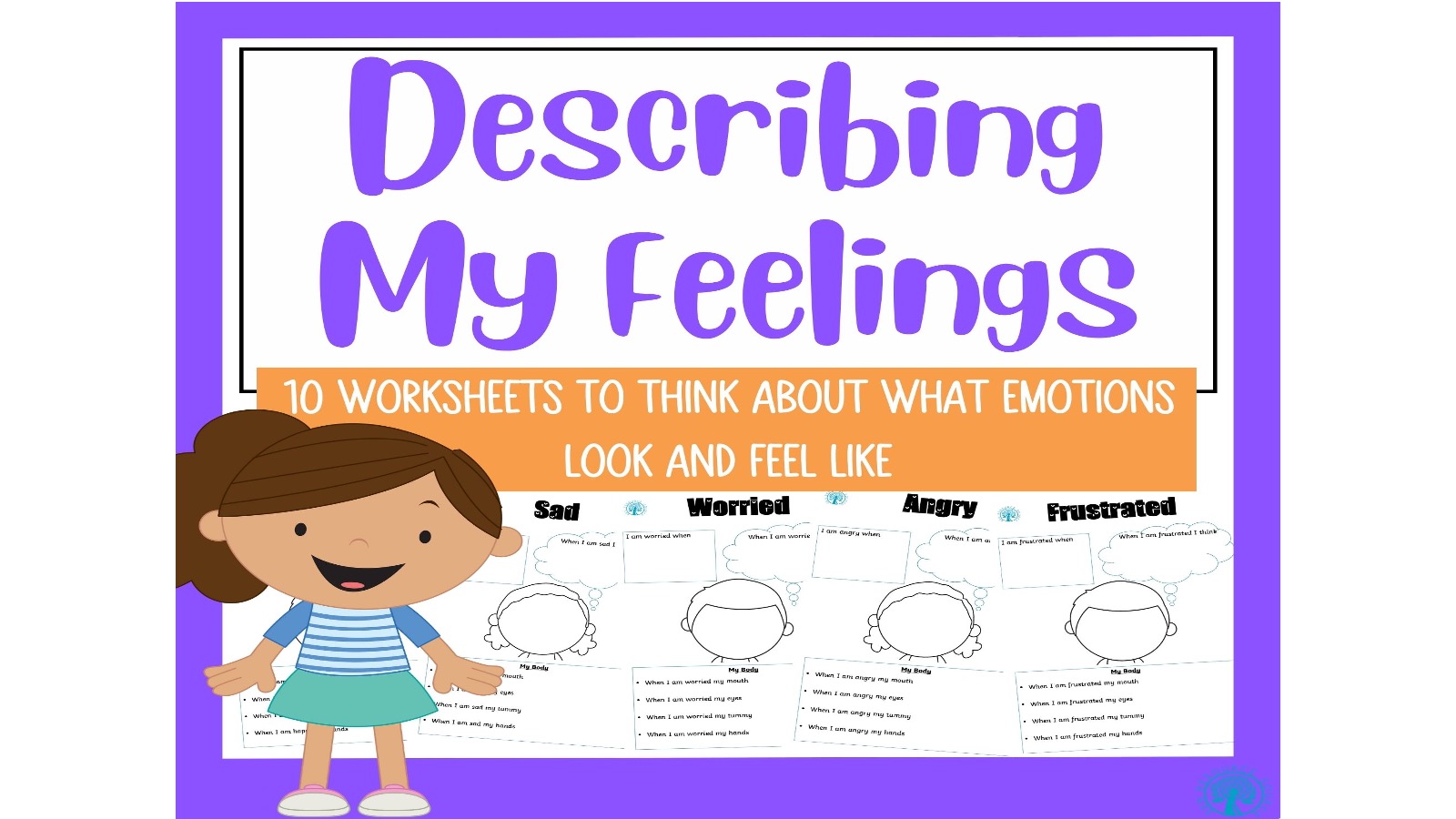
Identifying and verbalizing emotions is essential yet challenging for young children’s healthy development. This set of 20 illustrated printable worksheets helps students advance self-awareness by examining common feelings in depth one by one.

Trace rows of uppercase T and lowercase t (solid lines, then dashed/dotted lines), and practice writing T and t independently on ruled lines; also use small tracing-card style T/t pairs.
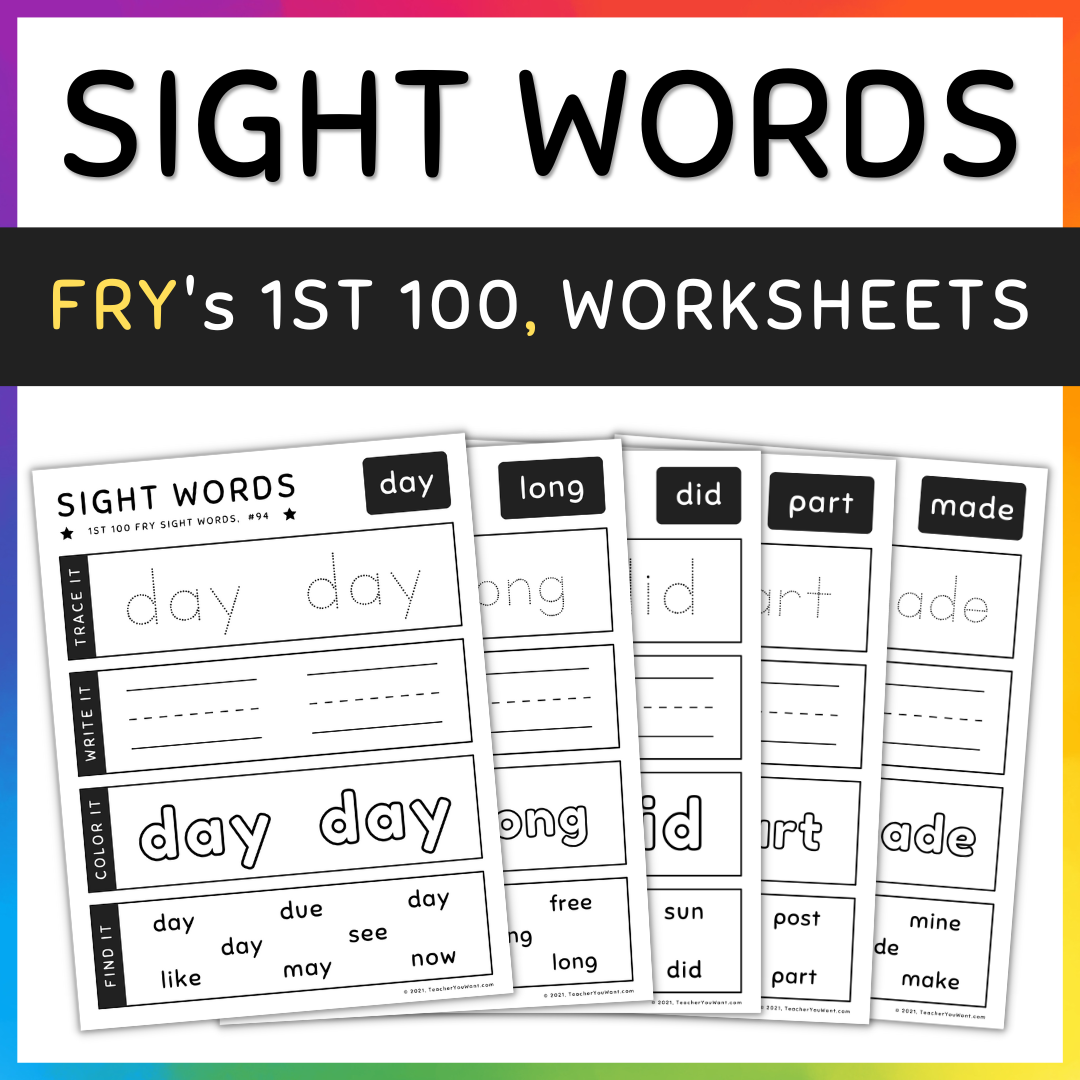
Trace each sight word, write it three times, color a repeated version of the word, and find/circle the target word among distractor words.

Students gather biographical facts about Maya Angelou (birth, family, residences, achievements) on a research organizer worksheet, complete an illustration activity, then draft a 5-paragraph MLA-formatted essay (intro with thesis, early-life paragraph, achievements/legacy paragraphs, conclusion, works cited page), using a self/peer…
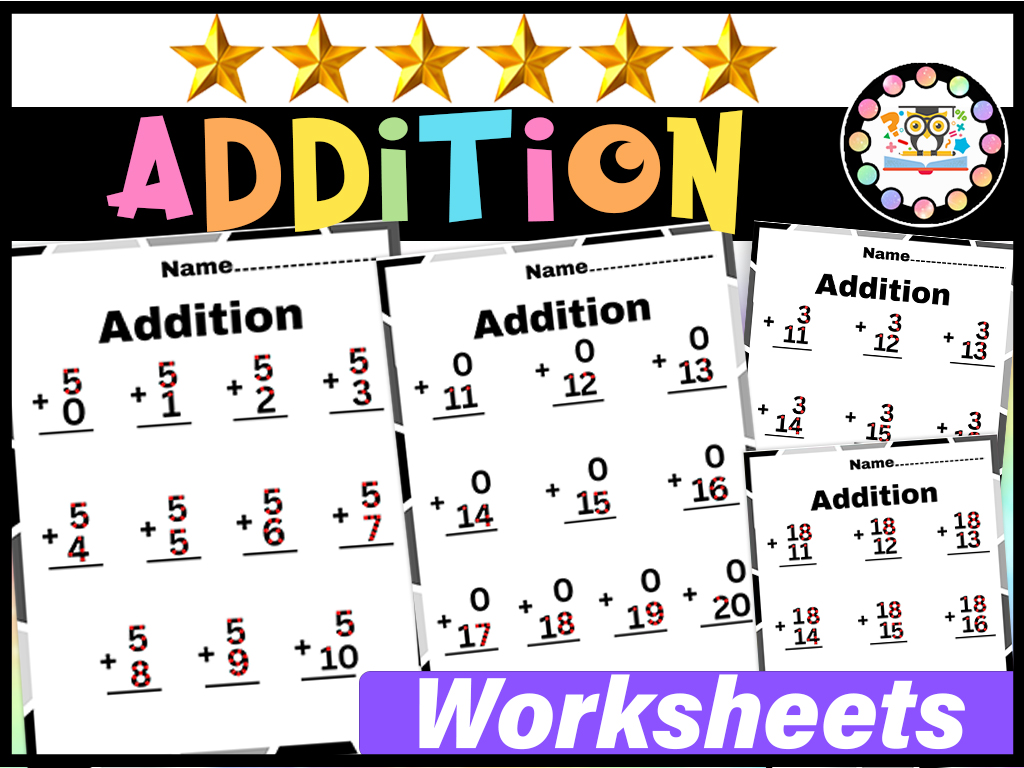
Practice single-digit addition facts using a touch-dot/touchpoint counting strategy worksheet format.

Practice counting forward and backward within a number sequence (ranges 1-20, 1-50, 1-100, 1-120) to build fluency ahead of addition/subtraction, via a randomized worksheet and a matching interactive whiteboard/computer activity.
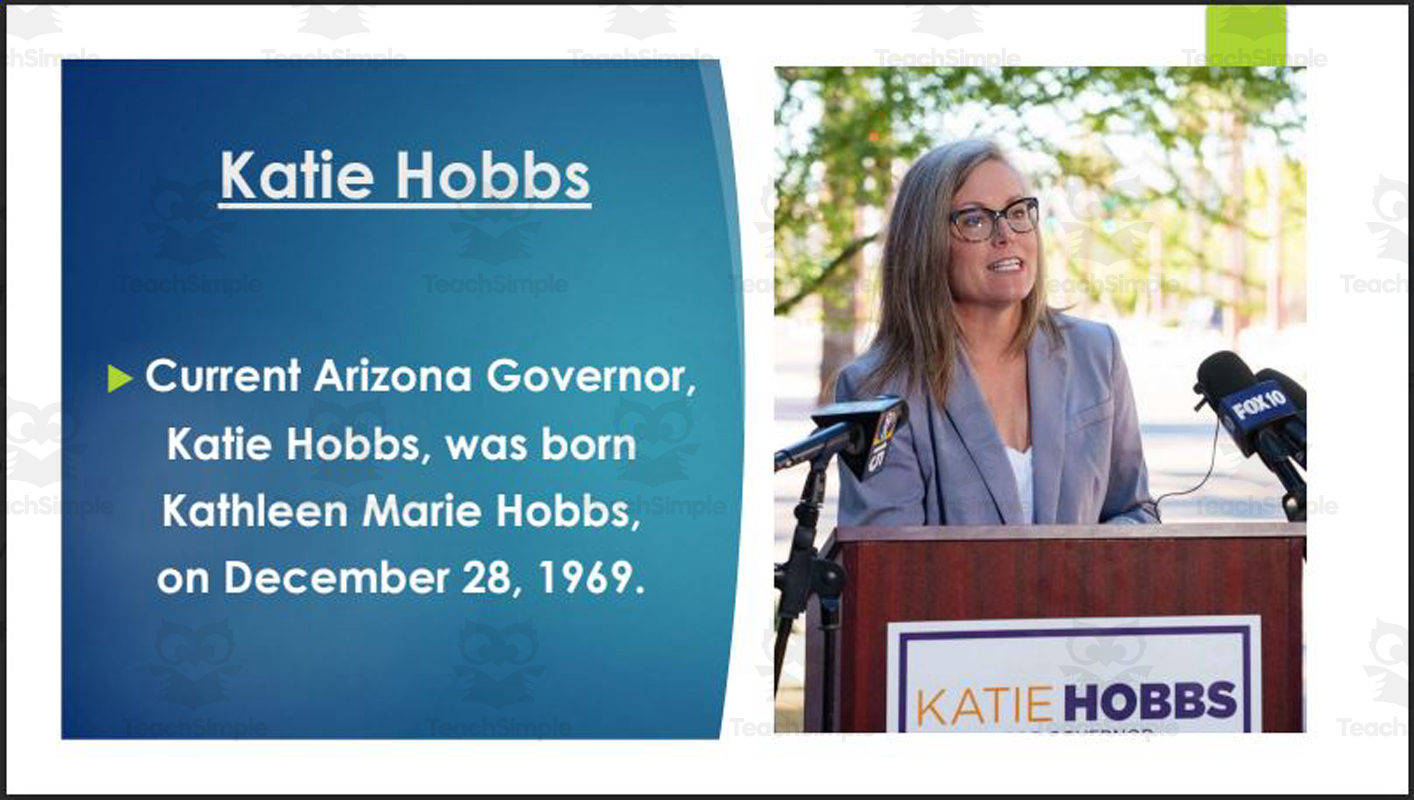
Provides individual biography slide decks for the current governor of each state in the Southwest region, covering birthdate, education, career, and political history.
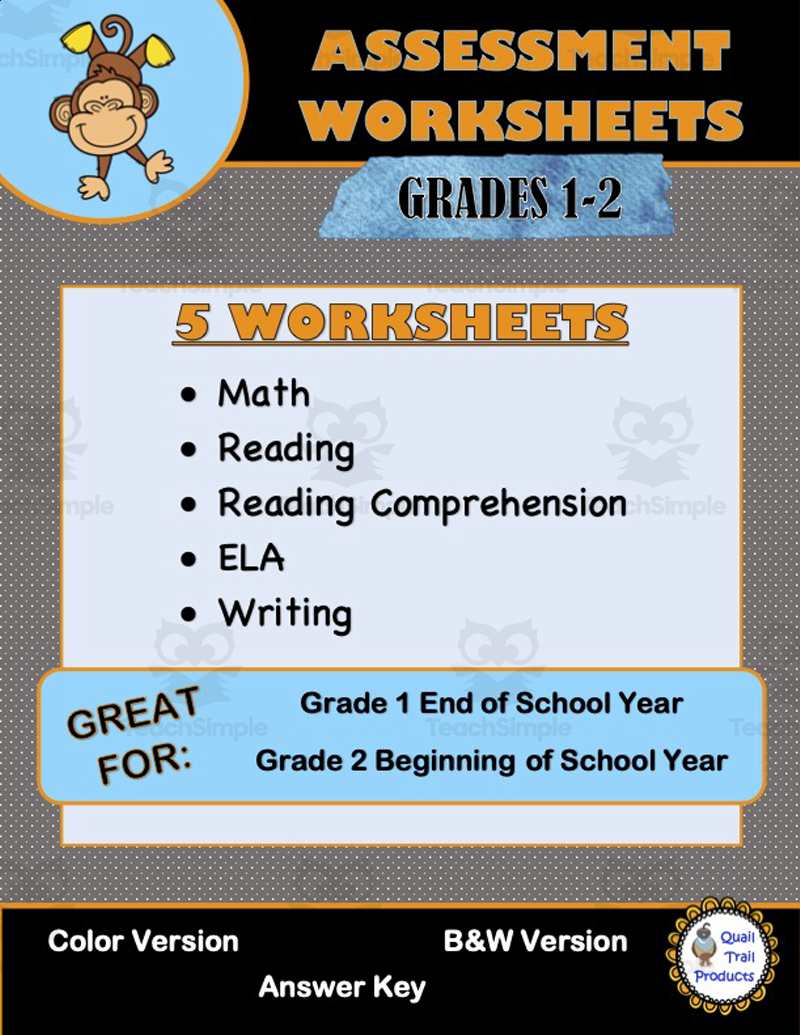
Solve math problems (addition, place value, time, graphing, fractions, word problems), read a nonfiction passage about pandas and answer comprehension questions, and complete ELA tasks (capitalization, punctuation, plurals, contractions, verbs, rhyming, spelling) plus a short creative-writing page about a favorite…

Six short practice pages build the odd-and-even-numbers concept through tracing, circling, and sorting tasks. Students first trace a printed row of even numbers (2 through 20) and then a row of odd numbers (1 through 19), reinforcing numeral formation alongside the odd/even label. Two follow-up pages present a 1-20 number grid and ask students to circle only the odd numbers on one page and only the even numbers on the other. A final pair of pages shows groups of dots that students must label as 'Odd' or 'Even' by writing the word underneath, moving the skill from tracing numerals to classifying quantities.