Play & discovery
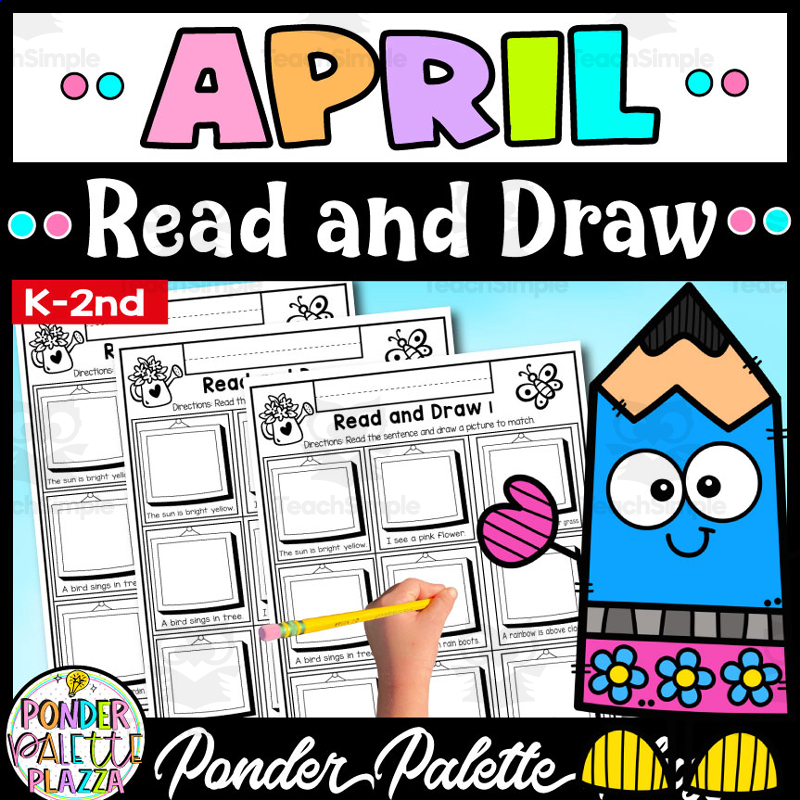
April Read and Draw - No Prep Activity
Read each short, simple sentence (e.g., 'The sun is yellow.', 'I see a rainbow.', 'I jump in puddles.') and draw a picture in the matching box that illustrates the sentence.




5,618 resources
Explore sub-categories
19 sub-categories · 5,618 resources
Read each short, simple sentence (e.g., 'The sun is yellow.', 'I see a rainbow.', 'I jump in puddles.') and draw a picture in the matching box that illustrates the sentence.
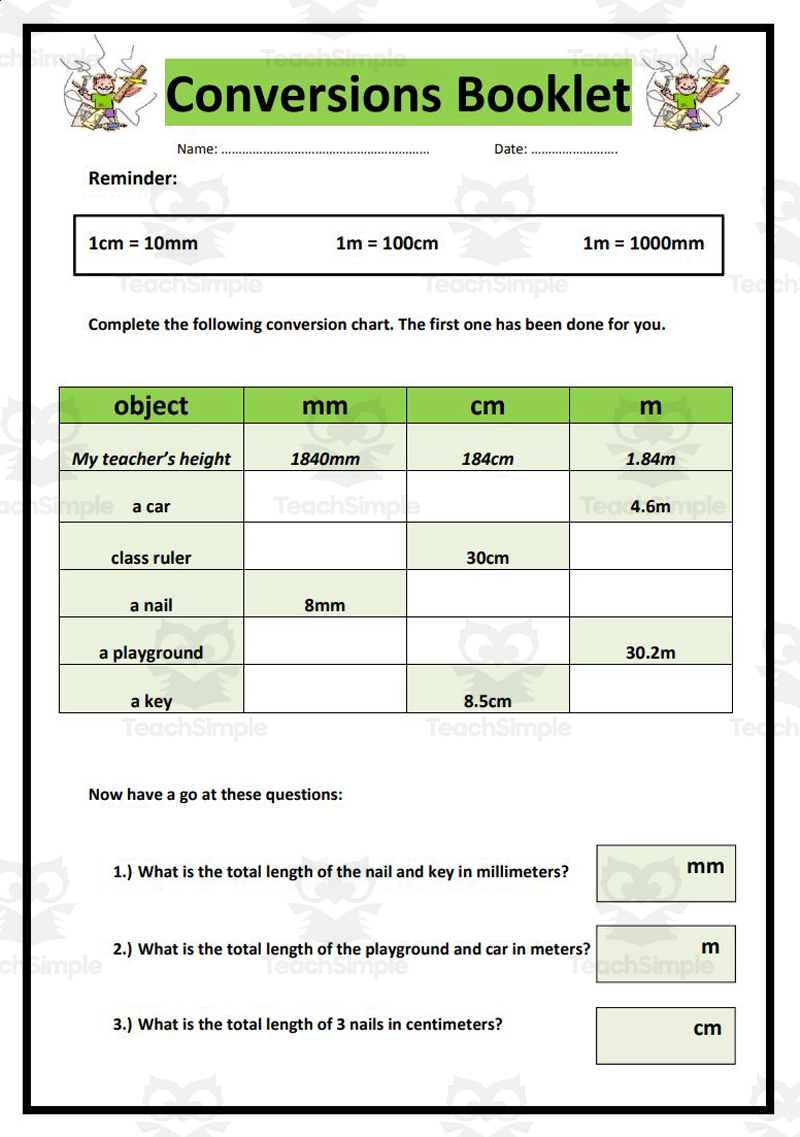
Complete conversion charts between mm/cm/m, ml/cl/l, and g/kg/t; solve related word problems; convert meters to kilometers with and without a calculator; and measure real objects/spaces to practice conversions.
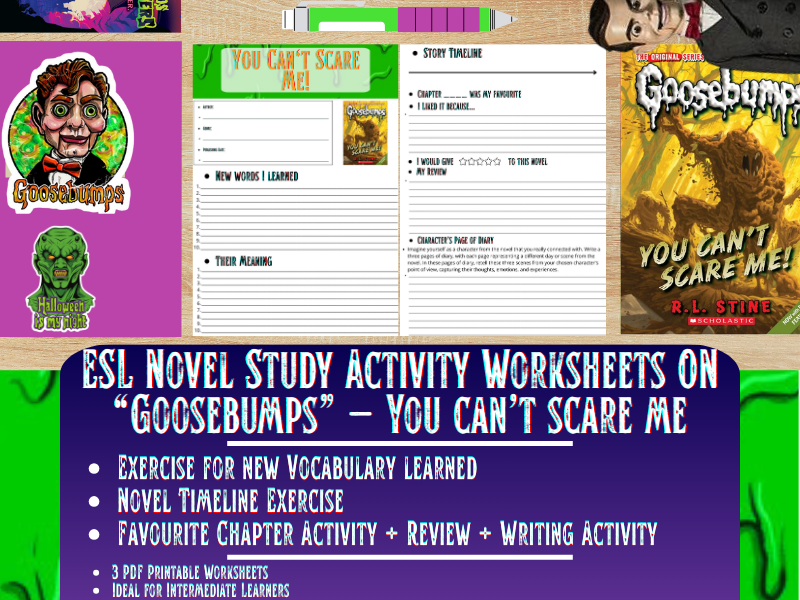
A post-reading novel-study worksheet for ESL/EFL students who have read the Goosebumps novel "You Can't Scare Me!" (R.L. Stine), used to record vocabulary, reflect on the story, and practise creative writing.
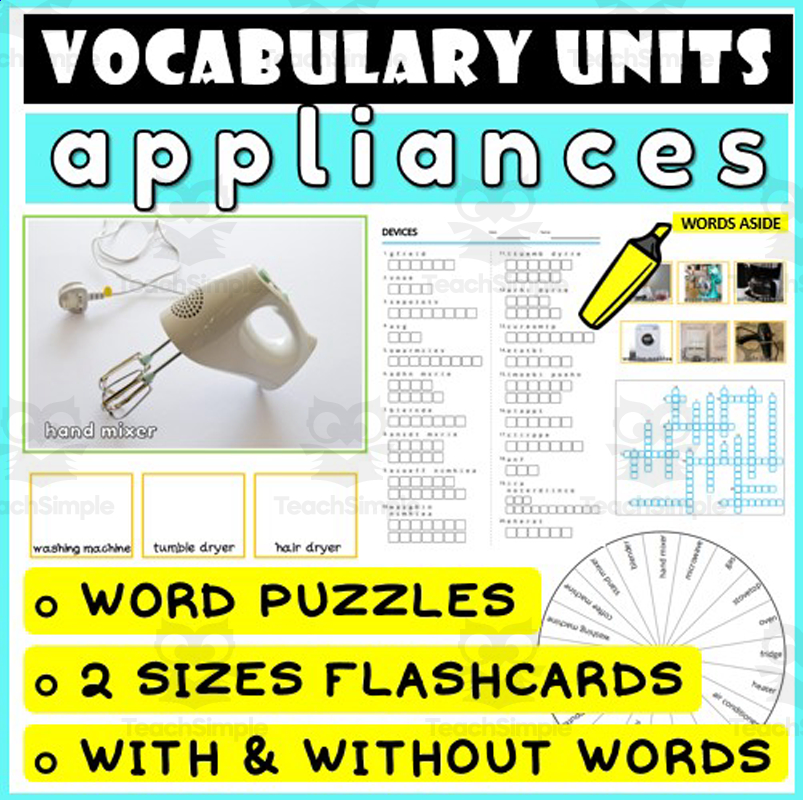
Boost your English Vocabulary Language skills with these fun and interactive flashcards and word games resource series ! They' re intended for kids and adults, whether you' re a native English speaker or learning English as a Foreign / Second Language .
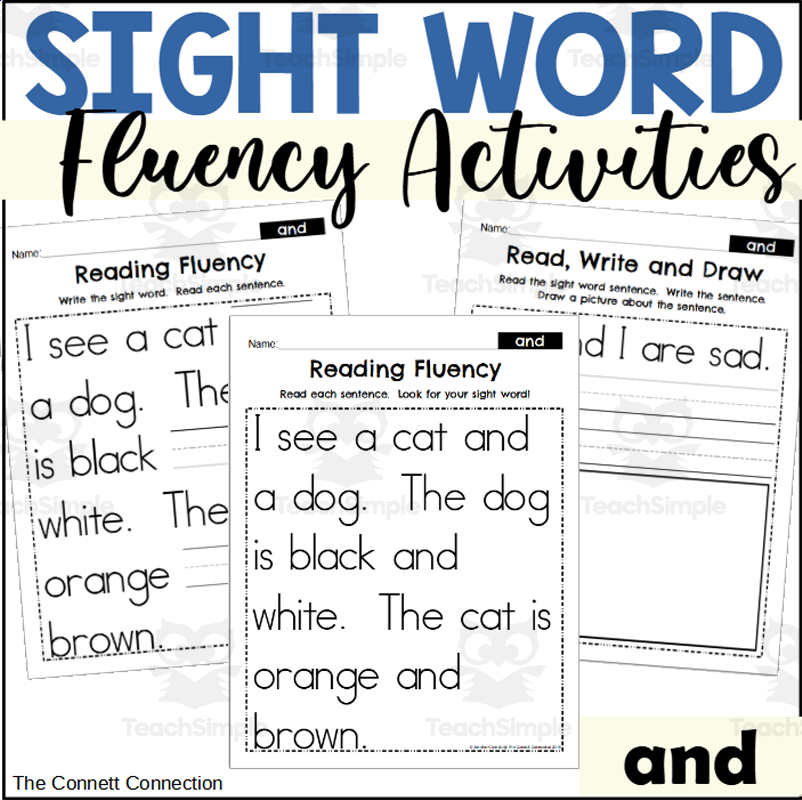
Read a short passage in which the sight word "and" repeats, fill in the same word from memory in a cloze version of the passage, then copy the sentence "He and I are sad." and draw a picture illustrating it.
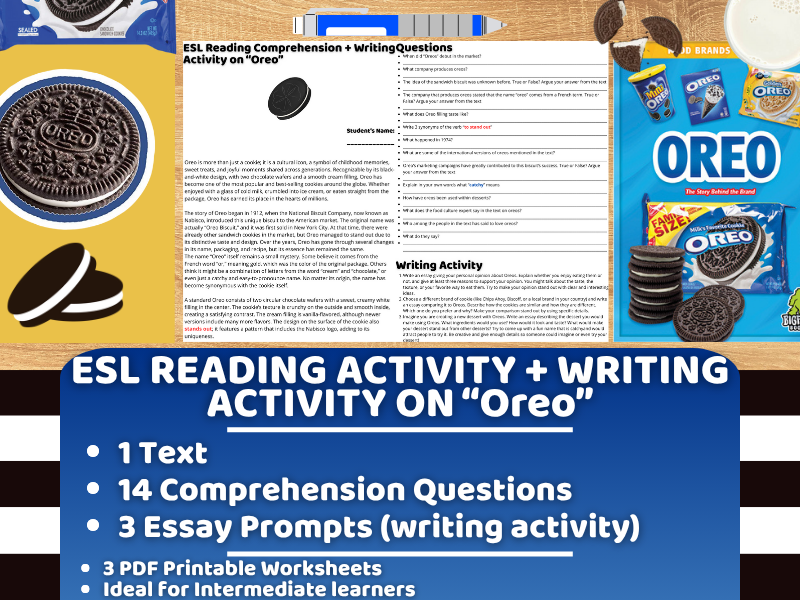
Students read a nonfiction passage about the Oreo cookie (history and brand evolution), answer short-answer and true/false (with textual justification) comprehension questions, complete vocabulary/synonym exercises, and respond to three extended writing prompt(s) about the topic.
A getting-to-know-you SCOOT game and related activities for the start of the school year, designed to help teacher and grades 5-6 students learn about each other through icebreaker questions, writing prompts, and a song.
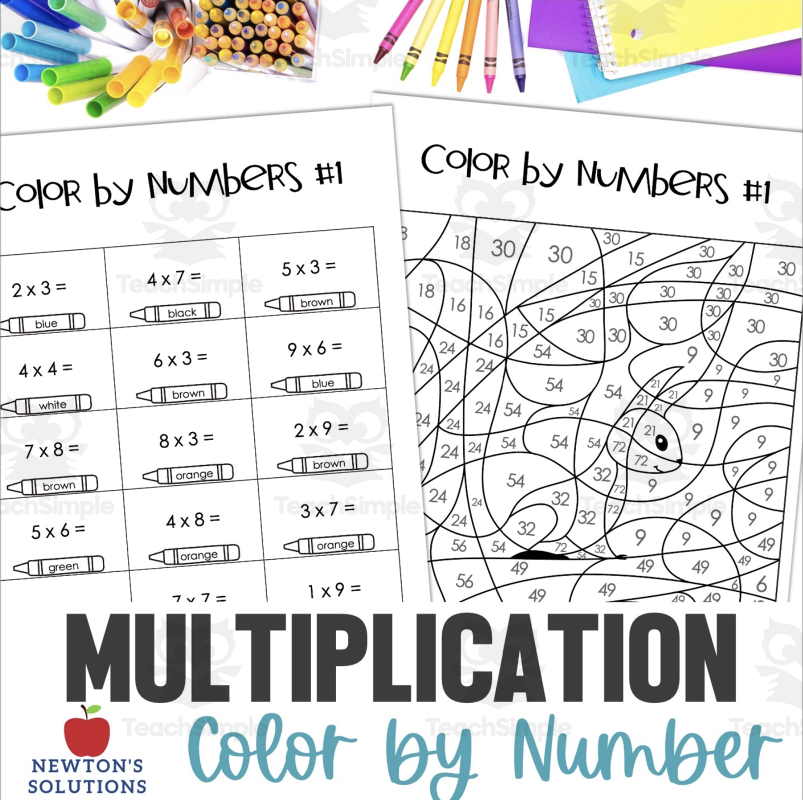
Give students self-checking practice with multiplication facts (0-12) through a color-by-number format.
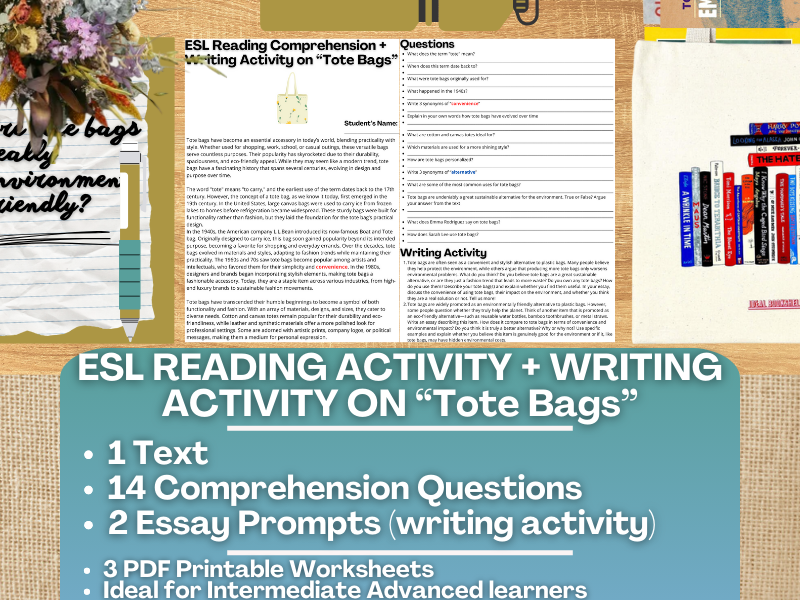
Gives ESL/EFL students a reading-comprehension and writing-practice worksheet built around a nonfiction article on the history of tote bags and the debate over their environmental sustainability.
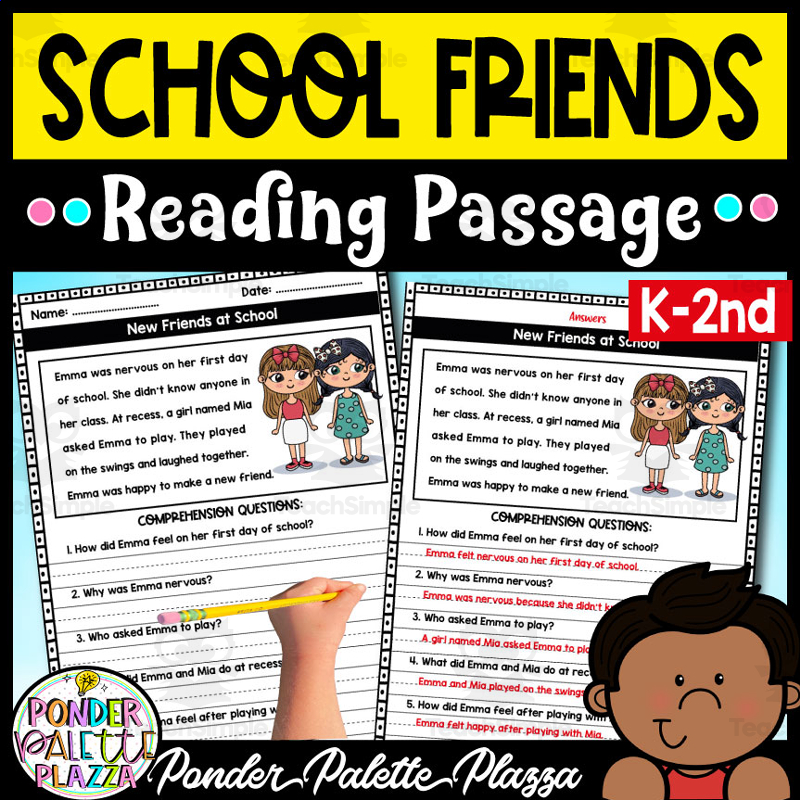
Read a short 6-sentence story about Emma feeling nervous on her first day of school and making a friend named Mia, then answer 5 comprehension questions about the story's events and characters' feelings.
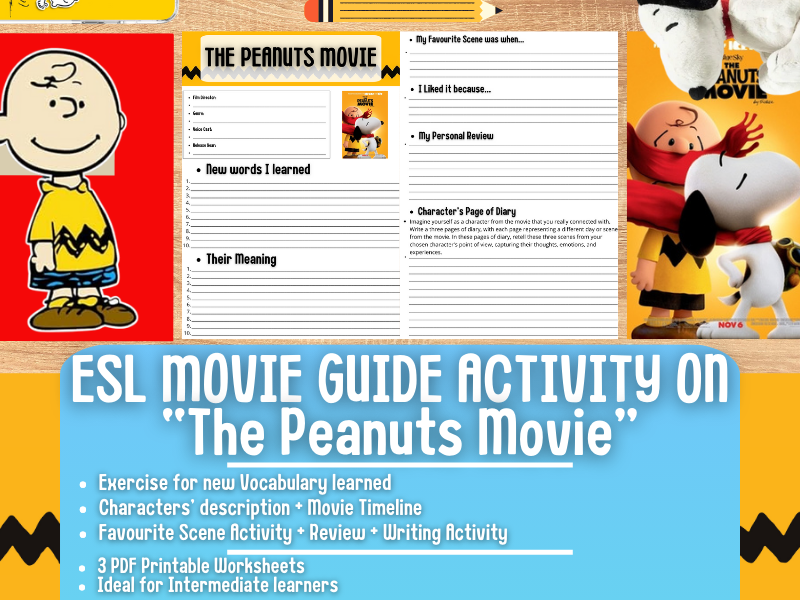
Post-viewing ESL/EFL movie-guide worksheet packet built around the film "The Peanuts Movie": records film facts, builds vocabulary from the film, and prompts written reflection and creative (diary) writing about the movie.
Work through a multi-step reflective process: identify the specific actions/behaviors causing guilt or shame, examine whether the guilt/shame fits the facts, consider potential consequences, and reflect on related thoughts and feelings, answering open-ended prompts at each step.
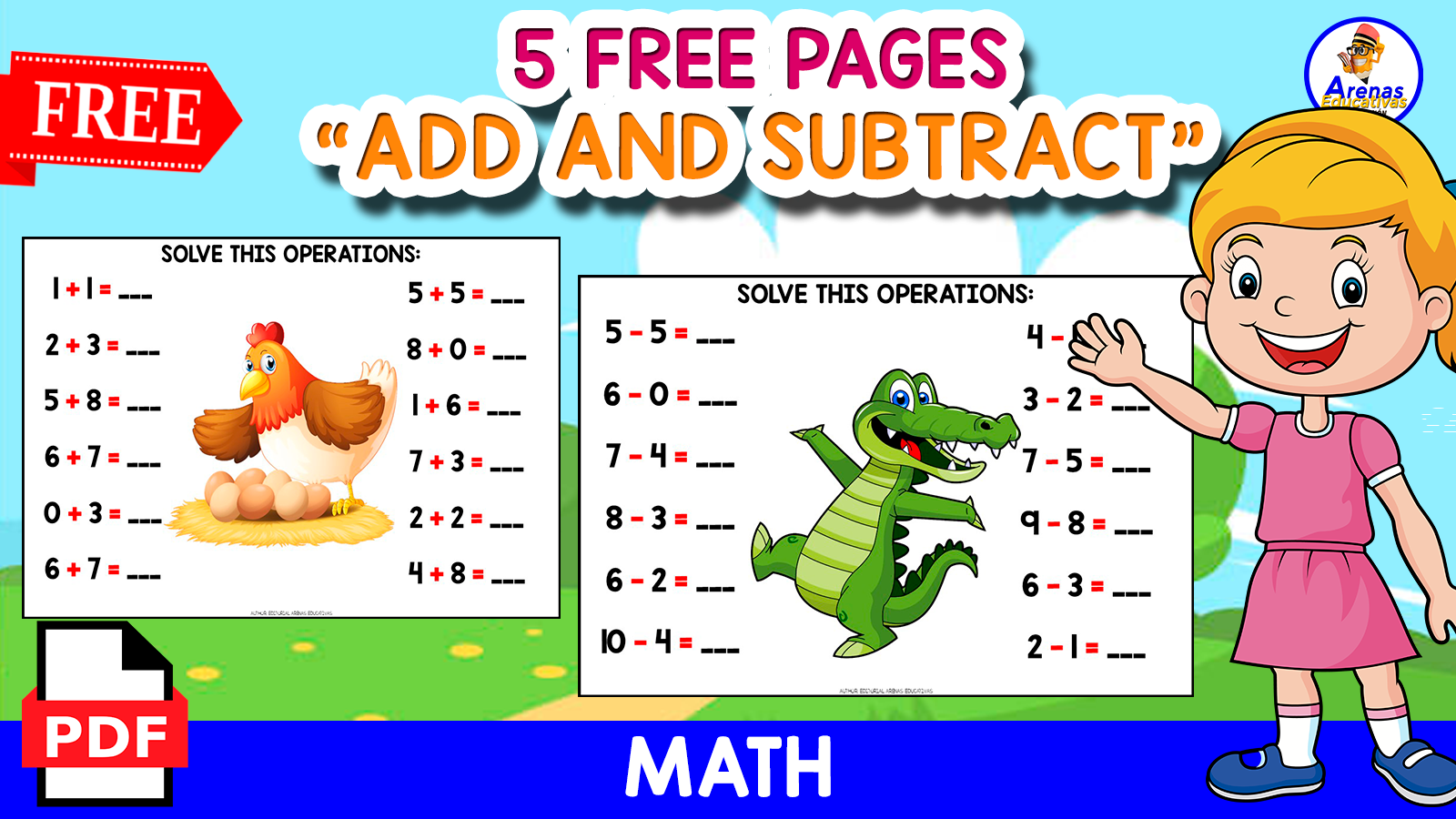 Free download
 Practice worksheets for basic single-digit addition facts.
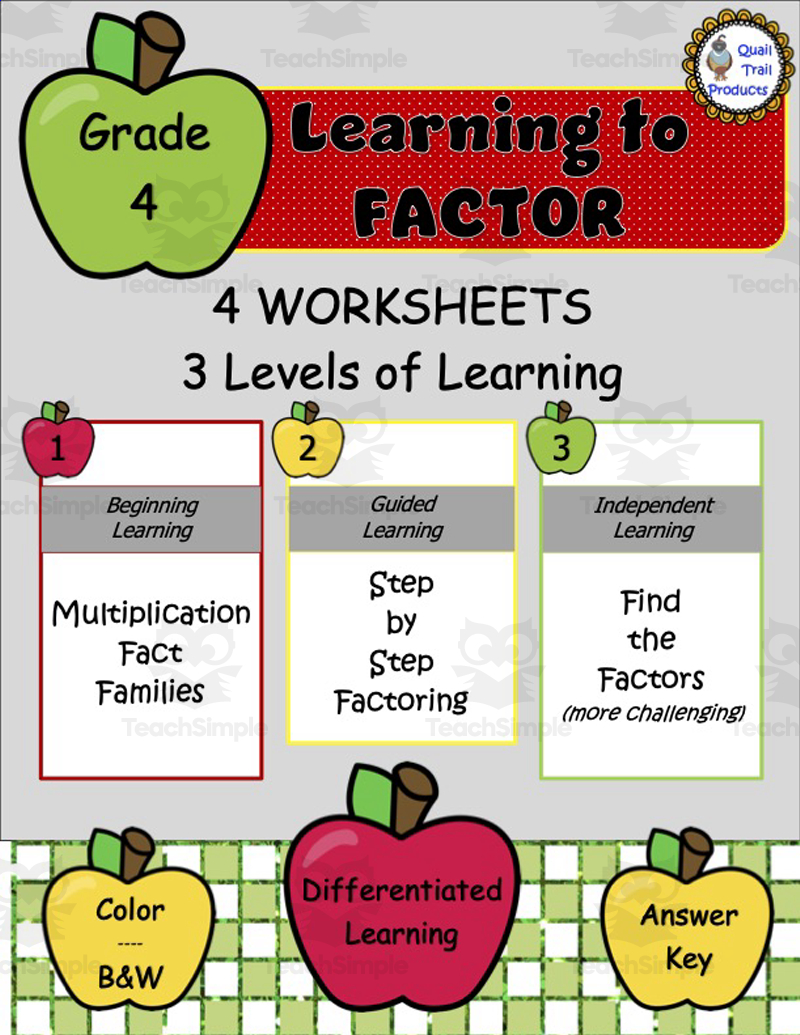
A multiplication/factoring practice set (apple theme) teaching students how to find the factors of a number.
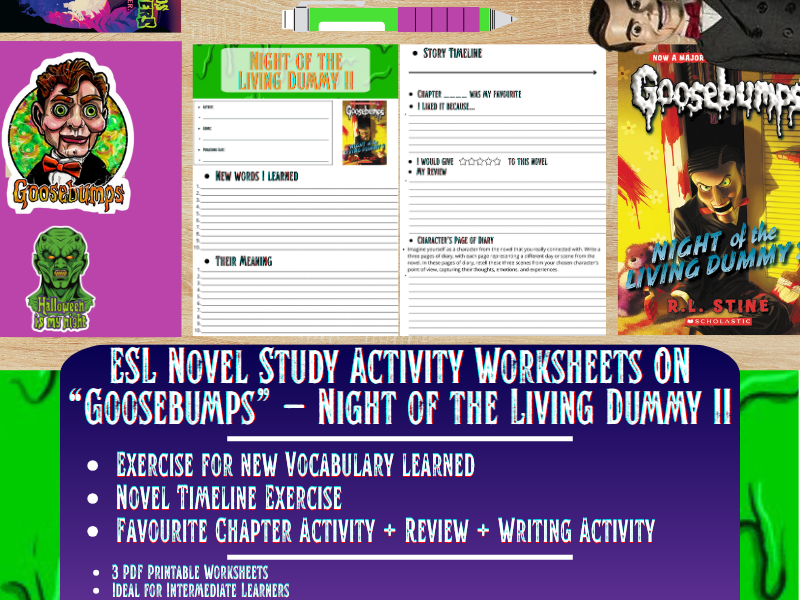
Fill in the novel's author, genre and publishing date; list 10 new vocabulary words and their meanings; name a favourite chapter and explain why; give the novel a star rating and write a review; then write a three-page diary entry in the voice of a character from the novel.
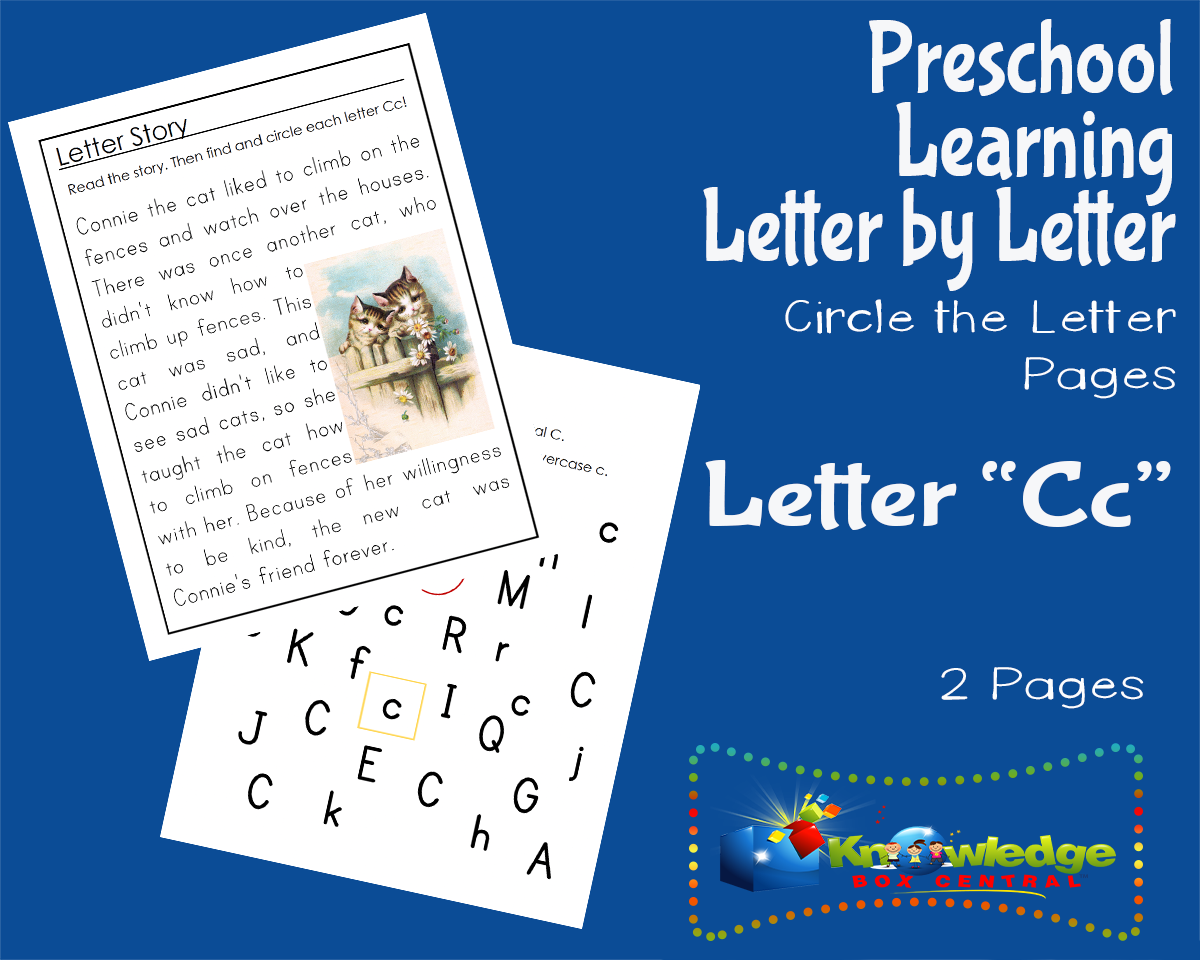
Single-activity worksheet/ebook helping preschoolers recognize, identify, or practice the letter C (circle the letter).
 Free download
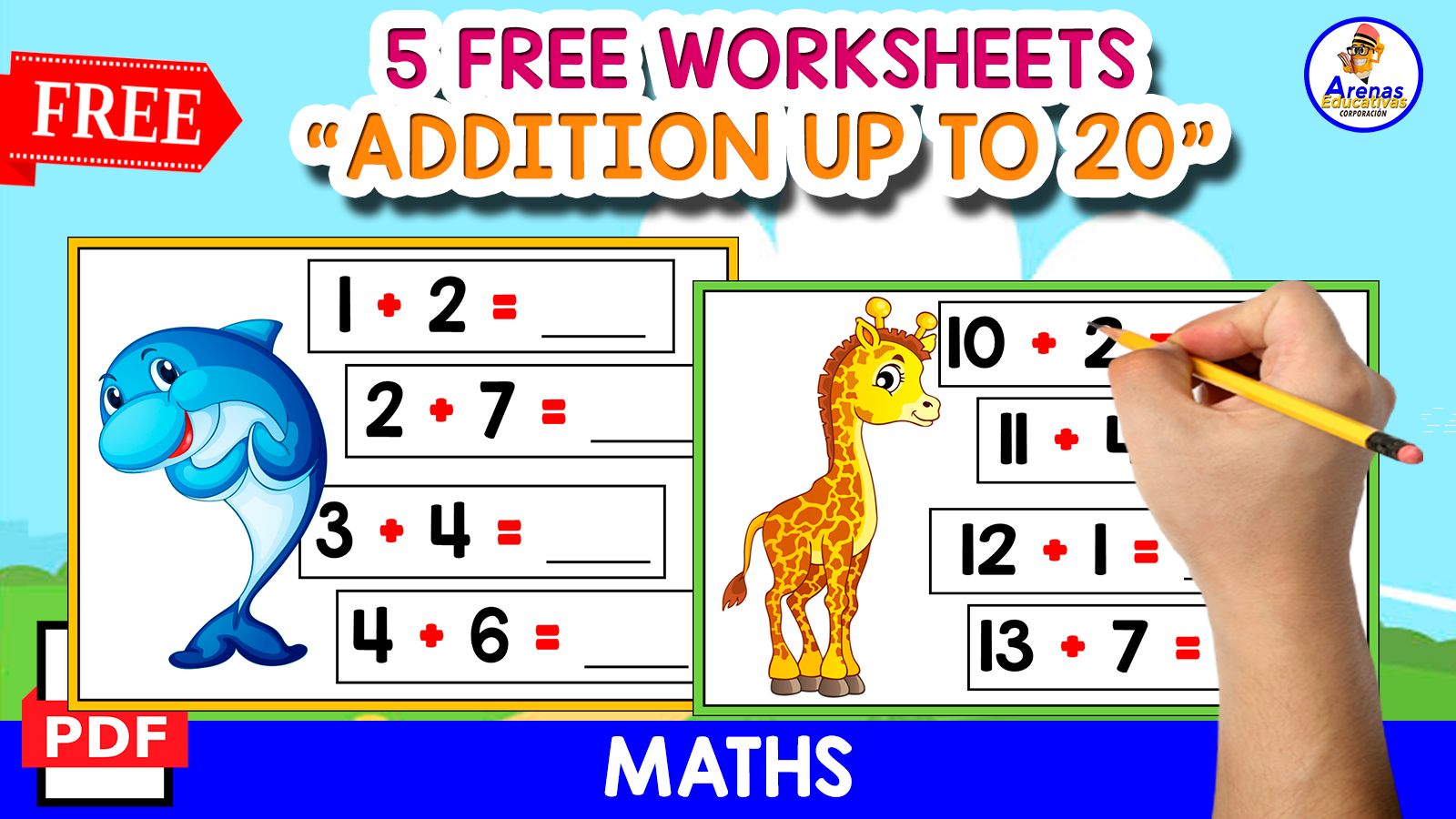
 Provide free addition-up-to-20 practice worksheets for early learners.
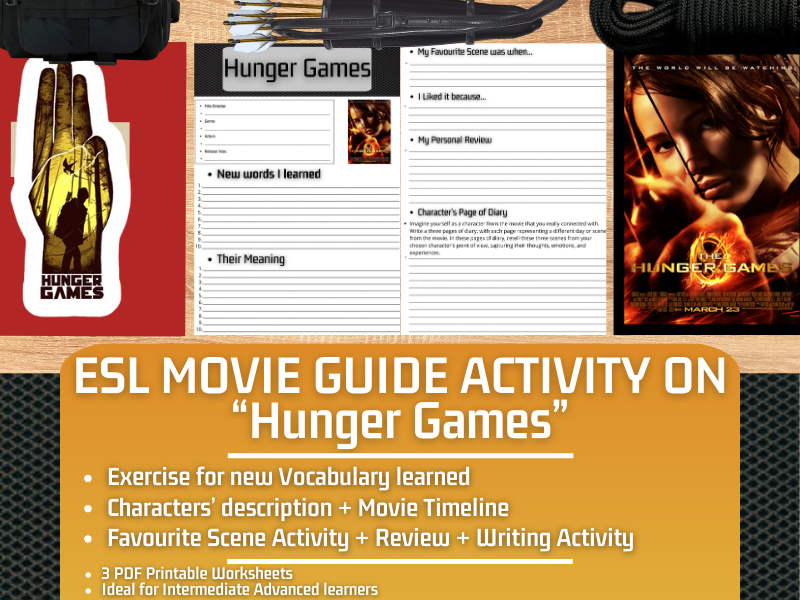
Post-viewing ESL/EFL movie-guide worksheet packet built around the film "The Hunger Games": records film facts, builds vocabulary from the film, and prompts written reflection and creative (diary) writing about the movie.
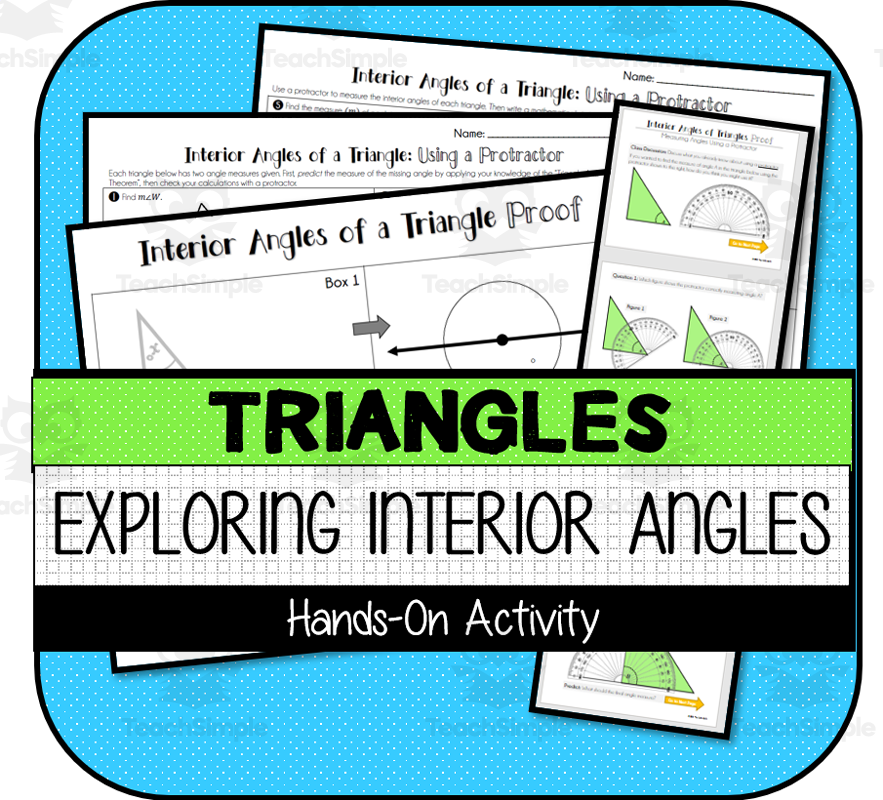
Provide a hands-on, cut-and-paste discovery activity proving the Triangle Angle Sum Theorem (that a triangle's interior angles sum to 180 degrees), partially addressing CCSS.MATH.CONTENT.7.G.A.2, followed by protractor-based angle measurement practice.
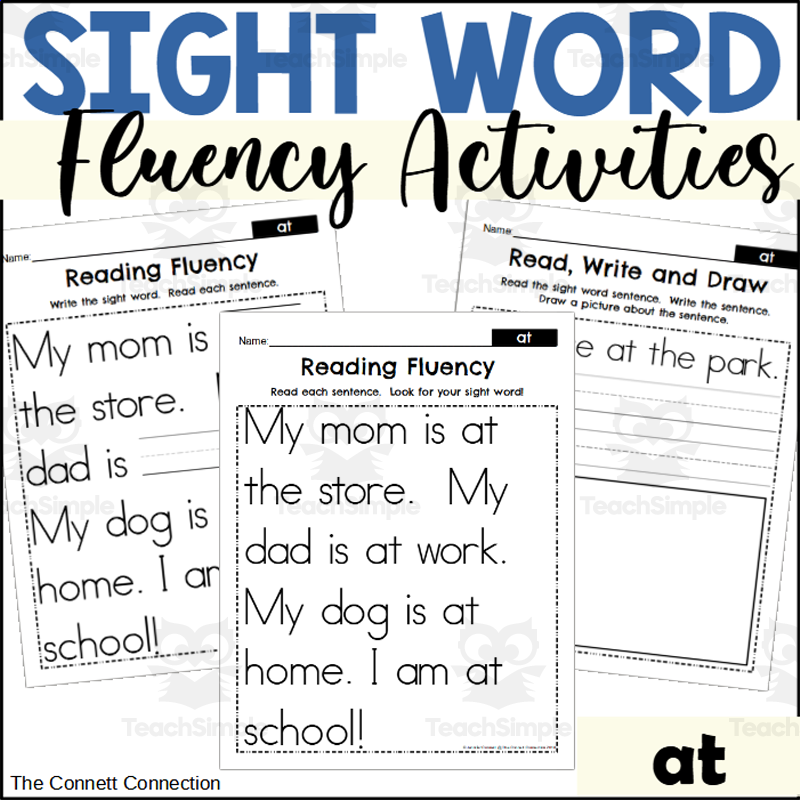
Read a short passage in which the sight word "at" repeats, fill in the same word from memory in a cloze version of the passage, then copy the sentence "We are at the park." and draw a picture illustrating it.
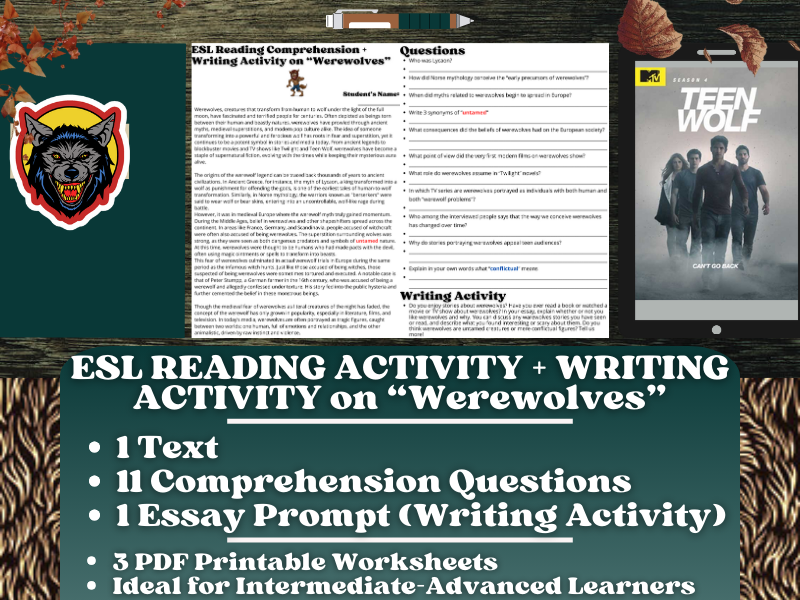
Gives ESL/EFL students a reading-comprehension and writing-practice worksheet built around a nonfiction article on the folklore origins and modern media portrayal of werewolves (Twilight, Teen Wolf).
 Free download
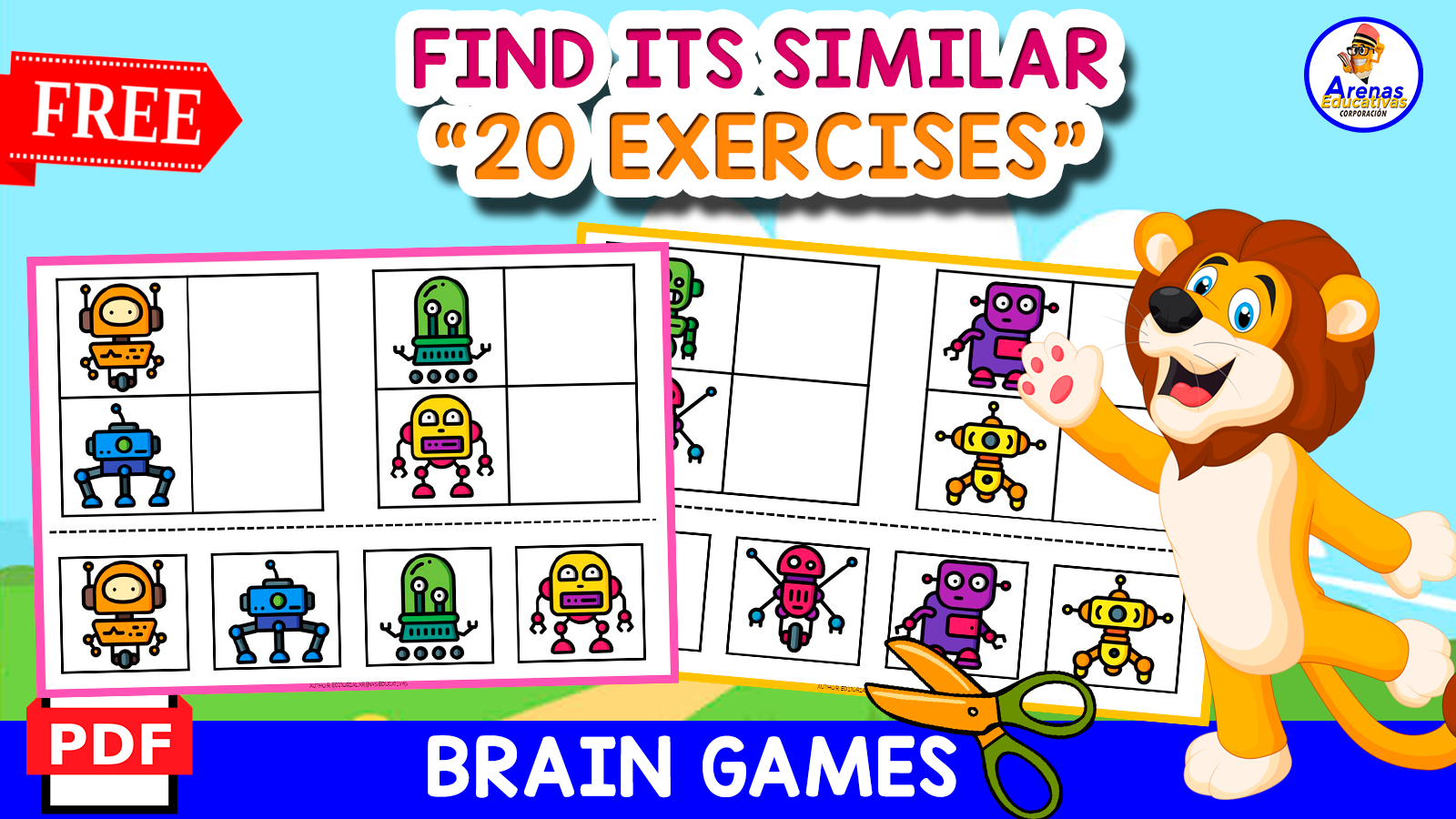
 A picture-matching worksheet/game activity where students find the object or image that is similar or identical to a given target across 20 exercises (robots theme, per title).
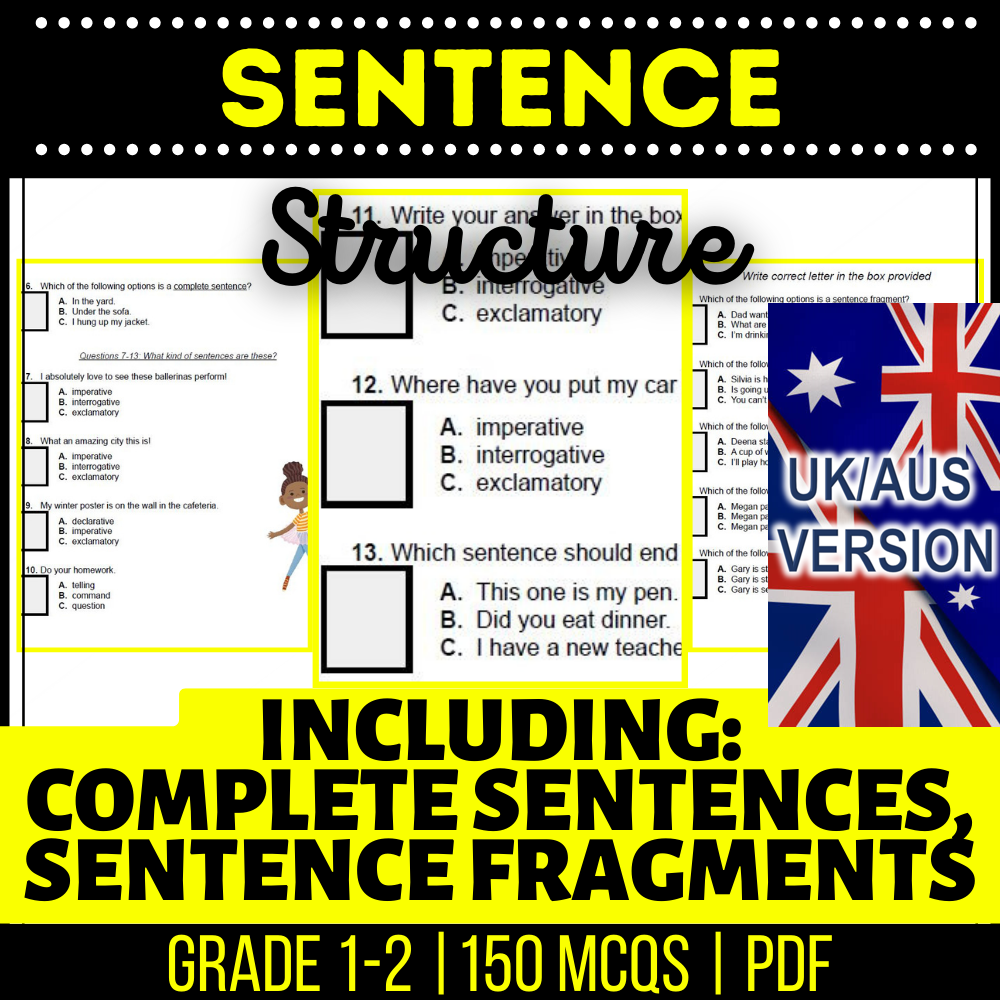
Practice sentence structure with worksheets using UK/Australian English conventions. Check the sample to match its terminology and spelling to your class.
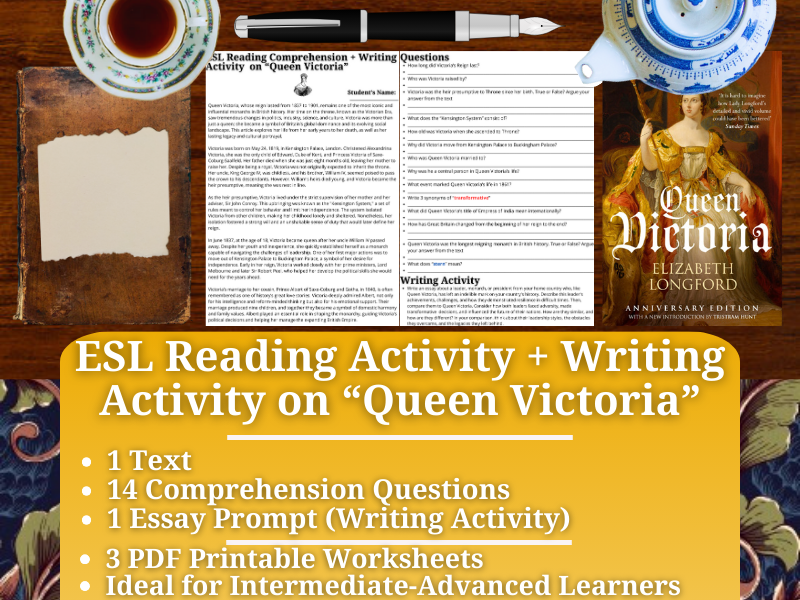
Students read a multi-paragraph nonfiction passage, answer open-response reading comprehension questions (including short-answer, vocabulary/synonym, and a true-or-false-with-textual-justification item), then write a personal-opinion or comparison essay responding to a set of guided writing prompts about the topic.