 Free download
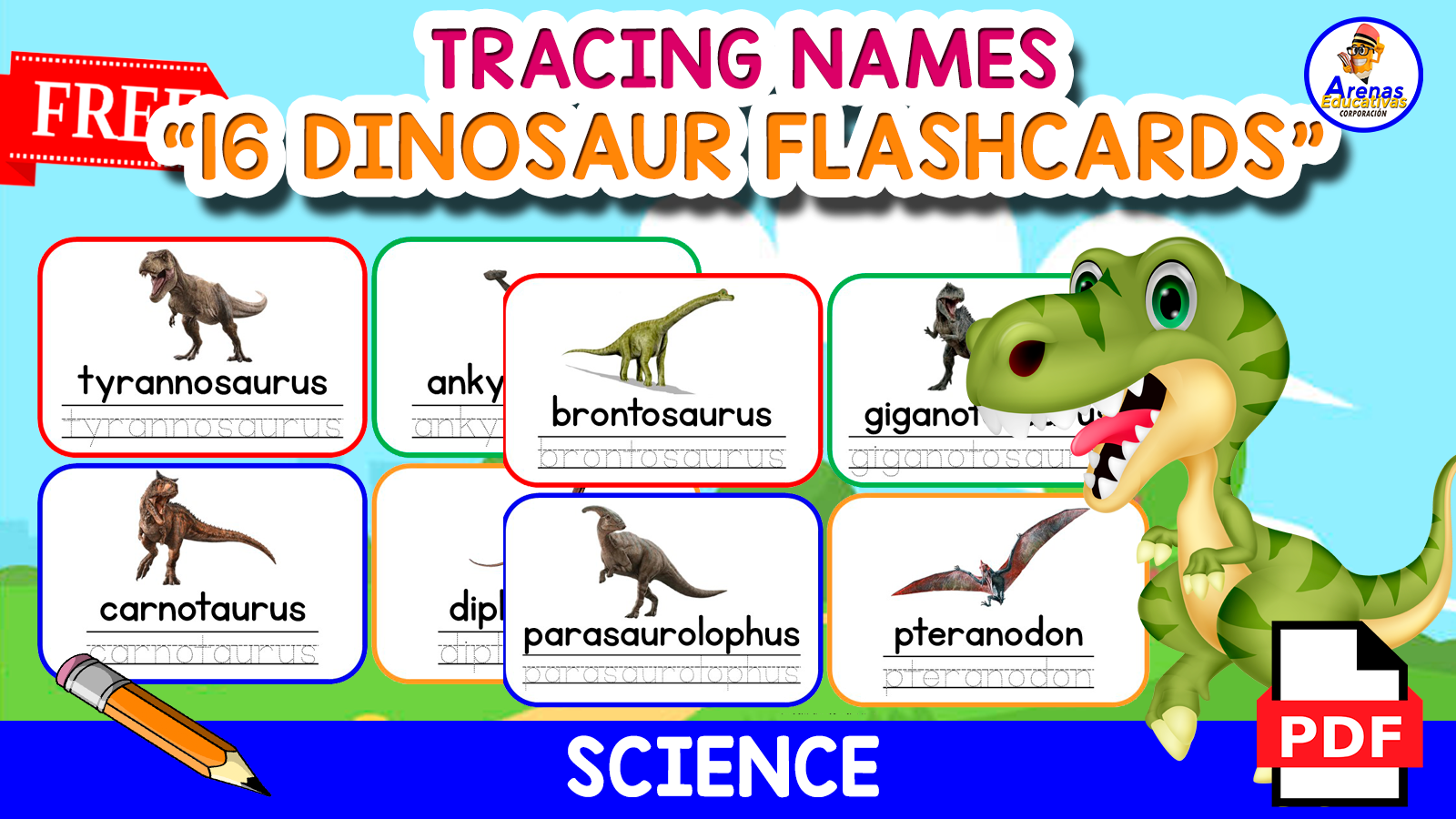
16 TRACING NAMES FLASHCARDS | "The Dinosaurs"
Name-tracing flashcards/worksheets to help students learn and practice writing the names of 16 dinosaurs.


14,599 resources
Explore sub-categories
19 sub-categories · 14,599 resources
Free download Name-tracing flashcards/worksheets to help students learn and practice writing the names of 16 dinosaurs.

Build student familiarity with mental health vocabulary terms and their definitions through three puzzle formats

Gives early readers repeated, contextualized practice recognizing, reading, writing, and using the sight word "been" across a short worksheet packet.
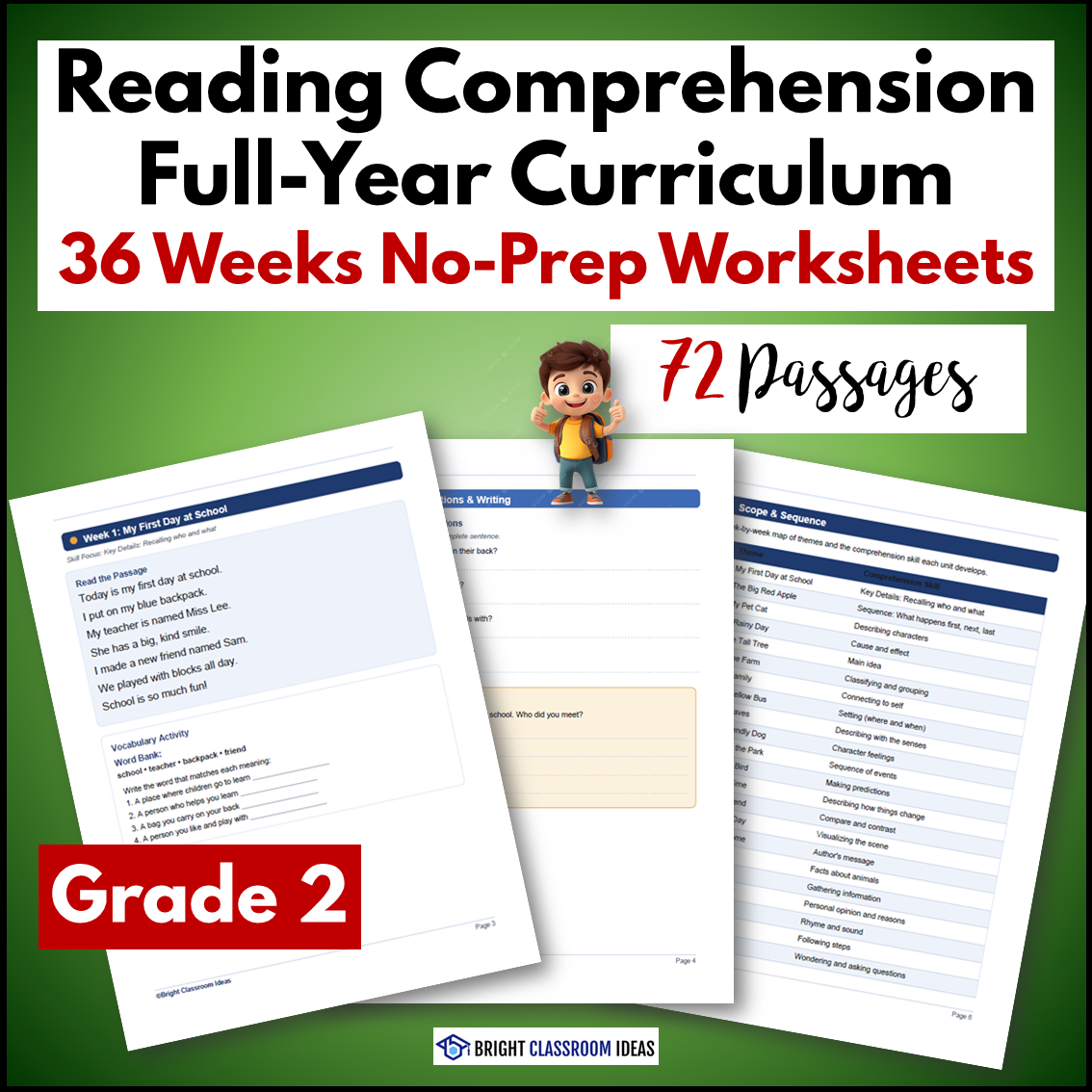
A year-long (36-week) reading comprehension curriculum for Grade 2 built around 72 original fiction/nonfiction passages, each paired with vocabulary matching, comprehension questions, and a writing prompt.
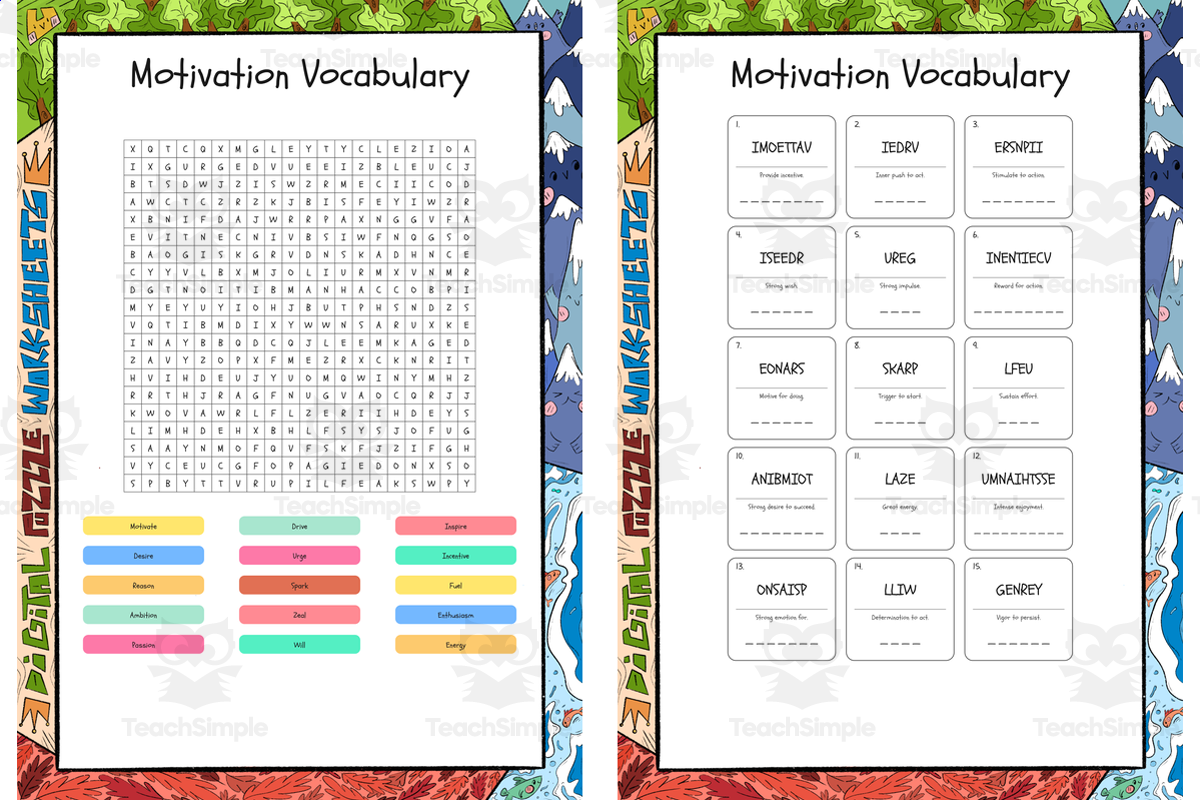
A set of three vocabulary puzzles (crossword, word scramble, word search) built around motivation-related vocabulary words, created for a social-emotional learning unit.
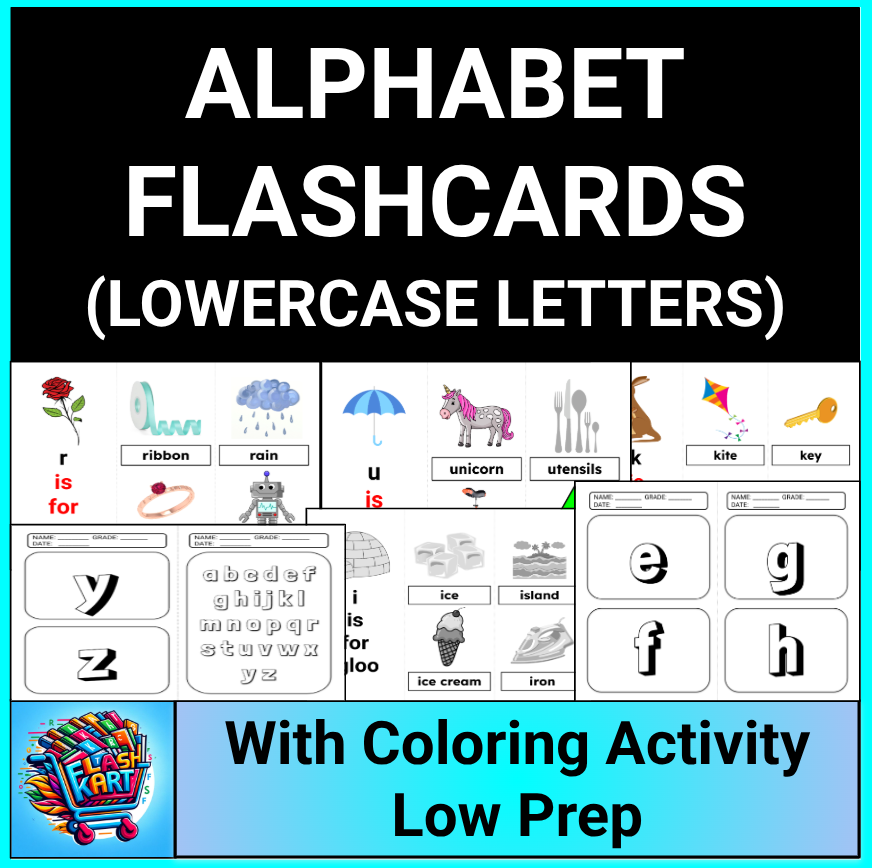
A DIY lowercase-alphabet flashcard set (three items per letter, a-z) plus letter-coloring/tracing activity sheets, for early letter recognition and fine-motor practice.

A post-reading ESL/EFL novel-study worksheet set for "Diary of a Wimpy Kid: The Third Wheel" by Jeff Kinney, giving students structured author/genre identification, vocabulary, and character-perspective writing tasks.
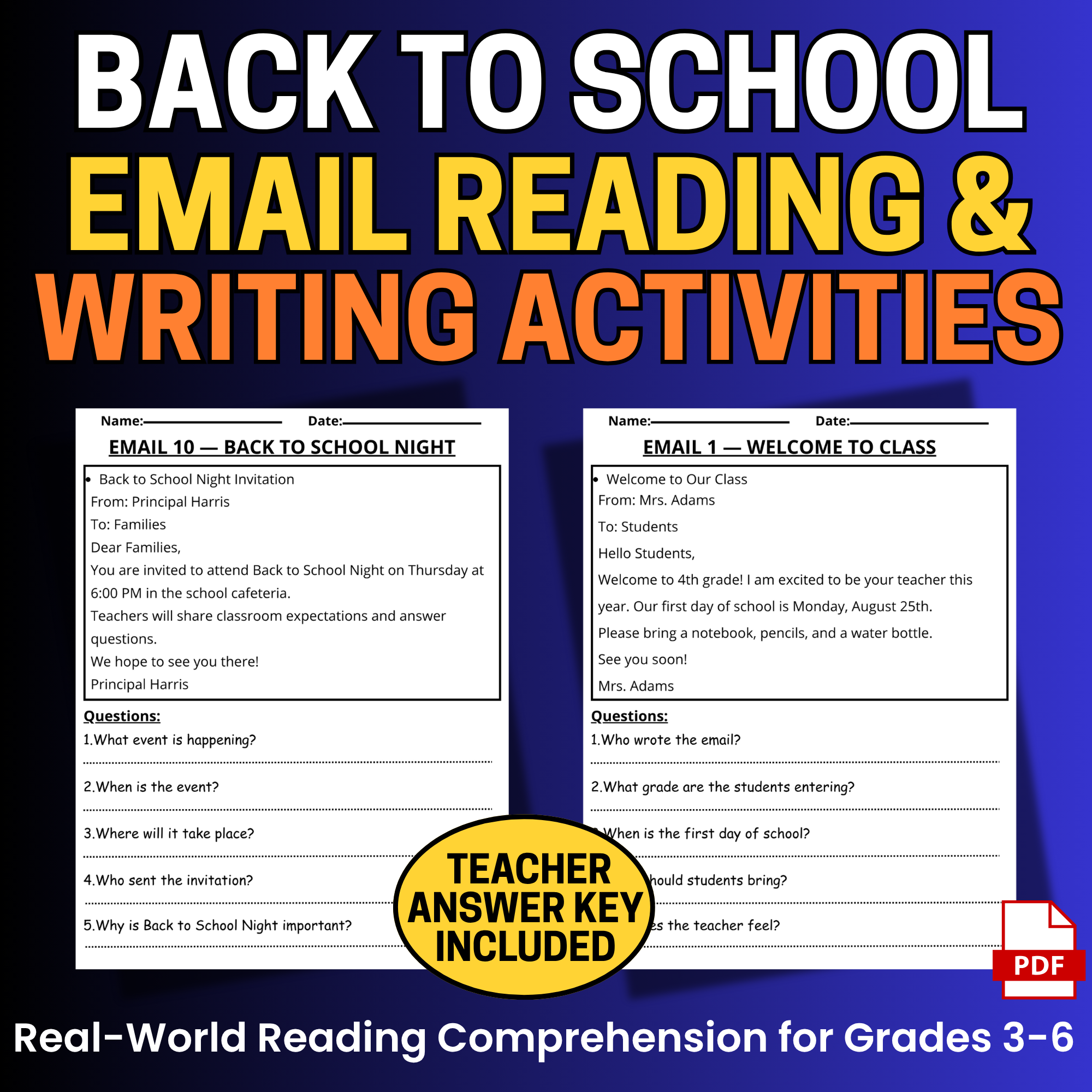
A set of realistic school-themed email reading passages with comprehension questions, for practicing functional/real-world reading and writing skills.

A 62-page novel/read-aloud companion of reading comprehension and literary analysis activities built around Roxane Orgill's picture-book biography 'Skit-Scat Raggedy Cat: Ella Fitzgerald'.
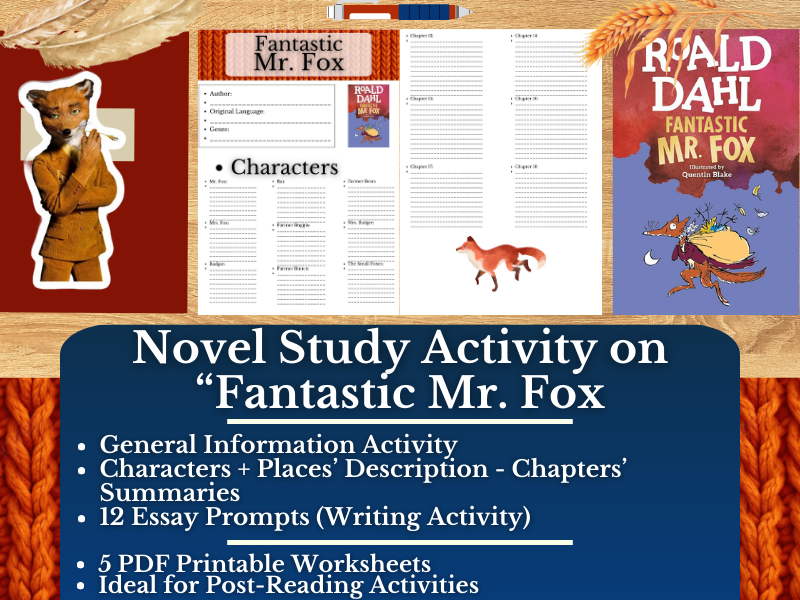
Post-reading novel-study worksheet for "Fantastic Mr. Fox" by Roald Dahl: guides students through a character web, a place/setting web, a chapter-by-chapter summary grid, and reflection/creative-writing prompts.

A short, single-page formative-assessment worksheet ('Quick Check') on identifying rows, columns, and total boxes in a partitioned rectangle, designed for use as an exit ticket, warm-up, or brief assessment.
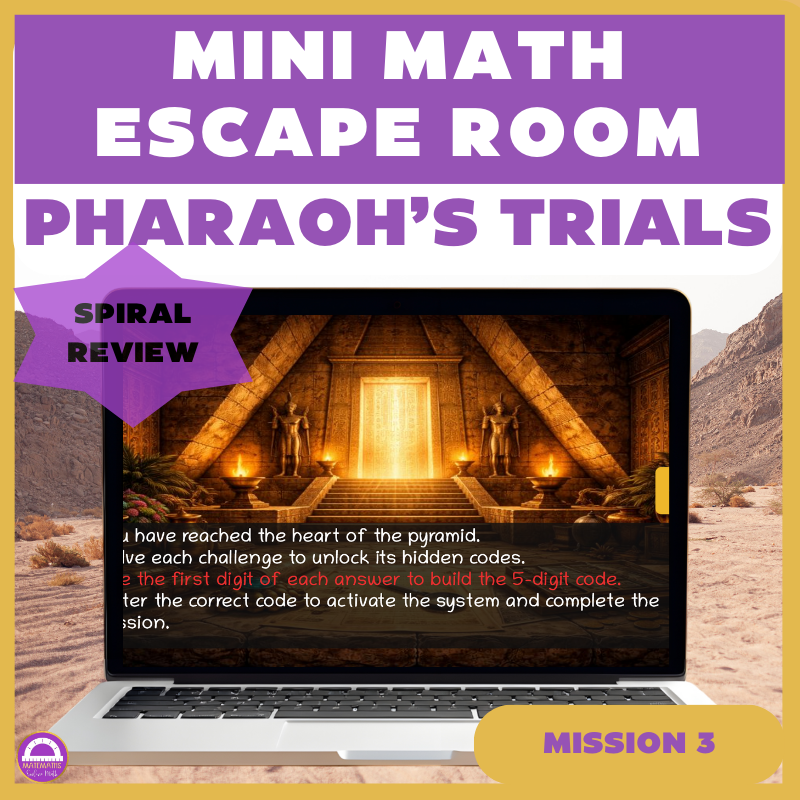
A single daily 8-10 minute spiral-review 'mini escape room' warm-up for 6th grade math, themed as Ancient Egypt, reviewing previously taught skills.

Notes-and-practice packet teaching students to draw inferences about a population from random sample data, aligned to CCSS.MATH.CONTENT.7.SP.A.2.

A collection of kindness-themed activities designed to build empathy, social-emotional skills, and a positive classroom community through writing, crafts, and bingo-style games.
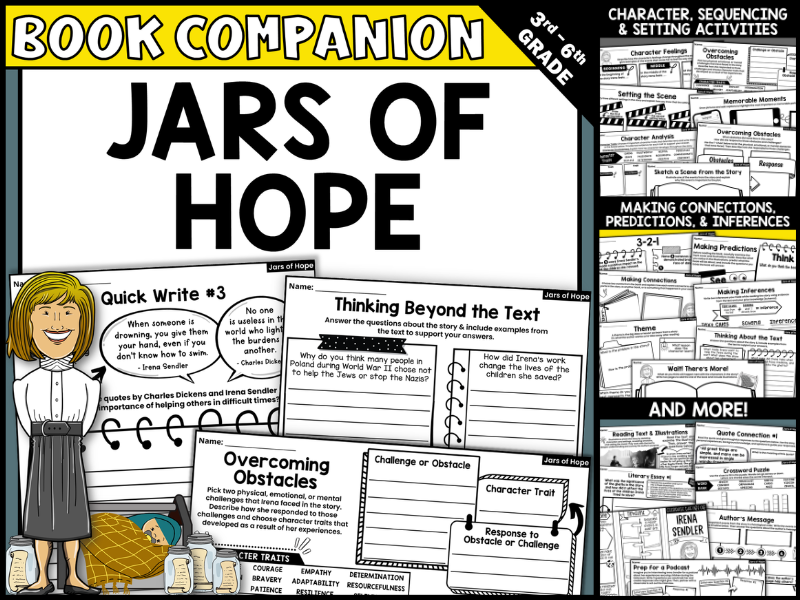
Companion activity packet for the novel 'Jars of Hope' by Jennifer Roy, providing reading-comprehension and response activities for use during or after reading the book.

Teach counting and comparing US money (bills and coins) and making change up to $5.00, aligned to Virginia SOL 3.6/3.NS.4.
 Free download
A line-tracing mini-book for early handwriting/pre-writing practice.

Gives early readers repeated, contextualized practice recognizing, reading, writing, and using the sight word "before" across a short worksheet packet.
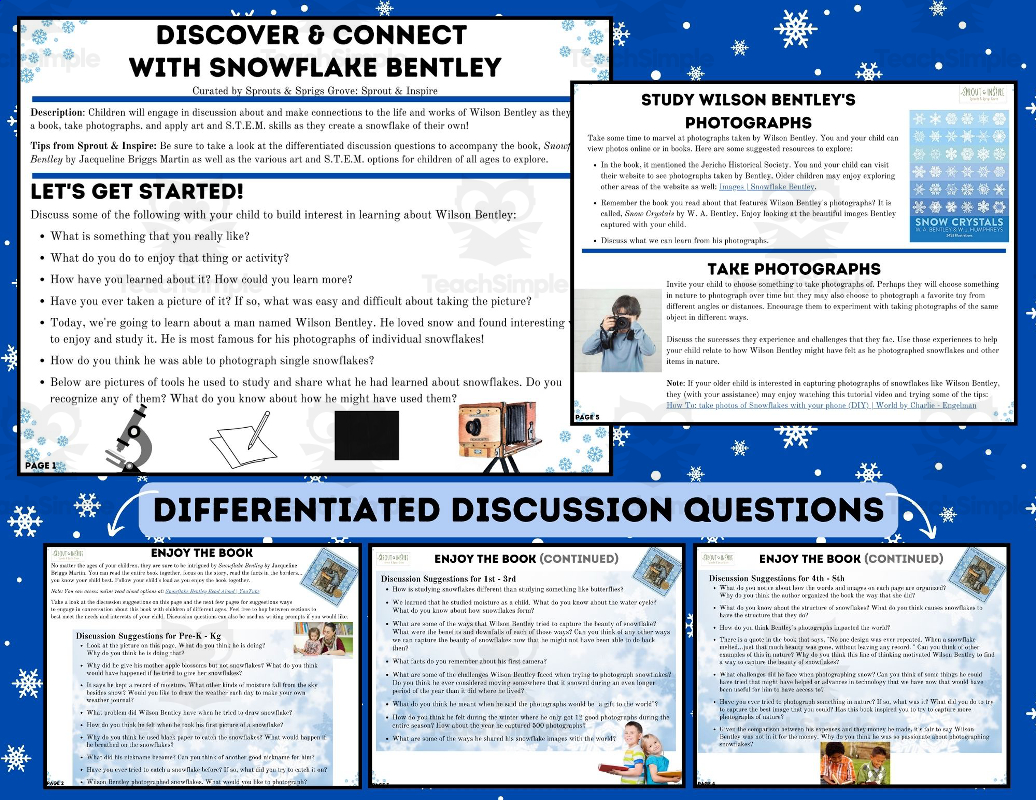
MISMATCH: catalog listing describes a reading/discussion lesson plan about Wilson Bentley and the book 'Snowflake Bentley,' but the actual downloadable file is an unrelated 'Doubles Facts Color by Code' winter-themed addition worksheet set (snowmen and mittens color-by-code pages plus a blank create-your-own page).
A full step-by-step science lesson plan (Lesson #1 of a 'Birds and Their Habitats' unit) teaching students to compare and contrast the physical features of different birds and relate those features to survival.

Teach and assess compound probability (sample space, tree diagrams) aligned to the CCSS.MATH.CONTENT.7.SP.C.8 standard.
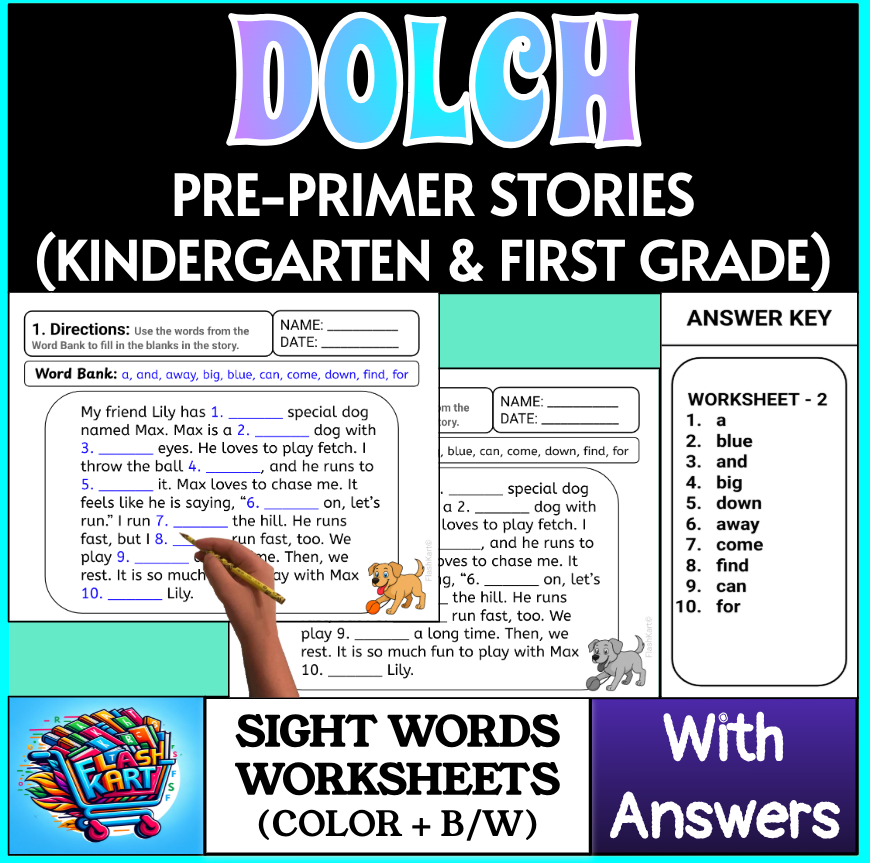
Five short fill-in-the-blank stories that give beginning readers practice recognizing and using Dolch pre-primer sight words in context.

A post-reading ESL/EFL novel-study worksheet set for the Magic Tree House book "Hurry Up Houdini!" by Mary Pope Osborne, giving students structured setting-identification, vocabulary, and creative-writing tasks.

Practices counting and number recognition 0-12 using watermelon-seed images, paired with a healthy-eating bonus reading about watermelon's nutritional benefits.