Stories & imagination
Let's Publish My Writing Activity
Give students writing prompt cards and have them type a one-page response on a computer, practicing writing and keyboarding skills.




Classroom resources
Browse by lesson focus
Choose the topic or kind of practice you need.
Showing 49–72 of 762 resources

 Show filters
 Give students writing prompt cards and have them type a one-page response on a computer, practicing writing and keyboarding skills.

Introduce young writers to 18 different poetry forms and guide them through writing an original poem in each form, compiled into a personal poetry book.

Students use the model as a starting point for describing an animal without naming it immediately. The writing prompt invites each learner to choose a jungle animal and follow a similar style. Use the page for shared reading and a short writing session; the separate I Am poem template offers an additional structured option for descriptive poetry.
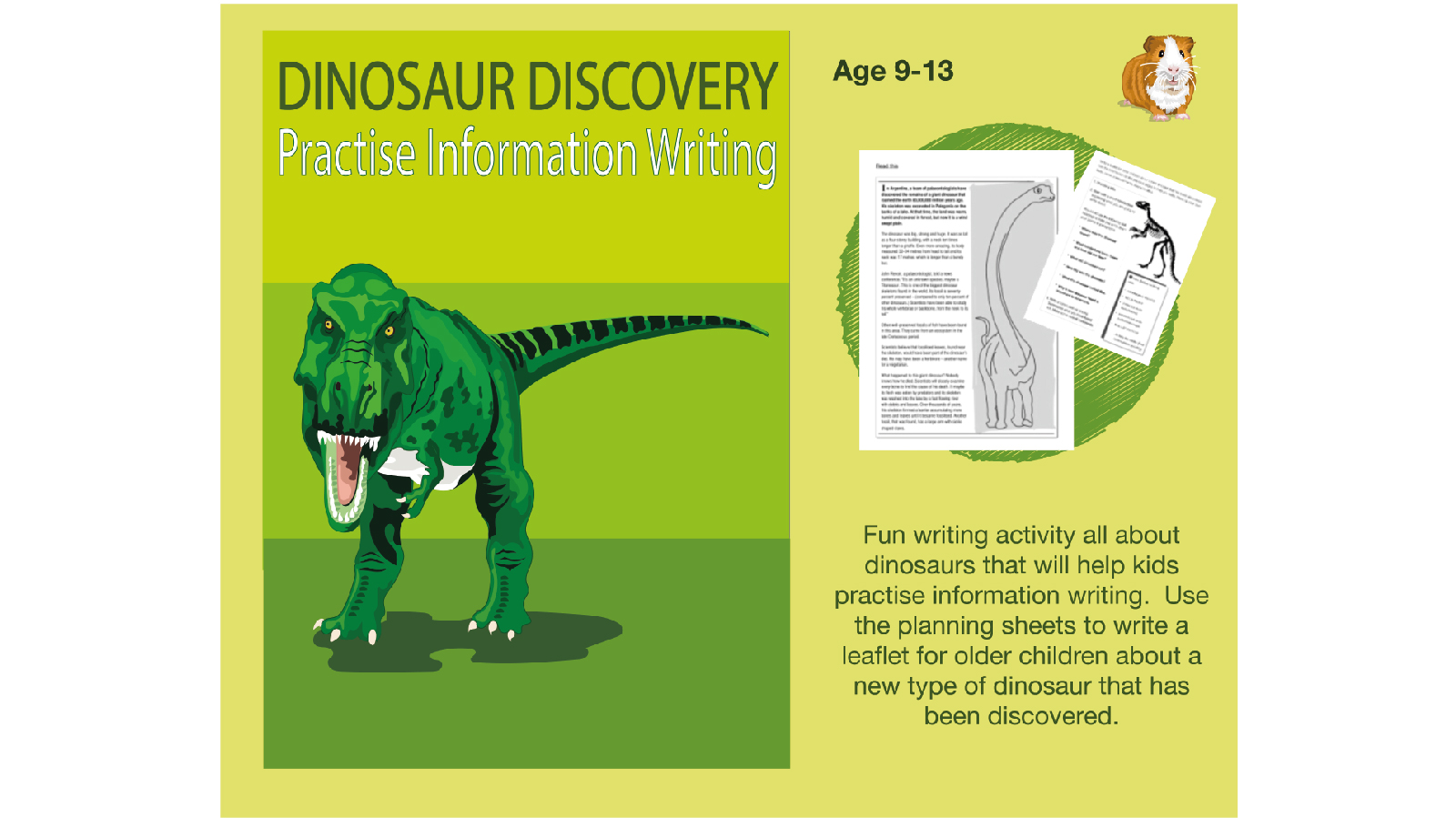
Teach non-fiction/information writing skills (structure, audience, purpose, connectives, varied sentence types) using a fictional dinosaur-discovery news story as the writing prompt.
A structured SEL journaling curriculum for Grades 3-5 that teaches resilience and growth-mindset skills through guided reflective writing prompts grounded in psychological theory (Dweck's growth mindset, neuroplasticity, Bandura's self-efficacy, Vygotsky's Zone of Proximal Development).

Joy and Heron Animated Writing Activity | Short Film This animated short film "Joy and Heron" engages students in creative writing exercises. Students watch an 8-minute story about a young girl who befriends a great blue heron. After viewing, students sequence events, summarize the plot, identify the main idea and details, and respond…

A set of 20 open-ended math journal prompts, two per month for a school year, that have students explain their mathematical reasoning in pictures, numbers, and words, with an included rubric for marking.
A short research-and-writing activity guiding students through researching three questions about a self-chosen topic and publishing their findings using a book template.
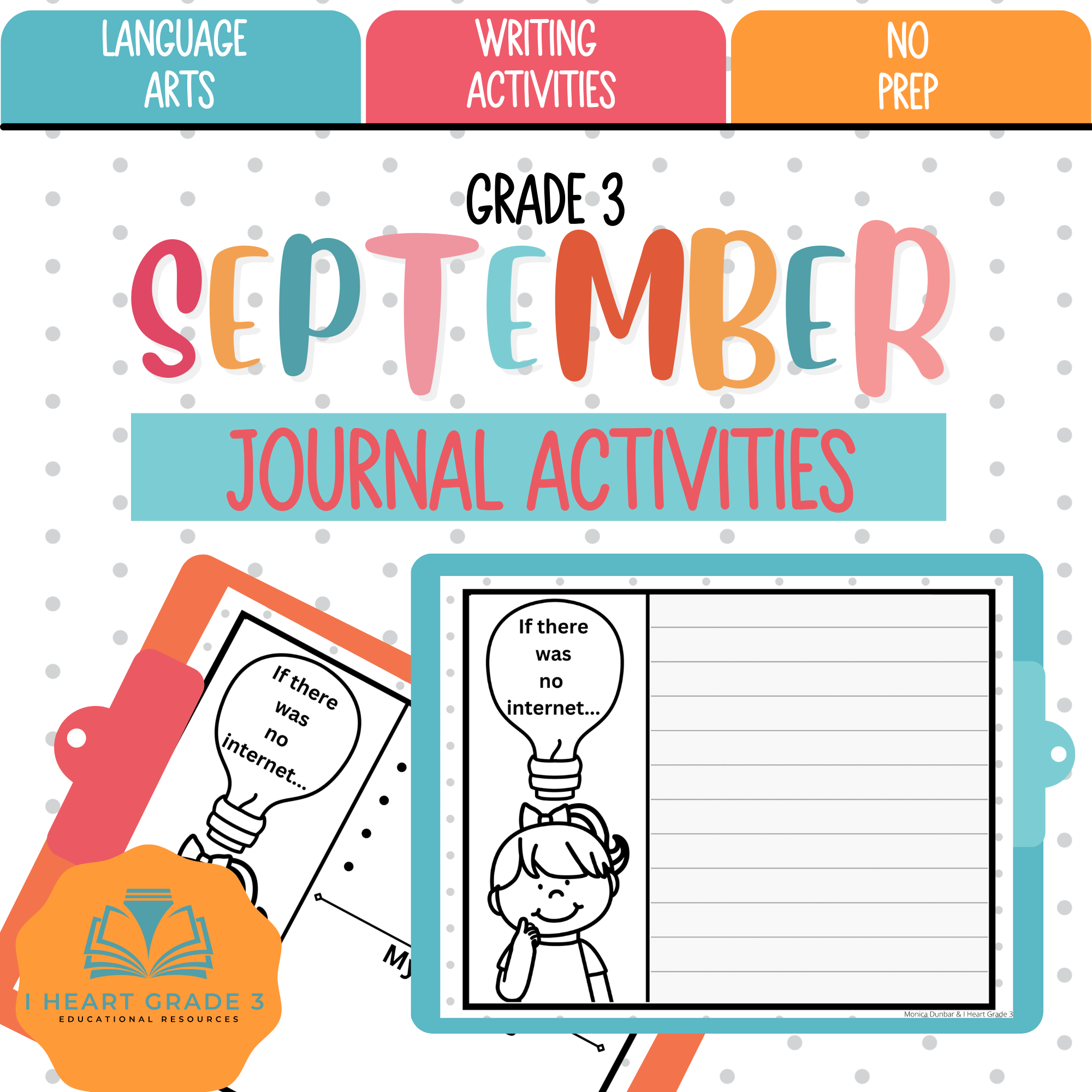
September-themed journal writing prompts for weekly reflective writing practice.
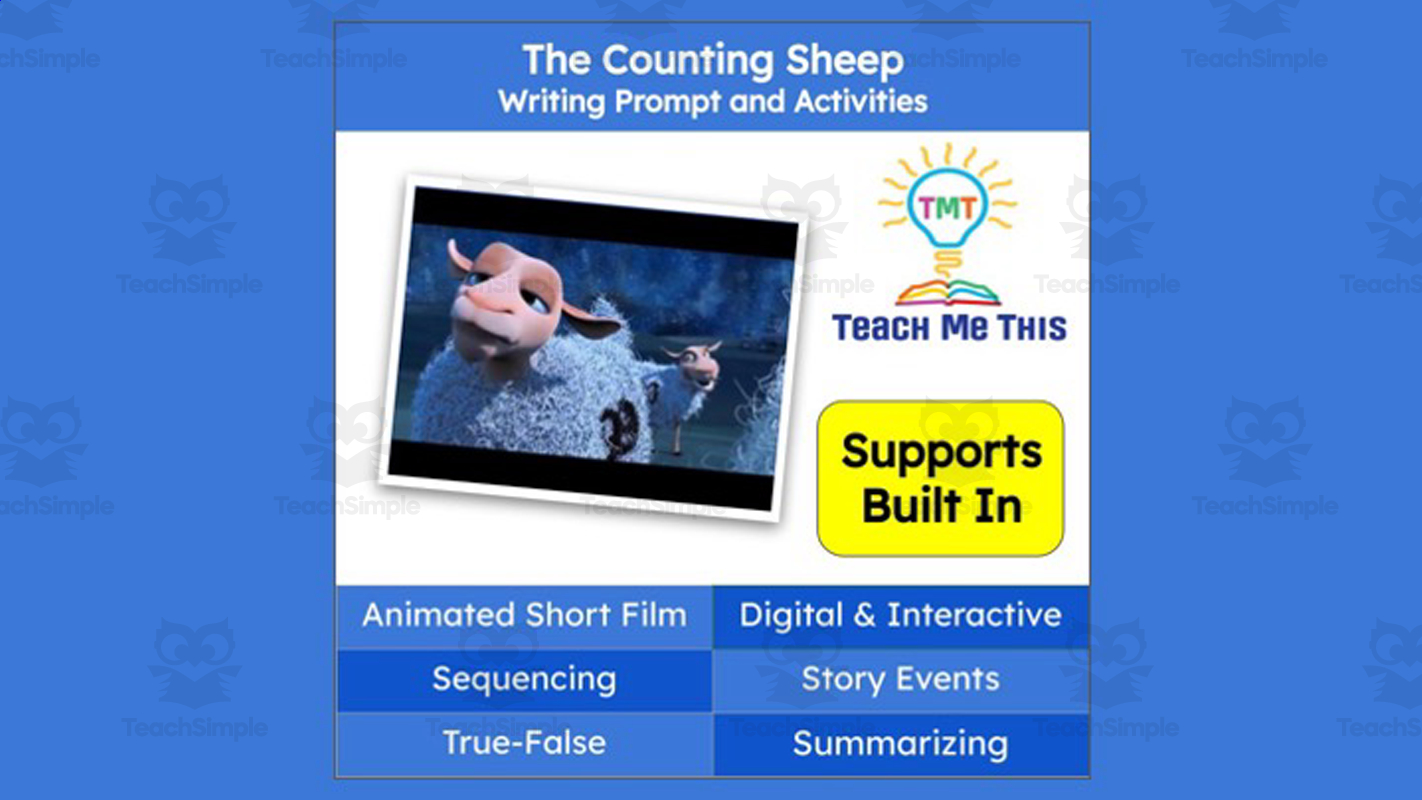
An interactive slide-deck lesson built around a short animated film ('The Counting Sheep') teaching sequencing, true/false comprehension, and summarizing.
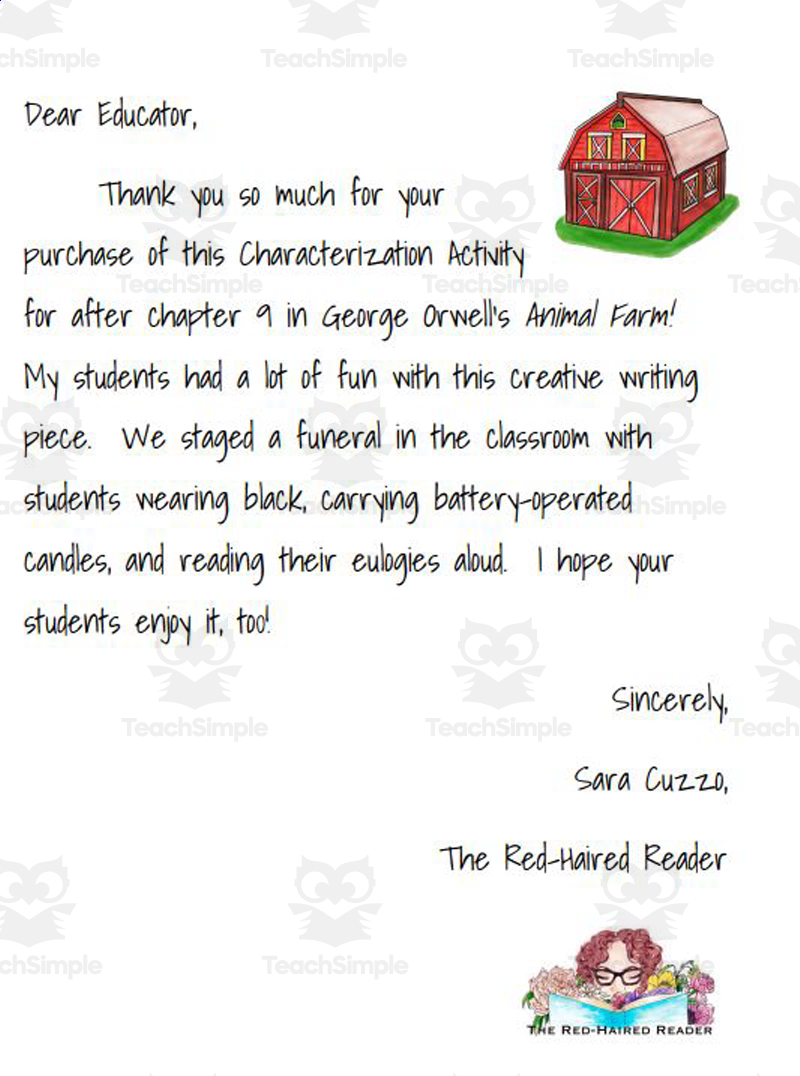
Students choose a farm animal’s voice and write Boxer’s eulogy as a short narrative or poem. The assignment asks them to incorporate and annotate at least two literary devices and include a cited quotation from the novel. Model eulogies and a rubric support planning, drafting and feedback.
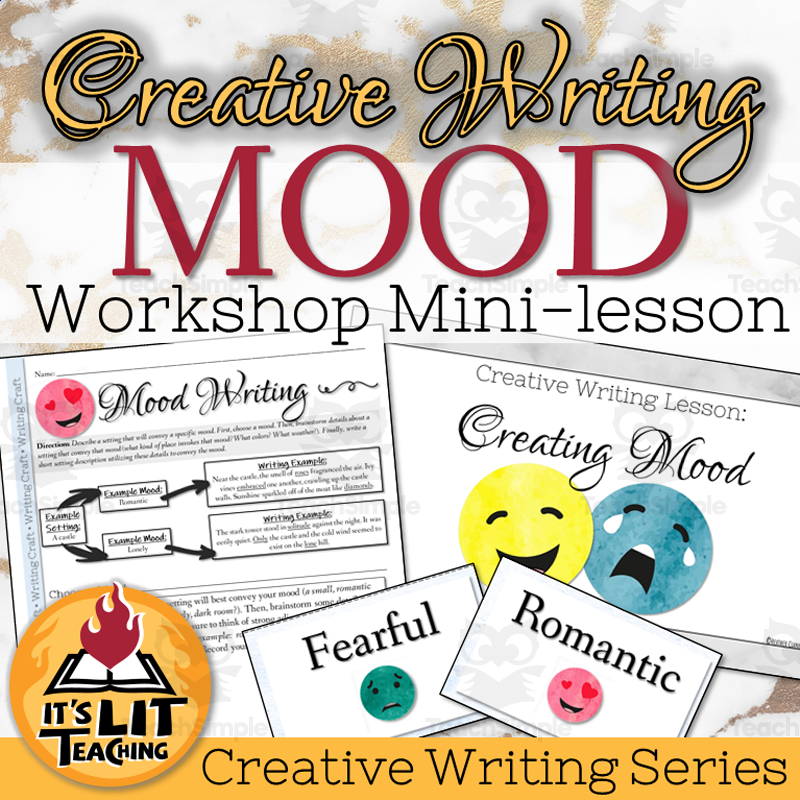
A mini-lesson/workshop teaching secondary students to identify and create mood in writing, using famous paintings as mood-analysis examples (as a whole-class lesson or gallery walk) and a setting-description writing activity.
A large collection of draw-and-write daily journal prompt pages for a writing station, each giving students a short topic to illustrate and write about.
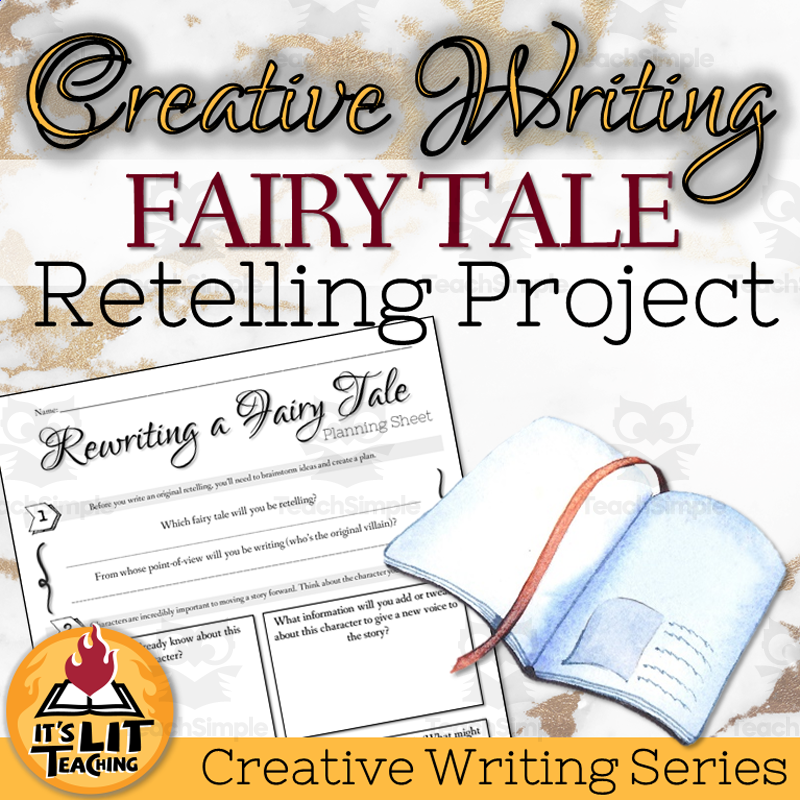
A creative-writing project that has students rewrite a well-known fairy tale, fable, or myth from the villain's first-person point of view, supported by an assignment sheet, rubric, and a peer-editing process.
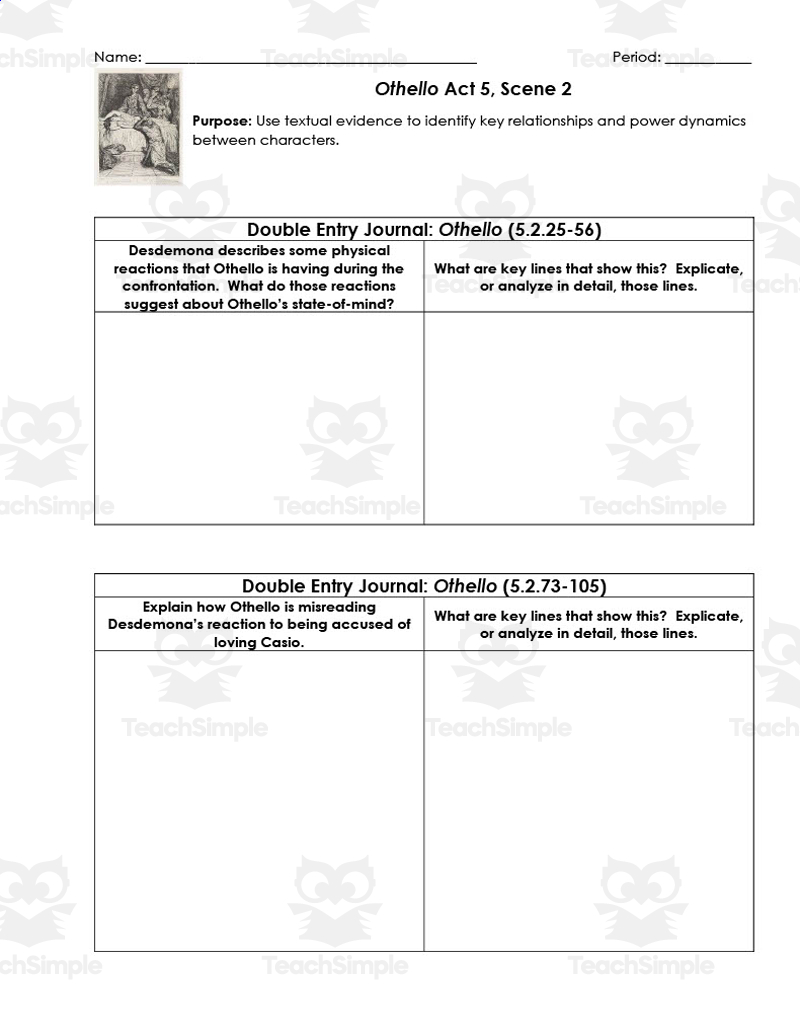
Double entry journal worksheet for close reading and analysis of Act 5, Scene 2 of Shakespeare's Othello, focused on identifying relationships and power dynamics between characters.
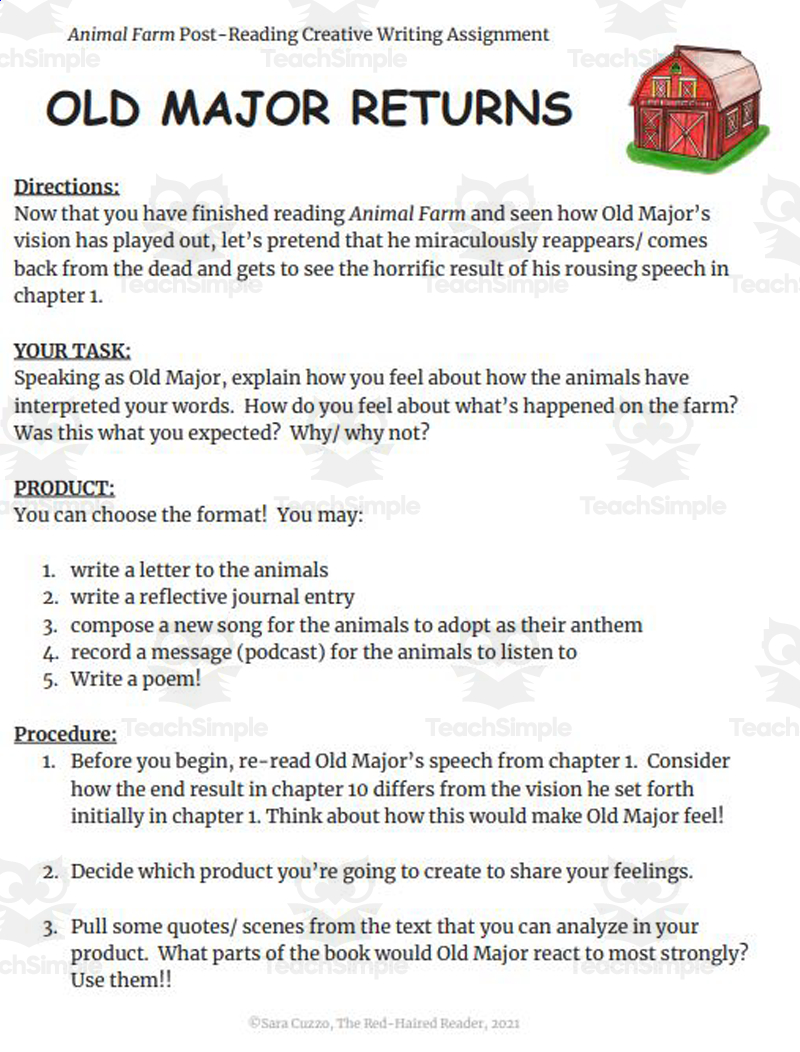
After finishing Animal Farm, students compare Old Major's original vision with what happens by the end of the novel. They choose one of five response formats and write in his voice, drawing on quotations or scenes to explain his reaction. The included rubric focuses on voice, use of text, and proofreading, providing clear points to discuss before students begin.
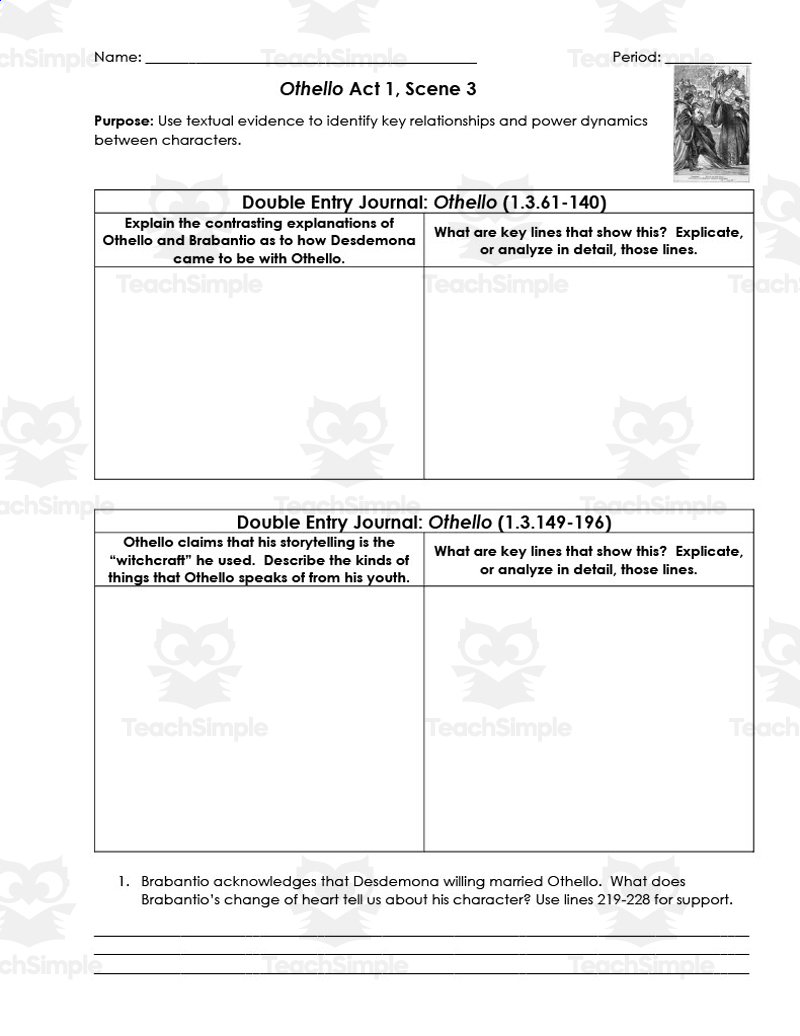
Double entry journal worksheet for close reading and analysis of Act 1, Scene 3 of Shakespeare's Othello, focused on identifying relationships and power dynamics between characters.

Guide high school students through close reading and textual analysis of Act 4, Scenes 1-3 of Shakespeare's Romeo and Juliet.
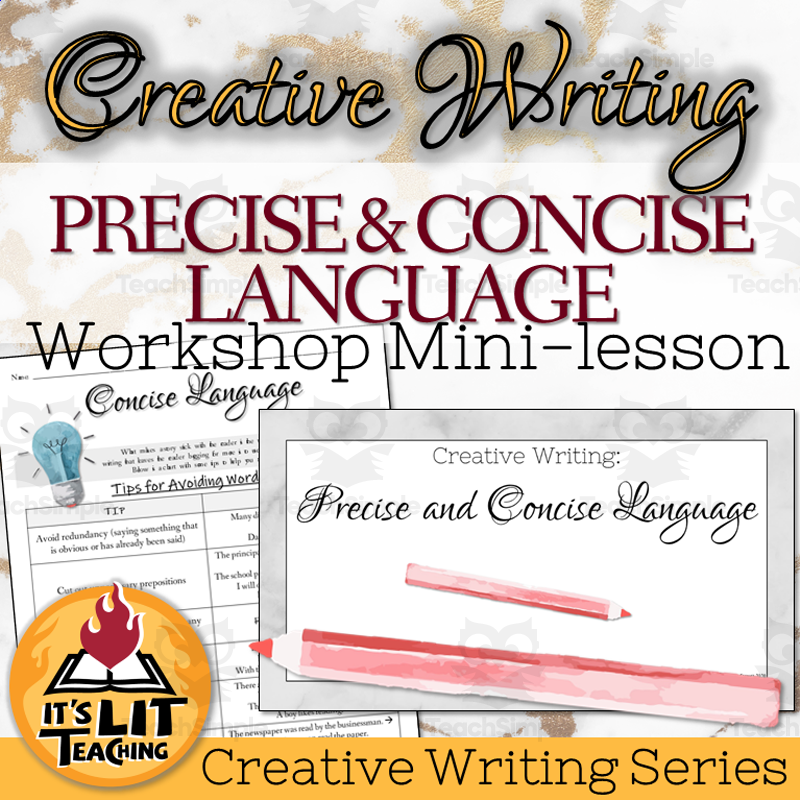
A mini-lesson/workshop teaching secondary students to write with more precise and concise language, using a slideshow of weak-vs-strong sentence examples, a reference handout, and a two-part worksheet with answer key.
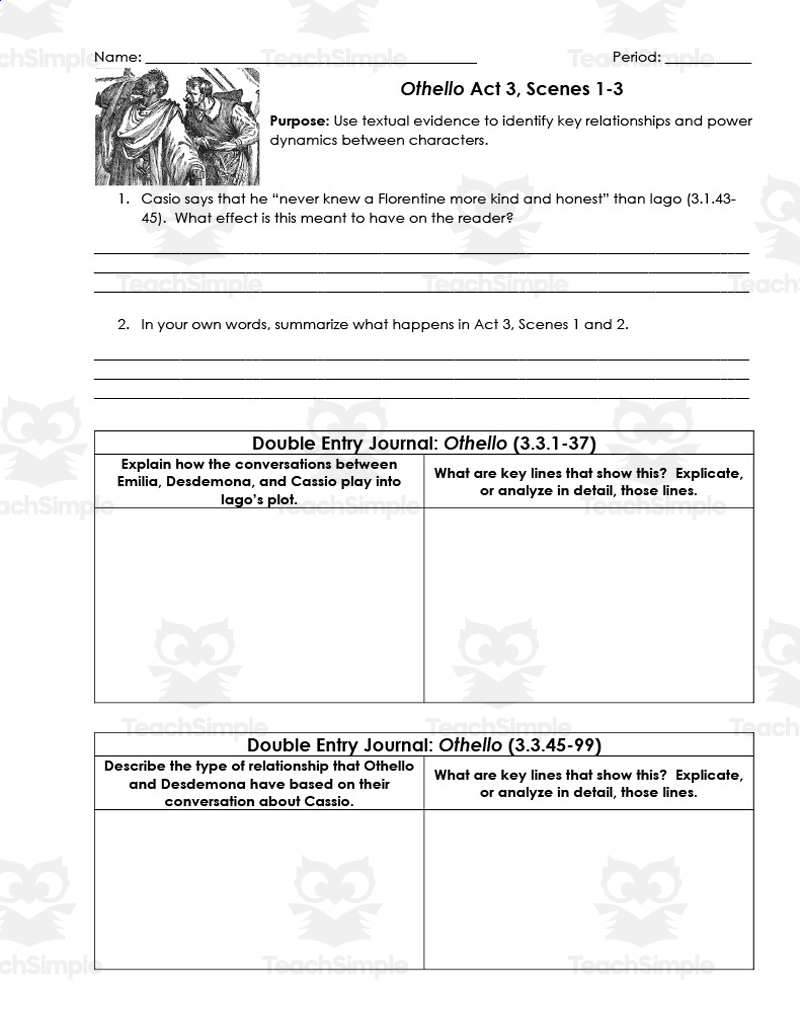
Double entry journal worksheet for close reading and analysis of Act 3, Scenes 1-3 of Shakespeare's Othello, focused on identifying relationships and power dynamics between characters.
 Free download
 Let students have fun and get creative with this FREE 2-Sentence Horror Stories Writing Activity. Students will write a couple of 2-sentence horror stories, which will challenge them to consider their reader's reactions while writing concisely. This writing activity can serve as enrichment, a resource for early finishers, or just a fun…
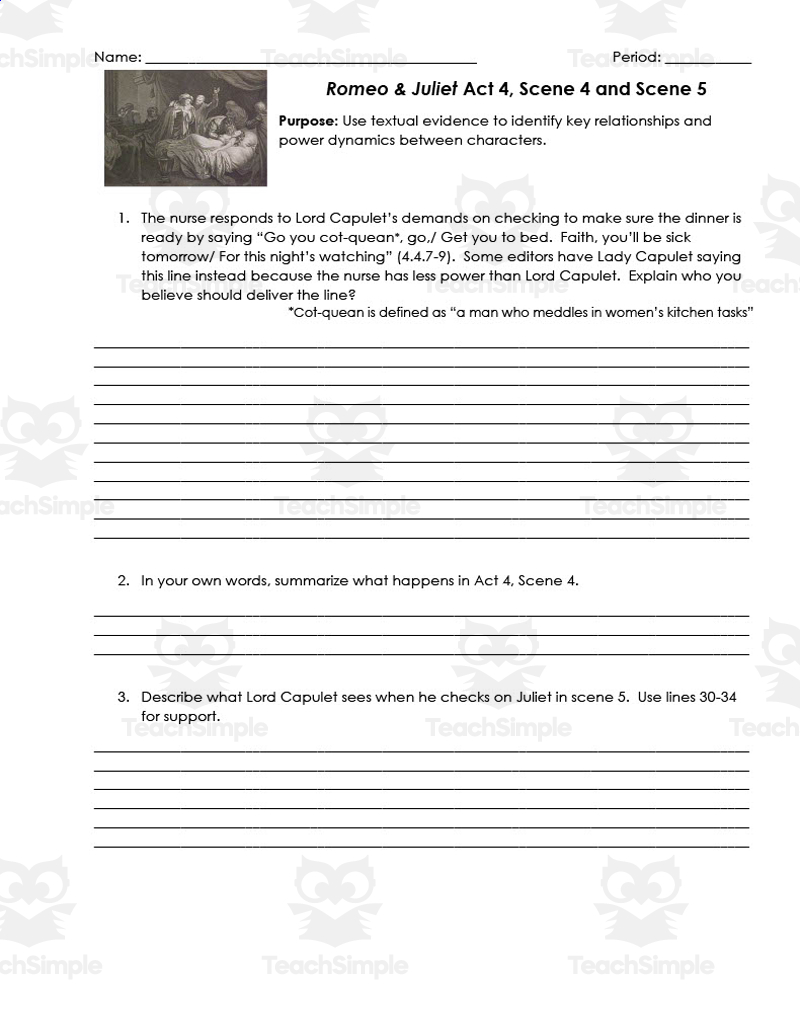
Guide high school students through close reading and textual analysis of Act 4, Scenes 4-5 of Shakespeare's Romeo and Juliet.

A mini-lesson/workshop teaching secondary students the 'show, don't tell' writing principle, using a slideshow contrasting telling sentences with showing paragraphs, then having students turn a randomly-drawn telling sentence into a descriptive showing paragraph.

A no-prep activity packet teaching Harriet Tubman's life and the Underground Railroad through informational slides, two paired reading passages, and a range of comprehension, vocabulary, and creative-writing worksheets.