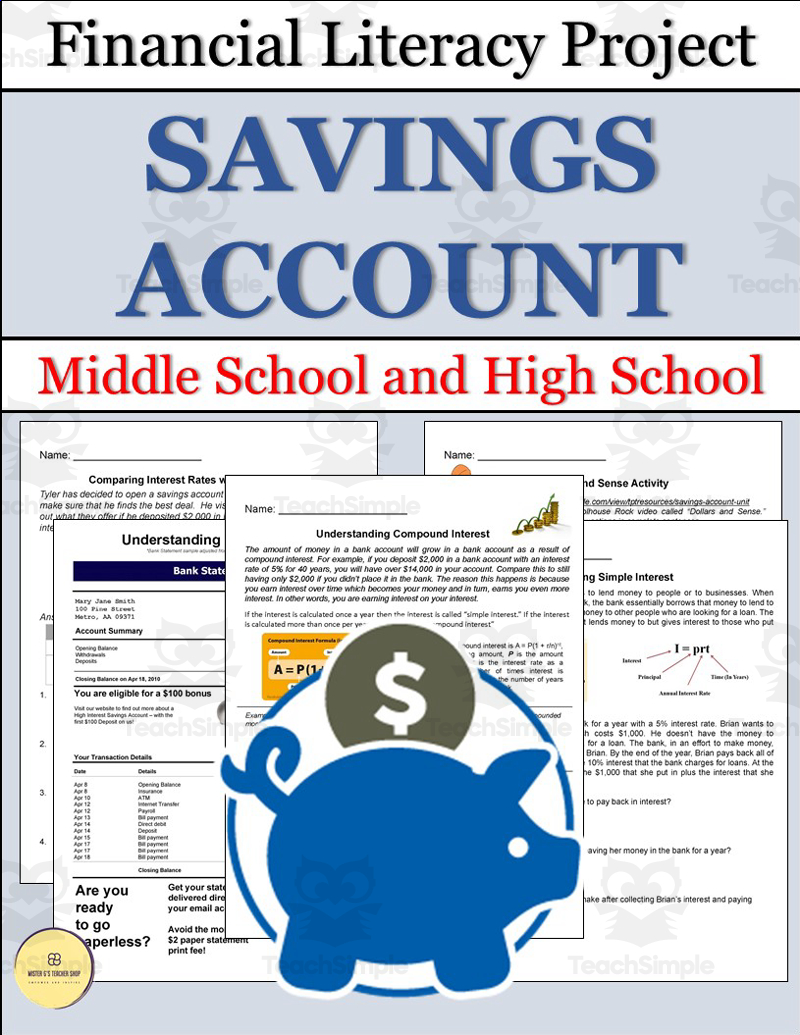
Savings Account Project
A financial literacy project teaching how savings accounts work, key banking vocabulary, and the benefits of saving, with adaptable math extensions (simple/compound interest).
Classroom resources
Browse by lesson focus
Choose the topic or kind of practice you need.
A financial literacy project teaching how savings accounts work, key banking vocabulary, and the benefits of saving, with adaptable math extensions (simple/compound interest).
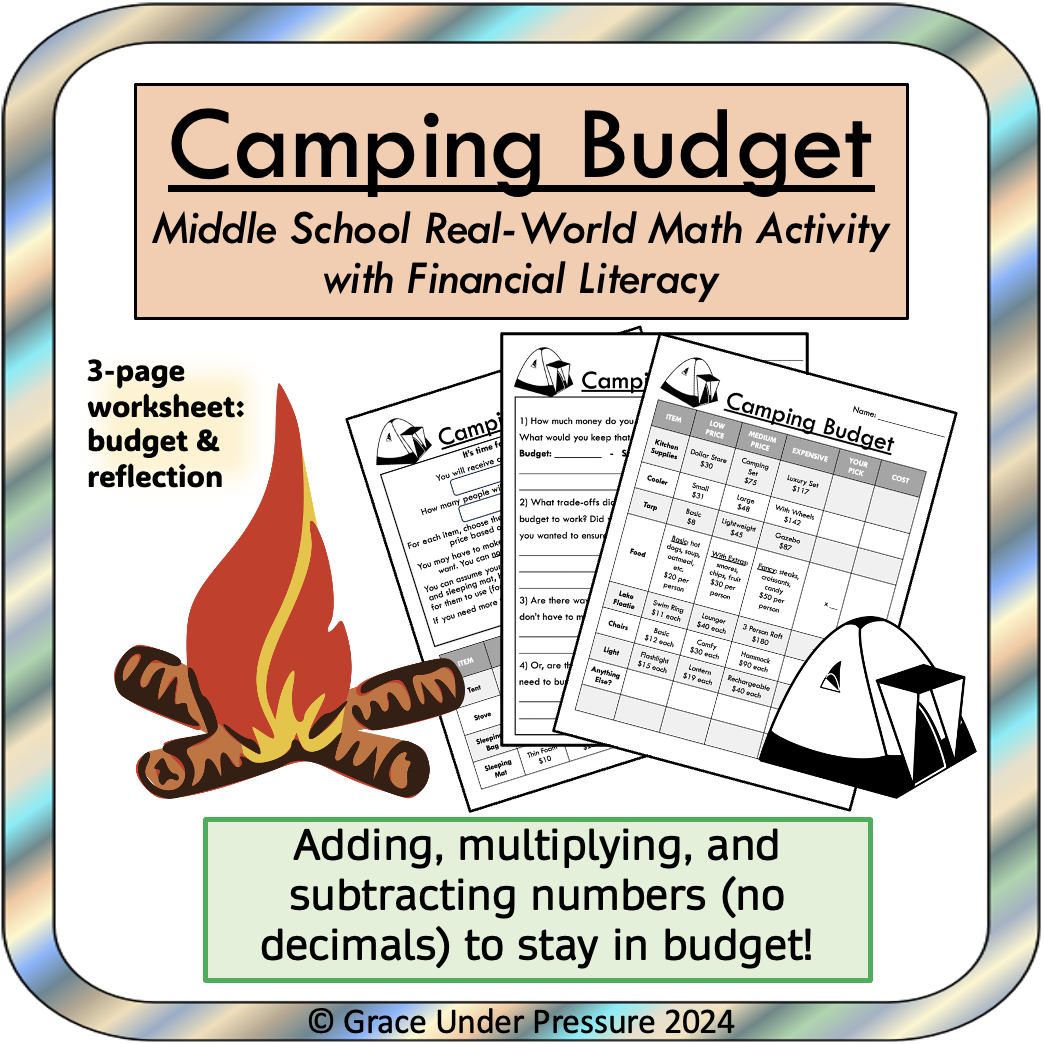
Here’s an engaging, summer-themed, real-world math budget project for your middle grades students (in grades 5-8). The math project incorporates useful personal finance and financial literacy skills along with realistic budgeting. Each student in your class is going to plan their purchases for a summer camping trip with friends! How to Use: You will…
A no-prep research project introducing the Book of the Dead and Ancient Egyptian religious/afterlife beliefs.
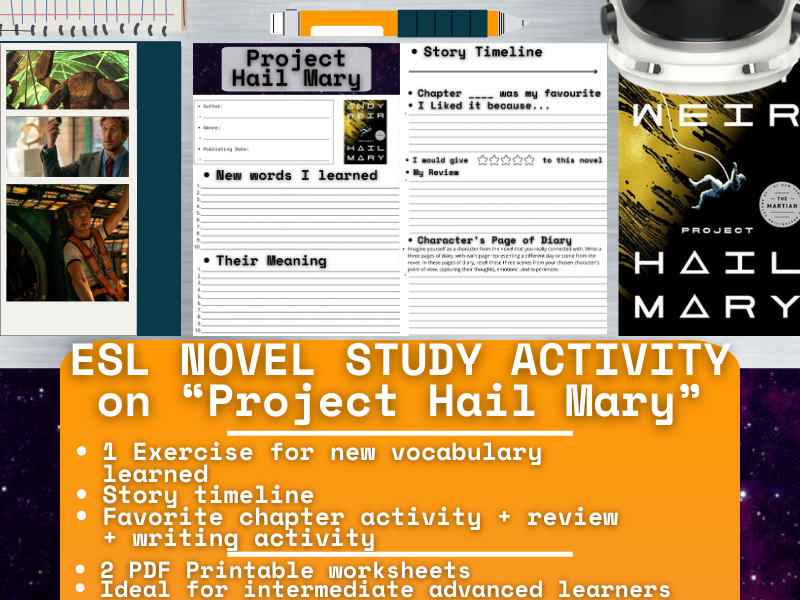
Record vocabulary and personal responses while reading Project Hail Mary. Students note general book information, collect ten new words and meanings, and write a rating and review. A creative task asks for three diary pages in a character’s voice. Use vocabulary notes during reading and save the review and diary for after the relevant events. The novel is needed separately.
Guides middle and high school art students through a self-directed research project on a chosen art history period or movement, culminating in a slide-deck presentation.
Novel Study Project on Harry Potter and the Sorcerer's Stone This English Language and Arts Project on Harry Potter and the Sorcerer's Stone by J.K Rowling (Novel Study) aims to make learners discover this Fantasy Coming of age Novel on a deeper level (Character's Description, Places' description, Chapter Reading Comprehension…
Support a lesson series or year-long project on music from around Europe, with students recording listening responses and 'visiting' countries in a passport-style project.
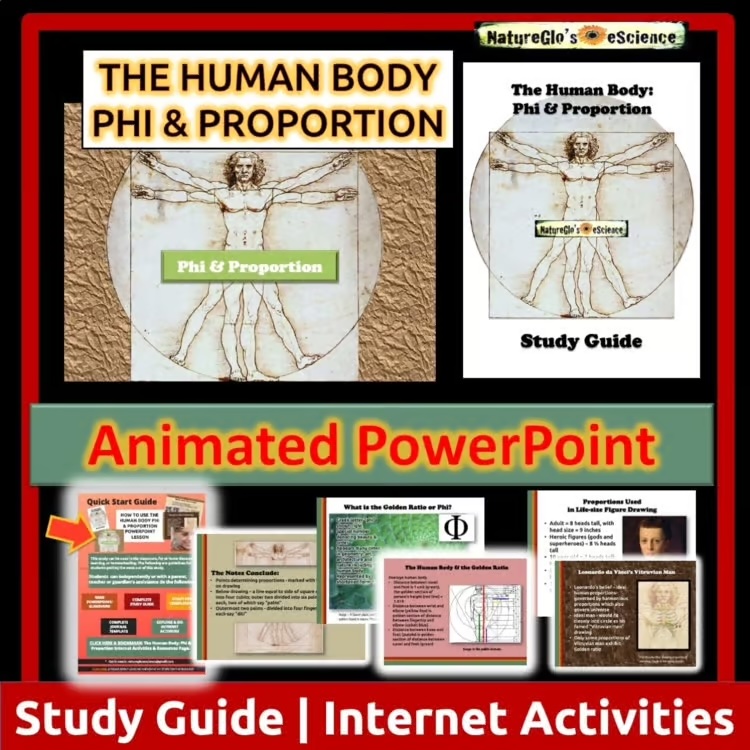
A math/interdisciplinary PowerPoint lesson exploring the Golden Ratio (Phi, 1.618) as it appears in the human body and in Leonardo da Vinci's Vitruvian Man, connecting math, art, and history.
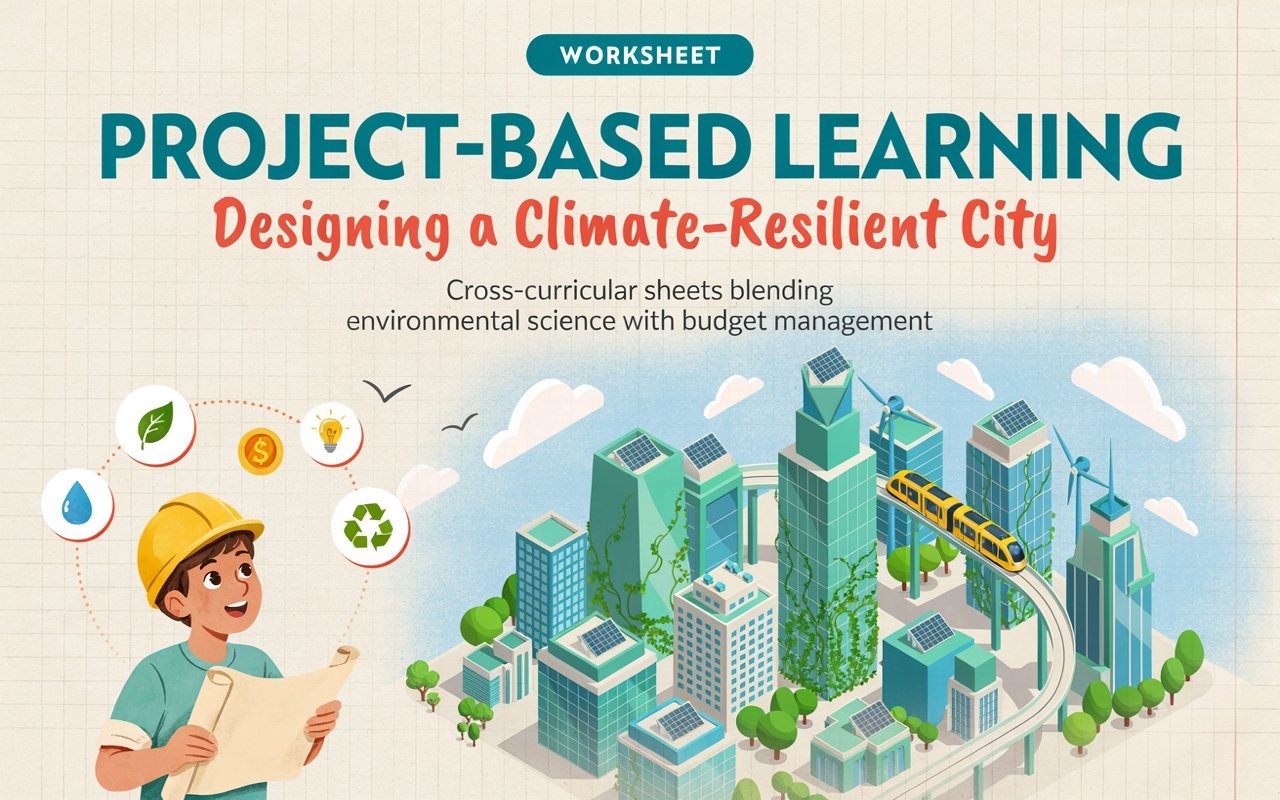
A cross-curricular project-based-learning module blending environmental science (urban heat island effect, hydrological disruption) with municipal-finance math (capital vs. operational expenditures, opportunity cost, cost-benefit analysis) around the theme of designing a climate-resilient city.
A step-by-step creative-writing project guide leading students through planning, mapping, drafting, peer-editing and finalizing an original mystery narrative, with a rubric aligned to narrative-writing standards.
A middle-school art lesson plan (PowerPoint) teaching colored-pencil coloring techniques and culminating in a reflective art project, evidenced directly in the file text: 'I'm aware that you are in grade 7... I am aware that I am going to be teaching you how to colour.'
Language FUNdamentals Book 2 Language FUNdamentals Book 2 is a targeted teaching resource that puts a fun spin on mastering essential language skills. The book spices up traditional language lessons by blending them with humorous and creative scenarios around topics like punctuation, nouns, homonyms, alliteration, sentence building and…
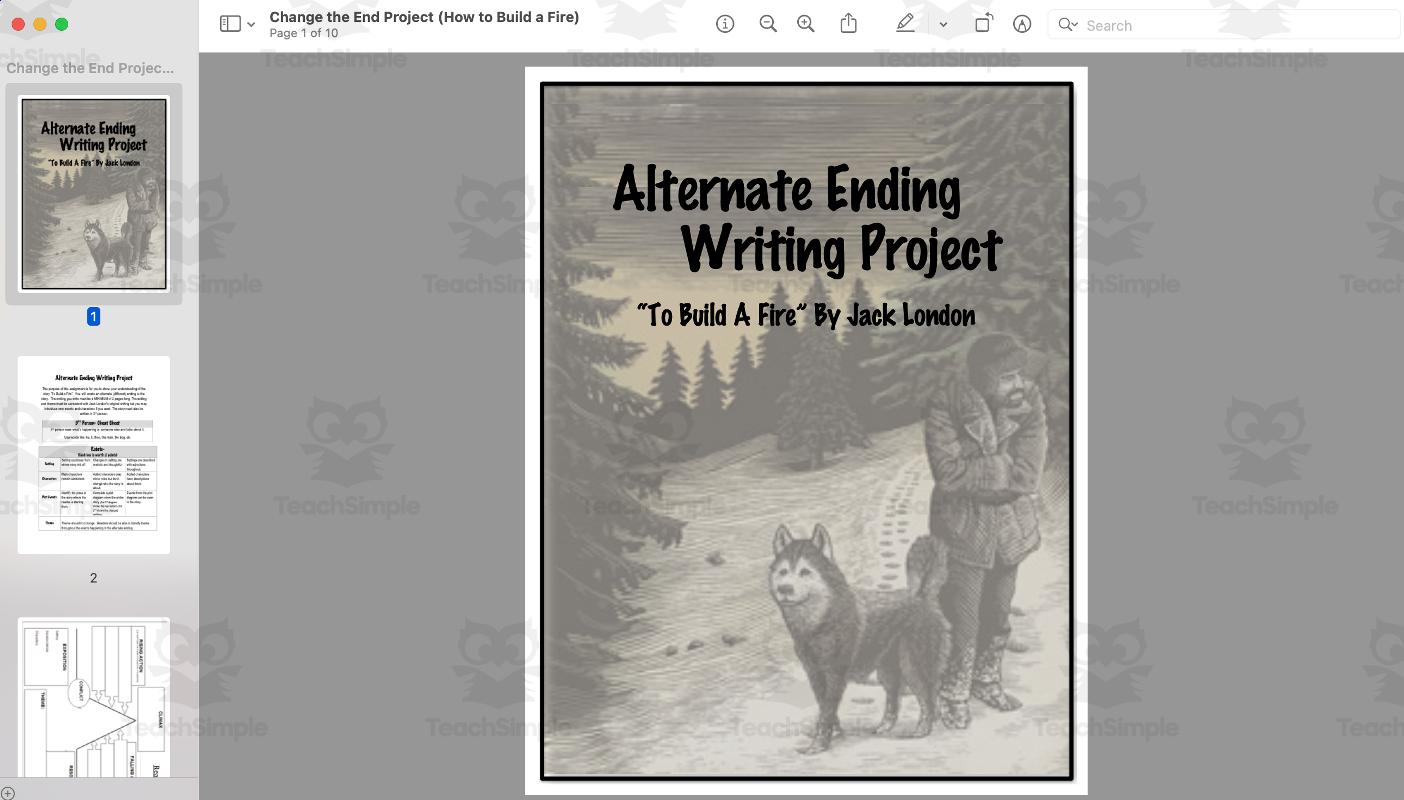
A creative writing project that has students demonstrate comprehension of Jack London's short story 'To Build a Fire' by identifying a turning point in the plot and writing an alternate ending from that point, using plot-diagram planning and a grading rubric.
A no-prep task packet teaching ancient Egyptian religion: polytheism, the concept of ma'at, major gods and goddesses, the Heliopolitan creation myth, and the pharaoh's religious role, with a separate answer key, a vocabulary crossword, and a class pantheon project.
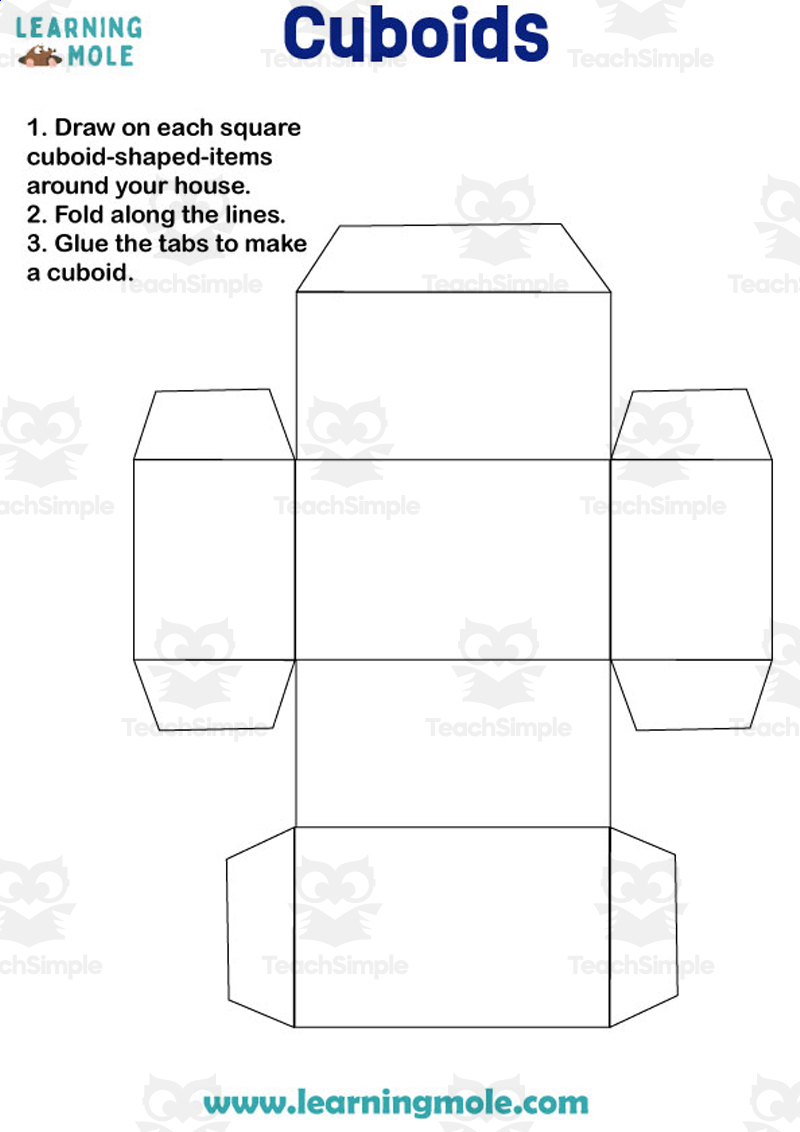
A simple hands-on STEM/geometry activity in which students identify and construct cuboid shapes.
A research/comprehension activity pairing character identification cards with chapter-by-chapter reading comprehension questions for Khaled Hosseini's The Kite Runner.
A no-prep research project where students investigate inventions, innovations, and discoveries made by the ancient Egyptians across several categories.
Without a doubt, history is a topic that can be easily overlooked by our students. Sometimes, it can be difficult for them to make connections with the past in a way that makes sense to them. Being able to provide students with meaningful resources is the best way to get over this learning curve. Whenever you have a social studies topic…
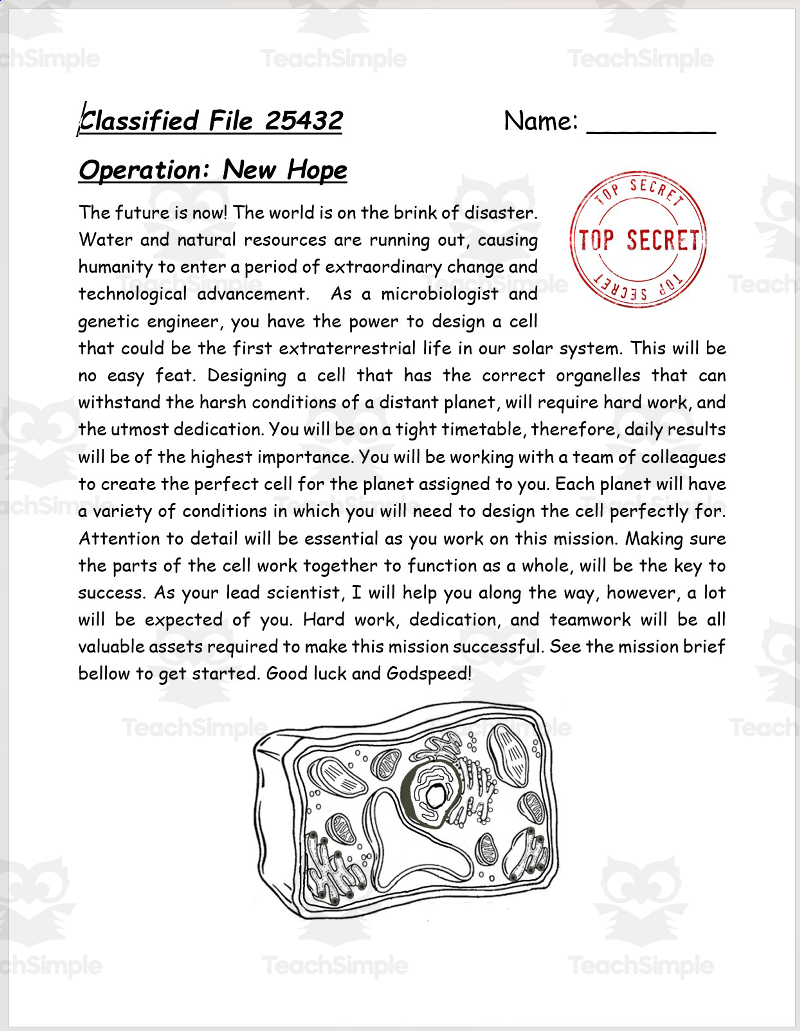
A four-day cell-biology design project where students, in a space-exploration role-play scenario, design a hypothetical extraterrestrial cell with organelles adapted to survive on a randomly assigned planet/moon.
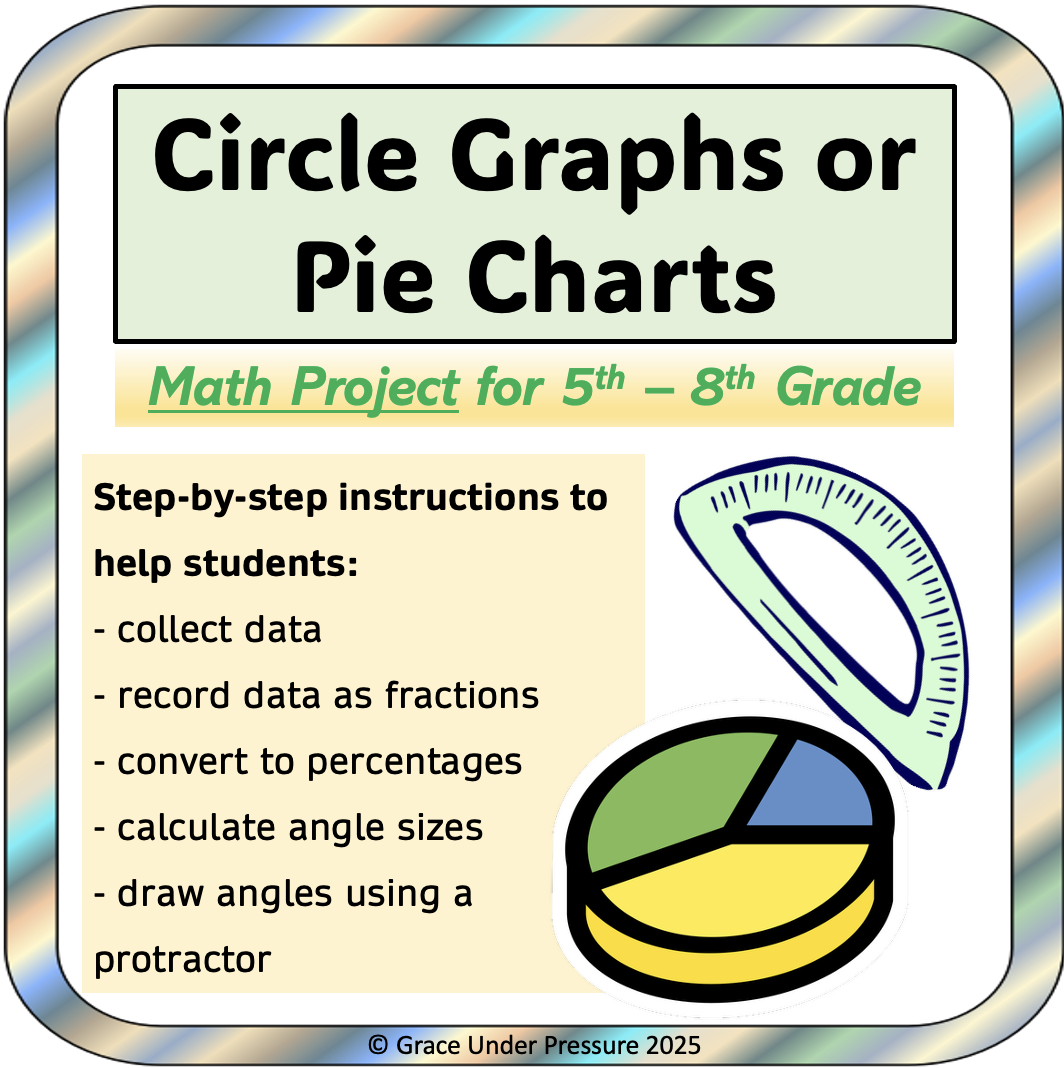
A six-answer survey question anchors this integrated math project, which has students poll exactly 25 people and tally the responses by hand. From there they convert each answer's tally into a fraction out of 25, an equivalent fraction out of 100, and a percent written as a decimal, following a worked example (4/25 = 16/100 = 16% = 0.16). The next step converts each decimal to a number of degrees by multiplying by 360, with a reminder that all six values must sum to 360 degrees before drawing begins. In the final step, students use a protractor aligned to the circle's center to plot each angle in turn, then add a title, color, and labels to complete their own hand-drawn circle graph.
A research/comprehension activity pairing character and setting identification cards with chapter-by-chapter reading comprehension questions for Mary Shelley's Frankenstein.
Algebra practice workbook (Milliken 'Reproducibles' series) that explains common student mistakes and provides puzzle-based practice on algebra topics such as order of operations, math symbols, and properties of real numbers, for grades 7-9.
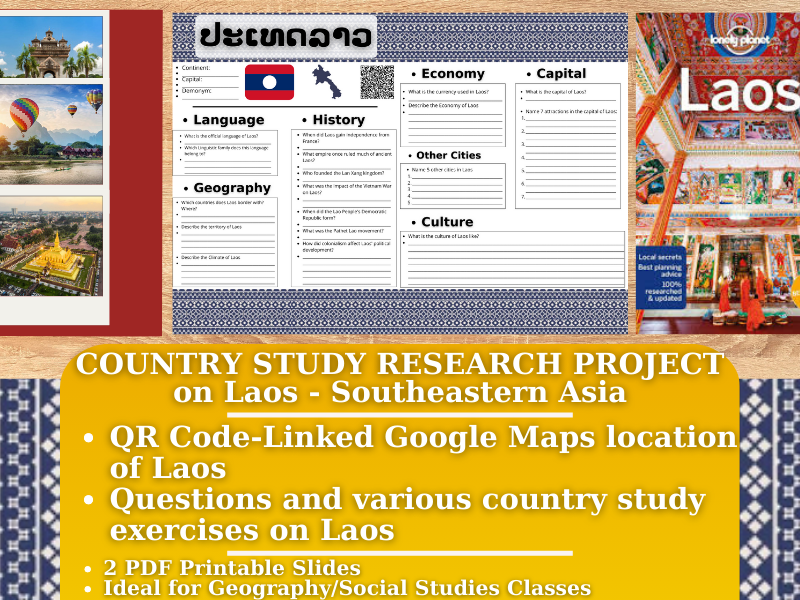
A blank research-project worksheet that guides students to research and record key facts about Laos across geography, history, government/economy, and culture.
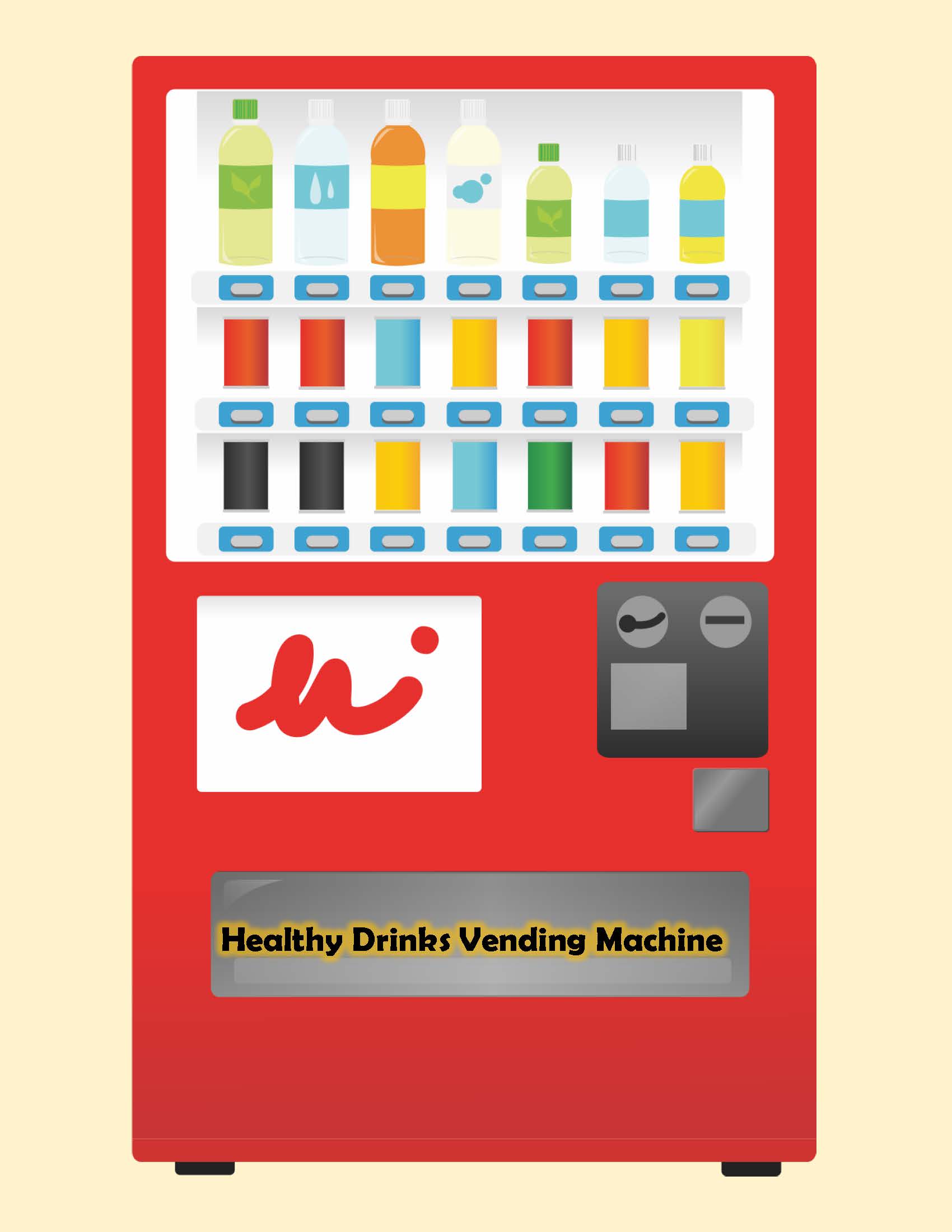
A creative-writing/nutrition activity where students invent original healthy drink recipes using a provided vocabulary list of healthy ingredients, framed as a school 'Healthy Drinks Vending Machine' contest, and graded with a rubric.