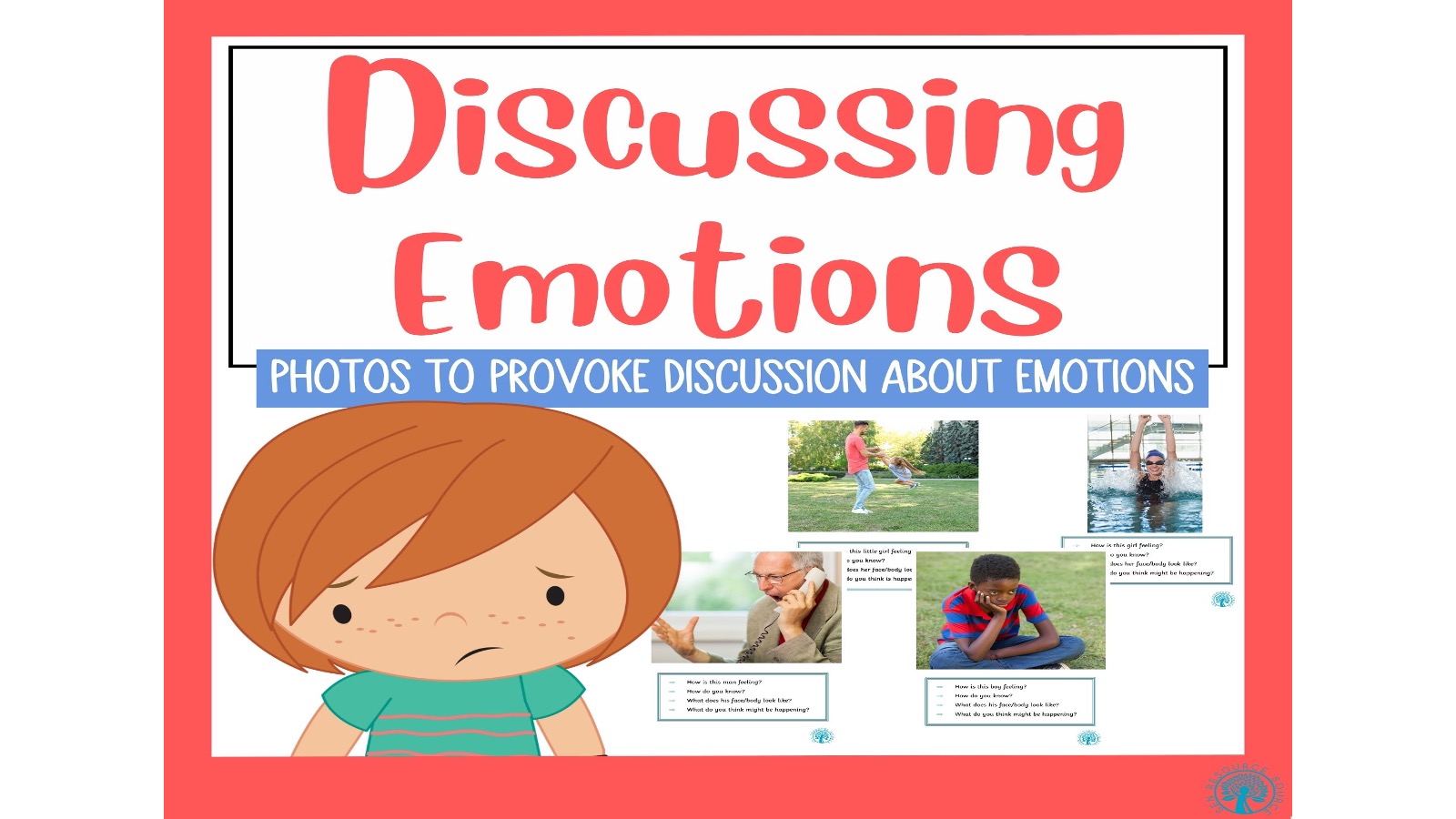
Discussing Emotions
Developing emotional literacy begins with being able to identify and label feelings. These Discussing Emotions photo cards are designed to spark conversations and build emotional intelligence.




525 resources
Developing emotional literacy begins with being able to identify and label feelings. These Discussing Emotions photo cards are designed to spark conversations and build emotional intelligence.
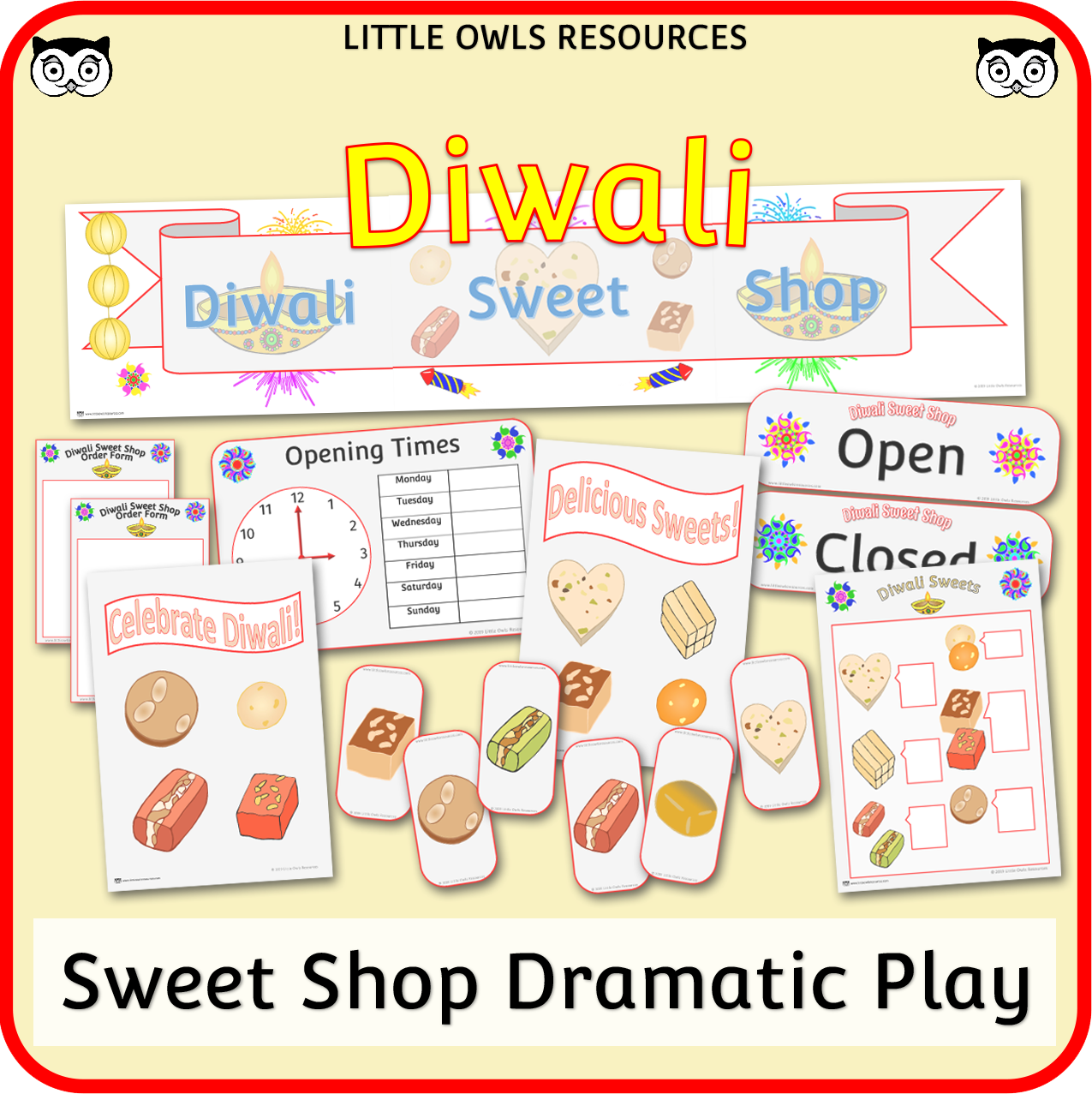
This Diwali Sweet Shop Dramatic Play Pack encourages emergent talk, social skills and math. Pack includes 20 pages (pdf file): 'Diwali Sweet Shop' Banner (Spans 3 A4 sheets) Posters x 2 - 'Delicious Sweets!' and 'Celebrate Diwali!' Prices…

An SEL board-game activity that extends the picture book 'Do You Speak Fish?' by having students identify feelings and perspectives.
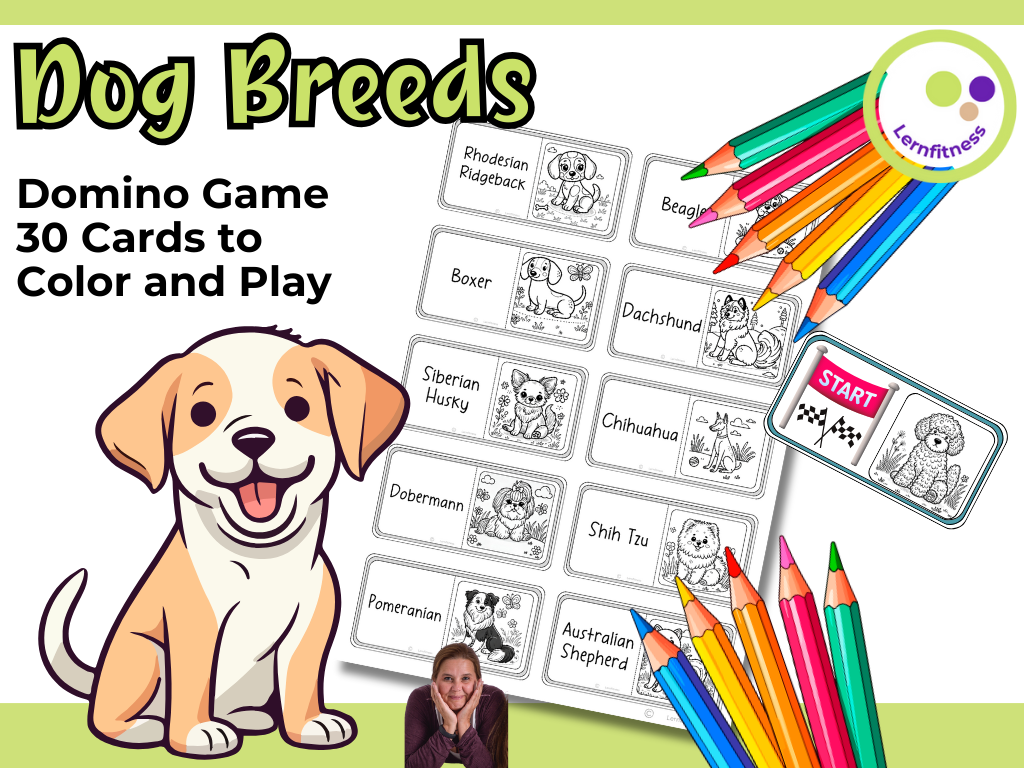
Dog Breeds Domino – A Calm Coloring & Matching Game for Elementary Students This printable domino game is a quiet and creative way for students to explore different dog breeds while practicing matching skills and early reading.
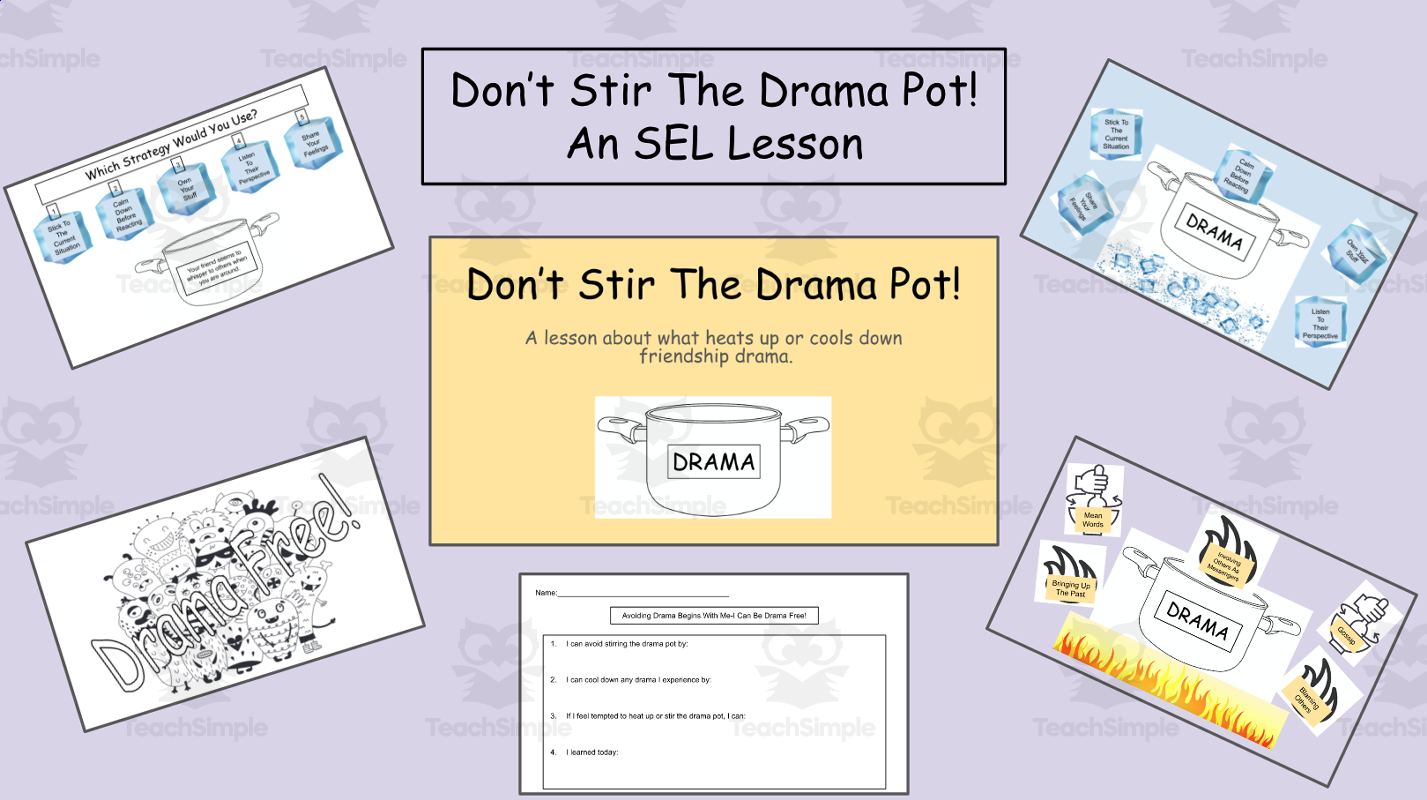
A Google Slides SEL lesson helping students identify what escalates ('heats up') or de-escalates ('cools down') friendship drama, paired with a coloring page.
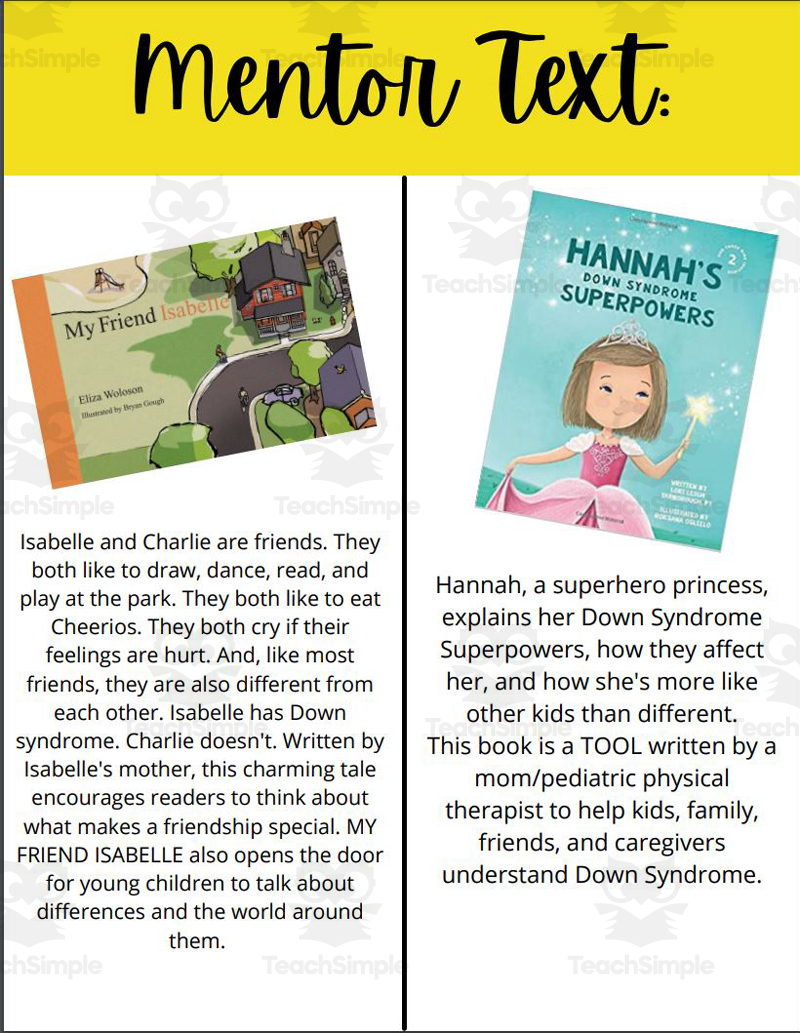
Bulletin-board activity raising awareness of Down Syndrome, tied to National Down Syndrome Day (March 21 / 'Rock Your Socks').
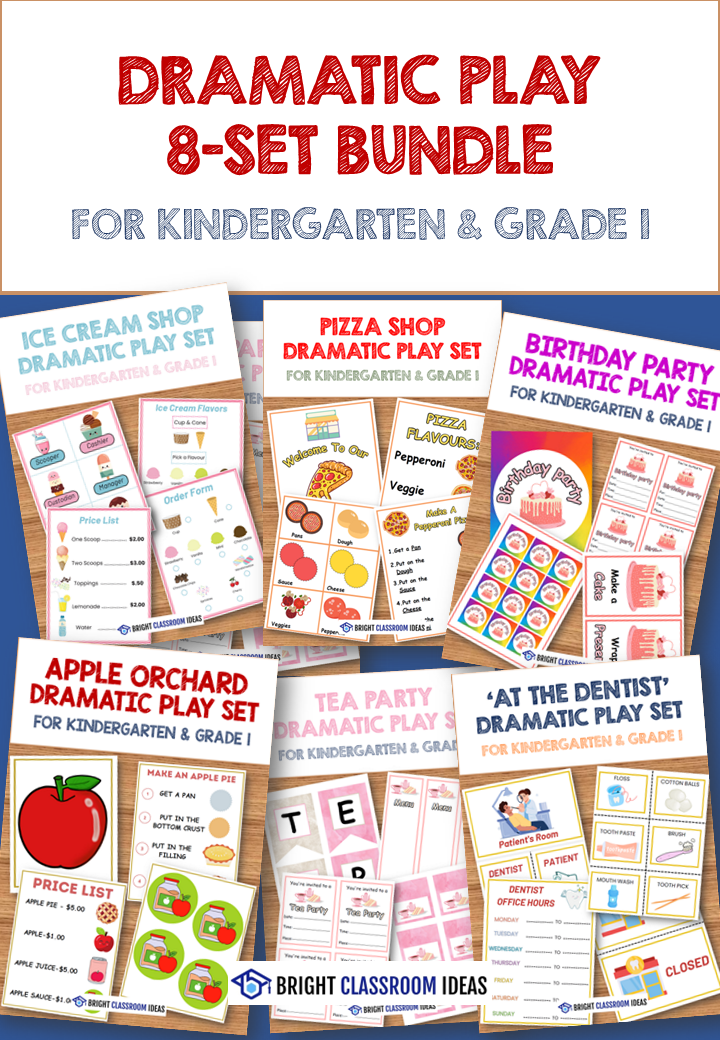
Fill your classroom with meaningful, hands-on learning all year long with this Dramatic Play Mega Bundle for Kindergarten and Grade 1 .
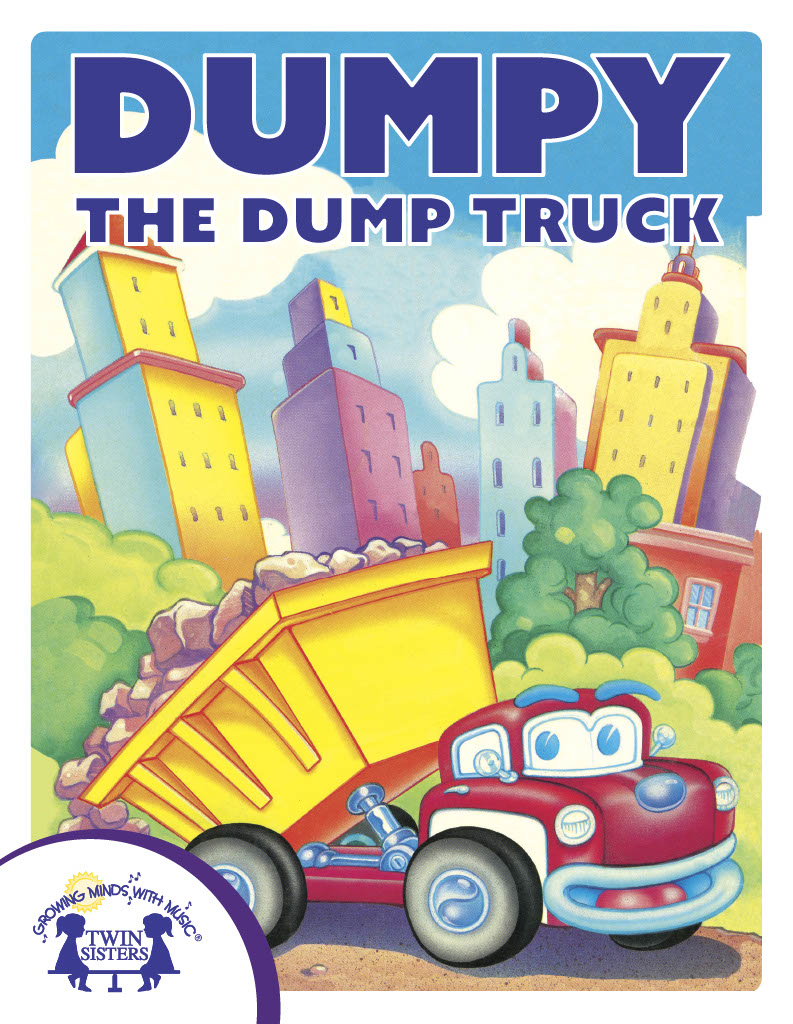
A read-along storybook (eBook/PDF and EPUB) teaching young children about self-worth and not comparing themselves to others, through the story of a dump truck who feels inadequate next to bigger, faster, and shinier vehicles until he realizes his own value.
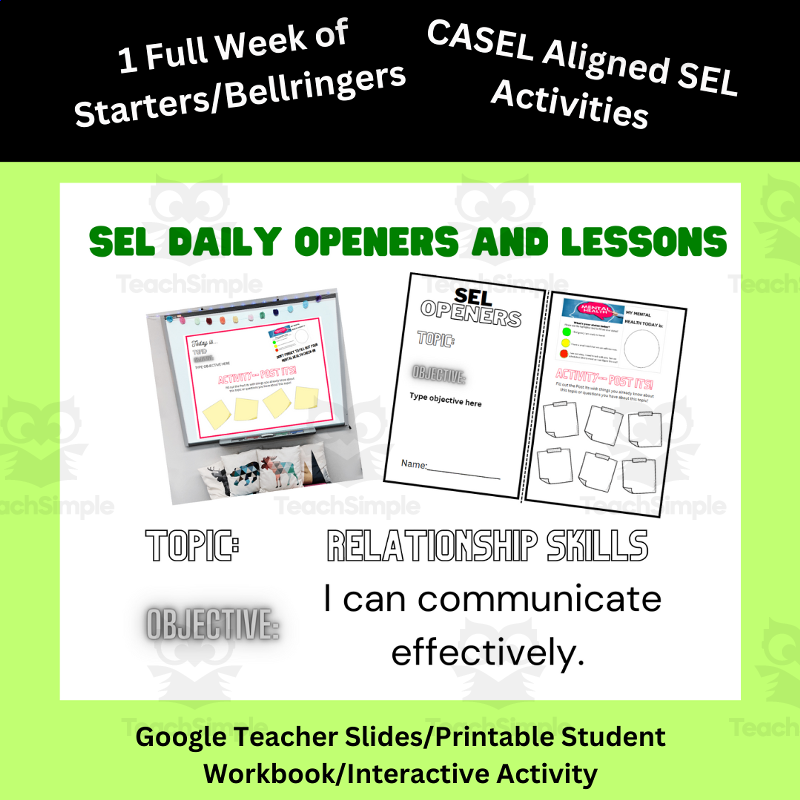
A Social-Emotional-Learning resource (aligned to the CASEL framework) providing a daily mental-health check-in routine plus a week of bell-ringer openers and a lesson focused on the objective 'I can communicate effectively' under the Relationship Skills topic.
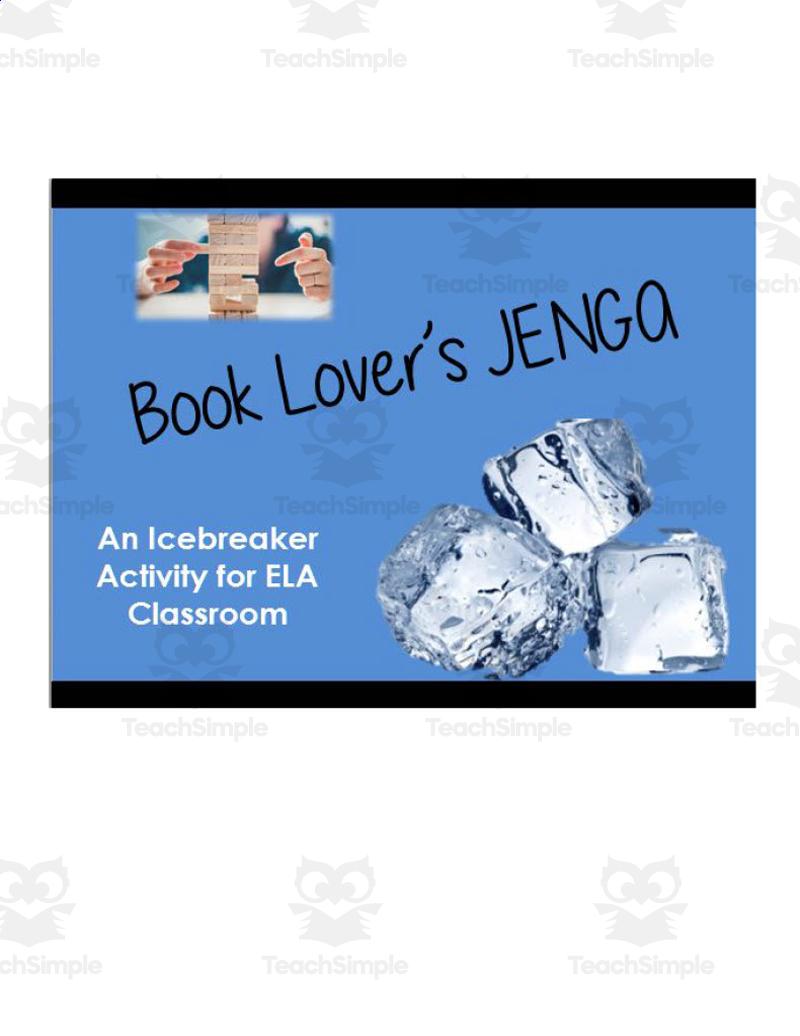
Turn a physical JENGA set into a reading-themed icebreaker game where each numbered piece corresponds to a discussion question about students' reading habits and preferences.
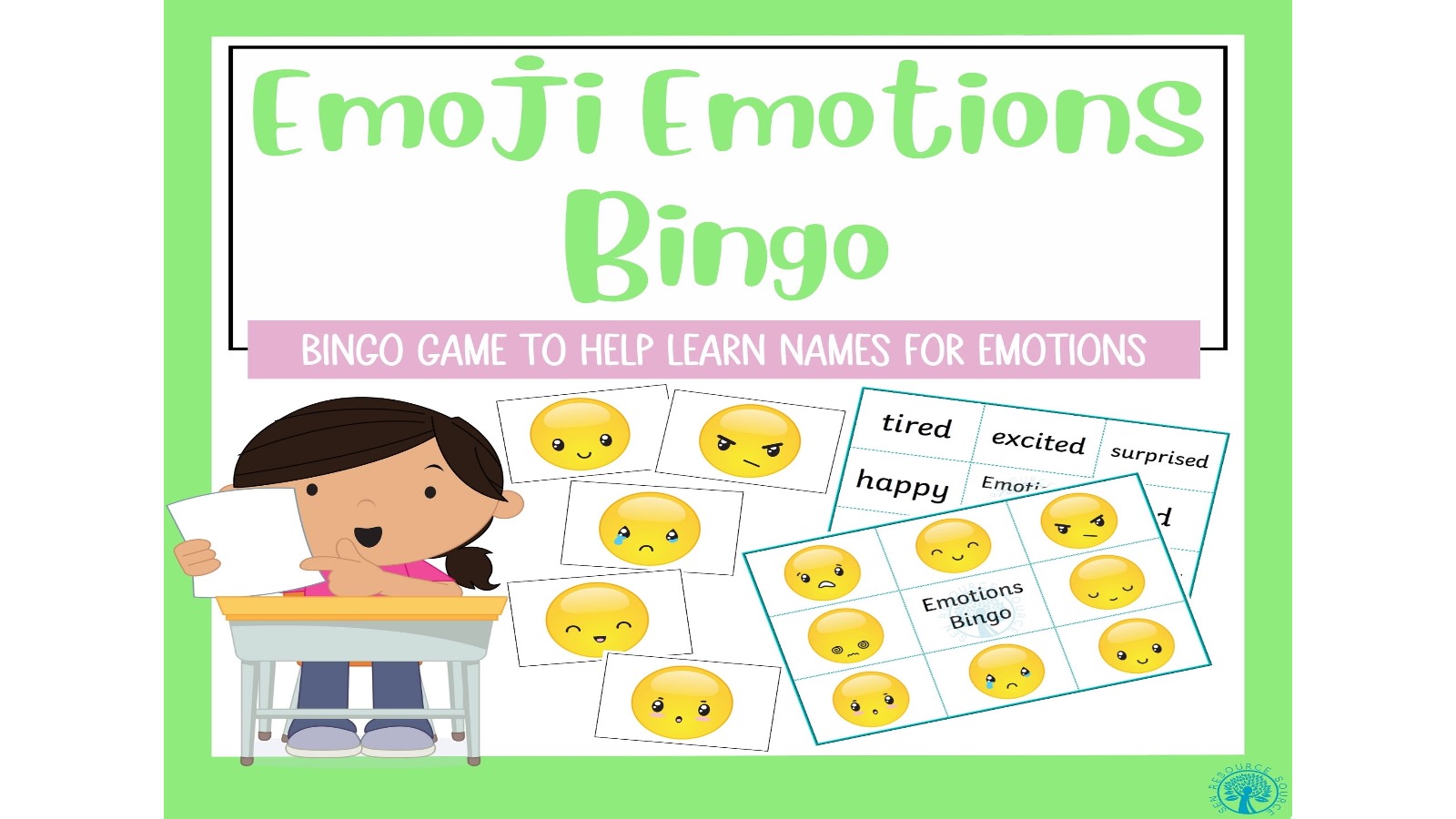
A bingo-style game (multiple pre-made bingo cards plus emotion-word calling material) intended to reinforce identification and labeling of emotions for emotional-literacy/social-skills practice, per the seller description.
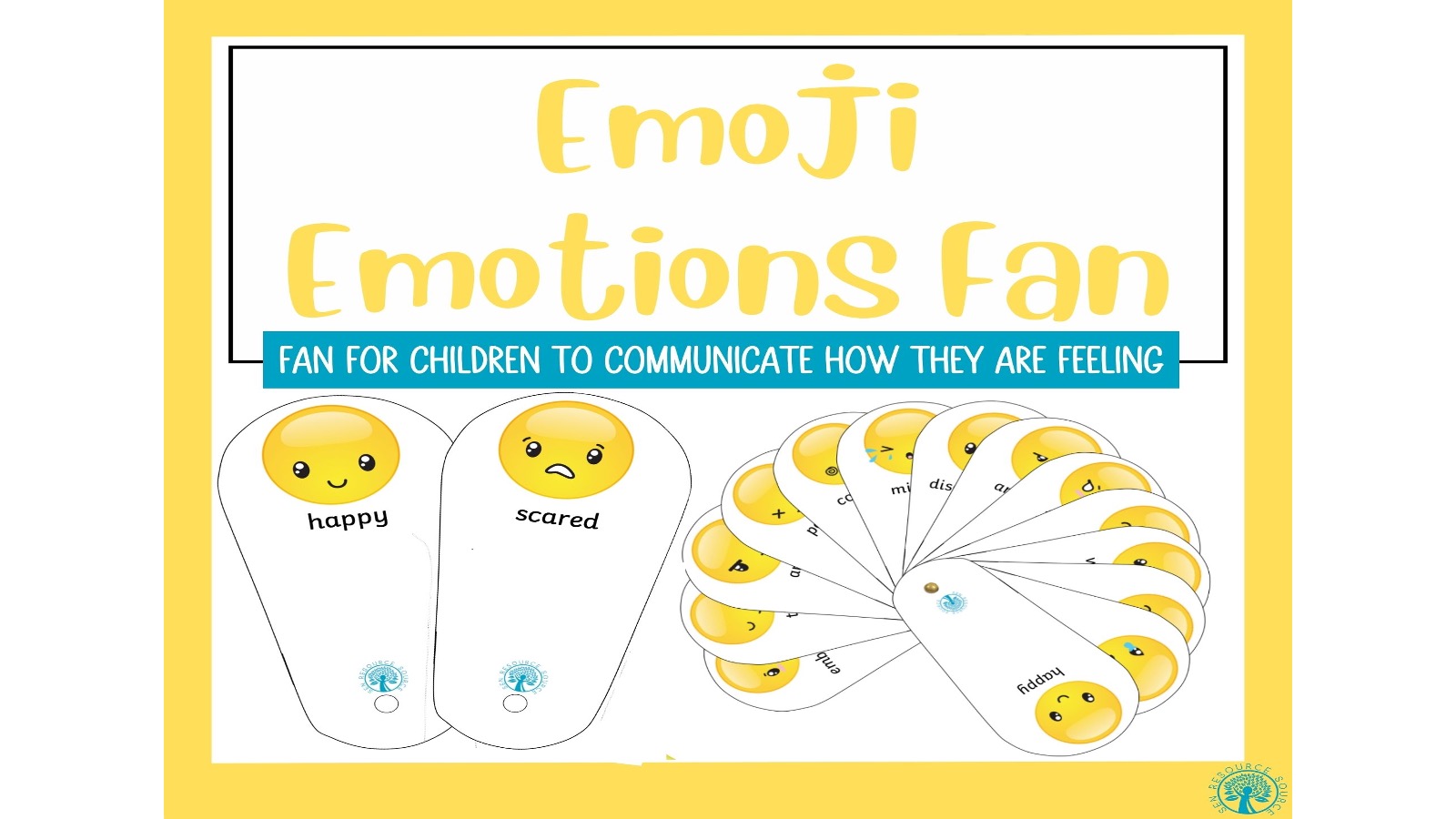
Teach young children to recognize and label emotion feeling-words using a set of fan pieces.
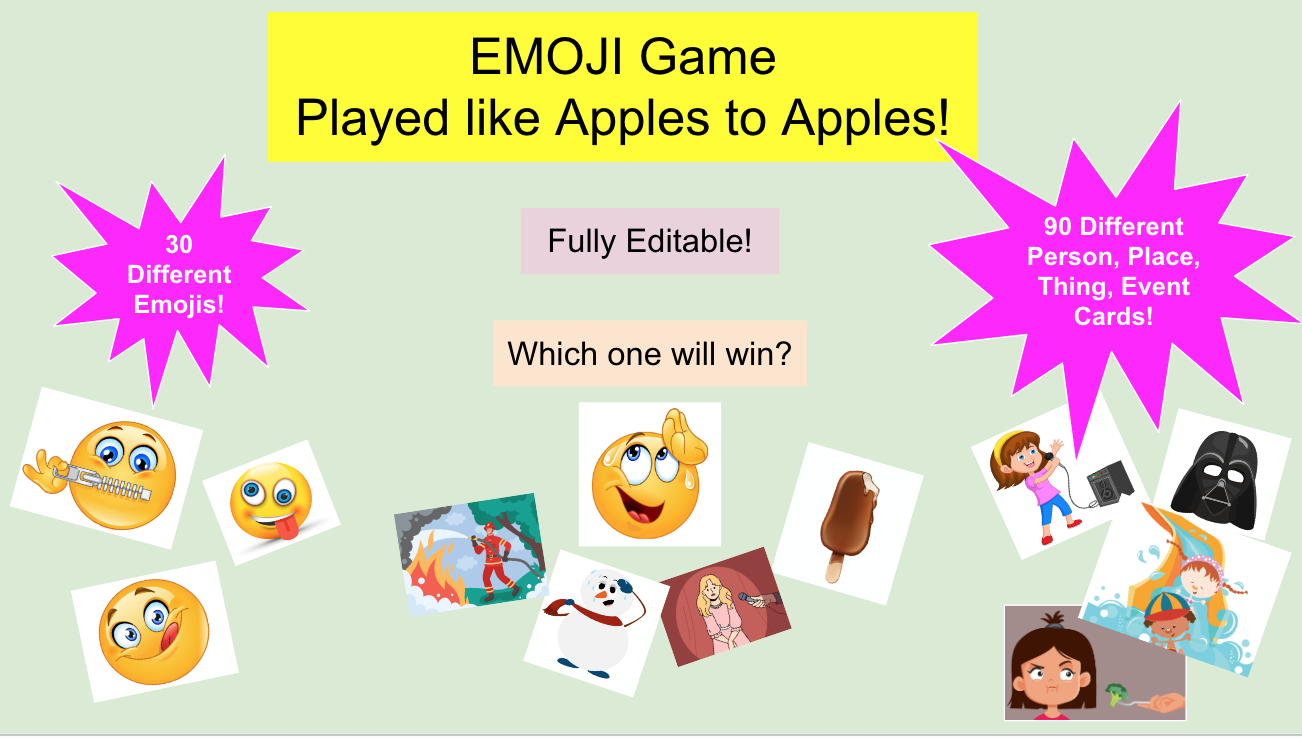
In this resource you will receive a very engaging and fun game played like Apples to Apples. There are 30 different emoji cards and 90 different person, place, thing, event cards. There is no reading required. Anyone over 5 can easily play this game. Directions: One person is the "judge" first. I usually choose the oldest in the group. The judge turns…
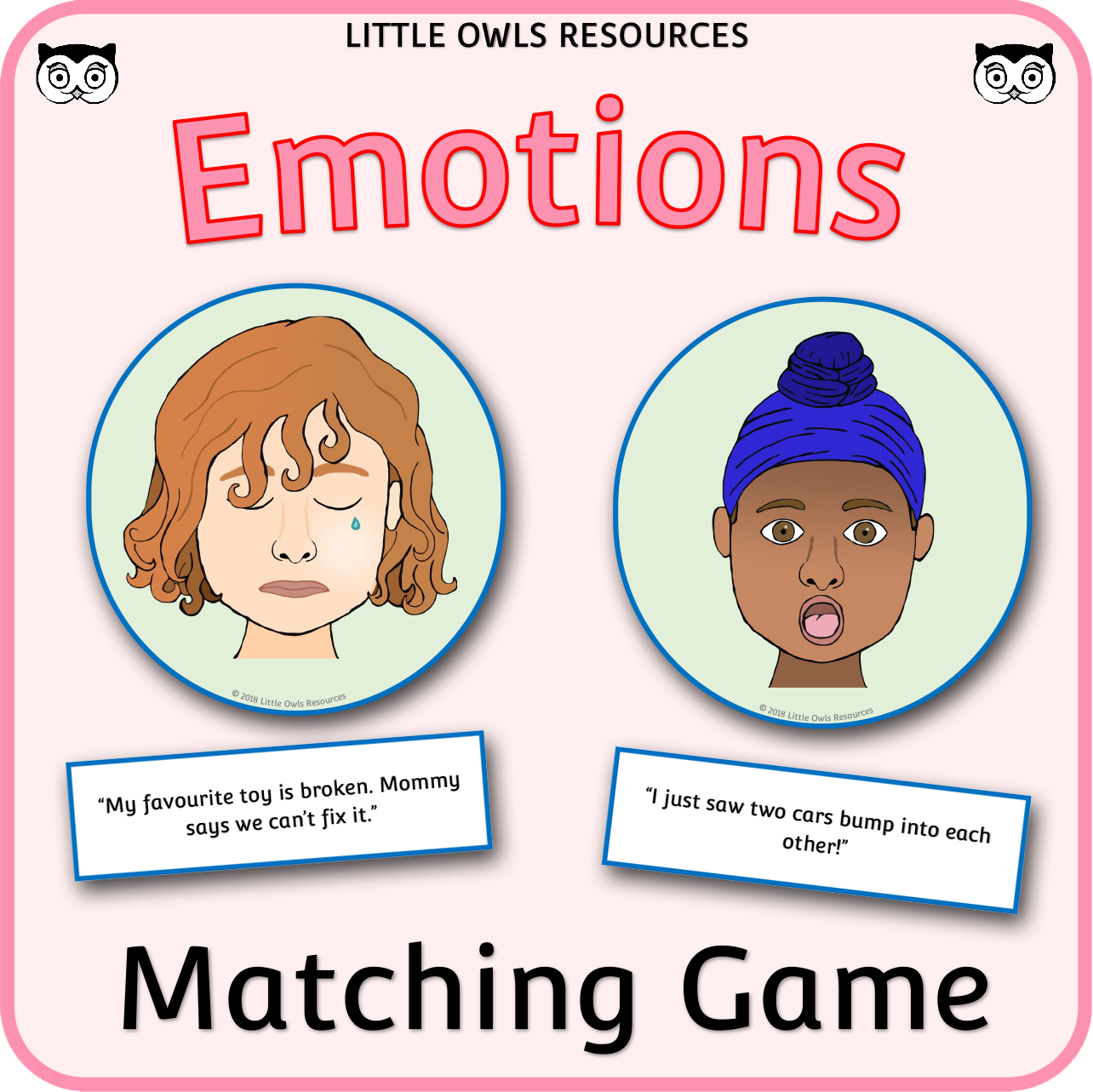
Handy Emotion Cards with matching statements. Extremely useful to prompt discussions and dramatic role play about how situations may make us feel, beginning to understand other people's emotions and how to deal with our own.
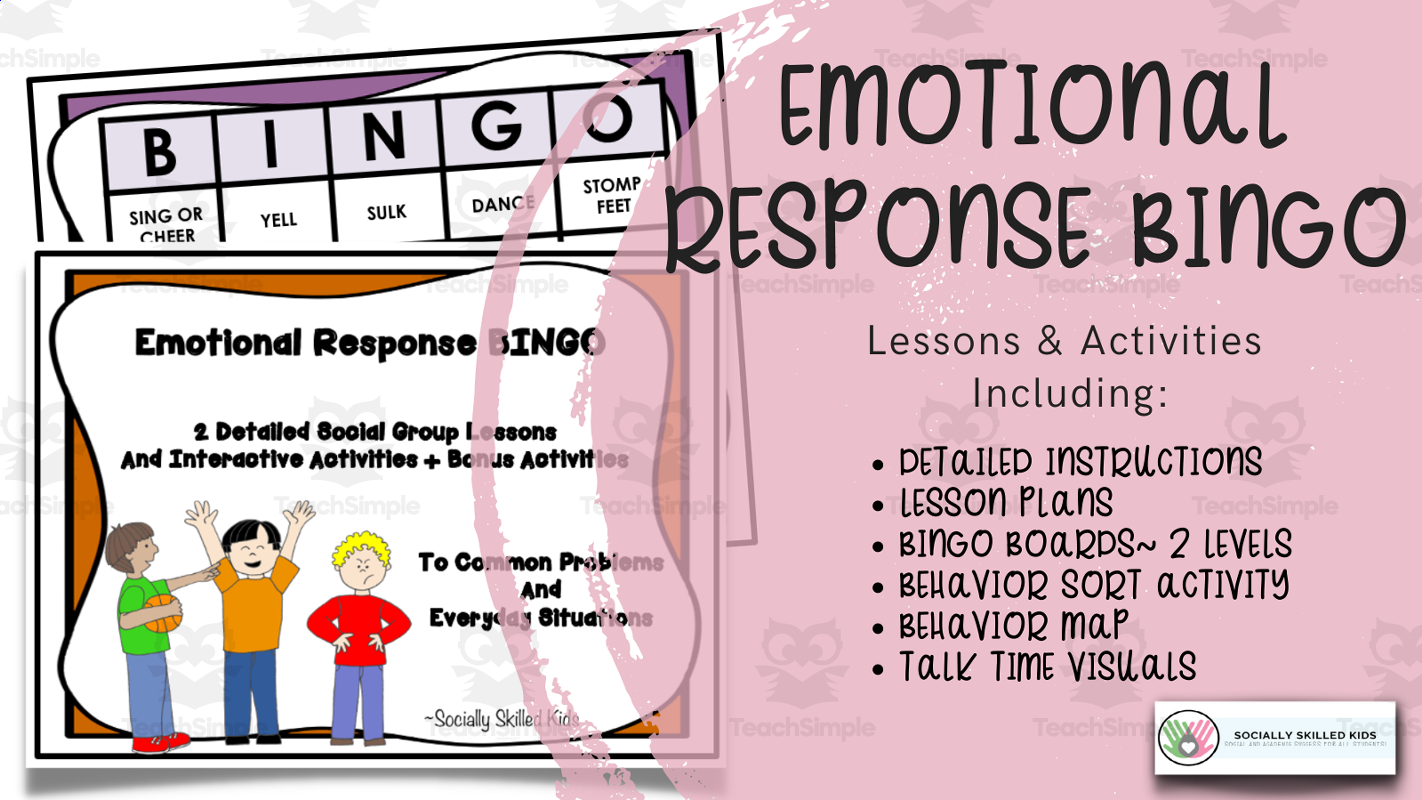
Teach K-5th grade students to distinguish appropriate ('match') from inappropriate ('mismatch') emotional responses to everyday situations, via two lesson plans and bingo/snowball-fight games.
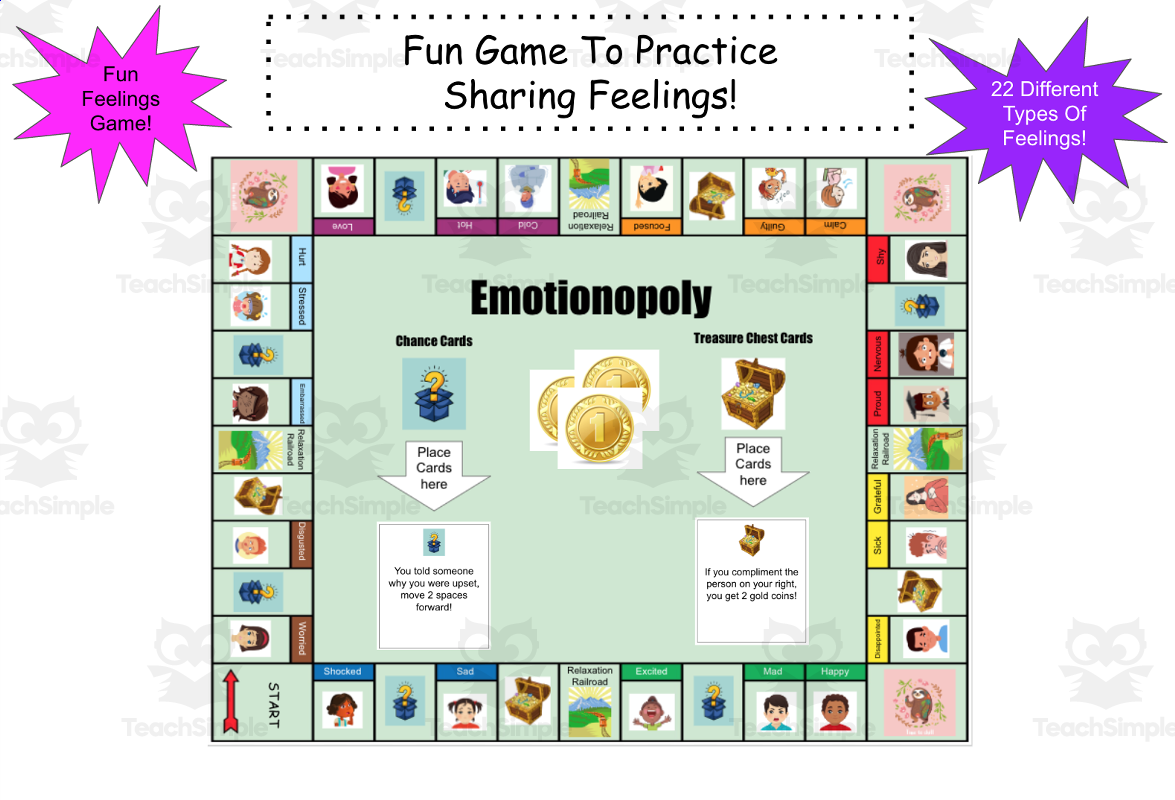
Emotionopoly SEL Feelings Game Emotionopoly SEL Feelings Game is an engaging and interactive teaching resource for students in Kindergarten through Grade 3. It introduces various emotional concepts in a hands-on, innovative way based on the classic monopoly game. This unique tool encourages Social Emotional Learning, allowing children…
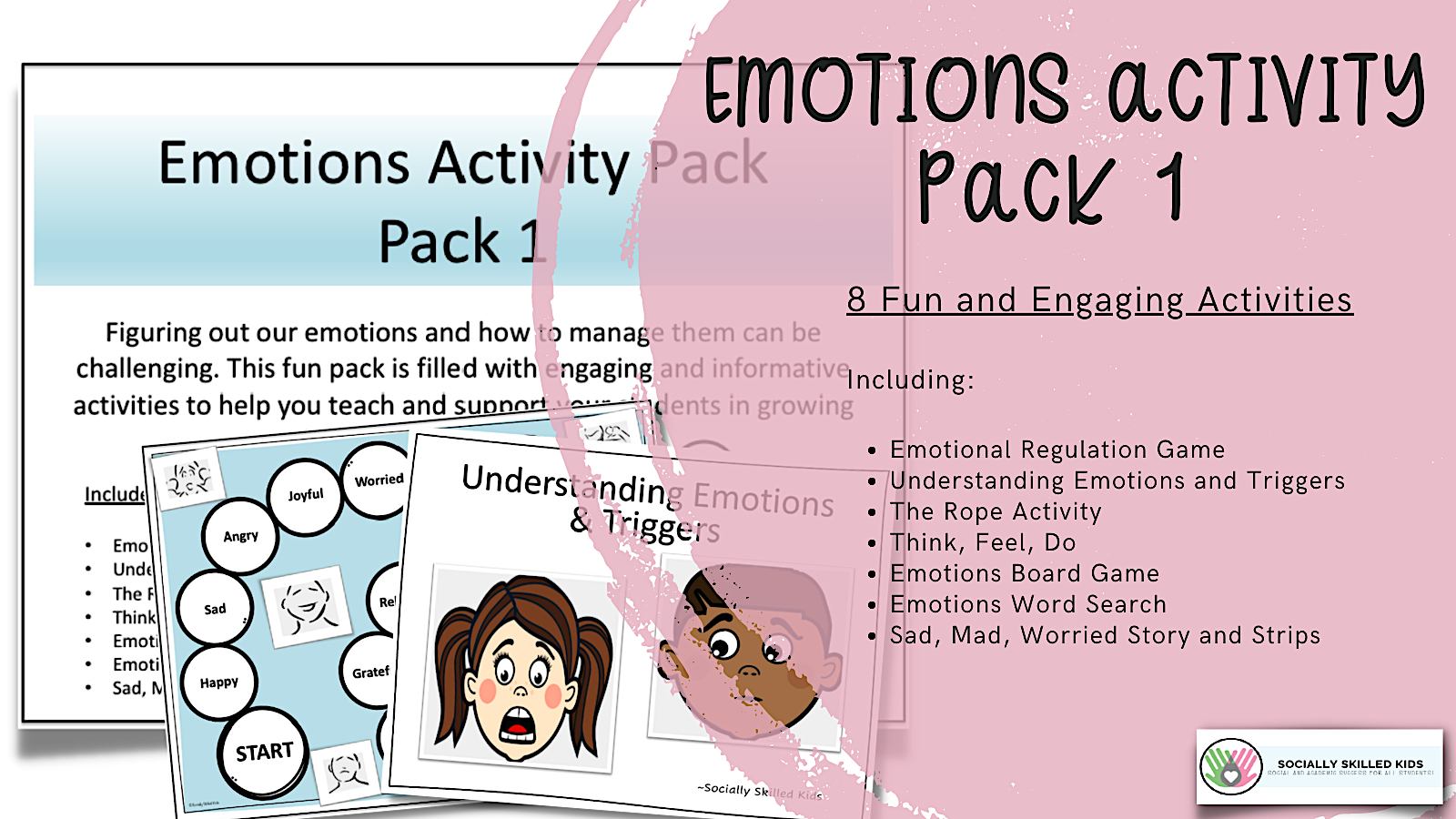
An SEL activity pack (by 'Socially Skilled Kids') teaching students to understand emotions and their triggers, including a matching card game, trigger-identification worksheets, discussion questions, and a group perspective-taking activity ('The Rope Activity').
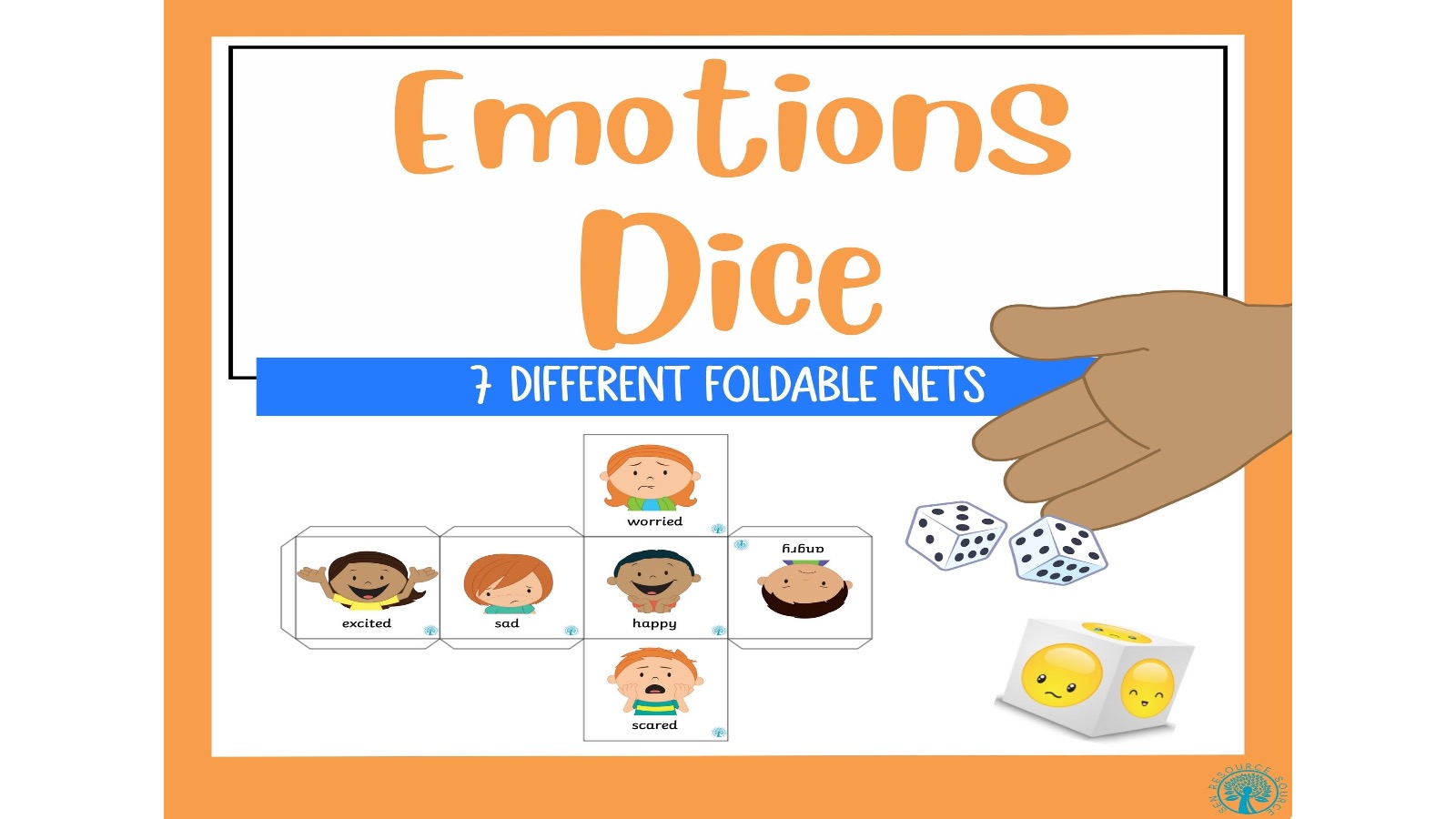
The set offers labeled and unlabeled cartoon-face and emoji dice, a word-only die, a personal-experience prompt die and a scenario die. Cut, fold and assemble selected nets for speaking activities. Learners can name a feeling, describe an expression or discuss a fictional situation; invite them to pass on personal questions.
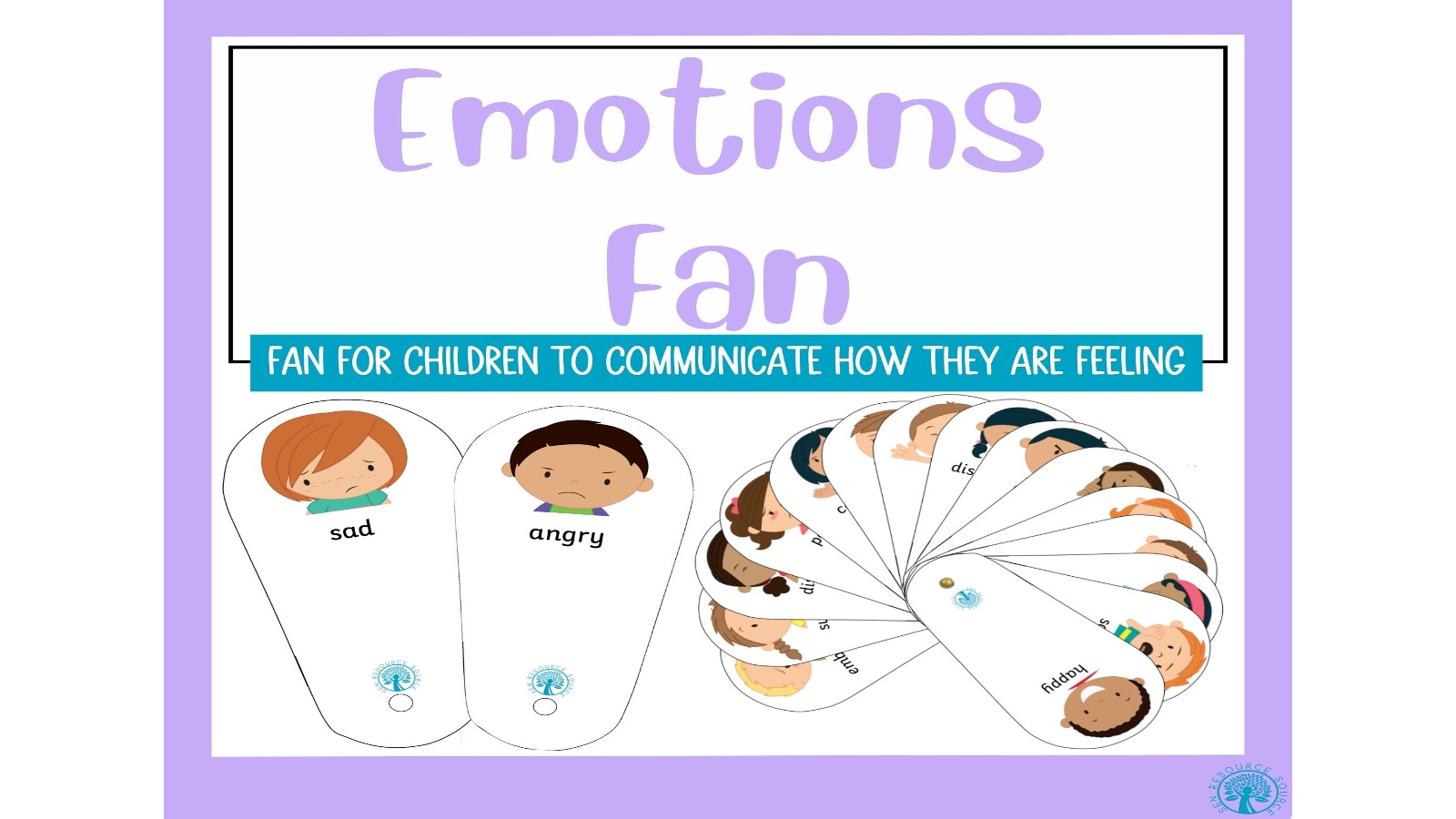
Teach children to recognize and label emotions using a set of fan pieces with emotion words.

Helps students identify and label their own and others' emotions as a step toward emotional regulation, using discussion scenario cards and editable activity templates.
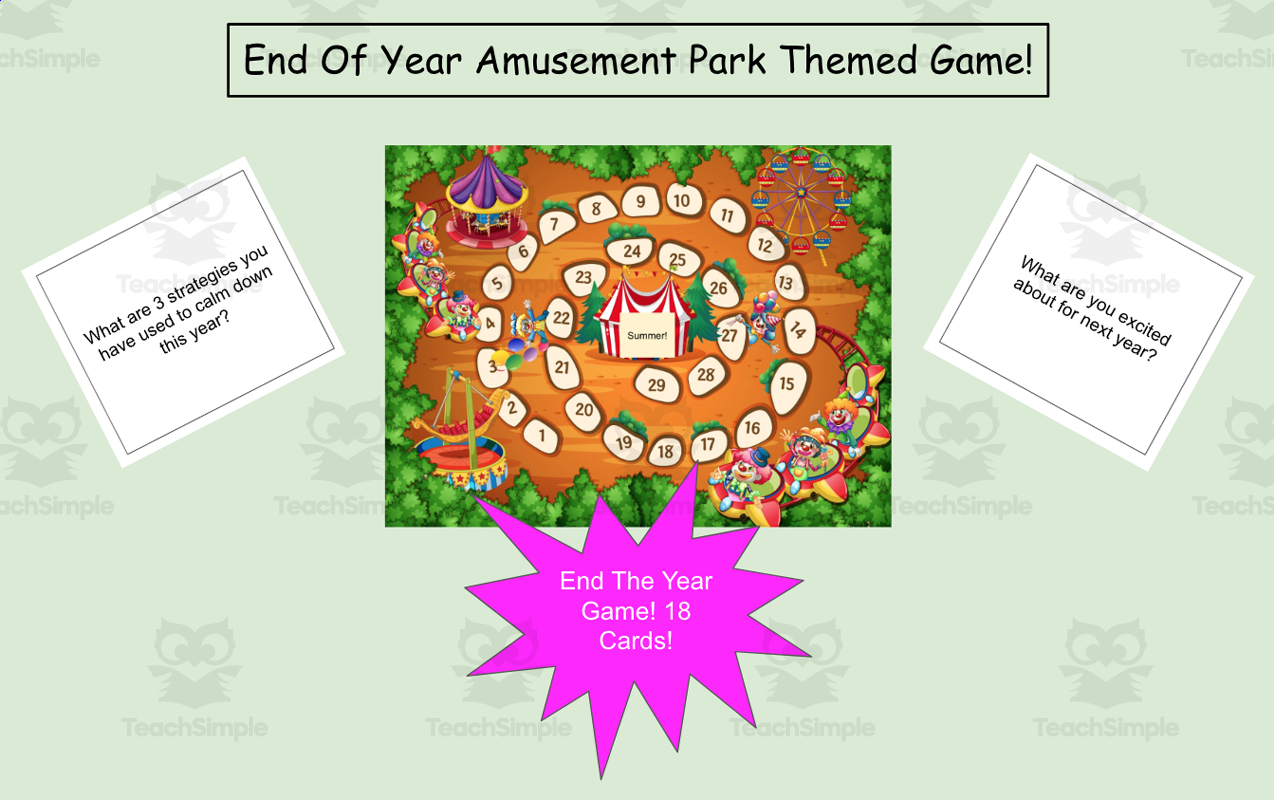
End of the Year Amusement Park Board Game As seasons change and school years come to an end, it's natural for students to be eager for something fun and engaging.
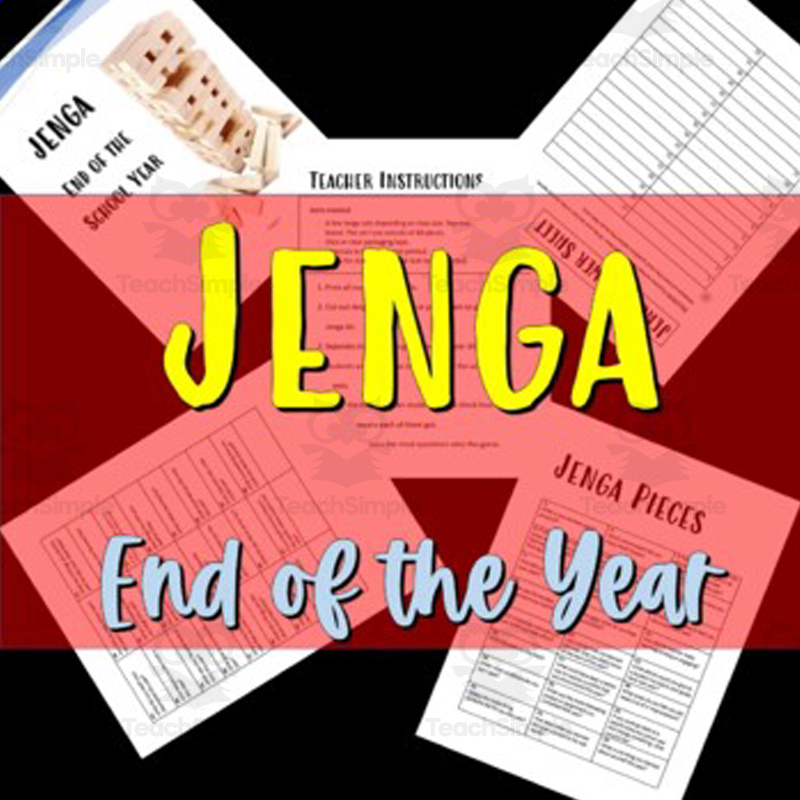
End of the Year Jenga: An Interacting Learning Resource End of the Year Jenga is an educational tool with a clear objective—fostering healthy communication among students while engaging them in fun learning activities.
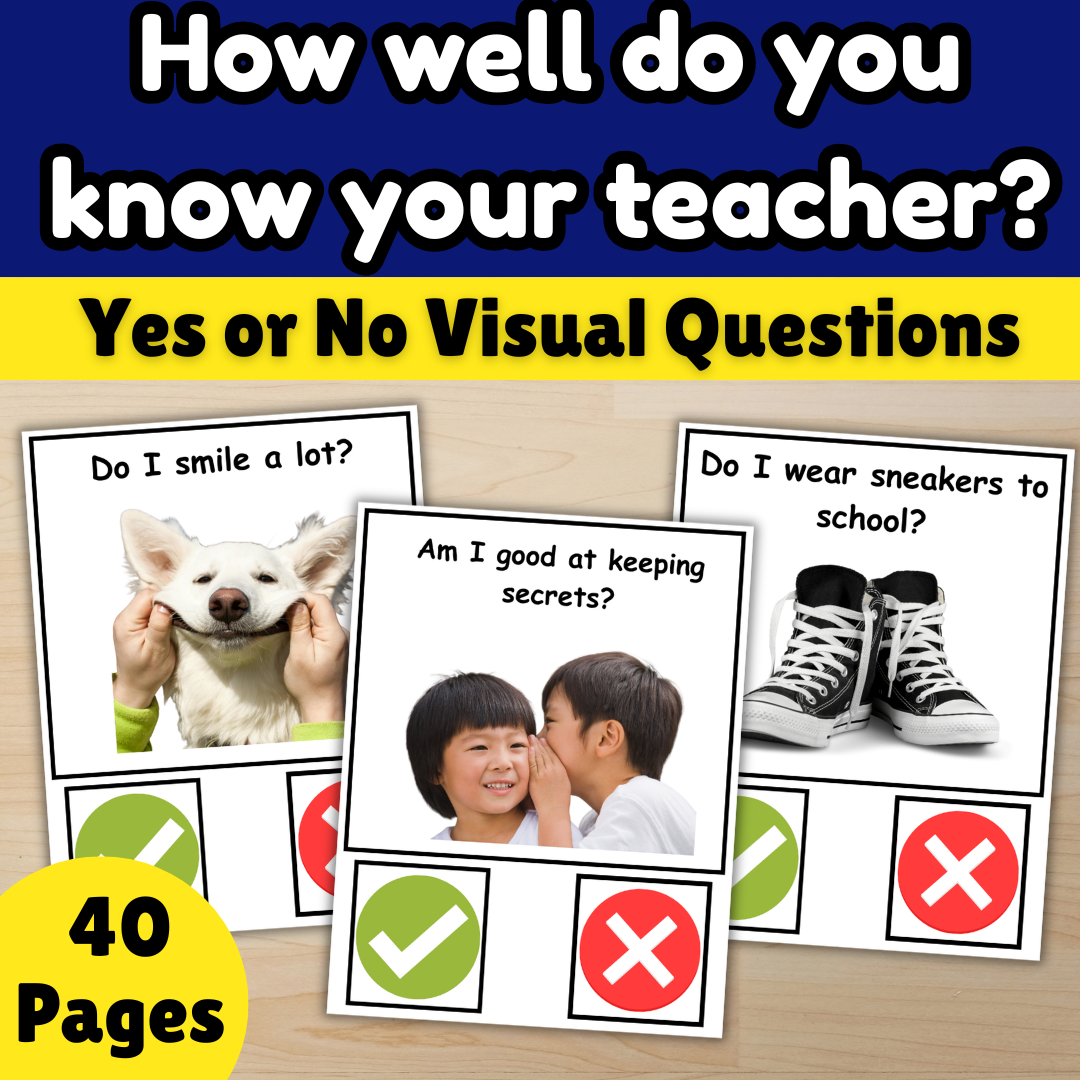
Forty yes-or-no picture question cards ask what a class thinks it knows about their teacher — from "Do I have a pet?" to "Can I speak another language?" — with one question printed per page for display or use as a set of centers. A companion sheet numbers boxes 1 through 40 so each student can record a yes/no guess for every card before the teacher reveals the real answer. The one-question-per-page format needs no prep beyond printing, and every card follows the same short, predictable structure. It works as a whole-class guessing game, a morning-meeting routine spread across several days, or a one-sitting end-of-year icebreaker.
A U.S. Congress role-play simulation game teaching legislative process, political negotiation, and party politics: each student represents a state's U.S. Senator and must vote on 8 bills to satisfy their state's constituent preferences (scored points) and get re-elected.