
Forces, circuits & optics
Newton’s 3 Laws of Motion – Lab Station Activity
Teach Newton's Three Laws of Motion through a rotating multi-station hands-on physics lab activity.
Answers included


Classroom resources
Browse by lesson focus
Choose the topic or kind of practice you need.
Showing 25–48 of 128 resources

 Show filters
Teach Newton's Three Laws of Motion through a rotating multi-station hands-on physics lab activity.
A 90-minute Grade 6 biology lesson plan teaching the process of photosynthesis through explanation, a simple experiment, and a worksheet.
Explores the psychology of social media and phone use - covering usage statistics and negative effects such as anxiety, loneliness, FOMO, addiction, and attention/academic impacts - and guides students through a personal screen-time tracking experiment.
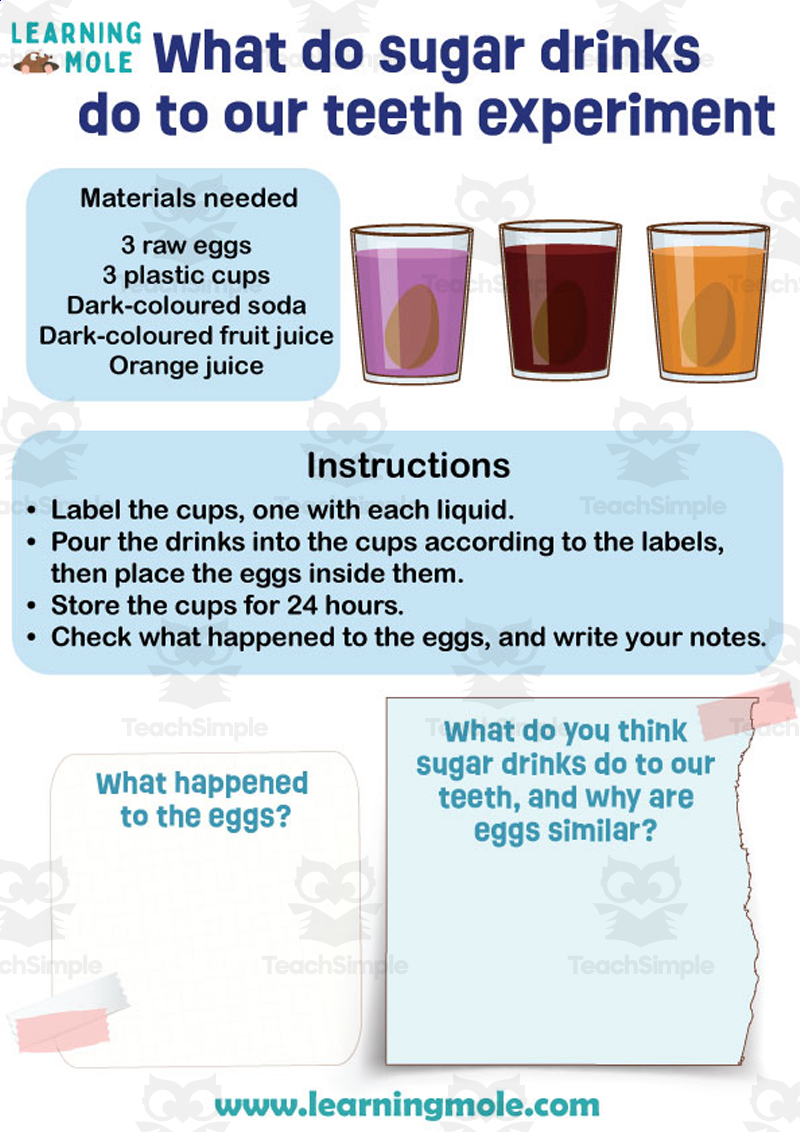
Run a simple hands-on experiment showing the effect of sugary/acidic drinks on tooth-like material (eggshell) to teach about dental health.
First-person narrative eBook chapter ('Chapter 33: Water Bottle Rockets') from 'Middle Schoolin': 50 Stories about the Challenges, Humor, and Rewards of Teaching' by Paul Rallion, recounting a middle-school science class's water-bottle-rocket experiment used to teach Newton's three laws of motion.

Guide students through a hands-on friction experiment comparing the pulling force needed to move a wooden block across different surfaces, then reflect on results.

Teach synthesis, decomposition, and combustion chemical reaction types through a rotating multi-station lab activity.
Teach the physics of friction (types, causes, applications, coefficient of friction) through a rotating multi-station lab activity.
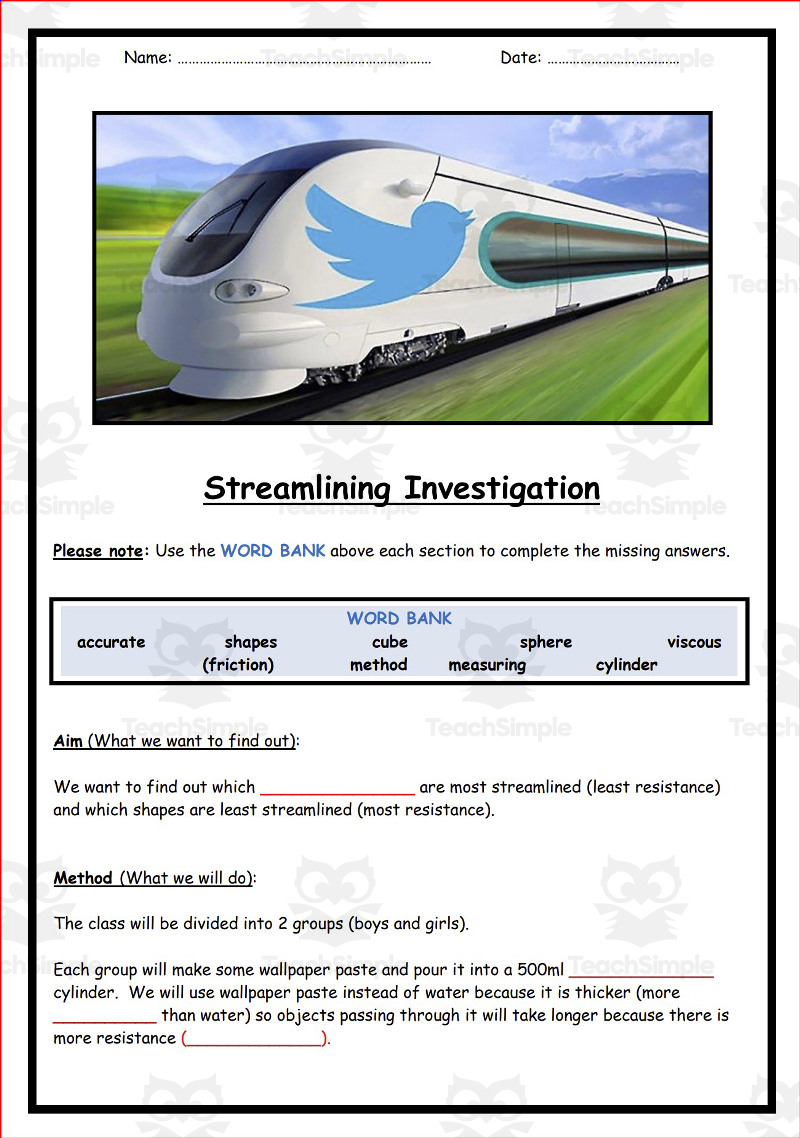
A guided fill-in-the-blank investigation worksheet exploring which plasticene shapes are most 'streamlined' (lowest resistance) when dropped through a viscous liquid, to teach forces/resistance concepts.

Run a 9-station rotation lab teaching acid-base neutralization chemistry through varied hands-on, research, reading, video, and assessment formats.
A 9-station chemistry lab-rotation activity teaching the mole and Avogadro's number, molar mass, and stoichiometry calculations for middle/high school chemistry.

Guide students through a rotating, hands-on lab-station circuit of activities covering electrical safety, atomic/electron basics, hands-on circuit building, research, and knowledge checks on current electricity and circuit diagrams.

A 9-station hands-on lab rotation teaching density and buoyancy concepts (mass, volume, density calculation, buoyant force, and why objects float or sink) for grades 7-10 science classrooms.
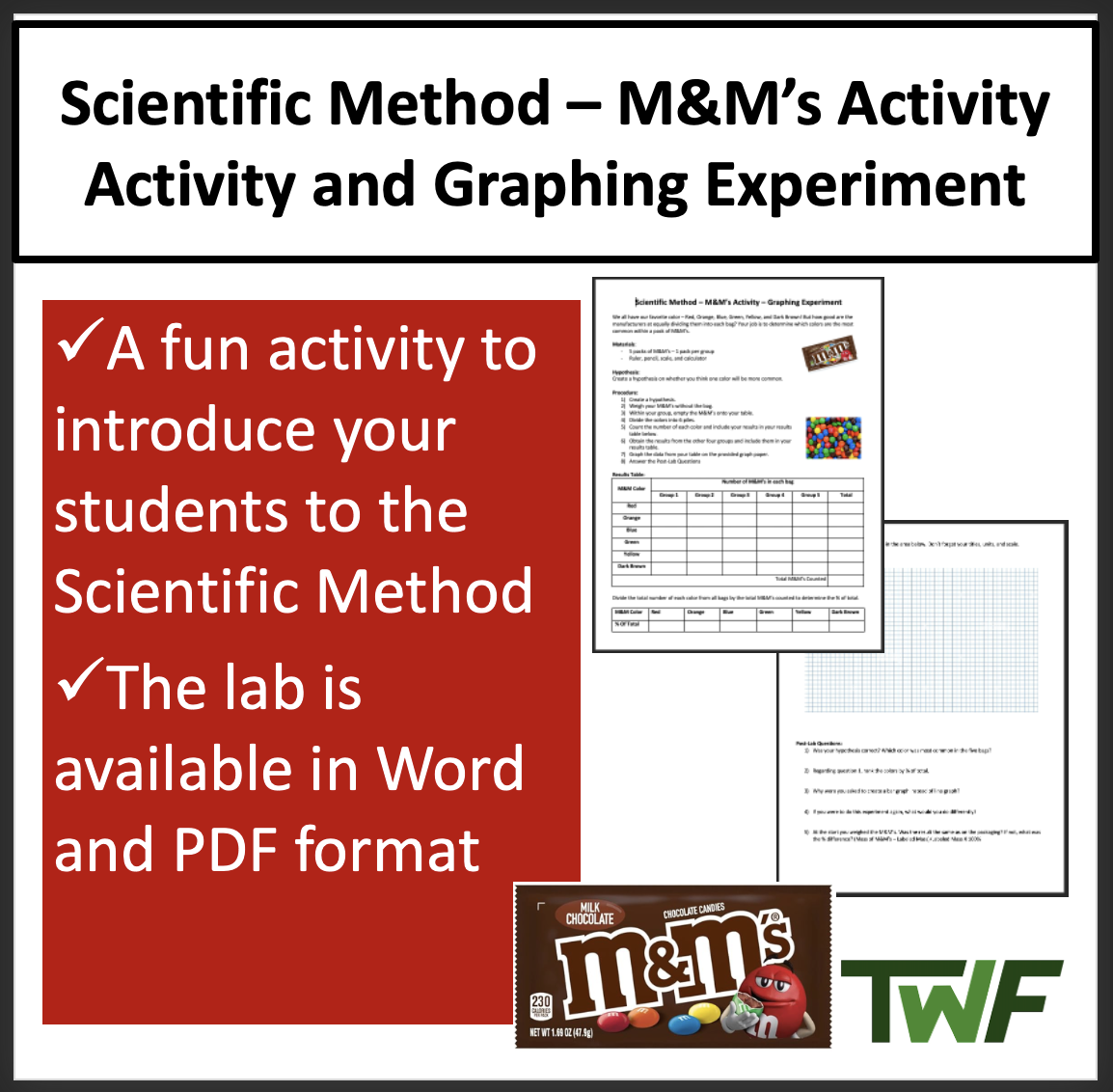
The M&M activity connects a color-count investigation with graphing and a results write-up. A companion lesson introduces the scientific-method steps through student slides and a completed teacher version. Provide the sample materials and model recording data before groups compare their findings.

Soda Pop Preferences - Scientific Method Lesson Included This engaging activity introduces students to the scientific method through an experiment involving their favorite soda pops. Students will form a hypothesis about which soda flavor they think will be most popular among their classmates.

Provide a multi-resource bundle teaching the scientific method (the eight steps: questioning, controlling variables, hypothesis, planning, performing, observing, analyzing, discussing) through slide-based lessons and hands-on lab/project activities.
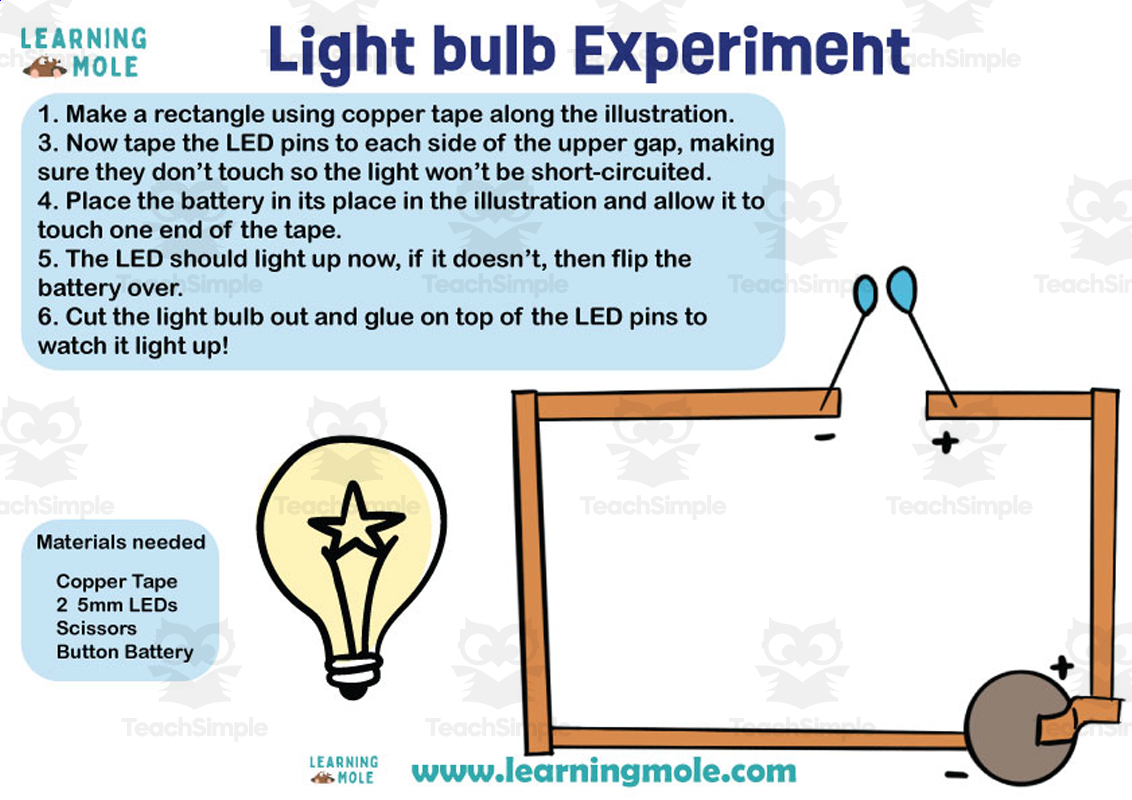
Guide students through a hands-on STEM circuit-building experiment: lighting an LED using copper tape and a button battery.
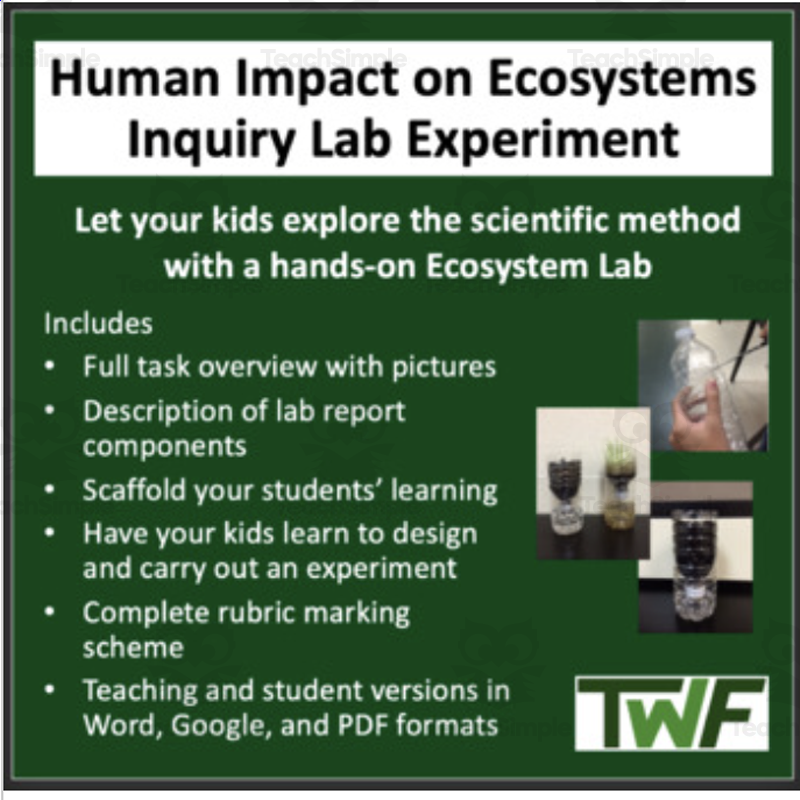
A guided-inquiry lab in which students design and run an experiment testing how a human-caused factor affects a small ecosystem, then write a formal lab report.
Problem-based learning (PBL) activity where students design and run an experiment (dropping a ball onto a target) to practice the scientific method, data analysis (mean, mode, standard deviation), and evidence-based argument writing.

Teach or review the scientific method process through a hands-on ramp/toy-car experiment testing which fabric surface makes a car travel fastest.

This Water Cycle Experiment Worksheet is a great resource for students to use to conduct their own experiment on the water cycle. By doing this experiment, students will have a better understanding of how the water cycle works. This worksheet is a great tool for teachers to use in their classrooms.
Teach students about the psychological effects of social media and chronic phone use, and guide them through a self-designed screen-time experiment.

An elementary unit-study booklet (with combined student and teacher booklet versions) on static electricity, static discharge/shock, lightning, and Benjamin Franklin's kite experiment; the title indicates current-electricity content is also covered.
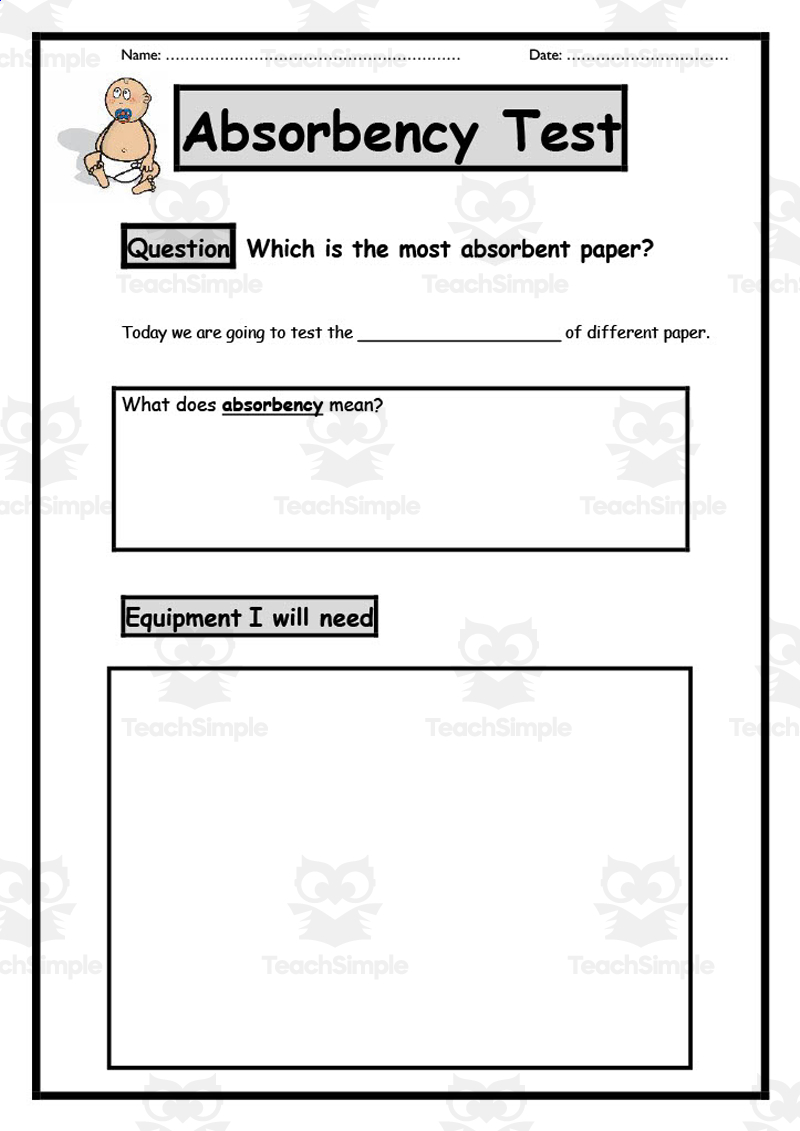
Guide students through a hands-on science experiment testing the absorbency of different types of paper, recording predictions, method, results, and a conclusion.