
Math games
Geometry Name Game
Give students hands-on practice finding area and/or perimeter by writing their own name in block letters on a grid and counting squares around or within the letters.


Classroom resources
Browse by lesson focus
Choose the topic or kind of practice you need.
Showing 649–672 of 1464 resources

 Show filters
Give students hands-on practice finding area and/or perimeter by writing their own name in block letters on a grid and counting squares around or within the letters.
 Free download
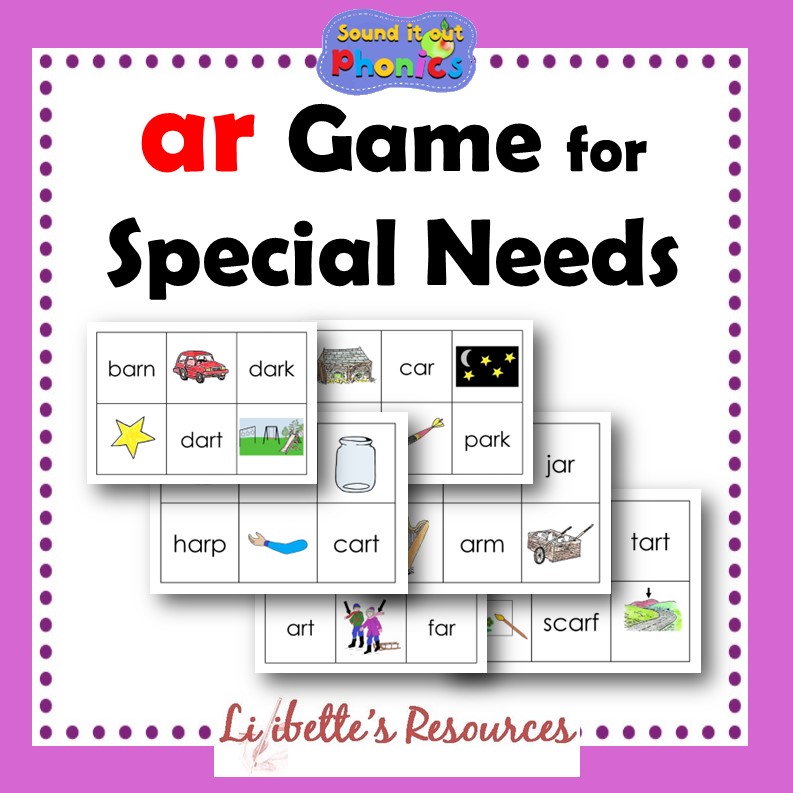
This is a phonics AR game to help children, especially those with special needs, read words with the digraph 'AR'. Who can use this AR game? Any who need to use the digraph ar! But it is especially for those with special needs: games can take the pressure out of learning to read, especially for those who have become despondent or are reluctant for any…
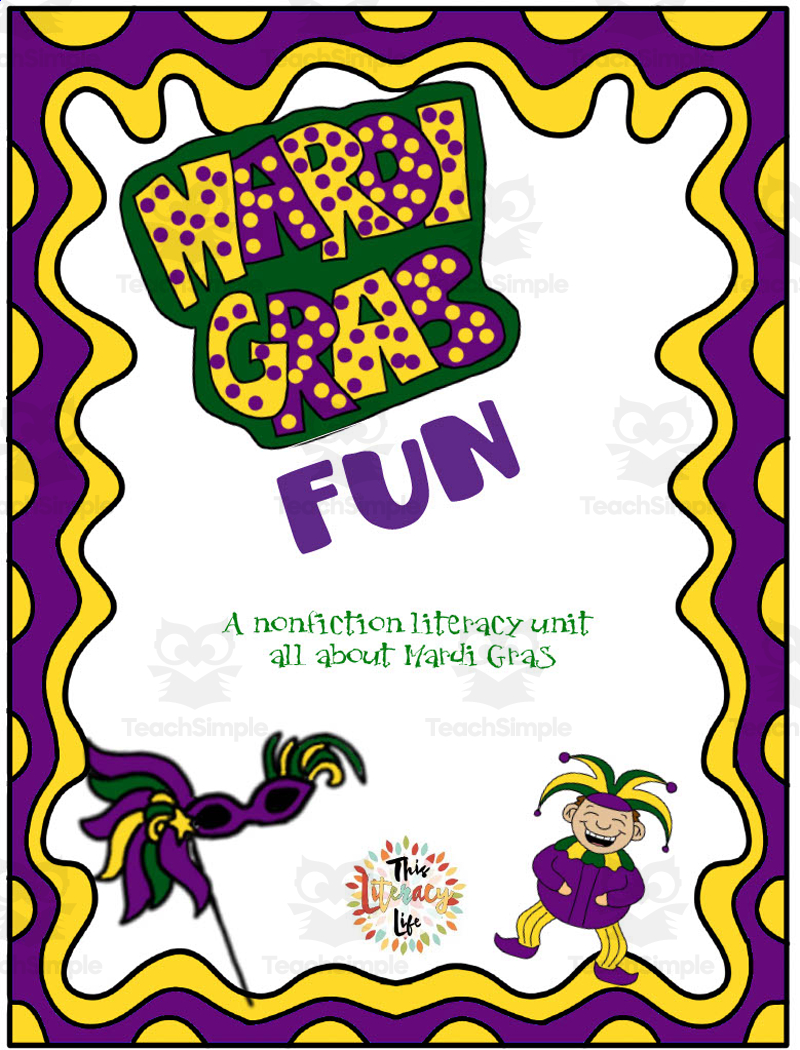
A non-fiction literacy unit that uses a short passage about Mardi Gras to teach before/during/after reading strategies, main idea and details, and vocabulary.
 Free download
An "I Have, Who Has?" chain card game for practicing recognition and sequencing of numbers 1-20 (digit form).

Practice recognizing and reading Fry high-frequency sight words 801-900 using a self-checking 'I Have... Who Has?' loop card game.
 Free download
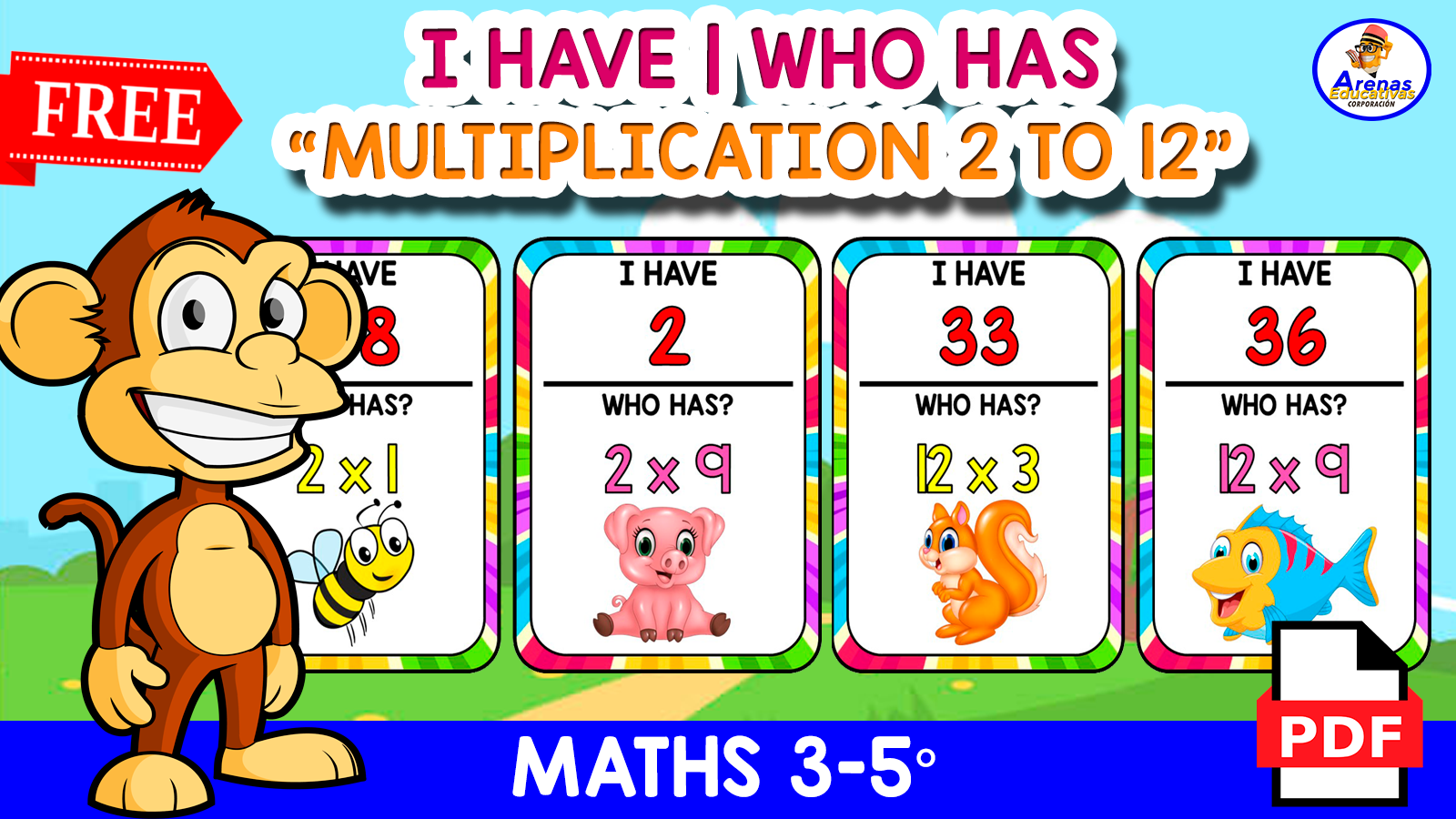
An 'I have, who has' cooperative card game for practicing multiplication facts 2 to 12.
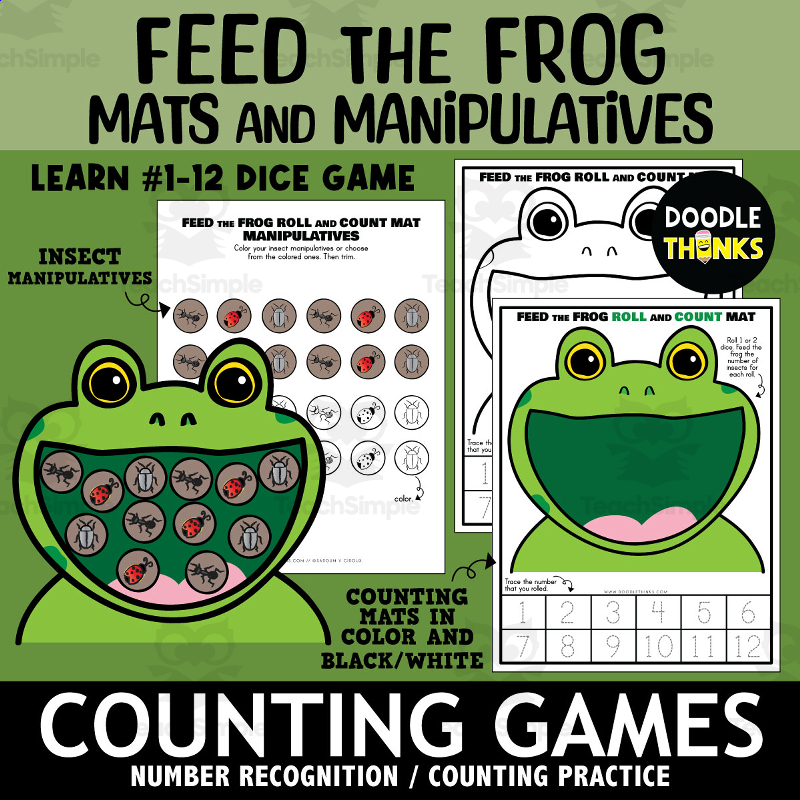
A dice-based counting game mat where students roll one or two dice and 'feed' the frog the corresponding number of insect manipulatives, practicing counting 1-12.

Practice recognizing and reading Fry high-frequency sight words 901-1000 using a self-checking 'I Have... Who Has?' loop card game.
A 32-card 'I have, who has' class game for practicing multiplication facts.
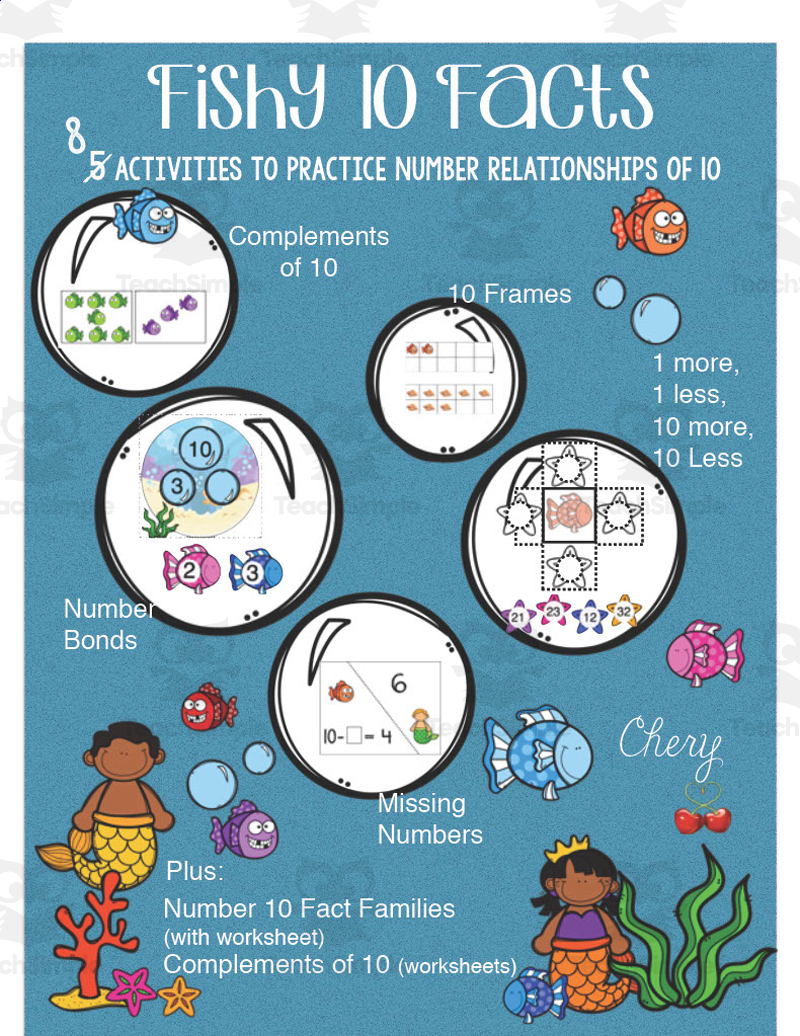
A set of hands-on math center activities for practicing number relationships/complements of 10 (making 10, number bonds, ten frames, plus/minus 10 and 1).
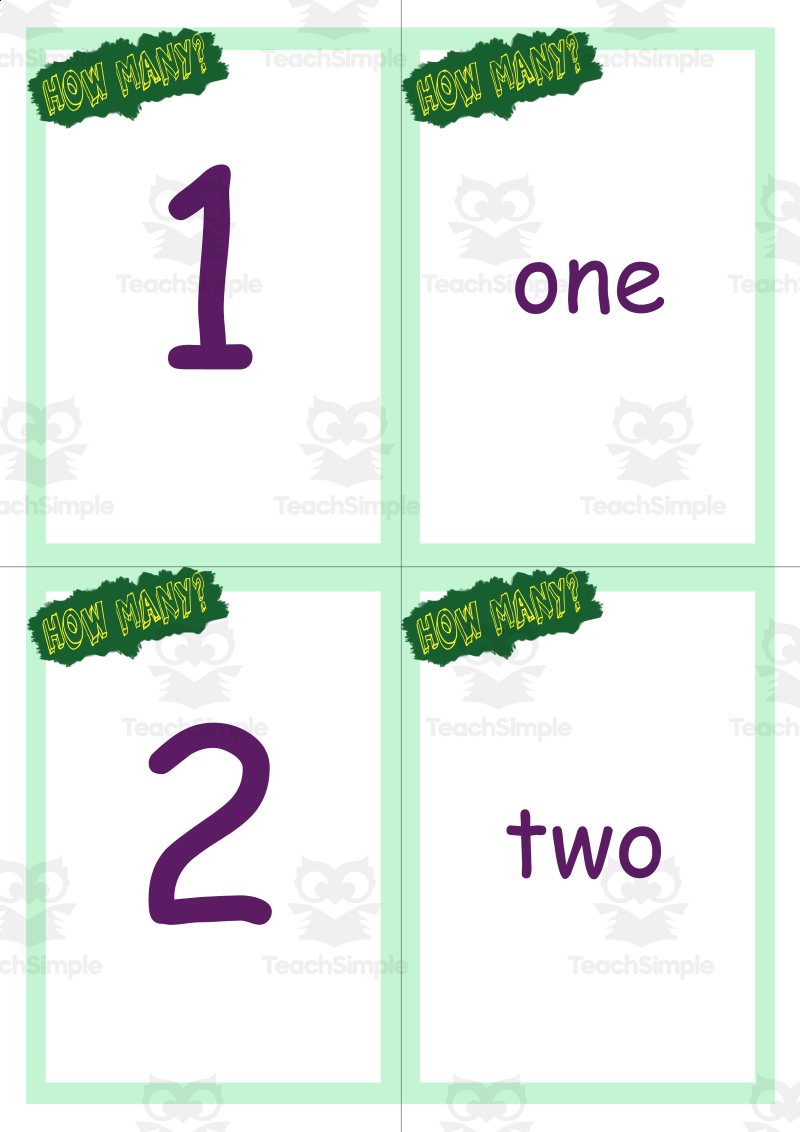
Here is a Counting + Numbers Game Card Set that is great for your little learners. Students will practice with numbers 1-10 . There are 2 sets included: - Number set featuring the number and number word - Picture set featuring the number word and a visual representation of that number You can print, laminate and cut these cards for…
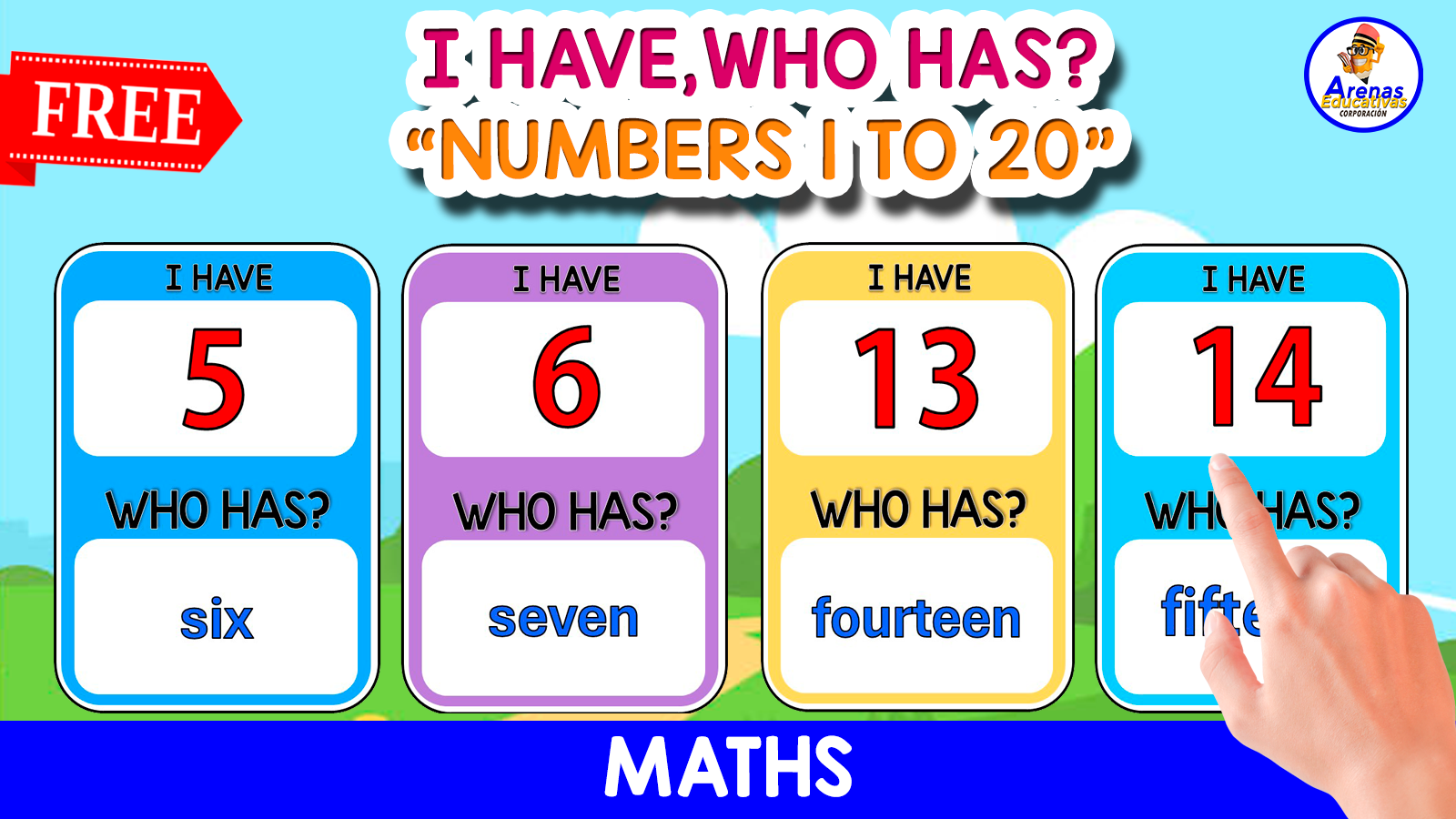 Free download
An "I Have, Who Has?" chain card game for practicing number words (spelled-out form) for numbers 1-20.
 Free download
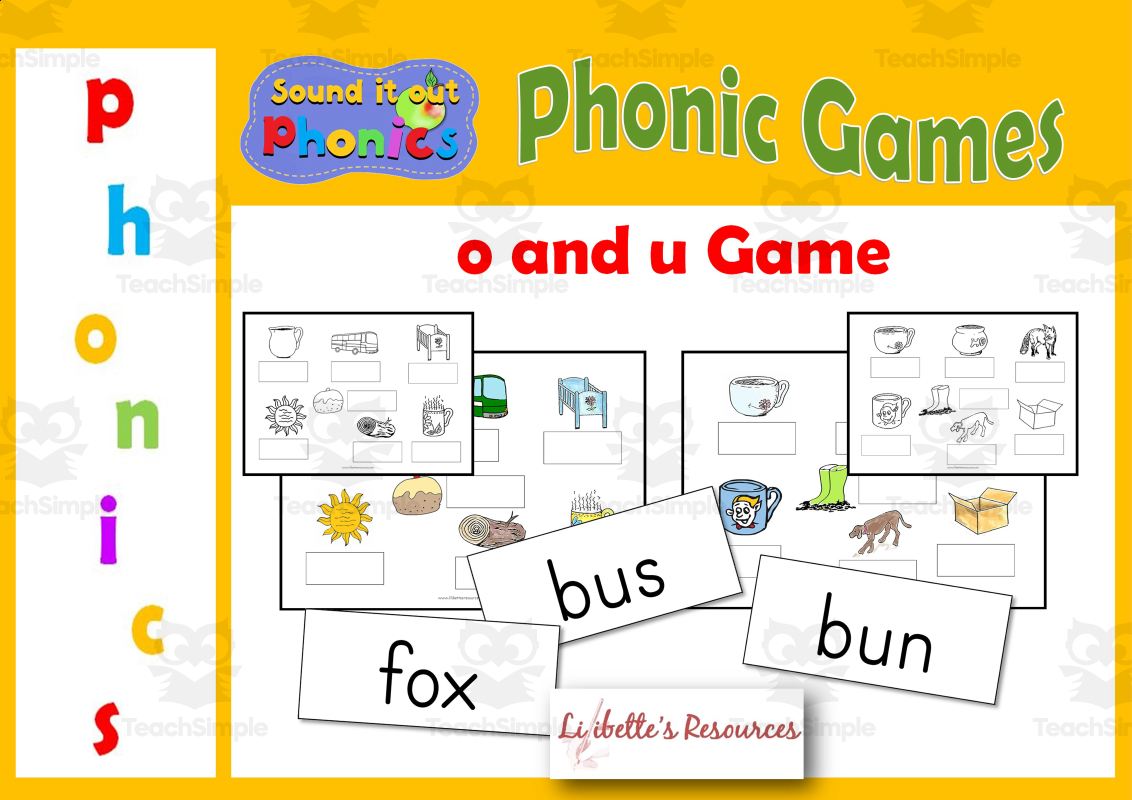
A two-player matching board game to help children learn to blend and differentiate three-letter CVC words with the short vowel sounds 'o' and 'u'.
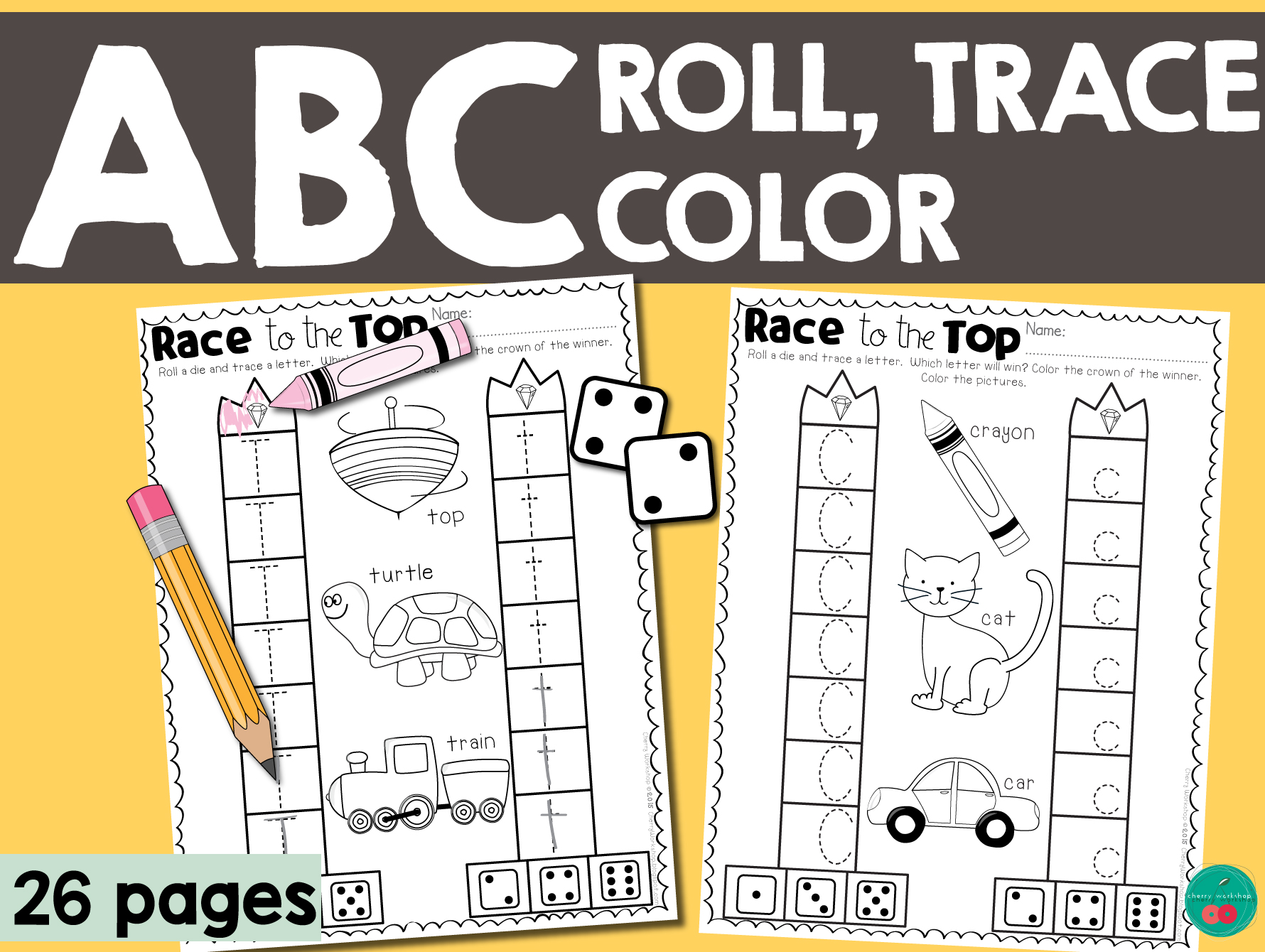
A dice-based letter-tracing race game where students trace letters and color related pictures.
 Free download
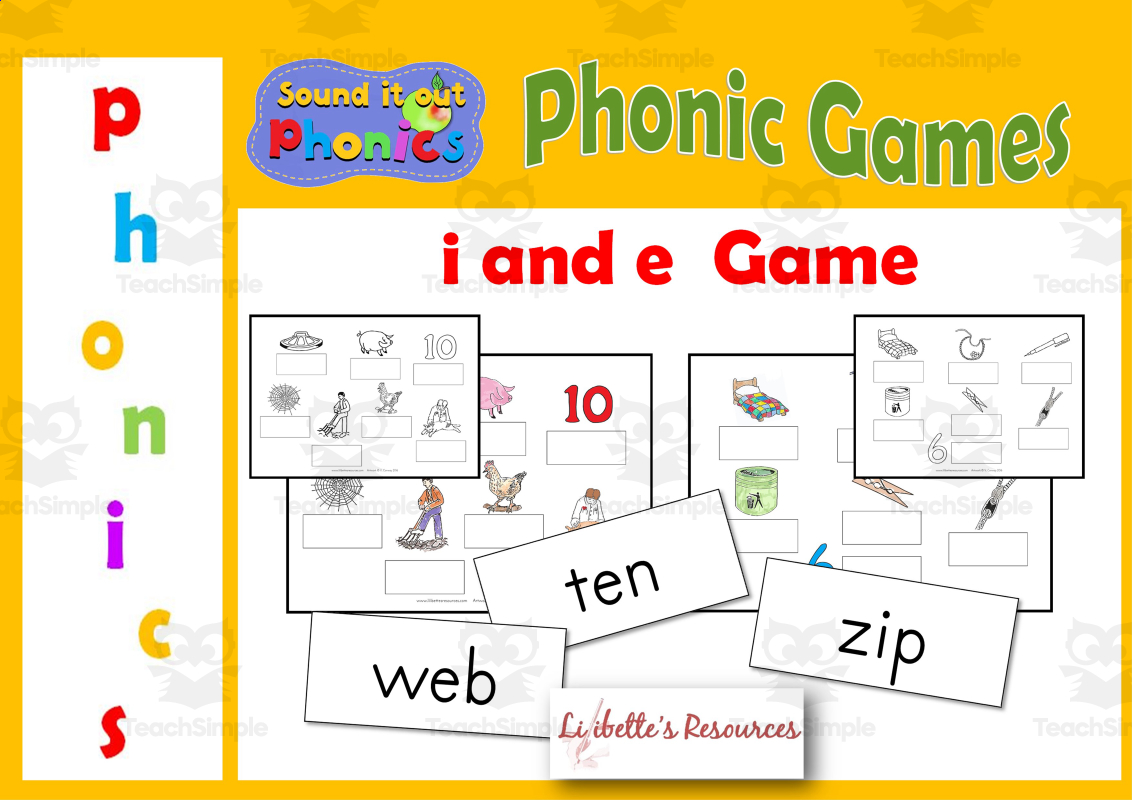
A two-player matching board game to help children learn to blend and differentiate three-letter CVC words with the short vowel sounds 'i' and 'e'.

Whole-class projected game for practicing estimating, multiplying, and adding decimal numbers in a money/shopping context.
 Free download
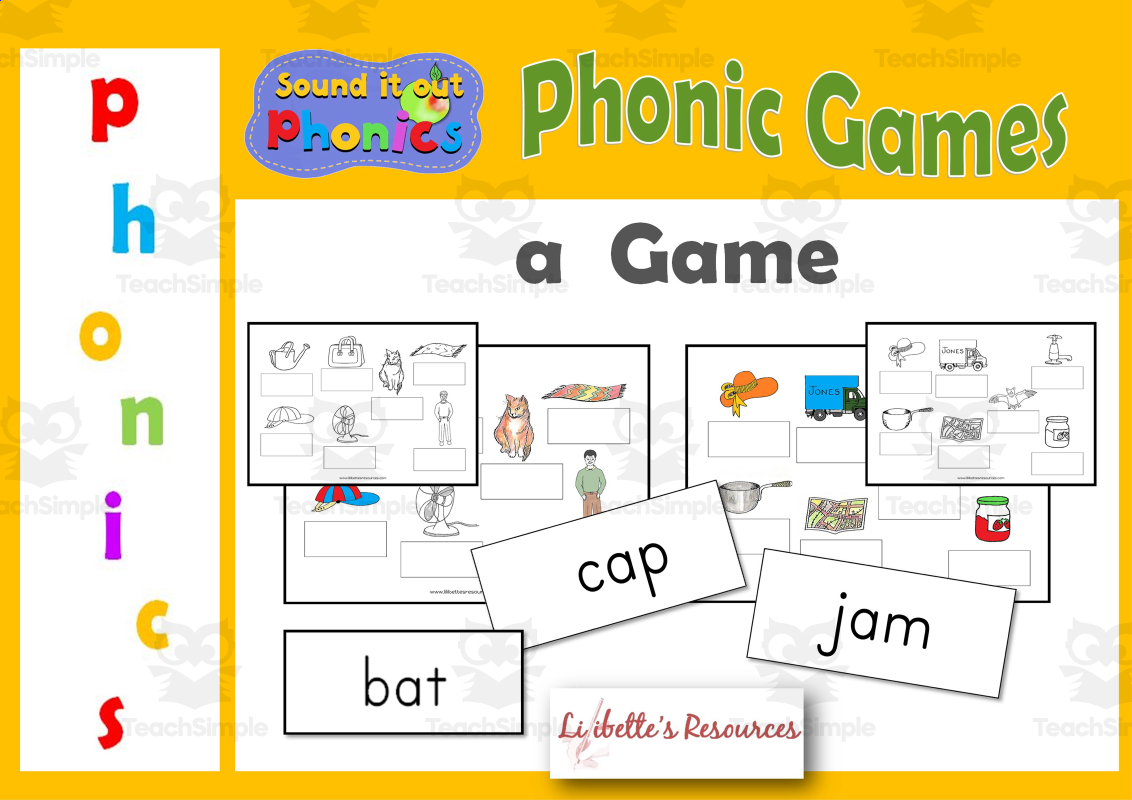
A two-player matching board game to help children learn to blend and read three-letter CVC words with the short vowel sound 'a'.
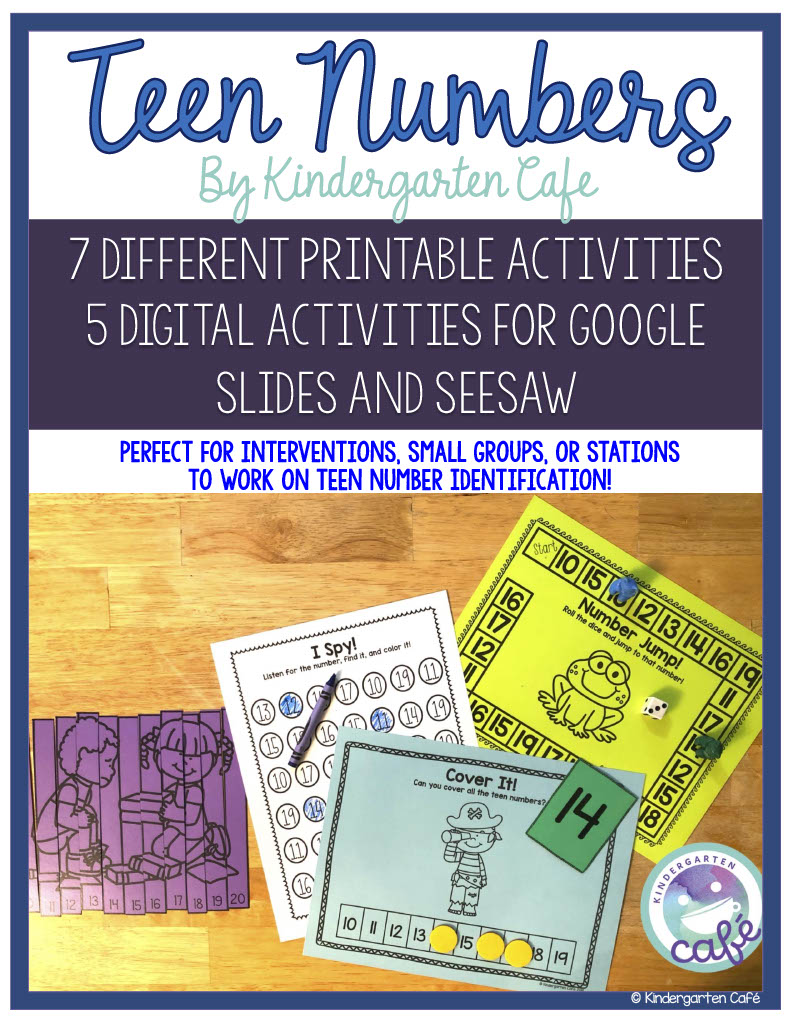
A bundle of 7 printable/digital math games and an assessment to practice teen number (10-20) identification, usable for interventions, small groups, or stations.
Provide teachers with a structured, multisensory ('Math Phonics') supplementary program of 10 lesson plans, worksheets, games, and flash cards for building multiplication and division facts fluency, building on an earlier base Math Phonics multiplication/division book.
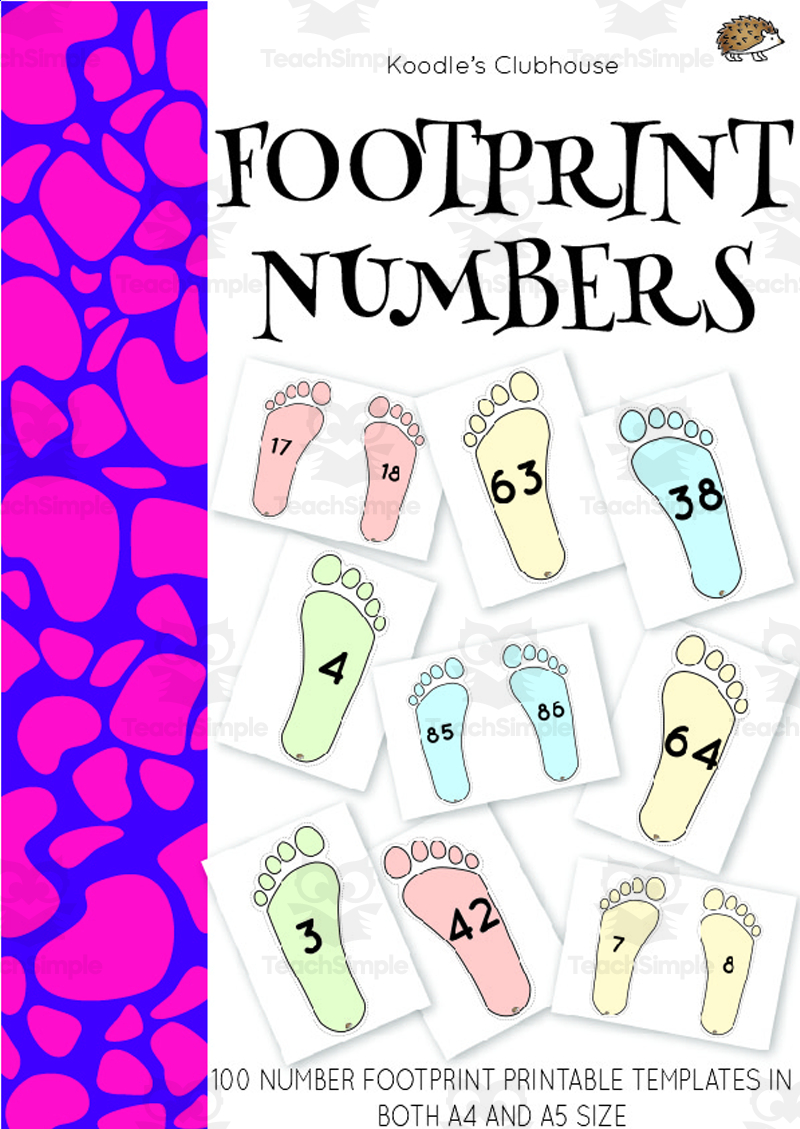
A gross-motor floor game using printable footprint templates numbered 1-100 to teach counting, number recognition, and number order.
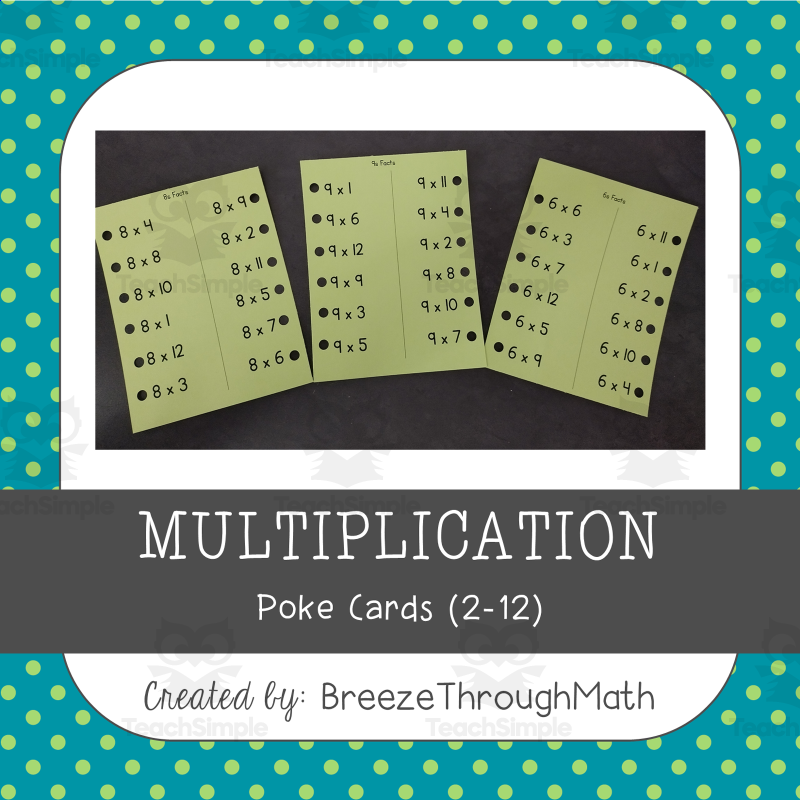
Give students a partner-based fluency drill game for multiplication facts 2 through 12 using a 'poke card' format in place of traditional flash cards.
 Free download
Domino-style matching game for practicing multiplication facts (times tables 1 through 12).
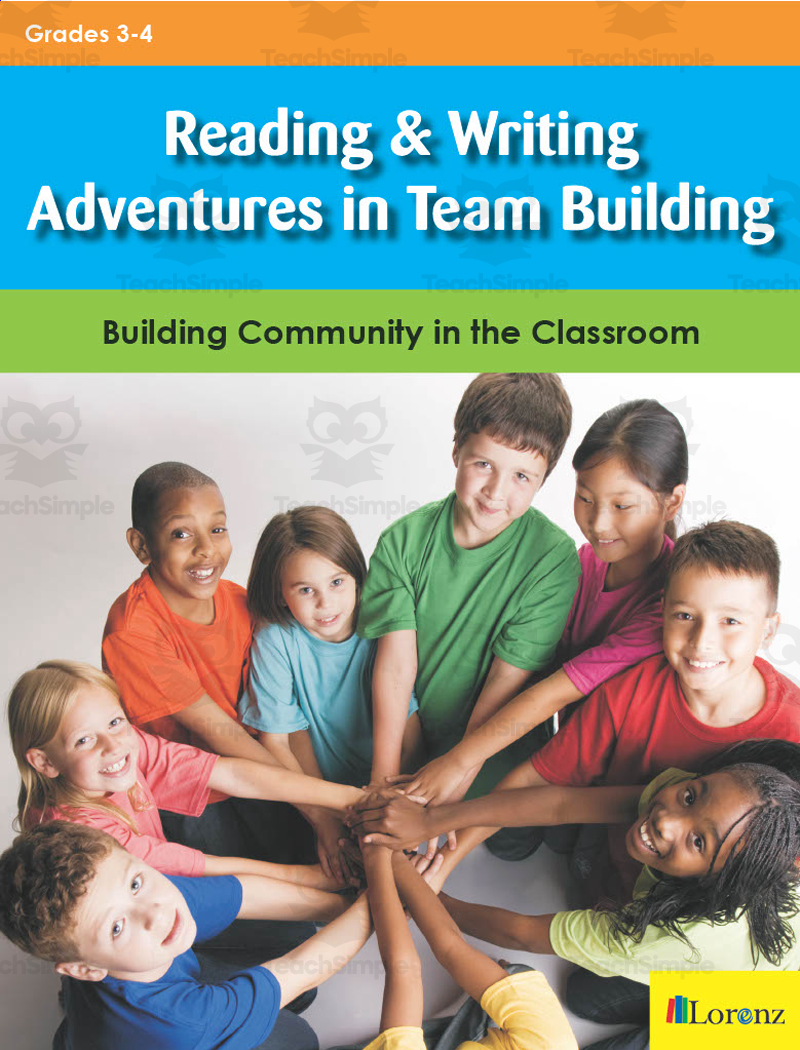
A Grade 3-4 collection of classroom team-building games and activities designed to build classroom community through structured group interaction, language arts practice (descriptive writing, alliteration, poetry), and problem-solving.
 Free download
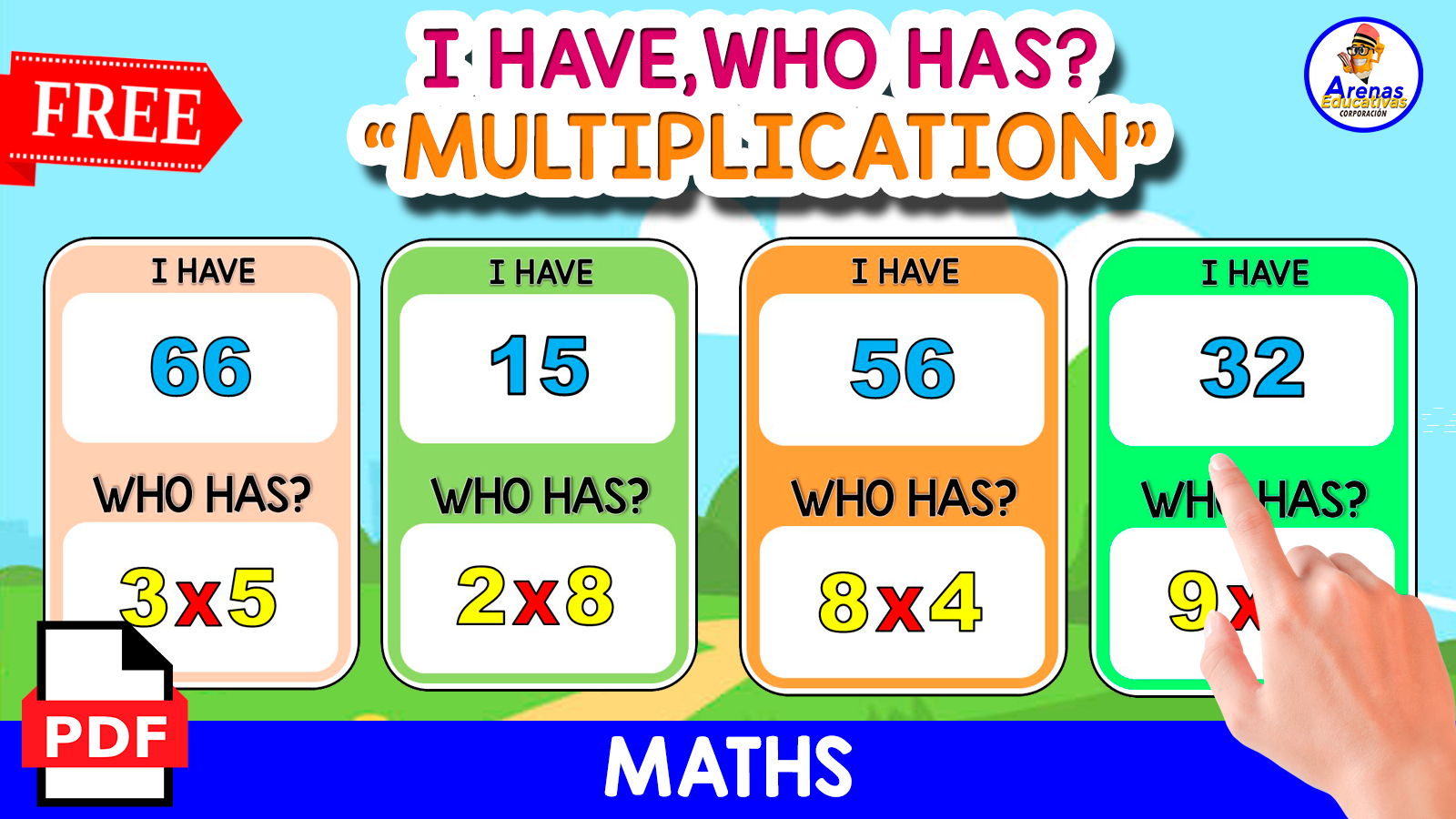
An "I Have, Who Has?" chain card game for practicing single-digit and low double-digit multiplication facts.