Reading games & activity packs
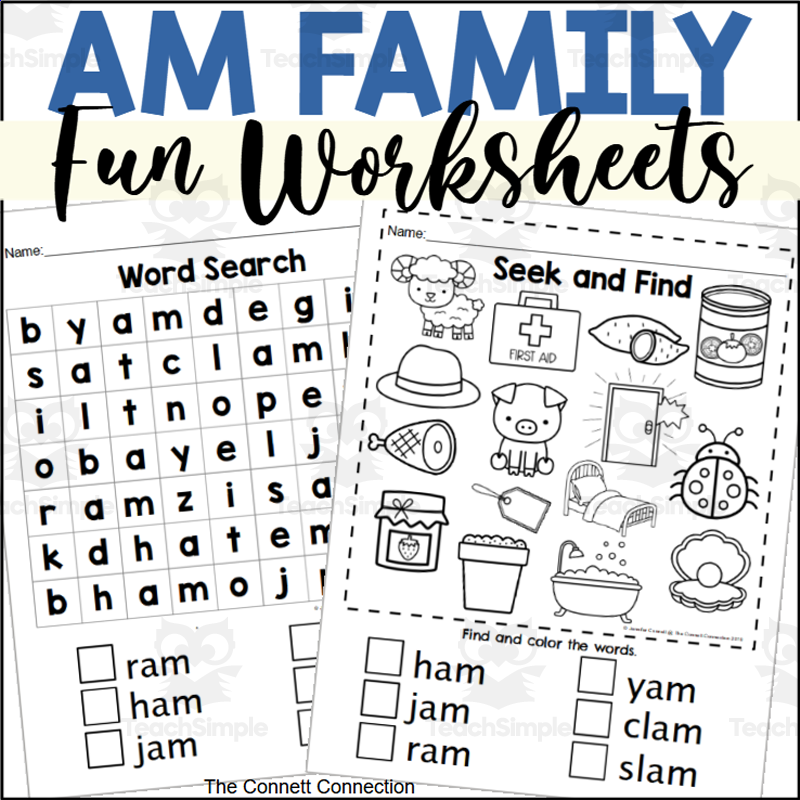
AM Word Family Fun Worksheets
Find and color hidden AM words in a seek-and-find puzzle; dab/mark AM-word picture spaces to complete a picture maze from start to finish; find AM words in a word-search grid.




2,133 resources
Explore sub-categories
33 sub-categories · 2,133 resources
Find and color hidden AM words in a seek-and-find puzzle; dab/mark AM-word picture spaces to complete a picture maze from start to finish; find AM words in a word-search grid.
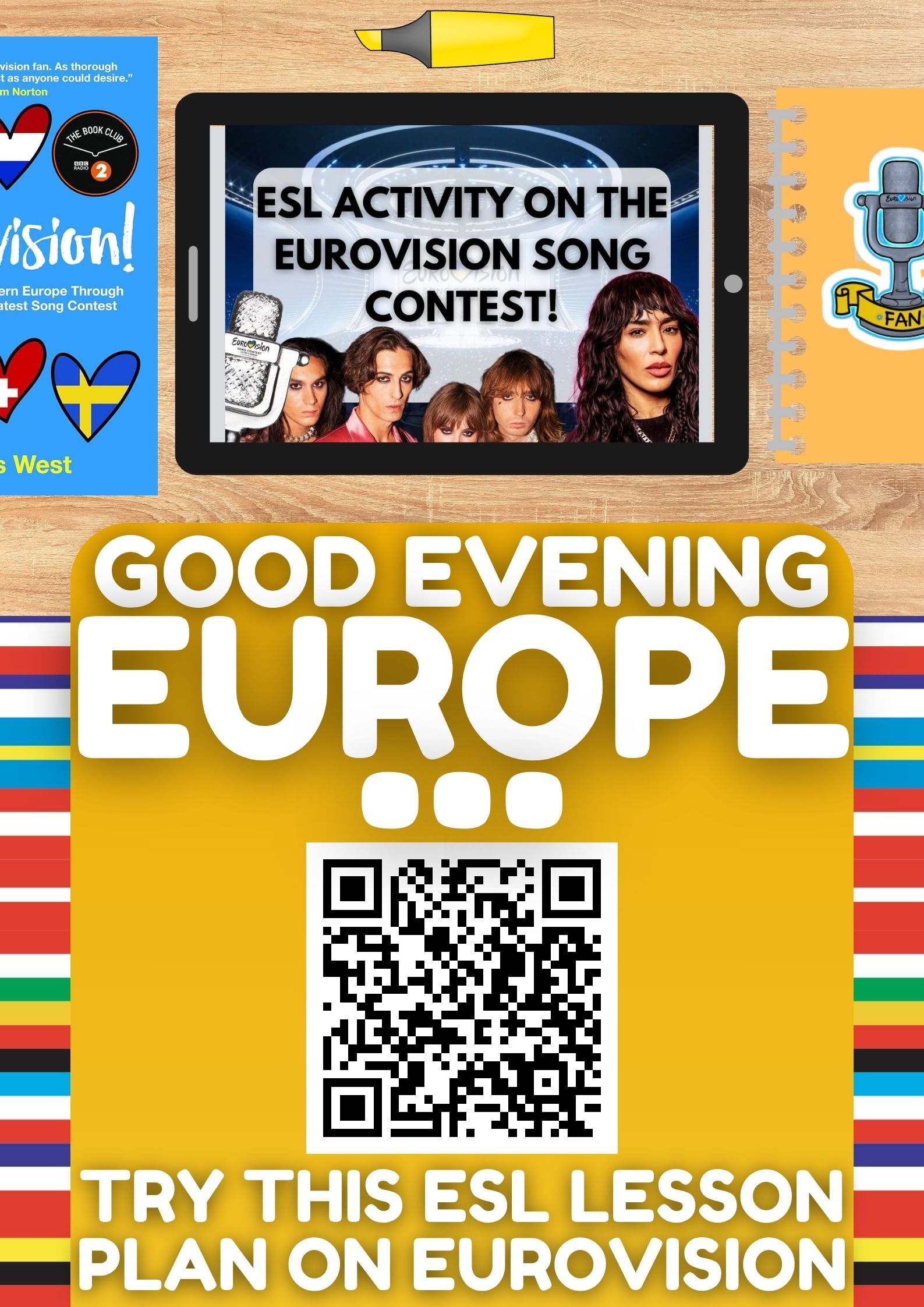
Eurovision topic cards give students a focus for questions they write themselves. Partners use those questions in an interviewer-and-singer role play, discussing choices such as language, genre, and stage performance. The song gap-fill provides listening practice, and three essay prompts guide an imaginative account of attending the contest.
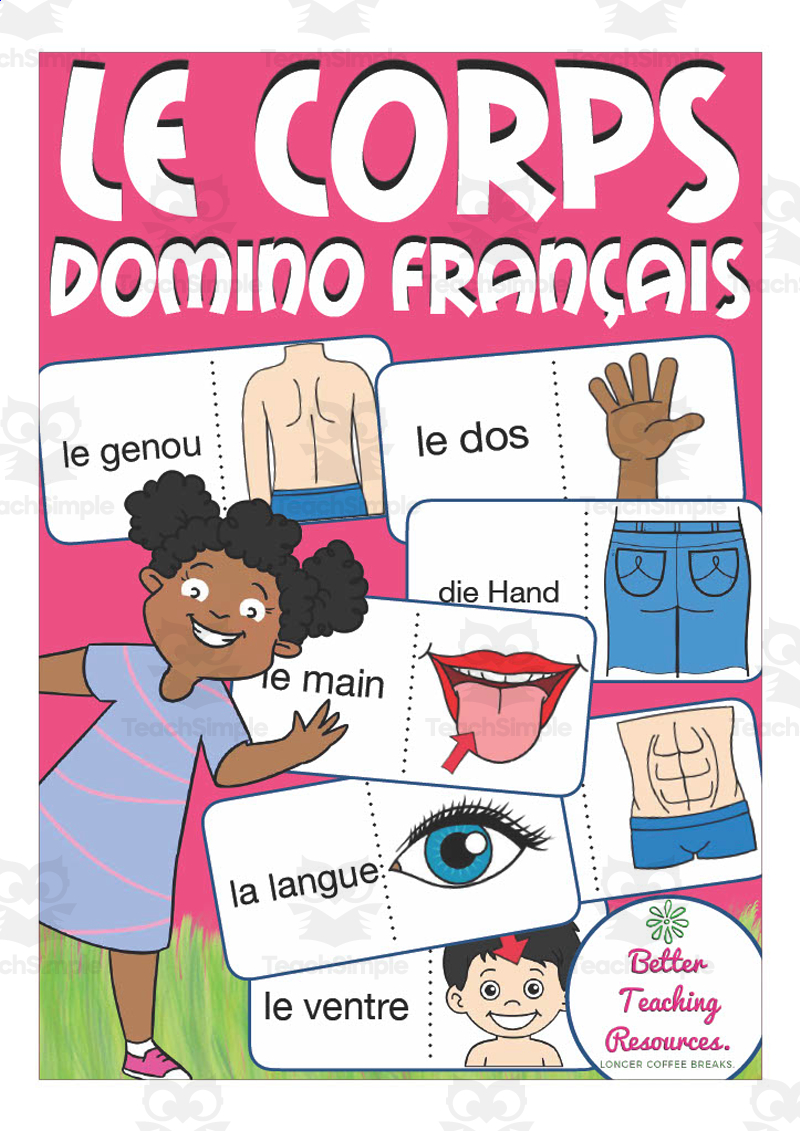
Arrange domino cards in the correct sequence so that matching French human-body vocabulary terms line up end to end.
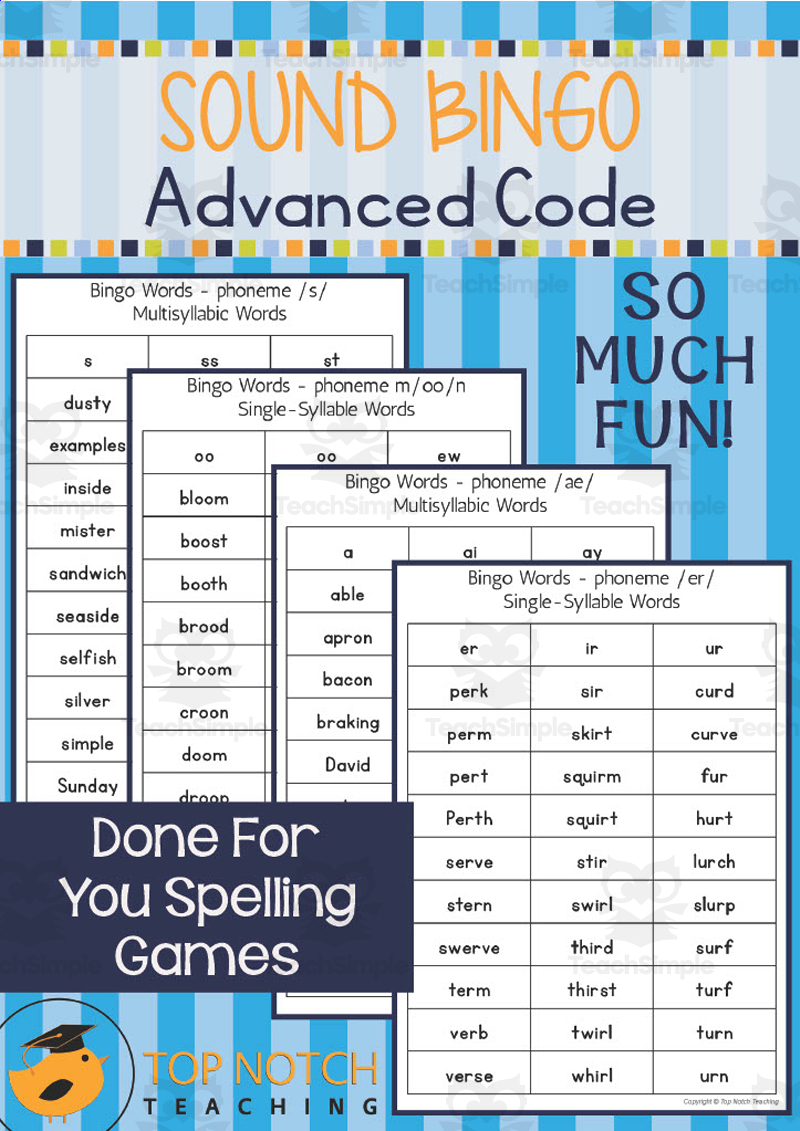
A phonics spelling-practice bingo game covering the spellings of 20 advanced-code phonemes, used as an alternative to spelling tests.
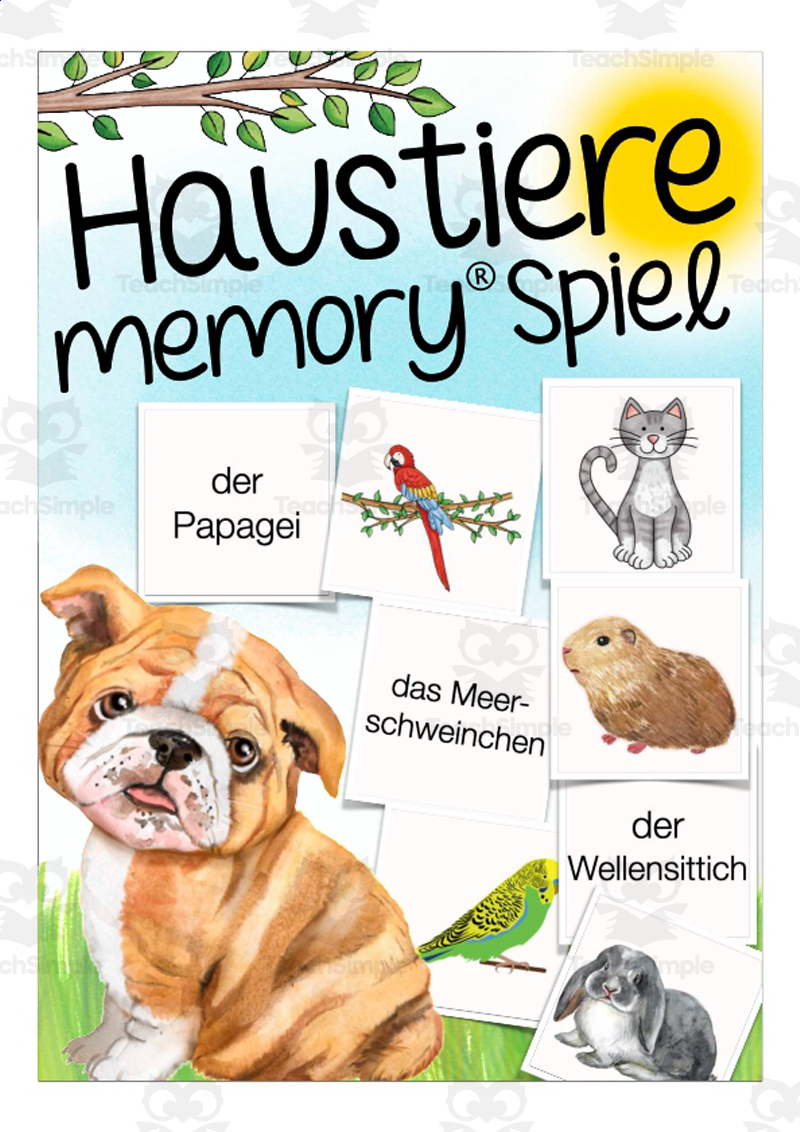
Match German pet-related vocabulary words and short phrases (e.g. die Schildkröte, die Katze, der Hamster, das Kaninchen, die Fische, der Wellensittich, das Halsband, das Leckerli, der Tierarzt, das Aquarium, der Käfig, das Kaninchen streicheln, den Hund füttern) to corresponding picture cards; classic memory-game format.
Participate in center-based and whole-group activities across art, sensory, math, science, movement, dramatic play, and circle time — e.g. bubble art, tracing/cutting hand shapes, counting to 20 while washing hands, a germ-growth bread experiment, a 'Germ Tag' movement game, and daily circle-time discussion questions…
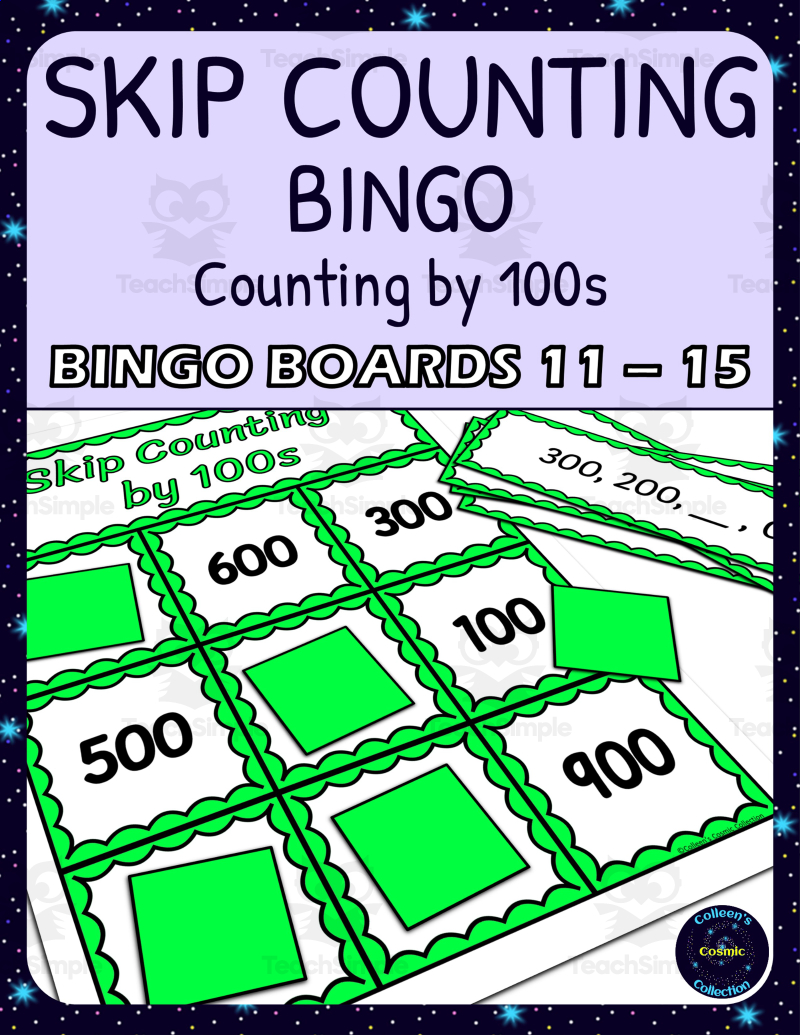
Skip Counting by 100s Bingo engages students in building number sense through a fun, interactive game . This math resource includes 5 colorful bingo boards focused on reinforcing skip counting skills. To play, students cover called numbers on their boards with tokens. The first to cover 3 spaces in a row wins! Use this game for…
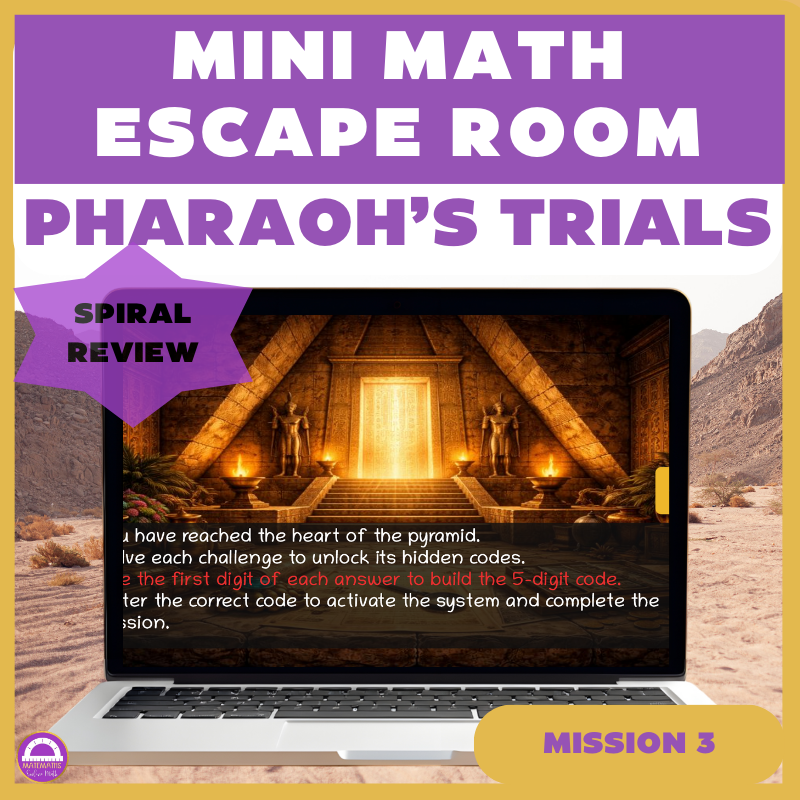
Students solve 5 math problems on one page, take the first digit of each answer, and combine the five digits into a numeric code that completes the mission.
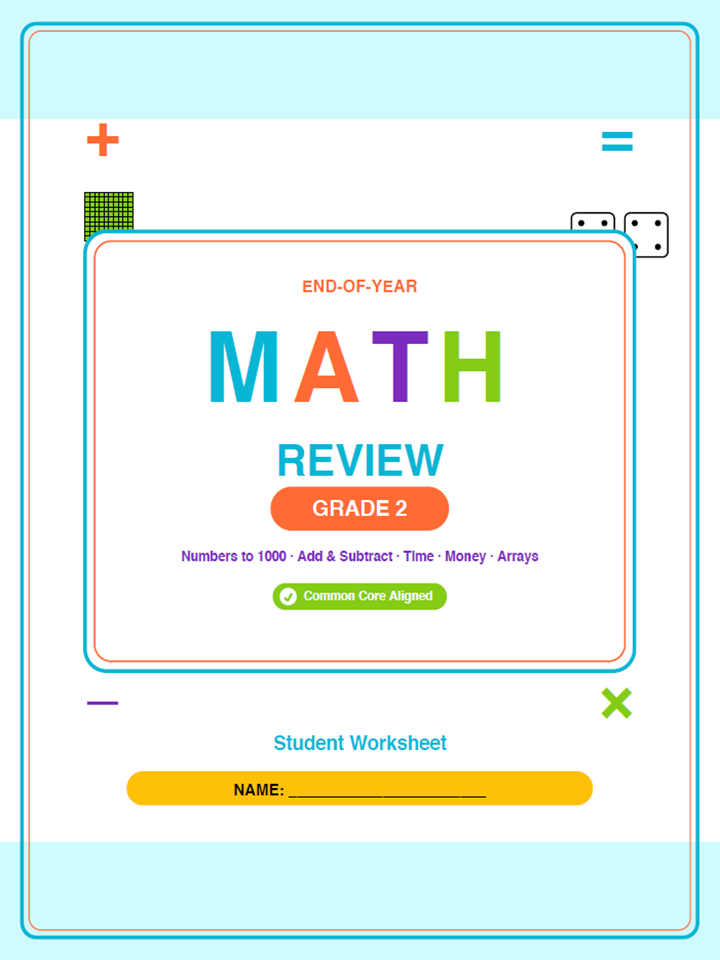
Students fill in missing numbers on skip-counting charts, write numbers in expanded form, compare 3-digit numbers, solve addition/subtraction problems (with and without regrouping), and play included math review games.
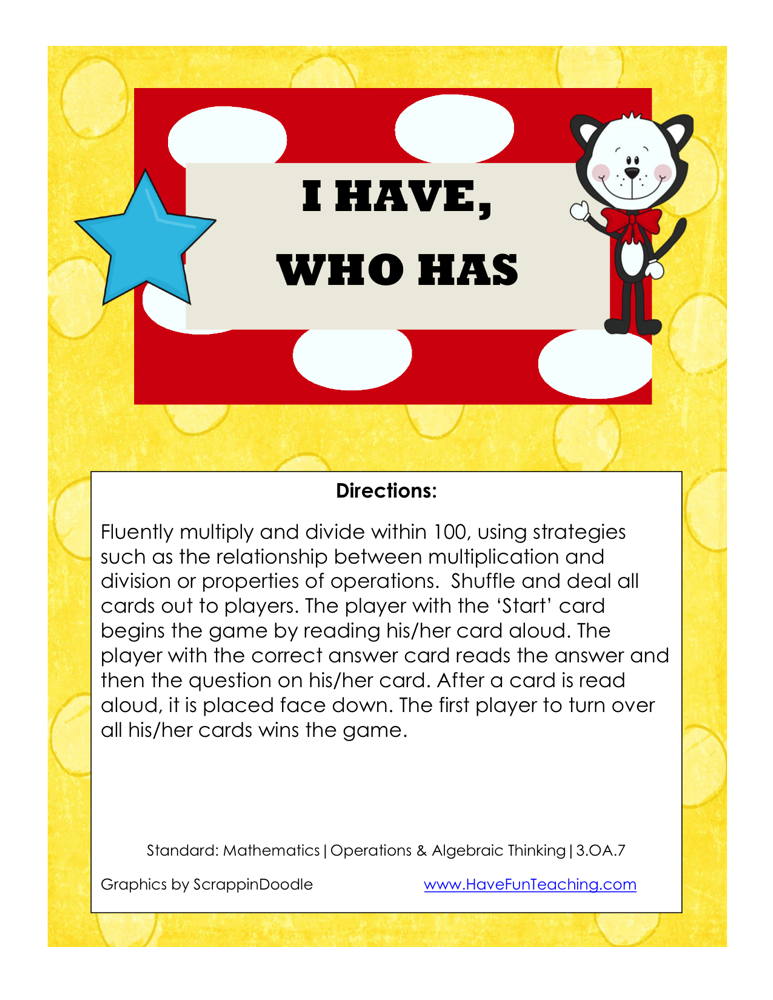
An 'I have, who has' card game for practicing fluent multiplication and division facts within 100.
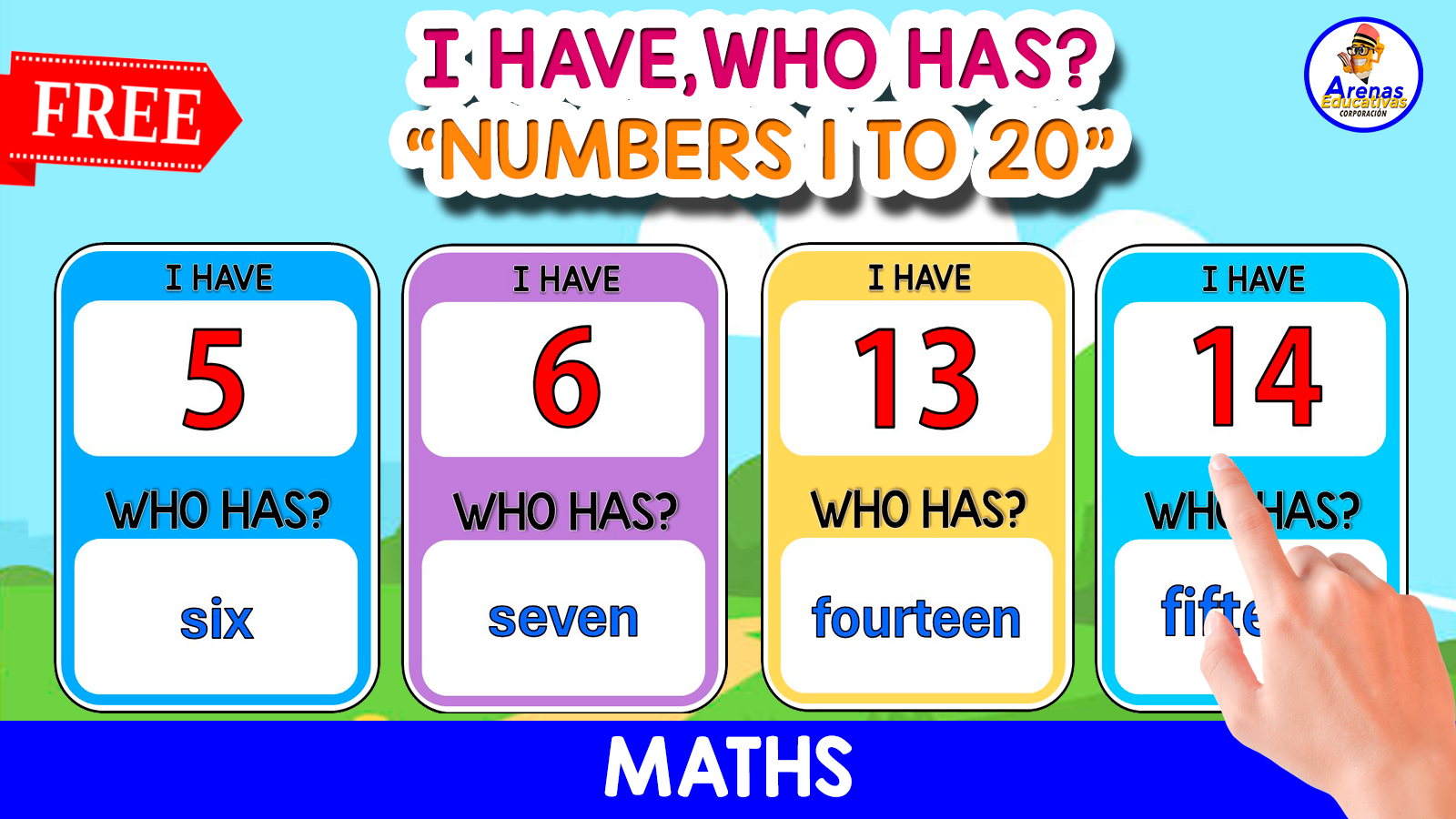 Free download
 Each student reads the spelled-out number they "have," then asks "Who has [next number word]?"; play continues until the loop closes.

An indoor recess gross-motor game in which students physically act out emotions.
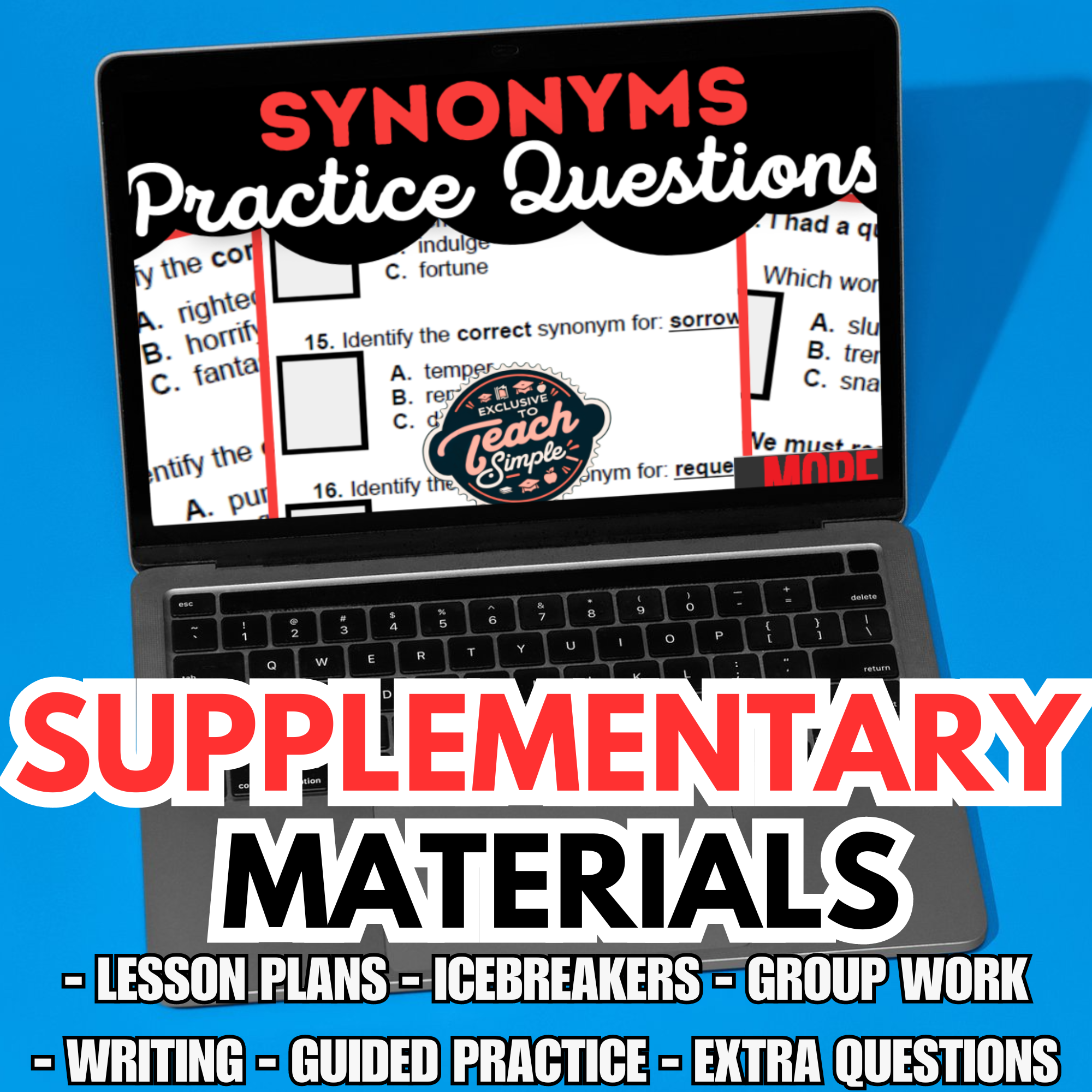 Free download
 Provide teachers with a package of supporting synonym-teaching activities (lesson plans, icebreakers, group work, writing prompts, guided practice, extra comprehension checks) to accompany the main worksheet set.

Play bingo: mark called-out sight words on an individual bingo card with small markers; the first student to get 5 in a row wins.
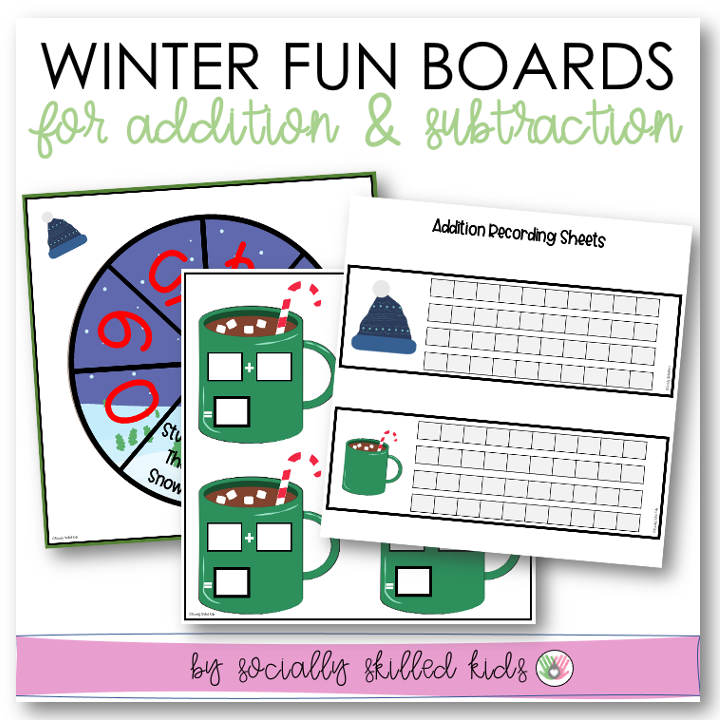
Students spin a winter-themed spinner to generate two numbers, write them into boxes on a practice board (using a dry-erase marker or pencil), and compute the sum or difference; a 'Stuck In The Snow' spin space adds a game twist requiring a re-spin.
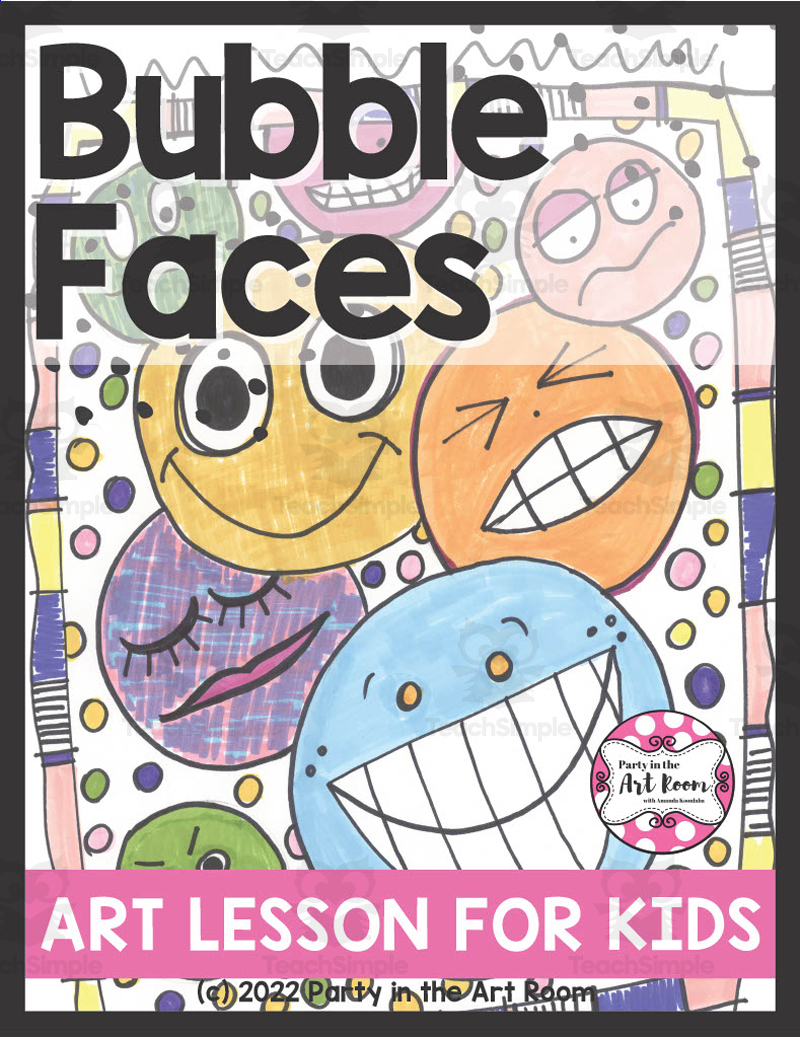
Students roll a die/spinner ten times to place and overlap circles per game rules, draw a pattern and frame, add color (including hatching/cross-hatching techniques), name each face and describe its emotion, compare their work to artist Charles Blackman's 'Divided Faces' using a Venn diagram, and complete written artwork/artist…
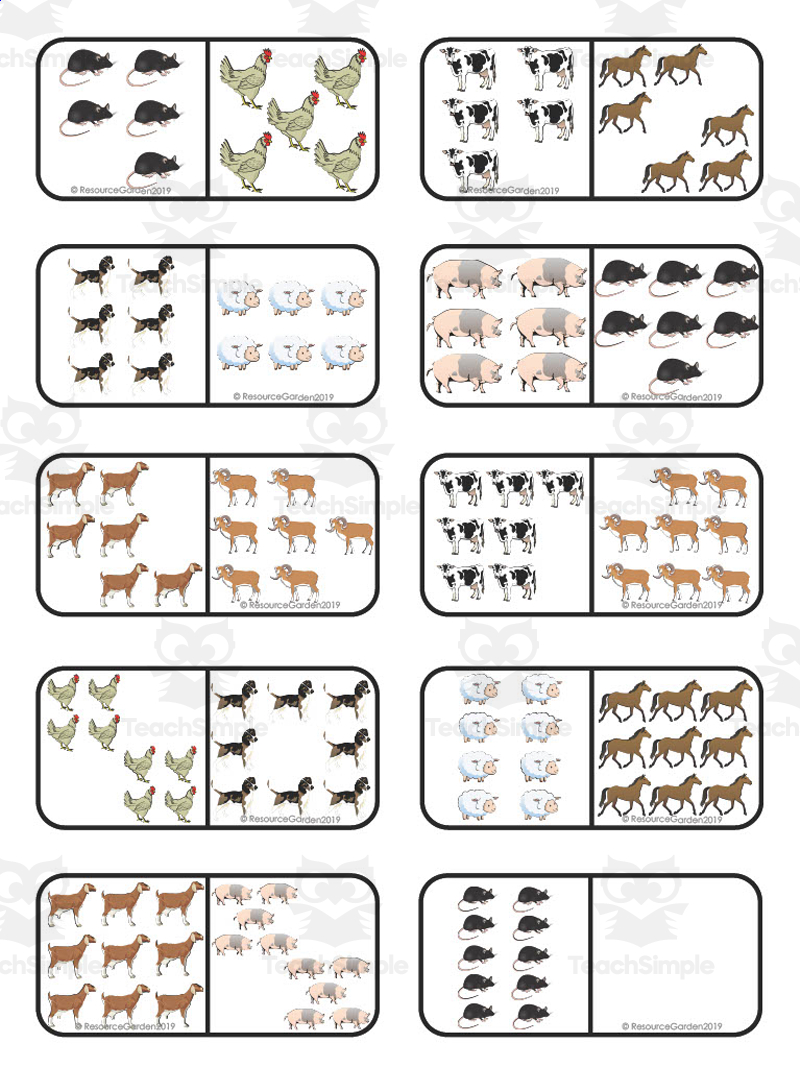
If there is one thing we can count on young learners to absolutely love, it would be animals! From a very young age, many young children strike an interest in animals of all kinds. We know that incorporating interests in our lessons can increase student engagement. There are many ways to incorporate animals into learning! This is an…
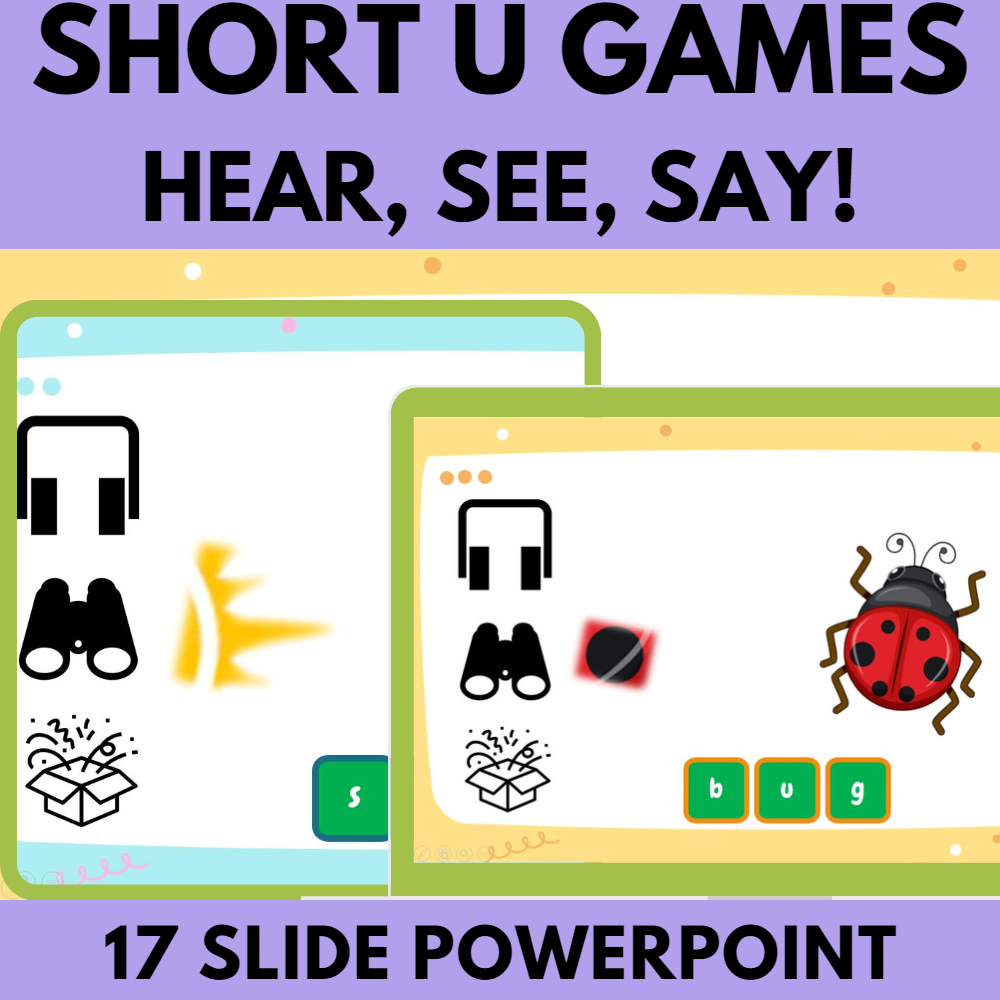
View a short-U CVC word, sound it out, and reveal it letter by letter using on-screen icons (sound-effect and picture reveal functions, teacher-directed).

Play pierre-feuille-ciseaux (rock-paper-scissors) in French to move a game piece across a board; a rock win advances 1 space, paper 2 spaces, scissors 3 spaces. When a student lands on a space, they conjugate (and, per catalog, translate) the verb shown for the pronoun on that space; an incorrect conjugation costs the student a turn.
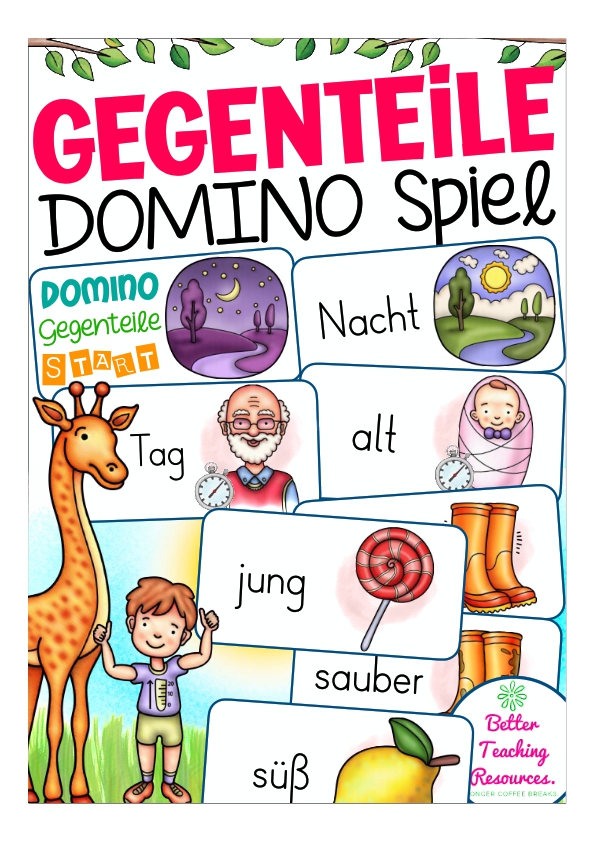
Cut apart the domino tiles and match each German vocabulary word to its picture, laying the cards in sequence from START to Ende (or use the halved cards as picture-word memory/matching cards).
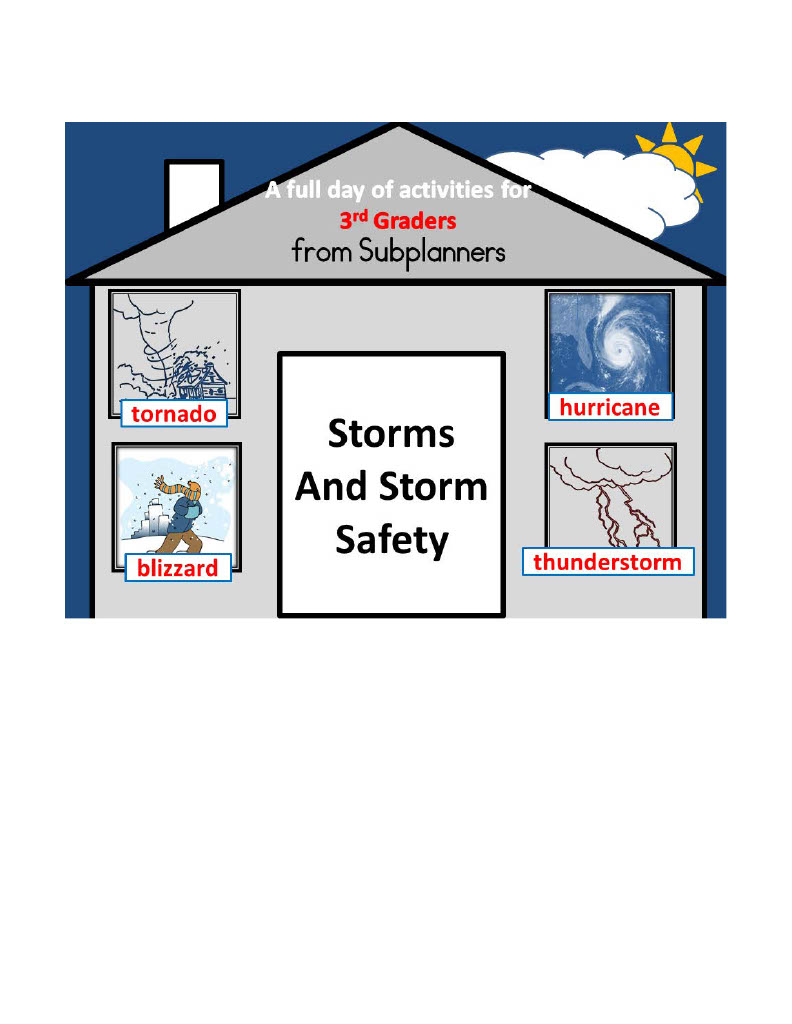
Complete morning/afternoon message worksheets; do independent reading with reader-response forms; read comprehension passages on thunderstorms, tornadoes, hurricanes, and blizzards and answer questions; make a tornado safety poster; complete a Venn diagram comparing tornadoes and hurricanes; make a bar graph of…
Move around the room asking classmates to solve the problem shown in a square; the answering classmate signs their name if correct; play continues bingo-style until a student marks 5 names in a row and can justify each answer to win.
Trace and write numbers 1-20, count and compare objects, solve addition/subtraction problems within 10, build teen numbers with ten frames, name 2D/3D shapes, and play review games.
 Free download
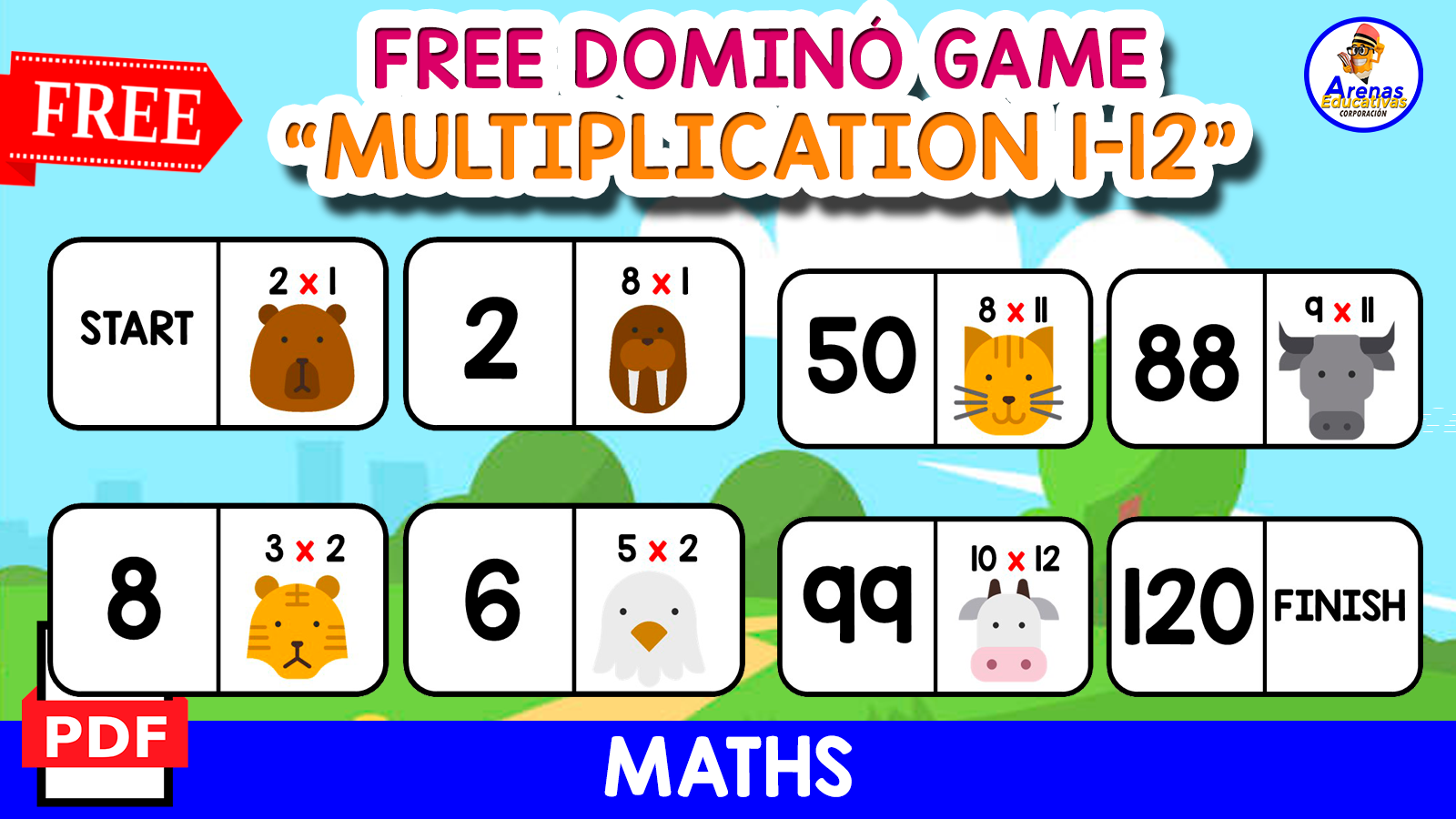
 Give students hands-on practice matching multiplication facts through a printable domino-style game.