Vocabulary & phonics
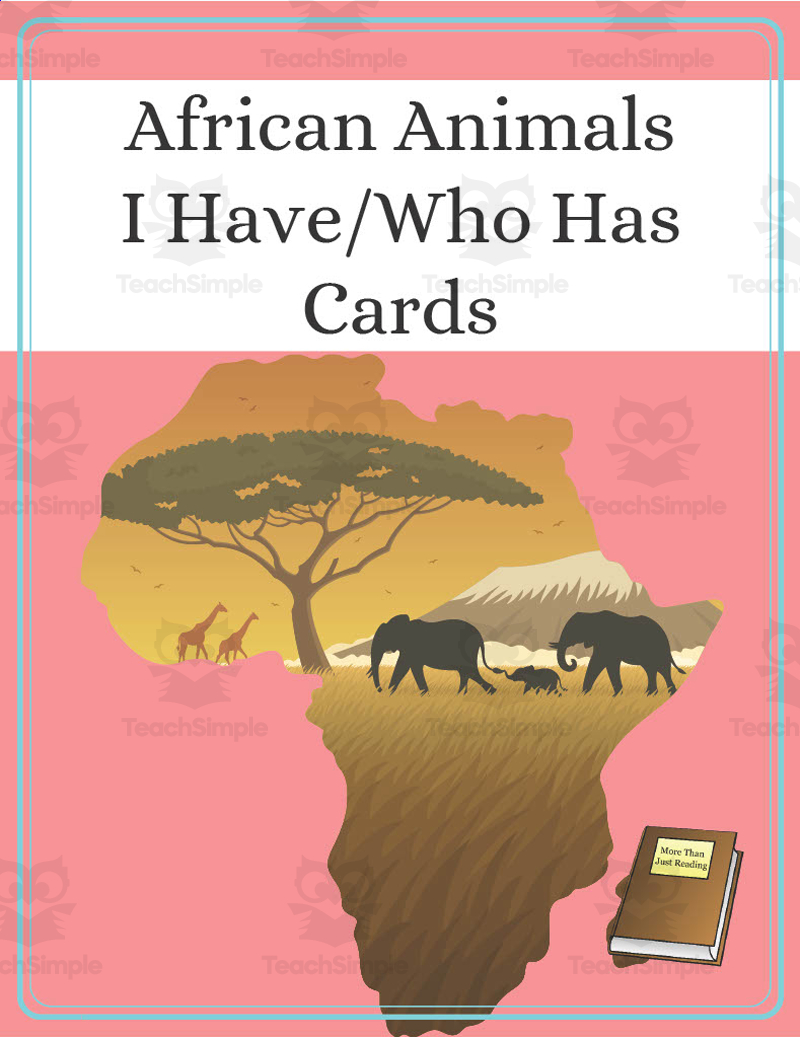
African Animals - I Have Who Has Cards
Read a card's clue and answer, chaining responses around the class to match each animal to its descriptive clue (e.g. 'Who has an animal with stripes?' -> 'I have Zebra')




Classroom resources
Browse by lesson focus
Choose the topic or kind of practice you need.
Showing 169–192 of 281 resources

 Show filters
 Read a card's clue and answer, chaining responses around the class to match each animal to its descriptive clue (e.g. 'Who has an animal with stripes?' -> 'I have Zebra')
Play a dominoes-style matching game: draw tiles, match refraction/reflection terms, diagrams and definitions edge-to-edge, and challenge incorrect matches, following printed how-to-play instructions.
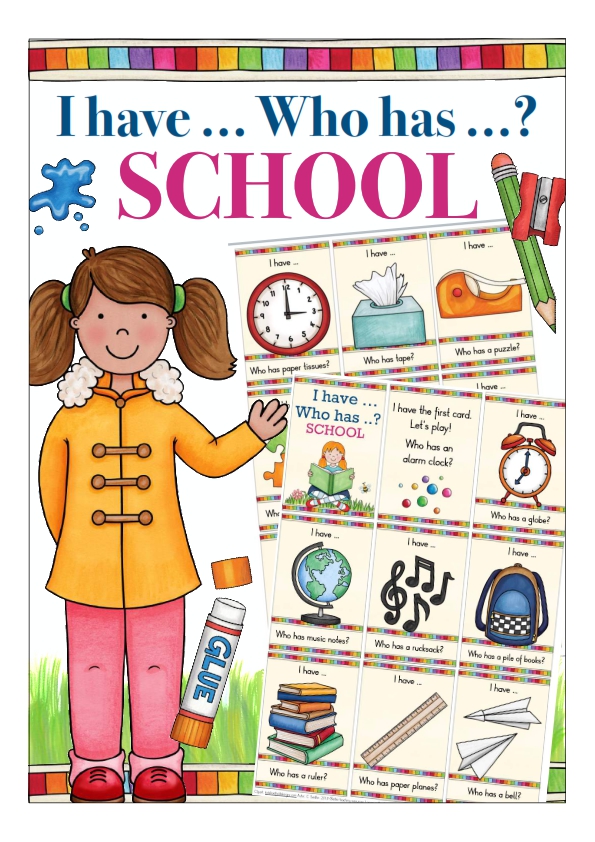
Students receive shuffled cards, read aloud the prompt on their card ('I have...'), listen for the matching term on another student's card, and respond ('Who has...?') in a chain until all cards have been used.
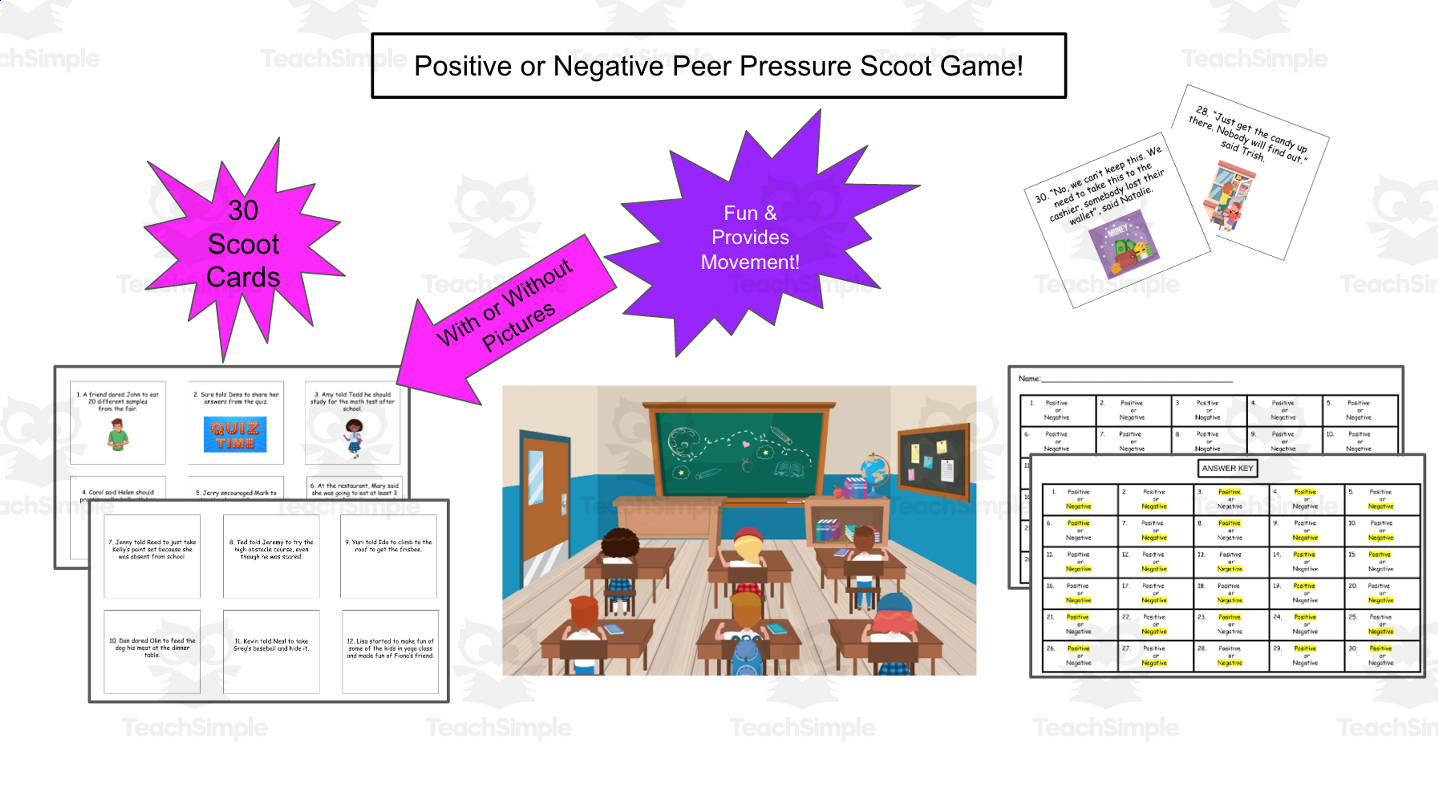
Rotate desk-to-desk on a timer, read a numbered scenario card describing a peer-pressure situation (e.g. a friend daring someone to do something, encouraging someone to study, or encouraging someone to tease/prank/skip responsibilities), and mark on an answer sheet whether the situation is 'positive' or 'negative'…
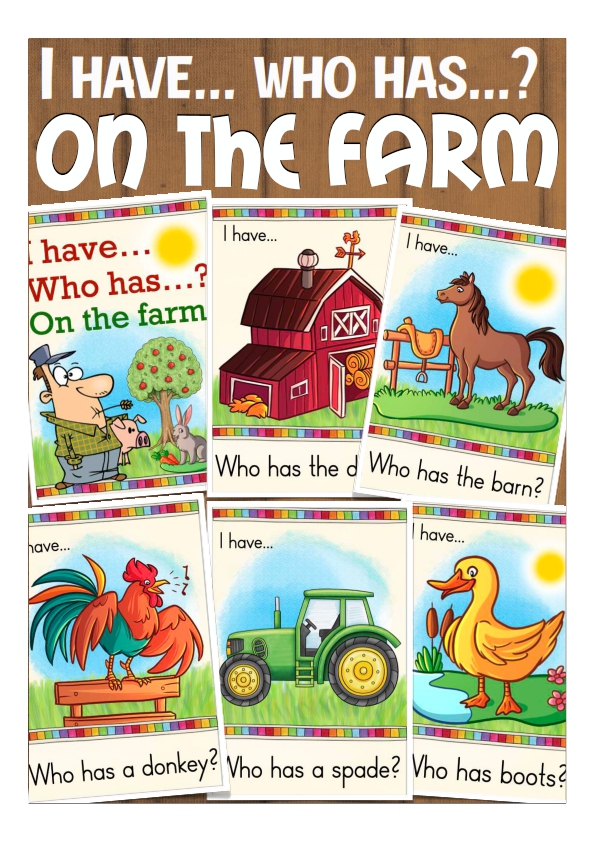
Students receive shuffled cards, read aloud the prompt on their card ('I have...'), listen for the matching term on another student's card, and respond ('Who has...?') in a chain until all cards have been used.
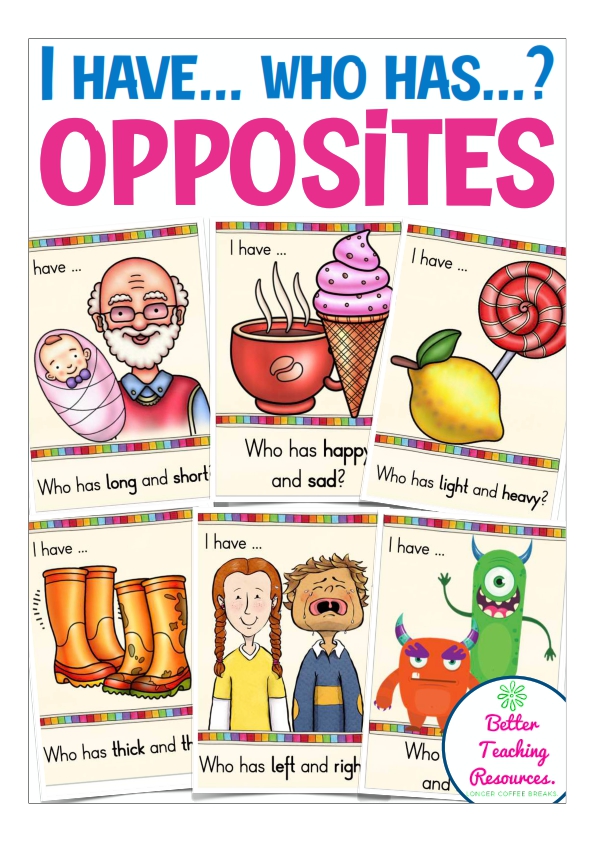
Students receive shuffled cards, read aloud the prompt on their card ('I have...'), listen for the matching term on another student's card, and respond ('Who has...?') in a chain until all cards have been used.
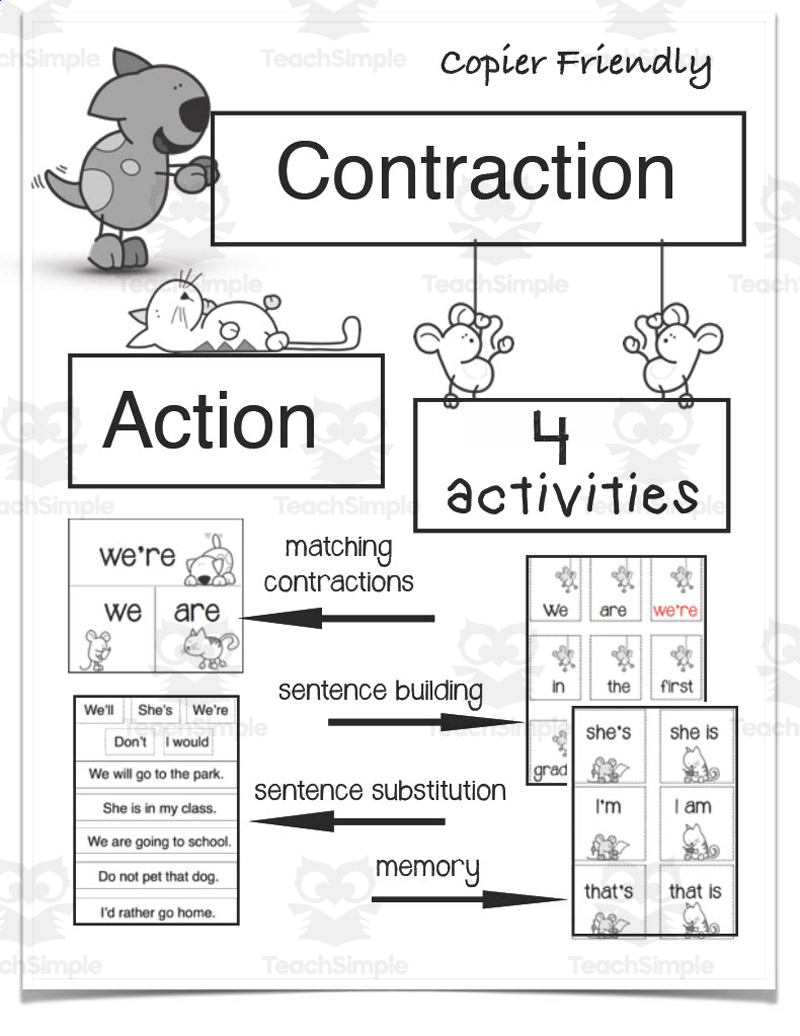
Match contraction cards to their two-word expanded forms (e.g. 'don't' to 'do not'); build/substitute sentences using contractions; play a memory-matching game with contraction/expanded-form pairs.
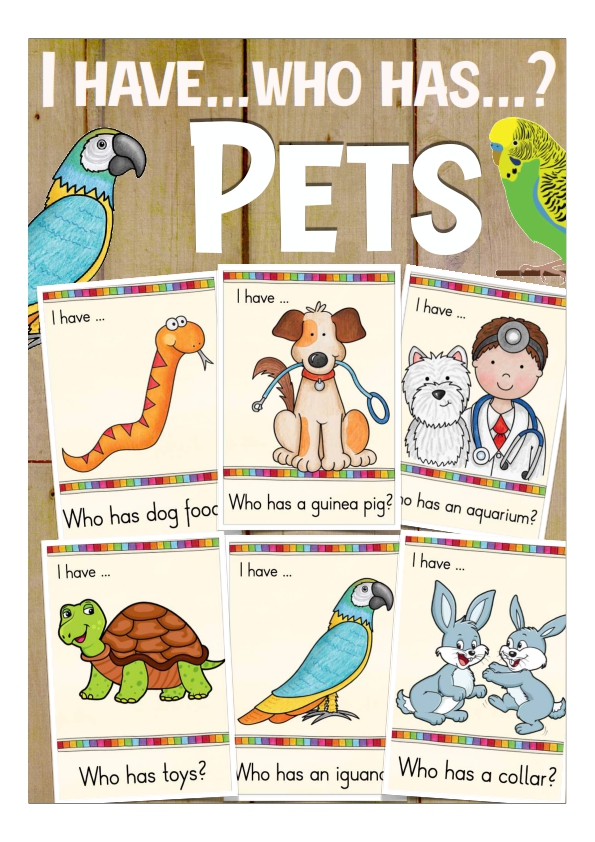
Students receive shuffled cards, read aloud the prompt on their card ('I have...'), listen for the matching term on another student's card, and respond ('Who has...?') in a chain until all cards have been used.
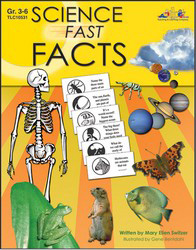
Students answer short fact/trivia questions printed on cards (fill-in-the-blank, true/false, and short-answer format, e.g. 'Animals that eat meat are called ____'), with the correct answer printed on a matching card beneath/alongside each question, suitable for flashcard-style review or class games.
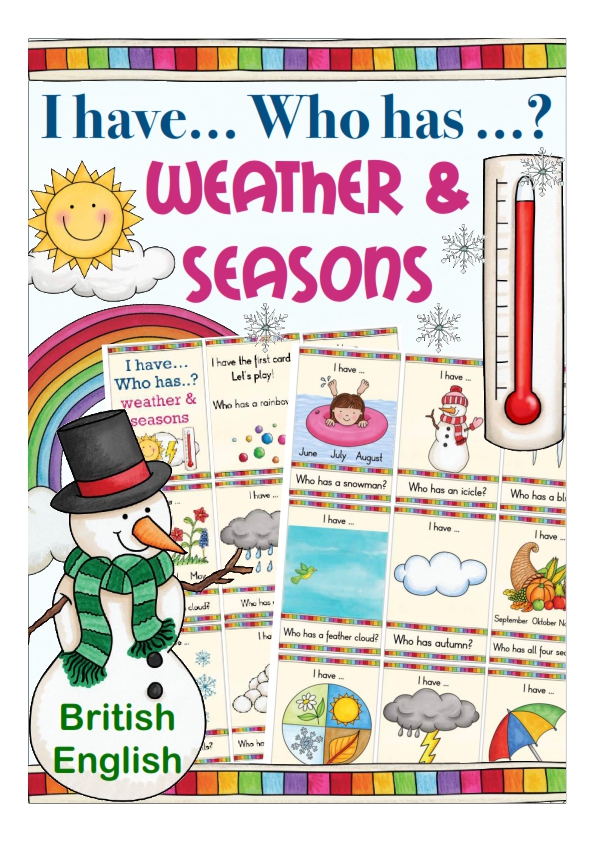
Students receive shuffled cards, read aloud the prompt on their card ('I have...'), listen for the matching term on another student's card, and respond ('Who has...?') in a chain until all cards have been used.
Solve task-card problems independently or in pairs (decimals, fractions, multiplication with estimation), record answers on provided sheets, and check work against answer keys; rotate through stations/cards in Scoot-style or partner formats per included instructions.
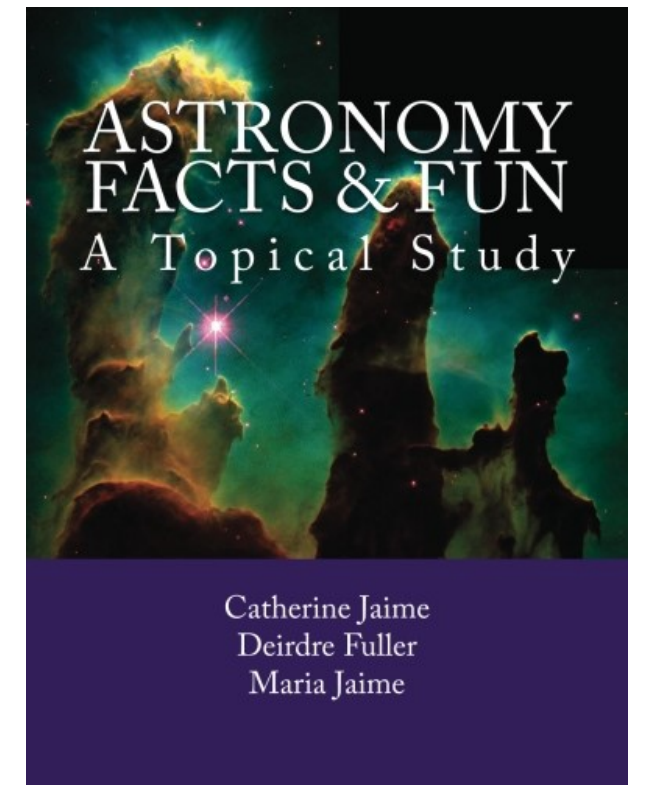
Read biographical/historical content about astronomers, complete an astronomers chart, play a history-of-astronomy timeline card game, build a lapbook on the planets, and complete a space-exploration timeline; the introduction also references word searches and crossword puzzles as part of the study.
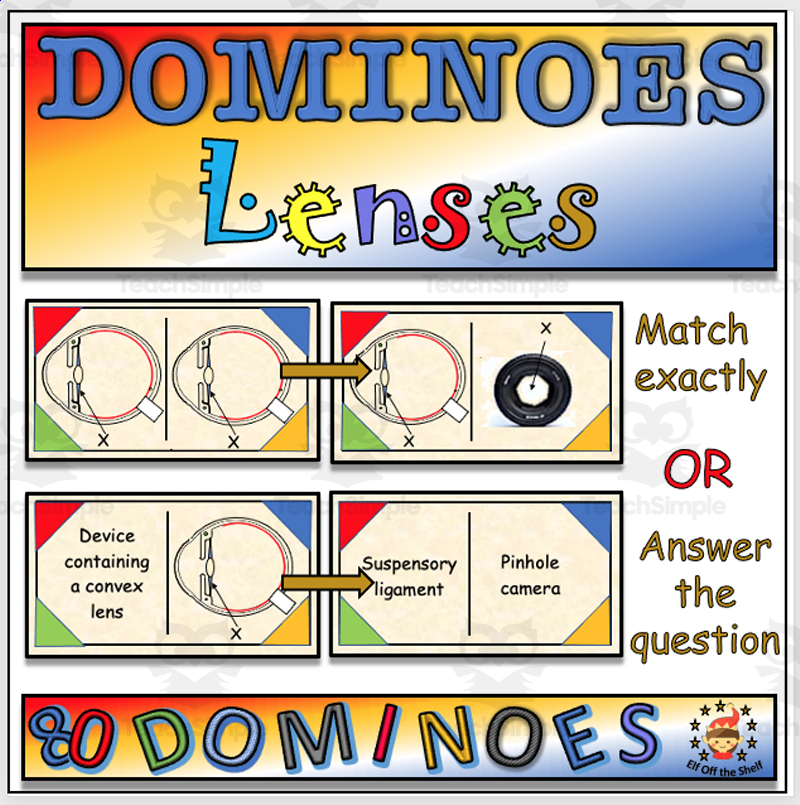
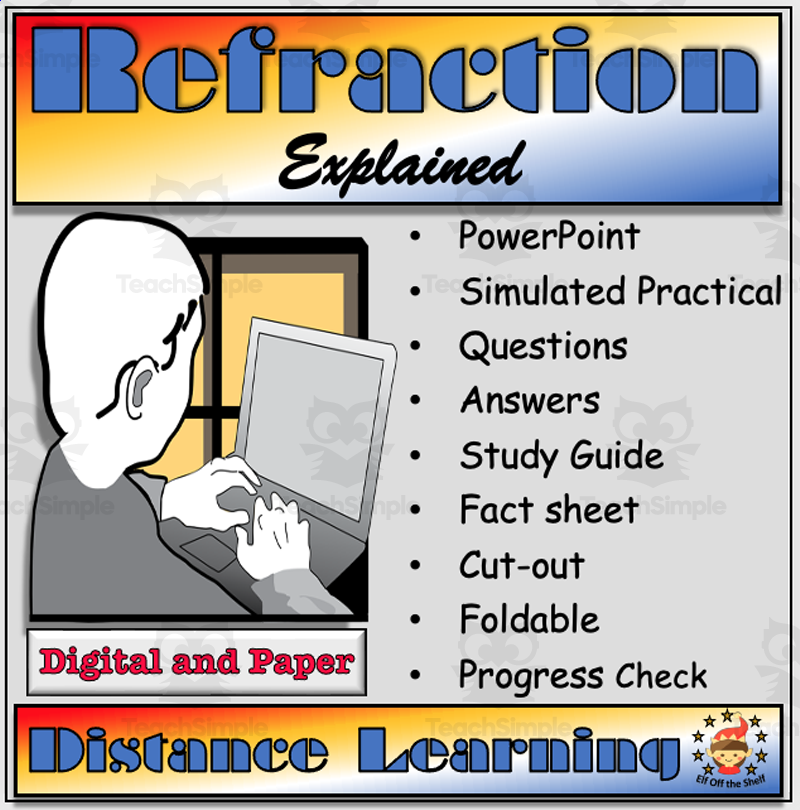
A dominoes-format review game for middle/high-school students on lenses, the eye, the pinhole camera, and the camera, using domino tiles printed with questions and statements instead of numbers.

Play in pairs: each player draws a large card showing a function's equation/graph, then takes turns asking yes/no questions (starting with 'Is your graph a function?') about the properties of equations/graphs to eliminate options on a small-card game board and guess the opponent's card; a whole-class PowerPoint…
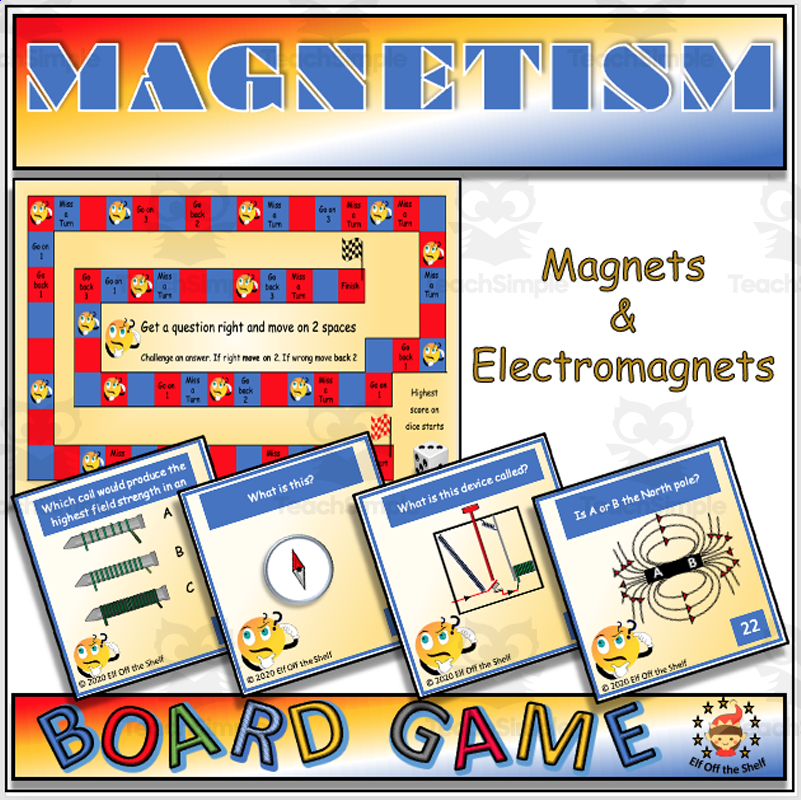
Play a board game (up to 6 players) answering question cards of varying difficulty about magnets and electromagnets, checking answers against an answer sheet.
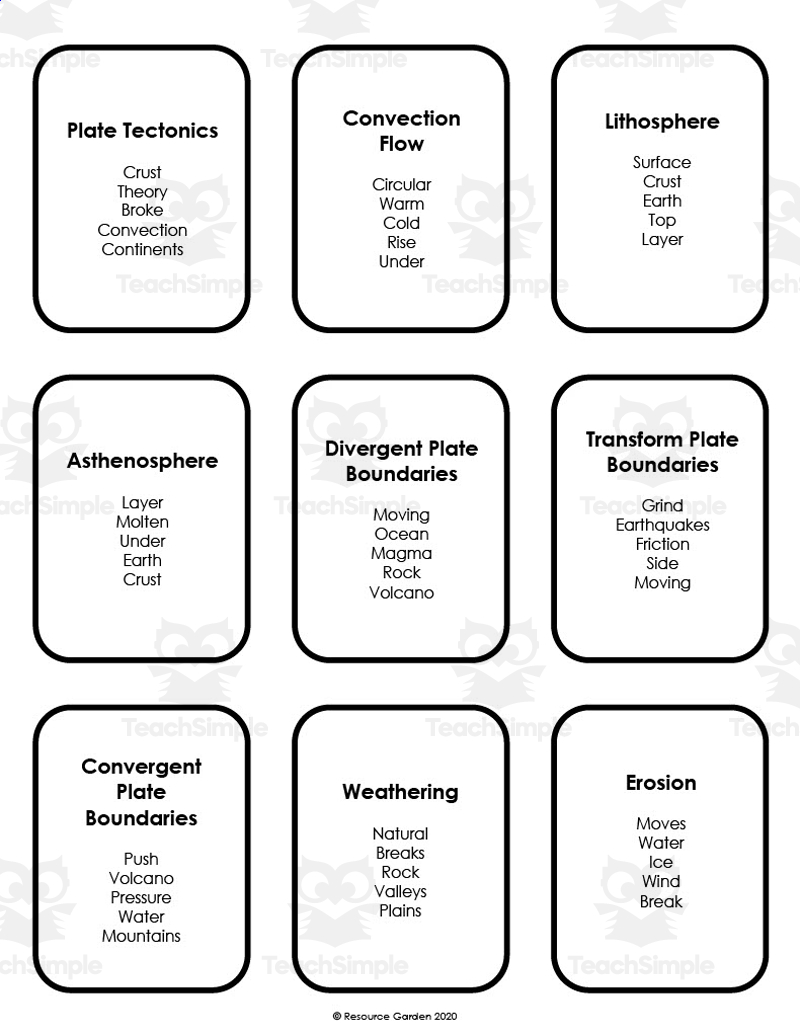
In teams, one student ('the giver') describes a landform-related keyword on their card to teammates without using the word itself or 5 listed taboo words; teammates guess the word to score points.
Students play a self-checking digital game: review 4 steps for citing evidence, apply them to an embedded text to answer questions, then build a paragraph using what they learned about interpreting words and phrases.
In partner pairs, write a vocabulary word into each checkerboard square; to claim a square, state the word's correct definition and use it in a sentence.
Rotate through timed stations/games (e.g., Fraction Hunt, Dividing Fractions Puzzle, Hall Fraction Trail, Subtraction Soccer Shoot, Fraction Free Throws) solving fraction addition, subtraction, multiplication, and division problems to earn points, checking answers against included answer keys, with a fractions joke…
 Free download
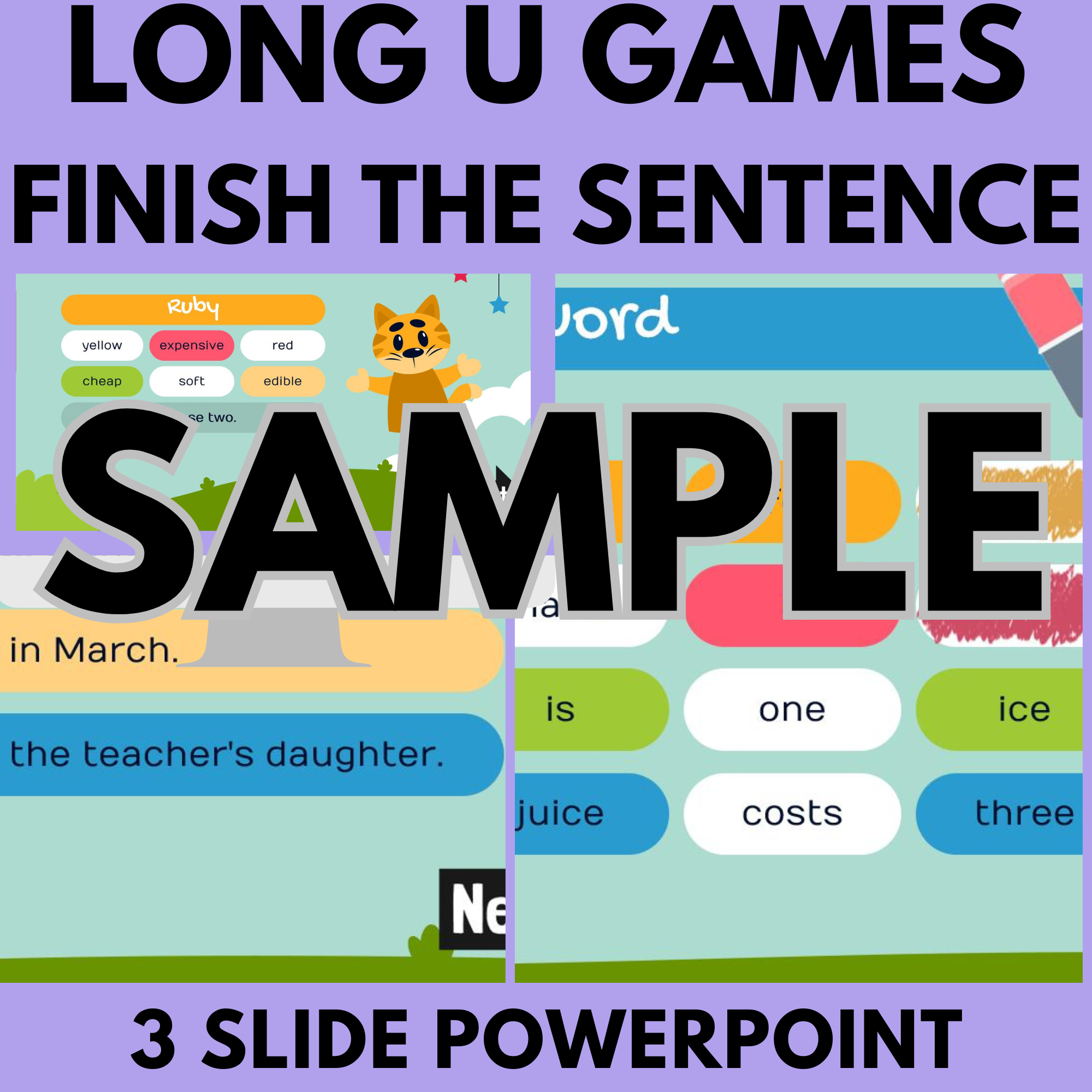
 Guess the missing word in a sentence and click a reveal mark to check the answer; click the ending sentence that best completes a given starting sentence.
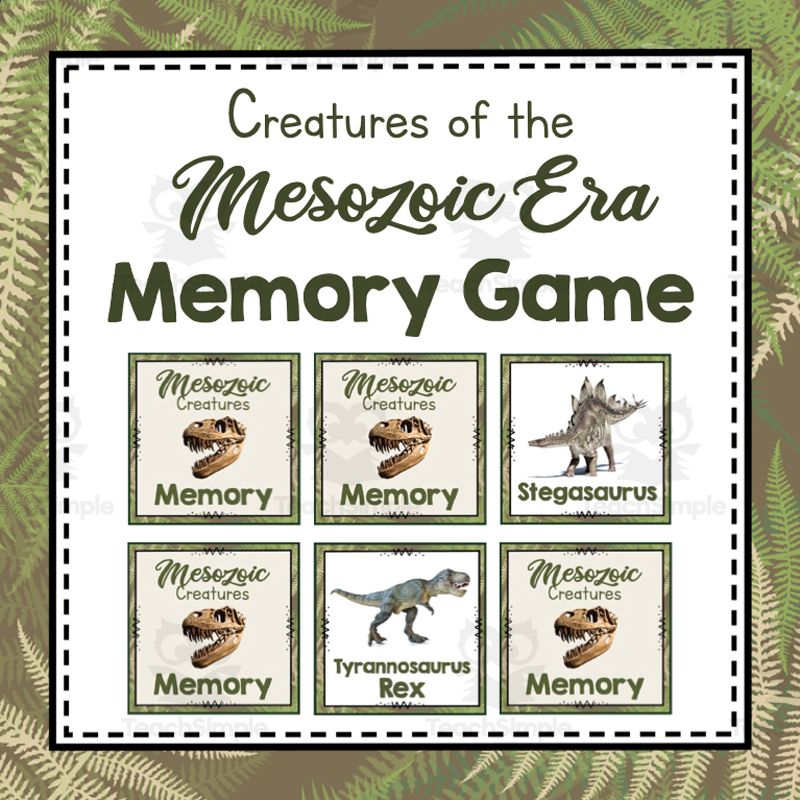
Cut apart, glue back-to-back, and laminate paired cards; then play a memory-matching game, flipping two cards at a time to find matching pairs of creature names.

Roll a die to move around the board; landing on a 'nova' space means picking a question card and answering it (correct answers stay in place, incorrect answers move back 2 spaces); first player to reach Saturn wins.
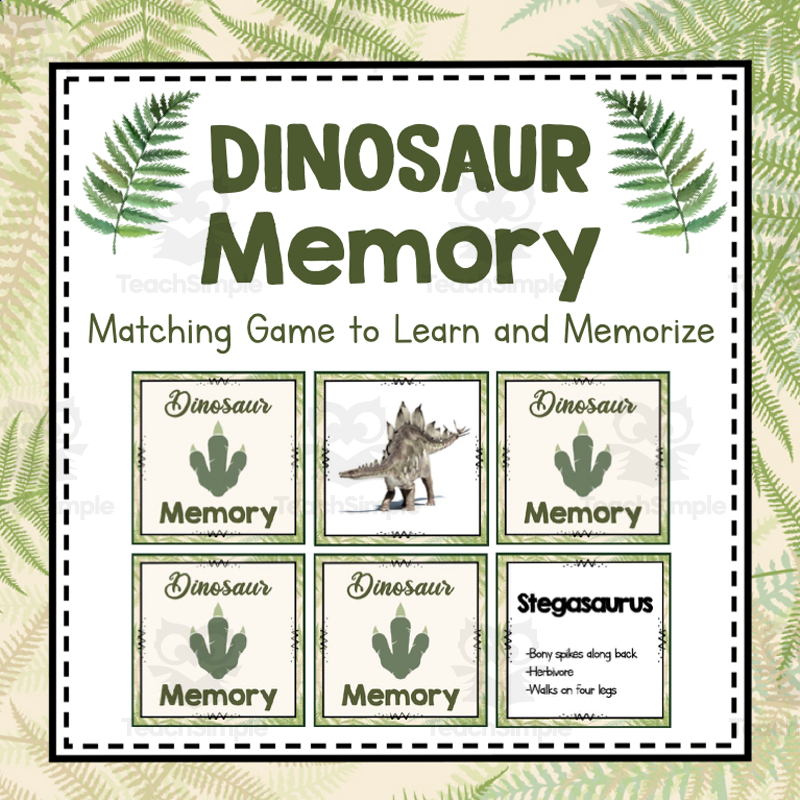
Cut apart and prepare matching memory cards (image side plus a fact side), then play a memory-match game, using short fact clues and an answer key to identify each dinosaur.
 Free download
 Introduce, practice, and test 20 breakfast-related English vocabulary words using a digital slideshow presentation, a word-scramble game, a vocabulary list and quiz/test, and four sets of flashcards.