Idea Development Digital Game
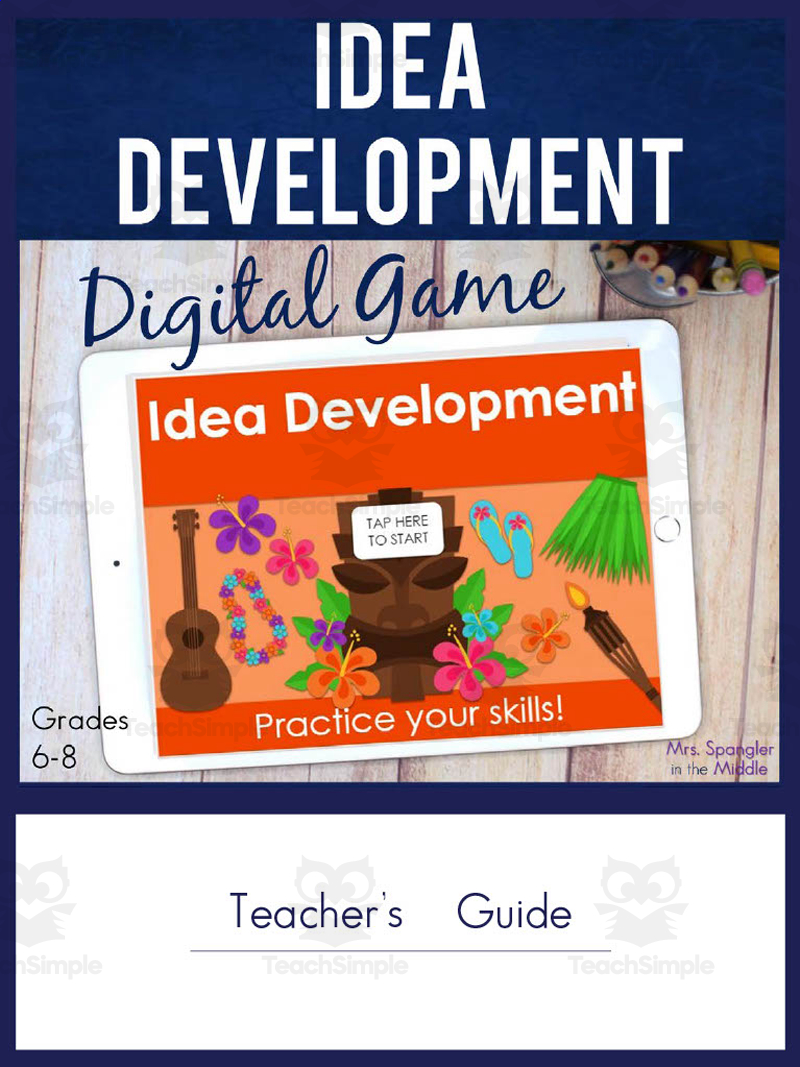
Open the linked Google Slides game, work through embedded text and self-checking questions using the 4 steps of citing evidence, and use that knowledge to build a paragraph on character development.
Classroom resources
Browse by lesson focus
Choose the topic or kind of practice you need.
Open the linked Google Slides game, work through embedded text and self-checking questions using the 4 steps of citing evidence, and use that knowledge to build a paragraph on character development.
Provide a sample slideshow game for reviewing long-I phonics words.
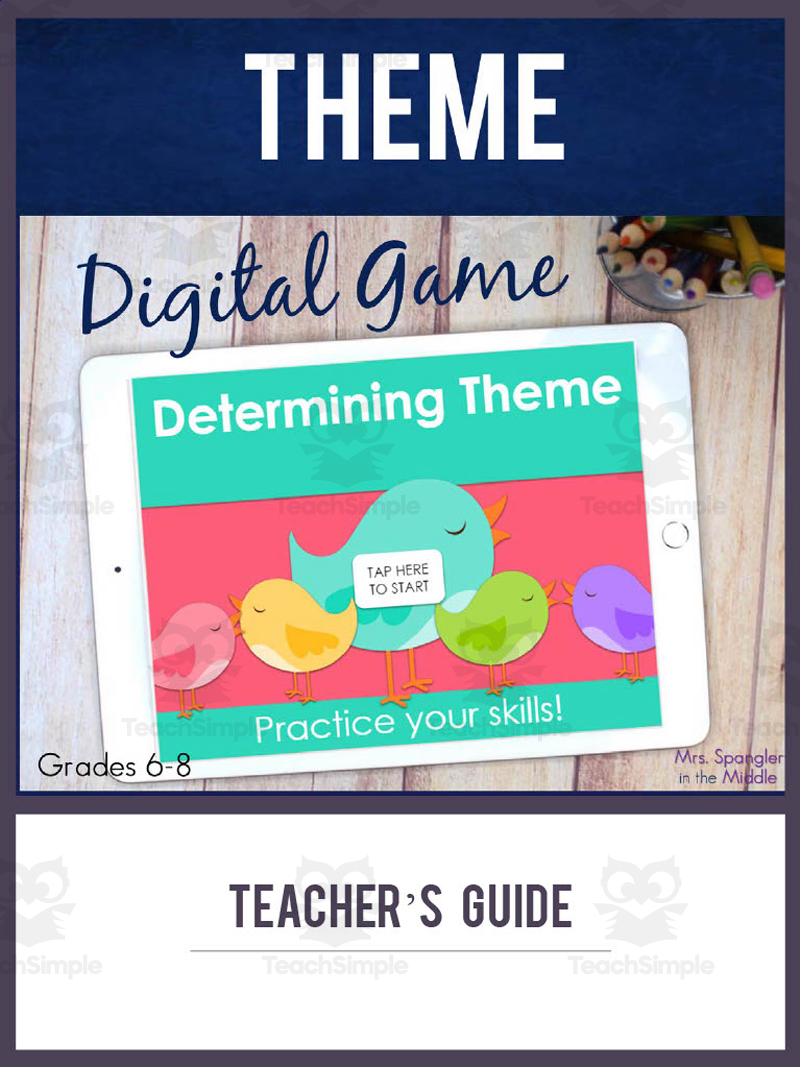
Open a shared Google Slides link, review 4 steps for finding central idea and supporting details, apply those steps to an embedded text to answer questions across 4 self-checking game parts, and build a paragraph using the theme identified.
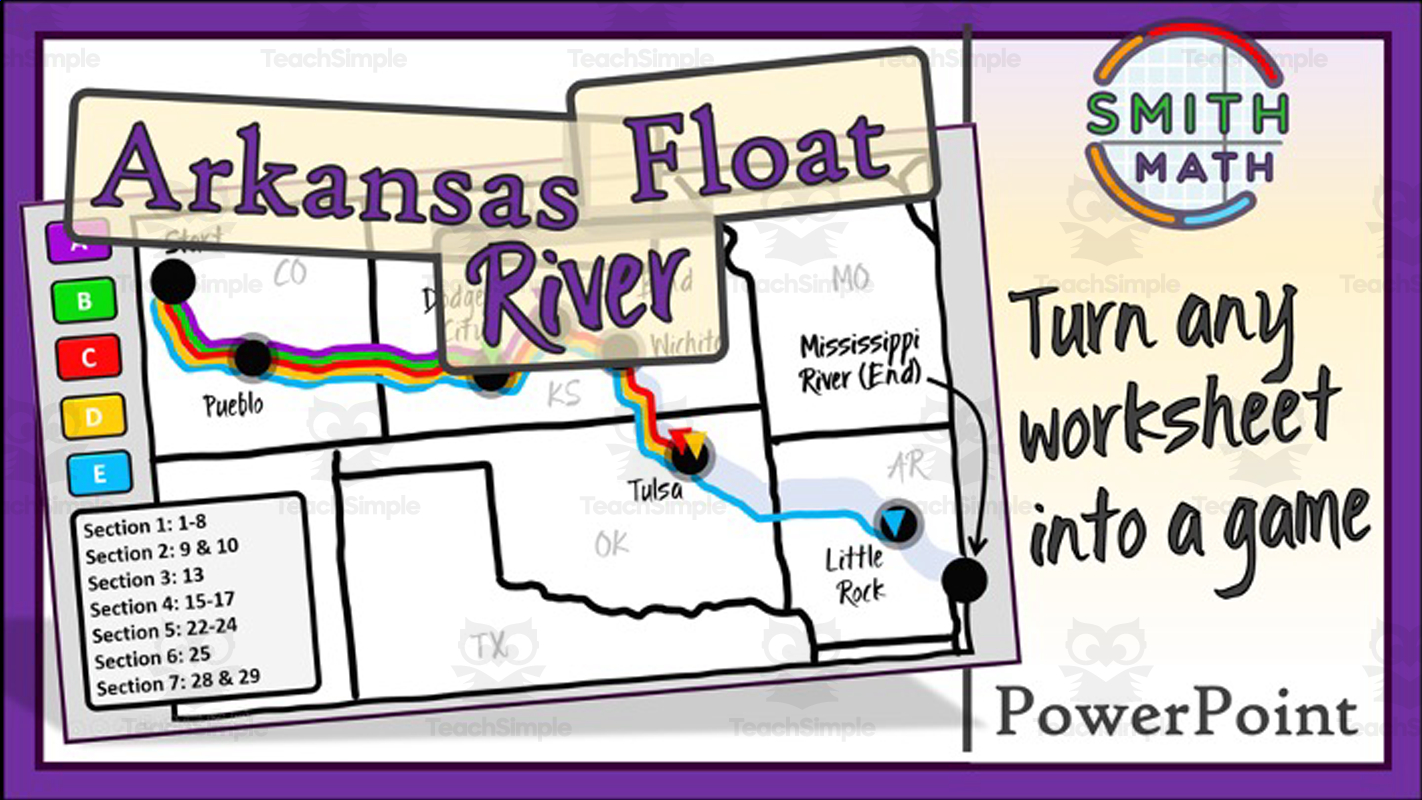
Run a team-based math-review game ('float the Arkansas River') where teams work through numbered problem sections to advance along a river-route map.
Open a shared Google Slides link, review 4 steps for citing evidence, apply those steps to an embedded text to answer questions, and build a paragraph; the game is described as self-checking.
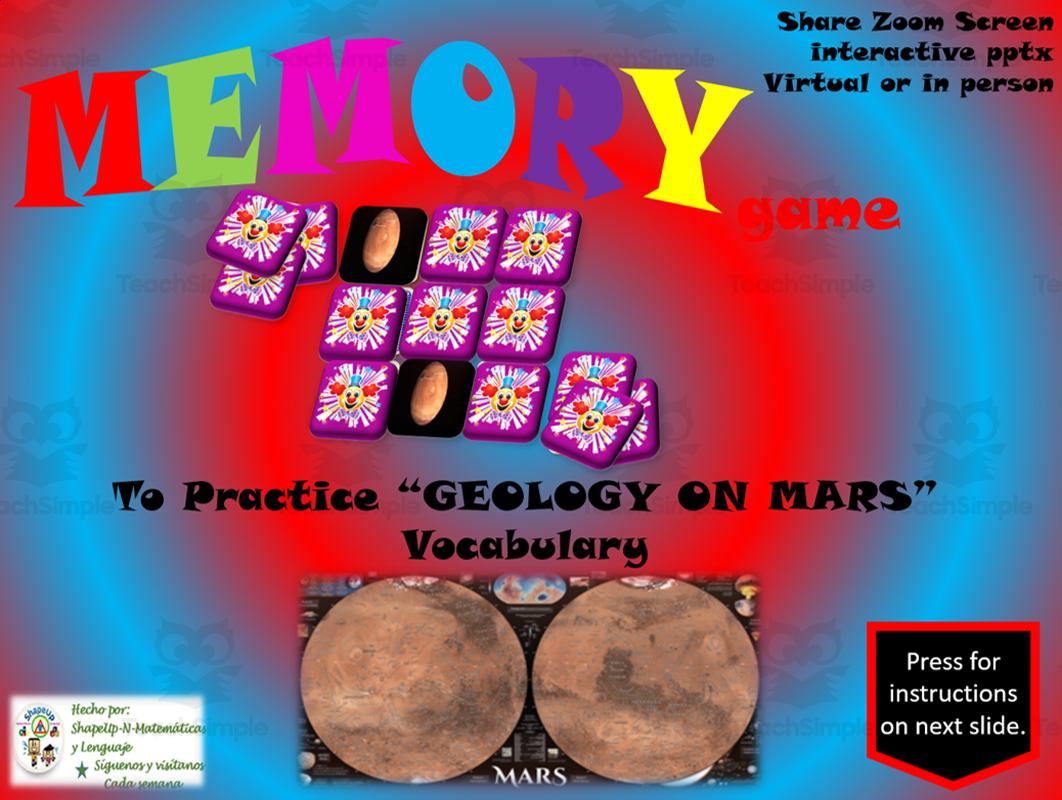
Students review key-concept slides about geologic processes on Mars, then play a memory game by clicking coordinate squares to flip cards and match vocabulary terms (e.g. atmosphere, biosphere, channel, claim, compare, evidence) to their definitions; unmatched pairs are flipped back to try again.
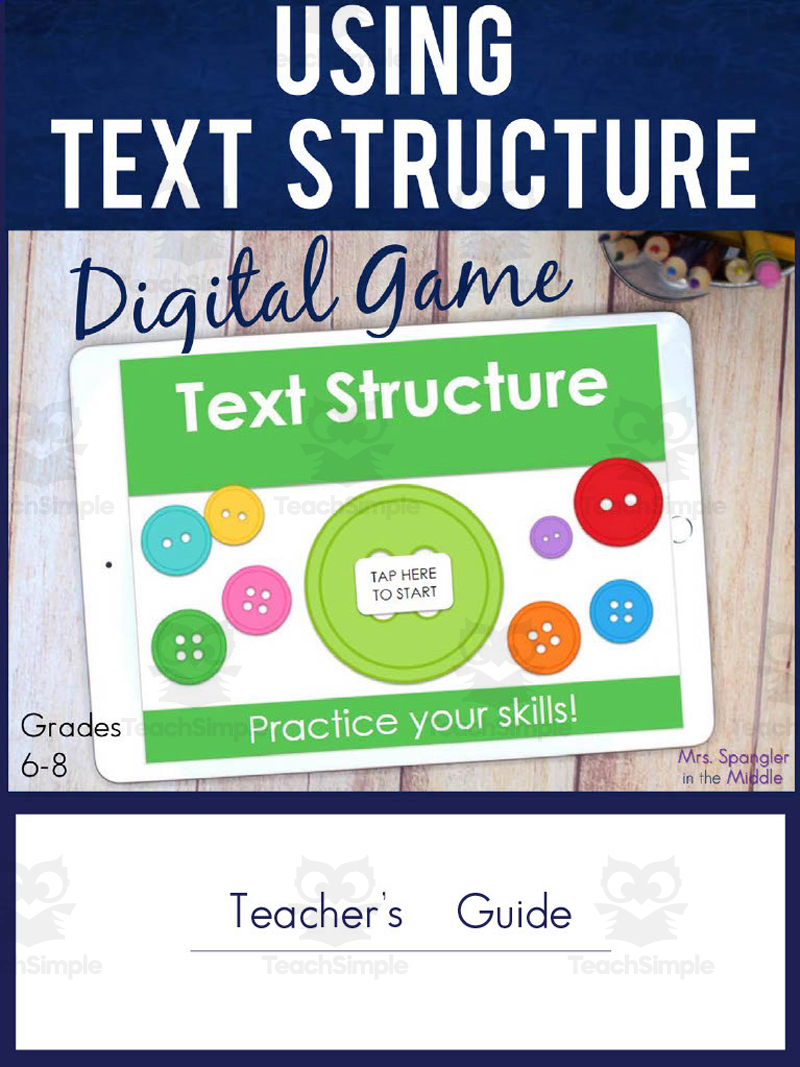
Open a shared Google Slides link, review 4 steps for citing evidence, apply them to an embedded text to answer questions, and build a paragraph using knowledge of text structure to analyze the text.
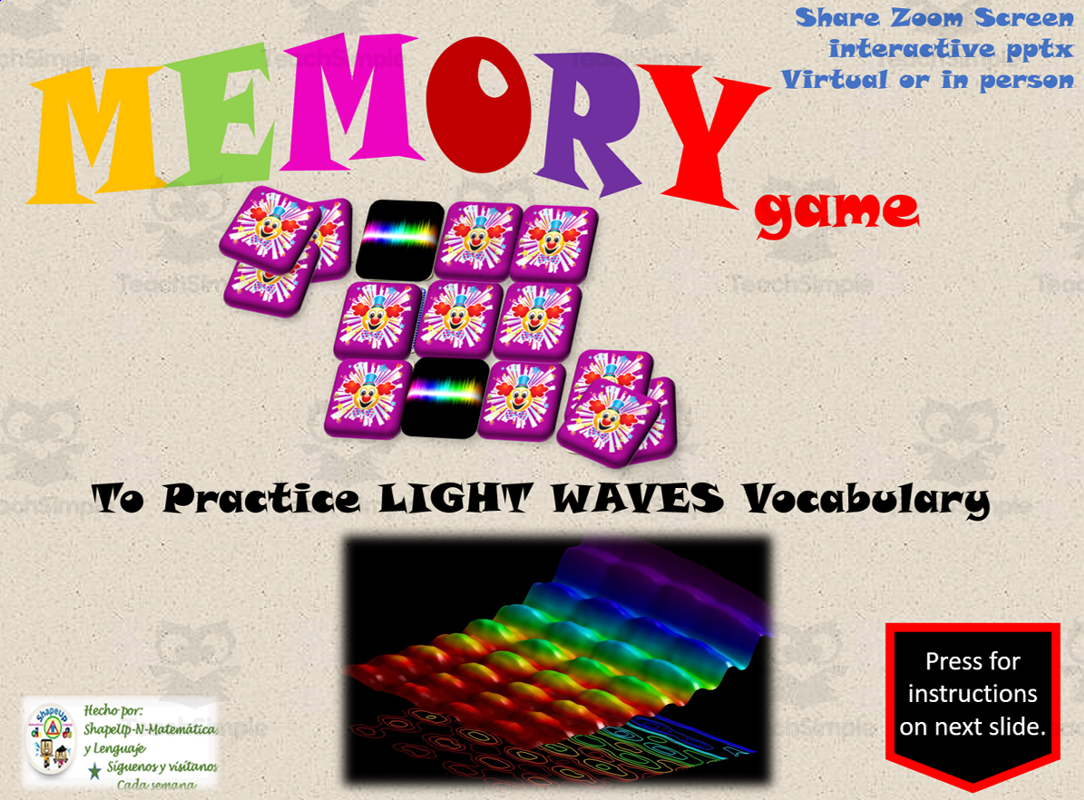
Students review key-concept slides about light and energy, then play a memory game by clicking coordinate squares to flip cards and match vocabulary terms (absorb, amplitude, emit, energy, light, frequency, wavelength, and others) to their definitions; unmatched pairs are flipped back to try again.
Students follow a shared Google Slides link, work through 4 self-checking game parts using an embedded text, answer questions, and build a paragraph using the central idea.
Once teacher-populated, students draw/select a word and matching definition slide as part of a vocabulary review game; the template itself contains only placeholder text for the teacher to fill in.
Review 4 steps for citing evidence, apply those steps to an embedded text within the digital game to answer self-checking questions, and build a paragraph using knowledge of text structure to analyze arguments.
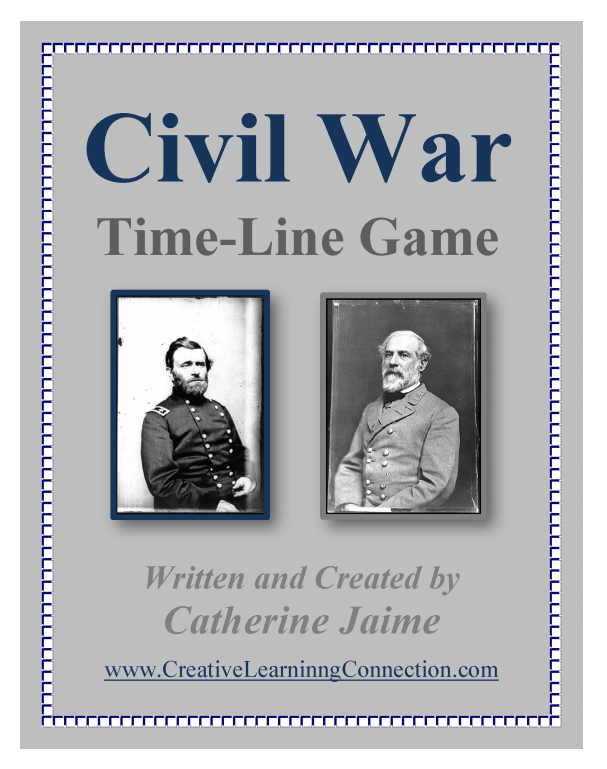
Play a chronology card game (up to 10 players): a reader reads an event from a drawn card, and the active player guesses where it fits (before/after/between) on their personal timeline of already-placed cards; correct placements build an 8-card timeline, incorrect cards pass to other players; students may also review…
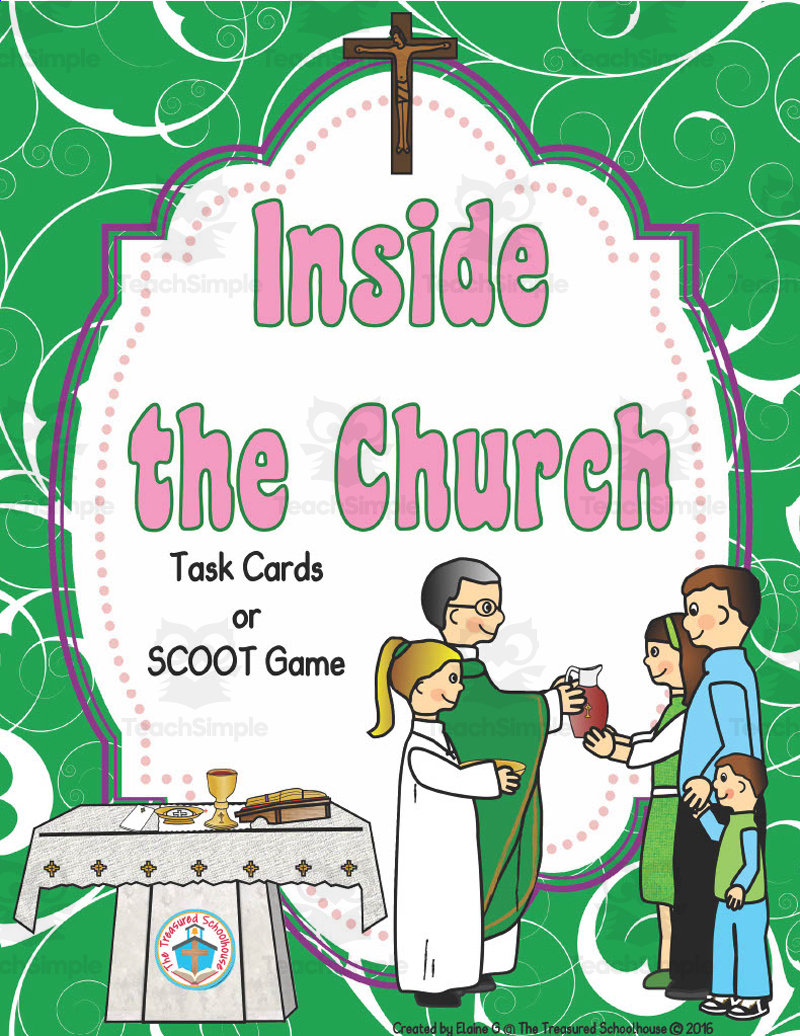
Here is a set of Inside the Church Task Cards. They can be used as a SCOOT Game.
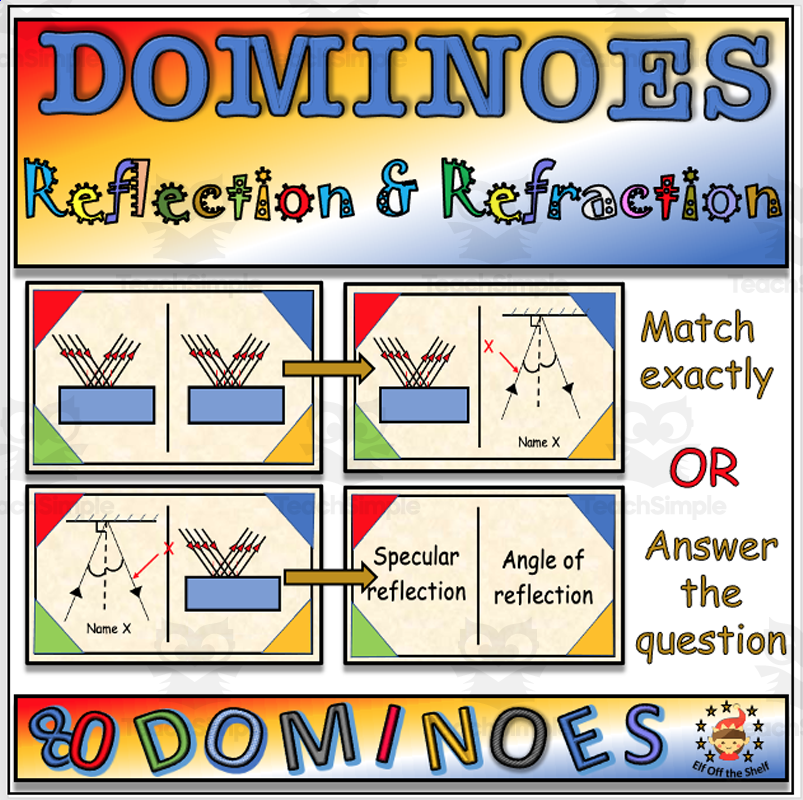
Match domino tiles whose terms/statements/questions on light reflection and refraction correspond to each other (e.g. matching a term to its definition or a diagram feature to its label), following standard dominoes play rules (draw 7 tiles, match ends, first to empty hand wins).
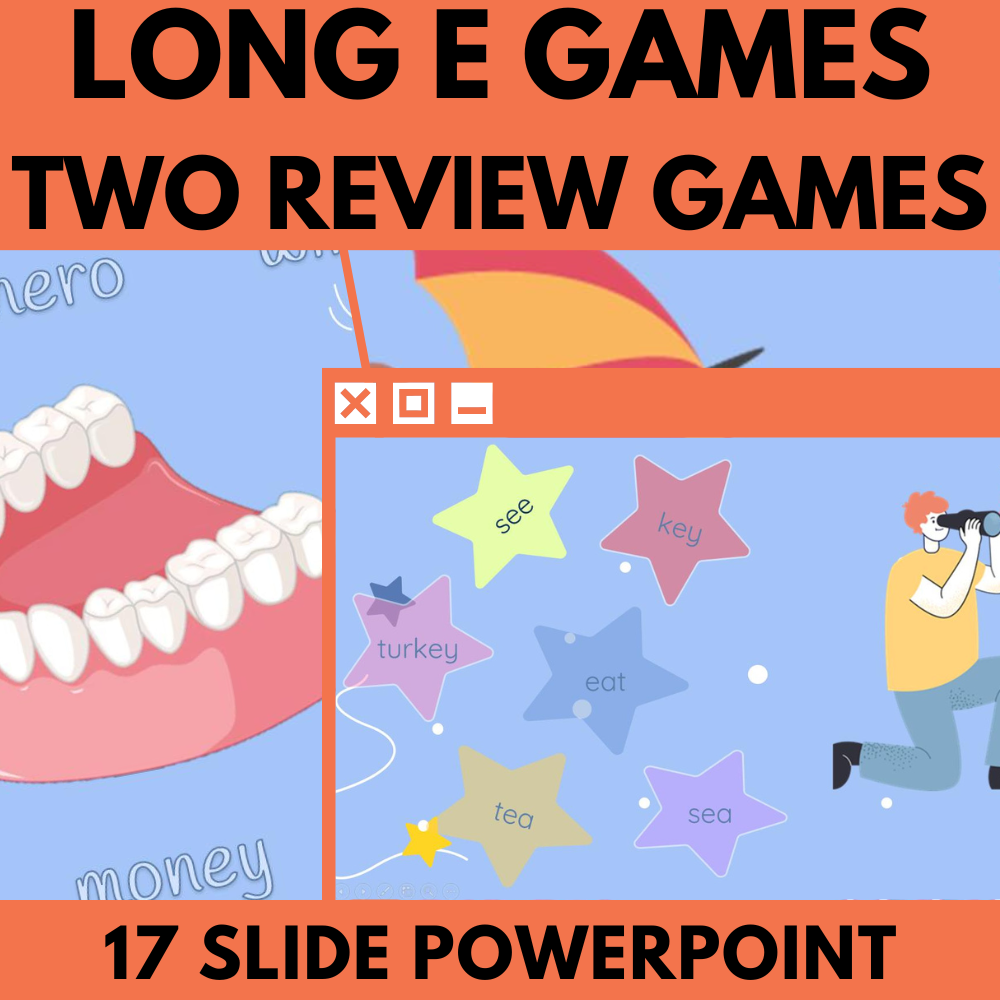
Long E: Two Review Games Note: This download is in PowerPoint show mode to protect the rights of the image creator(s), and is thus UNEDITABLE. Playing the Game After the title slide, the first game starts. In the first game there are ten words in a circle. A picture will appear and you need to press the correct word…
Short A: Review Games Note: This download is in PowerPoint show mode to protect the rights of the image creator(s), and is thus UNEDITABLE. Playing the Game The first game contains seven words on the right side. Choose the correct word for each picture shown. Click on the words on the right side. If it is correct it…
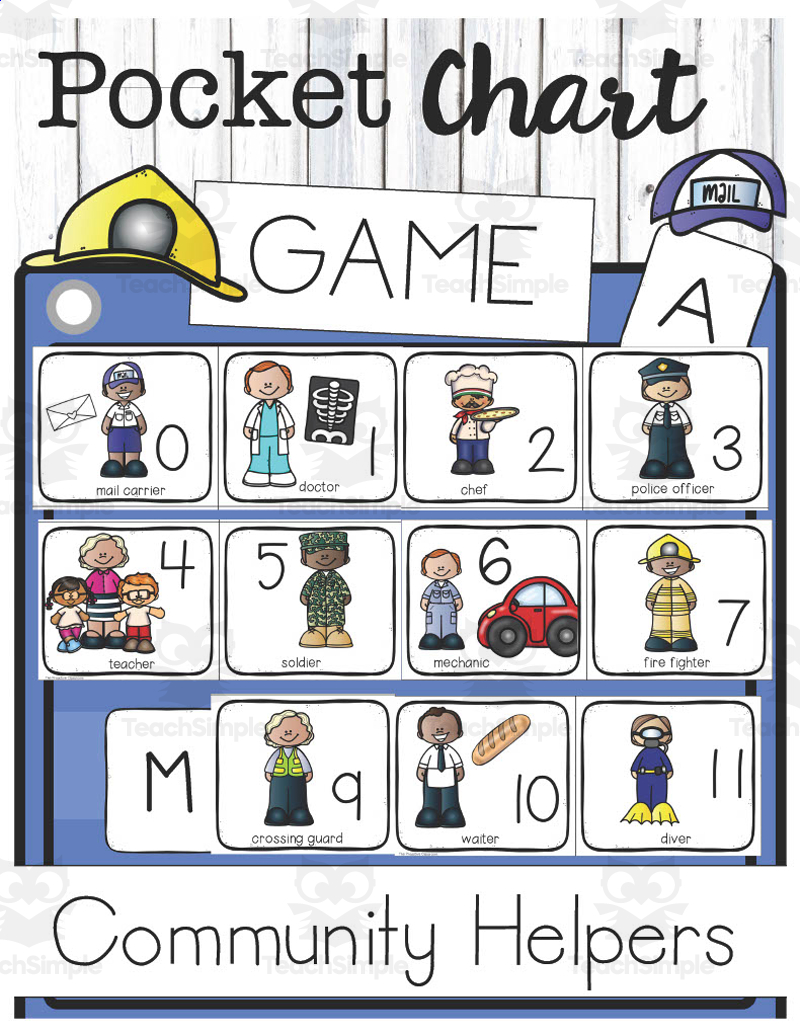
Set out numbered (or lettered) community-helper cards in a pocket chart; students identify/match numbers 0-10 or 0-20 (or upper/lowercase letters) during circle time or small-group play.
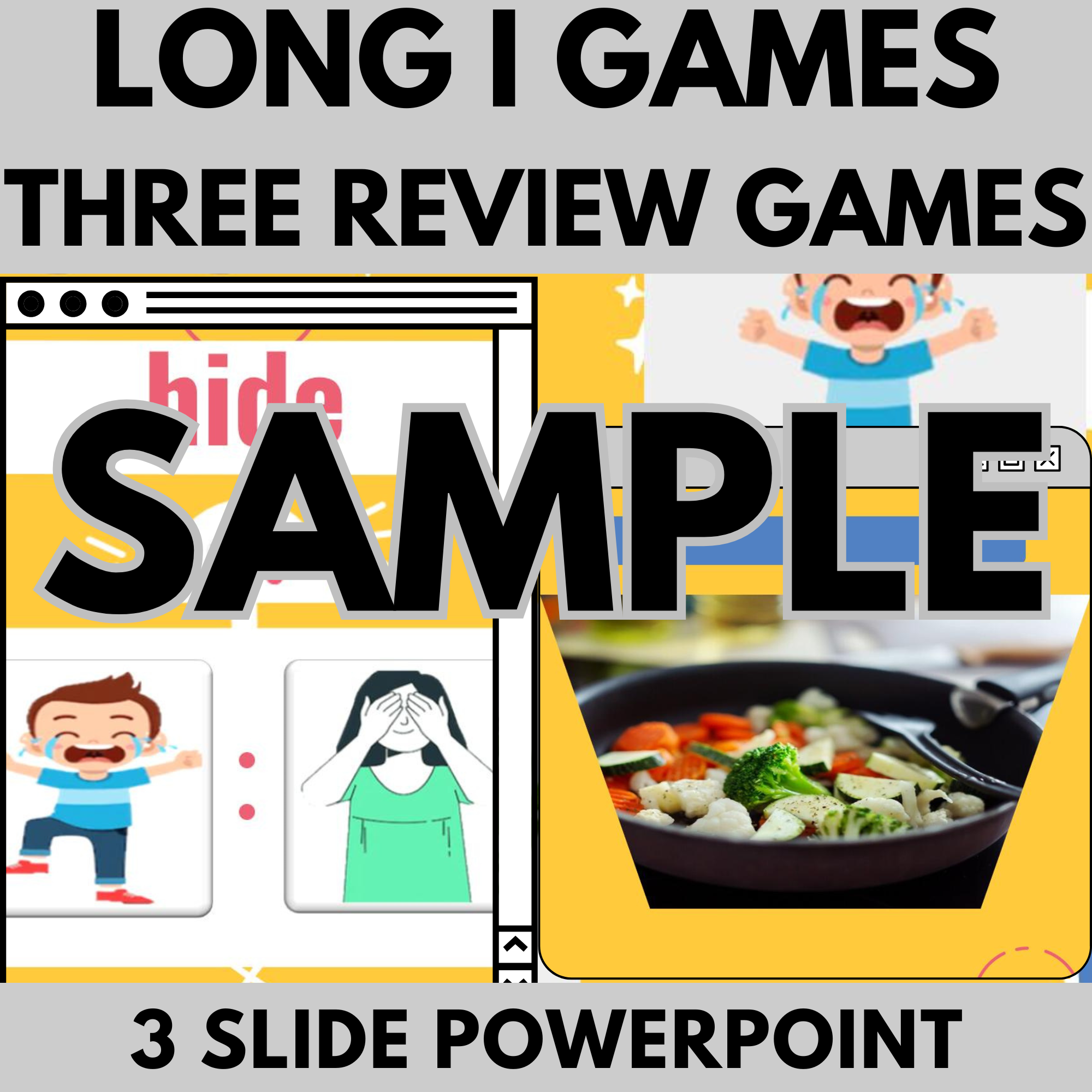
Long I: Three Review Games Note: This download is in PowerPoint show mode to protect the rights of the image creator(s), and is thus UNEDITABLE. Playing the Game Three games. In the first game, one picture will slowly appear (20 seconds long). Press the cookie in the bottom-left to begin, press again to reveal the…
Students read term-definition cards aloud in a chain (whole-class or partner/small-group play) to review nonfiction text-structure vocabulary.
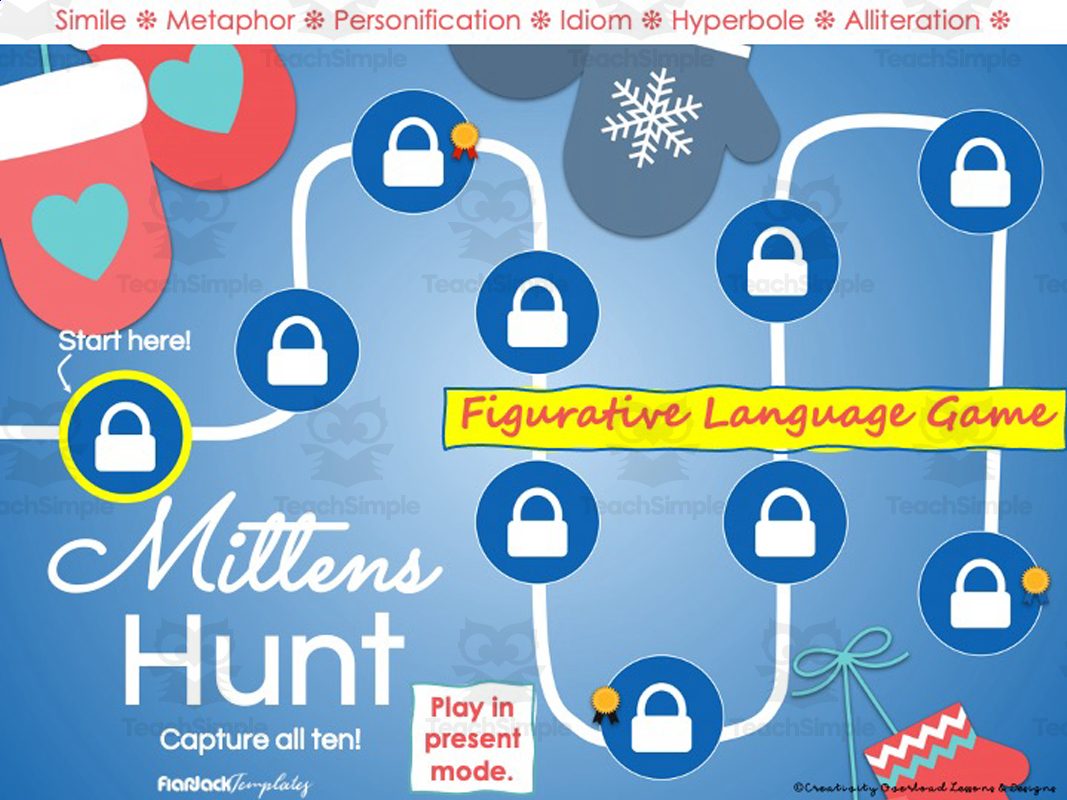
On each game slide, read an example sentence or definition and select the correct figurative-language term from multiple on-slide answer choices, or answer a true/false comprehension question about figurative language concepts; a correct answer progresses the student toward 'collecting mittens' and completing a round…
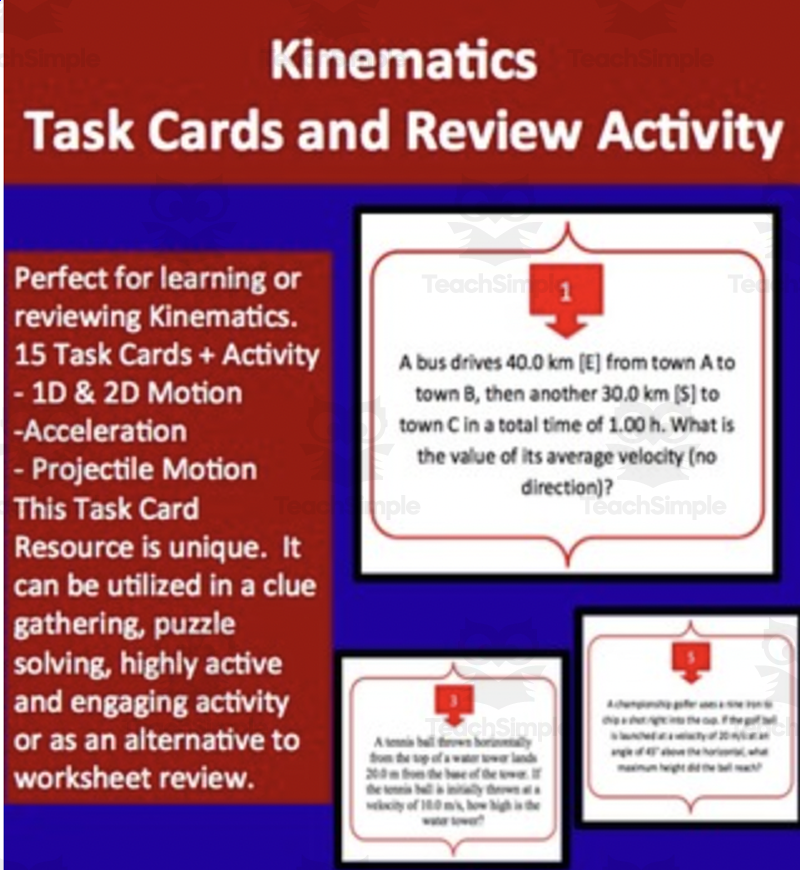
Solve kinematics word problems (average velocity, projectile motion, acceleration, hang time, displacement) at task-card stations placed around the room, record answers, and match answers to words on a posted chart to assemble a hidden quote.
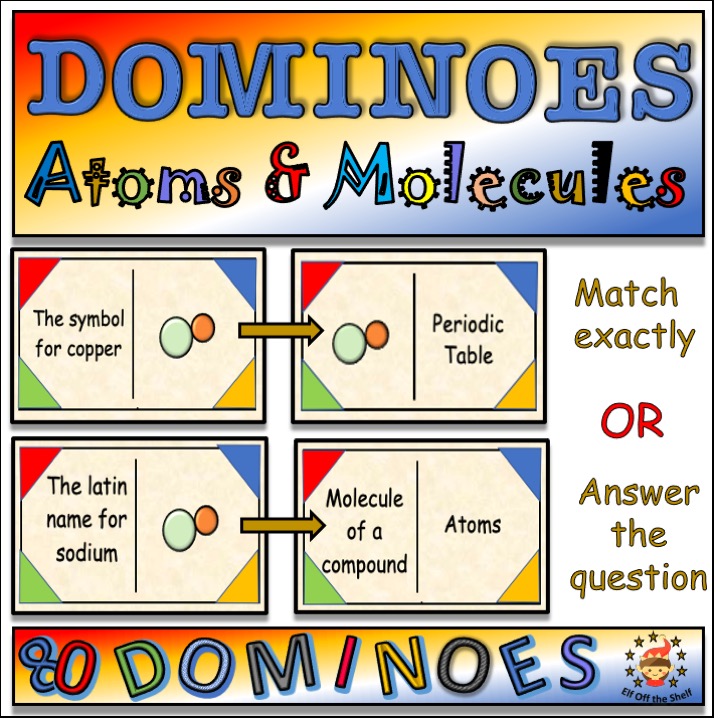
Play a chain-matching dominoes game, matching a term or statement (e.g. 'the symbol for helium', 'the Latin name for sodium', 'molecule of a compound') to its correct answer tile (e.g. 'He', 'Natrium') around the domino chain.
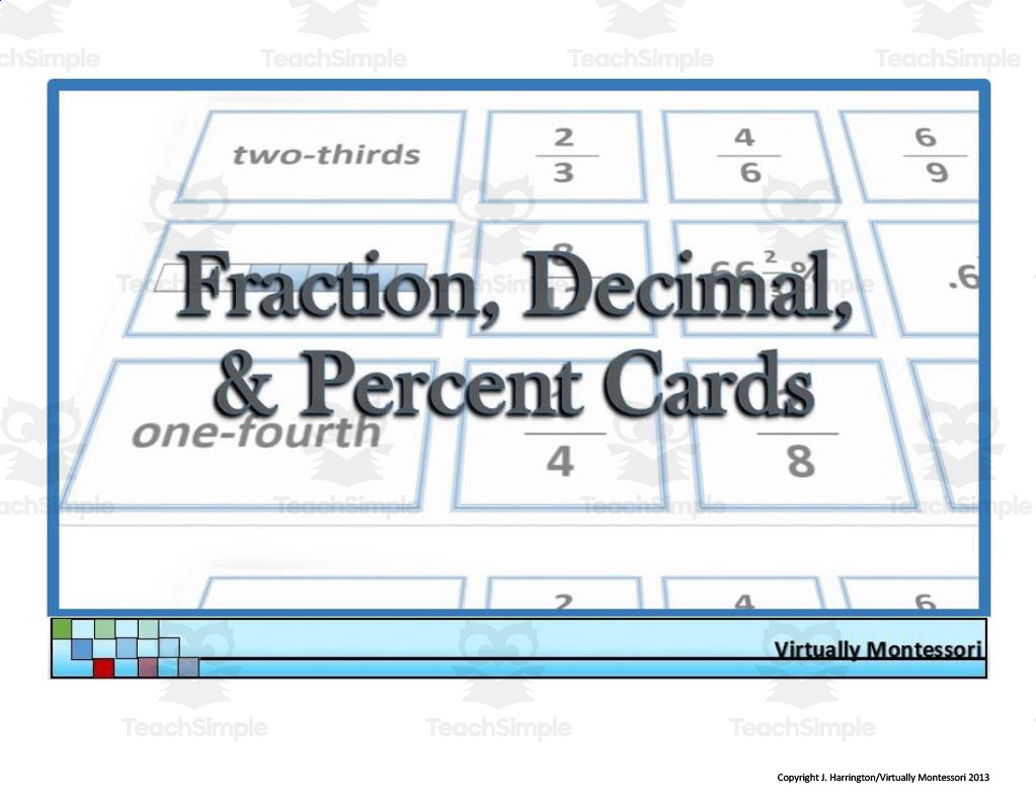
A printable set of cards pairing common fractions with their equivalent decimal and percent values, used for card-sort review/assessment, reference notebook activities, or a comparison card game.
Players draw event cards, listen as a card is read aloud, and guess where the event fits chronologically on their personal timeline (before/after or between existing cards); a player wins by placing 8 cards in correct chronological order. Students can also review an included timeline reference sheet of American…