



3,911 products added recently
Page 21 - History Lesson Plans
Transport your students through time with history lesson plans that vividly illustrate past events and societies. These resources include primary sources, discussions, and projects. Implement them to foster critical thinking and a deeper understanding of our world's history.

 Show filters


I WONDER - What Jobs Did Ancient Egyptian Slaves Do | Animated Video
History: Ancient, History, Social Studies, History: African, Grade 6, 7, 8, 9, 10, 11, 12, Lesson Plans, Teacher Tools
Video Introduction An amazing video designed for the students to learn more about history. I WONDER - What Jobs Did Ancient Egyptian Slaves Do | Animated Video Lesson Do you like history? Which topic do you really enjoy about history? Have you ever read an interesting fact about the Vikings? If yes, can you mention them? What do you like most about the Victorian era? Can you name all the Tudors? Have you ever wondered how people used to live in ancient Japan and ancient China? Do you know any interesting facts about ancient Egyptians and the Pharaohs? Have you ever visited South America? What do you know about Incas and Aztecs? Celtic culture was really one of a kind, can you name any of the places that Celts used to live in? Imagine yourself living during the ancient Roman empire, how your life will look like? Ancient Greece was an amazing place to live in. What do you know about ancient Greek life? I WONDER - What Jobs Did Ancient Egyptian Slaves Do | Animated Video Lesson The video is perfect for encouraging the researching skills for the students, while learning more about history. I WONDER - What Jobs Did Ancient Egyptian Slaves Do | Animated Video Lesson This friendly designed video is suitable for students at school, homeschooling, and as a group activity. Format Available in MP4 format.
Author Educational Voice
Tags What Jobs Did Ancient Egyptian Slaves Do, What Jobs Did Ancient Egyptian Slaves Do Video, Ancient Egyptian Slaves, Ancient Egyptian Slaves Facts, Ancient Egyptian Slaves Video, Ancient Egyptian Slaves Video For Kids Video For Kids
Korean War: Weapons of the War Gr. 5-8
Social Studies, History, History: USA, Grade 5, 6, 7, 8, Teacher Tools, Lesson Plans
Korean War: Weapons of the War Gr. 5-8 A uniquely beneficial resource specifically constructed for educators supervising students from Grade 5 through Grade 8. The teaching aid crafts a vivid illustration of a critical period in history, famously known as The Korean War, with prime focus on the distinctive weapons deployed at that time. The educational material navigates students through this vital juncture of global history, often referred to as 'The Forgotten War'. It seeks to unravel not merely the origin and culmination of warfare but also elucidates how it amplifies the underlying tensions surmounted during early Cold War years. Exciting Features: Detailed geographical examination of North Korea and South Korea. A holistic understanding about major powers' post-World-War II tension leading into actualizing scenarios catalyzing Cold war era. Inclusion of narrative sessions involving key figures such President Truman, Joseph Stalin, and Kim Il-Sung. Pedagogical Implementation: The content can be wielded diversely across several educational methodologies - hence aiding both whole group discussions or small-focused groups. Moreover, it can also be assigned as an engaging homework activity triggering scholarly research beyond classrooms. Learners are granted insight into circumstances endured by U.S troops during key battles against North Korean army's advances. The Appeal Factor: An engaging study on how diverse weaponry were put to use during strategic military engagements - shed light specifically on why United Nations forces maintained supremacy over North Korean Air Force due to advanced armament technology. After imbibing from ‘Korean War: Weapons Of The war Gr. 5-8.’, students would leave with a rounded comprehension about decisions made during that era, thus shaping subsequent military confrontations. The understanding finally simplifies into appreciating lessons mined from historical actions—reiterating why it's essential to remember these substantial historical episodes. Additional Inclusions: This product is supplemented with engaging activities like crosswords and word searches along with a comprehension quiz. All this creates a total of 27 pages of rich content ready to print - presented in the PDF format that stimulates cognitive engagement and reinforces the topic understanding. The teaching aid finds its alignment with state standards, all framed amid Bloom's Taxonomy - further amplifying its wide pedagogical relevance. So prepare your learners for an educational voyage deep into timelines - landing at one history’s memorable confrontations: The Korean War!
Author Classroom Complete Press
Tags Social Studies, Korean War, Weapons, Reading Passage, Comprehension Questions

"Colonial Foundations" Online Unit Access, US History
Social Studies, History, History: USA, Grade 10, 11, 12, Teacher Tools, Lesson Plans
US History "Colonial Foundations" Online Unit Access Unit 1, US History and Government This product consists of passcodes to a unit in most of my online US History classroom at InnovationAssessments.com . Give your students the passcodes to access the task at InnovationAssessments.com/TestDrive . All tasks, including short answer, are auto-corrected. The site's AI grading assistant has a high level of proficiency in scoring short answer tasks. The course is United States History and Government for the New York State Frameworks curriculum. This was taught to eleventh graders, but if your state teaches US history at other levels, the lessons would surely work for grades 7-12. Elements not included but posted separately: PowerPoint slide shows, stimulus-based multiple-choice, Regents exam-style short essay -- Look for these in my Teach Simple contributor site. When students have completed one of these tasks, the app yields a score and any other information you would need to assess their work (such as a copy of their short-answer responses). It's easy to have students take a screenshot of the results screen or to print out and submit to you. Some teachers just watch over students in class and record their results as they finish. Subscribers to Innovation Assessments can use the passcodes to import the task into their own course playlist and test question bank. This has some advantages over just the passcode access. Unit Opening 11.1 Pretest -- Pre- and post-tests are made from questions from old New York State US History Regents exams. 11.1 Vocabulary -- The vocabulary app has three functions: a "tutor", flashcards, and a quiz. Video Etudes An "Etude" is an app that displays media to the right and questions on the left. Questions can be multiple-choice or short answer. Students answer as they progress through the media and the answers are auto-corrected. An AI grading assistant offers assessments of any short answer responses which you can verify later. these are "video" etudes made from my own video lesson collection. Read this blog post at Innovation about video lessons and their effective use. Contact with Native Americans pt. 1, Contact with Native Americans pt. 2, Contact with Native Americans pt. 3, Contact with Native Americans pt. 4, English Colonies, part 1, English Colonies part 2, English Colonies, part 3, English Colonies part 4, English Colonies, part 5, New Amsterdam, French and Indian War part 1, French and Indian War part 2, French and Indian War part 3, Assessment Included: 11.1 COLONIAL FOUNDATIONS quiz 11.1 COLONIAL FOUNDATIONS Capstone Test Passcodes to InnovationAssessments.com/TestDrive for content delivery and assessment.
Author Innovation Assessments LLC
Rating 1
Tags Us History, Regents, Frameworks, Unit, Remote, Distance Learning, Online

Lincoln Memorial: Historic Monuments Series
Social Studies, History, History: USA, Grade 4, 5, 6, 7, 8, Teacher Tools, Lesson Plans
Lincoln Memorial: Historic Monuments Series This teaching resource provides a comprehensive examination of the Lincoln Memorial and an in-depth study of Abraham Lincoln's life and presidency. It’s adjustable to fit educational courses within Grade 4 through Grade 8, providing great adaptability for various teaching environments. Focusing on U.S. History The material focuses largely on U.S. History, enhancing social studies curriculums with enriched historical content. The life of Abraham Lincoln - From his modest upbringing to becoming a significant leader in war-ridden America. Influential speeches - Gain insight into some of the most prominent speeches in American history including the 'Emancipation Proclamation' that significantly shaped our nation today. Promoting Learning Through Curiosity The resource ignites curiosity by zoning onto one single monument - The Lincoln Memorial – enabling students towards expansive exploration around American history including topics such as architecture and area politics. Versatility for Varied Implementation Needs Tailored Classroom Discussions: Teachers can use it for whole group interactions in classroom settings; Homeschooling aid: Homeschoolers may find it useful for individual or small group teachings; manualPrivate/Public School Education Support: Portions can be assigned as homework tasks promoting self-learning amongst students; Note:"Lincoln Memorial: Historic Monuments Series" is offered solely as PDF files along with structured lesson plans permitting flexible planning either online or classroom teaching. To summarize, if you aim at engaging scholars in understanding how historical stories culminate into beautiful monuments or resemble deep historical roots - this resource will serve a valuable addition to your teaching repository.
Author Classroom Complete Press
Tags PDF

Booker T. Washington - Mini Unit
Social Studies, Biographies, History, History: USA, Grade 8, 9, 10, 11, 12, Lesson Plans, Teacher Tools
Booker T. Washington - Mini Unit The Booker T. Washington - Mini Unit is a meticulously curated collection of educational resources aimed to thoroughly educate students on the life and influence of this eminent figure in American history. Valuable for both public educators and home-based learning providers, this inclusive product gives a comprehensive overview of Booker T. Washington's journey. This unit has been developed keeping in mind students between Grade 8 and Grade 12. Major focus areas: Social Studies with emphasis on biographies and American history. Broad coverage: from his childhood, early life, to his education, leadership at the Tuskegee Institute, as well as aspects of his later life. Diverse Learning Tools Included: A variety of informative worksheets. Note-taking sections for key facts or insights recording relating to Booker T.Washington's story. Differentiated reading sheets for various learner profiles. Total of 20 accompanying reading comprehension exercises with corresponding answers. Additionally: Creativity Boosters!- two major projects: creating a booklet or designing a comic strip assisted by explicit instructions while progress tests assess learning systematically through the course. Pictures that further bring vivid visual references into play along with an inviting coloring page meshes perfectly fun-and-learning moments leaving no room for tedium despite rigorous academic work-throughs! Digital Convenience: Dedicatedly prepared within multiple file types ensuring seamless digital convenience regardless which software environment you or your student practice.
Author Mr Gray History
Tags Booker T Washington, American History, Tuskegee Institute, Biography, Activism
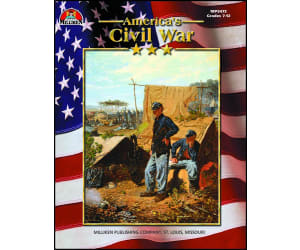
America's Civil War
Social Studies, History, History: USA, Grade 7, 8, 9, 10, 11, 12, Teacher Tools, Lesson Plans
America's Civil War: An Exceptional Teaching Tool About the Resource The resource titled "America's Civil War" is an exceptional teaching tool that offers a comprehensive exploration of one of the most significant events in American history. This dynamic digital package comes stocked with a wealth of knowledge about this revealing era, giving educators the ability to effectively discuss sociocultural and economic differences between the North and South along with subjects regarding slavery, political leadership, military tactics, and much more. Inspiring Learners to Engage Critically Inspiring learners to critically engage with America's past is an essential aspect of this product. The everyday lives of ordinary soldiers during this era are highlighted while important figures like Harriet Beecher Stowe and John Brown are brought to life through detailed profiles. A series of thoughtful questions encourage students to dig deep into these topics spurring insightful discussions. Promoting Independent Thinking This learning aid isn't only about providing facts but empowering students to think independently. This aspect shines through the review questions designed specifically for provoking analysis. It successfully urges students not just towards memorizing historical events but understanding their implications. Vital Components Included: A series of user-friendly maps intended at building situational awareness. Tests for assessing comprehension after each section or module completion. An answer key facilitating hassle-free review sessions. A detailed bibliography also guides curious learners towards extensive research opportunities making it perfect for middle school (Grade 7-8) Seize Your Chance Today! Bringing America's civil war era alive hasn't been more feasible! Incorporate “America’s Civil War” into your social studies curriculum now at the given link. With everything available in PDF format for effortless distribution whether during group lectures or individual assignments at home - you will find no better resource.
Author Classroom Complete Press
Tags PDF
Thinking Like a Historian: Observing and Sourcing a Personal Document or Artifact
ELA, Social Studies, Reading, Reading Comprehension, Writing, History, History: USA, Grade 6, 7, 8, 9, Teacher Tools, Lesson Plans
Thinking Like a Historian: Observing and Sourcing a Personal Document or Artifact is a highly engaging and interactive mini-unit of 4 or 5 days for 6th, 7th, 8th, and 9th graders. It is designed to have your students work collaboratively as historians to look at primary source documents and artifacts as evidence from their lives. In the process, they will learn the kinds of questions to ask about historical artifacts and documents to help them interpret their meaning and importance. The purpose of this lesson is to help them understand how historians interpret evidence, especially from primary source documents as well as artifacts. The lesson introduces or reviews key concepts and terms: primary source and secondary source documents, artifacts, evidence, and interpretation. It also provides teachers with an opportunity to introduce or review what it means to work collaboratively in small groups to make meaning of documents or artifacts. Finally, students will reflect on their experience and what they learned. The mini-unit includes objectives and learning targets aligned with Common Core Standards of Literacy in History, a detailed lesson plan, student worksheets for analyzing personal documents/ and artifacts, a sample chart for group work collaboration, and a student reflection worksheet for them to reflect on their experience as a historian. In addition, I include a parent/guardian letter in English and Spanish explaining the unit. Objectives Students will define key historical concepts and terms: primary source, secondary source, artifacts, evidence, and interpretation. Students will give examples of what primary source and secondary source documents are. Students will give examples of artifacts. Students will examine personal primary source documents and artifacts and will ask questions about the documents to help them understand the historical significance of it or its meaning. Students will do a close read or close examination for evidence about the document or artifact and interpret what it means and what it reveals about their family, culture, the person or people involved, etc. Students will “source” a document or artifact to evaluate its credibility and point of view by asking questions about who wrote or created it, when, why, and for what purpose or audience. Students will explain how to work collaboratively with their classmates. Students will identify the key historical descriptors (tools and skills) they most connected with and why. Students will reflect on their experience of thinking like a historian. Standards CCSS.ELA-LITERACY.RH.6-8.1: Cite specific textual evidence to support analysis of primary and secondary sources. CCSS.ELA-LITERACY.RH.6-8.2: Determine the central ideas or information of a primary or secondary source; provide an accurate summary of the source distinct from prior knowledge or opinions. CCSS.ELA-LITERACY.RH.6-8.4: Determine the meaning of words and phrases as they are used in a text, including vocabulary specific to domains related to history/social studies.
Author Intentional Teaching and Learning
Tags Mini Unit, Artifacts, Historian, History Project, Evidence, Text Evidence, American History, Lesson Plans, Analysis, Primary Sources, Think Like A Historian Lesson Plan

I WONDER - When Were High Heels Invented | Animated Video Lesson
History: Ancient, History, Social Studies, History: Europe, Grade 3, 4, 5, 6, 7, 8, 9, Lesson Plans, Teacher Tools
Video Introduction An amazing video designed for the students to learn more about history. I WONDER - When Were High Heels Invented | Animated Video Lesson Let's use our time machine and trave though time till we get to the ancient world where life began! Have you ever thought about how did ancient Greeks, Romans, Egyptians and even the Viking and Celts use to shower? And how did these amazing civilizations build iconic buildings and invented things that we still use till today like toothpaste? Do you know who was the first king and queen in the world? Which countries they ruled? Who is the most fascinating person lived on Earth? Tell us more about him/her. I WONDER - When Were High Heels Invented | Animated Video Lesson The video is perfect for encouraging the researching skills for the students, while learning more about history. I WONDER - When Were High Heels Invented | Animated Video Lesson This friendly designed video is suitable for students at school, homeschooling, and as a group activity. Format Available in MP4 format.
Author Educational Voice
Rating
Tags When Were High Heels Invented, High Heels, High Heels History, High Heels Facts, High Heels Video, High Heels Facts For Kids, High Heels Video For Kids, Ancient Inventions, Ancient Inventions Facts

I WONDER - How Tall Is The Great Pyramid Of Giza | Animated Video
History: African, History, Social Studies, History: Ancient, Grade 4, 5, 6, 7, 8, 9, 10, Lesson Plans, Teacher Tools
Video Introduction An amazing video designed for the students to learn more about history. I WONDER - How Tall Is The Great Pyramid Of Giza | Animated Video Lesson Do you like history? Which topic do you really enjoy about history? Have you ever read an interesting fact about the Vikings? If yes, can you mention them? What do you like most about the Victorian era? Can you name all the Tudors? Have you ever wondered how people used to live in ancient Japan and ancient China? Do you know any interesting facts about ancient Egyptians and the Pharaohs? Have you ever visited South America? What do you know about Incas and Aztecs? Celtic culture was really one of a kind, can you name any of the places that Celts used to live in? Imagine yourself living during the ancient Roman empire, how your life will look like? Ancient Greece was an amazing place to live in. What do you know about ancient Greek life? I WONDER - How Tall Is The Great Pyramid Of Giza | Animated Video Lesson The video is perfect for encouraging the researching skills for the students, while learning more about history. I WONDER - How Tall Is The Great Pyramid Of Giza | Animated Video Lesson This friendly designed video is suitable for students at school, homeschooling, and as a group activity. Format Available in MP4 format.
Author Educational Voice
Tags How Tall Is The Great Pyramid Of Giza, How Tall Is The Great Pyramid Of Giza Video, The Great Pyramid Of Giza, The Great Pyramid Of Giza Facts, The Great Pyramid Of Giza Video, The Great Pyramid Of Giza Video For Kids

I WONDER - What Was The March On Washington | Animated Video Lesson
History: USA, History, Social Studies, Grade 6, 7, 8, 9, 10, 11, 12, Lesson Plans, Teacher Tools
Video Introduction An amazing video designed for the students to learn more about history. I WONDER - What Was The March On Washington | Animated Video Lesson Do you like history? Which topic do you really enjoy about history? Have you ever read an interesting fact about the Vikings? If yes, can you mention them? What do you like most about the Victorian era? Can you name all the Tudors? Have you ever wondered how people used to live in ancient Japan and ancient China? Do you know any interesting facts about ancient Egyptians and the Pharaohs? Have you ever visited South America? What do you know about Incas and Aztecs? Celtic culture was really one of a kind, can you name any of the places that Celts used to live in? Imagine yourself living during the ancient Roman empire, how your life will look like? Ancient Greece was an amazing place to live in. What do you know about ancient Greek life? I WONDER - What Was The March On Washington | Animated Video Lesson The video is perfect for encouraging the researching skills for the students, while learning more about history. I WONDER - What Was The March On Washington | Animated Video Lesson This friendly designed video is suitable for students at school, homeschooling, and as a group activity. Format Available in MP4 format.
Author Educational Voice
Tags What Was The March On Washington, What Was The March On Washington Video, The March On Washington, The March On Washington Facts, The March On Washington Video, The March On Washington Video For Kids
I WONDER - Who Is Cerberus | Animated Video Lesson
Common Core, History, Social Studies, Grade 4, 5, 6, 7, 8, 9, 10, Lesson Plans, Teacher Tools
Video Introduction An amazing video designed for the students to learn more about mythological creatures in different cultures. I WONDER - Who Is Cerberus | Animated Video Lesson Mythology is full of wonders and spectacular stories. Ancient civilizations were trying to explore every aspect of life, while they search for new technologies, they wanted to believe in something big and can change the world, so they created mythical creatures and mythical stories. Let's hear about them! What do you know about these creatures? Cyclops, Centaurs, Selkies, Phoenix, Gnomes, Dragons, Gorgons, Orcs, Cerberus, Trolls, Minotaur, Griffins, Mermaids, Elves, Polyphemus, Pegasus, and Ogres. I WONDER - Who Is Cerberus | Animated Video Lesson The video is perfect for encouraging the creativity skills for the students, while learning more about this fantastic mythical creature. I WONDER - Who Is Cerberus | Animated Video Lesson This friendly designed video is suitable for students at school, homeschooling, and as a group activity. Format Available in MP4 format.
Author Educational Voice
Rating
Tags Who Is Cerberus, Who Is Cerberus Video, Cerberus, Cerberus Facts, Cerberus Video, Cerberus Video For Kids, Cerberus Facts For Kids, Mythical Creature, Mythical Creatures, Mythical Creatures Video

Quarters Reading Comprehension Passage - Cored Ed Encyclopedia
ELA, Language Development, Resources for Teachers, Reading Comprehension, Reading, Pre-Reading, Social Studies, History, Money, Math, Grade 2, 3, 4, 5, Worksheets & Printables, Worksheets, Teacher Tools, Centers, Activities, Writing Prompts, Assessments, Quizzes and Tests, Quizzes, Lesson Plans
This quarters reading comprehension includes: Visualization (on the front cover) Start your lesson by taking a minute to think and share something about the topic. Read the script aloud (slowly), perhaps prepare some music or sound effects. Student close their eyes and let their imaginations wander. Students open their eyes, read the question aloud and give them a few minutes to complete. Ask a few students to share or keep answers until the end to compare with what they learn in the passage. Quick pause—thousands of Cored Education products are included with your TeachSimple membership. Download links and encyclopedia index available here. Pre-Reading Trivia Students will write down one thing they already know about the subject and then read five more facts and discuss. These facts are fun, and the students will enjoy learning about the subject before reading more. Give 1 minute for students to write what they already know (no pressure—best guess is fine). Read the five facts together. After each fact, do ask a student for their opinion, was it surprising? Set a purpose by asking students to highlight/underline one fact they want to learn more about during the reading. Reading Passage The text is a high-interest reading passage with set paragraphs, roughly three to four paragraphs long. It contains a variety of themes about the topic, anywhere from history to technology. The passage is between 250 and 350 words in length. First, ask students to look at the headings and see what they’ll learn about today. What do they know about the topic/heading? First read options: Teacher read-aloud (best for support). Partner reading (paragraph by paragraph). While reading, students underline important details, and vocabulary words they think may come up in the questions section. Mixed Questions The first question page contains four multiple-choice questions, each with a choice of four answers, and three written response questions that require a sentence or two from the student. Students complete the mcqs first independently, then review quickly as a class. For the 3 written responses, try to get students giving the answer with some form of evidence: “I think ___ because the text says ___.” If students get stuck, send them back to check the passage. Vocabulary Questions Practice seven key words from the text in this section across two activities. First section is scrambled words where students will unscramble three words given a clue for each. The second section is a word to meaning matching activity. Before starting, have some students read out words they underlined in the passage. Ask students to say the word and read aloud the sentence(s) around each word. Ask students to do scrambled words and the matching exercise in pairs then go through answers as a class. For the scrambled spelling task, get four pairs to come up to the board and write the words for extra practice with the other student reading out the clue. For the matching task, prompt students to give full sentences: “I matched ___ with ___ because ___.” Creative Writing In this question, the student will be required to write a five to eight sentence paragraph on a question related to the topic. Before starting, ask students write down 3 key ideas they are going to include in their piece. Ask students for ideas to share around the class to help those struggling. Pro writing expectations: 5–8 sentences At least 2 facts or details from the passage At least 2 vocabulary words from the previous page Students read their paragraphs while classmates listen for facts and vocabulary words. Extension Activities This page is optional for fast finishers or to take home. There are several activities, each one requiring a different skill. Do some, do none, do all, completely optional - but you will feel reassured knowing every possibility is planned for. Includes summary writting question. Answer Key There are answers for the multiple-choice questions, written response questions have sample answers, vocabulary answers and if there is a summary question then a sample summary will be provided as well. Lesson Plan Included Customized lesson plan for this lesson is included. Lesson Snapshot Title: Quarters Genre: Nonfiction (informational reading passage) Subject: Social Studies (U.S. history) / Math (money) Primary Topic: How U.S. quarters changed over time Estimated Guided Reading Level (A–Z): S What This Lesson Teaches Best Understanding money value and fractions (a quarter is 25 cents; one fourth of a dollar; “two bits”). How coin materials and features affected trust and prevented cheating (silver, weight, and ridged edges called “reeding”). Timeline thinking using key dates and changes (1796, 1932, 1965, 1999, 2022–2025, 2026). How symbols/designs on coins reflect history and what a country honors (states, national parks, historical places, notable American women, 250th anniversary themes). Reading informational text with headings and main ideas (three titled sections explain different eras/changes). Learning Goals I can explain why a quarter is worth 25 cents and how it relates to a dollar. I can describe what “two bits” means and where the nickname came from. I can explain how “reeding” (the ridged edge) helped stop people from shaving off metal. I can describe one major change quarters went through over time (design or materials) using details from the passage. I can identify the main idea of the section about changing quarter designs. Key Vocabulary From the Text reeding — tiny ridges on a coin’s edge precious — very valuable recognize — know something by its look or feel coating — a covering layer on something honoring — showing respect by featuring someone or something FULL CATALOG OF DOWNLOAD LINKS AND ENCYCLOPEDIA INDEX HERE
Author Cored Education
Rating
Tags Vocabulary, Reading Comprehension, Reading Passages, Reading, Creative Writing, Reading Strategies, Writing Prompts, Lesson Plans, Quarters, Money

I WONDER - What Did The Pyramids Look Like When They Were Built
History: African, History, Social Studies, History: Ancient, Grade 4, 5, 6, 7, 8, 9, 10, Lesson Plans, Teacher Tools
Video Introduction An amazing video designed for the students to learn more about history. I WONDER - What Did The Pyramids Look Like When They Were Built | Animated Video Lesson Do you like history? Which topic do you really enjoy about history? Have you ever read an interesting fact about the Vikings? If yes, can you mention them? What do you like most about the Victorian era? Can you name all the Tudors? Have you ever wondered how people used to live in ancient Japan and ancient China? Do you know any interesting facts about ancient Egyptians and the Pharaohs? Have you ever visited South America? What do you know about Incas and Aztecs? Celtic culture was really one of a kind, can you name any of the places that Celts used to live in? Imagine yourself living during the ancient Roman empire, how your life will look like? Ancient Greece was an amazing place to live in. What do you know about ancient Greek life? I WONDER - What Did The Pyramids Look Like When They Were Built | Animated Video Lesson The video is perfect for encouraging the researching skills for the students, while learning more about history. I WONDER - What Did The Pyramids Look Like When They Were Built | Animated Video Lesson This friendly designed video is suitable for students at school, homeschooling, and as a group activity. Format Available in MP4 format.
Author Educational Voice
Tags What Did The Pyramids Look Like When They Were Built, What Did The Pyramids Look Like When They Were Built Video, Pyramids, Egyptian Pyramids, Egyptian Pyramids Facts, Egyptian Pyramids Video
I WONDER - How Is The Nile Important To Egypt | Animated Video Lesson
History: Ancient, History, Social Studies, History: African, Grade 3, 4, 5, 6, 7, 8, 9, Lesson Plans, Teacher Tools
Video Introduction An amazing video designed for the students to learn more about famous places in different countries. I WONDER - How Is The Nile Important To Egypt | Animated Video Lesson Do you like geography?! Let's discover this amazing place and know more about its unique stories. Have you ever visited a unique place or a different country than yours? If yes, tell us about it! If no, tell us what kind of places you would like to visit in the future? Every country has it's own story tell us the story about your country: Where it is located? And when it has been established? I WONDER - How Is The Nile Important To Egypt | Animated Video Lesson The activity is perfect for encouraging the researching skills for the students, while learning more about this fantastic place. I WONDER - How Is The Nile Important To Egypt | Animated Video Lesson This friendly designed video is suitable for students at school, homeschooling, and as a group activity. Format Available in MP4 format.
Author Educational Voice
Rating
Tags How Is The Nile Important To Egypt, The Nile River, The Nile River Facts, The Nile River Video, The Nile River Facts For Kids, The Nile River Video For Kids, Egypt, Egypt Facts, Egypt Video, Egypt Facts For Kids
I WONDER - Where Did Tutankhamun Get His Name | Animated Video Lesson
History: African, History, Social Studies, History: Ancient, Grade 4, 5, 6, 7, 8, 9, 10, Lesson Plans, Teacher Tools
Video Introduction An amazing video designed for the students to learn more about history. I WONDER - Where Did Tutankhamun Get His Name | Animated Video Lesson Do you like history? Which topic do you really enjoy about history? Have you ever read an interesting fact about the Vikings? If yes, can you mention them? What do you like most about the Victorian era? Can you name all the Tudors? Have you ever wondered how people used to live in ancient Japan and ancient China? Do you know any interesting facts about ancient Egyptians and the Pharaohs? Have you ever visited South America? What do you know about Incas and Aztecs? Celtic culture was really one of a kind, can you name any of the places that Celts used to live in? Imagine yourself living during the ancient Roman empire, how your life will look like? Ancient Greece was an amazing place to live in. What do you know about ancient Greek life? I WONDER - Where Did Tutankhamun Get His Name | Animated Video Lesson The video is perfect for encouraging the researching skills for the students, while learning more about history. I WONDER - Where Did Tutankhamun Get His Name | Animated Video Lesson This friendly designed video is suitable for students at school, homeschooling, and as a group activity. Format Available in MP4 format.
Author Educational Voice
Tags Where Did Tutankhamun Get His Name, Where Did Tutankhamun Get His Name Video, Tutankhamun, Tutankhamun Video, Tutankhamun Facts, Tutankhamun Video For Kids, Tutankhamun Facts For Kids
I WONDER - Do Selkies Exist Across The Globe | Animated Video Lesson
Common Core, History, Social Studies, Grade 4, 5, 6, 7, 8, 9, 10, Lesson Plans, Teacher Tools
Video Introduction An amazing video designed for the students to learn more about mythological creatures in different cultures. I WONDER - Do Selkies Exist Across The Globe | Animated Video Lesson Mythology is full of wonders and spectacular stories. Ancient civilizations were trying to explore every aspect of life, while they search for new technologies, they wanted to believe in something big and can change the world, so they created mythical creatures and mythical stories. Let's hear about them! What do you know about these creatures? Cyclops, Centaurs, Selkies, Phoenix, Gnomes, Dragons, Gorgons, Orcs, Cerberus, Trolls, Minotaur, Griffins, Mermaids, Elves, Polyphemus, Pegasus, and Ogres. I WONDER - Do Selkies Exist Across The Globe | Animated Video Lesson The video is perfect for encouraging the creativity skills for the students, while learning more about this fantastic mythical creature. I WONDER - Do Selkies Exist Across The Globe | Animated Video Lesson This friendly designed video is suitable for students at school, homeschooling, and as a group activity. Format Available in MP4 format.
Author Educational Voice
Rating
Tags Do Selkies Exist Across The Globe, Do Selkies Exist Across The Globe Video, Selkies, Selkies Facts, Selkies Video, Selkies Video For Kids, Selkies Facts For Kids, Mythology, Mythology Facts
I WONDER - What Is Valhalla | Animated Video Lesson
History: British, History, Social Studies, History: Canada, History: Europe, History: USA, History: World, Grade 6, 7, 8, 9, 10, 11, 12, Lesson Plans, Teacher Tools
Video Introduction An amazing video designed for the students to learn more about history. I WONDER - What Is Valhalla | Animated Video Lesson Do you like history? Which topic do you really enjoy about history? Have you ever read an interesting fact about the Vikings? If yes, can you mention them? What do you like most about the Victorian era? Can you name all the Tudors? Have you ever wondered how people used to live in ancient Japan and ancient China? Do you know any interesting facts about ancient Egyptians and the Pharaohs? Have you ever visited South America? What do you know about Incas and Aztecs? Celtic culture was really one of a kind, can you name any of the places that Celts used to live in? Imagine yourself living during the ancient Roman empire, how your life will look like? Ancient Greece was an amazing place to live in. What do you know about ancient Greek life? I WONDER - What Is Valhalla | Animated Video Lesson The video is perfect for encouraging the researching skills for the students, while learning more about history. I WONDER - What Is Valhalla | Animated Video Lesson This friendly designed video is suitable for students at school, homeschooling, and as a group activity. Format Available in MP4 format.
Author Educational Voice
Tags What Is Valhalla, What Is Valhalla Video, Valhalla, Valhalla Facts, Valhalla Facts For Kids, Valhalla Video, Valhalla Video For Kids, History, Mythology, Vikings

American Civil War: Major Battles Gr. 5-8
Social Studies, History, History: USA, Grade 5, 6, 7, 8, Teacher Tools, Lesson Plans
American Civil War: Major Battles Gr. 5-8 This is a comprehensive teaching resource that provides an in-depth look into one of the most transformative periods in American history. With a central theme on the major battles from 1861 to 1865, this material facilitates a thorough understanding of this critical time. Key Topics Covered: The primary issues leading up to and during the Civil War such as slavery, industry versus agriculture, and state rights. Prominent figures involved like Abraham Lincoln, Ulysses S. Grant, Jefferson Davis and Robert E Lee. The power and significance of landmarks like The Gettysburg Address encouraging further research by students. The impact of the war on women’s roles and African Americans' lives thus providing a broader societal context. This tool is designed not only for whole group instruction but can also be broken down for smaller group work or individual tasks.Classroom discussions, independent research tasks or even homework assignments, all possibilities are considered! Bloom’s Taxonomy Activities: Included are structured activities following Bloom’s Taxonomy format: Crossword puzzles Word searches Comprehension quizzes with answer keys Made to cater for different learning styles while fostering cognitive abilities at various levels including critical thinking skills – a multipurpose tool indeed! Educational Standards: This material integrates seamlessly into any curriculum based on State Standards making it ideal for grades 5 through 8 Note: This resource comes as a PDF file suitable whether projected onto whiteboards aiding visual learners or distributed as printouts for tactile learners. Employing the American Civil War: Major Battles Gr. 5-8 resource ensures teaching is not just about sharing facts but promoting deeper links with history.
Author Classroom Complete Press
Tags PDF
I WONDER - What Jobs Did Ancient Greek Men Do | Animated Video Lesson
History: Ancient, History, Social Studies, History: Canada, Grade 4, 5, 6, 7, 8, 9, 10, Lesson Plans, Teacher Tools
Video Introduction An amazing video designed for the students to learn more about history. I WONDER - What Jobs Did Ancient Greek Men Do | Animated Video Lesson Do you like history? Which topic do you really enjoy about history? Have you ever read an interesting fact about the Vikings? If yes, can you mention them? What do you like most about the Victorian era? Can you name all the Tudors? Have you ever wondered how people used to live in ancient Japan and ancient China? Do you know any interesting facts about ancient Egyptians and the Pharaohs? Have you ever visited South America? What do you know about Incas and Aztecs? Celtic culture was really one of a kind, can you name any of the places that Celts used to live in? Imagine yourself living during the ancient Roman empire, how your life will look like? Ancient Greece was an amazing place to live in. What do you know about ancient Greek life? I WONDER - What Jobs Did Ancient Greek Men Do | Animated Video Lesson The video is perfect for encouraging the researching skills for the students, while learning more about history. I WONDER - What Jobs Did Ancient Greek Men Do | Animated Video Lesson This friendly designed video is suitable for students at school, homeschooling, and as a group activity. Format Available in MP4 format.
Author Educational Voice
Tags What Jobs Did Ancient Greek Men Do, What Jobs Did Ancient Greek Men Do Video, Ancient Greek Men, Ancient Greek Men Facts, Ancient Greek Men Video, Ancient Greek Men Video For Kids, Ancient Greek Men Facts For Kids
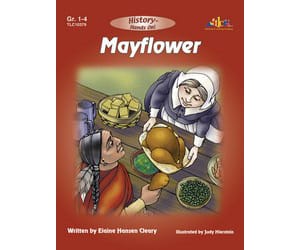
Mayflower: History - Hands On
Social Studies, History, History: USA, Grade 1, 2, 3, 4, Teacher Tools, Lesson Plans
The Mayflower: History - Hands On is a robust teaching resource, specially crafted for educators across the board—from public school teachers to homeschooling enthusiasts. It is intended for grades 1 through 4 and seeks to illuminate the integral journey of the Pilgrims and their crucial relations with Native Americans during America's foundation. This resource proudly presents a rich assortment of 34 PDF pages that are fully prepared for printing and integration into your upcoming social studies lessons. Venturing away from routine textbook-centric learning, it follows an experiential methodology towards understanding history. An atmosphere is fostered where students are prompted to delve deeper into why Pilgrims decided upon a sudden departure from their homeland in search of new territories—a theme ideally suited for invigorating discourse surrounding human migration, displacement, and resilience. Furthermore, students gain comprehensive information regarding the Mayflower—the vessel that courageously transported these adventurers over tumultuous waters—and get insight into what comprised their meals during this transit as well as how they occupied themselves aboard—a perfect transition point to discuss survival strategies and naval history. In addition to voyages at sea, this toolkit goes deep into describing how Pilgrims faced challenges adapting in an alien land—the nascent Plymouth Colony. Students grasp how these pioneers managed forging a life out of unfamiliar environs—an ideal avenue for introducing topics like colonization & adaptability. The voyage continues as students uncover how reciprocal cooperation between settler Pilgrims & indigenous residents facilitated peaceful coexistence—an unparalleled lesson on forbearance & inter-cultural respect. Alluding importantly though is Squanto’s narrative seamlessly integrated within this material—it provides valuable viewpoints on individual roles within historical chronicles. When employed in whole-group sessions, the full impact of Mayflower: History - Hands On can be realized due to its holistic subject matter adept for group ideation. Yet, it also presents substantial value when utilized within smaller collaborative learning circles or as stimulating homework tasks—encouraging independent exploration beyond classroom confines. In short, Mayflower: History - Hands On exists as an educational apparatus intended to boost comprehension of U.S. history uniquely and engagingly. Its mission is to equip educators with a means to nurture discerning & empathetic future citizens while concurrently satisfying grade-level Social Studies benchmarks.
Author Classroom Complete Press
Tags Social Studies, U.S. History, Reading Passage, The Mayflower, Thanksgiving Activities

Culture Lesson and Barnga Game
Social Studies, History, Psychology, Grade 7, 8, 9, 10, Lesson Plans, Teacher Tools
Culture and Barnga Lesson: Teacher Guide Thanks so much for purchasing this product. It takes many hours to create products like these, but it means a lot to know they may be helping create memorable lessons for students outside of my classroom, too! This lesson is meant to introduce students to some of the basics of culture and the difficulty of cultural exchange in our society with a memorable game . An adapted and simplified version of Barnga is included in this product. Barnga asks students to play a simple card game without talking to each other– the hitch is that each student has almost imperceptibly different instruction sheets that make facilitating the game incredibly frustrating (and funny!) Make sure to give students time to check over their individual instruction sheets in groups of 4 to 6 players. Ensure that each player has a different sheet. If you look at the instruction sheets they have a subtle page number indicator in the footer that lets you quickly ensure different variations of the instructions are spread throughout the activity. If anything else is complicated, feel free to reach out to me at tristanjbernhard@gmail.com and I would love to discuss the activity further! Happy Teaching! Take A Look At More Of My Best Sellers: Major Supreme Court Cases Slides Crash Course Government Episode 5 Worksheet Constitutional Clauses Slides + Worksheet Arctic Survival Team Building Activity American Election Slides + Guided Notes Crash Course Government Episode 18 Worksheet Enjoy More From My Store Here: Active Social Studies
Author Ed Dynamic
Tags Culture Lesson, Social Studies Game, Assimilation, Simulation, Cultural Diffusion, Globalization, Whole Group Games, Reflections, Barnga

Hot Air Balloons Reading Comprehension Passage - Cored Ed Encyclopedia
ELA, Reading Comprehension, Reading, Pre-Reading, Language Development, History, Social Studies, Science, Physics, Technology, Grade 2, 3, 4, 5, Worksheets & Printables, Worksheets, Teacher Tools, Centers, Activities, Writing Prompts, Assessments, Quizzes and Tests, Quizzes, Lesson Plans
This hot air balloons reading comprehension with lesson plan includes: Visualization (on the front cover) Start your lesson by taking a minute to think and share something about the topic. Read the script aloud (slowly), perhaps prepare some music or sound effects. Student close their eyes and let their imaginations wander. Students open their eyes, read the question aloud and give them a few minutes to complete. Ask a few students to share or keep answers until the end to compare with what they learn in the passage. Quick pause—thousands of Cored Education products are included with your TeachSimple membership. Download links and encyclopedia index available here. Pre-Reading Trivia Students will write down one thing they already know about the subject and then read five more facts and discuss. These facts are fun, and the students will enjoy learning about the subject before reading more. Give 1 minute for students to write what they already know (no pressure—best guess is fine). Read the five facts together. After each fact, do ask a student for their opinion, was it surprising? Set a purpose by asking students to highlight/underline one fact they want to learn more about during the reading. Reading Passage The text is a high-interest reading passage with set paragraphs, roughly three to four paragraphs long. It contains a variety of themes about the topic, anywhere from history to technology. The passage is between 250 and 350 words in length. First, ask students to look at the headings and see what they’ll learn about today. What do they know about the topic/heading? First read options: Teacher read-aloud (best for support). Partner reading (paragraph by paragraph). While reading, students underline important details, and vocabulary words they think may come up in the questions section. Mixed Questions The first question page contains four multiple-choice questions, each with a choice of four answers, and three written response questions that require a sentence or two from the student. Students complete the mcqs first independently, then review quickly as a class. For the 3 written responses, try to get students giving the answer with some form of evidence: “I think ___ because the text says ___.” If students get stuck, send them back to check the passage. Vocabulary Questions Practice seven key words from the text in this section across two activities. First section is scrambled words where students will unscramble three words given a clue for each. The second section is a word to meaning matching activity. Before starting, have some students read out words they underlined in the passage. Ask students to say the word and read aloud the sentence(s) around each word. Ask students to do scrambled words and the matching exercise in pairs then go through answers as a class. For the scrambled spelling task, get four pairs to come up to the board and write the words for extra practice with the other student reading out the clue. For the matching task, prompt students to give full sentences: “I matched ___ with ___ because ___.” Creative Writing In this question, the student will be required to write a five to eight sentence paragraph on a question related to the topic. Before starting, ask students write down 3 key ideas they are going to include in their piece. Ask students for ideas to share around the class to help those struggling. Pro writing expectations: 5–8 sentences At least 2 facts or details from the passage At least 2 vocabulary words from the previous page Students read their paragraphs while classmates listen for facts and vocabulary words. Extension Activities This page is optional for fast finishers or to take home. There are several activities, each one requiring a different skill. Do some, do none, do all, completely optional - but you will feel reassured knowing every possibility is planned for. Includes summary writting question and additional facts. Answer Key There are answers for the multiple-choice questions, written response questions have sample answers, vocabulary answers and if there is a summary question then a sample summary will be provided as well. Lesson Plan Included Customized lesson plan for this lesson is included. Lesson Snapshot Title: Hot Air Balloons Genre: Nonfiction (informational text) Subject: Science (flight/forces) Primary Topic: How hot air balloons rise and early ballooning history Estimated Guided Reading Level (A–Z): Q What This Lesson Teaches Best Explains the key science idea that warm air rises and connects it to how a hot air balloon works. Builds historical understanding through a short timeline (1780s France experiments; June/September/November 1783 flights; return in the late 1950s–1960). Introduces main balloon parts and functions (envelope, basket, propane burner, valve) and how they affect rising/sinking. Clarifies how balloons travel (they can’t steer like airplanes; changing height helps catch winds moving different ways). Shows how improved materials/design (nylon fabric and powerful propane burners) helped ballooning become a sport and celebration again. Learning Goals Students will explain why warm air helps a hot air balloon rise using details from the passage. Students will identify the Montgolfier brothers and describe what the crowd in Annonay saw on June 4, 1783. Students will describe what happened at the Palace of Versailles on September 19, 1783. Students will describe the jobs of the envelope, propane burner, and valve in a modern balloon. Students will explain how a balloon can travel in different directions by changing height. Students will explain how Ed Yost helped ballooning return in the late 1950s and what happened in 1960. Key Vocabulary From the Text experiments — tests to find out if something works. envelope — big fabric balloon bag that fills with heated air. propane — fuel used to make the burner’s flame. valve — opening that lets hot air out. redesign — change how something is made to improve it. FULL CATALOG OF DOWNLOAD LINKS AND ENCYCLOPEDIA INDEX HERE
Author Cored Education
Rating
Tags Vocabulary, Reading Comprehension, Reading Passages, Lesson Plans, Ela Lesson Plans, Reading Comprehension Lesson Plans, Pre-reading, Science Lesson Plans, Physics, Technology

Canadian Urban And Rural Communities Gr. 2-3
Social Studies, History, History: Canada, Grade 2, 3, Teacher Tools, Lesson Plans
The Canadian Urban And Rural Communities Gr. 2-3 Resource This unit is a comprehensive, five-part resource designed to engage grade 2 and 3 students with an in-depth look into the contrasting elements between urban and rural communities within Canada. It enriches student's knowledge about these significant aspects of Canadian history while stimulating their curiosity. Detailed Lesson Plans The resource entails detailed lesson plans tailored for teachers' reference, offering a thorough overview of the activities planned for each session. These interactive & educational activities are constructed not only to deliver crucial information but also to ensure learning is fun and meaningful. Interactive Student Booklet An additional feature of this unit is a structured student booklet. This tool allows children to document their discoveries and research findings throughout the duration of this study unit. Supplementary Resources Jot Note Outline: A template perfect for fostering concise ideas or recording quick insights. Report Outline: Assists students in crafting content that presents clear arguments in an organized manner. Bibliography outline: Invaluable in guiding how to correctly cite references used during their work progression. This versatile resource can be effortlessly incorporated into various teaching models such as full-class instruction, small-group learning environments or individual homework tasks which help reinforce comprehension at every stage. Friendly Assessments Post Lessons To conclude every session, the Social Studies Unit on Canadian urban and rural communities includes grading-friendly assessments like crossword puzzles & word searches along with provided answer keys enabling straightforward evaluation easy assessment among children by educators . Digital Convenience The teaching tools developed are formatted as PDF file-types ensuring access is simple and expedient for both remote-lessons or traditional in-person classrooms. In summary, The Canadian Urban And Rural Communities Gr. 2-3 resource serves as a comprehensive, engaging, and versatile tool vital for effective learning about Canada's diverse communities. This applies whether you're leading classes at public schools or homeschooling your children.
Author Classroom Complete Press
Tags PDF
I WONDER - Who Was The First Pharaoh | Animated Video Lesson
History: Ancient, History, Social Studies, History: African, Grade 4, 5, 6, 7, 8, 9, 10, Lesson Plans, Teacher Tools
Video Introduction An amazing video designed for the students to learn more about history. I WONDER - Who Was The First Pharaoh | Animated Video Lesson Do you like history? Which topic do you really enjoy about history? Have you ever read an interesting fact about the Vikings? If yes, can you mention them? What do you like most about the Victorian era? Can you name all the Tudors? Have you ever wondered how people used to live in ancient Japan and ancient China? Do you know any interesting facts about ancient Egyptians and the Pharaohs? Have you ever visited South America? What do you know about Incas and Aztecs? Celtic culture was really one of a kind, can you name any of the places that Celts used to live in? Imagine yourself living during the ancient Roman empire, how your life will look like? Ancient Greece was an amazing place to live in. What do you know about ancient Greek life? I WONDER - Who Was The First Pharaoh | Animated Video Lesson The video is perfect for encouraging the researching skills for the students, while learning more about history. I WONDER - Who Was The First Pharaoh | Animated Video Lesson This friendly designed video is suitable for students at school, homeschooling, and as a group activity. Format Available in MP4 format.
Author Educational Voice
Tags Who Was The First Pharaoh, Who Was The First Pharaoh Video, First Pharaoh, First Pharaoh Facts, First Pharaoh Video, First Pharaoh Video For Kids, First Pharaoh Facts For Kids, Pharaoh, Pharaohs