
Reading & language
Calculating Slope - Solve + Match Worksheet
A math worksheet for practicing calculating the slope between two points, with a self-checking solve-and-match format.




Classroom resources
Browse by lesson focus
Choose the topic or kind of practice you need.
Showing 73–96 of 1282 resources

 Show filters
 A math worksheet for practicing calculating the slope between two points, with a self-checking solve-and-match format.
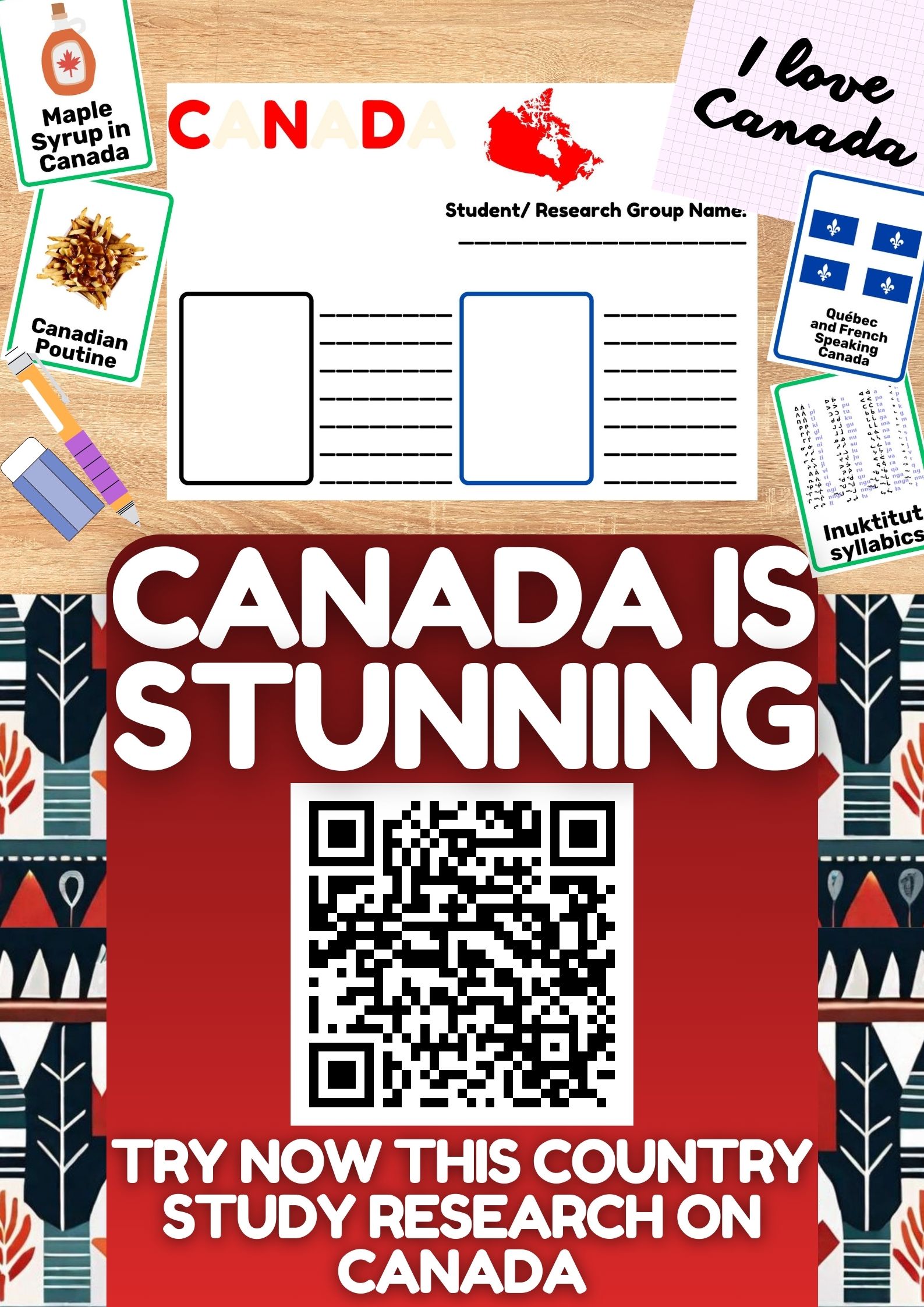
Use the topic cards (e.g., First Peoples and European contact, Confederation, immigration, World Wars, provinces/territories, oceans, climate, political system, economic sectors, Ottawa landmarks, culture and media) to research assigned aspects of Canada, then record findings on the accompanying research worksheet…

A GCSE worksheet training students to attribute Act 1 quotations from An Inspector Calls to the correct speaker (Mr Birling, Sheila, or the Inspector) to highlight the contrast between Birling's dismissiveness and Sheila's pity toward Eva Smith.

Quadratic Functions - Vertex Form Worksheet gives students practice identifying key characteristics of quadratic functions written in vertex form. Students examine eight vertex form graphs and determine the vertex, axis of symmetry, domain, range, and zeros for each. This two-page high school…

Students watch the linked Crash Course Sociology video and answer 15 short-answer comprehension questions in writing; they can self-check using the included answer key.

Worksheet with 10 questions along with the answers, calculating the limit as the function approaches either to positive or negative infinity of the most common transcendental functions: logarithmic, and trigonometric functions.
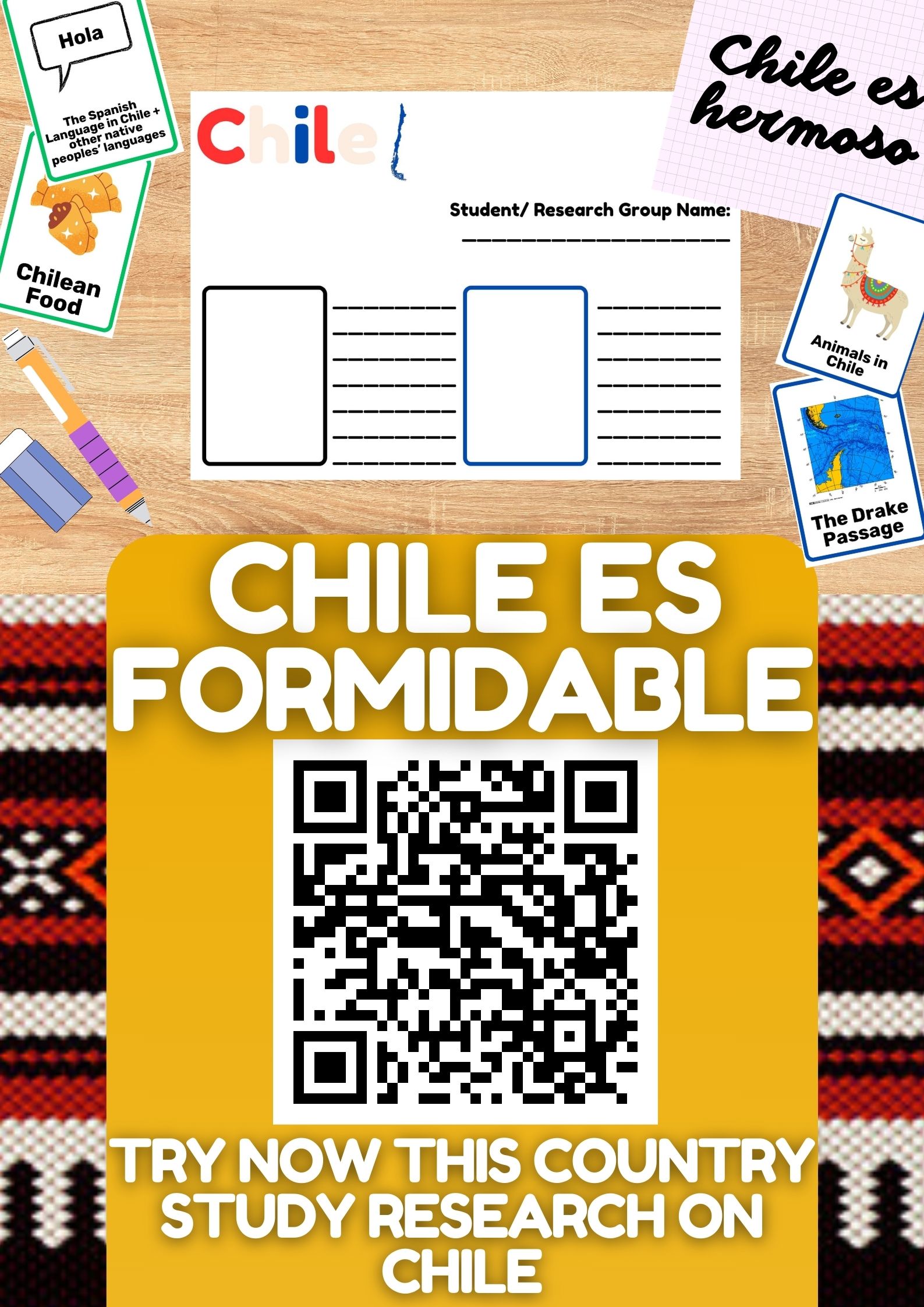
Use the topic cards (e.g., Spanish conquest, Bernardo O'Higgins, Pinochet's dictatorship, transition to democracy, geography, climate, political system, economic sectors, Santiago landmarks) to research assigned aspects of Chile, then record findings on the accompanying research worksheet, which includes a dedicated…
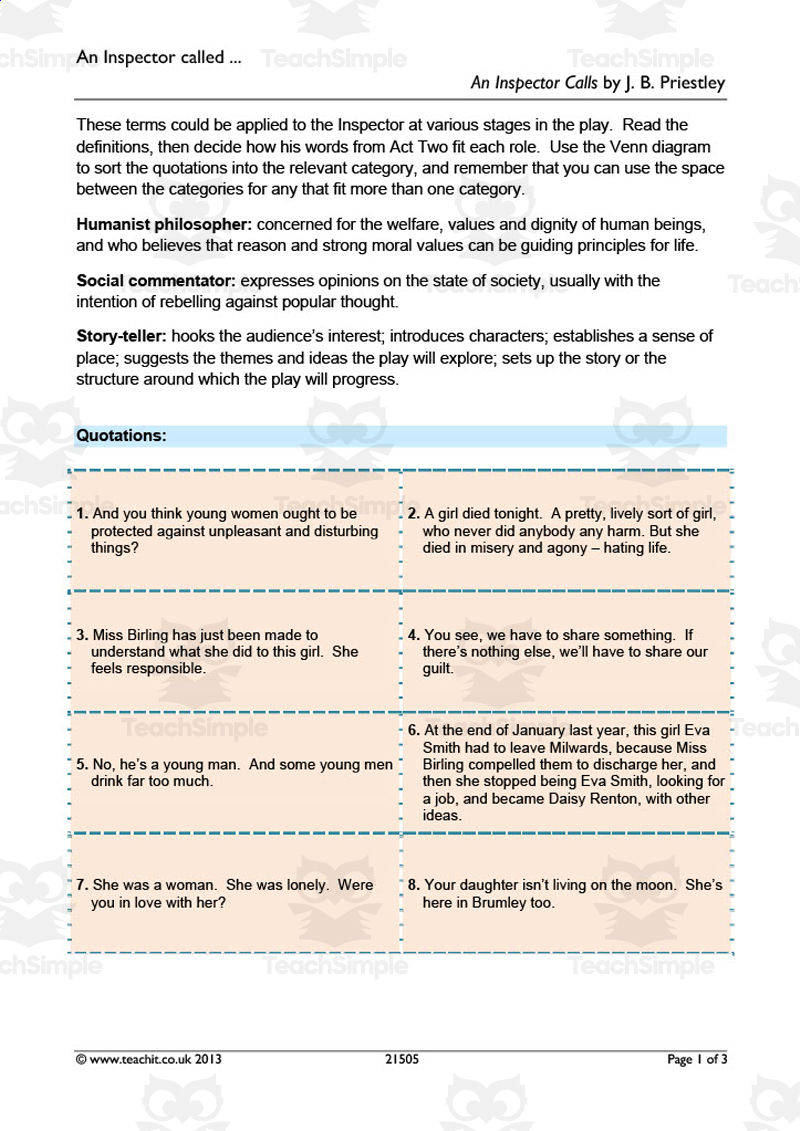
A GCSE worksheet exploring the Inspector's multiple narrative roles in Act 2 of An Inspector Calls (humanist philosopher, social commentator, story-teller) through quotation sorting.

In small groups, research external source PDFs (linked to worldwithoutgenocide.org) about the Holocaust, Cambodian, Armenian, Rwandan, and Bosnian & Kosovo genocides, and fill in the location and number/who was killed for each on a graphic organizer.
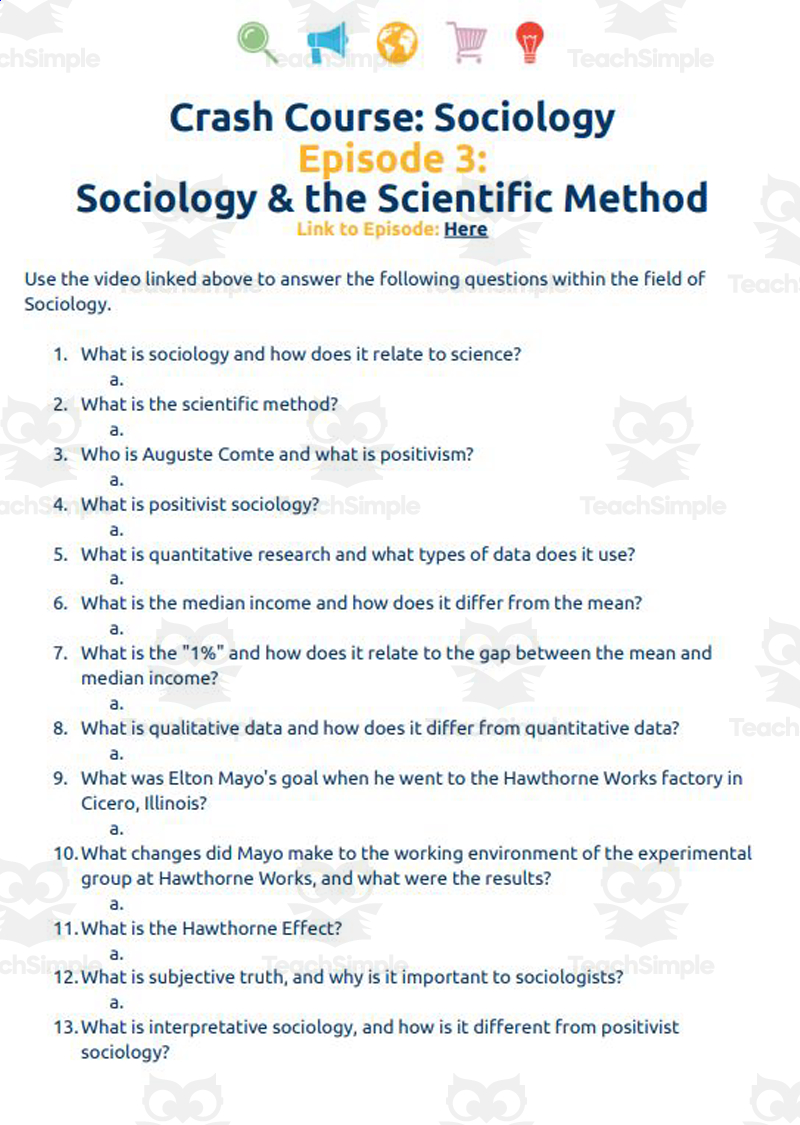
Watch the linked Crash Course Sociology video, then answer 15 short-answer questions about the episode's content in the blank space provided under each question on the worksheet; a separate answer key gives the expected answers, including one open-ended personal-reflection question.

A 3-worksheet packet (from the same 'Language of Educational Art' publisher as the Literary Terms Lesson series) teaching students to manipulate three specific literary devices — Details, Diction, and Tone — to control the mood/meaning of creative writing, before students draft original work.
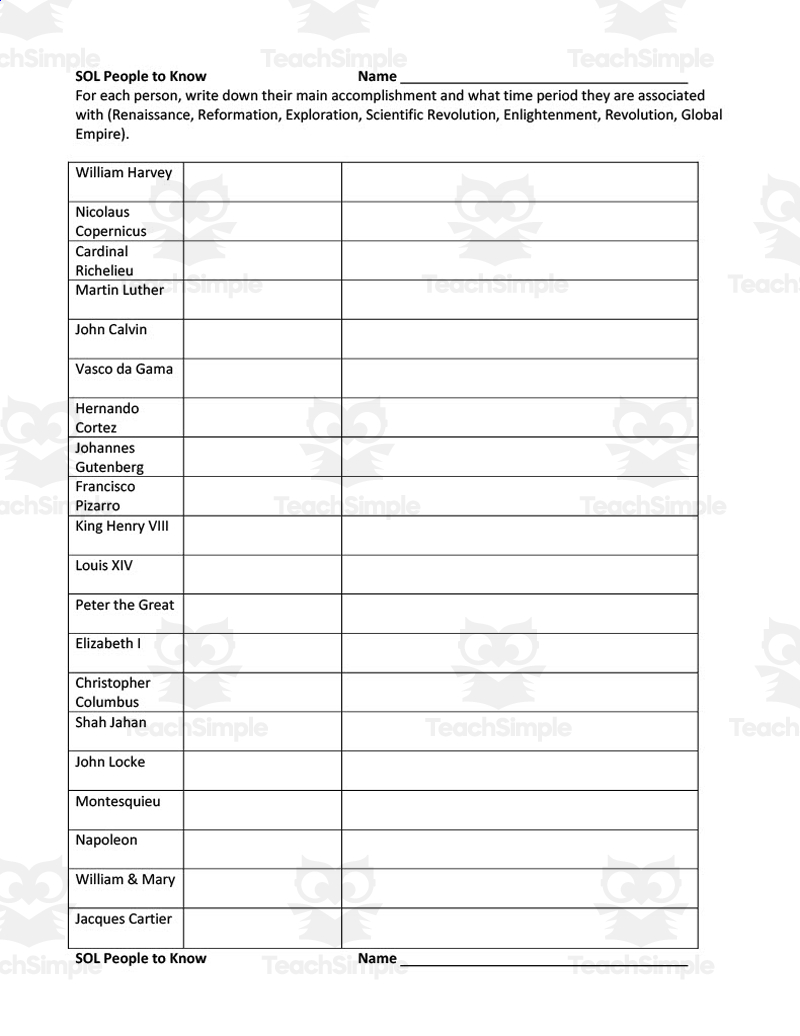
For each named historical figure (e.g., William Harvey, Martin Luther, Vasco da Gama, Louis XIV, Napoleon), write their main accomplishment and the time period they are associated with (Renaissance, Reformation, Exploration, Scientific Revolution, Enlightenment, Revolutions, Global Empires, Absolutism).
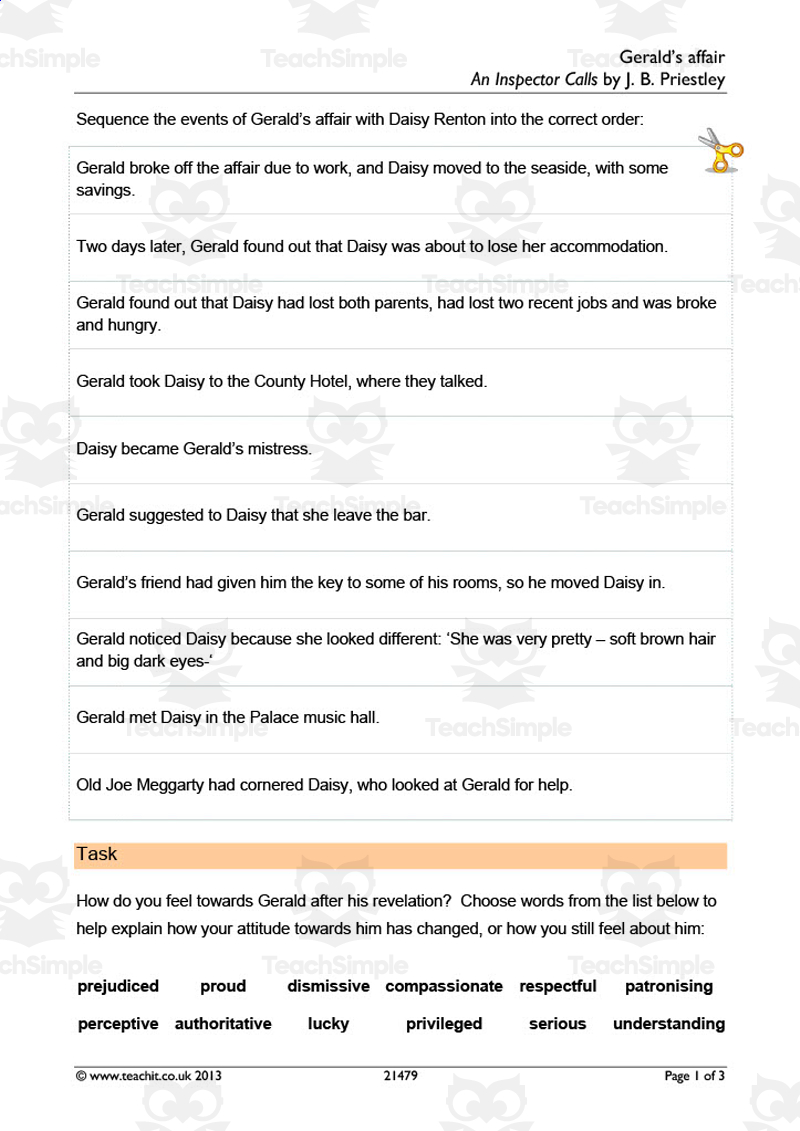
A GCSE worksheet unpacking Gerald Croft's affair with Daisy Renton (Eva Smith) in An Inspector Calls through sequencing and a creative dramatisation task.
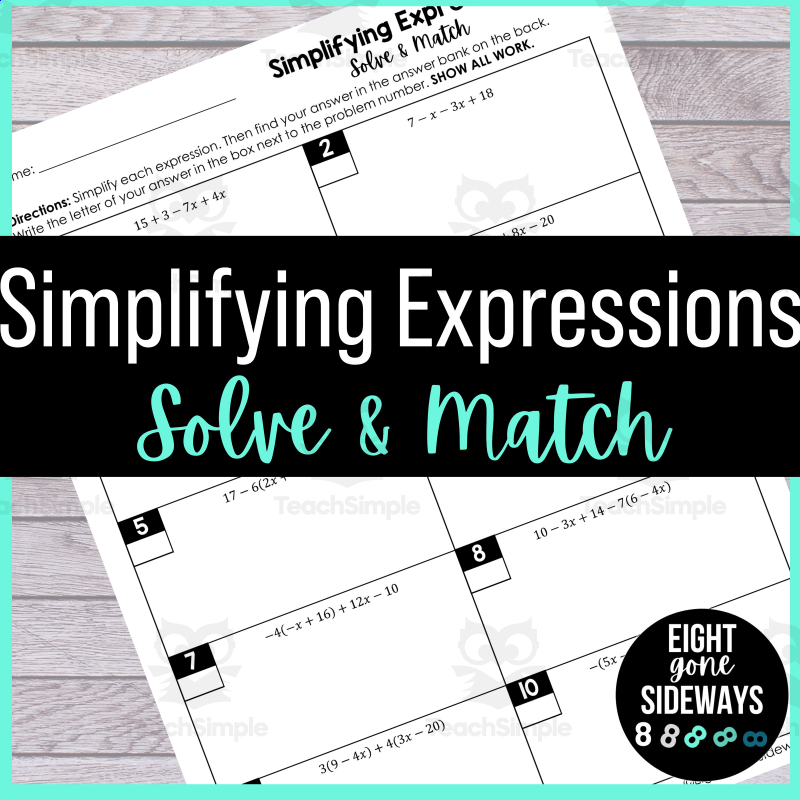
Simplifying Expressions - Solve + Match Worksheet is a high school math resource that allows students to practice simplifying algebraic expressions. Students are given 16 problems to solve that involve determining the slope or simplifying expressions with variables. After calculating each answer, students must find…
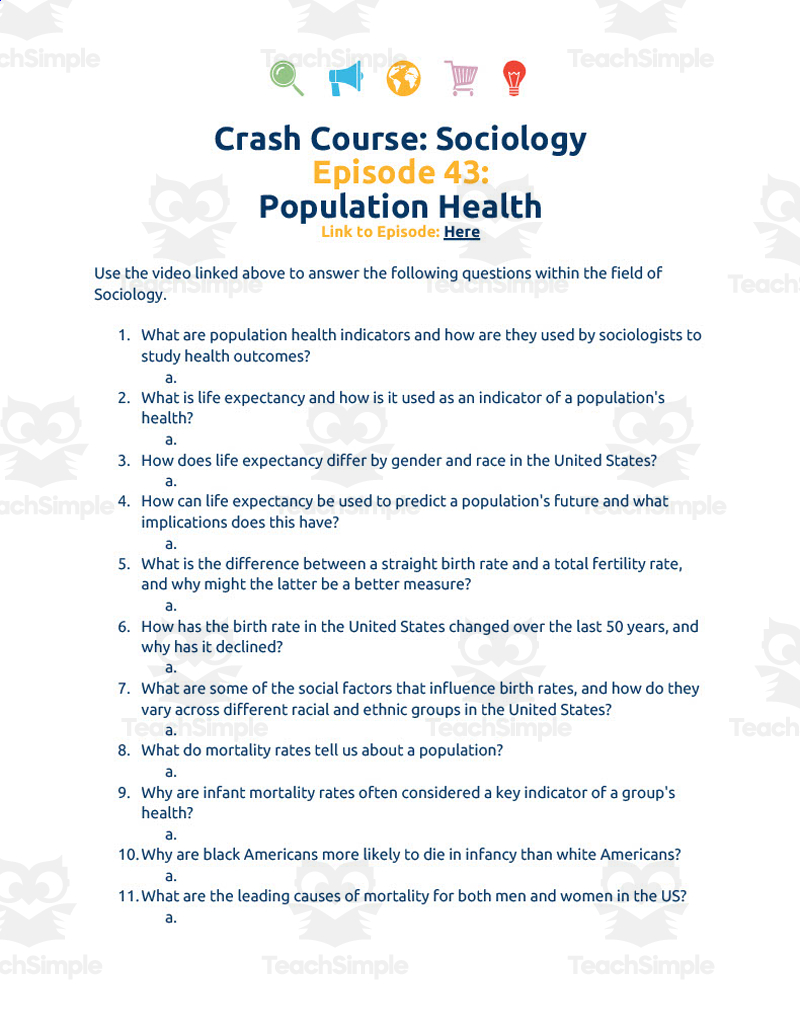
Students watch the linked video and answer 15 short-answer questions about life expectancy, birth/mortality rates, and racial disparities in health outcomes, then self-check with the included answer key.

Eight quadratic-function problems ask students to determine domain, range, intercepts, vertex, increasing and decreasing intervals, and end behavior. Four functions are presented as graphs and four as standard-form equations. Two answer pages provide completed characteristic tables; students should show their algebra separately. The file is labeled Version 2: Standard Form.

Watch a Crash Course Government and Politics video on gerrymandering and answer companion worksheet questions in complete sentences; view a slide presentation covering the definition, historical origin, negative impacts, and court cases on gerrymandering; define key vocabulary (political party, congressional district…
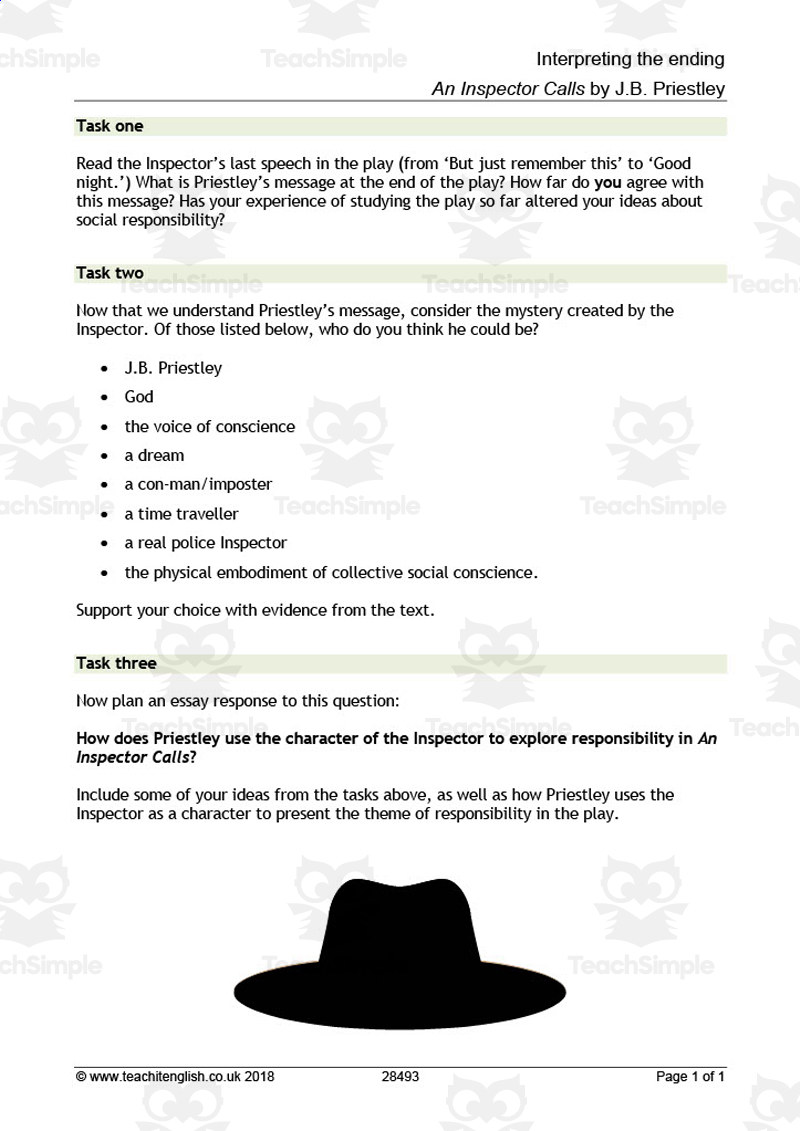
A short GCSE worksheet guiding students to interpret the ambiguous ending and the identity/role of the Inspector in An Inspector Calls, and to plan an essay on the theme of responsibility.
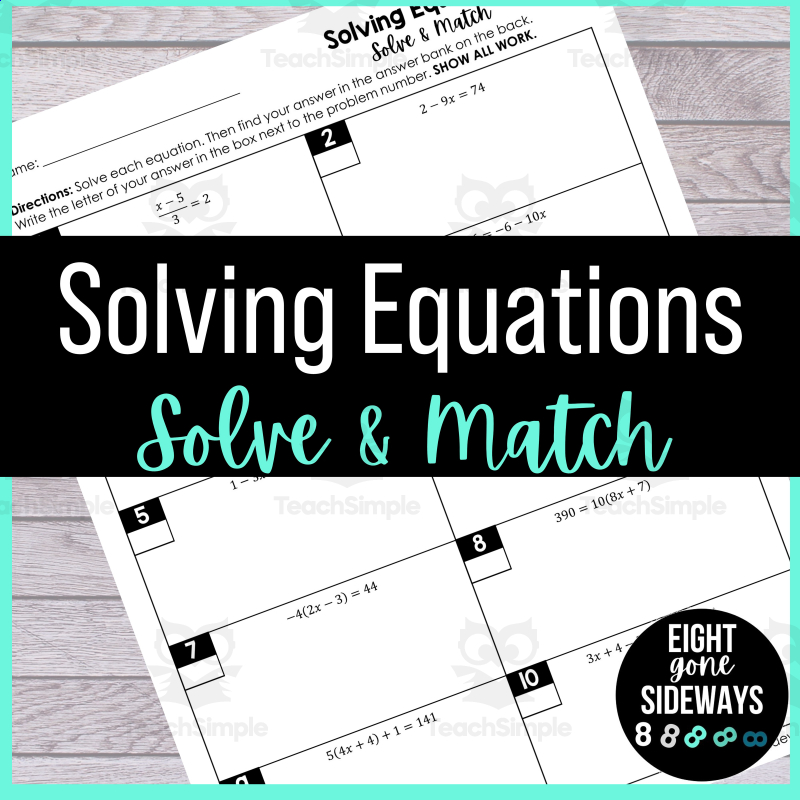
Students work through sixteen linear equations, showing their algebra before selecting a result from the shared answer bank. The set includes distribution, variables on both sides and equations with no solution or infinitely many solutions, so a numerical value is not always the outcome. A worked key supports comparison of steps and discussion of what the final statement means.
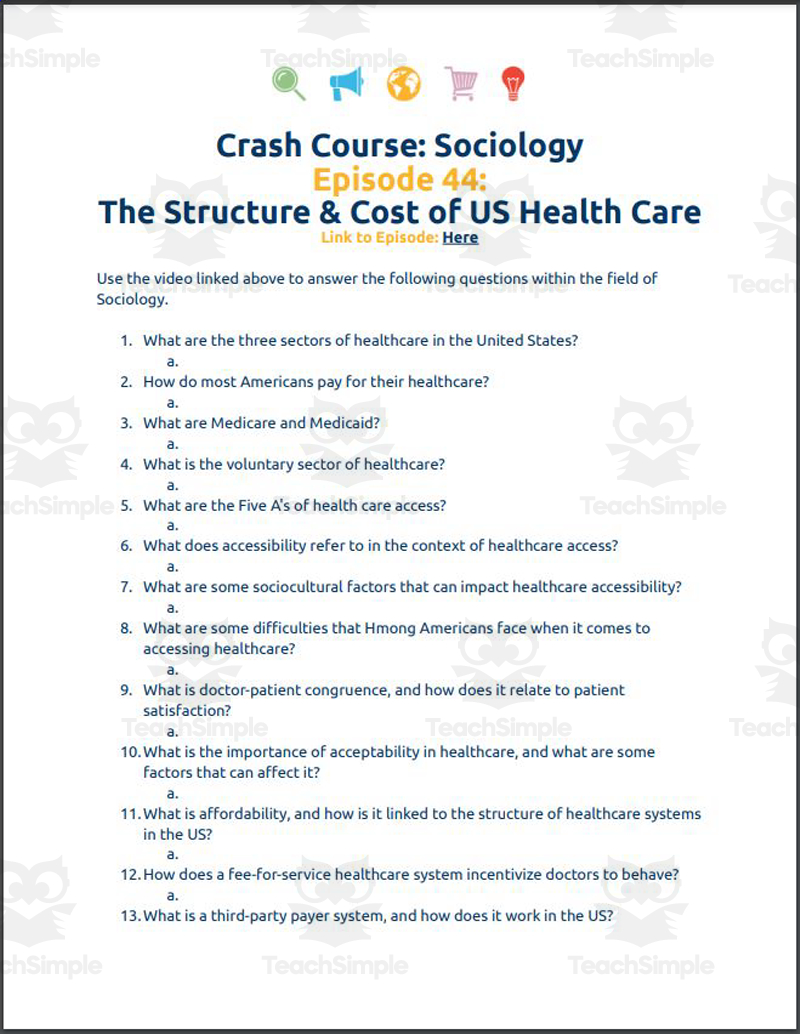
Watch the linked Crash Course Sociology YouTube episode, then write short-answer responses to 15 numbered comprehension questions in the blank space provided under each question.
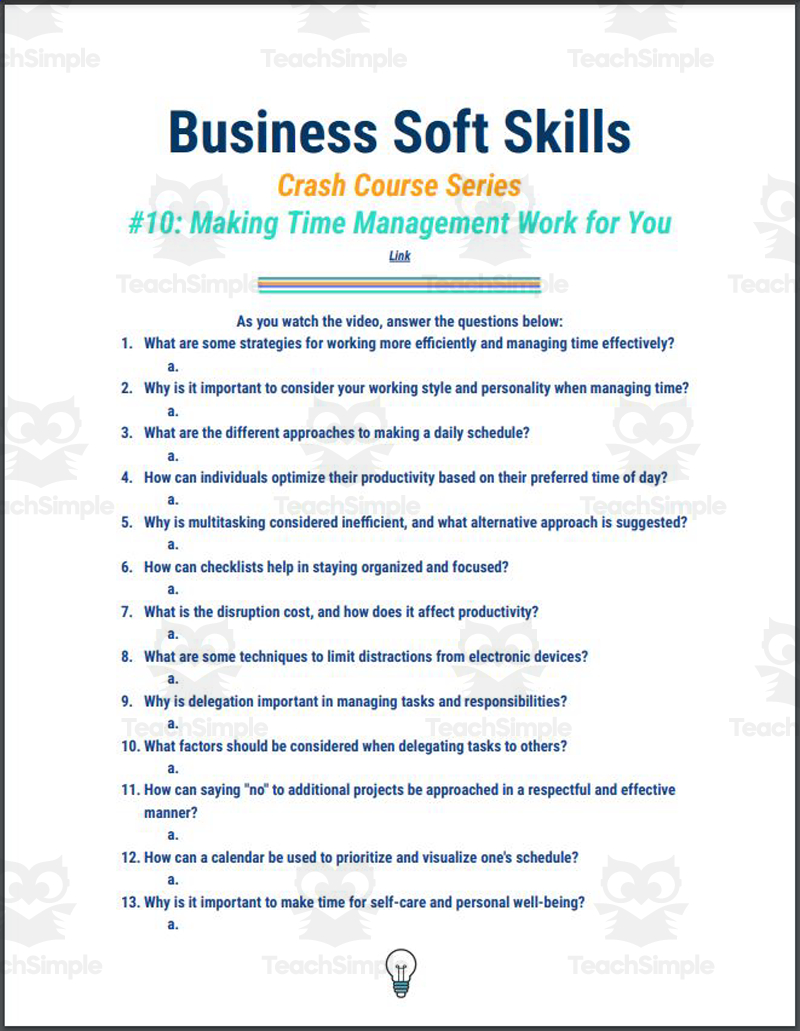
Watch the referenced video and answer 15 short-response questions about time management strategies (working style, avoiding multitasking, checklists, limiting distractions, delegation, using a calendar, self-care); an included answer key gives model answers.
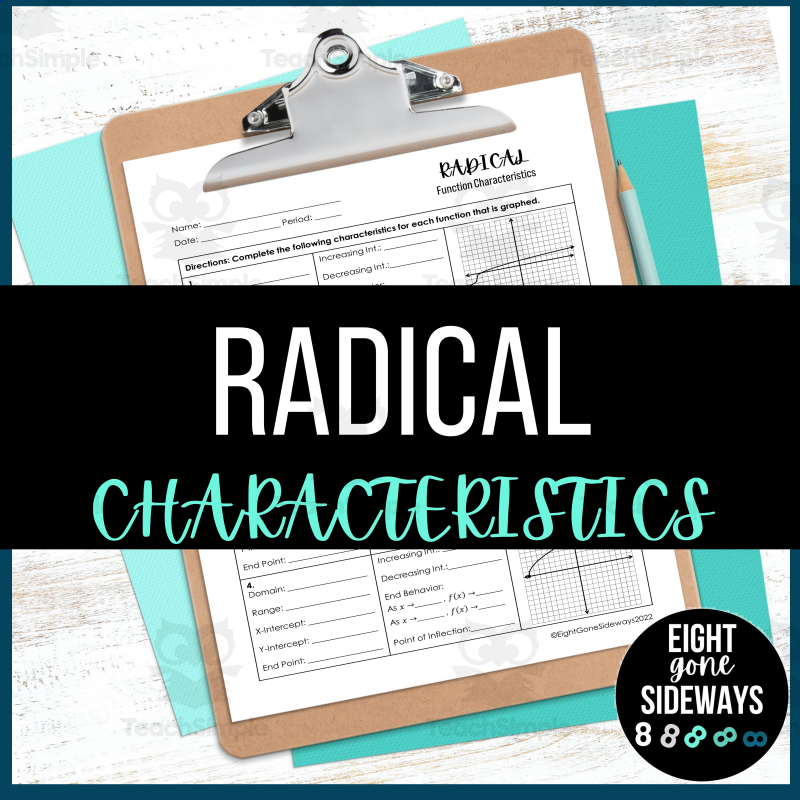
An algebra practice worksheet for analyzing graphed and equation-form square/cube root (radical) functions.
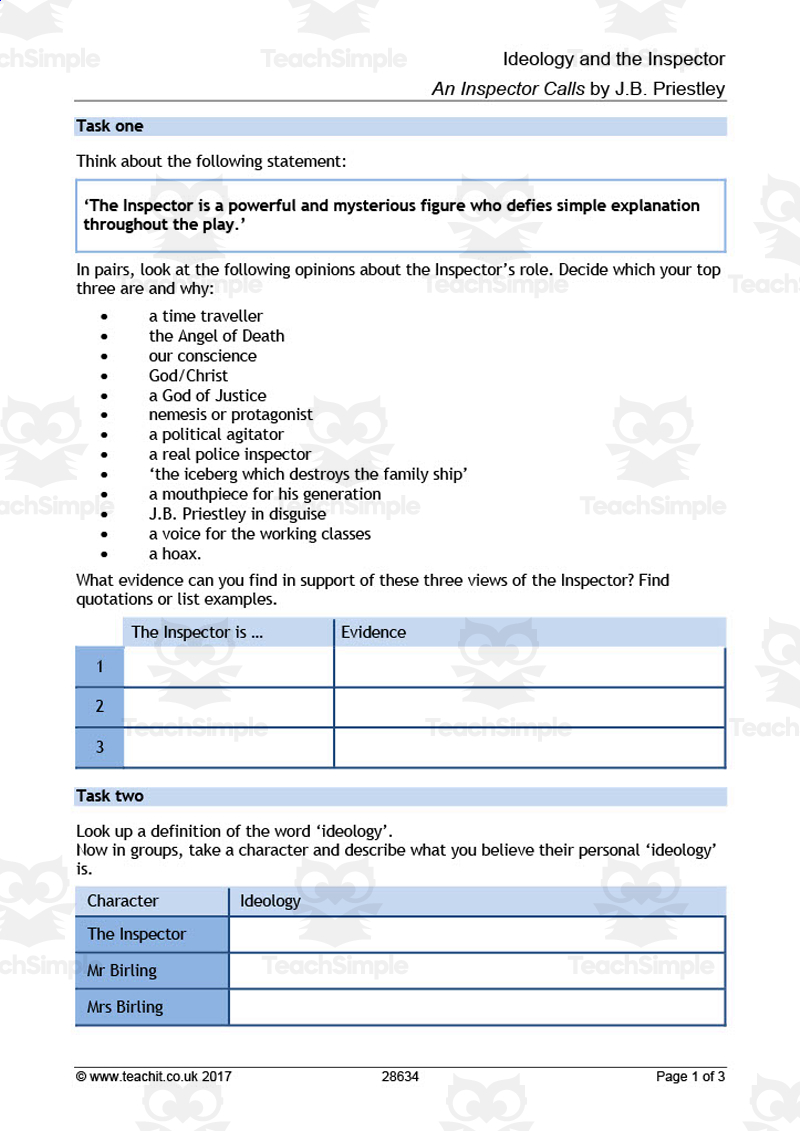
A GCSE worksheet exploring the Inspector's ambiguous symbolic role and the political ideologies of the play's characters in An Inspector Calls.

A one-page chart and comprehension worksheet teaching the four types of government used in ancient Greek city-states (monarchy, aristocracy, oligarchy, direct democracy).