Math practice
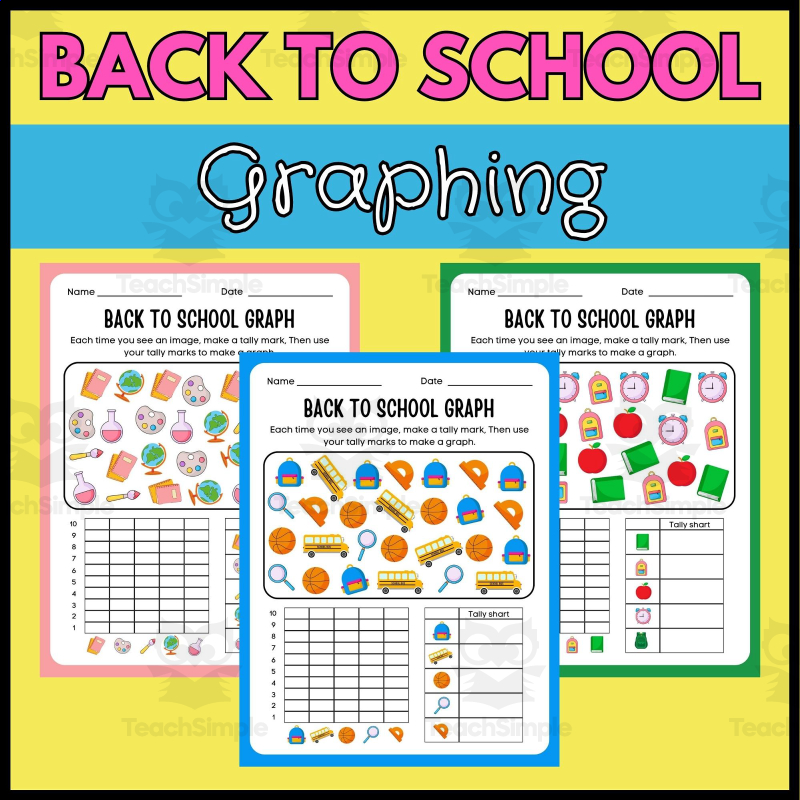
Back to School Activity Graphing Math Worksheets
Make a tally mark each time an image appears, then use the tally marks to fill in a bar graph.




Classroom resources
Browse by lesson focus
Choose the topic or kind of practice you need.
Showing 1633–1656 of 2979 resources

 Show filters
 Make a tally mark each time an image appears, then use the tally marks to fill in a bar graph.
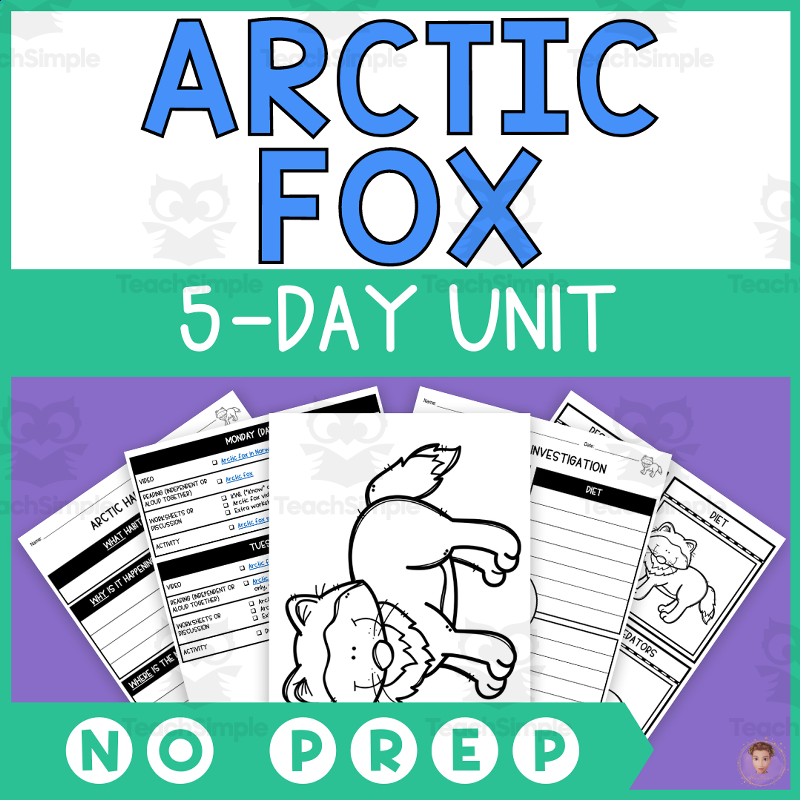
Watch daily videos, read informational texts, and complete worksheets (KWL, video notes, life cycle graphic organizers, can/have/are or is/has/needs organizer, investigation organizer) and activities (drawing, coloring, poster/lapbook/interactive notebook) about the reindeer/caribou over a 5-day sequence.

A two-page worksheet set practicing fraction identification and fraction comparison, using shape-based fraction models.
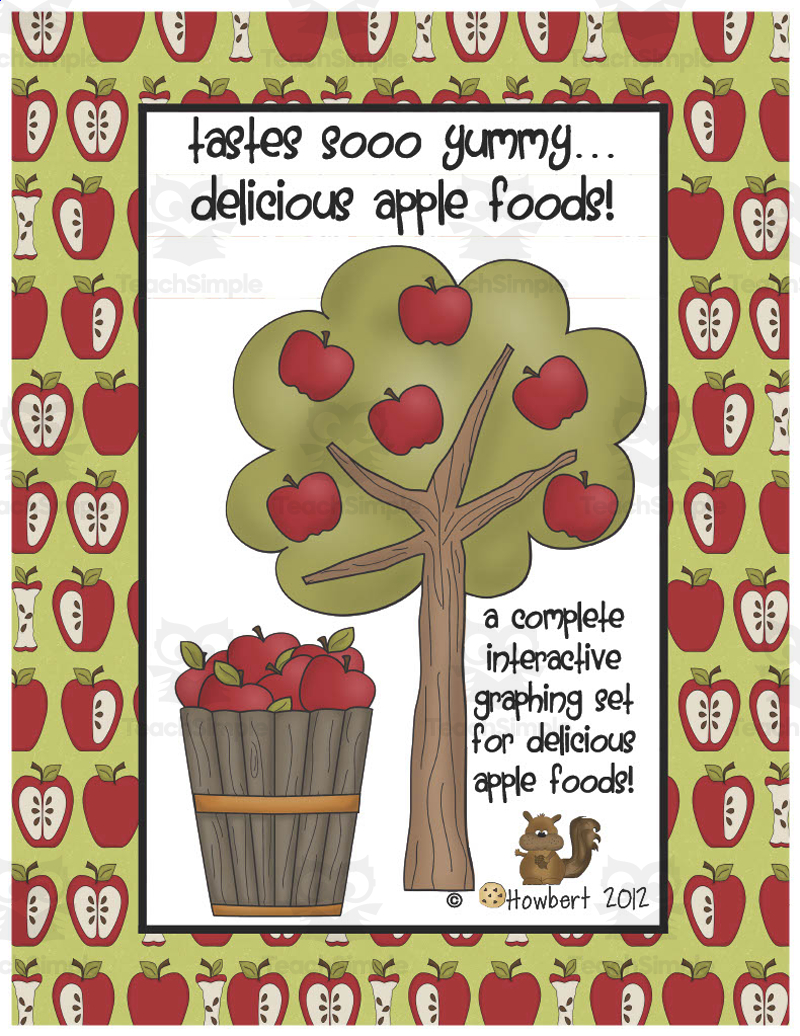
Bring in a chosen apple food item, contribute to a class picture graph, then complete individual tally and bar graph worksheets (counting by ones and by twos) using the class data
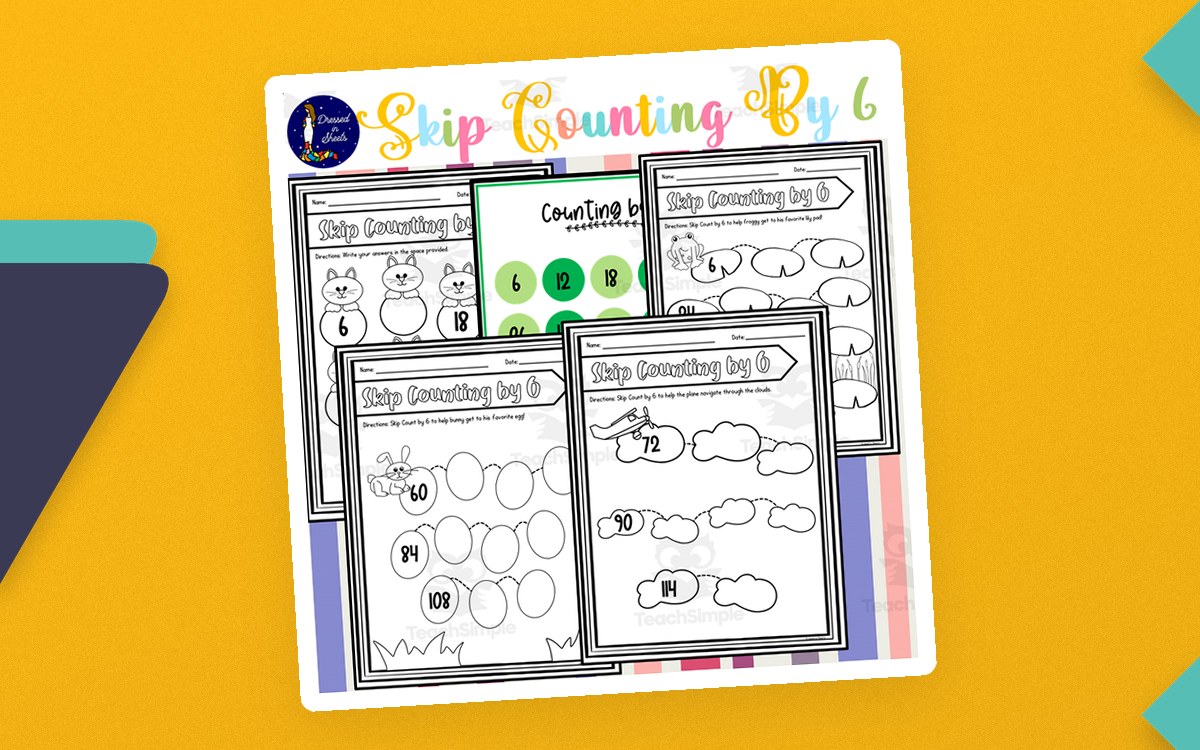
Skip Counting by 6 Worksheets The Skip Counting by 6 Worksheets is a captivating teaching resource made to support young learners develop their math skills. Suitable for students in Preschool, Kindergarten, Grade 1 and Grade 2, this tool also caters to early learning. This resource is packed with special worksheets that help kids learn…

A set of 20 themed, timed single-digit subtraction practice worksheets across 3 skill levels, within the number range 0-10, for building subtraction fact fluency.
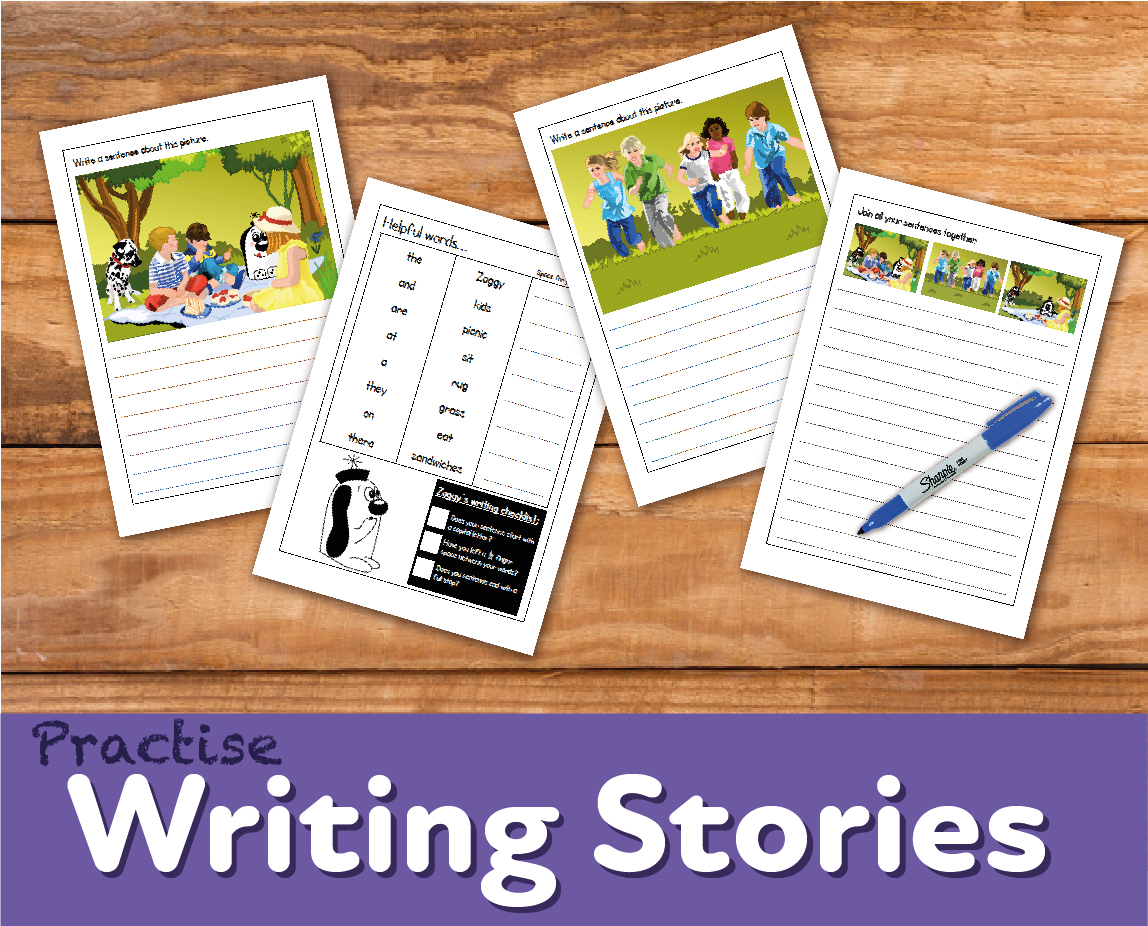
Write a sentence (or sentences) about the picnic picture, using a supplied helper word bank (Zoggy, kids, and, are, at, a, picnic, sit, rug) and space provided for their own words.

Students write the factors of given multiplication equations, circle whether numbers are prime or composite, and complete factor trees to find prime factorizations.
 Free download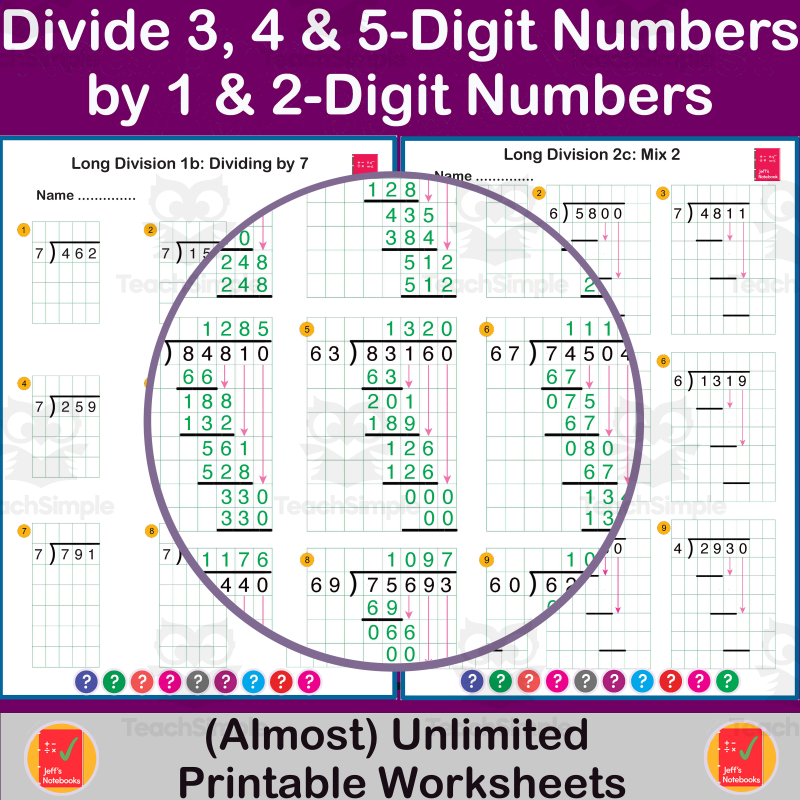
Provide a large, differentiated bank of long-division practice worksheets (3, 4, and 5-digit dividends divided by 1- and 2-digit divisors) using the standard algorithm, with and without remainders.
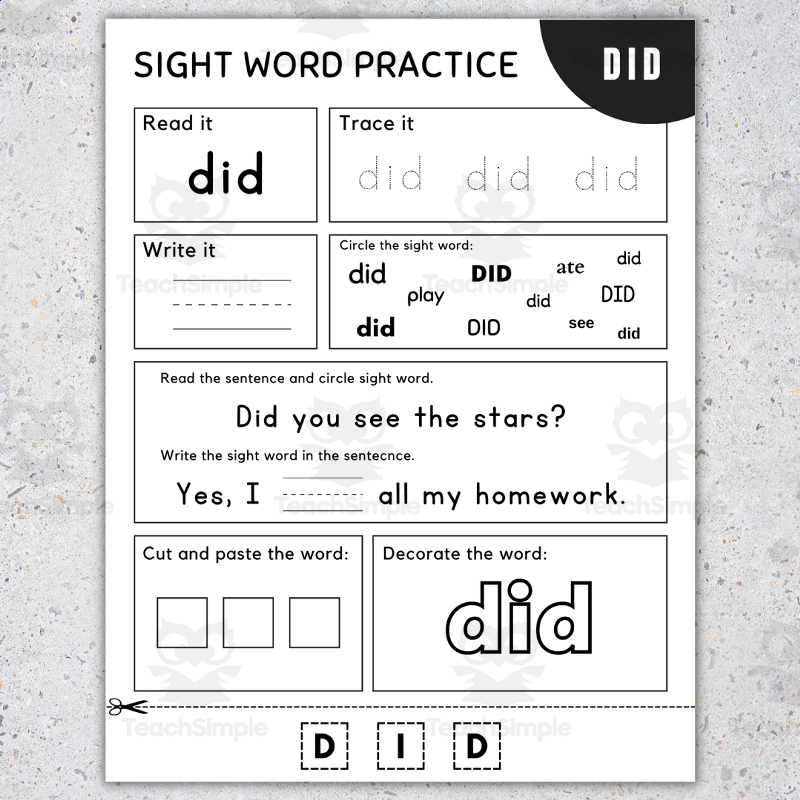
Read the word, trace it, circle it among distractors in a grid, read a sentence and circle the target word, fill in the missing word in a sentence, cut and paste the word, and spell it out with individual letters.

Give students practice identifying and plotting ordered pairs/coordinates on the Cartesian (coordinate) plane, including finding missing vertices and applying transformations (translation, rotation, enlargement).
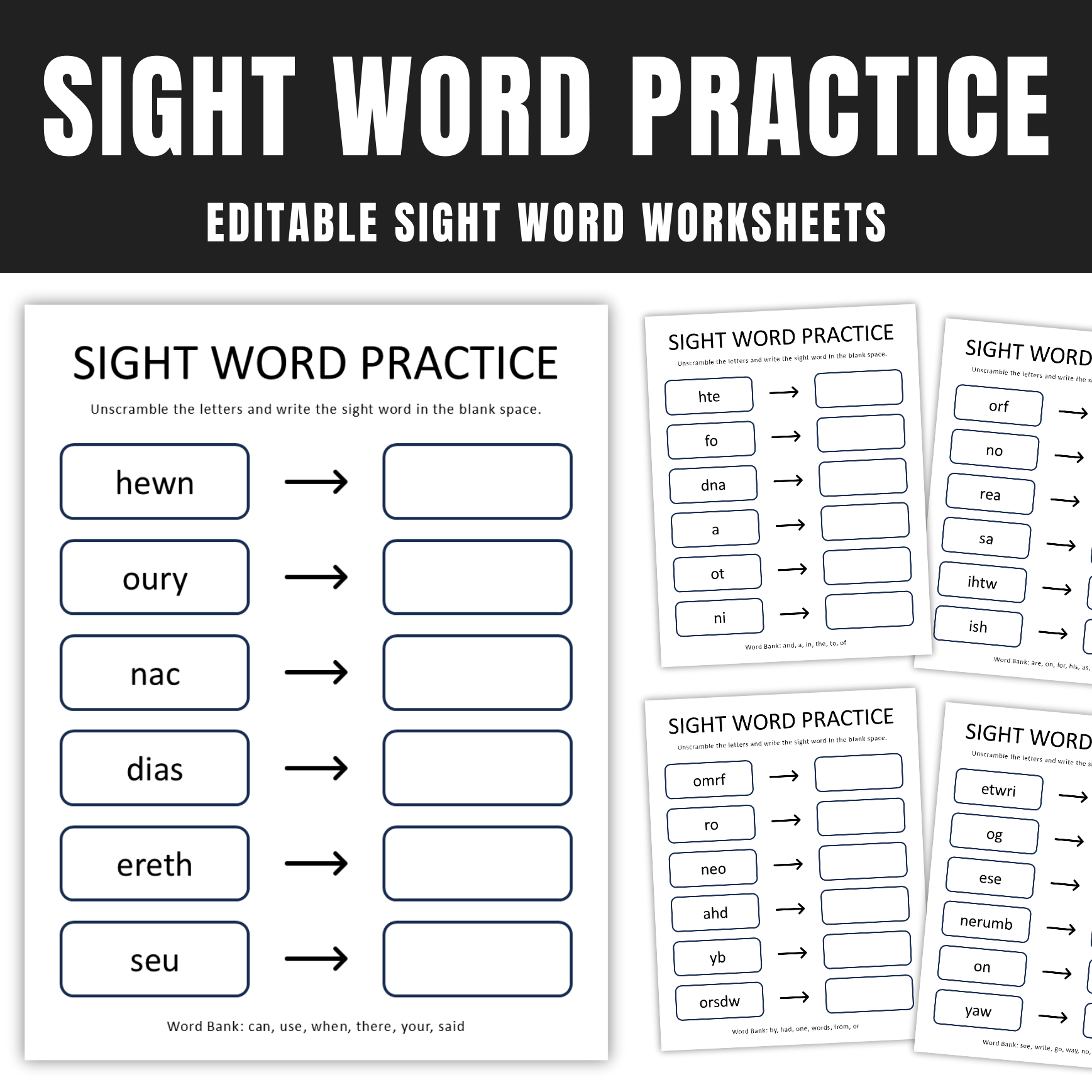
Students unscramble the jumbled letters of six sight words per page (using a word bank as a guide) and write the correct spelling in the blank space.
 Free download
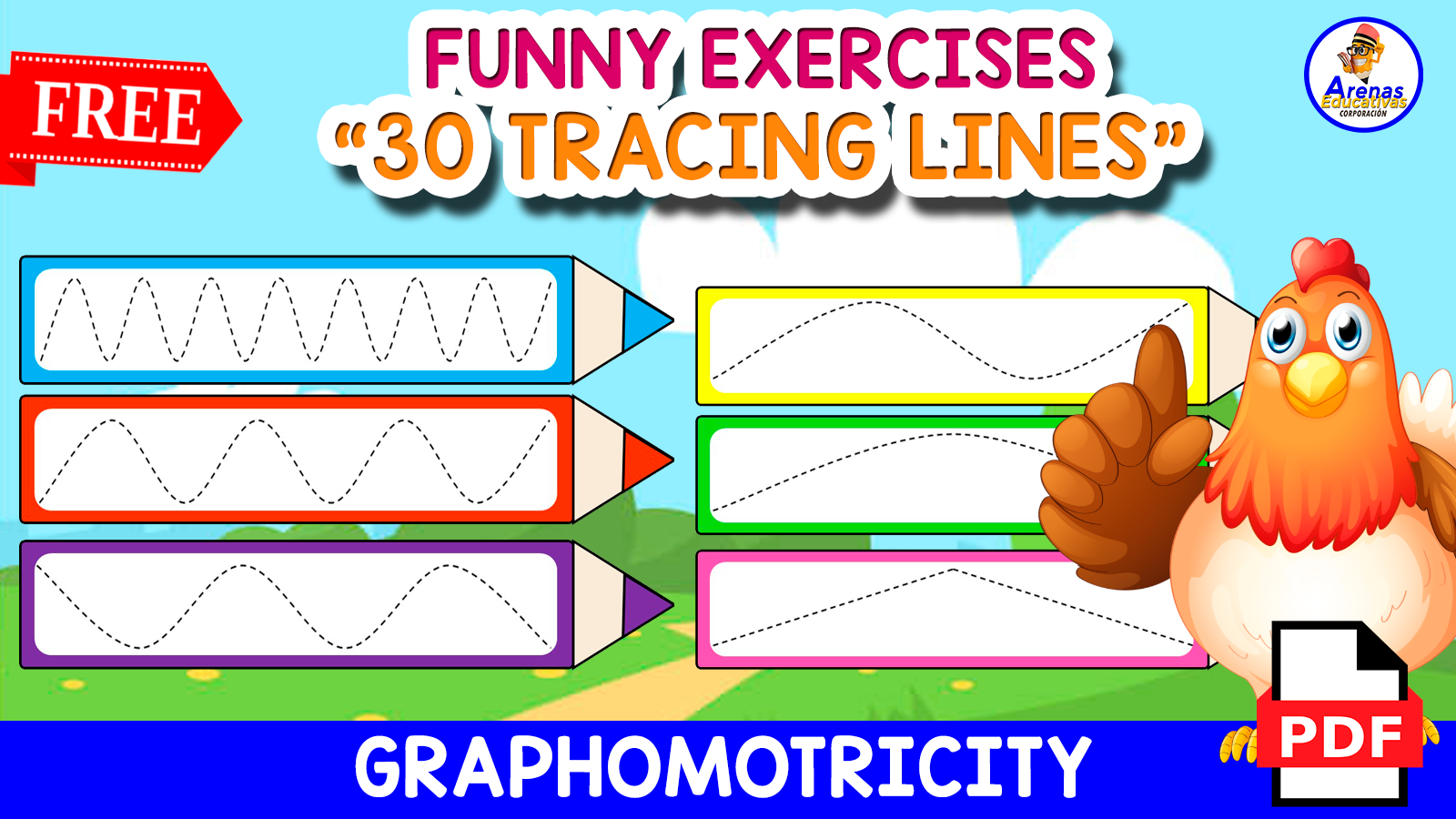
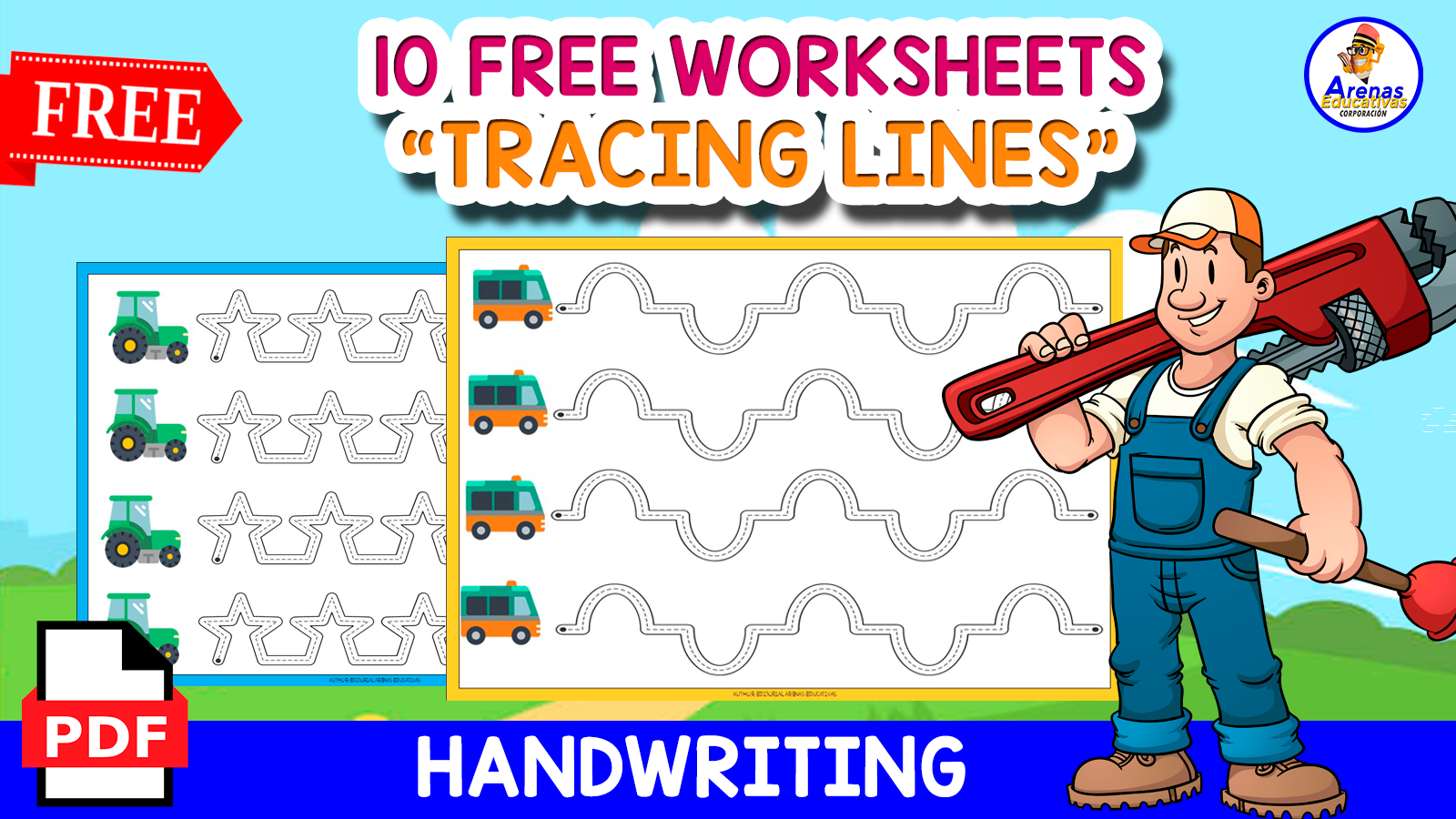
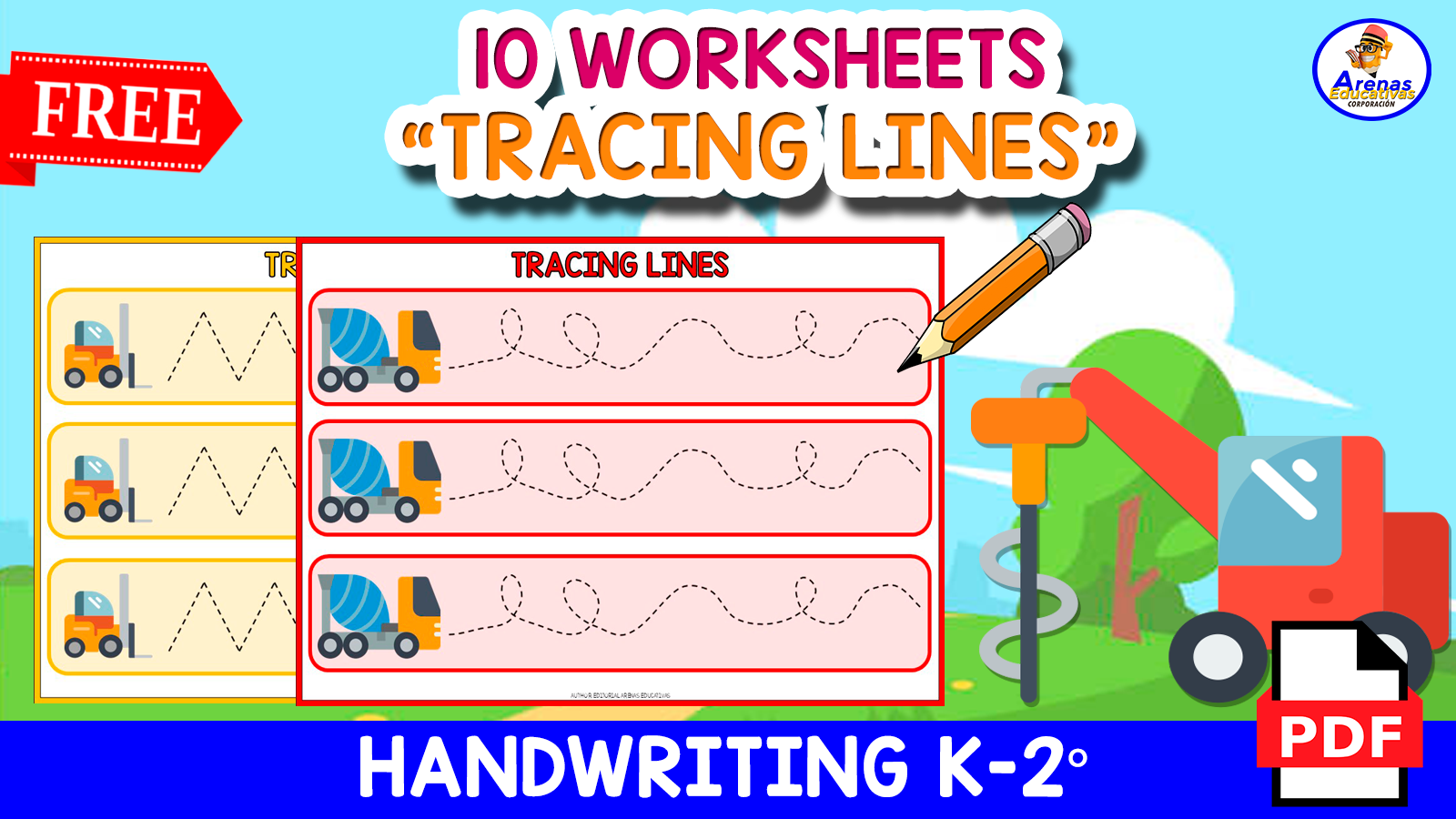
 Trace the printed lines on each worksheet page with a pencil or crayon.
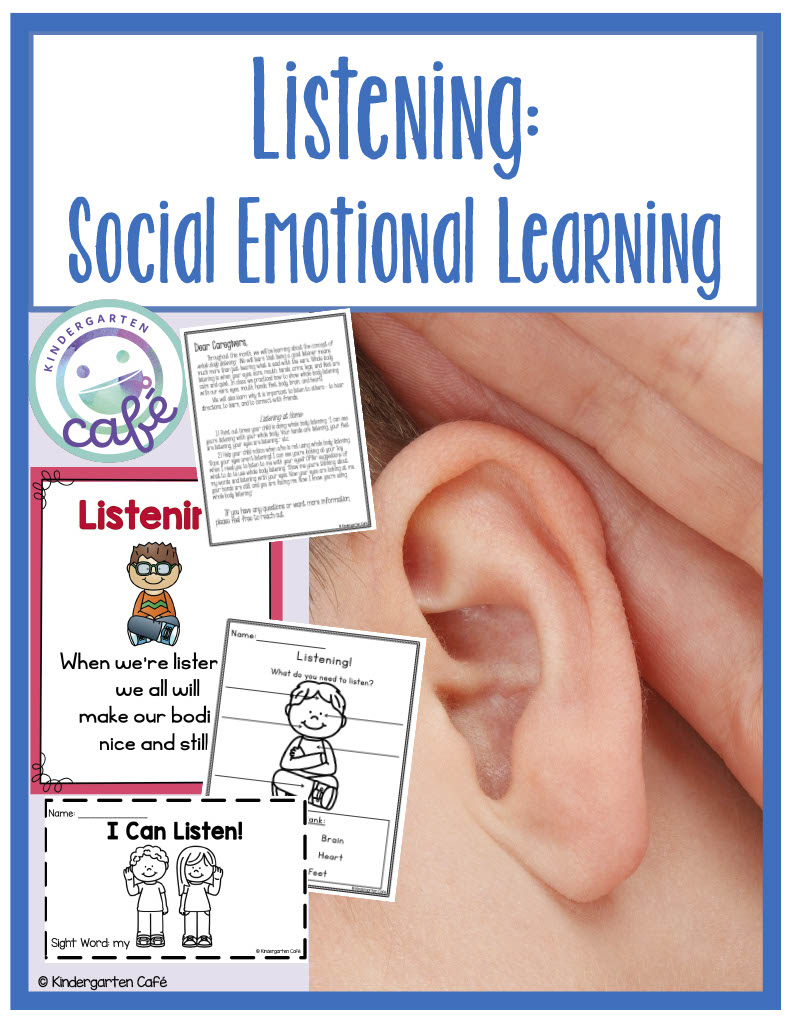
A social-emotional learning unit teaching 'whole body listening' (eyes, ears, mouth, hands, feet, brain, heart all engaged), combined with listening games, a mindfulness listening walk, worksheets, and an emergent reader.

A collection of 68 incremental math word-problem worksheets across 19 problem types, designed as a supplement (not a standalone curriculum) that starts each topic with simple questions and gradually increases complexity, training students to read word problems carefully.

An introduction connects emotions with sensations and reactions in the body. Children consider body-feeling choices on emotion-specific pages and color those that match their experience or the discussion. Use the prompts to invite descriptions, allowing for differences in how children notice and express feelings.

For each of 7 sentences in the story, students read the sentence, trace over its printed letters, cut out individual word cards and paste them in order to reconstruct the sentence, and finally write the sentence themselves in their own handwriting.
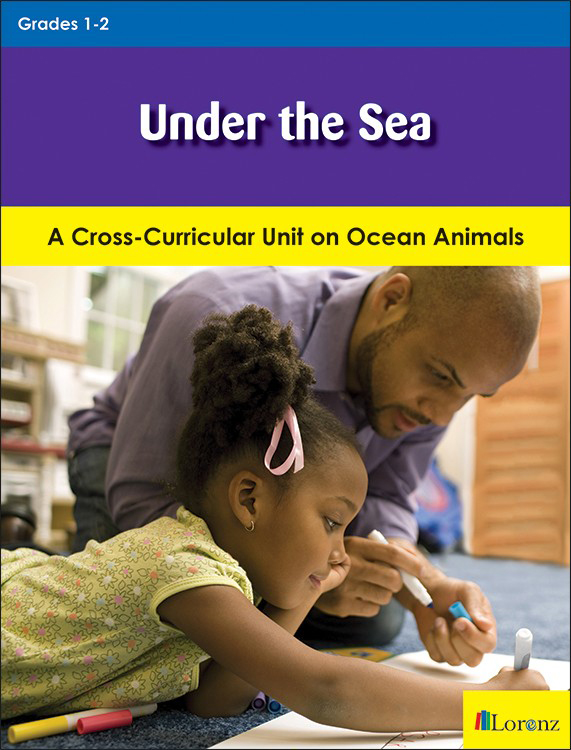
Read a nonfiction passage about oceans and ocean animals, then: mark True/False comprehension statements, draw a picture answering a prompt about how they would catch food as an ocean creature, find rhyming words from the story, and solve simple word-problem math questions (place value, fractions, subtraction) tied to the passage.
 Free download
Ready-to-use geometry word-problem worksheet activities for pre-kindergarten through grade 2, built to address NCTM geometry expectations and let students practice and review geometry concepts.
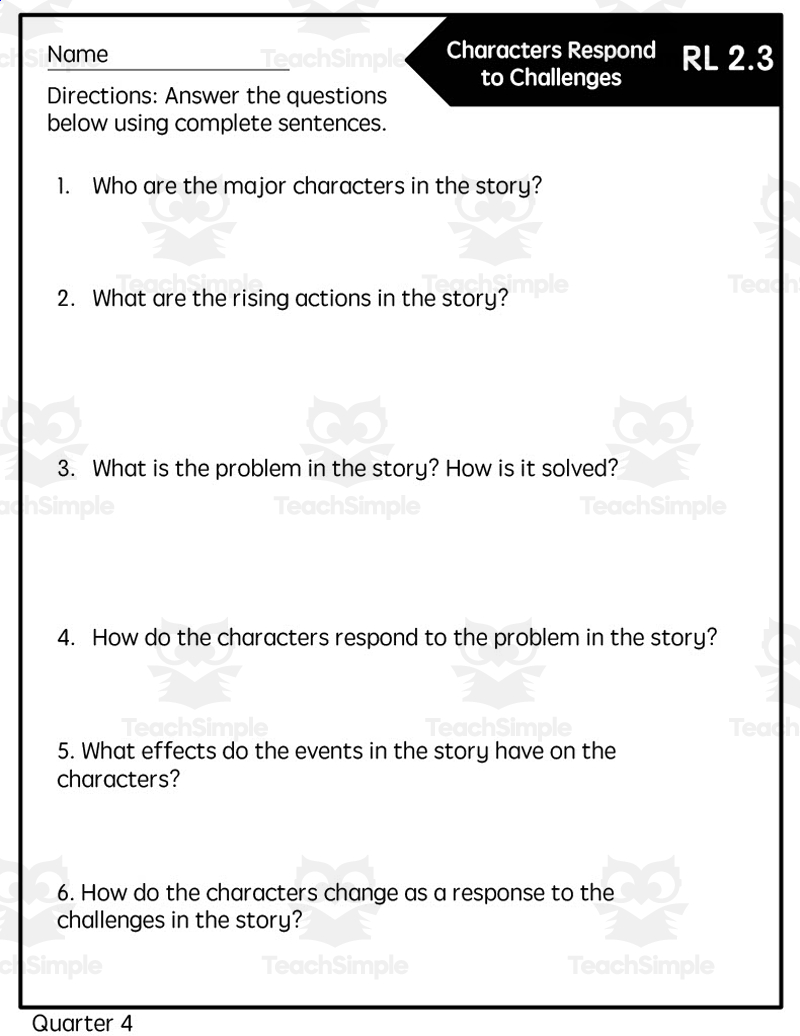
Answer short-response comprehension questions in complete sentences about a book of the student's/class's choosing, covering: listing key/minor details and identifying character traits and theme, explaining an author's purpose, recounting rising action/problem/resolution and lesson learned with supporting detail, and describing how…
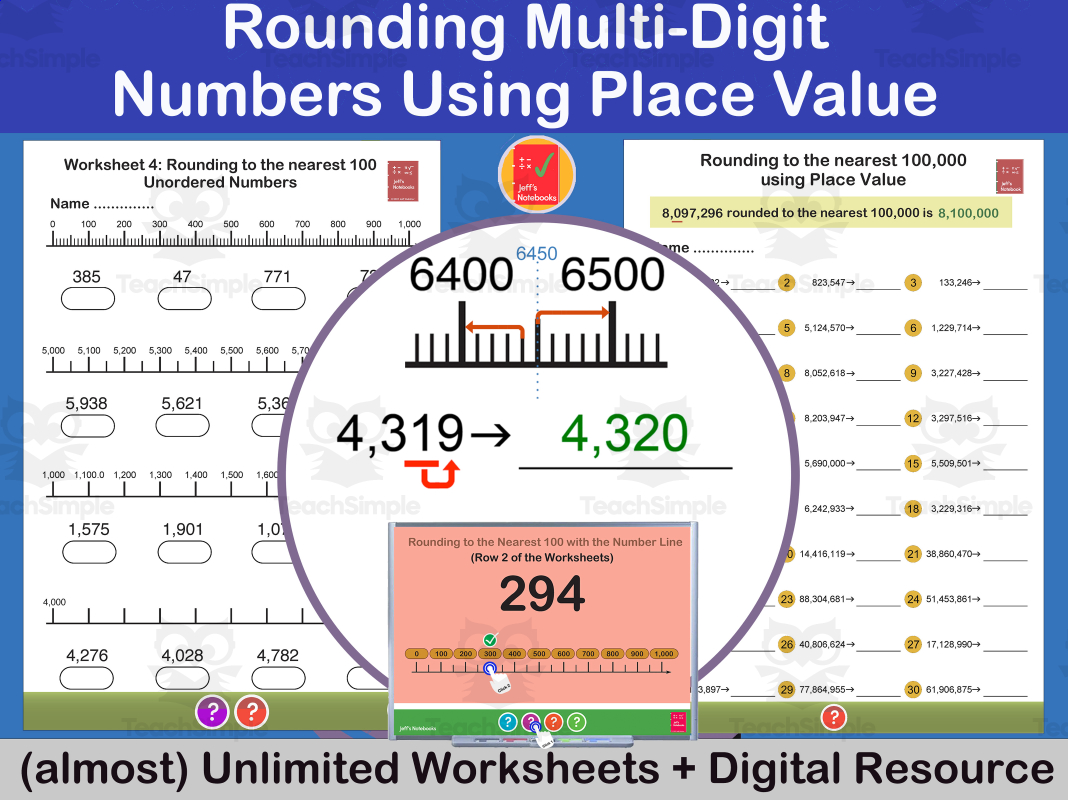
Use number-line diagrams to round multi-digit numbers to the nearest 10, 100, 1000, 10,000 or 100,000, working through ordered and unordered number rows of increasing difficulty, or interact with teaching-page buttons (on an interactive whiteboard) to generate and check rounding answers.
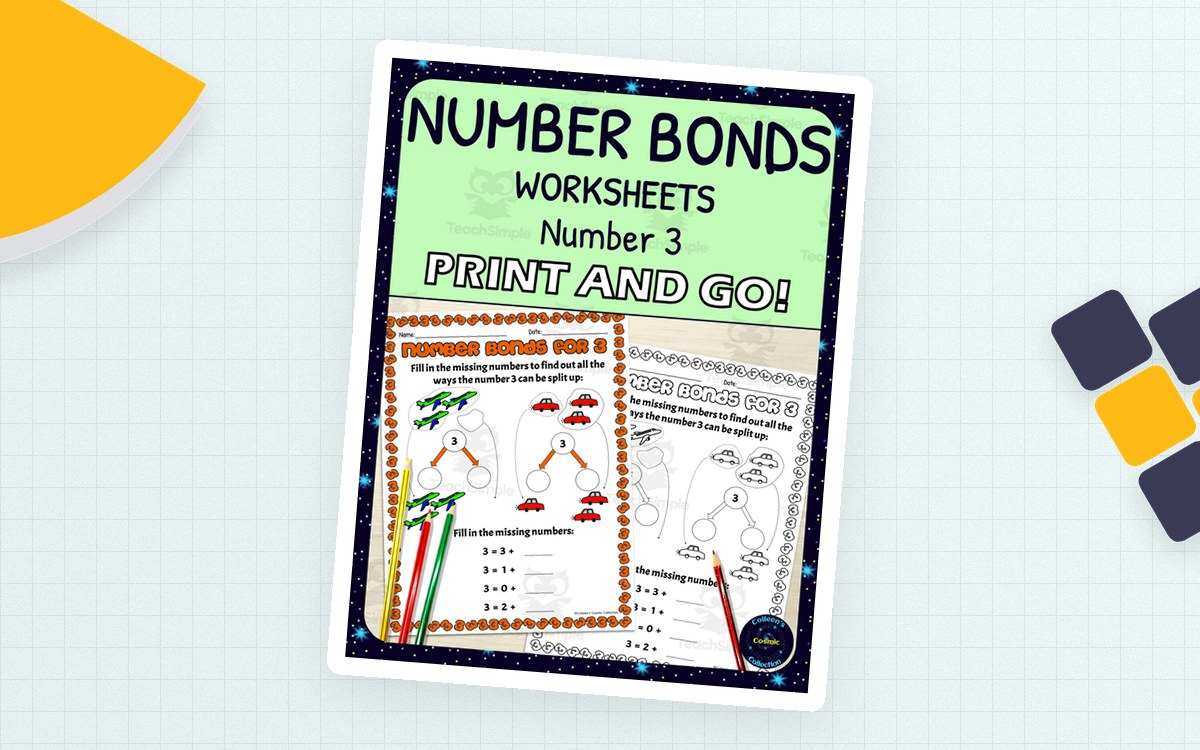
Focus a short math session on the different ways to make three. Children count the pictured groups, fill number bonds and connect those parts with four addition sentences. Color and black-and-white worksheet versions, teacher directions and a color key support use; model the grouping with three counters before students record the same relationships on paper.