
Reading & language
Readers Make Great Writers Bulletin Board
A printable bulletin board display kit ('Readers Make Great Writers') for classroom decor promoting the connection between reading and writing.


Classroom resources
Browse by lesson focus
Choose the topic or kind of practice you need.
Showing 1297–1320 of 3901 resources

 Show filters
A printable bulletin board display kit ('Readers Make Great Writers') for classroom decor promoting the connection between reading and writing.

A large, comprehensive back-to-school teacher resource book of classroom-setup forms, decor, bulletin board materials, and themed unit reproducibles for starting the school year.

Provide reference anchor charts/visuals teaching poetry writing concepts (stanzas, form, sound patterns, figurative devices, poetry types, poetry tools/terms).
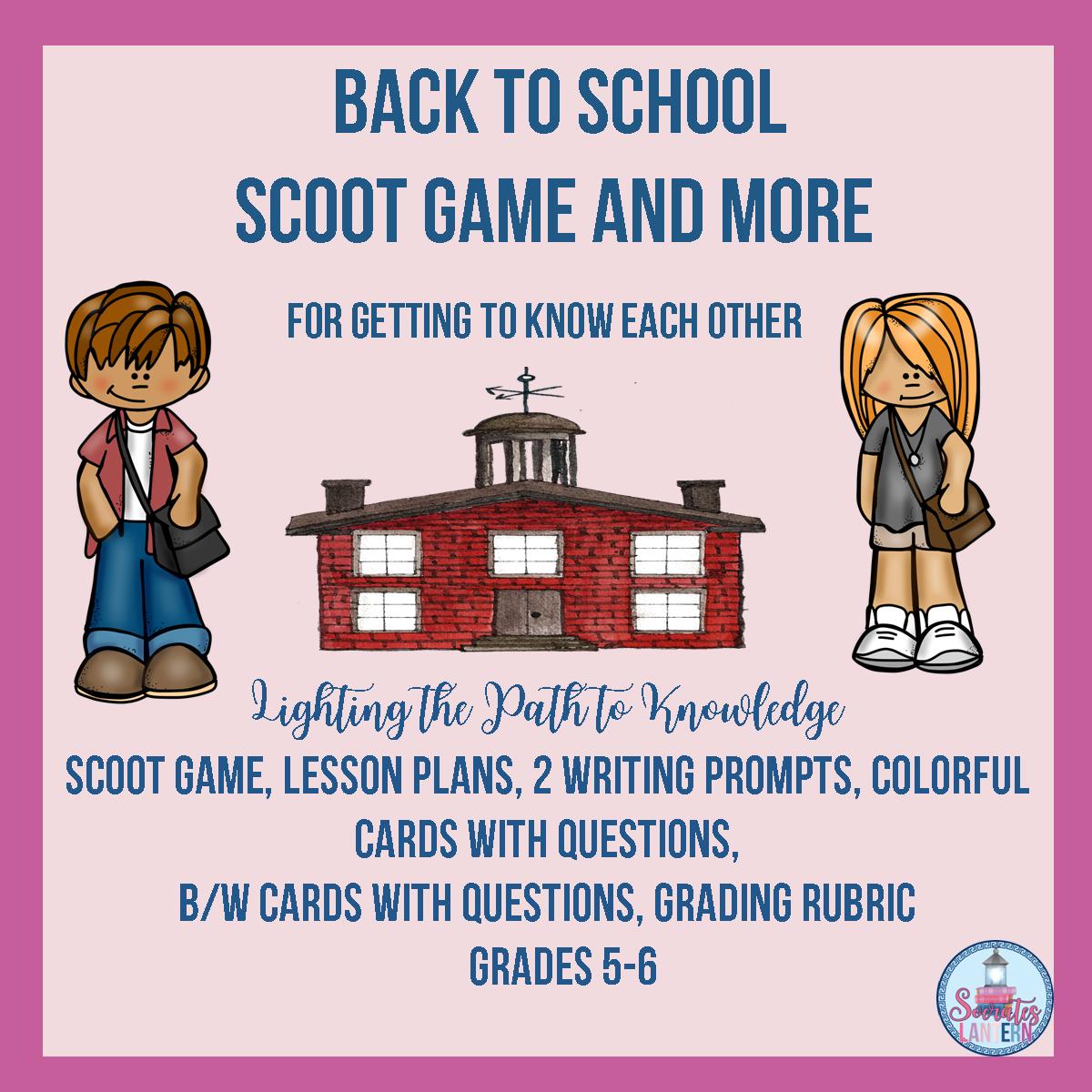
A getting-to-know-you SCOOT game and related activities for the start of the school year, designed to help teacher and grades 5-6 students learn about each other through icebreaker questions, writing prompts, and a song.
Teach middle-grade students about World War I, focused on the 'Background and Causes' chapter, through a leveled reading-comprehension passage plus supporting vocabulary, puzzle, quiz, and research activities.

Help 4th-grade students who struggle with spelling learn and distinguish commonly confused homophone pairs through repeated, multi-modality practice activities.

A math activity teaching the properties of multiplication and division (commutative, associative, distributive, multiplicative identity) using a penguin theme.
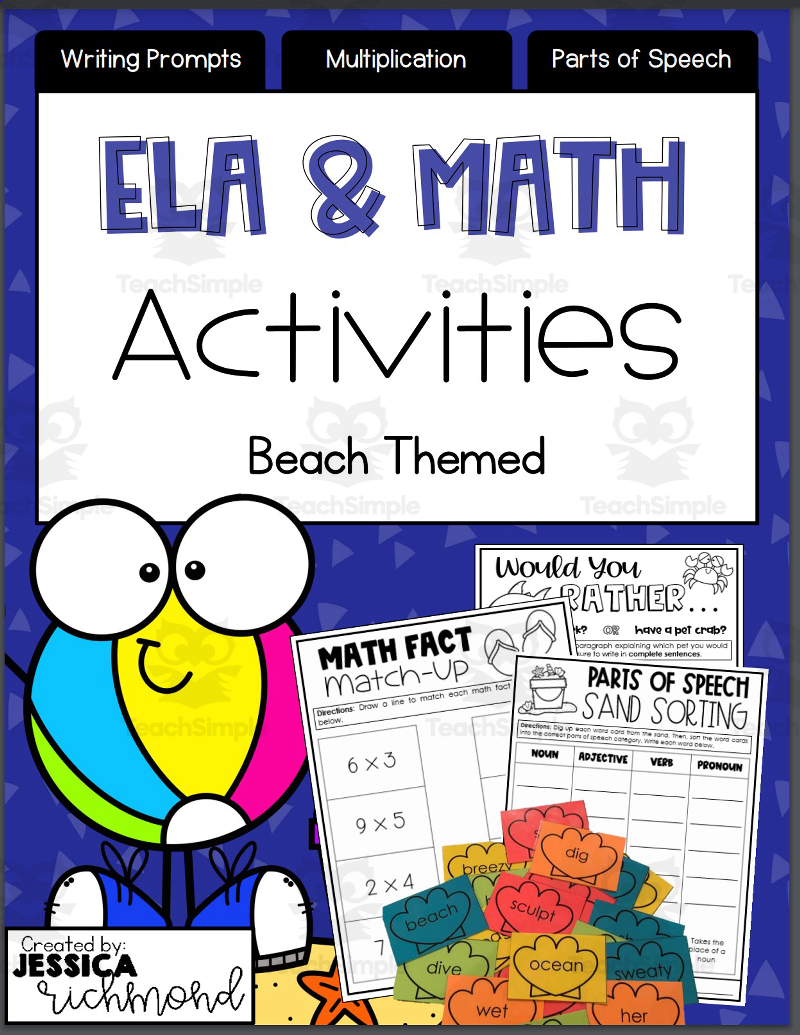
A beach-themed packet of ELA and math practice activities: opinion/persuasive writing prompts, multiplication fact practice, and parts-of-speech sorting.

A multi-page math practice packet on addition 'doubles' facts (e.g., 1+1 through 12+12), combining data-tracking sheets, flashcards, and timed practice pages.
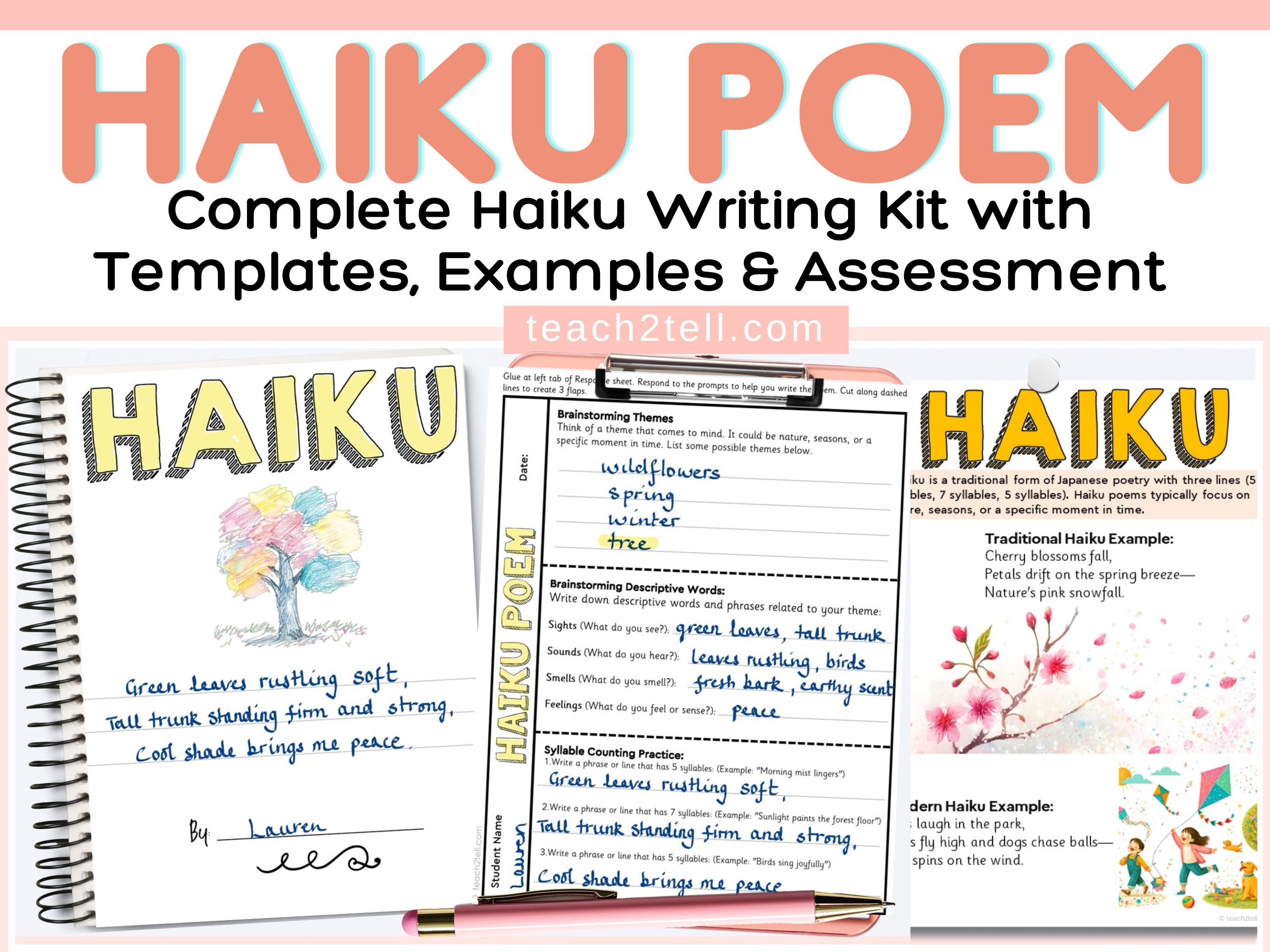
Teach students the 5-7-5 haiku poem structure through a guided lesson and let them draft, revise, and publish their own haiku using interactive notebook templates.
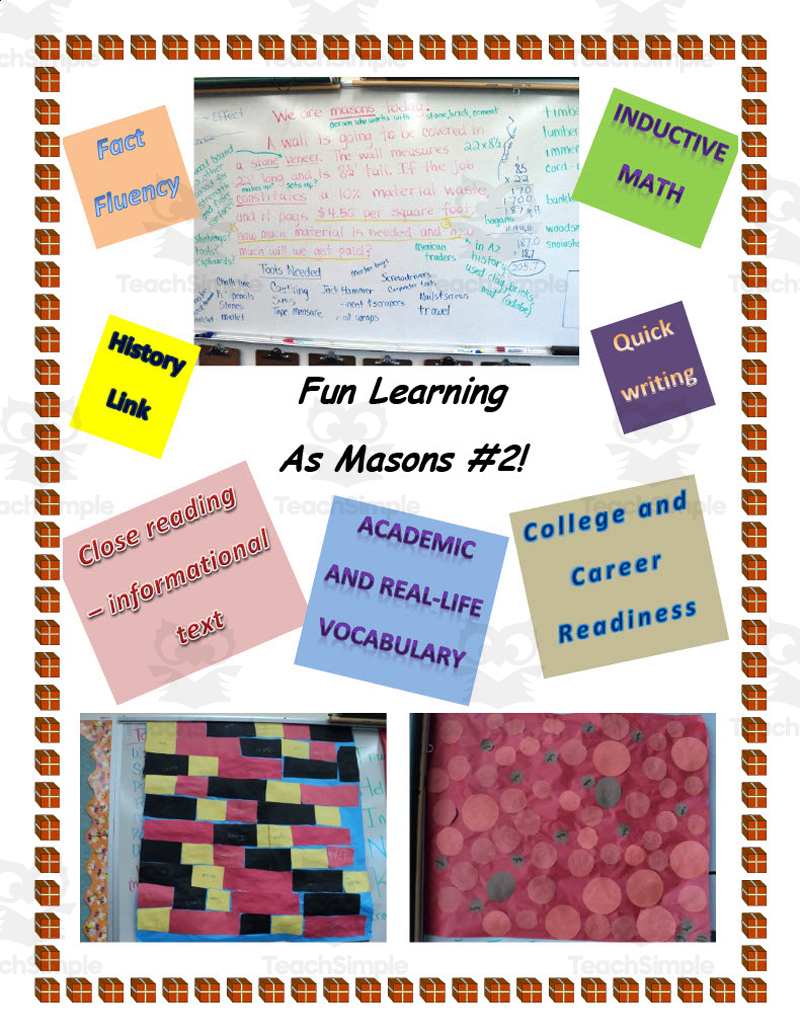
Day 2 of the masons unit, with less emphasis on vocabulary/research and more focus on fact fluency and multi-step word-problem strategy, using an 8-yard by 3-yard wall scenario.

Give students extra practice with the 'Start From The Left' mental math strategy for whole number addition, as a follow-up to classroom Number Talks instruction.

April Writing Prompts - Learning Passport: The April Writing Prompts - Learning Passport is an engaging teaching resource designed to enhance creative writing skills among Grade 2-4 students.This resource combines language arts and creativity ensuring daily exercises remain fresh and thought-provoking. The Workbook : This workbook…
A Grade 5 Common Core Language standard (L.5.2) practice/assessment resource on proofreading conventions (capitalization, punctuation, spelling).
Assesses students' ability to determine a theme of a text and summarize it, per the evidenced RL.5.2 answer key ('Responses should include the theme of the text, with examples to support, as well as a summary').
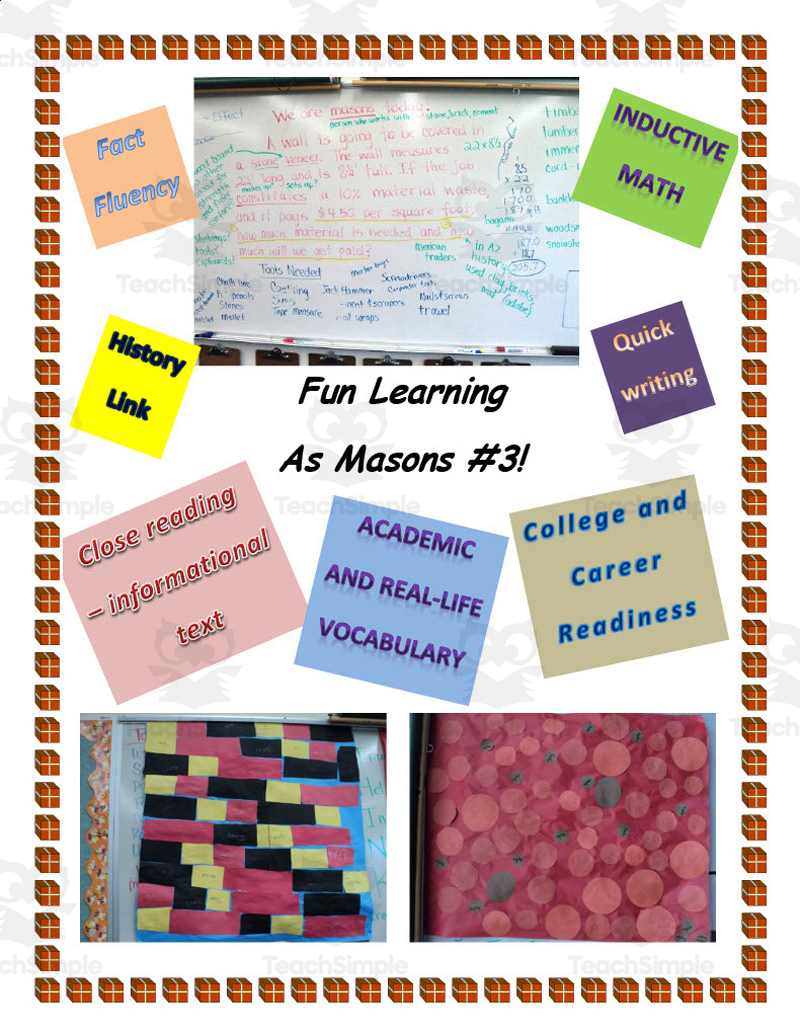
Day 3 of the masons unit, using a 9-yard by 9-foot wall scenario to continue practicing area, cost, and profit word problems at a higher multiplication-fact level.
Assesses students' ability to compare and contrast the treatment of similar themes/topics across two pieces of literature, per the evidenced RL.4.9 answer key.
This lesson is perfect for fourth grade students who are working on understanding the main idea of a text and supporting details. This is a common core lesson that will help students improve their reading skills.
This lesson plan is great for 4th grade students who need to work on reading and comprehending literature, including stories and poetry. The RL.4.10 Fourth Grade Common Core Lesson is designed to help students with this common issue.
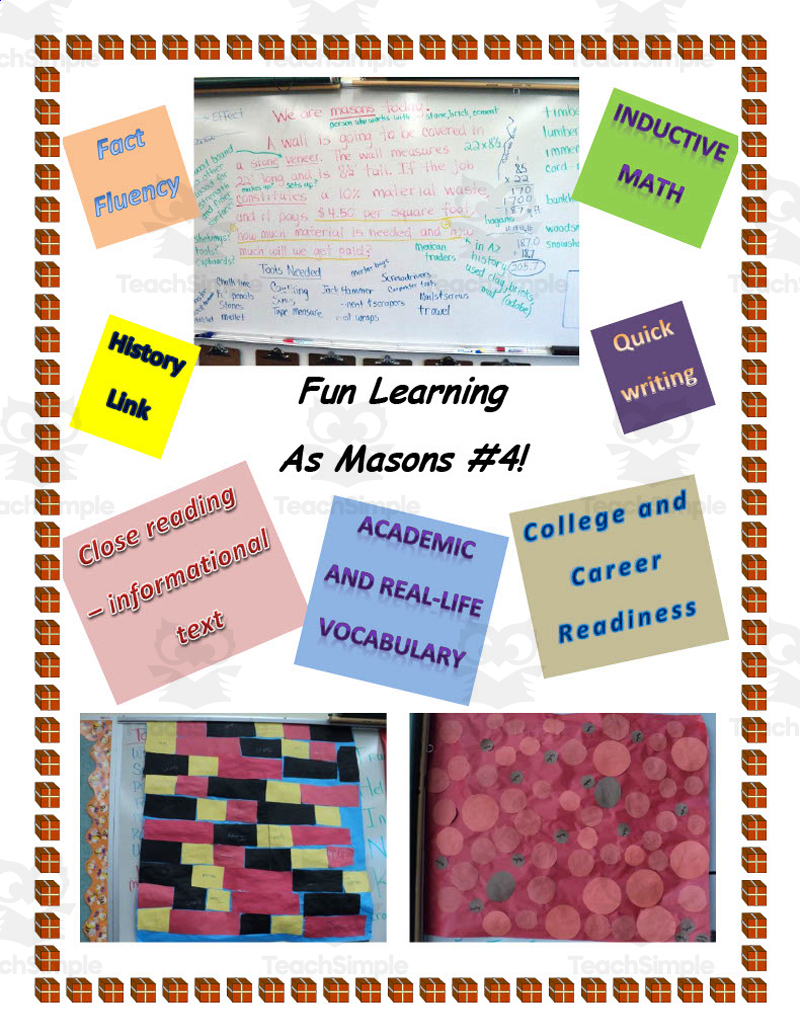
Day 4 of the masons unit, using a 12-yard by 12-foot wall scenario and x12 facts as the culminating fact-fluency challenge of the week.
This lesson is designed for third grade students and meets common core standards. It includes a reading of a story or poem followed by comprehension questions.
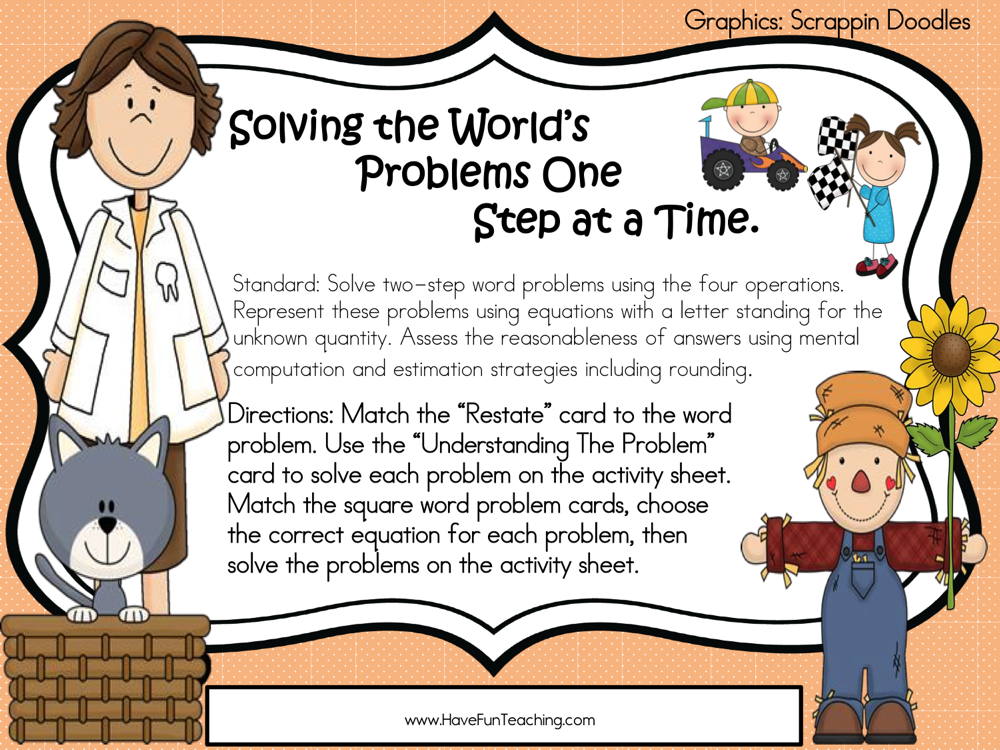
A hands-on matching/card-sort activity that teaches students to solve two-step word problems using the four operations by restating problems, matching cards, and writing equations.
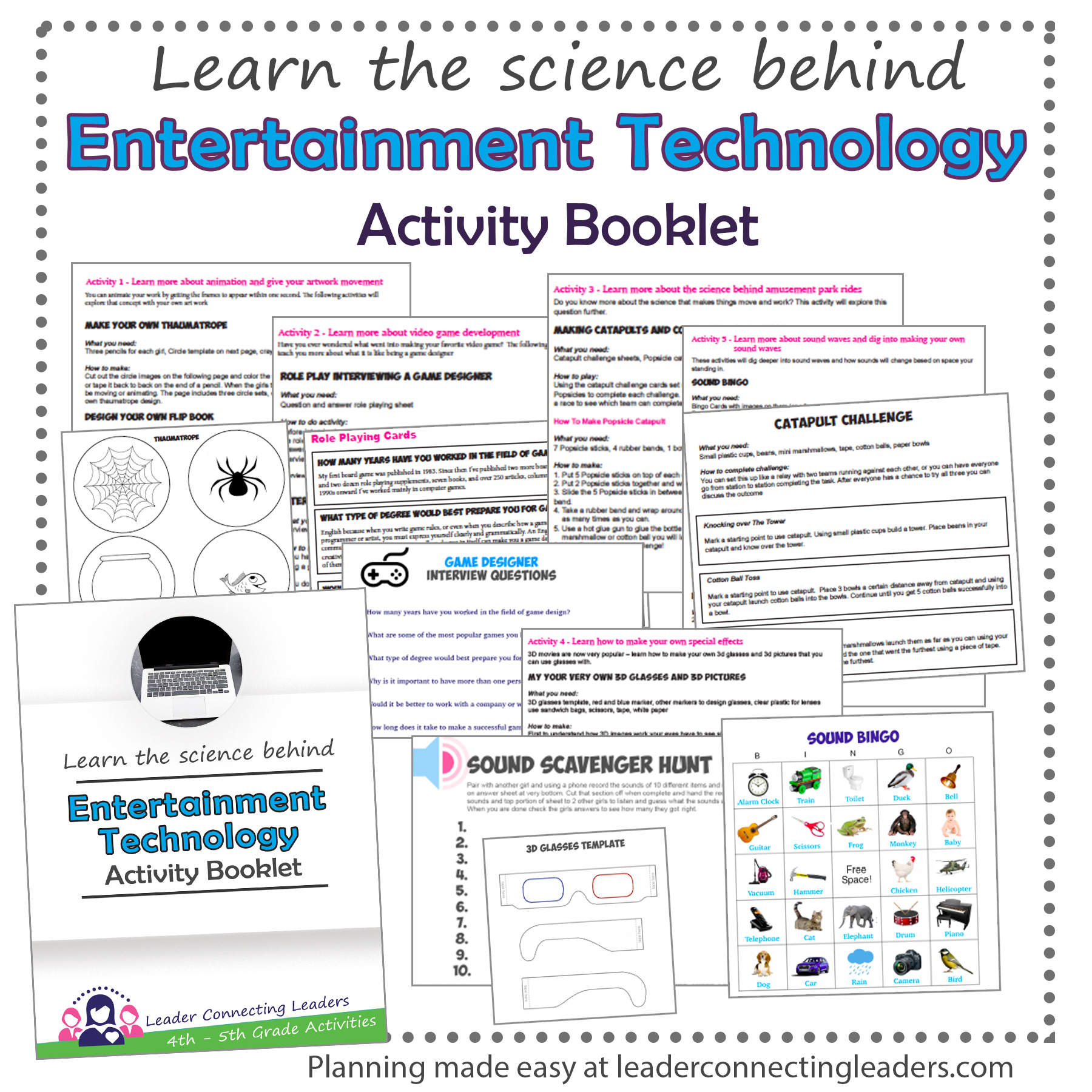
Introduce the science and design behind entertainment technology (animation, video games, amusement park mechanics, special effects, sound) through hands-on group activities, aimed at a girls' club/troop setting.

Teaches non-standard unit measurement using ladybug-themed cards.