Reading & language
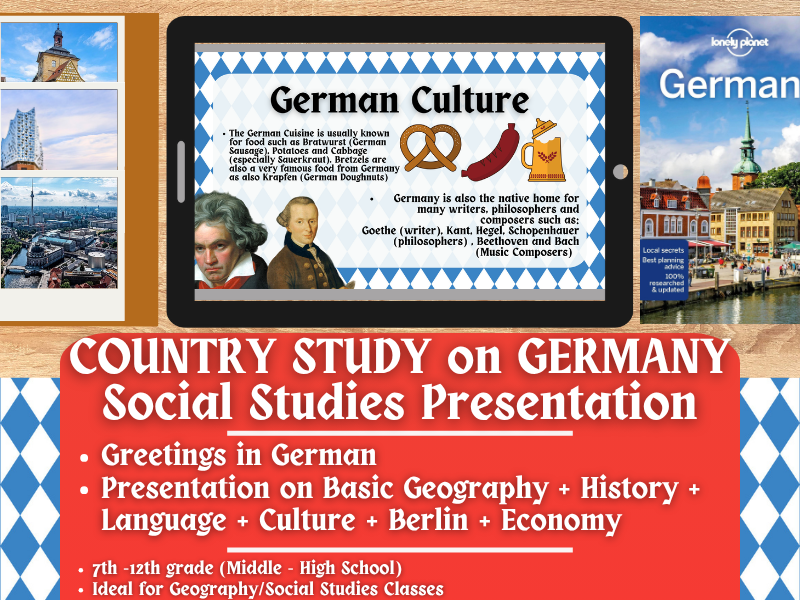
Country Study Presentation on Germany
A slide presentation introducing students to Germany, covering its location, government and quick facts, history timeline, geography and climate, economy, cities, and culture.


Classroom resources
Browse by lesson focus
Choose the topic or kind of practice you need.
Showing 1513–1536 of 2938 resources

 Show filters
A slide presentation introducing students to Germany, covering its location, government and quick facts, history timeline, geography and climate, economy, cities, and culture.

Provides printable narrative writing prompts to give students story ideas and practice writing a story with a sequence of events.
A Grade 5 Common Core Language standard (L.5.2) practice/assessment resource on proofreading conventions (capitalization, punctuation, spelling).
Assesses students' ability to determine a theme of a text and summarize it, per the evidenced RL.5.2 answer key ('Responses should include the theme of the text, with examples to support, as well as a summary').

This is an intermediate lesson plan worksheet set for Wh- Questions. Enhance your students English knowledge with this comprehensive lesson plan that will teach them how to form question in the past. What were you doing? Where did you eat? Why did he become a doctor? Questions like these and many more with a guide to helps students…

A slide presentation introducing students to Bhutan, covering its location, government and quick facts, history timeline, geography and climate, economy, cities, and culture.
A Common Core-aligned assessment and answer key for ELA standard RI.5.2 (Reading: Informational Text, Grade 5). The answer key's expected response for the RI.5.2 Assessment states: "Responses may vary but should offer the theme of the text and a summary including details."

A bundle of four Common Core-aligned statistics and probability activities for a 6th grade math unit, covering statistical questions, data displays, and measures of center/variation.
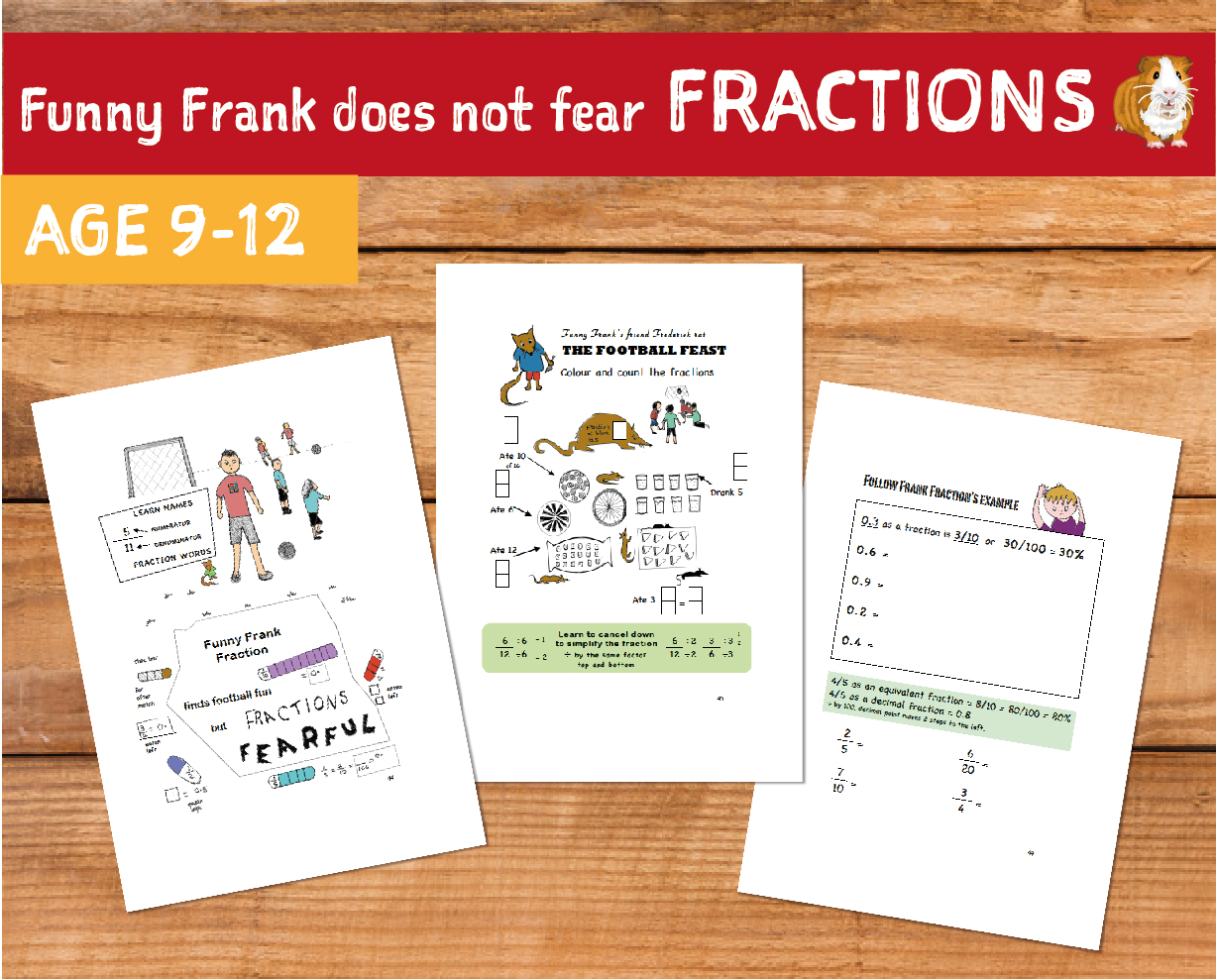
Fraction skills practice for upper-elementary/middle-school students: equivalent fractions, simplifying fractions, converting fractions to decimals and percents, and improper fractions/mixed numbers.

A 9-station hands-on lab rotation teaching density and buoyancy concepts (mass, volume, density calculation, buoyant force, and why objects float or sink) for grades 7-10 science classrooms.
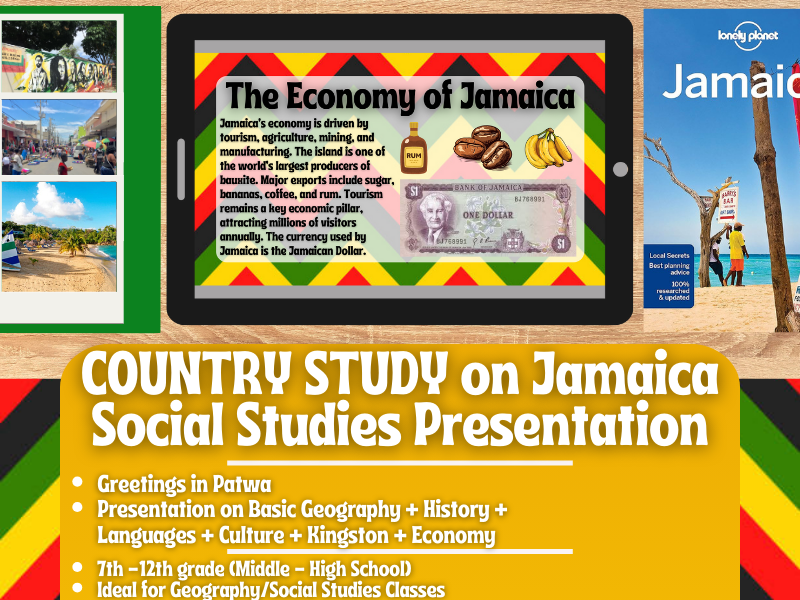
A slide presentation introducing students to Jamaica, covering its location, government and quick facts, history timeline, geography and climate, economy, cities, and culture.
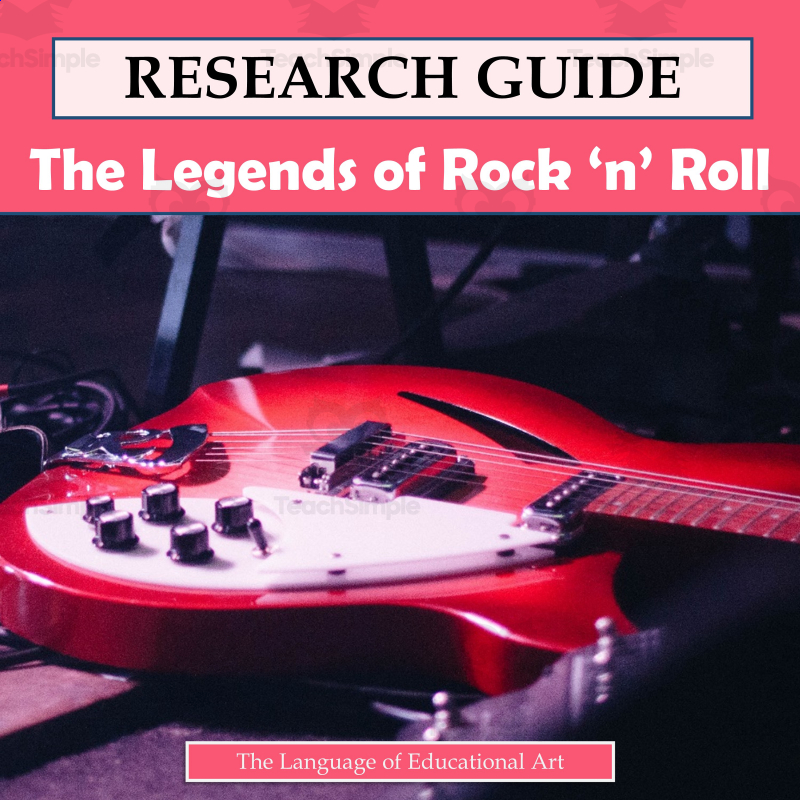
A scaffolded research-essay guide that walks students through selecting a legendary Rock 'n' Roll musician (e.g. a member of The Beatles is shown as a sample subject), researching, outlining, drafting, peer-editing and submitting a 5-paragraph MLA-style essay for assessment.
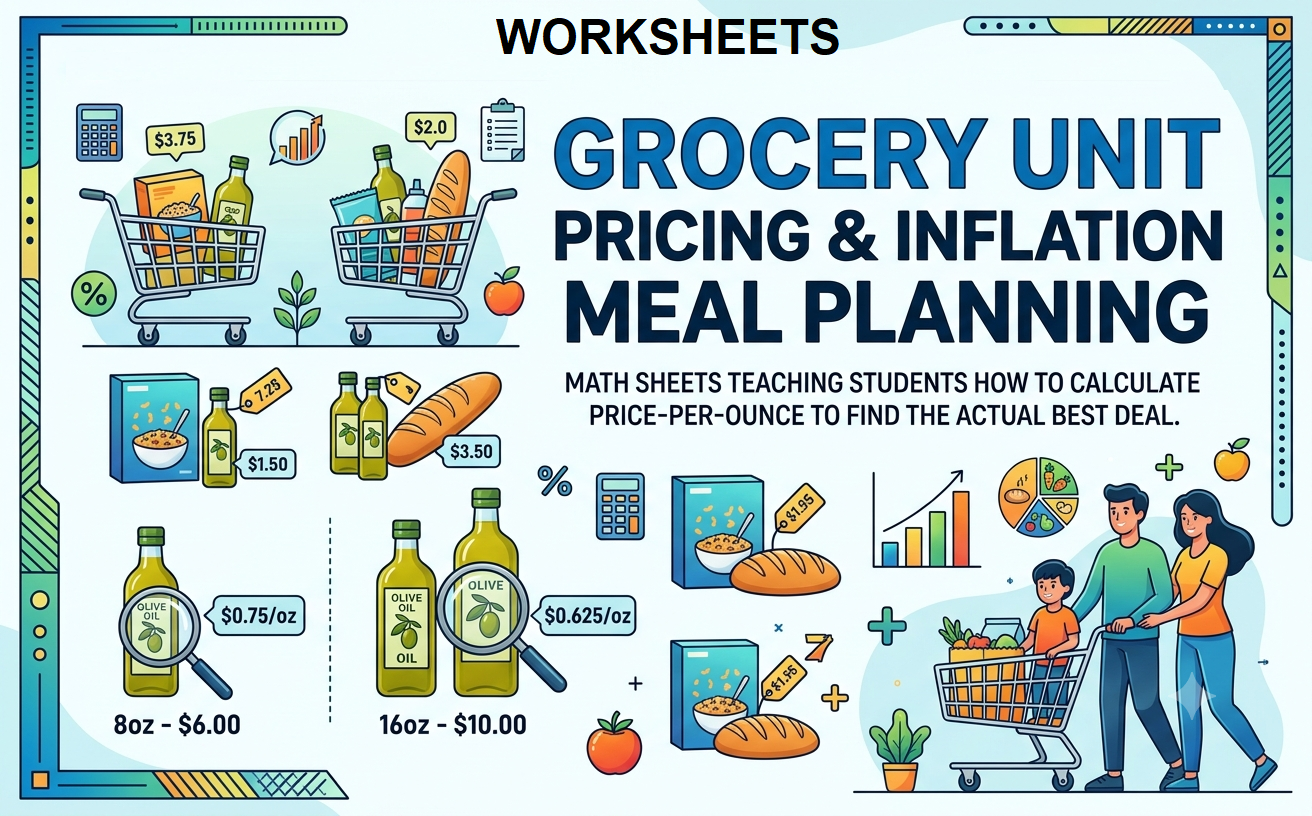
A math mini-unit teaching students to calculate unit price (price-per-ounce) to compare grocery values and understand inflation/shrinkflation concepts.
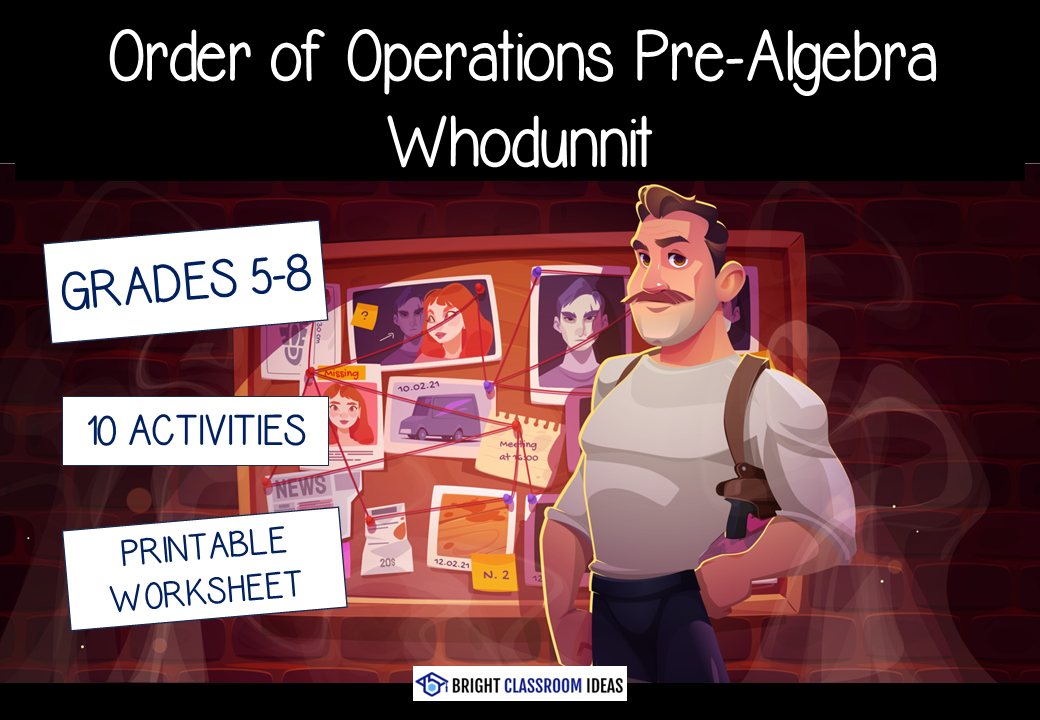
A detective-themed mystery activity where students solve order-of-operations problems (including exponents and grouping symbols) to eliminate suspects, locations, and methods and identify 'whodunnit'.
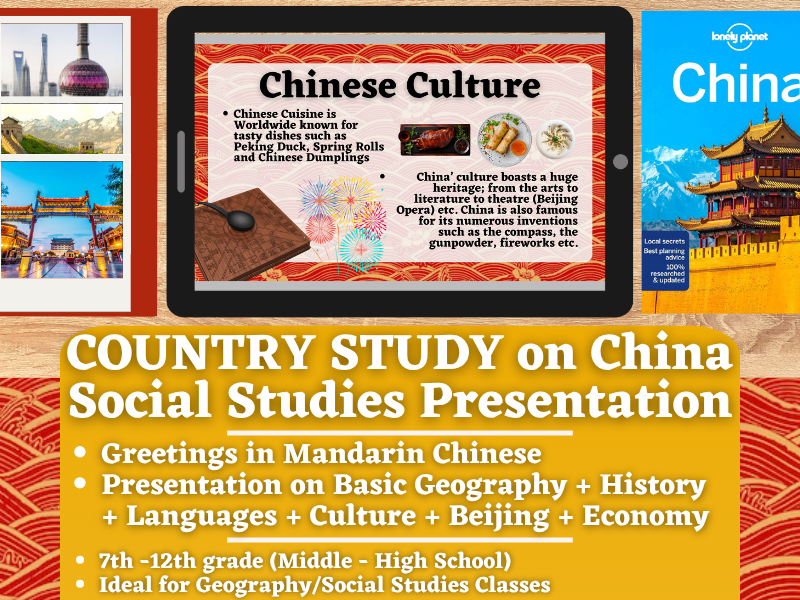
A slide presentation introducing students to China, covering its location, government and quick facts, history timeline, geography and climate, economy, cities, and culture.
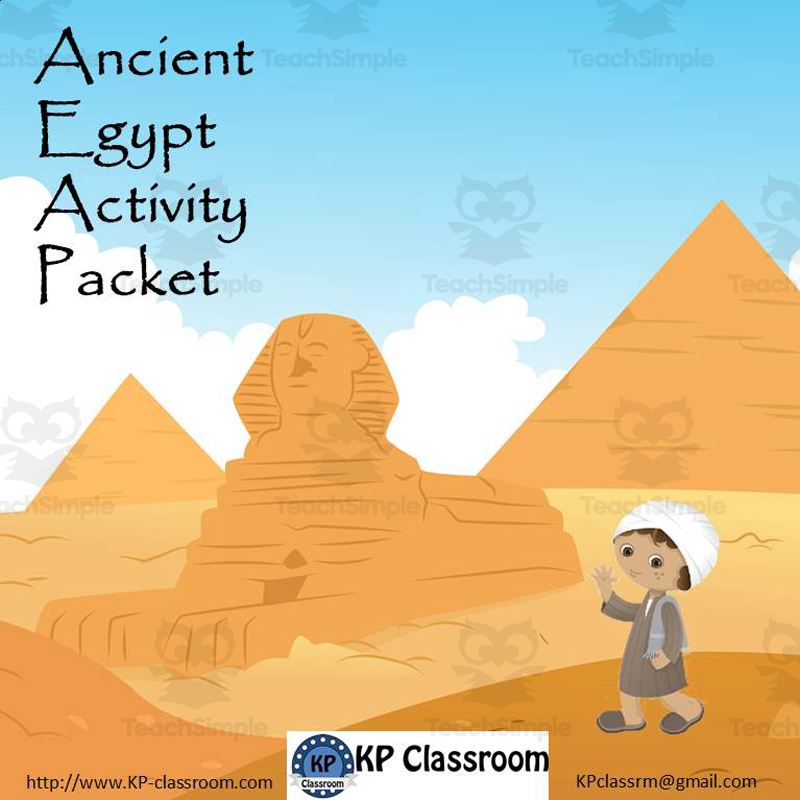
Teaches Ancient Egypt basics (geography, pharaohs, pyramids, hieroglyphics, Egyptologists) through reading passages, a fictional story, and follow-up activities.
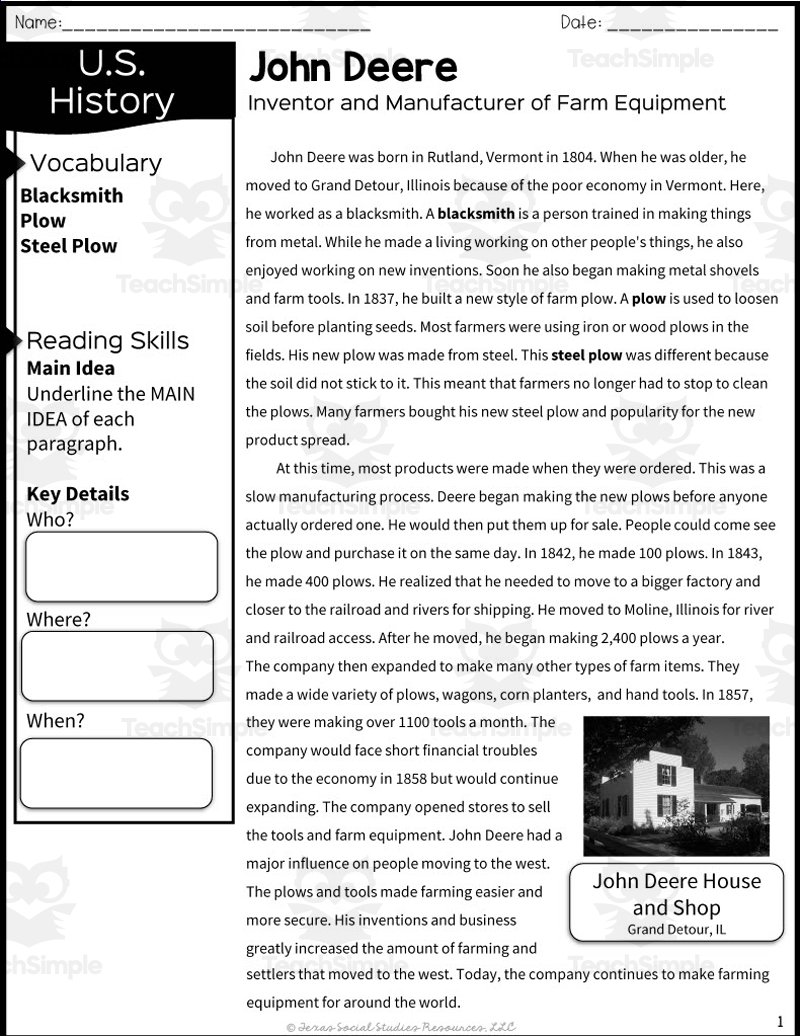
A reading comprehension packet about the historical figure John Deere (inventor/manufacturer of farm equipment), for social studies/reading instruction.
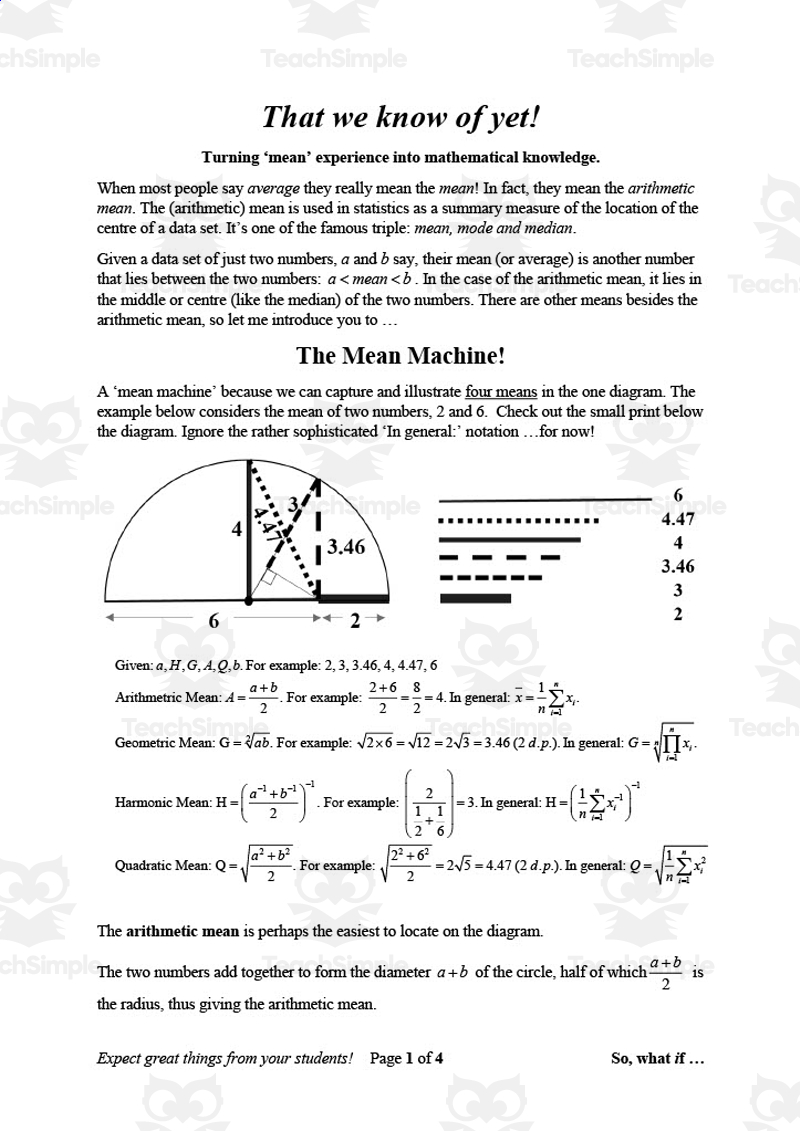
Explains and compares four statistical/mathematical means (arithmetic, geometric, harmonic, quadratic) using a combined geometric diagram, then applies the harmonic series to a 'book overhang' problem.
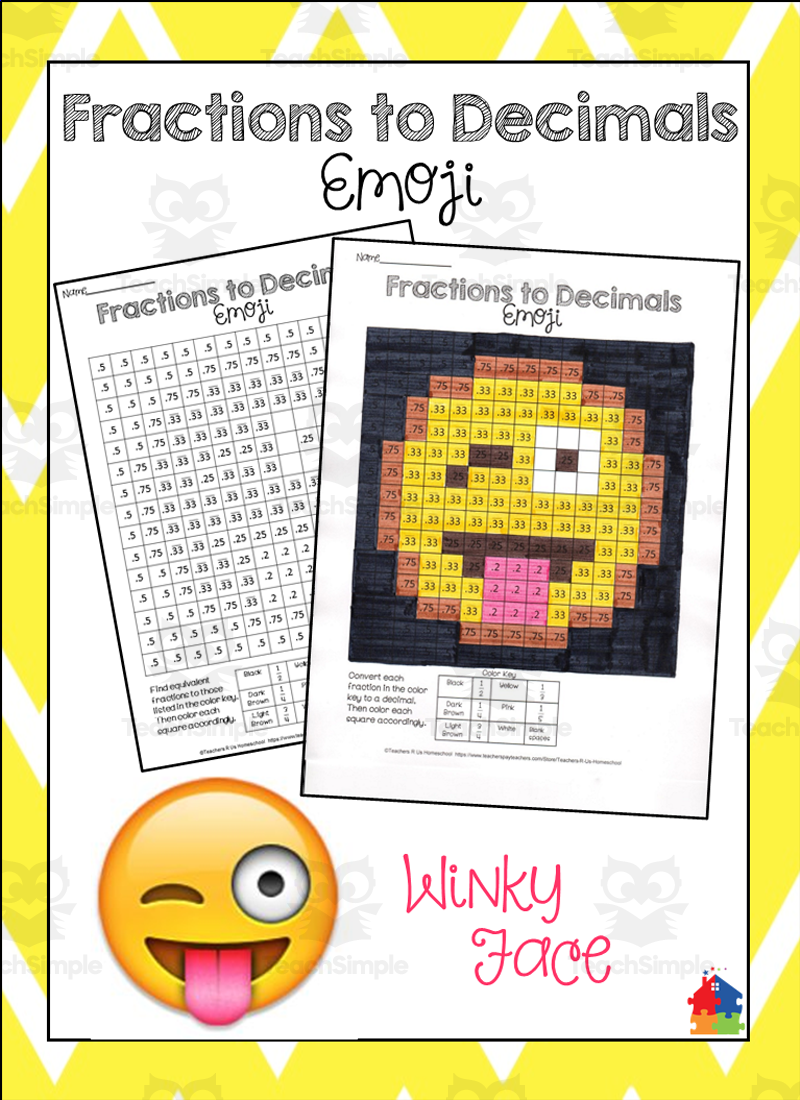
Convert fractions in a color key to their decimal equivalents, then use the fraction/decimal-to-color mapping to color a grid and reveal a winky-face emoji picture.
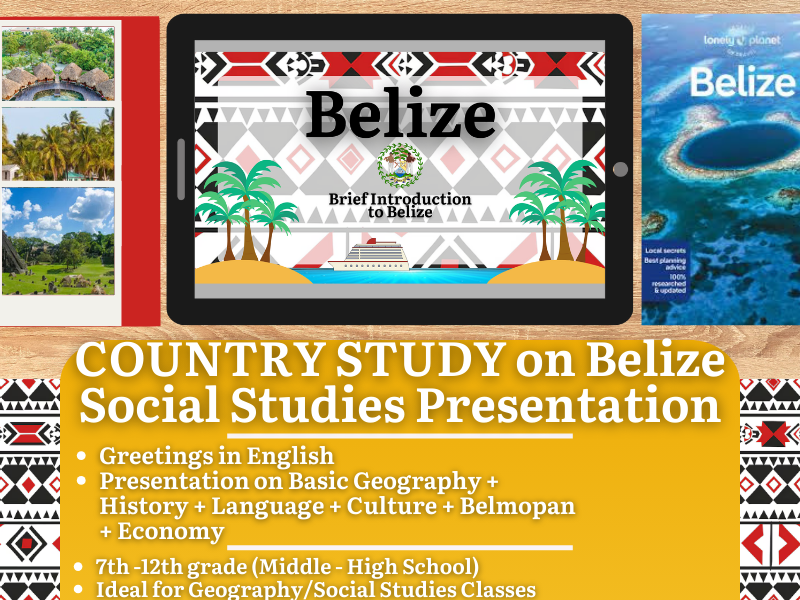
A slide presentation introducing students to Belize, covering its location, government and quick facts, history timeline, geography and climate, economy, cities, and culture.

Grade 6 health-education lesson teaching media literacy and critical thinking about sexually explicit media, consent, and healthy relationships.
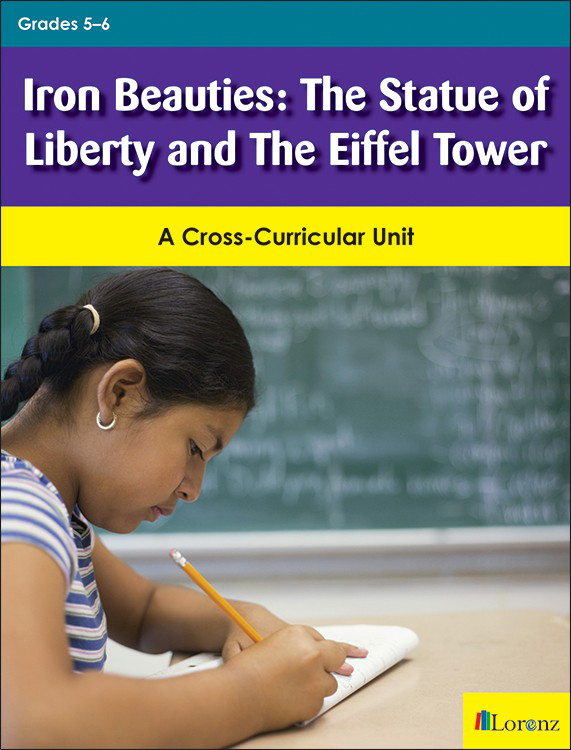
Cross-curricular non-fiction reading unit teaching students about the Statue of Liberty and the Eiffel Tower, both designed by Gustave Eiffel, combining reading comprehension with math word problems (engineering/measurement context).
A card-sort activity helping students (especially ESL learners) determine whether given statements are formal or informal English, from HaveFunTeaching.com.
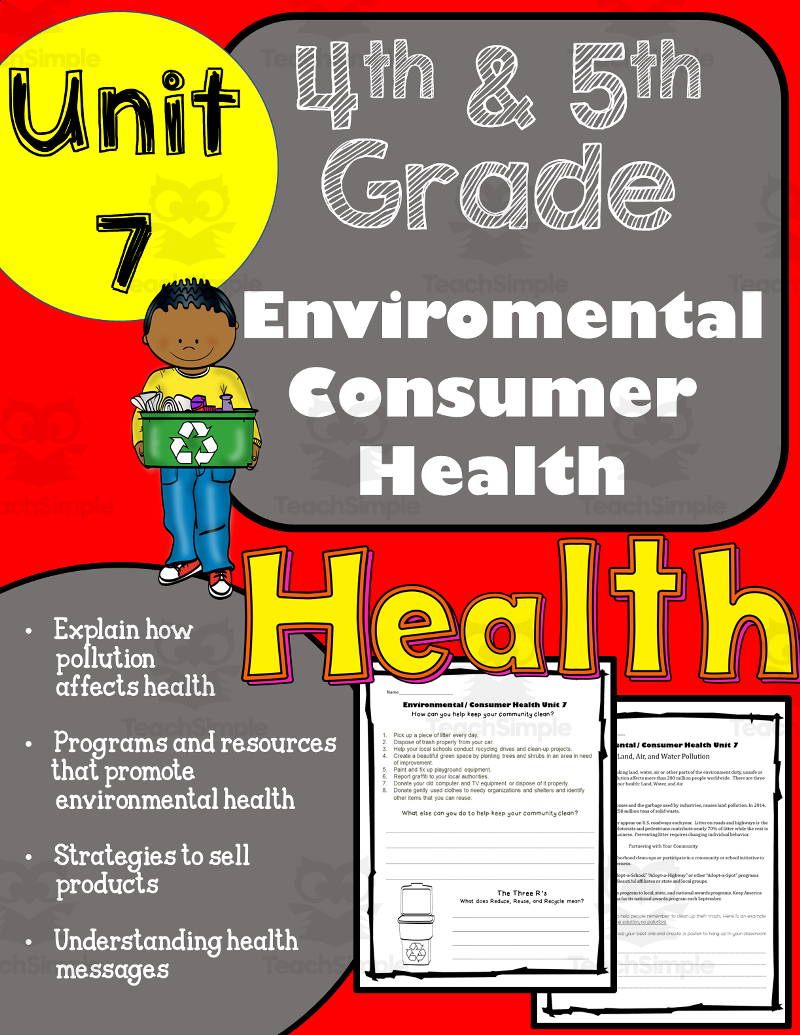
Teach 4th/5th grade students about environmental and consumer health topics, primarily how land, air, and water pollution affect health, and what community/individual actions (reduce, reuse, recycle; local programs) can address it. Unit intro also lists advertising/consumer topics (strategies to sell products, understanding health…