 Free download
 Reading & language
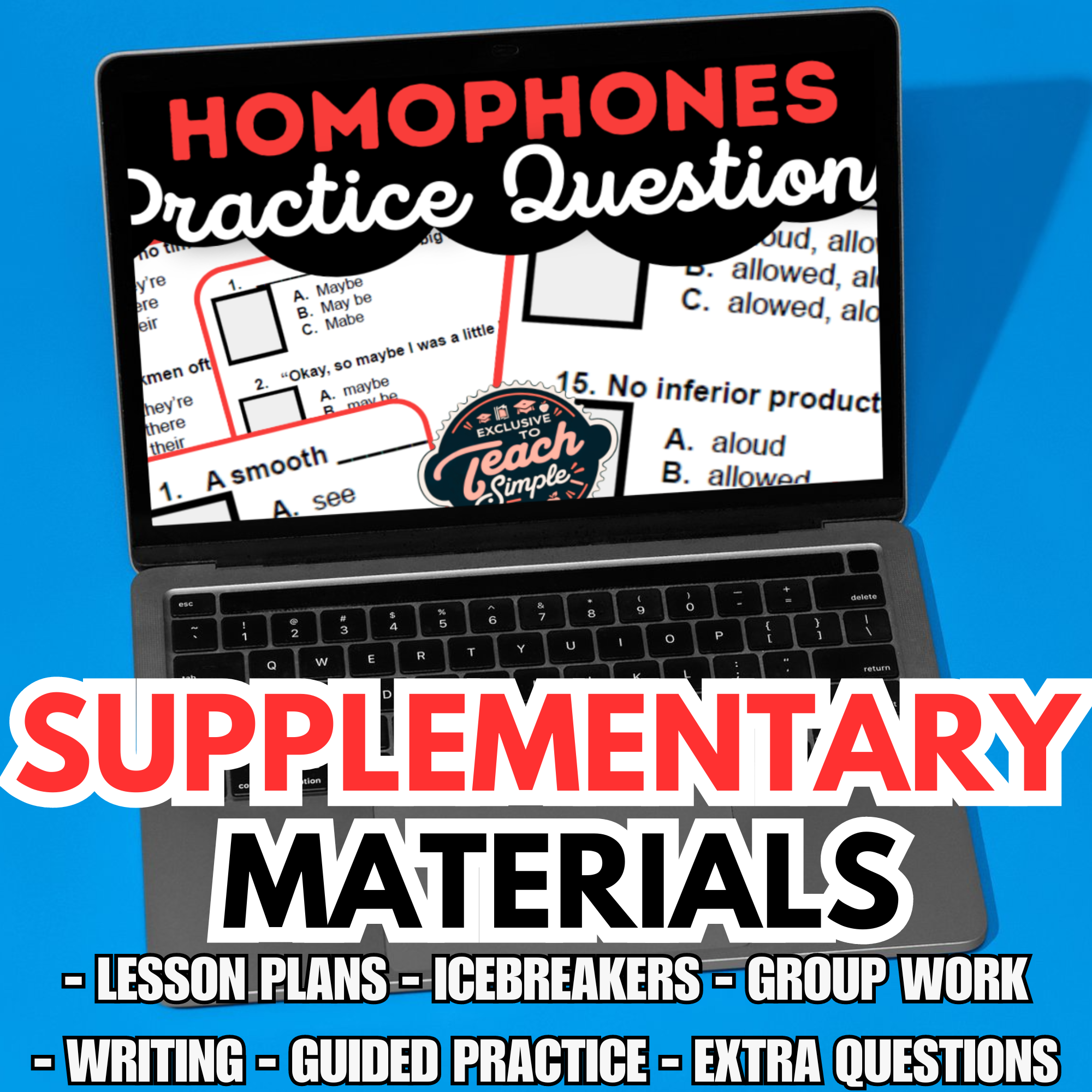
Homophones Supplementary Materials Grade 5-6 (PDF)
Supplementary teaching pack of lesson plans and practice activities for teaching homophones, meant to accompany a separate (not-included) homophones test set.




Classroom resources
Browse by lesson focus
Choose the topic or kind of practice you need.
Showing 1537–1560 of 2447 resources

 Show filters Free download
 Supplementary teaching pack of lesson plans and practice activities for teaching homophones, meant to accompany a separate (not-included) homophones test set.
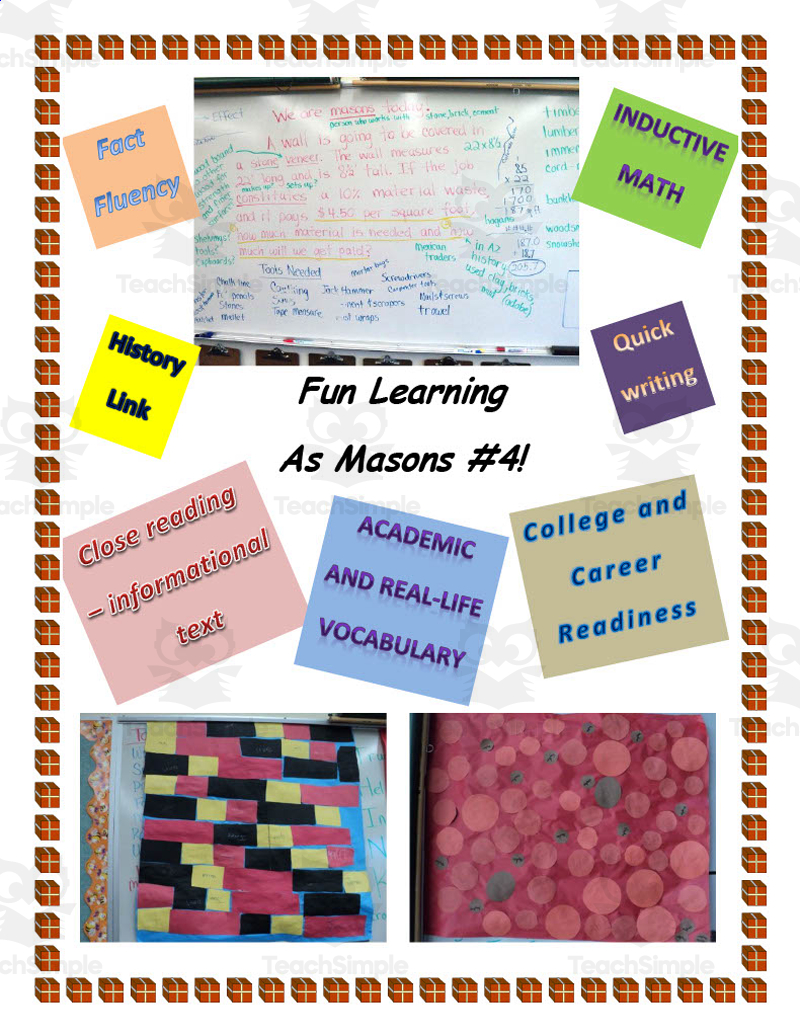
Day 4 of the masons unit, using a 12-yard by 12-foot wall scenario and x12 facts as the culminating fact-fluency challenge of the week.
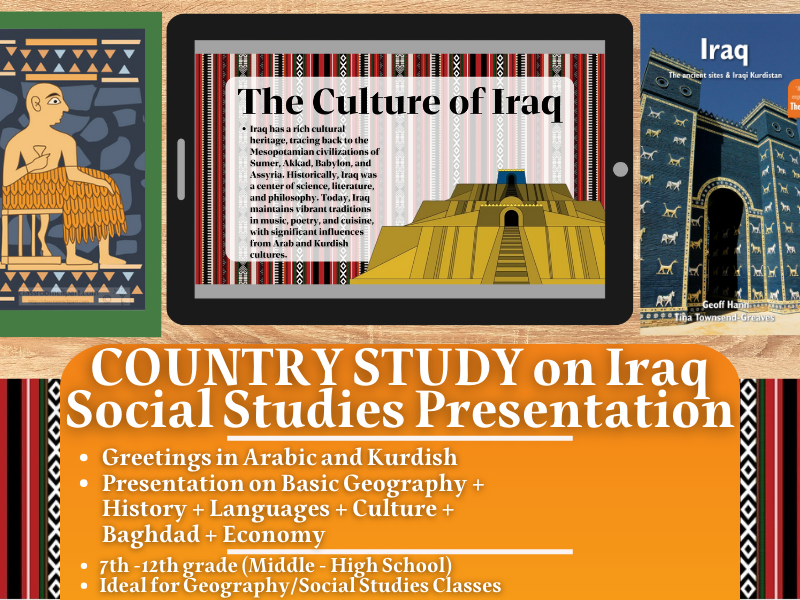
A slide presentation introducing students to Iraq, covering its location, government and quick facts, history timeline, geography and climate, economy, cities, and culture.
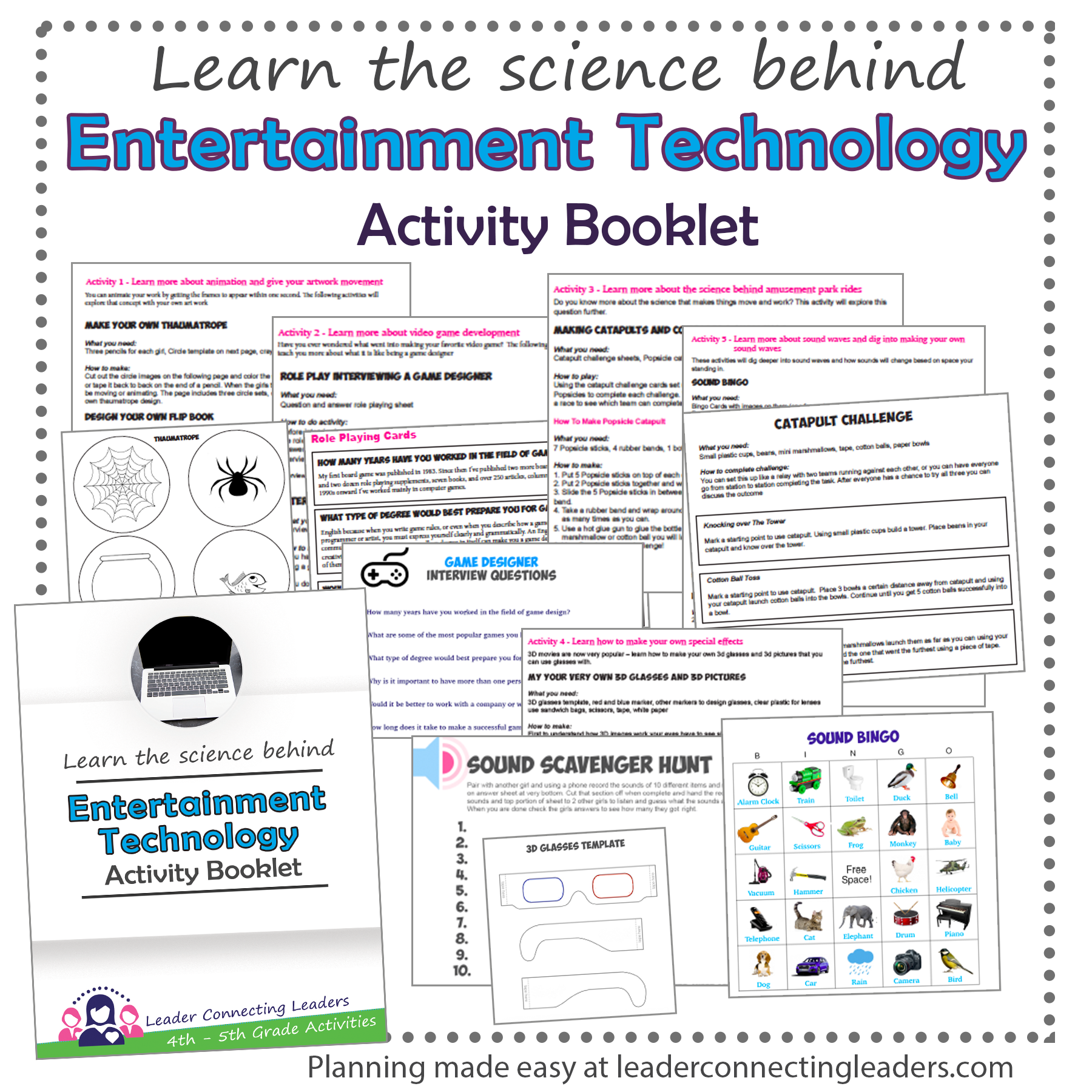
Build a thaumatrope and flip book, make a stop-motion animation, role-play/conduct an interview with a game designer, build and test a popsicle-stick catapult, make 3D glasses and 3D art, and play sound-identification games.

The back-to-school activity combines partner circulation with two sheets of prior-grade math review. Follow the directions for seated and moving groups, then have partners work and check a selected problem. Completed checking pages support review after the activity.
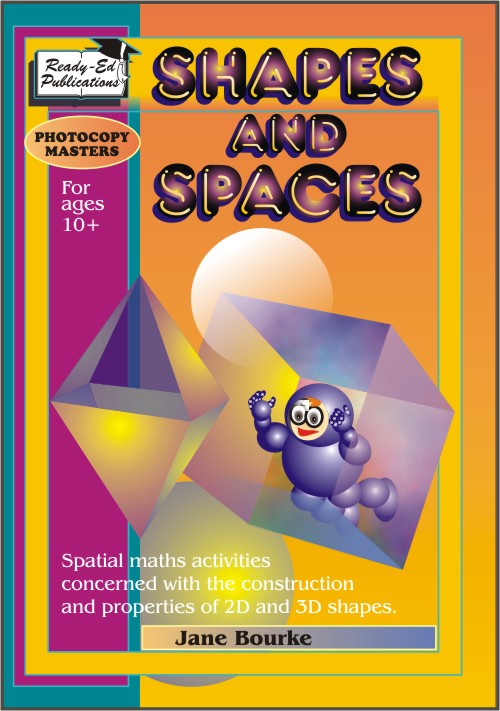
A challenging-level activity book covering advanced spatial and geometry concepts: networks and traversable networks, symmetry (reflectional, point, rotational) in 2-D shapes, tessellations, tangrams, properties and cross sections of 3-D shapes, and nets for constructing 3-D models (prisms, pyramids, cube, octahedron…
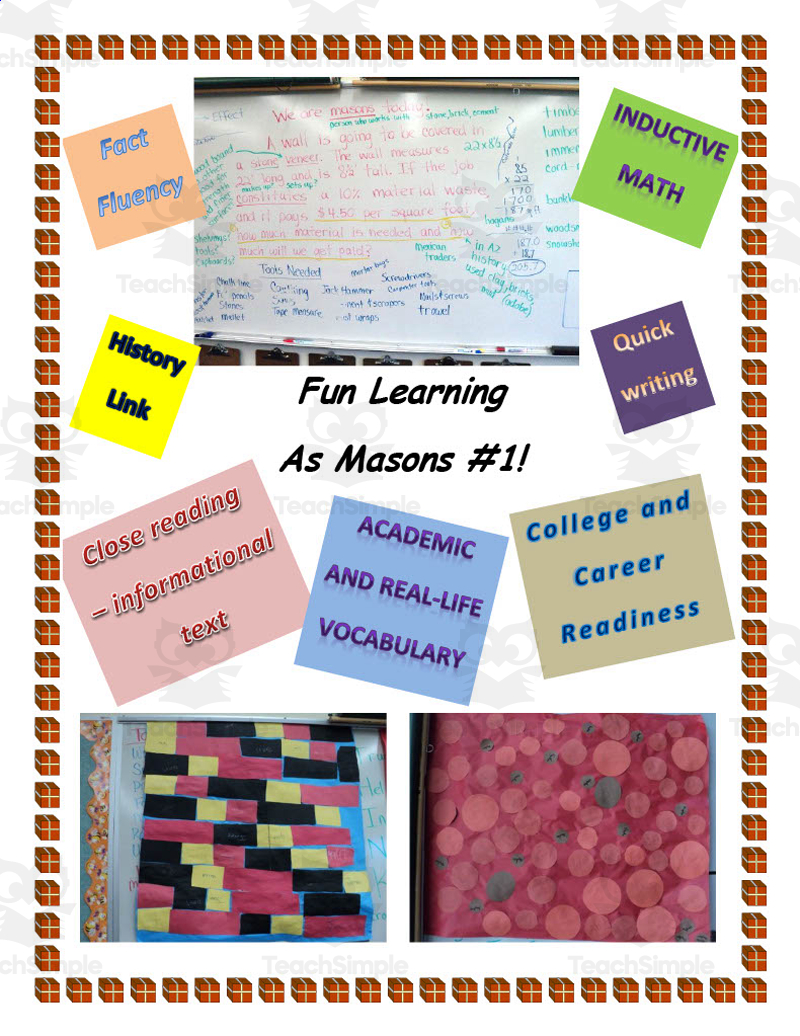
Day 1 of a mason-themed inductive math unit tying real-world area, cost, and profit word problems to the history of masonry (linked to Ancient China / Native American earthen-shelter history).
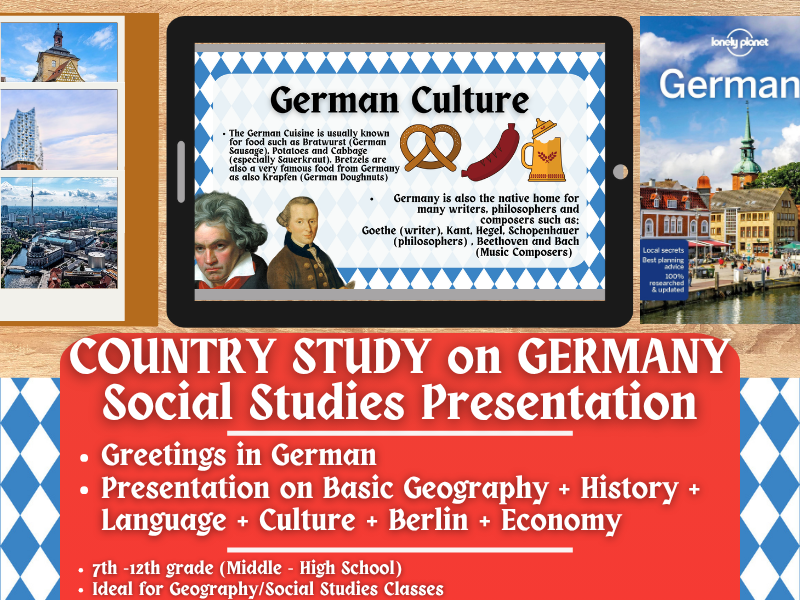
A slide presentation introducing students to Germany, covering its location, government and quick facts, history timeline, geography and climate, economy, cities, and culture.

Students read a one-sentence story prompt (e.g. write a story about an evil witch, a spooky ghost, a dragon) with supporting brainstorming questions, then write a narrative on the ruled lines provided.
Students identify correct comma placement in partial sentences (e.g. 'protractor, mechanical pencil, and a ruler'), consistent with CCSS L.5.2 conventions/proofreading.
Identify the theme of a text, support it with examples, and write a summary of the text.

This is an intermediate lesson plan worksheet set for Wh- Questions. Enhance your students English knowledge with this comprehensive lesson plan that will teach them how to form question in the past. What were you doing? Where did you eat? Why did he become a doctor? Questions like these and many more with a guide to helps students…
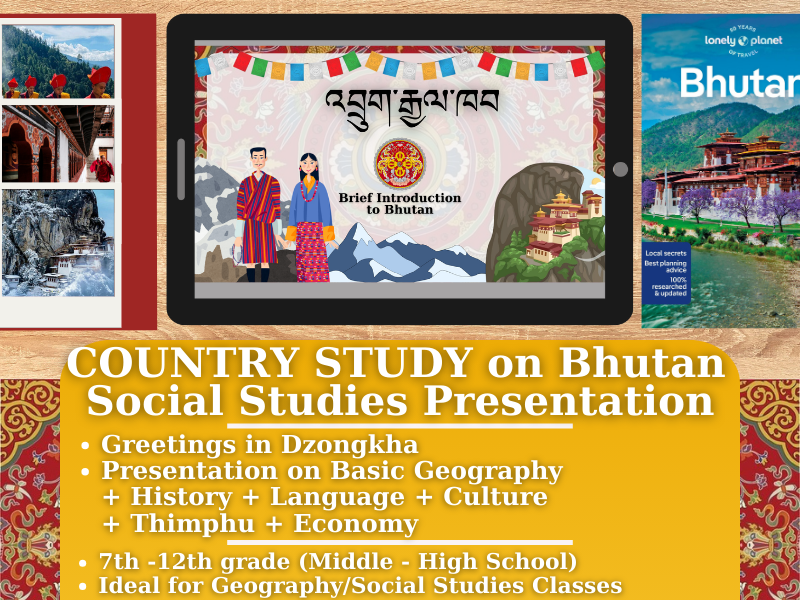
A slide presentation introducing students to Bhutan, covering its location, government and quick facts, history timeline, geography and climate, economy, cities, and culture.
Students read an informational text and produce a response for the RI.5.2 assessment; per the answer key, the expected response should: responses may vary but should offer the theme of the text and a summary including details.

A bundle of four Common Core-aligned statistics and probability activities for a 6th grade math unit, covering statistical questions, data displays, and measures of center/variation.
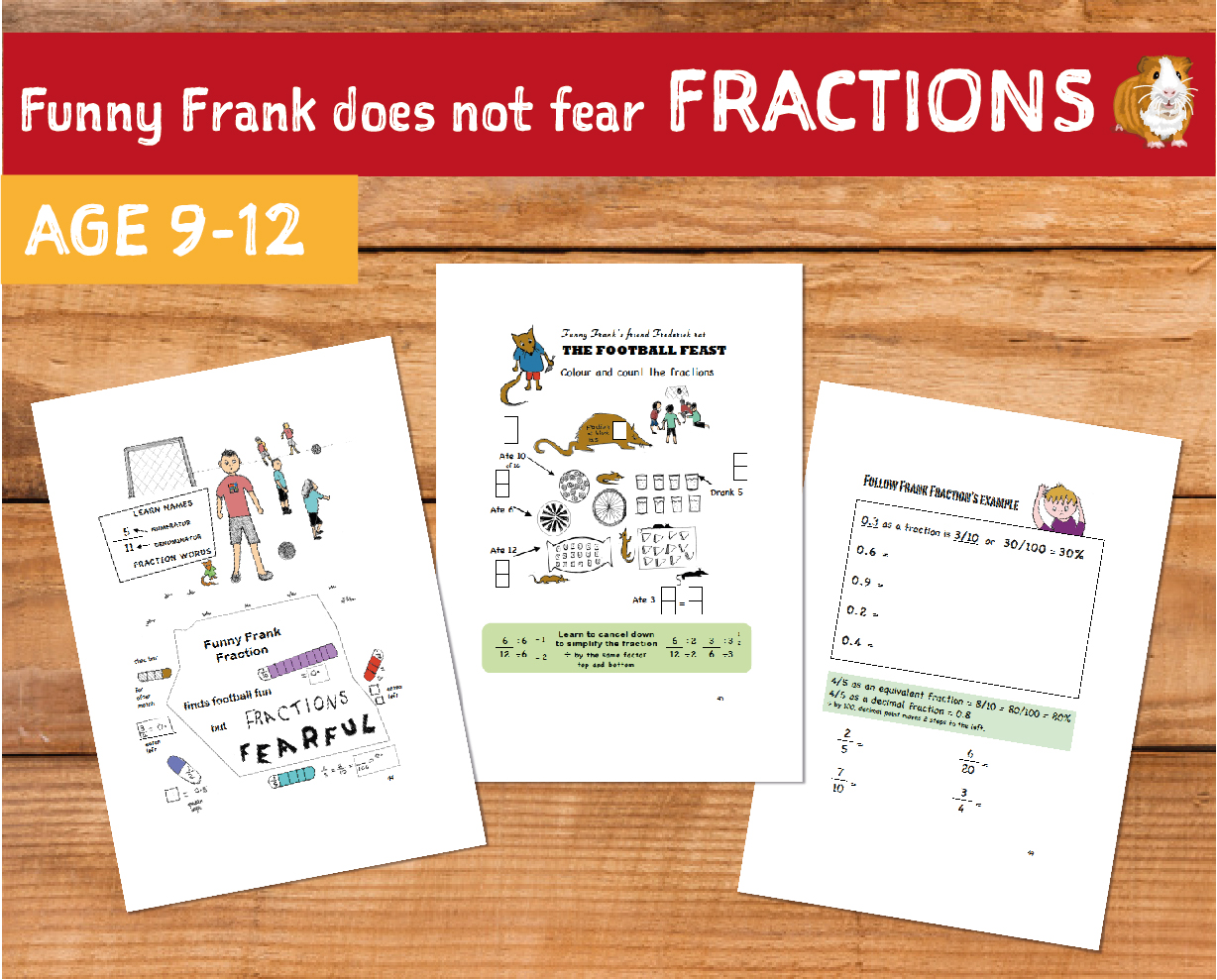
Fraction skills practice for upper-elementary/middle-school students: equivalent fractions, simplifying fractions, converting fractions to decimals and percents, and improper fractions/mixed numbers.

In groups, rotate through 9 lab stations (7 content stations + 2 rest stations), completing a 'passport' packet: measure mass/volume and calculate density of two irregularly shaped objects using an overflow can and scale (Station 1); research the densest substance on Earth versus the Sun's density (Station 2); write a…
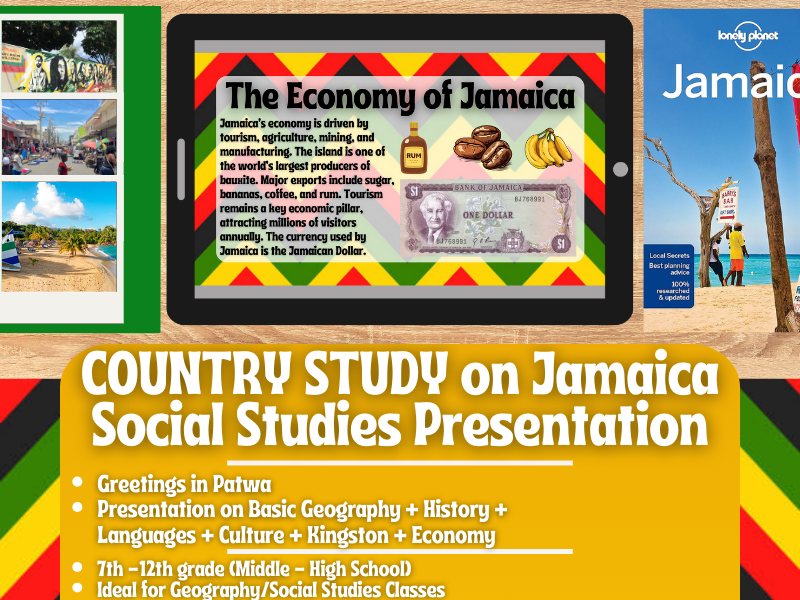
A slide presentation introducing students to Jamaica, covering its location, government and quick facts, history timeline, geography and climate, economy, cities, and culture.
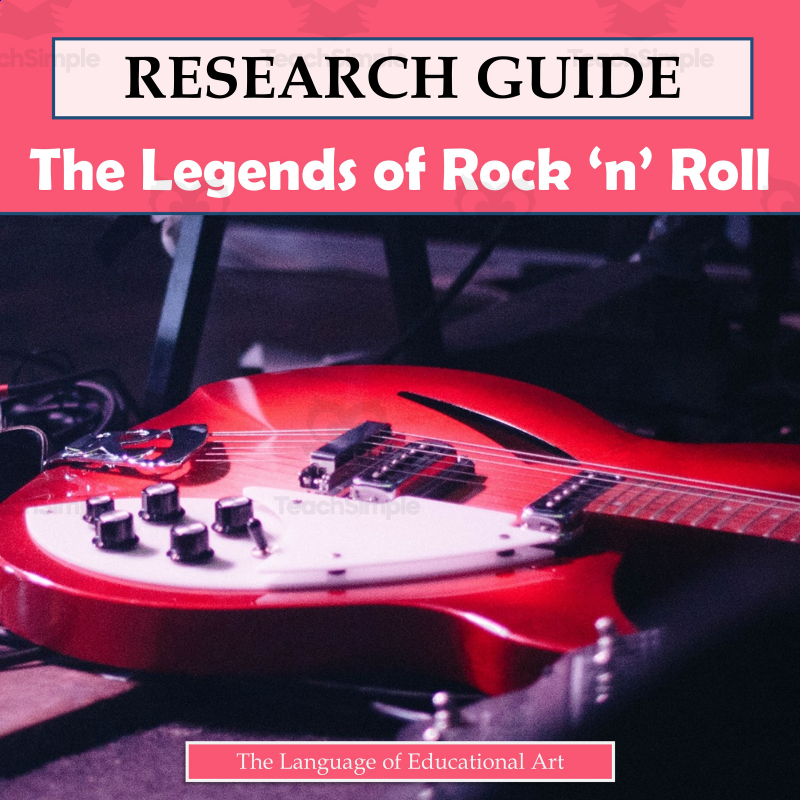
Select a research subject from a provided list, gather biographical facts, draw the subject with symbolic items, complete an outline, write a 5-paragraph MLA-formatted essay with 3+ sources and a works-cited page, complete a peer-review checklist, and self/peer-score against a CCRA-aligned rubric.
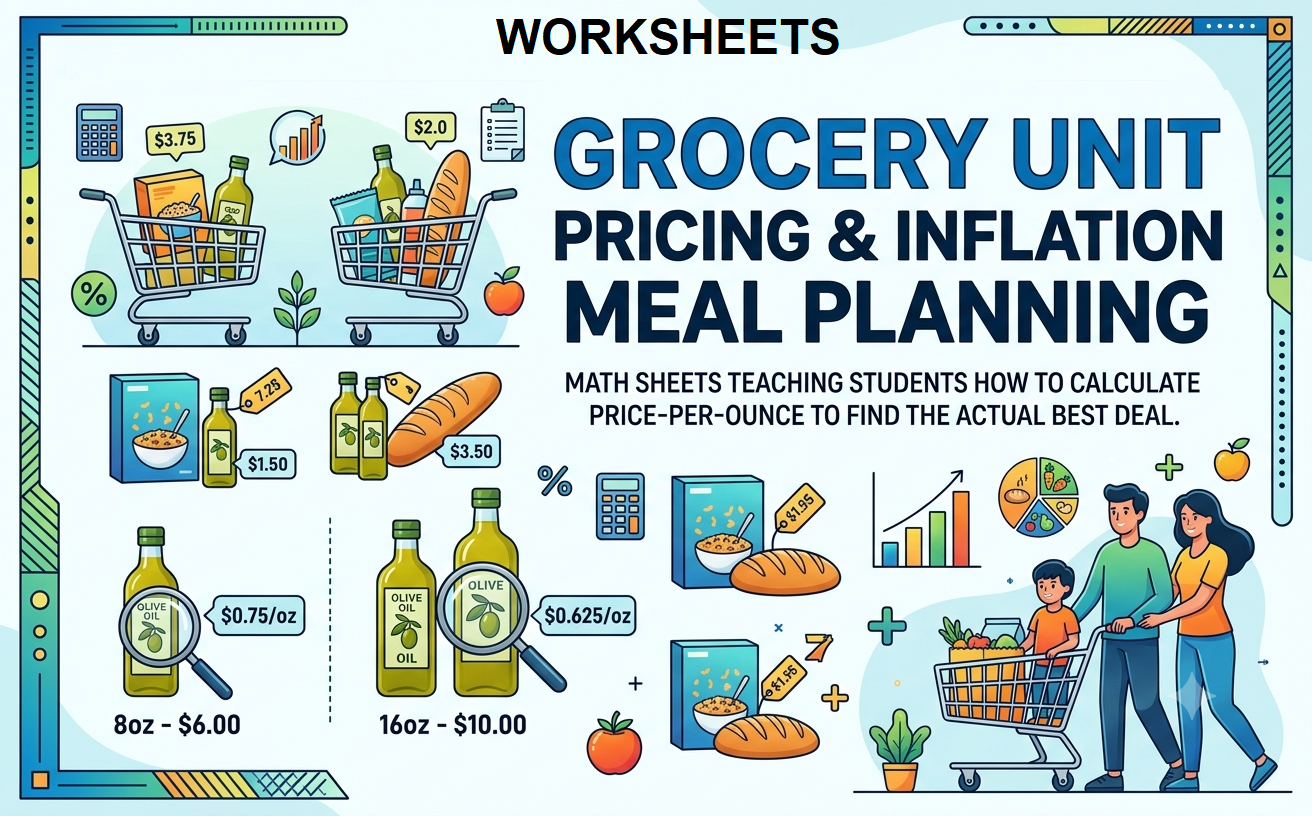
A math mini-unit teaching students to calculate unit price (price-per-ounce) to compare grocery values and understand inflation/shrinkflation concepts.
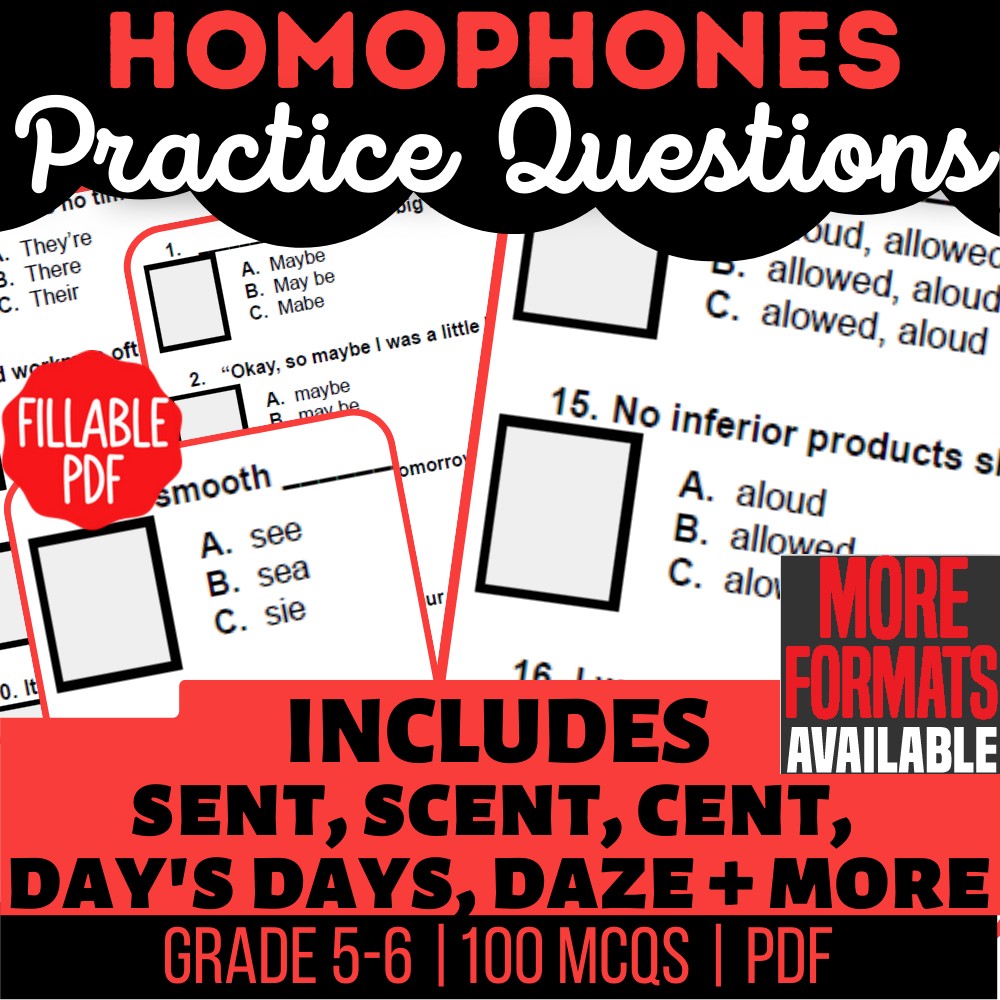
Give students practice identifying and choosing the correct homophone (words that sound alike but differ in spelling and meaning) to complete a sentence correctly.
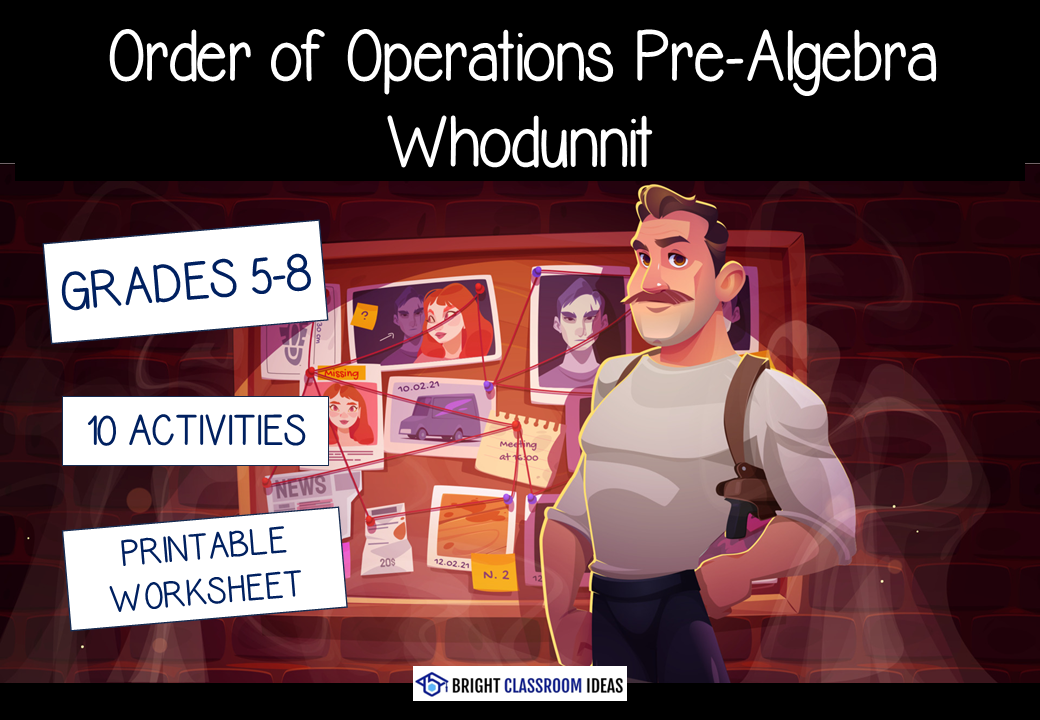
A detective-themed mystery activity where students solve order-of-operations problems (including exponents and grouping symbols) to eliminate suspects, locations, and methods and identify 'whodunnit'.
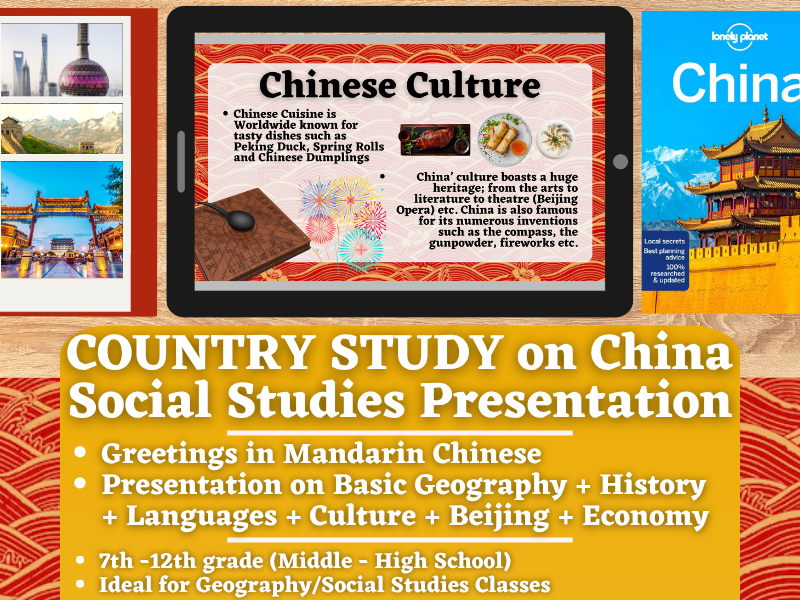
A slide presentation introducing students to China, covering its location, government and quick facts, history timeline, geography and climate, economy, cities, and culture.
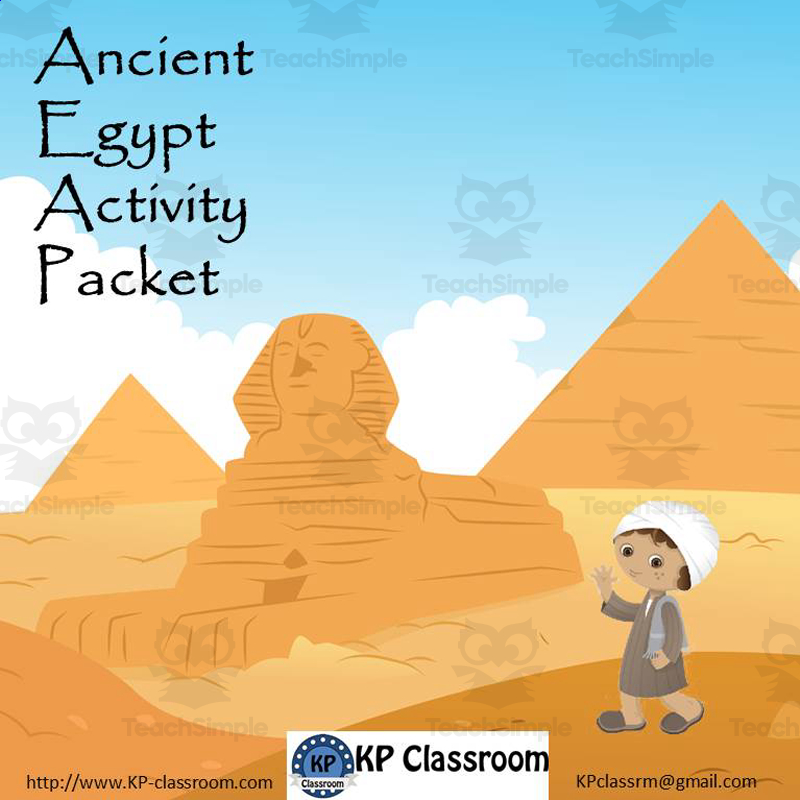
Read informational and fictional passages; answer reading-response questions; define vocabulary; describe a pyramid using the five senses; compare a fiction and non-fiction text in a paired-texts activity; write an adventure story ('Pyramid Adventure') and plot outline; use vocabulary flash cards.