Roman Numeral Converting Practice Level 2 Numerals 10-100, Jokes, Math
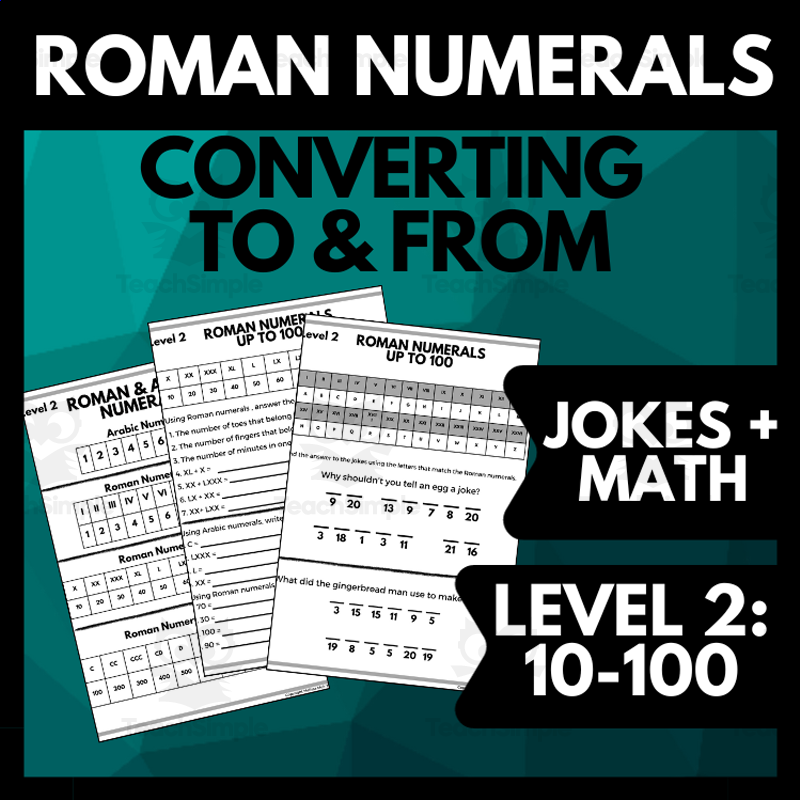
Gives students practice converting between Roman and Arabic numerals in the 10-100 range, then applying that skill to decode letter-substitution jokes.
Classroom resources
Browse by lesson focus
Choose the topic or kind of practice you need.
Gives students practice converting between Roman and Arabic numerals in the 10-100 range, then applying that skill to decode letter-substitution jokes.
Write a narrative essay rough draft, complete a peer review with a checklist, polish a final draft, and submit it before the end of class.
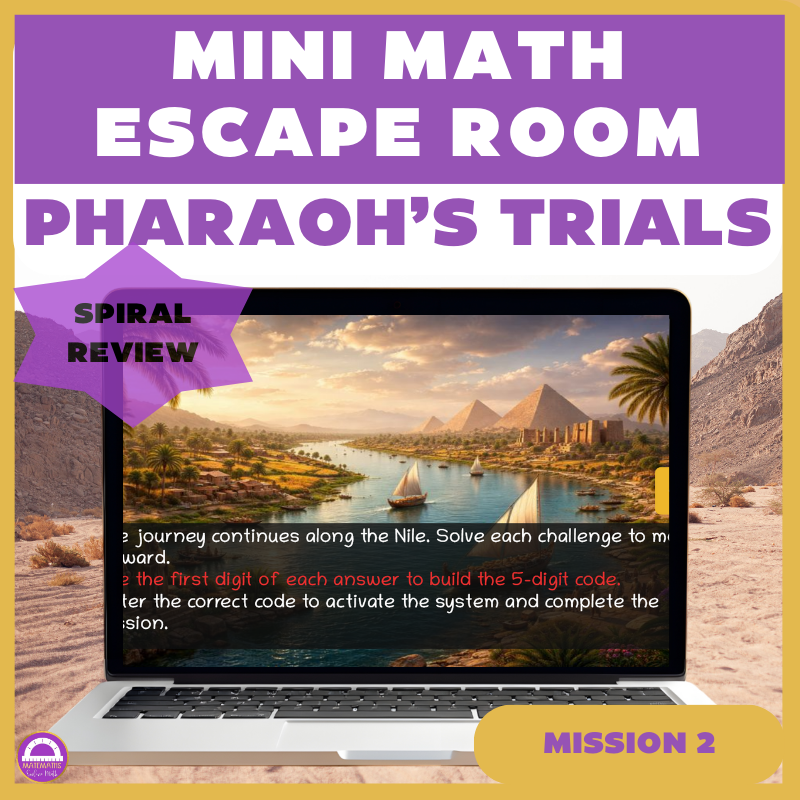
Each day, students solve 5 math problems on one page, take the first digit of each answer, and combine the five digits into a numeric code that completes that day's mission.
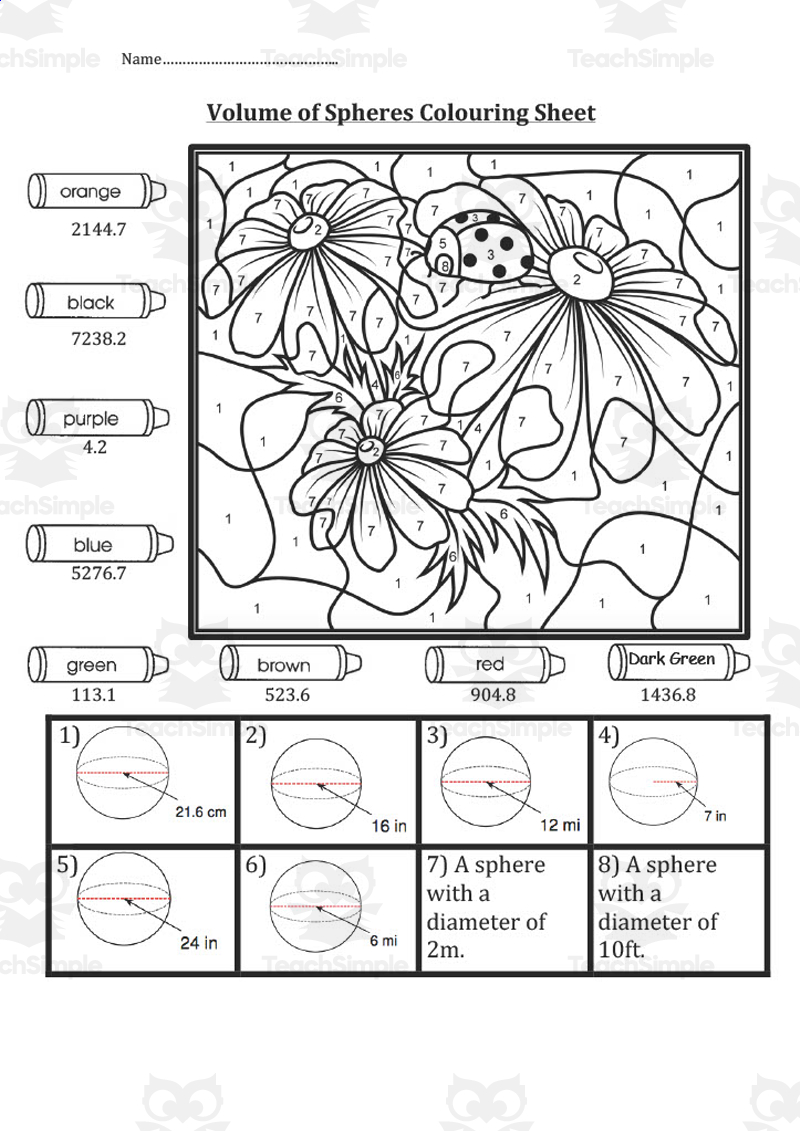
Practice calculating the volume of spheres, using color-by-number to self-check answers.
Give students hands-on practice measuring the perimeter of polygons using string/yarn and a ruler.
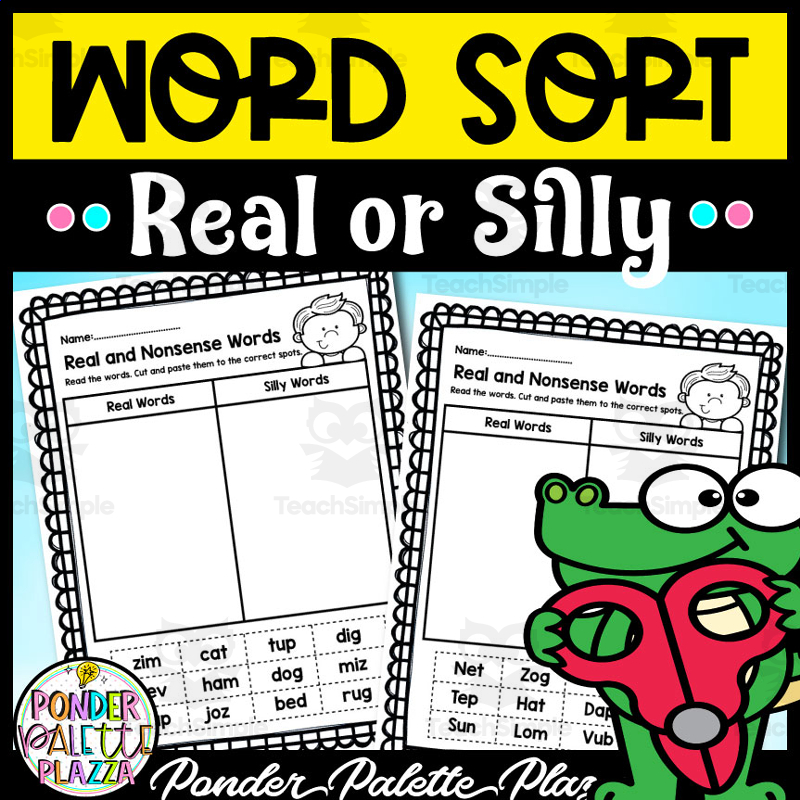
Read a set of short CVC words, decide whether each is a real word or a silly/nonsense word, then cut and paste each word into the correct column.
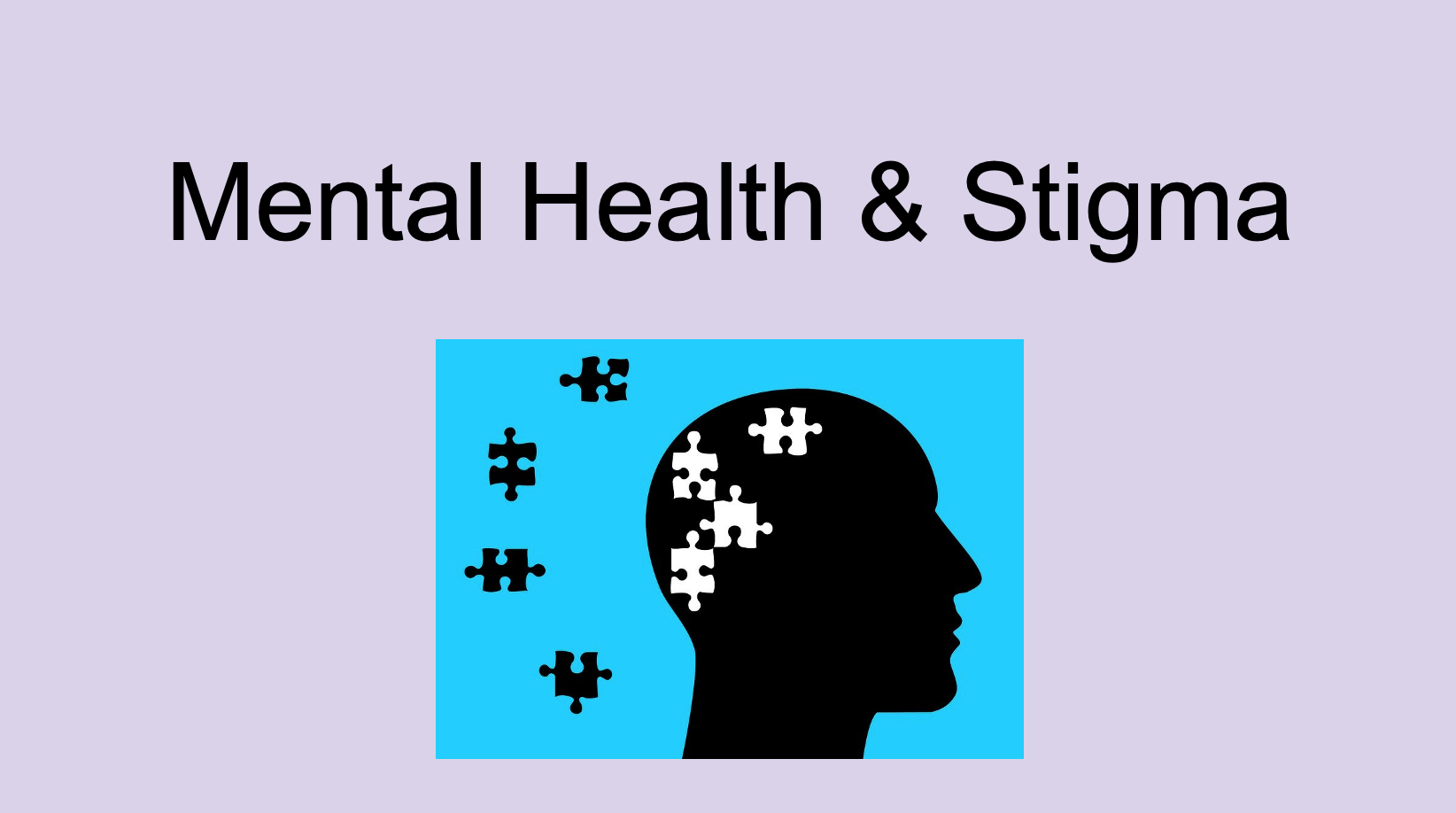
Students take a true/false/unsure attitudes survey about mental health, watch/read a first-person perspective (Sam Cohen) on living with mental illness, participate in a think-pair-share discussion, and complete a fill-in-the-blank note-taking sheet while following a PowerPoint lesson
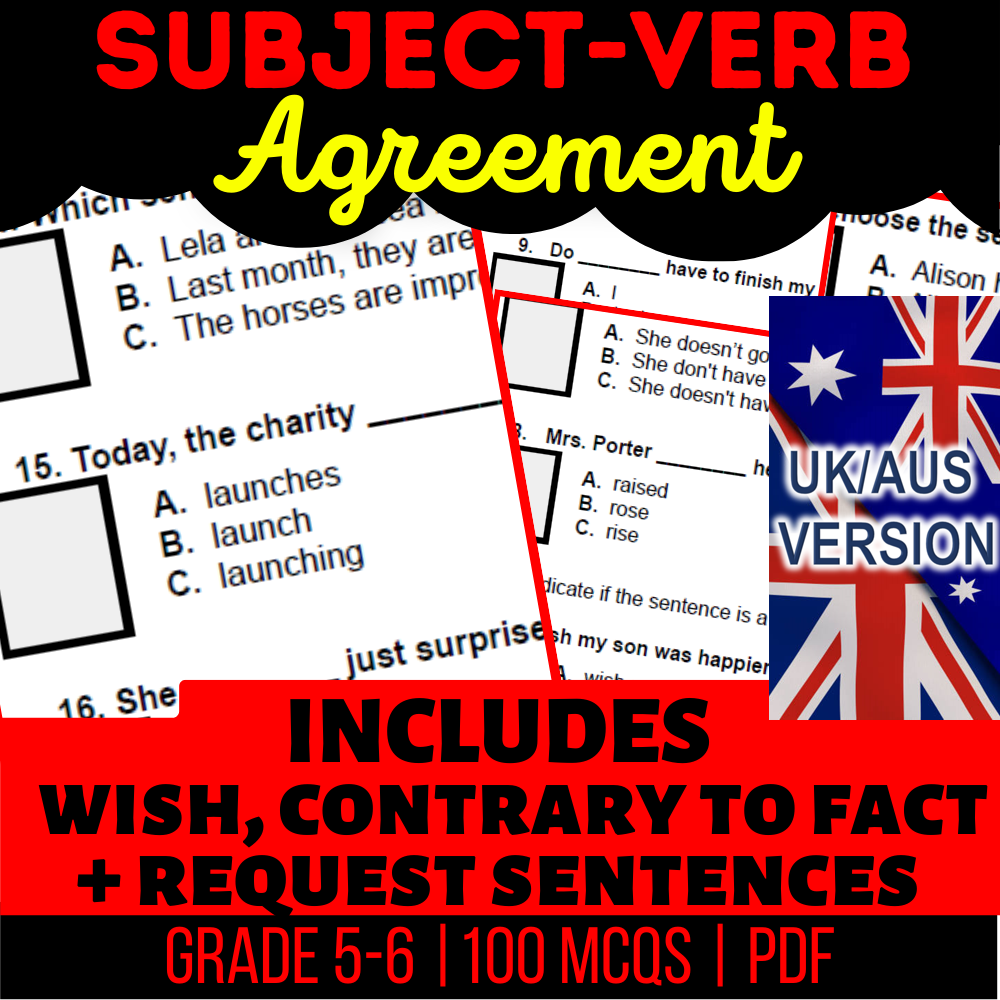
Read each sentence and select the letter (A/B/C) of the verb form that correctly agrees with the subject.
Solve 8 order-of-operations expressions, match each answer to its corresponding letter, and use the letters to reveal a hidden message.
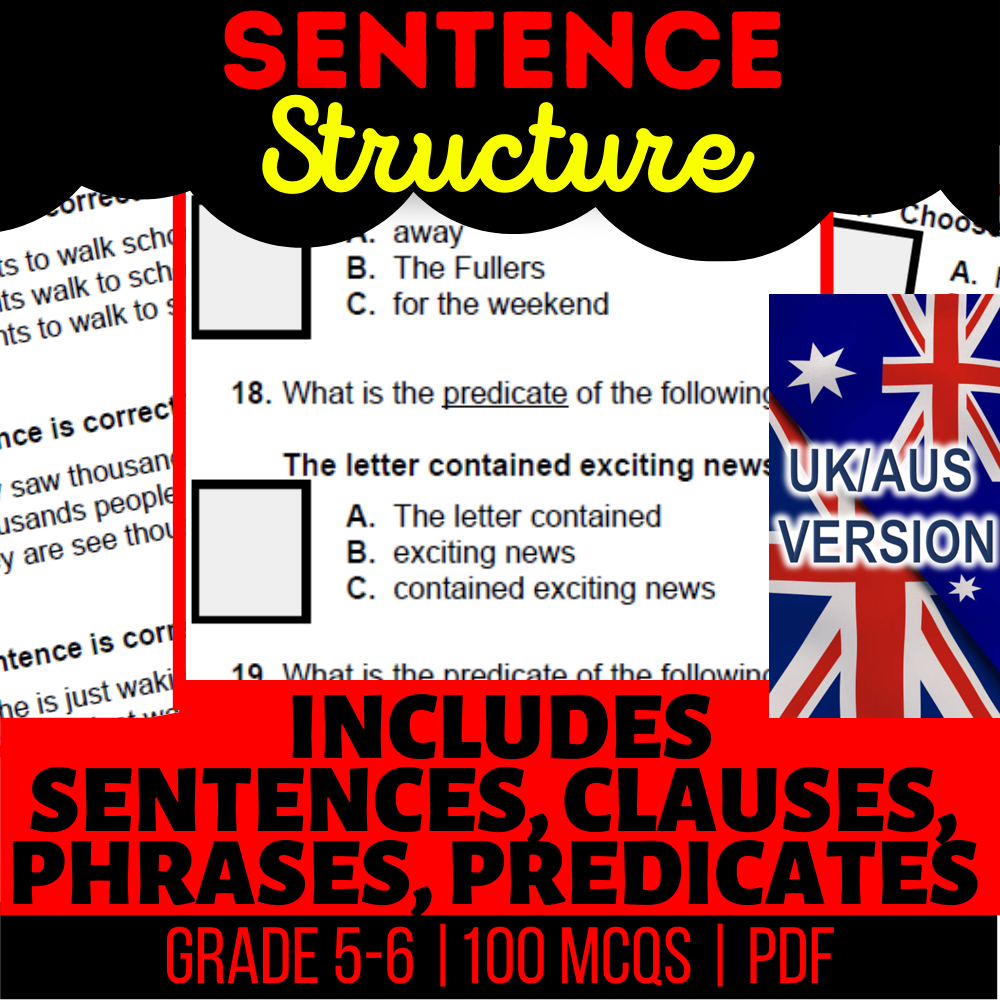
Practice sentence structure with worksheets using UK/Australian English conventions. Check the sample to match its terminology and spelling to your class.
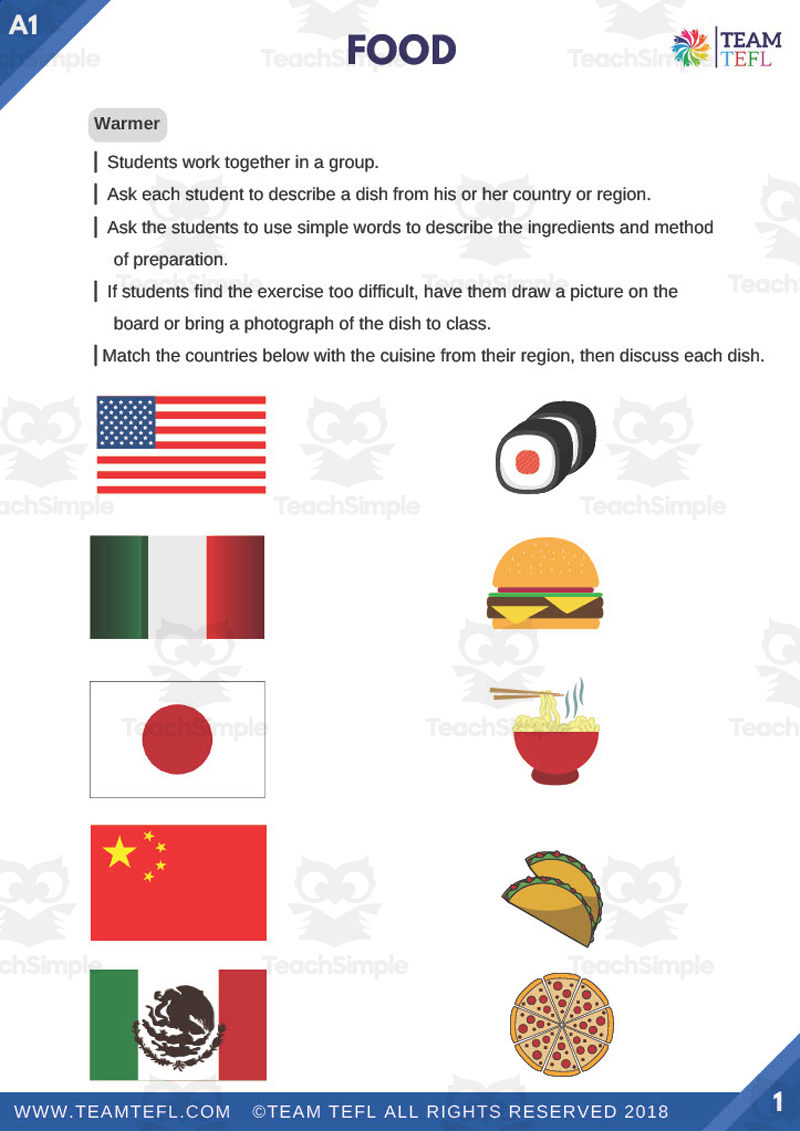
Beginner (CEFR A1) ESL/EFL lesson plan teaching food and cooking vocabulary and simple food-related dialogue.
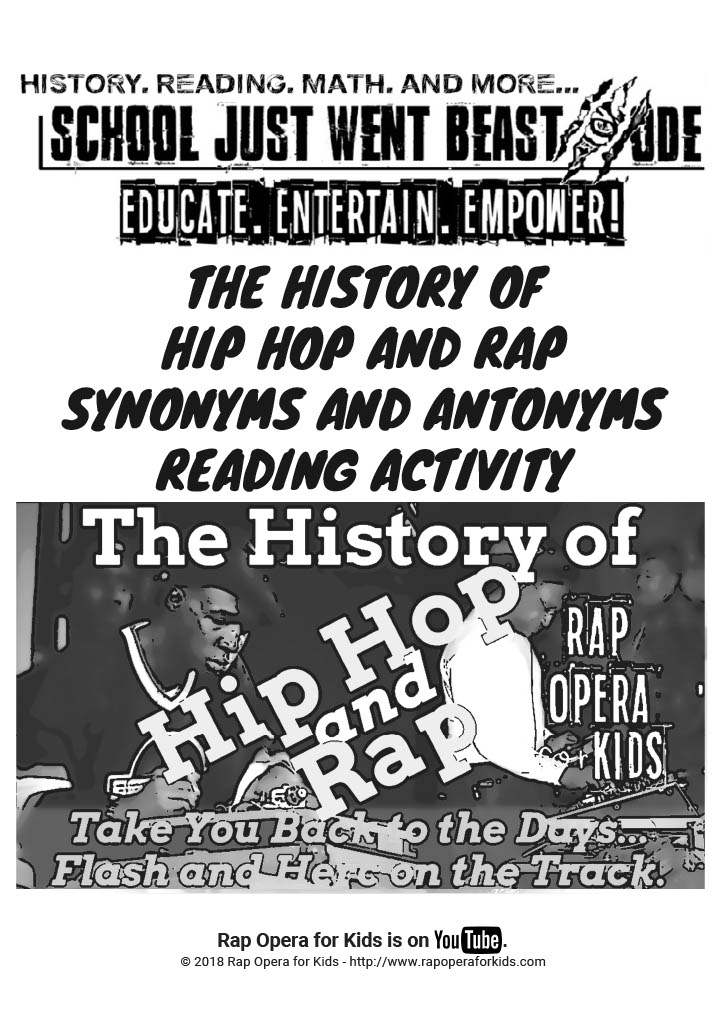
Students read multiple-choice questions asking them to circle the best synonym (page 1) or antonym (page 2) for an underlined word from a quoted song lyric, using the full song lyric passage (pages 3-4) as context/clues if needed.
Students solve 5 math problems on one page, take the first digit of each answer, and combine the five digits into a numeric code that completes the mission.
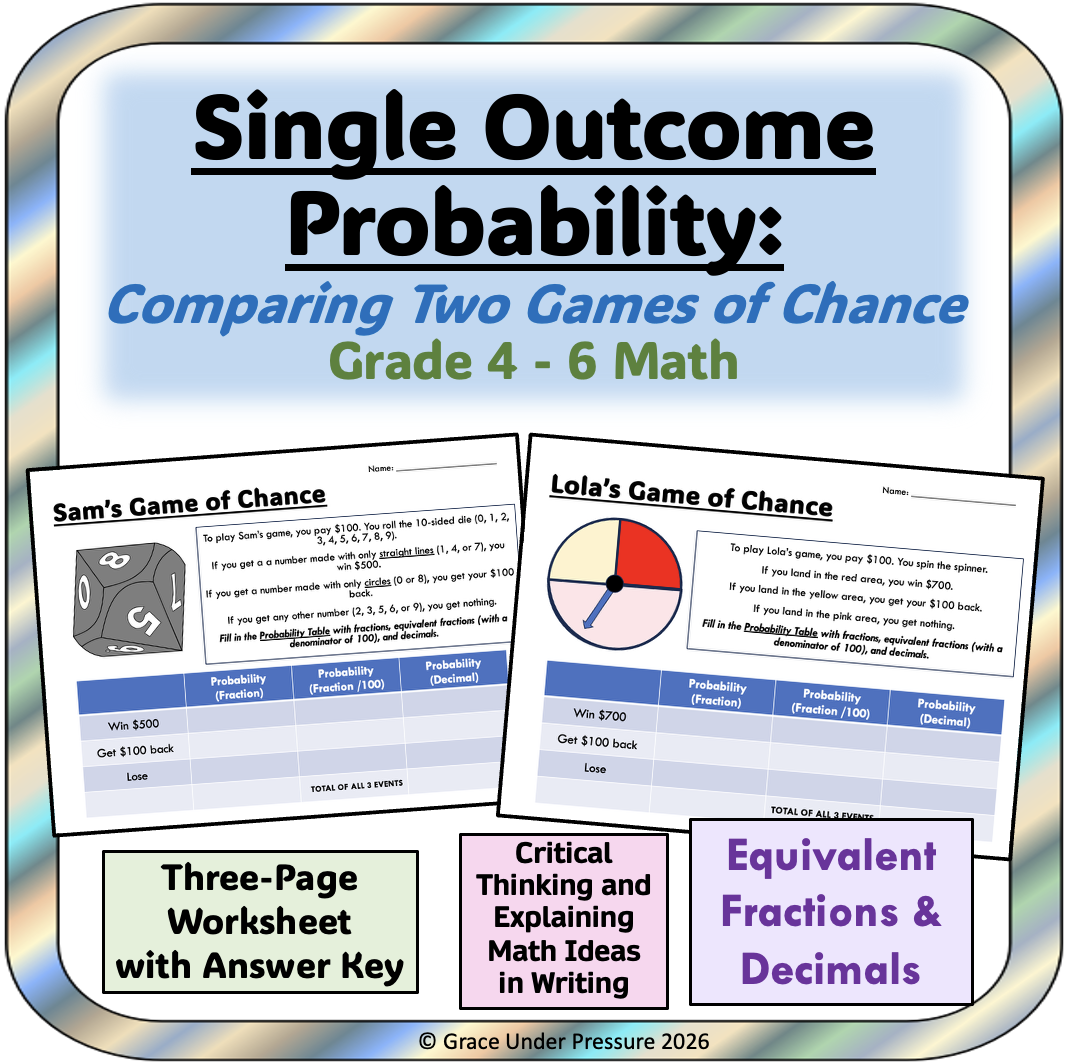
A grade 4-5 math lesson teaching theoretical probability of single-outcome events, expressed as fractions, equivalent fractions out of 100, and decimals, using two games of chance.
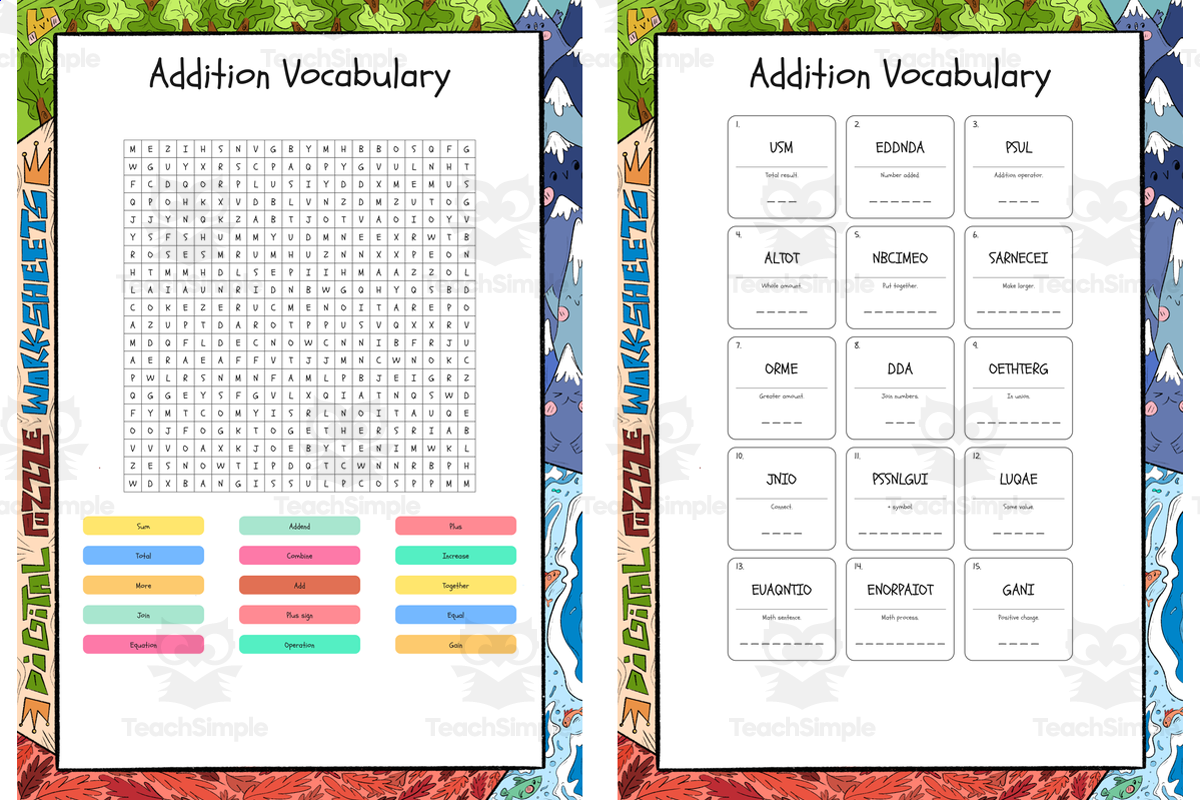
Build familiarity with addition-related vocabulary (addend, sum, plus, equation, etc.) through three puzzle formats.
Solve clues to fill in a crossword grid, unscramble letters to spell vocabulary words, and find hidden words in a word search grid.
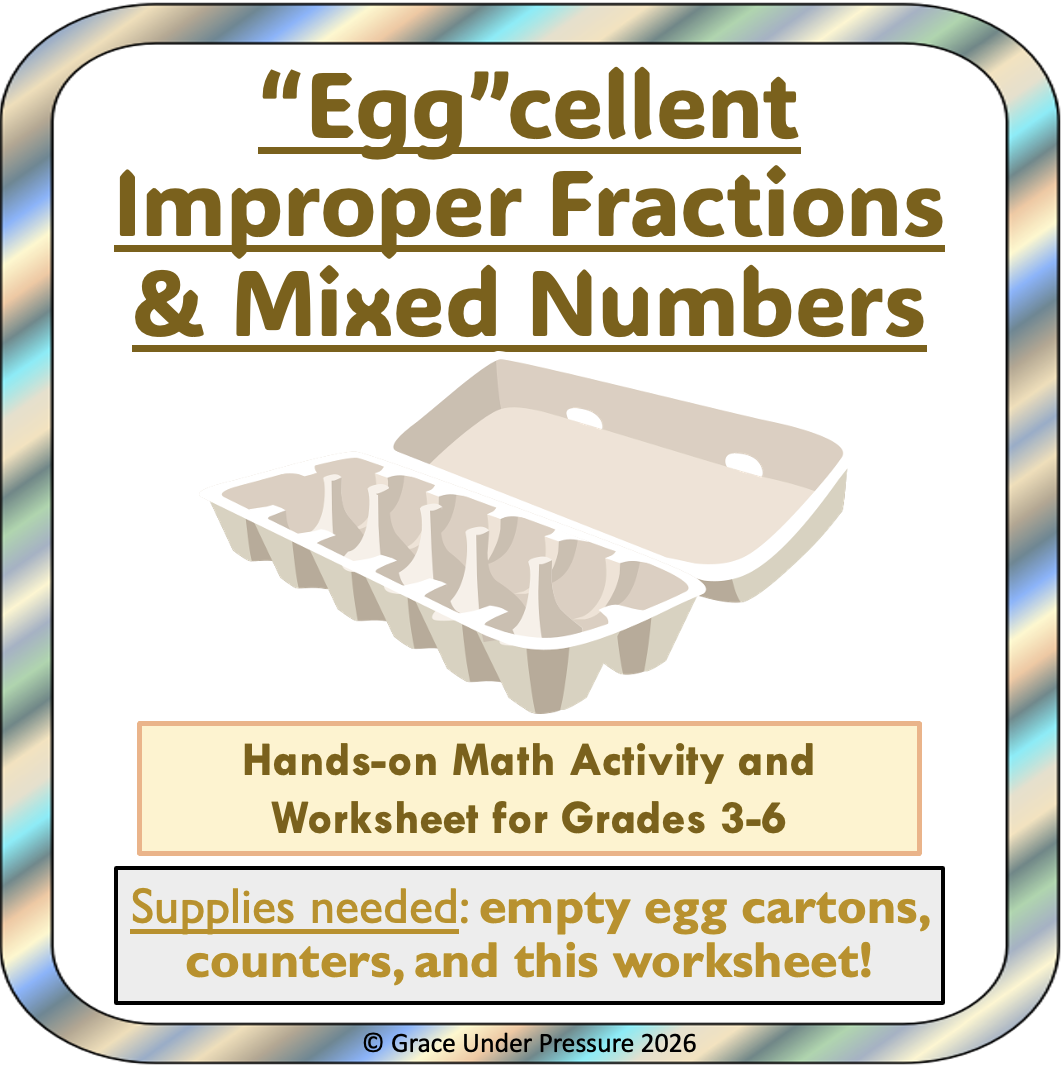
A hands-on introductory math lesson using egg cartons and counters to teach improper fractions and mixed numbers.
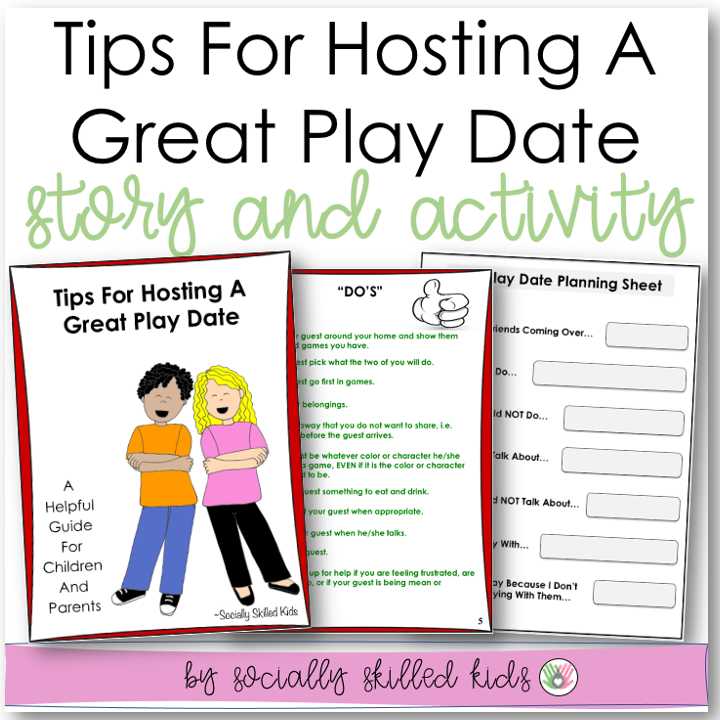
Read (or have read to them) a narrated guide explaining why play dates are valuable, what a 'host' and 'guest' are, and a list of specific Do's and Don'ts for hosting; then use a 'My Play Date Planning Sheet' to write/plan what they can do, talk about, and share during an upcoming play date.
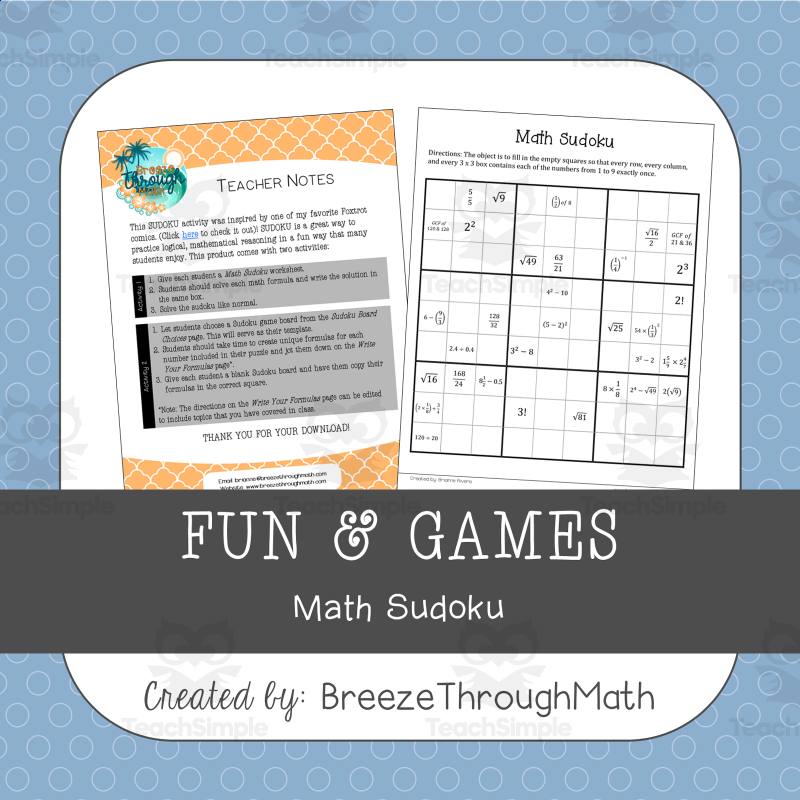
Students first evaluate expressions to uncover Sudoku digits, then apply row, column and box rules to complete the grid. The second activity turns them into puzzle writers, using planning pages to create expressions for digits one through nine. A solved example, board choices and teacher instructions support the transition from solving to designing; teachers can adapt the expression topics to recent math work.
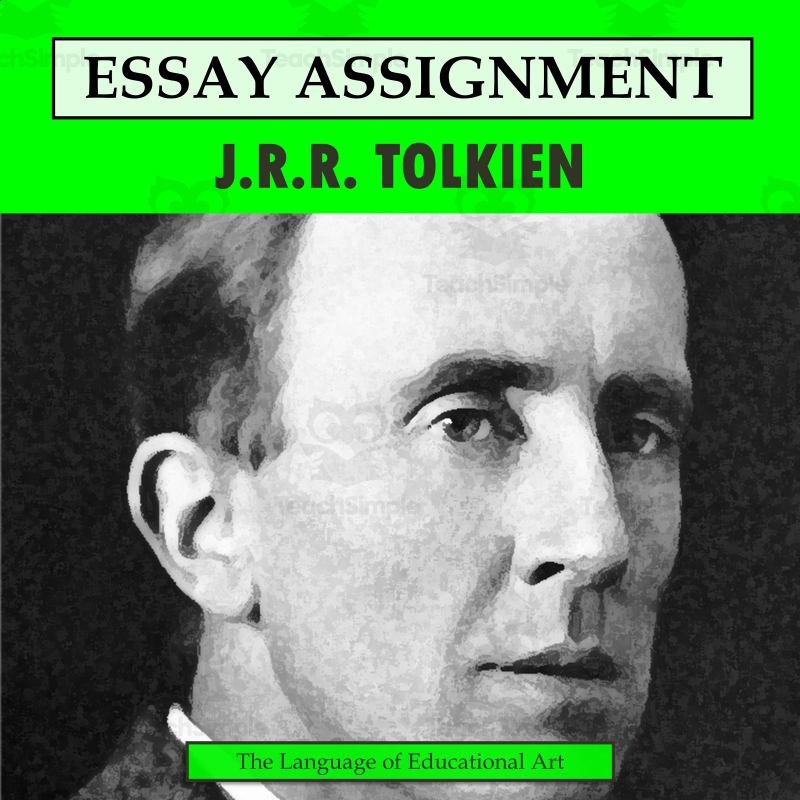
Students research the subject using at least 3 sources, complete a biographical fact-organizer (place of birth, place(s) of residence, relevant family members, and related prompts) and a portrait-drawing activity with labeled achievement items, then draft, self/peer-check (using the included writing-tips checklist), and revise a…
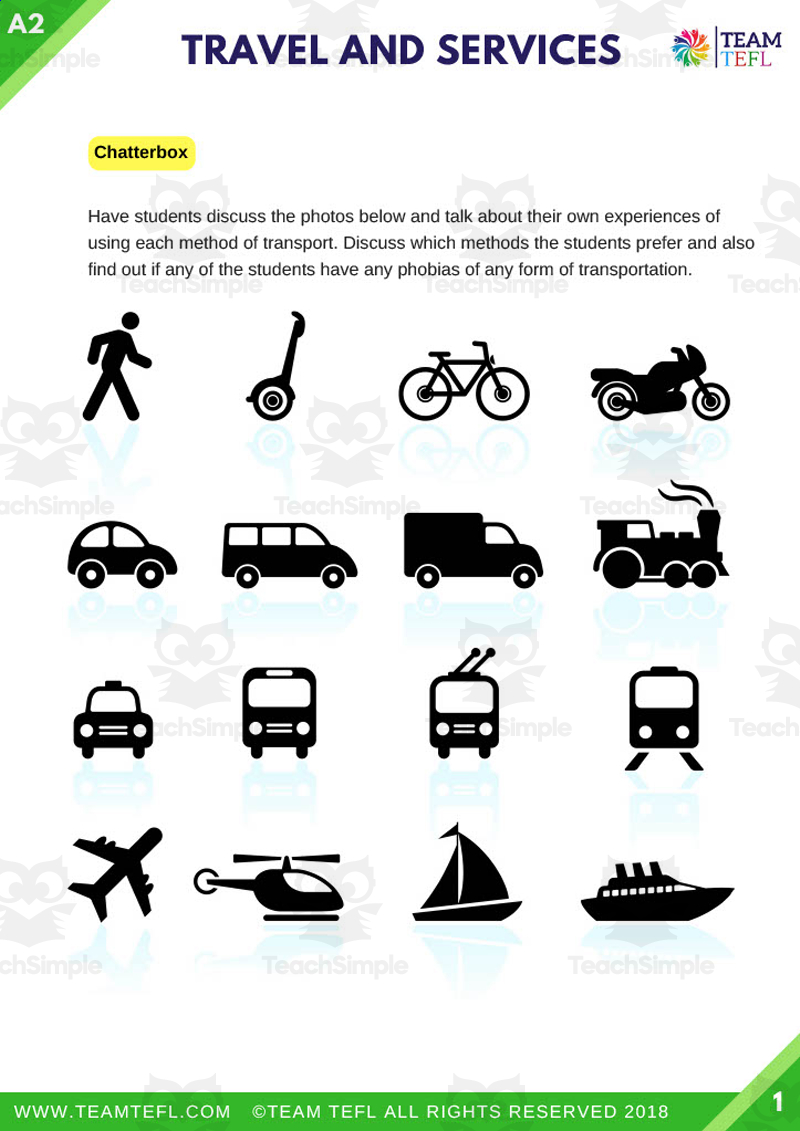
ESL/ELL lesson plan teaching pre-intermediate (A2) vocabulary and dialogue skills for travel and service situations (airports, hotels, car rental).
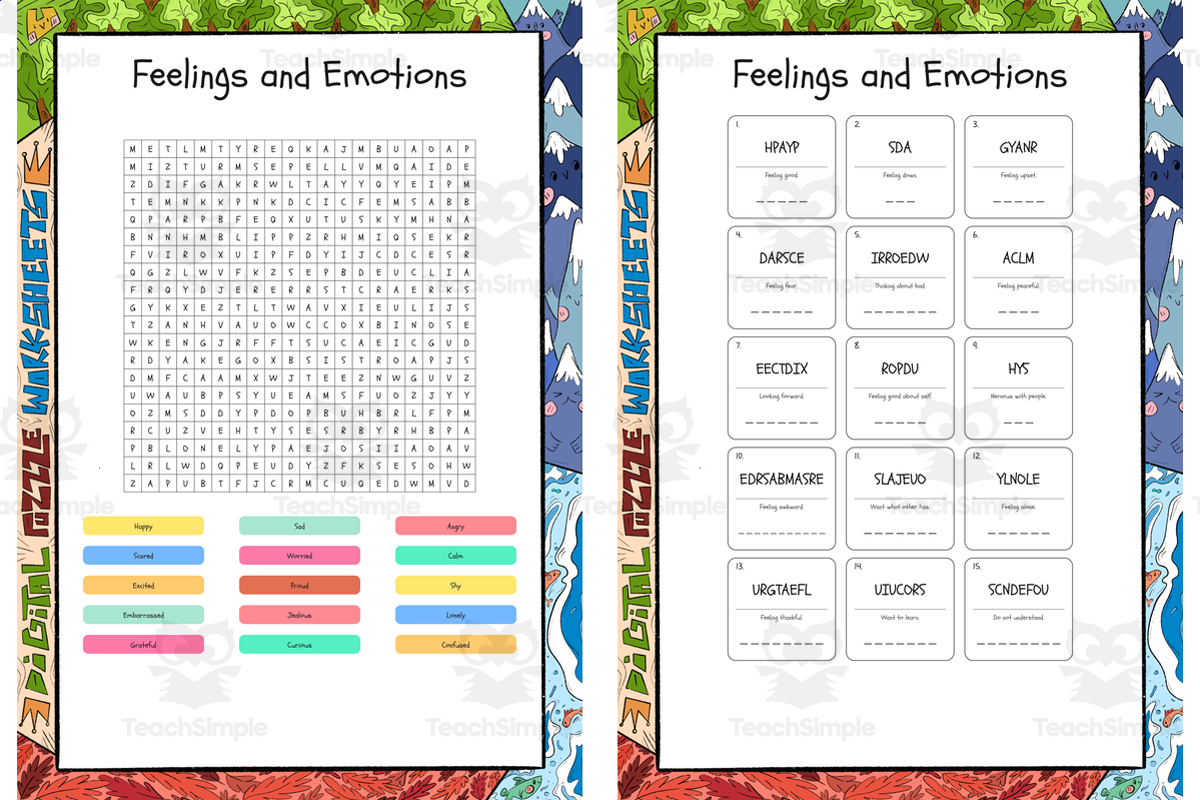
Vocabulary practice for feelings/emotions words through a word search, word scramble, and crossword puzzle.
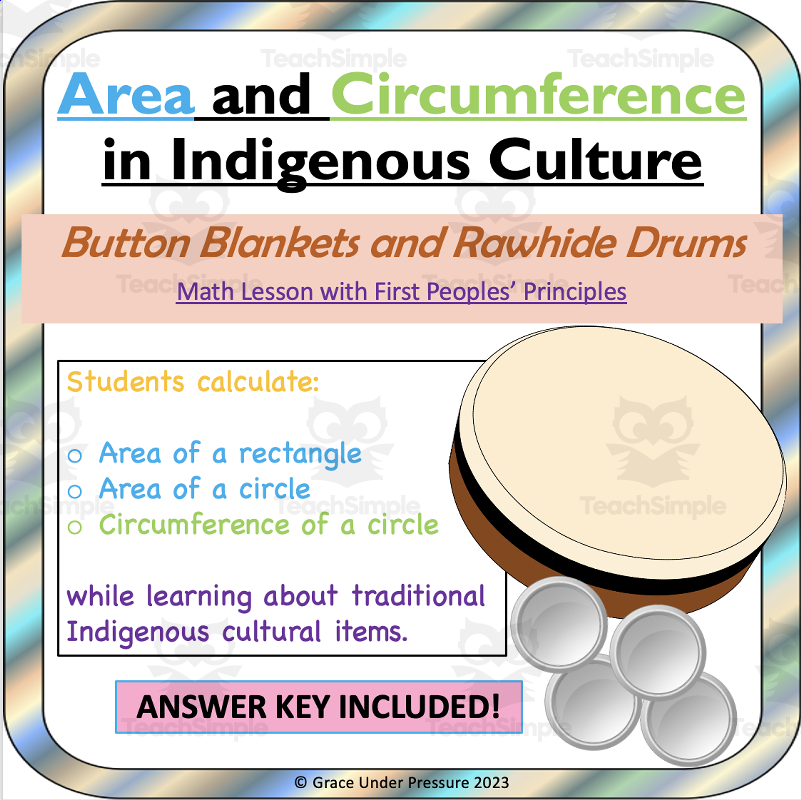
A math lesson that teaches area and circumference calculation using culturally themed problems based on Indigenous (First Peoples) button blankets and rawhide drums.
Solve a 15-clue crossword, unscramble 15 scrambled vocabulary words using given clues, and find 15 vocabulary words hidden in a word-search grid.