6th Grade Math Spiral Review Escape Room Week 2 Day 2
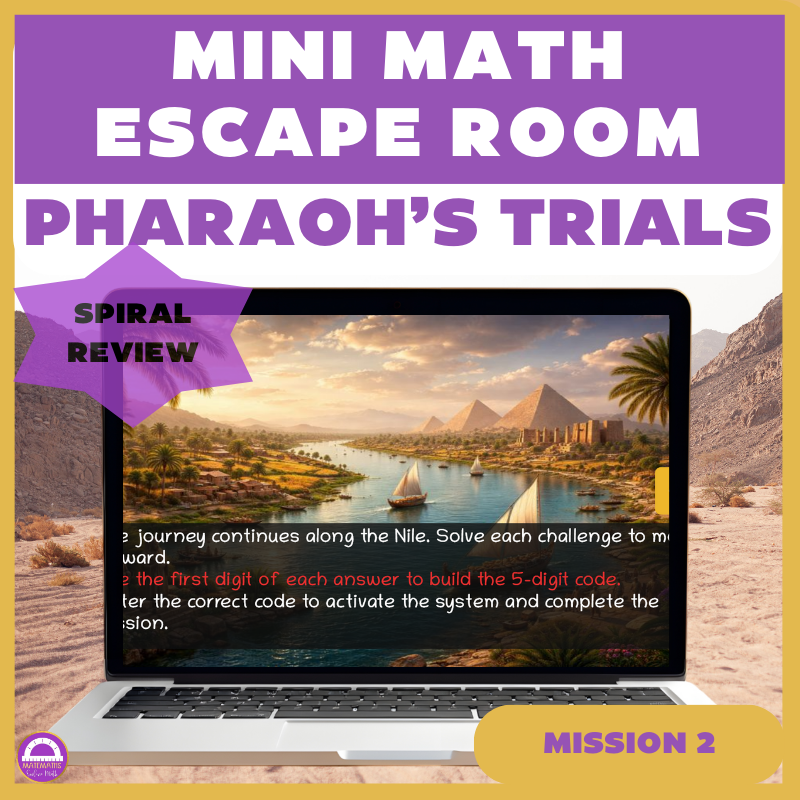
A single daily 8-10 minute spiral-review 'mini escape room' warm-up for 6th grade math, themed as Ancient Egypt, reviewing previously taught skills.
Classroom resources
Browse by lesson focus
Choose the topic or kind of practice you need.
A single daily 8-10 minute spiral-review 'mini escape room' warm-up for 6th grade math, themed as Ancient Egypt, reviewing previously taught skills.
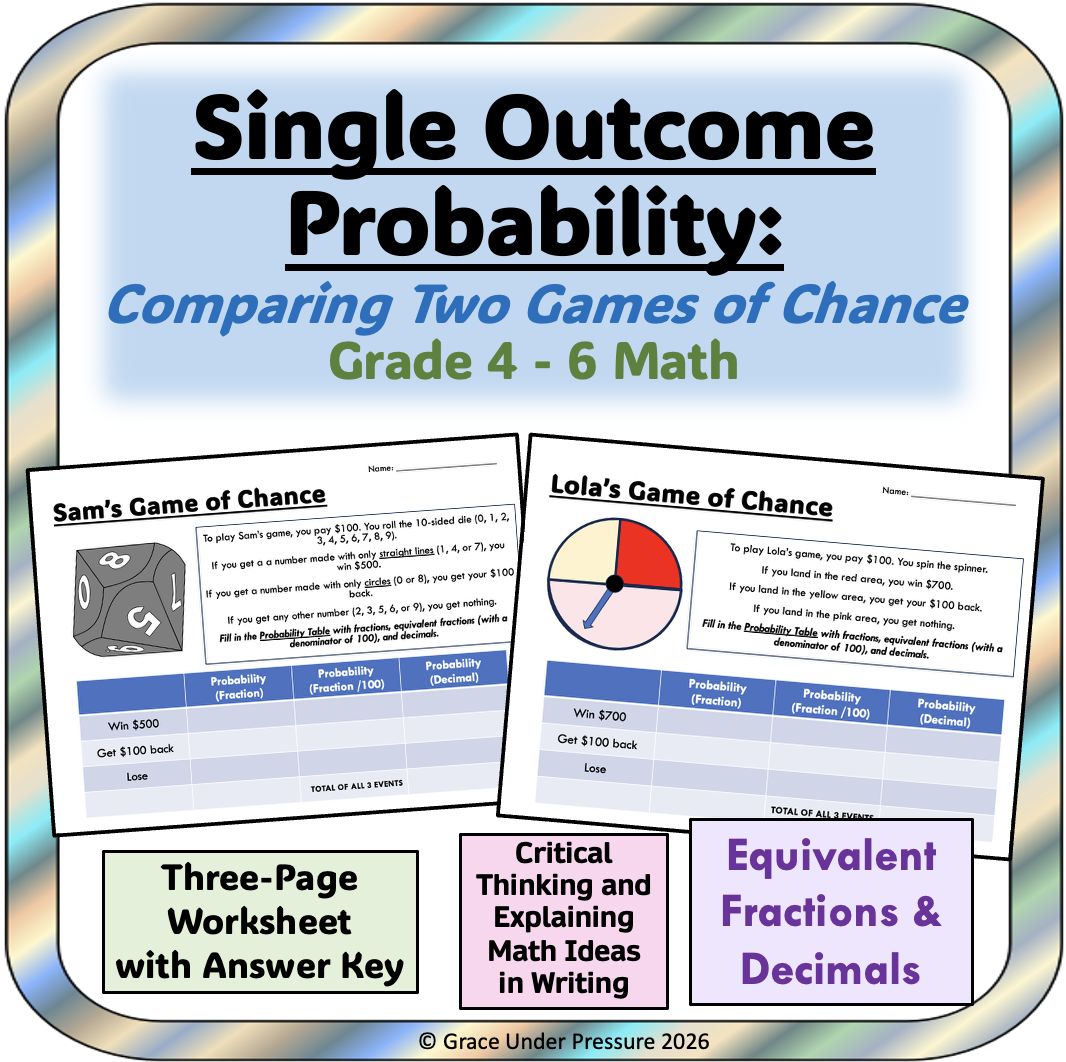
A grade 4-5 math lesson teaching theoretical probability of single-outcome events, expressed as fractions, equivalent fractions out of 100, and decimals, using two games of chance.
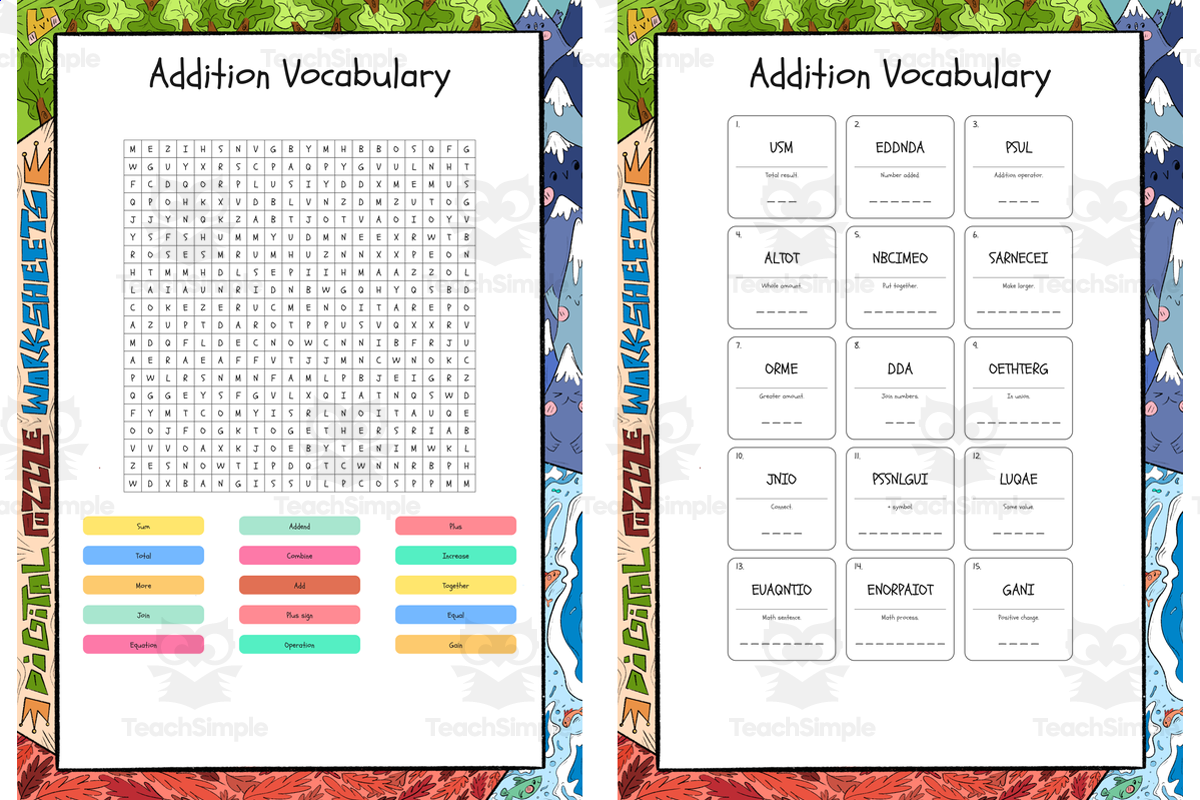
Build familiarity with addition-related vocabulary (addend, sum, plus, equation, etc.) through three puzzle formats.
Practice dental health vocabulary through a crossword, a word scramble, and a word search built from the same word list.
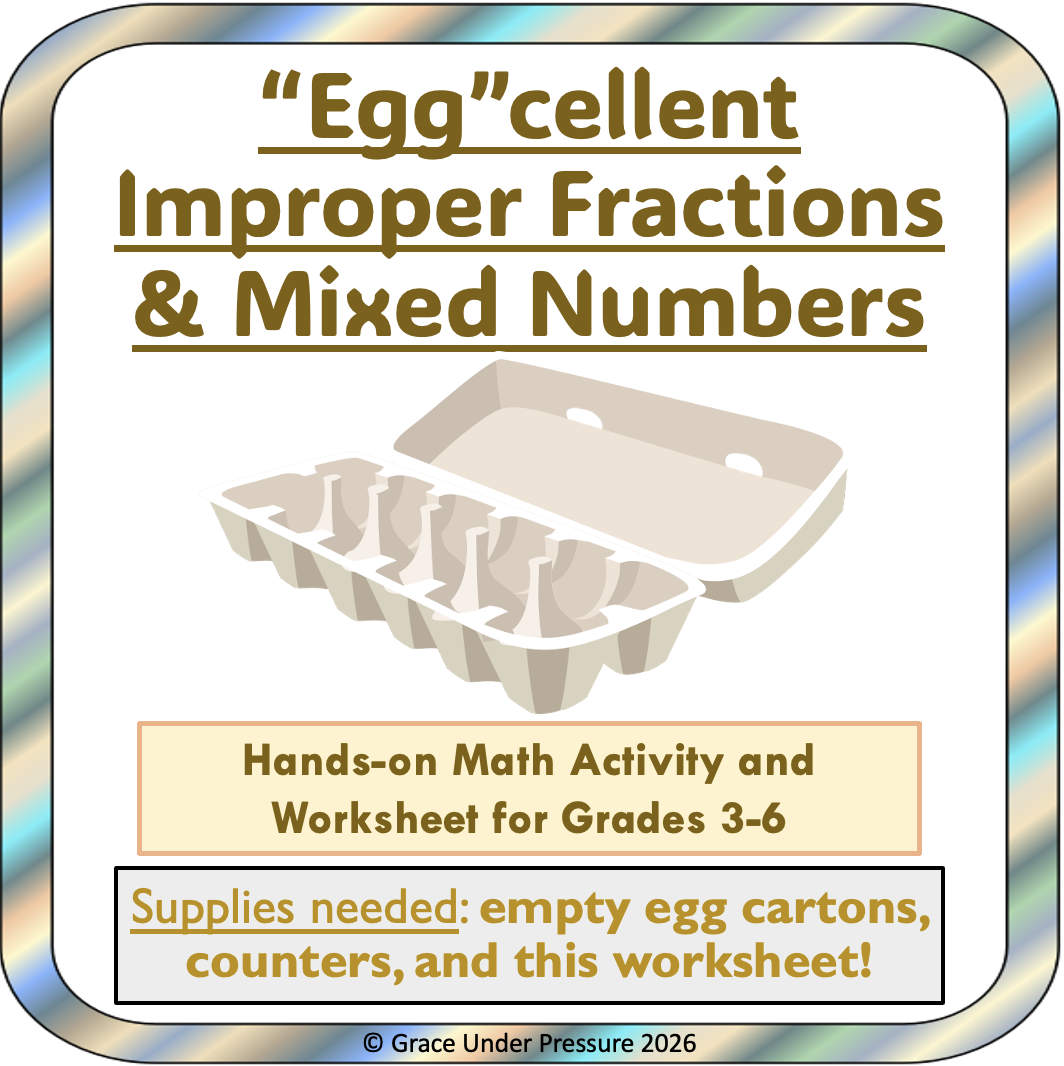
A hands-on introductory math lesson using egg cartons and counters to teach improper fractions and mixed numbers.
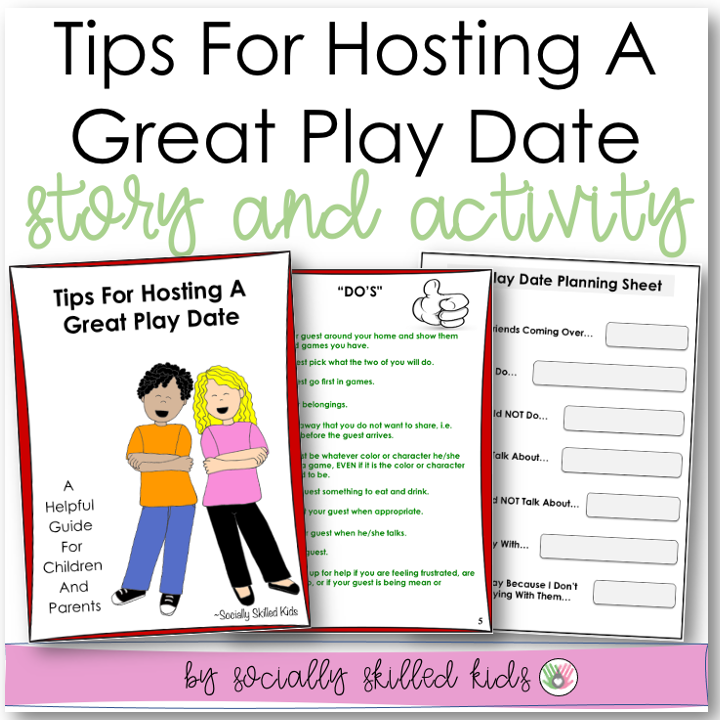
A social skills story that teaches young children the social rules and etiquette of hosting a play date (being a good host, sharing, taking turns), with a companion section of tips for parents.
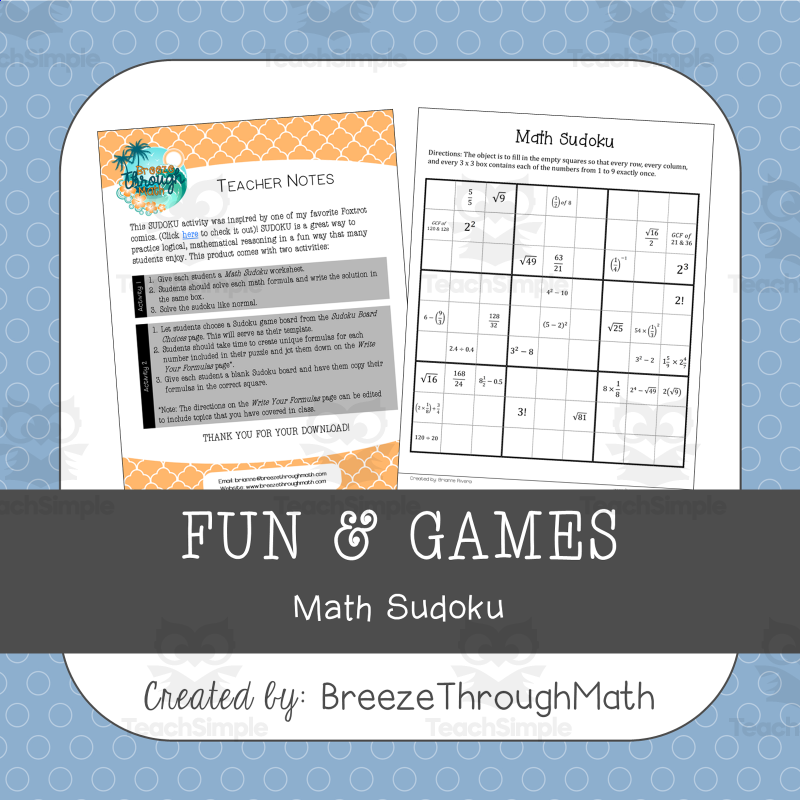
Students first evaluate expressions to uncover Sudoku digits, then apply row, column and box rules to complete the grid. The second activity turns them into puzzle writers, using planning pages to create expressions for digits one through nine. A solved example, board choices and teacher instructions support the transition from solving to designing; teachers can adapt the expression topics to recent math work.
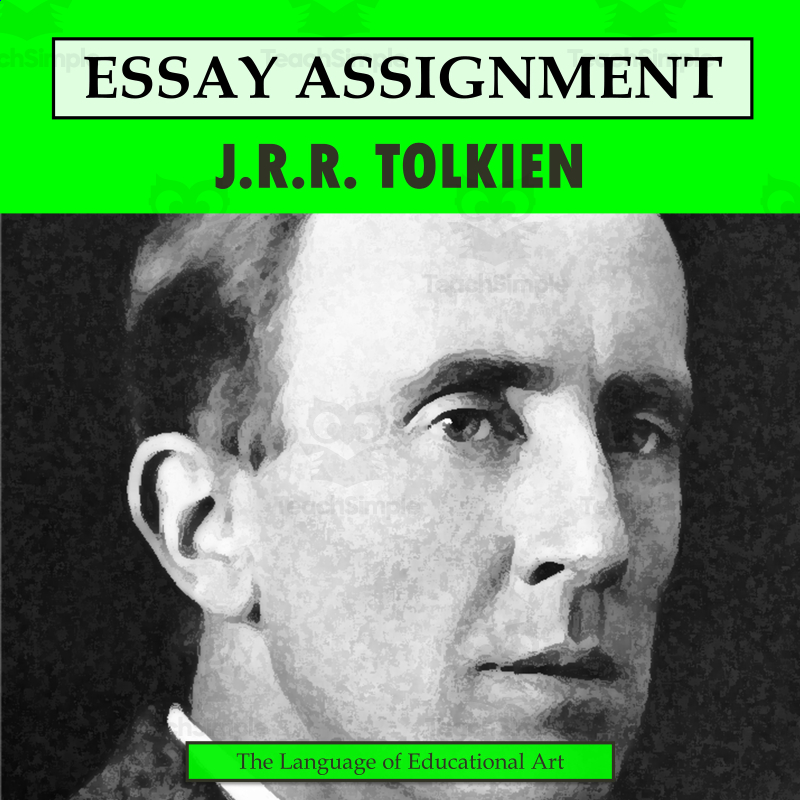
Guides students through independent biographical research on J.R.R. Tolkien and a structured 5-paragraph research-essay assignment (thesis-driven introduction, early-life paragraph, exploring Tolkien’s most significant literary achievements, analyzing Tolkien’s legacy and influence on modern literature, conclusion, and works cited page).
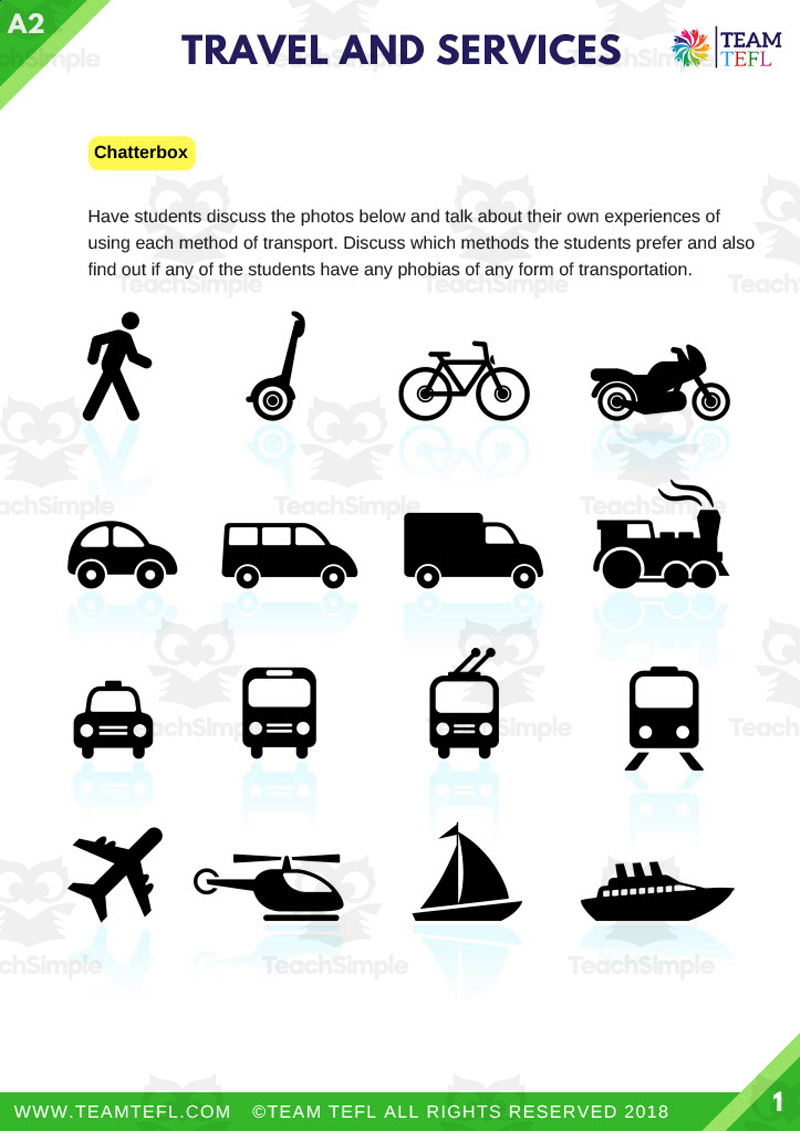
ESL/ELL lesson plan teaching pre-intermediate (A2) vocabulary and dialogue skills for travel and service situations (airports, hotels, car rental).
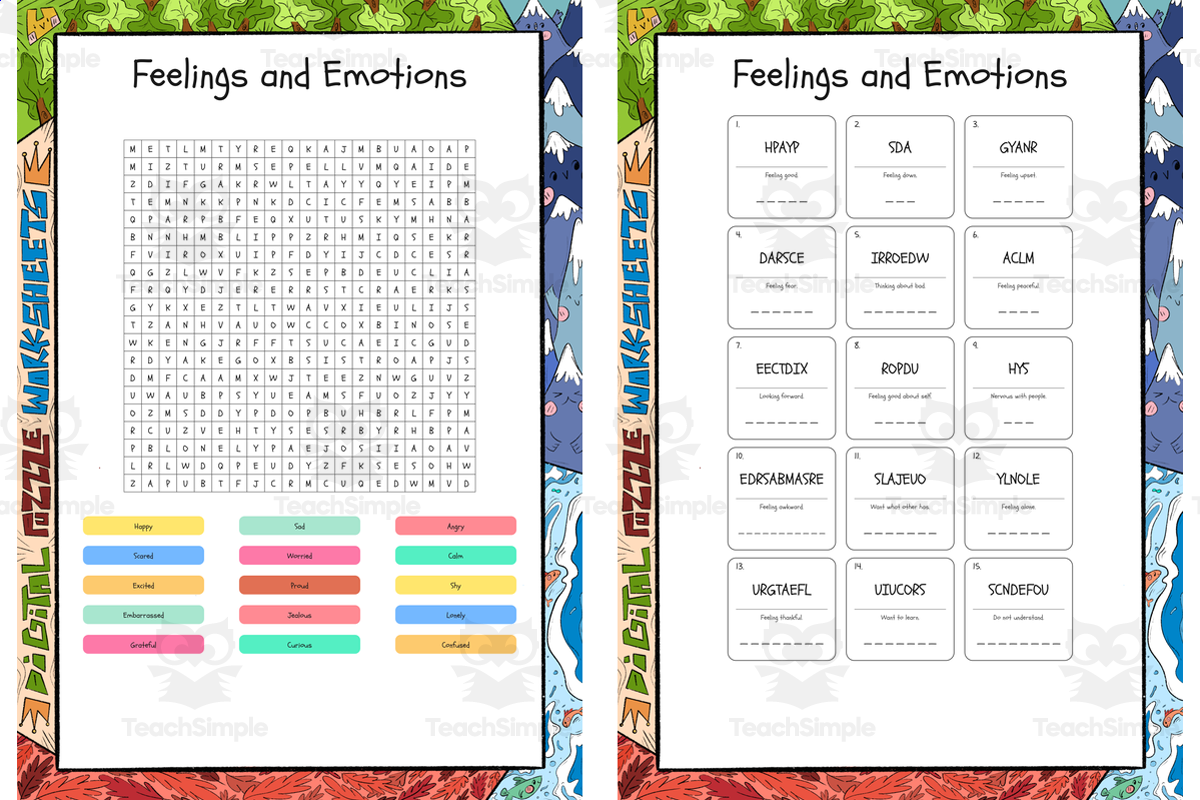
Vocabulary practice for feelings/emotions words through a word search, word scramble, and crossword puzzle.
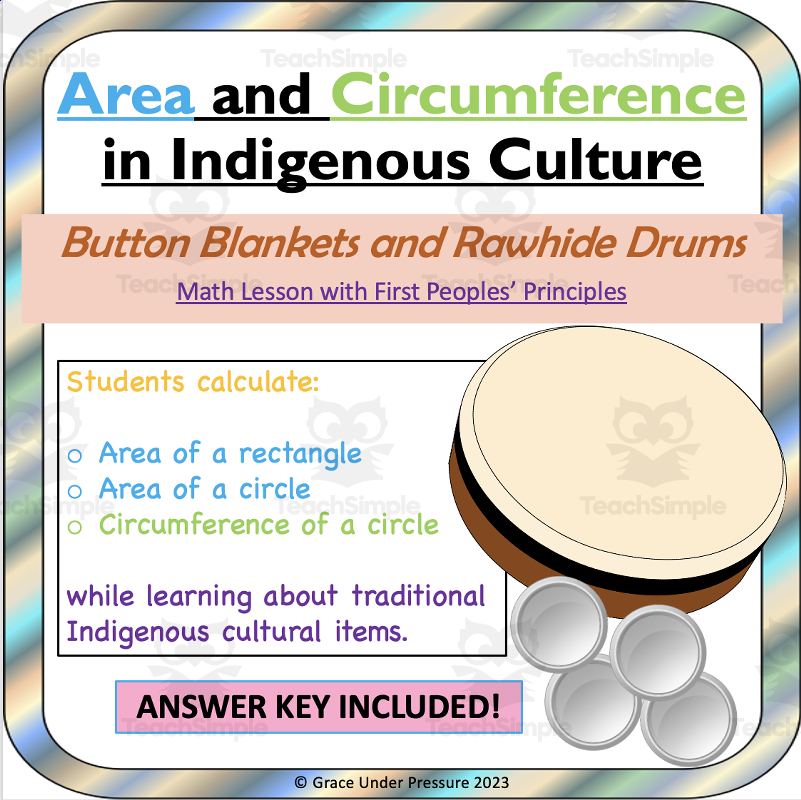
A math lesson that teaches area and circumference calculation using culturally themed problems based on Indigenous (First Peoples) button blankets and rawhide drums.
A three-puzzle vocabulary set (crossword, word scramble, word search) covering key slavery and abolition terms for a Civil War unit.
Guides students through independent biographical research on Jason Reynolds and a structured 5-paragraph research-essay assignment (thesis-driven introduction, early-life paragraph, exploring Reynolds’ most significant literary achievements, analyzing Reynolds’ legacy and influence on young adult literature, conclusion, and works cited…
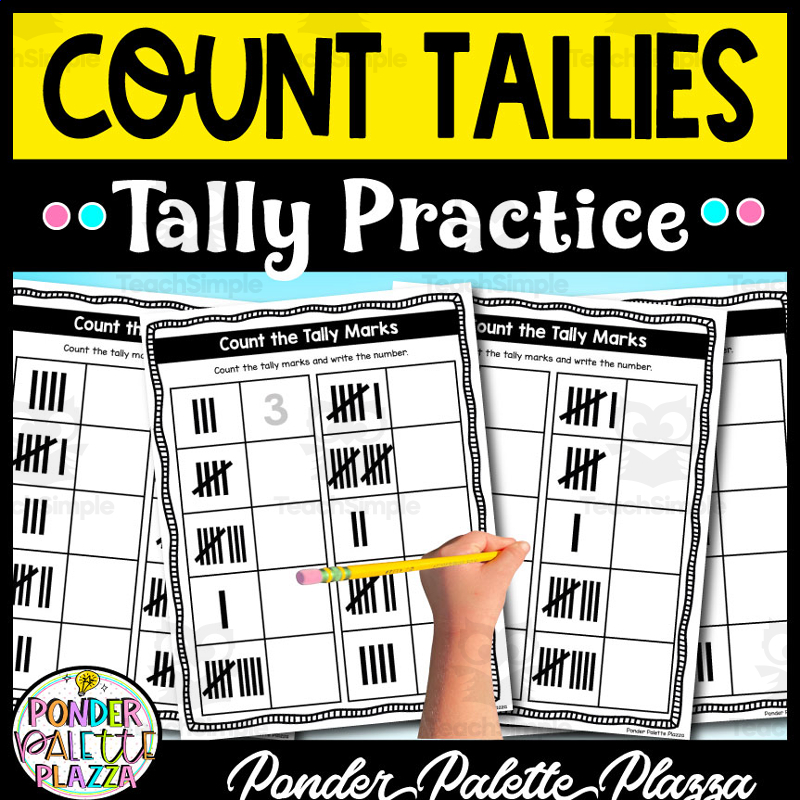
Practices counting tally marks and writing the corresponding number.
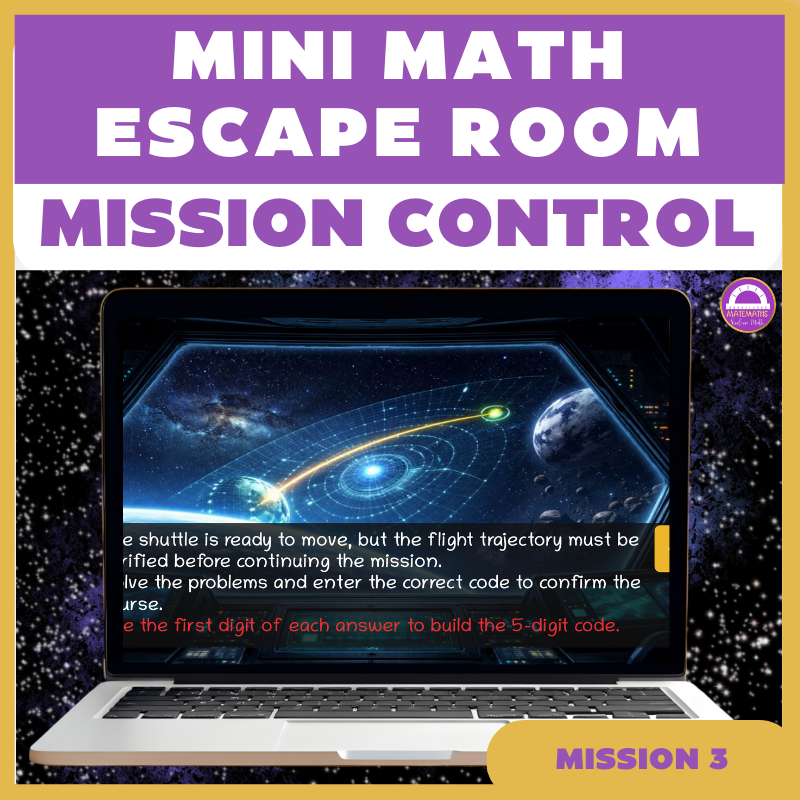
A 10-minute daily spiral-review warm-up/escape-room activity ('Math Missions: Space Edition - Mission 3') reviewing ratios, unit rates, fraction simplification, decimal comparison, and order of operations for 6th grade.
A three-puzzle back-to-school vocabulary practice set: a crossword, a word scramble, and a word search, all built from the same 15 school-related vocabulary words with clue-style definitions.
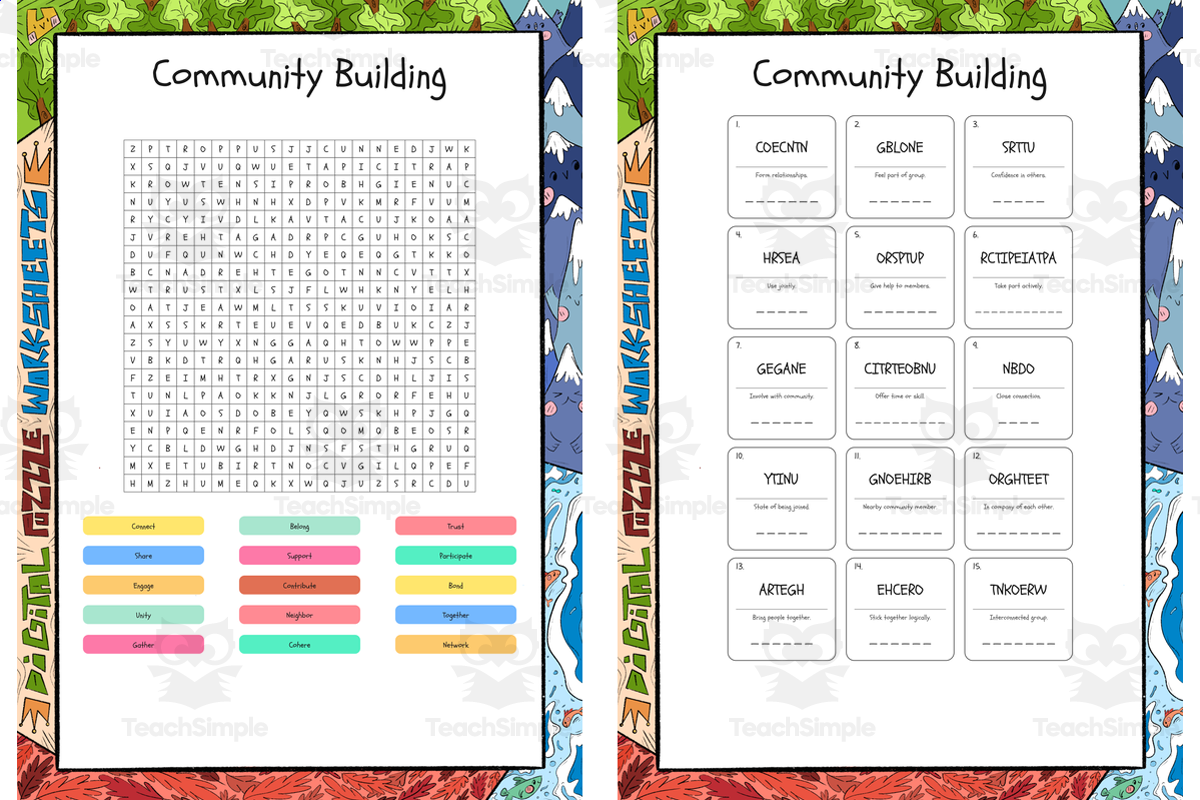
Build vocabulary around community-building and social-emotional learning concepts (e.g., belonging, teamwork, trust) through three puzzle formats.
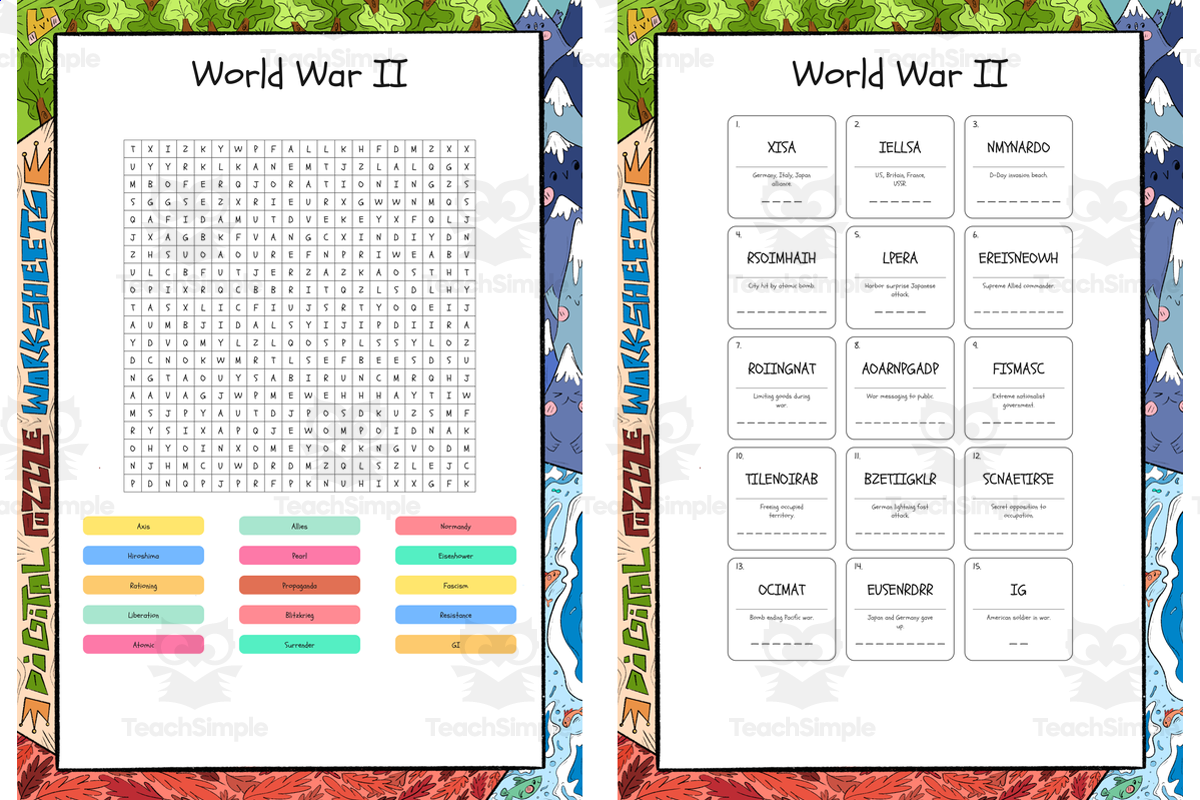
A vocabulary-building puzzle set that introduces students to key World War II terms and figures.
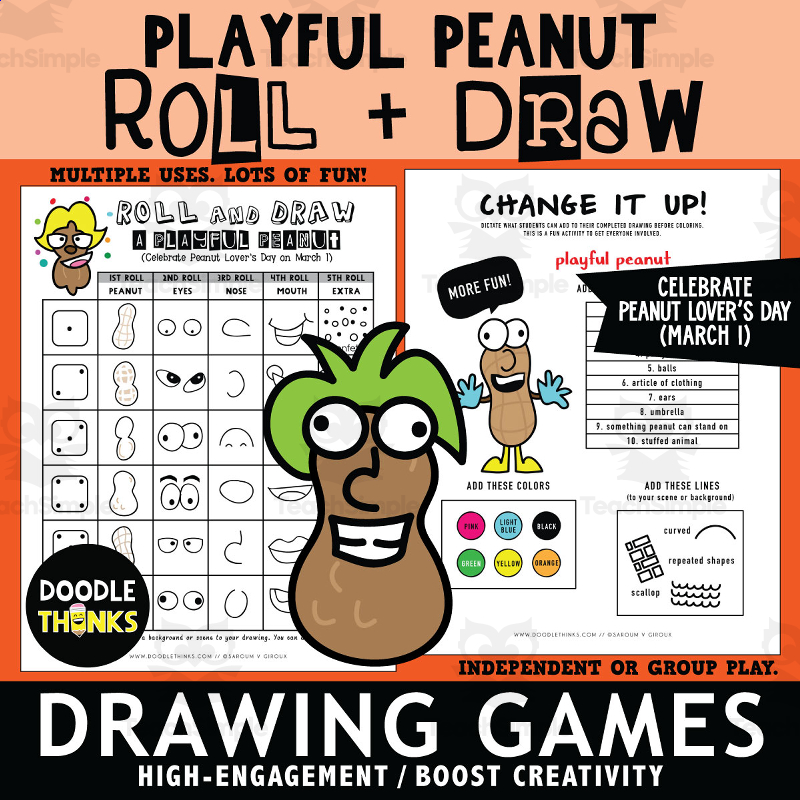
A no-prep dice-based drawing game themed around Peanut Lover's Day (March 1) where students build a picture by rolling dice for facial features and extras.
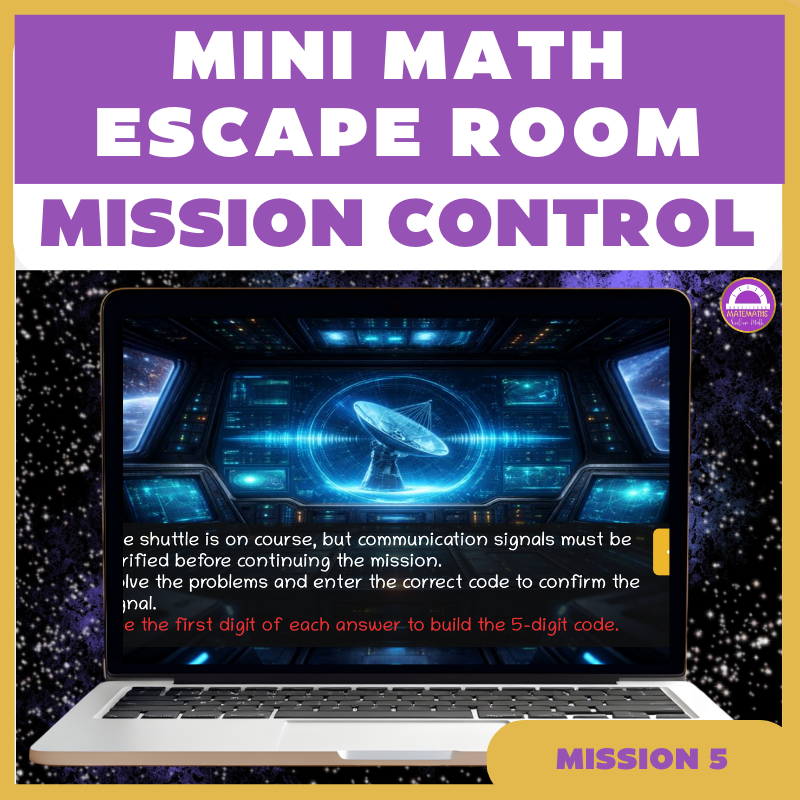
A 10-minute daily spiral-review warm-up/escape-room activity ('Math Missions: Space Edition - Mission 5') reviewing ratios, unit rates, fraction simplification, decimal comparison, and order of operations for 6th grade.
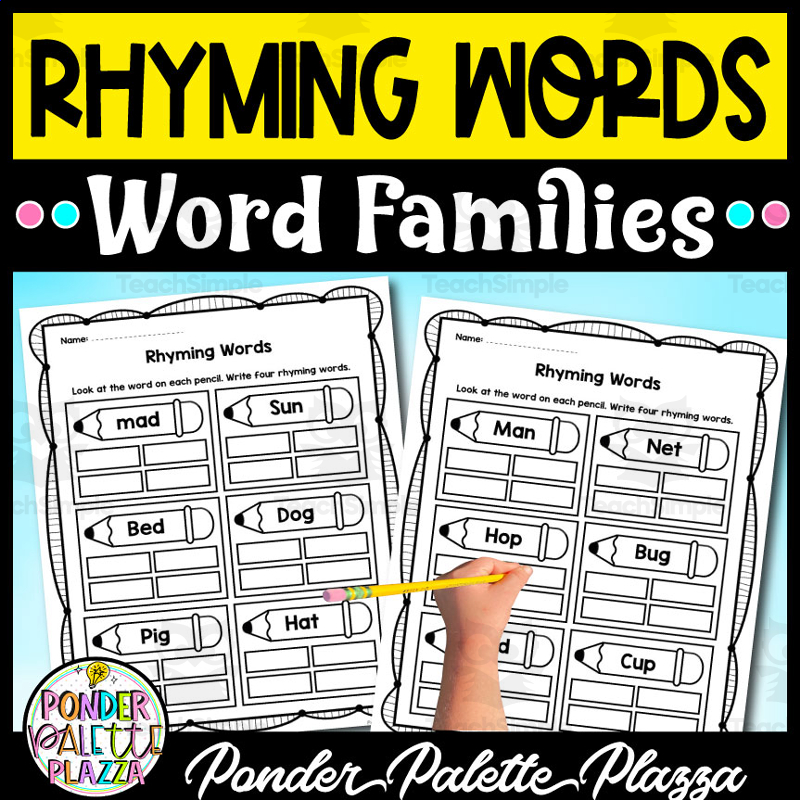
Practice generating rhyming words for given CVC word families.
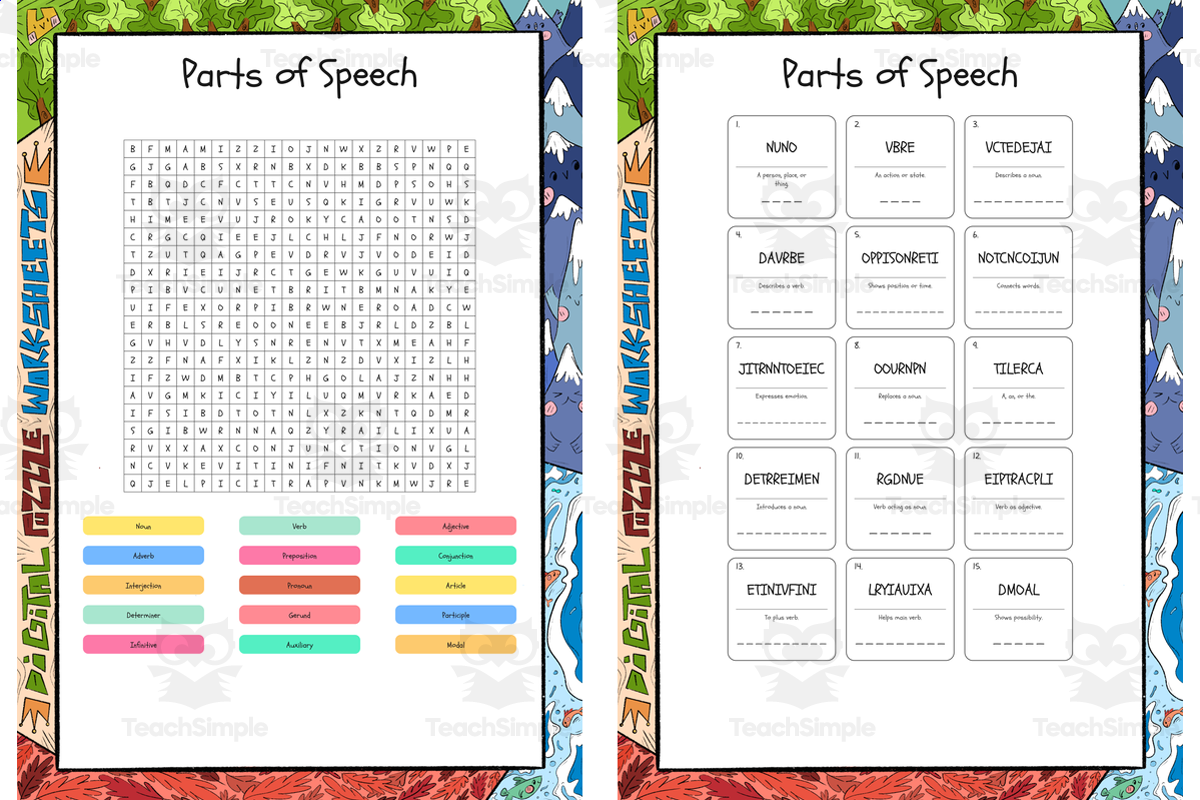
Practices identifying and defining parts-of-speech terminology (noun, verb, adjective, adverb, preposition, conjunction, interjection, pronoun, article, determiner, gerund, participle, infinitive, auxiliary, modal) through three puzzle formats.
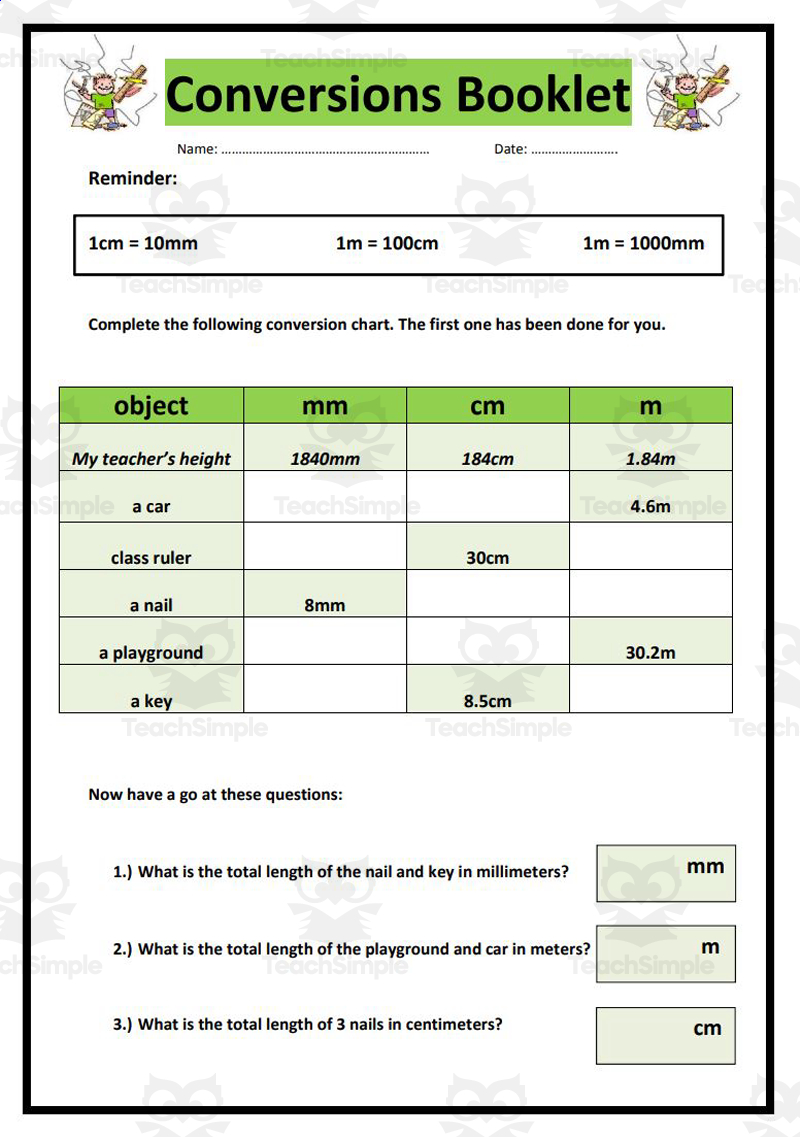
Practice converting metric units of length, volume/capacity, and weight/mass.
A poetry reading unit teaching theme, main idea, and point of view through three original poems, using group 'detective' style analysis activities, vocabulary cards, and multiple-choice exit assessments.