
Math & problem solving
Word Problems Worksheet
A worksheet for practicing choosing the correct operation to solve subtraction word problems (finding a difference).




Classroom resources
Browse by lesson focus
Choose the topic or kind of practice you need.
Showing 1225–1248 of 3528 resources

 Show filters
 A worksheet for practicing choosing the correct operation to solve subtraction word problems (finding a difference).

Read the theme's comprehension passage, label/complete student blackline maps, solve a crossword and word search, and complete a comprehension quiz; teacher uses an included answer key to mark work.
Practice data analysis and probability with warm-up tasks, timed drills and review worksheets.
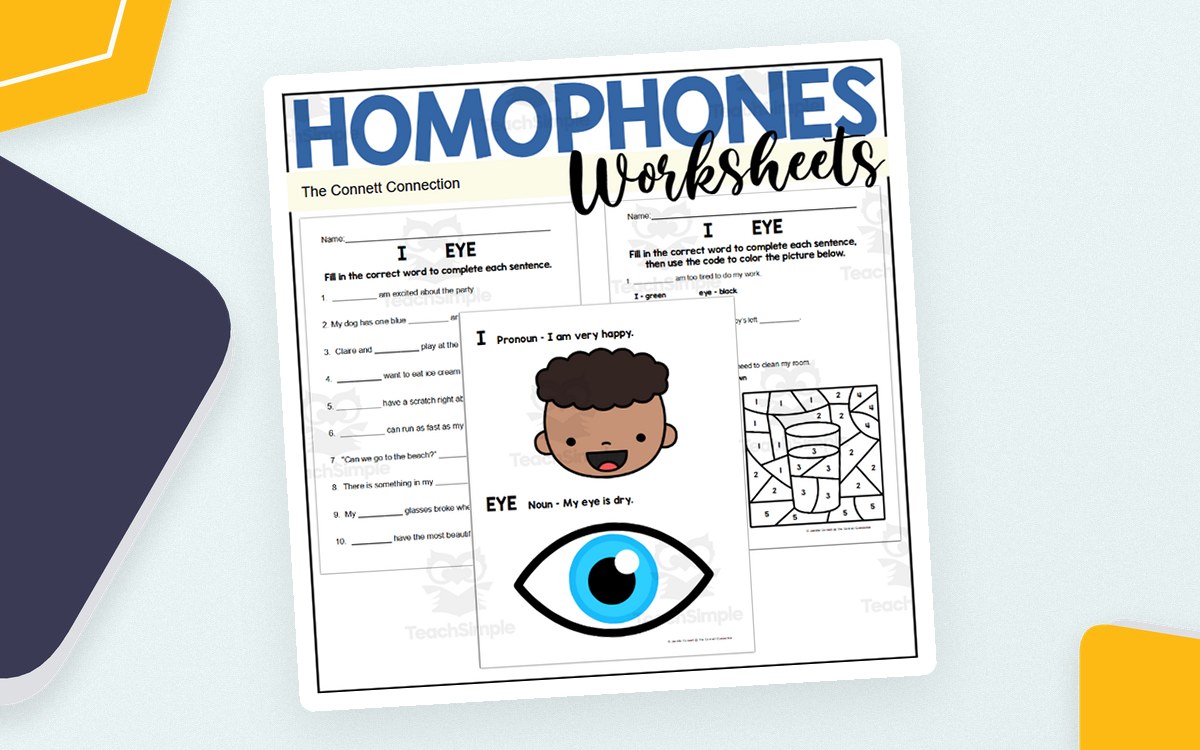
A definition poster contrasts I as a pronoun with eye as a noun. Three activities apply the distinction through sentence blanks, an eye-doctor story, and color-by-code work. Ask students to explain the meaning needed in a blank before choosing the spelling. Keys accompany all three worksheets.

A worksheet for practicing solving addition word problems.
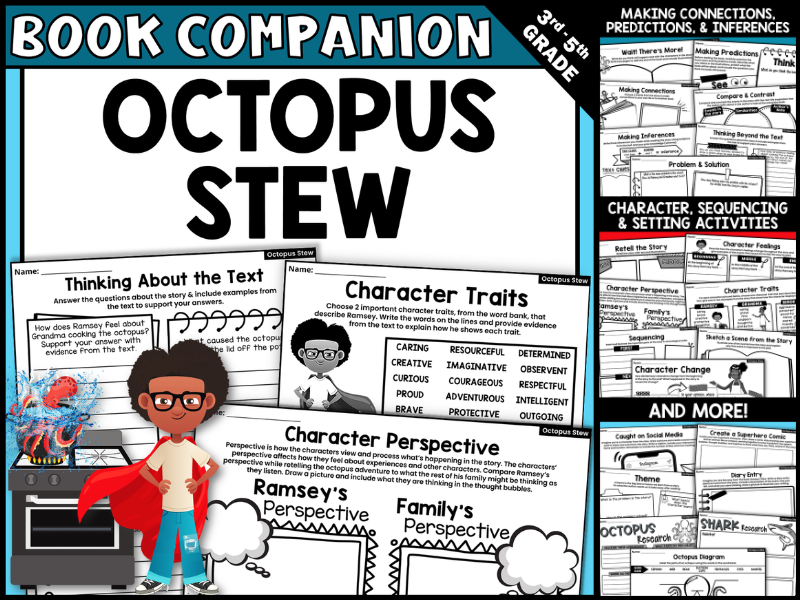
A print-and-go reading companion of activities to accompany the picture book "Octopus Stew" by Eric Velasquez, covering comprehension, story elements, character analysis, and extension writing/research tasks.

This Measurement Word Problems Worksheet is a great way for students to practice solving real life word problems involving different types of measurements. This worksheet is intended for teachers who are looking for a way to help their students practice their measurement skills.
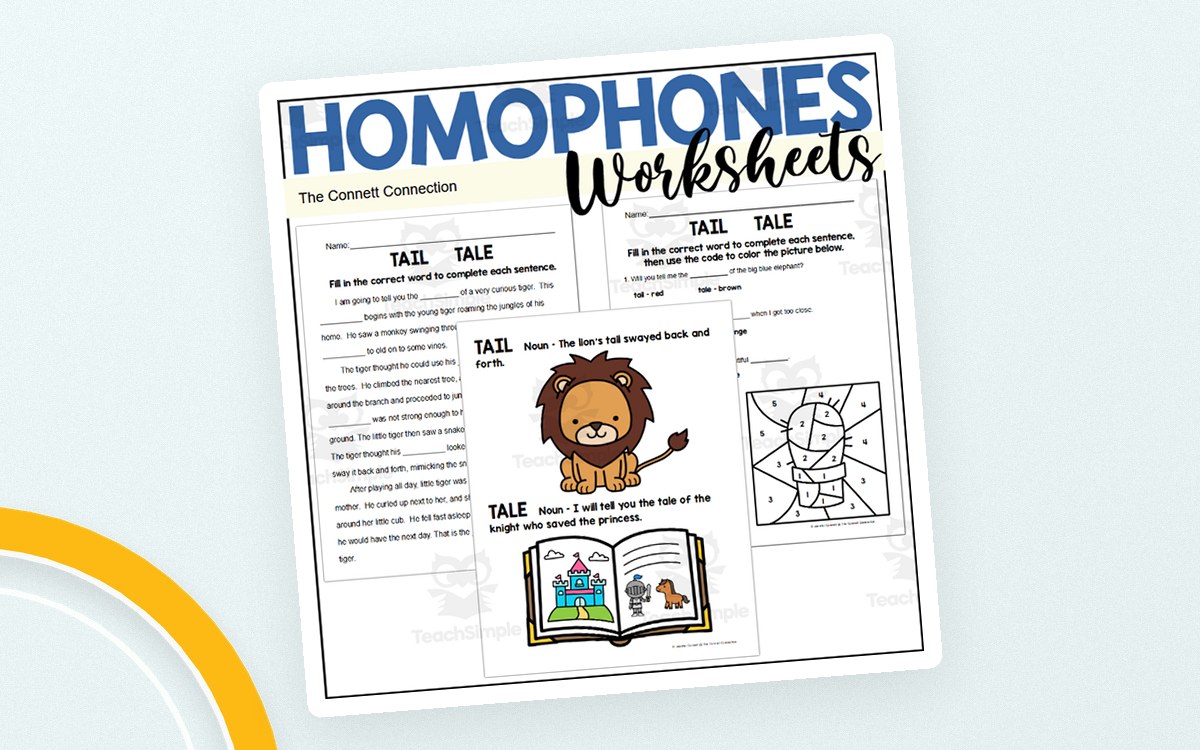
Students can practice using the correct spelling of homophone words with this worksheet packet. This packet focuses on the homophones: tail and tale. What are homophones? Homophones are a pair of words that sound the same but are spelled differently. Words that are homophones can often be tricky for students to spell correctly…
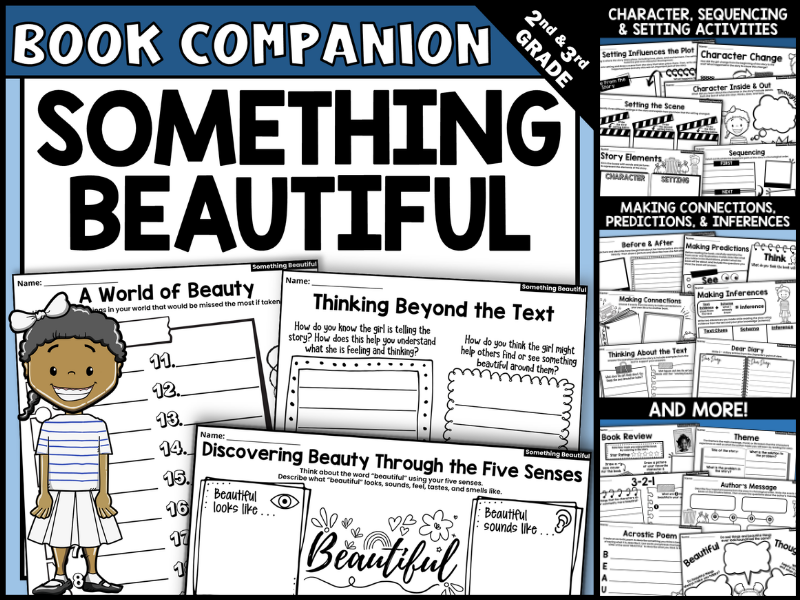
Complete a variety of print-and-go activities tied to the book, including making predictions, filling out story-element and sequencing organizers, summarizing, analyzing character and theme, comparing texts, and writing creative responses (diary entries, acrostic poem, ABC book).

This worksheet is a great way for students to practice solving addition word problems by drawing pictures and writing equations.
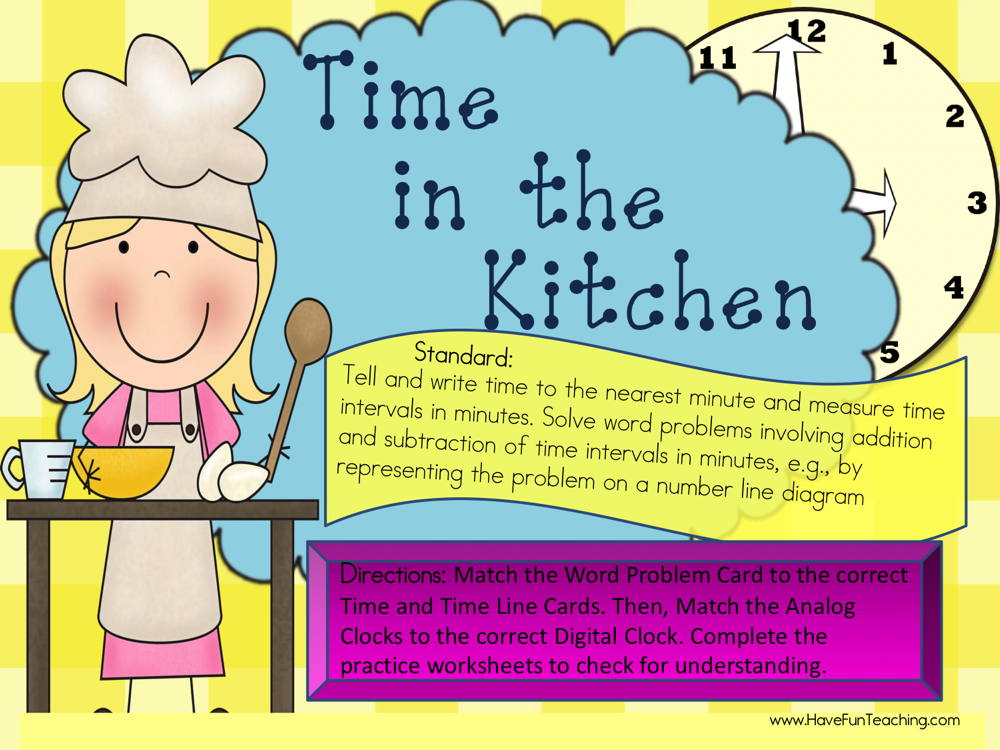
Practises telling time to the nearest minute and calculating elapsed time / time intervals through word problems and clock-matching tasks.

The homophone pair know and no is introduced on a reference page that labels know as a verb and no as an adjective, each shown in a sample sentence, before three practice worksheets put the distinction to work. The first worksheet is ten standalone fill-in-the-blank sentences; the second embeds the same choice inside a short narrative about a child asking a stranger for directions home; the third pairs each blank with a color-by-code grid so a correct word choice also produces a colored picture. A completed answer-key copy of all three worksheets follows the practice pages, letting a teacher check work at a glance rather than re-solving each blank. Every task isolates the same two words, so the set works as focused, repeated practice on one confusable pair rather than a broader homophone survey.
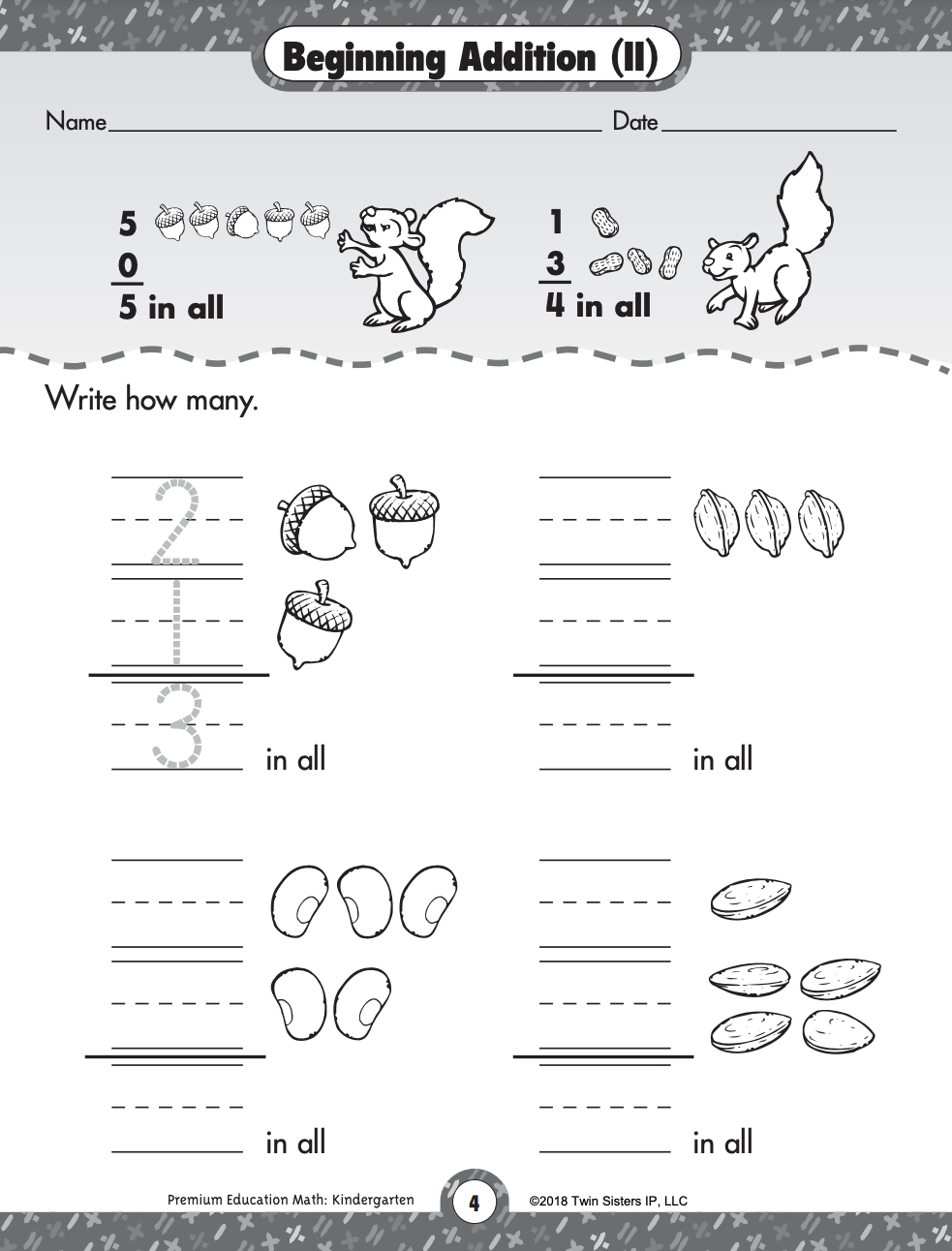
count and write how many objects are shown; complete addition equations by writing missing sums; circle the correct number sentence that matches a picture
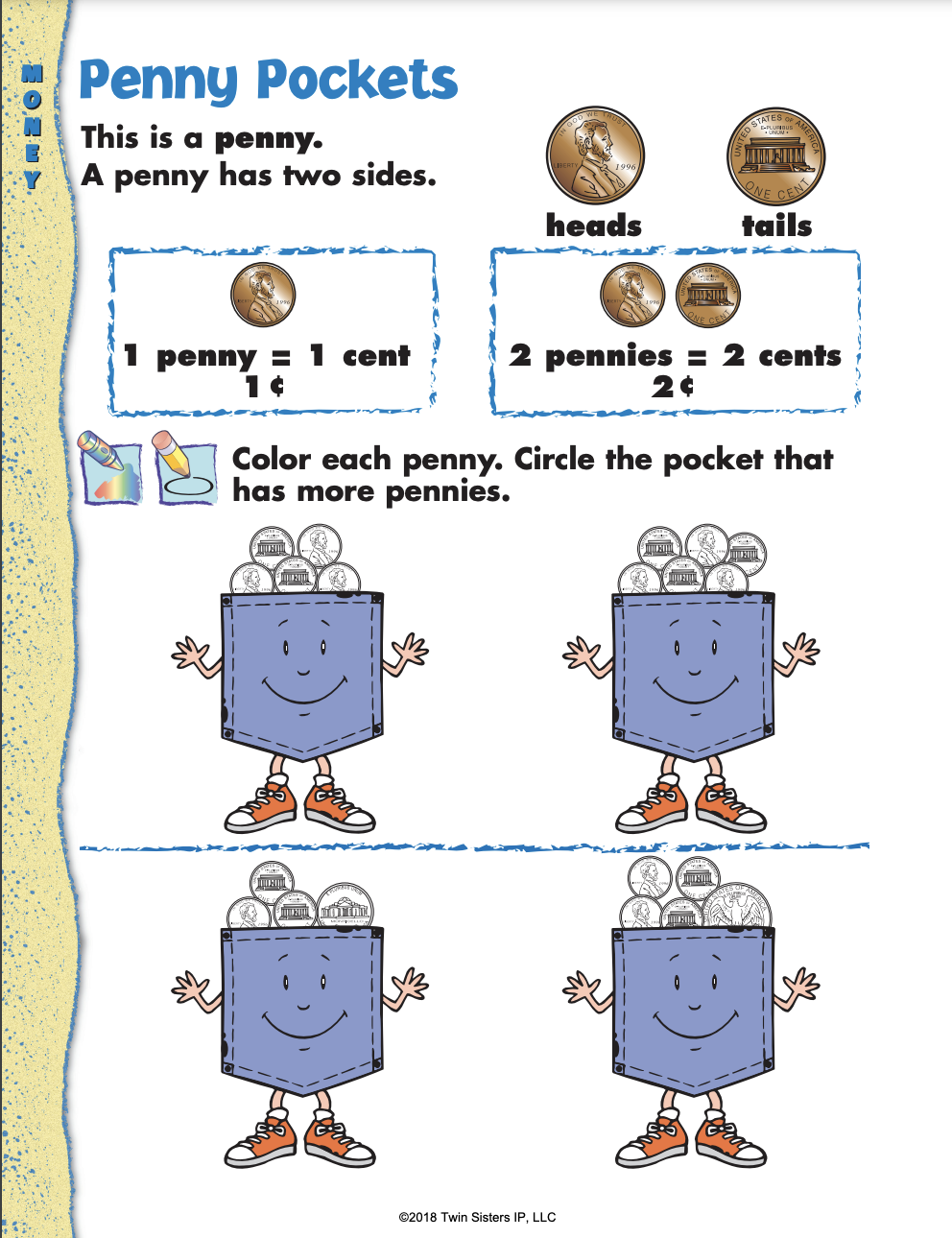
Teach kindergarten/early-elementary students to identify US coins and count money.

Read the theme's comprehension passage, label/complete student blackline maps, solve a crossword and word search, and complete a comprehension quiz; teacher uses an included answer key to mark work.
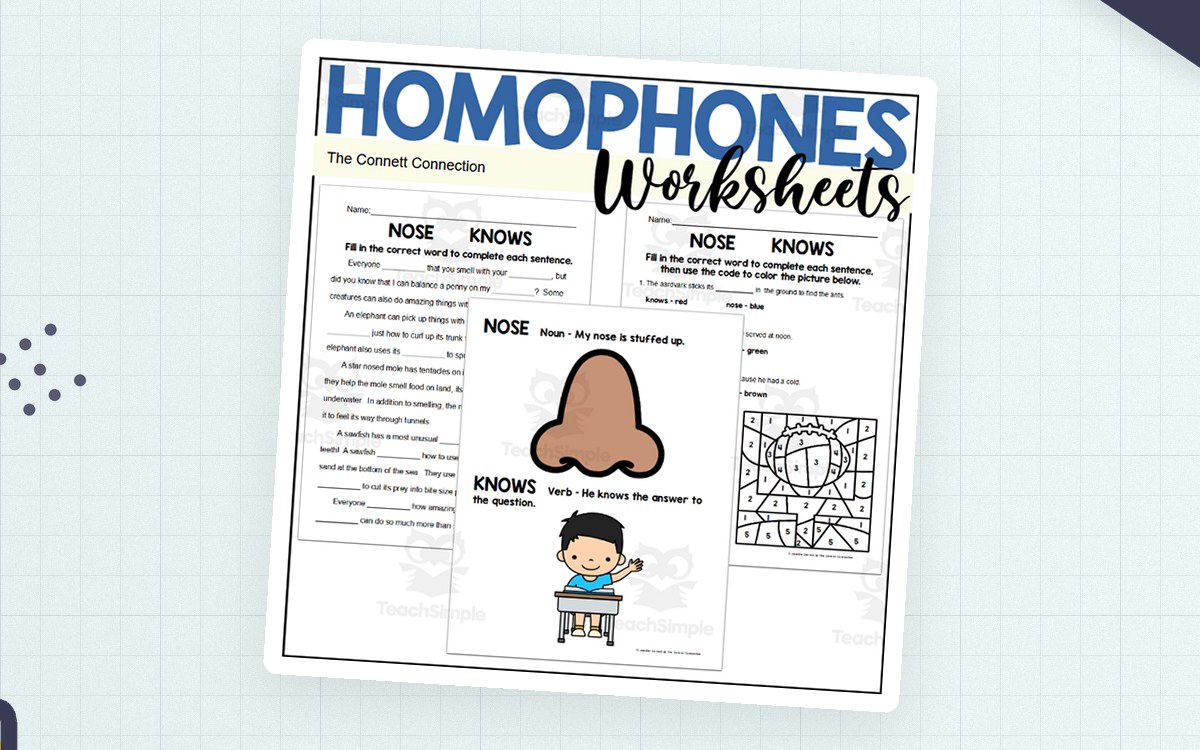
Introduce knows and nose with the picture-supported reference pages, which distinguish the verb from the body-part noun. Students then complete sentences, a short story and a color-by-code task using the correct word. Encourage them to explain the meaning of a sentence before choosing the spelling.
A Milliken workbook (grades 1-3) teaching time-telling concepts: clock-face parts, o'clock, half-past, quarter-to/after, five-minute intervals, elapsed time, calendar reading, and months of the year.
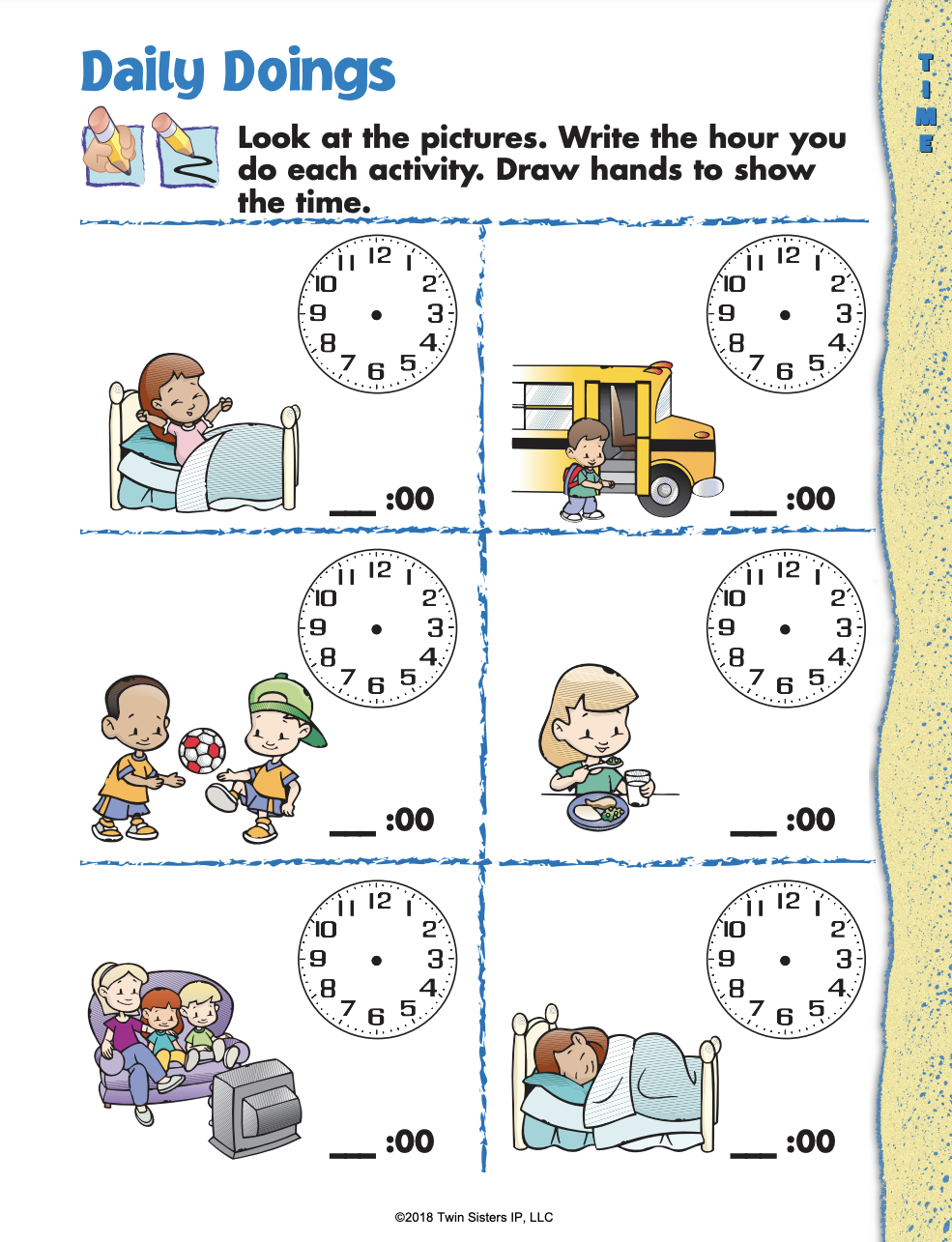
A Twin Sisters kindergarten workbook on telling time (o'clock, half-hour, digital, elapsed time, five-minute intervals) with a brief money review section.
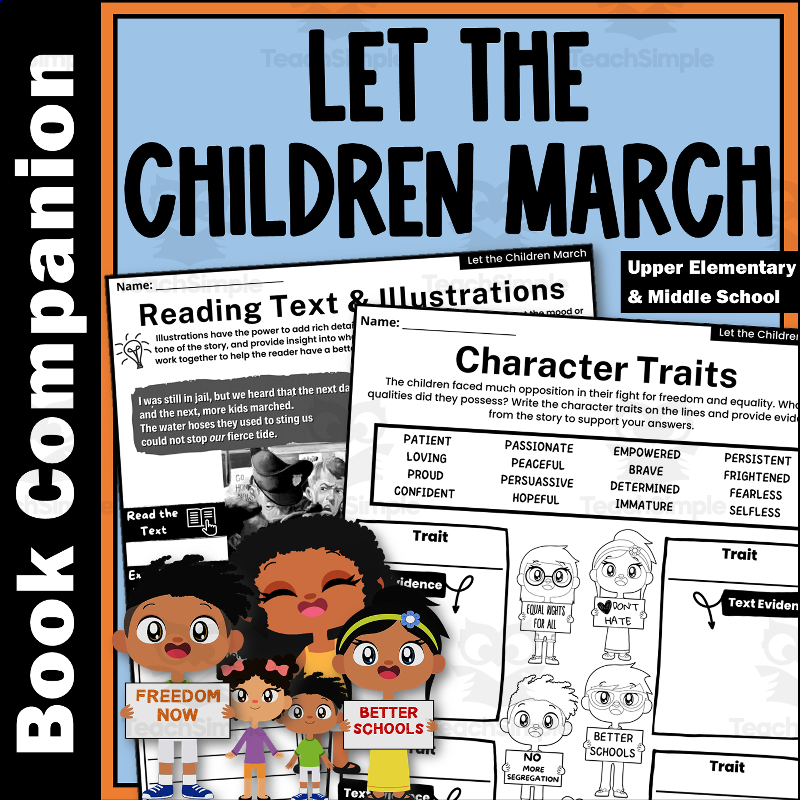
Complete a range of activities including predictions, story-element and plot organizers, cause/effect, sequencing, character analysis (traits, change, perspective), theme identification, reader-response questions, literary-device task cards, a vocabulary crossword and word search, quote analysis, and writing prompts.
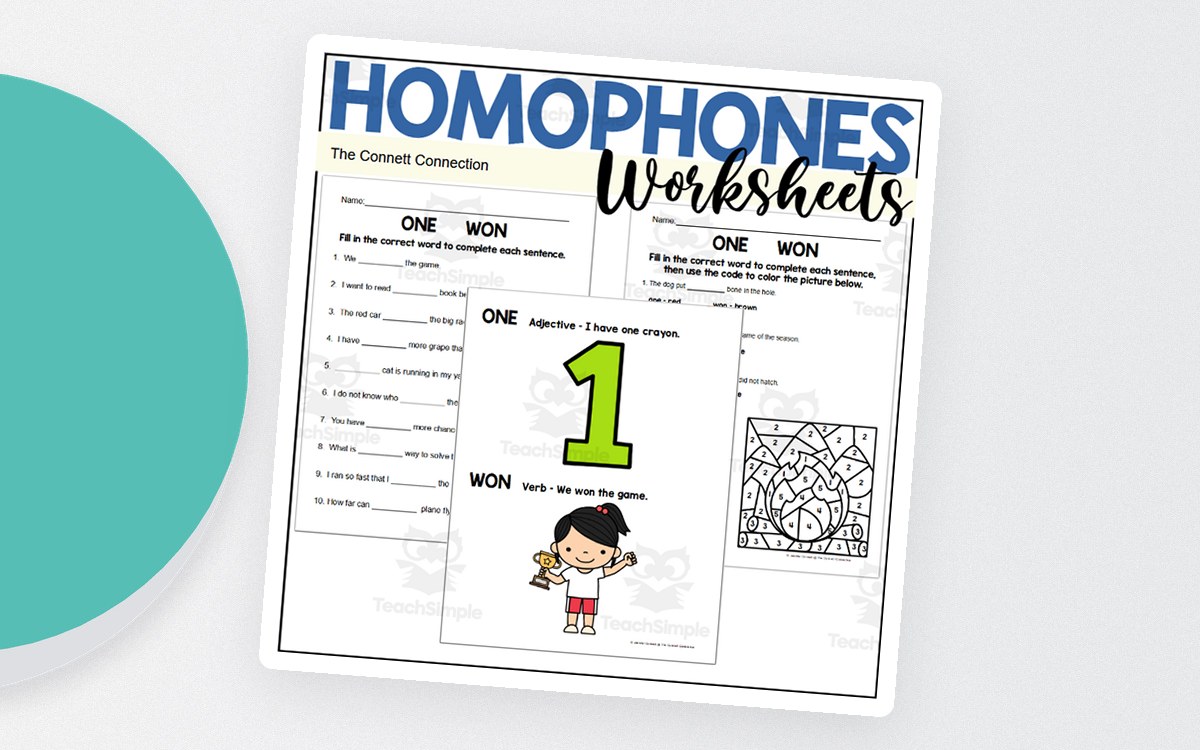
A reference page contrasts 'one' as an adjective ('I have one crayon') with 'won' as a verb ('We won the game'), giving students a model to check against before practice begins. A ten-sentence worksheet has students choose the correct spelling in stand-alone sentences such as 'The red car ___ the big race,' while a second worksheet asks for the same choice across nine blanks inside a connected short story about a family member's race. A third worksheet pairs five fill-in sentences with a color-by-code picture, so students use their word choices to follow the colour code. Answer keys for all three worksheets are included, with the correct word underlined in each sentence.

A worksheet for practicing addition word problems involving three addends.
Complete 20 activities across four parts (Before You Watch, While You Watch, Dig Deeper, Create & Reflect): anticipation guide, vocabulary in context, plot sequencing, multiple-choice and short-answer comprehension, true/false correction, cause-and-effect, character-line matching, emotion line graph, story mountain, Venn…
Complete reproducible geometry word-problem worksheets (drill sheets and reviews) covering two- and three-dimensional shapes, fractions, coordinate points, and composing/decomposing shapes; work evaluated against an included NCTM Content Standards assessment rubric.
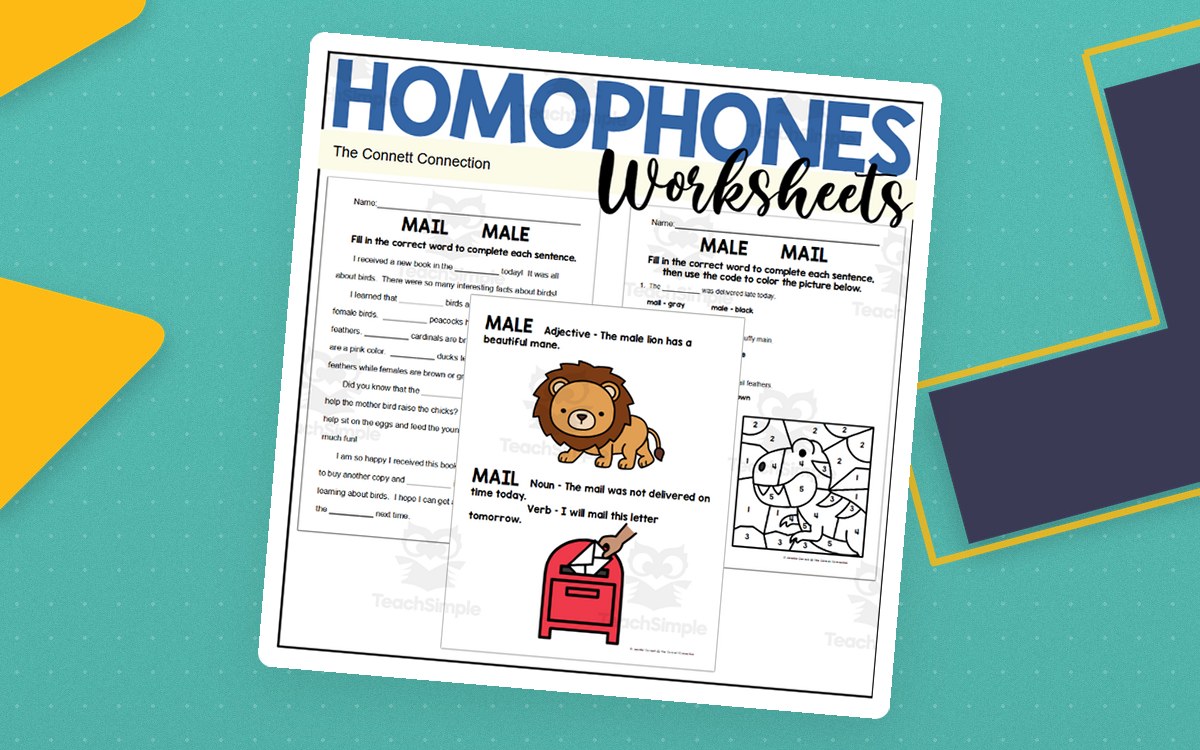
Use the mail and male reference page to discuss how the same sound can have different meanings and spellings. Students apply the distinction in individual sentences, connected text, and a color-by-code task. Ask students to explain which meaning fits each blank before choosing a spelling, then compare their responses with the supplied answer material.