 Free download
Reading & writing
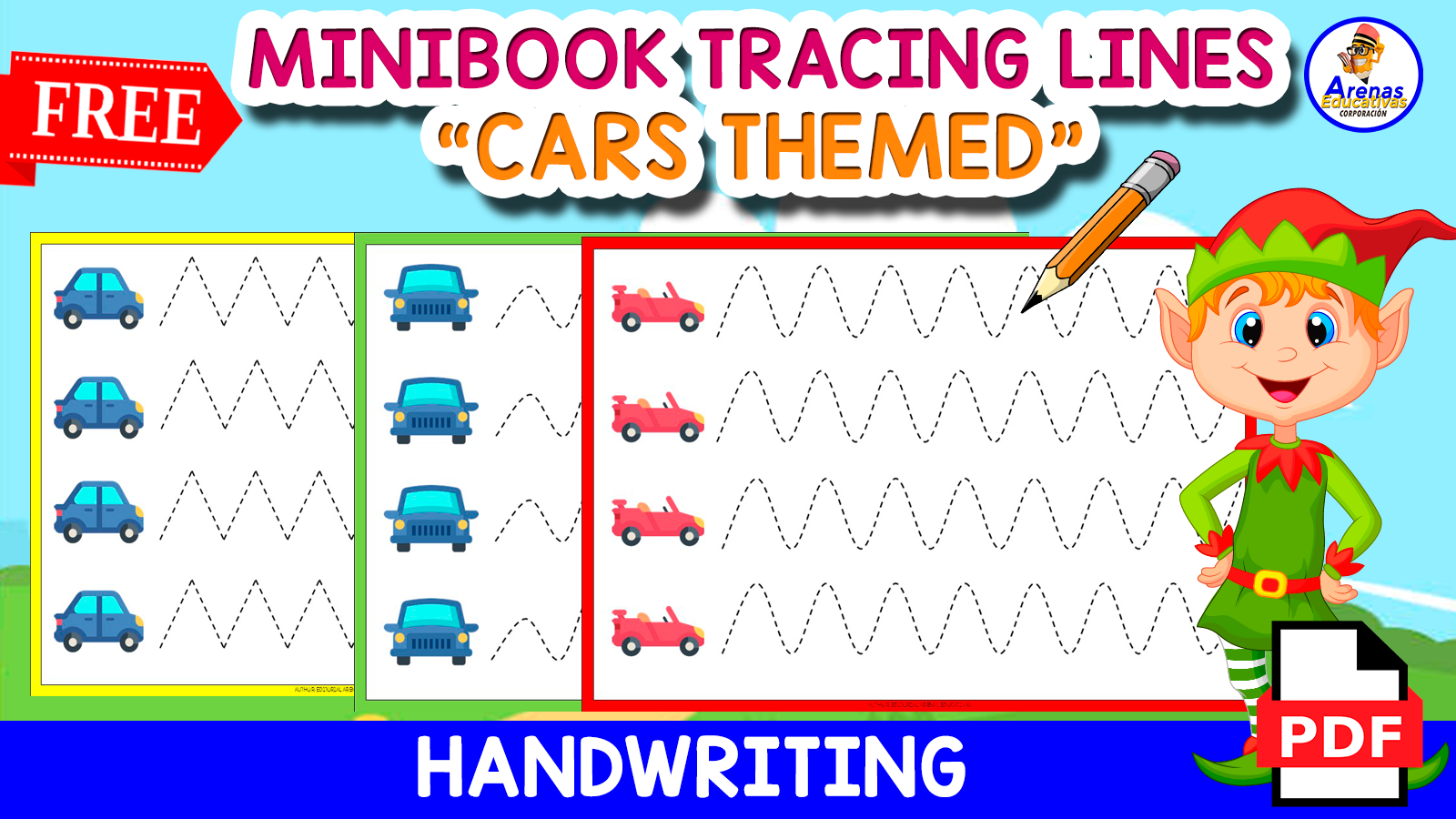
FREE MINIBOOK FOR TRACING LINES | Cars Themed
Fine motor / pre-writing practice: tracing printed lines on repeated worksheet pages.


Classroom resources
Browse by lesson focus
Choose the topic or kind of practice you need.
Showing 1441–1464 of 9958 resources

 Show filters Free download
Fine motor / pre-writing practice: tracing printed lines on repeated worksheet pages.

Build addition fact fluency within 10 using the number bond strategy, including applied word problems.
 Free download
Children read and trace completed addition equations organized around one fixed addend at a time. Eleven pages cover addends from zero through ten, with ten equations on each page. Pair a selected family with counters or a number line to discuss the quantities before tracing, using the printed sums as models for numeral writing and fact reading.

FAQ-format teacher resource explaining how to set up and run a Writing Workshop for K-2 classrooms, covering classroom setup, structuring writing time, teaching writing behaviors, conferences, tracking progress, and teaching organization/support/word choice/fluency/voice/mechanics/revision.
 Free download
Fine motor / pre-writing practice: tracing printed lines on repeated worksheet pages.

Build addition fact fluency within 10 by evaluating whether addition equations are true or false.
 Free download
A set of 11 addition worksheets (addition tables 0 through 10) for basic addition-fact practice, without answer aids.
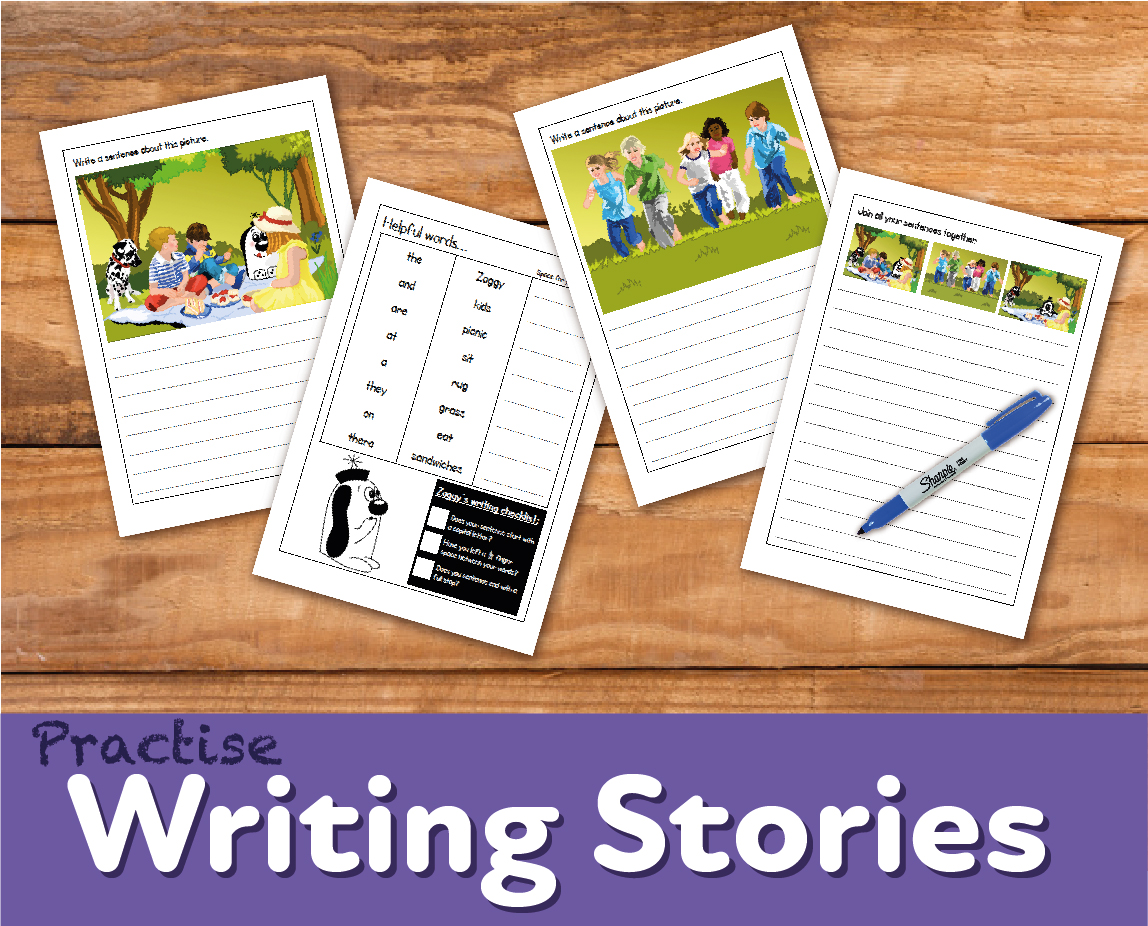
Simple story/sentence-writing worksheet using a picture prompt (Zoggy and kids having a picnic) to build early narrative writing skills.
 Free download
Fine motor / pre-writing practice: tracing printed lines on repeated worksheet pages.

A worksheet for practicing solving addition and subtraction equations with a missing number.
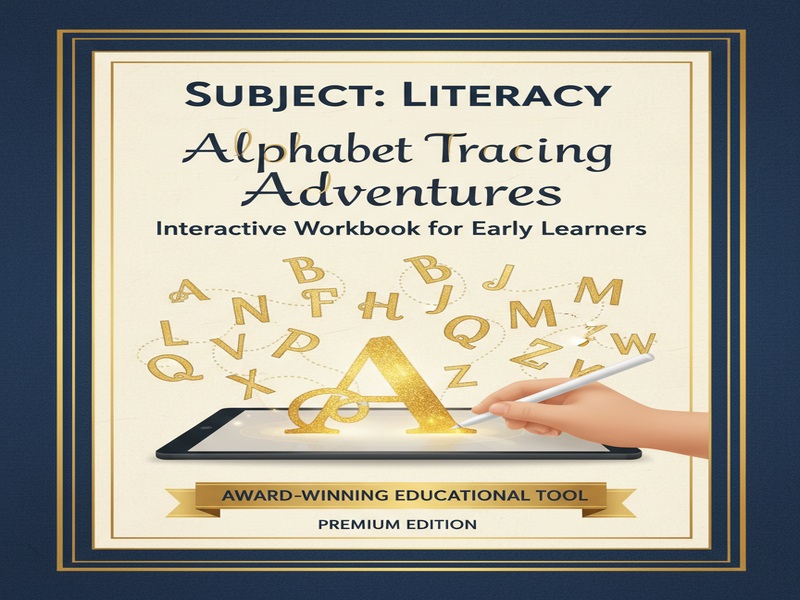
An interactive tracing workbook that teaches preschool-aged children letter formation, fine motor control, and handwriting readiness, including an in-depth parent/teacher guide on posture, grip, and pre-writing warm-ups before letter-by-letter tracing practice.

Give students hands-on cut-and-paste practice sorting addition problems by their sum, up to 12.
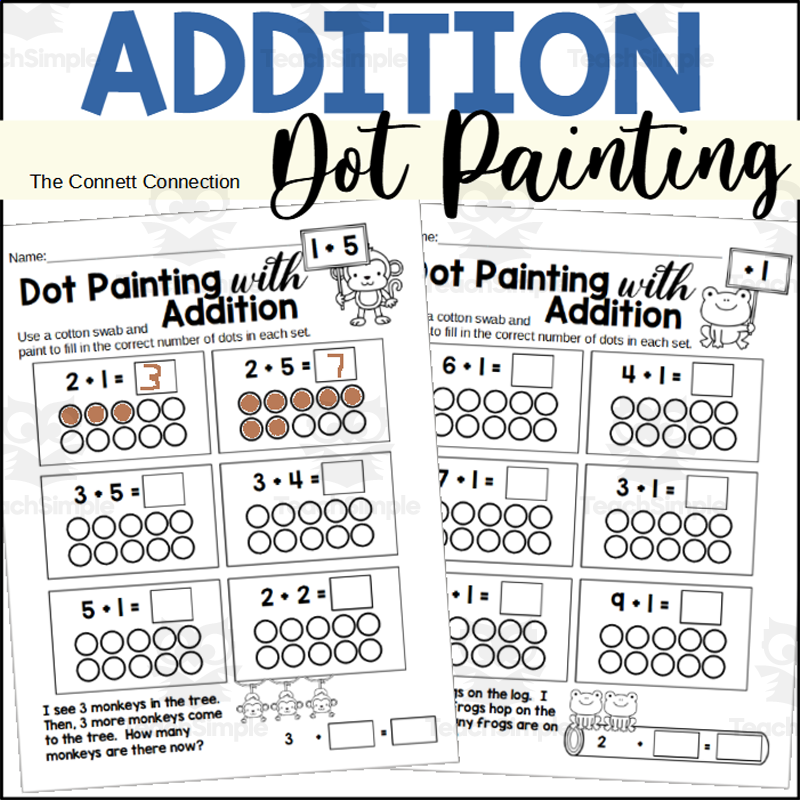
Combine addition fact practice within 10 with a fine-motor dot-painting art activity and matching word problems.

Simple story/sentence-writing worksheet using a picture prompt (Zoggy sitting on a mat in the sun) to build early narrative writing skills.

Build addition fact fluency within 10 by solving for a missing addend.
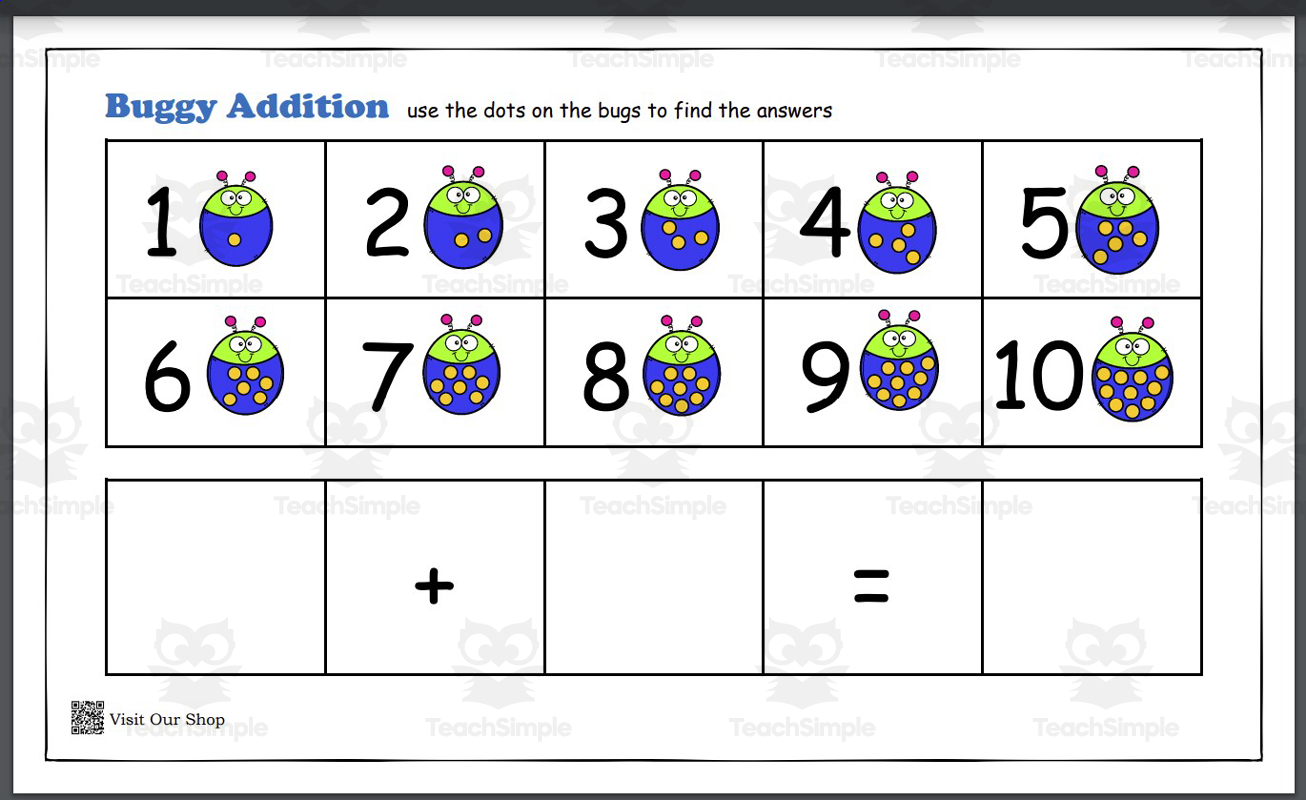
A simple addition-practice worksheet set using dot-counting on bug/butterfly wings, paired with number tracing and a counting chart, for beginning learners.

Alphabet handwriting workbook ('Teacher's Creatures', a component of The Monaco Method for Early Literacy) teaching students to form uppercase and lowercase letters using a custom handwritten font, through tracing then independent writing.
 Free download
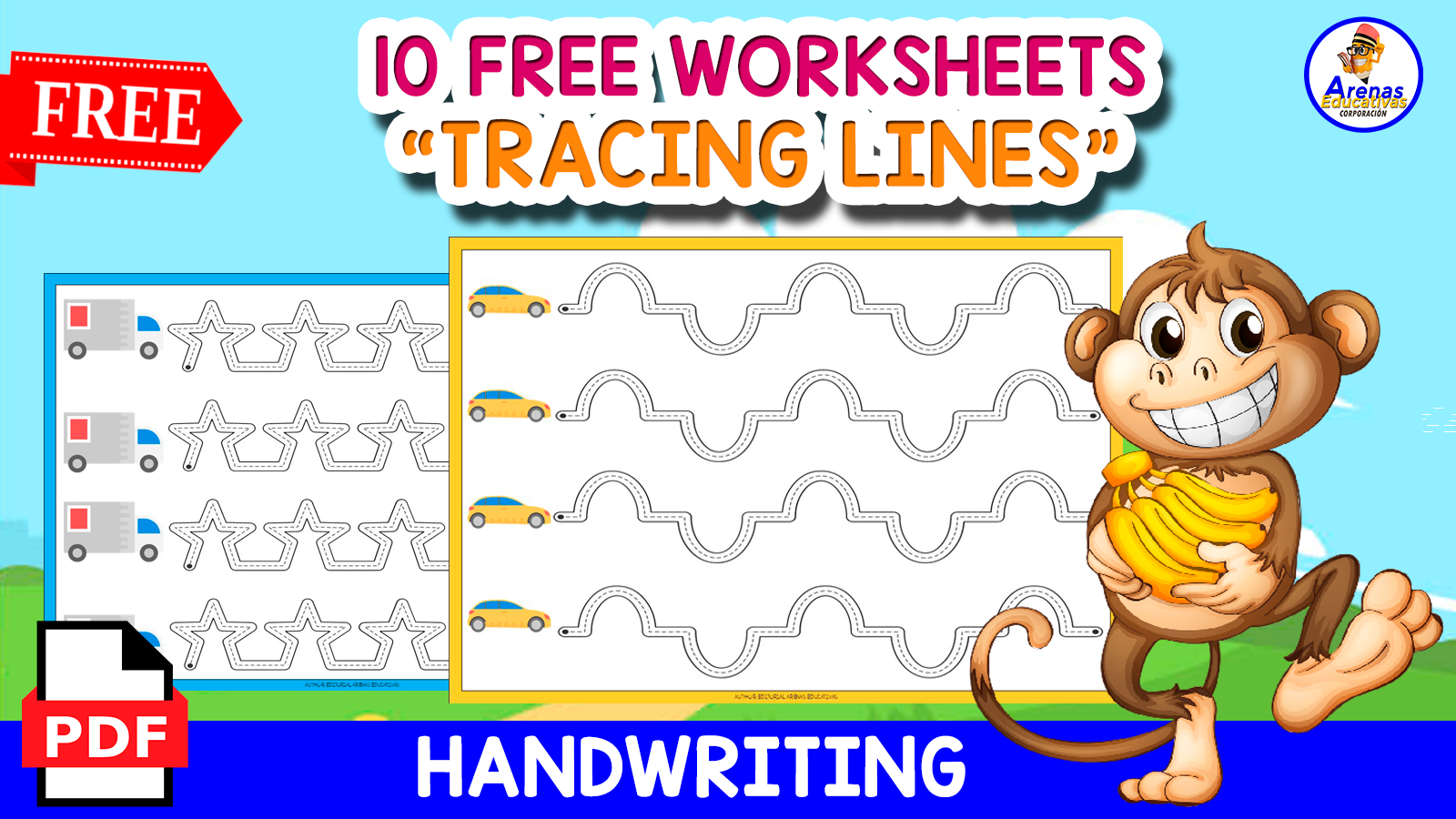
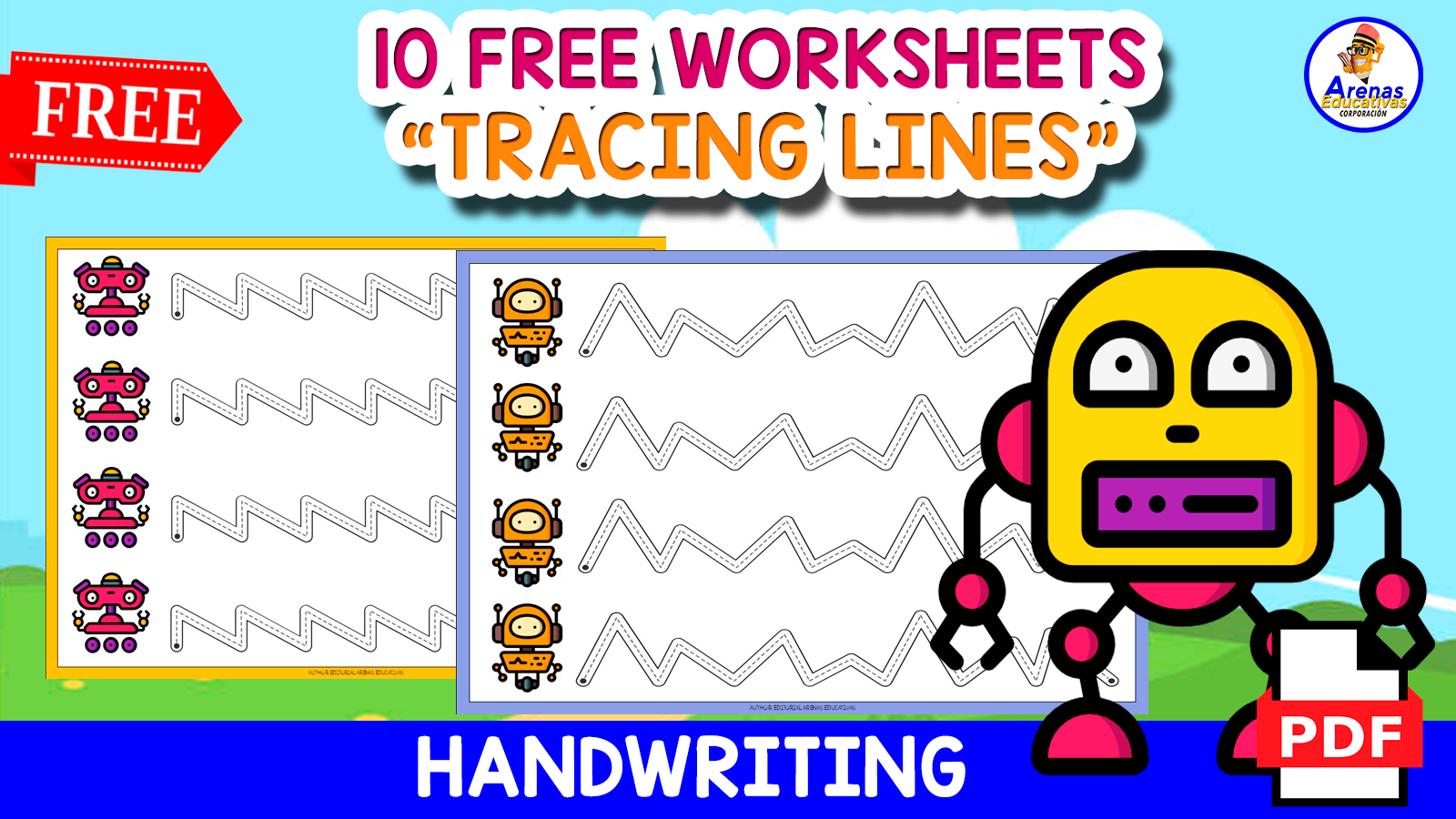
A set of line-tracing worksheets for practicing pencil control / graphomotor (pre-writing) skills, evidenced by the 'TRACING LINES / 10 WORKSHEETS' header.

Camping-themed color-by-number mystery-picture worksheets for practicing single-digit addition facts.

Robot Addition Doubles Facts: Engage and Educate with Fun The Robot Addition Doubles Facts is an effective teaching tool targeted towards kindergarten and grade 1 learners. It helps students master the crucial skill of addition with a particular emphasis on doubles facts.

A set of phonics 'jigsaw' writing frame worksheets where students write the correct sound(s) into puzzle-piece-shaped blanks to spell a target word, one target spelling pattern per page.

The tooth-brushing topic gives developing writers a familiar process to organize. Picture and sentence sequences support planning before students use transition words in a draft. Select an editing checklist that matches the writer’s level, then reread the directions to check order and clarity.
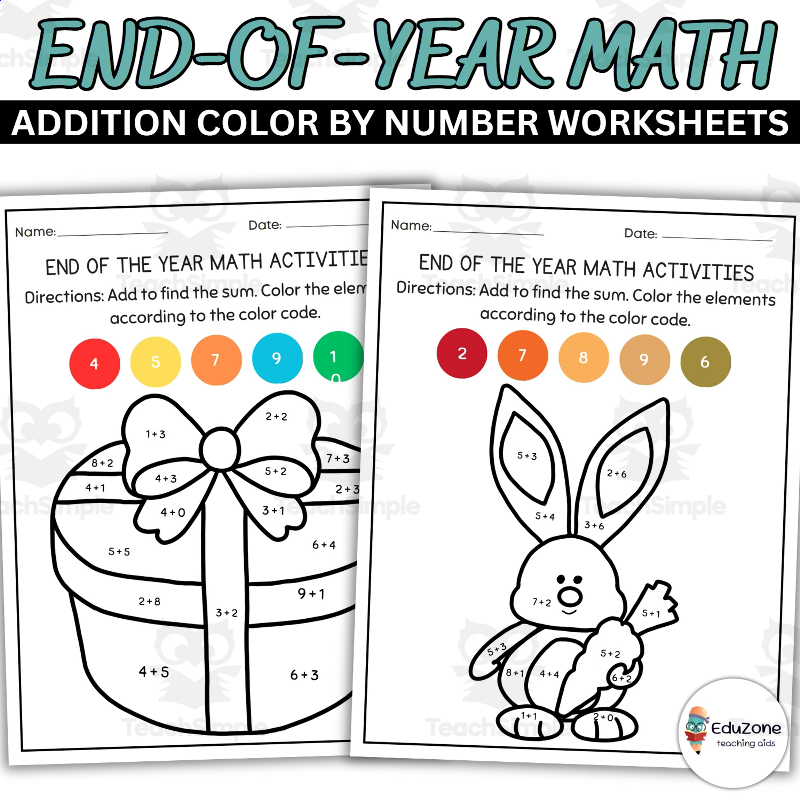
Combine basic addition practice with a color-by-number coloring activity, framed as an end-of-year/summer themed math activity.
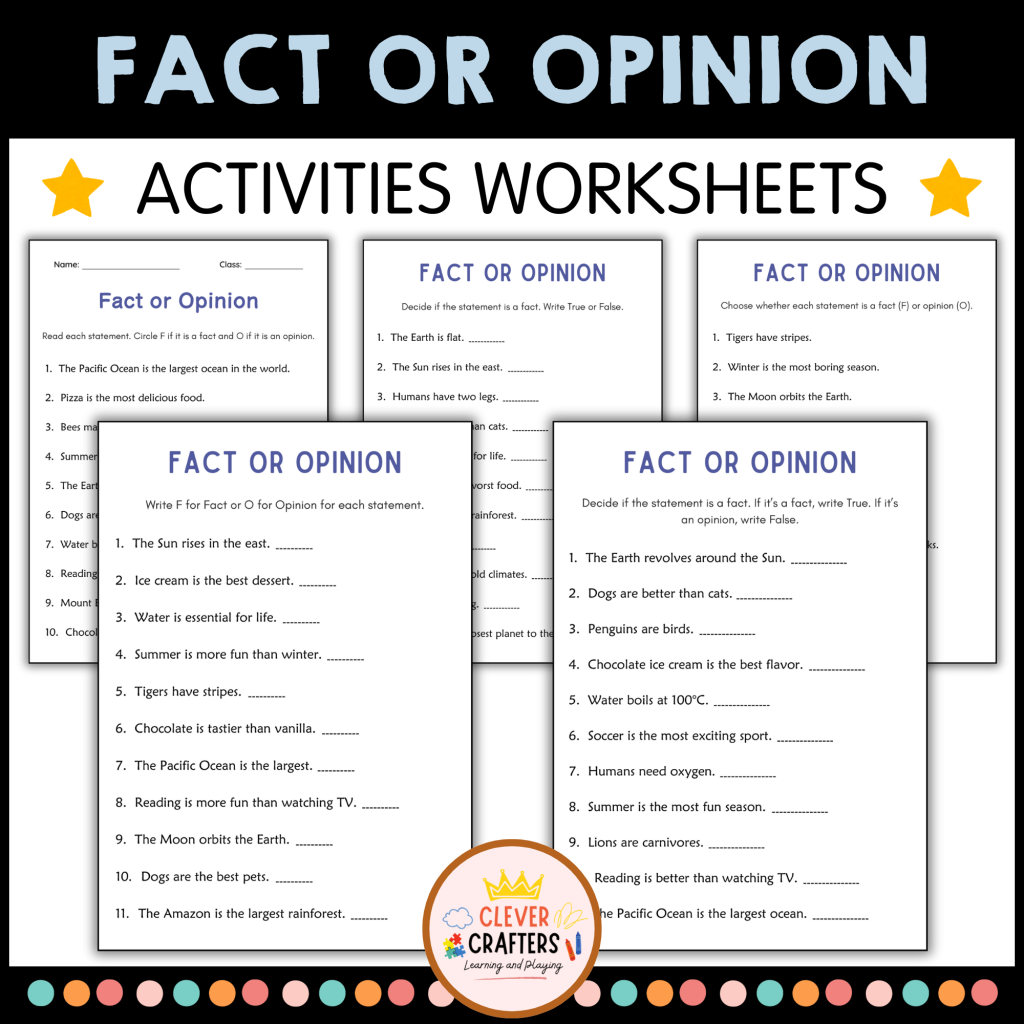
Introduction This set of 6 Fact vs. Opinion worksheets helps students practice recognising the difference between factual information and personal opinions. Each page includes short, age-appropriate statements for learners to classify, sort, and analyse as either Fact (F) or Opinion (O). The activities progress from simple…