5 in 1 Fractions Activities
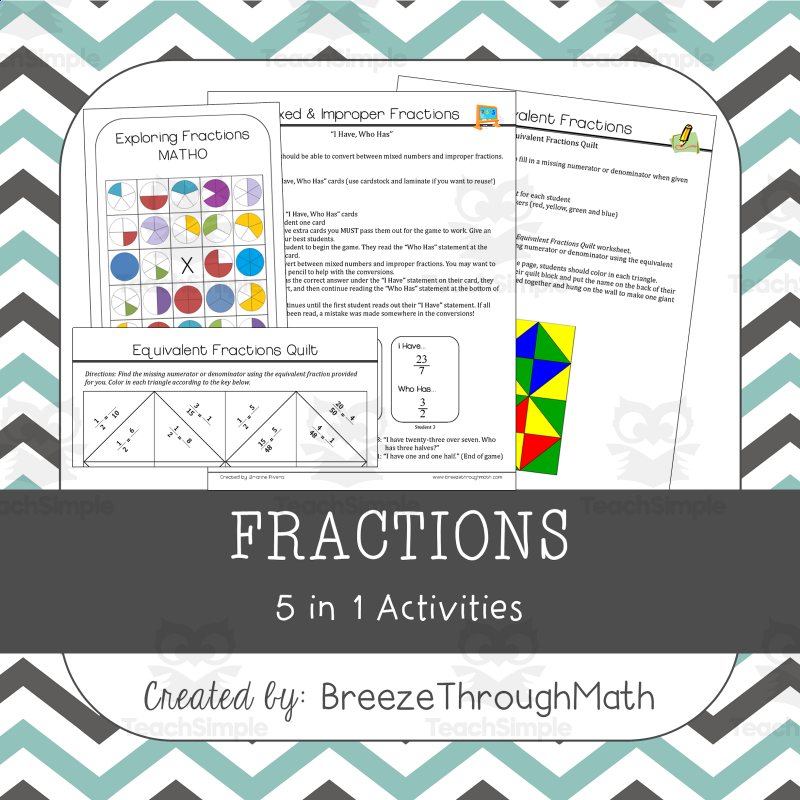
roll number cubes and cover matching fraction squares on a MATHO board (fraction bingo); fill in a missing numerator or denominator to complete equivalent fractions and color a quilt block accordingly
Classroom resources
Browse by lesson focus
Choose the topic or kind of practice you need.
roll number cubes and cover matching fraction squares on a MATHO board (fraction bingo); fill in a missing numerator or denominator to complete equivalent fractions and color a quilt block accordingly
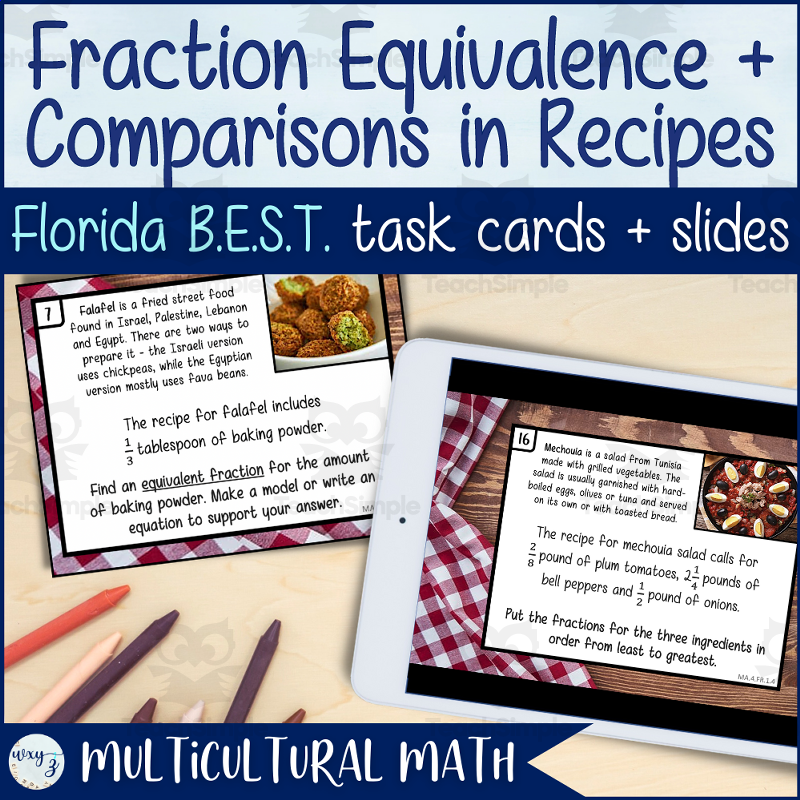
What if we told you there's a way to elevate your fourth graders' understanding of fraction equivalence and comparison by associating it with something as familiar and enticing as food? Imagine the intrigue and engagement that comes with tying fractions to diverse, delicious recipes from around the globe. This unique…
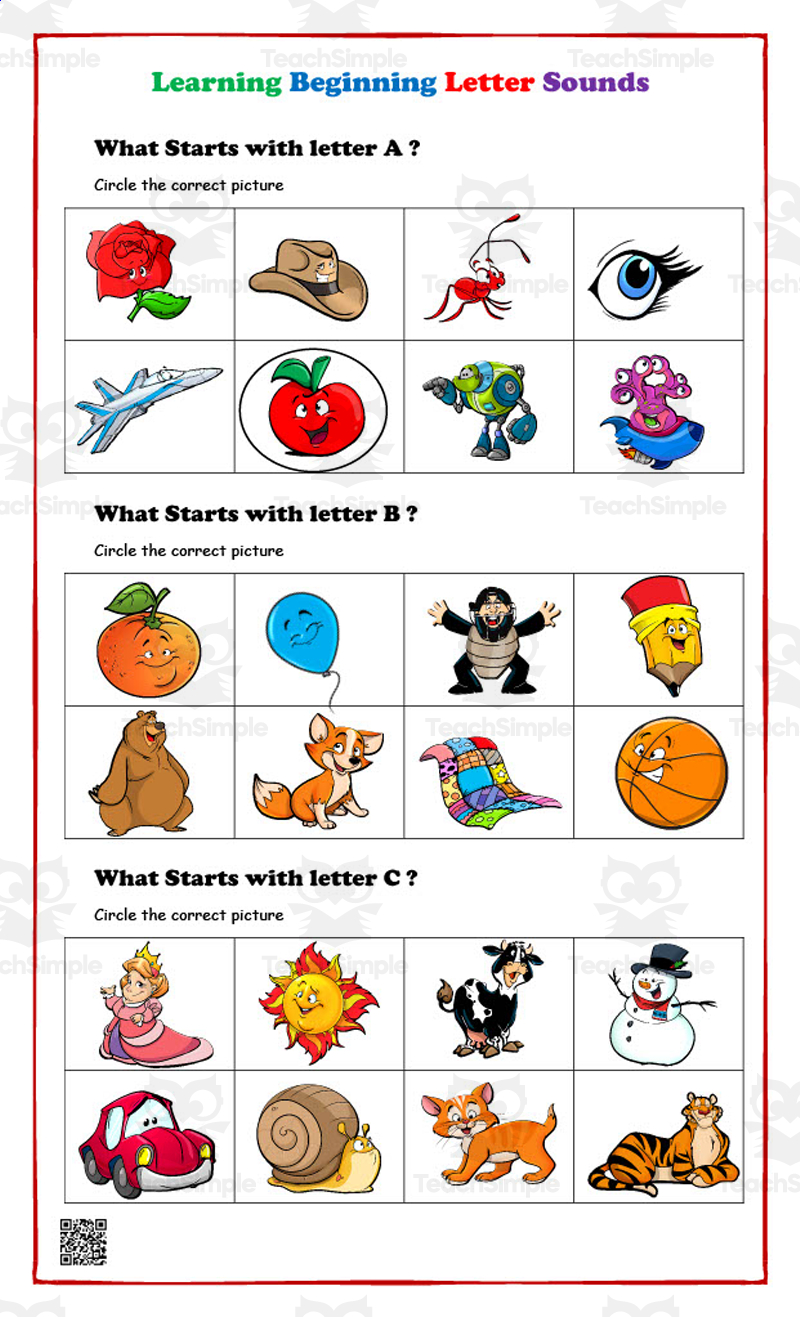
For each letter A-Z, circle the picture whose name starts with that letter's sound; then trace the letters of the alphabet on the final page.
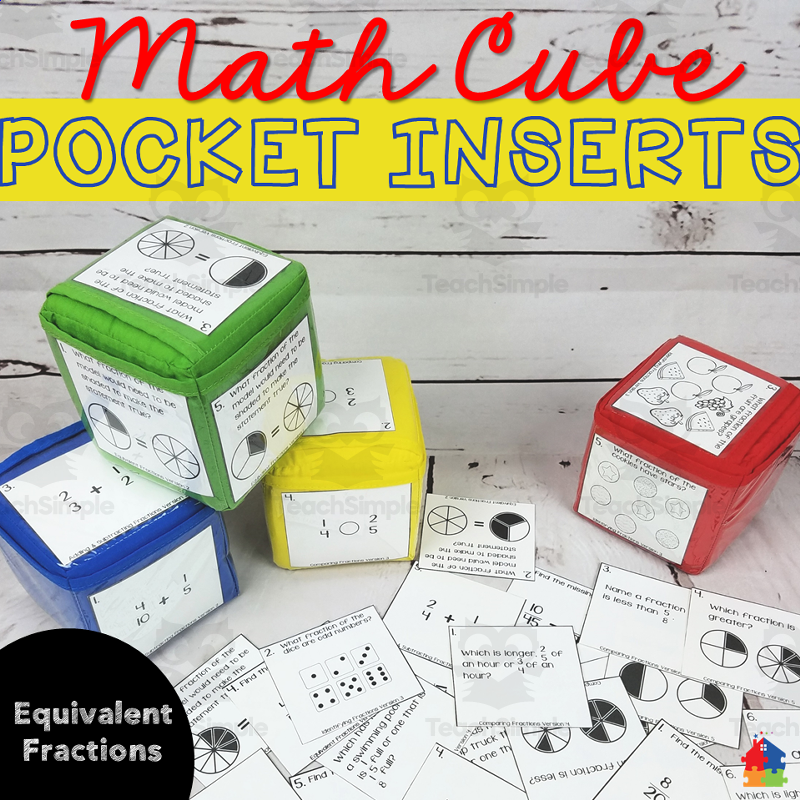
Assemble a paper cube from the printed cards, then solve the equivalent fractions problems on each face (rolling the cube or working through all 6 faces) and record answers on the recording sheet.
Learn key fraction vocabulary (half, third, fourth, sixth, twelfth); identify shaded fractional parts of shapes (e.g., '2/4 shaded blue'); write fractions in alternate forms (e.g., what is another way of writing 2/4).
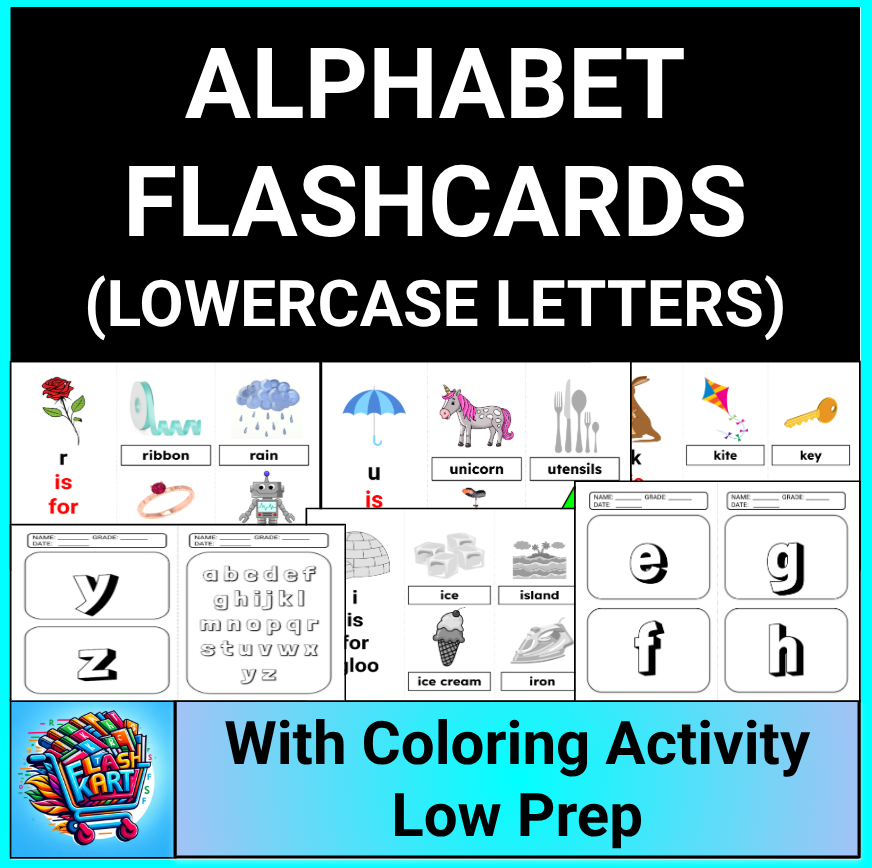
Identify/read the letter and three associated picture-words per flashcard (e.g. 'a is for apple, ant, airplane, avocado'); color or paint the outlined lowercase letters on the coloring-page activity sheets.
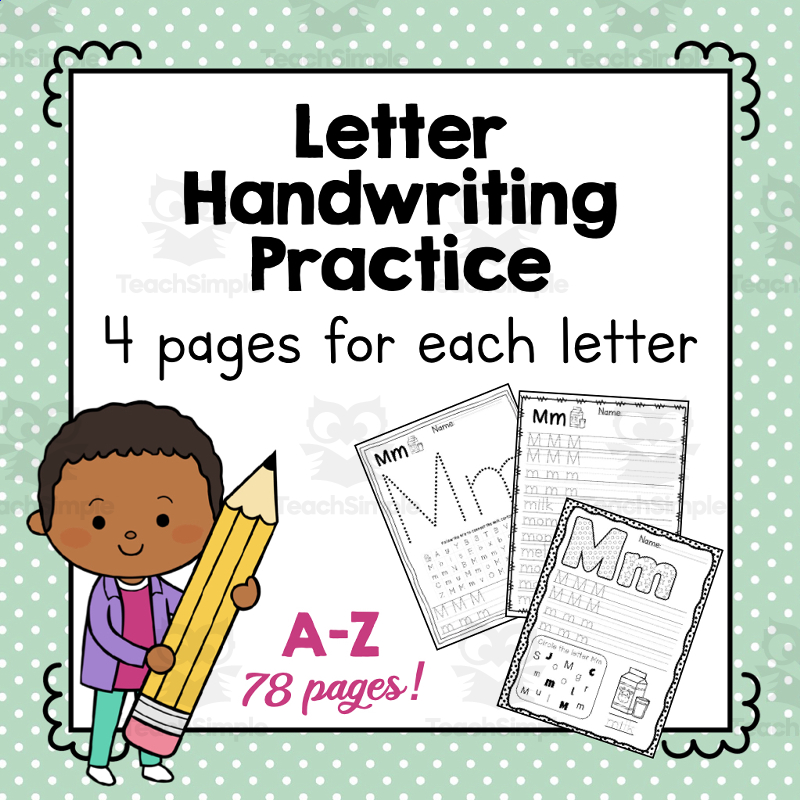
For each letter A-Z: trace uppercase/lowercase letter rows; circle the target letter within a row of distractor letters and identify a themed picture word; read/copy a list of words beginning with that letter; follow a dot-to-dot/maze connecting instances of the letter amid distractor letters; write full rows of uppercase and…
Complete fill-in-the-blank exercises, matching activities (e.g., matching mixed numbers to pizza images), multiple-choice questions, and other practice problems covering the listed fraction topics.
Students review key vocabulary, complete practice/skill-building exercises for each topic, and complete a quiz at the end of each unit.
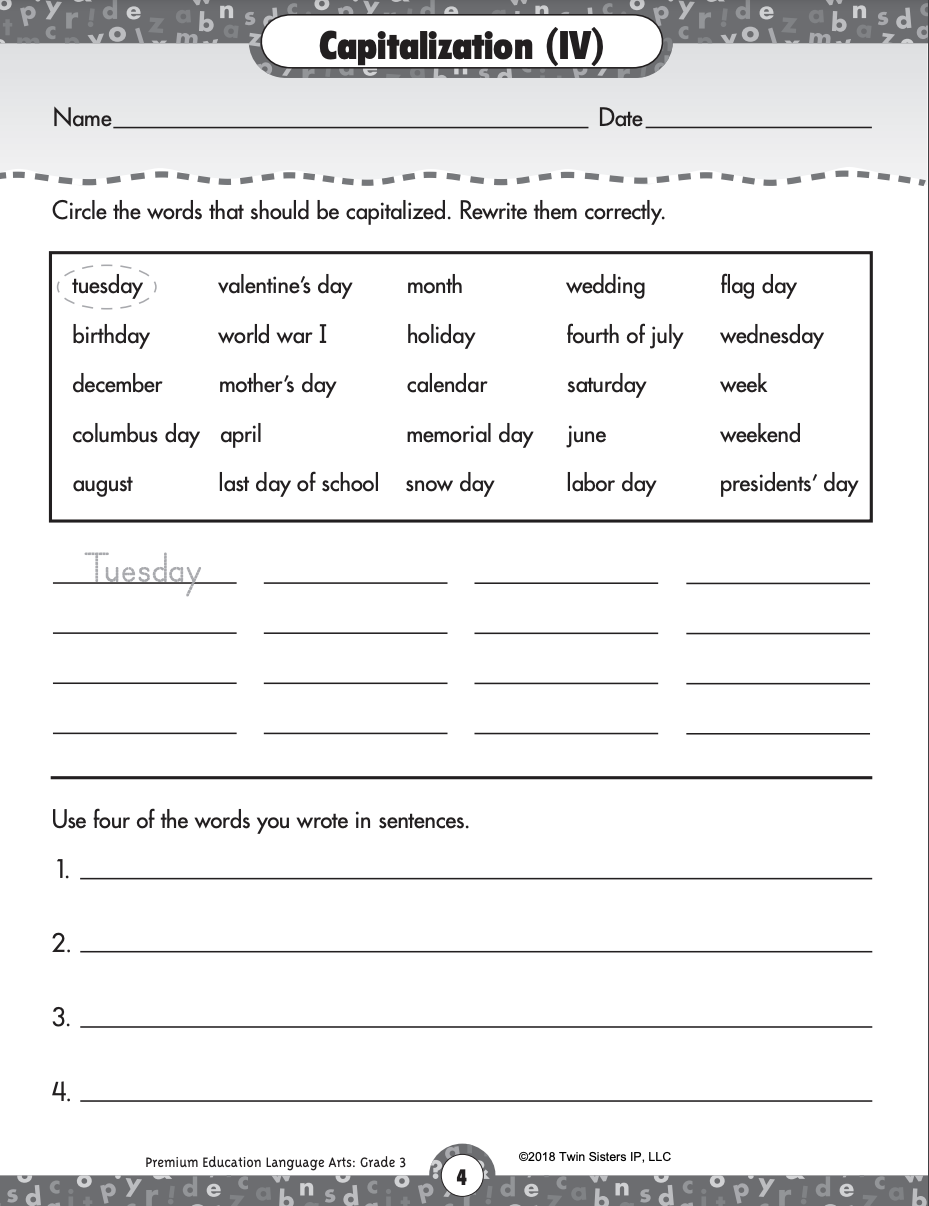
Rewrite names, titles, street addresses, city/state/country names, and book/song titles with correct capitalization; circle words needing capitalization; answer multiple-choice questions identifying capitalization mistakes in sentences.
Complete fill-in exercises adding more examples of capitalized items in each category (names, sentences, letters, abbreviations, titles, place names, streets, buildings, organizations, historical periods, quotations), then rewrite 7 given sentences correcting capitalization.
Complete illustrated math activities on fraction concepts (numerator, denominator, equivalent fractions), adding/subtracting fractions with like denominators, applying problem-solving strategies, and identifying 2D/3D shapes, then answer a short quiz at the end of each of the four units.
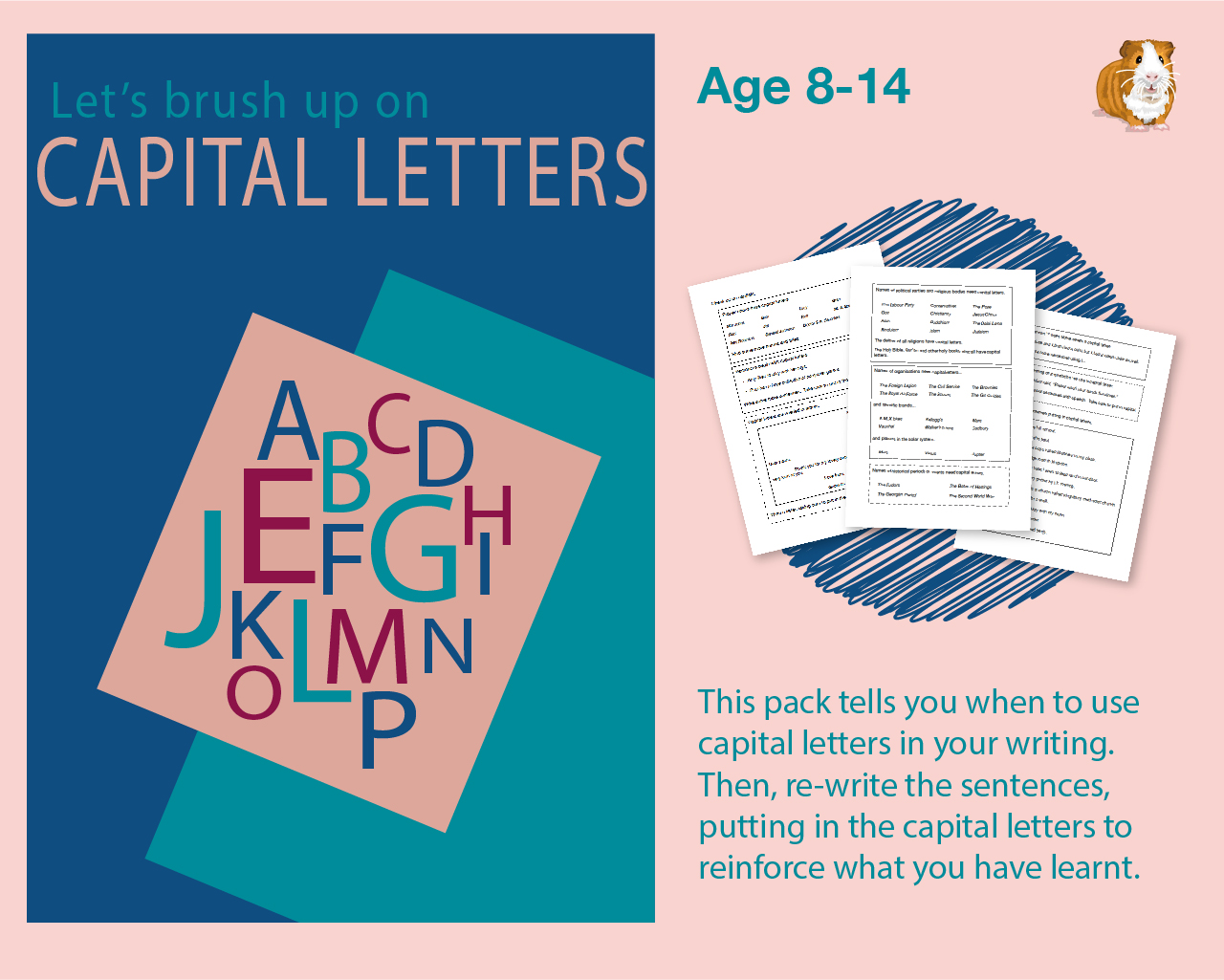
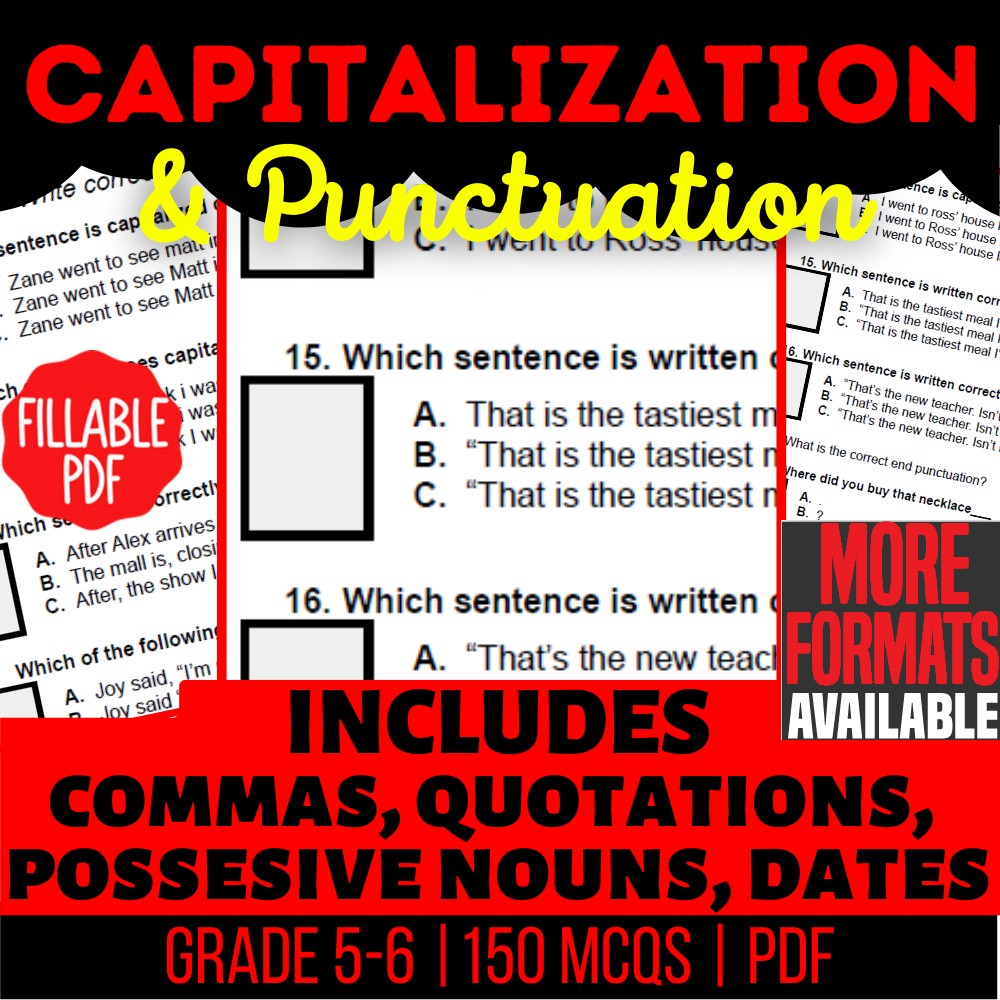
Read a review sheet of capitalization/punctuation rules with examples, then complete 6 multiple-choice worksheets choosing/identifying correctly punctuated and capitalized sentences, then check answers against the provided answer section.
Complete worksheets and assessments for each fraction skill area, use equivalent fraction strips and fraction circles, and play games such as Fraction Bingo/Fraction Slapjack.
A six-answer survey question anchors this integrated math project, which has students poll exactly 25 people and tally the responses by hand. From there they convert each answer's tally into a fraction out of 25, an equivalent fraction out of 100, and a percent written as a decimal, following a worked example (4/25 = 16/100 = 16% = 0.16). The next step converts each decimal to a number of degrees by multiplying by 360, with a reminder that all six values must sum to 360 degrees before drawing begins. In the final step, students use a protractor aligned to the circle's center to plot each angle in turn, then add a title, color, and labels to complete their own hand-drawn circle graph.

Students identify and correct errors in capitalization, punctuation, and spelling; edit a short story; complete an editing quiz; and (per table of contents) work on fluency, being 'the editor,' writing an informational paragraph, and persuasive writing techniques.
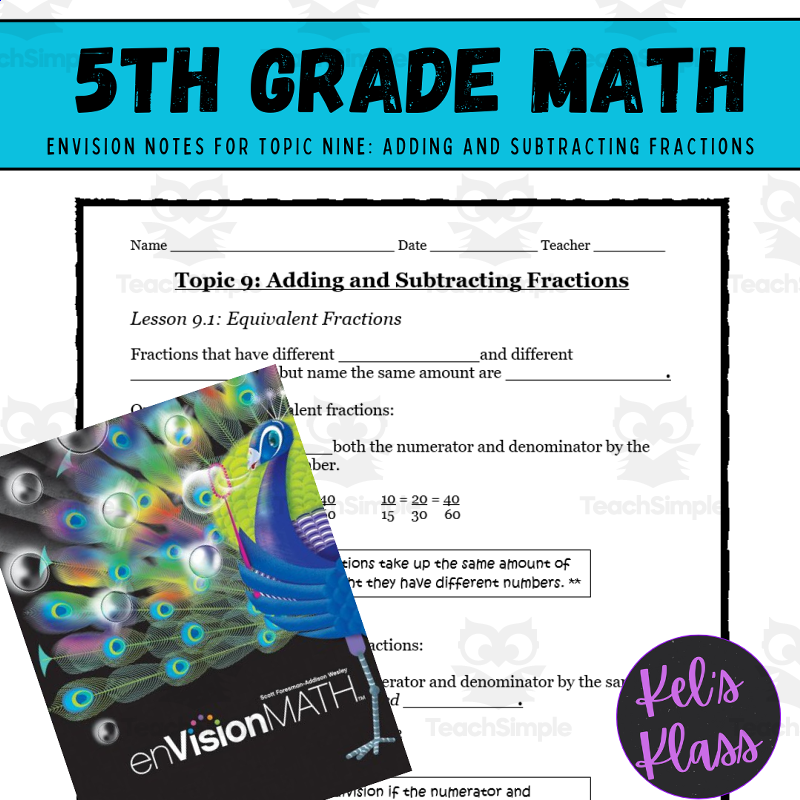
Fill in blanks in guided notes while following along with definitions and worked examples; practice finding equivalent fractions, simplifying fractions, finding LCM and common denominators, and adding/subtracting fractions with unlike denominators; work select textbook-aligned practice problems in blank space provided.
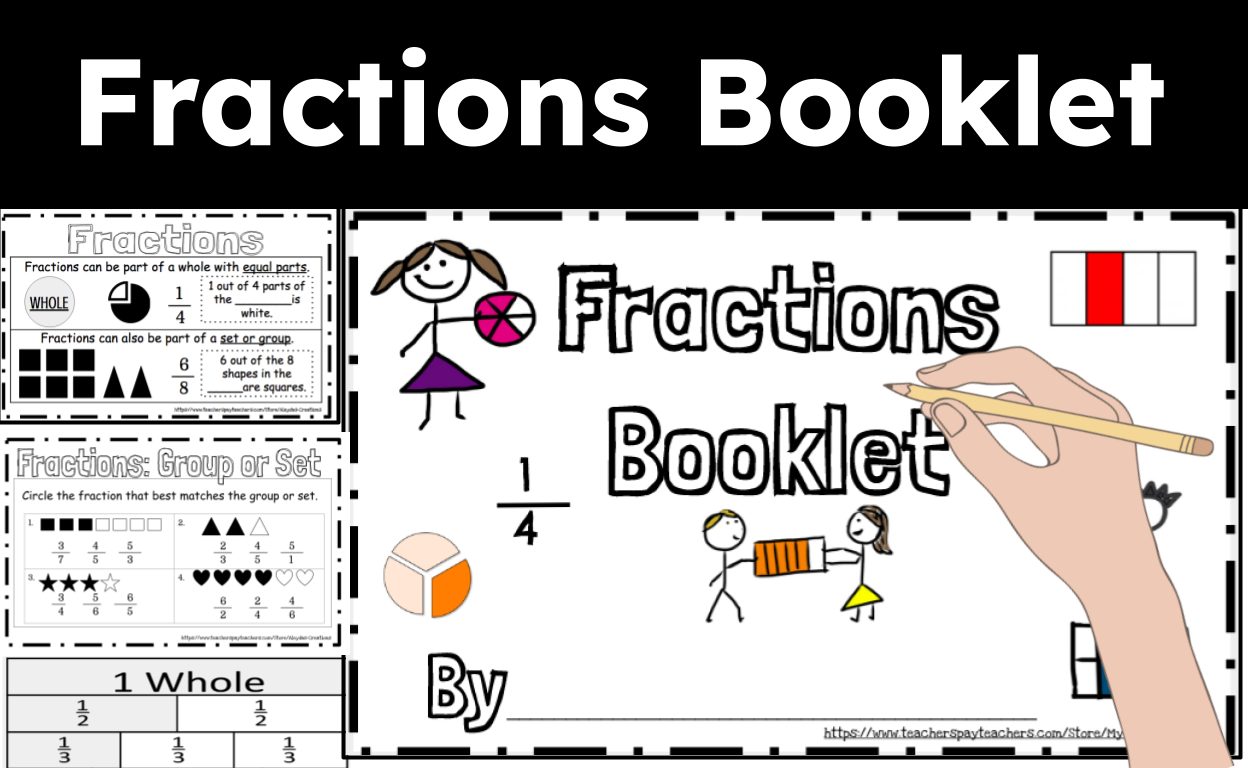
Fill in blanks defining numerator ('top number') and denominator ('bottom number'); shade shapes to match given fractions; circle shapes/groups showing equal parts or matching a given fraction; write fractions in word form; complete equivalent-fraction charts; write short reflections on what they learned about…
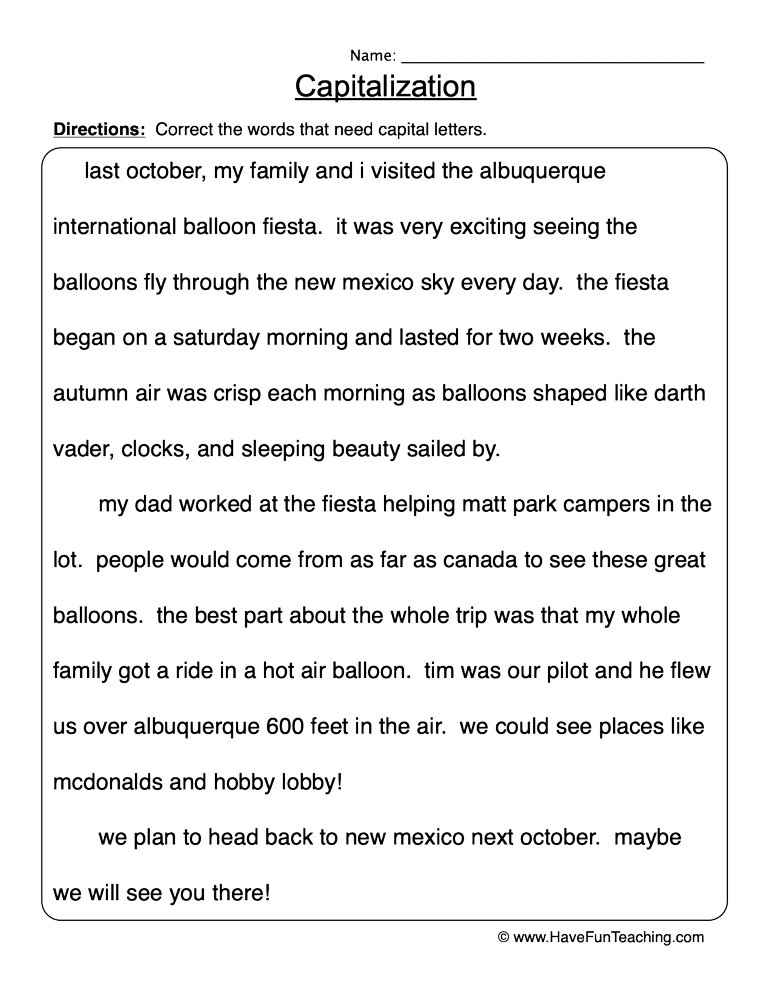
Worksheet giving students practice correcting capitalization errors within a longer narrative passage.
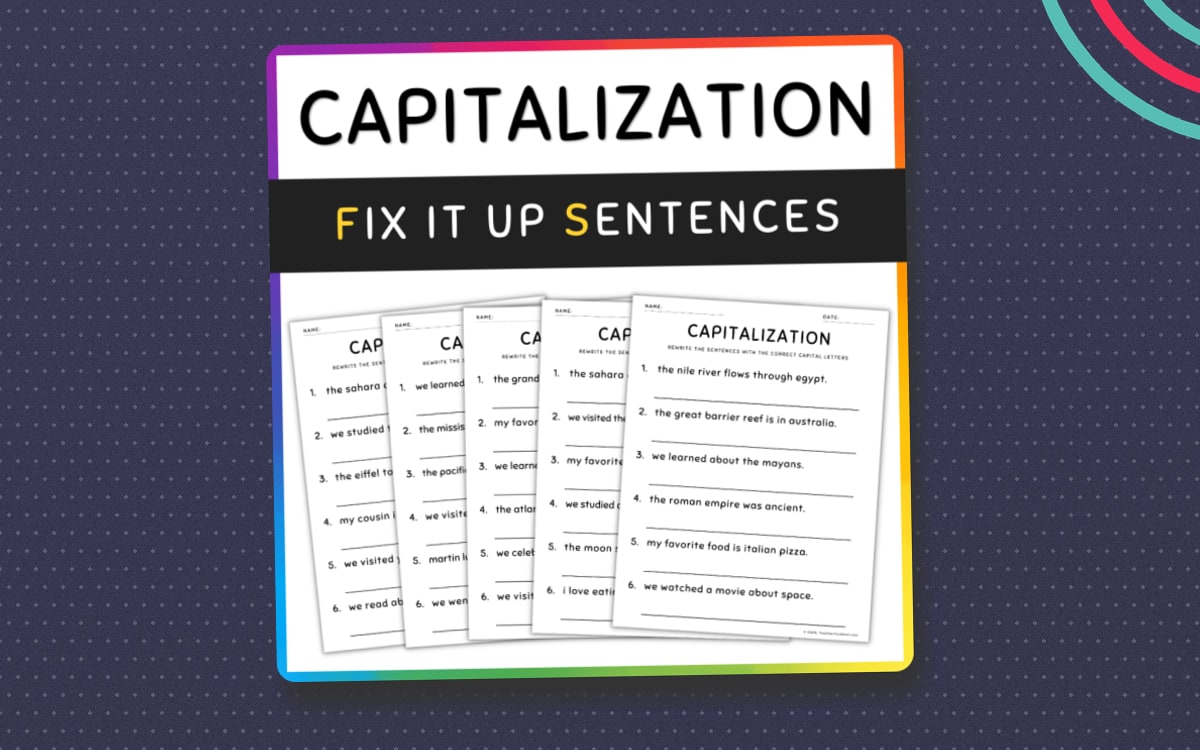
Ten pages ask students to rewrite sentences with correct capital letters. Six sentences per page provide practice with names, places, holidays, months, titles, organizations, and sentence beginnings. Discuss the reason for each capital after rewriting, distinguishing a proper name from an ordinary word.
Work through vocabulary introductions (proportion, equivalent proportion, cross products, percent, fractional percent, ratio), solve worked proportion problems (recipe scaling, map-distance-to-real-distance conversion, gas-fill-up proportions), and complete a Proportion Quiz.
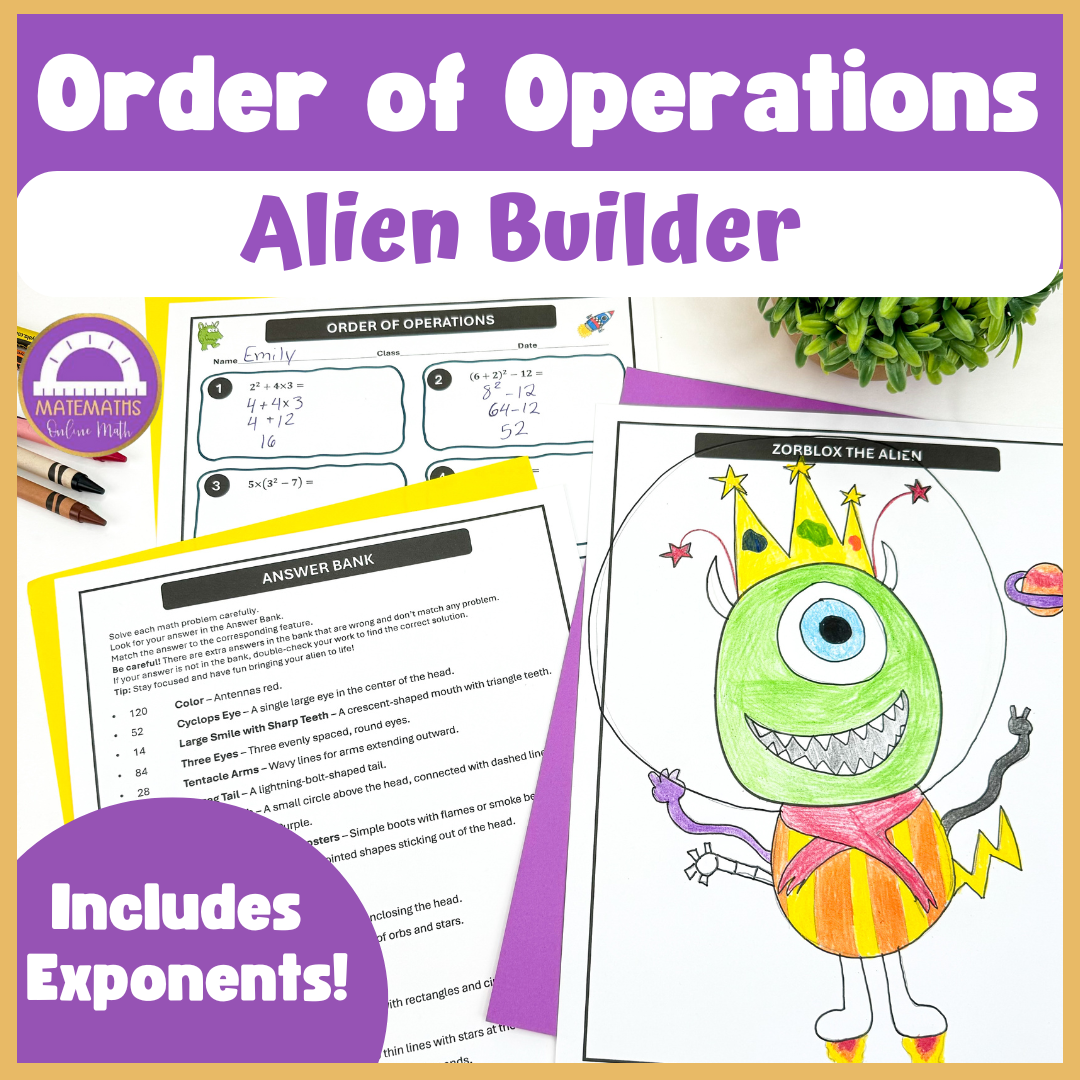
Students solve 20 order-of-operations problems (PEMDAS, including exponents), look up each answer in an Answer Bank to find a matching alien feature (or identify an incorrect answer needing correction), and draw the corresponding features onto an alien template.
Students read a block of text with no capitalization or punctuation and rewrite/mark it with the missing capital letters, full stops, commas, speech marks, and an exclamation mark; students also total their found mistakes and self-grade against a scale.
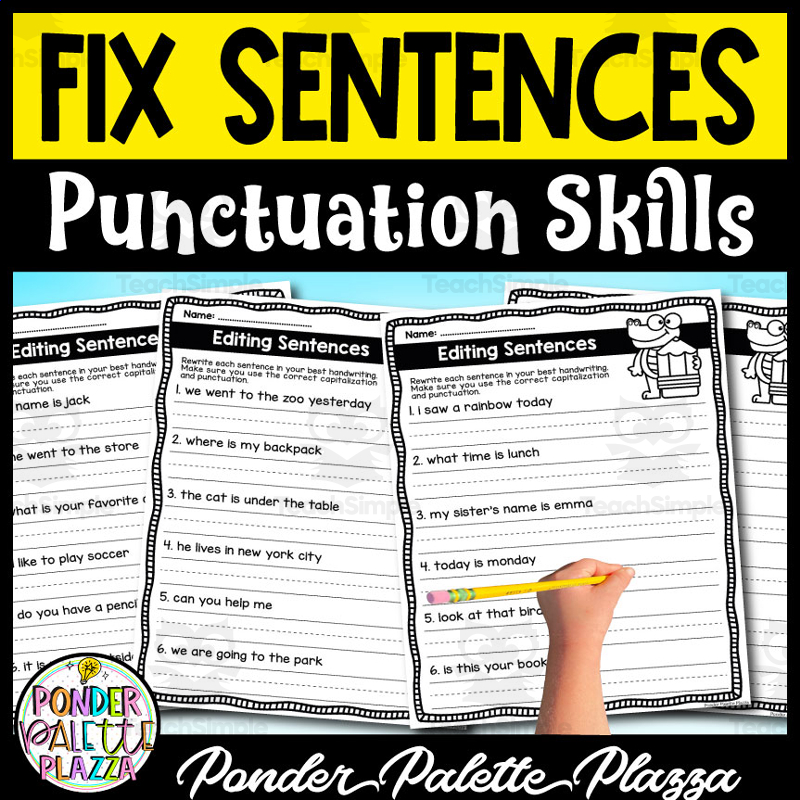
Students rewrite each of 6 given lowercase, unpunctuated sentences on a page with correct capitalization and punctuation, in their best handwriting; repeated across 5 pages (30 sentences total).