Reading & language
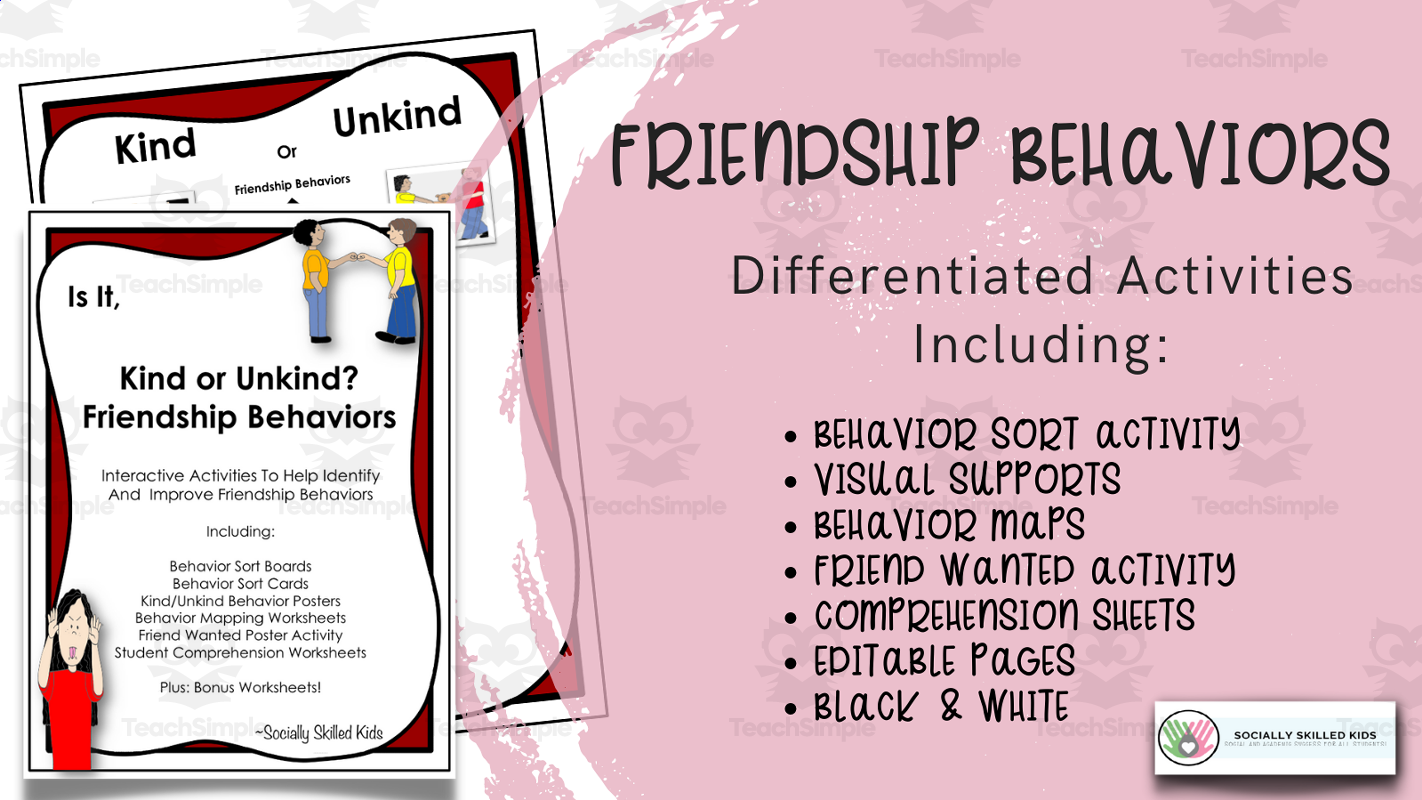
Friendship Behaviors Differentiated Activities For K-5th
Explicitly teach students to identify kind vs. unkind friendship behaviors, differentiated for K-2 and 3-5 ability levels.
Editable


Classroom resources
Browse by lesson focus
Choose the topic or kind of practice you need.
Showing 1633–1656 of 4436 resources

 Show filters
Explicitly teach students to identify kind vs. unkind friendship behaviors, differentiated for K-2 and 3-5 ability levels.
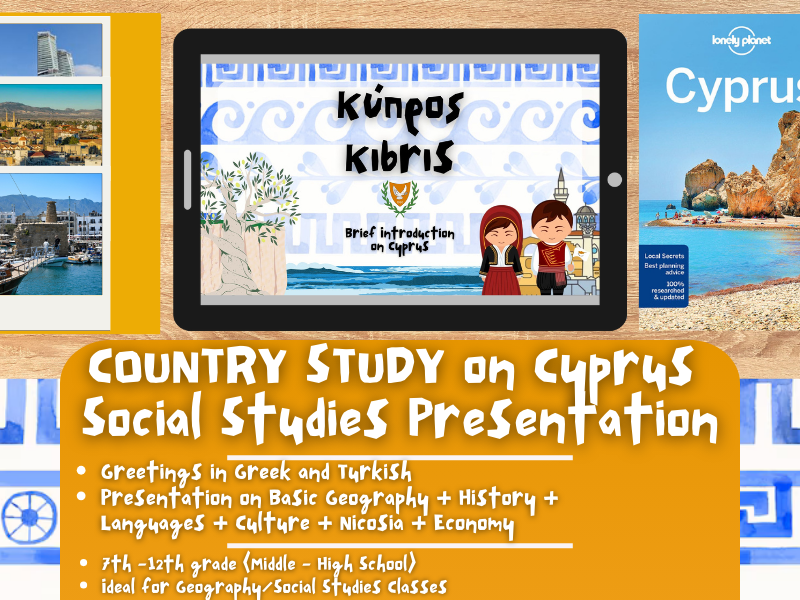
A slide presentation introducing students to Cyprus, covering its location, government and quick facts, history timeline, geography and climate, economy, cities, and culture.
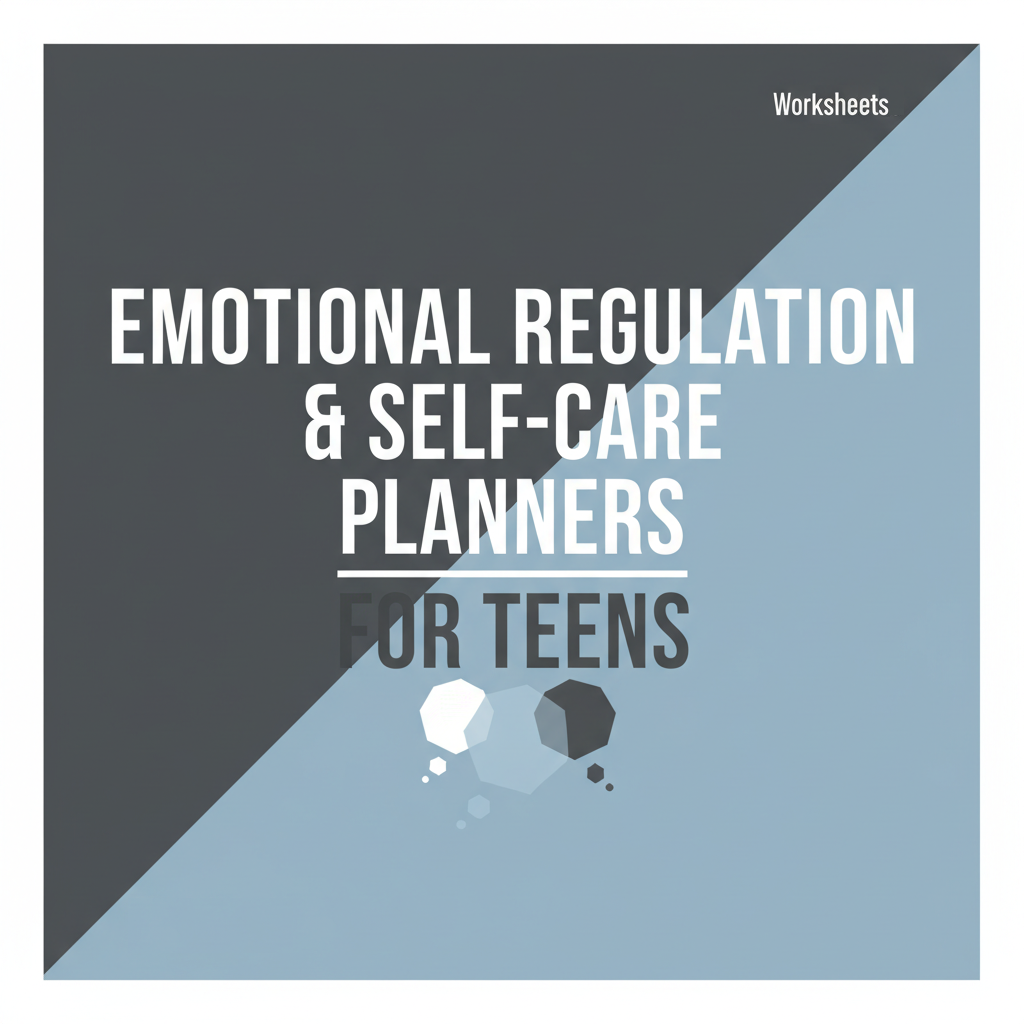
39-page SEL curriculum/planner for high schoolers (grades 9-12) teaching emotional regulation and self-care using CBT, DBT, and Polyvagal Theory frameworks, illustrated with fictional case studies.

A staged, self-checking practice resource teaching students to divide mixed numbers by converting to improper fractions and applying keep-change-flip.

A social skills story and companion activities that teach boys to identify private versus not-so-private body parts, understand who may see or touch private body parts and why, and know how to respond and seek help if someone touches them without permission.
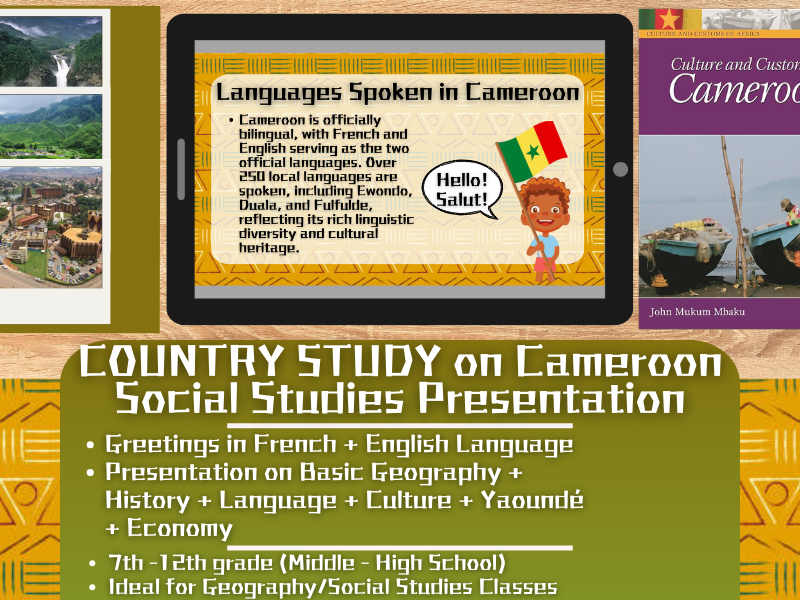
A slide presentation introducing students to Cameroon, covering its location, government and quick facts, history timeline, geography and climate, economy, cities, and culture.

A staged, self-checking practice resource teaching students the keep-change-flip method for dividing fractions, progressing from integer division through proper/improper fraction division.

A high school Bible/literature lesson comparing the story of the spies as told in Numbers and Deuteronomy, illustrating a broader point about the book of Deuteronomy's theme of communal remembrance and confession.
Teach elementary students (Elementary | Grade 4-5) character-building and social skills through short lessons and guided practice pages, organized into categories such as respect/responsibility, citizenship, and manners.
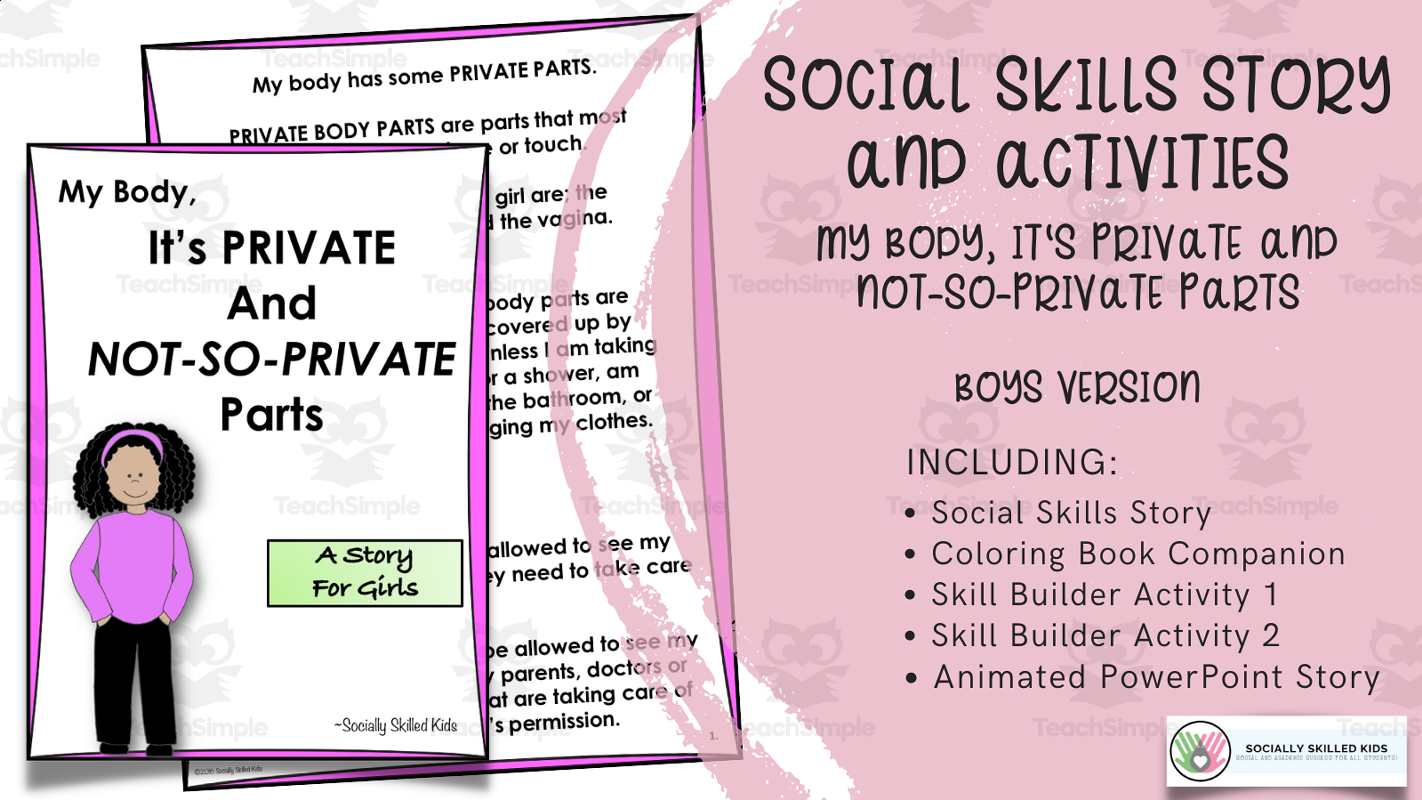
A social skills story and companion activities that teach girls to identify private versus not-so-private body parts, understand who may see or touch private body parts and why, and know how to respond and seek help if someone touches them without permission.
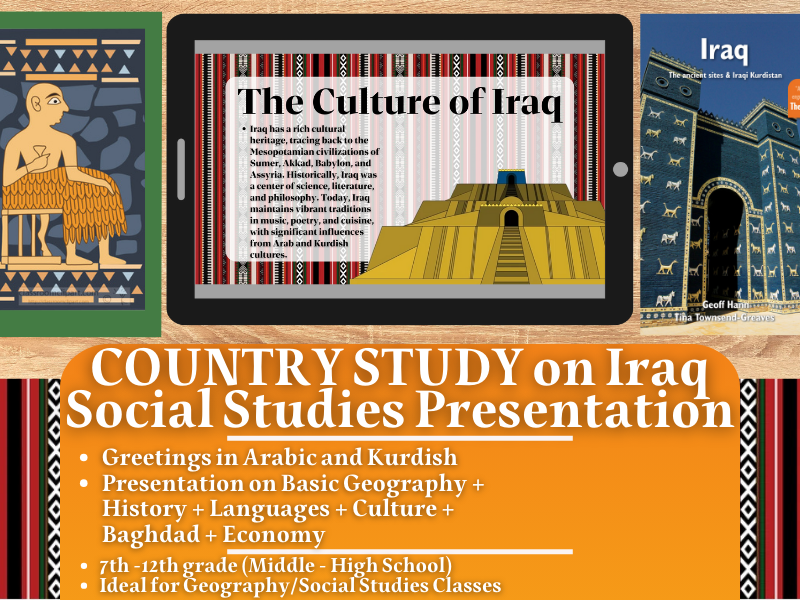
A slide presentation introducing students to Iraq, covering its location, government and quick facts, history timeline, geography and climate, economy, cities, and culture.
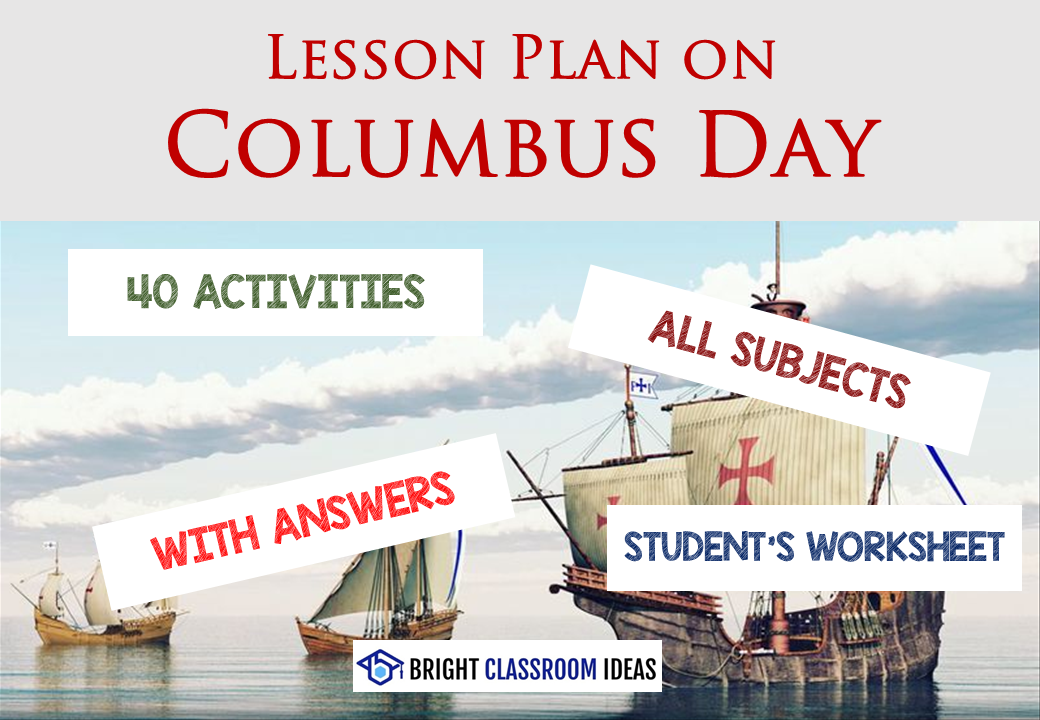
Teach elementary students who Christopher Columbus was, the story of his 1492 voyage, why Columbus Day is celebrated in the U.S., and the difference between myth and historical fact.

A social skills story and companion activities teaching children to recognize and use friendly verbal and nonverbal communication (voice volume, facial expression, word choice, tone) versus unfriendly alternatives, to build stronger peer relationships.
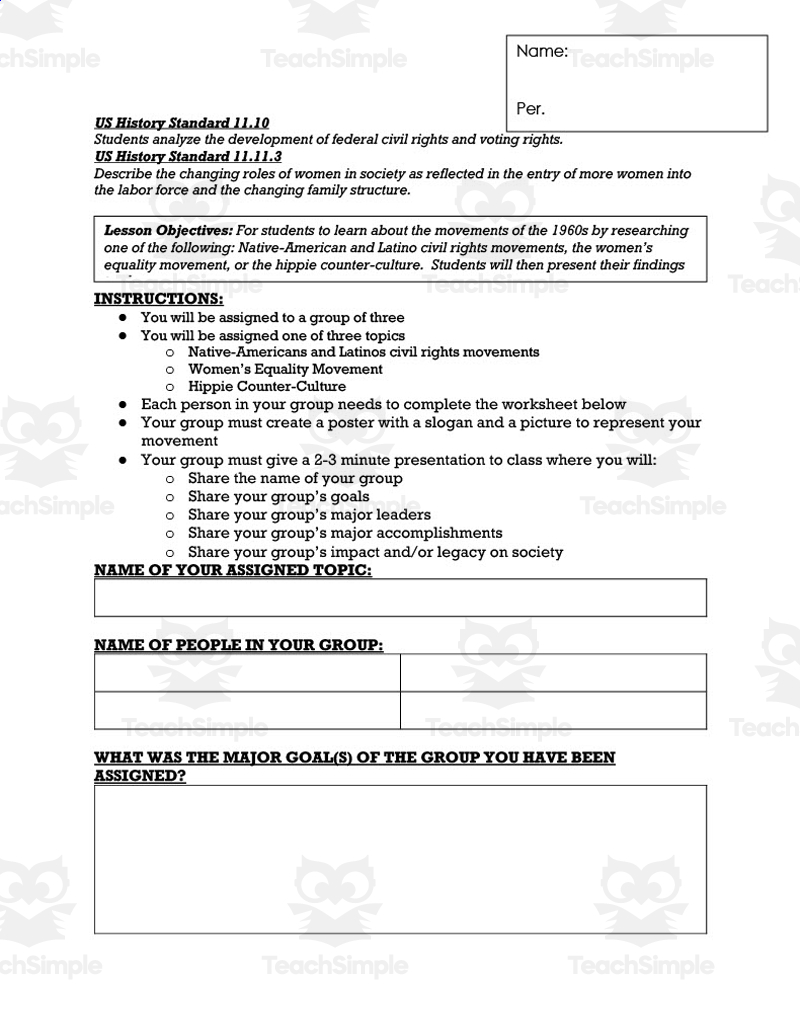
Guide a group research-and-presentation activity on 1960s American social movements (Native-American and Latino civil rights, women's equality, or hippie counter-culture), tied to US History Standards 11.10 and 11.11.3 (federal civil rights/voting rights and changing roles of women).
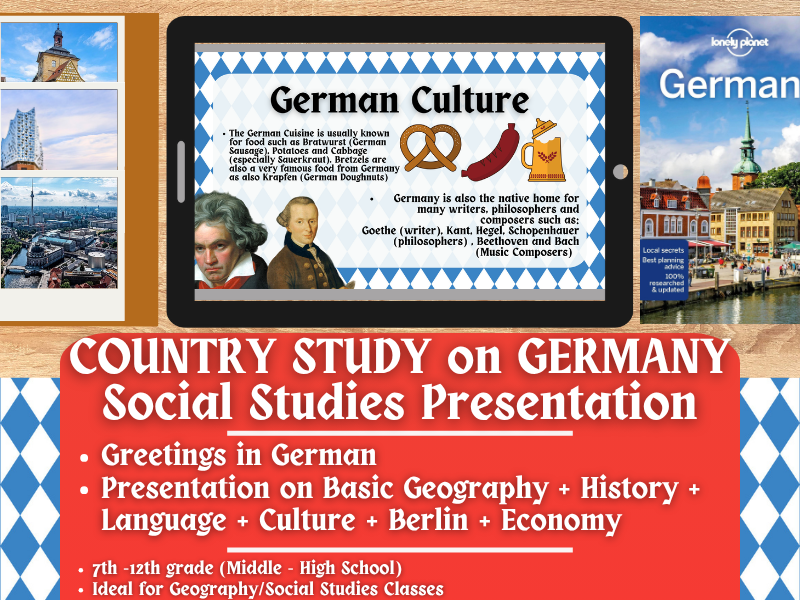
A slide presentation introducing students to Germany, covering its location, government and quick facts, history timeline, geography and climate, economy, cities, and culture.

Guides students to research the life of Robert Frost and produce a structured, MLA-cited biographical research essay.

A high-school presentation and matching fill-in-the-blank skeleton outline on the foundations of Greek democracy, its reformers (Solon, Cleisthenes, Pericles), and the Greek philosophers (Socrates, Plato, Aristotle), aligned to a World History standard on Judeo-Christian and Greco-Roman traditions.
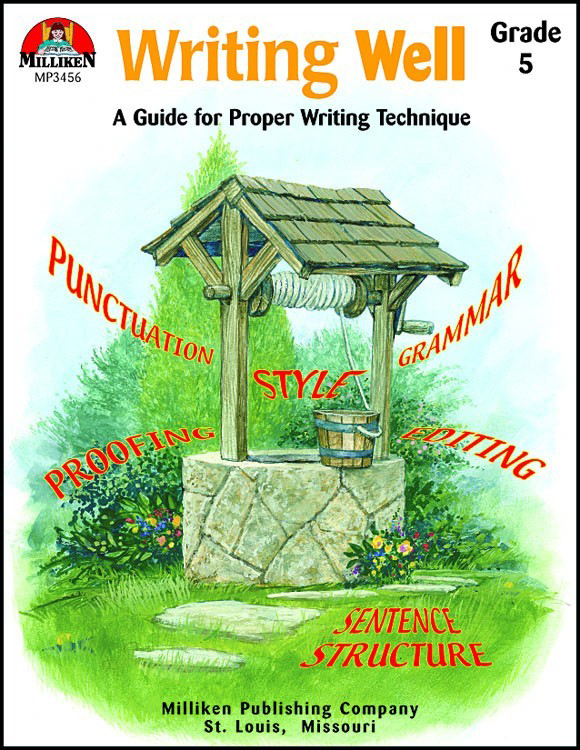
Provide fifth-grade teachers a sequenced series of practice pages reinforcing verb usage, sentence variety, and expository/descriptive paragraph writing skills.

A social skills resource teaching elementary students to understand and practice appropriate personal space in social interactions.
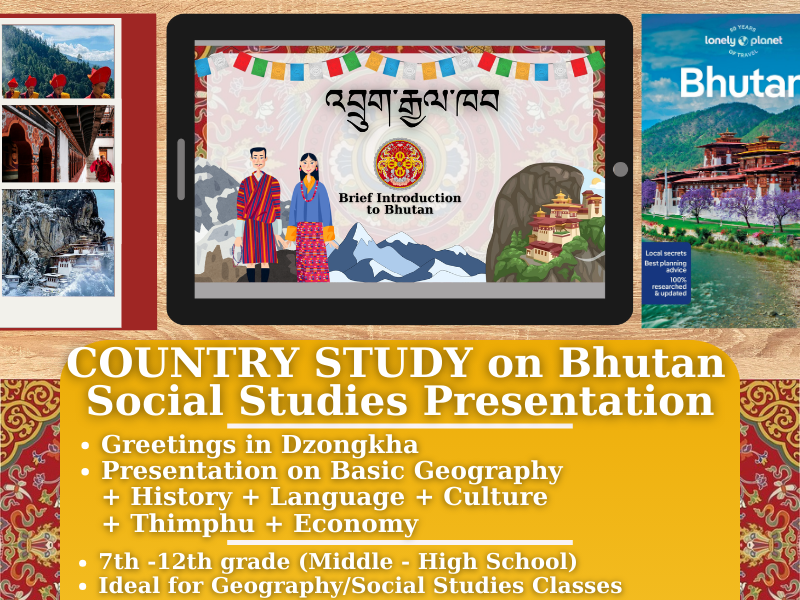
A slide presentation introducing students to Bhutan, covering its location, government and quick facts, history timeline, geography and climate, economy, cities, and culture.
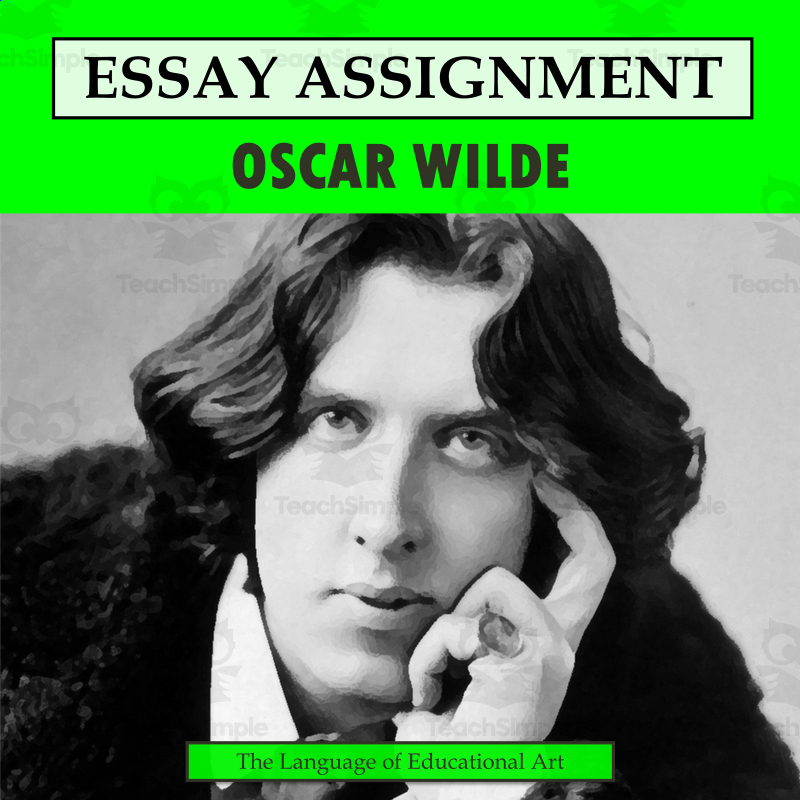
Guides students to research the life of Oscar Wilde and produce a structured, MLA-cited biographical research essay.

A lesson plan (for the teacher) describing an activity where students devise Athenian and Spartan battle strategies for the Peloponnesian War before being told what actually happened.
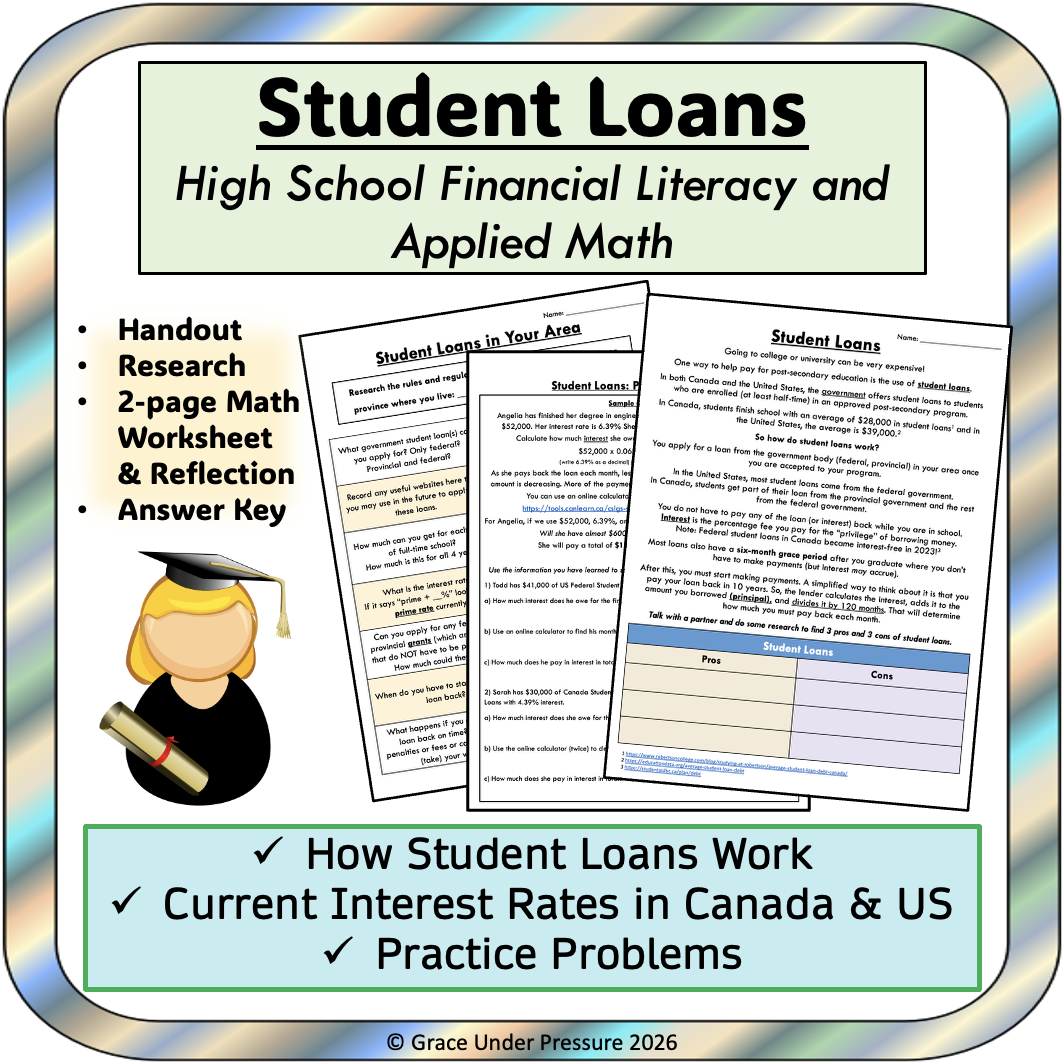
Teaches high school students about student loans in both Canada and the United States, using applied math (percentages) to calculate realistic loan interest and repayment scenarios as preparation for post-secondary life.
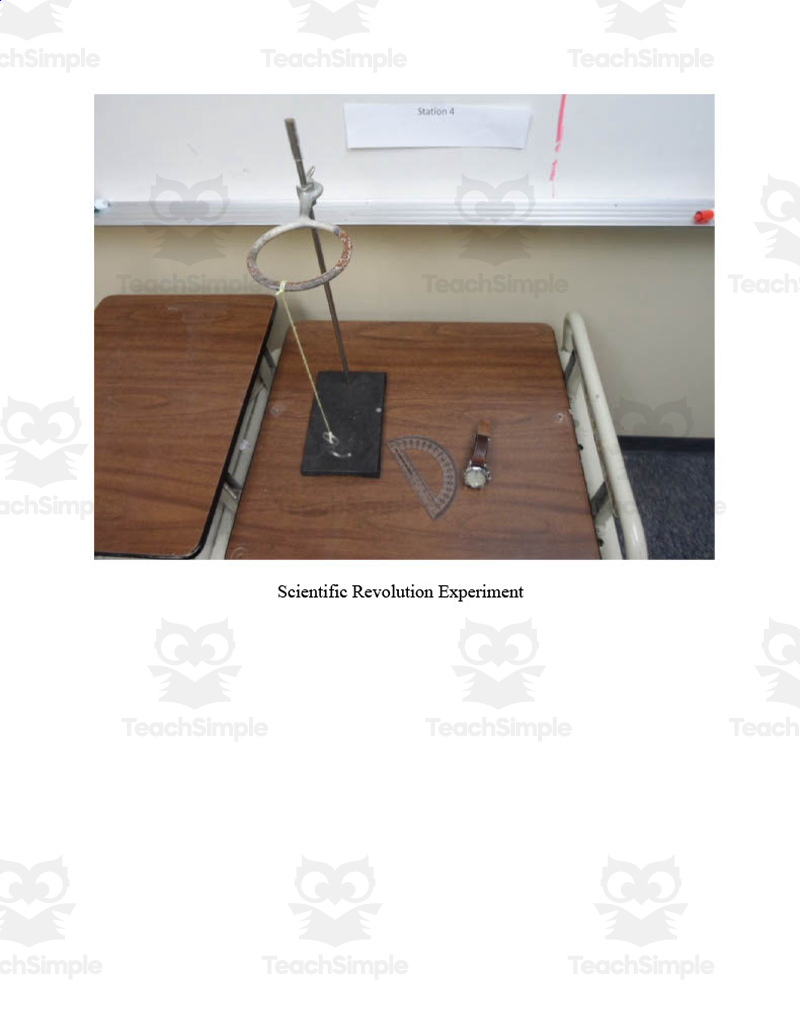
A hands-on history lesson plan in which students rotate through four experiment stations to test claims made by ancient philosophers (Aristotle, Galen) against the findings of Scientific Revolution figures (Galileo, Copernicus, Vesalius), illustrating the shift to the empirical scientific method.