Play & discovery
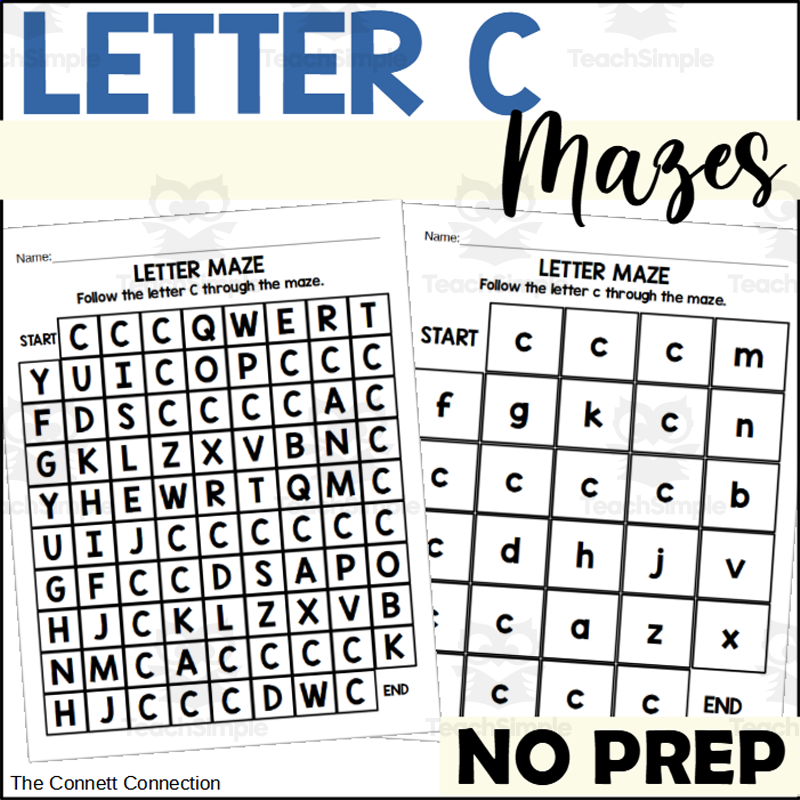
Letter C Maze Worksheets
Differentiated letter maze worksheets practicing visual recognition of uppercase and lowercase letter C by tracing a path through the correct letters.




Classroom resources
Browse by lesson focus
Choose the topic or kind of practice you need.
Showing 721–744 of 1618 resources

 Show filters
 Differentiated letter maze worksheets practicing visual recognition of uppercase and lowercase letter C by tracing a path through the correct letters.
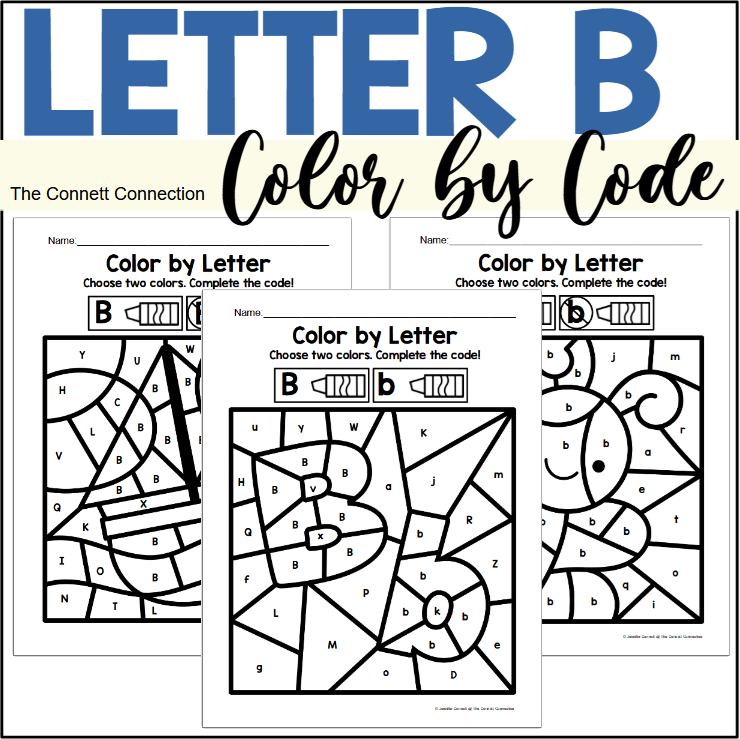
Color-by-code worksheets where students find and color every occurrence of the letter B among a grid of distractor letters, using a two-color code.
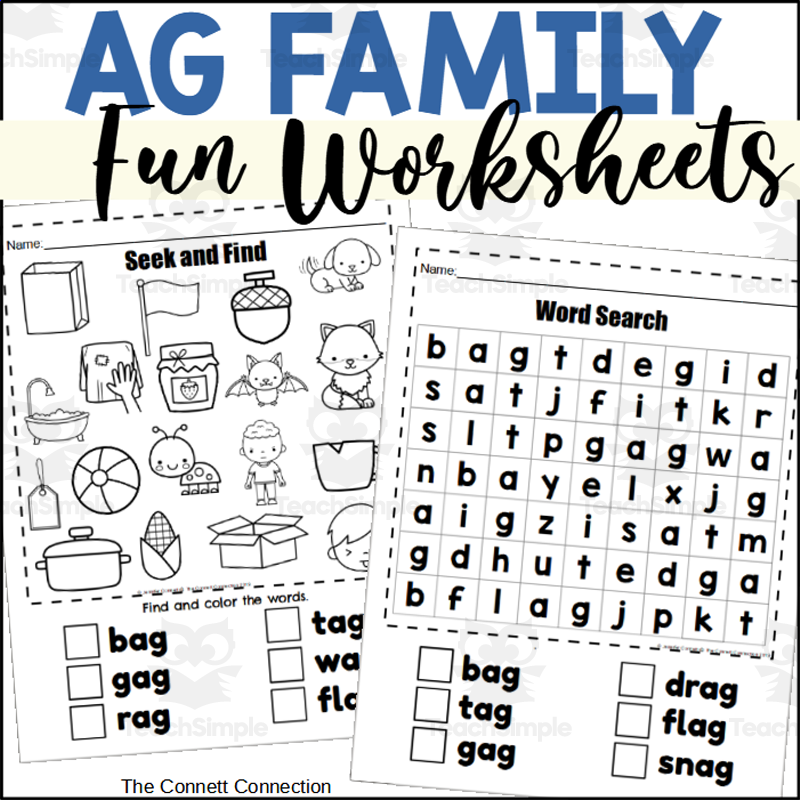
Find and color AG words in a picture-based seek-and-find, dab/trace a picture maze of AG-word images, and solve a word search circling AG words (bag, tag, gag, wag, rag, flag, drag, snag).
 Free download
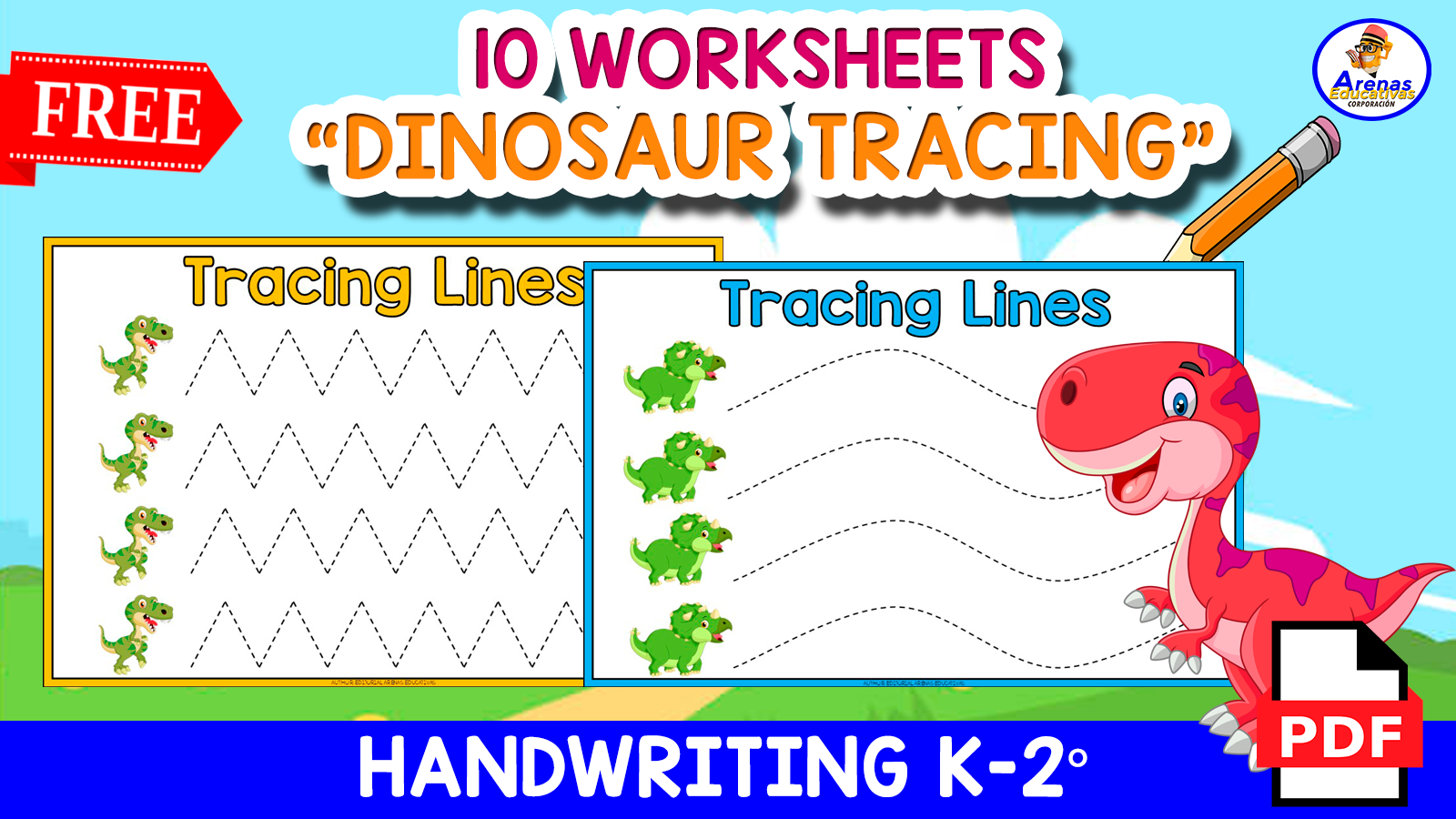
 Provide dinosaur-themed line-tracing worksheets to build graphomotor/pre-writing skills.
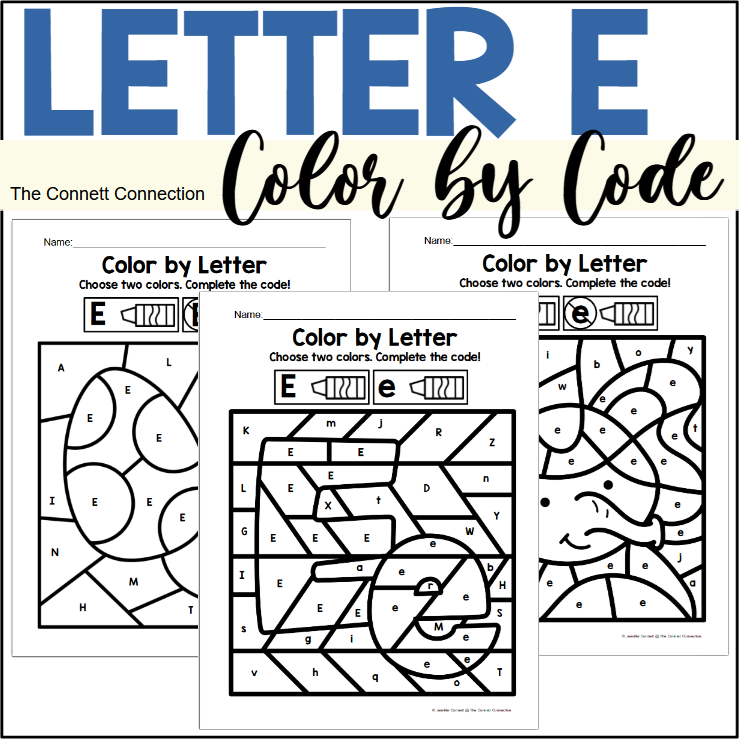
Choose two colors and complete a color-by-code grid by coloring cells containing the letter E (upper/lowercase) differently from cells containing other letters.
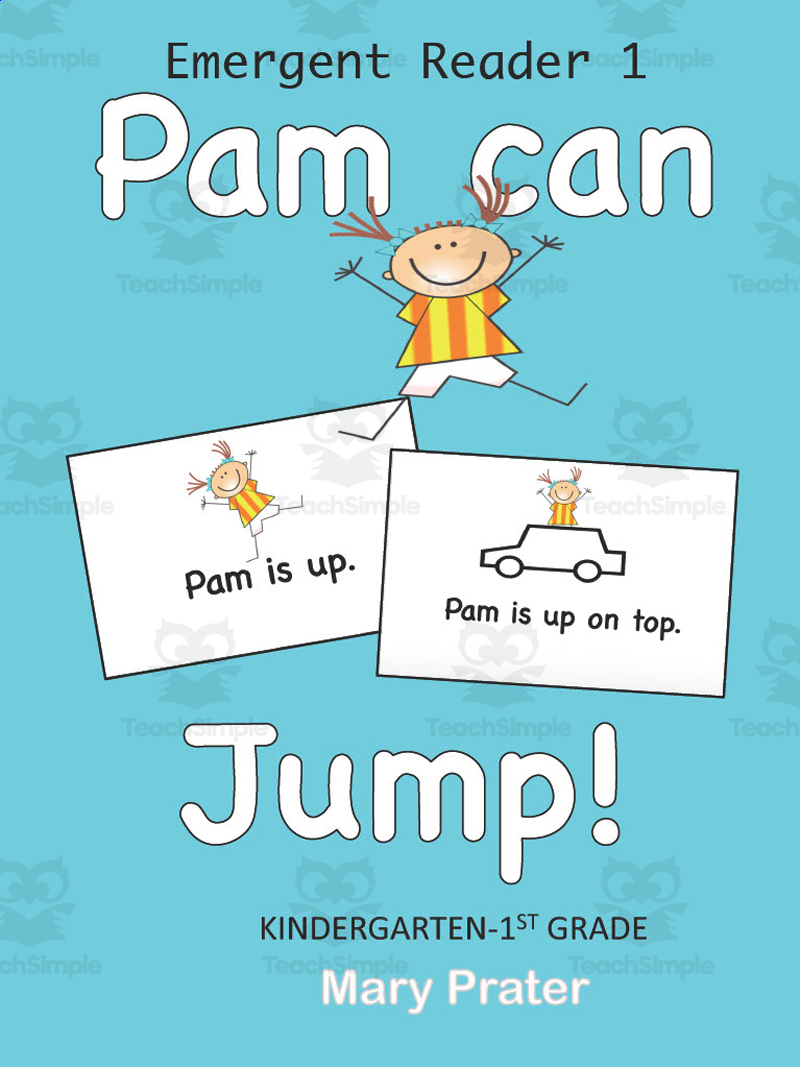
Students read the 8-page illustrated story built on the listed sight words, then (1) pick the missing word to complete sentences from the story, (2) change the first letter of given words to make new words from a word family, and (3) read a sentence and draw a picture matching it.
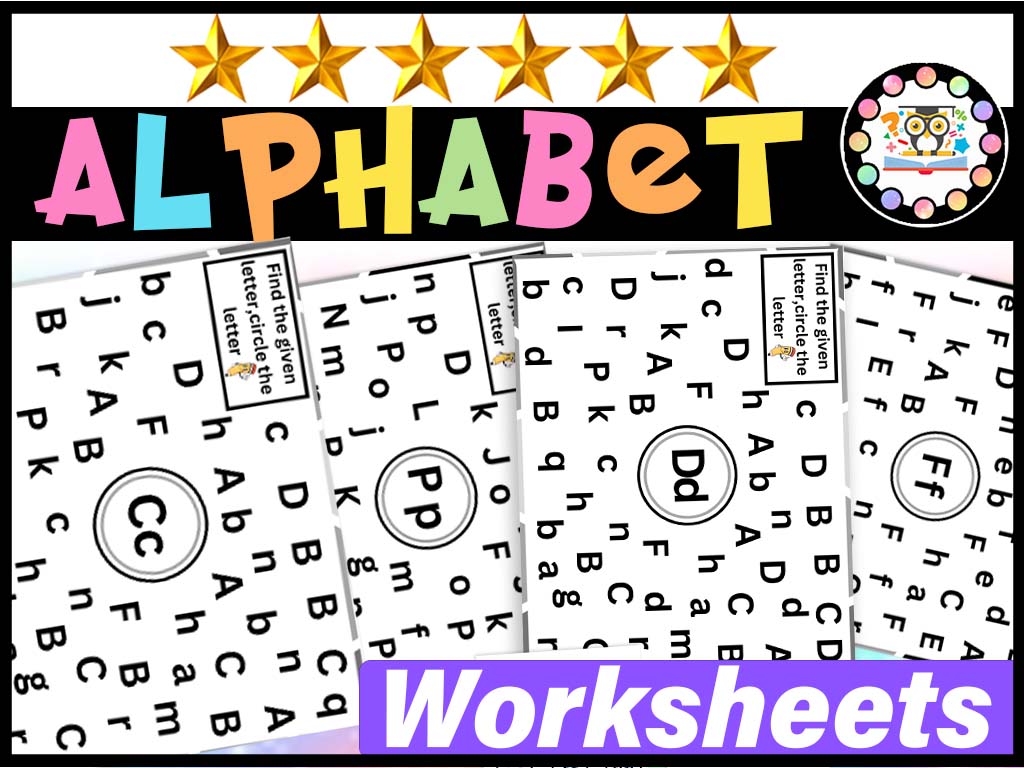
One page is dedicated to each letter of the alphabet, A through Z, repeating the same instruction on every page: "Find the given letter, circle the letter." Each page scatters letters across the grid in a mix of uppercase and lowercase forms, mixing the target letter with visually similar distractors (for example, the page for D also scatters several B's) so students must attend closely to letter shape rather than general appearance. The worksheets progress in the same order as the alphabet, giving a consistent, repeatable format for practicing one letter at a time across all twenty-six letters.
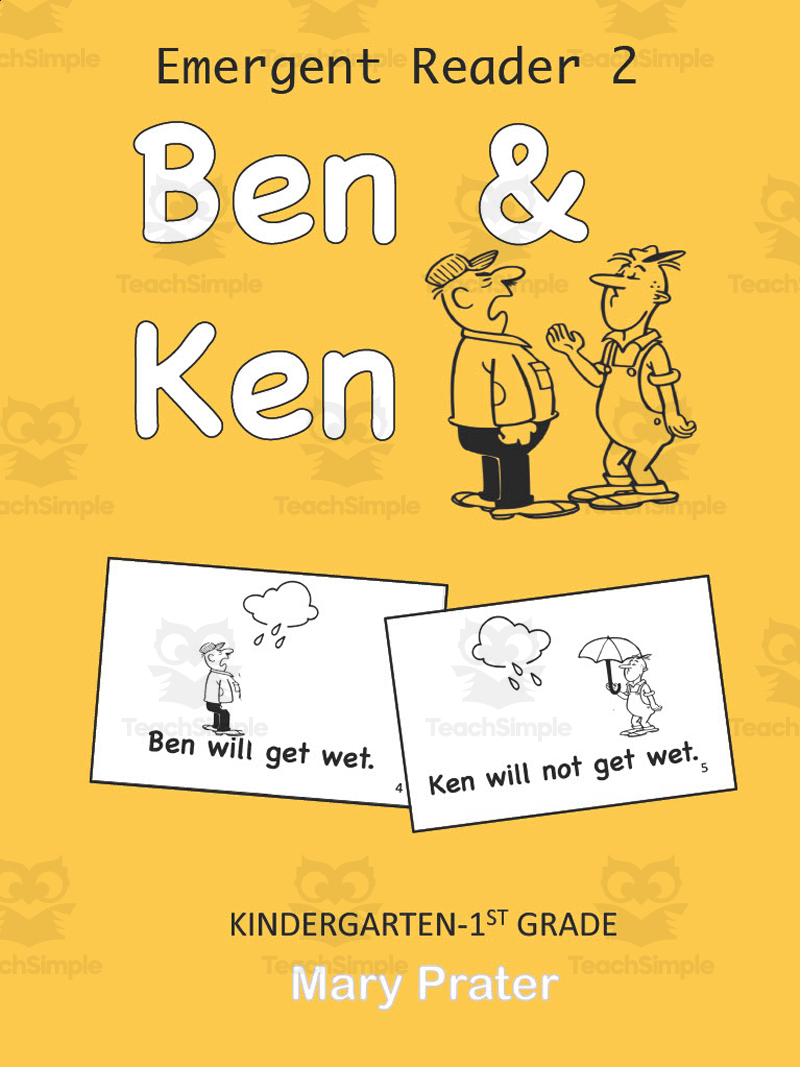
Students read the 8-page illustrated story built on the listed sight words, then (1) pick the missing word to complete sentences from the story, (2) change the first letter of given words to make new words from a word family, and (3) read a sentence and draw a picture matching it.

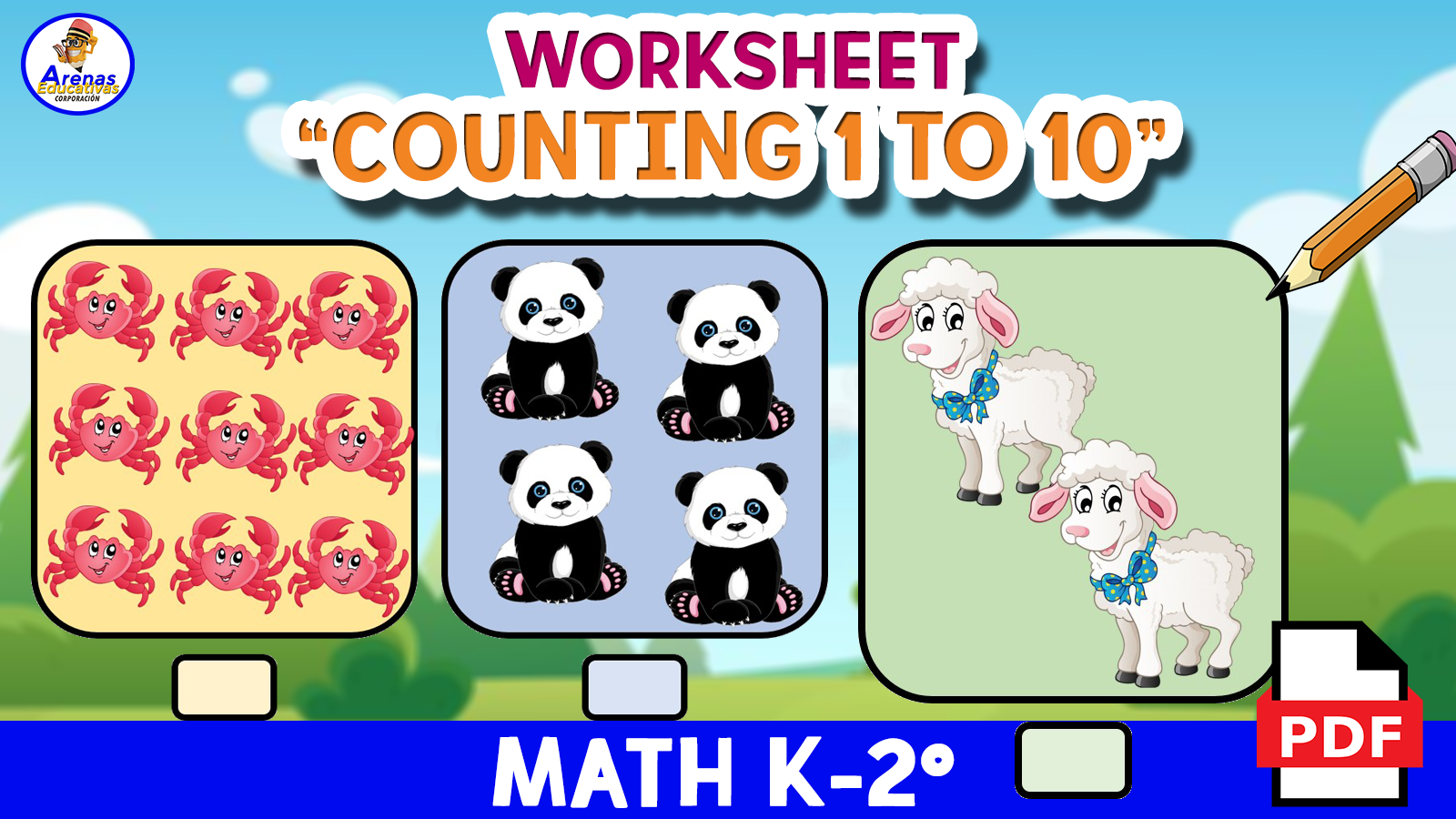
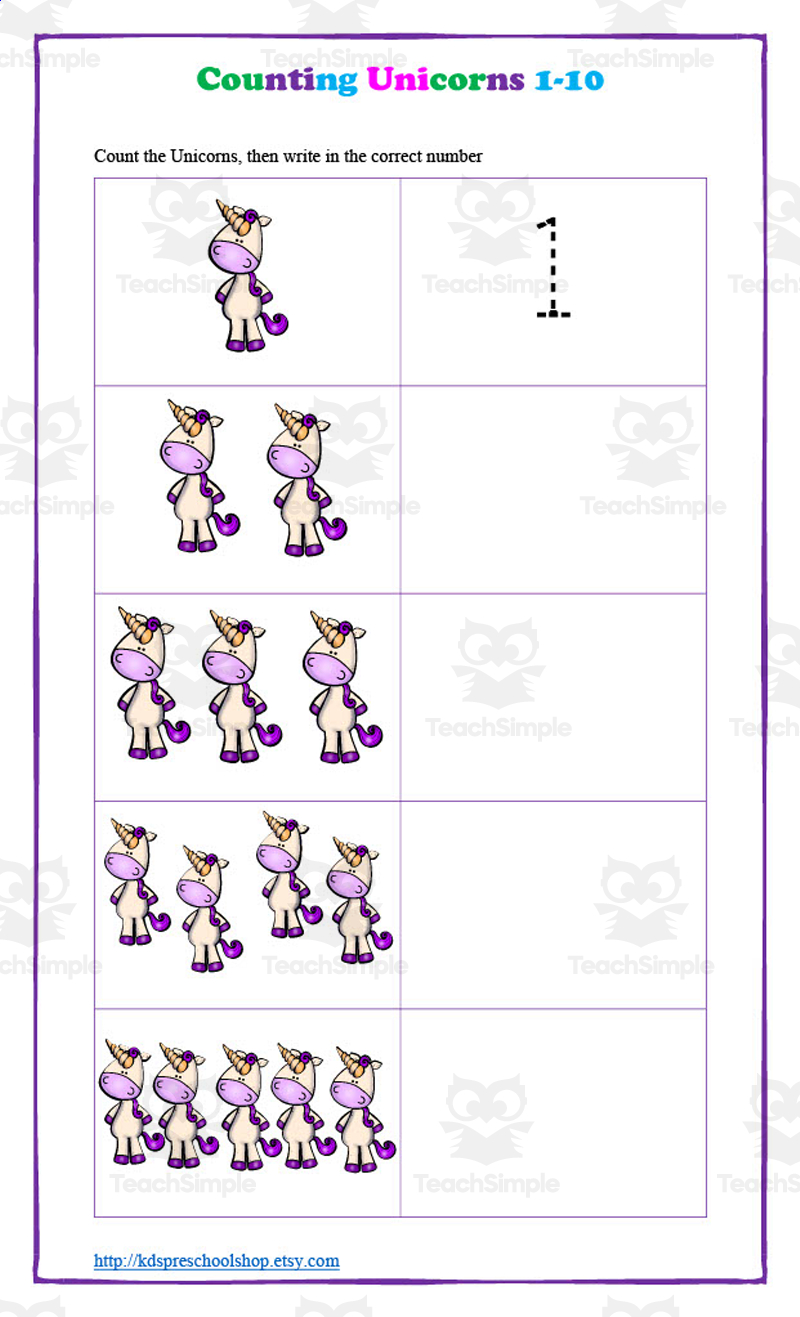
Count and write the number of items shown in a themed picture set on each worksheet page.
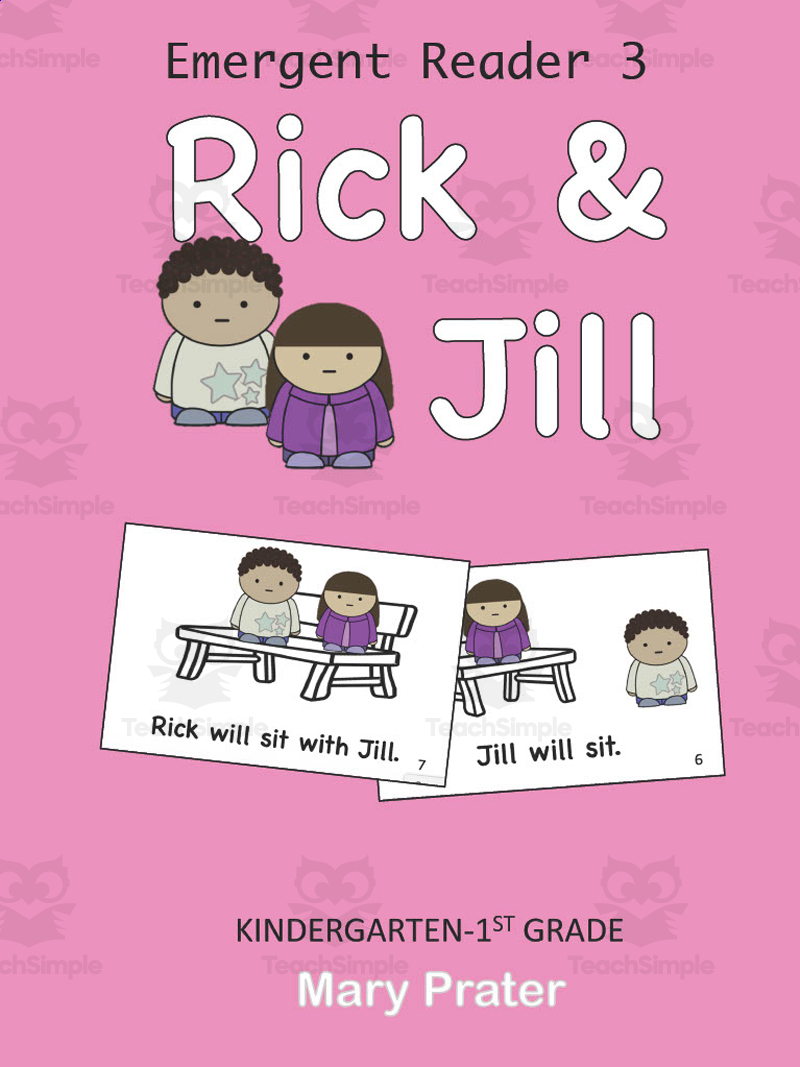
Students read the 8-page illustrated story built on the listed sight words, then (1) pick the missing word to complete sentences from the story, (2) change the first letter of given words to make new words from a word family, and (3) read a sentence and draw a picture matching it.
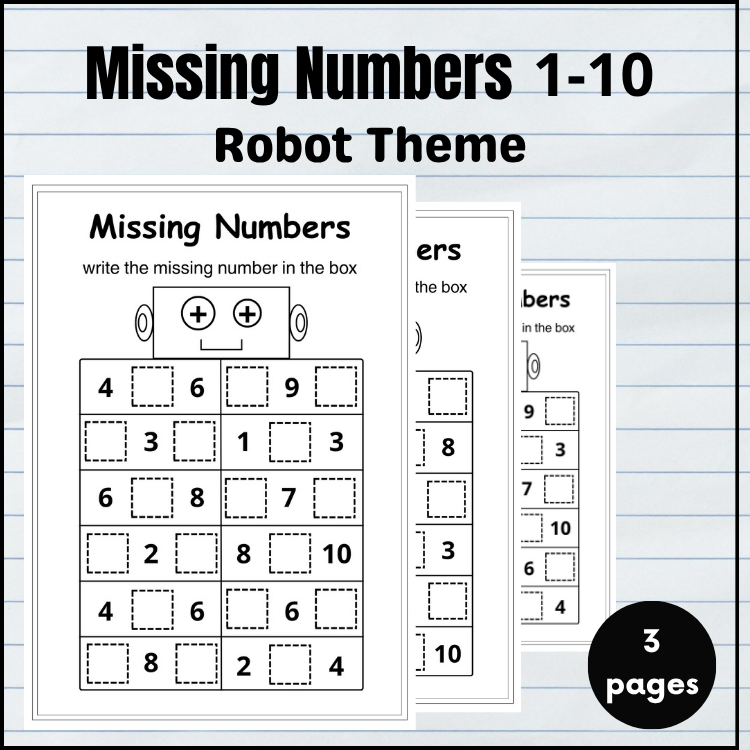
Help students practice addition and subtraction fact relationships by finding a missing number in a three-number fact triangle/number bond.
![Primer Sight Words: Trace, Write, Color, and Find It Worksheets, [SET 5] teaching resource preview](https://teachsimplecom.s3.us-east-2.amazonaws.com/images/primer-sight-words-trace-write-color-and-find-it-worksheets-set-5/image-1676748029606-1.jpg)
For each sight word, trace the printed word, write it independently, color the boxes containing the correct word among distractor words, and circle/find the target word hidden among similar-looking or similarly-spelled decoy words.

Practice distinguishing long and short vowel sounds by color-coding a list of words (red = long vowel, blue = short vowel) and reading the long-vowel words aloud.
 Free download
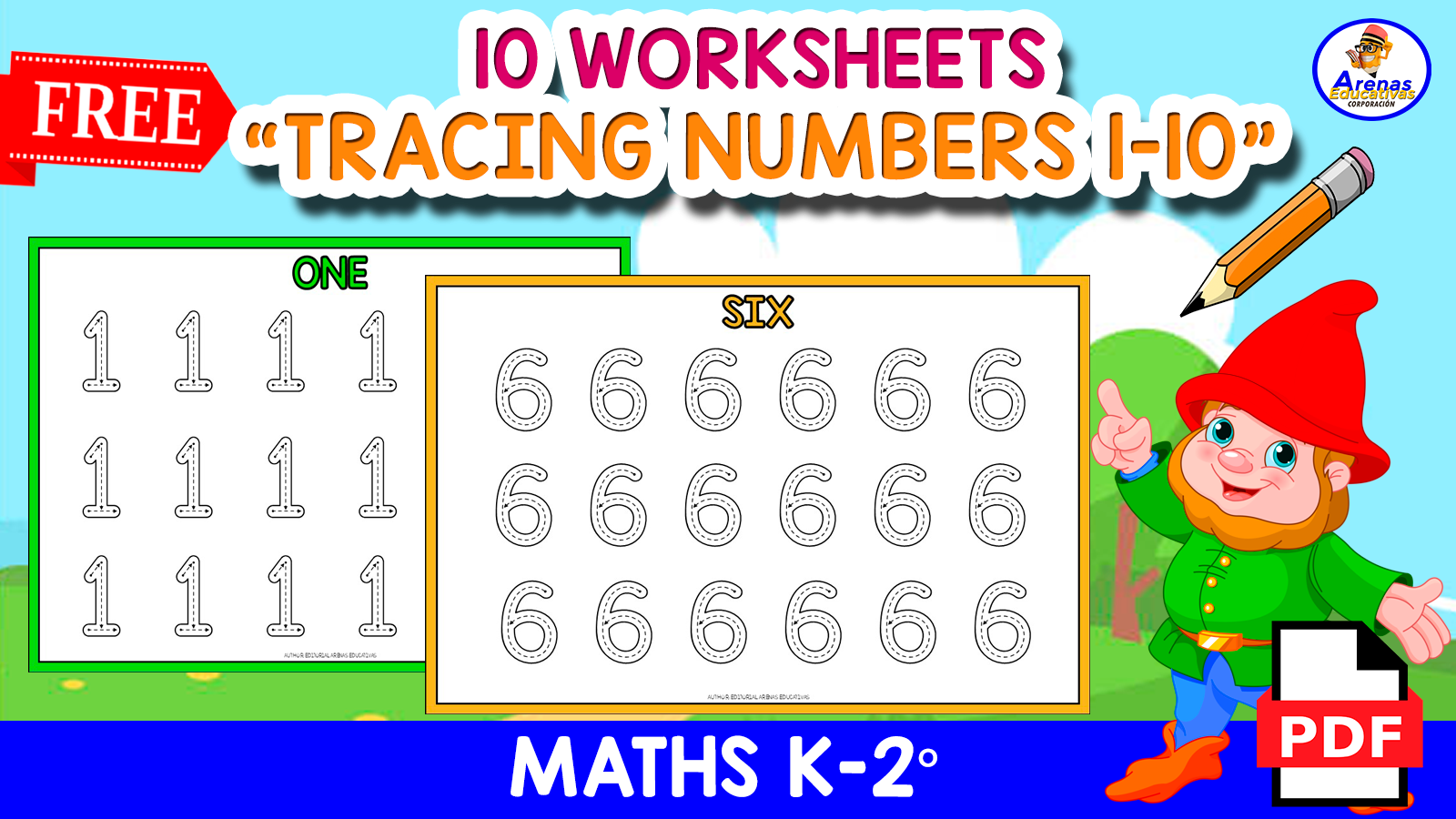
 Ten single-number tracing worksheets present the numbers 1 through 10, one per page, each printed several times across rows so a child can trace the numeral repeatedly with a pencil or crayon. The worksheets are ordered sequentially by number, dedicating a full page to one number at a time before moving to the next, which builds repetition of the same numeral shape ahead of introducing a new one.
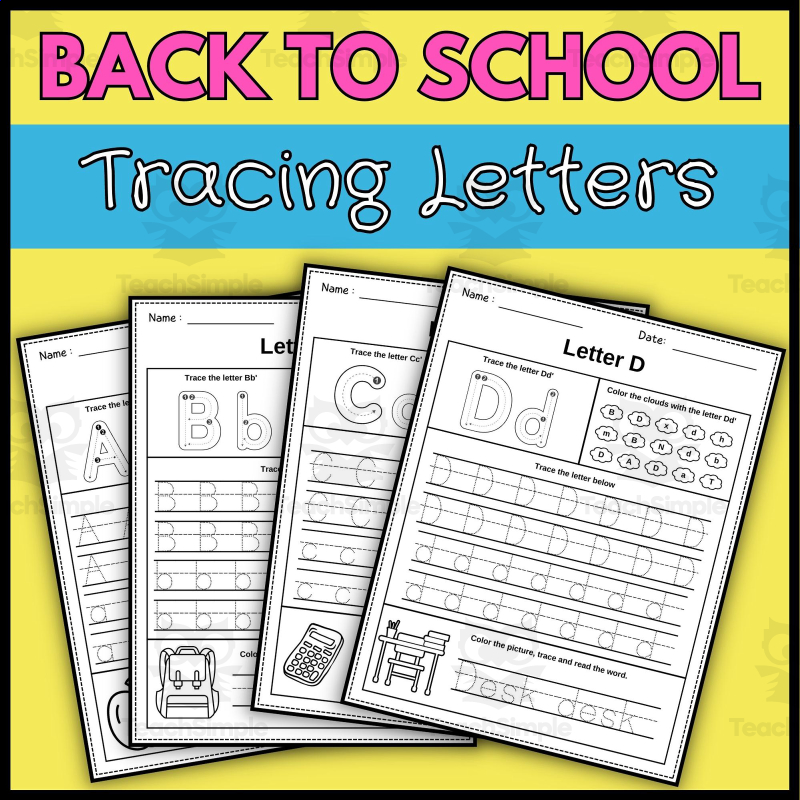
Trace uppercase and lowercase letters, circle/color the clouds containing the matching letter, then color a picture and trace/read a back-to-school vocabulary word that starts with that letter.
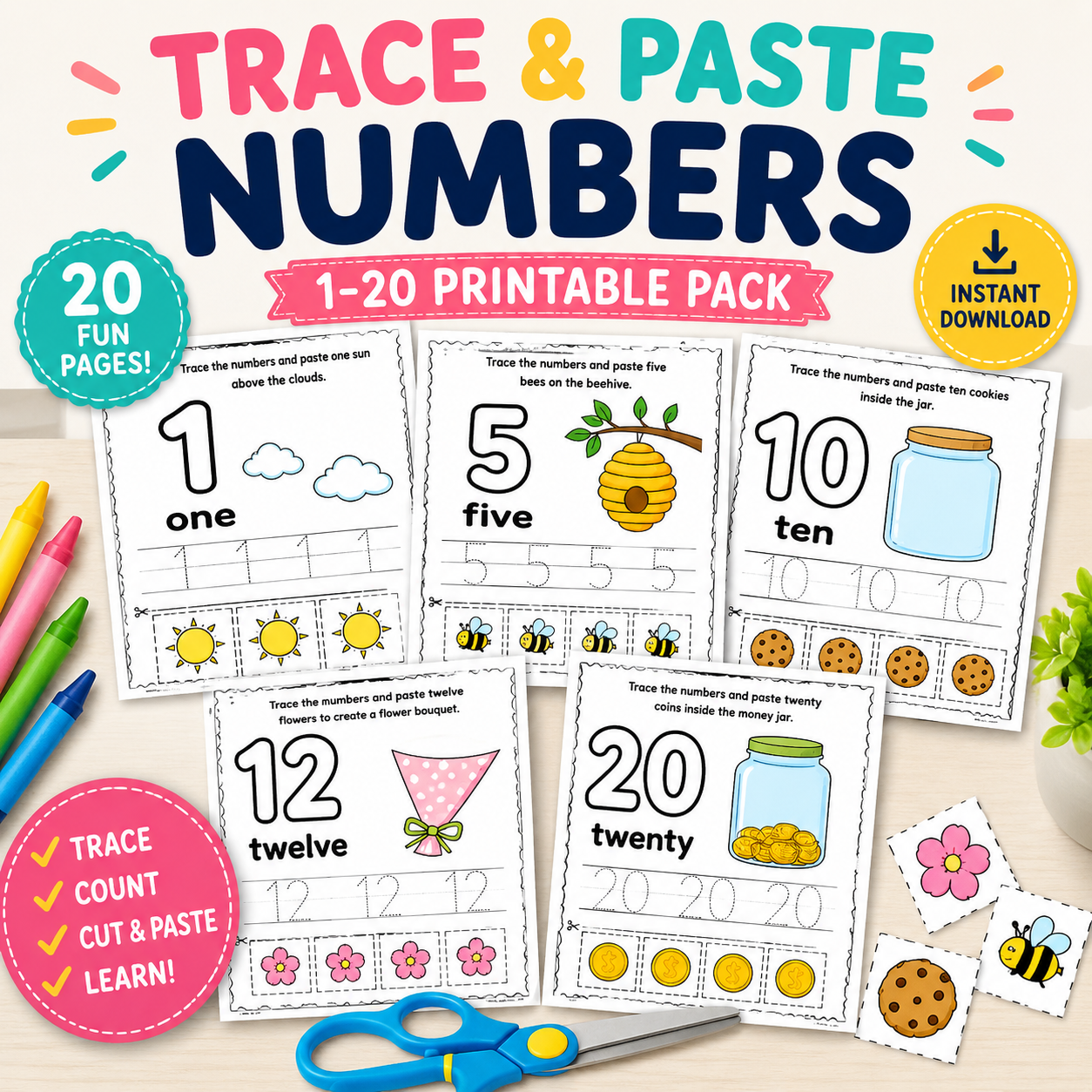
Trace the numeral and the number word, then cut out and paste a matching count of picture items (e.g., paste one sun, two socks, three bananas) onto each page.
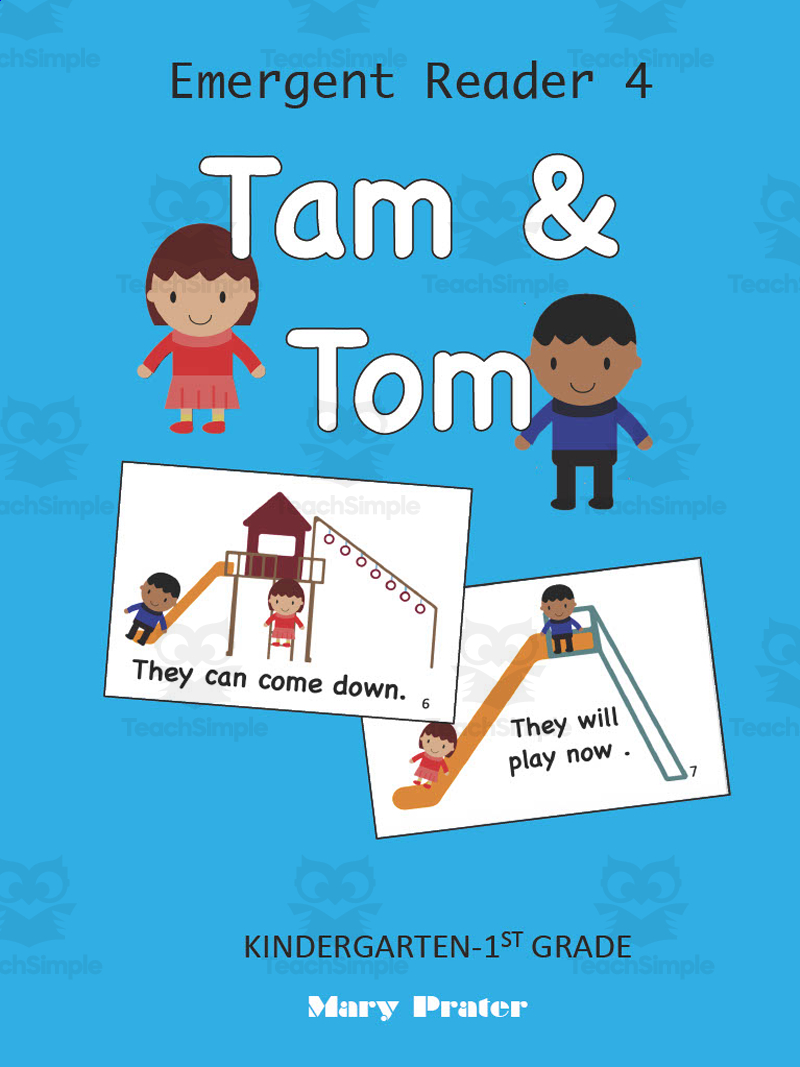
Students read the 8-page illustrated story built on the listed sight words, then (1) pick the missing word to complete sentences from the story, (2) change the first letter of given words to make new words from a word family, and (3) read a sentence and draw a picture matching it.
 Free download
 Give young students practice writing numbers, based on the cover title 'WRITE THE NUMBER — 20 EXERCISES.'
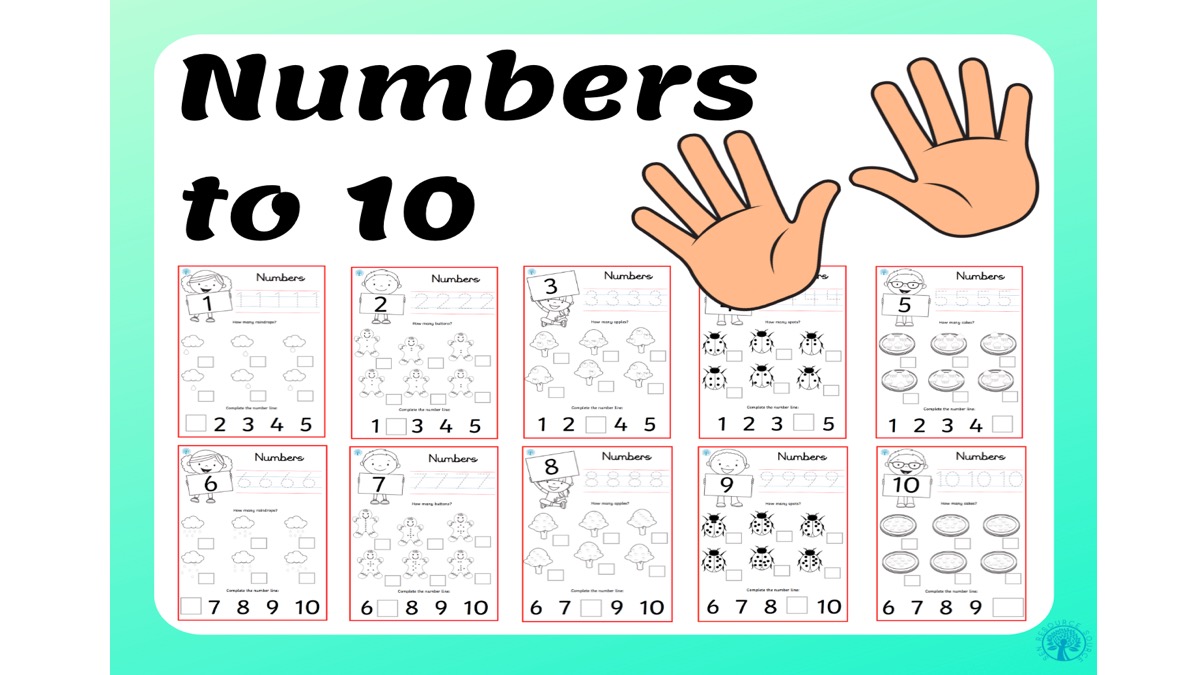
For each number 1-10, students trace/write the number, count pictured objects (raindrops, buttons, apples, spots, cakes) and answer 'how many?', and complete a partially-filled number line by writing in the missing numbers.
![Pre-Primer Sight Words: Trace, Write, Color, and Find It Worksheets, [SET 5] teaching resource preview](https://teachsimplecom.s3.us-east-2.amazonaws.com/images/pre-primer-sight-words-trace-write-color-and-find-it-worksheets-set-5/image-1676747897219-1.jpg)
Trace the sight word, write it independently, color a small illustration/word, and find/circle the target word among distractor words on the page.
![1st Grade Sight Words: Read, Trace and Write Worksheets and Activities, [SET 4] teaching resource preview](https://teachsimplecom.s3.us-east-2.amazonaws.com/images/1st-grade-sight-words-read-trace-and-write-worksheets-and-activities-set-4/image-1676979244066-1.jpg)
Read each sight word, trace it, and write it.
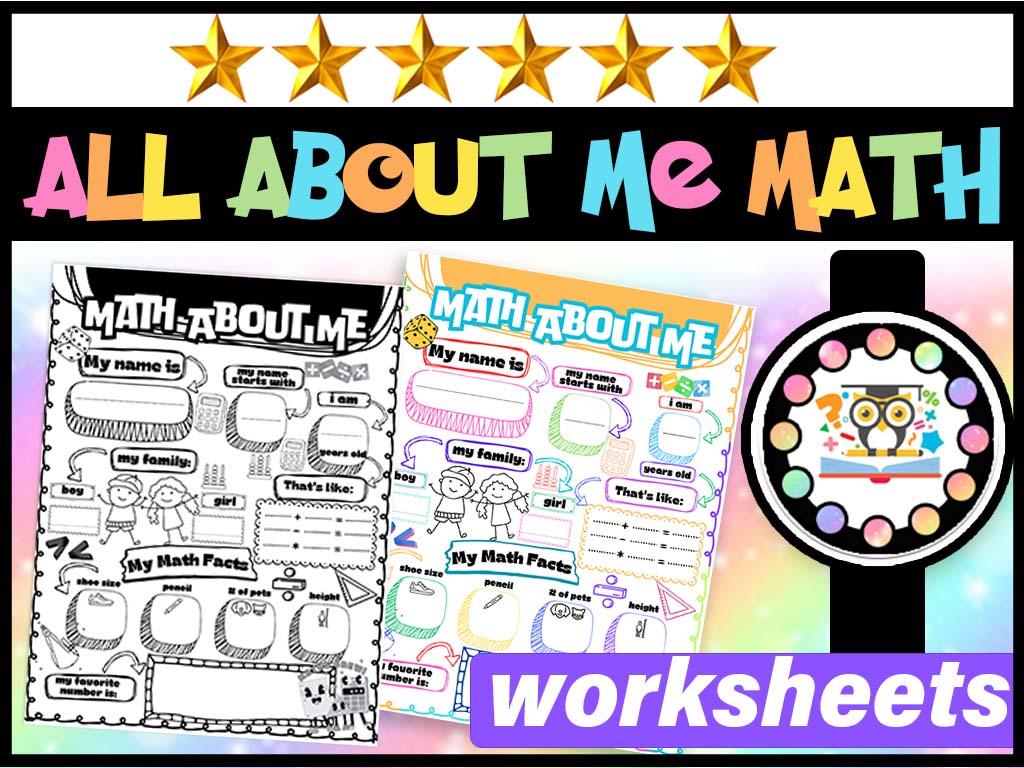
Students fill in their name, the letter their name starts with, age, gender (boy/girl), family size, shoe size, pencil length, number of pets, height and favorite number, then write and solve simple addition, subtraction and multiplication facts using those personal numbers.
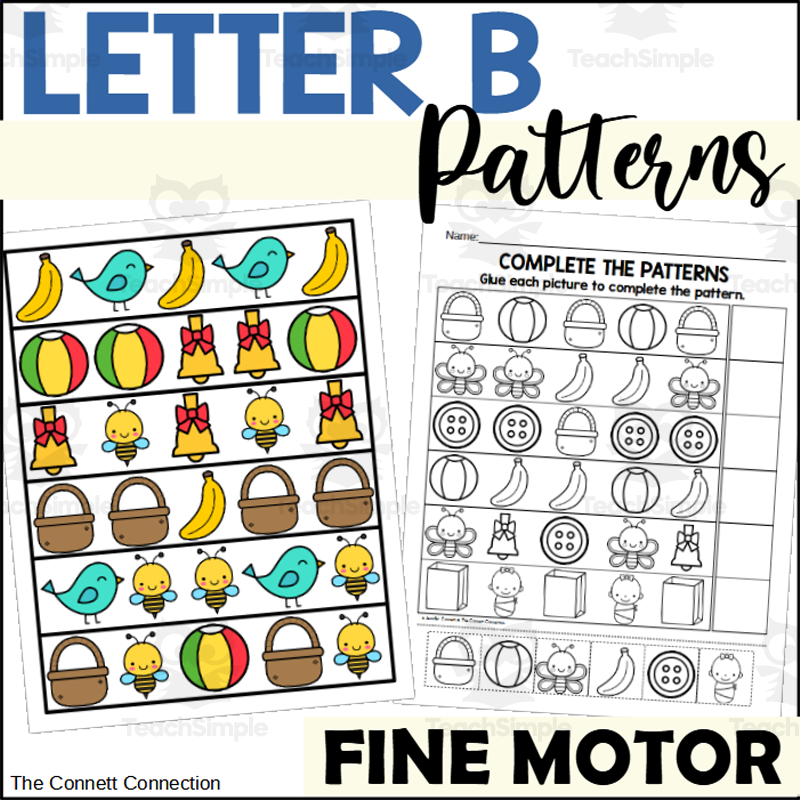
A patterning worksheet/center using letter-B-themed pictures to practice continuing AB/AAB/ABB/AABB/ABC patterns.