Play & discovery
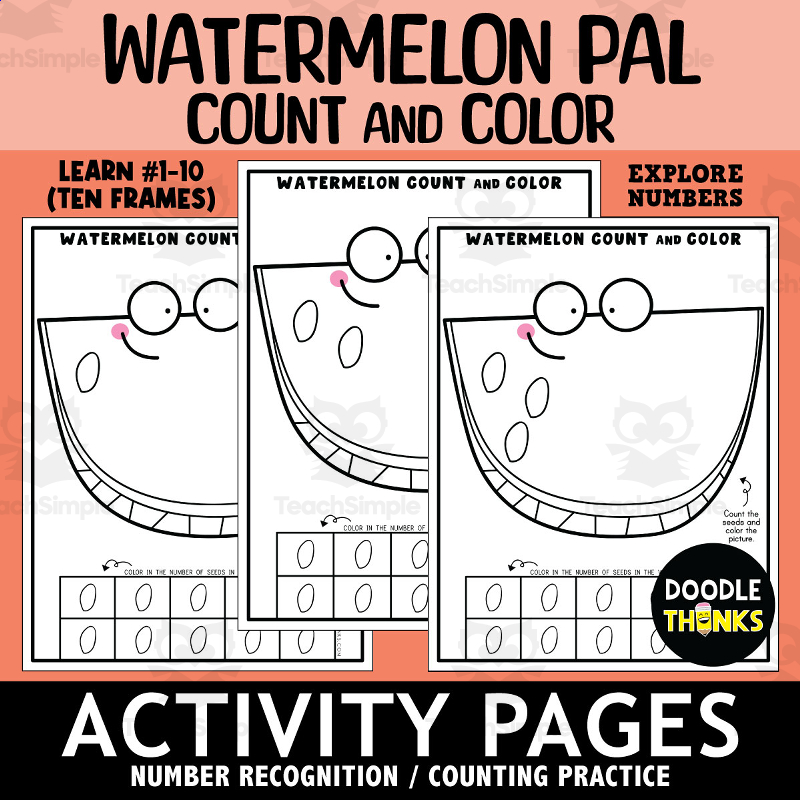
Watermelon Count and Color Ten Frames Activity Printables
Count the number of seeds shown on each watermelon picture and color in that number of seeds/spaces.




Classroom resources
Browse by lesson focus
Choose the topic or kind of practice you need.
Showing 1201–1224 of 1618 resources

 Show filters
 Count the number of seeds shown on each watermelon picture and color in that number of seeds/spaces.
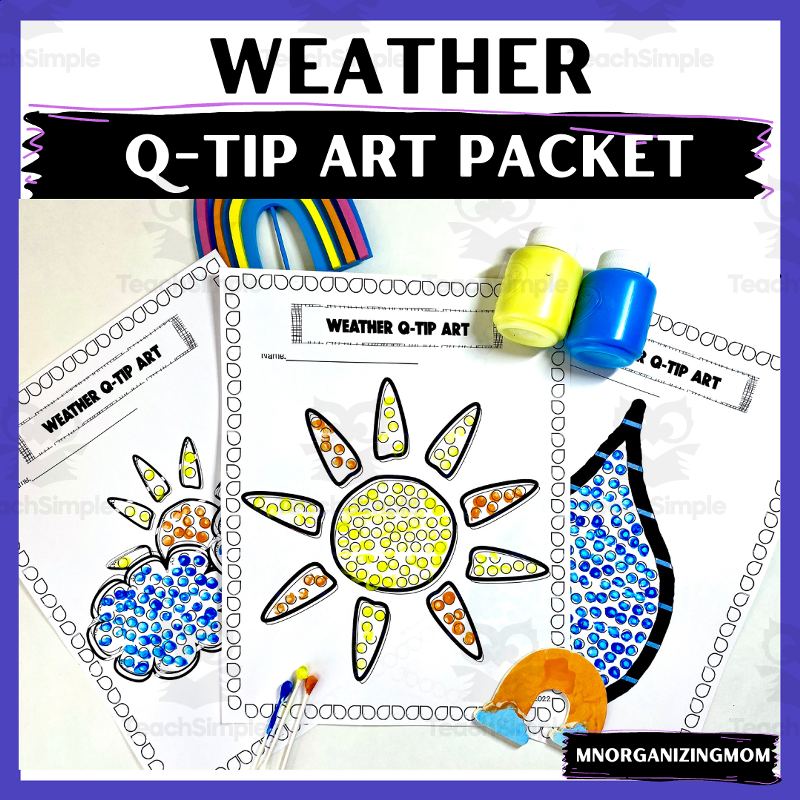
Use a Q-tip, finger, or other medium to dot-paint/decorate each weather-themed outline image (rain boot, partly sunny, sun, rain, cloud, lightning bolt, rain drop, snow, thunderstorm); the file also suggests writing letters/numbers/shapes in the circles for students to selectively fill in.
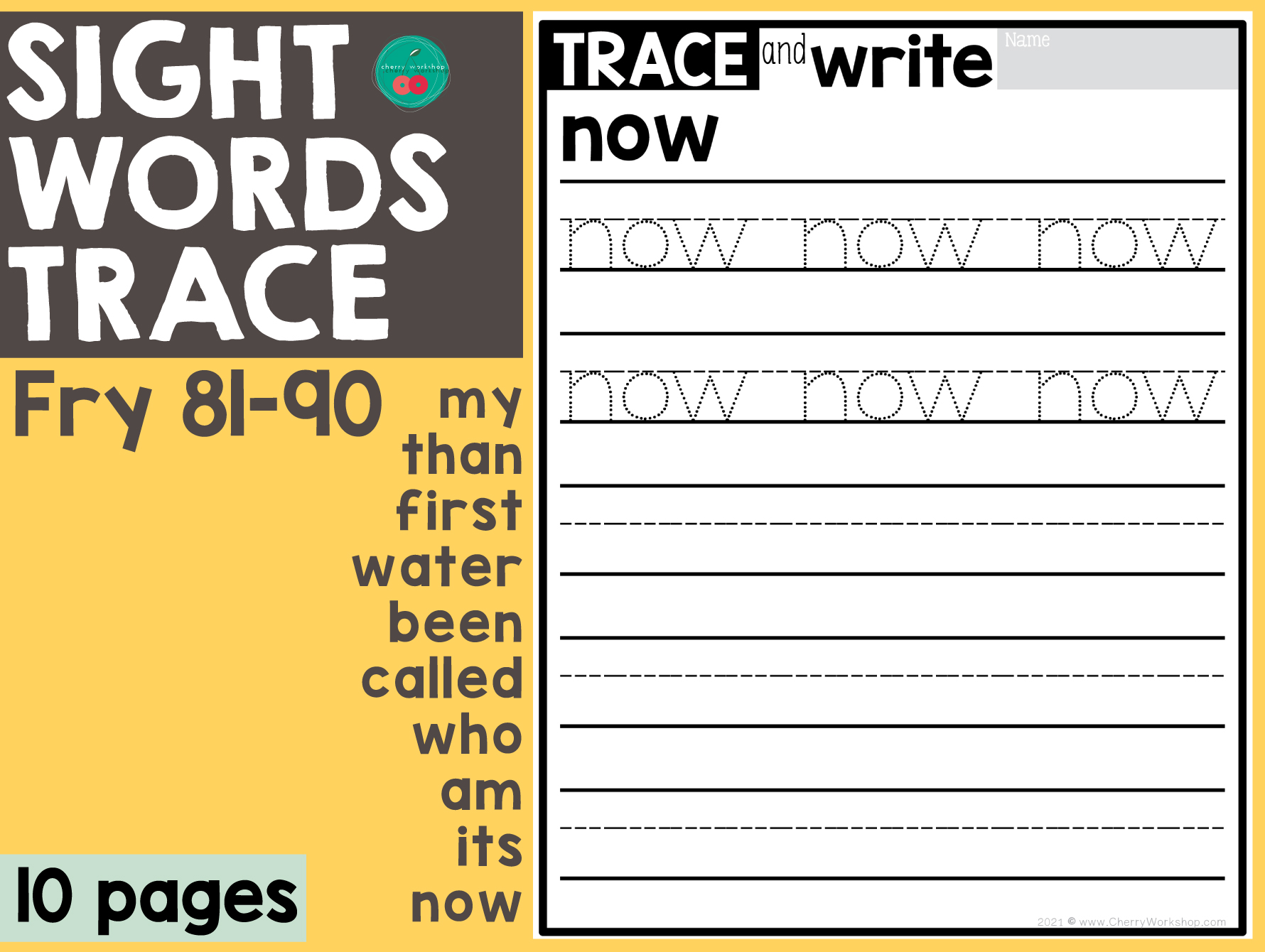
Sight Words Trace 81-90 Helps Students Master Early Reading and Writing Skills This 10-page pack focuses on high-frequency Fry sight words 81-90. Young learners trace the words then practice writing them on their own to build muscle memory. These printable worksheets help kindergarten, first grade, and struggling…
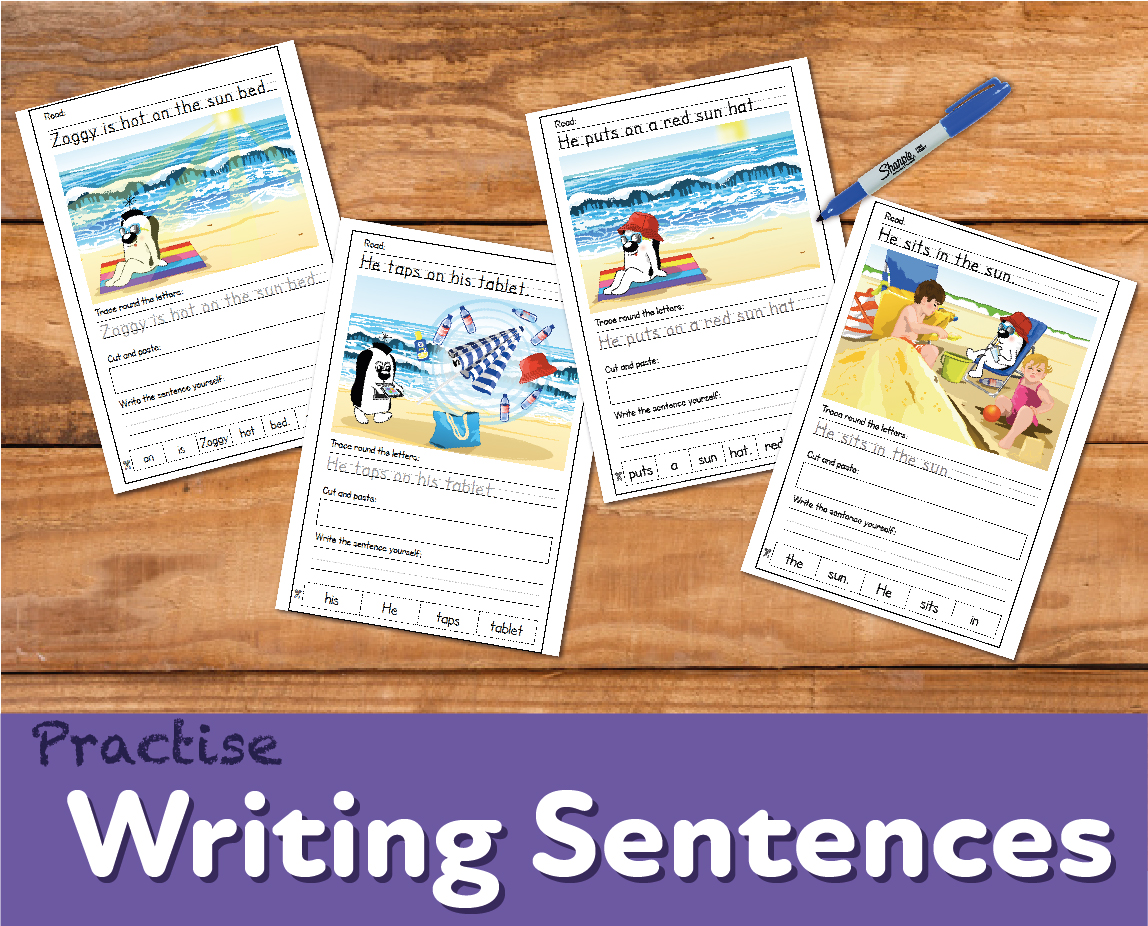
Read a simple sentence, trace over its letters, cut out and paste scrambled words to reassemble the sentence, then write the sentence independently from memory - repeated across seven sentences in a short story about Zoggy and the sun.
Trace uppercase and lowercase letters, write given sight words, color objects that start with the target letter, count objects and write/circle the number, and (on some pages) trace numbers and draw a matching quantity.
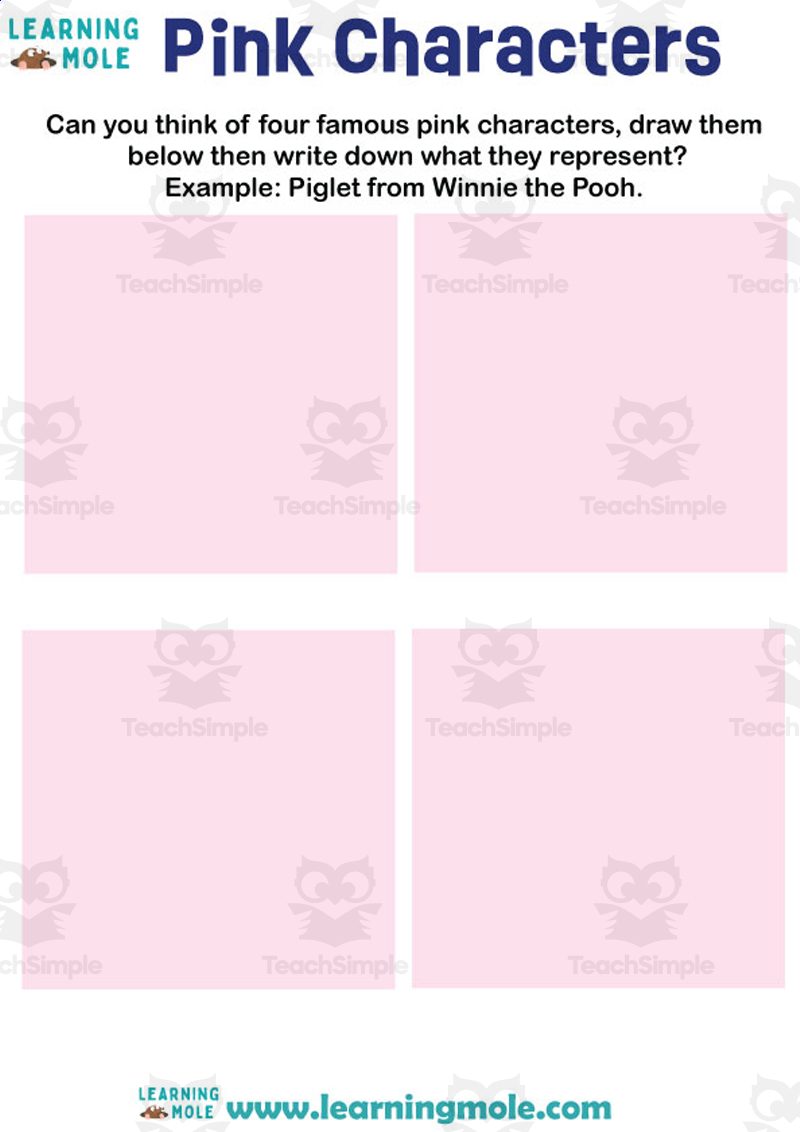
Think of four famous pink characters, draw them, and write down what they represent.
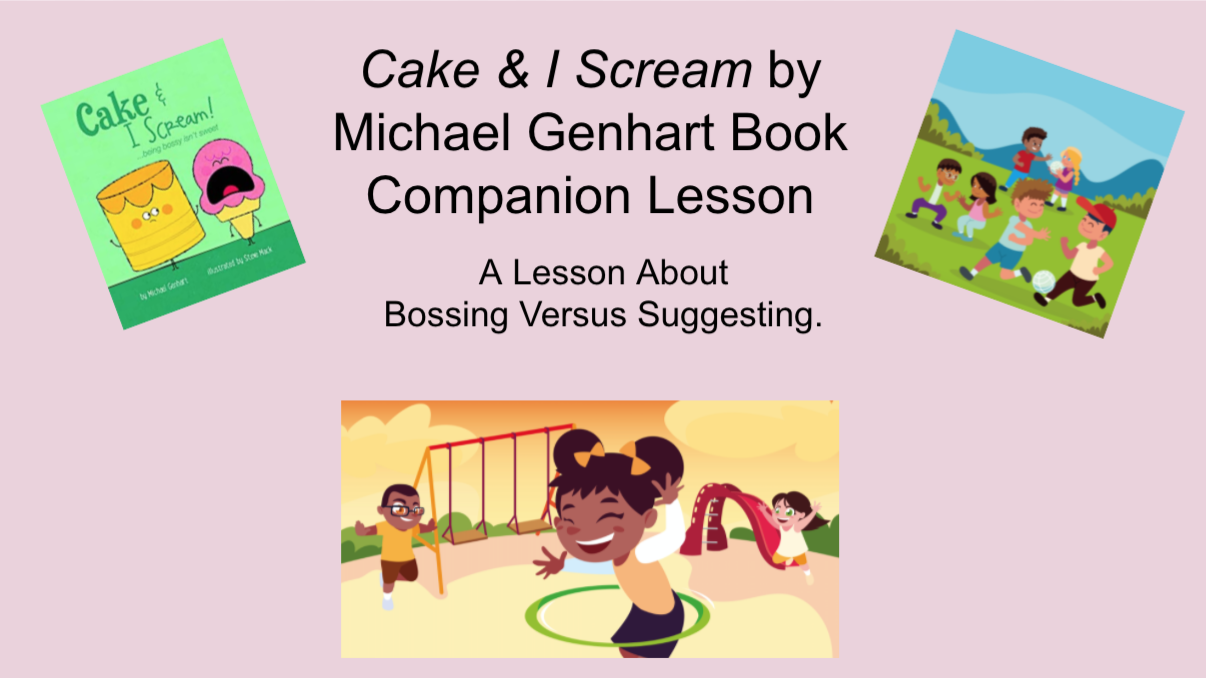
Social-emotional learning (SEL) book-companion lesson teaching the difference between 'bossing' and 'suggesting', built around the picture book 'Cake & I Scream' by Michael Genhart.

Fill in the missing final sound of a CVC word for each picture, then read simple repetitive sentences and draw a line matching each sentence to the correct picture.
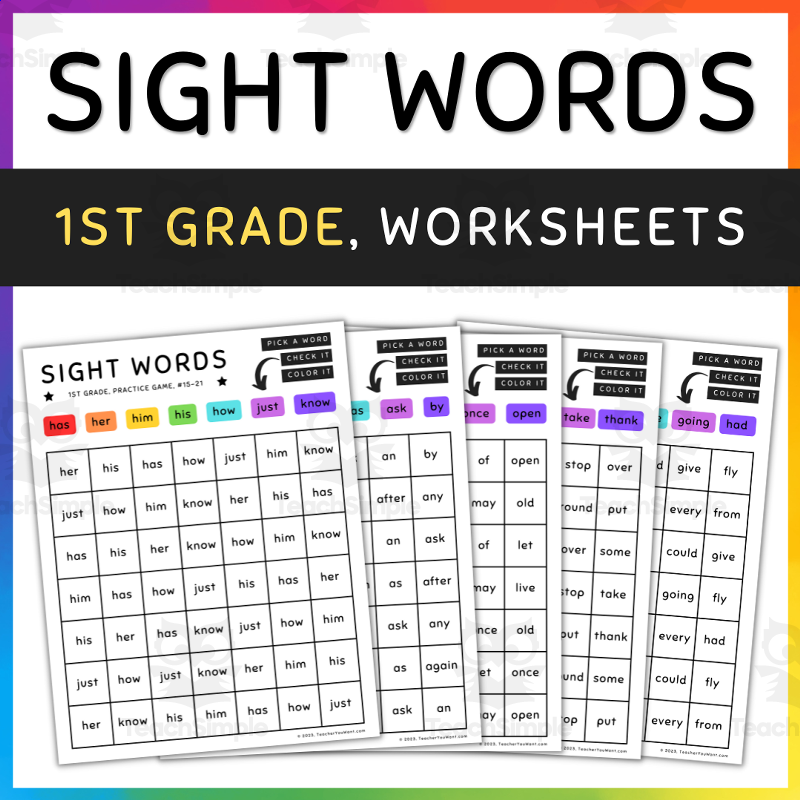
Pick a target sight word, scan a grid of repeated words to find and check/color each matching instance.
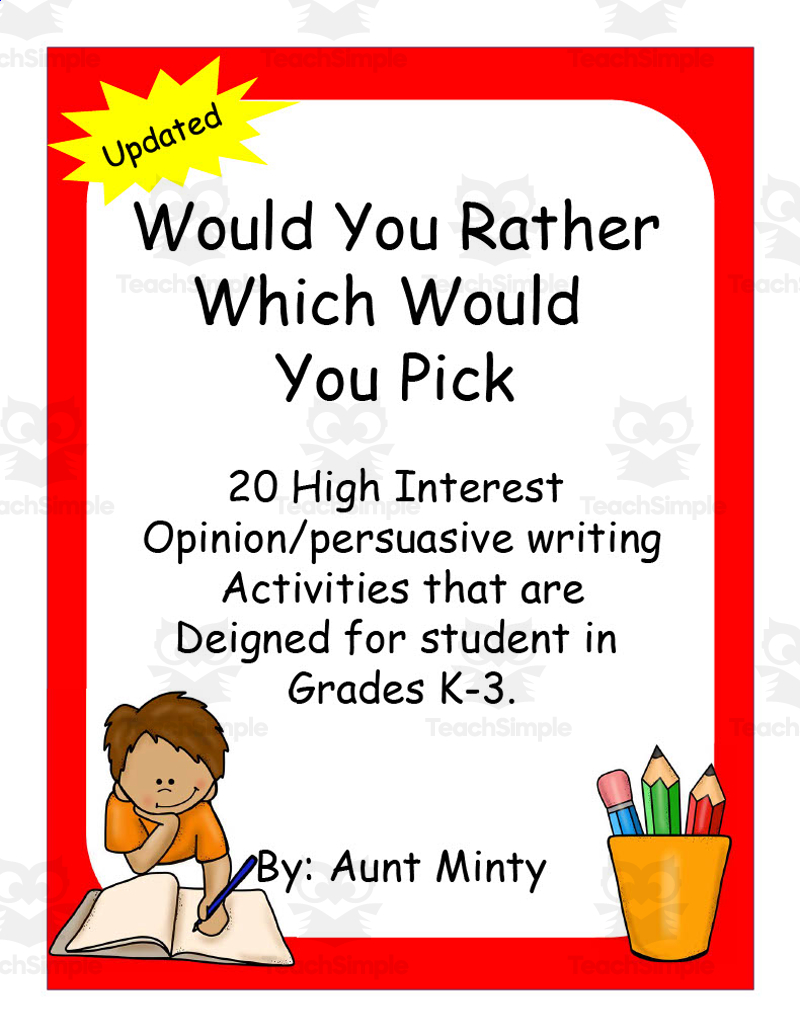
Use prewriting graphic organizers (T-chart, list, web) to brainstorm, then answer 20 'Would You Rather' prompts (e.g., fish or turtle, pizza or sandwich, astronaut or pirate) by choosing an option and writing several lines explaining their opinion.
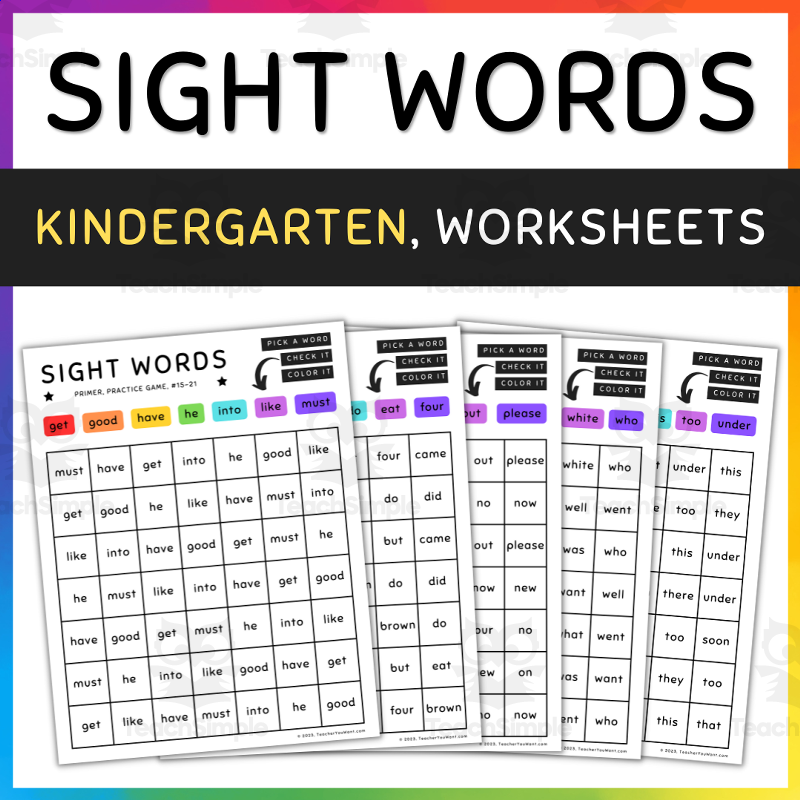
Pick a target sight word, find and check it within a grid of repeated words, and color each occurrence of it, working through 7 words per page across multiple pages.
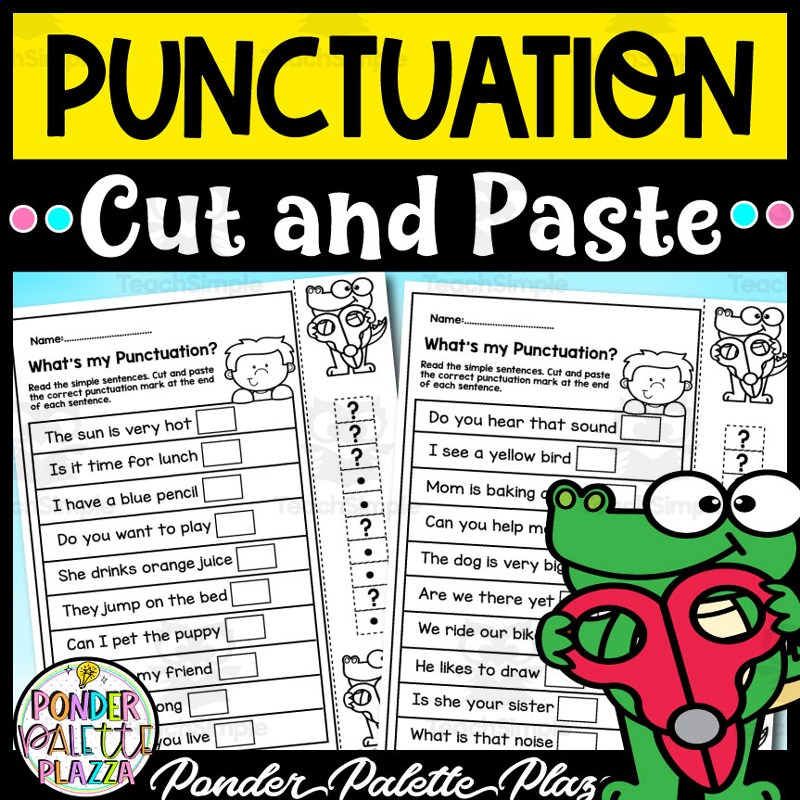
Read simple sentences and cut and paste the correct end punctuation mark (period, question mark, or exclamation mark) at the end of each sentence.
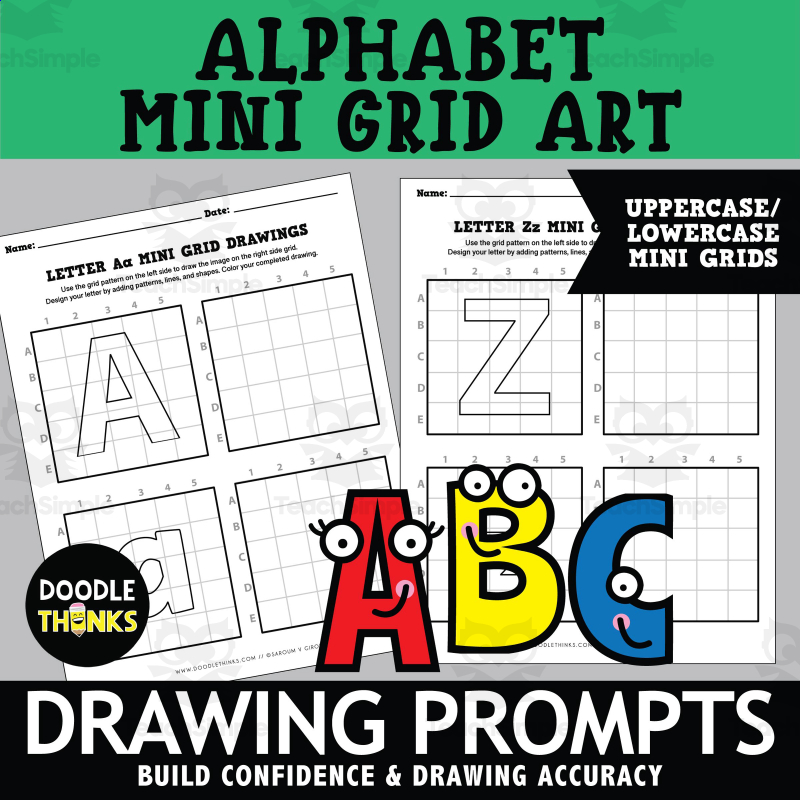
Copy a grid-based image pattern from a reference grid onto a blank grid using the coordinate labels (numbers 1-5, letters A-E), design the letter shape by adding patterns, lines and shapes, then color the completed drawing.
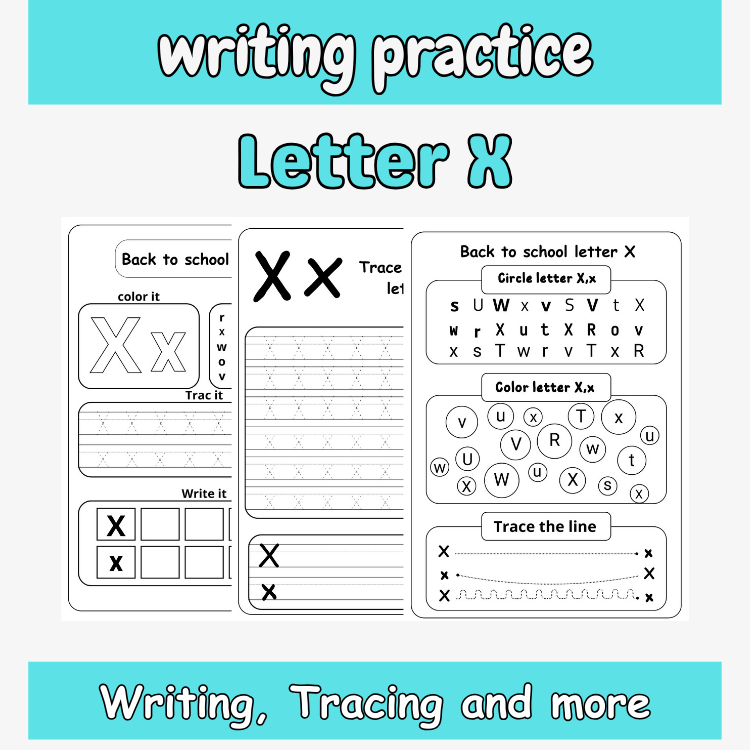
Color and circle instances of the letter X among other letters, trace dotted/outline letter X rows, write the letter independently, and trace connecting lines.
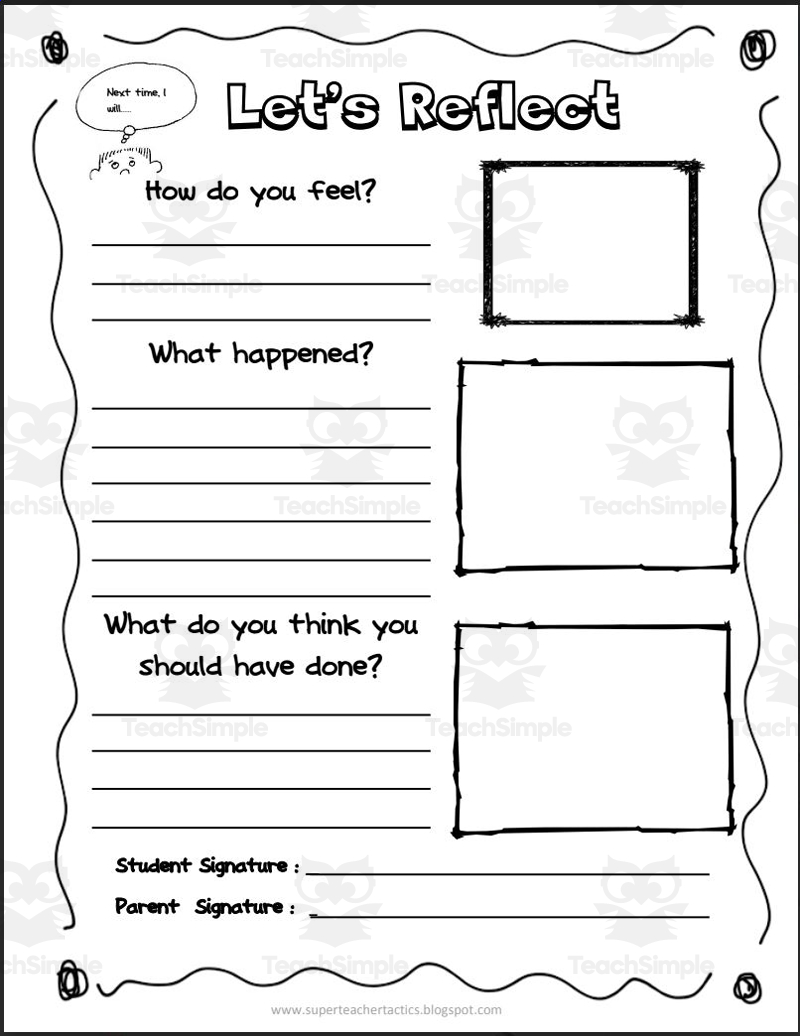
A single-page self-reflection sheet for students to process a behavior incident by reflecting on their feelings, what happened, and what they should have done differently.
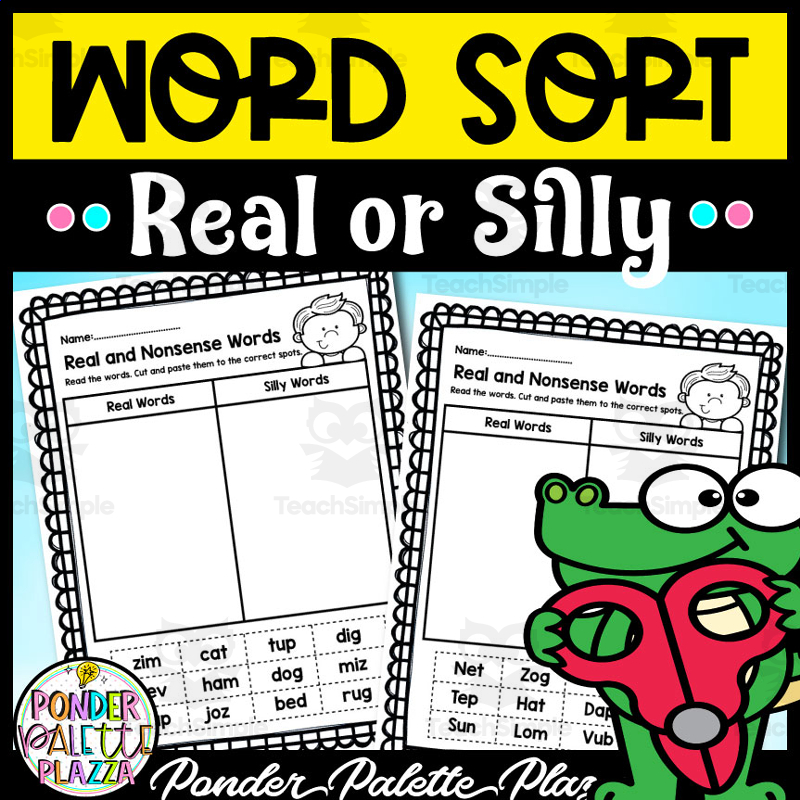
Read a set of short CVC words, decide whether each is a real word or a silly/nonsense word, then cut and paste each word into the correct column.

Sort food by color, sort/cut/paste healthy vs. unhealthy food, read a short illustrated story (Sam the Cat Gets Fat) about the consequences of poor diet, draw two healthy foods, and draw self doing a healthy physical activity.
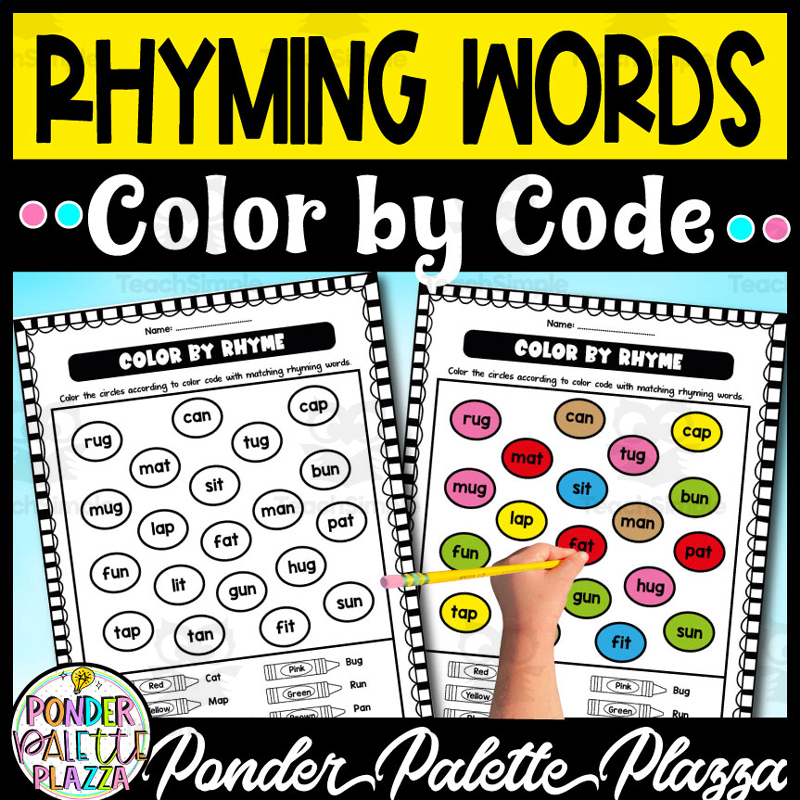
Color circles according to a color-code key matched to rhyming word groups (e.g. Cat/Map/Kit and Bug/Run/Pan groups).
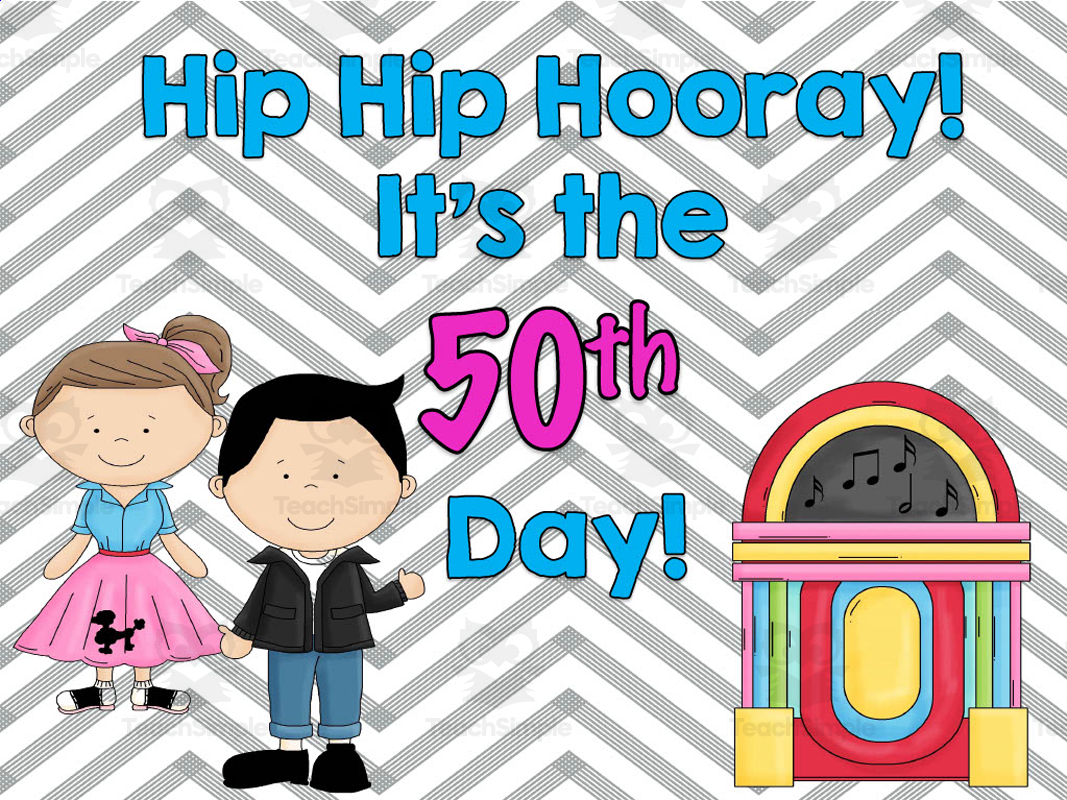
A 50th-day-of-school activity packet combining counting, number writing, simple addition, and a parent note for a class celebration/snack event.
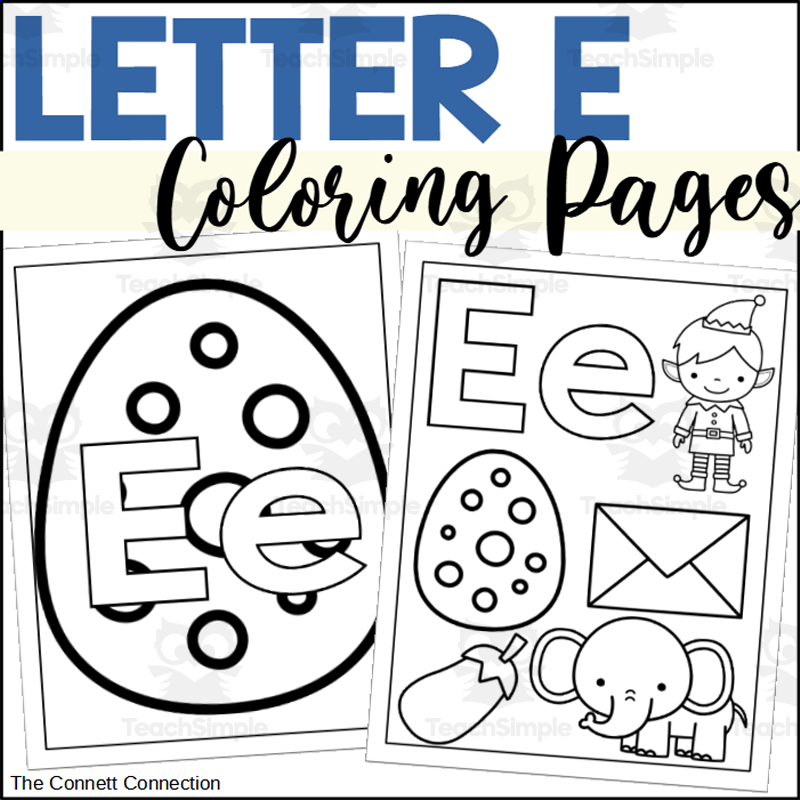
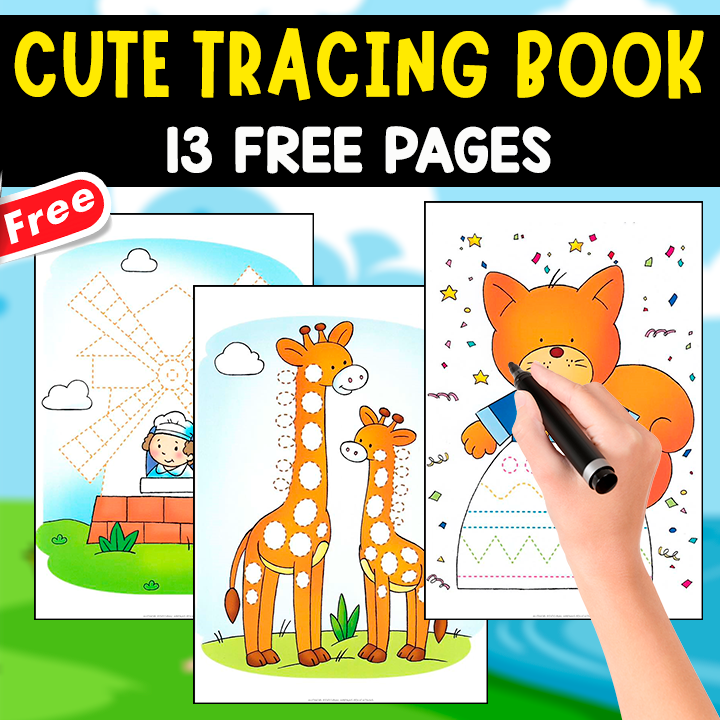 Free download
 Practice pencil control by tracing printed lines on activity pages.
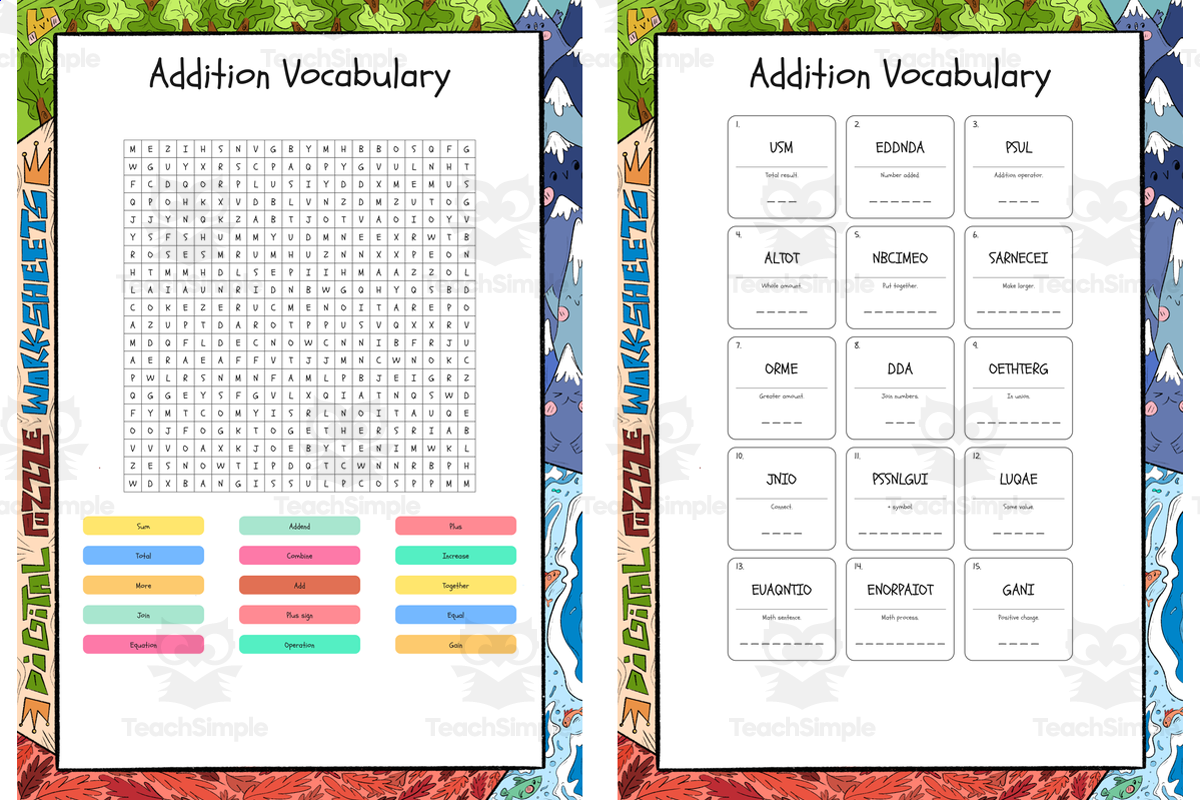
Build familiarity with addition-related vocabulary (addend, sum, plus, equation, etc.) through three puzzle formats.
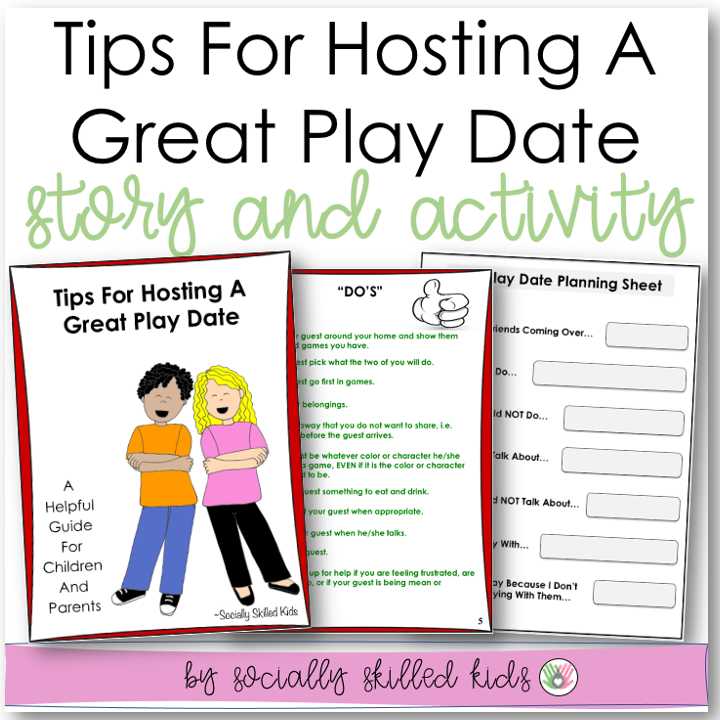
Read (or have read to them) a narrated guide explaining why play dates are valuable, what a 'host' and 'guest' are, and a list of specific Do's and Don'ts for hosting; then use a 'My Play Date Planning Sheet' to write/plan what they can do, talk about, and share during an upcoming play date.