Play & discovery
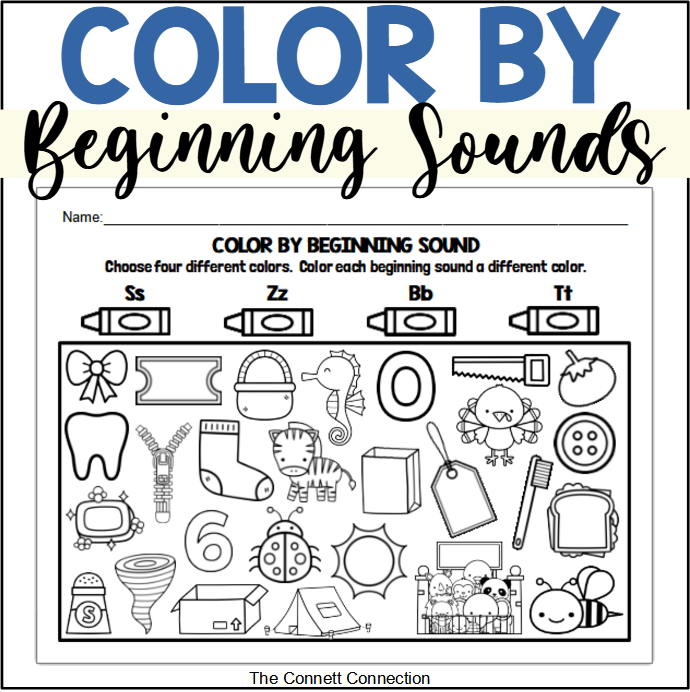
Color by Beginning Sounds
Phonics practice set for recognizing letter beginning sounds through a color-by-letter coloring activity.
Answers included




Classroom resources
Browse by lesson focus
Choose the topic or kind of practice you need.
Showing 1177–1200 of 1618 resources

 Show filters
 Phonics practice set for recognizing letter beginning sounds through a color-by-letter coloring activity.
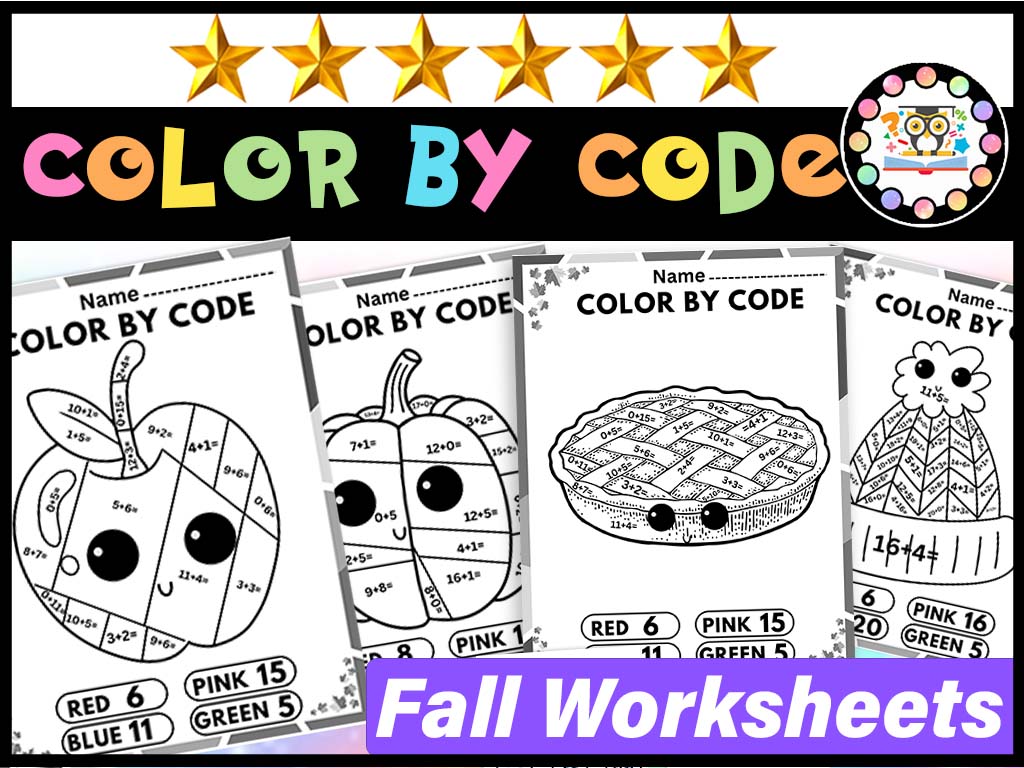
Addition fact practice combined with a color-by-code/color-by-number coloring activity.
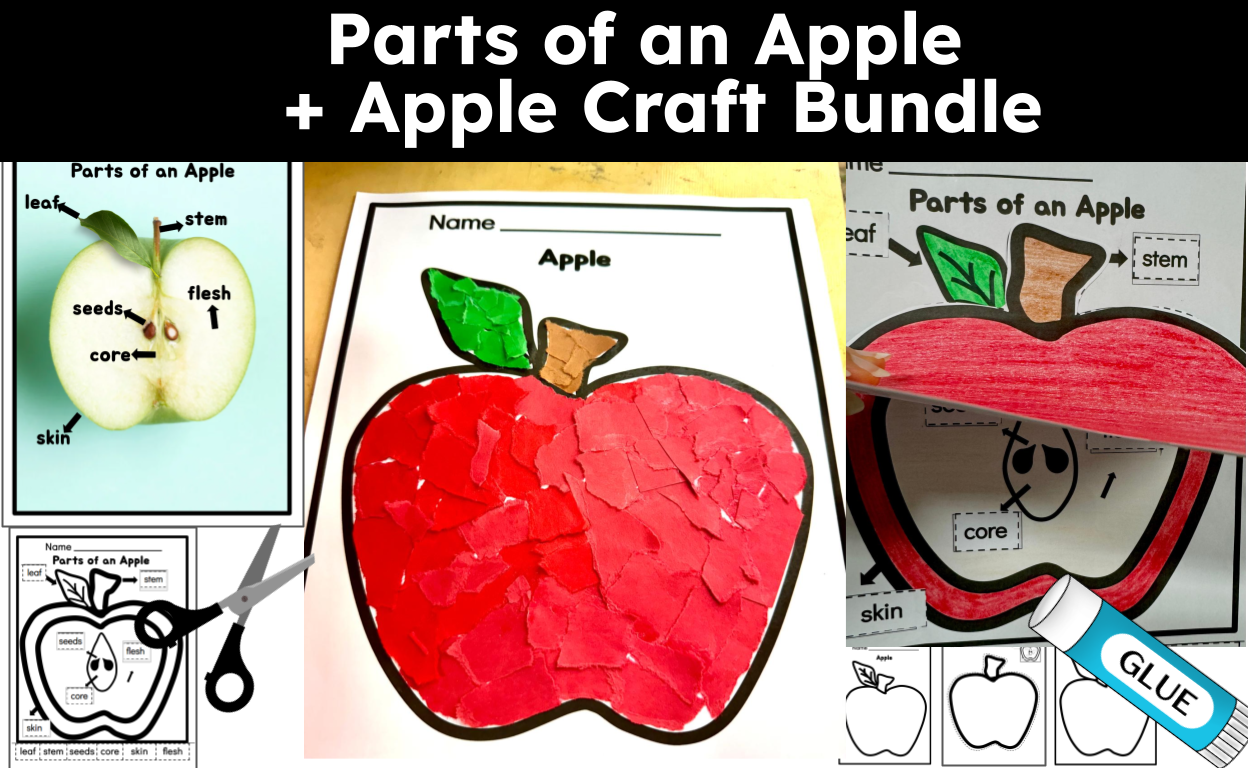
Color and label an apple diagram using a word bank (leaf, stem, seeds, core, skin, flesh); separately, tear or cut small paper pieces and glue them onto an apple/pumpkin-stem outline to make a craft.
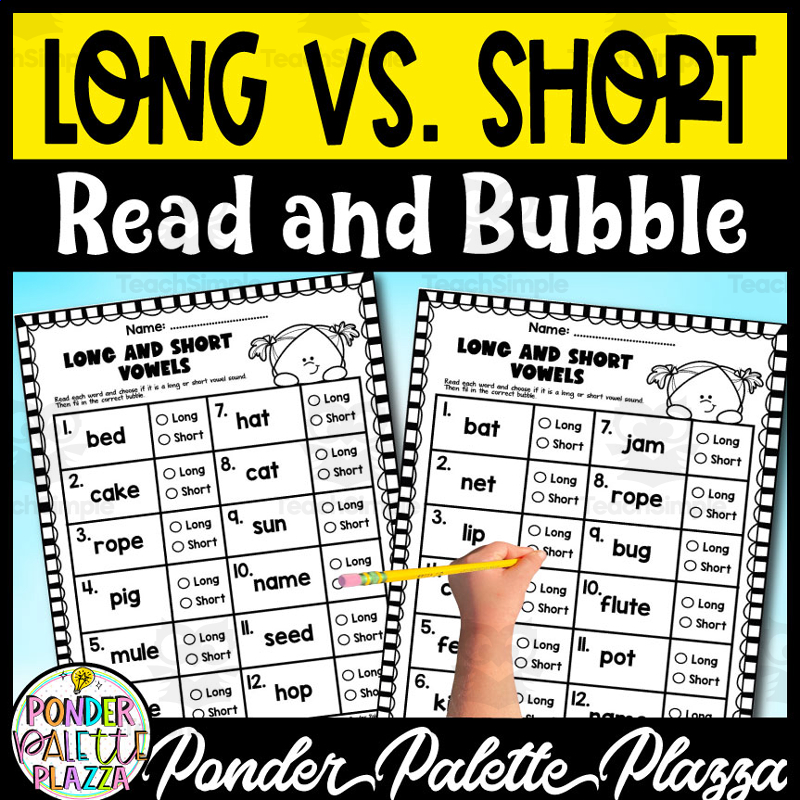
Practice distinguishing long and short vowel sounds by reading a list of words and marking whether each has a long or short vowel sound.
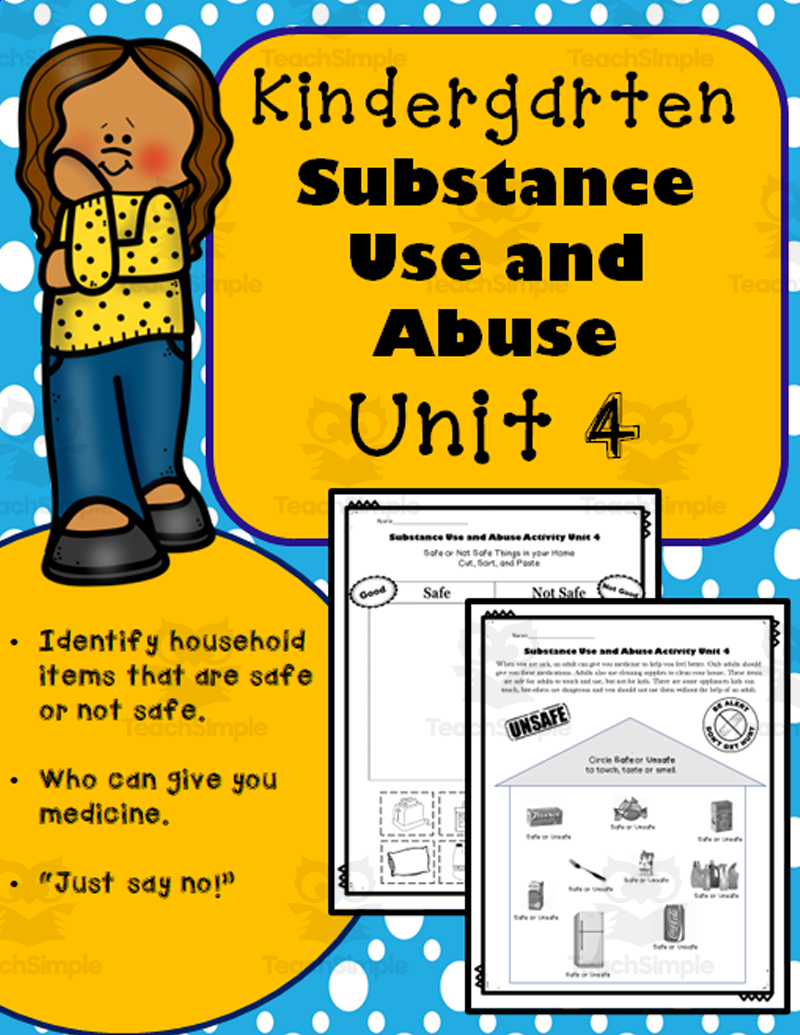
Circle whether pictured household items are safe or unsafe to touch/taste/smell, cut-sort-and-paste items into safe/not-safe categories, color pictures of trusted adults who can give medicine, fill in missing letters to spell trusted-adult words using a word bank, and answer a yes/no question about trusted-adult-given…
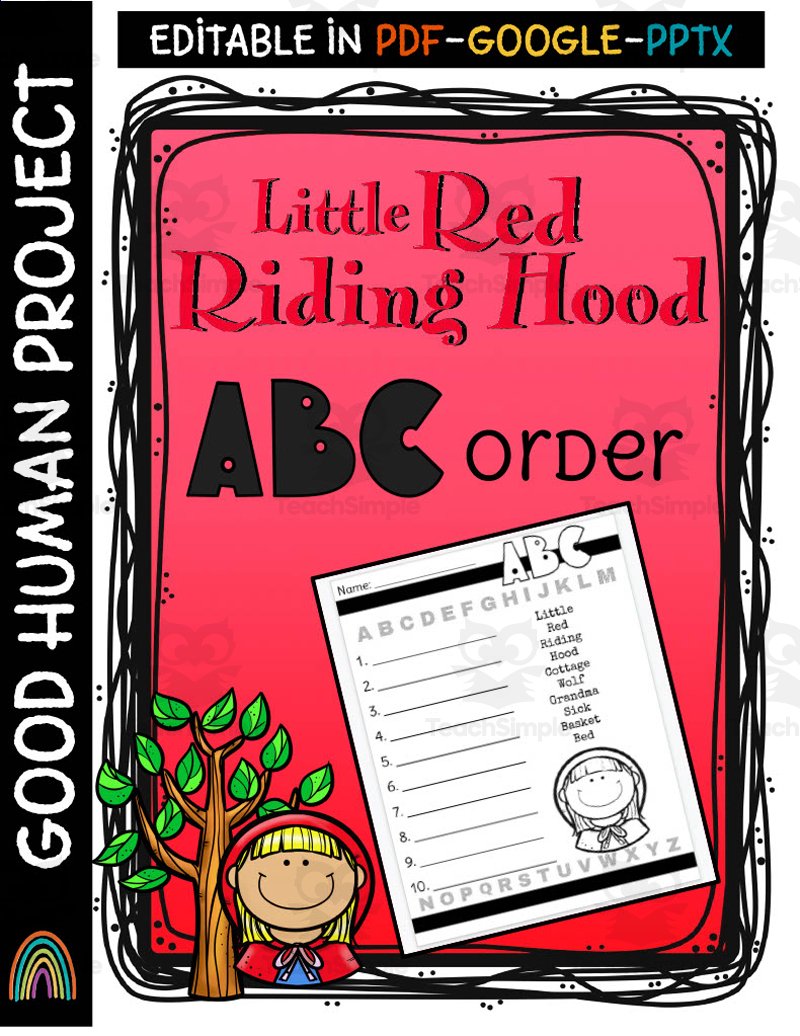
Alphabetical-order (ABC order) practice using vocabulary drawn from the Little Red Riding Hood folk tale.
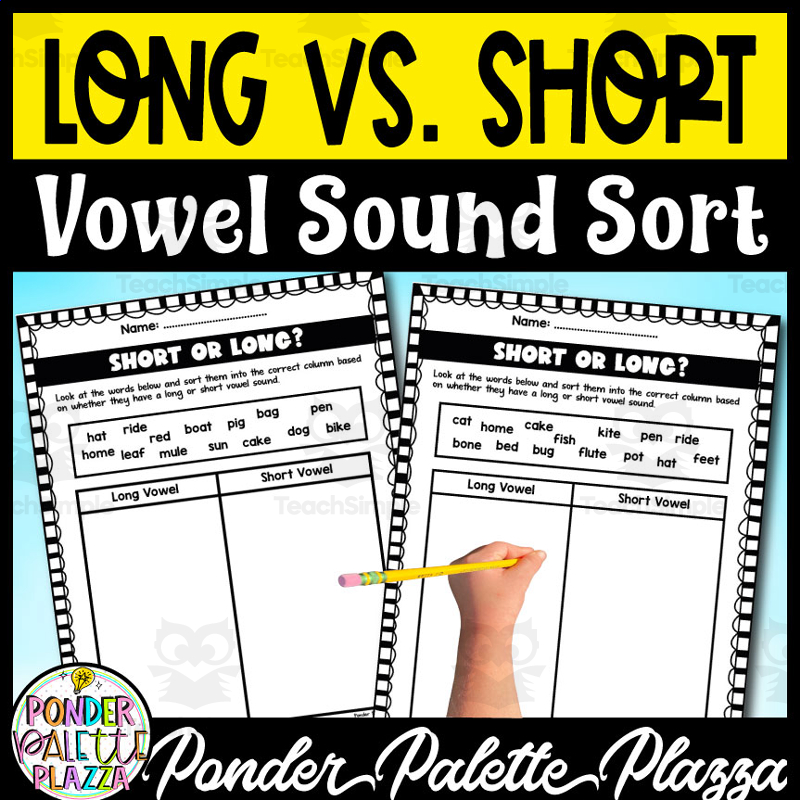
Practice distinguishing long and short vowel sounds by sorting a list of words into 'Long Vowel' and 'Short Vowel' columns.
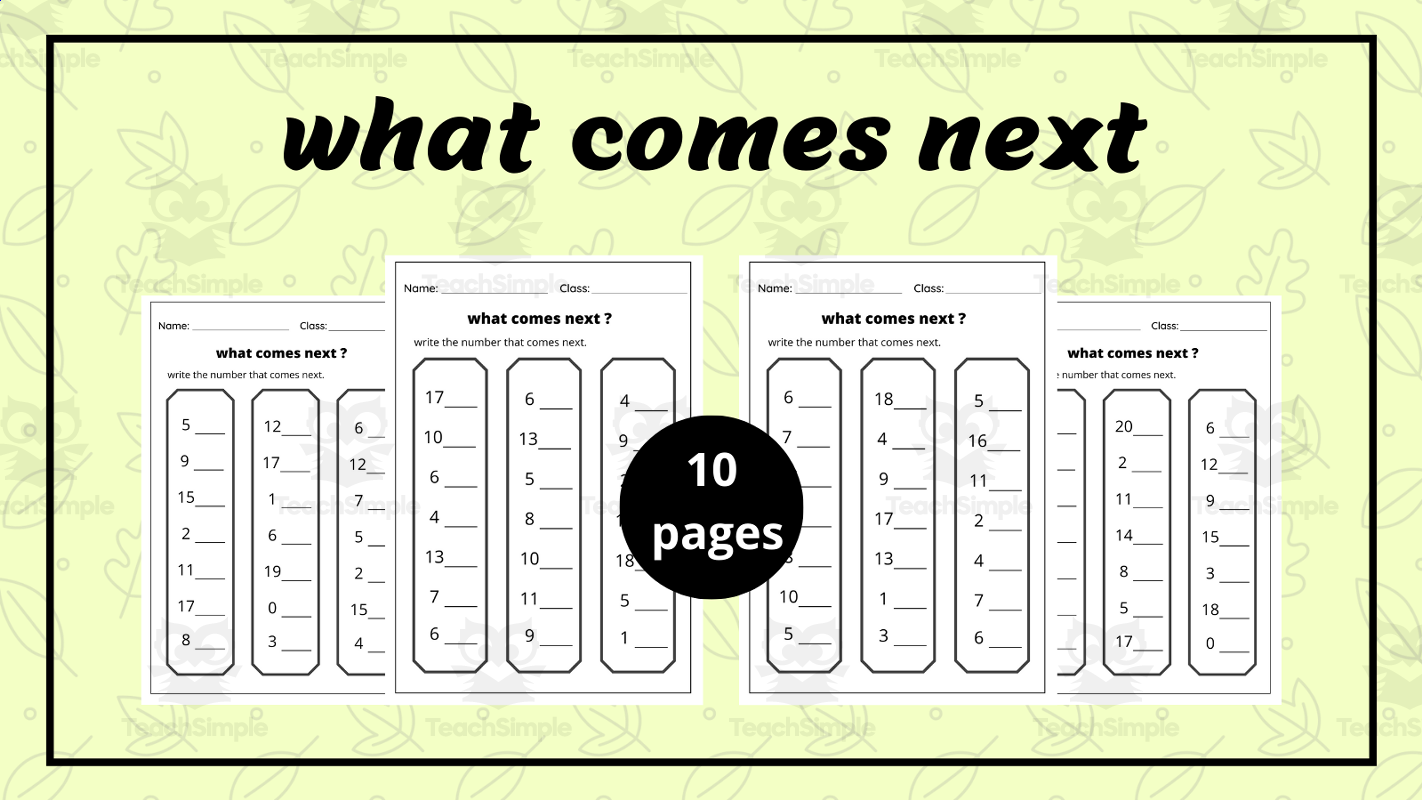
For each of several rows of 3-number sequences, write the number that comes next (numbers observed range 0-20).
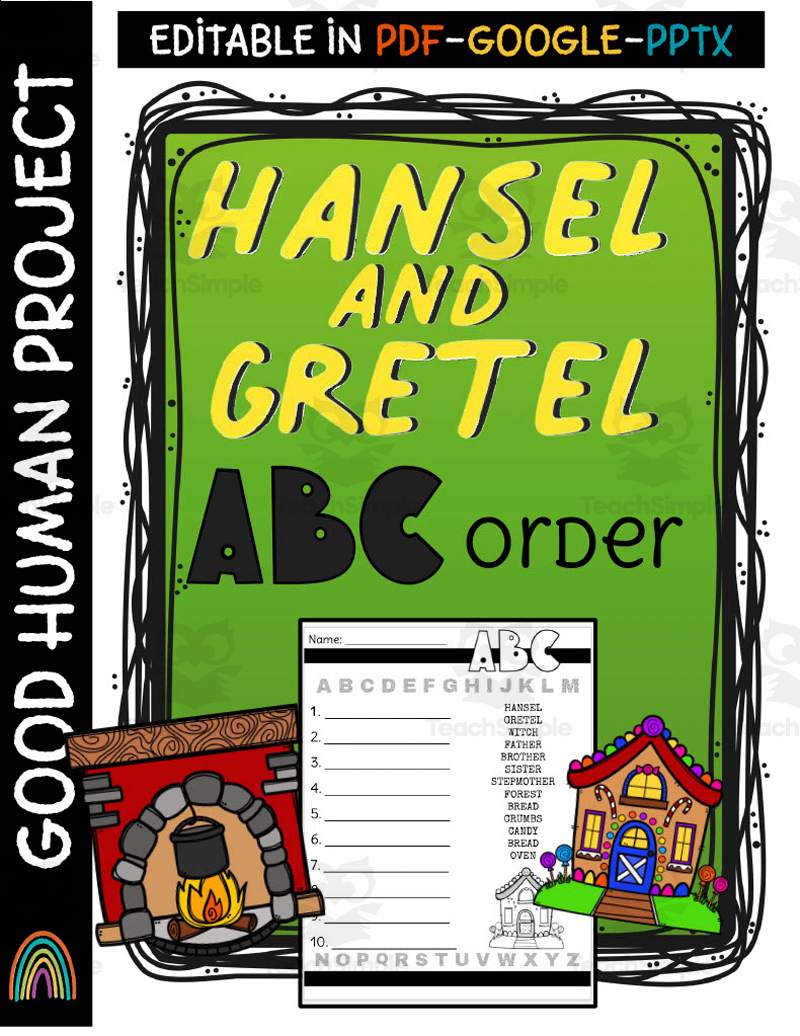
Give students practice putting story-related vocabulary into alphabetical order.
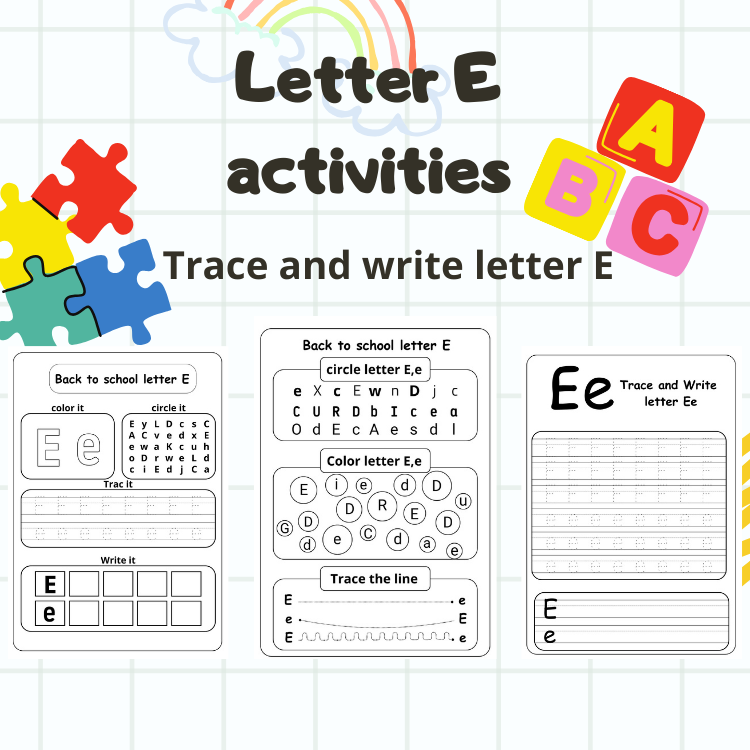
Color and circle instances of the letter E among other letters, trace dotted/outline letter E rows, write the letter independently, and trace connecting lines.
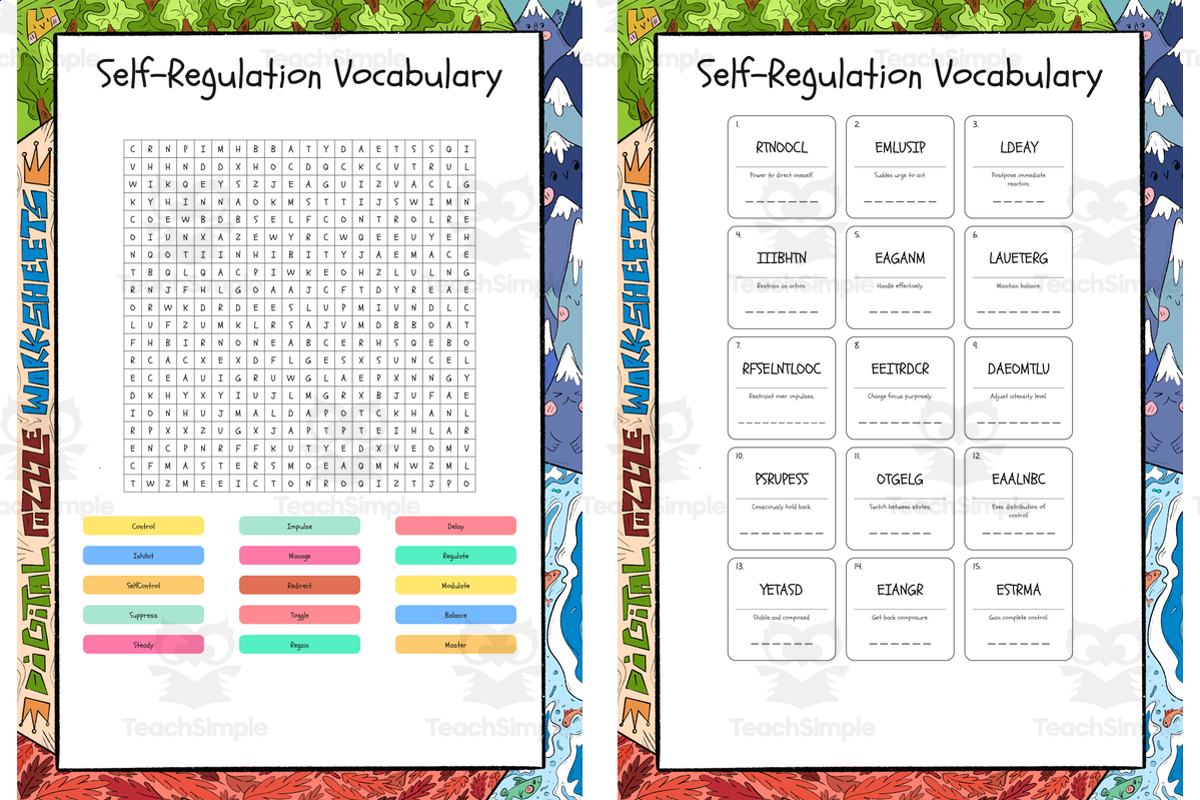
A three-activity vocabulary reinforcement set (crossword, word scramble, word search) built around self-regulation vocabulary terms.

Students read a target sentence, cut apart a scrambled set of the same words, glue them back together in correct order beneath the printed sentence, and then write the sentence out; repeated across 10 different sentences (one per page).
Read/color-in a mini book about the sun's effects on warmth, light, plant growth, and seasons; match pictures to text about summer/winter sun position and sun protection; draw a summer scene showing ways to protect from the sun; build a small structure to block sunlight from toy people using provided materials and test it with a…
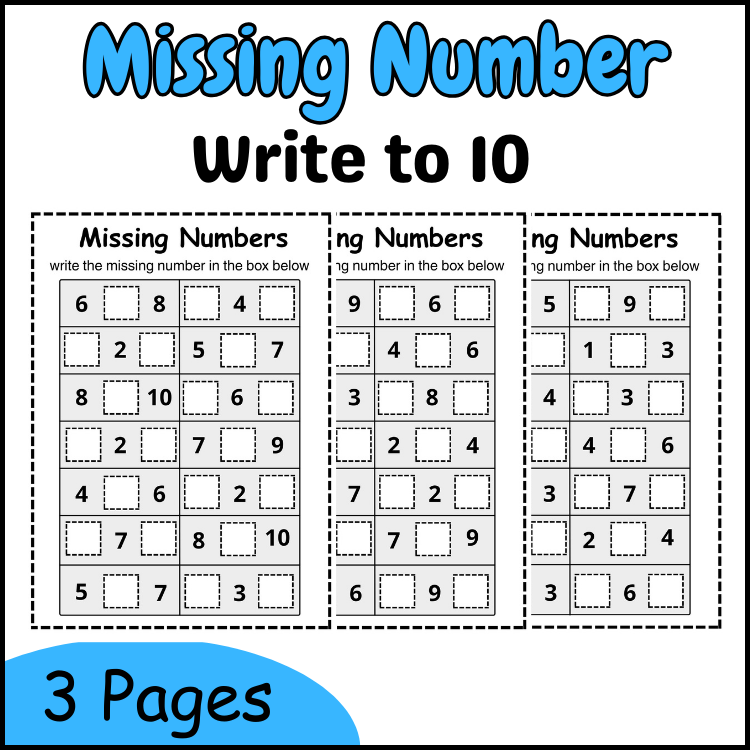
Look at short number sequences with one number missing and write the correct missing number in the box.
 Free download
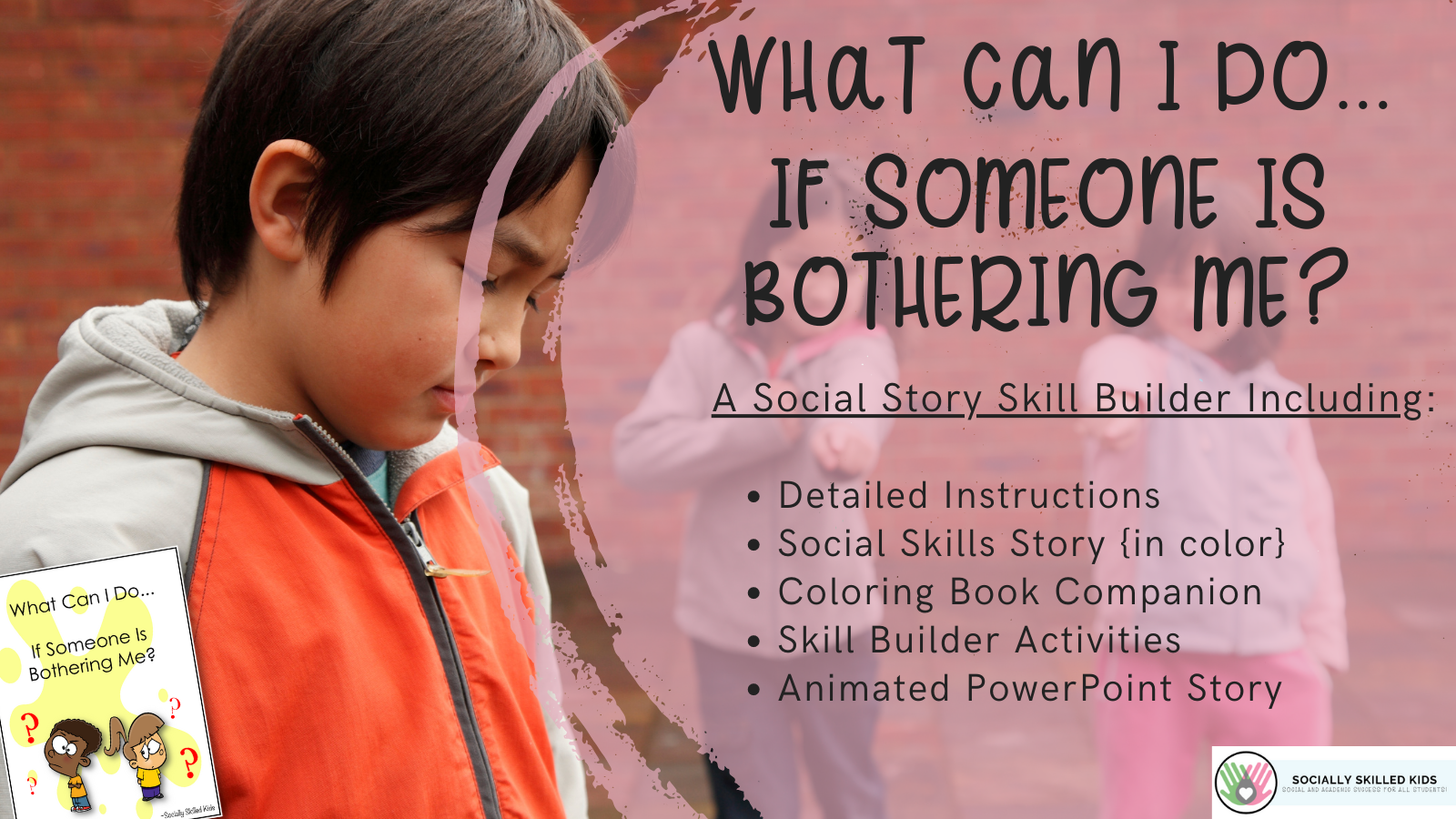
 Teaches students appropriate strategies for responding when someone is bothering them, contrasting acceptable coping responses with unacceptable reactions.
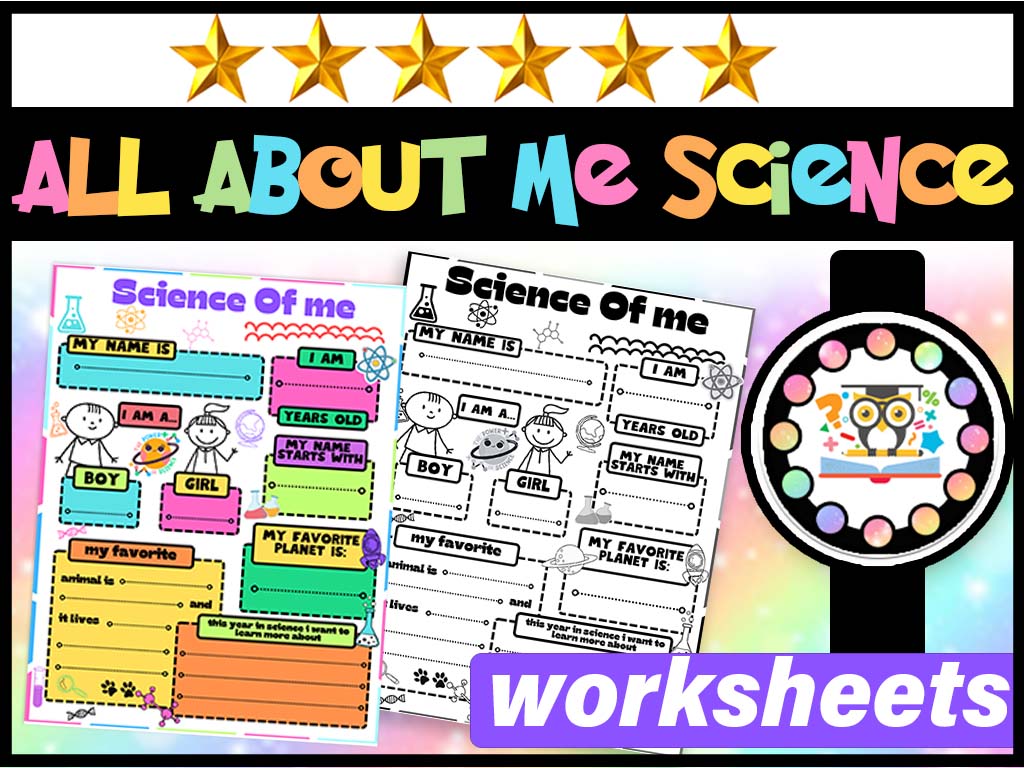
Fill in blanks about themselves: name, age, gender (boy/girl), the letter their name starts with, favorite animal and where it lives, favorite planet, and what they want to learn more about in science this year.
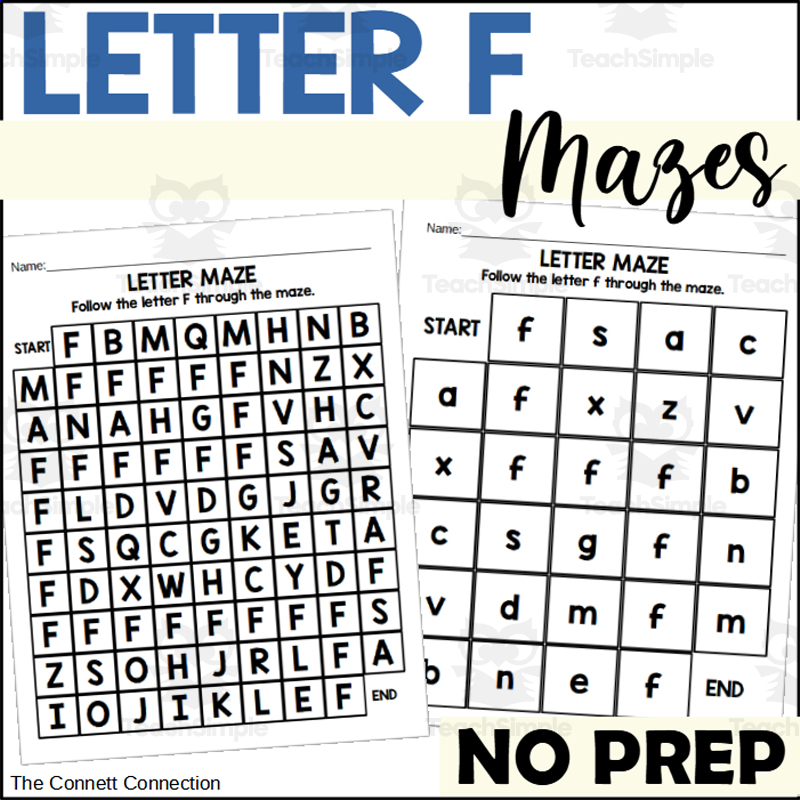
Follow a path of F's through letter-grid mazes from START to END, distinguishing target letters from similar distractor letters.
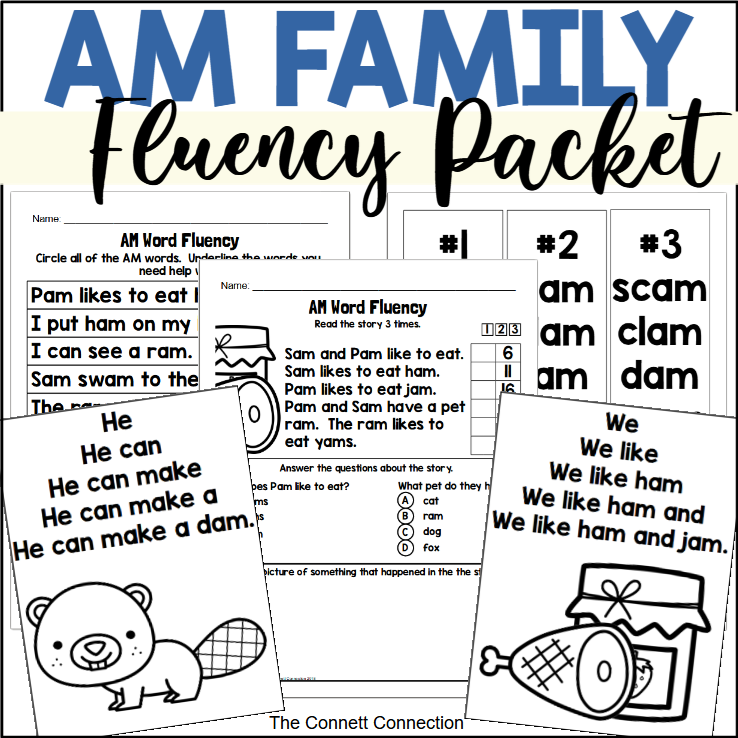
Read three columns of AM/near-AM words; read AM-word sentences, circling AM words and underlining words needing help; read a short fluency passage ('Sam and Pam like to eat...') three times while tracking cumulative word counts, then answer 2 multiple-choice comprehension questions and draw a related picture; build…
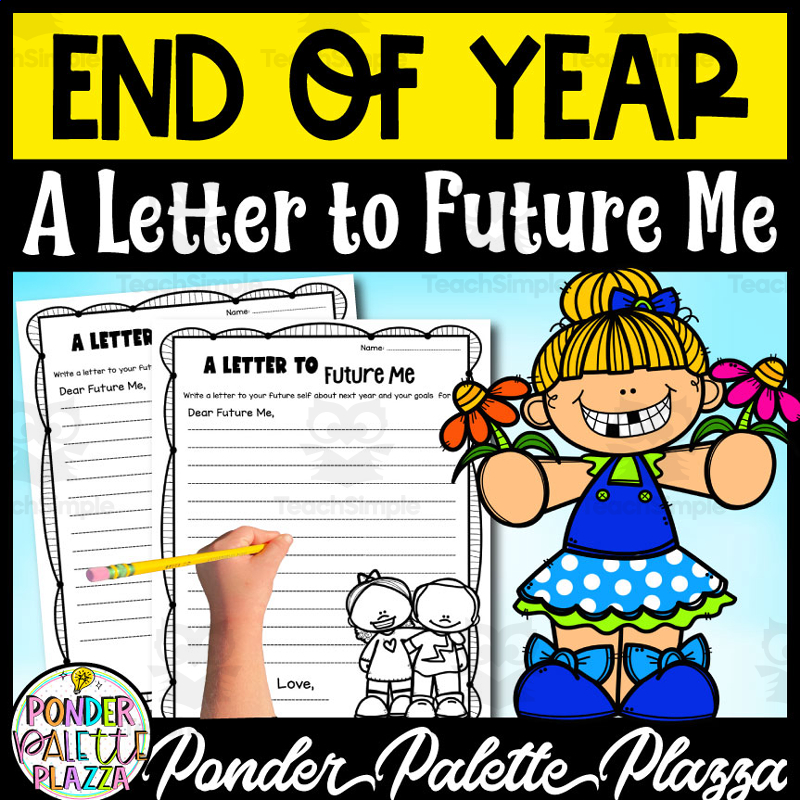
An end-of-year reflective writing activity in which students write a letter to their future selves about the past school year and goals for next year.
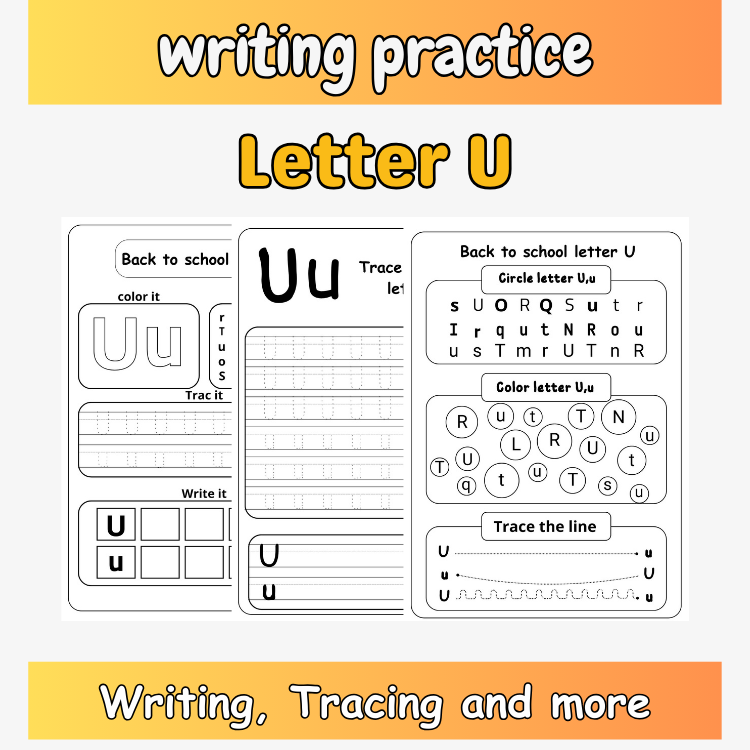
Color and circle instances of the letter U among other letters, trace dotted/outline letter U rows, write the letter independently, and trace connecting lines.
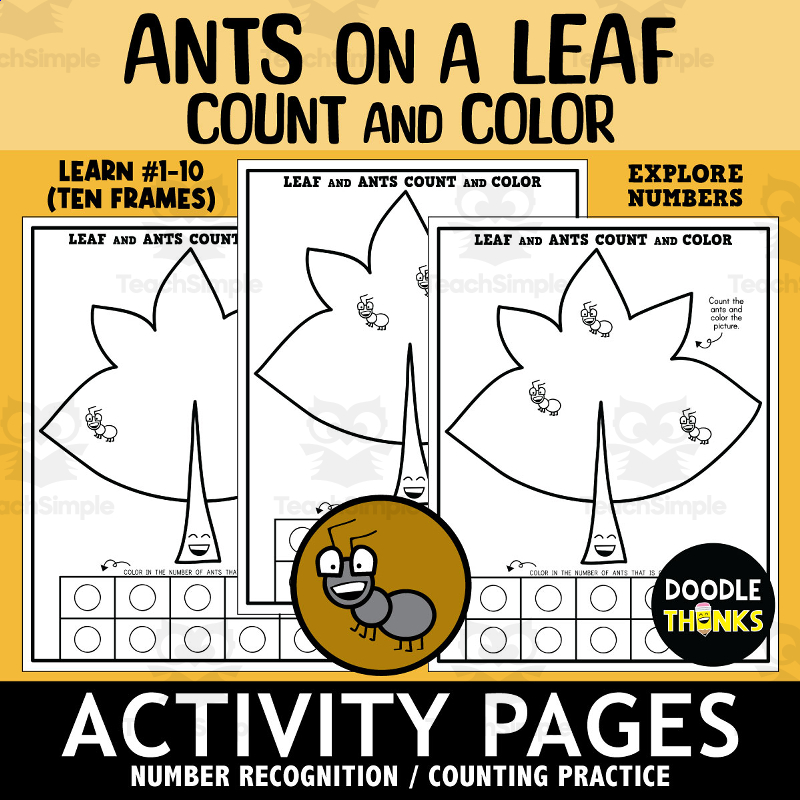
A no-prep, leaf-themed counting activity to build early number recognition (numbers 1-10) through counting and coloring.
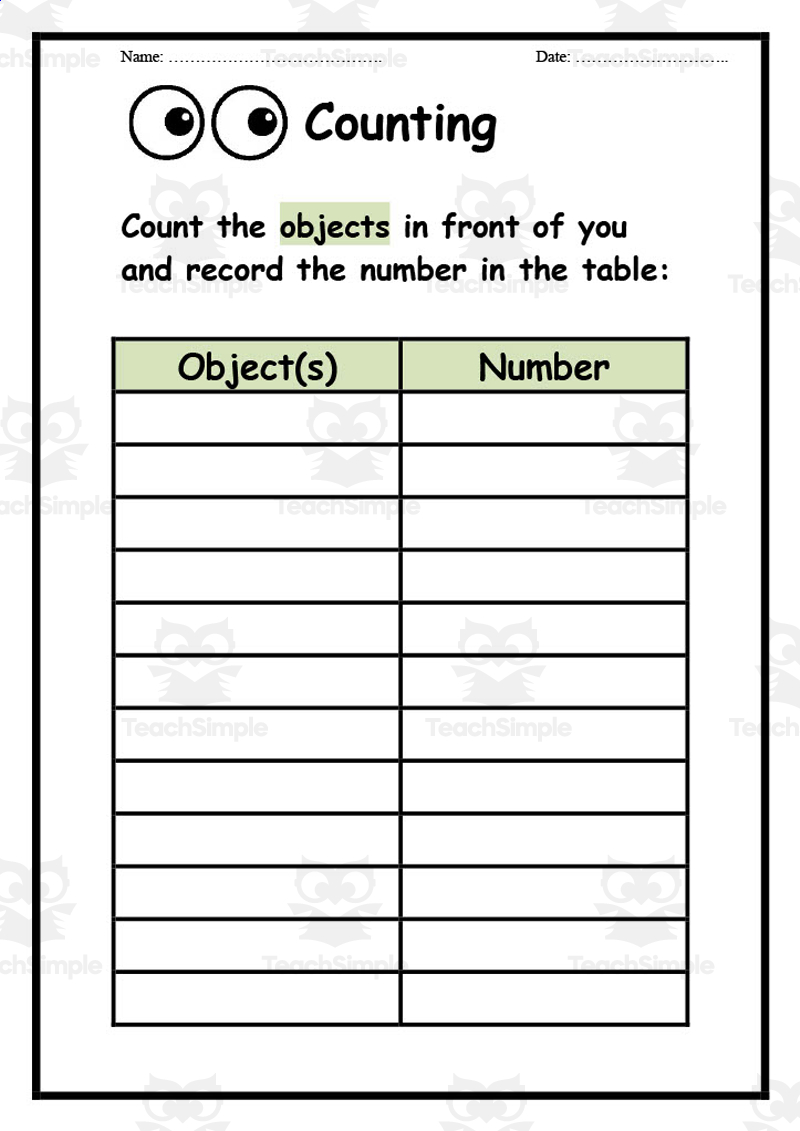
Count objects placed in front of them (physical manipulatives, not pictured on the page) and record the object name/description and its number in a two-column table.
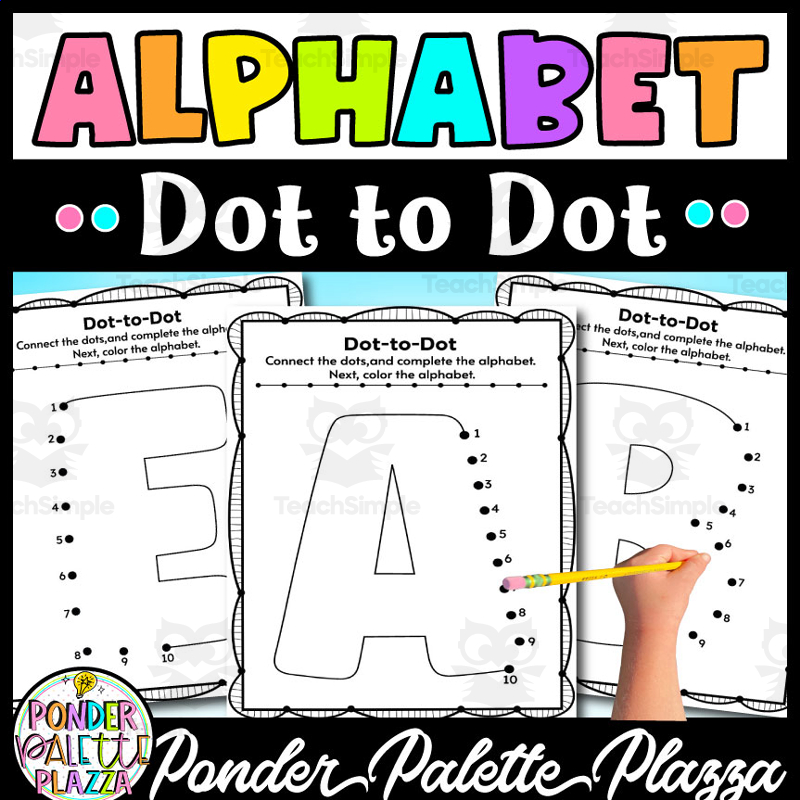
Make learning the alphabet fun and interactive with this Alphabet Dot-to-Dot activity pack! intended for preschool, pre-K, and kindergarten learners, these worksheets allow students to connect the dots in alphabetical order to reveal fun pictures, then color them in for added creativity.
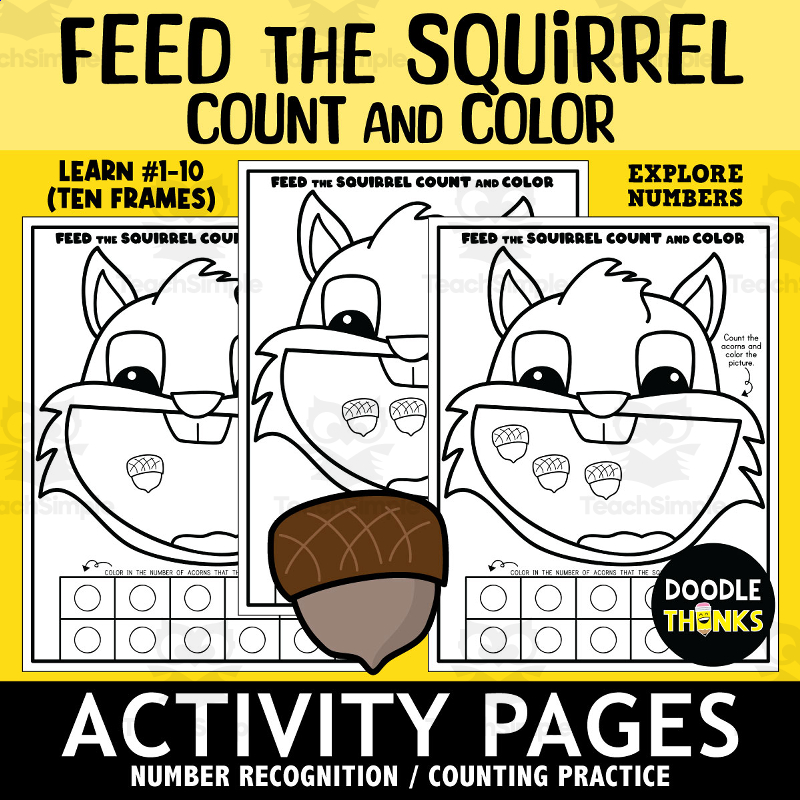
Count the acorns and color in the number of acorns the squirrel ate.