Counting & shapes
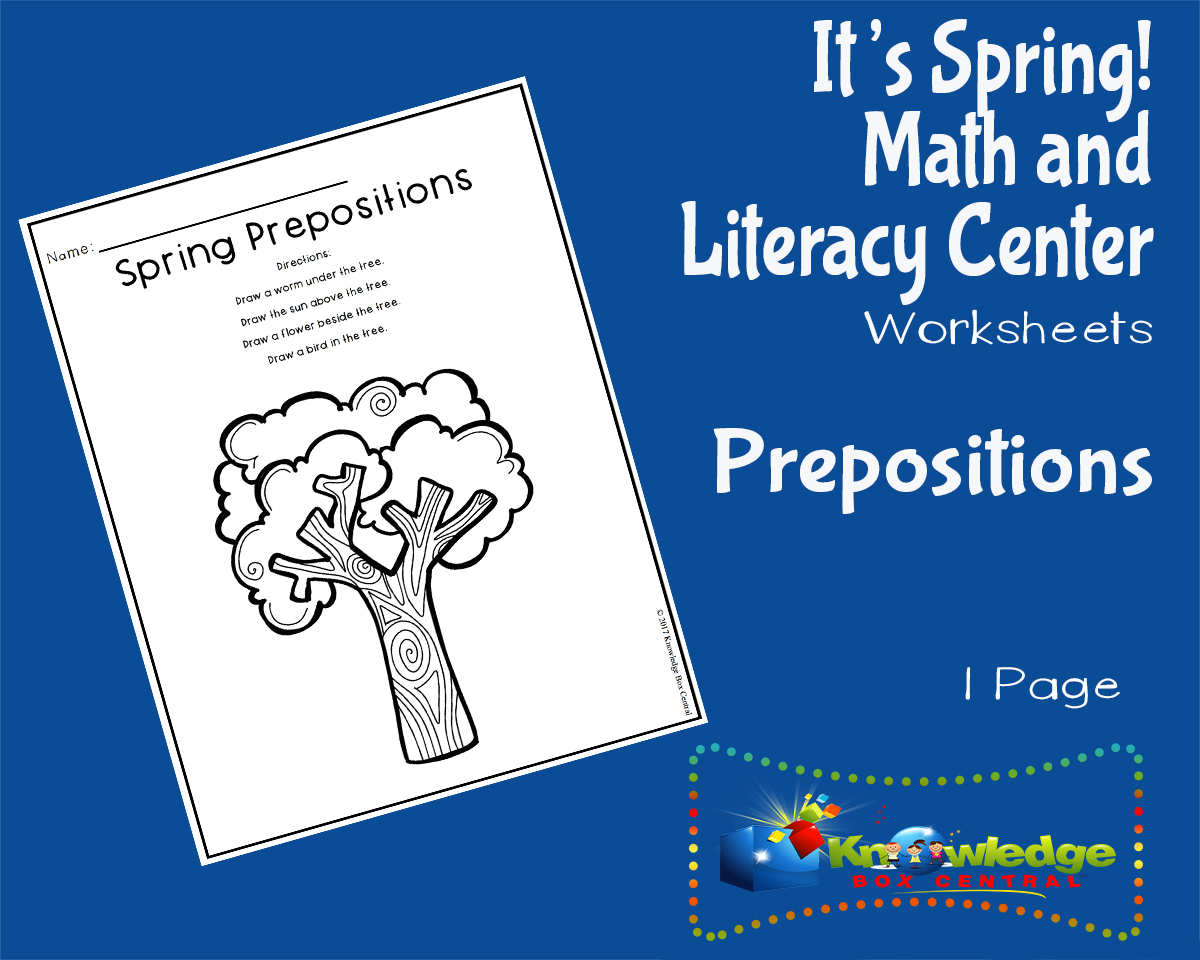
It's Spring! Kindergarten Math & Literacy Center: Prepositions
Follow drawing instructions using prepositions: draw a worm under the tree, draw the sun above the tree, draw a flower beside the tree, draw a bird in the tree.




5,618 resources
Explore sub-categories
19 sub-categories · 5,618 resources
Follow drawing instructions using prepositions: draw a worm under the tree, draw the sun above the tree, draw a flower beside the tree, draw a bird in the tree.

A Grade 2 language-arts practice workbook (Unit 5 of a series) covering compound words, contractions, synonyms, antonyms, and homonyms, with prefixes and suffixes also named on the cover/title.
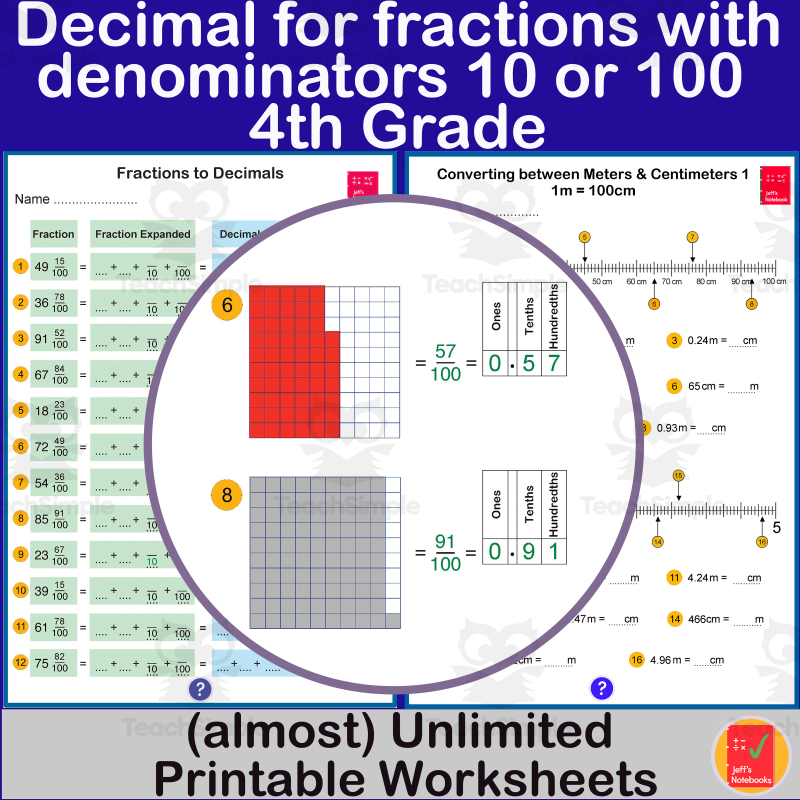
Depending on the set: color/read a square grid divided into 10 or 100 parts and write the matching fraction and decimal in a place-value table; read or mark decimal/fraction values on number lines with 10 or 100 divisions; estimate decimal values on a number line; break numbers into expanded place-value form and convert between fraction…
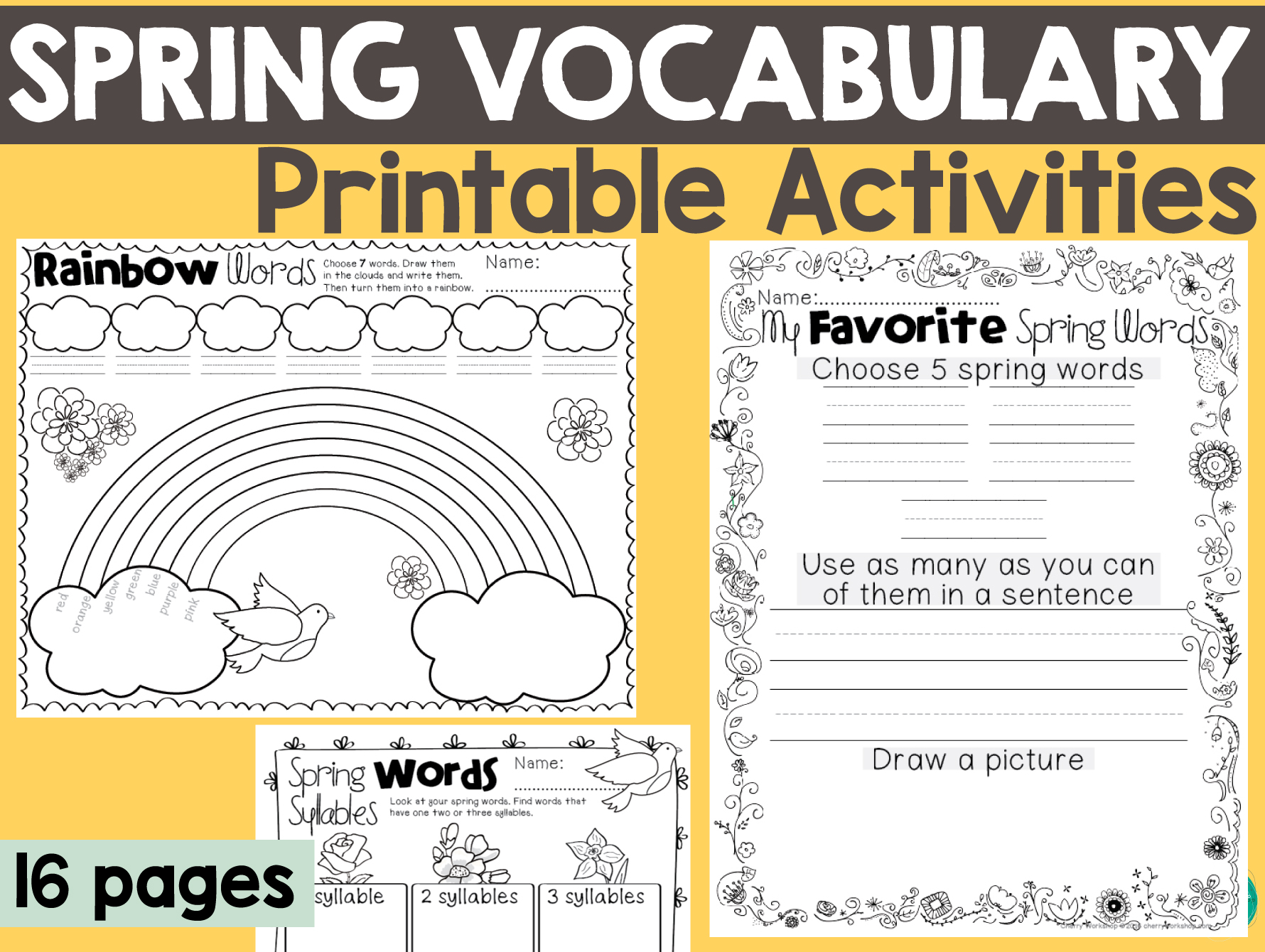
A set of no-prep printable activities for practicing spring vocabulary through syllables, phonics sounds, sentence writing, rhyming, and idea brainstorming.
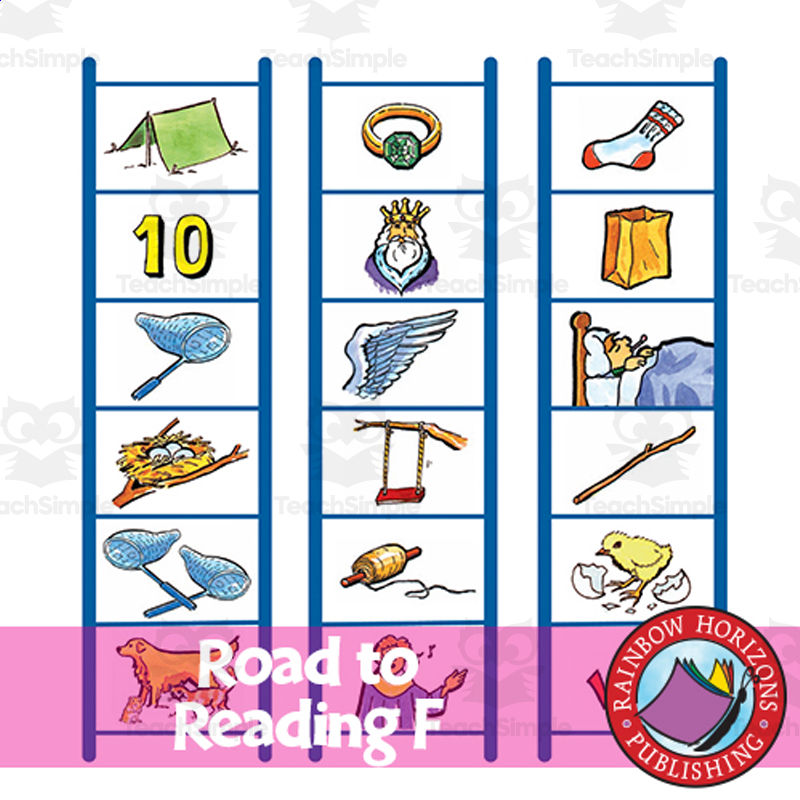
Sort and identify beginning digraphs and blends from picture cards, play a blends-and-digraphs lotto game, complete rime/word-ladder worksheets, read write-and-read books, mark sounds in words, build sentences, and complete a mastery test and progress-monitoring form.
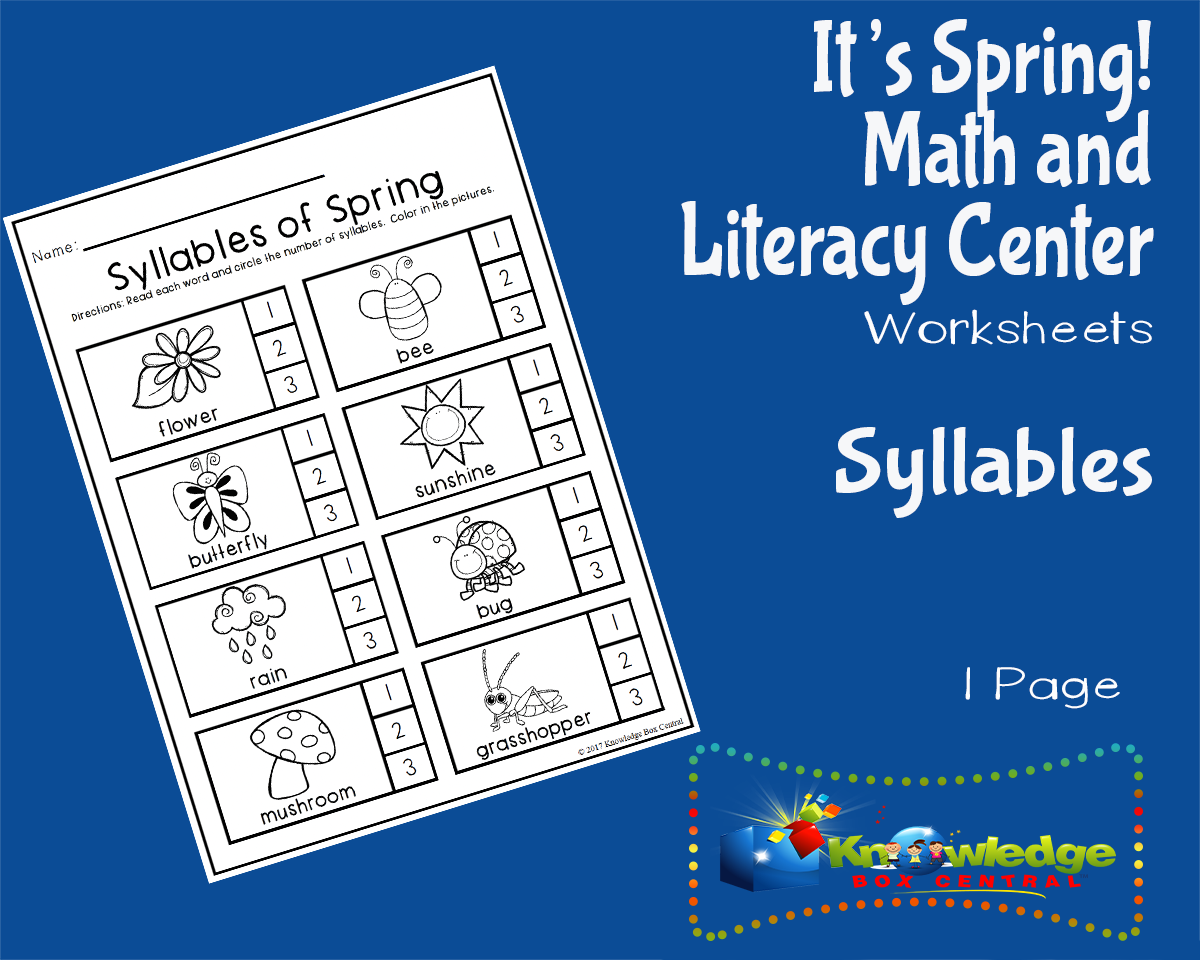
Read each word (flower, bee, butterfly, sunshine, rain, bug, mushroom, grasshopper), circle the number of syllables (1, 2, or 3), and color the accompanying picture.
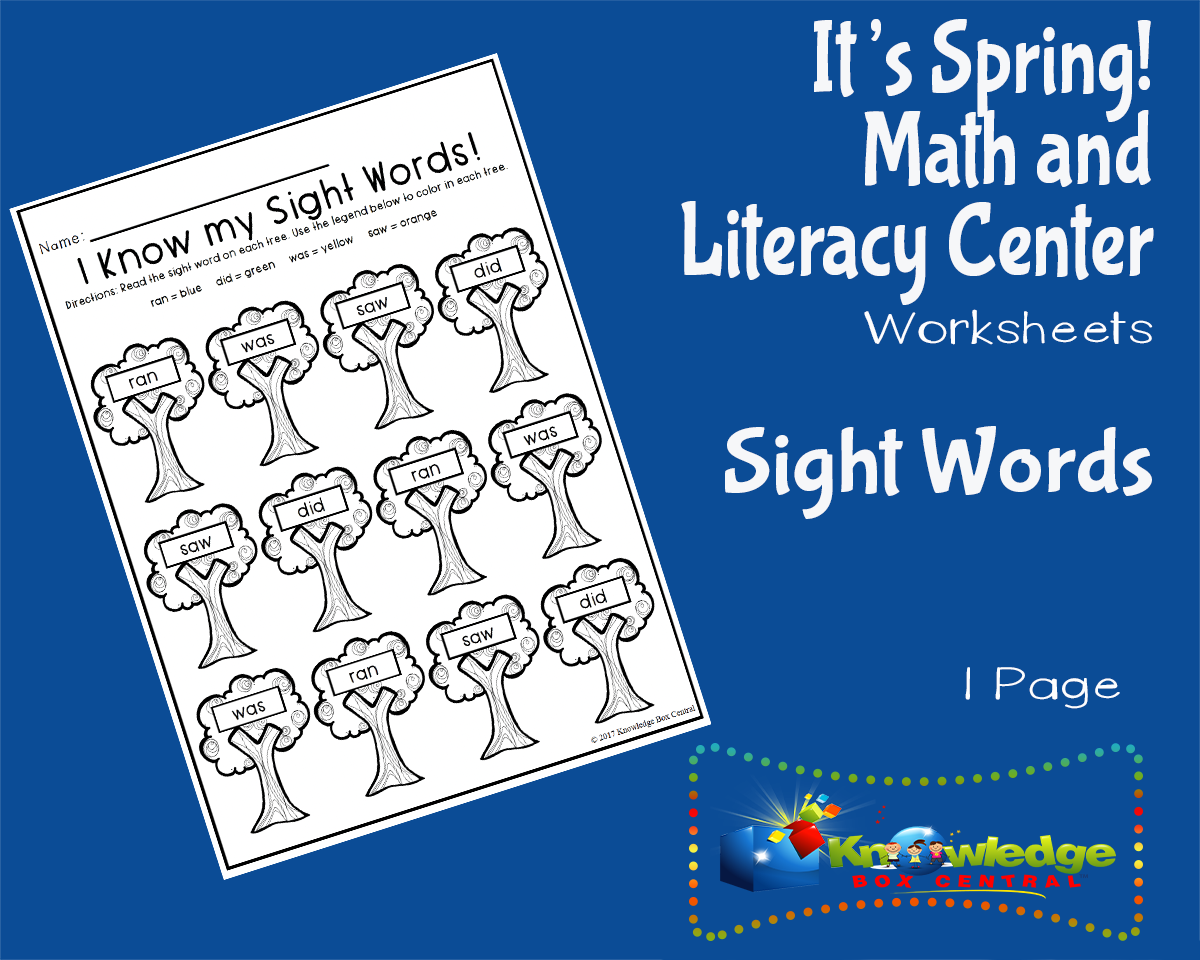
Practice recognizing a small set of kindergarten sight words.
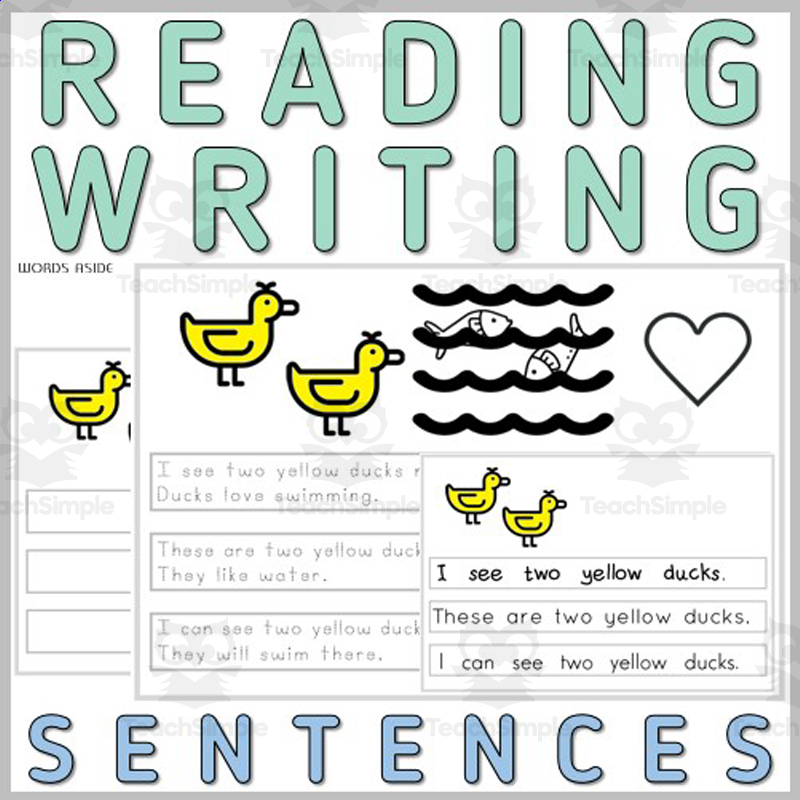
Read/copy or write increasingly complex sentences describing the same picture across 5 levels, using three parallel sentence-starter forms per level ('I see...', 'This is...'/'These are...', 'I can see...').
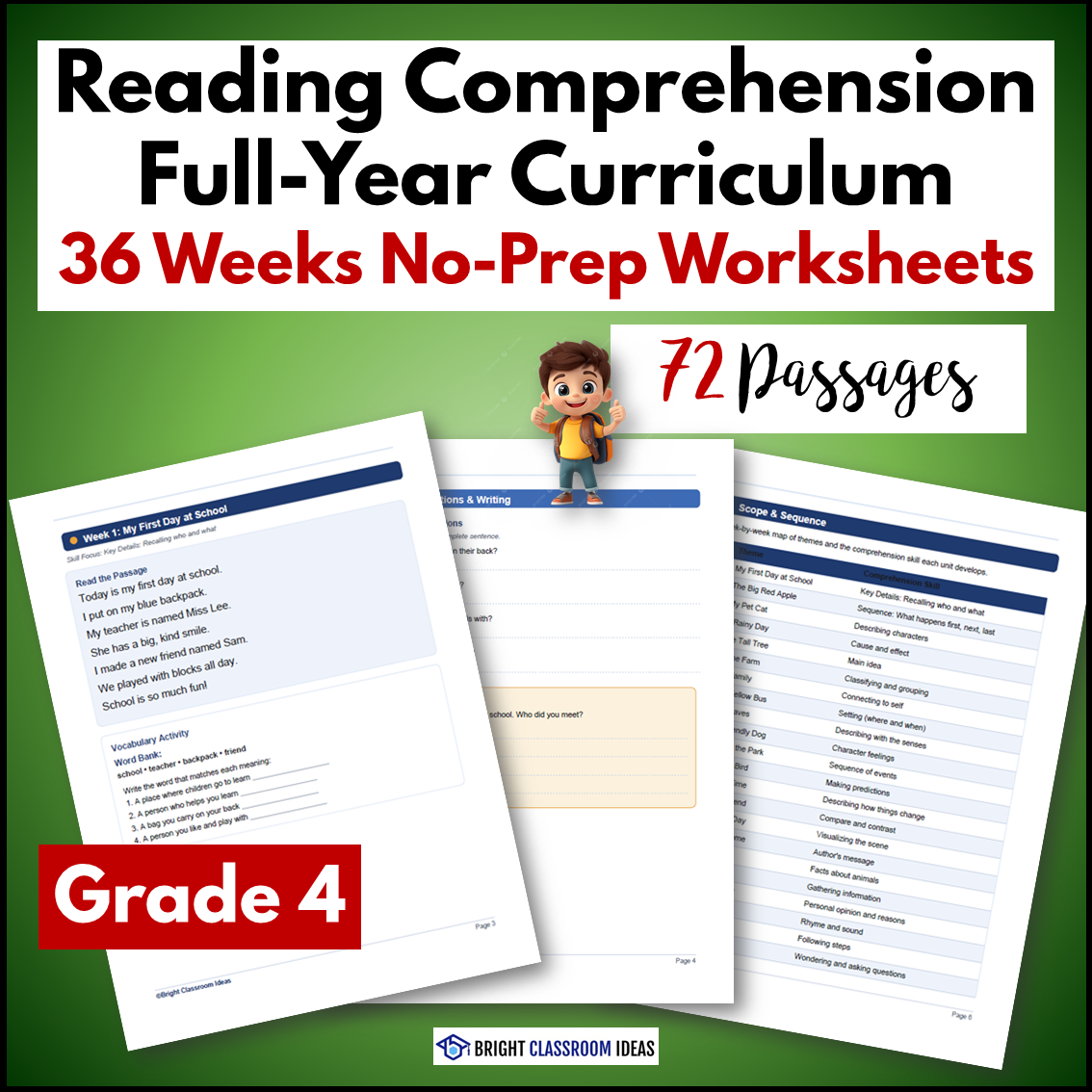
A year-long (36-week) Grade 4 reading comprehension curriculum providing 72 original fiction/nonfiction passages (roughly two per week) each paired with vocabulary matching, comprehension questions, and a writing prompt.
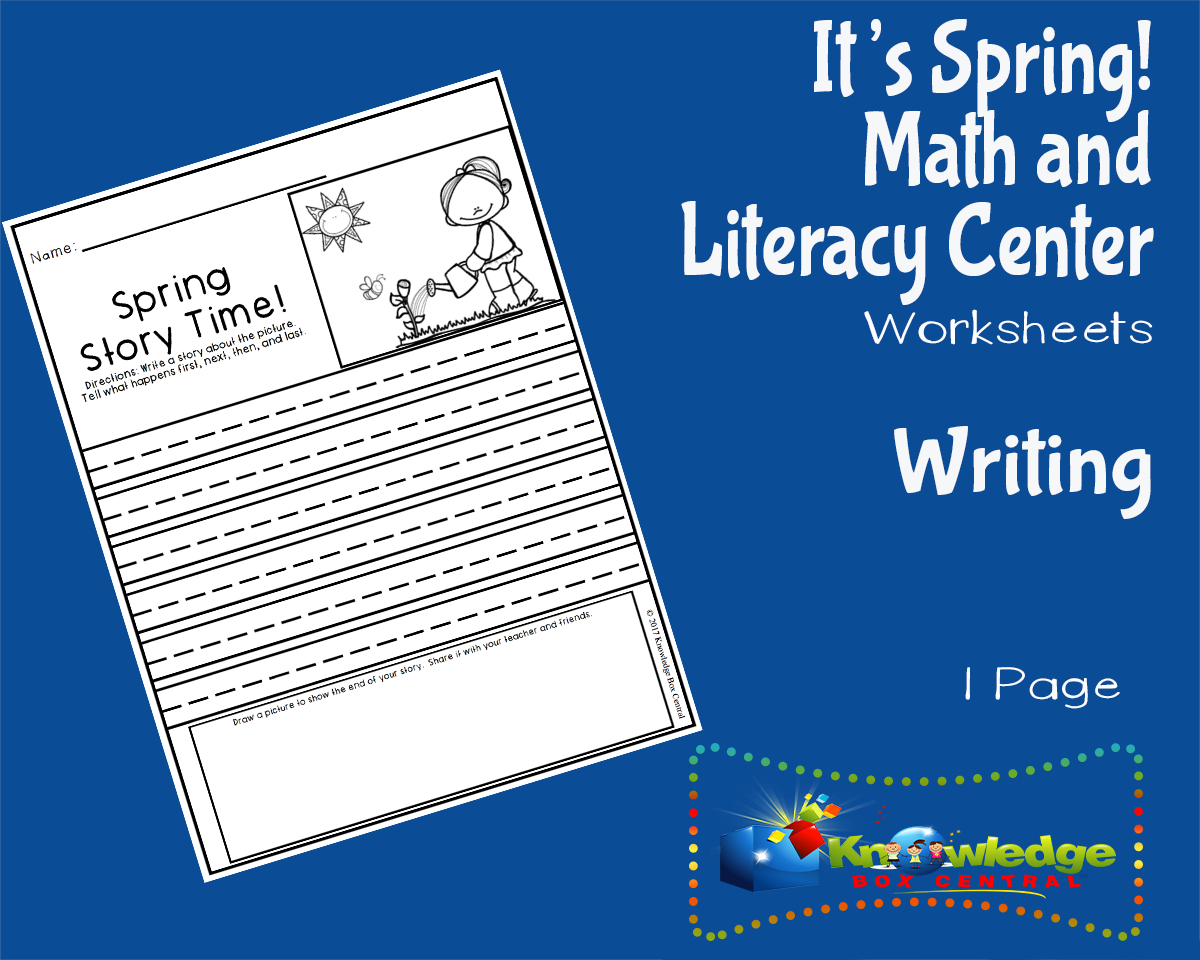
Write a story about a picture using sequence words (first, next, then, last), then draw a picture showing the end of the story and share it with a teacher or friends.
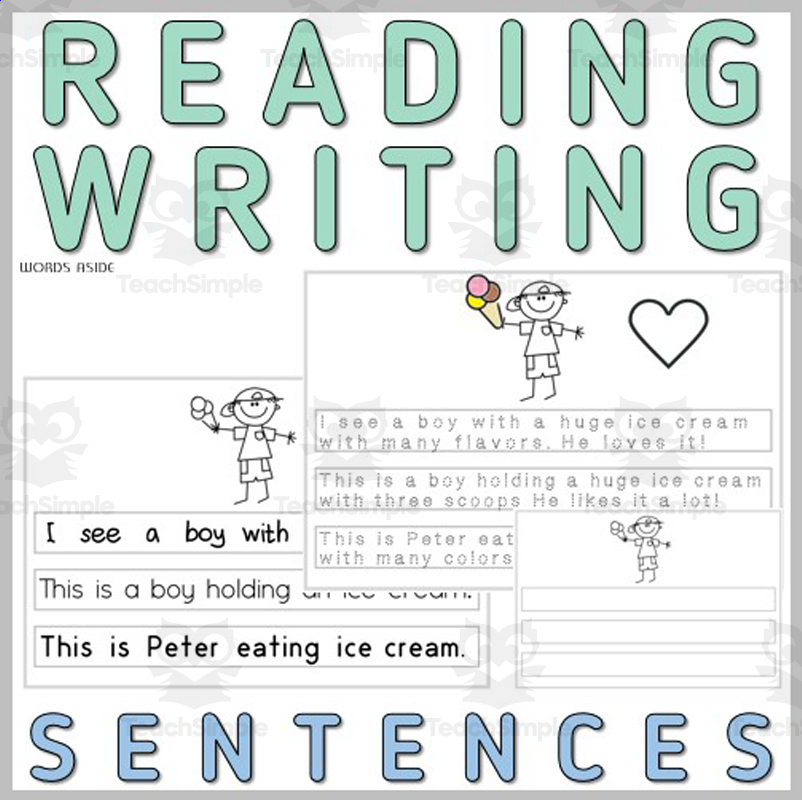
Read/copy or write increasingly complex sentences describing the same picture across 5 levels, using three parallel sentence-starter forms per level ('I see...', 'This is...'/'These are...', 'I can see...').
Read a short narrative passage, answer multiple-choice comprehension questions, match vocabulary to definitions, choose correct verb forms, identify literary devices, answer critical-thinking questions, correct grammatical errors, provide synonyms/antonyms, and write a creative letter in character.
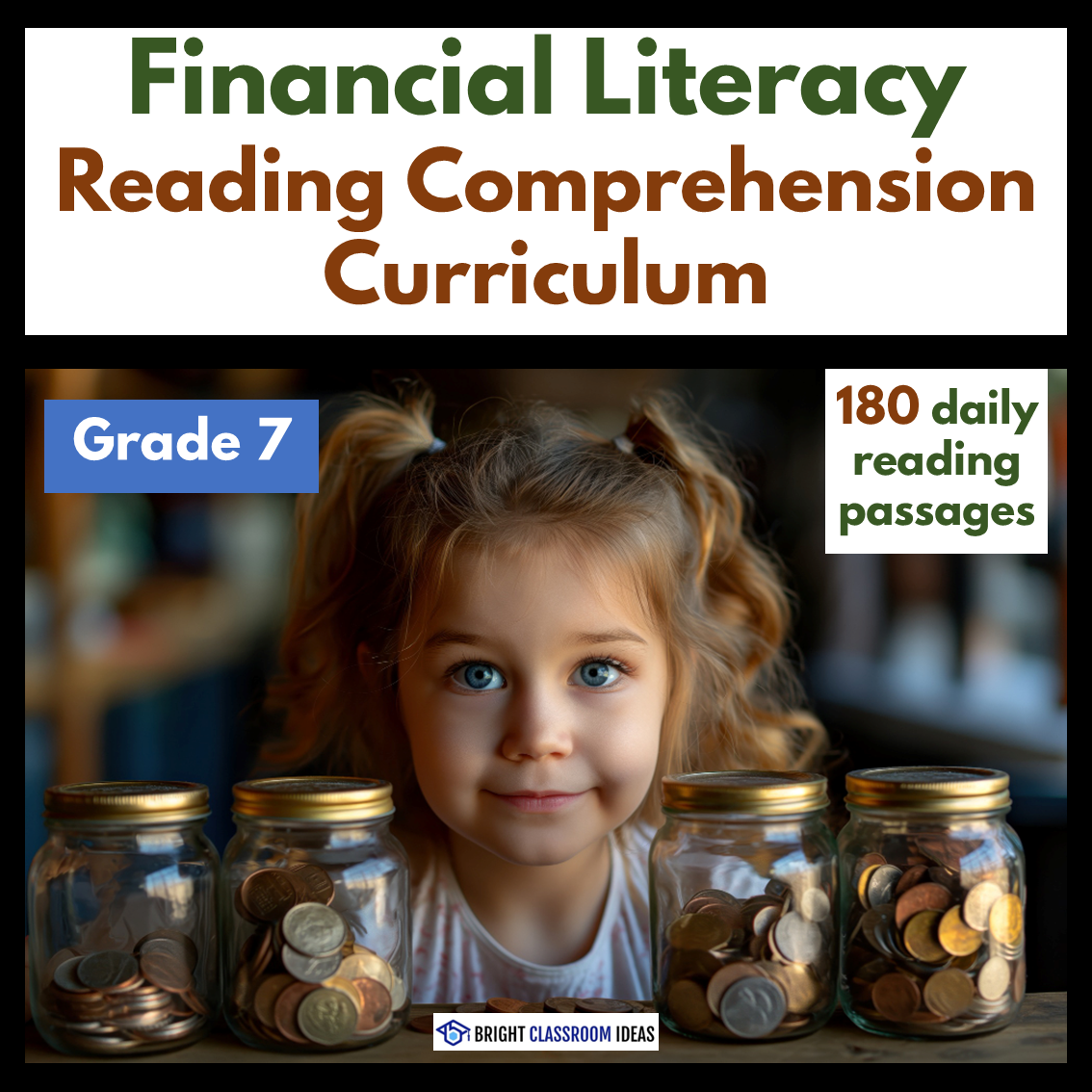
Each day students read a short nonfiction passage about money, write definitions for 3 vocabulary words as used in the passage, answer 3 comprehension questions in complete sentences, and respond to a writing prompt extending the topic.
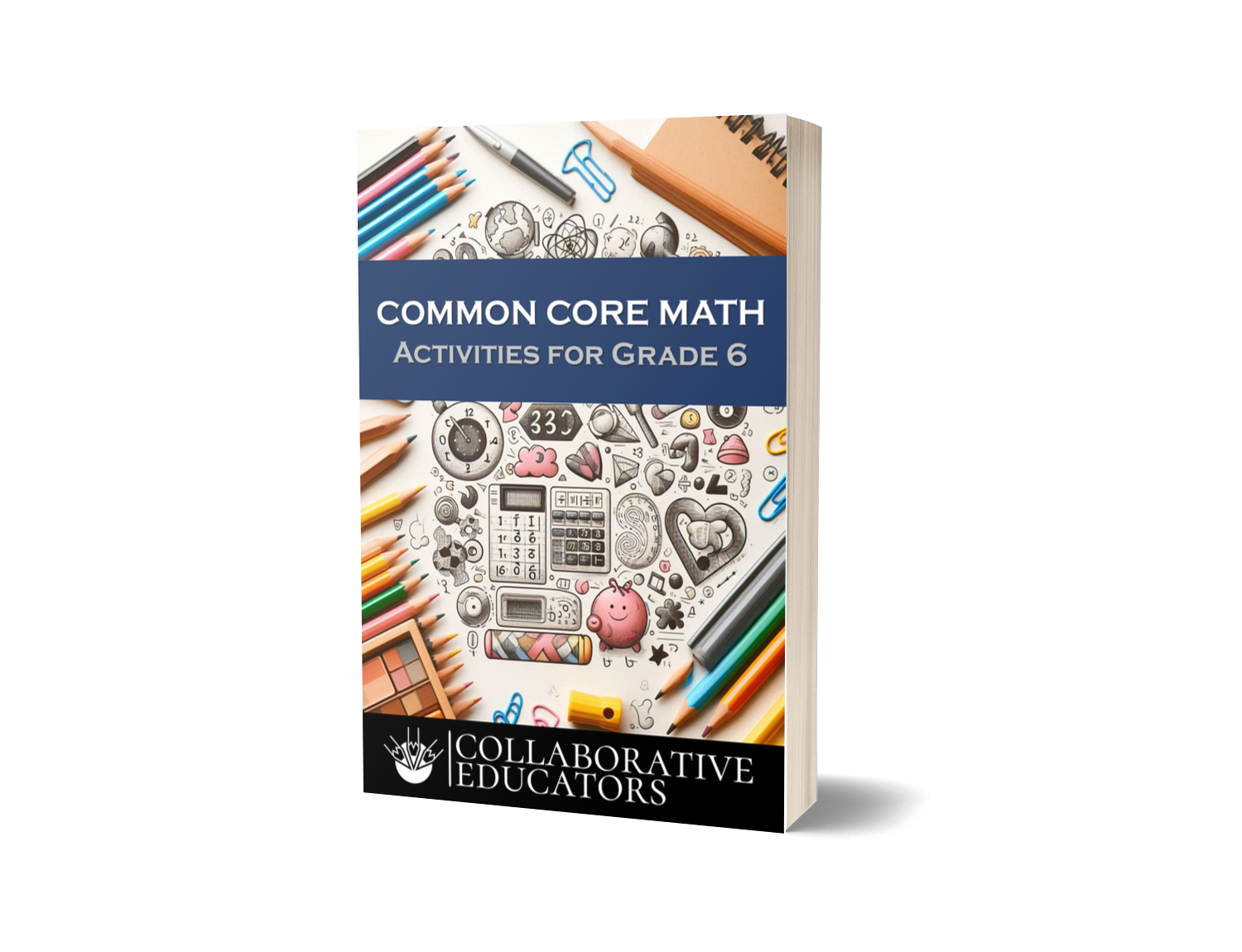
Write and simplify ratios, solve proportions and unit-rate problems, perform order-of-operations and fraction/decimal operations, find GCF, simplify and evaluate expressions, write and solve equations and inequalities, compute area/perimeter/volume/surface area, classify angles, calculate mean/median/mode and…
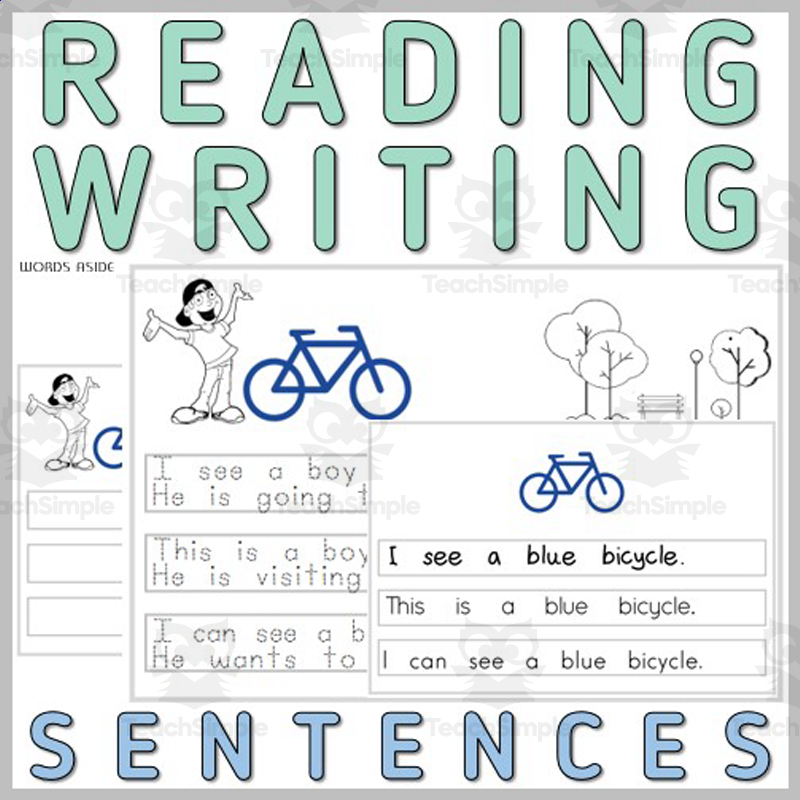
Read/copy or write increasingly complex sentences describing the same picture across 5 levels, using three parallel sentence-starter forms per level ('I see...', 'This is...'/'These are...', 'I can see...').
 Free download
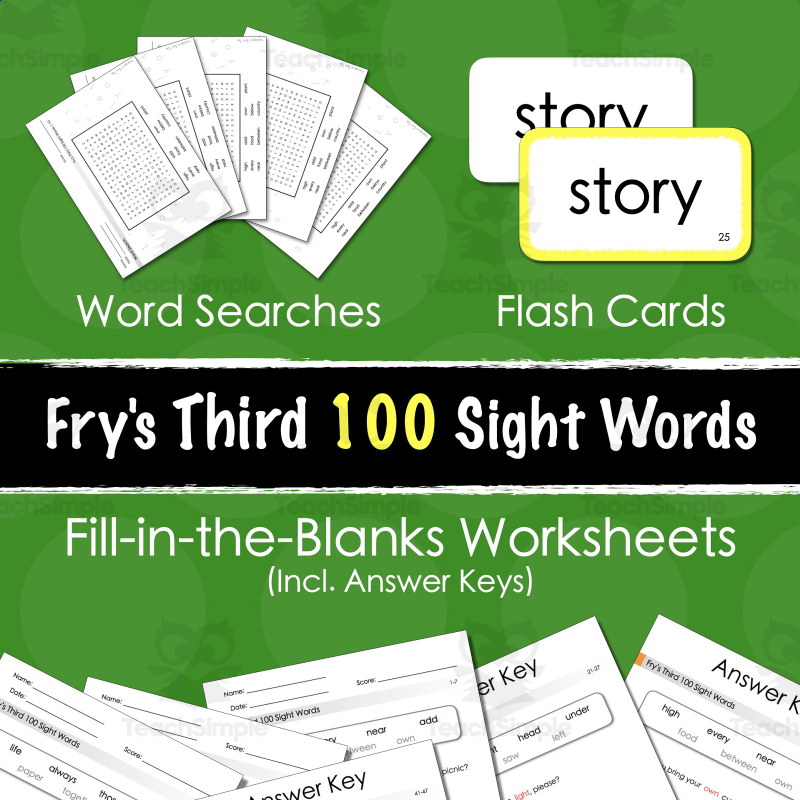
 Practice recognizing and using Fry's third 100 sight words in context through fill-in-the-blank sentences, flash cards, and a word search.
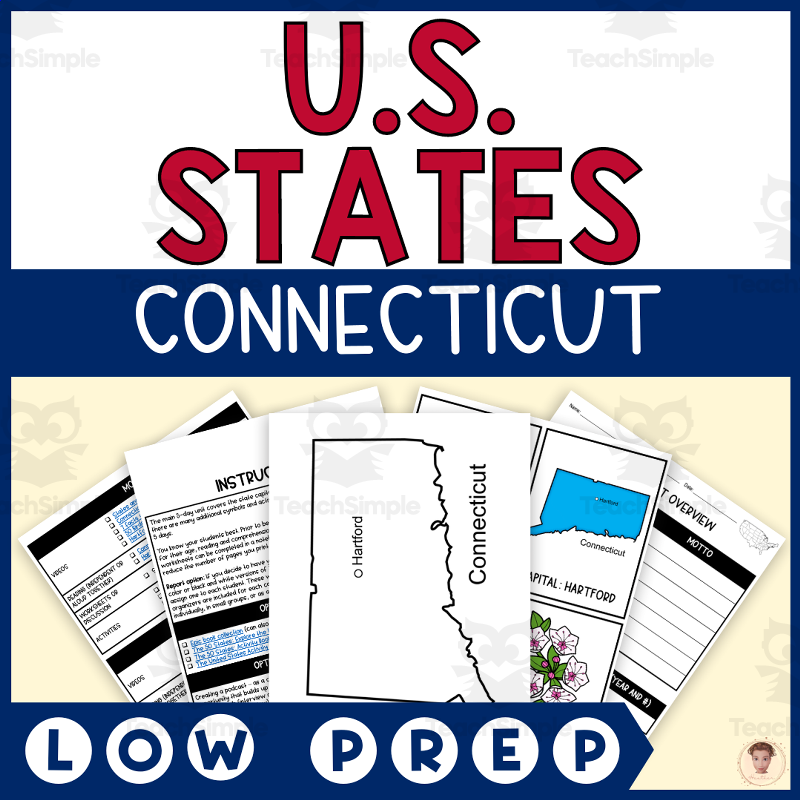
Follow a Monday-Friday pacing guide watching suggested videos and doing readings on each day's topic (capital, bird, flower, flag, animal); complete matching worksheets/discussions and activities (coloring pages, interactive notebook pieces, drawing tasks); optionally fill in graphic organizers (KWL chart, interesting…
 Free download
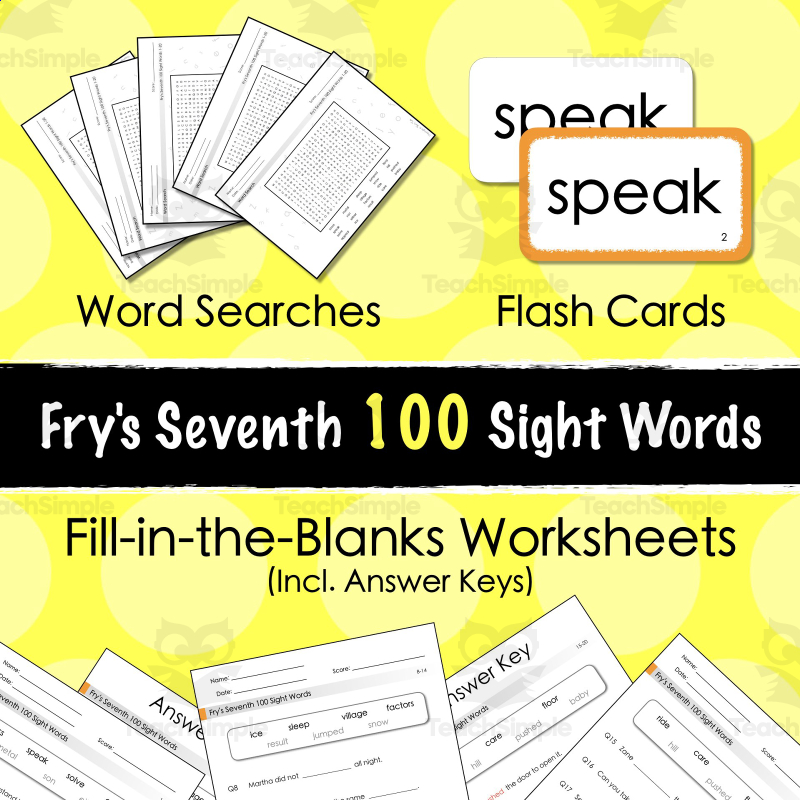
 Practice recognizing and using Fry's seventh 100 sight words in context through fill-in-the-blank sentences, flash cards, and a word search.
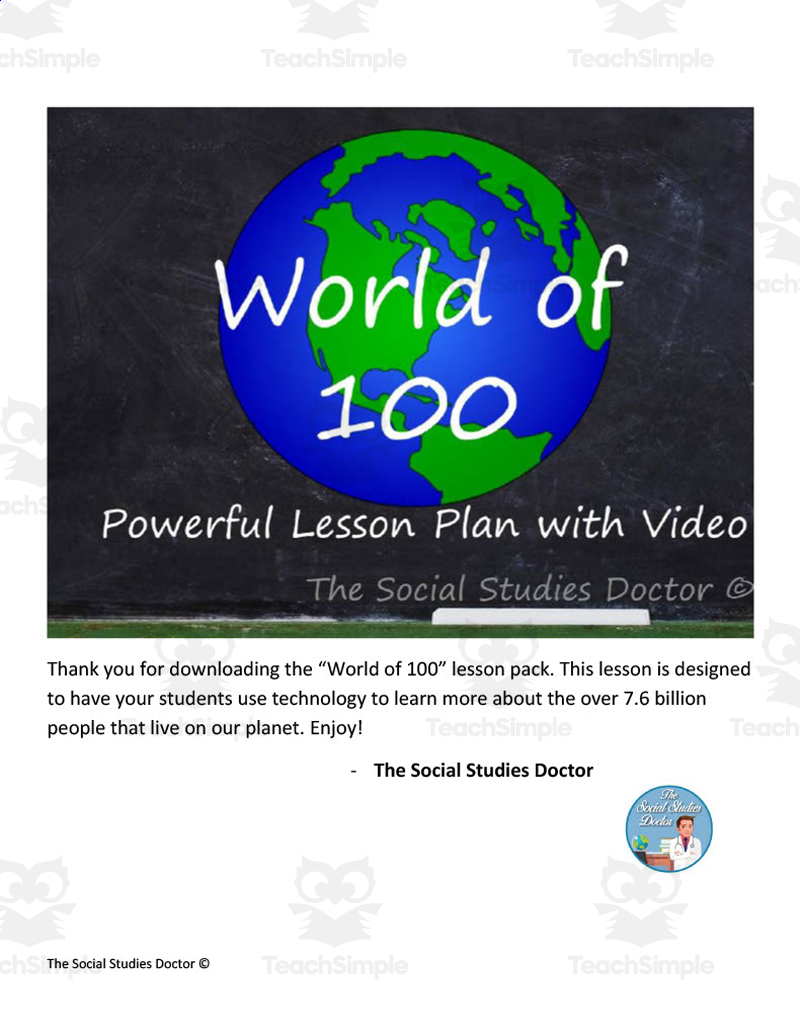
A lesson plan using a population-statistics video to teach students about global demographics and inequity through prediction and discussion.
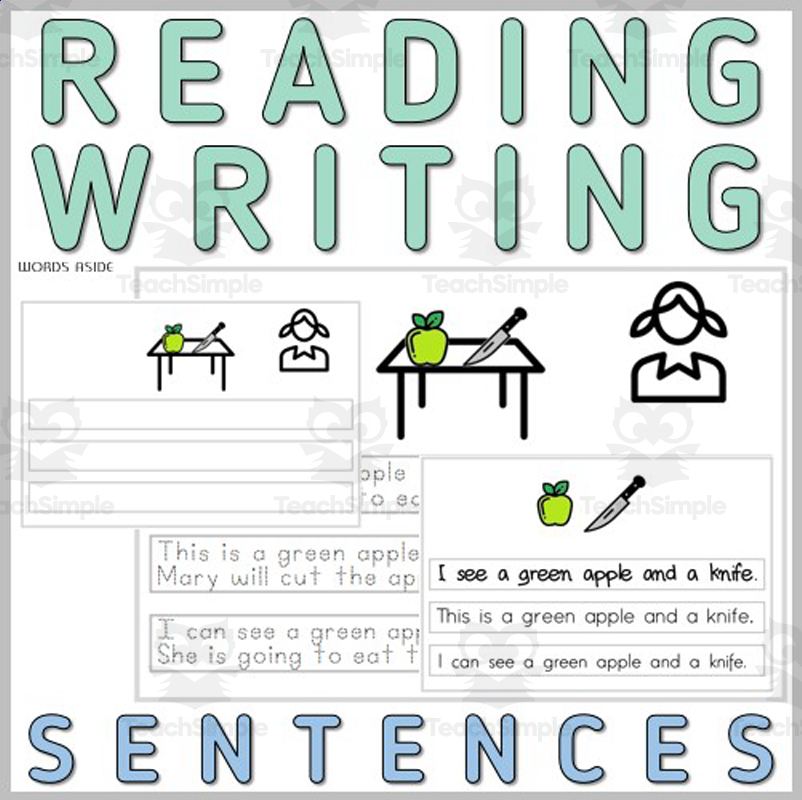
Read/copy or write increasingly complex sentences describing the same picture across 5 levels, using three parallel sentence-starter forms per level ('I see...', 'This is...'/'These are...', 'I can see...').

A set of column-addition and column-subtraction worksheets for 3-digit numbers, differentiated from no regrouping through multiple regrouping stages (units, tens, hundreds) and extended to adding three or four 3-digit numbers.
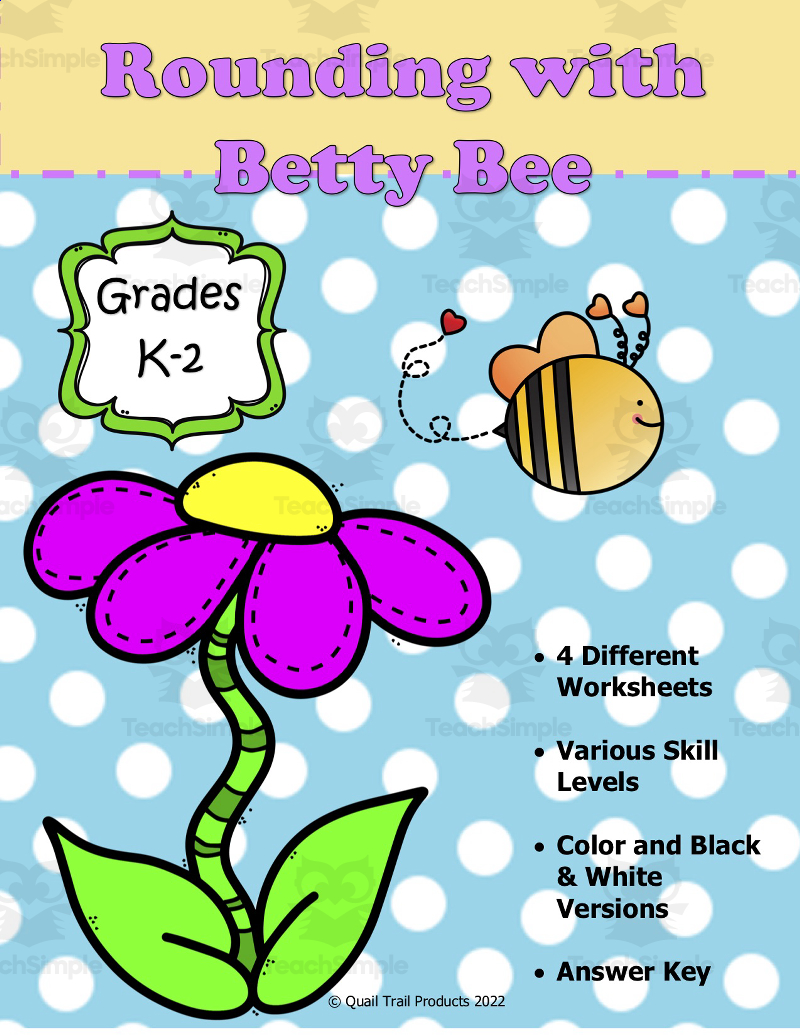
Read a number-line prompt about Betty Bee rounding a number up or down, then write a sentence explaining why she chose that direction/value, across worksheets covering rounding to the nearest ten, hundred, and thousand.
 Free download
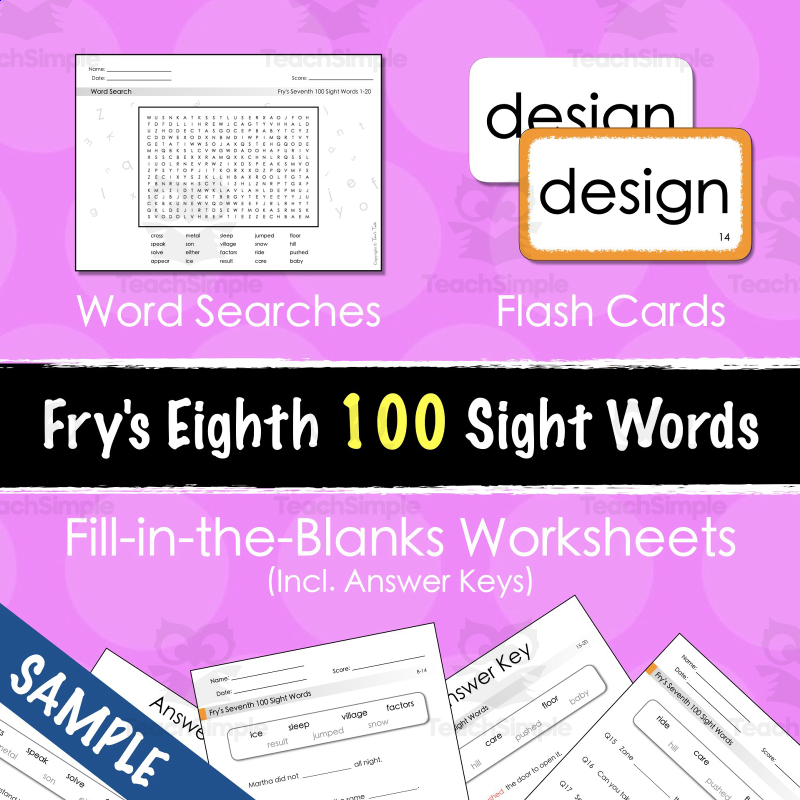
 Practice and check recognition/spelling of Fry's Eighth 100 Sight Words (words 1-20 of this free sample) through fill-in-the-blank sentences and flash-card style word drill.
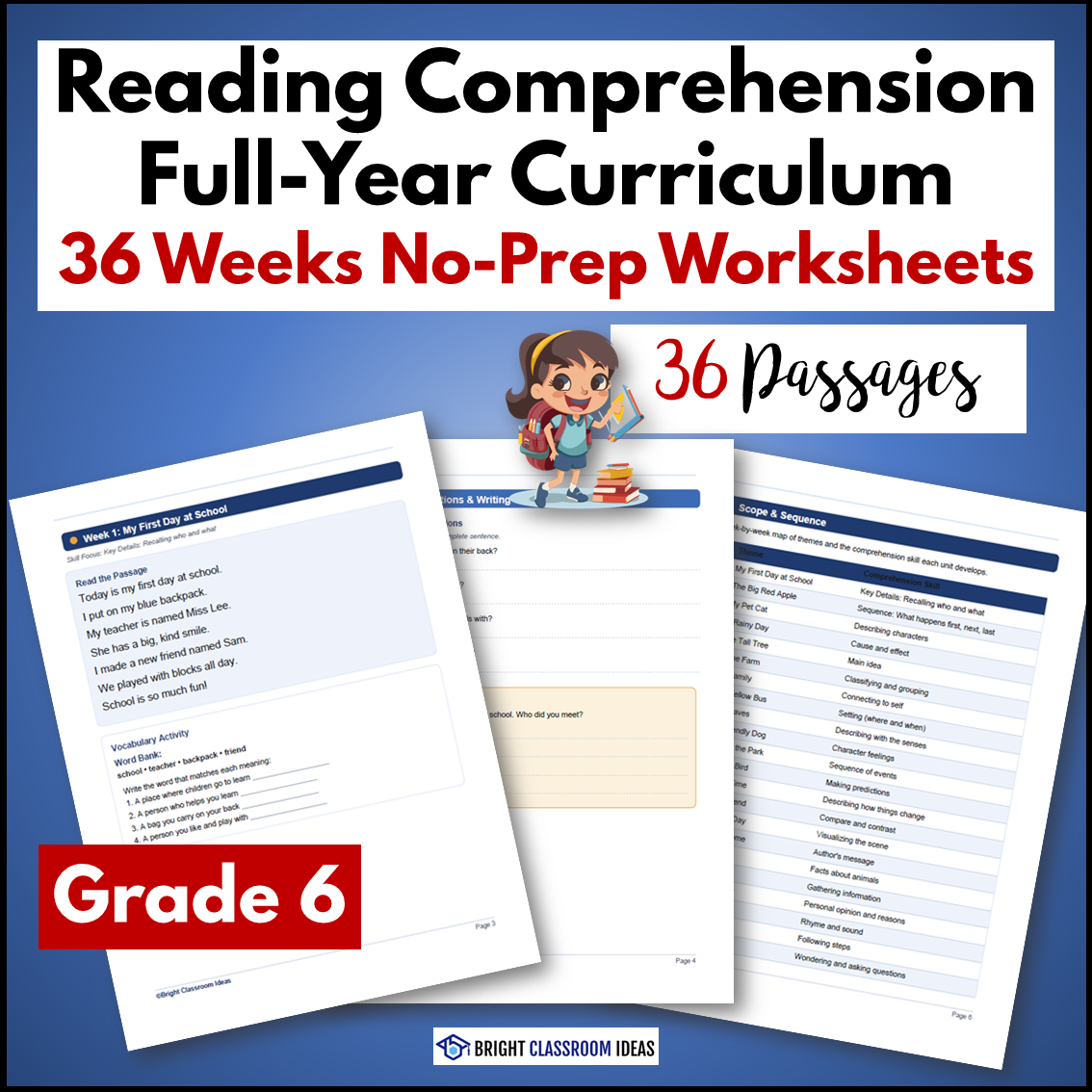
Students read a weekly passage, match vocabulary words to definitions from a word bank, answer comprehension questions (recall, inference, central idea/theme, craft/structure), and respond to an open-ended writing prompt.